
Knitting is a popular hobby, allowing you to create beautiful garments and accessories with nothing more than a pair of knitting needles and some yarn. Mittens are a practical and stylish accessory, perfect for keeping your hands warm during the cold winter months. If you’re an experienced knitter or just starting out, there are plenty of free knitting patterns available for mittens for adults.
One of the great things about knitting is that there is a pattern for every skill level. Whether you’re a beginner looking for a simple pattern or an experienced knitter ready for a challenge, you’re sure to find a pattern that suits your needs. Many free knitting patterns for mittens for adults include detailed instructions and step-by-step photos to help you along the way.
When choosing a pattern, consider the type of yarn you want to use. Different yarns come in different weights and fibers, which can affect the look and feel of your finished mittens. Some patterns may also offer suggestions for different sizes or variations, allowing you to customize your mittens to fit your hands perfectly. With so many options available, you can create a pair of mittens that are unique and personal to you.
So grab your knitting needles and get started on a pair of mittens for yourself or as a thoughtful gift for a friend. With free knitting patterns for mittens for adults, you can enjoy the satisfaction of creating something beautiful and useful with your own two hands.
Essential Knitting Skills for Making Mittens
Knitting mittens can be a fun and rewarding project for any knitter. Whether you are a beginner or an experienced knitter, there are a few essential skills that you should master in order to create high-quality mittens. These skills will not only help you create beautiful and functional mittens but also enhance your overall knitting abilities.
1. Knitting in the round: Most mittens are knit in the round, which means you will need to learn this technique. Knitting in the round eliminates the need for seaming and creates a seamless and professional finish. There are different methods to knit in the round, such as using double-pointed needles or circular needles. Practice your preferred method until you feel comfortable with the technique.
2. Decreasing and increasing: Knowing how to decrease and increase stitches is essential in creating the right shape and fit for mittens. Common decrease stitches include knit two together (k2tog) and slip, slip, knit (ssk), while common increase stitches include yarn overs (yo) and make one (m1). Familiarize yourself with these techniques and practice them on swatches before starting your mitten project.
3. Reading a pattern: Mitten patterns often include complex stitch patterns and shaping instructions. Being able to read and understand a pattern will help you follow the instructions accurately and achieve the desired result. Take the time to familiarize yourself with knitting abbreviations and symbols commonly used in patterns to avoid confusion and mistakes.
4. Proper sizing and gauge: Mittens need to fit snugly to keep your hands warm and protect them from the cold. Understanding how to measure your hands and achieving the right gauge (stitches and rows per inch) is crucial for obtaining the correct fit. Swatching and adjusting needle sizes are necessary steps to ensure your mittens turn out the size you want.
5. Finishing techniques: The finishing touches can make a big difference in the overall appearance of your mittens. Learning techniques such as blocking, weaving in ends neatly, and picking up stitches for ribbing or cuffs will give your mittens a polished and professional look. Don’t overlook these finishing details, as they can elevate the quality of your final project.
By mastering these essential knitting skills, you will be well-prepared to tackle any mitten pattern and create beautiful and functional mittens for yourself or your loved ones.
Needle sizes and types
The size and type of needles used in knitting can greatly affect the outcome of your project, including the fit and texture of the mittens. Selecting the right needle size and type is crucial for achieving the desired result.
Needle Sizes

When it comes to knitting mittens for adults, the needle size typically depends on the pattern and the desired gauge. Needle sizes are labeled with numbers or sizes, which correspond to a specific diameter. The smaller the number, the smaller the needle size. It is important to consult the pattern instructions for the recommended needle size to ensure accurate measurements and fit for the mittens.
Common needle sizes used for knitting adult mittens range from US 5 (3.75mm) to US 8 (5mm) for a medium weight yarn. However, if you prefer a tighter or looser stitch, you may need to adjust the needle size accordingly.
Needle Types

There are various types of needles available for knitting, including straight needles, circular needles, and double-pointed needles (DPNs). Each type has its own advantages and is suitable for different knitting techniques and projects.
- Straight needles are long, straight rods with a pointed end at one side and a knob or stopper at the other. They are commonly used for flat knitting and are perfect for knitting the flat sections of mittens, such as the body and cuffs.
- Circular needles consist of two flexible needles connected by a cable. They are ideal for knitting in the round and can be used for both small circumference knitting, such as the fingers of the mittens, as well as for larger circumference work, such as the main body of the mittens.
- Double-pointed needles (DPNs) are shorter needles with a pointed end at both sides. They typically come in sets of four or five needles and are used for small circumference knitting, such as the thumb and finger sections of the mittens. DPNs allow for easy manipulation of stitches and are a popular choice for knitting mittens.
When selecting needle types, consider the knitting technique you are comfortable with and the type of project you are working on. Each needle type offers its own benefits and may be better suited for specific tasks or preferences.
Basic stitches
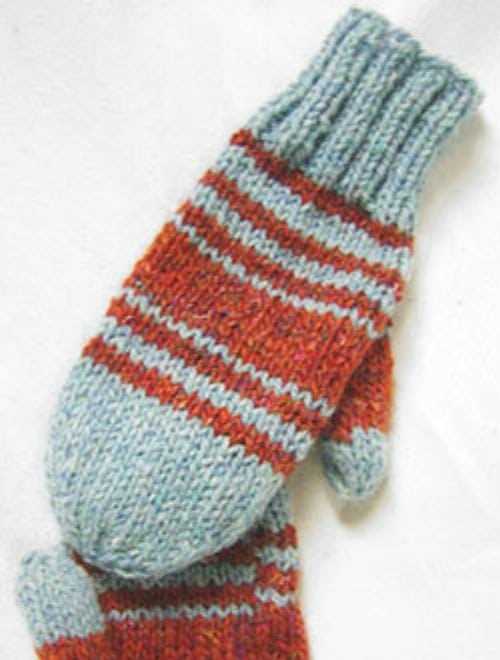
In knitting, there are several basic stitches that are used as building blocks for creating various patterns. These stitches form the foundation of any knitting project and can be combined in different ways to achieve different effects.
One of the most basic stitches in knitting is the knit stitch. This stitch is created by inserting the right-hand needle into the loop of the stitch on the left-hand needle, wrapping the yarn around the right-hand needle, and then pulling the loop through. The knit stitch creates a smooth v-shaped pattern on the right side of the fabric.
Knit 2 stitches together
Another basic stitch is the purl stitch. This stitch is created by inserting the right-hand needle into the loop of the stitch on the left-hand needle from right to left, wrapping the yarn around the right-hand needle and then pulling the loop through. The purl stitch creates a bumpy pattern on the right side of the fabric.
A third basic stitch is the yarn over. This stitch is created by bringing the yarn to the front of the work, then wrapping it over the right-hand needle and bringing it to the back again. The yarn over creates an extra loop on the needle and is often used to create increases or decorative lace patterns.
These three basic stitches – knit, purl, and yarn over – are the foundation of many knitting patterns. By combining these stitches in different ways and adding variations, such as knitting two stitches together or slipping stitches, knitters can create a wide variety of textures, patterns, and designs in their knitting projects.
Increasing and Decreasing

Increasing and decreasing are essential techniques in knitting mittens. They allow you to shape the mitten to fit the hand and fingers, creating a comfortable and functional accessory. There are several methods for increasing and decreasing in knitting, and the choice depends on the desired effect and pattern you are following.
Increasing is the process of adding stitches to your knitting. This is typically done to widen or shape a section of the mitten. The most common method of increasing is the knit front and back (kfb) technique. To do this, you knit into the front of a stitch, without dropping it off the needle, then knit into the back of the same stitch. This creates two new stitches where there was previously one. Other common methods include yarn overs (yo) and make one (m1) stitches.
Decreasing is the process of removing stitches from your knitting. This is often done to taper the mitten towards the fingers or create shaping in the thumb gusset. The most common method of decreasing is the knit two together (k2tog) technique. To do this, you insert your needle into two stitches at once and knit them together as if they were one stitch. This decreases the stitch count by one. Other common methods include slip, slip, knit (ssk) and slip, knit, pass slipped stitch over (skp).
- Knit front and back (kfb): Knit into the front of a stitch, without dropping it off the needle, then knit into the back of the same stitch.
- Yarn over (yo): Bring the yarn over the needle, creating a new stitch.
- Make one (m1): Lift the horizontal strand between stitches onto the left needle, then knit into the back of it.
- Knit two together (k2tog): Insert the needle into two stitches at once and knit them together.
- Slip, slip, knit (ssk): Slip one stitch knitwise, slip another stitch knitwise, then insert the left needle into the front of both slipped stitches and knit them together.
- Slip, knit, pass slipped stitch over (skp): Slip one stitch knitwise, knit the next stitch, then pass the slipped stitch over the knit stitch.
Reading and understanding knitting patterns
Knitting patterns are a set of instructions that guide you through the process of creating a knitted item. Whether you are a beginner or an experienced knitter, it is important to understand how to read and interpret these patterns to successfully complete your project.
1. Start with the basics: Before diving into complex patterns, make sure you have a solid understanding of the basic knitting stitches, techniques, and abbreviations. Familiarize yourself with terms such as knit (k), purl (p), yarn over (yo), and slip stitch (ss). This will make it easier to follow the instructions in the pattern.
2. Read the materials and gauge section: The materials section of a knitting pattern lists the recommended yarn, needle size, and any other supplies you may need. Pay attention to the specified gauge, which is the number of stitches and rows per inch. This ensures that your finished item will have the correct measurements.
3. Understand the abbreviations and symbols: Knitting patterns often use abbreviations and symbols to save space. Refer to the pattern key or a knitting glossary to understand these symbols and abbreviations. This will help you decipher instructions and keep track of your progress.
4. Follow the pattern row by row: Once you have familiarized yourself with the terminology and instructions, read the pattern row by row. Take it one step at a time and mark off each completed row to keep track of your progress. Pay attention to any special instructions, such as increases, decreases, or stitch patterns.
5. Take notes and trust your instincts: It can be helpful to take notes as you work through a knitting pattern. Write down any modifications you make, measurements, or adjustments. Also, trust your instincts and don’t be afraid to make changes if something doesn’t seem right. Knitting is a creative process, and sometimes it’s necessary to adapt the pattern to suit your needs.
By following these steps and practicing your knitting skills, you will become more confident in reading and understanding knitting patterns. Remember to start with simpler patterns and gradually work your way up to more complex designs. With patience and persistence, you will be able to create beautiful knitted items using any pattern you choose.
Choosing the Right Yarn for Mittens

When it comes to knitting mittens, choosing the right yarn is essential. The yarn you select will not only affect the overall look of your mittens but also their warmth, durability, and comfort. Here are some factors to consider when choosing yarn for your mittens:
- Weight: The weight of the yarn determines the thickness and warmth of the mittens. For adults, a worsted weight or bulky yarn is typically recommended to provide sufficient insulation.
- Fiber: Different fibers offer different properties to consider. Wool is a popular choice for mittens as it is warm, breathable, and naturally water-resistant. Acrylic yarn is a budget-friendly option that is soft and easy to care for. Alpaca and cashmere are luxurious choices that provide exceptional warmth.
- Texture: Consider the desired texture of your mittens. Smooth yarns give a polished and sleek appearance, while textured or brushed yarns create a cozy and fluffy look.
- Durability: Mittens are subjected to wear and tear, so it’s important to choose a yarn that is durable and can withstand frequent use. Look for yarns that have good stitch definition and are less prone to pilling.
- Color: The color of the yarn can greatly impact the overall look of your mittens. Consider the recipient’s preferences and any color patterns you may want to incorporate into the design.
By considering these factors and the specific needs of your project, you can choose the perfect yarn for your mitten knitting pattern. Whether you prioritize warmth, comfort, or aesthetics, selecting the right yarn will ensure that your mittens are not only stylish but also functional and long-lasting.
Understanding Yarn Weight
When it comes to knitting, understanding yarn weight is essential for selecting the right yarn for your project. Yarn weight refers to the thickness, or diameter, of the yarn. It determines the gauge and drape of the finished piece, as well as the recommended needle size. There are several standardized yarn weight categories, ranging from super fine to super bulky.
One of the most common systems used to categorize yarn weight is the Craft Yarn Council’s yarn weight system. It uses numbers from 0 to 7 to indicate the thickness of the yarn, with 0 being the finest and 7 being the thickest. Each weight category has a recommended gauge range and needle size.
The yarn weight you choose for your project will depend on several factors, including the desired finished look and the pattern you’re using. Super fine yarns, such as lace weight and fingering weight, are ideal for delicate and lightweight items like lace shawls and socks. Worsted weight yarns, on the other hand, are more versatile and can be used for a wide range of projects, from sweaters and hats to blankets and scarves.
When selecting yarn for mittens, it’s important to consider the desired warmth and durability of the finished mittens. Bulky or super bulky yarns are often used for warm winter mittens, while DK or worsted weight yarns may be suitable for lighter weight mittens. Additionally, yarn composition, such as wool or acrylic, can affect the warmth and wear of the mittens.
In conclusion, understanding yarn weight is crucial for finding the right yarn for your knitting project. Whether you’re knitting mittens or other adult accessories, consider the desired finished look, the pattern requirements, and the yarn weight and composition to ensure successful and satisfying results.
Selecting the right fiber
When it comes to knitting mittens for adults, selecting the right fiber for your project is crucial. The fiber you choose will directly impact the overall quality and durability of the mittens, as well as how warm they will keep the wearer’s hands. Keep in mind that mittens are typically worn in cold weather, so it’s important to choose a fiber that offers sufficient insulation.
Wool: Wool is perhaps the most popular fiber choice for knitting mittens. It is known for its excellent insulation properties, as it can retain heat even when damp. Wool is also naturally water-resistant, making it a great option for snowy or rainy conditions. Merino wool is particularly soft and comfortable to wear, making it a popular choice for people with sensitive skin.
Alpaca: Alpaca fiber is similar to wool in terms of its insulating properties. It has a luxurious softness and warmth that makes it a great choice for mittens. Alpaca fiber is also hypoallergenic, making it ideal for those with wool allergies or sensitive skin.
Cotton: For those in milder climates or who prefer lighter weight mittens, cotton can be a good option. Cotton is breathable and can keep the hands warm without overheating them. However, it may not provide the same level of insulation as wool or alpaca, so it may not be the best choice for extremely cold weather.
Acrylic: Acrylic yarn is a synthetic fiber that is often used as a more affordable alternative to wool. It is easy to care for and can be machine washed, making it a practical option for everyday wear. However, acrylic is not as insulating as natural fibers and may not provide the same level of warmth in colder temperatures.
- Conclusion: When choosing a fiber for your adult mittens, consider the climate and the level of insulation you desire. Wool and alpaca are excellent choices for colder weather, while cotton and acrylic can be suitable for milder climates. Ultimately, the right fiber will depend on your personal preferences and needs.
Considering Color and Texture

When it comes to knitting mittens for adults, there are countless options to consider in terms of color and texture. The choice of color can greatly impact the overall look and feel of the finished mittens. Bright, bold colors can add a pop of fun and vibrancy, while neutral tones can create a more sophisticated and versatile accessory. Additionally, variegated or self-striping yarns can create interesting patterns and designs without the need for complex stitch work.
The texture of the mittens is another important aspect to consider. Different stitch patterns can create unique textures, ranging from delicate lacework to cozy cables. The texture can not only enhance the visual appeal of the mittens but also provide added warmth and insulation. For example, a thick ribbed pattern can create a snug fit and keep the hands warm in colder climates. Alternatively, an open and airy lace pattern can be perfect for transitional seasons.
When selecting color and texture for your mittens, it’s essential to keep the recipient’s preferences and style in mind. Consider their favorite colors, their wardrobe, and the occasions for which they will be wearing the mittens. Whether you choose to go bold and vibrant or opt for timeless neutrals, the color and texture of your knitted mittens can truly elevate them from basic winter accessories to fashionable and functional pieces.
Top 10 Free Knitting Patterns for Adult Mittens
When the weather gets colder, it’s essential to have a cozy pair of mittens to keep your hands warm. Knitting your own mittens can be a rewarding and practical project for any knitter. Not only can you customize the design and fit to your liking, but it’s also a great way to use up leftover yarn from other projects. Here are the top 10 free knitting patterns for adult mittens to inspire your next knitting project:
1. Cable and Lace Mittens
These elegant mittens feature a combination of cable and lace patterns, creating a beautiful texture. With a snug fit and a ribbed cuff, these mittens are perfect for keeping your hands warm in style.
2. Fair Isle Mittens
If you’re looking for a colorful and eye-catching design, try knitting fair isle mittens. These patterns incorporate stranded colorwork, allowing you to experiment with different color combinations. The result is a whimsical and cozy pair of mittens.
3. Textured Fingerless Mittens
For those who prefer fingerless mittens, this pattern is a must-try. The textured stitches add depth and interest to the mittens, while leaving your fingers free for dexterity. Perfect for chilly offices or outdoor activities.
4. Chunky Cable Mittens
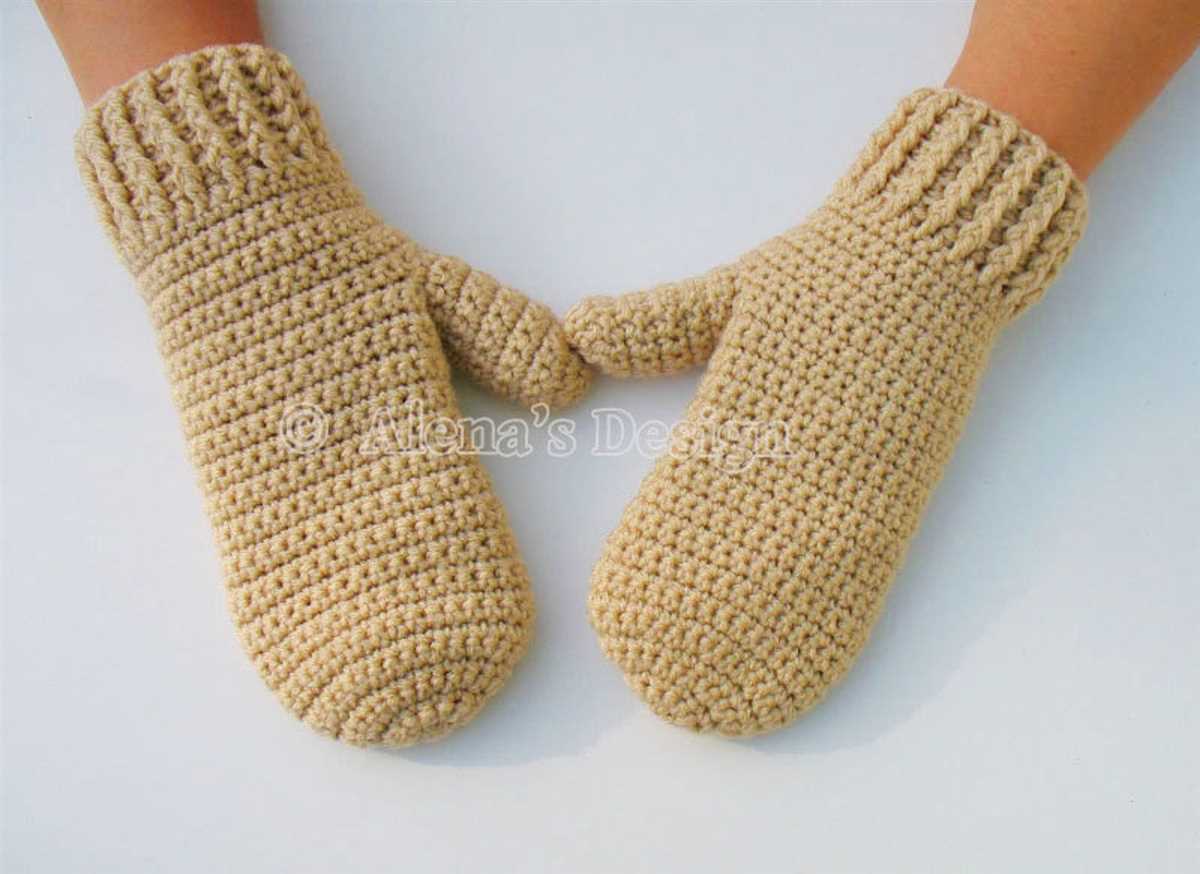
When the temperature drops, reach for these chunky cable mittens. The thick yarn and cable pattern provide extra insulation, keeping your hands toasty warm. The pattern is easy to follow, making it suitable for beginners.
5. Ribbed Mittens
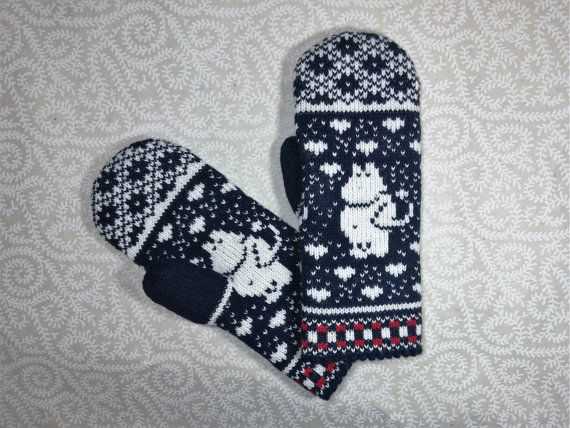
A classic and timeless design, ribbed mittens are a staple in any winter wardrobe. The stretchy ribbing ensures a snug fit, while the simple design allows for endless customization options. Choose your favorite yarn color and get knitting.
6. Convertible Mittens
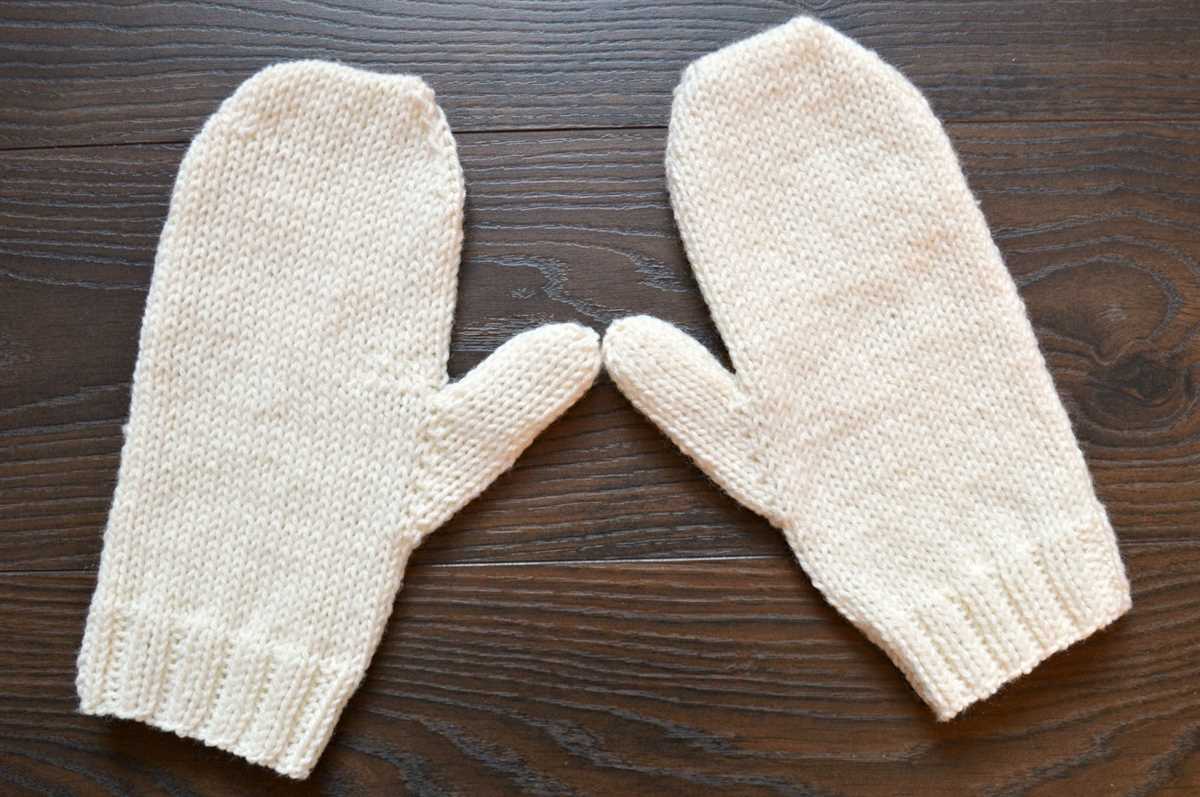
Convertible mittens are a versatile option for those who need both warmth and flexibility. This pattern allows you to easily transform your mittens into fingerless gloves, giving you the best of both worlds.
7. Lace and Cable Mittens
If you’re a fan of intricate patterns, these lace and cable mittens are for you. The delicate lace panels combined with cable detailing create a stunning finished product. Make a statement with these elegant mittens.
8. Color-Block Mittens
For a modern and bold look, try knitting color-block mittens. This pattern allows you to play with different colors and create unique combinations. The clean lines and geometric shapes make these mittens a stylish accessory.
9. Moss Stitch Mittens

Simple and elegant, moss stitch mittens are a great choice for beginners. The textured moss stitch adds a touch of sophistication to the mittens, while the easy pattern makes it a quick and satisfying project.
10. Striped Mittens
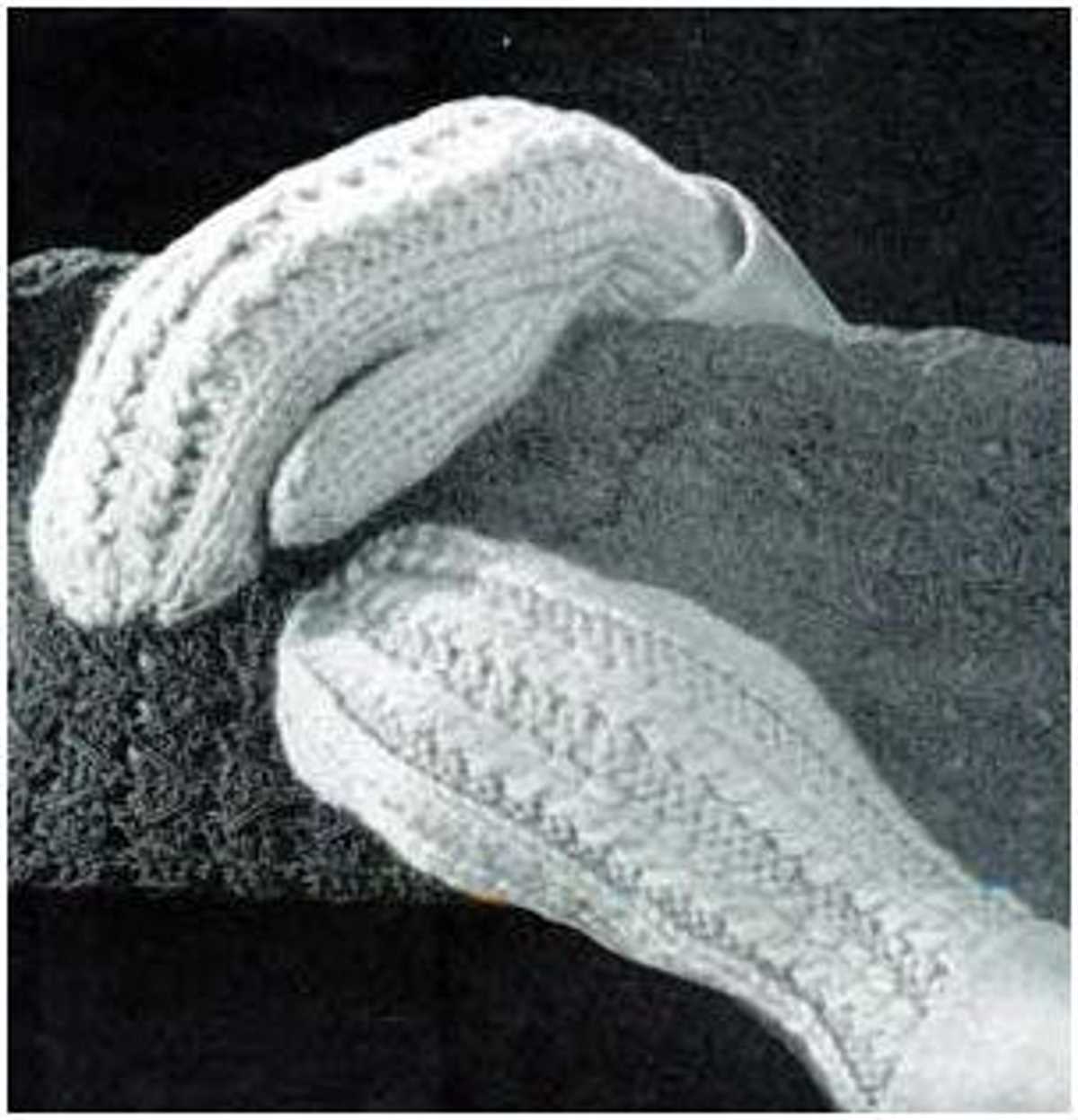
Striped mittens are a classic design that never goes out of style. Whether you choose bold and bright colors or subtle neutrals, these mittens are sure to make a statement. Experiment with different stripe widths and let your creativity shine.
- Keep your hands warm this winter with these free knitting patterns for adult mittens. Whether you prefer cables, lace, colorwork, or simple ribbing, there’s a pattern here to suit your style and skill level.
- Don’t forget to check your gauge and adjust your needle size accordingly to ensure a perfect fit. Happy knitting!
Pattern 1: Classic Cable Mittens
Made with a traditional cable design, these Classic Cable Mittens are the perfect accessory to keep your hands warm and cozy during the colder months. The cable pattern adds a touch of elegance and texture to the mittens, making them not only functional but also stylish.
To create these mittens, you will need a set of double-pointed knitting needles and a medium-weight yarn. The pattern is suitable for intermediate knitters who are comfortable with cable stitches and knitting in the round.
Materials:
- Set of double-pointed knitting needles (size US 7 / 4.5mm)
- Medium-weight yarn (approximately 200 yards)
- Cable needle
- Tapestry needle
Instructions:
- Cast on 40 stitches and divide them evenly onto three double-pointed needles (13 stitches on two needles and 14 stitches on one needle).
- Join in the round, being careful not to twist the stitches. Place a stitch marker to indicate the beginning of the round.
- Create the cuffs by knitting 2×2 ribbing (knit 2, purl 2) for approximately 2 inches.
- Switch to stockinette stitch and continue knitting until the mitten measures about 5 inches from the cast-on edge.
- Begin the cable pattern: Knit 4 stitches, slip the next 4 stitches onto a cable needle and hold in front, knit the next 4 stitches, then knit the 4 stitches from the cable needle. Repeat this pattern for the next round.
- Continue knitting the cable pattern for the desired length, usually around 2 inches.
- Shape the top of the mitten by decreasing stitches. Knit 2 together across the round, reducing the stitch count to 20.
- Thread the tail of the yarn through a tapestry needle, slip the remaining stitches onto the needle, and pull tight to close the top of the mitten.
- Weave in any loose ends and repeat the process to make the second mitten.
With this Classic Cable Mitten pattern, you’ll have a stylish and cozy accessory to keep your hands warm all winter long. The cable design adds a classic touch, making these mittens not only functional but also a fashionable addition to any winter wardrobe.
Pattern 2: Fair Isle Mittens
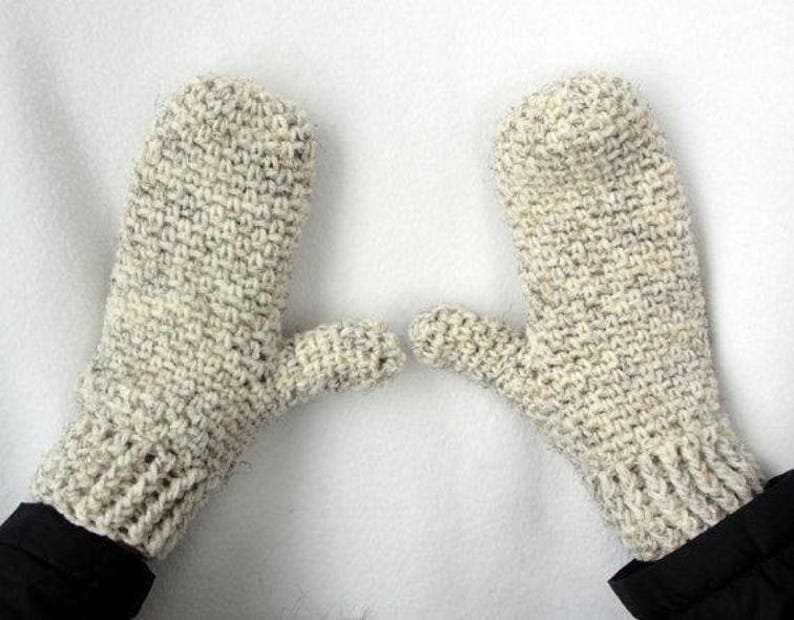
If you’re looking for a fun and colorful pair of mittens, try out this Fair Isle knitting pattern. Fair Isle is a traditional knitting technique that involves using multiple colors in a pattern to create a beautiful design. These mittens will not only keep your hands warm but also make a stylish statement.
To start, gather your materials. You will need two colors of yarn, one main color and one contrasting color, as well as a pair of knitting needles in the appropriate size. The pattern uses a combination of knit and purl stitches, as well as some simple color changes, so it’s perfect for intermediate knitters.
Instructions:

- Cast on your desired number of stitches with the main color yarn.
- Work in a rib stitch pattern for the cuff of the mittens.
- Switch to the contrasting color yarn and begin the Fair Isle pattern.
- Follow the chart or written instructions provided for the Fair Isle pattern.
- Continue working in the pattern until the mittens reach your desired length.
- Switch back to the main color yarn and work the thumb gusset.
- Complete the thumb and then work the rest of the mitten.
- Finish off by weaving in any loose ends and blocking the mittens if needed.
Once you’re done, you’ll have a pair of cozy and stylish Fair Isle mittens for yourself or to give as a thoughtful gift. Feel free to experiment with different color combinations and patterns to create your own unique design. Happy knitting!
Pattern 3: Lace Knit Mittens
In this pattern, you will learn how to create a beautiful lace pattern on your mittens. Lace knitting creates an elegant and delicate look, perfect for those who prefer a more sophisticated style.
To start, you will need:
- DK weight yarn
- Size 6 (4 mm) double-pointed needles
- Cable needle
- Tapestry needle
Instructions:
- Cast on 36 stitches.
- Divide the stitches evenly onto three needles, with 12 stitches on each needle.
- Begin the lace pattern as follows:
- Round 1: *K2tog, yo, k2, yo; repeat from * to end of round.
- Round 2: Knit all stitches.
- Round 3: *K1, k2tog, yo, k1, yo, ssk; repeat from * to end of round.
- Round 4: Knit all stitches.
- Repeat these four rounds until your mittens reach the desired length.
- Continue knitting in the lace pattern until your mittens reach the desired length.
- Bind off all stitches.
- Weave in the ends using a tapestry needle.
These lace knit mittens will add a touch of elegance to your winter wardrobe. The delicate lace pattern can be customized to match your personal style, whether you prefer a subtle or bold design. Don’t be afraid to experiment with different yarn colors and textures to create unique and eye-catching mittens.