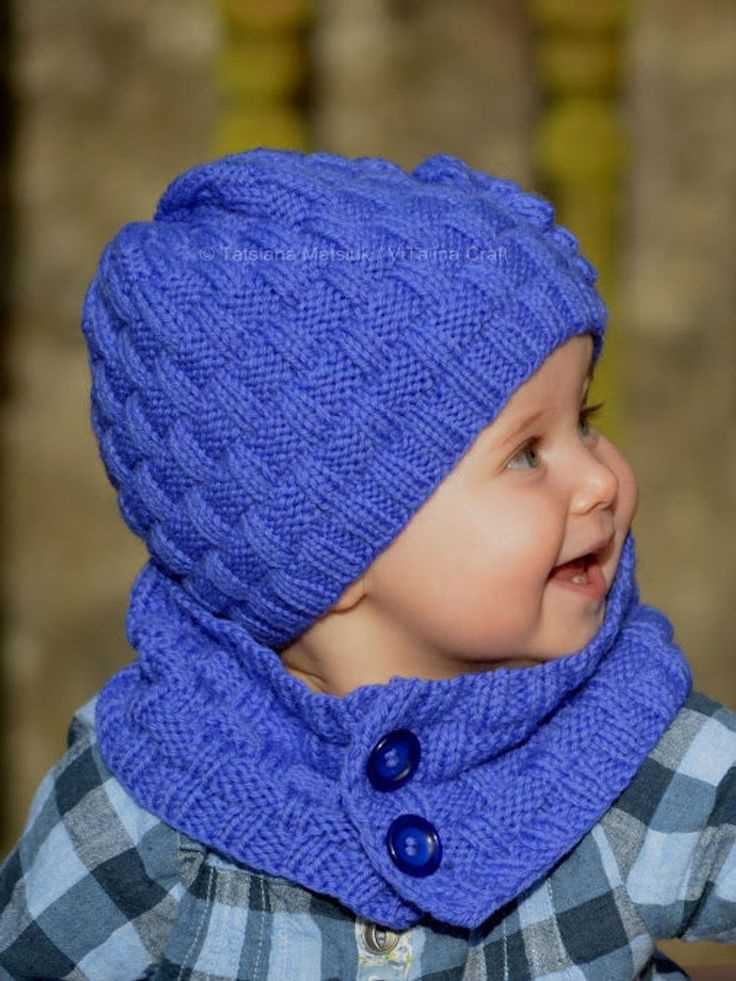
Knitting is a popular hobby that has been enjoyed by people of all ages and backgrounds for centuries. Not only is it a great way to pass the time, but it also allows you to create unique and stylish pieces that can be worn or gifted to loved ones. One of the most popular items to knit are hats and scarves, as they are practical, fashionable, and can be customized to suit any individual’s preferences.
If you’re looking to start knitting hats and scarves or are in search of new patterns to try, you’re in luck! There are a multitude of free patterns available online that cater to various skill levels and design preferences. Whether you’re a beginner or an experienced knitter, there’s a pattern out there for you. These patterns often provide detailed instructions and step-by-step illustrations, making it easier for you to create beautiful knitted accessories.
Knitting hats and scarves not only allows you to express your creativity, but it also enables you to keep warm and stylish during the colder months. With so many free patterns readily accessible, you’ll never run out of options and can constantly switch up your knitting projects. From classic designs to trendy and modern styles, there’s something for everyone’s taste. So grab your knitting needles and get started on creating your own collection of hats and scarves!
Beginner-friendly knitting patterns for hats and scarves
Are you new to knitting and looking for easy patterns to practice your skills? Knitting hats and scarves is a great way to start! These simple projects are perfect for beginners and will help you familiarize yourself with basic knitting stitches and techniques. Plus, you’ll have stylish and cozy accessories to wear or gift!
Hat patterns
If you’re a beginner, try starting with a basic beanie pattern. The ribbed hat pattern is a popular choice, as it only requires you to know how to knit and purl. This pattern creates a stretchy and comfortable hat that will keep you warm during those chilly winter months.
If you’re feeling more adventurous, you can try the garter stitch hat pattern. This pattern uses only the knit stitch, making it super easy for beginners. The result is a textured hat with a simple yet elegant design.
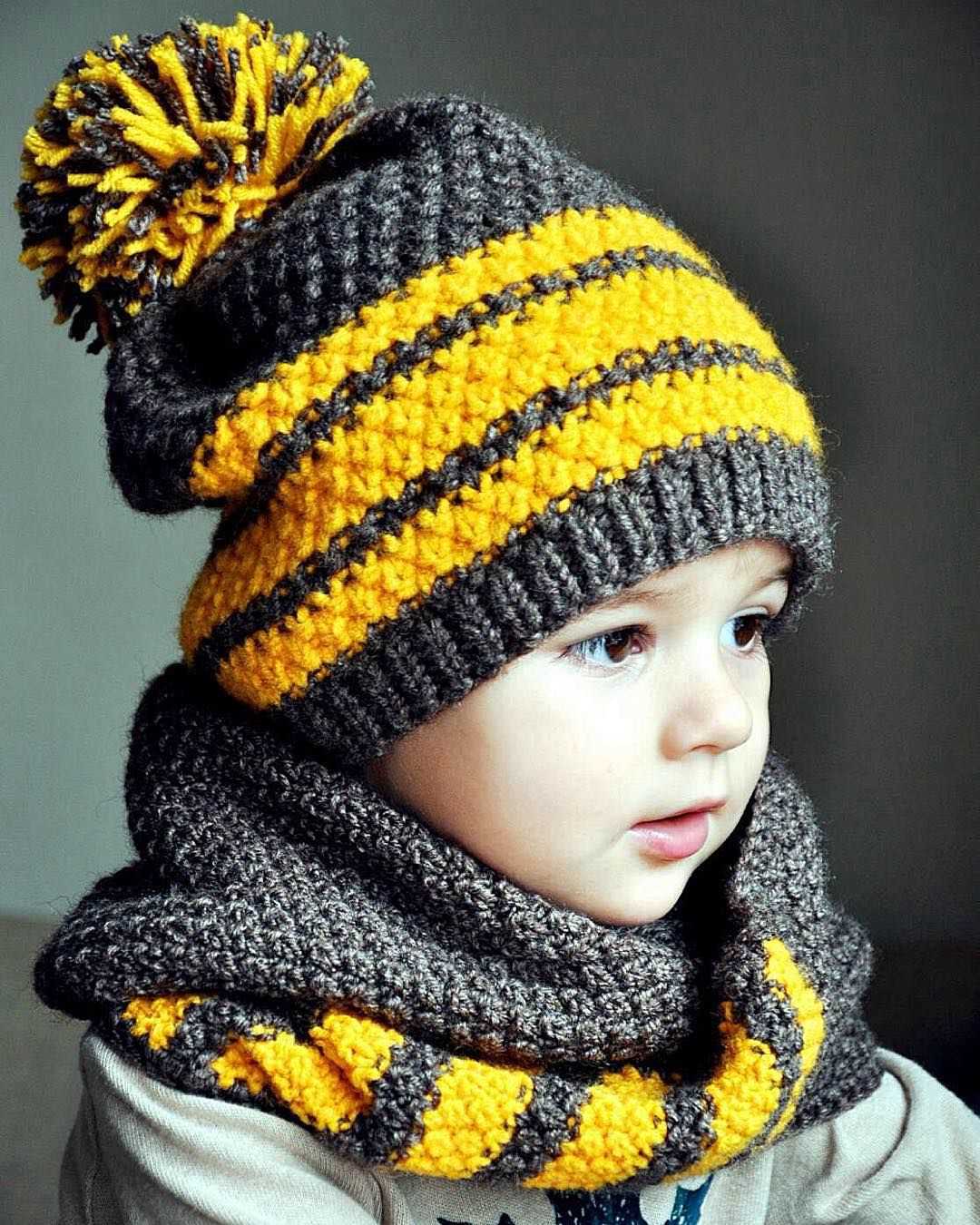
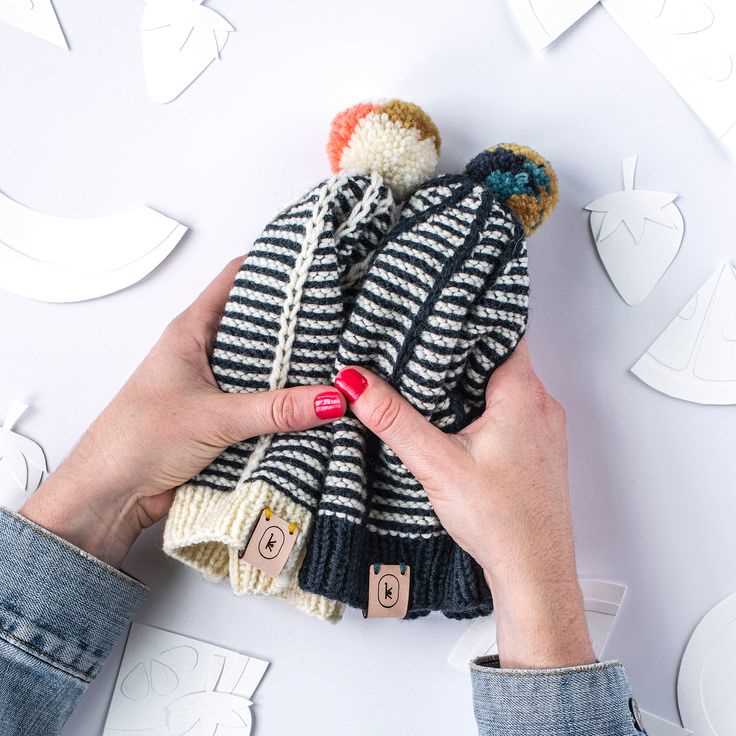
For those who want to practice their colorwork, the striped hat pattern is a great option. This pattern allows you to experiment with different colors and create unique designs. You can choose to knit the stripes vertically or horizontally, depending on your preference.
Scarf patterns
When it comes to scarf patterns, the possibilities are endless. For beginners, the garter stitch scarf pattern is a classic choice. It involves knitting every row, resulting in a cozy and squishy scarf with a reversible design.
The seed stitch scarf pattern is another great option for beginners. It alternates between knit and purl stitches, creating a textured and visually appealing fabric. This pattern is perfect for showcasing different yarn colors or variegated yarns.
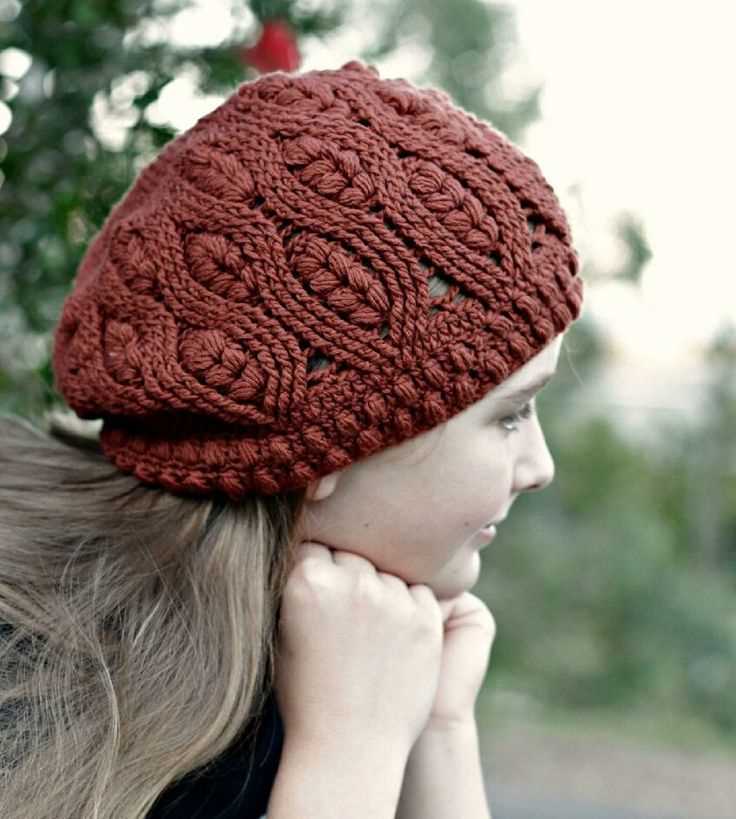
If you’re ready to take on a slightly more challenging project, you can try the cable knit scarf pattern. This pattern introduces you to basic cable stitches, adding a beautiful and intricate detail to your scarf. It’s the perfect way to level up your knitting skills.
No matter what pattern you choose, practicing with hats and scarves will help you improve your knitting techniques and build your confidence. So grab your needles and yarn, and start creating your own cozy accessories!
Knitting techniques for hats and scarves
When it comes to knitting hats and scarves, there are several techniques that can be used to create beautiful and unique designs. One common technique is the ribbing stitch, which is perfect for creating stretchy and snug-fitting accessories. The ribbing stitch involves alternating knit and purl stitches, creating a textured pattern that not only looks great but also helps the hat or scarf retain its shape.
Another popular knitting technique for hats and scarves is the cable stitch. This technique creates a braided or twisted pattern that adds depth and visual interest to the finished product. Cable stitches are formed by crossing stitches over each other, often using a cable needle to hold the stitches in place while they are worked out of order. The result is a stunning design that is sure to impress.
Knitting patterns for hats
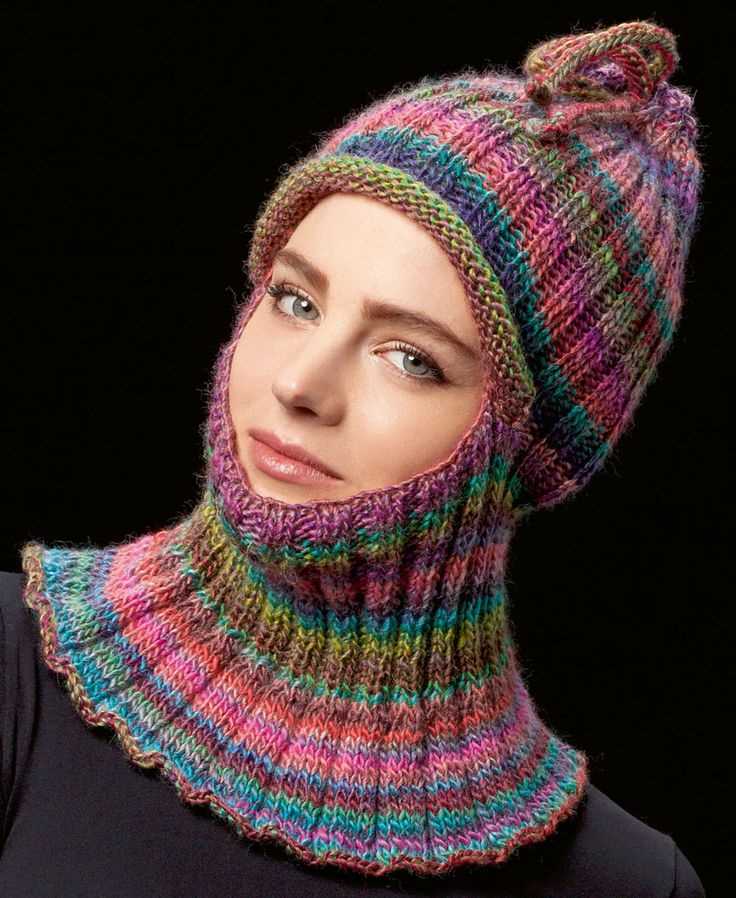
- Simple ribbed hat
- Cable knit beanie
- Slouchy hat with seed stitch
- Fair Isle hat
Knitting patterns for scarves
- Infinity scarf with garter stitch
- Chunky knit scarf with cable stitch
- Lace scarf with eyelet pattern
- Color block scarf with striped pattern
No matter which technique or pattern you choose, knitting hats and scarves can be a rewarding and relaxing hobby. Not only will you have a stylish and cozy accessory to wear, but you’ll also have the satisfaction of knowing that you created it with your own two hands.
Choosing the right yarn for your hat or scarf
When it comes to knitting hats and scarves, choosing the right yarn is essential for creating a quality and comfortable finished product. The yarn you select will determine the texture, warmth, and overall appearance of your project, so it’s important to consider a few factors before making your decision.
Fiber content: One of the first things to consider when choosing yarn is the fiber content. Common options include wool, acrylic, cotton, and blends of different fibers. Each type of fiber has its own unique qualities, such as warmth, softness, and durability. Wool is known for its insulating properties and ability to repel moisture, making it a great choice for winter accessories. Acrylic is often used for its affordability and easy care instructions. Cotton is lightweight and breathable, making it suitable for warmer climates.
Yarn weight: Another important consideration is the weight of the yarn. Yarn weight is measured on a scale from 0 (lace) to 7 (jumbo), with each weight category having its own recommended needle size. Lighter weight yarns, such as lace or fingering, are suitable for delicate and lightweight accessories, while heavier weights like bulky or super bulky yarns can create warm and cozy winter accessories. Consider the level of warmth and drape you want your hat or scarf to have when selecting the yarn weight.
Color and texture: The color and texture of the yarn will also contribute to the overall aesthetic of your hat or scarf. Solid or variegated yarns can create different visual effects, depending on the pattern you’re using. If you’re looking for a more rustic or textured look, consider using yarns with a tweed or marled effect. Experiment with different color combinations and textures to add interest and personality to your accessories.
Overall, the key to choosing the right yarn for your hat or scarf is to consider the fiber content, yarn weight, and color and texture that will best suit your desired finished product. Take the time to explore different options and experiment with different yarns to find the perfect match for your knitting project. With the right yarn, you can create beautiful and functional accessories that you’ll love to wear or gift to others.
Styling tips for wearing hats and scarves
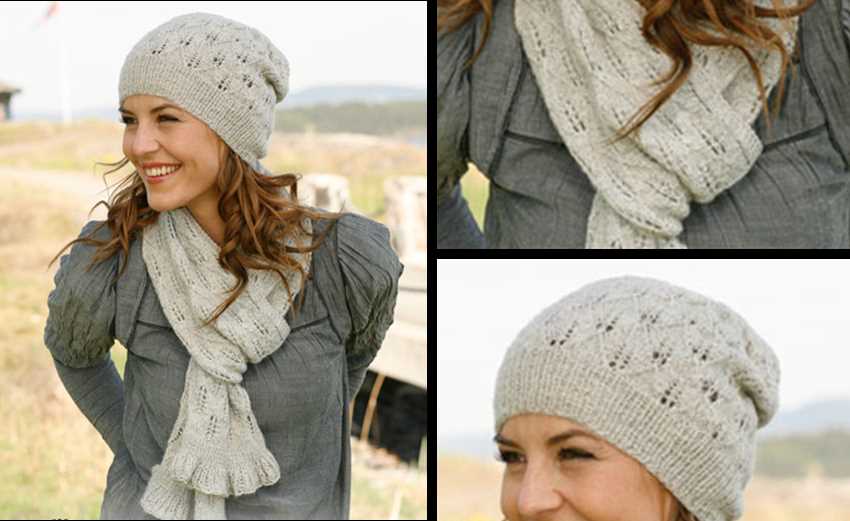
Knitting hats and scarves can add warmth and style to any outfit. Whether you’re looking to stay cozy during the winter months or add a fashionable touch to your ensemble, these styling tips will help you make the most of your knitted accessories.
1. Hat and scarf color coordination
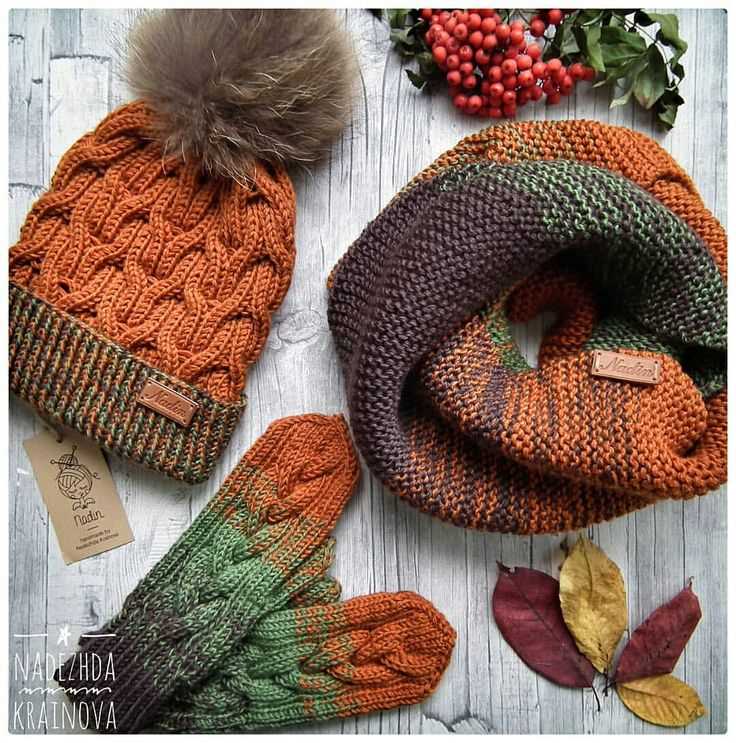
One way to create a cohesive look is to coordinate the colors of your hat and scarf. Choose complementary shades that complement your outfit or opt for a monochromatic look by selecting accessories in the same color family. This will help tie your entire look together and make a statement.
2. Layering with scarves
Scarves are versatile accessories that can be worn in various ways. Experiment with different scarf tying techniques to add dimension and style to your outfit. You can wrap a scarf around your neck and let it hang loosely for a casual look, or tie it in a knot for a more polished appearance. Additionally, you can layer scarves by combining different lengths and textures to create an interesting and eye-catching effect.
3. Hat and scarf texture contrast
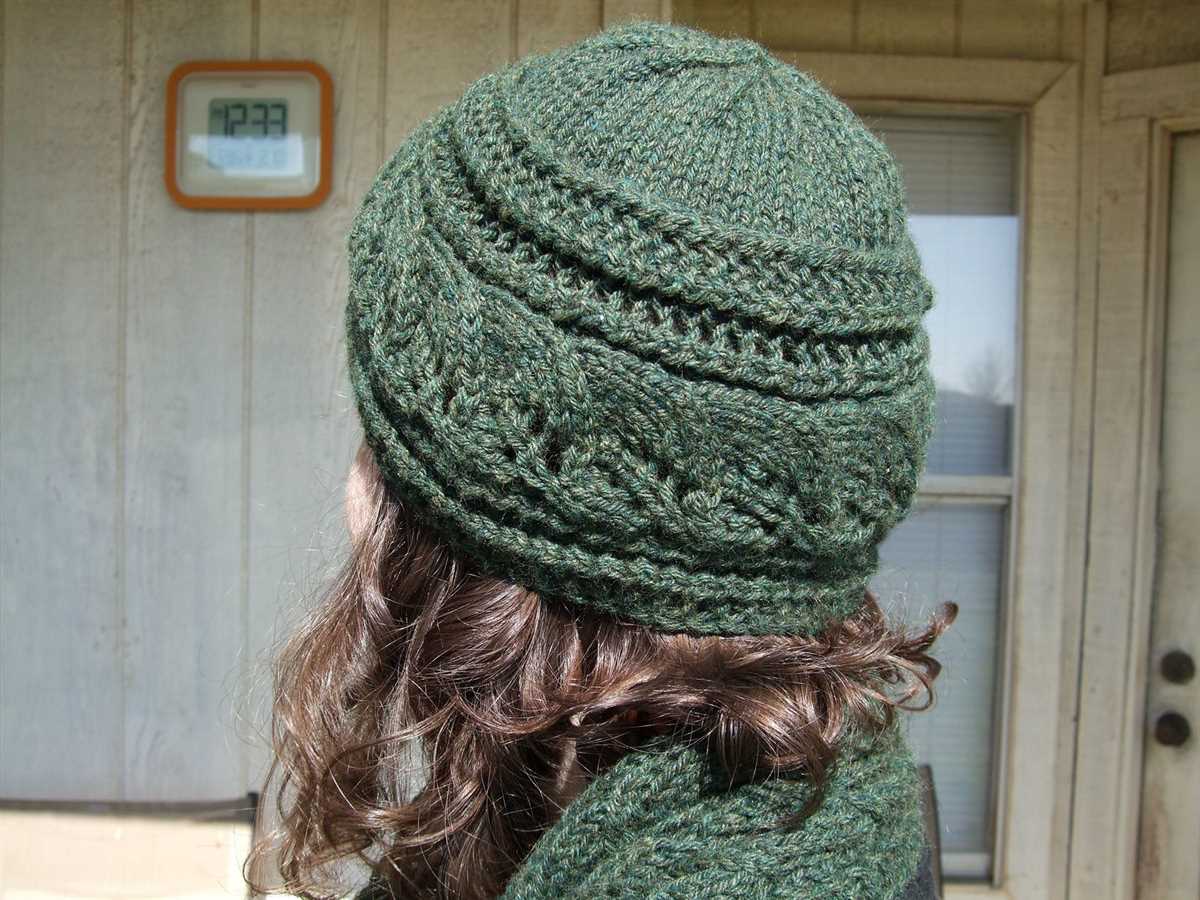
To create visual interest, consider contrasting the textures of your hat and scarf. For example, if you have a chunky knit hat, pair it with a lightweight, silky scarf. This contrast in textures adds depth to your outfit and can create a visually appealing look. Experiment with different fabric types to find the perfect combination.
4. Hat and scarf placement
How you position your hat and scarf can also affect your overall look. For a chic and pulled-together appearance, place your hat slightly back on your head and style your scarf neatly draped over your shoulders. If you’re going for a more relaxed and effortless vibe, wear your hat pulled low and loosely drape your scarf around your neck.
By following these styling tips, you can elevate your hat and scarf game and create fashionable and cozy looks throughout the colder seasons.
Knitting patterns for chunky winter hats
Chunky winter hats are a popular choice for those looking to stay warm during the colder months. Knitting your own chunky winter hat allows you to customize the design, color, and fit to your personal style and preferences. Whether you’re a beginner knitter or an experienced one, there are plenty of free patterns available online to help you create cozy and stylish chunky hats.
One popular knitting pattern for chunky winter hats is the cable knit hat. This pattern features beautiful interlocking cables that give the hat an intricate and sophisticated look. It’s a great project for those who want to challenge their knitting skills and create a statement piece. The cable knit hat is typically knit with chunky yarn, which adds to its warmth and coziness.
Another popular choice is the slouchy hat pattern. Slouchy hats are not only trendy but also practical, as they provide extra room for your hair and are perfect for those bad hair days. The chunky yarn used in this pattern adds volume and gives the hat a relaxed and stylish look. Slouchy hats are versatile and can be worn with various casual outfits, adding a cozy touch to your winter wardrobe.
For those who prefer a more classic and timeless style, the ribbed hat pattern is an excellent option. This pattern features a simple rib stitch that creates a stretchy and snug fit. It’s a quick and easy project that is suitable for beginners. The chunky yarn used in this pattern adds extra warmth, making it ideal for those icy winter days.
With so many knitting patterns available, you can find the perfect chunky winter hat pattern to suit your style and skill level. Whether you prefer a cable knit, slouchy, or ribbed hat, knitting your own chunky winter hat is a rewarding and enjoyable experience. So grab your knitting needles, choose your favorite pattern, and start creating cozy hats to keep you warm all winter long!
How to knit a ribbed scarf
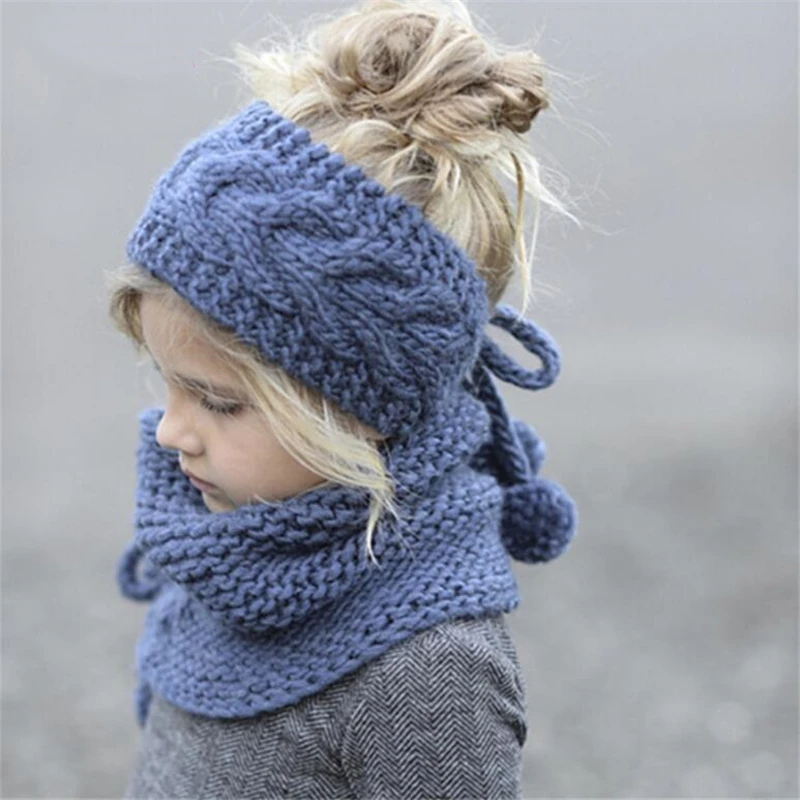
A ribbed scarf is a classic and versatile accessory that can add warmth and style to any outfit. Knitting a ribbed scarf is relatively easy and can be a great project for beginners. The ribbed pattern creates a stretchy and textured fabric that is perfect for keeping you cozy during the cold winter months.
To knit a ribbed scarf, you will need some basic knitting supplies including knitting needles and yarn. It’s recommended to use a medium-weight yarn and appropriate needle size to achieve the desired thickness and drape of the scarf. Remember to also have a pair of scissors and a yarn needle for finishing off your work.
Step 1: Cast on stitches
Start by casting on an even number of stitches onto your knitting needle. The number of stitches will depend on the width you want for your scarf. You can cast on anywhere from 20-40 stitches, but it’s best to experiment and adjust according to your personal preference.
Step 2: Ribbing pattern
Once you have cast on your stitches, you can begin working the ribbing pattern. The basic ribbing pattern consists of alternating knit and purl stitches. Here is a simple ribbing pattern you can follow:
- Row 1: *Knit 2 stitches, purl 2 stitches* – repeat from * to * until the end of the row
- Row 2: *Purl 2 stitches, knit 2 stitches* – repeat from * to * until the end of the row
- Repeat rows 1 and 2 until your scarf reaches the desired length. You can adjust the number of rows to make the scarf longer or shorter.
Step 3: Bind off stitches
When you are satisfied with the length of your ribbed scarf, it’s time to bind off your stitches. Knit the first 2 stitches, then using your left-hand needle, lift the first stitch over the second stitch and off the needle. Continue knitting one stitch and lifting the previous stitch over until you reach the end of the row. Cut the yarn, leaving a tail, and thread it through the last stitch to secure.
Finally, weave in any loose ends and block your ribbed scarf to give it a polished and finished look. Blocking will help to even out the stitches and make the pattern more defined. You can wet block or steam block the scarf depending on the type of yarn you used.
Once your ribbed scarf is complete, you can proudly wear it or gift it to someone special. Experiment with different yarns and color combinations to create unique and personalized ribbed scarves to keep you warm and stylish all winter long.
Knitting patterns for cable knit hats
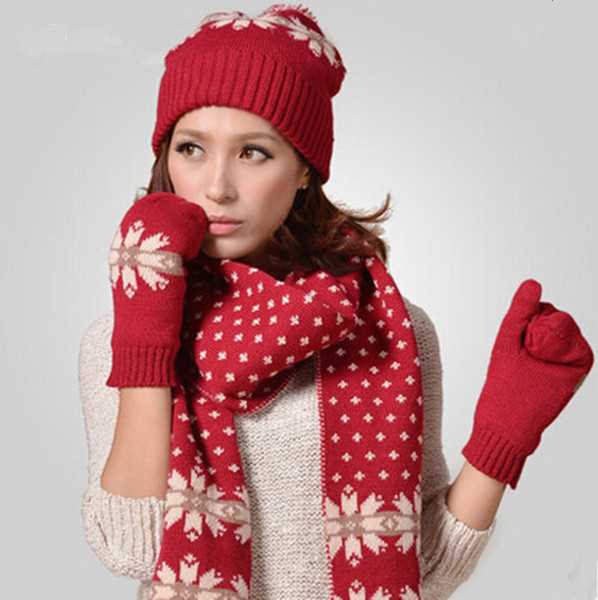
If you’re looking to add a touch of elegance and texture to your knitted hat collection, cable knit hats are a perfect choice. Cable knitting creates beautiful and intricate designs that are both stylish and cozy. Whether you’re a beginner or an experienced knitter, there are plenty of free patterns available for cable knit hats that will help you create stunning and fashionable headwear.
1. Classic Cable Hat: Start with a simple and timeless cable knit hat pattern. This pattern usually features a basic ribbed brim followed by a series of cables that run vertically up the hat. You can customize the hat length and choose from different cable stitch patterns to create a unique and beautiful hat.
2. Chunky Cable Beanie: For a cozy and warm hat, choose a chunky yarn and a larger needle size. This pattern typically involves wide and bold cable stitches that make a statement. The beanie style of this hat adds a modern touch to the traditional cable knit design, making it a stylish and trendy accessory for colder weather.
3. Slouchy Cable Hat: If you prefer a more relaxed and casual look, try knitting a slouchy cable hat. This style features a looser fit and a longer length, allowing you to wear it in a slouchy manner. The cable stitches add texture and interest to the hat, making it a fashionable and comfortable accessory.
In conclusion, cable knit hats are a great way to add sophistication and warmth to your winter wardrobe. With a wide range of free patterns available, you can easily find the perfect cable knit hat pattern to suit your style and skill level. So grab your knitting needles and start creating beautiful cable knit hats that will keep you cozy and stylish all winter long.
Knitted Hat and Scarf Sets for All Seasons
When it comes to staying warm and stylish during any season, there’s nothing quite like a knitted hat and scarf set. Whether you’re braving the winter chill or enjoying a cool summer evening, these versatile accessories are a must-have for any wardrobe.
Knitted hat and scarf sets come in a variety of styles and patterns, making it easy to find the perfect one for your personal taste. From chunky cable knits to delicate lace designs, there’s something for everyone. Plus, with the ability to choose from an array of yarn colors, you can customize your set to match any outfit or mood.
Winter: In the winter months, a knitted hat and scarf set is essential for staying cozy and protecting yourself from the cold. Opt for a set made from a thick, insulating yarn like wool or alpaca to ensure maximum warmth. Look for designs that cover your ears and neck, providing extra protection from chilly winds.
Spring: As the weather starts to warm up, you can transition to lighter knitted hat and scarf sets. Choose breathable yarns like cotton or bamboo to keep you comfortable during the mild spring days. Look for designs with open stitches or lace patterns that allow for airflow while still providing a touch of warmth.
Summer: While you may not need a knitted hat and scarf to keep warm in the summer, they can still be a fashionable addition to your outfit. Opt for lightweight yarns like linen or silk, which will help keep you cool and protected from the sun. Look for designs that feature bright colors and fun patterns to embrace the playful spirit of the season.
Fall: In the fall, a knitted hat and scarf set can be both stylish and practical. Choose sets made from medium-weight yarns like acrylic or merino wool to provide just the right amount of warmth as the temperatures start to drop. Look for designs with rich autumnal hues and textured stitches to complement the cozy atmosphere of the season.
Whether you’re bundling up for winter or adding a touch of style to your summer wardrobe, a knitted hat and scarf set is a versatile accessory that can be enjoyed year-round. With endless options for design and yarn choice, you can truly make it your own. So why not grab your knitting needles and start creating your own set today?
Knitting patterns for lace knit scarves
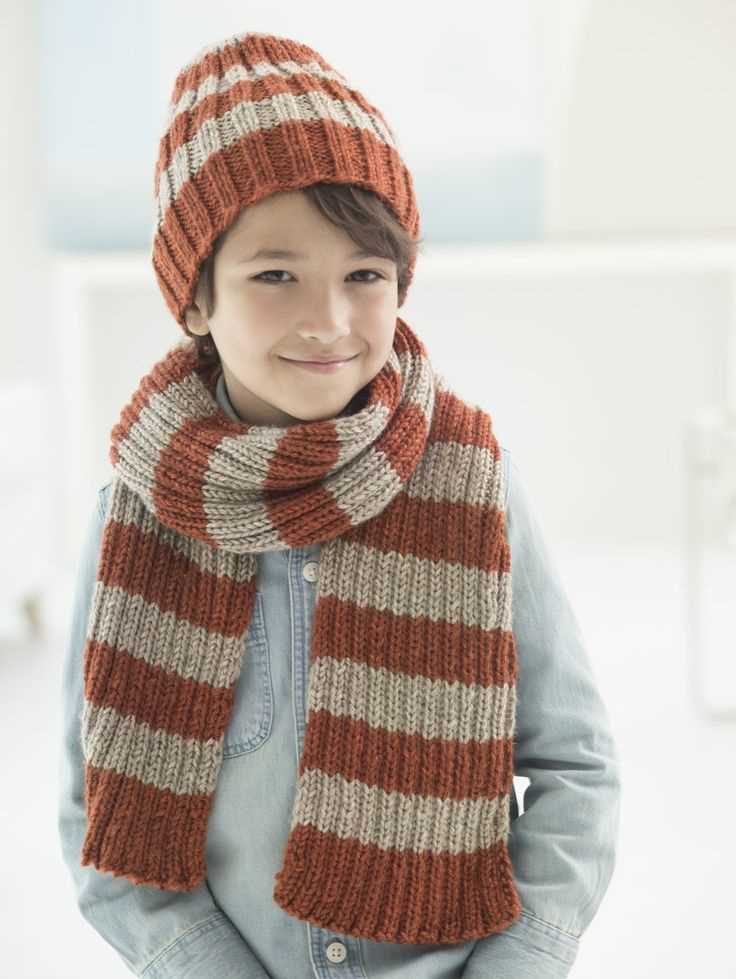
When it comes to knitting, lace patterns add an elegant and delicate touch to any project. Lace knit scarves are no exception, offering a beautiful and intricate design that can elevate your winter wardrobe. Whether you’re a beginner or an experienced knitter, there are plenty of free lace knit scarf patterns available to help you create stunning accessories.
One popular lace knit pattern is the “Feather and Fan” stitch, also known as “Old Shale.” This pattern features a series of yarn overs and decreases to create a wave-like design that resembles feathers. The Feather and Fan stitch is versatile and can be used to create scarves of any width or length, making it a great choice for customizing your project.
If you’re looking for a more challenging lace knit pattern, the “Eiffel Tower” stitch is a beautiful option. This stitch creates a delicate, airy design that resembles the iconic architecture of the Eiffel Tower. While it may require some concentration and patience, the end result is well worth the effort.
Another popular lace knit pattern is the “Fern Lace” stitch, which features a repeating leaf pattern that is both elegant and timeless. The intricate stitches create a delicate and lacy texture, making it perfect for adding a feminine touch to any scarf. The Fern Lace stitch can be easily customized to create scarves of different lengths and widths.
When choosing a lace knit scarf pattern, it’s important to consider the type of yarn you’ll be using. Lace patterns often work best with lightweight yarns, such as lace weight or fingering weight, to enhance the delicate and airy look. It’s also helpful to use knitting needles with a smooth surface to prevent snagging and ensure the stitches glide easily.
Whether you’re a novice knitter or an experienced crafter, lace knit scarf patterns offer a creative and rewarding project. With a variety of beautiful and intricate stitch patterns to choose from, you can create stunning accessories that add elegance and style to your winter wardrobe.
Knitting Tips and Tricks for Perfect Hat and Scarf Projects
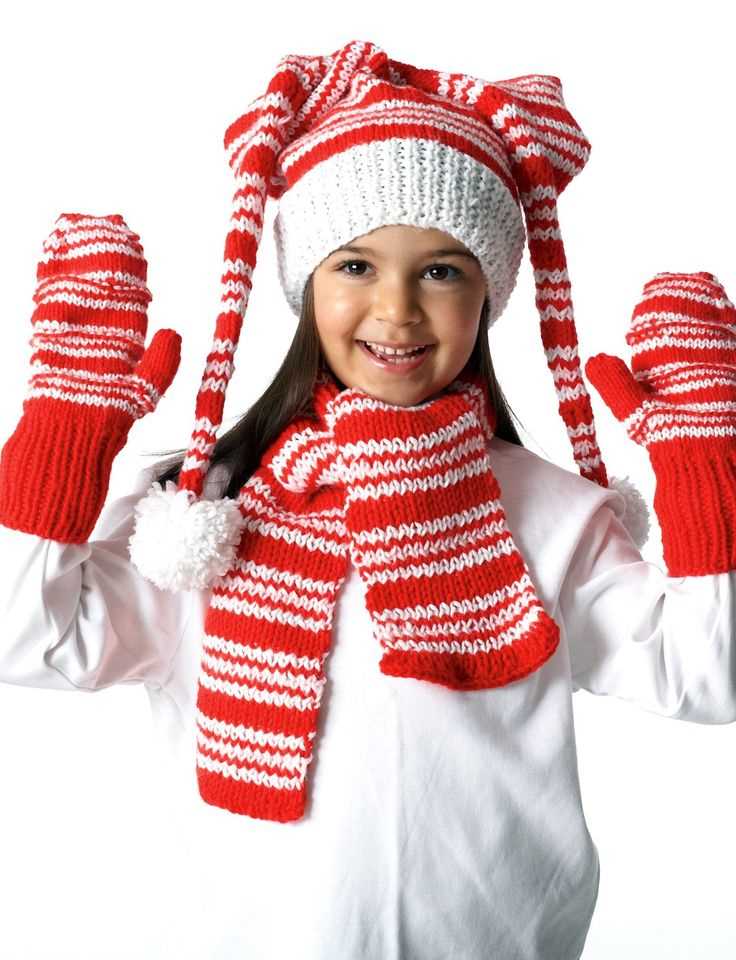
Knitting hats and scarves can be a fun and rewarding hobby, but sometimes it can be challenging to achieve the perfect finished project. Here are some tips and tricks to help you create beautiful and professional-looking hats and scarves:
1. Choose the Right Yarn and Needle Size
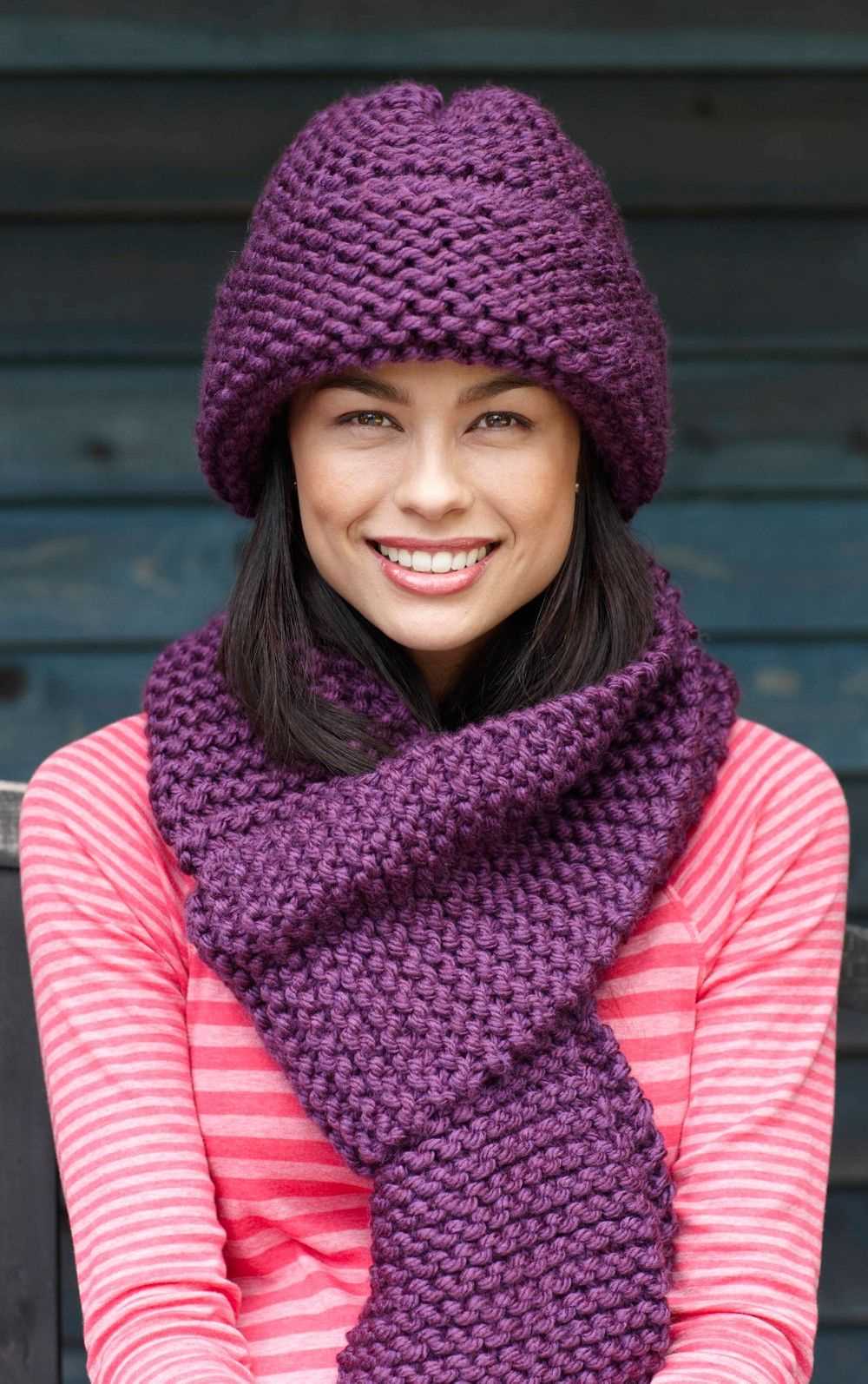
When knitting hats and scarves, it is important to choose the right yarn and needle size for your project. Consider the pattern and the desired finished look, as well as your own knitting style. Using the recommended yarn and needle size will help ensure that your stitches are even and your finished project turns out as expected.
2. Gauge and Tension
Gauge refers to the number of stitches and rows per inch in a knitted fabric. It is important to knit a gauge swatch before starting your project to ensure that your tension matches the pattern’s gauge. Adjusting your tension will help you achieve the correct size and fit for your hat or scarf.
3. Blocking
Blocking is the process of shaping and stretching your knitted item to achieve the desired size and appearance. This step is especially important for hats and scarves, as it can help smooth out any uneven stitches and give your project a more polished look. Follow the blocking instructions included with your pattern or consider blocking your project by gently steaming or wetting and pinning it into shape.
4. Pay Attention to Finishing Details
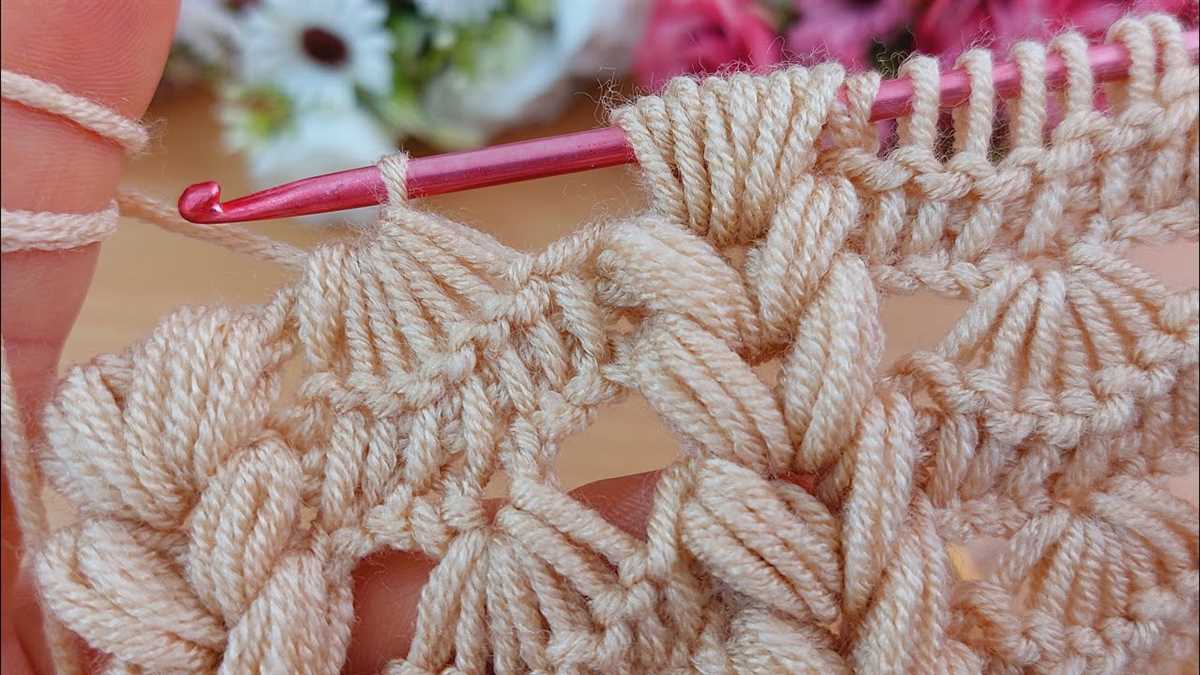
Finishing details can make a big difference in the appearance of your hat or scarf. Take the time to weave in loose ends neatly, ensuring that they are secure and do not show on the right side of the fabric. Consider adding decorative touches like pom-poms or tassels to give your project a unique and personalized look.
5. Practice Makes Perfect
Like any skill, knitting takes practice to master. Don’t get discouraged if your first few projects don’t turn out exactly as planned. Keep practicing and experimenting with different techniques and patterns, and you will soon find your knitting skills improving. Remember, even the most experienced knitters started as beginners!
By following these tips and tricks, you can enhance your hat and scarf knitting projects and create beautiful, professional-looking finished items. Remember to choose the right yarn and needle size, pay attention to gauge and tension, block your projects, and focus on finishing details. With practice and patience, you will soon be knitting perfect hats and scarves to keep yourself and your loved ones cozy and stylish.