
If you’ve ever wanted to try knitting but felt overwhelmed by complicated patterns, don’t worry! There are plenty of easy free knitting patterns available for beginners. Knitting is a relaxing and enjoyable hobby that allows you to create beautiful and useful items with just a pair of needles and some yarn. With a little practice, you’ll be able to master the basic stitches and start creating your own handmade accessories, gifts, and garments.
One of the best things about knitting is that it can be a meditative and calming activity. Many people find that the repetitive motion of knitting helps to reduce stress and anxiety. Plus, there’s nothing quite like the satisfaction of seeing your project take shape and knowing that you made it yourself. Even if you’ve never picked up a pair of knitting needles before, these easy patterns will have you knitting in no time.
Whether you’re interested in making a cozy scarf, a cute hat, or a stylish blanket, there’s a beginner-friendly knitting pattern out there for you. From simple garter stitch scarves to basic beanies, these patterns are designed with beginners in mind. They provide clear instructions and often include helpful tips and tutorials to guide you through the process. With a little patience and persistence, you’ll be amazed at what you can create.
Easy Free Knitting Patterns for Beginners
If you are new to knitting and looking for simple and free patterns to start with, you have come to the right place! Knitting is a wonderful craft that allows you to create beautiful and functional items, and with the right patterns, even beginners can create impressive projects. Whether you want to make a cozy scarf, a cute hat, or a warm blanket, there are plenty of easy patterns available online that will help you get started.
1. Scarves: Scarves are a great project for beginners as they are simple and quick to knit. You can start with a basic garter stitch scarf, which involves knitting every row, or you can try out different stitch patterns like ribbing or seed stitch. Choose a soft and chunky yarn in your favorite color and you’ll have a stylish and warm accessory in no time.
2. Hats: Knitting a hat is another easy and rewarding project for beginners. There are many patterns available for different types of hats, from simple beanies to slouchy hats. To get started, you’ll need to learn how to knit in the round using circular needles or double-pointed needles. You can customize your hat by adding a pom-pom or a decorative stitch pattern.
3. Blankets: If you’re feeling ambitious and want to tackle a larger project, knitting a blanket is a great choice. There are easy blanket patterns that use simple stitch patterns like garter or stockinette stitch. You can choose from different sizes, from baby blankets to full-sized throws. Knitting a blanket may take longer than other projects, but the end result will be a cozy and comforting creation that you can cherish for years.
Other easy free knitting patterns for beginners include dishcloths, baby booties, and headbands. Remember to start with simple patterns and gradually challenge yourself with more complex projects as you gain confidence and experience. Don’t be afraid to ask for help or join a knitting group to learn from experienced knitters. Happy knitting!
Basic Knitting Stitches
When you are just starting out with knitting, it’s important to have a good understanding of the basic knitting stitches. These stitches form the foundation upon which more complex patterns and techniques are built. Here are three essential stitches that every beginner knitter should know:
Knit Stitch
The knit stitch is the most basic and commonly used stitch in knitting. To knit, insert the right-hand needle into the first stitch on the left-hand needle from front to back, then wrap the yarn around the right-hand needle counterclockwise. Use the right-hand needle to pull the wrapped yarn through the stitch, creating a new stitch on the right-hand needle. Slide the stitch off the left-hand needle. Repeat this process for each stitch until the row is complete. The knit stitch creates a smooth, V-shaped pattern on the right side of the fabric.
Purl Stitch
The purl stitch is the opposite of the knit stitch and is often used in combination with it to create different textures and patterns. To purl, insert the right-hand needle into the first stitch on the left-hand needle from back to front, then wrap the yarn around the right-hand needle clockwise. Use the right-hand needle to pull the wrapped yarn through the stitch, creating a new stitch on the right-hand needle. Slide the stitch off the left-hand needle. Repeat this process for each stitch until the row is complete. The purl stitch creates a raised horizontal bump pattern on the right side of the fabric.
Stockinette Stitch
The stockinette stitch is created by alternating rows of knit and purl stitches. To create a stockinette stitch, knit one row and purl the next row. Repeat these two rows until the desired length is reached. The right side of the fabric will feature the smooth V-shaped pattern of knit stitches, while the wrong side will have the raised horizontal bump pattern of purl stitches. The stockinette stitch is commonly used for making scarves, sweaters, and other garments.
Mastering these basic knitting stitches will give you a solid foundation to build upon as you progress in your knitting journey. With practice, you can continue to learn new stitches and techniques to create beautiful and intricate knitted items.
Knitting Supplies for Beginners
When starting out with knitting, it’s important to have the right supplies to make the process as easy and enjoyable as possible. Here are some essential knitting supplies that every beginner should have:
1. Knitting Needles
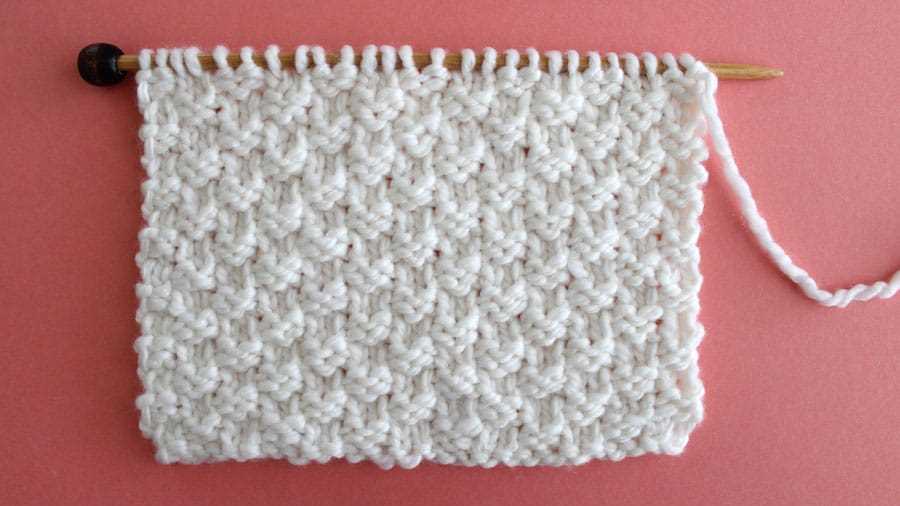
One of the most important knitting supplies is a pair of knitting needles. There are different types of knitting needles available, such as straight needles, circular needles, and double-pointed needles. For beginners, it’s recommended to start with a pair of straight needles, as they are easier to handle and work with. Choose a size that is appropriate for the yarn you will be using.
2. Yarn

Yarn is another essential knitting supply. There are various types of yarn available, such as wool, cotton, acrylic, and blends. For beginners, it’s best to choose a smooth and medium-weight yarn, as it’s easier to handle and provides good stitch definition. You can also start with a light-colored yarn, as it will be easier to see the stitches.
3. Scissors
A pair of scissors is necessary for cutting the yarn and finishing off your knitting projects. Choose a small pair of sharp scissors specifically for crafting purposes. Keep them handy while knitting.
4. Tapestry Needle
A tapestry needle is used for weaving in loose ends and sewing pieces together. It should have a large eye for threading the yarn through. Invest in a good quality tapestry needle to make finishing your projects easier.
5. Stitch Markers
Stitch markers are helpful tools for keeping track of stitches and marking important points in your knitting. They can be used to mark the beginning of a round, the center of a pattern, or any other place where you need to pay attention. There are various types of stitch markers available, from simple plastic rings to decorative charms. Choose ones that are easy to attach and remove.
6. Row Counter
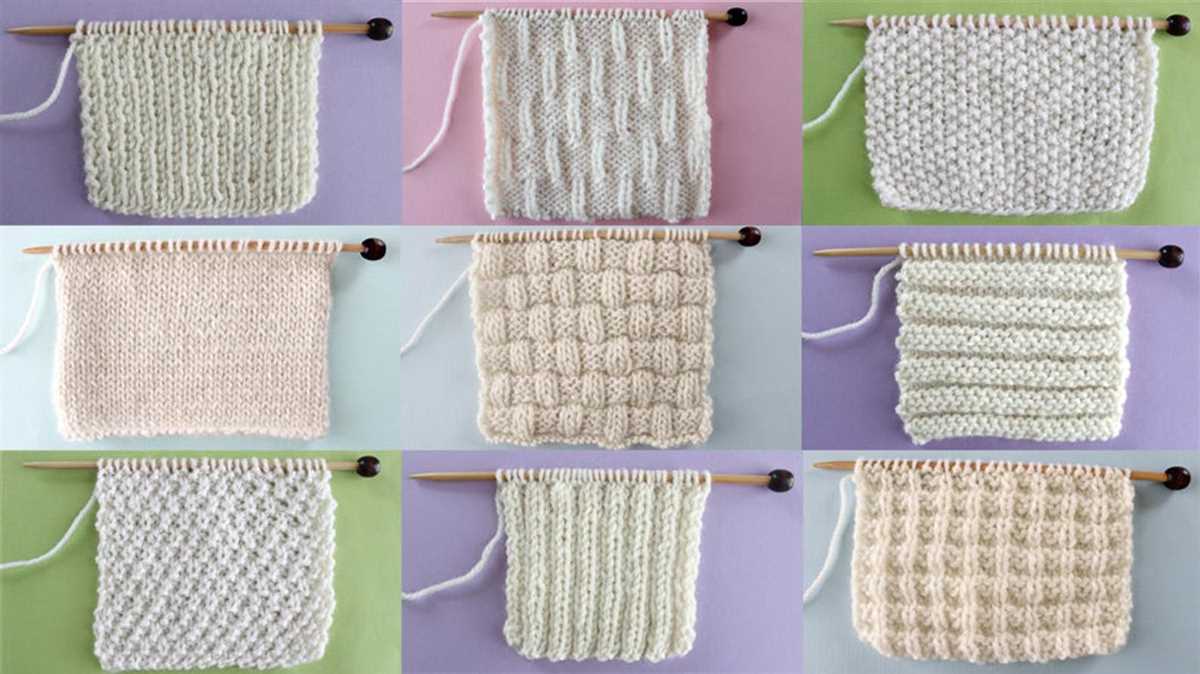
A row counter is a handy tool for keeping track of your rows and repeats. It can be a physical counter that you click to keep count or a digital app on your phone. Having a row counter can help prevent mistakes and make it easier to follow patterns.
With these essential knitting supplies, beginners will be well-equipped to start their knitting journey. Remember to practice patience and have fun while learning this rewarding craft!
Knitting Needles for Beginners
When starting out with knitting, selecting the right knitting needles is crucial for a smooth and enjoyable knitting experience. As a beginner, it’s important to choose knitting needles that are comfortable to hold and easy to work with. Here are some factors to consider when choosing knitting needles for beginners:
Material
Knitting needles come in a variety of materials, including metal, wood, and plastic. Each material has its own characteristics and advantages. Metal needles are durable and smooth, making them great for beginners who want their stitches to glide easily. Wood needles are lightweight and provide a warm feel, perfect for those who prefer a natural touch. Plastic needles are affordable and lightweight, making them a popular choice for beginners on a budget. Consider your personal preference and the type of yarn you’ll be working with when selecting the material of your knitting needles.
Size
The size of your knitting needles will depend on the type of project you’re working on and the weight of the yarn you’ll be using. As a beginner, it’s recommended to start with medium-sized needles, around US size 8 (5mm). This size is versatile and works well with a wide range of yarn weights. As you gain more experience, you can experiment with different needle sizes to achieve different effects and stitch patterns.
Type
There are several types of knitting needles to choose from, including straight needles, circular needles, and double-pointed needles. Straight needles are the most common type and are used for knitting flat pieces like scarves and blankets. Circular needles have two needle tips connected by a flexible cable, making them suitable for knitting in the round and creating seamless projects like hats and sweaters. Double-pointed needles are used for projects with small circumferences, such as socks and gloves. As a beginner, it’s recommended to start with straight needles and gradually explore other types as you gain confidence in your knitting skills.
By considering the material, size, and type of knitting needles, beginners can find the perfect tools to start their knitting journey. Remember to practice and be patient, as knitting is a skill that takes time and effort to master. With the right knitting needles, you’ll be on your way to creating beautiful and cozy projects in no time!
How to Choose Yarn for Knitting
When it comes to knitting, choosing the right yarn is essential to ensure that your project turns out exactly as you envision it. With so many different yarn options available, it can be overwhelming to know where to start. Here are some important factors to consider when selecting yarn for your next knitting project.
1. Fiber Content
One of the first things to consider when choosing yarn is the fiber content. Different fibers have different characteristics, which will affect the drape, warmth, and durability of the finished project. Common fiber options include wool, cotton, acrylic, alpaca, and silk. Wool is a popular choice for many projects because it is warm and resilient, while cotton is ideal for lightweight garments.
2. Weight and Gauge
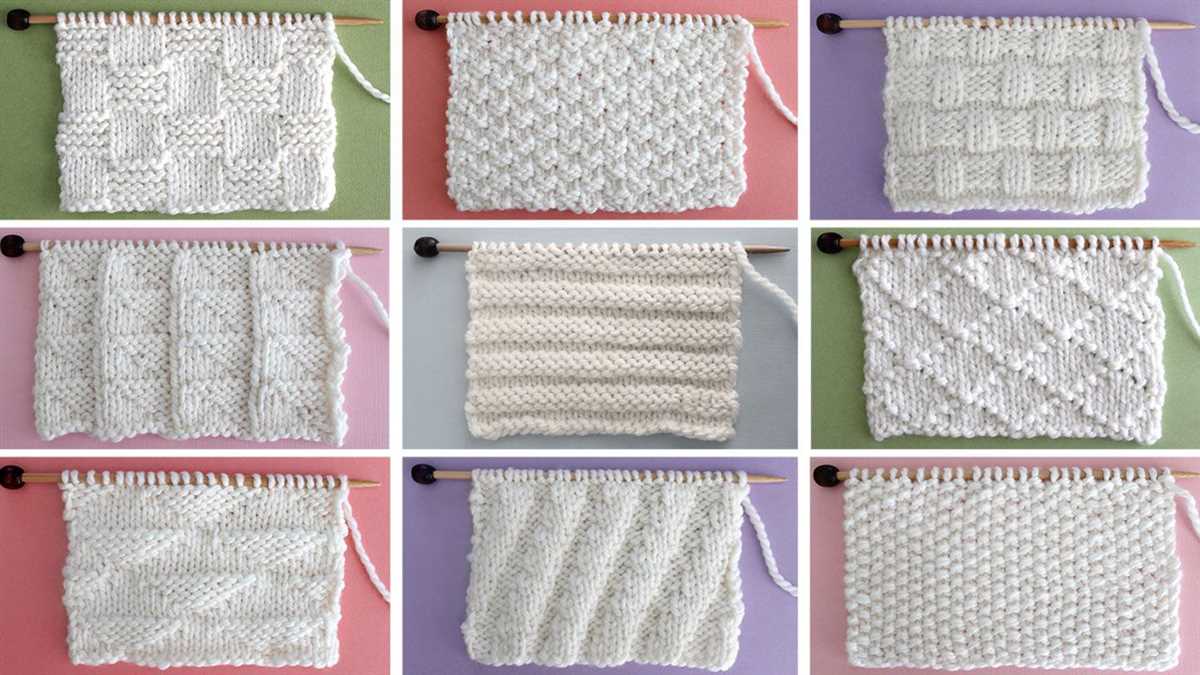
The weight of the yarn refers to its thickness, which will determine the size of the needles and the overall look of the project. The weight is usually indicated on the yarn label and can range from lace weight to super bulky. It is important to match the weight of the yarn to the recommended gauge in your knitting pattern to ensure that the final dimensions are correct.
3. Color and Texture

The color and texture of the yarn can greatly impact the appearance of your finished project. Consider whether you want a solid color or a variegated yarn with multiple colors. Additionally, think about the texture of the yarn and how it will affect the stitch definition and overall feel of the fabric.
4. Budget

Yarn prices can vary greatly, so it’s important to consider your budget when choosing yarn. While it can be tempting to splurge on luxurious yarn, there are also many affordable options available that can still produce beautiful results. Consider the size of your project and how much yarn you will need, as this can impact the overall cost.
By considering factors such as fiber content, weight and gauge, color and texture, and budget, you can confidently choose the perfect yarn for your knitting project. Remember, experimenting with different yarns can be part of the fun and creativity of knitting, so don’t be afraid to try new options and see what works best for you.
Simple Scarf Knitting Pattern
Are you new to knitting and looking for a simple project to get started? A scarf is a perfect choice! Knitting a scarf requires basic skills and is a great way to practice your knitting techniques. Plus, you’ll end up with a beautiful and functional accessory to keep you warm during the colder months.
To begin, you will need a pair of knitting needles and some yarn. Choose a soft and cozy yarn that is suitable for scarves. It’s also recommended to use larger needles, such as size 10 or 11, to create a looser and more relaxed fabric.
Instructions:
- Cast on 20 stitches.
- Knit every row until the scarf reaches your desired length. You can choose to knit in a basic garter stitch, which means knitting every row, or switch it up with a simple seed stitch by alternating knit and purl stitches in each row.
- Continue knitting until you have used up most of your yarn, leaving enough for binding off.
- Bind off loosely to ensure a comfortable fit around your neck.
- Weave in any loose ends using a tapestry needle.
This simple scarf knitting pattern is beginner-friendly and versatile. It allows you to practice the basics of knitting while also creating a stylish accessory. Once you’ve mastered the pattern, you can get creative and experiment with different yarns, colors, and stitch patterns to make unique and personalized scarves. Happy knitting!
Beginner’s Hat Knitting Pattern
If you’re new to knitting and looking for a simple and easy project to start with, a beginner’s hat knitting pattern is a great choice. Knitting a hat is a practical and enjoyable way to enhance your knitting skills and create a useful accessory.
To begin, you’ll need the following materials:
- Yarn: Choose a medium weight yarn in your preferred color. Acrylic yarn is a great option for beginners as it is easy to work with and affordable.
- Knitting Needles: Select a pair of knitting needles that are appropriate for your chosen yarn. Size 8 or 9 needles are a good starting point.
- Tapestry Needle: This needle will be used to weave in the loose ends of yarn.
- Scissors: You’ll need scissors to cut the yarn.
Once you have your materials ready, you can start casting on stitches. Cast on approximately 80 stitches using the long-tail cast-on method. This will create the brim of the hat.
Continue knitting in a basic knit stitch for the desired length of the hat. If you want a slouchy hat, knit for a longer length. For a fitted beanie, knit until the piece measures about 7-8 inches from the cast-on edge.
Next, you’ll need to decrease the number of stitches to shape the top of the hat. Begin decreasing by knitting two stitches together every few stitches until you have approximately 20 stitches left on your needles.
Once you have reduced the number of stitches, cut the yarn, leaving a tail of about 6 inches. Thread the tail through a tapestry needle and slide the needle through the remaining stitches, removing them from the knitting needles. Pull the yarn tight to secure the top of the hat.
To finish off the hat, use the tapestry needle to weave in any loose ends of yarn and trim the excess. Give the hat a gentle stretch to ensure a comfortable fit.
This beginner’s hat knitting pattern is a great way to practice your knitting skills and create a cozy accessory. Remember to take your time and enjoy the process, and soon you’ll have a beautiful hat to wear or gift to a loved one.
Easy Knitted Dishcloth Pattern
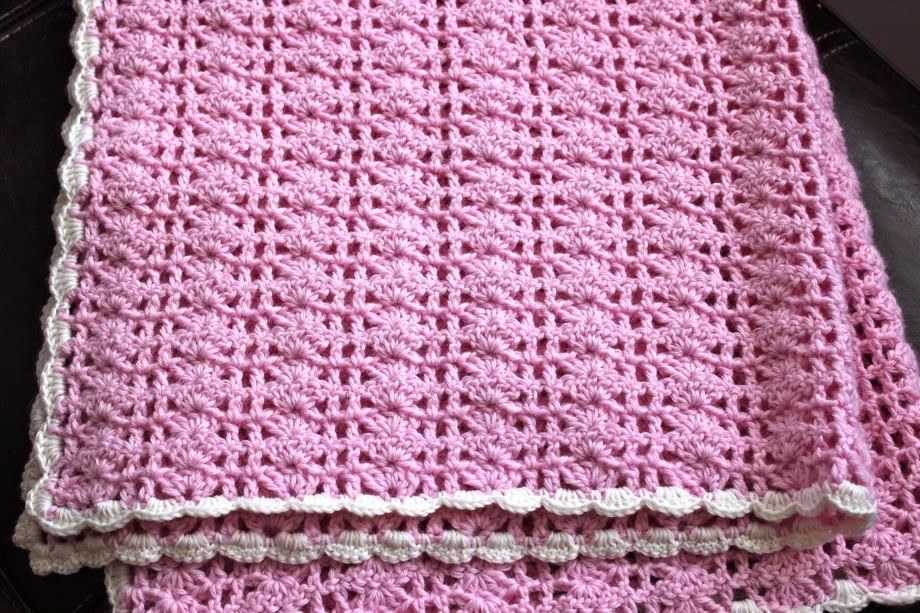
Are you new to knitting and looking for a simple project to start with? A knitted dishcloth is a perfect beginner project that is both practical and easy to make. With just a few basic knitting stitches, you can create a useful dishcloth that can be used in your kitchen or given as a thoughtful handmade gift.
To get started, you will need some basic knitting supplies, including knitting needles and cotton yarn. Cotton yarn is an ideal choice for dishcloths as it is absorbent and durable. Choose a pair of knitting needles that are suitable for the thickness of your chosen yarn.
Once you have your supplies ready, cast on the required number of stitches for your dishcloth. A common pattern is to cast on 40 stitches, but you can adjust this based on your desired size. Knit every row in the garter stitch pattern until your dishcloth reaches your desired length. The garter stitch is created by knitting every stitch on every row, creating a simple and textured pattern.
If you want to add some variety to your dishcloth, you can experiment with different stitch patterns. The seed stitch, for example, involves alternating between knitting and purling stitches to create a textured pattern. This can give your dishcloth a unique and interesting look.
Once you have finished knitting your dishcloth, bind off your stitches and weave in any loose ends. Give your dishcloth a gentle blocking by wetting it and laying it flat to dry. This will help to even out the stitches and give your dishcloth a more polished look.
Now that your dishcloth is complete, you can start using it in your kitchen. It is great for cleaning dishes, wiping countertops, or scrubbing vegetables. Plus, it can be easily thrown in the washing machine when it gets dirty.
Overall, knitting a dishcloth is a simple and satisfying project for beginners. It allows you to practice basic knitting techniques while creating a useful item. So grab your knitting needles and get started on your own easy knitted dishcloth today!
Cozy Blanket Knitting Pattern

If you’re a beginner knitter looking for a simple yet beautiful project, this cozy blanket knitting pattern is perfect for you. This pattern is easy to follow and will result in a warm and comfortable blanket that you can snuggle up with on chilly evenings.
Materials:
- Yarn: Choose a soft and chunky yarn that will provide warmth and coziness. Acrylic or wool blends are good options.
- Needles: Use circular or straight knitting needles in a size that is suitable for your chosen yarn. Check the yarn label for recommended needle sizes.
- Scissors: You’ll need a pair of scissors to cut the yarn.
Instructions:
- Cast on the desired number of stitches, which will depend on the width of the blanket you wish to make. Make sure to leave a long tail of yarn for later use.
- Knit each row in the garter stitch, which means knitting every stitch on every row. This stitch pattern creates a simple and textured surface.
- Continue knitting row after row until the blanket reaches your desired length. You can measure it by laying it flat or using a tape measure.
- When you’re ready to finish the blanket, bind off all the stitches. Cut the yarn, leaving a long tail for weaving in later.
- Weave in any loose ends of yarn using a yarn needle. Make sure to secure the ends tightly so they don’t come undone.
Optional:
If you want to add some decorative elements to your blanket, you can experiment with different stitch patterns. Try incorporating stripes or a simple lace pattern for a unique touch.
Once you’ve finished knitting your cozy blanket, you’ll have a soft and warm addition to your home. Curl up with it on the couch or use it as an extra layer of warmth on your bed. This project is not only beginner-friendly but also a great way to relax and unwind while creating something functional and beautiful.
Knitted Headband Pattern for Beginners
Are you a beginner knitter looking for a simple and quick project to practice your skills? Look no further than a knitted headband! Headbands are a stylish and practical accessory that can be worn year-round. With this easy knitting pattern, you’ll be able to create a beautiful headband in no time.
To start, you’ll need some basic knitting supplies: a pair of knitting needles, yarn (in the color of your choice), scissors, and a yarn needle. Once you have your supplies ready, you can begin knitting your headband.
Step 1: Cast on
- Start by making a slipknot with your yarn and placing it on one of your knitting needles.
- Hold the needle with the slipknot in your dominant hand and the other needle in your non-dominant hand.
- Using your dominant hand, bring the yarn over the top of your non-dominant hand needle, creating a loop.
- Insert the dominant hand needle through the loop from front to back, creating a new loop.
- Slide the new loop onto the non-dominant hand needle, making sure to keep it loose.
- Repeat steps 3-5 until you have the desired number of stitches on your needle.
Step 2: Knit the rows
- Hold the knitting needles with the cast-on stitches in your non-dominant hand.
- With your dominant hand, insert the other knitting needle into the first stitch on the left-hand needle.
- Bring the yarn over the right-hand needle, from back to front.
- Using the right-hand needle, pull the yarn through the first stitch, creating a new stitch on the right-hand needle.
- Slide the stitch off the left-hand needle.
- Repeat steps 2-5 until you have knitted all the stitches on the left-hand needle.
- Continue knitting back and forth in rows until your headband reaches the desired length.
Step 3: Cast off

- Once you’ve reached the desired length, it’s time to cast off your stitches.
- Knit the first two stitches as normal.
- Using your left-hand needle, lift the first stitch over the second stitch and off the right-hand needle.
- Knit one more stitch, and repeat step 3.
- Continue this process until only one stitch remains on your right-hand needle.
- Cut the yarn, leaving a long tail.
- Thread the tail through the last stitch and pull tight to secure.
And there you have it – a knitted headband made by a beginner! Feel free to experiment with different knitting stitches and yarn colors to create unique and stylish headbands for yourself or as gifts for friends and family. Happy knitting!
Baby Booties Knitting Pattern
One of the most popular knitting projects for beginners is making baby booties. Baby booties are not only adorable but also relatively quick and easy to make. With a simple knitting pattern and some basic stitches, you can create a beautiful pair of booties for your little ones.
To start, you will need some soft and gentle yarn suitable for babies. Choose a yarn that is easy to work with and comes in a variety of colors. You will also need a pair of knitting needles and a tapestry needle for finishing touches.
Simple Baby Booties Knitting Pattern
Materials needed:
- Soft baby yarn
- Size 8 knitting needles
- Tapestry needle
Instructions:
- Cast on 32 stitches using the long-tail cast-on method.
- Knit 10 rows in garter stitch (knit every row).
- Next row: Knit 16 stitches, knit 2 stitches together, knit 14 stitches.
- Continue by knitting every row until your work measures 2 inches from the cast-on edge.
- Next row: Knit 6 stitches, knit 2 stitches together, knit 2 stitches, knit 2 stitches together, knit 6 stitches.
- Continue by knitting every row until your work measures 3 inches from the cast-on edge.
- Next row: Knit 6 stitches, knit 2 stitches together, knit 2 stitches, knit 2 stitches together, knit 6 stitches.
- Continue by knitting every row until your work measures 4 inches from the cast-on edge.
- Next row: Knit 16 stitches, knit 2 stitches together, knit 14 stitches.
- Knit 10 rows in garter stitch.
- Bind off all stitches.
- Use the tapestry needle to sew the top seam of the booties together, leaving a small opening for the foot.
- Weave in any loose ends.
Once you have finished knitting the booties, you can add some embellishments like buttons or ribbons to make them even more adorable. These baby booties make a perfect gift for expecting parents or a delightful addition to your little one’s wardrobe.
Remember, practice makes perfect, so don’t be discouraged if your first pair of booties doesn’t turn out exactly as you envisioned. Keep knitting and before you know it, you’ll be creating beautiful booties with ease!
Knitted Mittens for Beginners
Are you interested in learning how to knit? One of the easiest and most useful projects for beginners is knitting mittens. Mittens are a great beginner project because they only require basic knitting stitches and can be completed relatively quickly. Plus, they make for a practical and cozy accessory during the colder months.
To get started, you will need a set of knitting needles and a ball of yarn in your preferred color. It’s best to choose a medium-weight yarn, such as worsted or Aran, as it’s easier to work with for beginners. You can also select a variegated yarn for a fun and colorful mitten design.
Once you have your materials ready, begin by casting on the required number of stitches onto your needles. This will vary depending on the size of the mittens you want to make. Follow a basic knitting pattern, alternating between knit and purl stitches, to create the ribbed cuff of the mittens. This will ensure a snug fit around the wrist.
Next, continue knitting in the round to create the body of the mittens. You can experiment with different stitch patterns, such as stockinette or garter stitch, to add texture to your mittens. Don’t forget to leave an opening for the thumb by placing a set of stitches on a stitch holder or scrap yarn.
Once you have completed the body of the mittens, it’s time to shape the top by decreasing stitches. Follow the pattern instructions to gradually decrease the number of stitches until you are left with just a few. Cut the yarn, leaving a long tail, and thread it through the remaining stitches to secure them. Finally, weave in any loose ends and repeat the process to create the second mitten.
With a little patience and practice, you’ll soon have a pair of knitted mittens ready to keep your hands warm and cozy. As you gain more confidence, you can experiment with different yarns, colors, and stitch patterns to create unique and personalized designs. Remember, knitting is a relaxing and enjoyable hobby that allows you to create beautiful and functional items with your own hands.
Tips and Tricks for Beginner Knitters
As a beginner knitter, it’s important to remember that practice makes perfect. Don’t be discouraged if your first few projects don’t turn out exactly as you envisioned. With time and experience, your knitting skills will improve.
Here are some tips and tricks to help you on your knitting journey:
- Start with simple projects: Choose easy knitting patterns that are suitable for beginners. Scarves, dishcloths, and simple hats are great projects to start with. As you gain confidence, you can move on to more complex patterns.
- Get to know your materials: Understand the different types of knitting needles and yarns available. Experiment with different needle sizes and yarn weights to see what works best for your projects.
- Practice basic stitches: Mastering the basic knitting stitches, such as the knit stitch and purl stitch, is essential. Practice these stitches until you feel comfortable before moving on to more advanced techniques.
- Take your time: Knitting requires patience and concentration. Take your time with each stitch and don’t rush the process. The more relaxed and focused you are, the better your knitting will turn out.
- Count your stitches: Keeping track of your stitches is crucial, especially when following a pattern. Use stitch markers or simply count your stitches periodically to make sure you’re on track.
- Fix mistakes as you go: Mistakes happen, even to experienced knitters. Learn how to recognize and fix common mistakes, such as dropped stitches or twisted stitches. It’s easier to fix mistakes when they are still fresh, rather than trying to fix them later.
- Join a knitting community: Knitting communities, whether in-person or online, can provide valuable support and inspiration. Joining a knitting group or forum allows you to connect with fellow knitters, ask questions, and learn from their experiences.
- Practice consistent tension: Maintaining consistent tension in your knitting is important for creating even and professional-looking stitches. Practice knitting with a relaxed grip and experiment with different techniques to find what works best for you.
- Enjoy the process: Knitting is a creative and relaxing hobby. Don’t forget to enjoy the process and take pride in your finished projects. Remember, even the most experienced knitters were beginners at one point.
Conclusion

Knitting is a wonderful hobby that can bring joy and creativity into your life. By starting with simple projects, practicing basic stitches, and being patient with yourself, you can become a skilled knitter. Don’t hesitate to reach out to the knitting community for advice and support. With time and practice, you’ll be able to tackle more complex patterns and create beautiful handmade items.