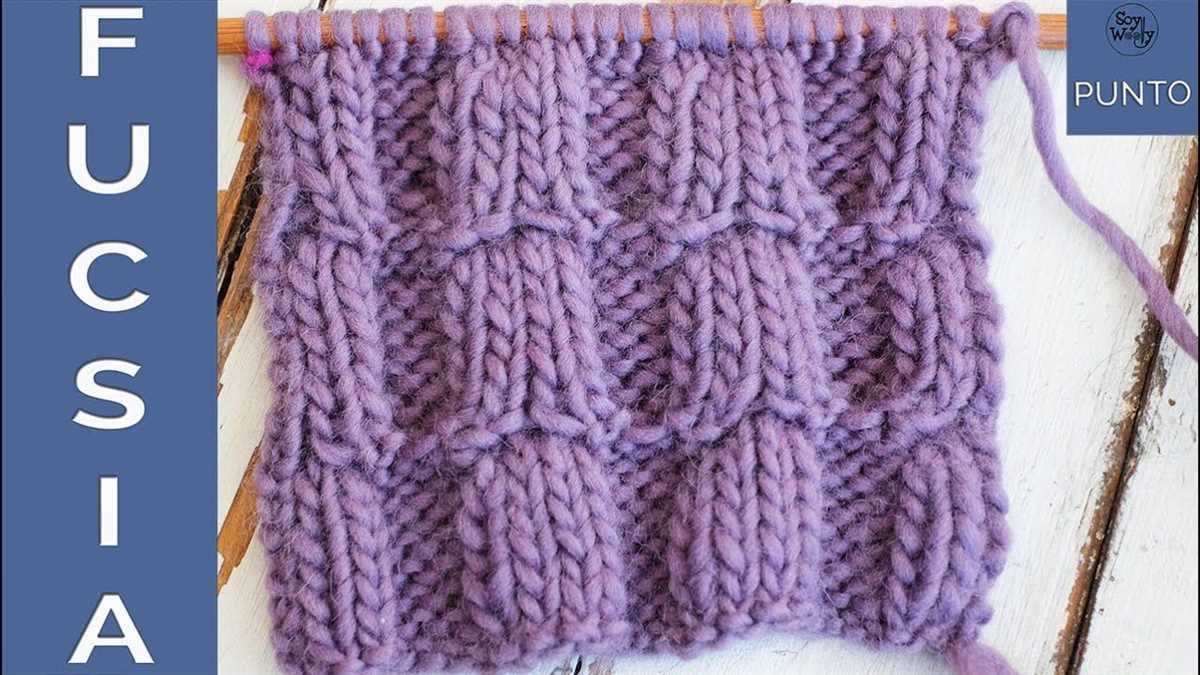
Knitting is a cherished craft that has been practiced for centuries. It allows us to not only create beautiful garments and accessories, but also express our creativity and relax in the process. One of the most popular techniques in knitting is cable knitting, which involves crossing stitches to create intricate and textured patterns. Among the various cable patterns, the reversible cable knit pattern stands out for its versatility and visual appeal.
The beauty of the reversible cable knit pattern lies in its ability to look equally stunning on both sides. Unlike traditional cable patterns, where the reverse side may not look as polished, the reversible cable pattern allows you to showcase its intricate details from any angle. This makes it perfect for projects like scarves, blankets, and even sweaters, where both sides are visible.
To create the reversible cable pattern, you’ll need to know the basic techniques of cable knitting, including how to cross stitches to the front or back, and how to create cables over multiple rows. The reversible cable pattern typically consists of a central cable motif flanked by twisted stitches or other textured stitches to create a symmetrical and balanced design.
What is a reversible cable knit pattern?
A reversible cable knit pattern is a type of knitting technique that creates a pattern with intertwining cables that looks the same on both sides of the fabric. Unlike traditional cable knitting patterns, which have a right side and a wrong side where the cables are usually only visible on one side, reversible cable knit patterns allow the cables to be seen on both sides of the fabric.
This type of knitting pattern is achieved by using specific techniques, such as twisted stitches and strategically placed increases and decreases, to create the cables that twist and cross over each other. The result is a beautifully textured fabric that can be worn either way, making it versatile and practical for various projects.
One advantage of using a reversible cable knit pattern is that it eliminates the need to worry about which side of the fabric is facing out when wearing or displaying the finished piece. This is especially useful for items like scarves, shawls, and blankets, where both sides may be visible or in contact with the skin. It also adds an extra dimension to the design, making it visually interesting from all angles.
Reversible cable knit patterns can vary in complexity, with some featuring simple twists and crosses, while others incorporate intricate motifs and designs. They can be created using various types of yarn and can be adapted to different garment types, including sweaters, hats, and gloves. Whether you’re a beginner or an experienced knitter, trying out a reversible cable knit pattern can be a fun way to enhance your knitting skills and create unique and versatile pieces.
A Brief History of Cable Knit Patterns
The origins of cable knit patterns can be traced back to the Aran Islands of Ireland in the late 19th century. These islands, located off the west coast of Ireland, were home to a small and isolated community of fishermen and farmers. The harsh weather conditions and the need for warmth and durability inspired the creation of the unique cable knit patterns.
Cable knit patterns are characterized by intricate designs of interlocking cables and twists, often resembling ropes or braids. These patterns not only provide visual interest but also add thickness and insulation to the knitted garments. They were traditionally knitted using natural fibers like wool, which were readily available on the island.
The exact origin of the cable knit pattern is unknown, as it was passed down through generations orally and visually. However, it is believed that the patterns were inspired by the fishermen’s ropes and cables. These complex patterns were not only functional but also served as a form of identification for the fishermen, as each family had their unique cable knit pattern.
Over time, cable knit patterns gained popularity beyond the Aran Islands and spread to other parts of Ireland and the world. In the early 20th century, the patterns became fashionable and were incorporated into sweaters and other knitted garments worn by both men and women.
In recent years, the cable knit pattern has remained a classic and timeless design in the world of fashion. It is often seen in sweaters, scarves, hats, and blankets, and has become synonymous with cozy and traditional winter wear. The versatility and enduring appeal of cable knit patterns continue to make them a favorite among knitters and fashion enthusiasts alike.
Why choose a reversible cable knit pattern?
A cable knit pattern is a classic and timeless choice for any knitted garment or accessory. It adds visual interest and texture to the fabric, making it more visually appealing. With a reversible cable knit pattern, however, you get double the benefits.
One of the main advantages of a reversible cable knit pattern is its versatility. Since both sides of the fabric look the same, you can easily use it for items that may be seen from both sides, such as scarves, blankets, or sweaters without worrying about which side is the “right” side. This makes it incredibly convenient and practical, especially if you are gifting or selling your knitted items.
Another reason to choose a reversible cable knit pattern is the added warmth and thickness it provides. The crossing cables create small pockets of trapped air, which act as an extra layer of insulation, keeping you cozy and warm in colder weather. The reversible nature of the pattern means that you can enjoy the extra warmth no matter which side of the fabric is facing out.
Aesthetically, a reversible cable knit pattern offers a clean and polished look. With no distinct right or wrong side, the fabric appears seamless and professional. This can be especially advantageous if you are making a garment or accessory where both sides may be visible, such as a cape or a wrap. The reversible design ensures that your finished piece looks beautiful and well-made from all angles.
Overall, a reversible cable knit pattern is a fantastic choice for any knitting project where versatility, warmth, and aesthetics are important. Whether you’re a seasoned knitter or just starting out, this pattern will allow you to create stunning and functional pieces that will be cherished for years to come.
Materials needed for knitting a reversible cable knit pattern
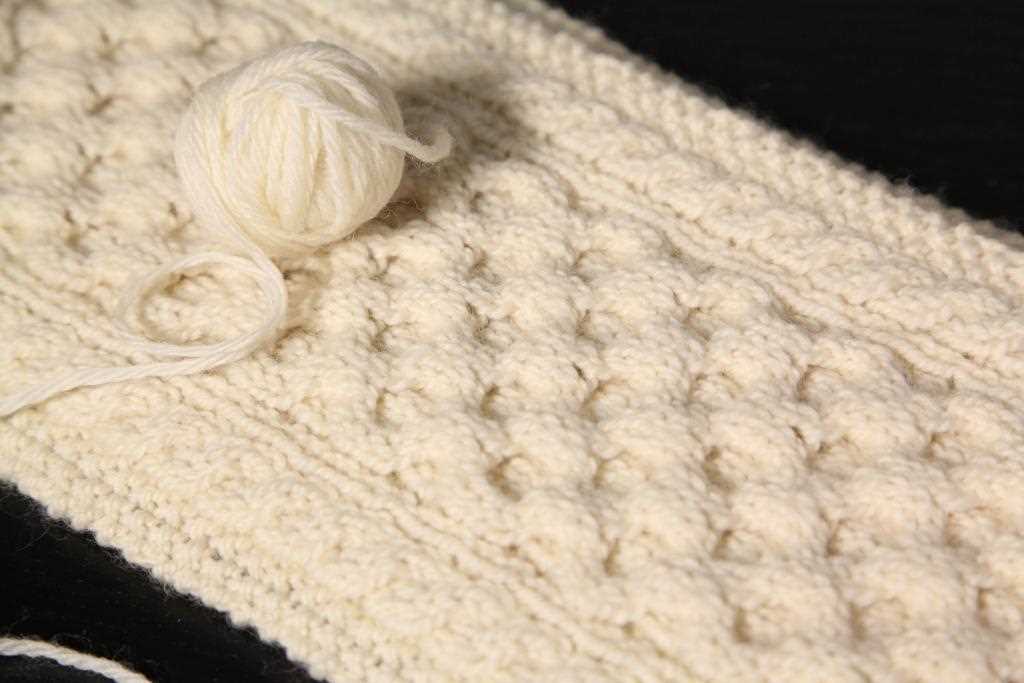
Knitting a reversible cable knit pattern requires a few essential materials to create a beautiful and functional piece. Whether you’re a beginner or an experienced knitter, having the right tools and materials is crucial for a successful project. Here are the key items you’ll need:
1. Yarn:
The first and most important material for knitting a reversible cable knit pattern is yarn. Choose a yarn that is suitable for the project and provides good stitch definition. Opt for a medium to bulky weight yarn that will create well-defined cables. Natural fibers like wool or alpaca are excellent choices as they provide warmth and durability.
2. Knitting Needles:
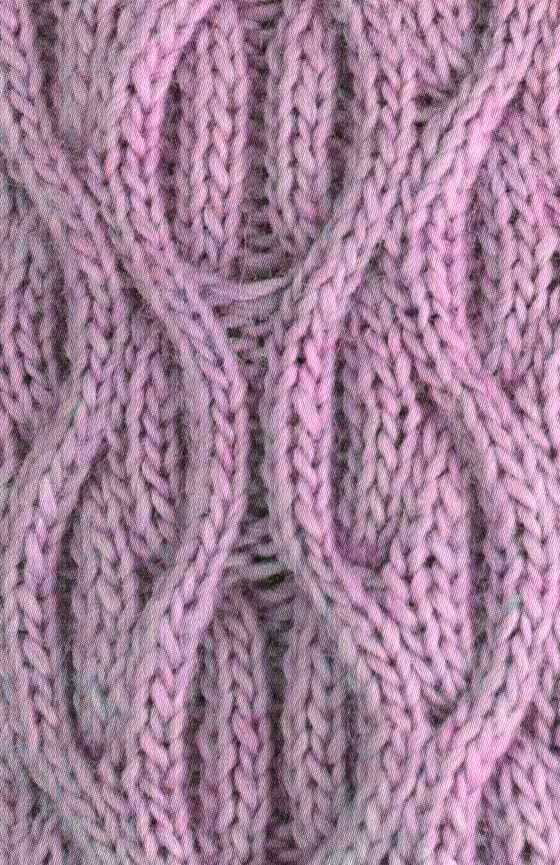
You’ll need a pair of knitting needles suitable for the chosen yarn weight. Cable knit patterns usually require slightly larger needles to accommodate the cables and create a loose, cozy fabric. Circular needles are recommended for larger projects, as they can hold a larger number of stitches.
3. Cable Needle:
A cable needle is a specialized tool used to hold stitches while creating the cable pattern. It is usually a short, double-pointed needle with a slight curve in the middle. A cable needle helps keep track of the cable twists and ensures the stitches don’t unravel.
4. Stitch Markers:
Stitch markers are essential for keeping track of different sections of the pattern, especially when dealing with complex cable designs. They can be placed between stitches or on the needle to indicate specific points or repeats in the pattern. These markers help prevent mistakes and make the knitting process smoother.
5. Scissors:

Having a pair of sharp scissors is essential for cutting and trimming yarn. They are necessary for weaving in loose ends and for any necessary adjustments or repairs during the knitting process.
By gathering these materials, you’ll have everything you need to start knitting a beautiful reversible cable knit pattern. Remember to choose high-quality materials to ensure the longevity and beauty of your finished project.
Tips for knitting a reversible cable knit pattern
Knitting a reversible cable knit pattern can be a fun and challenging project for any knitter. Whether you’re a beginner or an advanced knitter, these tips will help you achieve beautiful and reversible cable patterns.
Choose the right yarn
When knitting a reversible cable pattern, it’s important to choose a yarn that has good stitch definition. Look for a yarn that is smooth and has a tight twist, as this will help the cables stand out. Wool or wool blends are usually a good choice for cable knitting as they have good elasticity and bounce.
Use a cable needle
Using a cable needle is an essential tool for knitting cables. When working on a reversible cable pattern, make sure to use a cable needle that matches the size of your knitting needles. This will help you maintain an even tension and prevent your cables from looking loose or sloppy. Remember to slip the cable needle to the front or back of your work, depending on the direction of the cable.
Read the cable chart carefully
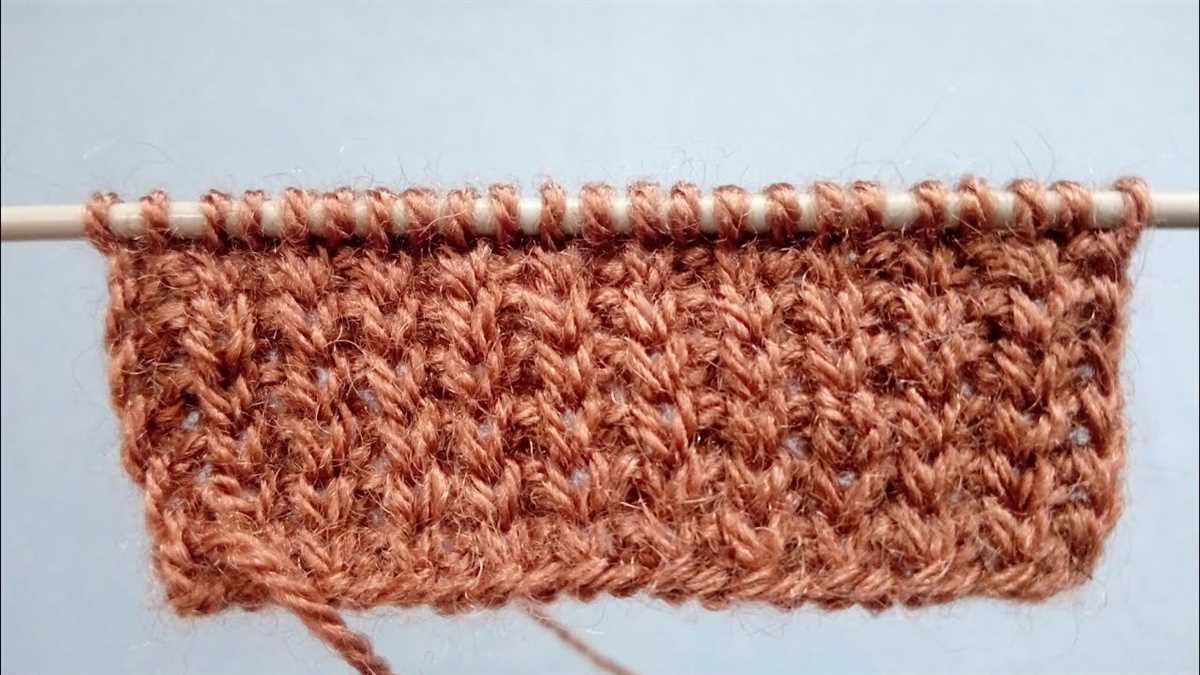
A cable chart is a visual representation of the cable pattern and is often used in reversible cable knitting. It’s important to read the cable chart carefully and understand the symbols used before you start knitting. Pay attention to the direction of the cables and any specific instructions, such as twisted stitches or cable crossings.
Block your finished project
Blocking is an important step in the finishing process of any knitting project, and it’s especially important for reversible cable patterns. Blocking will help even out your stitches, relax the cables, and give your project a more polished look. Follow the blocking instructions for your chosen yarn to achieve the best results.
Don’t be afraid to experiment

Reversible cable knitting offers a lot of room for creativity and experimentation. Once you’re comfortable with the basics, don’t be afraid to try different cable patterns, combine cables with other stitch patterns, or modify existing patterns to suit your preferences. Knitting is a versatile craft, and reversible cable patterns provide endless opportunities for personalization.
By choosing the right yarn, using a cable needle, reading the cable chart carefully, blocking your finished project, and being open to experimentation, you’ll be on your way to creating stunning reversible cable knit patterns.
Techniques for creating a reversible cable knit pattern

When it comes to creating a reversible cable knit pattern, there are several techniques that can be employed to ensure that the cables look beautiful on both sides of the fabric. These techniques help to achieve a clean and seamless result, allowing the pattern to be admired from any angle.
One technique commonly used is called “cabling without a cable needle.” This method involves crossing the stitches without the use of an extra needle, which helps to eliminate any unnecessary bulk and ensures that the cables are identical on both sides. By simply rearranging the order of the stitches, it is possible to create a cable without the need for an additional tool.
Another technique that can be utilized is “twisting cables.” This method involves crossing the cables in opposite directions on each row, which produces a reversible effect. By twisting the cables in different directions, a symmetrical pattern can be achieved, allowing the design to be appreciated from both the front and back of the fabric.
In addition, it is important to carefully choose the type of cable pattern to ensure reversibility. Some cable patterns naturally lend themselves to being reversible, while others may require modifications. It is essential to take into consideration the stitch count, the number of repeats, and the complexity of the cables to ensure that the pattern works well on both sides.
Finally, blocking the finished knitted piece is crucial in achieving a professional and reversible cable knit pattern. Blocking helps to even out the stitches, open up the cables, and ensure that the fabric lies flat. This step allows the pattern to truly shine and ensures that the design is reversible and aesthetically pleasing.
- Use the “cabling without a cable needle” technique: This method eliminates unnecessary bulk and ensures identical cables on both sides.
- Twist cables: Cross the cables in opposite directions on each row for a reversible effect.
- Choose the right cable pattern: Be mindful of stitch count, number of repeats, and complexity to ensure reversibility.
- Block the finished piece: Even out stitches, open up cables, and create a flat fabric that showcases the reversible pattern.
Variations of reversible cable knit patterns
Reversible cable knit patterns are an excellent choice for creating versatile and stylish garments. With their textured appearance and the ability to be worn on both sides, these patterns add depth and interest to any project. There are several variations of reversible cable knit patterns that can be used to create unique and eye-catching designs.
1. Basic reversible cable knit pattern
The basic reversible cable knit pattern consists of simple twists and turns that create an interlocking cable design. This pattern is perfect for beginners as it is relatively easy to follow and produces impressive results. The cables in this pattern can be worked over a single row or multiple rows, depending on the desired effect.
2. Diagonal reversible cable knit pattern
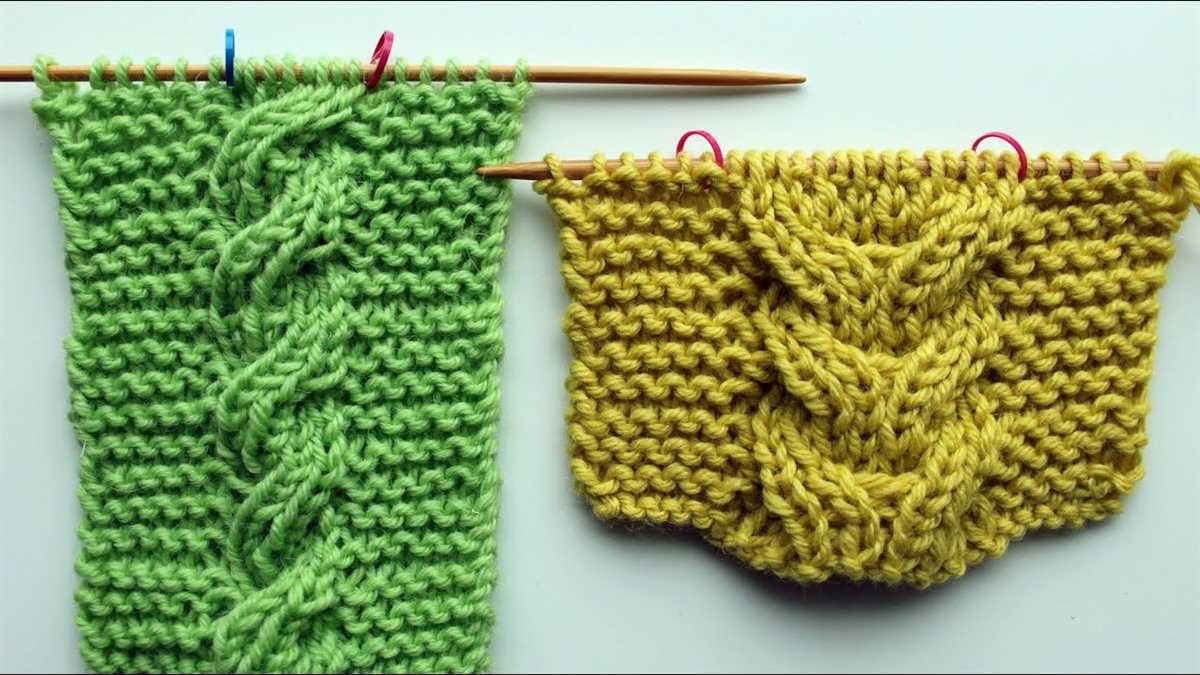
The diagonal reversible cable knit pattern adds a twist to the traditional cable design by creating a diagonal line across the fabric. This pattern is achieved by working the cable twists in an alternating fashion, creating a visually striking effect. The diagonal reversible cable knit pattern is a great choice for scarves, shawls, and blankets.
3. Lace and cable reversible knit pattern
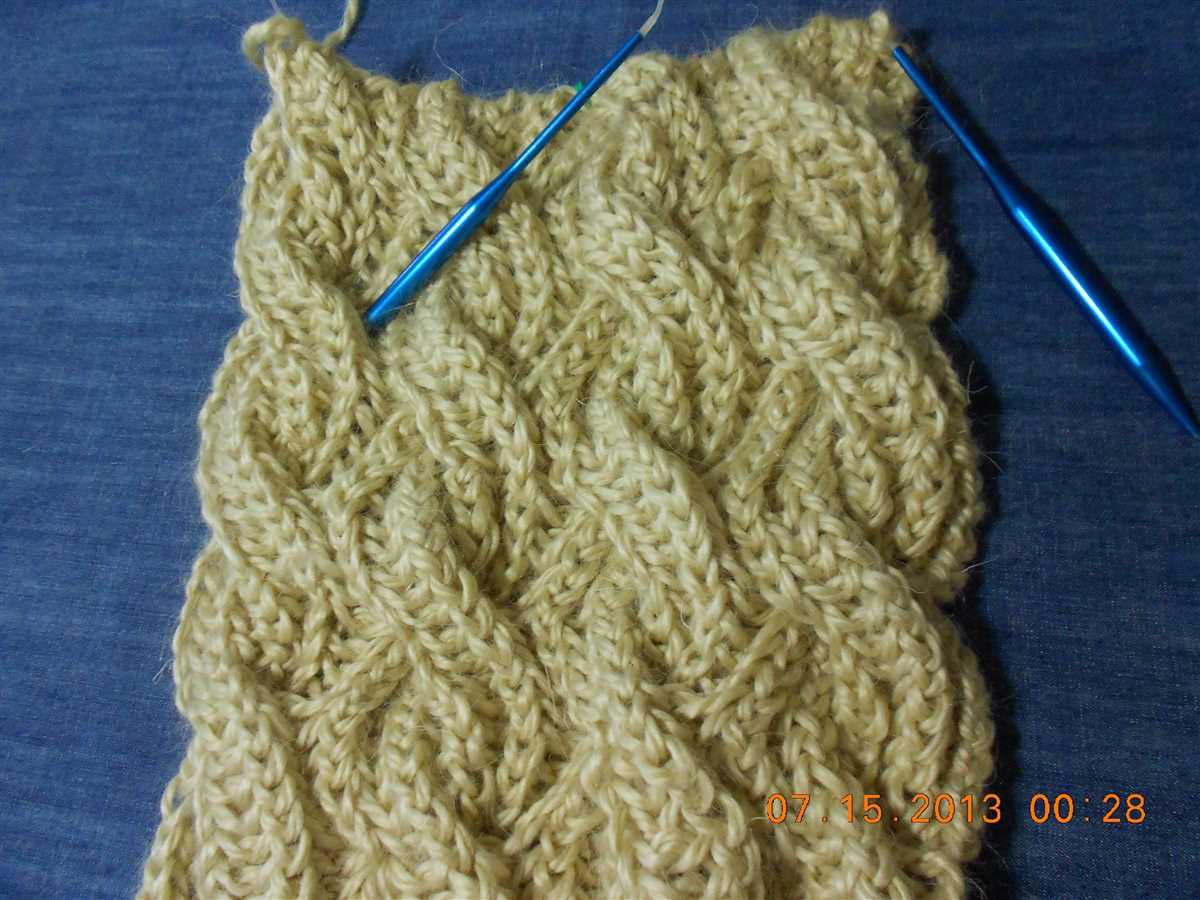
The lace and cable reversible knit pattern combines delicate lace motifs with intricate cable twists. This pattern creates a beautiful and intricate fabric that is perfect for lightweight and airy garments. The combination of lace and cables adds an elegant touch to any project and allows for endless customization options.
4. Reversible cable panel pattern
The reversible cable panel pattern is a more advanced variation that features larger and more complex cable motifs. This pattern creates a bold and eye-catching focal point on the fabric and can be used as a central panel on a sweater, cardigan, or scarf. The reversible cable panel pattern requires careful attention to detail and is best suited for experienced knitters.
- Overall, reversible cable knit patterns offer endless possibilities for creating unique and visually appealing garments.
- Depending on the style and complexity of the pattern, reversible cable knits can be used for a variety of projects, from cozy sweaters to delicate lace accessories.
- Experimenting with different stitch combinations, cable sizes, and color choices can further enhance the versatility of reversible cable knit patterns.
Whether you are a beginner or an experienced knitter, incorporating reversible cable knit patterns into your projects can add a touch of elegance and sophistication. The variations mentioned above are just a few examples of the endless possibilities available when working with these versatile patterns.
Examples of projects using a reversible cable knit pattern
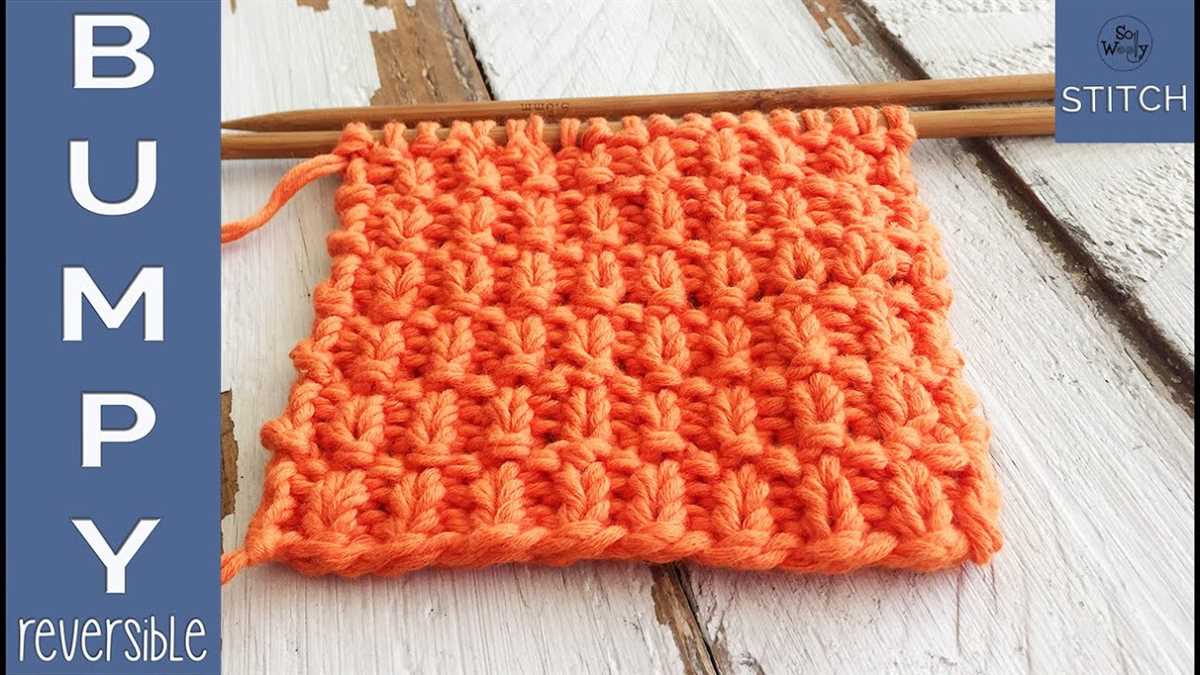
A reversible cable knit pattern is a versatile and popular technique in knitting. It creates a beautiful texture on both sides of the fabric, making it perfect for a wide range of projects. Here are a few examples of projects that make use of this pattern:
1. Scarves
Scarves are one of the most common projects that use a reversible cable knit pattern. The reversible nature of the pattern ensures that both sides of the scarf look equally attractive, allowing for versatile styling options. Whether it’s a chunky cable knit scarf or a more delicate lace cable pattern, the reversible design adds an extra level of elegance to the finished piece.
2. Blankets
Another popular project that utilizes a reversible cable knit pattern is blankets. Cable knitting adds depth and texture to the fabric, making it perfect for creating cozy and warm blankets. The reversible pattern ensures that both sides of the blanket are visually appealing, making it ideal for snuggling up on either side.
3. Sweaters
Sweaters are another great choice for showcasing a reversible cable knit pattern. Whether it’s a simple cable pattern on the front and back or an intricate design incorporating cables and lace, the reversible nature of the pattern ensures that the sweater looks stylish and polished from any angle. It’s a versatile and timeless choice for those looking to create a statement piece.
4. Hats
Hats are a smaller project that can also benefit from a reversible cable knit pattern. The textured cables add visual interest to the hat, and the reversible design ensures that it looks good from all angles. Whether it’s a slouchy beanie or a cozy pompom hat, a reversible cable knit pattern adds a touch of sophistication and warmth to any headwear.
In conclusion, a reversible cable knit pattern is a versatile technique that can be used in a variety of knitting projects. From scarves and blankets to sweaters and hats, this pattern adds depth, texture, and elegance to the finished piece, making it a popular choice among knitters of all skill levels.
How to care for and maintain a reversible cable knit item
Maintaining the quality and appearance of a reversible cable knit item is essential to ensure its longevity and continued beauty. Here are some key tips on how to care for and maintain your reversible cable knit item:
1. Hand wash or gentle cycle
To prevent damage to the delicate cables, it is recommended to hand wash your reversible cable knit item. Fill a basin or sink with lukewarm water and add a mild detergent specifically designed for delicate fabrics. Gently agitate the item in the water, making sure not to stretch or pull the cables. Rinse thoroughly and squeeze out excess water by pressing the item against the sides of the basin. If you prefer to use a washing machine, select the gentle cycle and place your item in a mesh laundry bag to protect it.
2. Lay flat to dry
After washing, it is important to reshape your reversible cable knit item to its original dimensions. Lay it flat on a clean, dry towel and gently pat it into shape. Avoid hanging or wringing out the item, as this can stretch and distort the cables. Allow it to air dry completely before storing or wearing.
3. Avoid direct heat and sunlight
Prolonged exposure to direct heat or sunlight can cause the colors of your reversible cable knit item to fade and the fibers to become brittle. Therefore, it is recommended to store your item in a cool, dry place away from direct sunlight and heat sources, such as radiators or heaters.
4. Fold or roll for storage
When it comes to storing your reversible cable knit item, it is best to fold or roll it to prevent any stretching or creasing. Avoid hanging it, as this can cause the weight of the garment to pull and elongate the cables. Place it in a clean, dry drawer or closet, preferably with some space between other items to allow for air circulation.
- Regularly check for any snags or loose threads and mend them promptly to prevent further damage.
- Avoid wearing your reversible cable knit item with rough or sharp accessories that can catch on the cables and create snags.
- Consider storing your item with moth repellent, such as cedar balls or lavender sachets, to protect it from moths and other pests.
By following these care and maintenance tips, you can keep your reversible cable knit item looking beautiful and ensure its longevity for years to come.
Where to find patterns for reversible cable knit designs

If you’re interested in trying out the timeless and versatile reversible cable knit design, there are several resources available where you can find patterns to get started on your project. Whether you prefer to purchase patterns online or find inspiration from existing designs, there’s something for everyone.
1. Online knitting pattern stores
There are many online knitting pattern stores that offer a wide range of patterns for reversible cable knit designs. Some popular options include Ravelry, LoveCrafts, and Etsy. These platforms allow independent designers to sell their patterns directly to knitters, offering a diverse selection of designs at different skill levels.
2. Knitting books
Knitting books are a great resource for finding patterns for reversible cable knit designs. Many books focus on specific knitting techniques or styles, and they often include detailed instructions and charts for various cable knit designs. Check out your local library, bookstore, or online retailers like Amazon to explore the knitting book options available.
3. Knitting magazines
Knitting magazines are another excellent source for finding patterns for reversible cable knit designs. These magazines often feature patterns from well-known designers and provide step-by-step instructions, diagrams, and charts to help you create your project. You can find knitting magazines at craft stores or subscribe to them online for regular pattern inspiration.
4. Online knitting communities
Engaging with online knitting communities can be a fantastic way to discover patterns for reversible cable knit designs. Websites and forums like KnittingHelp and Knitting Paradise have active communities of knitters who share their projects, patterns, and tips. Participating in these communities can provide you with a wealth of knowledge and inspiration for your cable knit projects.
Before starting any pattern, it’s essential to ensure that it matches your skill level and that you have a good understanding of the cable knitting technique. Take the time to read through the pattern instructions and familiarize yourself with any abbreviations or terms used. Remember to swatch and practice the cable stitches before diving into your project.
With the abundance of resources available, you’re sure to find the perfect pattern for your reversible cable knit project. Whether you choose to purchase a pattern online, explore knitting books, browse knitting magazines, or connect with online knitting communities, the options are endless. Happy knitting!
Q&A:
What is a reversible cable knit pattern?
A reversible cable knit pattern is a knitting technique that creates a textured design that looks the same on both sides of the fabric. This is achieved by using a combination of knit and purl stitches to create intricate cable patterns that can be seen on the front and back of the piece.
How do you knit a reversible cable pattern?
To knit a reversible cable pattern, you will need to follow a specific set of instructions. Typically, this involves knitting cables that are the same on both sides, such as a 2/2 cable or a reversible cable twist. These patterns often include a combination of knit and purl stitches to create the desired texture. It is important to carefully read and follow the pattern instructions to ensure that the cables are worked correctly on both sides of the fabric.
What types of projects can be made with a reversible cable knit pattern?
A reversible cable knit pattern can be used to create a wide variety of projects. This technique is commonly used to make scarves, hats, sweaters, and blankets. The reversible nature of the pattern makes it a great choice for items that may be seen from both sides, such as a scarf that can be wrapped around the neck or a blanket that can be flipped over.
Can a beginner knitter attempt a reversible cable knit pattern?
While reversible cable knit patterns can be more advanced than basic knit and purl stitches, a determined beginner knitter can certainly give it a try. It may be helpful to start with simpler cable patterns and gradually work your way up to more complex designs. Be sure to carefully read and understand the pattern instructions, and don’t be afraid to ask for help from more experienced knitters if needed. Practice and patience are key when attempting new knitting techniques.