
Knitting is a popular and relaxing hobby that allows you to create beautiful, handmade items. One popular project for knitters is the Tree of Life blanket. This intricate pattern features a stunning tree motif, symbolizing growth, strength, and connection to nature. Whether you’re a seasoned knitter or just starting out, this pattern is a great way to challenge yourself and create a unique and meaningful piece.
The Tree of Life blanket pattern requires intermediate knitting skills, including knowledge of basic stitches such as knit, purl, and yarn over. The pattern also incorporates cables, which create the tree branches and texture. If you’re unfamiliar with these techniques, don’t worry – there are plenty of resources available online and in knitting books to help you learn.
One of the great things about the Tree of Life blanket pattern is that it can be customized to suit your personal style and preferences. You can choose your favorite color of yarn to create a cozy and beautiful blanket that complements your home décor. Additionally, you can choose the size of your blanket by adjusting the number of pattern repeats. This means that whether you want to make a baby blanket or a large throw for your living room, this pattern can be easily adapted to suit your needs.
Tree of Life Blanket Knitting Pattern

Are you looking for a unique and beautiful knitting project? The Tree of Life blanket knitting pattern is the perfect choice. This intricate and symbolic design features a stunning tree motif that represents growth, strength, and connection to nature. The pattern is both challenging and rewarding, allowing you to create a one-of-a-kind heirloom piece that will be treasured for years to come.
Materials:
- Worsted weight yarn in various colors
- Size US 7 (4.5mm) knitting needles
- Cable needle
- Yarn needle
Instructions:
- Begin by casting on the desired number of stitches for your blanket size.
- Work the first few rows in garter stitch for a clean edge.
- Start the tree of life motif by knitting the trunk of the tree using a cable stitch.
- As you continue knitting, incorporate various cable stitches and color changes to create the branches and leaves of the tree.
- Follow the provided chart or written instructions for the specific tree of life design you are using.
- Once the tree motif is complete, continue knitting in your chosen stitch pattern until the desired length is reached.
- Finish the blanket by binding off and weaving in any loose ends.
A Tree of Life blanket is not only a beautiful addition to your home decor, but it also makes a thoughtful and meaningful gift for loved ones. The pattern allows for personalization and creativity, so you can choose colors and yarn types that suit your style and preferences. Whether you’re a seasoned knitter or a beginner looking to challenge yourself, the Tree of Life blanket knitting pattern is a project worth trying.
What is a Tree of Life blanket?

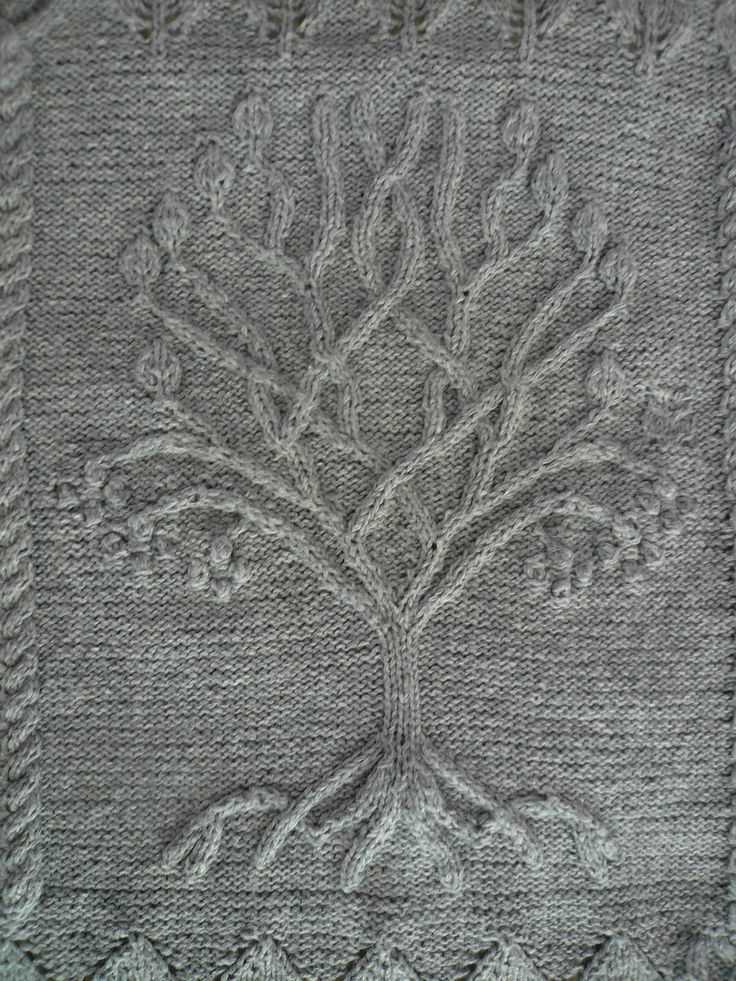
A Tree of Life blanket is a unique and meaningful knitting pattern that features a tree motif, symbolizing the interconnection of all living beings and the beauty of nature. The pattern typically consists of intricate cables and stitches that create the image of a tree, with branches, leaves, and roots.
The Tree of Life motif has deep cultural and symbolic significance in many societies and belief systems around the world. It represents growth, strength, wisdom, and the cycle of life. Knitting a Tree of Life blanket can be a powerful and meditative experience, as the process of working on each stitch and cable becomes a reflection of the interconnectedness of life.
The blanket can be made in various sizes, from baby blankets to large throws, and can be customized with different color combinations to suit personal preferences. It can be a beautiful addition to any home decor or a thoughtful gift for loved ones, symbolizing the enduring beauty and resilience of life.
History and symbolism of the Tree of Life
The Tree of Life is a symbol that has held deep meaning across various cultures and religions throughout history. It is often depicted as a large tree with roots that go deep into the ground and branches that reach up into the sky. The concept of the Tree of Life can be traced back to ancient Assyrian, Babylonian, and Egyptian mythology, where it was believed to hold the secrets of creation and serve as a bridge between the heavens, the earth, and the underworld.
One of the earliest known representations of the Tree of Life comes from the ancient Egyptians, who believed that the tree represented the cycle of life, death, and rebirth. They associated the tree with the goddess Isis, who was said to have given birth to all beings and guided them through the afterlife. In Norse mythology, the Tree of Life, known as Yggdrasil, connected the nine worlds and was believed to be the axis mundi, or the center of the cosmos.
The Tree of Life is also an important symbol in many religions, including Christianity, Judaism, and Islam. In Christianity, it is often associated with the Garden of Eden and represents the eternal life and salvation offered through Jesus Christ. In Judaism, the tree is seen as a symbol of wisdom, knowledge, and the Torah. In Islam, the tree is associated with the Garden of Paradise and represents the abundance and blessings of God.
The Tree of Life has also been associated with various other meanings and interpretations. It can represent family and ancestry, as the branches symbolize different generations and the roots represent the roots of a family tree. It can also symbolize strength, resilience, and growth, as trees are known for their ability to withstand harsh conditions and continue to grow. In modern times, the Tree of Life has become a popular motif in art, jewelry, and even knitting patterns like the Tree of Life blanket, symbolizing the connection between nature, spirituality, and the cycle of life.
Choosing the right yarn for your blanket
When it comes to knitting a Tree of Life blanket, choosing the right yarn is essential to achieve the desired look and feel. Whether you prefer a cozy and warm blanket or a lightweight and breathable one, selecting the appropriate yarn can make all the difference.
Fiber type: The first thing to consider is the type of fiber you want to use for your blanket. Wool is a popular choice for its warmth and durability, making it perfect for colder climates. Alternatively, cotton is a great option for a lightweight and breathable blanket, ideal for warmer weather.
- Weight: The weight of the yarn determines the thickness and heaviness of the blanket. For a chunky and cozy blanket, opt for a bulky weight yarn. If you prefer a lighter and more delicate blanket, a fingering or sport weight yarn would be suitable.
- Texture: The texture of the yarn can add character and interest to your blanket. Smooth, plied yarns create a clean and uniform look, while boucle or chenille yarns can add a touch of softness and texture.
- Color: Consider the color palette you envision for your Tree of Life blanket. Whether you prefer vibrant hues or a more subtle, neutral palette, choose yarn colors that complement your personal style and home decor.
Overall, the key is to choose a yarn that matches your desired outcome for the blanket. Don’t be afraid to experiment and try different yarn types, weights, textures, and colors to find the perfect match for your Tree of Life blanket.
Essential knitting techniques for the Tree of Life blanket pattern

Knitting the Tree of Life blanket pattern requires a few essential techniques to create the intricate tree design. Familiarity with these techniques will help you successfully complete the pattern.
1. Cable knitting:

One of the key elements of the Tree of Life blanket pattern is the use of cables to form the tree motif. Cable knitting involves crossing stitches over each other to create twists and textures in the fabric. This technique requires the use of a cable needle or another method of holding stitches aside while working on other stitches.
2. Chart reading:

The Tree of Life blanket pattern is typically presented in chart form, which uses symbols to represent different stitches and colors to indicate different yarns. It is important to familiarize yourself with the symbols used in the chart and understand how they correspond to the stitches you need to make. Paying attention to the key and following the chart row by row will ensure that you create the correct design.
3. Intarsia knitting:

To achieve the intricate colorwork in the Tree of Life blanket pattern, intarsia knitting is often used. Intarsia involves working with multiple colors, but instead of carrying the yarn across the back of the work, each color is joined separately. This technique requires careful attention to yarn management and weaving in loose ends.
4. Provisional cast-on:
The Tree of Life blanket pattern may require a provisional cast-on method, especially if a decorative border or edging is included. This technique enables you to easily remove the temporary cast-on later and work stitches in the opposite direction. It is a useful skill to have when working on projects that require reversible or seamless elements.
5. Blocking:

Blocking is an important step in finishing the Tree of Life blanket to ensure that the stitches and motifs are well-defined and the blanket has the desired shape and size. This involves soaking the finished blanket and carefully stretching and pinning it into shape, allowing it to dry completely. Blocking helps to even out tension, relax the fibers, and give the blanket a polished and professional look.
By mastering these essential knitting techniques, you will be well-equipped to tackle the Tree of Life blanket pattern and create a beautiful and intricate piece. Take your time to practice and familiarize yourself with these techniques before diving into the pattern to ensure a successful and enjoyable knitting experience.
Casting on and starting the project

Before beginning the Tree of Life blanket knitting pattern, it is important to cast on the required number of stitches. This will determine the width of your blanket. The pattern typically specifies the number of stitches needed, usually in multiples of a specific number. Make sure to use the appropriate size knitting needles for your chosen yarn weight, as this will affect the overall tension and size of the blanket.
Once you have cast on the stitches, you can begin knitting the blanket using the Tree of Life pattern. The pattern typically consists of a combination of knit and purl stitches, as well as various types of cable stitches that create the tree-like design. It is important to carefully follow the instructions provided in the pattern, as cable stitches can be more complex and require specific techniques.
Knitting the Tree of Life pattern
To start the Tree of Life pattern, follow the instructions for the first row. This may involve knitting a set number of stitches in a specific pattern, such as knit 2, purl 2, or knit 1, purl 1. The pattern will then guide you through the cable stitches, which typically involve holding a set number of stitches to the front or back of the work and knitting or purling the following stitches before working the held stitches.
Continue following the pattern rows, repeating the cable stitches as instructed, until you have reached the desired length for your blanket. It is important to note that knitting the Tree of Life pattern may require more concentration and attention to detail compared to simpler knitting patterns. Take your time and make sure to count your stitches and cables accurately to maintain the integrity of the design.
As you progress through the pattern, you will see the Tree of Life design take shape. The combination of knit and purl stitches, along with the intricate cable stitches, will create a beautiful and unique blanket that showcases the tree motif. Take pride in your knitting and enjoy the process of creating a handmade heirloom piece that will be treasured for years to come.
Knitting the Tree of Life motif
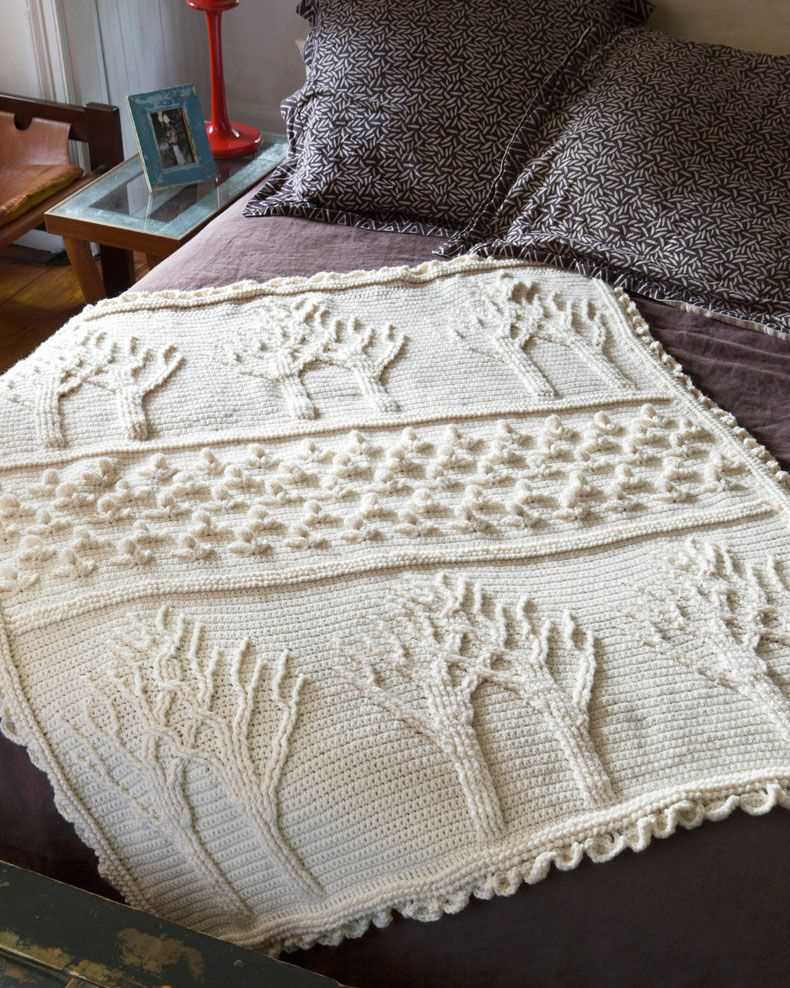
Knitting the Tree of Life motif can be a rewarding and challenging project for knitters of all skill levels. This intricate pattern features a beautiful tree with branches, leaves, and a trunk, symbolizing the interconnectedness of all living things. The Tree of Life motif can be incorporated into various knitting projects, such as blankets, scarves, or even sweaters, adding a touch of nature and symbolism to your creations.
To start knitting the Tree of Life motif, you will need to have a basic understanding of knitting techniques, such as casting on, knitting, purling, and binding off. It is also helpful to have some experience with reading knitting charts, as the Tree of Life pattern is often represented using a chart rather than written instructions.
Materials:
- Yarn: Choose a yarn in the color(s) of your choice, preferably one with good stitch definition to showcase the intricate details of the Tree of Life motif.
- Needles: Use the appropriate size of knitting needles for your chosen yarn, usually recommended on the yarn label. Circular needles may be more comfortable for larger projects like blankets.
- Knitting chart: Find or create a knitting chart for the Tree of Life motif that suits your desired project size. There are many resources available online, in knitting books, or you can design your own.
- Stitch markers: These can help you keep track of your progress and mark any important sections of the pattern.
- Tapestry needle: Use this to weave in loose ends and finish off your project.
Instructions:
- Start by casting on the required number of stitches for your project, according to your chosen knitting chart.
- Begin following the knitting chart, working each row according to the symbols or colors indicated. Pay attention to any special techniques or stitches required, such as increases, decreases, and yarn overs, to create the detailed Tree of Life motif.
- Continue knitting until you have completed the entire Tree of Life motif according to your chosen chart.
- Once the motif is complete, you can choose to continue knitting the rest of your project, such as a blanket or scarf, in a complementary stitch pattern or simply knit in stockinette or garter stitch.
- Finally, bind off your stitches and weave in any loose ends using a tapestry needle. Give your project a gentle blocking to even out the stitches and enhance the definition of the Tree of Life motif.
Remember, knitting the Tree of Life motif may require patience and concentration, but the end result is a beautiful and symbolic piece of art that you can cherish or gift to someone special.
Incorporating different colors and textures

When knitting a Tree of Life blanket, one of the ways to add visual interest and complexity to the design is by incorporating different colors and textures into the pattern. By using different yarn types and weights, as well as experimenting with various knitting techniques, you can create a truly unique and stunning blanket.
Color: To add depth and contrast to your blanket, consider using a color palette that includes both bold and subtle shades. This can be achieved by combining bright, eye-catching colors with softer, more muted tones. For example, you could use vibrant greens and blues for the leaves and branches of the tree, while incorporating earthy browns and grays for the trunk. Mixing and matching different colors will bring the tree design to life and make it visually appealing.
Texture: In addition to playing with colors, you can also incorporate different textures into your blanket. This can be achieved by using yarns with different textures, such as chunky or boucle yarns for the trunk to create a more textured and three-dimensional effect. You can also experiment with different knitting stitches, such as cables or lace patterns, to add even more texture and interest to the design. For example, you could use a cable stitch pattern for the tree trunk and a lace pattern for the leaves, creating a beautiful contrast in textures.
By incorporating different colors and textures into your Tree of Life blanket, you can create a visually stunning and unique piece that will be cherished for years to come. Experiment with different yarns, colors, and knitting techniques to bring your design to life and make it your own. Whether you choose bold, vibrant colors or soft, muted tones, and whether you opt for a chunky, textured look or a delicate lace pattern, the possibilities for creating a one-of-a-kind blanket are endless. Let your creativity shine through and enjoy the process of knitting a truly special piece.
Adding embellishments to your blanket
Enhancing your Tree of Life blanket with embellishments can add a touch of personalization and uniqueness to your knitting project. Whether you prefer intricate details or simple accents, there are various ways to incorporate embellishments into your blanket. Here are a few ideas to inspire you:
Add a border

A beautiful border can give your Tree of Life blanket a polished and finished look. You can choose a complementary color or pattern to frame the main design. Consider using a different stitch pattern or incorporating cables or lacework for an eye-catching border that adds depth and texture.
Embroidery
One way to make your Tree of Life blanket truly special is by adding embroidery. This allows you to personalize the blanket with names, dates, or meaningful quotes. Choose embroidery floss in colors that complement your blanket, and stitch your chosen design onto the fabric. Embroidery can be done before or after knitting, depending on your preference and the complexity of the design.
Appliques
Another way to embellish your blanket is by adding knitted or crocheted appliques. These small decorative elements can be attached to your blanket using sewing, knitting, or crocheting techniques. Consider creating floral motifs, animals, or other intricate designs that reflect your personal style.
Remember, when adding embellishments to your Tree of Life blanket knitting pattern, always consider the overall aesthetics and balance of the design. Experiment with different combinations and techniques to find the perfect embellishments that enhance the beauty of your blanket.
Blocking and finishing your blanket

Once you have finished knitting your Tree of Life blanket, it is time to block and finish it. Blocking is an important step in achieving a professional and polished look for your blanket. It helps to even out the stitches and open up the lace pattern, making the blanket look more defined and beautiful.
To block your blanket, you will need a large flat surface such as a bed or a clean floor. Lay the blanket flat, gently stretching and pinning it into shape. Use rustproof blocking pins to secure the edges and corners of the blanket. You can also use blocking wires to help keep the edges straight and even. Make sure to measure and adjust the blanket to your desired dimensions.
After pinning the blanket, you can lightly mist it with water or use a steam iron to help set the shape. Be careful not to over-wet the blanket, as it may take longer to dry. Allow the blanket to dry completely before removing the pins. This may take a day or two, depending on the humidity and air circulation in your home.
Once your blanket is dry, you can finish it by weaving in any loose ends of yarn. Use a yarn needle to carefully secure the ends, making sure they are hidden within the stitches. Trim any excess yarn, leaving a small tail to prevent unraveling.
Your Tree of Life blanket is now ready to be enjoyed or gifted. The blocking process will enhance the beauty of the stitches and lace pattern, making your blanket a treasured heirloom for years to come.
Care instructions for your Tree of Life blanket

Thank you for choosing our Tree of Life blanket knitting pattern! To ensure that your blanket stays beautiful and cozy for years to come, it is important to properly care for it. Here are some care instructions to follow:
Handwashing

We recommend handwashing your Tree of Life blanket to preserve its delicate design and prevent any damage. Fill a basin or sink with lukewarm water and add a mild detergent suitable for delicate fabrics. Gently swirl the blanket in the water, avoiding any harsh scrubbing or wringing. Rinse the blanket thoroughly with cool water to remove all detergent.
After rinsing, gently squeeze out excess water without twisting or wringing the blanket. To dry, lay the blanket flat on a clean towel and roll it up to absorb the moisture. Unroll the towel and reshape the blanket to its original size and pattern. Finally, lay the blanket flat on a drying rack or a clean, dry surface away from direct sunlight or heat sources.
Machine washing

If you prefer to machine wash the Tree of Life blanket, be sure to use a gentle cycle and a laundry bag or pillowcase to protect it from getting tangled or stretched. Cold water and a mild, gentle detergent are recommended. Avoid using bleach or harsh fabric softeners as they may damage the fibers and colors.
After the wash cycle is complete, remove the blanket promptly and reshape it to its original size and pattern. Again, avoid twisting or wringing the blanket. To dry, follow the same steps as for handwashing, laying the blanket flat on a clean towel and rolling it up to remove excess moisture. Then, reshape the blanket and air dry it on a drying rack or a clean, dry surface.
Storage
When not in use, it’s important to store your Tree of Life blanket properly to prevent any snags or damage. Fold the blanket neatly, following its original creases if possible, and place it in a breathable storage bag or a clean, dry area. Avoid storing the blanket in plastic bags, as they can trap moisture and lead to mildew or odors. Additionally, keep the blanket away from direct sunlight and any potential sources of moisture or heat.
By following these care instructions, your Tree of Life blanket will remain a cherished and timeless piece, providing warmth and beauty for years to come. Enjoy the comfort and artistry it brings to your home!
Inspiration and variations of the pattern
The Tree of Life blanket knitting pattern has gained popularity due to its intricate design and symbolism. Many people are inspired by the idea of incorporating nature and its elements into their knitting projects. The Tree of Life motif is particularly appealing because it represents growth, strength, and interconnectedness. It is also a universal symbol found in different cultures and religions across the world.
While the traditional Tree of Life blanket knitting pattern features a large tree with branches spreading outwards, there are various variations of the design that allow knitters to personalize their projects. Some variations include adding flowers, birds, or animals to the branches of the tree. This adds a touch of whimsy and gives the blanket a unique and individualized look.
Other variations of the pattern include changing the colors to create a different ambiance. For example, using earthy tones such as greens and browns can emphasize the natural and organic feel of the design. On the other hand, using bright and vibrant colors can make the blanket more playful and eye-catching.
Knitters can also experiment with different stitch patterns to add texture and depth to the Tree of Life design. This can be done by incorporating cables, lace, or colorwork techniques. By combining different stitches, the knitter can create a stunning visual effect and make the blanket even more visually appealing.
- Adding beads or sequins to the design is another way to enhance the Tree of Life pattern. This can be done by sewing them onto the branches or scattered throughout the blanket. The addition of these embellishments adds a touch of sparkle and elegance to the finished piece.
- Some knitters also choose to customize the Tree of Life blanket by incorporating initials or names into the design. This can be done by knitting or embroidering the letters onto the branches or creating a separate panel with personalized details.
- For those who prefer a smaller project, the Tree of Life pattern can be adapted to create pillows, scarves, or even wall hangings. These smaller items still capture the beauty and symbolism of the tree motif but on a more manageable scale.
Overall, the Tree of Life blanket knitting pattern provides a versatile and inspiring design that allows knitters to showcase their creativity and personal style. Whether sticking to the traditional pattern or exploring various variations, the final result is sure to be a cherished and meaningful piece.
Sharing and Gifting your Tree of Life Blanket
Once you have completed your Tree of Life blanket, you may want to share and gift it to someone special. This beautiful and meaningful blanket can be a thoughtful present for birthdays, holidays, or as a comforting gift for someone going through a difficult time.
When gifting your Tree of Life blanket, consider making it extra special by personalizing it. You can add a personalized message or initials using embroidery or a fabric tag. This small touch will make the blanket even more meaningful and cherished by the recipient.
If you are sharing your Tree of Life blanket online, consider joining knitting communities or forums where you can showcase your work. Share progress pictures and the final result to inspire and encourage other knitters. You may also choose to share your pattern modifications or tips for fellow knitters who are interested in creating their own Tree of Life blanket.
Here are a few ways you can share and gift your Tree of Life blanket:
- Gift it to a family member or close friend to show your love and affection.
- Donate it to a local charity or shelter to bring warmth and comfort to someone in need.
- Enter it into a knitting competition or showcase it at a local knitting event to inspire others and gain recognition for your skills.
- Create a tutorial or pattern guide based on your experience knitting the Tree of Life blanket to help others who are interested in making their own.
No matter how you choose to share or gift your Tree of Life blanket, remember that your hard work and dedication have created a truly special and meaningful item. It is a symbol of love, warmth, and creativity, and it will undoubtedly bring joy to those who receive it.