
Knitting is a popular hobby that combines creativity and relaxation. One of the most satisfying projects for knitters of all skill levels is making a tea cosy. A tea cosy is a charming accessory that keeps your teapot warm and adds a touch of style to your tea time.
If you love to knit and are looking for a new project to add to your collection, we have the perfect solution for you. In this article, we will be sharing a tea cosy free knitting pattern. This pattern is easy to follow and will give you the opportunity to try out new stitches and techniques.
Whether you are a beginner knitter or have years of experience, this tea cosy pattern is suitable for everyone. It is a great way to use up leftover yarn and create a one-of-a-kind accessory that will impress your friends and family. So grab your knitting needles and get ready to embark on a fun and rewarding knitting journey!
What is a tea cosy?
A tea cosy is a knitted or fabric cover that is placed over a teapot to help keep the tea warm for a longer period of time. It is essentially a small “sweater” for your teapot!
A tea cosy is typically made from thick, insulating materials such as wool or quilted fabric. The cosy wraps around the teapot, covering it completely except for the spout and handle. It is secured in place with ties or buttons.
The purpose of a tea cosy is to insulate the teapot and prevent heat from escaping, helping to maintain the temperature of the tea inside. This is especially useful for those who enjoy leisurely tea-drinking sessions or gatherings, as it allows them to enjoy multiple cups of hot tea without it cooling too quickly.
Tea cosies come in a variety of designs, ranging from simple and functional to elaborate and decorative. Some may feature intricate patterns or embroidery, while others may be more whimsical with animal or floral motifs. The choice of design often depends on personal preference and the overall aesthetic of the tea set or kitchen.
Overall, a tea cosy is a practical and charming accessory for tea lovers, adding warmth and style to the tea-drinking experience. Whether you prefer a traditional or modern design, there is a tea cosy out there to suit your taste.
Benefits of using a tea cosy
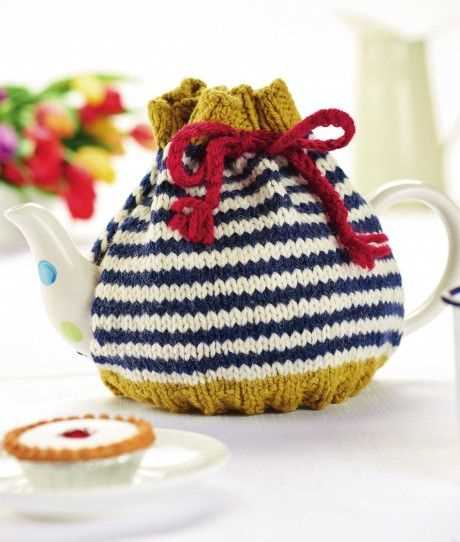
A tea cosy is a simple but effective way to keep your tea warm for longer periods of time. Made from insulated materials such as wool or quilted fabric, a tea cosy fits snugly over the teapot, trapping the heat inside and preventing it from escaping. This not only ensures that your tea stays hot, but also helps to maintain its flavor and aroma.
One of the main benefits of using a tea cosy is that it can help save energy. By keeping your tea warm, you won’t need to constantly reheat the kettle or teapot, which can reduce your overall energy consumption. This is particularly useful if you enjoy multiple cups of tea throughout the day or if you have guests over for tea.
- Keeps tea hot for longer: By insulating the teapot, a tea cosy helps to retain the heat and keep your tea hot for a longer period of time.
- Preserves flavor and aroma: The trapped heat inside the tea cosy prevents the essential oils and flavors in the tea from evaporating, ensuring that each cup is as fresh and flavorful as the first.
- Saves energy: Using a tea cosy eliminates the need to constantly reheat the kettle or teapot, reducing energy consumption and saving you money on your energy bills.
- Makes teatime more enjoyable: There’s something special about sitting down with a warm cup of tea, and a tea cosy helps to prolong this experience, allowing you to savor each sip without worrying about the tea getting cold too quickly.
- Adds a decorative touch: Tea cosies come in a variety of styles and designs, allowing you to personalize your teapot and add a decorative touch to your tea time rituals.
History of tea cosies
A tea cosy is a knitted or fabric cover that is placed over a teapot to keep the tea warm for a longer period of time. The tradition of using tea cosies dates back to the Victorian era in the 19th century. During this time, tea was an important part of social gatherings and afternoon tea was a popular pastime for the upper class. Tea cosies were created to help retain the heat of the tea and ensure that it stayed warm for the duration of the tea party.
In Victorian times, tea cosies were often elaborate and ornate, reflecting the fashion and style of the era. They were often made from luxurious materials such as silk or velvet and adorned with intricate embroidery or lace. Some tea cosies even featured beautiful beading or tassels. These cosies were often seen as a status symbol and were displayed prominently on the tea table.
As time went on and tea became more accessible to the middle and working class, tea cosies became more practical and less decorative. They were often made from more affordable materials such as wool or cotton and focused on functionality rather than aesthetics. The design of tea cosies also evolved to accommodate different types of teapots, with some featuring a spout and handle opening and others covering the entire pot.
Today, tea cosies continue to be a popular accessory for tea lovers around the world. They come in a wide range of styles and designs, from traditional and vintage-inspired cosies to modern and quirky ones. Many knitters and crafters also enjoy creating their own tea cosies, using a variety of knitting or sewing techniques. Whether decorative or practical, a tea cosy adds a touch of charm and warmth to any tea time experience.
Origins of Tea Cosies

Tea cosies have a long history and are believed to have originated in the 18th century in Britain. Tea cosies were initially crafted to help keep teapots warm and retain the flavor of the tea for a longer period of time. During this time, tea drinking was a popular social activity and tea cosies became an essential accessory for tea parties and gatherings.
The design of tea cosies has evolved over the years, with different styles and patterns emerging to suit various tastes and trends. The traditional tea cosy typically covers the entire teapot, providing insulation and warmth, while also adding a decorative touch to the tea set. The cosies were often knitted or crocheted using wool or other warm materials, with intricate patterns and designs.
Tea cosies became particularly popular during the Victorian era, as tea drinking became a symbol of refinement and gentility. They were often embroidered or embellished with lace, ribbons, or even beads to create an elegant and luxurious look. Tea cosies also became a way for women to showcase their knitting or crocheting skills, with patterns and designs being passed down through generations.
Today, tea cosies continue to be cherished by tea enthusiasts and collectors. With the resurgence of tea culture and the interest in vintage and handmade items, tea cosies are once again in vogue. They are not only functional but also make beautiful decorative pieces for the kitchen or table. Many modern tea cosies feature contemporary designs and creative motifs, giving them a unique and modern twist.
In conclusion, the origins of tea cosies can be traced back to 18th-century Britain. These charming and practical accessories have evolved over time, with various styles and designs emerging. Whether traditional or modern, tea cosies continue to bring warmth, style, and a touch of elegance to tea-drinking rituals around the world.
Evolution of tea cosies
The tea cosy has a long and rich history, evolving over time to become not only a functional accessory but also a fashionable statement. Originally, tea cosies were used to keep teapots warm during the Victorian era in England. These early designs were often made from thick fabrics such as wool or felt and featured simple, understated patterns.
As time went on, tea cosies began to incorporate more intricate designs and embellishments. Knitters and crafters started experimenting with different stitches, adding lace patterns, cables, and even embroidery to their tea cosy creations. This allowed for greater personalization and creativity, making each tea cosy a unique piece of art.
With the rise of the Arts and Crafts movement in the late 19th and early 20th centuries, tea cosies became even more elaborate and ornate. Artisans started using luxurious materials like silk and velvet, and often incorporated intricate beadwork and appliqué. These tea cosies were not only practical but also served as status symbols, showcasing the owner’s wealth and artistic taste.
In recent years, tea cosies have experienced a resurgence in popularity, thanks in part to the growing interest in knitting and handicrafts. Modern tea cosies come in a wide range of styles, from traditional and vintage-inspired designs to contemporary and novelty creations. Some knitters even create themed tea cosies, featuring motifs such as animals, flowers, or popular characters.
Overall, the evolution of tea cosies reflects the changing tastes and styles of different eras. From simple and functional to elaborate and decorative, tea cosies have remained a beloved and cherished accessory for tea lovers around the world.
Why knit your own tea cosy?
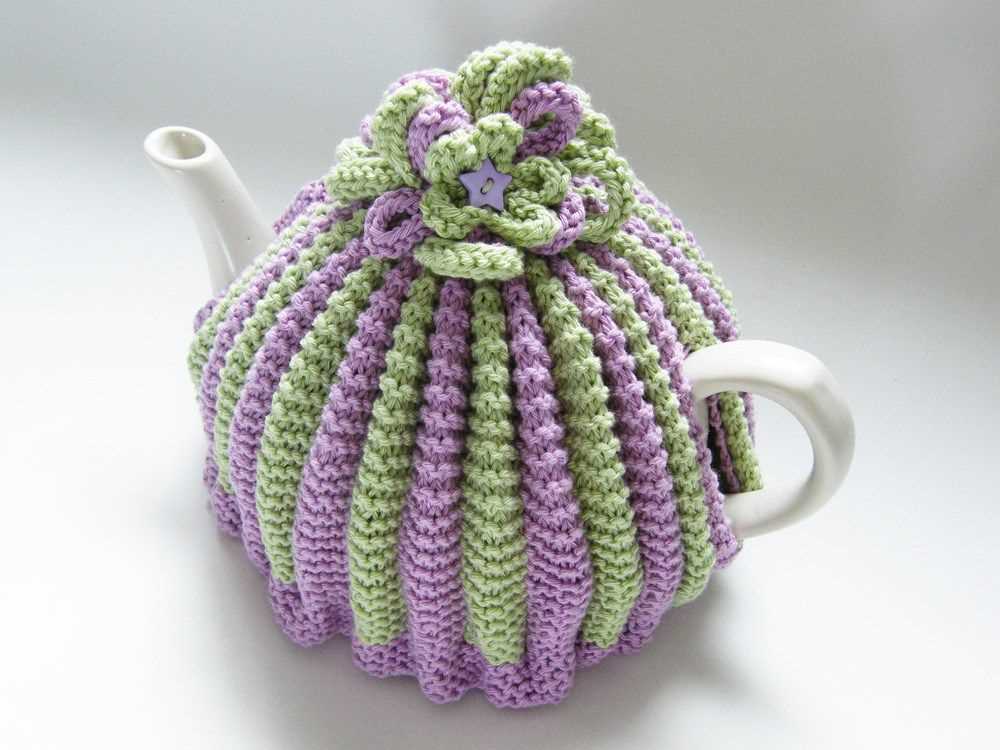
There are several reasons why knitting your own tea cosy can be a rewarding and enjoyable project. Firstly, knitting allows you to create a personalised and unique cosy that reflects your own taste and style. You can choose from a wide range of yarns, colors, and patterns to create a tea cosy that perfectly matches your kitchen or dining room decor. Whether you prefer a classic and elegant design or a bold and vibrant one, knitting gives you the creative freedom to bring your vision to life.
Secondly, knitting a tea cosy is a practical and functional project. A tea cosy helps to keep your tea warm for longer, ensuring that you can enjoy a hot cuppa even on the coldest of days. By knitting your own cosy, you can customise it to fit your teapot perfectly, ensuring a snug fit and maximum insulation. This can be particularly useful if you have an unusual or non-standard teapot size.
Additionally, knitting is a relaxing and stress-relieving activity. It allows you to unwind and take a break from the pressures of everyday life, while also engaging your mind and stimulating your creativity. Knitting can help to reduce anxiety and promote feelings of calmness and well-being. So, why not take some time for yourself and enjoy the therapeutic benefits of knitting while creating a beautiful and useful tea cosy?
Materials needed for knitting a tea cosy
Knitting a tea cosy requires a few essential materials to ensure a successful and cozy outcome. Here is a list of the key items you will need:
1. Yarn
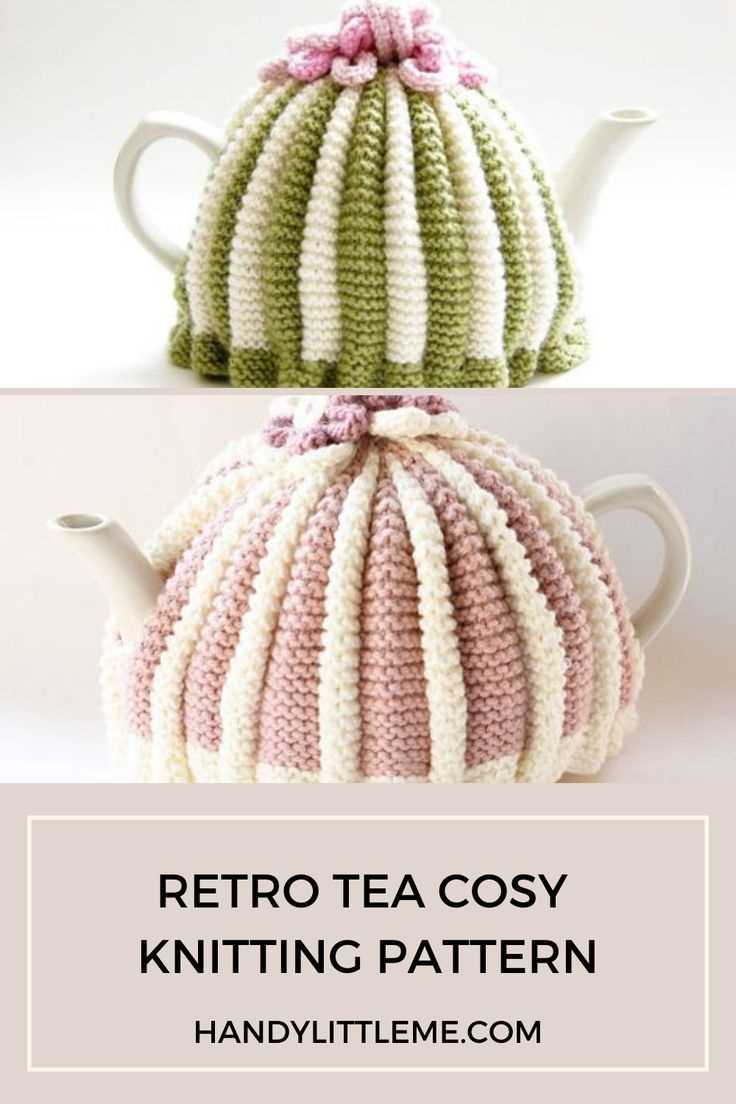
To knit a tea cosy, you will need a suitable yarn. Choose a yarn that is soft, warm, and preferably in a natural fiber like wool or cotton. The type and weight of yarn can vary depending on your preference and the desired thickness of the cosy. Make sure to have enough yarn to complete the project, considering the size of your teapot and any additional decoration or details you plan to include.
2. Knitting Needles
A set of knitting needles is essential for any knitting project, including a tea cosy. The size of the needles will depend on the thickness of the yarn and the desired tension of your knitting. Make sure to use the appropriate needle size recommended for the yarn you have chosen. Circular or double-pointed needles may be useful for certain patterns or techniques.
3. Stitch Markers
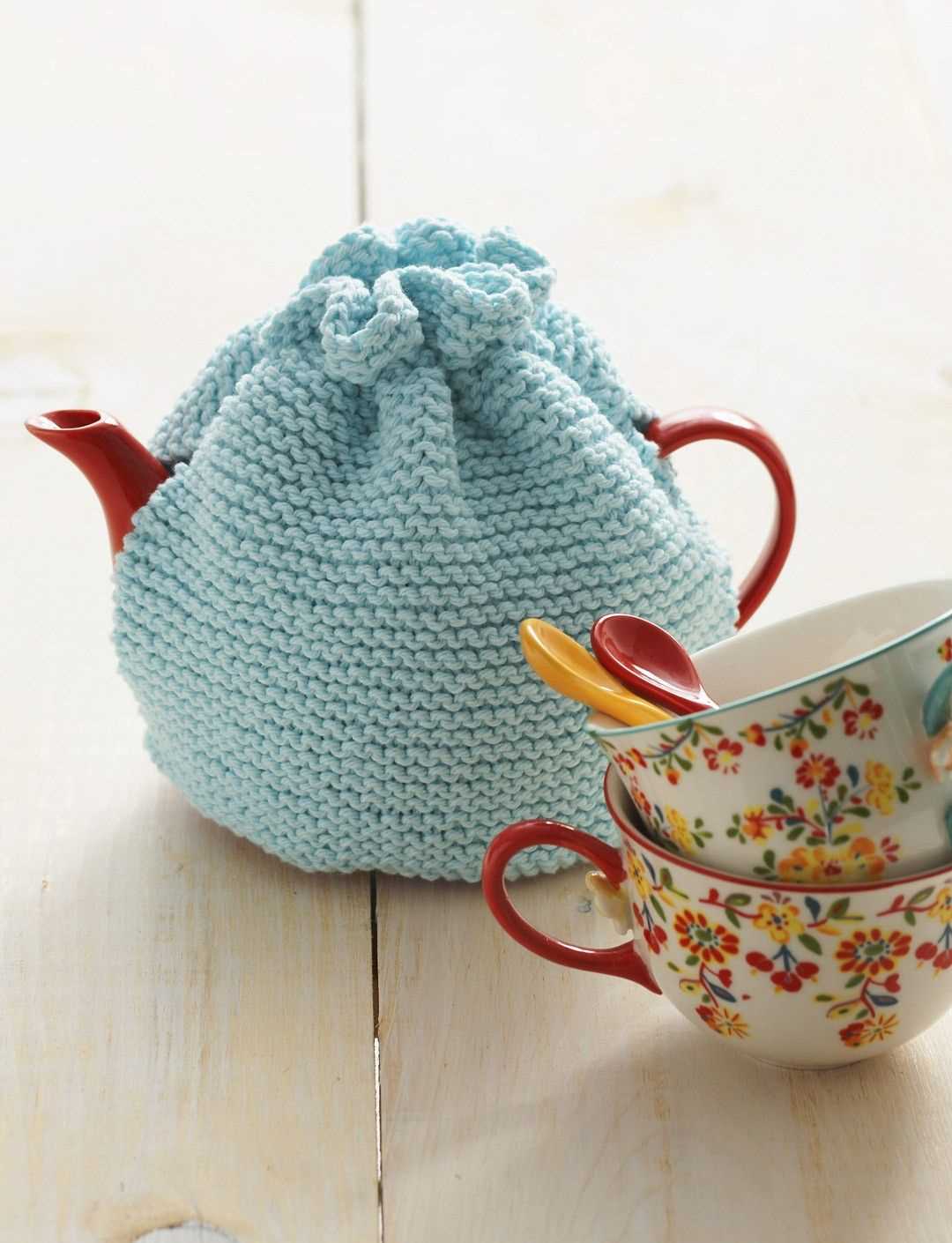
Stitch markers are useful for keeping track of specific stitches or pattern repeats while knitting a tea cosy. They can be small rings or clips that can easily slide onto the knitting needle. Stitch markers help ensure accuracy and prevent mistakes, especially when working on more complex or intricate designs.
4. Tapestry Needle
A tapestry needle, also known as a yarn needle or darning needle, is necessary for sewing up seams and weaving in loose ends. The needle should have a large eye to accommodate the yarn and a blunt tip to avoid splitting the stitches. It is important to have a tapestry needle on hand to finish the tea cosy neatly and securely.
5. Embellishments (Optional)

If you want to add some extra flair to your tea cosy, you may also need additional materials like buttons, beads, ribbons, or embroidery floss. These embellishments can be used to create decorative elements, such as flowers, polka dots, or personalized designs. Choose materials that complement the color and style of your tea cosy and have fun experimenting with different textures and finishes.
In addition to these materials, it is always helpful to have a pair of scissors, a tape measure, and a pattern or instructions for the specific tea cosy design you will be knitting. With the right materials and a bit of creativity, you can create a beautiful and functional tea cosy to keep your teapot warm and stylish.
Yarn

In the world of knitting, yarn is the essential material used to create beautiful and functional pieces. Whether it’s a cozy tea cosy or a warm sweater, the quality and type of yarn can greatly impact the final product. Yarn comes in many different fibers and thicknesses, allowing knitters to choose the perfect material for their project.
When it comes to selecting yarn for a tea cosy, it’s important to consider the insulation properties and durability of the material. Wool is a popular choice for tea cosies due to its natural warmth and ability to retain heat. Acrylic yarn can also be a good option, as it is easy to care for and often more affordable. No matter the fiber, it’s important to choose a yarn that is soft, yet sturdy, to ensure the cosy will keep its shape over time.
Fiber Types
There are several types of yarn fiber to choose from, each with its own unique characteristics. Wool is a natural fiber that is warm, breathable, and has great insulation properties. It can also be more expensive compared to synthetic fibers. Acrylic yarn is made from synthetic fibers and is known for its durability and affordability. It is also often machine washable, making it easy to care for. Cotton yarn is lightweight and breathable, making it a great choice for warmer climates. It is also hypoallergenic, making it suitable for those with sensitive skin. Other popular yarn fibers include alpaca, silk, and cashmere, each with their own advantages and disadvantages.
Yarn Weight
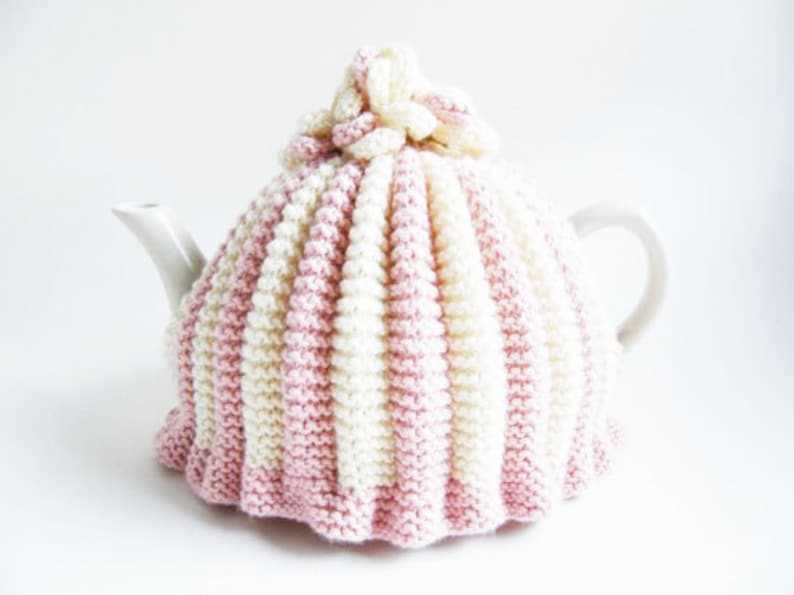
Yarn also comes in different weights, ranging from super bulky to lace. The weight of the yarn determines how thick or thin the resulting fabric will be. For tea cosy knitting patterns, a medium weight yarn, also known as worsted weight or aran weight, is typically used. This weight allows for a good balance between warmth and drape, creating a cosy that is both functional and visually appealing. However, knitters can experiment with different weights to achieve different effects and textures in their tea cosies.
Needles
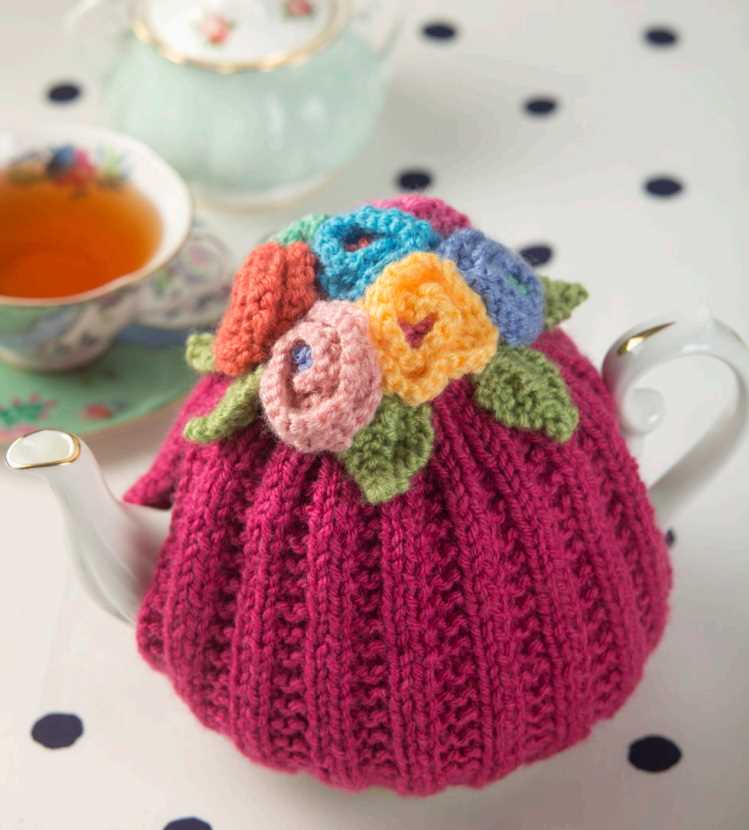
When it comes to knitting, the most important tool you will need is a pair of knitting needles. Knitting needles come in a variety of materials, sizes, and styles, allowing you to choose the perfect needle for your project. Whether you prefer metal, wood, or plastic, there is a needle out there that will suit your needs.
One of the first things to consider when choosing knitting needles is the size. The size of the needle determines the gauge of your knitting, which in turn affects the size and drape of your finished project. Needles can range in size from very small, for delicate lace knitting, to larger sizes for chunky yarn. It is important to match the needle size to the yarn you are using in order to achieve the desired result.
Types of Needles

- Straight Needles: These are the most common type of knitting needles. They have a point on one end and a knob or stopper on the other end to prevent stitches from sliding off.
- Circular Needles: These needles are connected by a flexible cable, allowing you to knit in the round or work on large projects like blankets or shawls.
- Double-Pointed Needles: These needles have points on both ends and are used for knitting in the round, particularly for small projects like socks or sleeves.
When choosing needles, it is also important to consider your personal knitting style and preferences. Some knitters prefer the feel of metal needles, which are smooth and slick, while others prefer the warmth and natural feel of wooden or bamboo needles. The type of needle you choose can greatly impact your knitting experience and the final result of your project.
Overall, knitting needles are an essential tool for every knitter. With the right needles, you can create beautiful and cozy projects like tea cosies and so much more. So, take some time to explore the different types of needles and find the perfect pair for your next knitting endeavor.
Additional Materials
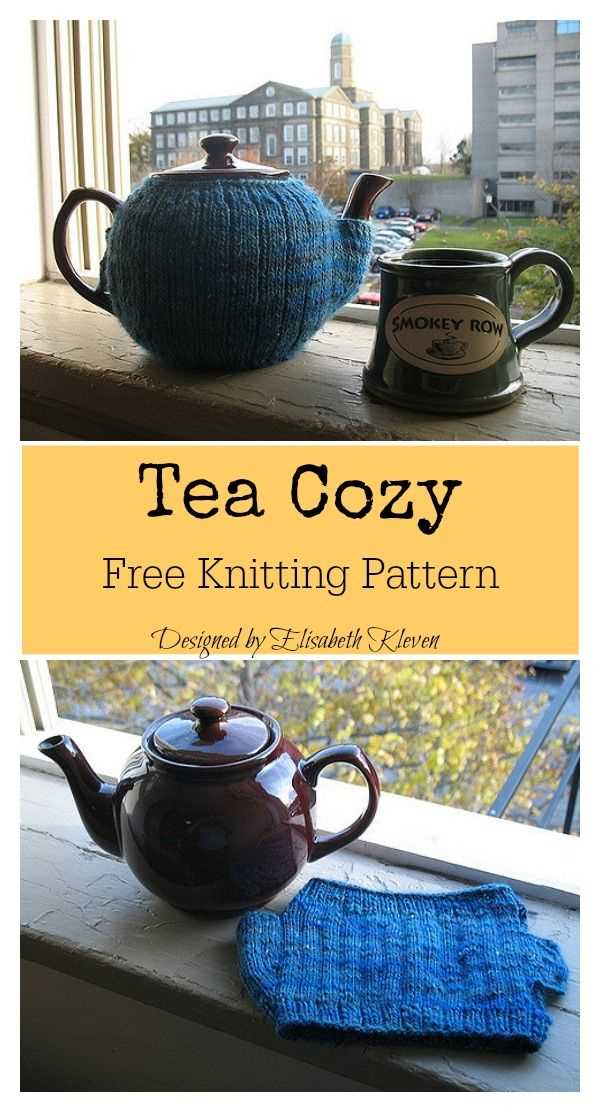
When knitting a tea cosy, you will need a few additional materials to complete the project. These materials may vary depending on the specific pattern you are following, but here are some common ones you may need:
- Yarn: Choose a yarn that is suitable for knitting and will provide the desired thickness and texture for your tea cosy. The amount of yarn required will depend on the size of your tea cosy and the pattern you are following.
- Knitting Needles: You will need a pair of knitting needles in the appropriate size for your chosen yarn. The size of the needles will be indicated in the pattern instructions.
- Tapestry Needle: A tapestry needle is used to weave in loose ends and finish off your tea cosy. It has a large eye and a blunt tip, making it ideal for sewing in yarn.
- Scissors: A pair of scissors is essential for cutting your yarn and trimming any excess ends.
- Measuring Tape: A measuring tape is useful for checking the dimensions of your tea cosy and ensuring that it will fit your teapot properly.
These are just a few of the additional materials you may need when knitting a tea cosy. It’s always a good idea to read through the pattern instructions before starting to ensure you have all the necessary materials on hand.
Step-by-step instructions for knitting a tea cosy
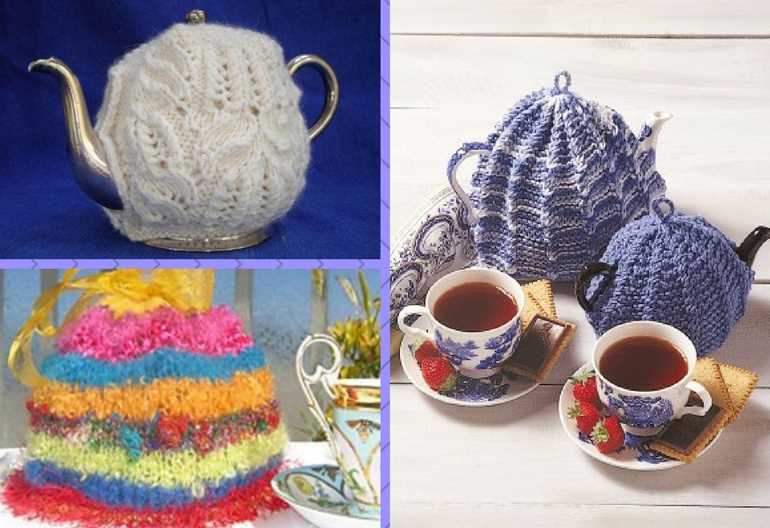
Knitting a tea cosy is a fun and practical project that can add a touch of charm to your tea time. Whether you’re a beginner or an experienced knitter, this step-by-step guide will walk you through the process of creating your very own tea cosy.
Materials:
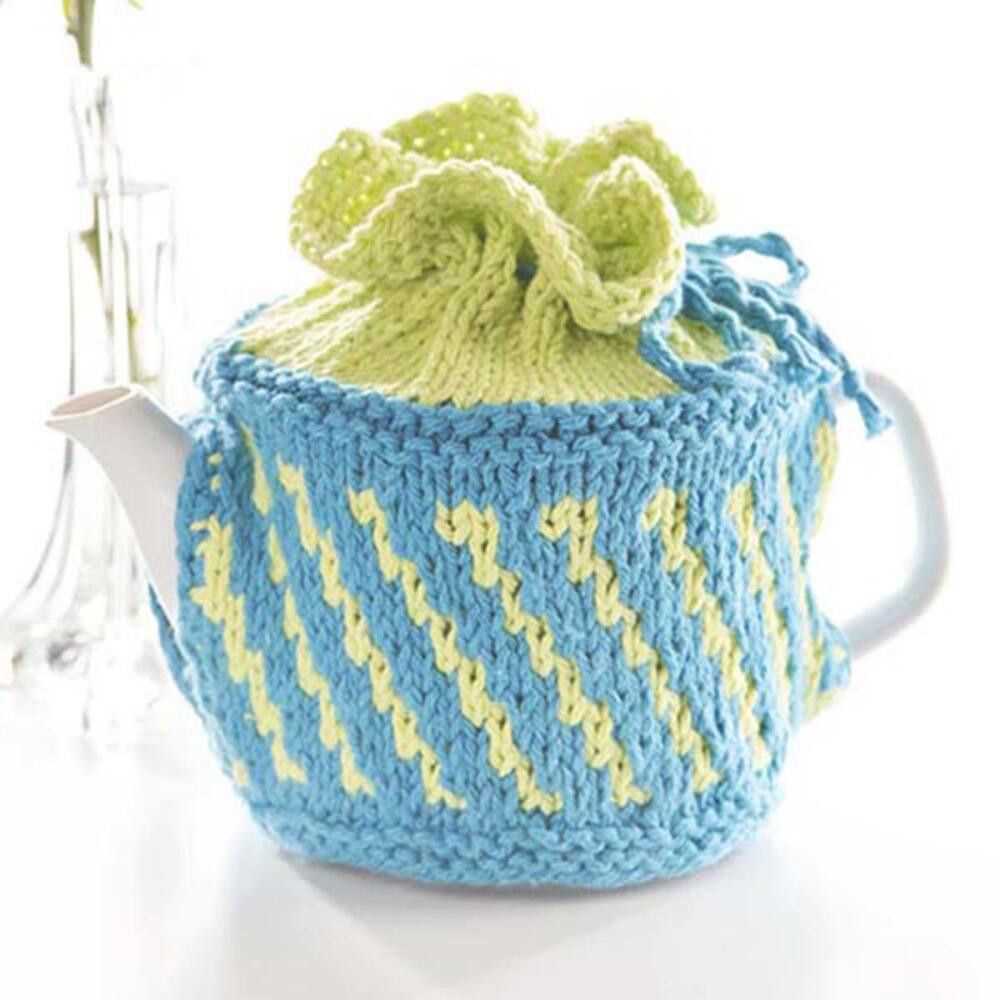
To get started, gather the following materials:
- Wool or acrylic yarn in your desired colors
- Knitting needles, size 8 or as recommended by yarn label
- Tapestry needle
- Scissors
- Buttons or other decorative embellishments (optional)
Instructions:

- Begin by casting on the required number of stitches to fit your teapot. It’s a good idea to measure your teapot circumference beforehand to ensure a snug fit.
- Knit in the round using a basic knit stitch until the tea cosy reaches the desired height. This will typically be around 6-8 inches.
- If desired, add decorative embellishments such as stripes, cables, or lace patterns to the body of the tea cosy. Get creative and experiment with different stitch patterns!
- Once the main body is complete, it’s time to shape the top of the tea cosy. You can do this by decreasing stitches gradually or by creating a dome shape. Follow a pattern or use your own creativity to customize the shape.
- Once the top is shaped to your liking, bind off the stitches and cut the yarn, leaving a long tail for seaming.
- Using a tapestry needle, seam the edges of the tea cosy together, leaving an opening for the teapot handle and spout.
- If desired, add buttons or other decorative embellishments to the tea cosy to add a personal touch.
- Try the tea cosy on your teapot to ensure a good fit. Make any adjustments if necessary.
- Finally, brew a cup of your favorite tea and enjoy it with your newly knitted tea cosy!
With these step-by-step instructions, you’ll be able to create a beautiful and functional tea cosy that will keep your tea warm and cozy. Don’t be afraid to experiment with different colors, patterns, and embellishments to make it truly unique. Happy knitting!
Tea Cosy Pattern Ideas
A tea cosy is a great way to keep your tea warm and add a touch of style to your teapot. Whether you are a knitting enthusiast or just starting out, there are plenty of tea cosy knitting patterns available to suit different tastes and skill levels.
1. Classic Tea Cosy: If you prefer a traditional look, consider knitting a classic tea cosy pattern. This design usually features a simple shape with a ribbed texture or a cable pattern. It is perfect for those who appreciate timeless elegance in their teapot accessory.
2. Animal-inspired Tea Cosy: For a fun and whimsical touch, you can try knitting a tea cosy in the shape of an animal. From cute cats and dogs to quirky owls and penguins, there are numerous patterns available that can transform your teapot into an adorable creature.
3. Floral Tea Cosy: If you love nature and want to add a touch of femininity to your teapot, consider knitting a floral tea cosy. You can choose patterns that feature delicate flower motifs or opt for a more intricate lace design. A floral tea cosy is a perfect choice for tea parties or a lovely gift for a tea-loving friend.
4. Holiday-themed Tea Cosy: To celebrate special occasions, you can knit a tea cosy with a holiday theme. Whether it’s a Christmas tree, a Halloween pumpkin, or an Easter bunny, holiday-themed tea cosies can add a festive feel to your teapot and make it a conversation starter during holiday gatherings.
5. Personalized Tea Cosy: If you have specific preferences or want to showcase your creativity, consider designing your own tea cosy pattern. You can incorporate your favorite colors, stitch patterns, or even add a monogram or embroidery to personalize it further. A personalized tea cosy is a unique and thoughtful gift for someone special.
Whichever tea cosy pattern you choose, knitting it can be a relaxing and enjoyable experience. It allows you to unleash your creativity and add a personal touch to your tea time rituals. So grab your knitting needles, choose a pattern that speaks to you, and start creating your very own tea cosy masterpiece.
Tips and tricks for knitting a tea cosy

Knitting a tea cosy can be a fun and rewarding project. Here are some tips and tricks to help you along the way:
1. Choose the right yarn
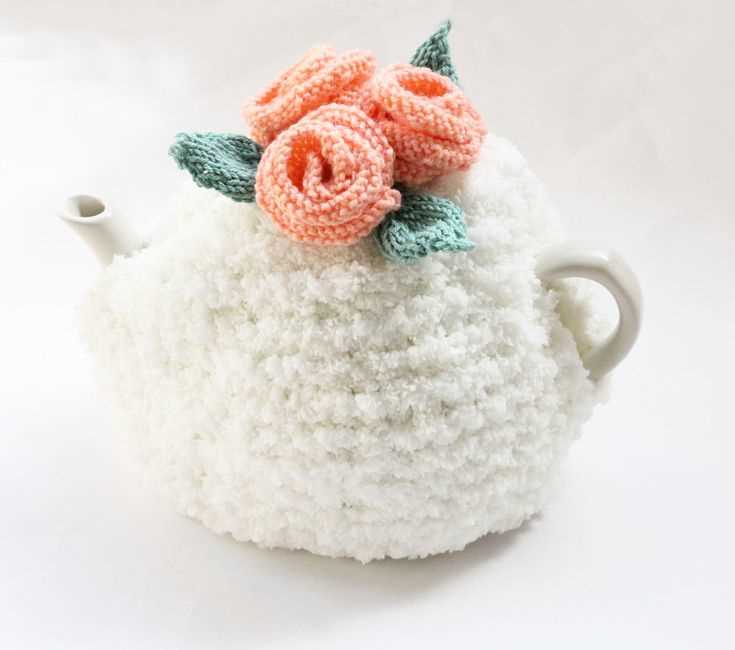
When selecting yarn for your tea cosy, make sure to choose a type that is suitable for the purpose. Look for a yarn that is thick enough to provide insulation, but not too bulky that it loses its shape. Acrylic and wool blends are popular choices for tea cosies as they are both warm and durable.
2. Gauge matters
Before you begin knitting, it is important to check your gauge. This means you need to knit a small swatch using the same stitch pattern and needle size as your tea cosy. Measuring the number of stitches per inch will help ensure that your tea cosy will fit properly.
3. Add decorative details
A tea cosy is not only functional, but it can also be a beautiful piece of art. Consider adding decorative touches such as cables, lace patterns, or colorwork to make your tea cosy unique and eye-catching. These details can really take your tea cosy to the next level.
4. Use stitch markers

Stitch markers are a helpful tool when knitting a tea cosy, especially if you are working with complex stitch patterns or shaping. They can help you keep track of where you are in your pattern and ensure that your stitches are in the right place. You can purchase stitch markers at craft stores or use simple alternatives like safety pins or small pieces of yarn.
5. Finishing touches
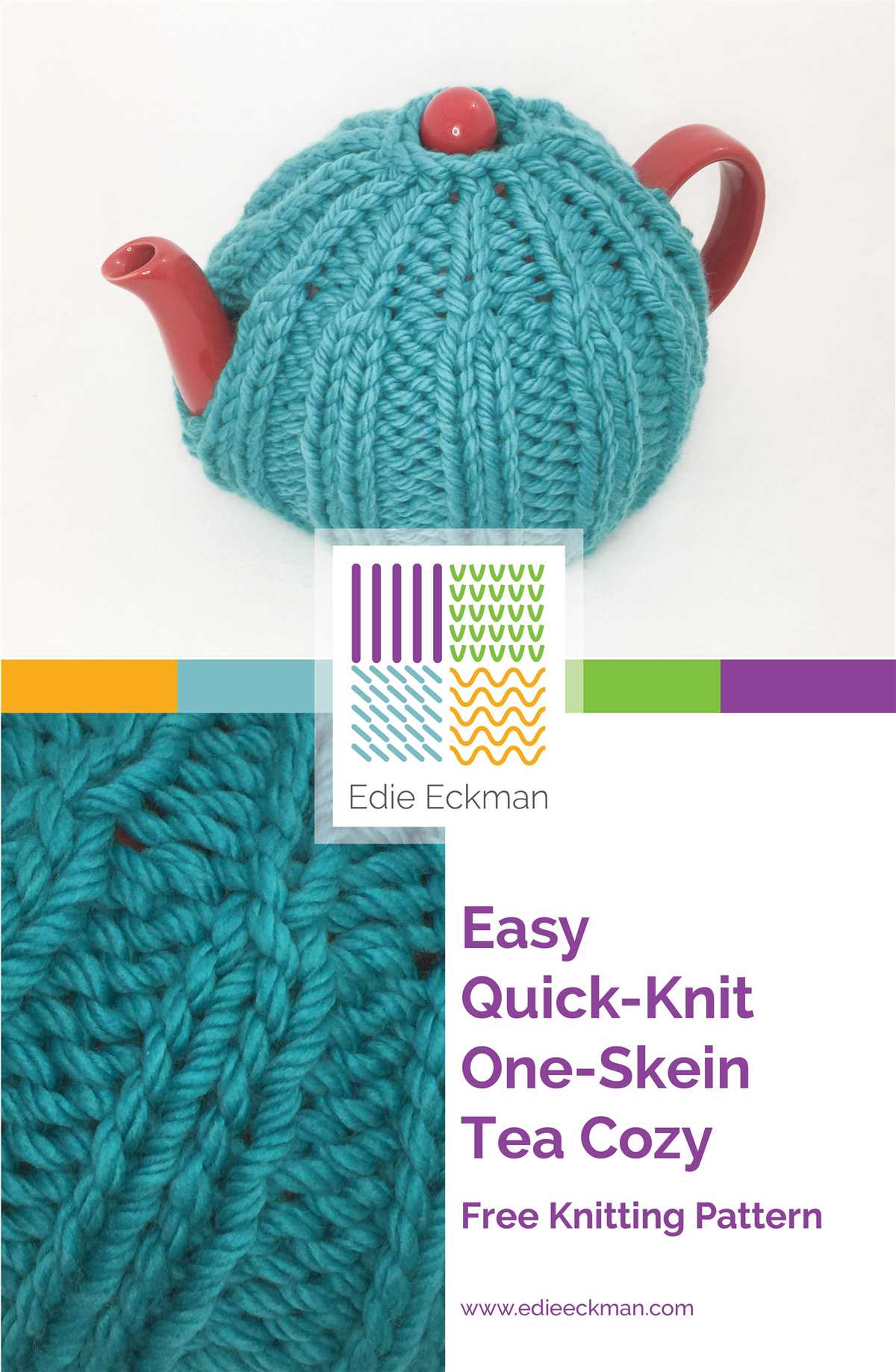
Once you have completed knitting your tea cosy, don’t neglect the finishing touches. Weave in all loose ends of yarn to give your tea cosy a polished look. You can also add buttons, pompoms, or other embellishments to personalize your tea cosy.
By following these tips and tricks, you’ll be well on your way to creating a beautiful and functional tea cosy. So grab your needles, choose a pattern, and start knitting!