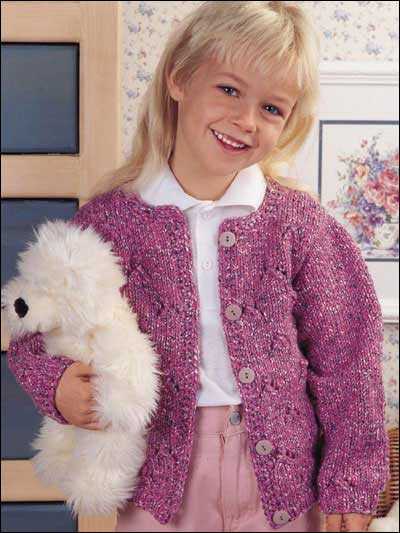
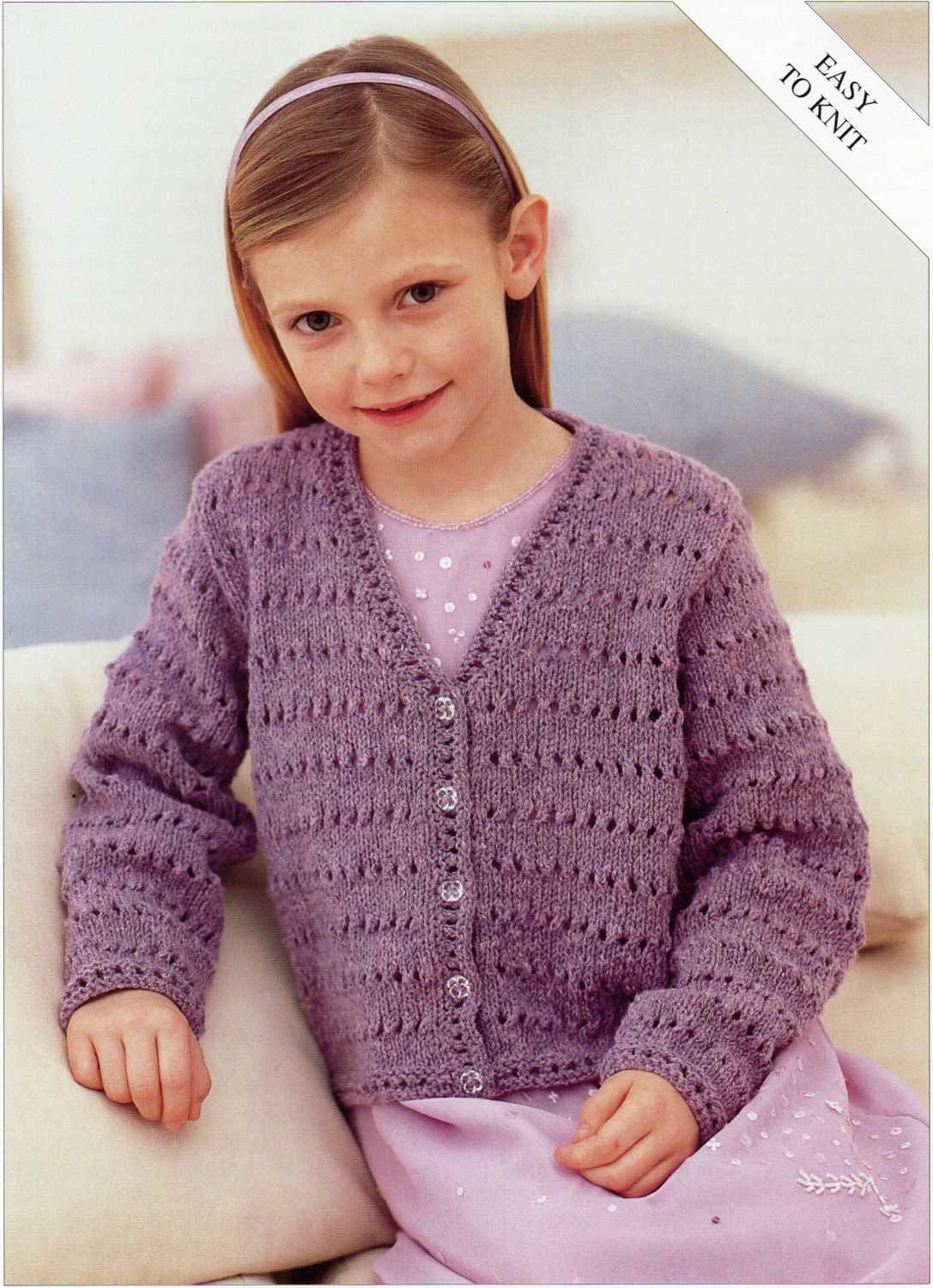
Looking for the perfect knitting project for your little one? Look no further! This child’s cardigan free knitting pattern is just what you need. Whether you’re a seasoned knitter or just starting out, this pattern is sure to be a hit.
Not only is this cardigan adorable, but it’s also practical and comfortable. Made with soft, cozy yarn, it will keep your child warm on chilly days while still allowing them to move and play freely. Plus, the button-up design makes it easy to put on and take off.
With this free knitting pattern, you’ll be able to create a beautiful and unique cardigan for your child. The pattern includes detailed instructions and a helpful diagram, making it easy to follow along and create a stunning finished product. Plus, the pattern offers multiple sizes, so you can make a cardigan that fits your child perfectly.
Materials needed for childs cardigan
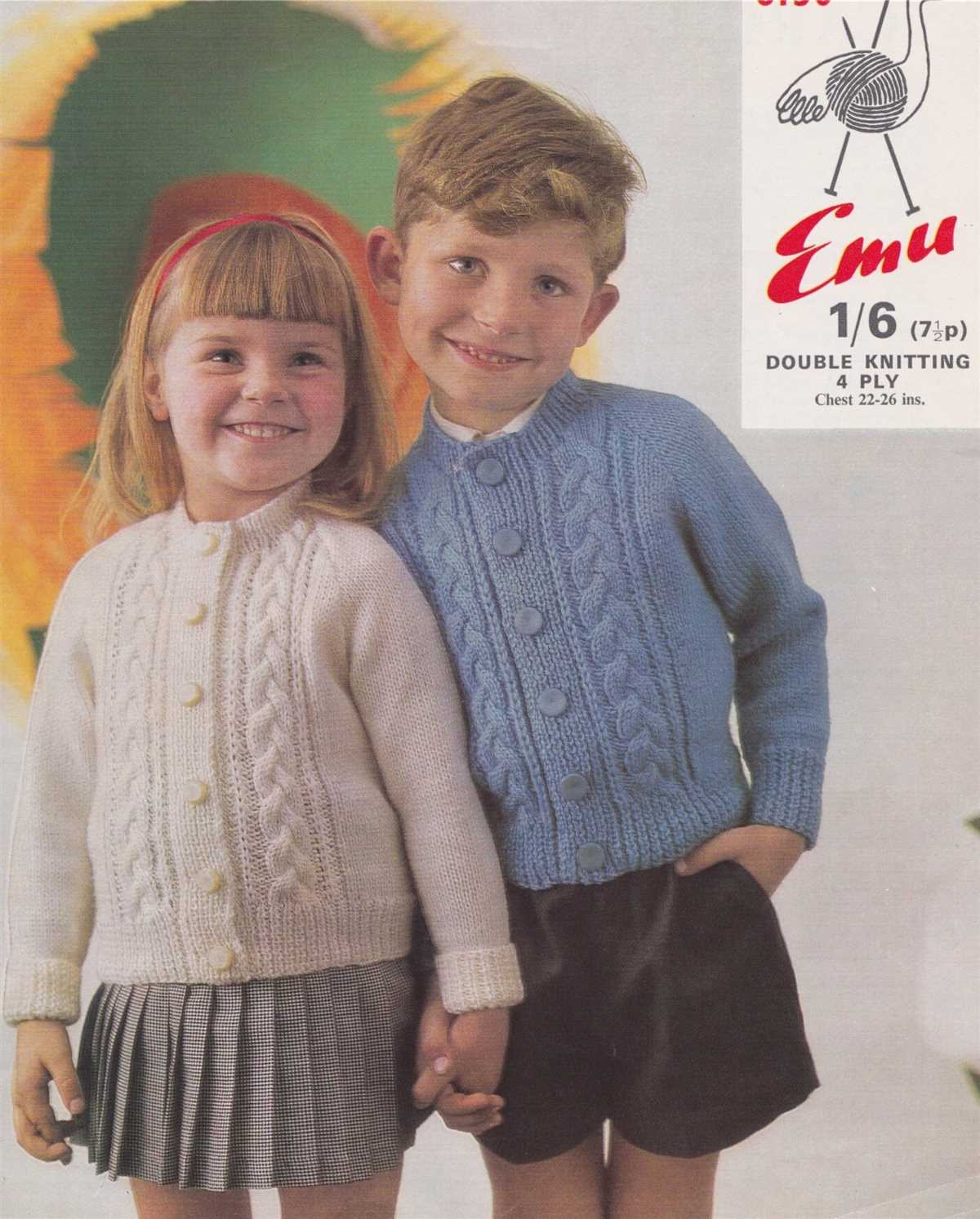
In order to knit a childs cardigan, you will need a few key materials to get started. Here is a list of the necessary items:
- Yarn: Choose a soft and warm yarn suitable for children. It is recommended to use a DK (Double Knitting) weight yarn, as it will provide the right balance between warmth and breathability.
- Knitting Needles: You will need a pair of appropriate-sized knitting needles to work with the chosen yarn. The size of the needles will depend on your gauge and the desired size of the cardigan.
- Buttons: Select buttons that match the style and color of the cardigan. Make sure they are safe and durable, as they will be used to fasten the garment.
- Tape Measure: A tape measure is essential for taking accurate measurements of the child’s chest, length, and arm circumference. This will help you determine the right size and ensure a proper fit.
- Stitch Markers: Use stitch markers to identify specific points in your knitting, such as the beginning and end of a row, or the placement of buttonholes.
- Yarn Needle: A yarn needle is used for weaving in loose ends and sewing up seams. It is an essential tool for giving your cardigan a professional finish.
- Scissors: Have a pair of sharp scissors on hand for cutting yarn and trimming any excess.
With these materials in hand, you will be well-equipped to begin knitting a cozy and stylish cardigan for a child. Take the time to gather all the necessary items before starting, and ensure you have the correct measurements to achieve the best results.
Step-by-step instructions for knitting the childs cardigan
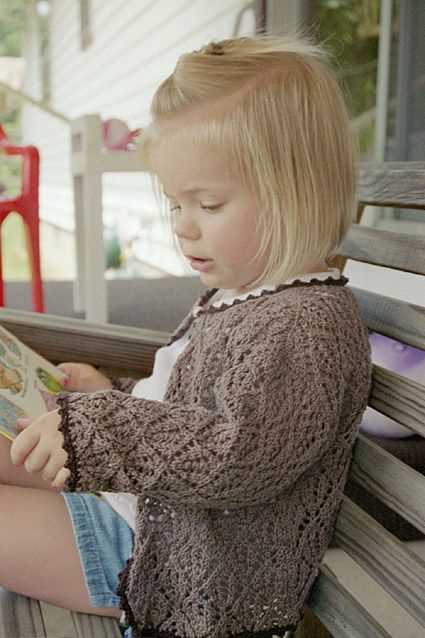
Knitting a cardigan for a child can be a rewarding and enjoyable project. With the right pattern and some basic knitting skills, you can create a beautiful and cozy garment that will keep your little one warm and stylish. Follow the step-by-step instructions below to get started on knitting a childs cardigan.
1. Gather your materials
Before you begin knitting, make sure you have all the necessary materials. This typically includes the appropriate size knitting needles, yarn in the desired color, stitch markers, and a tapestry needle for weaving in ends. It’s also helpful to have a pattern or instructions that you can refer to throughout the knitting process.
2. Cast on stitches
Start by casting on the required number of stitches onto your knitting needles. The pattern you are using will specify the exact number of stitches you need. Use a cast-on method that you are comfortable with, such as the long-tail cast on, and make sure to leave a long tail for weaving in later.
3. Knit the body
Continue knitting the body of the cardigan according to the pattern instructions. This may involve knitting in stockinette stitch, ribbing, or any other stitch pattern specified. Follow the pattern carefully, taking note of any increases, decreases, or other special instructions for shaping the cardigan.
4. Knit the sleeves
Once the body is complete, it’s time to knit the sleeves. The pattern will provide instructions for the number of stitches to cast on for each sleeve and any shaping required. Knit the sleeves separately, either using double-pointed needles or a circular needle for magic loop knitting.
5. Join the pieces
After completing the body and sleeves, use your tapestry needle to sew the sleeves onto the body. Follow the pattern instructions for placement and sewing techniques. Make sure the pieces are secure and evenly matched to create a seamless look.
6. Finish the cardigan
Finally, finish the cardigan by weaving in any loose ends and adding any desired closures, such as buttons or a zipper. Block the cardigan according to the yarn recommendations to help shape and flatten the fabric. Once complete, your childs cardigan is ready to be worn and enjoyed!
Tips for choosing the right yarn for the child’s cardigan
When knitting a child’s cardigan, the choice of yarn is crucial to ensure both comfort and durability. Here are some tips to consider when selecting the right yarn for your project.
1. Consider the material
The material of the yarn will determine the overall feel and performance of the cardigan. Natural fibers like cotton and wool are great options as they are soft, breathable, and provide insulation. However, keep in mind that some children may have sensitivities to certain fibers, so be sure to choose a material that the child is comfortable wearing.
2. Choose the right weight
The weight of the yarn will affect the drape and warmth of the cardigan. For a child’s cardigan, a medium-weight yarn, such as DK (double knitting) or worsted weight, is commonly used. These weights provide a balanced combination of warmth and flexibility, making the cardigan suitable for various seasons.
3. Consider the washability
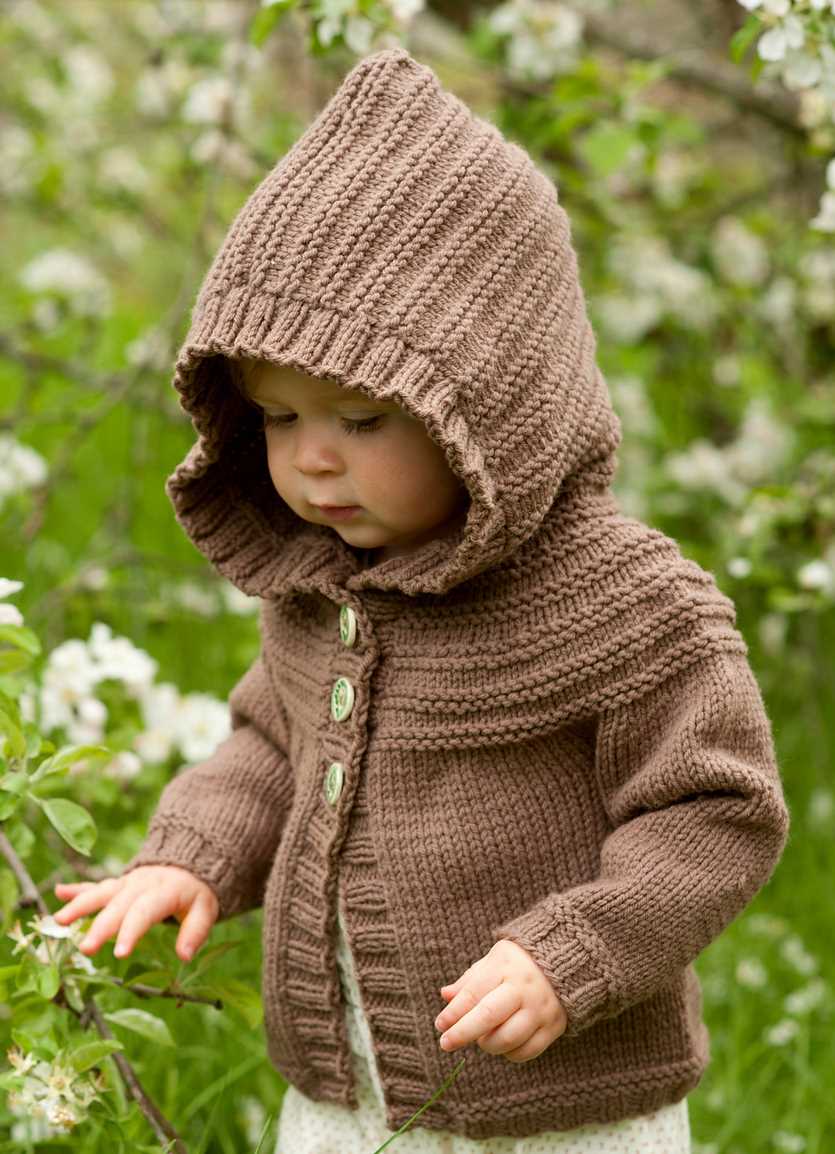
Children are bound to get their clothes dirty, so it’s important to choose a yarn that is easy to care for. Look for yarn that is machine-washable and can withstand frequent washing without losing its shape or color. This will ensure that the cardigan remains in good condition even with regular use.
4. Pay attention to colorfastness
Children’s cardigans often come in vibrant and colorful designs. To ensure the colors of the yarn stay true, choose a yarn that is colorfast. This means that the yarn will not bleed or fade when washed, keeping the cardigan looking fresh and vibrant for a longer time.
5. Consider the child’s preferences
While practicality is important, it’s also essential to consider the child’s preferences. Take into account their favorite colors and textures when selecting a yarn, as this will make the cardigan more appealing to wear. Involving the child in the yarn selection process can also be a fun way to get them excited about the project and more likely to wear the finished cardigan.
By considering these tips, you can choose the right yarn for your child’s cardigan that ensures both comfort and durability, making it a beloved piece in their wardrobe.
How to measure the child for the cardigan

Making sure you have accurate measurements of your child is essential when knitting a cardigan. Here’s a step-by-step guide on how to measure your child for the perfect fit.
1. Chest measurement
Start by measuring the circumference of your child’s chest. Wrap a tape measure around the widest part of their chest, just under the armpits. Make sure the tape measure is snug but not too tight. Write down this measurement in inches or centimeters.
2. Sleeve length
Next, measure the length of your child’s arm from the shoulder to the wrist. Have your child extend their arm out straight and measure from the top of their shoulder to the wrist bone. This measurement will determine the length of the sleeves in the cardigan.
3. Back length
To measure the length of the cardigan, you need to measure from the base of the child’s neck to the desired length. This can vary depending on the style you want. Make sure your child is standing straight with their shoulders relaxed, then measure from the base of their neck to the desired point on their back.
4. Waist measurement
If the cardigan has a defined waist, you’ll need to measure your child’s waist circumference. Wrap the tape measure around the narrowest part of their waist, usually around their belly button. Make sure the tape measure is snug but not too tight.
Once you have these measurements, you can use them to choose the appropriate size in the knitting pattern and make any necessary adjustments for customization. Remember to always check the gauge of the pattern to ensure the correct fit.
Common knitting techniques used in the child’s cardigan pattern
When knitting a child’s cardigan, there are several common knitting techniques that are often used to create the various elements of the garment. These techniques include:
- Garter stitch: This is a basic knitting stitch pattern where every row is knit. It creates a textured fabric that is often used for borders or as a decorative element in the cardigan pattern.
- Stockinette stitch: This is the most common knitting stitch pattern, where one row is knit and the next row is purled. It creates a smooth fabric with distinct knit and purl sides. This stitch pattern is often used for the body of the cardigan.
- Ribbing: Ribbing is a stretchy stitch pattern that is often used for cuffs, collars, and hems. It is created by alternating knit and purl stitches in a specific pattern, such as 1×1 rib (knit 1, purl 1) or 2×2 rib (knit 2, purl 2).
- Cables: Cables are a decorative knitting technique that involves crossing stitches to create twisted or braided patterns. They add texture and visual interest to the cardigan and are often used for the front or back panel.
- Increases and decreases: Increases and decreases are used to shape the cardigan. Common increase stitches include knit front and back (kfb) and yarn over (yo), while common decrease stitches include knit two together (k2tog) and slip, knit, pass (skp). These stitches are used to create shaping in the sleeves, neckline, and body of the cardigan.
- Buttonholes: Buttonholes are created by binding off a few stitches and then casting them back on in the next row. They allow for buttons to be added to the cardigan for closure.
By utilizing these common knitting techniques, you can create a beautiful and functional child’s cardigan that will keep your little one cozy and stylish.
Adjusting the size of the cardigan for different ages
When knitting a cardigan for a child, it’s important to consider their age and size to ensure the perfect fit. Luckily, adjusting the size of a cardigan pattern is relatively simple and can be done by tweaking a few key measurements.
Chest circumference: The chest circumference is one of the most crucial measurements to consider when adjusting the size of a cardigan. To determine the ideal size, measure the child’s chest and compare it to the sizing chart provided with the pattern. If the child’s chest measurement falls between two sizes, it’s generally recommended to choose the larger size for a more comfortable fit.
Sleeve length: The sleeve length can also be adjusted to accommodate different ages. If the child has shorter or longer arms, it’s important to modify the sleeve length accordingly. To do this, measure the child’s arm from the shoulder to the desired length and adjust the pattern accordingly by adding or subtracting rows.
Body length: Similarly, the body length can be adjusted to fit different ages. If the child has a shorter or longer torso, modify the length of the cardigan accordingly. Measure the child’s torso from the shoulder to the desired length and adjust the pattern by adding or subtracting rows from the body section.
Other adjustments: Depending on the child’s proportions, you may also need to make adjustments to the neckline, buttonhole placement, and overall width of the cardigan. These adjustments can be made by adding or subtracting stitches in the relevant sections of the pattern.
By making these adjustments and carefully considering the child’s age and size, you can ensure a cardigan that fits perfectly and will be loved for years to come.
Adding buttons or other closures to the child’s cardigan
When knitting a child’s cardigan, one of the final steps is to add buttons or other closures to finish off the garment. The choice of closure will depend on the style of the cardigan and the personal preference of the knitter or wearer. Here are a few options for adding closures to a child’s cardigan:
- Buttons: Buttons are a classic choice for cardigan closures. You can choose buttons in various sizes, colors, and shapes to match the cardigan’s style. Sew the buttons onto the front bands of the cardigan, making sure they are evenly spaced. Additionally, you may want to reinforce the buttonholes with a small reinforcement stitch to prevent stretching or tearing.
- Toggles: Toggles are a popular choice for children’s cardigans as they are easy to handle. These can be made from various materials such as wood or leather and come in different shapes and sizes. Attach the toggles to the front bands of the cardigan using thread or yarn that matches the cardigan’s color.
- Snap fasteners: Snap fasteners provide a secure closure and are easy to use, making them a practical choice for children’s cardigans. Sew the male and female parts of the snap fasteners onto the front bands of the cardigan, making sure they align correctly when fastened.
- Hook and eye: A hook and eye closure is a discreet option that works well with lightweight cardigans. Sew the hook and eye onto the front bands of the cardigan, ensuring that they align properly when fastened.
Before deciding on a closure method, ensure that it is appropriate for the child’s age and safety. Check that buttons and other closures are securely attached to prevent any potential choking hazards. With the right closure, the child’s cardigan will not only look stylish but also be functional and easy to wear.
How to care for and wash the child’s cardigan
Proper care and maintenance of your child’s cardigan is essential to keep it looking its best and ensure its longevity. By following a few simple steps, you can ensure that the cardigan remains in great condition for your child to wear and enjoy for years to come.
1. Read the care instructions: Before washing the cardigan, it is important to read and follow the care instructions provided by the manufacturer. These instructions will provide guidance on the appropriate washing method and any specific precautions to take.
2. Hand wash or machine wash: Depending on the fabric and construction of the cardigan, you can choose to either hand wash it or machine wash it. If the care instructions recommend hand washing, fill a basin with lukewarm water and a mild detergent. Gently agitate the cardigan in the soapy water, then rinse thoroughly with clean water. If machine washing is recommended, use a gentle cycle and cold water.
3. Use a gentle detergent: When washing the cardigan, use a mild detergent that is suitable for delicate fabrics. Harsh detergents can damage the fibers of the cardigan and reduce its lifespan. Avoid using bleach or fabric softeners, as these can also be damaging to the fabric.
4. Dry flat: After washing, reshape the cardigan and lay it flat on a clean towel to dry. Avoid hanging the cardigan, as this can cause it to stretch and lose its shape. Allow it to dry naturally, away from direct sunlight or heat sources.
5. Iron with care: If the cardigan requires ironing, use a low heat setting and place a clean cloth between the iron and the cardigan to protect the fabric. Avoid ironing directly on any buttons or embellishments, as they may be sensitive to heat.
6. Store properly: When the cardigan is not being worn, store it flat or folded in a clean, dry place. Avoid hanging it on a hanger for long periods, as this can cause the fabric to stretch. If necessary, use a moth repellent to protect the cardigan from being damaged by insects.
By following these care instructions, you can ensure that your child’s cardigan remains in excellent condition and can be passed down to future generations as a cherished item.
Recommended variations for the child’s cardigan pattern
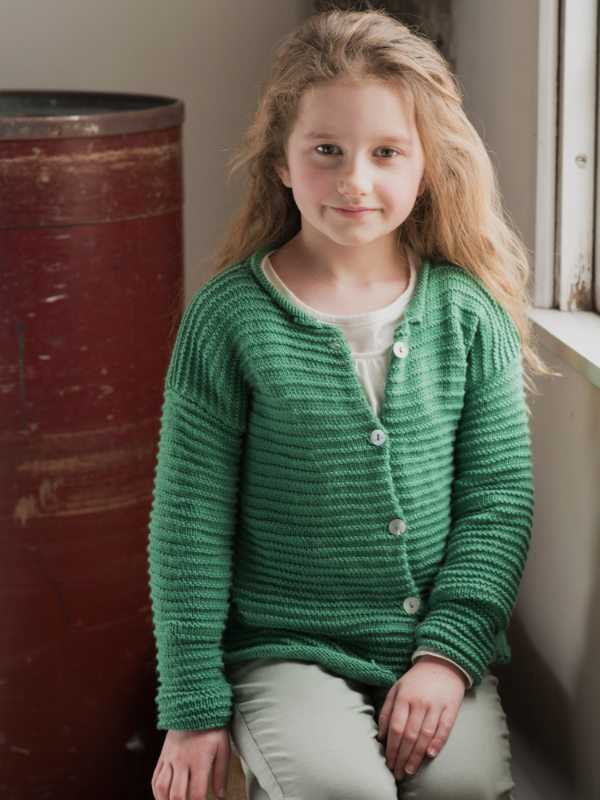
When knitting a child’s cardigan, there are several recommended variations to consider. These variations can help customize the cardigan to fit your personal style and preferences. Here are some ideas to inspire your knitting project:
1. Change the color scheme
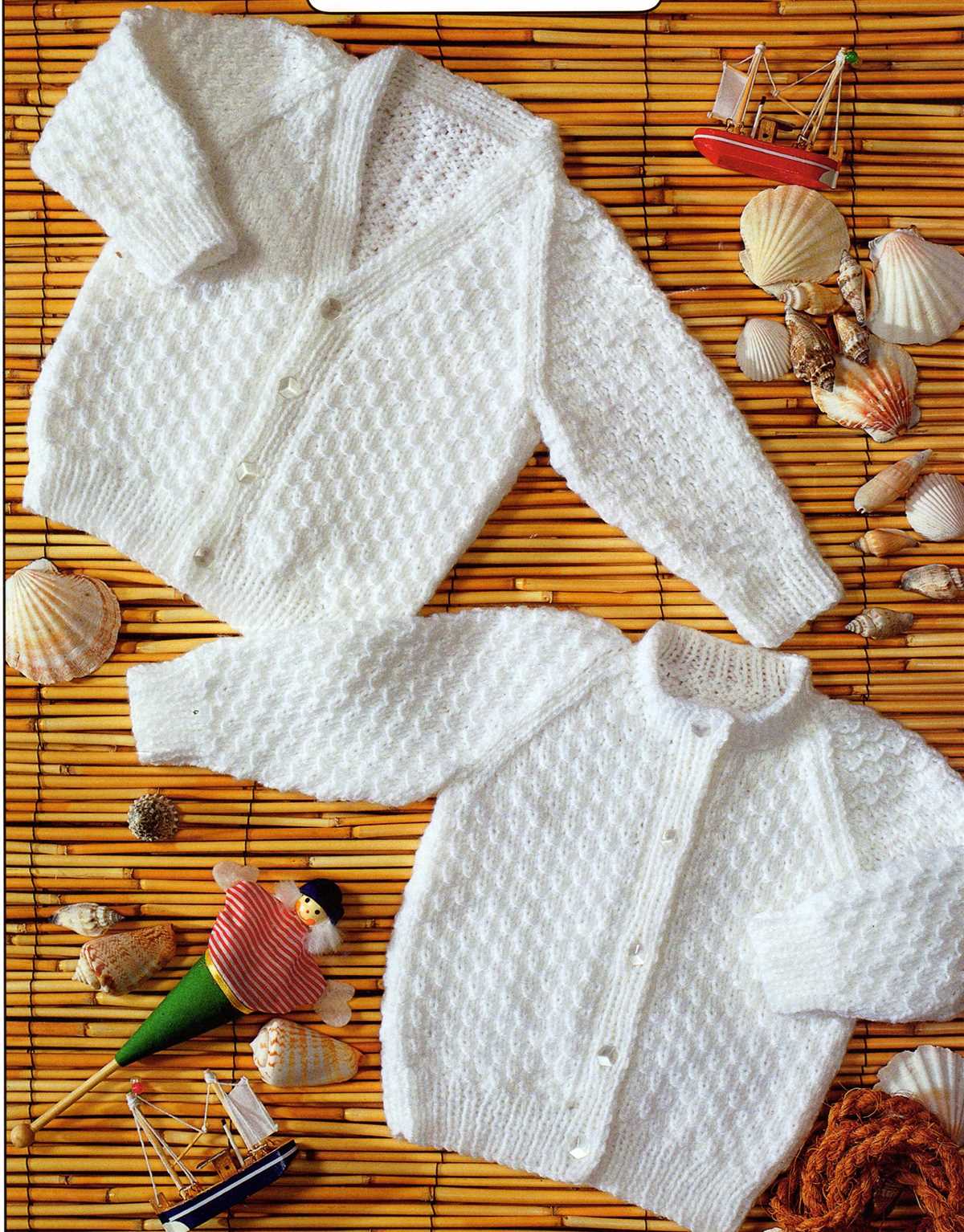
One simple way to make the child’s cardigan pattern your own is by changing the color scheme. You can experiment with different combinations of yarn colors to create a unique look. For a more traditional style, opt for soft pastel colors, or go bold and vibrant for a more modern twist.
2. Add a pattern or texture
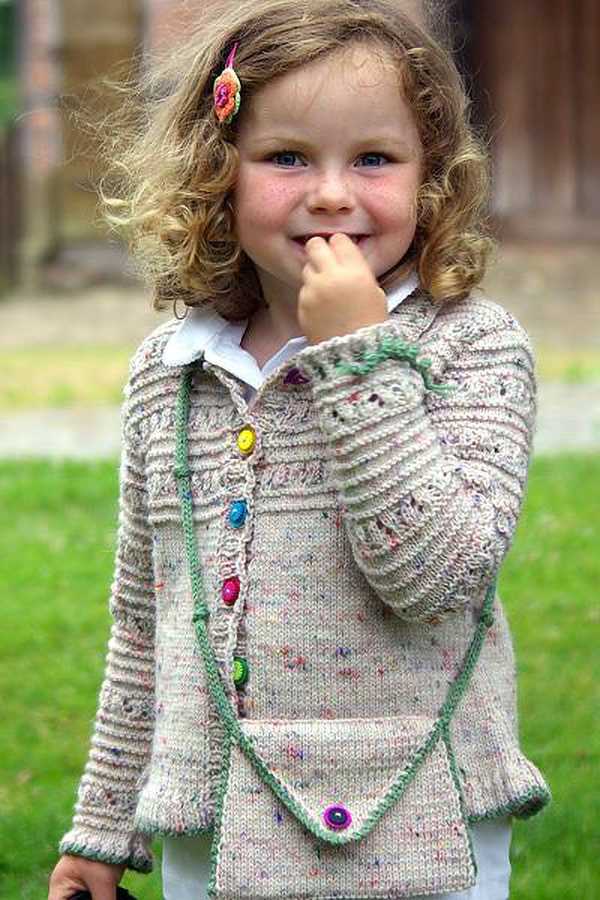
To add extra interest and dimension to the cardigan, consider adding a pattern or texture. You can incorporate a simple cable knit design, a lace pattern, or even a fair isle motif. These added elements can make the cardigan more visually appealing and showcase your knitting skills.
3. Customize the length and fit
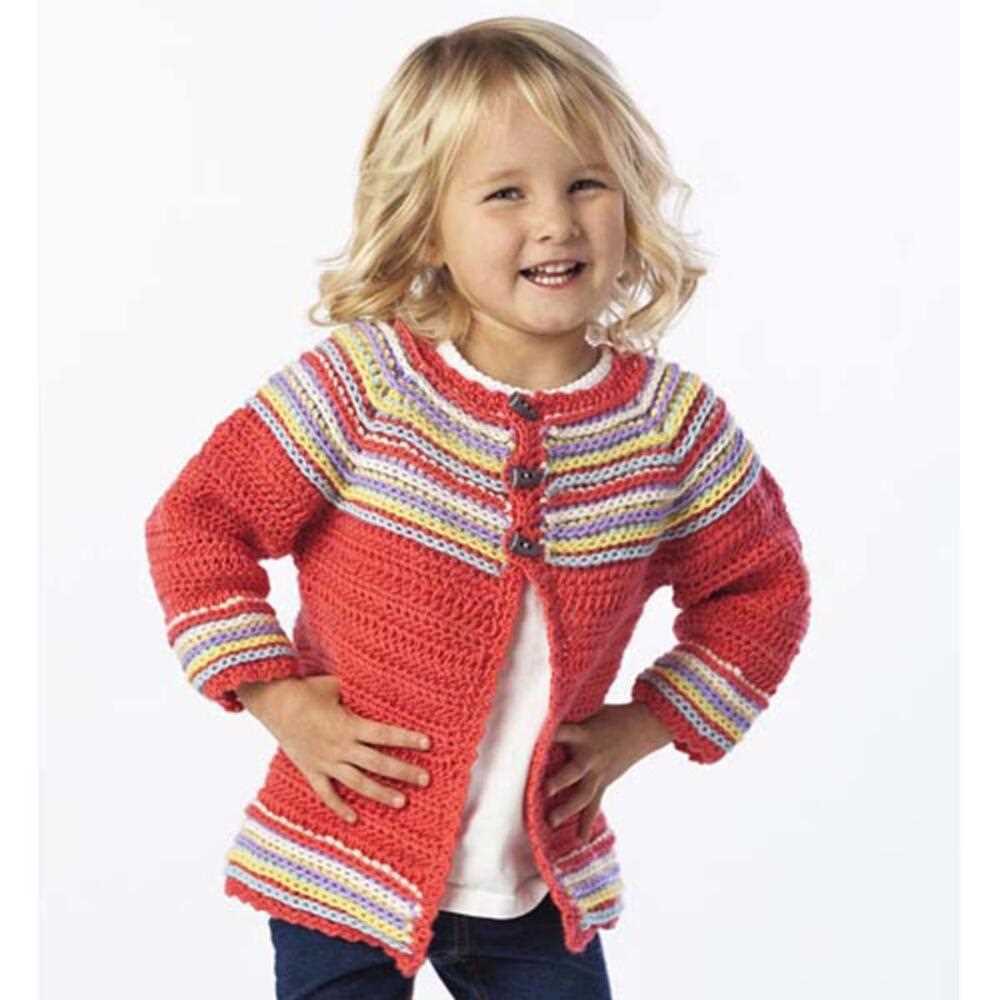
The child’s cardigan pattern can be easily adjusted to fit your desired length and fit. If you prefer a longer cardigan, simply knit additional rows before starting the ribbing. For a more fitted look, you can decrease stitches at the waist or add shaping for the bust area. These modifications can help create a cardigan that flatters your child’s body shape.
4. Embellish with buttons or pockets
Adding buttons or pockets to the child’s cardigan can give it a finishing touch. Choose different button styles to match the overall aesthetic of the cardigan, or sew on cute decorative buttons for a playful look. Pockets can also be functional and add a fun element to the design.
Overall, the child’s cardigan pattern provides a foundation for endless variations. By experimenting with different colors, patterns, lengths, and embellishments, you can create a truly unique and personalized cardigan for your child to enjoy. Let your creativity shine through your knitting and have fun customizing the pattern to suit your taste!
Inspiration and ideas for styling the child’s cardigan
When it comes to styling a child’s cardigan, there are endless possibilities that can make your little one look even more adorable. Whether you want to achieve a cute and cozy look or a more polished and sophisticated style, here are some inspiration and ideas to help you dress up your child’s cardigan:
1. Layer it with a dress or a skirt:
Pairing the cardigan with a dress or a skirt adds a touch of femininity and elegance to your child’s outfit. Opt for a dress or skirt in a complementary color and style, and don’t be afraid to mix patterns for a playful and trendy look.
2. Add some accessories:
Accessories can elevate the overall look of the cardigan. Consider adding a cute bow or a floral headband for girls, or a stylish hat and scarf for boys. These little details can make a big difference and make your child stand out.
3. Mix and match with different bottoms:
Don’t limit yourself to just one type of bottom when styling the cardigan. Experiment with different options such as jeans, leggings, shorts, or even a tulle skirt for girls. This versatility allows for more outfit combinations and ensures that the cardigan will never look boring.
4. Go for a monochromatic look:

If you prefer a more polished and put-together style, consider opting for a monochromatic look. Choose a cardigan and bottoms in the same color family, and add some texture and depth with different fabrics and materials.
5. Dress it up or down:
The child’s cardigan can be styled for both formal and casual occasions. For a dressier look, pair it with a button-up shirt and dress pants or a skirt. For a more laid-back vibe, combine it with a graphic tee and jeans. The versatility of the cardigan allows for endless possibilities.
With these inspiration and ideas, you can create various stylish outfits for your child with the help of the child’s cardigan. Have fun experimenting with different looks and let your child’s personality shine through their outfit!
Frequently asked questions about knitting the childs cardigan
When it comes to knitting a childs cardigan, there may be a few questions that frequently arise. Here are some answers to those commonly asked questions:
1. How long does it take to knit a childs cardigan?
The time it takes to knit a childs cardigan can vary depending on the complexity of the pattern and the knitter’s skill level. On average, it may take several days to a couple of weeks to complete a childs cardigan.
2. What materials are needed to knit a childs cardigan?
To knit a childs cardigan, you will typically need yarn in the desired color and weight specified in the pattern, knitting needles in the recommended size, stitch markers, a yarn needle for sewing seams, and buttons if the cardigan has a front closure. The specific materials needed will be listed in the pattern.
3. Are there any specific knitting techniques required for the childs cardigan?
The knitting techniques required for a childs cardigan can vary depending on the pattern. Common techniques include knit, purl, increasing and decreasing stitches, and basic shaping techniques. Some patterns may also include more advanced techniques such as colorwork or cabling. It is important to read through the pattern and ensure you are familiar with the required techniques before starting the project.
4. Can I customize the size of the childs cardigan?
Many knitting patterns for childs cardigans offer multiple size options, allowing you to customize the fit to your needs. However, it is important to note that making modifications to the pattern may require adjustments to the stitch counts and shaping. It is recommended to carefully read the pattern instructions and consult any size charts provided to ensure accurate sizing.
5. Are there any tips for ensuring a successful knitting project?
When knitting a childs cardigan, it can be helpful to carefully read through the entire pattern before starting and make note of any areas that may be challenging or require special attention. Taking the time to check your gauge and make any necessary adjustments can also greatly impact the final fit of the cardigan. Additionally, it can be beneficial to join knitting communities or seek guidance from more experienced knitters who may have insights or tips for success.
6. How do I care for a knitted childs cardigan?
The care instructions for a knitted childs cardigan will depend on the type of yarn used. It is generally recommended to follow the yarn manufacturer’s washing instructions. In many cases, hand washing or gentle machine washing with a mild detergent and laying the cardigan flat to dry is the best method for preserving the shape and integrity of the garment.
Free Knitting Patterns for Other Children’s Garments
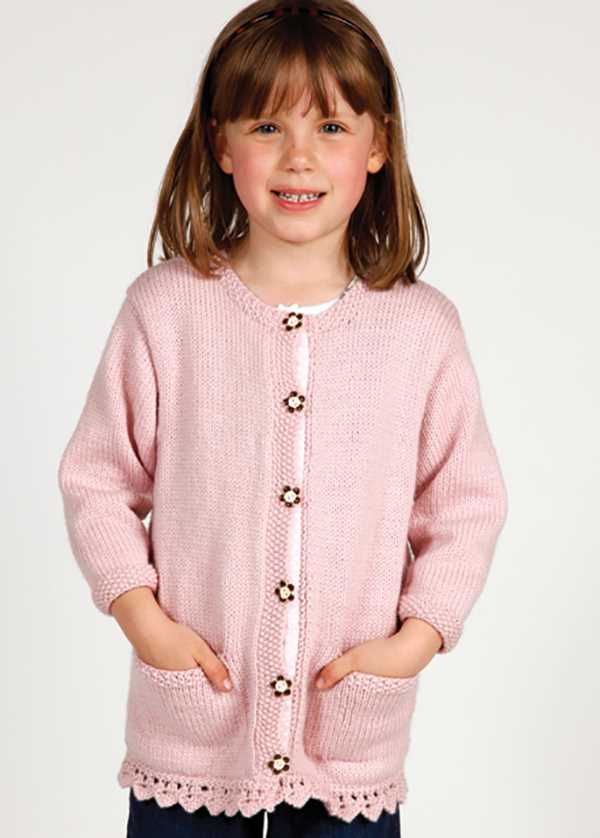
In addition to cardigans, there are many other free knitting patterns available for children’s garments. These patterns include sweaters, hats, scarves, mittens, and more. Whether you are a beginner or an experienced knitter, there is a pattern out there for you to create beautiful and cozy garments for the little ones in your life.
Here are some popular free knitting patterns for children’s garments:
- Sweaters: There are various sweater patterns available, including pullovers and cardigans. You can choose from different stitch patterns and designs to create unique and stylish sweaters for kids.
- Hats: Knitted hats are not only practical but also adorable. There are patterns for different hat styles, such as beanies, berets, and earflap hats. You can customize them with different colors and embellishments.
- Scarves: Knitted scarves are great for keeping kids warm and adding a pop of color to their outfits. There are patterns for simple garter stitch scarves or more intricate designs using different stitch patterns.
- Mittens: Knitted mittens are perfect for keeping little hands cozy during the colder months. You can find patterns for fingerless mittens as well as traditional full-coverage mittens.
These free knitting patterns provide endless possibilities for creating beautiful and unique garments for children. Whether you are knitting for your own children, grandchildren, or for charity, there is a pattern out there that will suit your needs. So pick up your knitting needles and start creating these adorable and functional garments!
| Previous Article: | Child’s Cardigan Free Knitting Pattern |