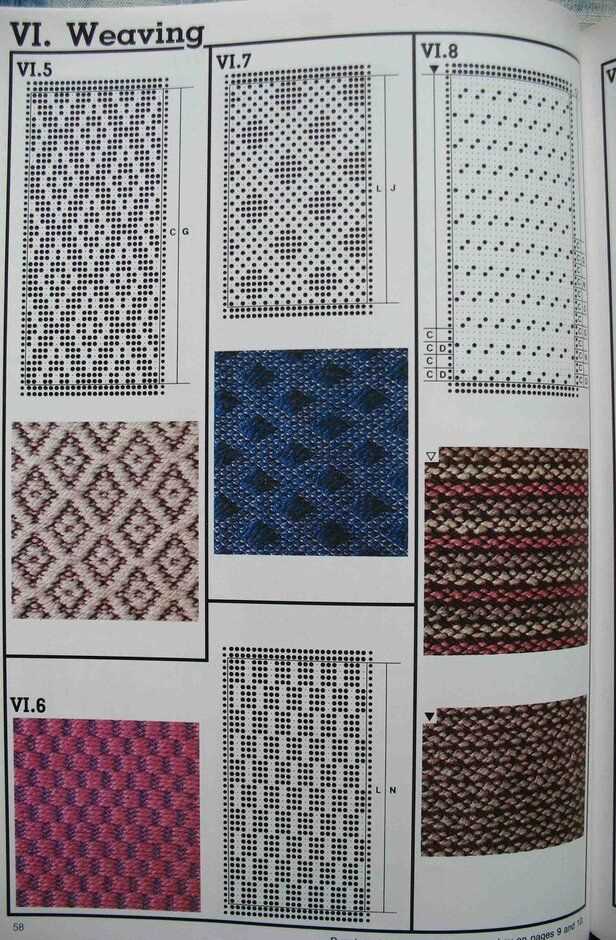
Open weave knitting patterns are a popular choice for those who enjoy creating beautiful and intricate designs with their knitting needles. This type of pattern creates a delicate and airy fabric that is both stylish and comfortable to wear. Whether you are a beginner or an experienced knitter, open weave patterns can be a fun and rewarding project to embark on.
One of the benefits of open weave knitting patterns is that they allow for more breathability in the finished fabric. This makes them ideal for creating lightweight garments and accessories that are perfect for warmer weather. The open spaces in the pattern create natural ventilation, making these items comfortable to wear even in hot and humid conditions.
In addition to their practicality, open weave knitting patterns also have a unique and eye-catching appearance. The open spaces in the pattern can create a lace-like effect, adding a touch of elegance to any project. Whether you are knitting a delicate shawl or a cozy sweater, the open weave pattern is sure to impress.
So, whether you are looking for a project to challenge your knitting skills or simply want to try something new, open weave knitting patterns are a great choice. With their breathability and beautiful appearance, these patterns are sure to become a staple in your knitting repertoire.
Open Weave Knitting Patterns: Create Beautiful and Airy Designs

The art of knitting has been around for centuries, and it continues to evolve with new techniques and patterns. One popular style that has gained attention in recent years is open weave knitting. Open weave knitting patterns create beautiful and airy designs that are perfect for lightweight garments and accessories.
Open weave knitting is known for its intricate yet breathable texture. It involves using a combination of stitches and techniques to create patterns that feature holes or gaps in the fabric. These gaps allow air to pass through, making the final product lightweight and comfortable to wear. Open weave patterns can be used to create a variety of items, including scarves, shawls, cardigans, and even home decor.
One popular open weave knitting pattern is the “lace stitch.” This pattern involves a combination of yarn overs, decreases, and knit/purl stitches to create a delicate, lacy fabric. The resulting design is often reminiscent of traditional lacework, with intricate patterns and motifs. Lace knitting can be challenging for beginners, but with practice, it can lead to stunning results.
Another popular open weave pattern is the “drop stitch.” This pattern involves intentionally dropping stitches from the knitting needle, creating long loops of yarn. These loops are then secured in subsequent rows, creating a ladder-like effect. Drop stitch patterns can create a beautiful, open fabric that is perfect for light scarves or wraps. They are relatively easy to master, making them a great choice for beginners or those looking for a quick and satisfying project.
For those looking to add even more dimension to their open weave knitting patterns, the “cable stitch” is an excellent option. This pattern involves manipulating the order of stitches to create twisted cable motifs. The result is a fabric with a raised texture, adding visual interest and depth to the project. Cable knitting can be more challenging than other open weave patterns, but the effort is well worth it for the stunning, textured fabric it creates.
In conclusion, open weave knitting patterns offer endless possibilities for creating beautiful and airy designs. Whether you’re a beginner or an experienced knitter, exploring this technique can lead to stunning results. So grab your knitting needles, choose your favorite pattern, and start creating your own lightweight and eye-catching garments and accessories.
What Are Open Weave Knitting Patterns?
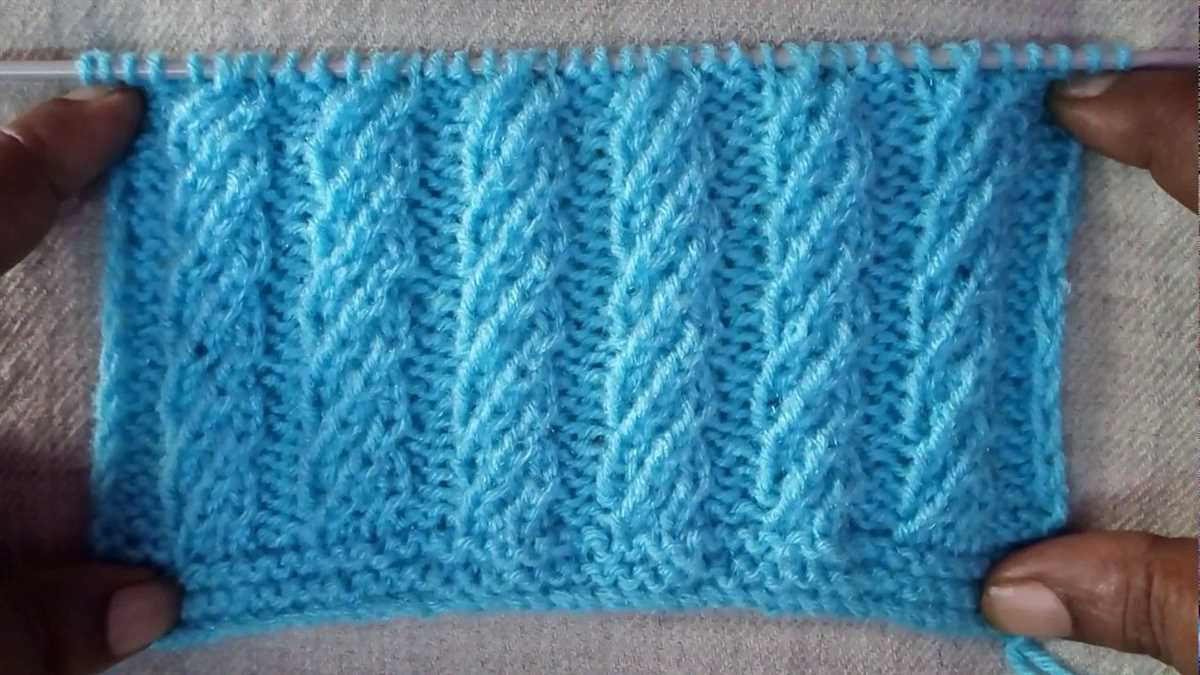
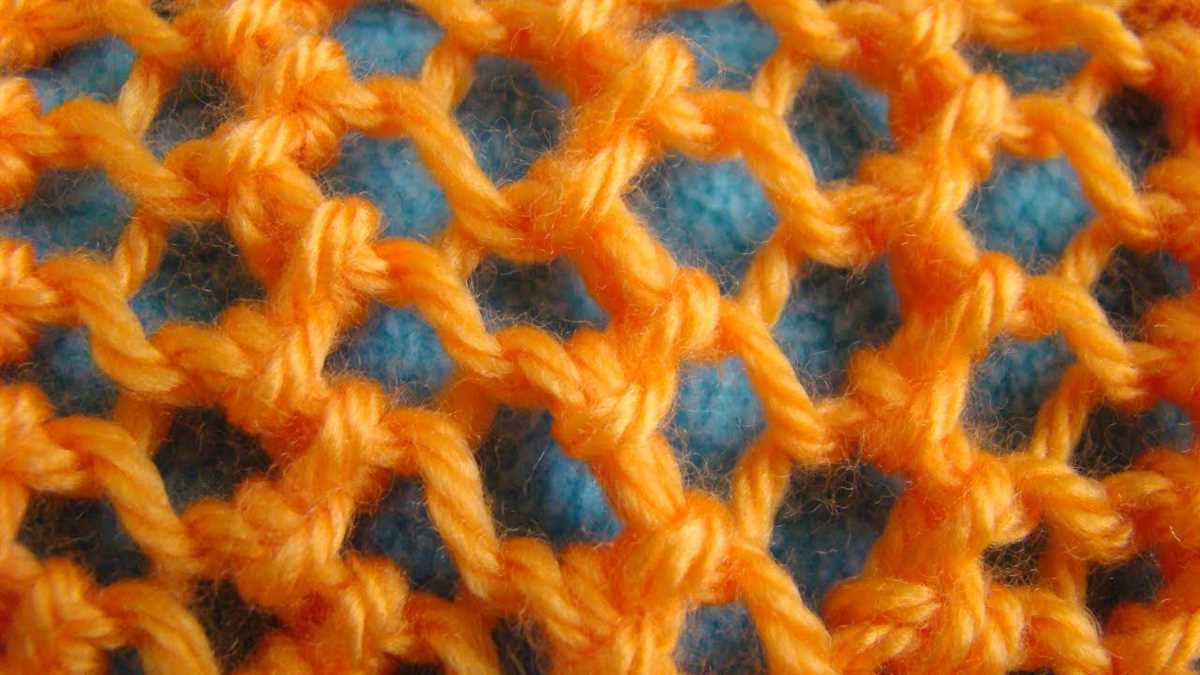
Open weave knitting patterns are a type of knitting technique that creates a lacy, airy fabric. Unlike traditional knitting patterns that create solid or dense fabrics, open weave patterns use specific stitch combinations to create gaps or holes in the fabric. These holes can vary in size and shape, allowing for unique and delicate designs.
Open weave knitting patterns often use lace stitches, such as yarn overs and decreases, to create the desired effect. The stitches are intentionally worked looser than usual, which results in a more open and breathable fabric. This makes open weave patterns perfect for lightweight garments, accessories, and decorative items.
Key features of open weave knitting patterns:
- Delicate and lacy designs
- Gaps or holes in the fabric
- Lightweight and breathable
- Uses lace stitches and looser tension
Examples of open weave knitting patterns include lace shawls, summer tops, and decorative doilies. These patterns often showcase intricate stitch patterns and require attention to detail. Knitters who enjoy working on intricate projects and creating delicate, airy fabrics will find open weave patterns both challenging and rewarding.
Benefits of Open Weave Knitting Patterns
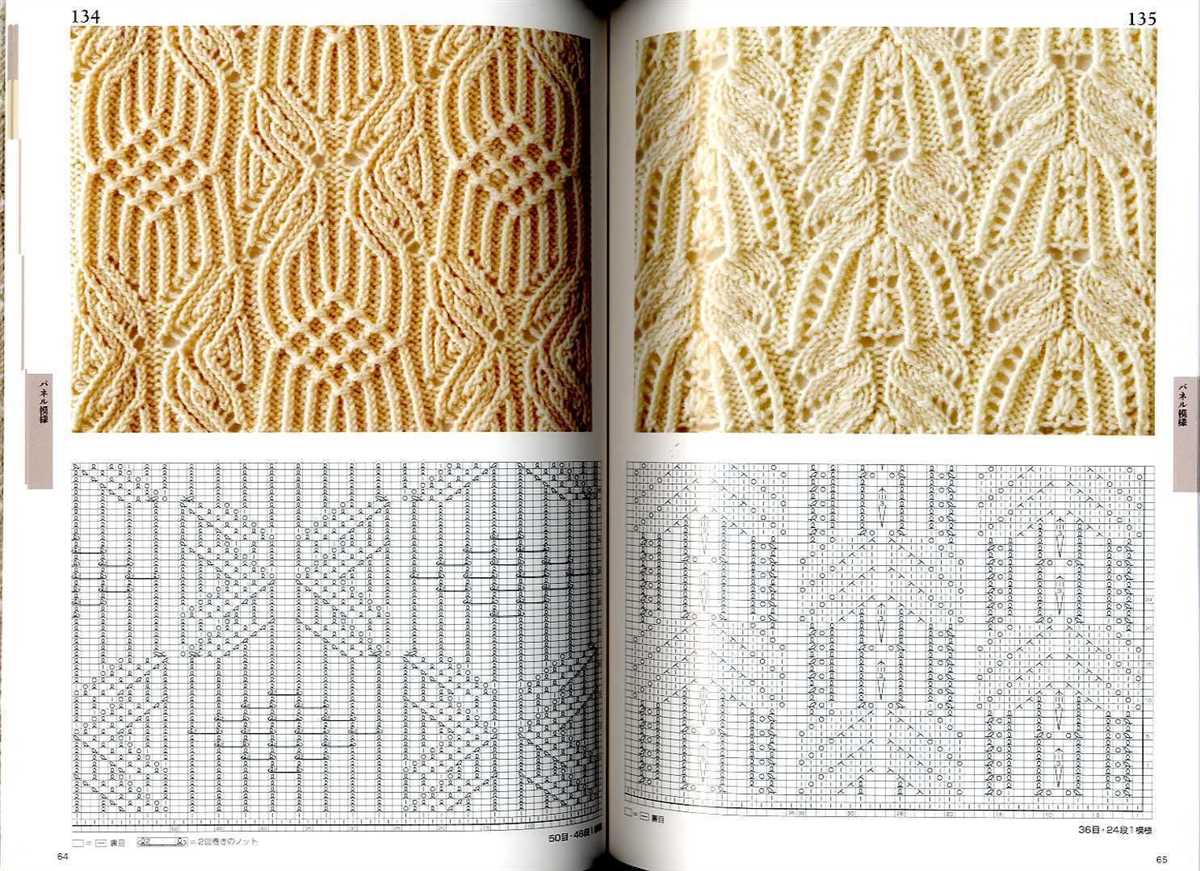
Open weave knitting patterns offer a variety of benefits for both beginner and experienced knitters. These patterns involve creating a fabric that consists of large gaps or holes, allowing for increased breathability and lightness. This unique texture can be achieved by using larger knitting needles and yarn with a looser tension.
1. Versatility: Open weave knitting patterns can be used to create a wide range of items, from clothing and accessories to home decor. The versatility of these patterns allows knitters to explore their creativity and experiment with different designs and techniques.
2. Breathability: One of the major advantages of open weave knitting patterns is their breathability. The large gaps in the fabric allow air to circulate, keeping the wearer cool and comfortable. This makes open weave knitted garments perfect for warm weather or for active individuals who need proper ventilation.
3. Lightweight: Compared to dense and tightly knit fabrics, open weave knitted fabrics tend to be lighter. The larger gaps in the fabric reduce the overall weight of the finished piece, making it easier to wear and layer. This lightweight quality is particularly beneficial for accessories like shawls and scarves.
4. Texture and Visual Appeal: The unique texture created by open weave knitting patterns adds visual interest to the finished piece. The combination of the solid areas of fabric with the open gaps creates a visually appealing contrast that can make the item stand out. This texture can be further enhanced by using different yarn colors or incorporating lace or cable stitches.
5. Quick and Easy on the Hands: Due to the use of larger needles and looser tension, open weave knitting patterns can be quicker and easier on the hands compared to tight and intricate patterns. This makes them suitable for knitters who want to complete a project in a shorter amount of time or those who may have hand mobility issues.
In conclusion, open weave knitting patterns offer a range of benefits including versatility, breathability, lightweightness, visual appeal, and ease of knitting. Whether you are a beginner or an experienced knitter, these patterns can provide a new and exciting challenge while creating beautiful and functional items.
Choosing the Right Yarn for Open Weave Knitting
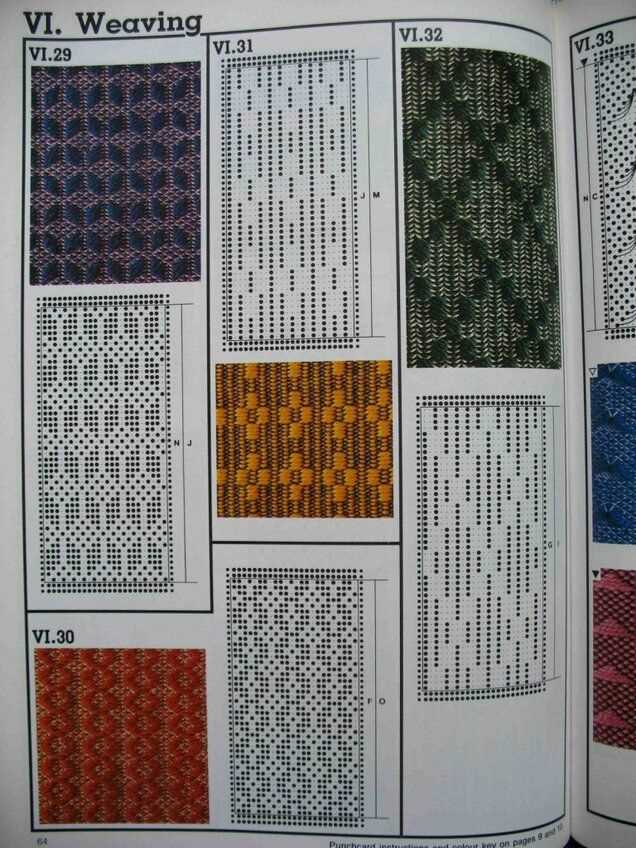
When it comes to open weave knitting, choosing the right yarn is crucial. The yarn you select will determine the overall look and feel of your finished project, as well as how well the stitches hold together. Here are some factors to consider when choosing yarn for open weave knitting.
1. Fiber Content
The fiber content of the yarn plays a significant role in open weave knitting. Natural fibers like cotton, linen, and silk are great choices for open weave knits as they drape beautifully and have excellent breathability. These fibers are perfect for lightweight garments and accessories in warm weather. On the other hand, wool and acrylic yarns can provide more structure and warmth, making them suitable for open weave knitwear meant for cooler temperatures.
2. Weight and Texture
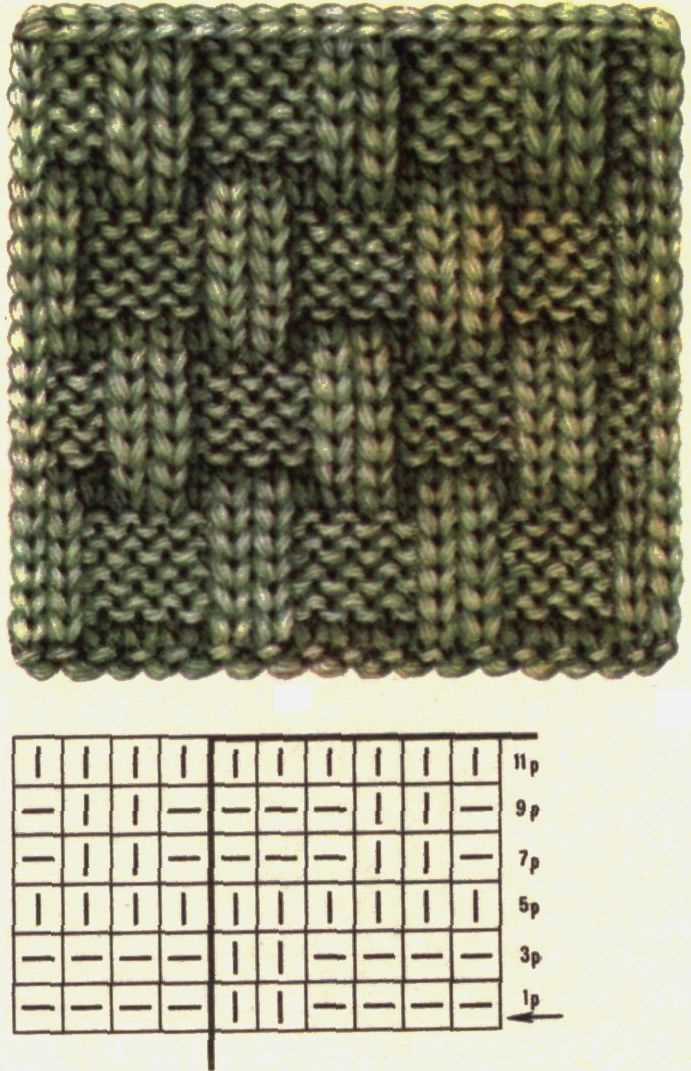
The weight and texture of the yarn will also affect the outcome of your open weave project. Lighter weight yarns, such as lace or fingering weight, are commonly used for open weave patterns as they create delicate and airy fabrics. Heavier weights like worsted or bulky yarns can result in a more substantial and chunky look. The texture of the yarn, whether smooth, textured, or slubbed, can add additional interest and dimension to your open weave knitting.
3. Color and Dyeing Technique
Choosing the right color and dyeing technique can enhance the beauty of your open weave knitting. Solid, semi-solid, or tonal yarns can highlight the stitch patterns and texture, while variegated or self-striping yarns can add dynamic visual effects. Hand-dyed yarns often add a unique touch to open weave projects, creating one-of-a-kind pieces. Consider the color palettes and dyeing techniques that best complement the pattern and design you have in mind.
Remember, experimenting with different yarns and swatching before starting your project is always a good idea, as it can help you determine the right yarn weight, needle size, and stitch pattern combination for the desired open weave effect.
Essential Knitting Tools for Open Weave Patterns

Knitting open weave patterns can create beautiful and delicate designs that are perfect for lightweight garments and accessories. However, working with these patterns requires certain tools to help you achieve the desired results. Here are some essential knitting tools for open weave patterns:
1. Lace Knitting Needles
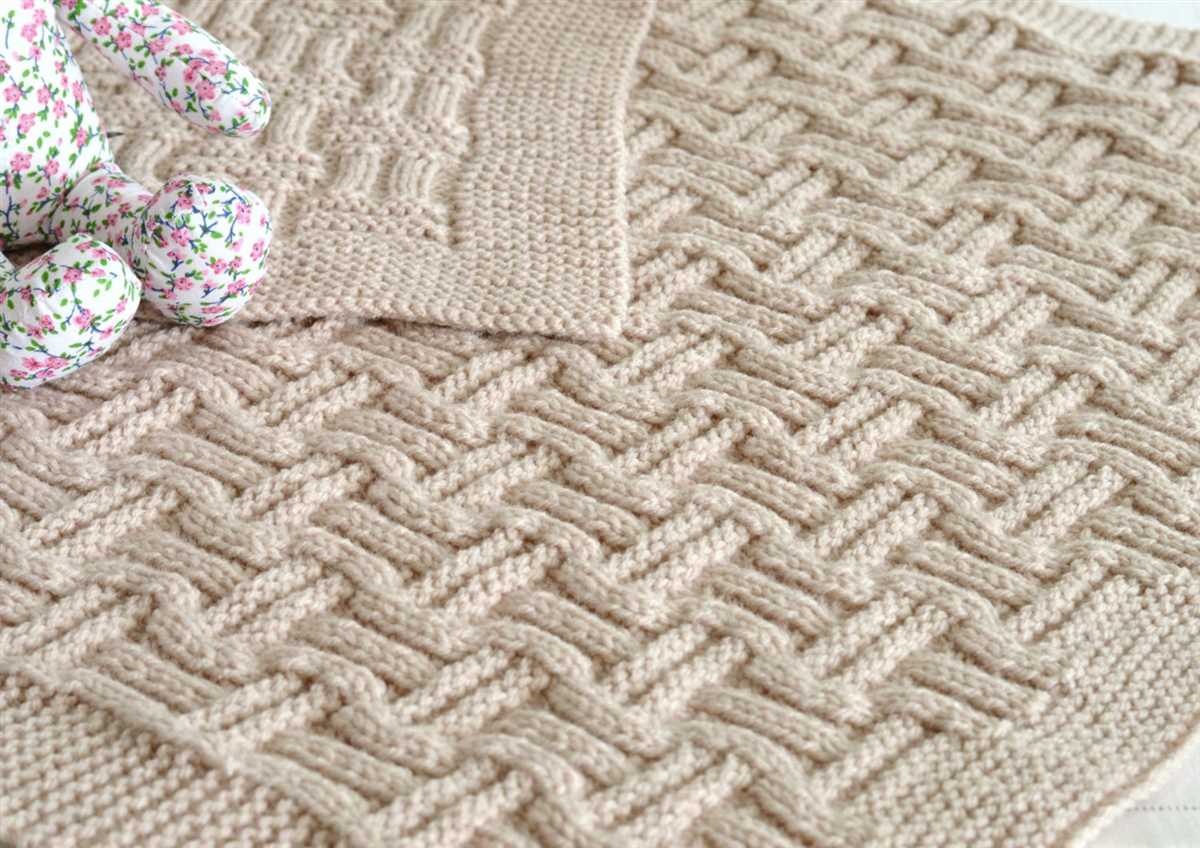
One of the most important tools for knitting open weave patterns is a set of lace knitting needles. These needles are typically longer and have a sharper point, allowing you to easily work intricate lace stitches and fine yarns. Lace knitting needles also have a smooth finish to prevent snagging and ensure smooth stitches.
2. Stitch Markers
Stitch markers are essential for keeping track of pattern repeats and complex stitch patterns in open weave knitting. These small rings or clips can be placed on the knitting needle to mark important points, such as increases, decreases, or pattern repeats. They are particularly useful when working on large projects or intricate lace patterns.
3. Blocking Tools
Blocking is an important step in open weave knitting, as it helps to shape and define the stitches and open up the lacework. Blocking tools, such as blocking wires or pins, are essential for stretching and shaping the knitted fabric to its desired dimensions. They help to create even tension and eliminate any unevenness in the stitches.
4. Yarn Swift and Ball Winder
When working with fine yarns for open weave patterns, it is often helpful to have a yarn swift and ball winder. These tools allow you to quickly and easily wind skeins of yarn into center-pull balls, making it easier to work with the yarn and prevent tangling. This is especially useful when knitting with delicate or slippery yarns.
5. Stitch Holders
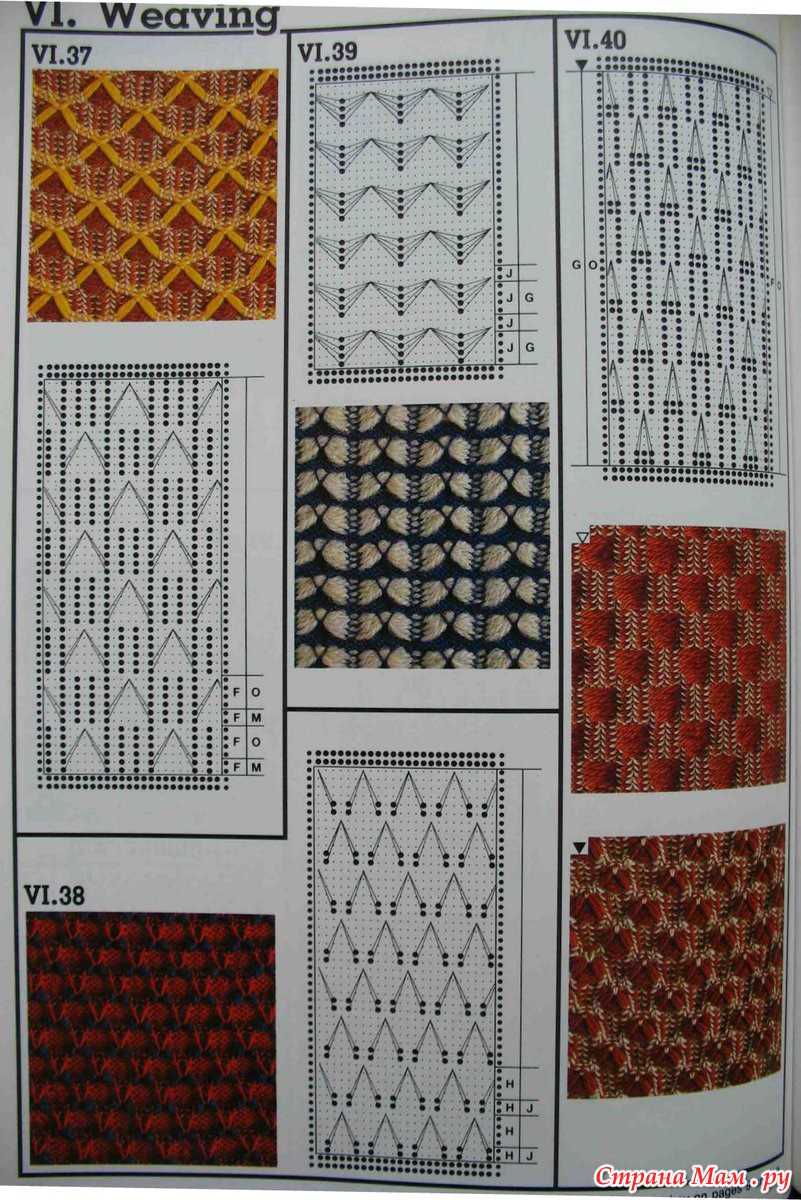
In open weave patterns, you might need to put stitches on hold temporarily while working on other sections. Stitch holders are essential for keeping these stitches secure and preventing them from unraveling. They come in various sizes and styles, including straight needle holders and safety-pin-style holders, to accommodate different types of stitches.
By having these essential knitting tools for open weave patterns, you’ll be well-equipped to tackle any intricate lacework and create stunning projects with delicate and open stitches.
Beginner-Friendly Open Weave Knitting Patterns
If you’re new to knitting or looking for a project that’s easy and fun to make, open weave knitting patterns are a great choice. These patterns feature simple stitches and techniques that result in a beautiful, airy fabric with an open and lacy look. Whether you want to make a scarf, a shawl, or a blanket, there are plenty of beginner-friendly open weave knitting patterns to choose from.
One of the easiest open weave knitting patterns for beginners is the garter stitch scarf. This pattern involves knitting every row, creating a fabric with ridges that adds texture to your finished scarf. By using a larger needle size, you can create even larger gaps in your open weave fabric. You can also experiment with different yarn weights and textures to create a unique look.
Here are a few more beginner-friendly open weave knitting patterns to try:
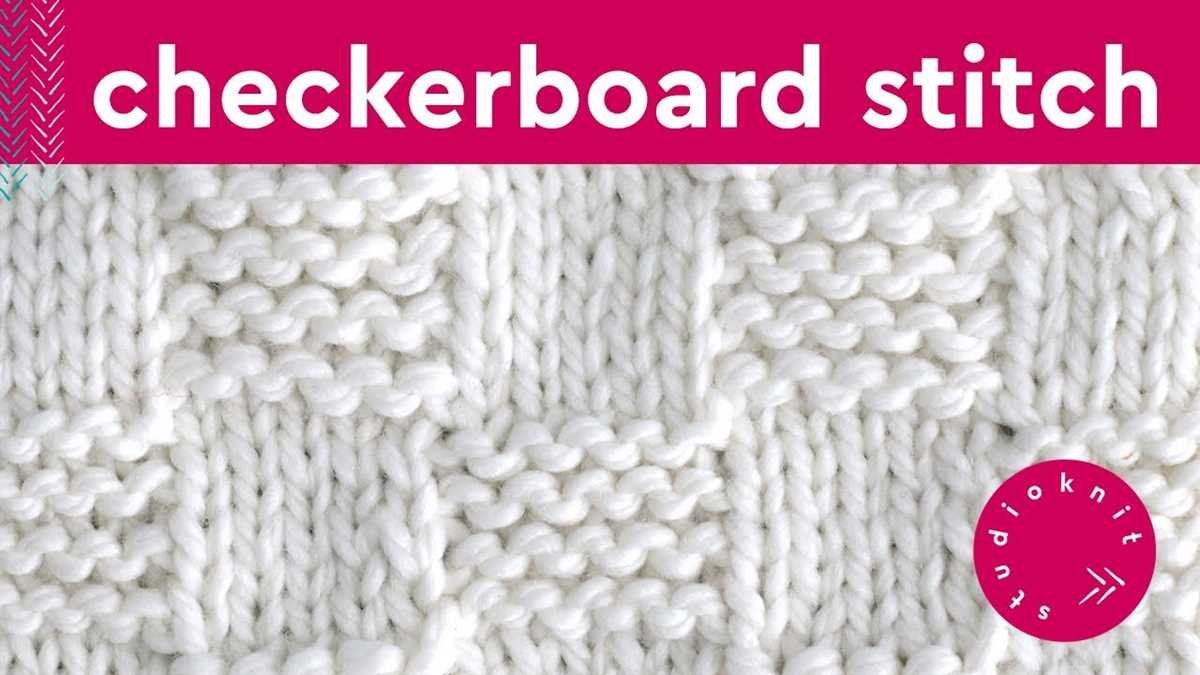
- Lace Dishcloth: This pattern is perfect for practicing basic lace stitches and creates a functional and decorative dishcloth.
- Openwork Headband: This pattern is a great introduction to knitting in the round and features a stretchy openwork design.
- Mesh Market Bag: This pattern is perfect for practicing increases and decreases, and creates a sturdy yet breathable bag for carrying groceries or other items.
When working on open weave knitting patterns, it’s important to choose the right yarn and needle size to achieve the desired effect. Thinner yarns and larger needle sizes will create bigger gaps in the fabric, while thicker yarns and smaller needle sizes will create a tighter weave. Don’t be afraid to experiment and find the combination that works best for you.
With these beginner-friendly open weave knitting patterns, you’ll be able to create beautiful and unique accessories and garments that showcase your knitting skills. Whether you’re knitting for yourself or looking for a thoughtful handmade gift, open weave patterns are a versatile and rewarding choice.
Intermediate-Level Open Weave Knitting Patterns
If you’re an intermediate-level knitter looking to challenge yourself and try something new, open weave knitting patterns can be a great option. These patterns feature intricate stitchwork and designs that create a beautiful, airy texture in your finished project. Whether you’re looking to make a lightweight scarf, a cozy shawl, or even a delicate sweater, there are open weave patterns available for a variety of projects.
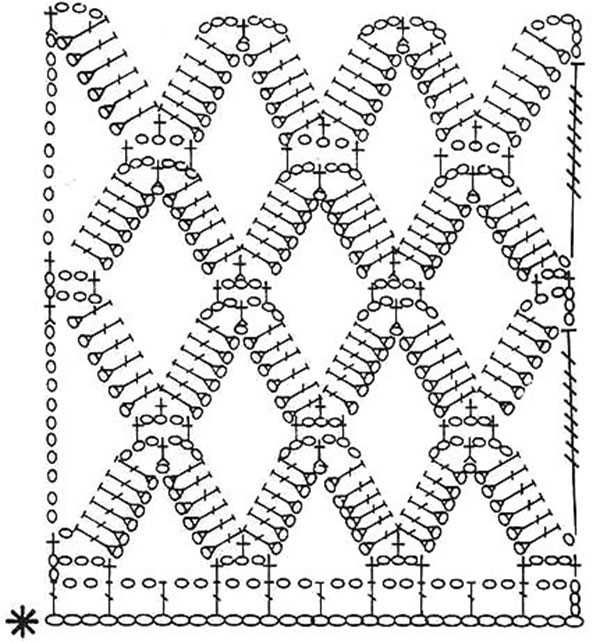
One popular open weave stitch pattern is the lace pattern, which typically incorporates yarn overs and decreases to create a delicate, lace-like look. This pattern requires careful attention to detail and skill in manipulating your needles to create the proper tension. The end result is a stunning piece with a delicate, airy feel that is perfect for warmer weather or layering.
Here are a few intermediate-level open weave knitting patterns to consider:
-
Openwork Lace Scarf: This pattern features a combination of lace stitches and asymmetric shaping to create an eye-catching and unique accessory. The openwork design allows for lightweight and breathable wear, making it ideal for spring or summer.
-
Mesh Sweater: This pattern incorporates a mesh stitch pattern for the body of the sweater, giving it an open and airy feel. The sleeves and neckline can be customized to suit your style, making it a versatile and fashionable piece.
-
Feather and Fan Shawl: This classic lace pattern creates a beautiful feather-like effect, perfect for a show-stopping shawl. The combination of increases and decreases creates a wavy edge, adding interest to the finished piece.
When working on these intermediate-level open weave patterns, it’s important to have a good understanding of basic knitting skills, such as knitting, purling, yarn overs, and decreases. Additionally, using quality yarn that is suitable for the project will help to enhance the overall look and feel of the finished piece. So, gather your knitting needles, choose a pattern that catches your eye, and get ready to challenge yourself with these stunning open weave designs!
Advanced Open Weave Knitting Patterns for Experienced Knitters
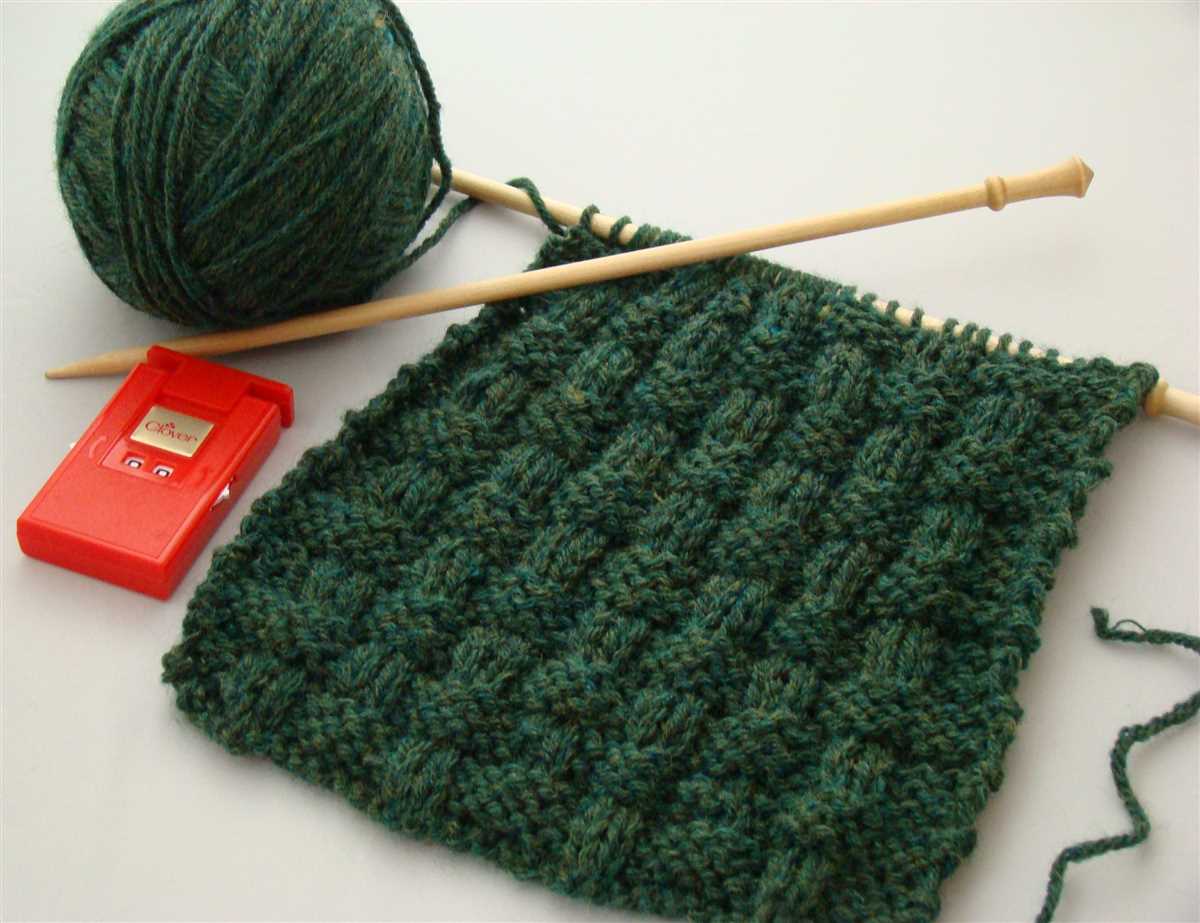
Knitting can be a creative and fulfilling hobby, and for experienced knitters, exploring advanced open weave knitting patterns can provide an exciting challenge. These patterns are perfect for those who are looking to expand their skills and create unique, airy and textured garments and accessories.
1. Lace Tunic: An open weave lace tunic is a stunning project for experienced knitters. Using intricate lace stitches and a lightweight yarn, this pattern creates a delicate and eye-catching garment. The tunic can be worn over a camisole or a long-sleeve shirt and is perfect for adding a touch of elegance to any outfit.
2. Mohair Wrap: A mohair wrap is an exquisite accessory that can be created using an advanced open weave pattern. The open stitches allow for the beautiful texture and drape of the mohair yarn to shine through. This versatile wrap can be worn in different ways, making it a perfect addition to any wardrobe.
3. Mesh Sweater: For a modern and trendy look, an open weave mesh sweater is a great choice. This pattern combines open stitches with traditional sweater construction to create a unique and stylish garment. The open mesh allows for breathability, making it perfect for transitional seasons or layering.
4. Cabled Shawl: Combine the beauty of cables with an open weave design by knitting a cabled shawl. This pattern showcases the intricate cable stitches while providing a light and airy feel. The shawl can be a stunning accessory or a cozy wrap for cooler evenings.
5. Fishnet Socks: Take on a challenge and knit a pair of fishnet socks using an advanced open weave pattern. This pattern incorporates intricate lace stitches that mimic the look of fishnet stockings. These unique socks are sure to make a statement and can be a fun addition to any outfit.
When tackling advanced open weave knitting patterns, it’s important to have a good understanding of different stitch techniques, such as lace or cable knitting, and have confidence in reading complex patterns. These projects require patience and attention to detail, but the end results are well worth the effort. So, grab your knitting needles and dive into the world of advanced open weave patterns. The possibilities for creating stunning and unique knitted items are endless!
Styling Tips: How to Wear and Pair Open Weave Knits
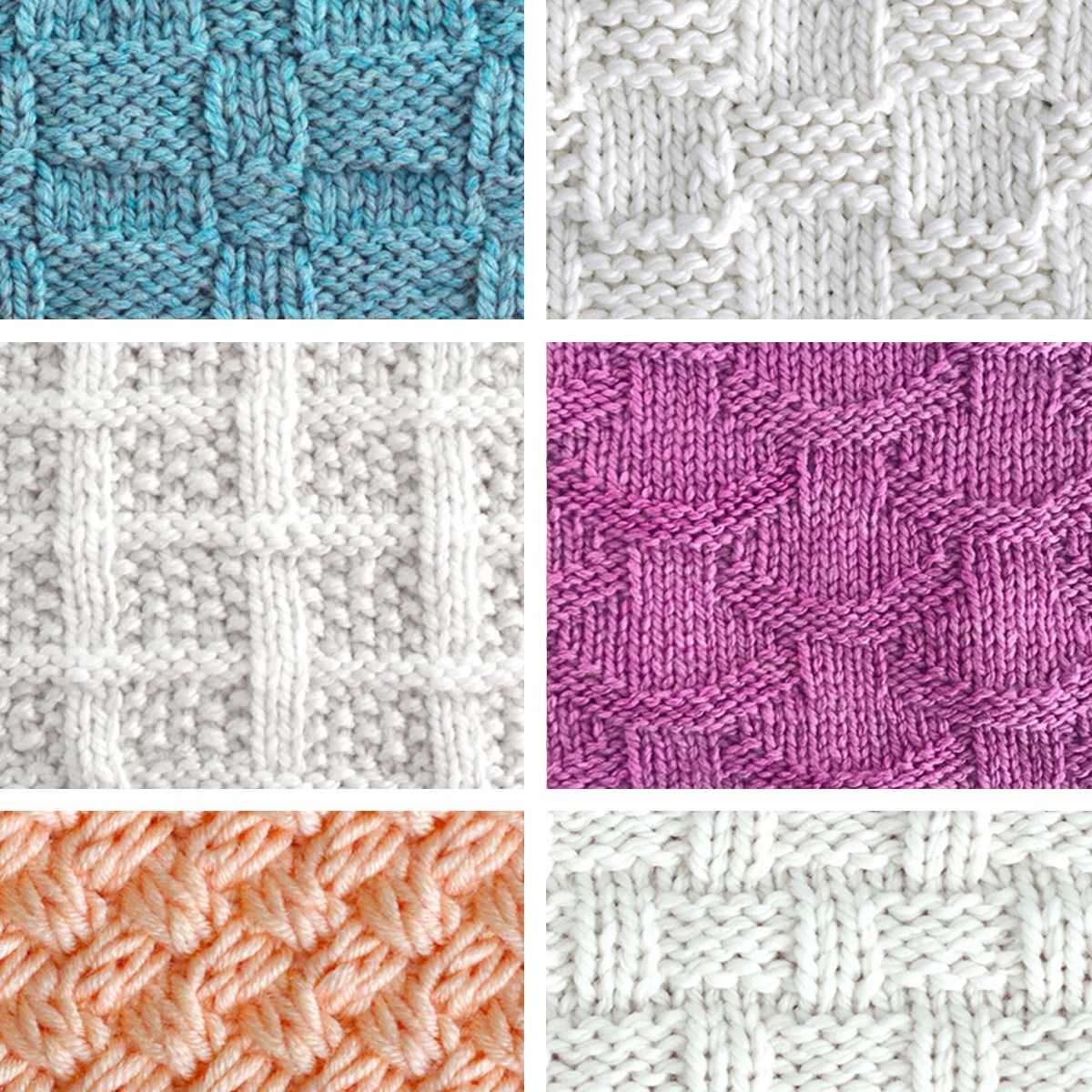
Open weave knits are a versatile and trendy addition to any wardrobe. With their intricate patterns and breathable design, they are perfect for transitioning between seasons or adding texture to an outfit. Here are some styling tips on how to wear and pair open weave knits:
1. Layering with Open Weave Knits
One of the best ways to wear open weave knits is by layering them with other pieces. For a casual and cozy look, you can pair an open weave knit sweater with a simple tank top or camisole underneath. This will allow the texture of the knit to shine through while adding an extra layer of warmth.
For a more polished and sophisticated look, try layering an open weave knit cardigan over a collared shirt or blouse. This creates a contrast between the open weave and the structured collar, adding visual interest to your outfit.
2. Pairing Open Weave Knits with Bottoms
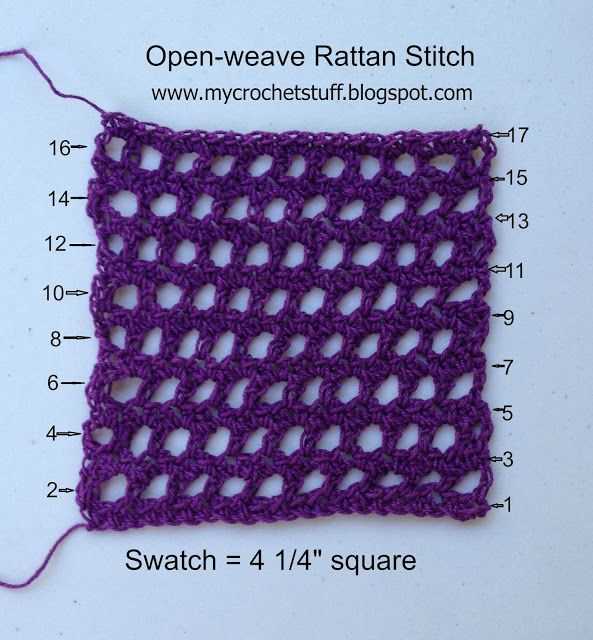
When it comes to pairing open weave knits with bottoms, the options are endless. For a casual daytime look, you can wear an open weave knit sweater with a pair of jeans or denim shorts. This creates a relaxed and effortless outfit that is perfect for running errands or meeting up with friends.
If you want to dress up your open weave knit, try pairing it with a skirt or dress. A fitted pencil skirt or a flowy maxi skirt can both create a chic and feminine look when paired with an open weave knit top. Add some accessories like a belt or statement necklace to complete the outfit.
3. Selecting the Right Undergarments
When wearing open weave knits, it is important to consider the right undergarments. The open weave design can be more revealing, so it is best to choose undergarments that are seamless and blend in with your skin tone. This will create a smooth and seamless look without any visible lines or distractions.
You can also experiment with layering different types of undergarments to achieve different looks. For example, wearing a lace bralette or a strappy bralette underneath an open weave knit can add a touch of femininity and an unexpected peek-a-boo effect.
4. Accessorizing with Open Weave Knits
To complete your open weave knit outfit, don’t forget to add some accessories. A wide-brimmed hat can add a bohemian touch to your look, while a chunky scarf or a statement belt can add some dimension and visual interest. Play around with different accessories to enhance and personalize your open weave knit ensemble.
Overall, open weave knits are a stylish and versatile addition to any wardrobe. By following these styling tips, you can easily wear and pair open weave knits in a way that suits your personal style and occasion.
Common Mistakes to Avoid When Knitting Open Weave Designs
Knitting open weave designs can be a fun and challenging project, but it’s important to avoid some common mistakes that can occur while working on these patterns. By being aware of these mistakes and taking the necessary precautions, you can ensure that your open weave knitting project turns out beautiful and well-executed.
1. Not using the right type of yarn
Choosing the right type of yarn is crucial when knitting open weave designs. Using a yarn that is too thick or bulky can result in a pattern that looks crowded or loses its delicate and airy appeal. Opt for a lightweight and thin yarn that allows your stitches to stand out and create the desired open weave effect.
2. Incorrect tension

Tension plays a significant role in achieving the desired result when knitting open weave designs. If your tension is too tight, the stitches can become compacted and lose their openness. On the other hand, if your tension is too loose, the pattern may look sloppy or inconsistent. Take the time to practice and adjust your tension to ensure that your stitches are even and well-defined.
3. Neglecting blocking
Blocking is an essential step in finishing any knitting project, and it is particularly important for open weave designs. Blocking helps to even out the stitches and enhances the overall appearance of the pattern. Skipping this step can result in your project looking uneven or not achieving the desired drape. Follow the blocking instructions provided in your pattern to ensure a professional-looking finish.
4. Not paying attention to stitch count
Open weave designs often involve intricate stitch patterns, and it’s crucial to pay attention to your stitch count throughout the project. Even missing or adding a single stitch can throw off the entire pattern and result in a finished piece that doesn’t resemble the intended design. Regularly check your stitch count to ensure you’re on track and make corrections as needed.
5. Rushing through the project
Open weave designs can be time-consuming and require patience and attention to detail. Rushing through the project can lead to mistakes and a less aesthetically pleasing finished piece. Take your time, follow the pattern carefully, and enjoy the process of creating a beautiful open weave design.
By avoiding these common mistakes and taking the time to practice and care for your open weave knitting project, you’ll be able to create stunning and intricate designs that showcase your skills and creativity.
Inspiration from Open Weave Knitting on Social Media
Open weave knitting has gained popularity on social media platforms such as Instagram and Pinterest, where knitters share their creations, patterns, and ideas. The open texture of these knitted items creates a unique style that is visually appealing and trendy.
One of the main benefits of social media when it comes to open weave knitting is the ability to connect and learn from other knitters. Knitters can find inspiration from various accounts, join knitting communities, and participate in discussions. They can also discover new patterns, techniques, and materials through the posts shared by experienced knitters.
Instagram is a particularly popular platform for open weave knitting. Knitters share pictures of their finished projects, along with details about the patterns, yarns, and needles used. Many knitters also provide step-by-step tutorials and videos to help others recreate their designs. By following these accounts, knitters can stay updated with the latest open weave knitting trends and get ideas for their own projects.
Open weave knitting on social media has also led to the emergence of virtual knitting groups and challenges. Knitters can join these groups to engage with like-minded individuals, share their progress, and receive feedback. Challenges often involve knitting specific patterns or using specific techniques, encouraging knitters to step out of their comfort zone and explore new styles.
In conclusion, social media has revolutionized the way knitters connect, learn, and share their open weave knitting projects. It provides a platform for inspiration, creativity, and collaboration. Whether you are a beginner or an experienced knitter, exploring open weave knitting on social media can inspire you to experiment with new patterns, textures, and styles.