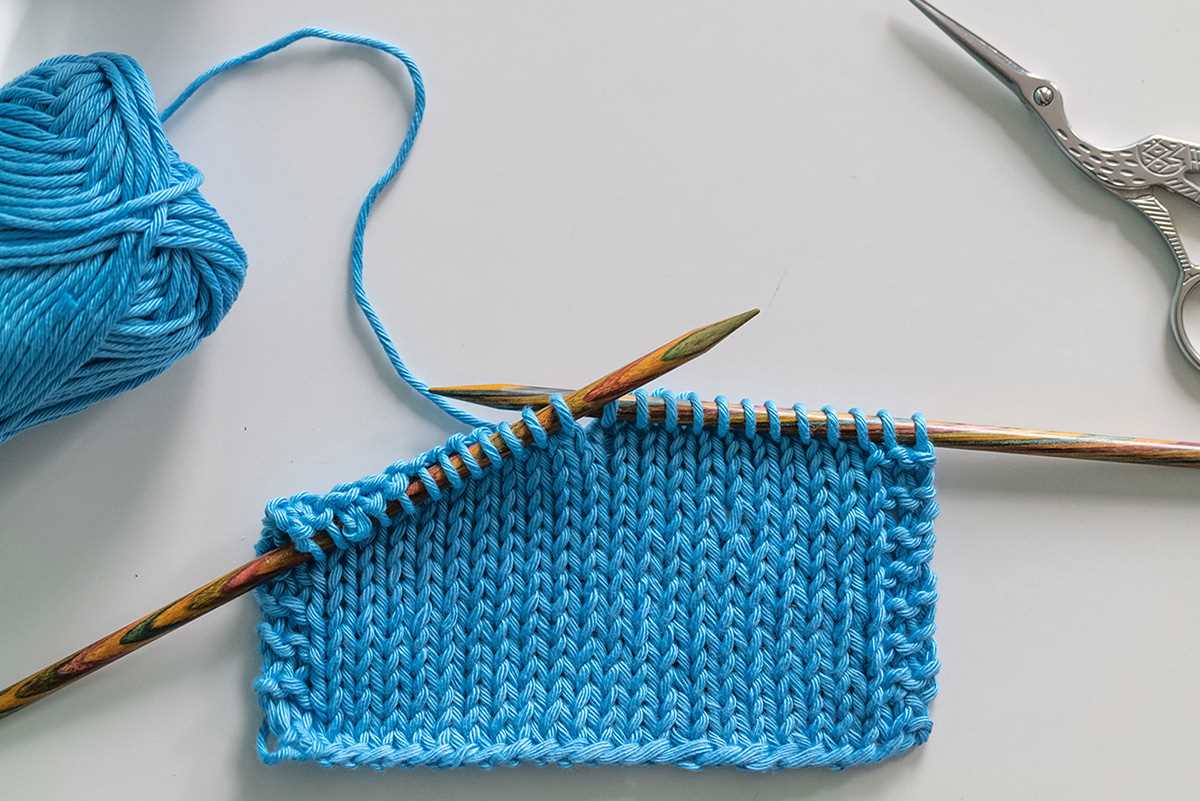
Stockinette stitch, also known as stocking stitch, is one of the basic knitting patterns that is widely used in various knitting projects. It is a simple and versatile pattern that creates a smooth fabric with a good amount of stretch. Stockinette stitch is often used for making garments, such as sweaters, hats, scarves, and socks, as well as for simple household items like dishcloths and washcloths.
To create the stockinette stitch pattern, you alternate between knitting on the right side (RS) and purling on the wrong side (WS) of the fabric. This creates a surface with smooth, even rows of V-shaped knit stitches on the RS, and rows of purl stitches on the WS. The result is a fabric that has a distinct right and wrong side, with the knit side usually considered the front or public side of the project.
Stockinette stitch is relatively easy to work and is often recommended for beginner knitters as it only requires knowledge of two basic stitches: knit and purl. However, one thing to keep in mind when knitting stockinette stitch is that it tends to curl at the edges. This is due to the difference in tension between the knit and purl stitches. To prevent curling, you can add a border of garter stitch or ribbing to your project.
Overall, stockinette stitch is a staple in knitting, and it is a pattern that every knitter should become familiar with. It provides a clean and classic look to your knitted projects, and its simplicity makes it a great choice for various applications. So grab your knitting needles and start practicing the stockinette stitch to add this versatile pattern to your knitting repertoire!
What is a Stockinette Knitting Pattern?
A stockinette knitting pattern is one of the most basic and commonly used stitch patterns in knitting. It creates a smooth, flat fabric with a “V” shaped texture that resembles the surface of a stocking or sock. The stockinette stitch is achieved by alternating rows of knit stitches and purl stitches.
To knit a stockinette stitch, you simply knit one row and purl one row, repeating this pattern until your desired length is reached. This creates rows of “V” shapes on the right side of the fabric and rows of horizontal purl bumps on the wrong side. The result is a fabric that is smooth on one side and textured on the other.
The stockinette stitch is versatile and can be used for a wide range of projects, from simple scarves and blankets to more complex garments. It is often used as a background stitch, allowing other stitch patterns or intricate designs to stand out. The smooth surface of the stockinette stitch also makes it ideal for showcasing colorwork and textured stitch patterns.
One thing to keep in mind when knitting stockinette is that it tends to curl at the edges. This is because the knit stitches are wider and pull the fabric in that direction. To prevent curling, you can add a border or use a different stitch pattern for the edges of your project.
Overall, the stockinette knitting pattern is a classic and versatile stitch that is perfect for a wide range of knitting projects. Whether you’re a beginner or an experienced knitter, mastering the stockinette stitch is a fundamental skill that will serve you well in your knitting journey.
Understanding the basics of stockinette stitch
Stockinette stitch is one of the most basic and popular knitting patterns. It creates a smooth fabric with distinct knit and purl sides, making it suitable for a wide range of projects, from scarves and sweaters to blankets and hats. Understanding the basics of stockinette stitch is essential for any knitter, whether you’re a beginner or more experienced.
To create stockinette stitch, you simply alternate between knitting one row and purling the next. This creates a pattern of V-shaped knit stitches on one side and horizontal purl stitches on the other side. The knit side is often considered the right side of the fabric, while the purl side is the wrong side.
Knitting stockinette stitch: To knit stockinette stitch, start by casting on the desired number of stitches. Then, knit the first row, making sure to insert the needle through the front of each stitch. For the second row, purl all the stitches. Continue alternating between knitting and purling each row until you reach the desired length.
Purling stockinette stitch: Purling stockinette stitch is the reverse of knitting it. Start by casting on the desired number of stitches. Then, purl the first row, inserting the needle through the back of each stitch. For the second row, knit all the stitches. Continue alternating between purling and knitting each row until you reach the desired length.
When working stockinette stitch, it’s important to maintain tension and consistency in your stitches. Uneven tension can result in an uneven fabric, so take care to ensure your stitches are neither too tight nor too loose. Additionally, stockinette stitch tends to curl at the edges, so it’s often paired with a border stitch, such as garter stitch, to help prevent this.
Overall, understanding the basics of stockinette stitch provides a solid foundation for exploring the world of knitting. With this simple yet versatile pattern, you’ll be able to create a wide variety of projects and contribute to the rich tradition of knitting.
Choosing the right yarn and needles for stockinette stitch
When it comes to knitting stockinette stitch, choosing the right yarn and needles can make a big difference in the final outcome of your project. Stockinette stitch is a basic stitch pattern that consists of alternating knit and purl rows, creating a smooth, flat fabric with a consistent gauge. To achieve the best results, it’s important to consider the weight and fiber content of the yarn, as well as the size and type of needles you use.
Yarn: The weight of the yarn you choose will depend on the desired drape and thickness of your finished fabric. For a light, delicate fabric, a lace or fingering weight yarn would be ideal. If you prefer a mid-weight fabric, a sport or DK weight yarn would work well. For a heavier, cozier fabric, consider using a worsted or bulky weight yarn. It’s important to note that the weight of the yarn will also affect the size of the needles you use.
Needles: The size and type of needles you use will depend on the weight of the yarn and the tension you want to achieve. For lace or fingering weight yarns, a smaller size needle (such as US size 2-4) would be appropriate to create a tight, defined fabric. For sport or DK weight yarns, a medium-sized needle (US size 5-7) would provide a balanced tension. For worsted or bulky weight yarns, a larger size needle (US size 8+) would result in a looser, more open fabric. Additionally, the type of needles you use, such as bamboo, metal, or circular needles, can also impact the overall feel and appearance of your stockinette stitch fabric.
When choosing yarn and needles for stockinette stitch, it’s important to consider the desired outcome of your project. Experimenting with different combinations of yarn weight and needle size can help you achieve the perfect fabric for your knitting project. Remember to always swatch and measure your gauge before starting your project to ensure the best fit and results.
Getting started with a stockinette knitting project
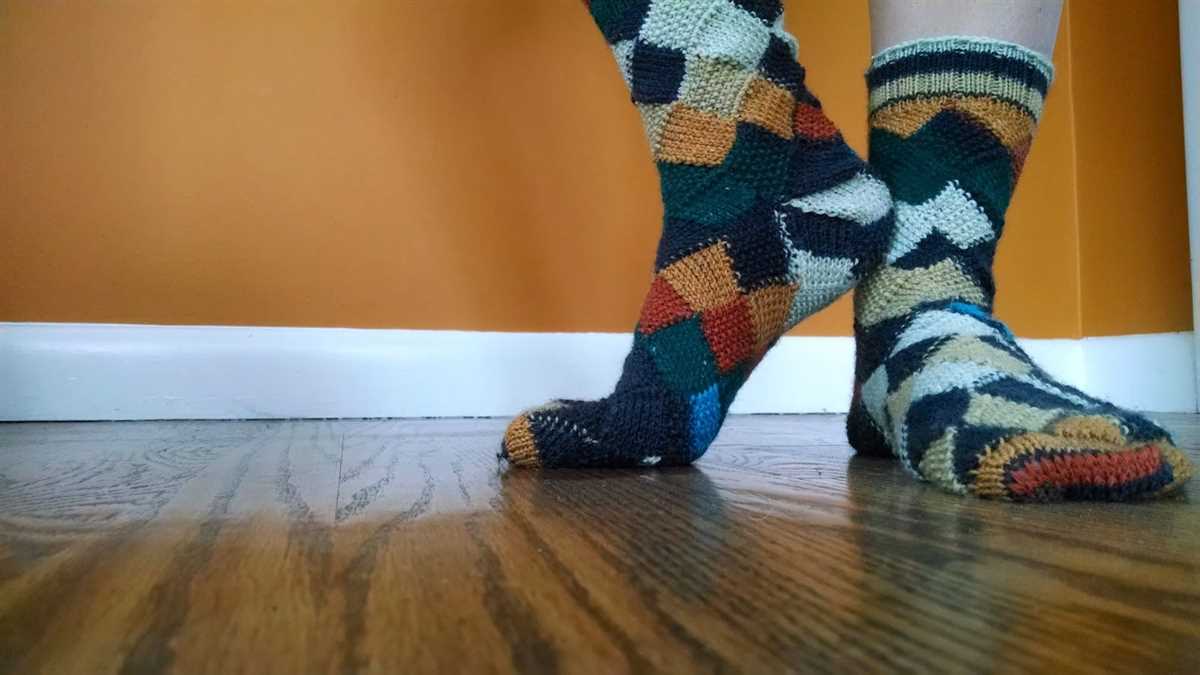
If you’re new to knitting or looking to try a new pattern, the stockinette stitch is a classic choice. Also known as stocking stitch, this versatile stitch creates a smooth fabric with rows of V shapes on one side and smooth, purl bumps on the other. It’s a great stitch pattern for beginners as it only requires two basic stitches: knit and purl. Whether you want to knit a scarf, a sweater, or a simple dishcloth, the stockinette stitch is a great option.
To get started with your stockinette knitting project, you’ll need a few supplies. Firstly, choose your yarn and needles. The thickness of your yarn will determine the size of your stitches and the type of needles you’ll need. You can find this information on the yarn label. Next, make sure you have a pair of knitting needles that are appropriate for your chosen yarn. Circular needles are recommended for larger projects like sweaters or blankets, while straight needles are suitable for smaller items like scarves or dishcloths.
Once you have your yarn and needles, it’s time to cast on your stitches. To create the stockinette stitch, you’ll need an even number of stitches on your needle. There are various casting on methods you can use, such as the long-tail cast on or the knitted cast on. Choose the one you feel most comfortable with and cast on the desired number of stitches for your project. If you’re following a pattern, it should specify the number of stitches needed.
After casting on, you’re ready to start knitting in the stockinette stitch. The first row will be a knit row, where you’ll knit every stitch across. Then, for the second row, you’ll switch to the purl stitch and purl every stitch across. Continue alternating between knit and purl rows until you’ve reached your desired length or completed the pattern instructions. Remember to knit and purl according to the pattern’s instructions to maintain the stockinette stitch pattern consistently.
One thing to keep in mind when knitting stockinette stitch is that it tends to curl at the edges. To prevent this, you can add a border of a different stitch pattern, such as garter stitch or ribbing. Alternatively, you can block your project once it’s finished by gently wetting it and laying it flat to dry. Blocking helps to even out the stitches and relax the fabric for a more finished look.
With a little practice, you’ll soon be knitting beautiful stockinette stitch projects. Enjoy the process of creating smooth, visually appealing fabric with this versatile stitch pattern.
Tips for knitting a smooth stockinette fabric
Stockinette stitch is a classic knitting pattern that creates a smooth and even fabric. It is commonly used for making garments, such as sweaters and scarves. However, achieving a consistent and flawless stockinette fabric can be a challenge for many knitters. To help you in this process, here are some tips:
1. Use the right yarn and needle size
Choosing the right yarn and needle size is crucial for achieving a smooth stockinette fabric. Thinner yarns and smaller needles will result in a tighter and denser fabric, while thicker yarns and larger needles will create a looser and more textured fabric. Experiment with different combinations until you find the perfect match for your desired outcome.
2. Pay attention to tension and gauge
Consistent tension and gauge are essential when knitting stockinette stitch. Uneven tension can lead to uneven stitches and an overall messy fabric. Make sure to maintain a constant tension throughout your knitting and frequently check your gauge to ensure that you are achieving the correct number of stitches and rows per inch.
3. Practice good blocking techniques
Blocking is a crucial step in knitting, especially for stockinette fabric. After knitting your project, block it by wetting or steaming it to relax the stitches and even out the fabric. This will help to smooth any inconsistencies and give your finished piece a more polished look.
4. Avoid excessive stretching or pulling
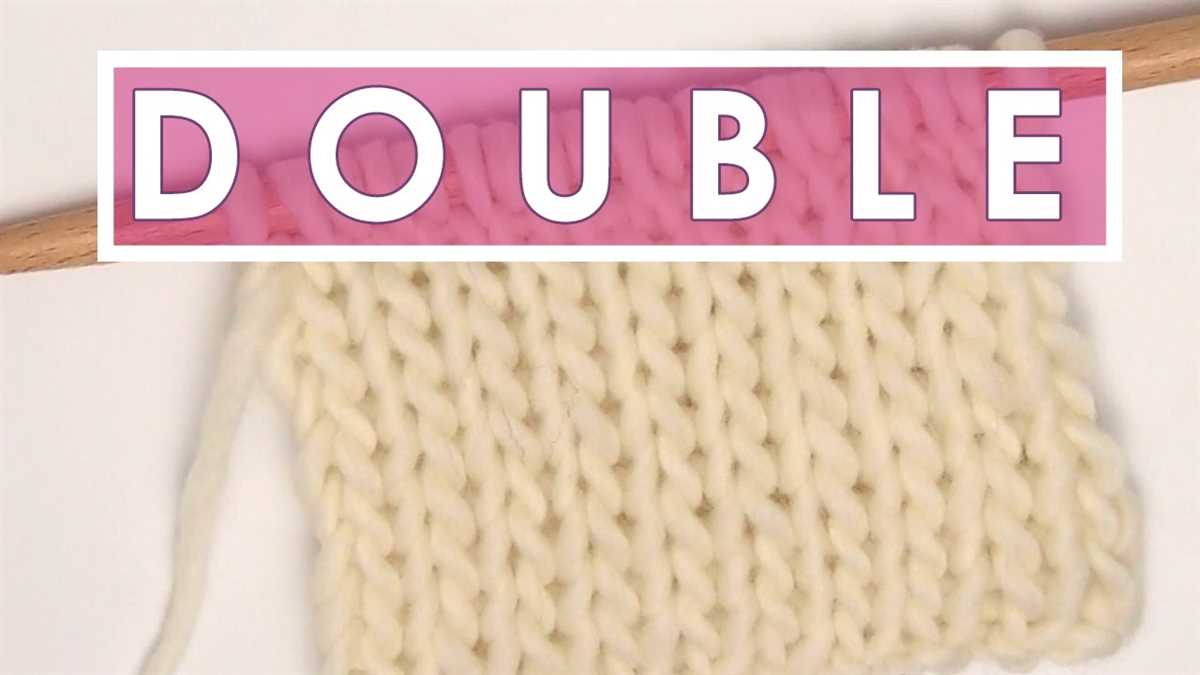
When knitting stockinette stitch, it’s important to avoid excessive stretching or pulling of the fabric. This can lead to distorted stitches and an uneven appearance. Instead, handle your knitting with care and try to maintain an even tension as you work.
5. Use stitch markers or counting techniques

To ensure that you are maintaining the correct pattern and stitch count in your stockinette fabric, consider using stitch markers or counting techniques. This will help you keep track of your progress and prevent any mistakes that could affect the overall smoothness of the fabric.
By following these tips, you can improve your stockinette knitting skills and create a smooth and professional-looking fabric for your next project.
How to fix common mistakes in stockinette stitch
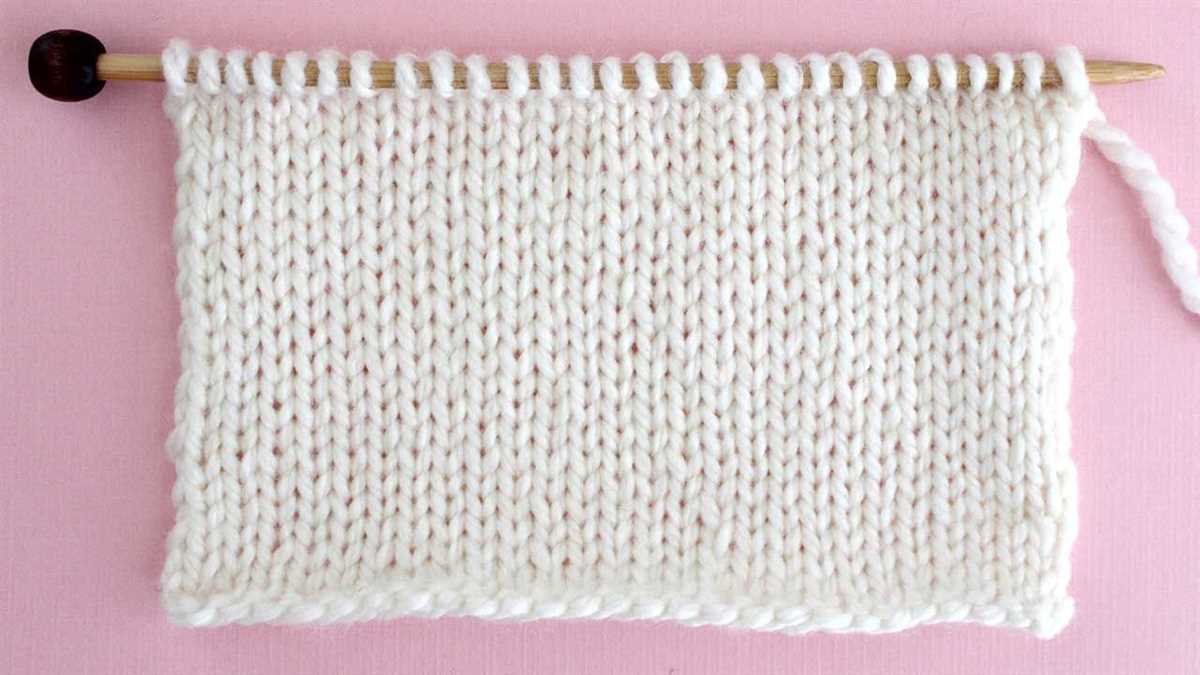
Stockinette stitch is one of the most popular and versatile knitting patterns, but it’s not without its challenges. Mistakes can happen, whether you’re a beginner or an experienced knitter. The good news is that most common mistakes in stockinette stitch can be easily fixed with a little patience and attention to detail.
1. Dropped stitches

One of the most common mistakes in stockinette stitch is dropping a stitch. This happens when a stitch slips off the needle and unravels down the fabric. To fix a dropped stitch, use a crochet hook or a knitting needle to pick up the dropped stitch and then slide it back onto the left-hand needle. Make sure the stitch is not twisted and continue knitting as usual.
2. Uneven tension
Another common mistake in stockinette stitch is uneven tension, where some rows are looser or tighter than others. To fix uneven tension, you can try adjusting your knitting technique or needle size. If the tension is too tight, try using larger needles or loosening your grip on the yarn. If the tension is too loose, try using smaller needles or tightening your grip on the yarn.
3. Holes or gaps
Holes or gaps can appear in stockinette stitch when there are accidental yarn overs or missed decreases. To fix a hole or gap, carefully examine your knitting and identify the mistake. If it’s an accidental yarn over, you can drop the extra yarn over and then knit or purl the stitch as usual. If it’s a missed decrease, you can use a crochet hook or a knitting needle to manipulate the stitches and correct the decrease.
4. Twisted stitches
Twisted stitches can occur when the knitter accidentally twists the stitch on the needle. To fix a twisted stitch, you can either tink (undo stitch by stitch) or use a crochet hook or a knitting needle to manipulate the stitches and correct the twist. Make sure the stitches are not crossed and are aligned correctly on the needle.
5. Uneven edges
Uneven edges can be a common problem in stockinette stitch, especially for beginners. To fix uneven edges, you can try adding selvedge stitches at the beginning and end of each row. Selvedge stitches are an extra stitch or two that you work at the beginning and end of each row, and they help create a neater and more even edge.
Remember, practice makes perfect, and even the most experienced knitters make mistakes. By learning how to fix common mistakes in stockinette stitch, you’ll become more confident in your knitting skills and be able to tackle any project with ease.
Adding variations to the stockinette pattern

The stockinette knitting pattern, also known as the stocking stitch, is one of the most basic and versatile stitch patterns in knitting. It creates a smooth, flat fabric with rows of V-shaped stitches on the right side and purl bumps on the wrong side. While the traditional stockinette pattern is simple and beautiful on its own, there are several ways to add variations and make your knitting project more interesting.
1. Ribbing: One common variation to the stockinette pattern is to add ribbing at the edges of your project. Ribbing is created by alternating knit and purl stitches in a specific pattern, such as k1, p1 or k2, p2. This not only adds texture to your project but also helps prevent the edges from rolling.
2. Colorwork: Another way to add variation to the stockinette pattern is by incorporating colorwork. You can introduce contrasting colors by knitting with multiple strands of yarn or by using stranded knitting techniques such as fair isle or intarsia. Colorwork can be used to create intricate patterns, motifs, or even pictures on the stockinette fabric.
3. Texture stitches: To give your stockinette fabric more texture and visual interest, you can incorporate various texture stitches. Some common texture stitches include seed stitch, moss stitch, and cable stitches. These stitches add depth and dimension to the stockinette fabric, creating a more intricate and visually appealing design.
4. Lace: Lace is a delicate and feminine variation that can be added to the stockinette pattern. By incorporating lace stitch patterns, you can create beautiful and airy designs that are perfect for lightweight garments or accessories. Lace patterns often involve yarn overs and decreases to create decorative holes and intricacies within the fabric.
5. Stripes: Stripes are a simple yet effective way to add variation and interest to the stockinette pattern. You can create stripes by alternating between different colors or different shades of the same color. Stripes can be used to create bold and graphic designs or subtle and elegant patterns, depending on your color choices and stripe width.
By incorporating these variations or combining them creatively, you can elevate the stockinette knitting pattern and make your project truly unique and personalized. Whether you’re a beginner or an experienced knitter, experimenting with these variations can add excitement and creativity to your knitting projects.
Creative projects using the stockinette stitch
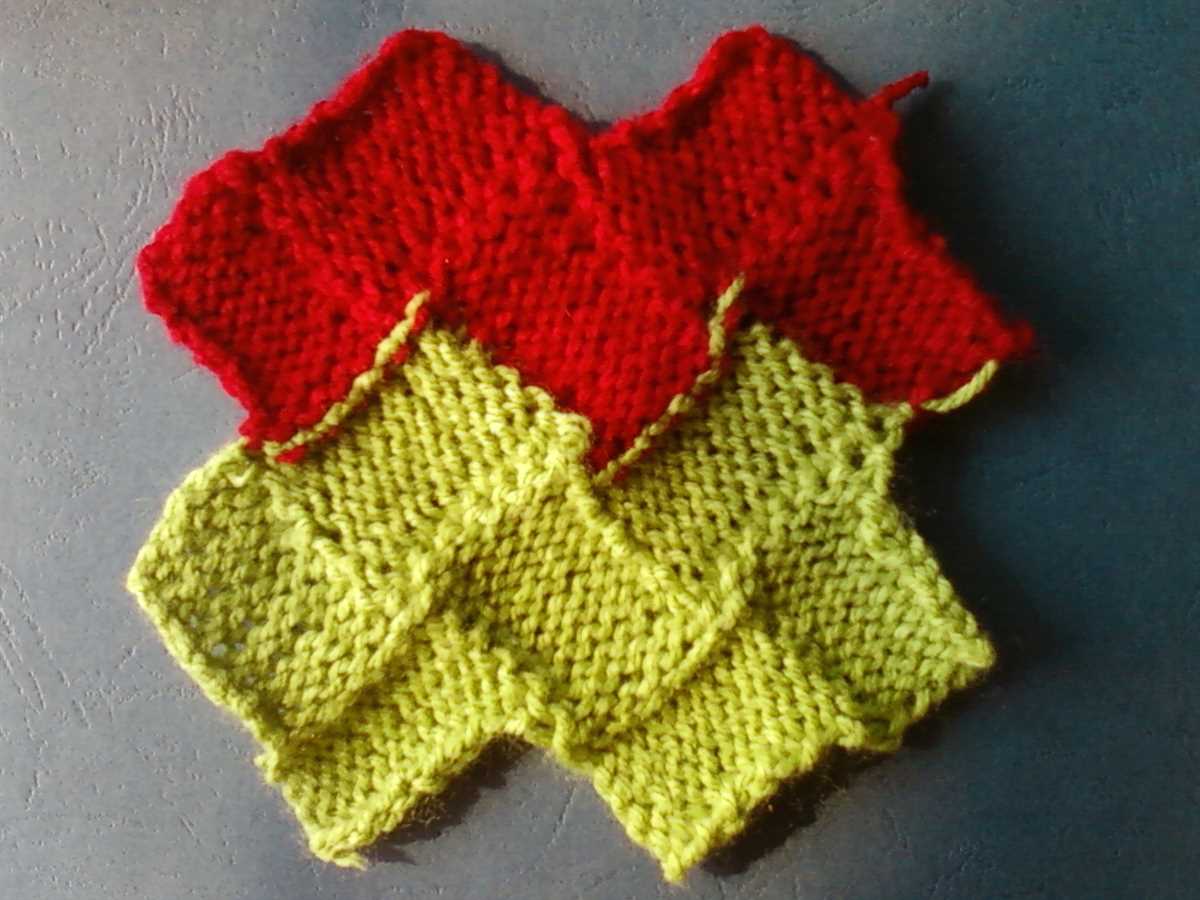
The stockinette stitch is one of the most popular and versatile knitting patterns. With its smooth surface on the right side and textured bumps on the wrong side, the stockinette stitch offers endless possibilities for creative projects. Whether you are a beginner or an experienced knitter, there are numerous projects you can undertake using this simple yet elegant stitch.
One popular project using the stockinette stitch is making scarves and shawls. The smooth and drapey fabric created by the stockinette stitch is perfect for these accessories. You can choose any color or blend of yarn to create a personalized and fashionable scarf or shawl. Experiment with different widths and lengths to achieve the desired look. You can also add lace, cables, or other decorative elements to enhance the beauty of the project.
List of creative projects using the stockinette stitch:

- Sweaters and cardigans: The stockinette stitch is commonly used to create the body of sweaters and cardigans. You can combine it with ribbing or other stitch patterns for added texture and visual interest.
- Hats: The stockinette stitch can be easily adapted to create hats of various sizes and styles. From slouchy beanies to fitted caps, the options are endless.
- Baby blankets: The soft and smooth texture of the stockinette stitch makes it ideal for baby blankets. Choose pastel or vibrant colors to create a cozy and eye-catching blanket for your little one.
- Mittens and gloves: The stockinette stitch provides a snug and comfortable fit for mittens and gloves. You can add details like stripes or colorwork to make them more visually appealing.
- Toys and stuffed animals: The stockinette stitch can be used to create adorable toys and stuffed animals. From teddy bears to dolls, these projects are perfect for gifting or keeping as cherished heirlooms.
These are just a few examples of the many creative projects you can undertake using the stockinette stitch. Whether you prefer simple and elegant designs or more intricate patterns, the stockinette stitch is sure to offer endless possibilities for your knitting endeavors.
Combining the stockinette stitch with other knitting techniques
Stockinette stitch is a popular knitting pattern that creates a smooth and uniform fabric. While it looks beautiful on its own, it can also be combined with other knitting techniques to add texture and interest to your projects.
One way to combine the stockinette stitch with other techniques is by incorporating ribbing. Ribbing is commonly used for cuffs, hems, and other areas where you want the fabric to have some elasticity. By alternating between knitting and purling stitches in a specific pattern, you can create a ribbed effect that complements the smoothness of the stockinette stitch.
Another technique that can be combined with stockinette stitch is lace knitting. Lace patterns often feature intricate designs and create an open and airy fabric. By adding lace panels or borders to your stockinette stitch project, you can create a delicate and feminine look. Lace knitting typically involves yarn overs and decreases to create the lace motifs, which can be incorporated into your stockinette stitch fabric.
Colorwork is yet another technique that can be combined with stockinette stitch. Fair Isle and intarsia are two popular colorwork techniques that involve using multiple colors of yarn to create patterns and designs. By adding colorwork motifs to your stockinette stitch project, you can create a vibrant and eye-catching fabric. It’s important to note that colorwork can be more challenging than other techniques, as it requires managing multiple yarns at once.
In conclusion, there are countless ways to combine the stockinette stitch with other knitting techniques to create unique and beautiful fabrics. Whether you choose to incorporate ribbing, lace, or colorwork, these techniques can add texture, interest, and creativity to your knitting projects.
Popular Stockinette Knitting Patterns
The stockinette stitch is one of the most popular and versatile knitting patterns. It creates a smooth, flat fabric with a V-shaped texture on one side, and a purl bump texture on the other. This simple yet elegant stitch is often used in a variety of projects, from simple scarves to more complex sweaters and blankets.
One popular stockinette knitting pattern is the basic stockinette scarf. This is a great project for beginners, as it allows them to practice the stockinette stitch while creating a functional and stylish accessory. To make a basic stockinette scarf, simply cast on the desired number of stitches, and then knit every row until the scarf reaches the desired length. The result is a beautiful, smooth scarf that can be worn with any outfit.
Another popular stockinette pattern is the stockinette sweater. This classic garment is a staple in any wardrobe, and can be customized to fit any style or body shape. The stockinette stitch is ideal for sweaters, as it creates a smooth and drapey fabric that is both comfortable and flattering. Whether you choose a classic crewneck style or a more modern oversized design, a stockinette sweater is sure to become a favorite in your knitting collection.
In addition to scarves and sweaters, the stockinette stitch can also be used to create beautiful blankets and home decor items. A stockinette blanket can be knit in one solid color for a minimalistic look, or in multiple colors for a vibrant and eye-catching design. The smooth fabric created by the stockinette stitch is perfect for showcasing intricate stitch patterns or colorwork, making it a popular choice for knitters who enjoy more complex projects.
Overall, the stockinette stitch is a versatile and widely-loved knitting pattern. Its simplicity and elegance make it suitable for knitters of all skill levels, and its smooth fabric is perfect for a wide range of projects. Whether you’re a beginner looking to create your first scarf, or an experienced knitter working on a complex sweater, the stockinette stitch is sure to be a go-to pattern in your knitting repertoire.
Exploring different textures and colors with stockinette stitch
The stockinette stitch is a classic knitting pattern that creates a smooth and sleek fabric. However, this simple stitch can be transformed into a versatile canvas for exploring different textures and colors. By modifying the stitch pattern or incorporating various techniques, knitters can create unique and eye-catching designs.
One way to add texture to the stockinette stitch is by using different yarn weights and fibers. Mixing a bulky yarn with a thinner yarn can create an interesting contrast in texture, with the bulky yarn creating raised areas on the fabric. Additionally, experimenting with different fibers, such as cotton, wool, or silk, can result in different textures and drape.
Combining different colors is another way to enhance the stockinette stitch pattern. Knitters can either use variegated or self-striping yarns to automatically introduce contrasting colors into their projects. Alternatively, knitters can incorporate colorwork techniques, such as Fair Isle or intarsia, to create intricate patterns and motifs.
The use of embellishments can also add texture and interest to the stockinette stitch. This can include techniques such as adding cables, lace, or bobbles. These embellishments can be strategically placed within the stockinette fabric to create focal points or replicate a specific design.
To further enhance the exploration of textures and colors, knitters can consider combining multiple stitch patterns within the same project. By alternating sections of stockinette stitch with other textured stitches, like ribbing or seed stitch, knitters can create visually dynamic and tactile pieces.
Overall, the stockinette stitch offers a versatile foundation for knitters to experiment with various textures and colors. Whether through the choice of yarn, incorporation of embellishments, or combination of stitch patterns, knitters can create unique and personalized projects that showcase their creativity and skill.
Advanced techniques for mastering the stockinette stitch
The stockinette stitch is a fundamental pattern in knitting that creates a smooth fabric with V-shaped columns on one side and ridges on the other. While the stockinette stitch may seem simple, there are advanced techniques and tips that can help you master this classic knitting pattern.
1. Tension control: One of the most important aspects of achieving a smooth and even stockinette stitch is controlling your tension. Consistency in tension throughout your knitting project is crucial, as loose or tight stitches can create an uneven fabric. Practice maintaining a consistent and relaxed grip on your knitting needles to achieve balanced tension.
2. Blocking: Blocking is a technique used to shape and finish knitted garments or accessories. For the stockinette stitch, blocking can help even out any uneven areas, relax the fabric, and enhance the drape. Wet blocking or steam blocking are common methods for blocking stockinette stitch projects, but make sure to check the specific fiber content of your yarn to determine the appropriate blocking method.
3. Avoiding curling edges: The stockinette stitch has a tendency to curl along the edges, which can be frustrating for knitters. To prevent this, you can incorporate techniques like adding a border or using an alternative edge stitch, such as garter stitch or ribbing. Experiment with different edge stitches to find the one that works best for your project.
4. Understanding how to read the “wrong” side: While the right side of the stockinette stitch is smooth and visually appealing, the wrong side consists of purl bumps. Learning to read the wrong side of your knitting can be helpful when following complex patterns or working on projects that require specific stitch placement. Take the time to familiarize yourself with the characteristics of both sides of the stockinette stitch.
5. Stabilizing edges: The edges of a stockinette stitch fabric can sometimes become loose or uneven, especially when working on larger projects like blankets or scarves. You can stabilize the edges by either picking up stitches along the sides or using a technique called “selvage stitches” that creates a neat and sturdy edge. These techniques will help maintain the integrity of your stockinette stitch fabric.
6. Adding texture: While the stockinette stitch is known for its smooth and even appearance, you can add texture and visual interest to your projects by incorporating other stitch patterns or techniques. Try mixing in different stitch patterns like cables, lace, or colorwork to create unique designs and make your stockinette stitch projects stand out.
By mastering these advanced techniques, you can take your stockinette stitch projects to the next level and create beautifully finished knitted garments and accessories. Practice, patience, and attention to detail will ultimately lead to mastering this classic knitting pattern.
Inspiration and Ideas for Your Next Stockinette Knitting Project
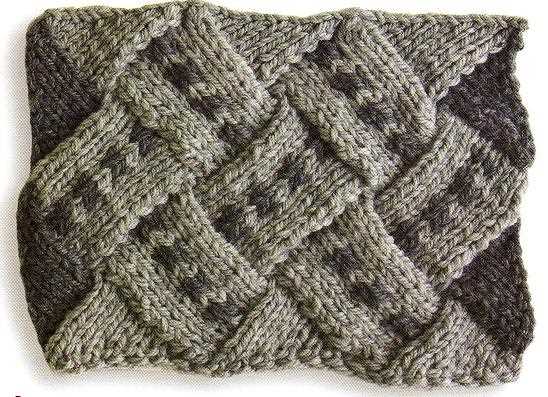
If you’re looking for inspiration and ideas for your next stockinette knitting project, you’ve come to the right place. Whether you’re a beginner or an experienced knitter, there are plenty of options to choose from that will showcase the beauty of the stockinette stitch.
One idea is to try knitting a cozy sweater using the stockinette stitch. You can play around with different yarns, colors, and patterns to create a unique and personalized garment. The simplicity of the stockinette stitch will make your sweater look sleek and polished, making it a versatile addition to your wardrobe.
Another option is to knit a scarf or a shawl using the stockinette stitch. This stitch creates a smooth and flat fabric that drapes beautifully, making it perfect for accessories with drape and movement. You can experiment with different stitch patterns and color combinations to create a one-of-a-kind piece that will keep you warm and stylish.
Looking to add some texture to your stockinette project? Consider incorporating ribbing, cables, or lace into your design. These techniques can add visual interest and make your project more challenging and rewarding. You can choose to combine the stockinette stitch with these other techniques to create a stunning and intricate piece.
If you’re feeling adventurous, why not try knitting a stockinette stitch blanket? This project will keep you entertained for a while, and the end result will be a cozy and timeless piece that you can cherish for years to come. You can experiment with different sizes, colors, and stitch patterns to create a truly unique and personalized blanket.
Remember to swatch before you start your project. Swatching allows you to determine the right needle size and gauge for your stockinette stitch project, ensuring that the finished piece fits properly and looks its best. It may seem like an extra step, but it will save you time and frustration in the long run.
In conclusion

The stockinette stitch is a versatile and timeless knitting pattern that can be used to create a wide range of projects. Whether you choose to knit a sweater, scarf, shawl, or blanket, the stockinette stitch will showcase your knitting skills and create a beautifully smooth fabric. With a little bit of experimentation and creativity, you can create a truly unique and personalized piece that you will be proud to wear or display. So grab your knitting needles and get started on your next stockinette project today!