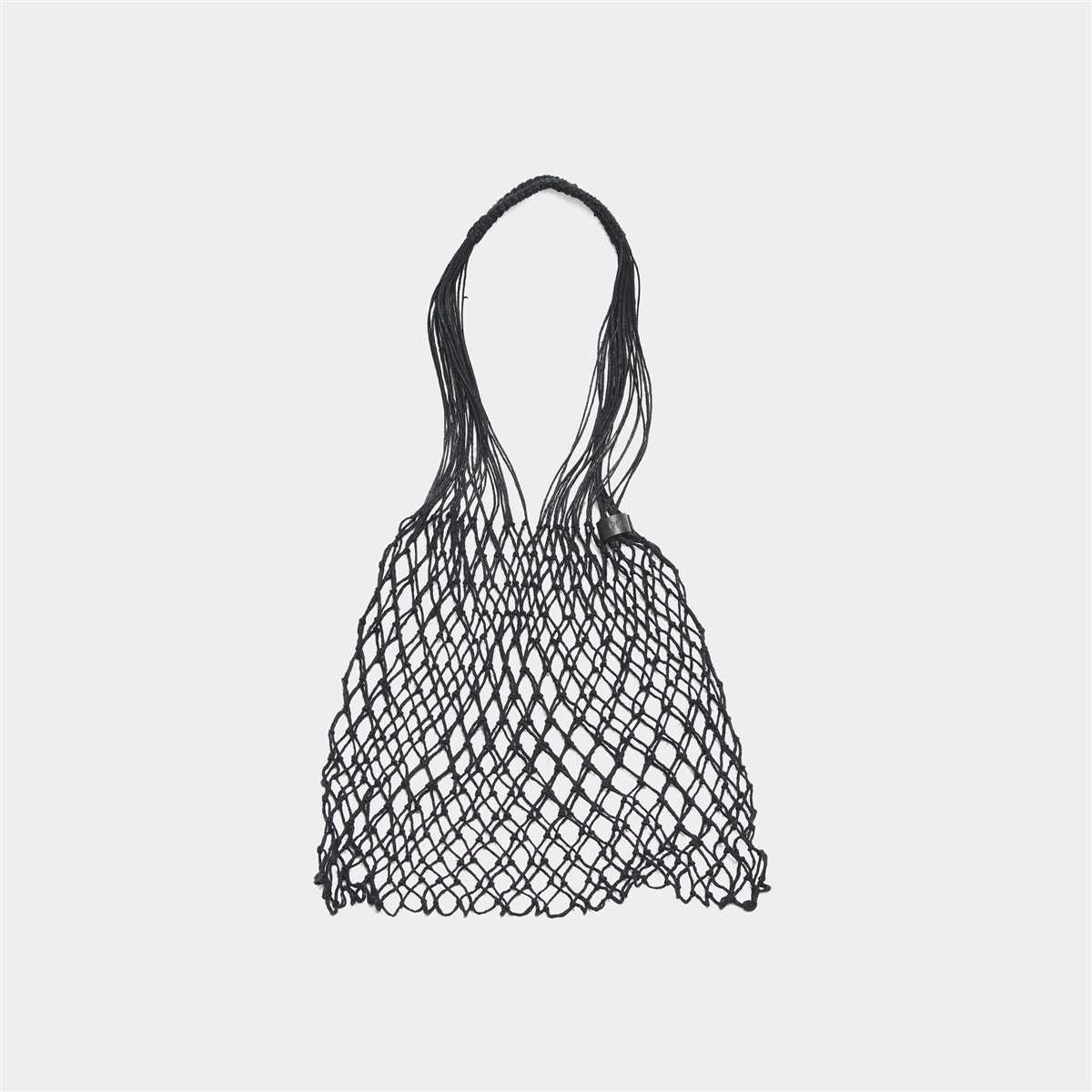
Knitting your own string bag is not only a sustainable and eco-friendly alternative to single-use plastic bags, but it also allows you to customize your bag to suit your style and needs. With a knitting pattern, you can create a sturdy and versatile bag that can be used for grocery shopping, carrying books, or as a stylish accessory.
There are many different knitting patterns available for string bags, ranging from simple patterns for beginners to more intricate designs for experienced knitters. Some patterns use a basic stitch pattern, while others incorporate more advanced techniques and stitch patterns for added texture and visual interest.
One of the great things about knitting your own string bag is that you can choose the type of yarn and needle size that you prefer. This allows you to create a bag that is the perfect size and weight for your needs. You can opt for a durable cotton yarn for a sturdy bag that can carry heavy items, or a lightweight and stretchy yarn for a more versatile bag that can be folded up and easily carried in your purse or pocket.
In addition to choosing your materials, you can also choose the color and design of your bag. Whether you prefer a classic neutral tone, a bold and vibrant color, or even a patterned design, the possibilities are endless. Knitting your own string bag allows you to express your creativity and make a practical and stylish accessory that you’ll be proud to use.
Overview of String Bags
String bags, also known as mesh bags or net bags, are lightweight and versatile bags that are commonly used for shopping, grocery runs, and carrying various items. They are typically made from a net-like fabric or string material, which allows the bag to stretch and expand to accommodate different sizes and shapes of objects.
One of the main advantages of string bags is their compactness. Unlike traditional tote bags or backpacks, string bags can be easily folded or rolled up to fit into a small space, making them convenient to carry around or store when not in use. Additionally, their open-mesh design makes it easy to see the contents of the bag and allows air to circulate, preventing the build-up of odors or moisture.
Uses of String Bags:
- Shopping: String bags are commonly used for grocery shopping or running errands. Their expandable design allows them to hold a large number of items, making them an eco-friendly alternative to plastic bags.
- Beach or Pool: String bags are popular choices for carrying towels, sunscreens, and other beach or pool essentials. Their mesh construction allows for easy drying and sand to fall through.
- Travel: String bags are lightweight and take up minimal space, making them ideal for travel. They can be used to carry extra clothes, souvenirs, or as a laundry bag for separating dirty clothes.
- Sports and Outdoor Activities: String bags are often used for carrying sports equipment, water bottles, or hiking essentials. Their lightweight and breathable design make them comfortable to wear during physical activities.
Overall, string bags are practical and versatile accessories that can be used in a variety of situations. Whether you’re going grocery shopping, heading to the beach, or traveling, a string bag can be a handy companion to carry your belongings.
What are string bags?
String bags, also known as mesh bags, are lightweight and versatile bags made from a net-like material. They are typically knit or crocheted using a specific pattern that creates the characteristic open structure of the bag. These bags have been used for generations and are known for their strength, expandability, and eco-friendly qualities.
The design of string bags allows them to stretch and expand, making them perfect for carrying a variety of items. They can hold fruits and vegetables from the farmer’s market, groceries, books, knitting projects, and even beach essentials. The open structure of the bag also allows for easy visibility, making it convenient to find what you need without rummaging through the contents.
History of string bags
The history of string bags can be traced back to ancient times. These versatile bags have been used by various cultures around the world for centuries. They were initially made by hand, using natural fibers such as hemp, jute, or cotton.
One of the earliest examples of string bags can be found in Egypt, where they were made by weaving plant fibers together. These bags were used for carrying various goods, including food, tools, and personal belongings. The simplicity of the design and the lightweight nature of the bags made them popular among different social classes.
The use of string bags spread across many civilizations, including the Greeks and Romans. In ancient Greece, string bags were often seen in the marketplace, where they were used to carry produce, grains, and other goods. Similarly, in ancient Rome, string bags were used by both merchants and citizens for their everyday needs.
During the Industrial Revolution, the production of string bags became more mechanized. Machines were developed to mass-produce these bags, making them more accessible to the general population. The introduction of synthetic materials, such as nylon, also led to the production of more durable and affordable string bags.
Today, string bags continue to be popular worldwide, as they are considered an eco-friendly alternative to plastic bags. Their compact and lightweight design makes them convenient for carrying groceries, beach essentials, and other items. Whether they are knitted or manufactured, string bags remain a practical and sustainable choice for many people.
Benefits of using string bags
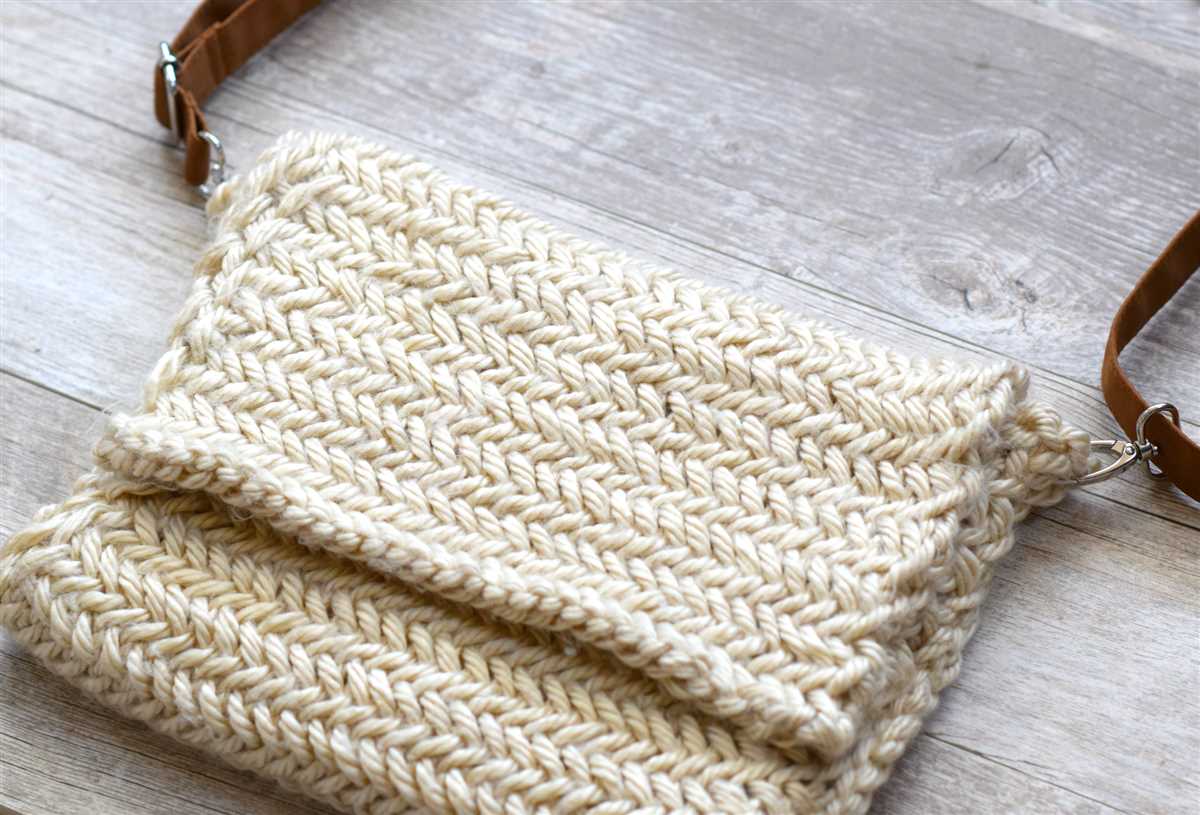
String bags, also known as mesh or net bags, have become popular in recent years due to their numerous benefits. These bags are typically made of lightweight and durable materials, such as cotton or nylon, and feature an open mesh design that allows for breathability and easy visibility of the contents. Here are some of the key advantages of using string bags:
- Eco-friendly: String bags are a sustainable alternative to single-use plastic bags. By using string bags, individuals can reduce their reliance on disposable bags, which contribute to environmental pollution. These reusable bags can be used over and over again, significantly reducing waste.
- Convenience: String bags are incredibly versatile and can be used for various purposes. Whether you’re going grocery shopping, heading to the beach, or organizing items at home, string bags offer a convenient and practical solution. They are lightweight, collapsible, and easy to carry, making them ideal for everyday use.
- Expandable: One of the main advantages of string bags is their expandable nature. Thanks to their flexible mesh design, these bags can stretch to accommodate bulky items or a large quantity of groceries. This makes them an excellent choice for those who need extra space when shopping or carrying items.
- Versatility: String bags come in various sizes and styles, allowing users to find the perfect bag for their needs. From small string bags for carrying a few items to large mesh bags for storing fruits and vegetables, there’s a string bag for every occasion. Additionally, some string bags feature additional pockets or compartments for better organization.
- Aesthetically pleasing: String bags have a unique and stylish appearance that sets them apart from traditional tote bags or backpacks. The open mesh design and vibrant colors give these bags a modern and fashionable look, making them a popular choice among individuals who value both style and practicality.
In conclusion, string bags offer numerous benefits for those looking for a sustainable and practical way to carry items. From being eco-friendly to providing versatility and convenience, these bags have become a popular choice for individuals of all ages. So why not make the switch to string bags and embrace a more sustainable lifestyle?
Eco-friendly alternative to plastic bags
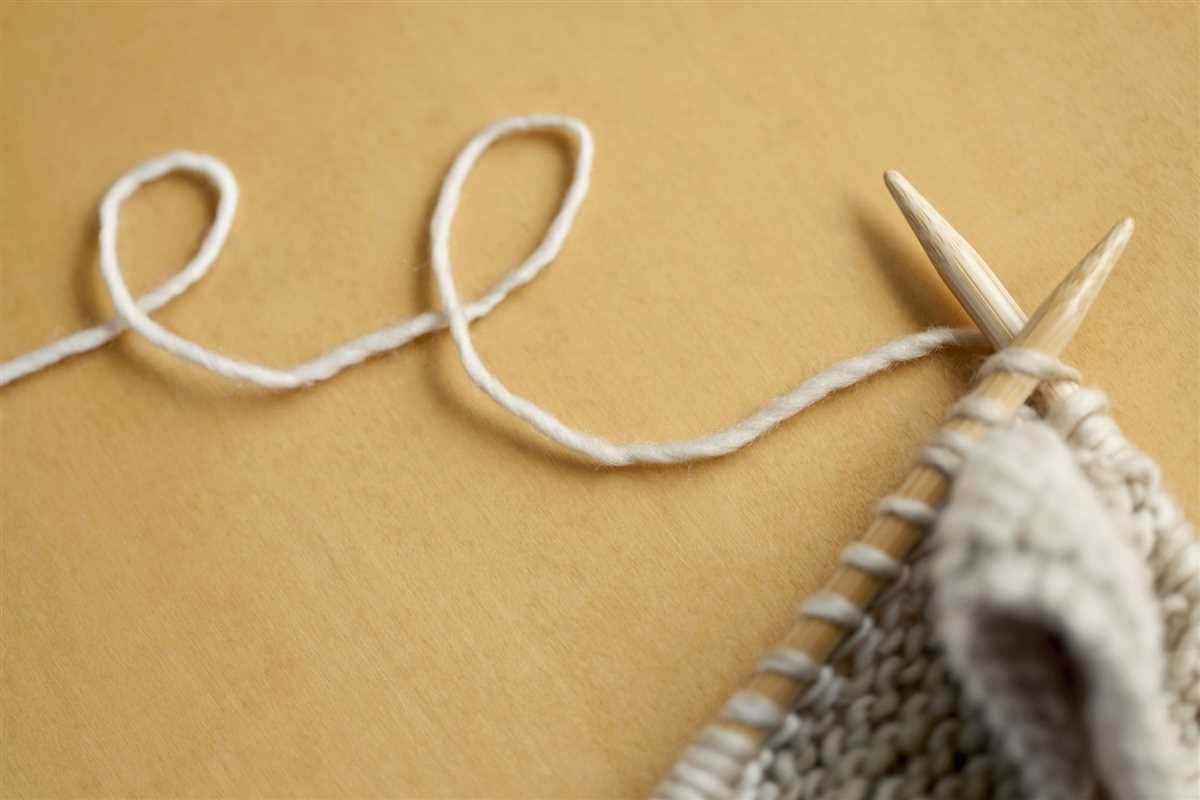
Plastic bags have become a major environmental concern due to their negative impact on the environment. They are not biodegradable and can take hundreds of years to decompose. As a result, they contribute to pollution and harm wildlife. To combat this issue, people are seeking eco-friendly alternatives, and one popular option is using string bags.
String bags are a sustainable alternative to plastic bags that are gaining popularity among environmentally-conscious individuals. These bags are made from natural materials such as cotton, jute, or hemp, making them biodegradable and eco-friendly. They can be reused multiple times and are durable enough to carry heavy groceries or everyday essentials.
Benefits of using string bags include:
- Reduced environmental impact: By using string bags instead of plastic bags, individuals can significantly reduce their carbon footprint and contribute to a cleaner and greener environment.
- Longevity: String bags are designed to be sturdy and durable, allowing them to be used for an extended period. This reduces the need for constantly purchasing new bags and helps to minimize waste.
- Versatility: String bags come in various sizes and styles, making them suitable for different purposes. They can be used for grocery shopping, carrying personal items, or as fashionable accessories.
- Economical: Investing in string bags can be cost-effective in the long run, as they can be reused multiple times without losing their functionality.
- Positive impact on wildlife: By avoiding the use of plastic bags, individuals can prevent them from ending up in oceans and waterways, where they pose a significant threat to marine life. Using string bags helps to protect the environment and wildlife.
Overall, choosing string bags as an alternative to plastic bags is a simple but effective step towards a more sustainable lifestyle. These eco-friendly bags not only reduce waste but also promote responsible consumer behavior. By making small changes like replacing plastic bags with biodegradable options, individuals can contribute to a healthier planet for future generations.
Versatility and durability of string bags
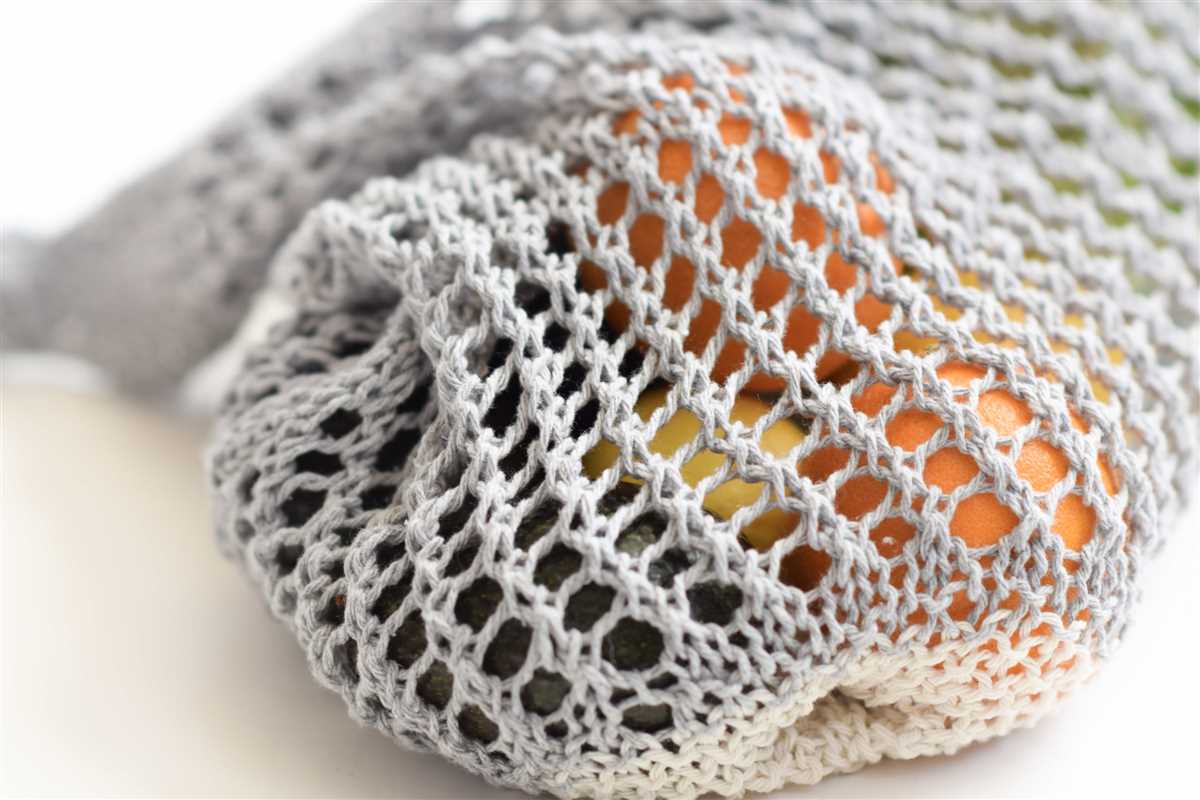
String bags, also known as mesh bags or net bags, have gained popularity in recent years for their versatility and durability. These lightweight bags are made from a knitted or crocheted netting pattern, allowing them to stretch and accommodate a variety of items. They are perfect for carrying groceries, beach essentials, gym gear, and even as a stylish everyday bag.
One of the key advantages of string bags is their ability to expand. Unlike traditional tote bags or backpacks, string bags can stretch and hold a surprising amount of items. This makes them particularly useful for shopping trips, as they can easily accommodate fruits, vegetables, and other groceries. The netting pattern also allows for ventilation, preventing produce from getting squished or spoiled.
String bags are also incredibly durable, thanks to their construction and material. The netting pattern is designed to distribute weight evenly, reducing strain on the bag and making it less likely to tear or break. The material used for string bags is often cotton, which is known for its strength and long-lasting qualities. This means that your string bag can withstand heavy loads and frequent use without losing its shape or integrity.
Moreover, string bags are eco-friendly alternatives to disposable plastic bags. By using a string bag, you can reduce your reliance on single-use plastics and contribute to a more sustainable future. Many string bags are also machine washable, making them easy to clean and reuse again and again.
In conclusion, the versatility and durability of string bags make them a practical and sustainable choice for various everyday needs. Whether you’re going grocery shopping, heading to the beach, or simply running errands, a string bag can be a reliable companion that will last for years to come.
Knitting your own string bag
Knitting your own string bag is a fun and practical project that can be enjoyed by beginners and experienced knitters alike. A string bag is a versatile accessory that can be used for carrying groceries, beach essentials, or even as a stylish everyday tote.
Materials: To get started, you will need a pair of knitting needles, a ball of sturdy cotton or linen yarn, a tape measure, and a darning needle.
Step 1: Casting on
Begin by casting on the desired number of stitches onto your knitting needles. For a small string bag, you can start with around 30 stitches, and for a larger bag, you can cast on around 50 stitches. This will depend on your personal preference and the size of the bag you want to create.
Step 2: Knitting the base
Next, you will knit the base of your string bag. You can use a simple knit stitch or choose a more intricate stitch pattern, such as a seed stitch or a rib stitch, for added texture. Knit rows of stitches until your bag’s base reaches the desired size.
Step 3: Creating the body

Once the base is complete, you will begin knitting the body of the bag. This is where you can get creative and experiment with different stitch patterns, colors, or even incorporate lacework. Knit rows of stitches until the bag reaches the desired height. Remember to leave room for the handles.
Step 4: Shaping the handles
Now it’s time to shape the handles of your string bag. You can choose to create short handles for a handheld bag or longer handles for a shoulder bag. To shape the handles, simply bind off a certain number of stitches in the middle of the row and continue knitting the remaining stitches on each side. Repeat this process for a few rows until the handles reach the desired length.
Step 5: Finishing touches

Once your bag is the desired size and the handles are complete, bind off all the stitches and cut the yarn, leaving a long tail. Use a darning needle to weave in any loose ends and secure the yarn. Your string bag is now ready to be used!
Knitting your own string bag allows you to customize the size, design, and colors to suit your personal style. Not only is it a sustainable alternative to plastic bags, but it also makes for a unique and practical accessory. So grab your knitting needles and get started on knitting your very own string bag today!
Materials needed for knitting

Knitting a string bag requires a few essential materials to ensure a successful project. Here is a list of items you will need:
- Knitting needles: Select the appropriate size knitting needles for your chosen yarn weight. Circular needles are recommended for larger bags.
- Yarn: Choose a yarn that is durable and suitable for the intended use of the bag. Cotton yarn is often a popular choice for string bags due to its strength.
- Tapestry needle: A tapestry needle with a large eye is handy for weaving in loose ends and seaming the bag.
- Stitch markers: Use stitch markers to keep track of different sections or patterns in your knitting.
- Scissors: Keep a pair of scissors nearby for cutting yarn and snipping any loose threads.
- Measuring tape: A measuring tape or ruler is useful for checking gauge and ensuring correct sizing.
- Row counter: If you like to keep track of your progress row by row, a row counter can be helpful.
Additionally, it is always a good idea to have a comfortable and well-lit workspace, as well as some optional accessories like stitch holders, a stitch gauge ruler, and blocking equipment. Having these materials prepared and organized before starting your knitting project will make the process smoother and more enjoyable.
Step-by-Step Instructions for Knitting a String Bag
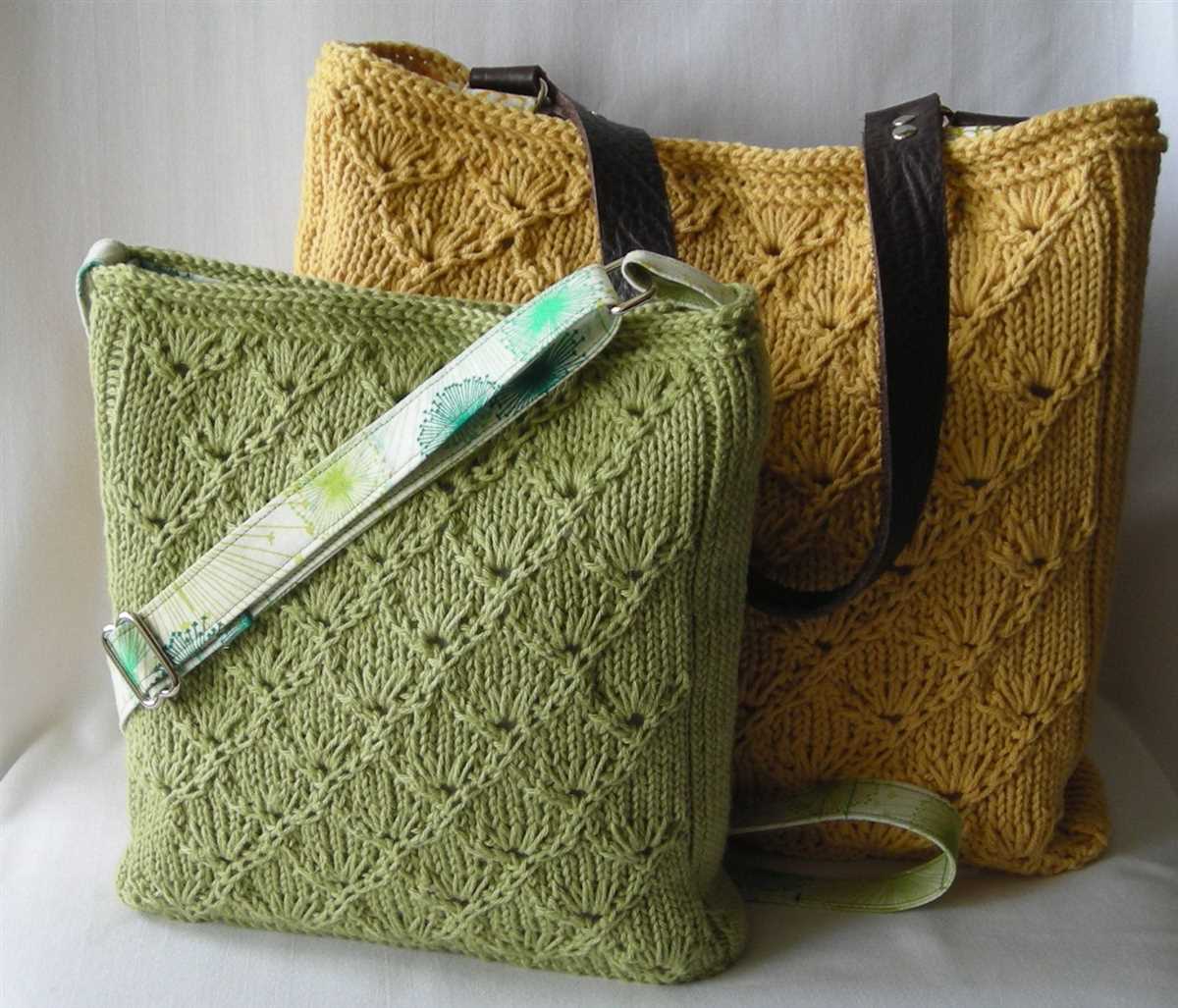
Knitting a string bag can be a fun and rewarding project for any knitting enthusiast. With a simple pattern and basic stitches, you can create a practical and versatile bag that can be used for carrying groceries, beach essentials, or everyday items. Follow these step-by-step instructions to create your own string bag.
Materials:
- Yarn: Choose a sturdy and durable yarn, such as cotton or linen, in your preferred color.
- Knitting needles: Use a pair of needles in the appropriate size for your chosen yarn.
- Tapestry needle: This will be used to weave in the loose ends of yarn.
- Scissors: You’ll need these to cut the yarn.
Step 1: Cast on stitches:
Start by casting on the desired number of stitches, depending on the size you want for your bag. A good starting point is around 50 stitches. Make sure to leave a long tail of yarn for later use.
Step 2: Knit the base:
Begin knitting in the round, using the stockinette stitch (knit one round, purl one round). Continue knitting until you reach the desired length for the base of your bag. You can measure it against a similar bag or adjust it according to your preference.
Step 3: Create the body:
Switch to the pattern of your choice to create the body of the bag. Options include garter stitch, ribbing, or lace. Continue knitting until the bag reaches the desired height.
Step 4: Create the handles:
When you’re satisfied with the length of the bag, it’s time to create the handles. Begin by knitting a few stitches, then bind off a certain number of stitches in the center, depending on how wide you want the handles to be. Knit the remaining stitches and repeat this process for the other handle.
Step 5: Finish off:
Once you’ve completed the handles, continue knitting for a few more rows to give the bag a nice finishing touch. When you’re ready, bind off all stitches and cut the yarn, leaving a long tail. Thread the tail through a tapestry needle and weave it in and out of the stitches to secure it.
Step 6: Block and enjoy:
To make your bag look its best, you can block it by gently wetting it and shaping it to the desired size. Allow it to air dry completely before using or storing it. Now, your string bag is ready to be used for all your carrying needs!
Popular string bag knitting patterns
Knitting string bags has become a popular trend among crafters. These bags are not only stylish and versatile, but also eco-friendly as they promote reusable alternatives to plastic bags. There are countless knitting patterns available for string bags, allowing knitters to create their own unique designs.
One of the most popular string bag knitting patterns is the “Market Tote Bag”. This pattern features a sturdy and stretchy design, making it perfect for carrying groceries or other heavy items. The bag is knitted using a strong cotton yarn, which ensures durability and longevity. The pattern typically includes instructions for creating different sizes of bags, allowing knitters to customize the design to suit their needs.
Another popular pattern is the “Mesh Market Bag”. This pattern creates a lightweight and breathable bag that is ideal for carrying produce or beach essentials. The bag is knitted using a combination of simple stitches, such as garter stitch and yarn overs, which creates an open and airy mesh pattern. The pattern usually includes instructions for adding handles and finishing touches to give the bag a polished look.
- For knitters who prefer a more intricate design, the “Lace String Bag” pattern is a great choice. This pattern features an intricate lace pattern that adds a touch of elegance to the bag. The lace pattern creates a delicate yet durable bag that is perfect for carrying small items or for use as a decorative accessory. The pattern typically requires intermediate knitting skills and includes detailed instructions for creating the lace pattern.
- For knitters looking for a quick and easy project, the “Basic String Bag” pattern is a popular choice. This pattern is perfect for beginners and can be knitted in a short amount of time. The bag is typically knitted using basic stitches, such as knit and purl, and can be customized with different yarn colors or patterns. The pattern usually includes instructions for adding handles and finishing touches to complete the bag.
In conclusion, there are numerous knitting patterns available for string bags, catering to different skill levels and design preferences. Whether you’re a beginner or an experienced knitter, you’re sure to find a pattern that allows you to create a stylish and functional string bag.
Simple Mesh Pattern
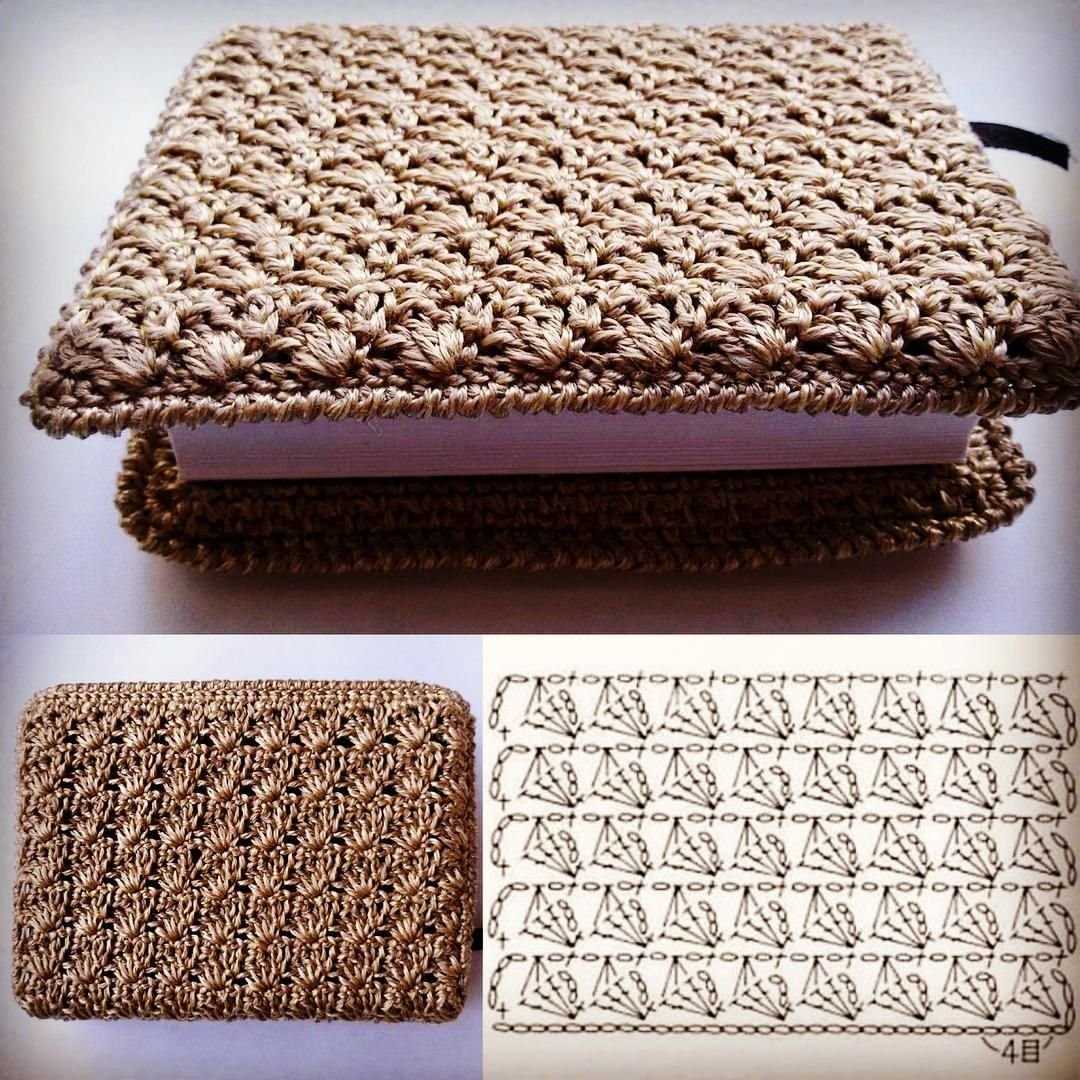
The simple mesh pattern is a classic and versatile pattern that can be used to create various items, including string bags. It is an easy pattern to knit, making it ideal for beginners or those looking for a quick and straightforward project.
To create the simple mesh pattern, you will need a pair of knitting needles and a yarn of your choice. Start by cast on an even number of stitches for the desired width of your item. For example, if you want to create a small string bag, you can cast on 30 stitches.
Once you have cast on your stitches, the pattern is simple: knit one stitch, yarn over, and then knit two stitches together. Repeat this pattern until the end of the row. On the next row, simply knit all the stitches. Repeat these two rows until you have achieved the desired length of your item.
By following this simple mesh pattern, you can create a beautiful and functional string bag. The mesh design allows for stretch and breathability, making it perfect for holding various items like groceries or beach essentials. If you want to enhance the pattern, you can also experiment with different yarn colors or add decorative elements like tassels or beads.
Cable pattern for a textured look

If you want to add some texture and visual interest to your string bag, you can incorporate a cable pattern into your knitting. Cables are created by crossing stitches over each other, resulting in a twisted, braided effect. This technique is often used in traditional Aran or Celtic knitting patterns, adding a touch of elegance and complexity to your bag.
To create a cable pattern, you will need to use a cable needle. This is a short double-pointed needle or a specialized tool specifically designed for holding stitches while you work the cable. Cable needles come in various sizes to accommodate different yarn weights and stitch counts.
Here’s a simple cable pattern you can try for your string bag:
|
Row 1: Knit all stitches. |
|
Row 2: *Purl 2 stitches, slip next 2 stitches onto the cable needle and hold in front, knit the next 2 stitches from the left-hand needle, then knit the 2 stitches from the cable needle; repeat from * to the end of the row. |
|
Repeat Rows 1 and 2: Continue repeating Rows 1 and 2 until your bag reaches the desired length. You can modify the cable pattern by changing the number of stitches involved in the cable twist or by introducing other cable patterns such as a honeycomb or rope cable. |
The cable pattern will create a textured look on your string bag, making it stand out from regular stockinette or garter stitch patterns. You can experiment with different cable patterns and create your own unique design. Remember to always follow the cable pattern instructions carefully and stay consistent with your knitting tension to achieve the desired effect.
Happy knitting and enjoy your beautiful cable-textured string bag!