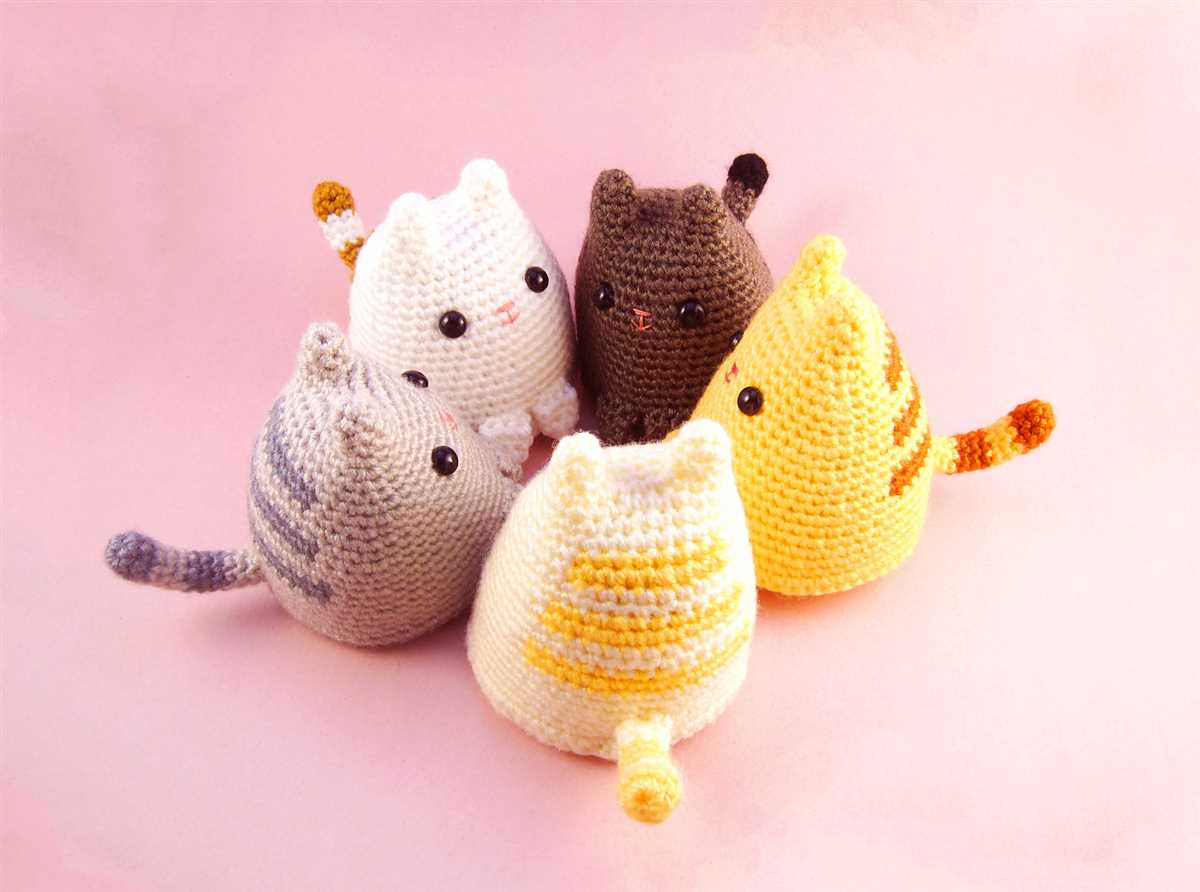
Amigurumi is a Japanese art of crocheting or knitting small stuffed animals or objects. It has gained popularity around the world due to its cute and adorable designs. If you are a beginner in knitting or crocheting, amigurumi patterns can be a great way to start. They are usually small and quick projects that require basic stitches and techniques.
In this article, we will be sharing some free amigurumi knitting patterns for beginners. These patterns are perfect for practicing your knitting skills and creating cute and charming toys or decorations. Whether you are knitting for yourself or as a gift for a loved one, these patterns are sure to bring joy and happiness.
One of the great things about amigurumi knitting is that you can personalize your creations with different colors, yarns, and embellishments. You can create a whole collection of animals, fruits, or even characters from your favorite movies or books. The possibilities are endless, and it’s a fun and creative way to express yourself through knitting.
What is amigurumi?
Amigurumi is the Japanese art of knitting or crocheting small stuffed creatures, typically using a tight gauge and single crochet stitches. The word “amigurumi” is a blend of the Japanese words “ami” meaning knitted or crocheted, and “nuigurumi” meaning stuffed doll. This popular craft originated in Japan in the early 20th century and has gained worldwide popularity in recent years.
To create amigurumi, crafters typically use a small hook or needles and work in rounds, creating a three-dimensional shape. The resulting dolls, animals, or objects are often characterized by their large heads, small bodies, and adorable designs. They can range from simple shapes like spheres and cylinders to intricate designs with detailed features.
Amigurumi is a versatile craft that allows beginners and experienced crafters alike to create unique and personalized creations. It combines the technical skills of knitting or crocheting with the creativity of designing and embellishing small toys or decorations. With a wide variety of patterns available, crafters can choose from animals, fantasy creatures, food items, and more to bring their imagination to life.
It is not uncommon to find amigurumi designs inspired by popular characters from movies, TV shows, or video games. They can be made as toys for children, decorative items for the home, or even as gifts for special occasions. The small size and portability of amigurumi projects make them a popular choice for crafting on the go.
Why knit amigurumi?
Amigurumi knitting has become increasingly popular among beginners and experienced knitters alike. These cute and cuddly knitted toys are not only fun to make, but they also offer a range of benefits that make them worth the effort. Whether you’re new to knitting or looking for a new project to tackle, here are a few reasons why you should give amigurumi a try.
1. Creative Expression
Knitting amigurumi allows you to explore your creativity and create unique and personalized toys. With amigurumi patterns, you have the freedom to choose your own colors, yarns, and embellishments, allowing you to customize each toy to your liking. This creative process can be incredibly rewarding and offers a great opportunity to showcase your personal style and taste.
2. Portable and Convenient
Amigurumi projects are small and portable, making them perfect for knitting on the go. Whether you’re commuting, traveling, or simply want to knit while relaxing on the couch, amigurumi allows you to bring your knitting with you wherever you go. The small size of amigurumi projects also means that they require less space and materials, making them a convenient option for those who have limited storage or prefer to work with smaller projects.
3. Skill Development
Knitting amigurumi is a great way to improve your knitting skills. As you work on different patterns, you’ll have the opportunity to learn and practice new techniques, such as increasing, decreasing, working in the round, and basic embroidery. This hands-on experience will help you become a more proficient knitter and expand your knitting repertoire.
4. Gift Giving
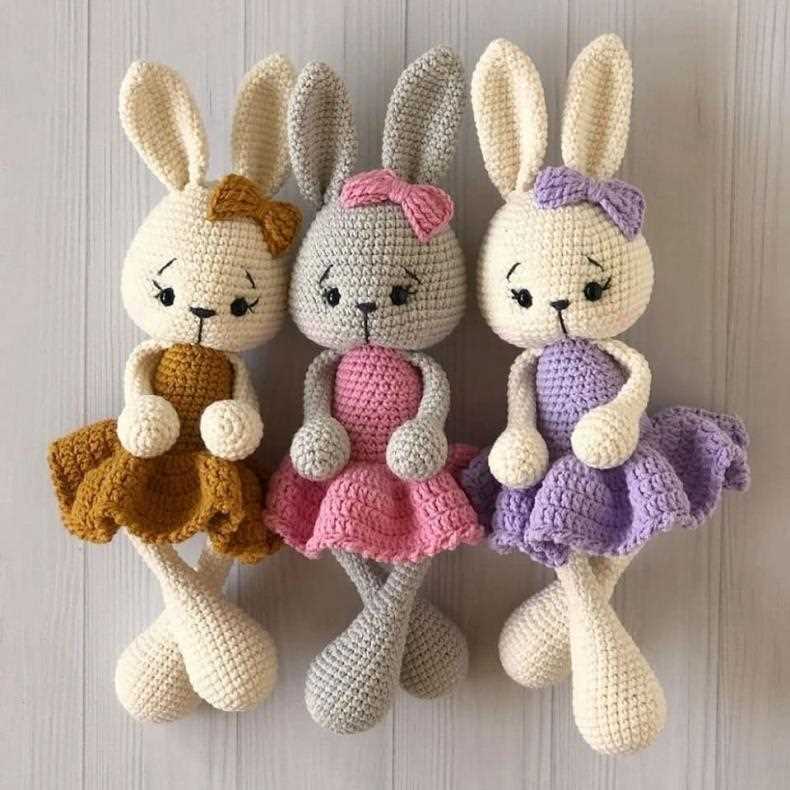
Amigurumi toys make wonderful gifts for friends, family, and loved ones. Handmade with love, these adorable knitted toys have a personal touch that can’t be found in store-bought gifts. Whether it’s for a baby shower, birthday, or holiday, amigurumi toys are sure to be cherished and treasured for years to come. Plus, you can tailor each toy to suit the recipient’s personality and interests, making it an extra special and thoughtful gift.
If you’re looking for a new and enjoyable knitting project, amigurumi is definitely worth a try. With its creative expression, portability, skill development, and gift-giving opportunities, amigurumi knitting offers a fun and rewarding experience for beginners and experienced knitters alike.
Choosing the right knitting materials
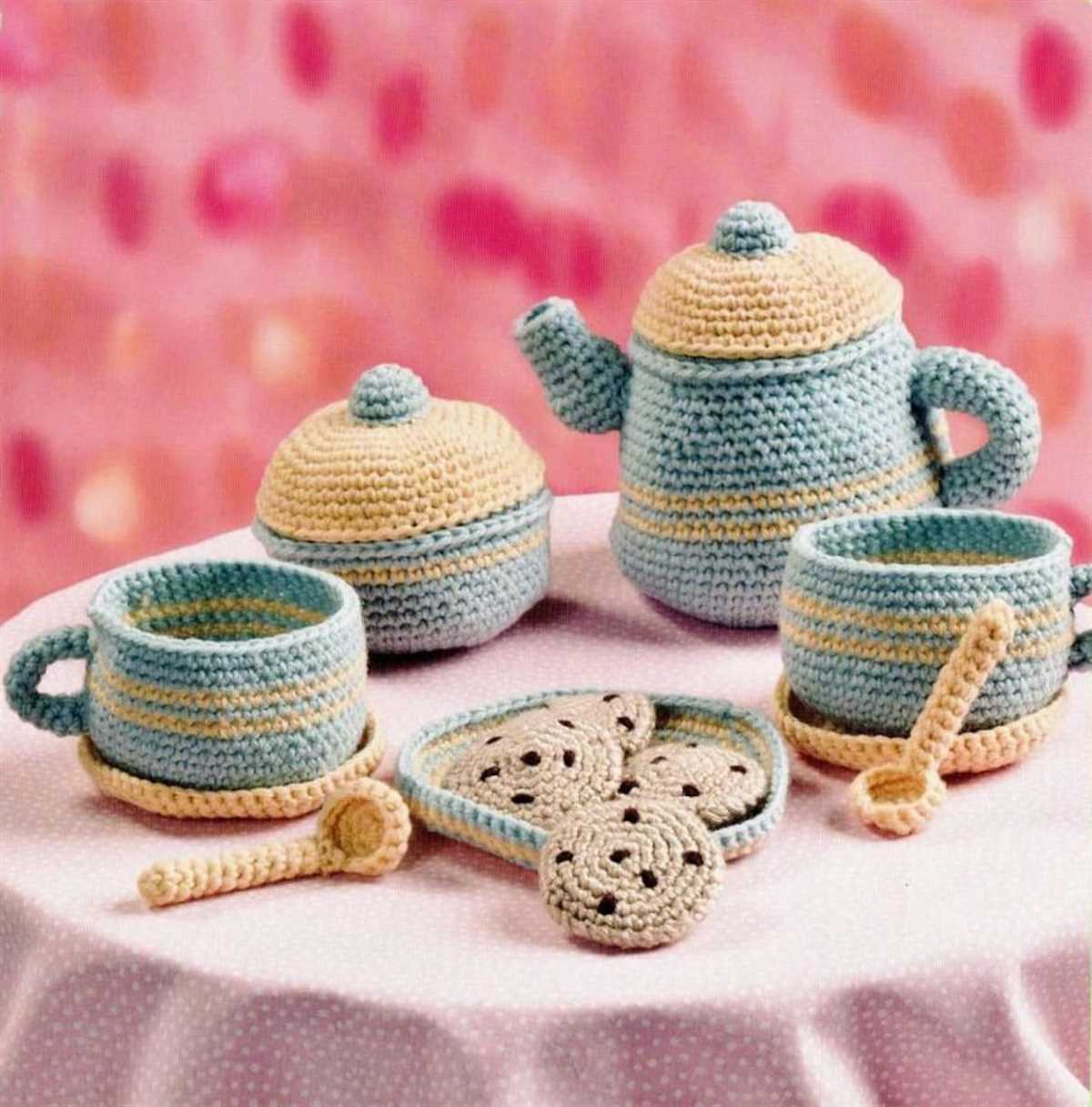
When it comes to knitting amigurumi projects, it’s important to choose the right knitting materials. The materials you choose will greatly affect the final outcome of your project, so it’s important to make informed decisions. Consider the following factors when choosing your knitting materials:
Yarn weight and fiber:
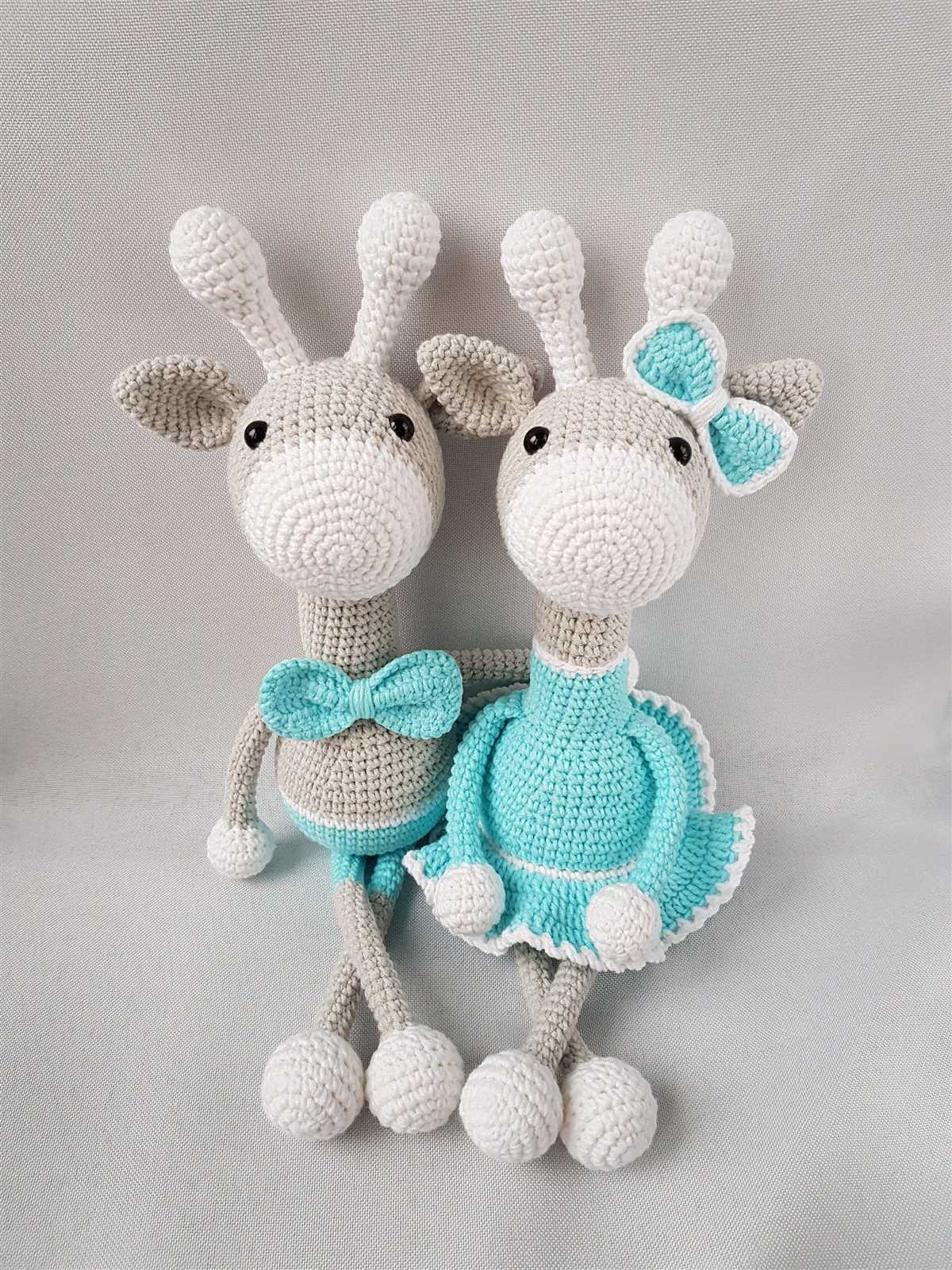
First, consider the yarn weight and fiber. For amigurumi projects, it’s best to use a lightweight yarn, such as sport or DK weight. These yarns are typically easier to work with and will give your amigurumi a nice, tight stitch. As for fiber, acrylic yarn is a popular choice for amigurumi projects because it is durable, affordable, and easy to care for. However, you can also choose other natural fibers like cotton or wool, depending on your preference.
Needle size:
The needle size you choose will determine the size and tension of your stitches. For amigurumi projects, it’s best to use a smaller needle size than what is recommended for the yarn. This will help to create a tighter stitch and prevent the stuffing from showing through. A set of double-pointed needles or a circular needle in the appropriate size is typically used for knitting amigurumi.
Stuffing:
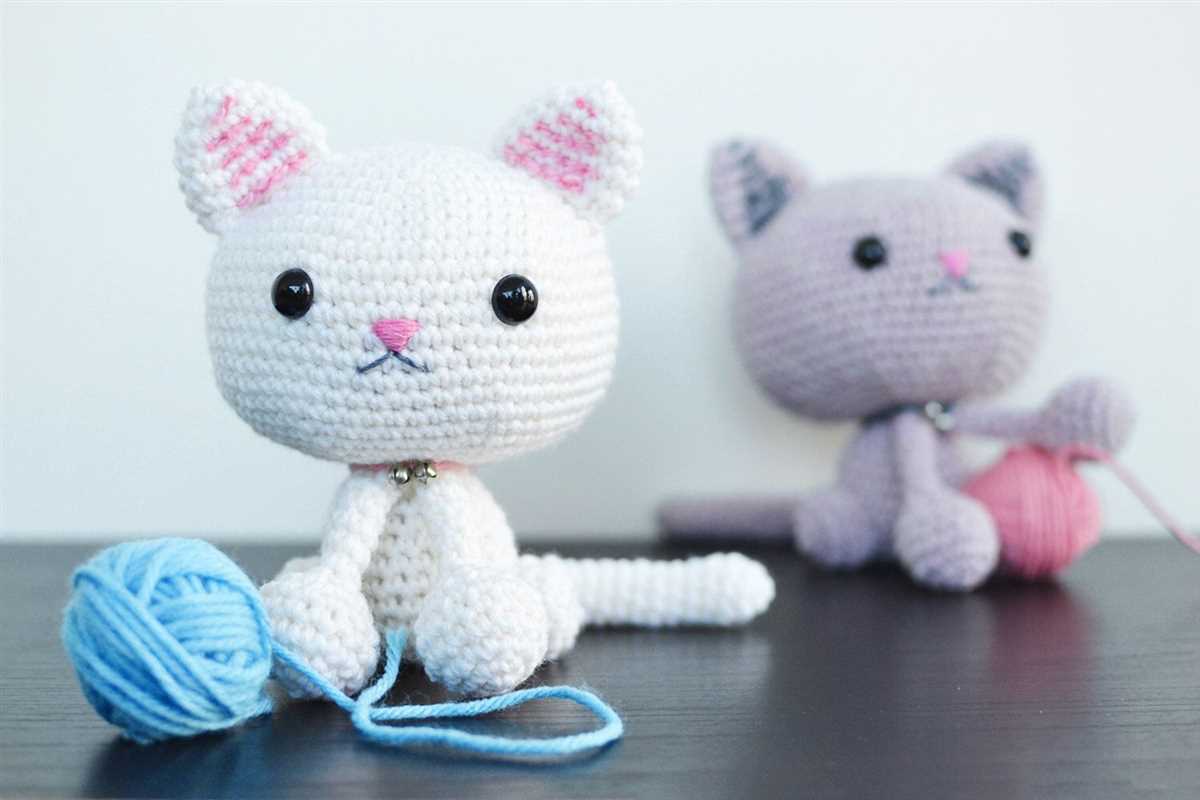
Choosing the right stuffing is important for creating soft and cuddly amigurumi. Look for polyester fiberfill stuffing, which is lightweight, hypoallergenic, and machine washable. The stuffing should be soft and easy to manipulate, so that you can shape and stuff your amigurumi easily. Avoid using materials like cotton balls or shredded fabric, as these can make your amigurumi feel lumpy or uneven.
Additional materials:
In addition to yarn, needles, and stuffing, there may be other materials you need for your amigurumi project. This could include safety eyes, buttons, or embroidery floss for adding details to your amigurumi. Make sure to have all the necessary materials before you start your project, so that you can fully enjoy the process of creating your amigurumi.
By carefully choosing the right knitting materials, you can ensure that your amigurumi projects turn out beautifully. Experiment with different yarns, needle sizes, and stuffing to find what works best for you and your designs. Happy knitting!
Essential knitting techniques for amigurumi
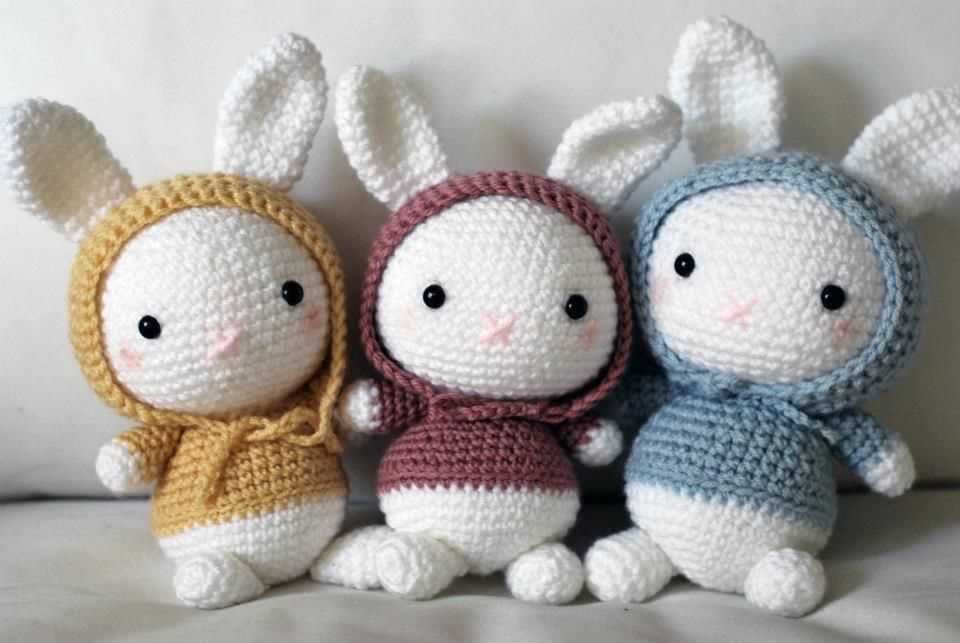
When it comes to knitting cute amigurumi toys, there are several essential techniques that every beginner should learn. These techniques ensure that your amigurumi creations come out looking neat and professional. Here are some of the key techniques you need to master:
1. Magic ring:
The magic ring is a foundational technique used to start many amigurumi projects. It creates a tight center that prevents gaps and makes your toys more durable. To make a magic ring, loop the yarn around your fingers and insert the hook through the loop. Pull the yarn through the loop, chain one, and continue with your stitches. This technique creates an adjustable loop that you can tighten by pulling on the tail.
2. Single crochet stitch:
The single crochet stitch is the most commonly used stitch in amigurumi projects. It forms tight and dense fabric that is perfect for stuffing. To make a single crochet stitch, insert the hook into the stitch or loop, yarn over, and pull through a loop. Yarn over again and pull through both loops on the hook. Repeat these steps for each stitch in the row or round.
3. Increasing and decreasing:
Increasing and decreasing stitches are essential for shaping your amigurumi toys. To increase, you simply make two single crochet stitches in the same stitch. This adds a stitch and creates a wider shape. To decrease, you work two stitches together as one. This removes a stitch and creates a narrower shape. By combining various increases and decreases, you can achieve different shapes and curves in your amigurumi projects.
4. Changing colors:
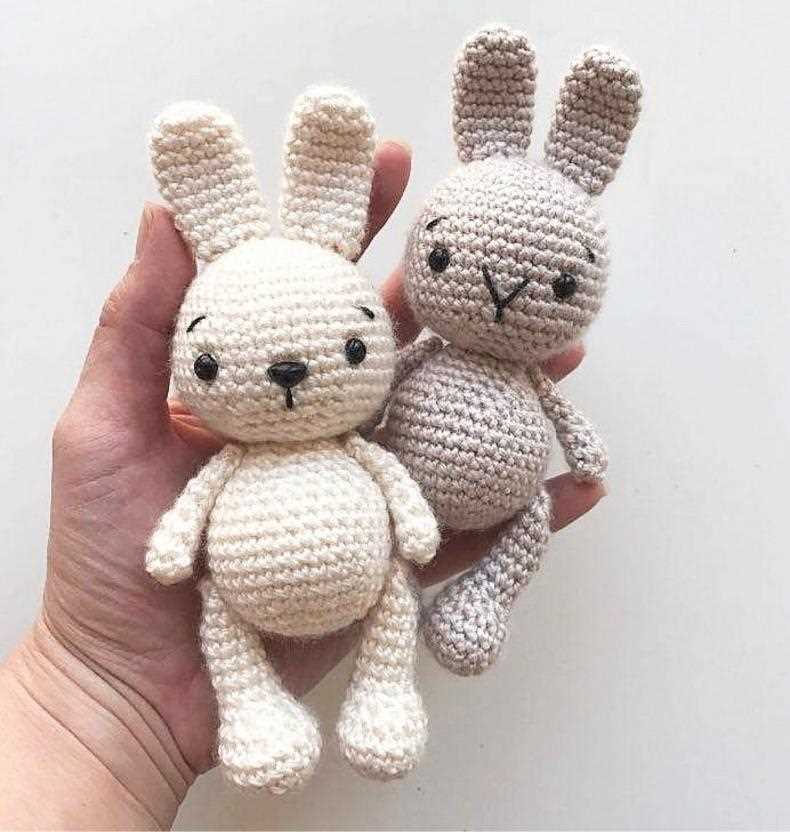
Changing colors is often necessary to create different sections or patterns in your amigurumi toys. To change colors, complete the last stitch of the old color, but instead of yarning over with the old color, yarn over with the new color. Pull the new color through the last two loops on the hook, and continue working with the new color. When changing colors, make sure to carry the unused color along the back of the stitches to avoid loose, visible floats.
5. Embroidery and sewing:
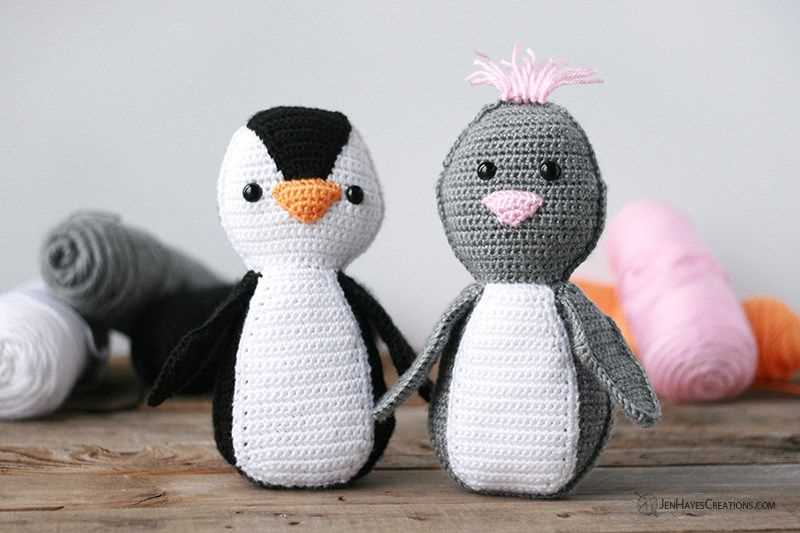
Lastly, embroidery and sewing techniques are important for adding details and assembling your amigurumi toys. Use embroidery floss or yarn to create facial features, embellishments, or other decorative elements. Sew the different parts of the toy together using a tapestry needle and matching yarn to ensure a secure and seamless finish.
By mastering these essential knitting techniques, you’ll be well on your way to creating adorable and impressive amigurumi toys. Practice them and experiment with different patterns to develop your skills and create unique creations.
When starting out with amigurumi knitting, it’s important to have a few tips in mind to ensure success. Here are some tips for beginners:
1. Choose the right yarn:
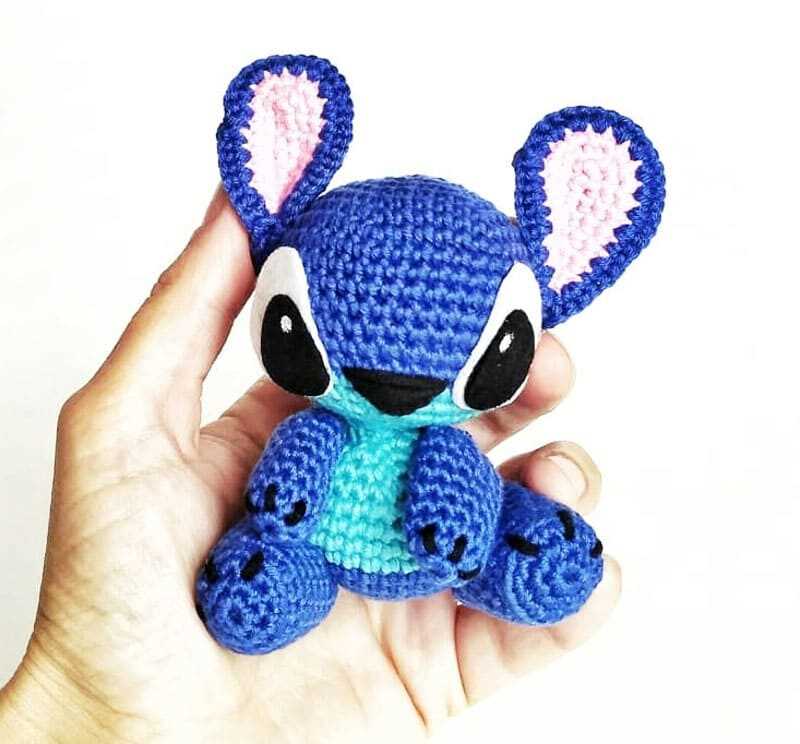
Using the right yarn is crucial for amigurumi knitting. It’s recommended to choose a yarn that is soft, durable, and easy to work with. Acrylic yarn is a popular choice for beginners due to its affordability and wide range of colors.
2. Start with simple patterns:
Beginners should start with simple amigurumi patterns that have basic shapes and stitches. This will help them practice the fundamental techniques and build confidence before moving on to more complex projects.
3. Use stitch markers:
Using stitch markers can be extremely helpful when following amigurumi patterns. They can help you keep track of your stitches and ensure that you don’t make any mistakes along the way.
4. Take your time:
Amigurumi knitting requires precision and attention to detail, so it’s important to take your time and not rush through the process. Slow and steady wins the race when it comes to creating high-quality amigurumi toys.
5. Practice tension control:
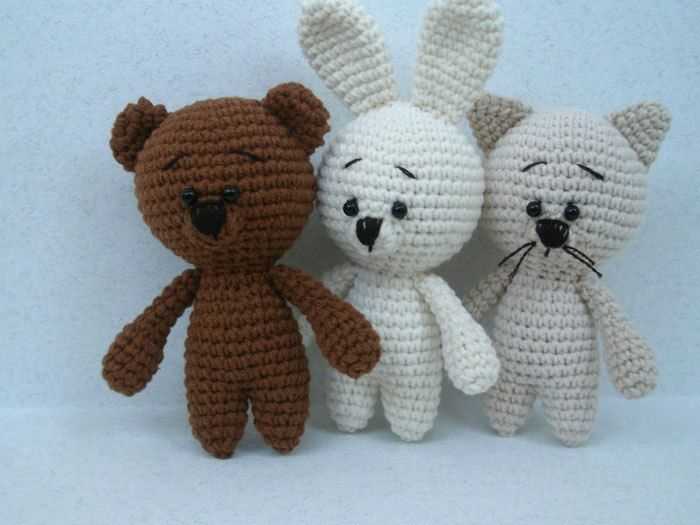
Tension control is key in amigurumi knitting. The tightness of your stitches should be consistent throughout your work to ensure that your finished toy has a smooth and even appearance.
6. Use resources and tutorials:
There are numerous resources available online that provide free patterns and tutorials for amigurumi knitting. Take advantage of these resources to learn new techniques and improve your skills.
By following these tips, beginners can set themselves up for success in amigurumi knitting and create adorable toys to enjoy or gift to others.
Free Beginner-Friendly Amigurumi Patterns
Amigurumi, the art of crocheting or knitting small stuffed animals and toys, has become increasingly popular among crafters of all skill levels. If you’re new to amigurumi and looking for some free patterns to get started, you’re in luck. There are plenty of beginner-friendly options available that will help you practice your skills and create adorable toys.
One free beginner-friendly amigurumi pattern is the classic teddy bear. This pattern typically requires basic crochet stitches and allows for customization with different colors and embellishments. It’s a great project for practicing shaping and assembling pieces, and the end result is a cute and cuddly companion for children or collectors.
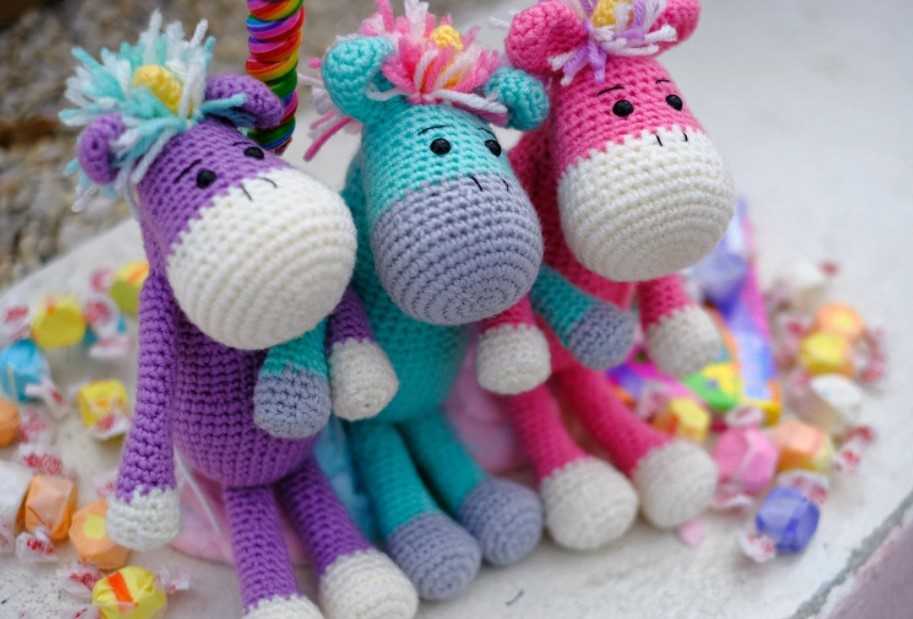
Another popular free pattern for beginners is the amigurumi unicorn. This whimsical creature is often made with vibrant colors and includes simple stitches like single crochet and increases and decreases. The unicorn’s mane and tail can be customized with different yarns or even added embellishments like ribbon or beads. This pattern is perfect for those looking to experiment with color and create something magical.
If you’re a fan of marine life, you might enjoy the free beginner-friendly amigurumi octopus pattern. This pattern typically uses basic stitches like single crochet and increases, and the tentacles are created by working in continuous rounds. The octopus can be made in a variety of colors and sizes, making it a versatile and fun project for beginners.
Remember, when starting out with amigurumi, it’s important to choose patterns that are labeled as beginner-friendly. Look for patterns that include detailed instructions, clear photos or diagrams, and explanations of any special techniques used. With a bit of practice and patience, you’ll soon be creating your own adorable amigurumi toys!
How to read amigurumi knitting patterns
If you’re a beginner to amigurumi knitting, it’s important to understand how to read amigurumi knitting patterns. While these patterns may look complicated at first, they are actually quite straightforward once you understand the language and symbols used.
Pattern Key: The first thing to familiarize yourself with is the pattern key. This is where you’ll find the explanations for the abbreviations and symbols used in the pattern. For example, “sc” may stand for single crochet, while “inc” stands for increase.
Material List: The next section of the pattern usually includes a list of materials you’ll need for the project. This may include the type and color of yarn, suggested needle size, safety eyes or buttons, and other supplies you’ll need to complete the amigurumi.
Instructions: Following the material list, you’ll find the actual instructions for creating the amigurumi. These instructions are typically broken down into rounds or rows, with each round or row indicating the number of stitches you should have at the end. The pattern will usually specify which stitches to use and any special techniques required.
Assembly: Once you’ve completed all the rounds or rows, the pattern will often include instructions for assembling the amigurumi. This may involve sewing pieces together, attaching safety eyes or other embellishments, and adding stuffing.
Finishing Touches: Finally, the pattern may provide guidance on finishing touches, such as adding details like embroidery or decorative elements, or suggestions for personalizing the amigurumi.
By understanding the pattern key, material list, instructions, assembly, and finishing touches, you’ll be able to confidently read and follow amigurumi knitting patterns, enabling you to create adorable and fun amigurumi designs!
Adapting patterns to your liking
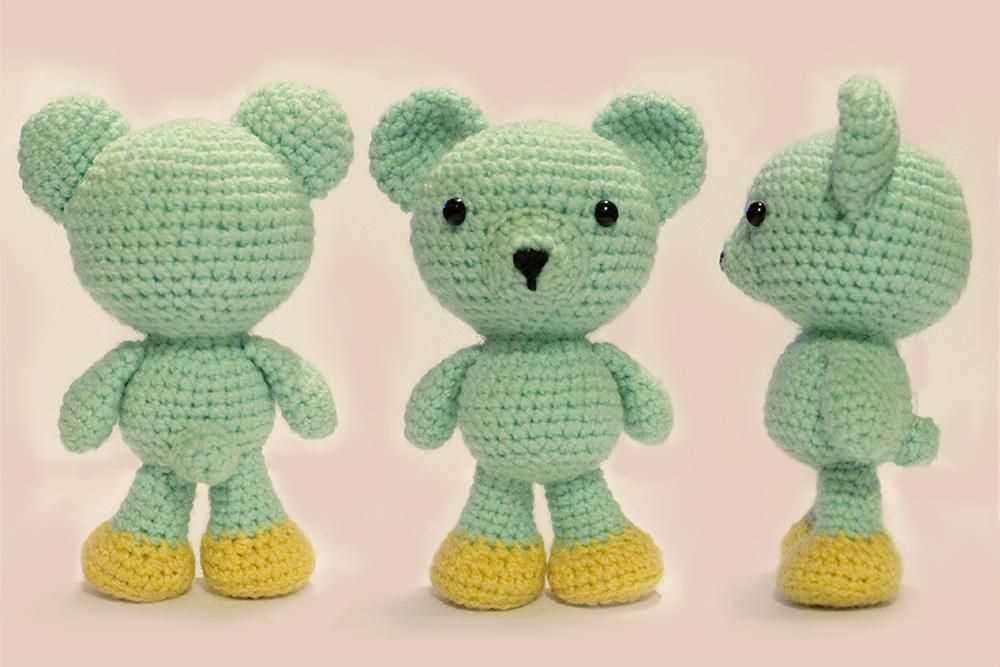
When it comes to knitting amigurumi toys, following patterns is a great way to get started, especially for beginners. However, as you gain more experience and confidence in your knitting skills, you may want to start adapting patterns to your own liking. This allows you to personalize your creations and make them truly unique.
Making changes to the design:
One way to adapt patterns is by making changes to the design itself. You can modify the shape of the toy, experiment with different color combinations, or add your own embellishments. For example, if you’re knitting a teddy bear pattern and want it to have longer limbs, you can simply adjust the number of stitches and rows in the pattern to achieve the desired effect. This allows you to customize the toy to your preferences and create something that is truly one-of-a-kind.
Using different yarn and needles:
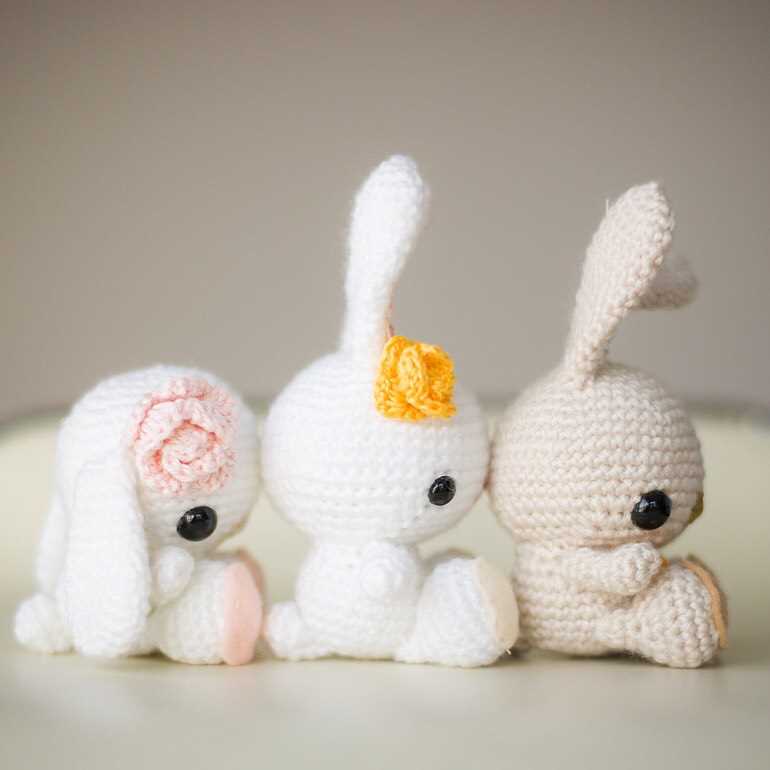
Another way to adapt patterns is by using different yarn weights and needle sizes. This can significantly change the size and texture of the finished toy. For example, if the pattern calls for a worsted weight yarn and you want to make a smaller toy, you can use a finer weight yarn and smaller needles. Similarly, if you want to make a larger toy, you can use a bulkier yarn and larger needles. By experimenting with different yarns and needles, you can create amigurumi toys of different sizes and textures, making each one unique.
Adding personal touches:
Finally, you can also adapt patterns by adding personal touches. This can include using different types of yarn for certain parts of the toy, such as using a fuzzy yarn for the bear’s ears or a glittery yarn for the bunny’s tail. You can also add small details, such as buttons for eyes or a small ribbon around the toy’s neck. These personal touches can make your amigurumi toys even more special and showcase your own creativity and style.
Common mistakes to avoid
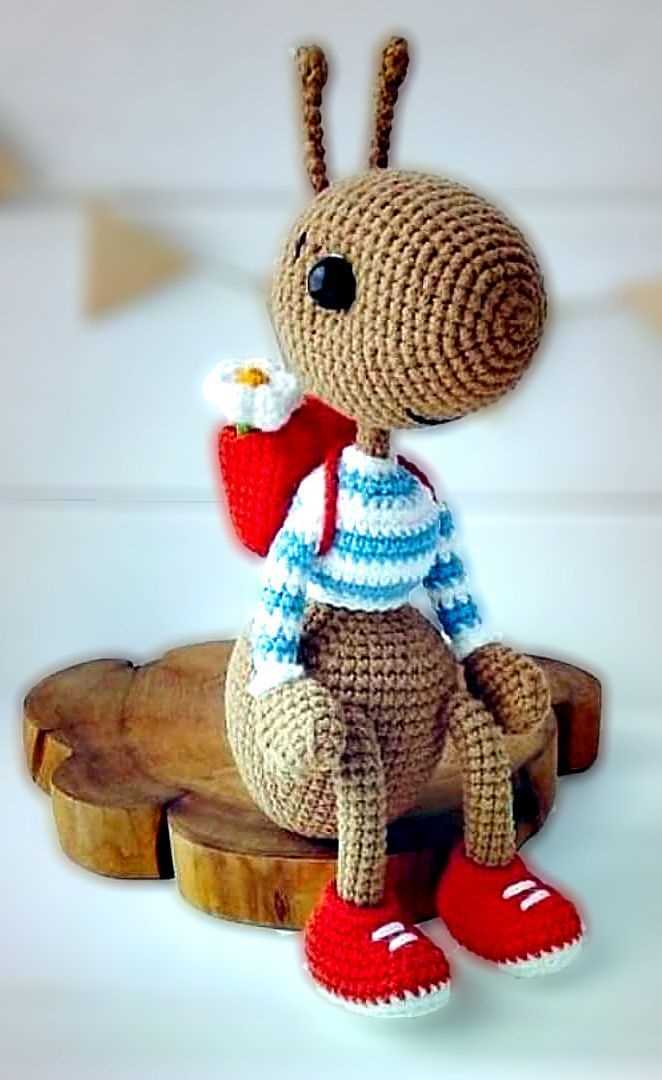
When starting out with amigurumi knitting, it’s common to make a few mistakes along the way. These mistakes can sometimes lead to frustration and a less-than-perfect finished product. Here are some common mistakes to avoid:
1. Using the wrong type of yarn
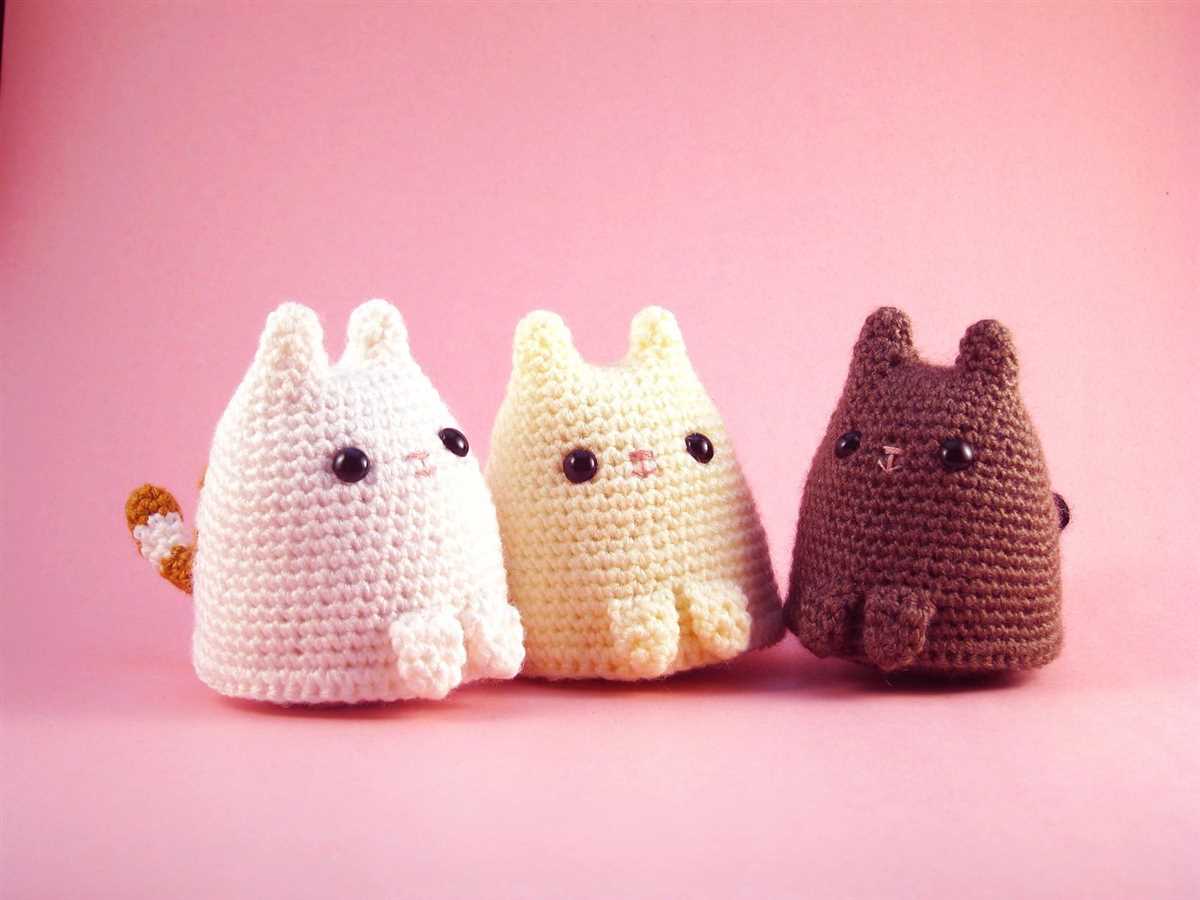
Using the wrong type of yarn can greatly affect the outcome of your amigurumi project. It’s important to choose a yarn that is suitable for the pattern you are following. Some patterns may call for a specific weight or type of yarn, so make sure to pay attention to these details. Using a different type of yarn can result in a project that is too loose or too tight.
2. Not using the correct gauge
Gauge refers to the number of stitches and rows per inch in a knitted fabric. Not using the correct gauge can lead to a finished amigurumi that is either too large or too small. It’s important to check the gauge specified in the pattern and adjust your knitting accordingly. This may involve using a different needle size or adjusting your tension.
3. Not counting stitches
Counting stitches is essential in amigurumi knitting to ensure the correct shape and size of your project. It’s easy to lose track of your stitches, especially when working on small and intricate pieces. Take the time to count your stitches regularly and use stitch markers to help keep track of where you are in the pattern.
4. Not properly securing your stitches
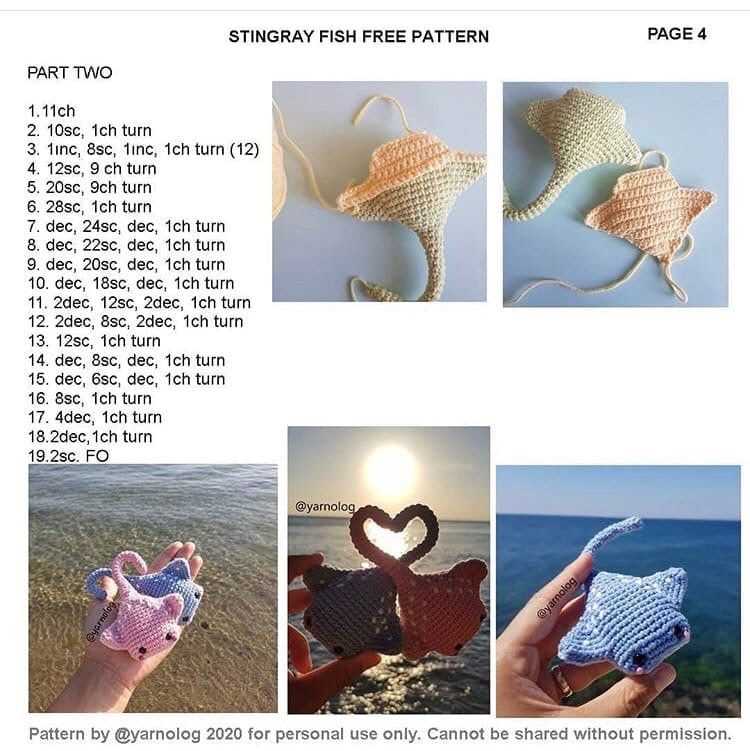
When finishing off your amigurumi project, it’s important to properly secure your stitches to prevent unraveling. This can be done by weaving in the loose ends and making sure they are secure. Not properly securing your stitches can result in your amigurumi falling apart over time.
5. Rushing the finishing touches
The finishing touches, such as embroidering facial features or attaching limbs, can greatly contribute to the overall appearance of your amigurumi. It’s important to take your time and pay attention to the details. Rushing through the finishing touches can result in a sloppy and less professional-looking finished product.
Avoiding these common mistakes will help ensure that your amigurumi projects turn out just as you imagined. Remember to take your time, follow the pattern instructions, and most importantly, have fun!
Finishing touches and embellishments
Once you have completed your amigurumi project, you can add some finishing touches to give it a personalized and professional look. Here are some ideas for embellishments:
- Embroidery: Use embroidery thread and a needle to add details to your amigurumi, such as facial features, patterns, or text.
- Buttons: Sew on buttons for eyes, noses, or other decorative elements.
- Ribbons and bows: Attach ribbons or bows to add a cute and decorative touch.
- Beads: String beads onto yarn and secure them in place to create interesting textures or accents.
- Pom-poms: Make small or large pom-poms and attach them to your amigurumi for a fun and playful look.
- Charms: Add charms or small trinkets to give your amigurumi a unique and personal touch.
Remember to use safe embellishments that are suitable for the intended recipient of your amigurumi, especially if it is a toy for a child. Make sure everything is securely attached to prevent any choking hazards.
With these finishing touches and embellishments, you can take your amigurumi from a basic knitted toy to a personalized and special creation. Have fun experimenting with different techniques and materials to make each amigurumi truly unique!