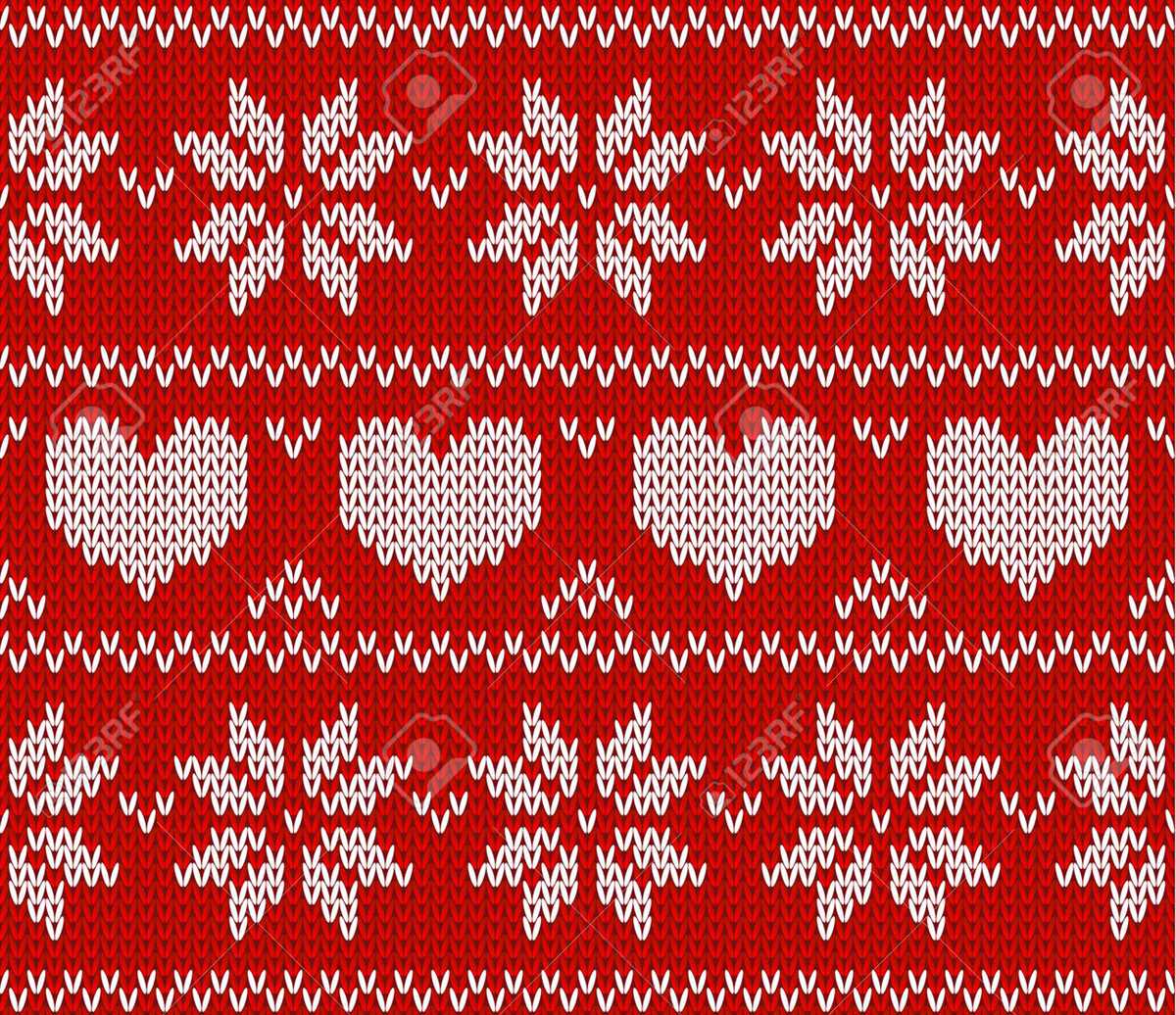
Scandinavian knitting patterns have a rich history that dates back centuries. These traditional knitting techniques have been passed down through generations, preserving the craft and creating stunning designs that are still popular today. Scandinavian knitting is known for its intricate patterns, often featuring geometric shapes, motifs of nature, and traditional symbols.
One of the most well-known Scandinavian knitting techniques is the “Fair Isle” technique, which originated in the Shetland Islands and was later adopted by Scandinavian knitters. Fair Isle knitting uses multiple colors in each row to create intricate stranded patterns, resulting in beautiful and complex designs. This technique is often used to create warm and cozy sweaters, hats, and mittens that are perfect for the cold Scandinavian winters.
Another popular knitting technique in Scandinavia is the “Norwegian knitting” or “Selbuvotter” technique, which originates from the Selbu region in Norway. This technique is characterized by intricate and symmetrical patterns, often featuring snowflakes and stars. Norwegian knitting is known for its use of two colors in each row and is often used to create mittens with intricate patterns.
Studying Scandinavian knitting patterns is not only a way to learn new knitting techniques, but also a way to connect with the rich cultural heritage of the region. These patterns are not only beautiful, but they also tell stories and traditions that have been passed down through the generations. Whether you are a beginner knitter or an experienced one, exploring Scandinavian knitting patterns is a rewarding and inspiring journey that will expand your knitting skills and allow you to create stunning and unique pieces of art.
Scandinavian Knitting Patterns

Scandinavian knitting patterns are known for their beautiful and intricate designs. These patterns have a long history in the Scandinavian region and are often associated with cozy sweaters, mittens, and hats. They are characterized by geometric shapes, repetitive motifs, and bold colors, which are inspired by the natural landscapes and traditional folk art of the region.
One popular Scandinavian knitting pattern is the “Fair Isle” technique. This technique involves knitting with two colors in each row to create intricate and colorful patterns. The designs often feature motifs such as stars, snowflakes, and traditional Nordic symbols. Fair Isle knitting requires precision and attention to detail, as the patterns can be quite complex. However, the end result is a stunning and unique garment that is sure to catch the eye.
Another commonly used technique in Scandinavian knitting is “Selbu knitting”, which originated in the Selbu region of Norway. Selbu knitting is known for its intricate designs of snowflakes and flowers, which are typically knitted in black and white. Traditionally, these patterns were used to decorate mittens, socks, and hats. Selbu knitting requires a high level of skill and patience, but the results are stunning and timeless.
In addition to these traditional techniques, Scandinavian knitting patterns have also evolved to incorporate modern styles and trends. Contemporary designers have adapted the traditional motifs and colors to create unique and fashionable designs. Whether you prefer a classic Nordic pattern or a more modern interpretation, there is a Scandinavian knitting pattern to suit every taste and skill level.
To create your own Scandinavian-inspired knitting projects, you can find a wide range of patterns and resources online. There are also many knitting books and magazines dedicated to Scandinavian knitting, which can provide inspiration and guidance. So pick up your needles, choose your favorite pattern, and start creating cozy and beautiful garments with a touch of Scandinavian charm.
Scandinavian knitting has a rich history that dates back centuries. The tradition of knitting in this region can be traced back to the Viking Age, around the 9th and 10th centuries. Knitting was not only a practical skill but also an important cultural and social activity for Scandinavian people.
One of the earliest known examples of Scandinavian knitting is the “nalbinding” technique, also known as “Viking knitting.” Nalbinding is a method of creating textile items by stitching together loops of yarn with a needle. This technique was widely used by Scandinavian people to make warm and durable garments, such as socks, mittens, and hats.
As time went on, knitting techniques evolved and became more intricate and decorative. Patterns that are now associated with Scandinavian knitting, such as the iconic “Fair Isle” or “Norwegian stranded knitting,” emerged in the 19th and 20th centuries. These patterns feature intricate designs and motifs, often inspired by nature and traditional folklore. They are created by using multiple colors of yarn and strategically carrying the unused colors across the back of the work.
Today, Scandinavian knitting patterns are still highly valued and sought after by knitters around the world. They continue to be a reflection of the rich cultural heritage of the region and are admired for their beauty, complexity, and timeless appeal.
Traditional Scandinavian Knitting Techniques
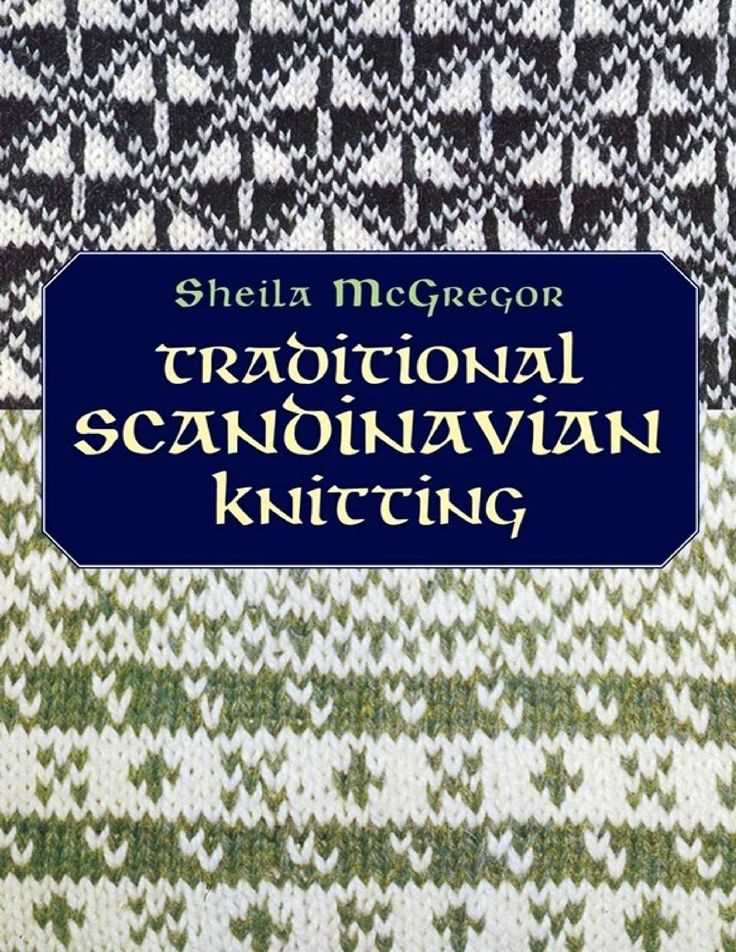
Scandinavian knitting techniques have a rich history and are known for their intricate designs and patterns. These techniques have been passed down through generations, and each region within Scandinavia has its own distinct style. Traditional Scandinavian knitting techniques are loved and cherished for their ability to create beautifully textured and warm garments.
One of the most iconic techniques in Scandinavian knitting is stranded colorwork, often referred to as Fair Isle knitting. In this technique, two or more colors are used in each row, and the yarn not in use is carried across the back of the work. The result is a stunning design with bold and contrasting colors. Common motifs in stranded colorwork include geometrical patterns, flowers, and animals.
Lovikka knitting is a technique that originated in the Lovikka village of Sweden. It involves using a special type of wool yarn and creating warm and thick mittens, socks, and hats. Lovikka knitting is known for its distinctive bobbles or tassels, which are added as decorative elements. The technique uses a combination of knit and purl stitches to create a unique texture.
Norwegian Selbu knitting is another popular Scandinavian technique, originating from the Selbu region in Norway. It is characterized by intricate and delicate snowflake patterns. Selbu knitting uses two colors, typically one light and one dark, to create the intricate designs. Mittens and hats are commonly made using this technique.
The traditional Scandinavian knitting techniques mentioned above are a testament to the creativity and skill of Scandinavian knitters. They have stood the test of time and continue to be celebrated for their beauty and functionality. Whether you are a beginner or an experienced knitter, exploring and incorporating these traditional techniques into your knitting projects can provide a deep connection to the rich knitting traditions of Scandinavia.
Famous Scandinavian Knitwear Designers
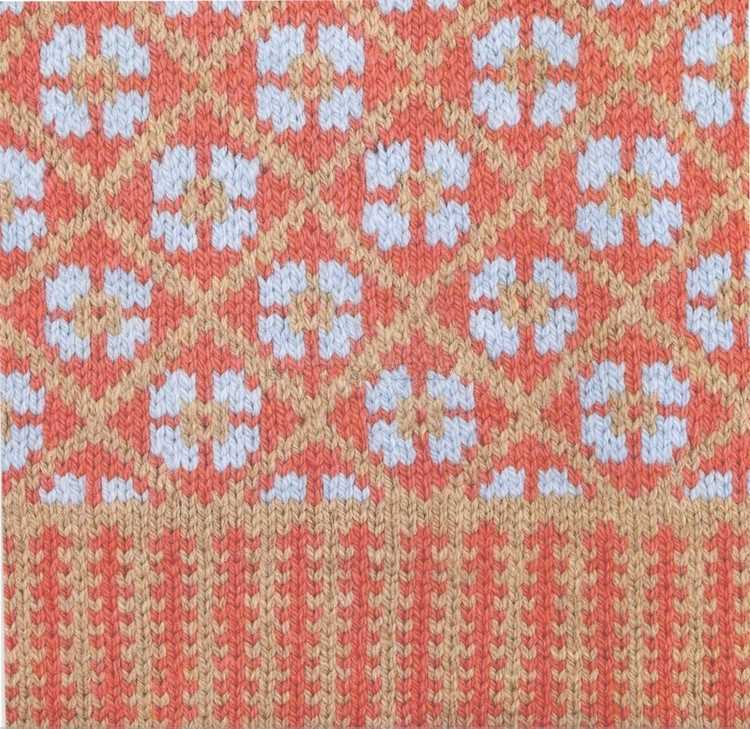
Scandinavia is renowned for its rich heritage of knitting traditions, and the region has produced many talented knitwear designers who have made a significant impact in the world of fashion. These designers have managed to combine traditional techniques with modern aesthetics, creating unique and innovative knitwear pieces that showcase the beauty of Scandinavian knitting.
One of the most famous Scandinavian knitwear designers is Marianne Isager from Denmark. Known for her intricate stitch patterns and impeccable attention to detail, Isager has created numerous knitting patterns that have become iconic in the knitting community. Her designs often feature traditional motifs inspired by Nordic folklore, and she is particularly celebrated for her use of natural fibers and sustainable yarns.
Helga Isager
Another influential figure in the world of Scandinavian knitwear is Helga Isager, daughter of Marianne Isager. Helga has taken her mother’s legacy forward and has established herself as a talented designer in her own right. Her designs are characterized by their delicate lacework and elegant silhouettes. Helga often draws inspiration from nature and incorporates organic elements into her knitwear designs, creating pieces that are both timeless and contemporary.
Bente Geil

Bente Geil from Norway is also a well-known name in Scandinavian knitwear. Her designs are characterized by their bold use of color and geometric patterns. Geil’s knitwear often features intricate colorwork and unique stitch patterns that are inspired by Norwegian knitting traditions. Her designs are appreciated not only for their aesthetic appeal, but also for their functionality and comfort.
These are just a few examples of the many talented Scandinavian knitwear designers who have contributed to the rich tradition of knitting in the region. Their innovative designs and commitment to preserving traditional techniques have made them influential figures in the world of fashion, and they continue to inspire knitters around the world with their unique creations.
Classic Designs in Scandinavian Knitting
Scandinavian knitting has a long history and is known for its beautiful and intricate designs. From traditional patterns passed down through generations to modern interpretations, Scandinavian knitting offers a wide range of classic designs.
One iconic pattern in Scandinavian knitting is the Norwegian star, also known as the “Selbu star”. This geometric design is created using stranded colorwork techniques and is often featured on mittens and hats. The Selbu star is a symbol of the town of Selbu in Norway and has become synonymous with Scandinavian knitting.
The iconic Norwegian sweater, or “Lusekofte”, is another classic design in Scandinavian knitting. These sweaters are known for their intricate patterns and use of traditional motifs such as snowflakes, reindeer, and hearts. The Lusekofte sweater is both functional and stylish, providing warmth during cold Scandinavian winters while showcasing the craftsmanship of the knitter.
In addition to sweaters and accessories, Scandinavian knitting also includes designs for home decor. The “Dala horse” pattern, which originated in the Dalarna region of Sweden, is a popular choice for blankets and pillow covers. The Dala horse is a traditional Swedish wooden horse figurine, and its image is often depicted in vibrant colors and intricate detail in knitting patterns.
Scandinavian knitting patterns are known for their timeless beauty and cultural significance. Whether you’re a beginner or an experienced knitter, exploring the world of Scandinavian knitting can be a rewarding and creative journey.
Popular Scandinavian Wolle Yarns

Scandinavian knitting patterns are known for their intricate designs and high-quality wool yarns. One of the most popular yarn brands in Scandinavia is Wolle, which offers a wide range of yarns suitable for various knitting projects.
Wolle’s yarns are made from 100% natural fibers, such as merino wool and alpaca, ensuring softness and warmth. These yarns are perfect for creating cozy sweaters, hats, scarves, and other winter accessories. The brand also offers a variety of colors, ranging from neutral tones to bold and vibrant shades, allowing knitters to unleash their creativity in their projects.
One of the popular yarns from Wolle is the Merino DK, which is a versatile and lightweight yarn. It is perfect for knitting garments that can be worn all year round, such as cardigans and shawls. The Merino DK comes in a wide array of colors, making it easy to find the perfect shade for any project.
Another popular yarn from Wolle is the Alpaca Lace, which is known for its exceptional softness and drape. It is ideal for knitting delicate lace patterns and creating lightweight accessories, like lacy shawls or elegant scarves. The Alpaca Lace yarn is available in natural shades, allowing knitters to create timeless and classic pieces.
Overall, Wolle yarns are highly sought after by knitters who appreciate the quality and craftsmanship of Scandinavian knitting. With their wide range of yarn options, knitters can find the perfect yarn for any project, whether it’s a cozy sweater or an intricately patterned shawl.
Contemporary Innovations in Scandinavian Knitting

Scandinavian knitting has a long and rich tradition, but modern designers and knitters are constantly finding ways to innovate and bring new elements to this beloved craft. From new stitch patterns to unique color schemes, contemporary Scandinavian knitting is a vibrant and exciting art form that continues to evolve.
Exploring New Stitch Patterns: One of the ways in which contemporary knitters are pushing the boundaries of Scandinavian knitting is by experimenting with new stitch patterns. While traditional Scandinavian designs often feature some variation of stranded colorwork, modern knitters are incorporating more intricate lace stitches, cables, and even textured stitches into their designs. These new stitch patterns add a fresh and modern twist to traditional Scandinavian motifs, creating unique and eye-catching designs.
Playing with Color: While traditional Scandinavian knitting often features a limited color palette of bold and contrasting hues, contemporary knitters are embracing new and unexpected color combinations. From pastel shades to gradients and ombrés, modern Scandinavian knitting is all about exploring the full spectrum of colors. This infusion of new colors into traditional designs adds a contemporary and playful element to the classic Scandinavian aesthetic.
Utilizing Different Fibers: In addition to experimenting with stitch patterns and colors, contemporary Scandinavian knitters are also exploring a wider range of fiber options. While traditional Scandinavian knitting primarily uses wool, modern knitters are incorporating different types of yarns such as alpaca, silk, and even synthetic blends. This allows for greater versatility in terms of texture, drape, and warmth in the finished knitted pieces.
Continuing the Tradition, Embracing the Future
Contemporary innovations in Scandinavian knitting are not only about breaking free from tradition but also about honoring and building upon the rich heritage of this craft. By incorporating new stitch patterns, colors, and fibers, modern knitters are adding their own unique touch to the Scandinavian knitting tradition while keeping it relevant and exciting for generations to come.
Whether you are a traditionalist or an avid lover of modern design, contemporary Scandinavian knitting offers something for everyone. It is a celebration of the past, present, and future of this iconic craft, showcasing the creativity and talent of knitters from all around the world.
How to Choose the Right Yarn for Your Scandinavian Knitting Project
When starting a Scandinavian knitting project, one of the most important decisions you’ll make is choosing the right yarn. The yarn you choose will not only affect the overall look and feel of your finished project, but also determine its durability and how easy it is to work with. Here are some factors to consider when selecting yarn for your Scandinavian knitting project.
1. Fiber Content:

The fiber content of the yarn is crucial in determining its properties. Traditional Scandinavian knitting often uses wool yarn, as it provides excellent insulation and warmth, which is ideal for the colder climates of the region. However, if you prefer a different fiber, consider the characteristics it offers. For example, alpaca yarn is known for its softness and drape, while cotton yarn is cool and breathable. Choose a fiber that aligns with your project’s needs and your personal preferences.
2. Yarn Weight:
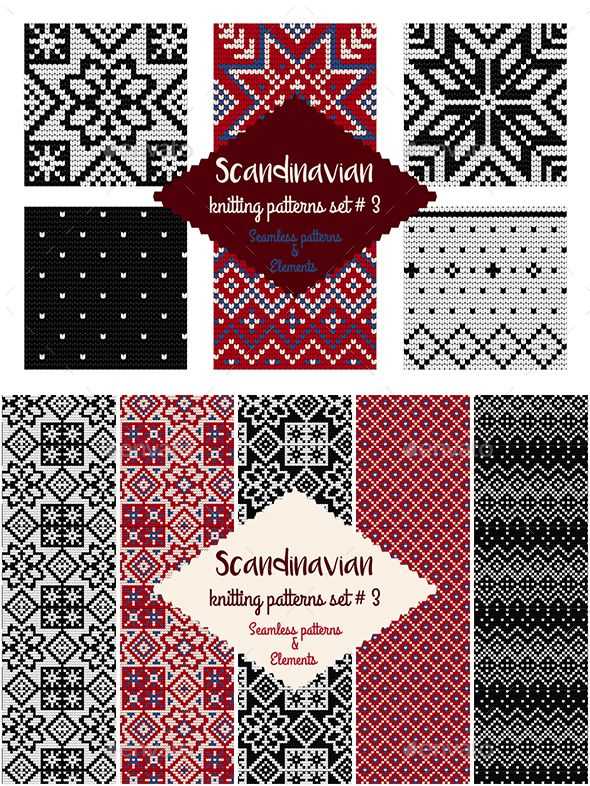
Yarn weight refers to the thickness and density of the yarn. Scandinavian knitting projects often use a range of yarn weights, from fine laceweight to bulky. The weight you choose will depend on the pattern and the desired outcome of your project. For intricate colorwork or lace patterns, a finer weight yarn may be more suitable, while thicker yarns can create cozy, textured garments. Consider the pattern recommendations and your preferred knitting style when selecting the yarn weight.
3. Color and Pattern:
Scandinavian knitting is known for its intricate colorwork and patterns. When choosing yarn, think about the colors and patterns you want to incorporate into your project. Traditional Scandinavian designs often feature bold, contrasting colors, so look for yarns that offer a wide range of shades. Additionally, consider the type of pattern or motif you want to create–some yarns are better suited for colorwork than others due to their color distribution and stitch definition.
By considering the fiber content, yarn weight, and colors/patterns, you can choose the perfect yarn for your Scandinavian knitting project. Remember to also consider your own preferences and knitting skills to ensure an enjoyable knitting experience and a beautiful finished garment or accessory.
Tips and Tricks for Mastering Scandinavian Knitting Techniques
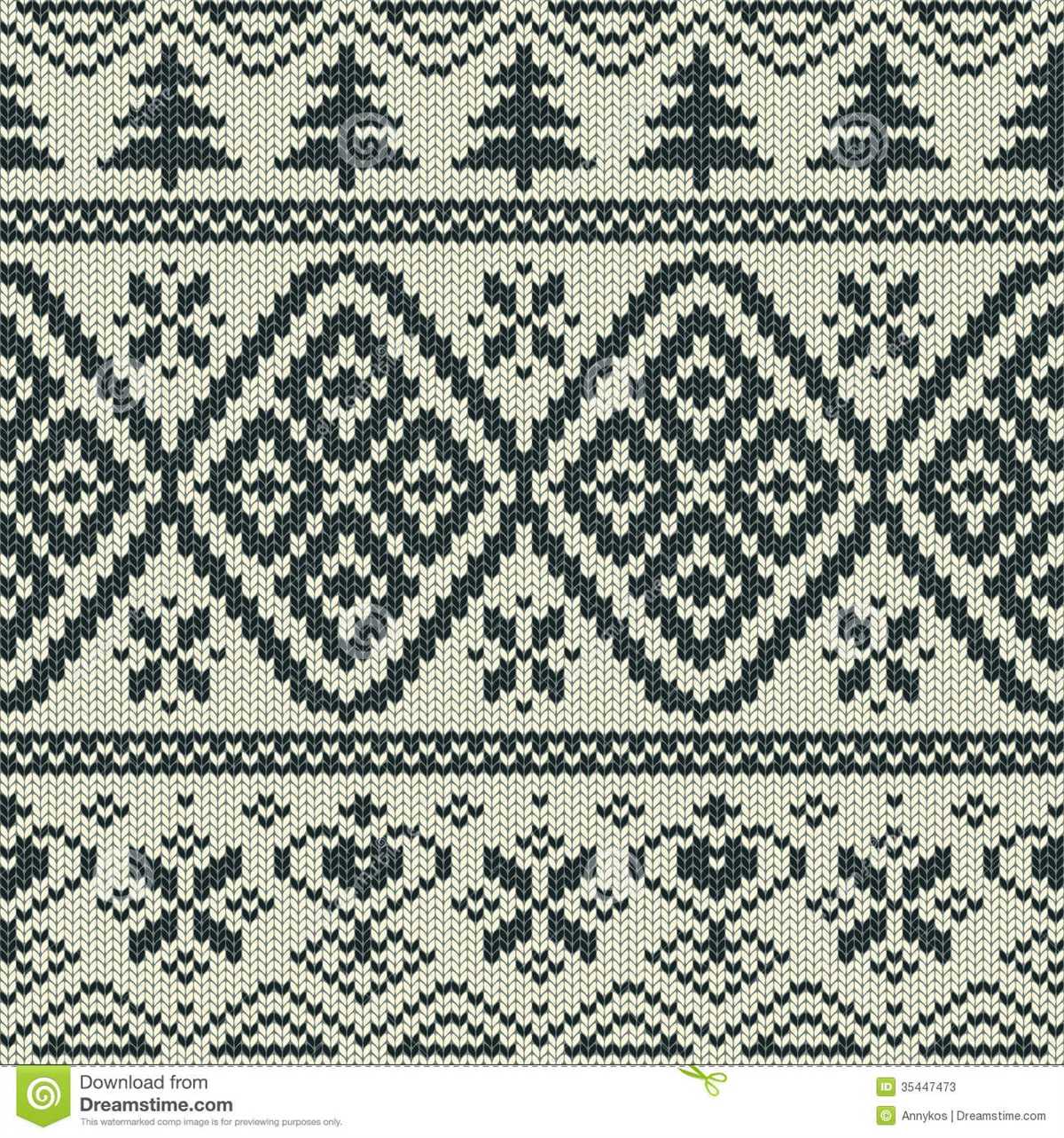
If you’re a knitter interested in exploring the beautiful and intricate world of Scandinavian knitting patterns, there are a few tips and tricks to keep in mind to help you master these techniques. Scandinavian knitting is known for its use of intricate colorwork and geometric designs, and with some practice and guidance, you can create stunning and unique pieces.
Choose the Right Yarn
One of the most important considerations when working on Scandinavian knitting projects is selecting the right yarn. Traditional Scandinavian knitting uses wool yarn, which is known for its warmth, durability, and ability to hold color. Choose a wool yarn that is soft and not scratchy to ensure comfort while wearing your finished project. Additionally, consider the weight of the yarn, as it can impact the drape and overall appearance of your knitting.
Practice Stranded Knitting
Scandinavian knitting often incorporates stranded knitting, also known as Fair Isle knitting, where multiple colors are used in each row to create intricate patterns. To master this technique, it’s important to practice maintaining an even tension with both yarns throughout your knitting. Start with smaller projects, such as hats or mittens, to get a feel for working with multiple colors and to build your confidence before tackling larger projects.
Use Stitch Markers
When working with complex Scandinavian knitting patterns, using stitch markers can be incredibly helpful. Place stitch markers at specific intervals, according to the pattern instructions, to help keep track of your progress and ensure accuracy. This is especially important when working on patterns with intricate motifs or when transitioning between different colorwork sections. Stitch markers can save you time and prevent mistakes, making your knitting experience more enjoyable.
Block Your Finished Project

After completing your Scandinavian knitting project, it’s important to block it to enhance the overall appearance and shape of the finished piece. Blocking involves wetting the knitted fabric and then shaping and stretching it to the desired dimensions. This technique helps even out any uneven stitches, relaxes the yarn, and allows the intricate colorwork patterns to shine. Follow the blocking instructions specific to your yarn to ensure the best results.
By following these tips and tricks and dedicating some time to practice, you’ll be on your way to mastering Scandinavian knitting techniques. Remember to start with smaller projects, choose the right yarn, use stitch markers, and block your finished projects to achieve beautiful and professional-looking results.
Knitting Supplies and Tools for Scandinavian Knitting

Scandinavian knitting patterns are known for their intricate designs and beautiful motifs. To create these stunning pieces, it is important to have the right knitting supplies and tools. Whether you are a beginner or an experienced knitter, here are some essential items you will need to get started.
Yarn
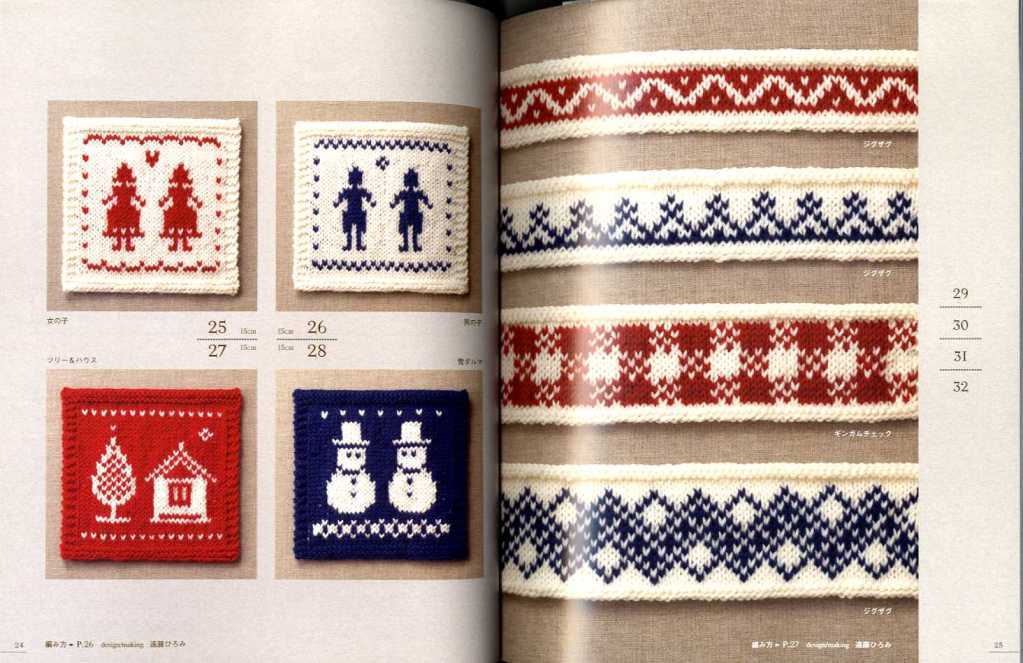
The first and most important supply for knitting is yarn. For Scandinavian knitting, it is best to use natural fibers like wool or alpaca. These fibers provide warmth and durability, making them perfect for creating cozy sweaters, hats, and mittens. Look for yarn with a medium weight, as it is versatile and works well for most projects.
Knitting Needles

Another essential tool for Scandinavian knitting is a set of knitting needles. Circular needles are particularly useful for knitting in the round, which is often required for Scandinavian patterns. Choose needles that are the appropriate size for your yarn, as this will ensure even stitches and the correct gauge. Bamboo or wooden needles are popular choices for Scandinavian knitting, as they provide a good grip and prevent the yarn from slipping.
Stitch Markers
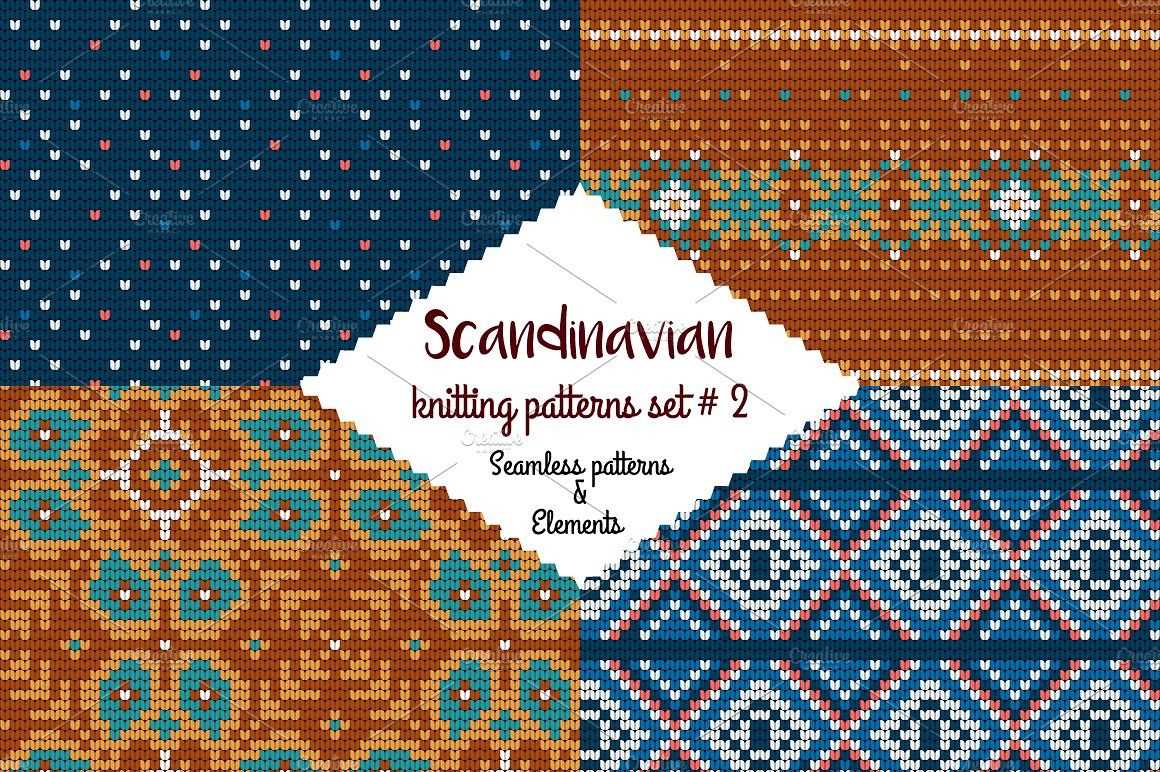
Stitch markers are small rings or clips that help differentiate different sections or stitches in a knitting project. They are very useful when working on complex Scandinavian patterns, as they can mark the beginning of a round or highlight specific motifs. Invest in a set of stitch markers in various colors and sizes to accommodate different project requirements.
Cable Needles
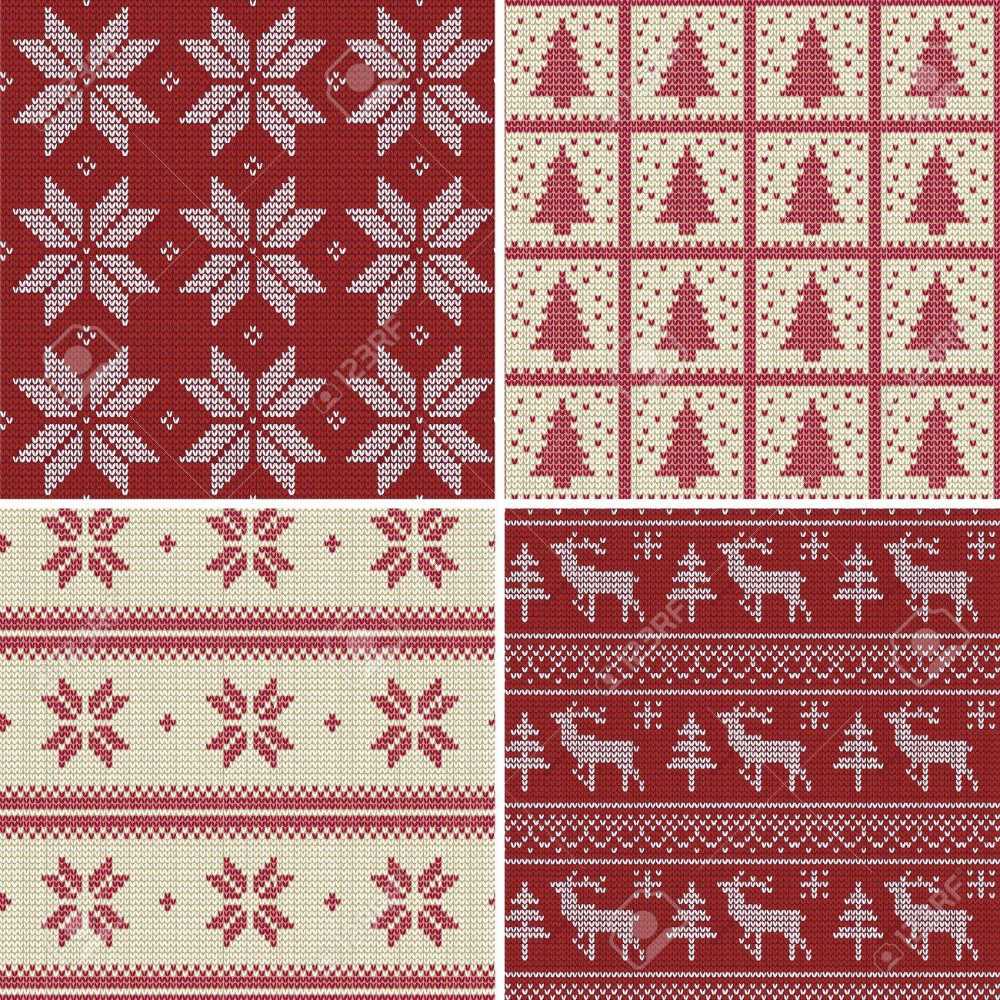
Scandinavian knitting often involves intricate cable patterns, which require the use of cable needles. These small double-pointed needles or hooks are used to hold stitches aside while creating the twists and crosses that give cables their unique look. Choose cable needles that are the appropriate size for your yarn and have a smooth surface to prevent snagging.
Chart or Pattern Books

Lastly, having a chart or pattern book specifically focusing on Scandinavian knitting is invaluable. These books usually contain a variety of traditional patterns, from simple geometric designs to more intricate motifs inspired by nature. The charts provide a visual representation of each stitch or motif, making it easier to follow along and create the desired pattern.
Step-by-Step Guide to Knitting a Scandinavian Sweater
A Scandinavian sweater, also known as a Nordic sweater, is a beautiful and timeless piece of knitwear that is both stylish and cozy. With its intricate patterns and rich history, knitting a Scandinavian sweater can be a rewarding project for knitters of all skill levels. In this step-by-step guide, we will walk you through the process of knitting your own Scandinavian sweater.
1. Choose your pattern: The first step in knitting a Scandinavian sweater is to choose a pattern. There are many traditional Scandinavian knitting patterns to choose from, such as Fair Isle, Norwegian, or Icelandic designs. Consider your skill level and the complexity of the pattern before making your selection.
2. Gather your materials: Once you have chosen your pattern, it’s time to gather your materials. You will need yarn in the colors specified by the pattern, as well as knitting needles in the appropriate size. Additionally, you may need a cable needle, stitch markers, and a tapestry needle for finishing.
3. Start with the ribbing:
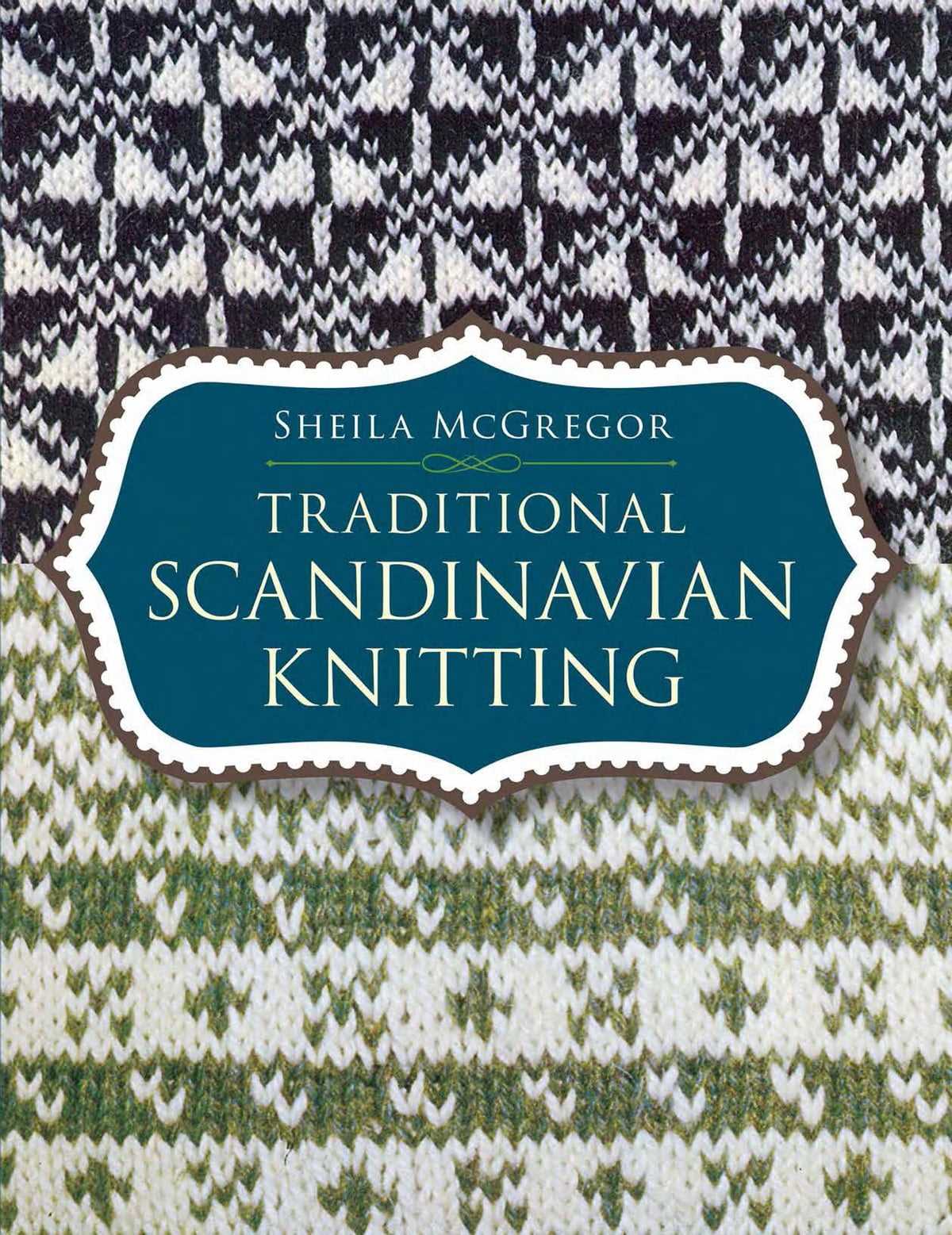
For a traditional Scandinavian sweater, start by knitting the ribbing at the bottom of the sweater. This is typically done in a smaller needle size to create a snug and stretchy band.
- Cast on the required number of stitches for the ribbing.
- Work the ribbing pattern as specified in the pattern. This is usually a combination of knit and purl stitches.
- Continue working the ribbing until you reach the desired length, typically 1-2 inches.
4. Begin the colorwork:
Colorwork is a key element in Scandinavian sweaters, as it adds beautiful patterns and designs to the garment. It is important to pay attention to the colorwork chart and follow the pattern carefully.
- Switch to the larger needle size for the colorwork section.
- Follow the colorwork chart row by row, knitting the stitches in the specified colors.
- Use stitch markers to keep track of different sections of the pattern if necessary.
- Be mindful of tension and strive for even and consistent stitches.
- Continue knitting the colorwork section until you reach the desired length.
5. Shape the sweater:
To ensure a proper fit, Scandinavian sweaters often feature shaping in the form of decreases and increases.
- Refer to the pattern instructions for shaping the sleeves, neckline, and body of the sweater.
- Use the specified decrease or increase techniques to shape the sweater as directed.
- Continue shaping until you have completed all required sections.
6. Finish the sweater: Once you have completed the main body and sleeves of the sweater, it’s time to finish off your project.
- Seam the sleeves and sides of the sweater using a mattress stitch or other appropriate seaming technique.
- Weave in any loose ends using a tapestry needle.
- Block the sweater by wetting it, laying it flat to dry, and shaping it to the desired measurements.
- Add any desired embellishments, such as buttons or a zipper, to complete your Scandinavian sweater.
Congratulations! You have now completed your very own Scandinavian sweater. Enjoy the warmth and beauty of your hand-knitted creation, and embrace the rich tradition and heritage behind Scandinavian knitting patterns.
Creating Unique Patterns with Scandinavian Colorwork
Scandinavian knitting patterns are known for their intricate colorwork designs and beautiful motifs. With their rich history and cultural significance, these patterns offer a unique way to create stunning and one-of-a-kind garments and accessories.
One of the key elements of Scandinavian colorwork is the use of multiple colors in a single project. Traditionally, these patterns feature two contrasting colors that are worked together to create intricate geometric patterns. The colorwork is achieved through a technique known as stranded knitting, where both colors are carried along the back of the work while not in use. This creates a warm and dense fabric that is perfect for cold weather.
To create your own unique patterns with Scandinavian colorwork, start by choosing a motif or design that is meaningful to you. This can be anything from traditional motifs like snowflakes or reindeer, to more modern and abstract designs. Once you have chosen your motif, you can use it as a starting point to create your own pattern.
Experimenting with different color combinations is another way to make your patterns unique. While traditional Scandinavian colorwork often uses contrasting colors, you can also try using more subtle or unexpected color combinations. This can create a more modern and personalized look to your projects.
When working with Scandinavian colorwork, it’s important to pay attention to tension and gauge. The stranded knitting technique can sometimes result in a tighter fabric, so make sure to use larger needles or adjust your tension to achieve the desired drape and fit of your finished project.
Whether you’re a beginner or an experienced knitter, exploring the world of Scandinavian colorwork can be a fun and rewarding journey. With its rich history and endless possibilities for creativity, this knitting technique offers a way to create truly unique and stunning patterns that are sure to be cherished for years to come.
Exploring Scandinavian Knitting Communities and Events
Scandinavian knitting communities thrive across the region, with passionate knitters coming together to share their skills, patterns, and experiences. These communities play a vital role in preserving traditional knitting techniques and patterns, as well as fostering creativity and innovation in the craft. From small local knitting groups to large-scale knitting festivals, there are numerous opportunities to connect with fellow knitters and immerse yourself in the vibrant world of Scandinavian knitting.
One popular event among Scandinavian knitters is the annual Nordic Knitting Symposium, which brings together knitting enthusiasts from all over the Nordic countries and beyond. This multi-day event features workshops, lectures, and exhibitions, providing attendees with the chance to learn from renowned knitting experts, explore new knitting techniques, and discover unique patterns and designs. The symposium also serves as a platform for networking and building connections within the knitting community.
Conclusion
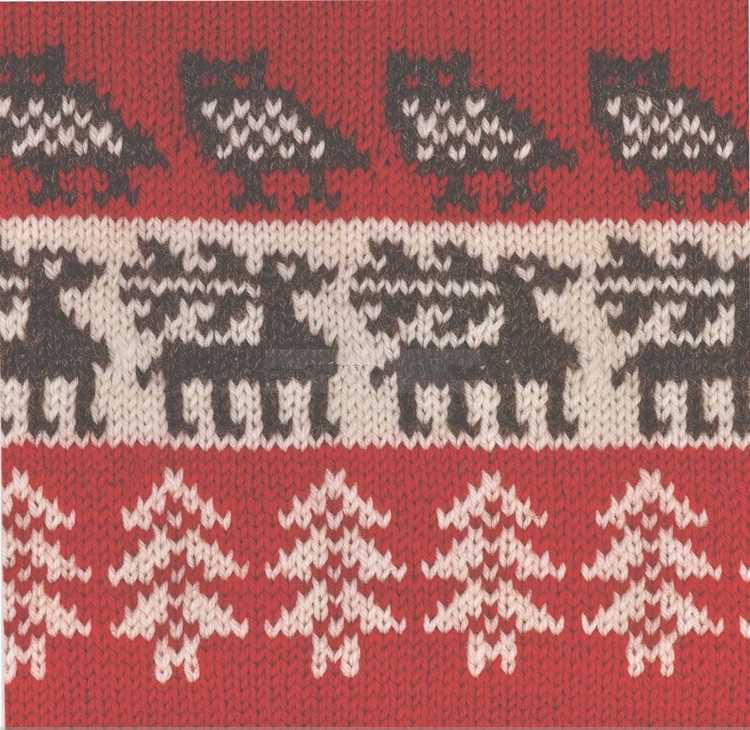
Scandinavian knitting patterns are not only visually stunning and intricate, but they also carry a rich cultural heritage. By incorporating traditional motifs and techniques into their designs, modern Scandinavian knitters continue to celebrate and preserve this unique craft. Whether you’re a beginner or an experienced knitter, exploring Scandinavian knitting patterns and communities can be a rewarding journey. From discovering new stitches to connecting with fellow knitters, this timeless craft offers endless possibilities for creativity and self-expression.