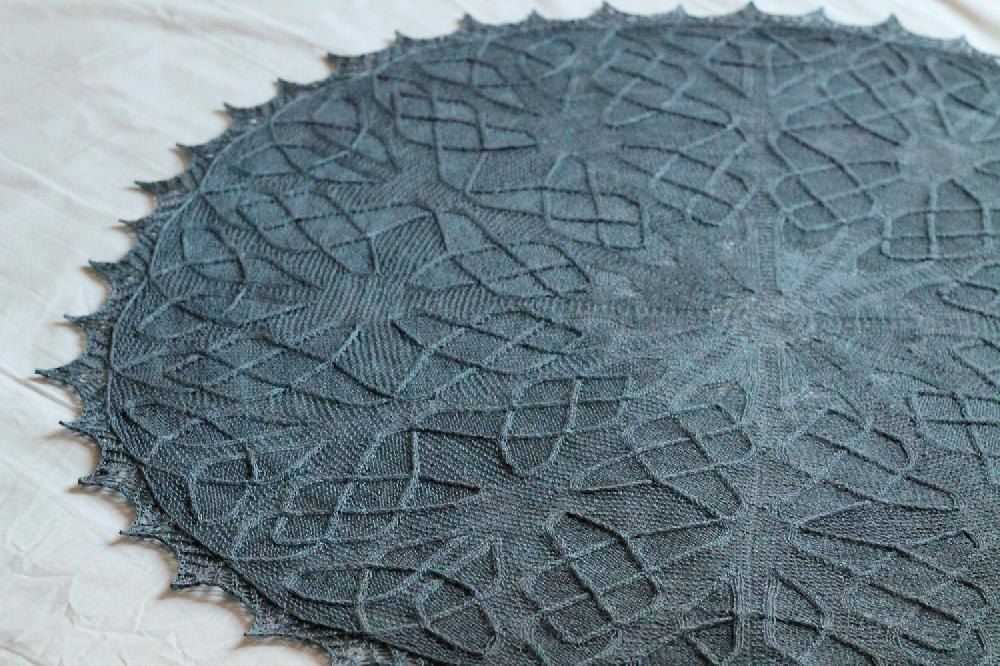
Knitting is a timeless craft that has been passed down through generations. One of the most beautiful and intricate techniques in knitting is lace. Lace knitting patterns create delicate and airy designs that are perfect for shawls, blankets, and garments. Circular lace knitting patterns offer a unique twist on traditional lace knitting, as they are worked in the round.
Working in the round allows for uninterrupted knitting, with no seams or joins. Circular lace patterns are often created using circular knitting needles and feature intricate stitch patterns that repeat evenly around the entire project. This creates a beautiful symmetrical design that is stunning to see.
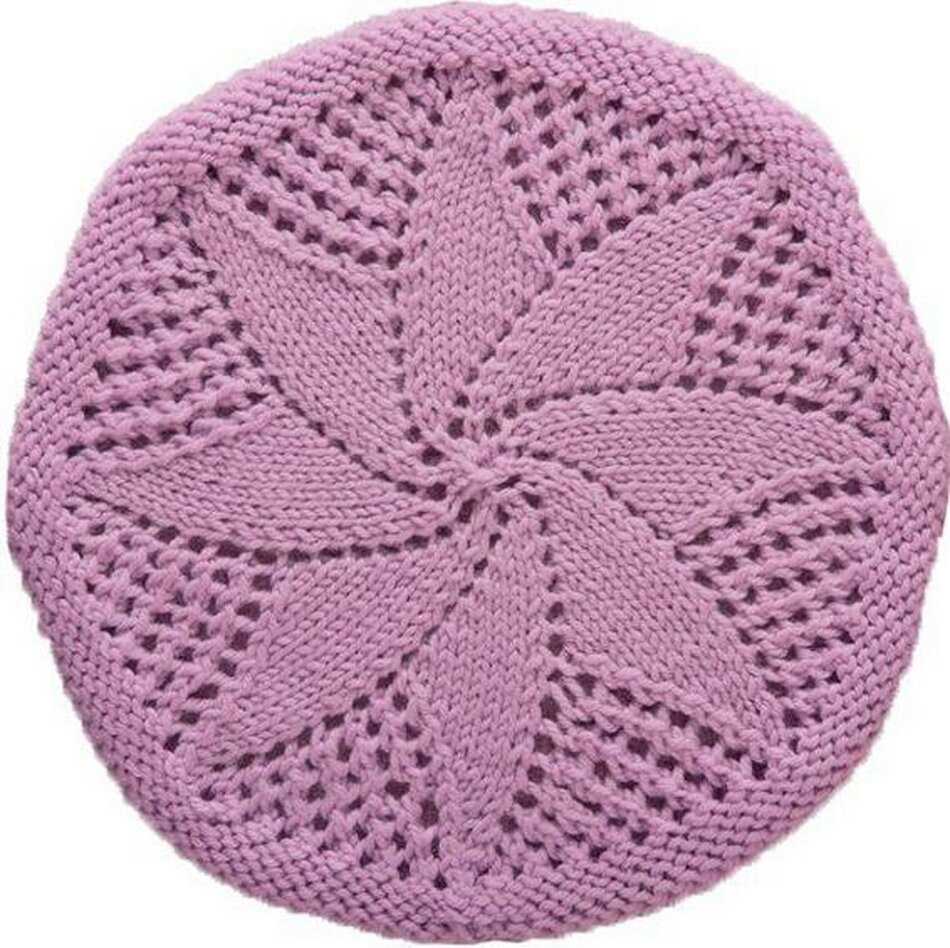
Circular lace knitting patterns can range from simple and beginner-friendly to complex and challenging. They often involve a combination of yarnovers, decreases, and unique stitch patterns to create the lacy effect. Some common circular lace patterns include lacy spirals, floral motifs, and intricate geometric designs.
Whether you are a beginner knitter looking to challenge yourself or an experienced knitter looking for a new project, circular lace knitting patterns offer endless possibilities. They allow for creativity and artistry while creating beautiful and delicate pieces that are truly one of a kind.
The beauty and intricacy of circular lace knitting patterns
Knitting is an art form that allows individuals to create intricate and delicate designs using just a pair of needles and some yarn. One of the most beautiful and fascinating techniques in knitting is circular lace knitting. Circular lace knitting patterns are mesmerizing to look at and require skill and precision to create.
The beauty of circular lace knitting patterns lies in their delicate and intricate designs. The patterns typically feature intricate lace motifs, such as flowers, leaves, or geometric shapes, that are formed using a combination of yarn overs, decreases, and stitches. The result is a stunning and intricate lace fabric that can be used for various purposes, such as shawls, scarves, or even tablecloths.
The intricacy of circular lace knitting patterns lies in the careful placement of each stitch. Knitters must pay close attention to the pattern instructions and count their stitches and rows to ensure that the lace motif is accurately formed. Mistakes can easily be made, and even a single misplaced stitch can disrupt the overall pattern. Therefore, knitting circular lace patterns requires patience and attention to detail.
Circular lace knitting patterns also offer endless possibilities for customization and creativity. Knitters can experiment with different yarns, colors, and stitch combinations to create their own unique designs. Additionally, the circular nature of these patterns allows for continuous knitting without the need to sew pieces together, making them a preferred choice for many knitters.
In conclusion, circular lace knitting patterns are a true work of art. The beauty and intricacy of these designs are captivating, and the skill and precision required to create them are truly impressive. Whether you’re a seasoned knitter or just starting out, trying your hand at circular lace knitting patterns will provide you with a rewarding and beautiful project.
Choosing the right yarn for circular lace knitting patterns

When it comes to circular lace knitting patterns, choosing the right yarn is crucial. The yarn can greatly affect the final look and feel of the lace pattern, as well as the drape and durability of the finished project.
Fiber content: The first thing to consider when selecting yarn for circular lace knitting patterns is the fiber content. Natural fibers such as wool, silk, and alpaca are popular choices for lace knitting as they have good stitch definition and can block well. These fibers also tend to drape nicely, which is important for lace patterns that often feature delicate and intricate details.
Weight: The weight of the yarn is another important factor to consider. Lace knitting patterns typically call for lace weight or fingering weight yarns, as these weights allow for finer stitches and delicate lace motifs. However, it’s important to choose a yarn weight that matches the desired drape and density of the finished project. Heavier yarns can result in a more dense and substantial fabric, while lighter yarns can create an airy and delicate feel.
Texture: The texture of the yarn can also impact the overall look of the lace pattern. Smooth and tightly spun yarns can highlight the intricate lace motifs and make them stand out, while yarns with more texture, such as boucle or mohair blends, can add a soft and fuzzy effect to the finished project. Consider the desired outcome and the effect you want to achieve when selecting the yarn’s texture.
Color: Lastly, the color of the yarn should also be taken into consideration. Solid or semisolid colors can showcase the lace pattern beautifully and allow the intricacies of the design to shine. Variegated or self-striping yarns can add an extra dimension to the lace pattern, creating visual interest and a unique look. It’s important to choose a color that complements the pattern and enhances its overall beauty.
In conclusion, when choosing yarn for circular lace knitting patterns, it’s important to consider the fiber content, weight, texture, and color. Each of these factors can greatly impact the final look of the lace pattern. By carefully selecting the right yarn, you can create a stunning and intricate lace project that is sure to turn heads.
Essential tools for circular lace knitting patterns
When it comes to circular lace knitting patterns, having the right tools is crucial for success. Here are some essential tools that every lace knitter should have:
1. Circular knitting needles:
One of the most important tools for circular lace knitting patterns is a set of circular knitting needles. These needles have two short needle tips connected by a flexible cable, allowing you to easily work in the round. Look for needles with a smooth join between the needle tip and the cable to prevent snagging the delicate lace yarn.
2. Lace knitting stitch markers:

Lace knitting often requires intricate stitch patterns and stitch markers can be extremely helpful for keeping track of your stitches. Opt for stitch markers that are lightweight and easily removable, so they don’t interfere with your knitting. You can use different colored markers to indicate different sections or pattern repeats.
3. Lace blocking tools:
Blocking is an essential step in lace knitting to reveal the true beauty of your stitches. Invest in a set of blocking wires or pins to help shape and stretch your lace project. Blocking mats or towels are also useful to pin your project to and allow it to dry in the correct shape.
4. Stitch holders or waste yarn:
When working on lace patterns, you may come across certain sections that require you to put stitches on hold. Stitch holders or waste yarn can be useful for keeping these stitches safe while you work on other sections of your project.
5. Lace knitting pattern books or guides:
If you’re new to lace knitting or want to explore new pattern ideas, having a collection of lace knitting pattern books or guides can be a great resource. These books often provide detailed instructions, charts, and inspiration for creating beautiful lace designs.
With these essential tools in hand, you’ll be ready to tackle any circular lace knitting pattern with confidence and create stunning lace projects.
How to Read Circular Lace Knitting Patterns
When it comes to circular lace knitting patterns, it is important to understand how to read the instructions properly. Lace knitting often involves intricate stitch patterns and sometimes the instructions can seem confusing. However, with a little bit of patience and practice, you can easily decode and follow circular lace knitting patterns.
1. Chart Symbols: One of the most crucial aspects of reading circular lace knitting patterns is understanding the chart symbols. Each stitch symbol represents a specific action, such as knit, purl, yarn over, or decrease. The pattern key or legend will provide you with a detailed explanation of the symbols used in the chart.
2. Chart Direction: Circular lace knitting patterns are typically worked in the round, so it is important to determine the direction in which the chart should be read. Some charts are read from right to left for every round, while others may alternate between right to left and left to right. Pay attention to any instructions or notes provided in the pattern to understand the chart direction.
3. Repeat Sections: Circular lace knitting patterns often have repeat sections, where a series of stitches are repeated multiple times within a round. These repeat sections are indicated by brackets or other symbols in the chart. It is important to understand how many times the repeat section should be worked and where it begins and ends.
4. Stitch Count: Keeping track of your stitch count is essential when working circular lace knitting patterns. The pattern may specify the initial stitch count and how it changes at certain points in the pattern. Make sure to mark or highlight these points in the pattern to stay on track and avoid mistakes.
5. Reading the Written Instructions: In addition to the chart, circular lace knitting patterns often include written instructions. These instructions provide a step-by-step explanation of how to complete the stitch pattern. It is important to read the written instructions carefully and refer back to the chart when needed.
By familiarizing yourself with the chart symbols, understanding the chart direction, recognizing repeat sections, keeping track of your stitch count, and referring to the written instructions, you can confidently read and follow circular lace knitting patterns. With practice, you will become more comfortable with lace knitting and be able to tackle more intricate lace designs.
Tips and Tricks for Knitting Circular Lace Patterns

Knitting circular lace patterns can be a challenging but rewarding endeavor. With intricate designs and delicate stitches, there are a few tips and tricks that can help you achieve beautiful results. Whether you’re a beginner or an experienced knitter, these techniques will elevate your lace knitting game.
1. Use stitch markers

Stitch markers are essential when knitting lace patterns in the round. They help you keep track of the stitch count and mark important sections of your pattern. Place markers at the beginning and end of pattern repeats or wherever the pattern indicates. This will prevent mistakes and make it easier to spot any errors in your work.
2. Lifelines are your best friend
Lifelines are thin pieces of thread or yarn that you insert through a row of stitches. They serve as a safety net, allowing you to rip back your work to a specific point without losing any stitches. When knitting lace patterns, it’s easy to make mistakes, and lifelines can save you from having to start over. Thread a lifeline through the stitches every few rows, especially when you’re working on complex lace motifs. If you make a mistake, you can rip back to the lifeline and continue knitting.
3. Block your lace after knitting

Blocking is a crucial step in knitting lace patterns. It helps open up the stitches and gives the design its final shape. When you’re finished knitting your circular lace project, wet block it by gently washing it and then pinning it to shape. This will enhance the beauty of the lace and ensure that your stitches are even.
4. Pay attention to yarn choice

The type of yarn you choose for your circular lace project can make a big difference in the outcome. Opt for a yarn with good stitch definition, such as a smooth and lightweight yarn. This will allow the lace pattern to shine and make the stitches more visible. Additionally, consider using yarn with a high percentage of natural fibers, as they tend to block better and hold their shape over time.
5. Take your time
Knitting circular lace patterns requires patience and attention to detail. Take your time and work at a pace that is comfortable for you. Lace knitting can be slow, but the end result is worth the effort. If you find yourself getting frustrated or tired, take a break and come back to it later. Remember, knitting is meant to be enjoyable, so don’t rush through the process.
With these tips and tricks in mind, you’ll be able to tackle circular lace patterns with confidence. Enjoy the intricate beauty of lace knitting and create stunning pieces that showcase your skills.
Common mistakes to avoid when knitting circular lace patterns
Knitting circular lace patterns can be both challenging and rewarding. However, it’s important to be aware of common mistakes that can occur during the process. By avoiding these mistakes, you can ensure that your lace project turns out beautifully and without any issues.
1. Miscounting stitches: One of the most common mistakes when knitting circular lace patterns is miscounting stitches. It’s crucial to carefully count the number of stitches in each round to ensure that the pattern is being followed correctly. Miscounting can result in a distorted or uneven lace pattern, so take your time and double-check your stitch count regularly.
2. Missing yarn overs: Yarn overs are an essential part of lace knitting, as they create the necessary eyelets and spaces in the pattern. However, it’s easy to accidentally skip a yarn over or forget to make one. To avoid this mistake, pay close attention to the pattern instructions and make sure to execute each yarn over as indicated. If you do happen to miss a yarn over, it’s best to go back and correct it before continuing.
3. Not using lifelines: Lifelines are thin pieces of contrasting yarn that are threaded through a row of stitches. They act as a safety net, allowing you to easily rip back your work to a specific point if you make a mistake. It’s crucial to insert lifelines every few rows when working on circular lace patterns, especially if you’re new to lace knitting. This will help you fix any mistakes without having to unravel the entire project.
4. Tension issues: Achieving consistent tension is key to creating a balanced and well-defined lace pattern. It’s important to maintain an even tension throughout your knitting, as loose or tight stitches can affect the overall look of the lace. Take the time to practice your tension before starting a circular lace project and make adjustments as needed.
5. Not blocking properly: Blocking is an essential step in finishing a lace project. It helps to open up the lace pattern, even out stitches, and give the project its final shape. Failing to block your project properly can result in a less defined or distorted lace pattern. Follow the blocking instructions for your specific yarn and lace pattern to achieve the best results.
By being mindful of these common mistakes and taking the necessary steps to avoid them, you can ensure a successful knitting experience with your circular lace patterns. With practice and attention to detail, you’ll be able to create beautiful lace projects that showcase the intricate beauty of this knitting technique.
Adding variations to circular lace knitting patterns
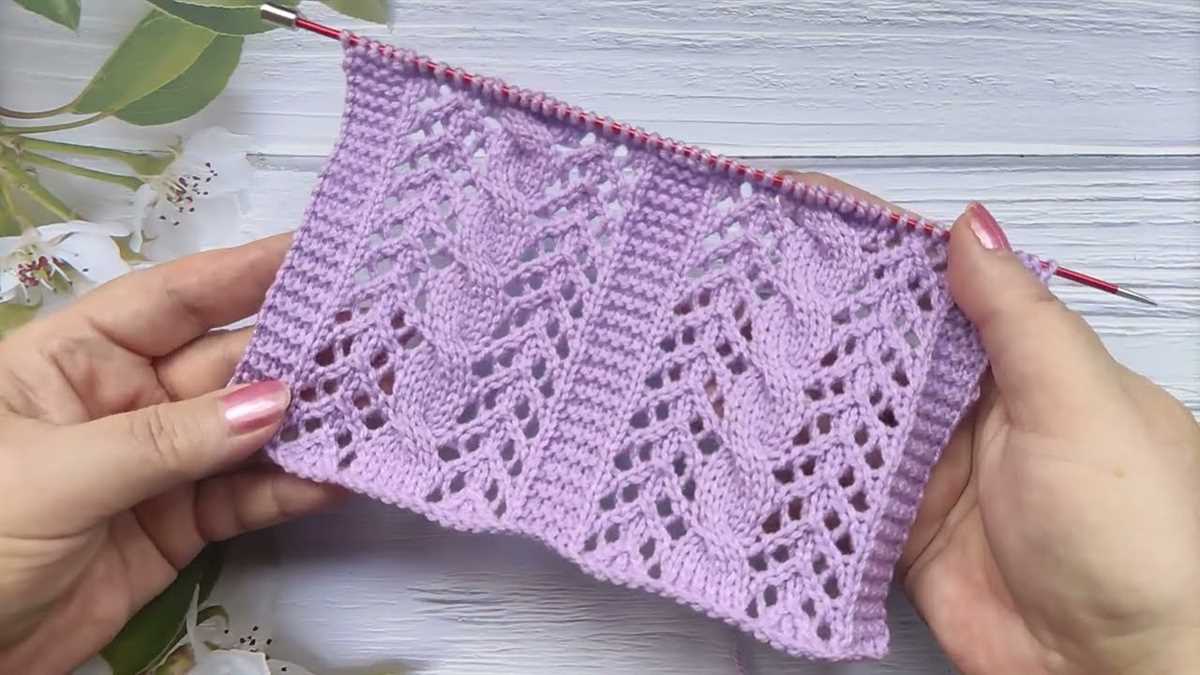
When it comes to circular lace knitting patterns, there are endless possibilities for adding variations and creating unique designs. Here are a few ways you can customize your lace knitting projects:
Changing stitch patterns
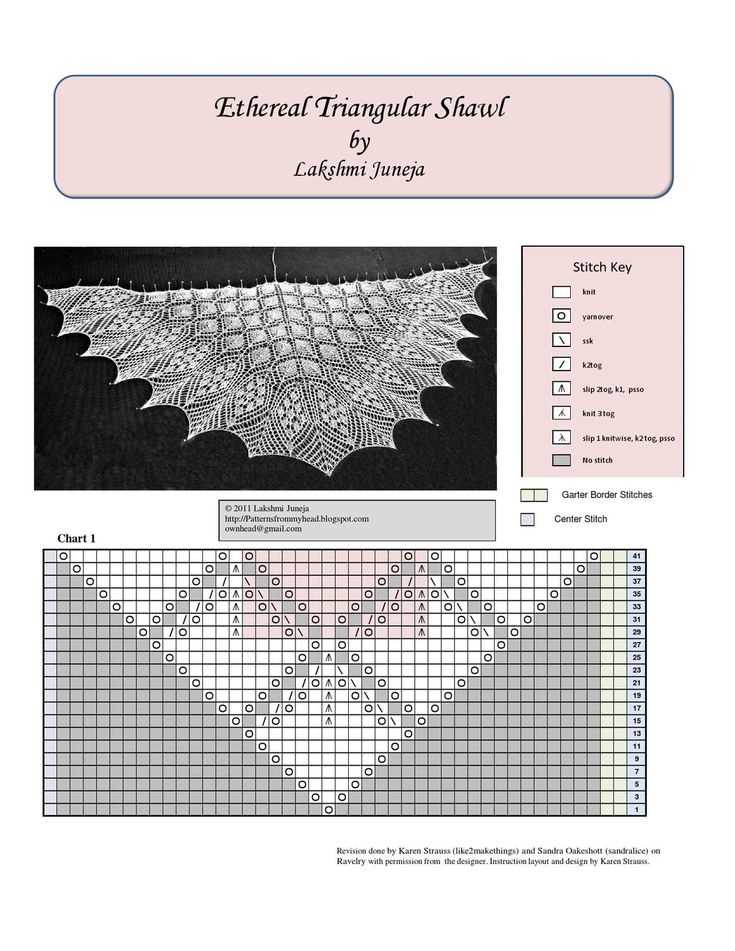
One way to add variation to your circular lace knitting pattern is to change the stitch patterns used. You can experiment with different lace motifs, such as flowers, leaves, or geometric shapes, to create a unique design. You can also mix and match different stitch patterns within the same project to add visual interest and complexity to the lace.
Modifying stitch counts

Another way to add variation is by modifying the stitch counts. By increasing or decreasing the number of stitches in each round, you can create different effects in your lace. For example, increasing the number of stitches in a round will create a wider and more open lace pattern, while decreasing the stitch count will result in a tighter and denser fabric. You can also experiment with different rates of increases or decreases to create shaping within your lace.
Adding beads or other embellishments
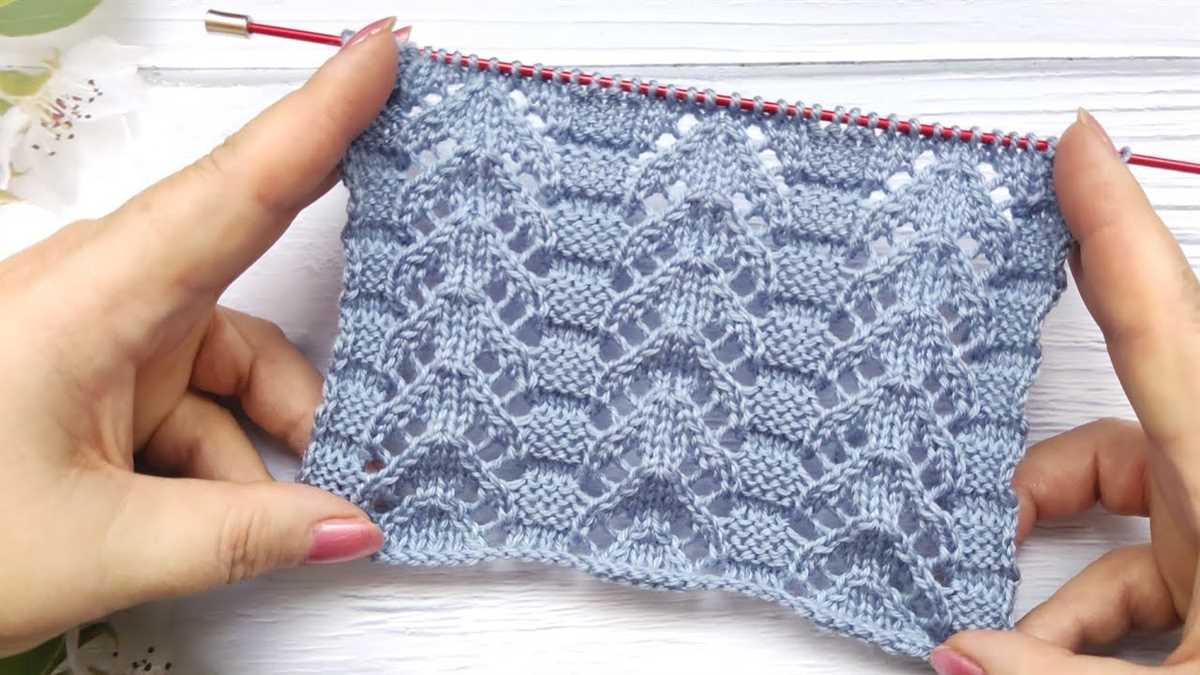
A great way to add some sparkle and texture to your circular lace knitting pattern is by incorporating beads or other embellishments. You can add beads to specific stitches or rows, or even create a beaded edging for your project. Other embellishments, such as sequins, buttons, or embroidery, can also be used to enhance the lace pattern and make it truly unique.
Working with different yarns
The choice of yarn can also greatly affect the look and feel of your circular lace knitting pattern. You can experiment with different weights, fibers, and textures of yarn to achieve different effects. For example, a fine lace-weight yarn will create a delicate and airy lace, while a heavier yarn will result in a more substantial and textured fabric. You can also try using yarns with sequins, metallic thread, or other special features to add an extra touch of glamour to your lace.
By incorporating these variations into your circular lace knitting patterns, you can create truly unique and personalized projects that showcase your creativity and knitting skills. Whether you’re a beginner or an experienced knitter, the possibilities for customization are endless, allowing you to create lace designs that are as individual as you are.
Creating your own circular lace knitting patterns

Knitting circular lace patterns can be a rewarding and creative endeavor. By designing your own patterns, you have the freedom to create unique and beautiful pieces that reflect your personal style. Whether you’re an experienced knitter or just starting out, here are a few tips to help you get started on creating your own circular lace knitting patterns.
1. Inspiration:
Before designing your pattern, it’s always helpful to gather inspiration from various sources. Look at existing lace patterns, nature, architecture, and even artwork for ideas. Take note of the elements that catch your eye and envision how they might translate into a lace pattern. This initial brainstorming process will help you develop a vision for your pattern.
2. Charting your pattern:
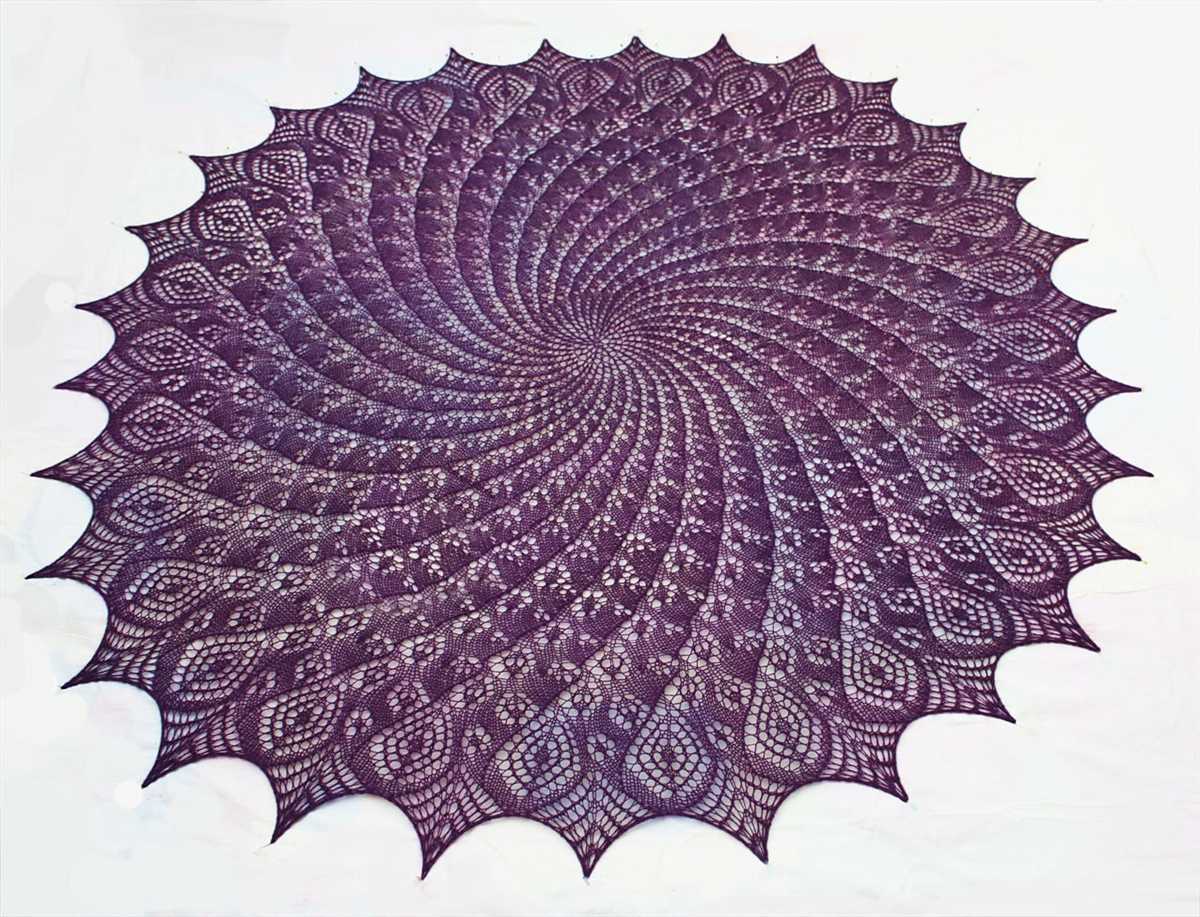
One of the most effective ways to design a lace knitting pattern is by using a chart. A chart visually represents each stitch, making it easier to follow along and keep track of your progress. Start by sketching out your design on graph paper or using knitting design software. Fill in the cells of the chart with symbols or colors to denote different types of stitches, yarn overs, and decreases. This will serve as your blueprint for knitting your circular lace pattern.
3. Selecting yarn and needles:
The choice of yarn and needle size can greatly impact the overall look and feel of your lace knitting pattern. Fine, lightweight yarns such as lace weight or fingering weight yarns are often used for lace knitting to create delicate and intricate designs. Experiment with different yarns to see how they affect the drape and texture of your pattern. Additionally, consider using circular needles to accommodate the large number of stitches and facilitate the continuous circular knitting process.
4. Testing and blocking:
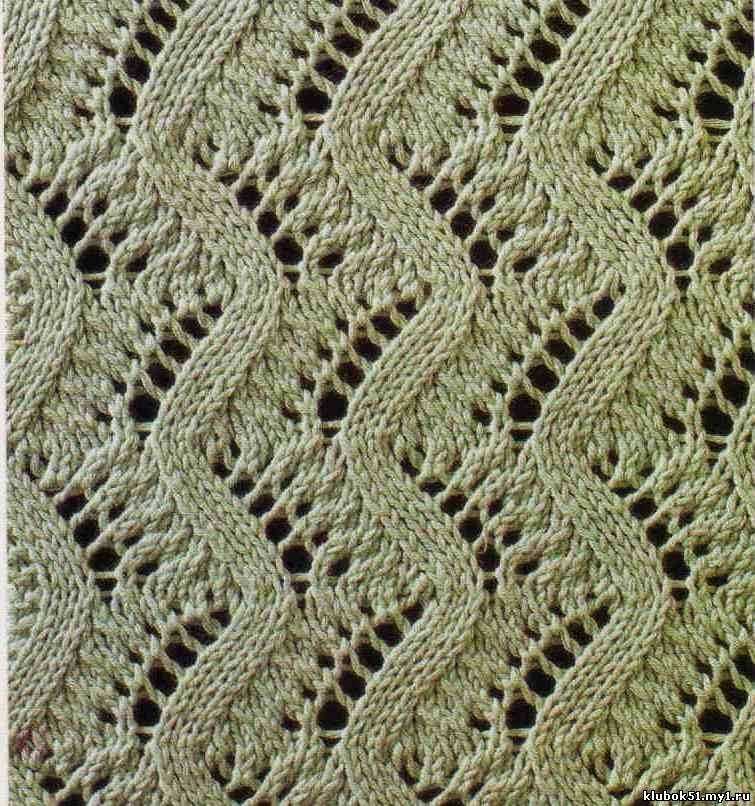
Once you have charted your pattern and selected your yarn and needles, it’s time to start knitting. Knit a small swatch of your pattern to test how it looks and to ensure that your stitch counts and yarn overs are accurate. After knitting your pattern, blocking is essential to open up the lace stitches and reveal their full beauty. Wet blocking or steam blocking your knitted piece will help even out any inconsistencies and give your lace pattern a polished finish.
5. Experimenting and refining:
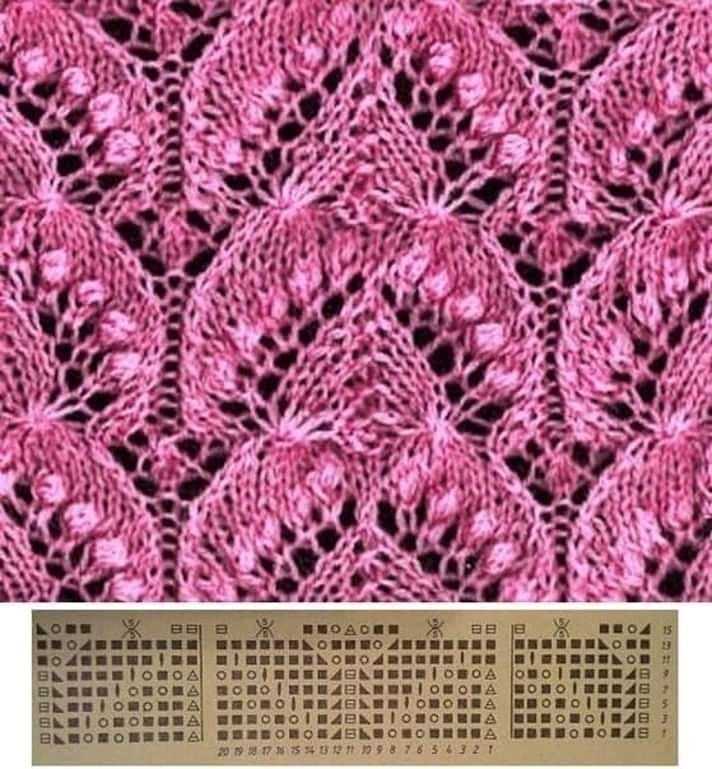
Designing your own circular lace knitting pattern is an iterative process. Don’t be afraid to experiment and make adjustments along the way. You may find that certain stitch combinations or yarns work better than others. Take notes and make revisions as needed until you are satisfied with your final design. The more you practice, the more confident you will become in creating your own unique circular lace patterns.
Creating your own circular lace knitting patterns can be a fulfilling and enjoyable experience. With a little inspiration, charting, experimentation, and refinement, you can design intricate and beautiful lace patterns that showcase your knitting skills and personal style. So grab your yarn, needles, and imagination, and start creating your own stunning circular lace patterns today!
Exploring different stitch patterns for circular lace knitting
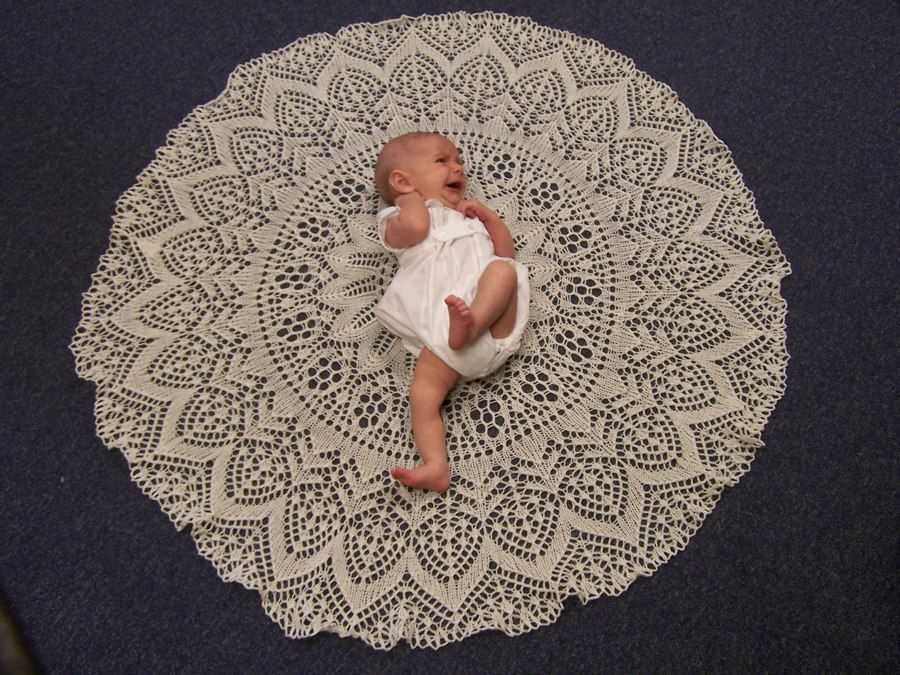
When it comes to circular lace knitting, there are countless stitch patterns to explore. Whether you’re a beginner looking for a simple and elegant design or an experienced knitter wanting to challenge yourself with intricate motifs, there is something for everyone.
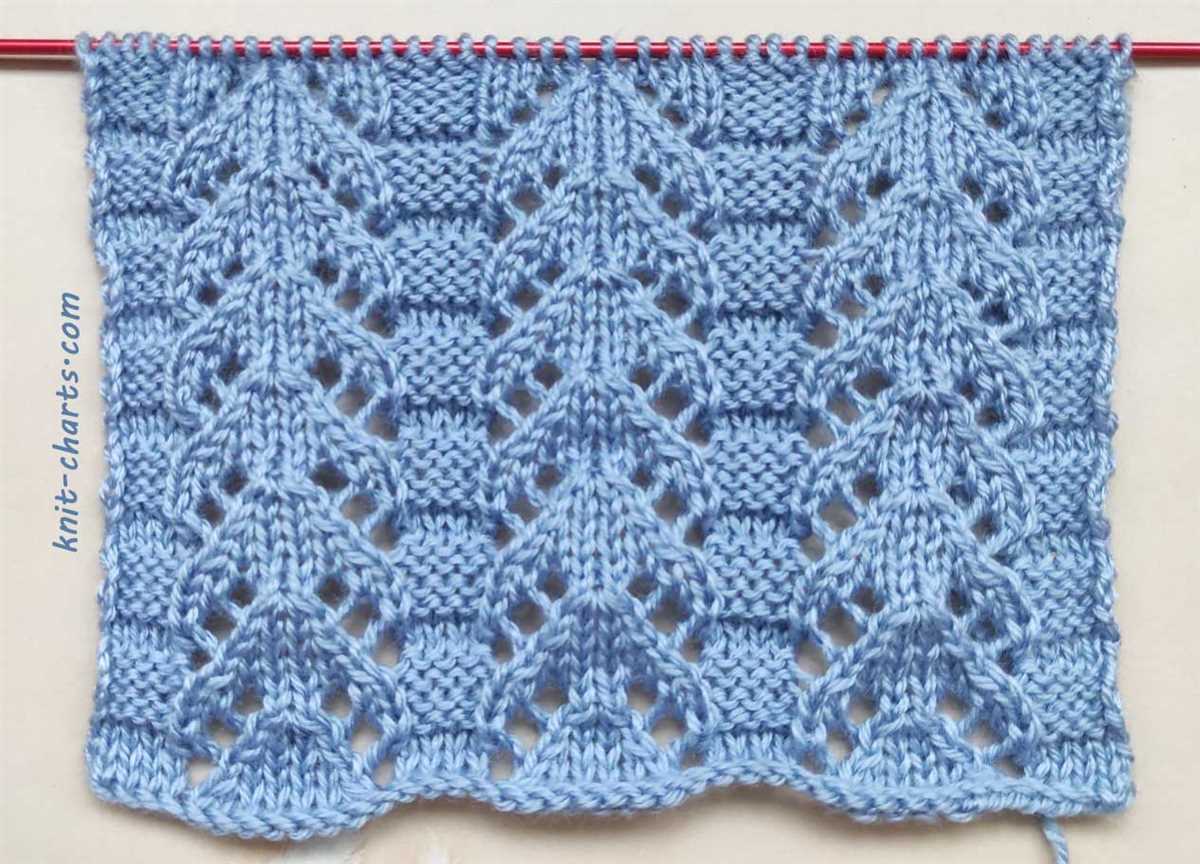
1. Feather and Fan Stitch: This classic lace pattern features a repeating sequence of yarn overs and decreases to create a delicate feather-like effect. It is perfect for creating a lightweight and airy fabric, making it ideal for shawls and scarves.
2. Diamond Lace Stitch: If you’re looking to add some geometric interest to your project, the diamond lace stitch is a great choice. With its diamond-shaped motifs and intricate stitch combinations, it creates a visually stunning fabric that is sure to impress.
- 3. Leaf Lace Stitch: Inspired by nature, the leaf lace stitch mimics the delicate veins of a leaf, creating a beautiful and organic pattern. It is a popular choice for garments like cardigans and sweaters, as well as accessories like hats and gloves.
- 4. Shell Lace Stitch: Reminiscent of seashells, the shell lace stitch is a charming pattern that adds texture and depth to your knitting. It is often used in blankets and baby garments, but can also be incorporated into larger projects like shawls or even garments.
Overall, exploring different stitch patterns for circular lace knitting is a wonderful way to unleash your creativity and create unique and stunning projects. Whether you prefer a simple and elegant design or a complex and intricate motif, there is no shortage of options to choose from. So grab your needles and let your imagination run wild!
Adapting circular lace knitting patterns for different projects
Knitting lace patterns in the round can be a versatile technique that allows you to create beautiful and intricate designs. However, adapting these patterns for different projects can require some adjustments to ensure the best fit and appearance.
Choosing the right pattern: When adapting a circular lace knitting pattern, it’s important to consider the project you have in mind. Some lace patterns are better suited for certain projects, such as shawls, while others may work well for hats or sweaters. Take into account the complexity of the lace pattern and how it will look on the finished project.
Adjusting stitch count: One of the main aspects of adapting a circular lace knitting pattern is adjusting the stitch count to fit your project. This may involve adding or subtracting stitches to achieve the desired size or shape. Keep in mind that lace patterns usually have a specific stitch repeat, so you’ll need to make sure the stitch count is divisible by the repeat.
Modifying the motif: If you’re looking to customize the lace pattern, you can modify the motif to suit your preferences. This can be done by adding or removing certain stitches or changing the order in which they are worked. Be sure to make any necessary adjustments to maintain the integrity of the lace pattern and ensure that it flows smoothly.
Choosing the appropriate yarn and needles: The choice of yarn and needles can greatly affect the outcome of your lace project. For more delicate lace patterns, you may want to use a lightweight yarn and smaller needles to achieve a finer and more delicate look. Conversely, for larger lace motifs, a heavier yarn and larger needles can create a more substantial fabric. Consider the drape and texture you want to achieve when choosing your materials.
Blocking and finishing: Once you’ve completed your lace project, blocking is an essential step to bring out the lace pattern and even out any irregularities. This involves wetting or steam blocking the finished piece and carefully shaping it to the desired measurements. Pay attention to the specific blocking instructions provided with the lace pattern, as different stitches and yarns may require different blocking techniques.
- Overall, adapting circular lace knitting patterns for different projects requires careful planning and adjustments to ensure the best outcome.
- By choosing the right pattern, adjusting the stitch count, modifying the motif, selecting appropriate yarn and needles, and finishing with blocking, you can create stunning lace projects tailored to your own style and preferences.
Resources for finding circular lace knitting patterns
If you’re interested in exploring circular lace knitting patterns, there are many resources available online and in print that can help you find inspiration and patterns to try. Whether you’re a beginner or an experienced knitter, these resources offer a wide range of designs and techniques to suit your skill level and style preferences.
Here are some recommended resources for finding circular lace knitting patterns:
- Knitting magazines and books: Many knitting magazines, such as Interweave Knits and Vogue Knitting, feature lace knitting patterns in their issues. You can also find books dedicated to lace knitting, which often include circular lace patterns.
- Online pattern databases: Websites like Ravelry and Knitting Pattern Central have extensive databases of knitting patterns, including circular lace designs. These websites allow you to search for patterns by various criteria, such as difficulty level and project type.
- Knitting blogs and social media: Many knitting bloggers and designers share their lace knitting patterns for free or for purchase on their blogs or through social media platforms like Instagram. Following knitting communities and tags related to circular lace knitting can help you discover new patterns and connect with other knitters.
- Local yarn stores and knitting groups: Check with your local yarn store or knitting group to see if they offer any resources or recommendations for circular lace knitting patterns. They may have pattern books or know of local designers who specialize in lace knitting.
Remember to always respect the copyright and intellectual property rights of designers when accessing and using knitting patterns. Many patterns are available for free, but if you do come across a pattern that requires purchase, consider supporting the designer by purchasing it rather than sharing or distributing it without permission.
With these resources at your disposal, you’ll be well-equipped to explore the world of circular lace knitting and create beautiful, intricate designs with your own needles and yarn. Happy knitting!