
If you are a knitter who loves to add a finishing touch to your projects, then you are in the right place! Knitted border patterns are a great way to enhance the look of your knitted items, whether it’s a blanket, a sweater, or a scarf. And the best part? There are plenty of free patterns available online that you can easily incorporate into your knitting projects.
Knitted borders can add a touch of sophistication and elegance to any project. They can be simple or intricate, depending on your skill level and the look you want to achieve. From delicate lace patterns to bold cables, the options are endless.
Not only do knitted borders make your projects look more polished, but they also serve a practical purpose. They can help prevent edges from curling, provide stability to the fabric, and even add a bit of warmth. So why not take your knitting to the next level and explore the world of knitted border patterns?
Free Knitted Border Patterns
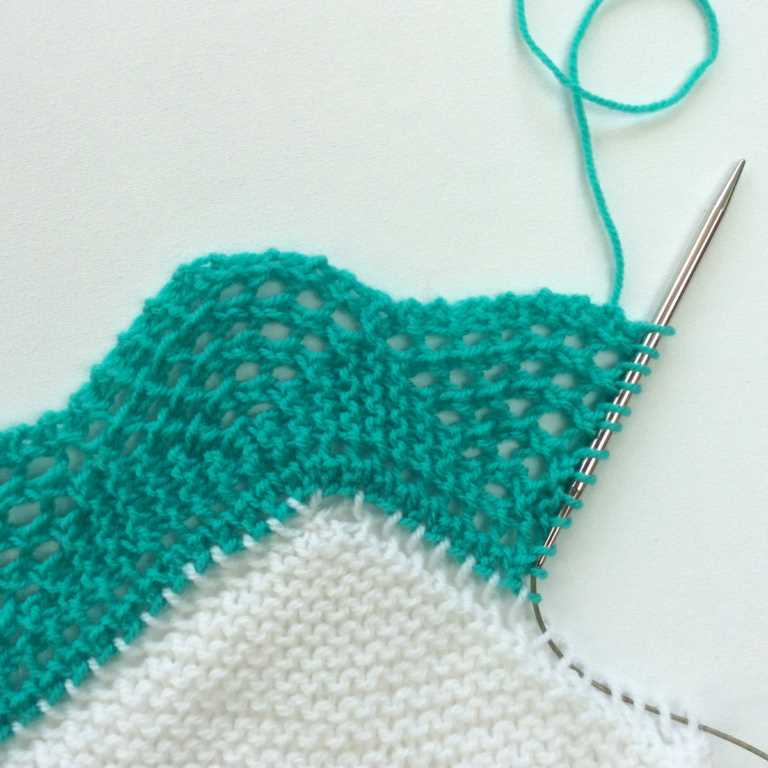
Adding a knitted border to your project is a great way to elevate its look and give it a polished finish. Whether you’re working on a blanket, scarf, or dishcloth, a well-chosen border can make all the difference. Luckily, there are plenty of free knitted border patterns available online that you can use to enhance your knitting projects.
One popular knitted border pattern is the seed stitch border. This pattern creates a beautiful texture that complements various knitting projects. To knit a seed stitch border, alternate between knitting and purling stitches in a specific pattern, typically over a set number of rows. This creates a textured border that adds interest to the edges of your project.
Another versatile border pattern is the garter stitch border. Garter stitch is achieved by knitting every row, creating a textured fabric that lies flat. This border is often used to frame the edges of a project and add a clean, finished look. The simplicity of the garter stitch border also allows it to work well with various knitting patterns and colors.
If you’re looking for a more intricate border pattern, the lace border is a great option. Lace borders feature delicate and intricate designs, adding an elegant touch to any project. Lace patterns typically involve yarn-overs and decreases to create the lace motifs. With a bit of patience and practice, you can create stunning lace borders that will impress everyone who sees your finished project.
- Seed stitch border
- Garter stitch border
- Lace border
These are just a few examples of the free knitted border patterns available to knitters of all skill levels. Whether you prefer simplicity or intricate designs, there is a border pattern out there that will suit your project perfectly. Don’t be afraid to experiment with different patterns and techniques to find the one that brings out the best in your knitting projects.
Classic Cables Border Pattern

The Classic Cables Border Pattern is a timeless design that adds elegance and sophistication to any knitted project. Featuring a series of intertwined cables, this border creates a beautiful frame for blankets, scarves, and other knitted items. Whether you’re a beginner or an experienced knitter, this pattern is relatively easy to follow and produces stunning results.
To start knitting the Classic Cables Border Pattern, you’ll need a set of knitting needles and a skein of yarn. Choose a yarn that is compatible with your desired project and needle size. The thicker the yarn, the larger the cables will appear in the finished border. Once you have your materials ready, you can begin working the pattern.
Instructions:

- Cast on the desired number of stitches. This will depend on the width of the border you want to create.
- Work a few rows of garter stitch or stockinette stitch to create a base for your cables.
- Begin the cable pattern by crossing stitches. Follow the specific cable pattern instructions for the desired design. This may involve twisting stitches to the left or right, or knitting stitches out of order.
- Continue working the cable pattern for the desired length. You can repeat the cable motif as many times as necessary to achieve your desired look.
- Finish with a few rows of garter stitch or stockinette stitch to create a uniform border.
- Bind off your stitches and weave in any loose ends.
The Classic Cables Border Pattern is a versatile design that can be customized to suit your needs. You can adjust the width and length of the border by adding or removing stitches, and you can experiment with different cable patterns to create unique variations. Whether you’re knitting a baby blanket, a cozy scarf, or a decorative pillow, the Classic Cables Border Pattern is sure to enhance the overall design and make your project stand out.
Lace Edging Pattern

Looking to add an elegant and delicate touch to your knitted projects? A lace edging pattern can be the perfect solution. Lace edging adds a graceful and intricate border to any knitted item, whether it’s a scarf, shawl, or baby blanket. With its delicate stitches and beautiful patterns, lace edging can elevate the overall design of your project and make it truly stand out.
There are numerous lace edging patterns available, ranging from simple and beginner-friendly designs to more intricate and advanced options. Some popular lace edging patterns include the feather and fan, diamond lace, and leaf motifs. These patterns can be incorporated into your project seamlessly, complementing the overall design and adding an extra element of sophistication.
To create a lace edging pattern, you will need:
- A knitting pattern with the desired lace edging design
- Appropriate yarn and knitting needles
- Basic knitting skills, including casting on, knitting, purling, and binding off
- Patience and attention to detail
Once you have all the necessary materials and skills, you can begin knitting the lace edging pattern. Follow the instructions provided in the knitting pattern, making sure to keep track of your stitch count and pattern repeats. It’s important to stay focused and double-check your work regularly to ensure accuracy and achieve the desired results.
With a lace edging pattern, you can transform any knitted project into a beautiful and sophisticated piece. Whether you’re knitting for yourself or creating a gift for someone special, lace edging is sure to add that extra touch of elegance that sets your project apart.
Ribbed Border Pattern

Adding a ribbed border to your knitted projects is a great way to add texture and interest to your finished piece. The ribbed border pattern is a simple yet effective technique that can be used on a variety of knitting projects, such as blankets, scarves, and sweaters. This pattern creates a stretchy fabric that is perfect for edging and provides a polished and professional finish.
To create a ribbed border, you will need to have a basic understanding of knitting stitches such as knit and purl. The ribbed border pattern alternates between these two stitches to create a ribbed effect. By working a row of knit stitches followed by a row of purl stitches and repeating this pattern, you will create a ribbed texture that adds depth and dimension to your finished piece.
To start, cast on the desired number of stitches for your border. For a basic ribbed border pattern, you will need a multiple of 2 stitches. Once you have cast on, simply alternate between knitting and purling stitches for each row. For example, you could start with a row of knit stitches, followed by a row of purl stitches, then repeat this pattern until you reach the desired length for your border.
- Cast on desired number of stitches (multiple of 2 stitches).
- Row 1: Knit all stitches.
- Row 2: Purl all stitches.
- Repeat rows 1 and 2 until desired length is reached.
- Bind off all stitches.
Remember to always keep your tension consistent throughout your knitting to ensure an even and professional-looking ribbed border. Experiment with different yarn weights and needle sizes to create different effects with your ribbed border pattern. Whether you want a delicate, lacy border or a chunky, textured border, the ribbed border pattern can be easily customized to suit your style and project. Happy knitting!
Garter Stitch Edging Pattern

The garter stitch edging pattern is a great way to add a simple and classic border to your knitted projects. Knitted in a basic garter stitch pattern, this edging is perfect for adding a clean and polished finish to your garments or accessories.
To create the garter stitch edging, you will need to work in rows of knit stitches for a specific number of rows, depending on the desired width of your border. You can easily customize the width by adjusting the number of rows you knit.
Materials:
- Worsted weight yarn
- Knitting needles in a size appropriate for your yarn
- Tapestry needle
Instructions:
- Cast on the desired number of stitches for your project.
- Knit every stitch in each row until you reach the desired width for your border.
- Bind off all stitches.
You can use the garter stitch edging pattern on a variety of projects, such as scarves, blankets, or even sweater cuffs. It adds a neat and finished look to any knitting project and can be easily customized to suit your needs.
Experiment with different yarn colors and textures to create unique and eye-catching borders for your knitting projects. Whether you’re a beginner or an experienced knitter, the garter stitch edging pattern is a versatile and easy-to-master technique that will elevate your knitting to the next level.
Zigzag Border Pattern

If you’re looking to add some visual interest and texture to your knitted projects, the zigzag border pattern is a great option. This pattern features a series of diagonal lines that create a zigzag effect, adding a dynamic element to your finished piece.
To create the zigzag border pattern, you’ll need to have a basic understanding of knitting techniques such as knit and purl stitches. The pattern is usually worked over a multiple of stitches, and it can be easily incorporated into any knitting project, such as blankets, scarves, or even clothing.
To knit the zigzag border pattern, follow these steps:
- Cast on the desired number of stitches for your project.
- Row 1: Knit across all stitches.
- Row 2: Purl across all stitches.
- Row 3: *K2, p2; repeat from * to the end of the row.
- Row 4: Purl across all stitches.
- Repeat rows 1-4 until you’ve reached the desired length for your border.
- Bind off all stitches.
This simple pattern creates a visually appealing zigzag border that can add an extra touch of style to your knitted projects. Feel free to experiment with different colors and yarn weights to achieve the desired look and feel.
Note: Don’t forget to check your tension and make any necessary adjustments before starting your project. This will ensure that your zigzag border pattern turns out beautifully.
Seed Stitch Border Pattern

If you’re looking for a simple and versatile border pattern to add to your knitting projects, the seed stitch border is a great choice. This classic stitch pattern features alternating knit and purl stitches, creating a textured and visually interesting border.
Instructions:
- Cast on the desired number of stitches for your project.
- Row 1: *Knit 1, purl 1*. Repeat from * to * across the row.
- Row 2: *Purl 1, knit 1*. Repeat from * to * across the row.
- Repeat rows 1 and 2 until the desired length of the border is reached.
- Bind off all stitches.
The seed stitch border pattern is great for adding some definition to your knitting, whether you’re working on a sweater, scarf, or blanket. It is especially useful for preventing curling edges and providing a clean finish to your project. Plus, it’s simple to knit and works well with any type of yarn and needle size.
If you want to get creative, try incorporating multiple seed stitch borders of varying widths into your project, or combine the seed stitch border with other stitch patterns. The possibilities are endless, allowing you to customize your knitting to suit your personal style.
Diamond Lace Border Pattern

The Diamond Lace Border Pattern is a beautiful and intricate design that adds an elegant touch to any knitted project. It features a repeating pattern of diamond shapes with delicate lacework in between. This border pattern can be used to embellish blankets, shawls, scarves, or any other knitted item that needs a touch of sophistication.
To create the Diamond Lace Border Pattern, you will need basic knitting skills, including casting on, knitting, purling, and decreasing stitches. The pattern is worked in rows, so you can easily adjust the length of the border to fit the dimensions of your project. You can use any type of yarn and knitting needles that work well together, but lighter weight yarns and smaller needles are recommended to achieve the intricate details of the lacework.
To begin the Diamond Lace Border Pattern, cast on an even number of stitches. Start the first row by knitting two stitches together, then yarn over, and repeat this sequence until the end of the row. On subsequent rows, you will knit the first stitch, yarn over, and then knit two stitches together, repeating until the end. Continue repeating these rows until you have reached the desired length of the border.
As you work on the Diamond Lace Border Pattern, it is important to keep an eye on your stitch count and tension. The lacework requires precise stitches to maintain the diamond shape and delicate appearance. If you make a mistake, it is important to correct it as soon as possible to ensure a consistent and polished finished product. An essential tip is to use stitch markers to help keep track of the pattern and ensure accurate stitch placement.
After completing the Diamond Lace Border Pattern, you can block your knitted item to even out the stitches and enhance the lacework. Blocking can help the border lay flat and showcase the intricate details of the diamond shapes. You can also experiment with different color combinations or yarn textures to create unique and personalized border designs.
In summary, the Diamond Lace Border Pattern is a stunning addition to any knitted project. Its delicate lacework and diamond shapes add an elegant touch and elevate the overall appearance. With some basic knitting skills and attention to detail, you can easily create this beautiful border pattern and enhance your knitted items with a touch of sophistication.
Striped Border Pattern

If you are looking for a fun and versatile border pattern to add to your knitting projects, the striped border pattern is a great option. This pattern allows you to incorporate multiple colors into your border, creating a playful and eye-catching design.
To create the striped border pattern, you will need to choose two or more colors of yarn. You can either use the same weight and type of yarn for each color, or mix it up for a more eclectic look. The key is to select colors that complement each other and will create a nice contrast.
Start by casting on the desired number of stitches for your border. This will depend on the size and width of your project, so make sure to check the instructions or measurements. Once you have your stitches cast on, start knitting the first row with your main color. After knitting a few rows, switch to your second color and continue knitting, alternating between the two colors for each row.
To create the stripe effect, you can vary the width of each stripe by knitting a certain number of rows in each color before switching to the next. This will give your border a more dynamic and textured look. You can also experiment with different striping patterns, such as wide and narrow stripes or random color changes.
The striped border pattern is perfect for adding a finishing touch to various knitting projects, such as blankets, scarves, and sweaters. It can also be used to create decorative edges on hats, mittens, and other accessories. The possibilities are endless, and with this pattern, you can let your creativity shine.
Bobble Edge Pattern

The Bobble Edge Pattern is a beautiful and versatile pattern that can be used to add a fun and textured edging to any knitted item. Whether you’re knitting a scarf, blanket, or sweater, the bobble edge pattern is a great way to add a unique and eye-catching detail.
To create the bobble edge pattern, you’ll need to know how to knit bobbles. Bobbles are small, raised bumps of stitches that are created by working a series of increases and decreases in a single stitch. They add depth and texture to your knitting and can be used in a variety of ways.
To knit the bobble edge pattern, you’ll start by knitting a few rows of your main stitch pattern. Then, on the right side of your work, you’ll begin working the bobble edge. This involves knitting a set number of stitches, then working a bobble, then knitting a few more stitches. The pattern will specify how many stitches to knit before and after each bobble.
The bobble edge pattern can be customized to fit your needs. You can adjust the number of stitches between each bobble, the size of the bobbles themselves, and even the placement of the bobbles. This allows you to create a truly unique and personalized knitted item.
The bobble edge pattern adds a touch of whimsy and charm to any knitting project. Whether you’re knitting for yourself or creating a gift for a loved one, the bobble edge pattern is a great way to elevate your knitting and add a special touch. So grab your knitting needles and give the bobble edge pattern a try!
Scallop Edge Pattern

Scallop edge pattern is a beautiful and decorative knitting pattern that adds a delicate touch to any project. With its elegant curves and loops, the scallop edge pattern is perfect for creating borders on blankets, scarves, shawls, and more.
To create the scallop edge pattern, you will need a basic knowledge of knitting techniques such as casting on, knitting, purling, and binding off. The pattern typically involves repeating a series of simple stitches and increases to create the scallop shape.
To start the scallop edge pattern, cast on the desired number of stitches for your project. Then, work the first row by knitting the first stitch and purling the next stitch. Continue this pattern until the end of the row.
For the second row, you will need to make increases to create the scallop shape. This can be done by knitting into the front and back of the first stitch, and then purling the next stitch. Repeat this pattern until the end of the row.
Continue repeating the second row until you have reached the desired length for your scallop edge. Once you have finished knitting, bind off the stitches to secure the edge.
The scallop edge pattern can be customized by changing the number of stitches and rows, or by adding additional stitches or patterns in between the scallops. The possibilities are endless, and you can create unique and personalized borders for your knitting projects.
Whether you are a beginner or an experienced knitter, the scallop edge pattern is a versatile and lovely option to enhance your knitting projects. Give it a try and add a touch of elegance to your next project!
Basketweave Border Pattern

If you’re looking to add a touch of texture and sophistication to your knitted projects, the basketweave border pattern is an excellent choice. This pattern is versatile and can be used as an edge detail for a variety of items, including blankets, scarves, and garments. The basketweave design creates a woven appearance that is both visually interesting and easy to achieve.
To knit the basketweave border pattern, you will need a basic knowledge of knitting stitches such as knit and purl. The pattern consists of alternating rows of knits and purls, creating a checkerboard effect. The basketweave design is achieved by repeating a series of stitches, typically worked over a multiple of four stitches.
Here is a simple basketweave border pattern:
- Cast on a multiple of four stitches.
- Row 1: *K2, p2* – repeat from * to end of row.
- Row 2: *P2, k2* – repeat from * to end of row.
- Row 3: Repeat row 1.
- Row 4: Repeat row 2.
- Repeat rows 1-4 until the border reaches the desired length.
- Bind off all stitches.
You can experiment with different variations of the basketweave pattern by adjusting the number of knit and purl stitches in each row. For example, you could try knitting three stitches and purling one stitch to create a different look. The basketweave border pattern can easily be customized to fit your preferences and the specific needs of your knitting project.
Overall, the basketweave border pattern is a classic choice that adds a touch of elegance to any knitted item. Whether you’re a beginner or an experienced knitter, this pattern is an excellent way to elevate your knitting projects and create beautiful, textured borders.
Summary

The Chevron Pattern Edge is a popular choice for adding a fun and dynamic element to knitted borders. This pattern creates a zig-zag effect that can be used to enhance a variety of knitting projects, from blankets to scarves and more. The Chevron Pattern Edge can be created using basic knitting techniques and is suitable for knitters of all skill levels.
By incorporating the Chevron Pattern Edge into your knitting projects, you can add a touch of flair and visual interest to your finished pieces. Whether you’re looking to spice up a plain edge or add a decorative touch to a more intricate design, the Chevron Pattern Edge is a versatile option that can be customized to suit your individual style.
- The Chevron Pattern Edge is created using a combination of knitting, purling, and decreasing stitches.
- It adds a unique and eye-catching detail to knitted borders.
- This pattern can be easily customized to fit any knitting project.
- The Chevron Pattern Edge is suitable for both beginner and experienced knitters.
Whether you’re new to knitting or a seasoned pro, experimenting with different border patterns can be a fun way to enhance your projects. The Chevron Pattern Edge offers a playful and stylish option that can instantly transform the look and feel of your finished piece. So why not give it a try and see what kind of creative borders you can come up with!
Q&A:
Where can I find free knitted border patterns?
There are several websites where you can find free knitted border patterns. Some popular options include Ravelry, KnittingPatternCentral, and LoveKnitting. These websites have a wide variety of patterns available, ranging from simple borders to more intricate designs.
What are some easy knitted border patterns for beginners?
For beginners, simple garter stitch or seed stitch borders are great options. These patterns only require basic knitting skills and can be easily incorporated into various projects like blankets, scarves, or dishcloths. You can find step-by-step instructions for these patterns online or in knitting books for beginners.
Can I use knitted border patterns for crochet projects?
While knitted border patterns are designed specifically for knitting, there’s no rule against using them for crochet projects. However, keep in mind that the stitch counts and techniques may need to be adjusted to fit the crochet fabric. It’s always a good idea to swatch and experiment before committing to a particular border design.
Are there any resources for knitted border patterns specifically for baby projects?
Yes, there are many resources for knitted border patterns specifically designed for baby projects. Websites like Knitting for Baby and AllFreeKnitting have dedicated sections for baby patterns, including borders. These patterns often feature cute motifs like animals or hearts, making them perfect for adding a special touch to baby blankets or clothes.
Can I modify knitted border patterns to fit my project?
Yes, you can absolutely modify knitted border patterns to fit your project. Knitted borders are generally quite versatile and can be adjusted in terms of width, length, or stitch pattern. If you want to make a border wider or narrower, you can simply add or subtract stitches in the pattern repeat. Feel free to experiment and customize to suit your needs!
Where can I find free knitted border patterns?
You can find free knitted border patterns on websites such as Ravelry, Knitting Pattern Central, and LoveCrafts. These websites have a wide variety of patterns for borders that you can download and use for free.
Are there any specific types of knitted border patterns available for free?
Yes, there are many types of knitted border patterns available for free. You can find patterns for lace borders, ribbed borders, cable borders, and more. There are also patterns for different widths and lengths of borders, so you can find one that fits your project perfectly.