
Self striping knitting patterns are a popular choice among knitters looking to add some color and variety to their projects. With self striping yarn, the colors change automatically as you knit, creating beautiful stripes without the need to switch yarns. This makes it easy to create eye-catching designs, even for beginners.
One of the great things about self striping knitting patterns is that they can be used for a wide range of projects. From scarves and hats to socks and sweaters, there are endless possibilities for incorporating self striping yarn into your designs. Whether you prefer bold and vibrant stripes or subtle and delicate ones, there’s a self striping pattern out there for you.
Another benefit of using self striping yarn is that it can save you time and effort. Instead of having to change colors every few rows, all you have to do is keep knitting and the yarn will do the work for you. This makes self striping patterns a great choice for knitters who want to create impressive results without spending hours on intricate colorwork.
In addition to being time-saving, self striping knitting patterns can also be a great way to experiment with color and create unique designs. The automatic color changes in self striping yarn can add depth and dimension to your projects, making them stand out from the crowd. Whether you choose a variegated self striping yarn or one with more uniform stripes, the possibilities for creativity are endless.
What are Self Striping Knitting Patterns?
Self striping knitting patterns are a popular choice for knitters who want to create colorful and eye-catching projects without the hassle of changing yarn colors. These patterns feature yarn that is dyed with multiple colors in a specific sequence, so that the colors automatically change as you knit. This creates stripes of color in your project, without the need to manually switch yarn.
One of the main advantages of self striping knitting patterns is that they allow you to easily achieve complex and intricate colorwork effects, even if you are a beginner knitter. By simply following the pattern and knitting in the round or back and forth, the stripes will naturally appear in your project. This makes self striping yarn a great choice for projects such as socks, scarves, hats, and blankets.
The possibilities with self striping knitting patterns are endless. You can find yarn in a wide range of color combinations, from bold and vibrant to subtle and muted. This allows you to create projects that reflect your personal style and taste. Whether you prefer a classic striped design or want to experiment with more unique patterns, self striping yarn is a versatile choice.
When working with self striping yarn, it is important to consider the pattern you are using. Some patterns may be specifically designed for self striping yarn, while others may require modifications to achieve the desired striping effect. Additionally, tension and gauge can also affect the appearance of the stripes, so it is important to swatch and adjust your knitting accordingly.
In conclusion, self striping knitting patterns offer knitters a fun and easy way to incorporate beautiful color combinations into their projects. With a wide range of yarn options available, you can unleash your creativity and create stunning striped designs that are sure to impress.
The Benefits of Using Self Striping Yarn
Self striping yarn is a popular choice for knitters because it offers several benefits that make the knitting process more enjoyable and the finished product more visually appealing. One of the main advantages of self striping yarn is that it creates stripes automatically as you knit, eliminating the need to change colors manually. This saves time and ensures that the stripes are evenly spaced and consistent throughout the project.
Another benefit of self striping yarn is that it adds visual interest to your knitting. The stripes can vary in width and color, creating a unique and eye-catching pattern. You can find self striping yarn in a wide range of color combinations, from bold and bright to subtle and earthy, allowing you to choose the perfect palette for your project.
When working with self striping yarn, it is important to consider the pattern you choose. Simple stitch patterns, such as garter stitch or stockinette stitch, are often the best choice for showcasing the stripes. These patterns allow the colors to shine and the stripes to take center stage.
Self striping yarn is also great for beginner knitters who may not feel confident in their color selection or ability to create complex colorwork designs. With self striping yarn, the colors are already coordinated, taking the guesswork out of color choices and making it easier to achieve a cohesive and professional-looking result.
In addition to its visual appeal, self striping yarn can also make the knitting process more enjoyable. Watching the stripes appear as you knit can be a fun and satisfying experience. It also adds an element of surprise, as you never know exactly how the stripes will look until you start knitting.
If you are looking to add some excitement and creativity to your knitting projects, self striping yarn is a fantastic option. It offers convenience, visual interest, and a sense of accomplishment as you watch your project come to life with beautiful, automatically-generated stripes.
Tips for Choosing the Right Self Striping Yarn

Self striping yarn is a fun and versatile option for knitters who want to create colorful and interesting projects without having to change yarns or incorporate multiple colors. With self striping yarn, the colors change automatically as you knit, creating beautiful striped patterns. Here are some tips to help you choose the right self striping yarn for your next knitting project:
Consider Fiber Content:

When choosing self striping yarn, consider the fiber content of the yarn. Different fibers have different properties, which can affect the drape, feel, and care instructions of the finished project. For example, wool yarns tend to be warm and durable, while acrylic yarns are often easy to care for and can be machine-washed. Think about the qualities you want in your finished project and choose a fiber content that aligns with your preferences.
Look for Long Color Repeats:
For more pronounced striping patterns, look for self striping yarn that has long color repeats. Longer color repeats result in wider stripes, while shorter color repeats create narrower stripes. Consider the effect you want to achieve and choose a yarn with color repeats that match your vision. Some self striping yarns even have multiple color repeats in a single skein, allowing you to create complex, multicolored designs without having to change yarns.
Consider the Gauge:
The gauge, or number of stitches and rows per inch, is an important factor to consider when choosing self striping yarn. Each yarn has a recommended gauge, and you’ll want to ensure that your chosen yarn matches the gauge of your pattern. If the gauge doesn’t match, your finished project may be the wrong size or have an inconsistent striping pattern. Be sure to check the yarn’s gauge information and compare it to your pattern’s gauge before making a decision.
Browse Samples and Reviews:

Before purchasing a self striping yarn, take the time to browse samples and read reviews. Many yarn manufacturers provide samples or swatches of their self striping yarns, which can give you a better idea of how the colors will look when knitted up. Additionally, reading reviews can give you insights into other knitters’ experiences with the yarn, including its quality, durability, and how well the striping pattern works up. Taking the time to do some research before purchasing can save you from potential disappointment later on.
By considering the fiber content, color repeats, gauge, and taking the time to browse samples and reviews, you can ensure that you choose the right self striping yarn for your next knitting project. With the right yarn in hand, you’ll be ready to create beautiful and vibrant striped designs that are sure to impress!
Popular Self Striping Knitting Projects

Self striping yarn is a popular choice among knitters due to its ability to create beautiful color patterns without the need to change yarn colors. This type of yarn typically has multiple colors in one skein, with each color section creating a stripe. Knitters can create a variety of projects using self striping yarn, adding an element of fun and visual interest to their knitting.
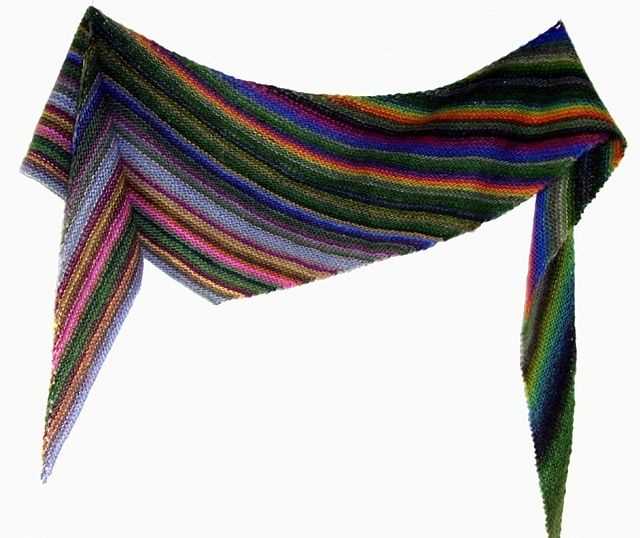
One popular self striping knitting project is the striped scarf. Knitters can create a vibrant and eye-catching scarf by simply knitting with self striping yarn. The color changes are automatically created by the yarn itself, resulting in a visually appealing finished product. Striped scarves are a great way to add a pop of color to any outfit and are perfect for both men and women.
Self Striping Socks
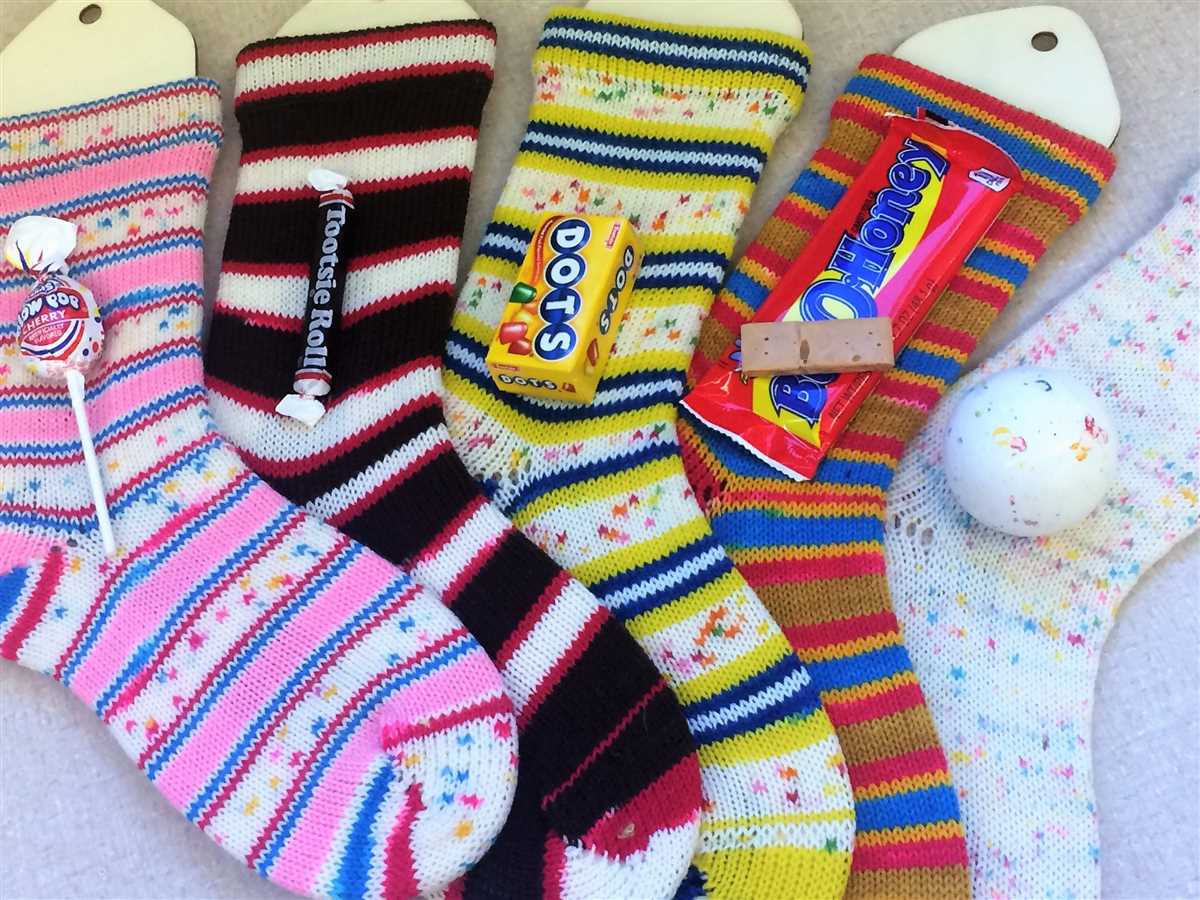
Another popular project using self striping yarn is knitting socks. Self striping yarn can create stunning and unique patterns on socks, adding a touch of personality to this wardrobe staple. Knitters can experiment with different stitch patterns to complement the striping effect, creating truly one-of-a-kind socks. Self striping socks are not only fun to knit, but they also make great gifts for loved ones.
Striped Baby Blankets
Self striping yarn is also commonly used to knit baby blankets. The vibrant and playful colors created by the self striping yarn make for adorable and visually stimulating blankets for little ones. Knitters can choose from a variety of self striping yarns in different color combinations and create beautiful striped patterns that are both functional and stylish. Striped baby blankets are great for adding a pop of color to a nursery and can be cherished for years to come.
Overall, self striping knitting projects offer a fun and easy way to create beautiful color patterns without the hassle of changing yarn colors. From scarves to socks to baby blankets, the possibilities are endless when it comes to self striping knitting projects. So grab your self striping yarn and needles and get ready to create some stunning and unique pieces!
How to Read Self Striping Knitting Patterns
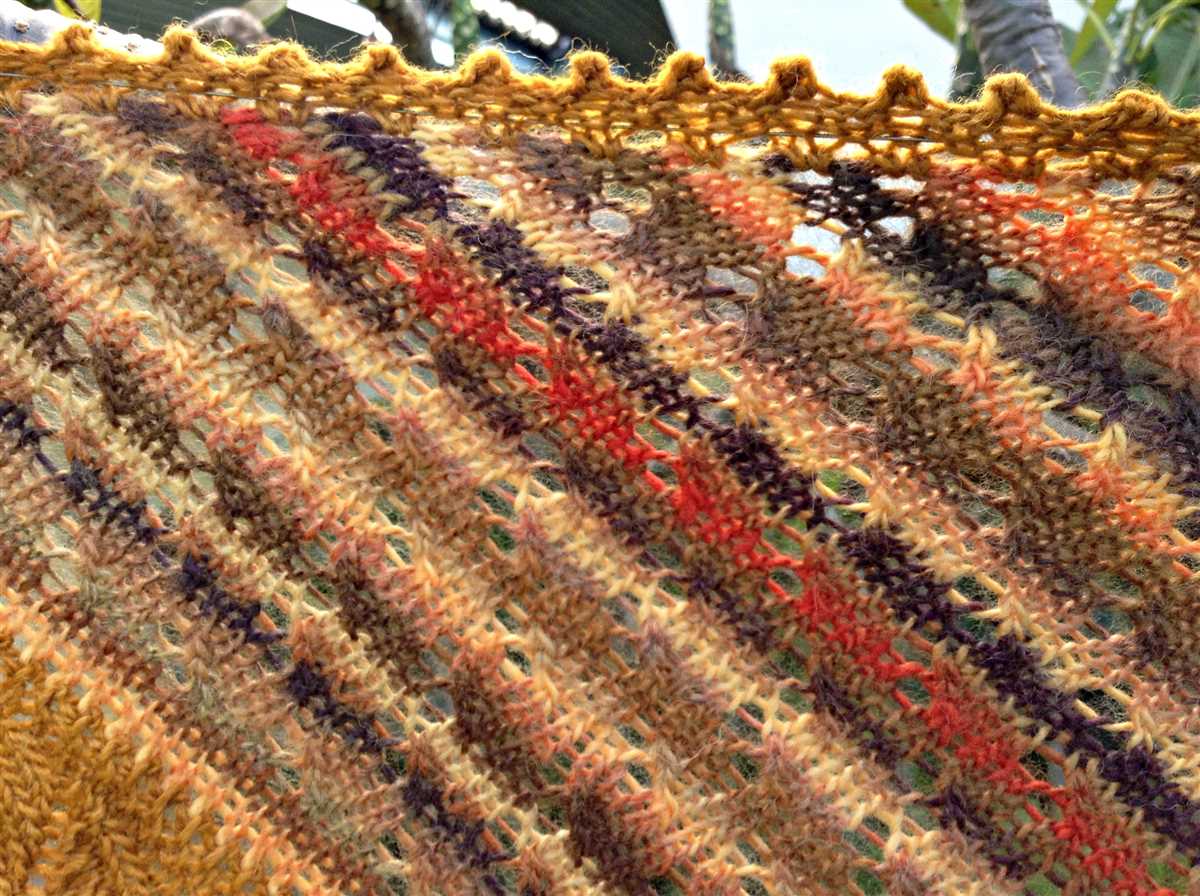
Self striping yarn is a popular choice among knitters as it creates colorful stripes without the need to change yarns. When working with self striping yarn, it is important to understand how to read the pattern to achieve the desired results. Here are some key tips for reading self striping knitting patterns:
1. Understand the pattern repeat:

Self striping yarns typically have a pattern repeat, which means the color changes will occur in a specific sequence. Look for instructions in the pattern that indicate the length of the color repeat, such as “4-row repeat” or “10-stitch repeat”. Understanding this repeat will help you keep track of which color should be used at each point in the pattern.
2. Pay attention to stitch counts:
The pattern may specify certain stitch counts to align with the color changes in the yarn. For example, it may instruct you to knit a certain number of stitches in one color, then switch to the next color. Make sure to follow these stitch counts to maintain the desired stripe effect.
3. Take note of color names or numbers:
Some self striping yarns have specific color names or numbers associated with each stripe. The pattern may reference these color names or numbers in the instructions to indicate which color should be used at each point. Keep track of these color references to ensure consistency throughout your project.
4. Consider swatching:
Before starting your project, it can be helpful to create a swatch using the self striping yarn to see how the colors will interact and how the pattern repeat will appear. This will give you a better understanding of the overall effect and help you make any necessary adjustments before beginning the actual project.
By following these tips, you’ll be able to confidently read and understand self striping knitting patterns, allowing you to create stunning projects with vibrant and consistent stripes.
Color Placement Techniques for Self Striping Patterns
Self striping yarn is a popular choice for knitters who want to create vibrant and eye-catching designs without the hassle of changing colors. However, deciding where to place each color can be a challenge. Fortunately, there are several color placement techniques that can help you make the most of your self striping yarn.
1. Simple Stripe: The simplest color placement technique is to knit each stripe in the same color throughout the entire project. This creates a classic and uniform look that allows the self striping yarn to shine.
2. Alternating Stripes: Another popular technique is to alternate two or more colors for each stripe. This creates a more dynamic and visually interesting pattern, with each color playing off the next.
3. Gradient Effect: To create a gradient effect, start with one color and gradually transition to another color by knitting stripes that gradually increase or decrease in width. This technique can create a beautiful and subtle color transition.
4. Color Blocking: For a bold and modern look, consider using your self striping yarn to create color blocks. This can be achieved by knitting sections of the project in one color and then switching to another color for the next section.
5. Intarsia: If you’re feeling adventurous, you can incorporate intarsia techniques into your self striping pattern. This involves knitting separate blocks of color and joining them together as you go. This technique allows for more intricate and detailed designs.
6. Chevron or Zigzag: To add some movement and excitement to your self striping pattern, try knitting chevron or zigzag stripes. By increasing and decreasing stitches at specific points, you can create a visually appealing pattern that showcases the colors in your self striping yarn.
These are just a few of the many color placement techniques you can use when working with self striping yarn. The key is to experiment and have fun with your design, allowing the unique colors and patterns of the yarn to inspire you.
Creating Seamless Transitions in Self Striping Projects

1. Matching the Gauge
One of the key factors in achieving seamless transitions is matching the gauge of your self striping yarn. This means using the same needle size and tension as recommended on the yarn label. If your gauge is too loose or too tight, it can disrupt the color sequence and result in uneven striping. Take the time to swatch and adjust your needle size until you achieve the desired gauge.
2. Carrying the Yarn
When knitting with self striping yarn, it’s important to carry the yarn up the side of your work when switching colors. This allows for continuous color changes without having to cut and attach new yarn for each stripe. To carry the yarn, simply twist it around the working yarn on the wrong side of your work, making sure to keep the tension consistent. This technique helps to maintain an even color flow and eliminates any visible joins or knots in your project.
3. Planning your Project
Before starting a self striping project, it’s helpful to plan the placement of each color stripe. This can be especially important if you have a limited amount of yarn or want to achieve a specific color pattern. Take the time to lay out your yarn and visualize how the colors will transition. You can even create a chart or diagram to keep track of the color sequence. Planning ahead ensures that you can make any necessary adjustments and achieve the desired color flow in your project.
4. Jogless Join Technique
One common challenge in self striping projects is the jog or step that can occur when transitioning from one round or row to the next. This can disrupt the color sequence and result in a noticeable shift in the stripes. To minimize this jog, you can use a technique called the jogless join. This involves working the first stitch of each round or row in the new color together with the last stitch of the previous color. This technique creates a smooth and seamless transition, giving your project a polished finish.
Incorporating self striping yarn into your knitting projects can add a beautiful and dynamic element to your designs. By following these tips and techniques, you can achieve flawless color transitions and create stunning projects that showcase the unique qualities of self striping yarn.
Advanced Techniques for Self Striping Knitting
Self striping yarns are a popular choice among knitters who want to create beautiful, colorful projects without having to change yarns or carry multiple balls of yarn. These yarns are dyed in such a way that the colors automatically change as you knit, creating stripes or patterns. While self striping yarn is relatively easy to work with, there are advanced techniques that can take your projects to the next level.
1. Intarsia
Intarsia is a technique used to create geometric shapes or patterns within the stripes of self striping yarn. By using different colors of yarn in specific sections of your project, you can create intricate designs. This technique requires a bit of planning and skill to ensure that the colors don’t bleed into each other, but the results can be stunning.
2. Fade Transitions
Instead of abrupt color changes, you can create smooth fade transitions between colors in your self striping knitting. This technique involves gradually blending one color into another, creating a gradient effect. This can be achieved through the use of lace or stranded colorwork techniques, or by using multiple strands of yarn at once to create a blended effect.
3. Double Knitting
Double knitting is a technique that allows you to create a reversible fabric with two layers using self striping yarn. By knitting with two colors at once and working each stitch twice, you can create a fabric with two distinct sides, each showing a different color sequence. This technique opens up endless possibilities for creating unique self striping patterns.
4. Illusion Knitting
Illusion knitting, also known as shadow knitting or optical knitting, is a technique that creates a hidden pattern in your self striping yarn project. From one angle, the project appears to be simple stripes, but when viewed from a different angle, a hidden design or image is revealed. This technique can add an element of surprise and intrigue to your knitting.
By incorporating these advanced techniques into your self striping knitting projects, you can elevate your work to new levels of complexity and creativity. Whether you choose to experiment with intarsia, fade transitions, double knitting, or illusion knitting, the possibilities for creating unique and visually stunning designs are endless.
Customizing Self Striping Patterns for Your Style
If you love self striping yarn but want to create a unique and personalized project, there are several ways you can customize self striping patterns to match your style. Whether you prefer simple designs or intricate patterns, there are endless possibilities to make your project one-of-a-kind.
1. Choose the Right Yarn: The first step in customizing a self striping pattern is to choose the right yarn. Consider the color palette and striping pattern you want to achieve. Look for self striping yarns with colors and striping sequences that resonate with your personal style. There are a wide variety of options available, from bold and vibrant to subtle and muted.
2. Adjust Striping Width: If you want to create a more unique and personalized look, consider adjusting the width of the stripes in the pattern. You can do this by changing the number of stitches you knit in each color. Experiment with different stripe widths to create different effects. For example, wider stripes can create a bolder and more dramatic look, while narrower stripes can create a more delicate and intricate design.
3. Incorporate Color Changes: Another way to customize self striping patterns is to incorporate additional color changes. You can introduce new colors by knitting in a different yarn or by adding in a contrasting color. This can be done by knitting stripes in solid colors between the self striping sections or by introducing colorwork techniques, such as fair isle or intarsia.
4. Mix and Match Patterns: Don’t be afraid to mix and match different self striping patterns in your project. You can create interesting and unique designs by combining different yarns with complementary striping sequences. Experiment with different combinations to find the perfect blend of colors and patterns that match your style.
5. Add Texture: To further customize your self striping pattern, consider adding texture to your project. You can incorporate different stitch patterns, such as cables, lace, or bobbles, to create visual interest and dimension. Combining texture with self striping yarn can result in a truly unique and eye-catching design.
Conclusion: Customizing self striping patterns allows you to express your personal style and create projects that are truly one-of-a-kind. By choosing the right yarn, adjusting striping width, incorporating color changes, mixing and matching patterns, and adding texture, you can transform a basic self striping pattern into a work of art that reflects your unique taste and creativity.
Styling and Caring for Self Striping Knitted Items
Now that you’ve successfully knitted your own self striping item, it’s time to think about how to style and care for it to ensure it stays in great condition for years to come.
Styling Tips:
- Pair your self striping knitted item with solid colors to let the stripes take center stage.
- Experiment with different textures and patterns to create unique and eye-catching looks.
- Mix and match self striping items with other self striping items for a fun and colorful outfit.
- Accessorize your self striping knitted item with complementary accessories such as hats, scarves, or bags.
Caring for Self Striping Knitted Items:
It’s important to properly care for your self striping knitted items to keep them looking their best:
- Hand wash: Due to the delicate nature of self striping yarn, it’s best to hand wash your knitted items. Use a gentle detergent and lukewarm water, and avoid wringing or twisting the fabric.
- Dry flat: After washing, lay your self striping knitted item flat on a clean towel to dry. This will help maintain its shape and prevent stretching.
- Avoid direct sunlight: Self striping yarn can fade when exposed to direct sunlight for extended periods, so store your knitted items in a cool, dark place to preserve their vibrant colors.
- Store properly: To prevent snagging or damage, fold your self striping knitted item neatly and store it in a drawer or on a shelf. Avoid hanging it, as this can cause stretching and distortion.
By following these styling tips and caring for your self striping knitted items properly, you can enjoy their beautiful colors and patterns for many years to come.
Q&A:
What are self-striping knitting patterns?
Self-striping knitting patterns are patterns that use yarns that are dyed in a way that creates stripes automatically as you knit. The yarn is dyed in a repeating pattern of colors, and as you knit, the stripes will form on their own.
How do self-striping knitting patterns work?
Self-striping knitting patterns work by using yarns that are dyed in a way that creates stripes. The yarn is dyed in a repeating pattern of colors, and as you knit, the colors of the yarn will change, creating stripes in your knitting. You don’t have to do any extra work to create the stripes; it happens automatically as you follow the pattern.
Can you use self-striping yarn for any knitting pattern?
Yes, you can use self-striping yarn for most knitting patterns. However, it’s important to keep in mind that the stripes created by the yarn may not be evenly distributed throughout the pattern. Some patterns, like socks or scarves, are particularly well-suited for self-striping yarn, as they create long, uninterrupted stripes. Other patterns, like sweaters or hats, may have more complex shaping that can affect how the stripes appear.
Are there any specific techniques or stitches that work best with self-striping yarn?
There are no specific techniques or stitches that are required when working with self-striping yarn. However, it’s important to consider the type of stitch pattern you’ll be using and how it will interact with the striping effect of the yarn. Simple stitch patterns that create a clean, smooth fabric, such as stockinette stitch or garter stitch, tend to show off the striping effect of the yarn well. Complicated stitch patterns with lots of texture or cables may obscure the striping effect.
Where can I find self-striping knitting patterns?
You can find self-striping knitting patterns in various places. Many knitting pattern books and magazines include patterns specifically designed for self-striping yarn. You can also find a wide selection of patterns available for free or for purchase online on knitting websites and platforms. Additionally, many yarn manufacturers or retailers offer knitting patterns that are specifically designed for use with their self-striping yarns.