
Knitting is a popular hobby that allows people to create beautiful and unique knitwear. Whether you’re a beginner or an experienced knitter, having a blank knitting pattern grid can be incredibly helpful.
A knitting pattern grid is a visual tool that helps knitters keep track of their stitches and patterns. By using a grid, you can easily see the shape and structure of your project, making it easier to follow the pattern and make any necessary adjustments.
With a blank knitting pattern grid, you have the ability to design your own patterns or modify existing ones. This allows you to express your creativity and make garments that are truly one-of-a-kind. Whether you’re designing a simple scarf or a complex sweater, a blank knitting pattern grid is an essential tool.
By using a blank knitting pattern grid, you can also experiment with different stitch patterns and color combinations. This allows you to create unique designs and explore new techniques. Whether you’re a seasoned knitter or just starting out, a blank knitting pattern grid is a must-have tool for any knitting enthusiast.
What is a Blank Knitting Pattern Grid?
A blank knitting pattern grid is a tool used by knitters to create their own unique designs. It consists of a grid made up of rows and columns, similar to a graph paper. Each square in the grid represents a stitch, and knitters can use this grid to plan their knitting projects and create stitch patterns.
The blank knitting pattern grid can be printed or drawn by hand, and it provides a visual representation of the final product. Knitters can use different symbols or colors to indicate different types of stitches or knitting techniques. This grid allows them to experiment with different stitch combinations, colorwork, and pattern repeats, helping them to create intricate and personalized designs.
Key features of a blank knitting pattern grid include:
- A grid structure with rows and columns
- Squares representing individual stitches
- Ability to use symbols or colors to indicate different stitch types
- Option to add notes or instructions for each section of the pattern
Using a blank knitting pattern grid can be especially helpful for advanced knitters who want to design their own patterns or modify existing ones. It allows them to visually plan out their projects, calculate stitch counts, and easily make adjustments as needed. Beginners can also benefit from using a blank knitting pattern grid to practice different stitch patterns and improve their knitting skills.
In conclusion, a blank knitting pattern grid is an essential tool for knitters who want to create unique and personalized designs. It provides a visual representation of the final product, helps organize stitch patterns, and allows for experimentation and creativity in knitting projects.
How to Create Your Own Blank Knitting Pattern Grid

Creating a blank knitting pattern grid can be a useful tool for both experienced and beginner knitters. Having a grid allows you to plan out your design and visualize how your stitches will come together to create the final project. With a few simple steps, you can create your own blank knitting pattern grid that is tailored to your specific project.
Step 1: Determine the Size of your Grid

The first step in creating a blank knitting pattern grid is to determine the size of your grid. Consider the size of the project you are working on and how many stitches and rows it will require. If you are unsure, you can start with a standard size grid and adjust as needed. A common size for a knitting pattern grid is 10 stitches wide by 10 rows tall.
Step 2: Create a Table in HTML
Once you have determined the size of your grid, you can create a table in HTML to represent the grid. Start by opening an HTML document and adding the necessary tags. Use the “table” tag to create the table, and the “tr” and “td” tags to create rows and cells within the table. Use the “border” attribute to add borders to the cells, making them easier to distinguish.
Step 3: Label the Rows and Columns
To make your blank knitting pattern grid easier to read and understand, label the rows and columns. Use the “th” tag to create a heading cell for the rows and columns. You can use numbers to label the rows and letters to label the columns, or you can use any other system that works for you.
Step 4: Print or Save your Grid

Once you have created your blank knitting pattern grid, you can choose to print it out or save it as a digital file. Printing the grid allows you to have a physical copy that you can write on and take with you wherever you go. Saving it as a digital file allows you to easily edit and adjust the grid as needed.
Creating your own blank knitting pattern grid is a simple and effective way to plan out your knitting projects. By following these steps, you can customize your grid to suit your specific needs and ensure that your stitches come together to create beautiful, well-designed pieces.
Using a Blank Knitting Pattern Grid for Designing Your Projects

Designing your own knitting patterns can be a rewarding and creative way to express your personal style. One tool that can be extremely helpful in this process is a blank knitting pattern grid. This grid provides a visual representation of your project, allowing you to plan and experiment with different stitch patterns and designs.
Planning Your Design: Before starting your knitting project, it’s important to have a clear vision of what you want to create. Using a blank knitting pattern grid can help you map out your design and visualize how it will look once it’s knitted. You can use the grid to draw out your stitch pattern, colorwork, or any other design elements you want to incorporate into your project. This will help you identify any potential issues and make adjustments before you start knitting.
Experimenting with Stitch Patterns: One of the benefits of using a blank knitting pattern grid is that it allows you to experiment with different stitch patterns and textures. By filling in the grid with different stitches, you can see how they interact and create your desired effect. You can try out different combinations of knit, purl, cables, and lace stitches to bring your design to life. This process also helps you understand how certain stitch patterns impact the size and shape of your project, allowing you to make any necessary modifications before you begin knitting.
Keeping Track of Your Progress: As you work on your knitting project, using a blank knitting pattern grid can help you keep track of your progress and stay organized. You can use the grid to mark off each row or round as you complete it, ensuring that you don’t lose your place in the pattern. This can be especially useful for complex stitch patterns or projects with multiple sections. Additionally, having a visual representation of your design can serve as a reference point and help you stay focused on your overall vision as you knit each stitch.
In conclusion, a blank knitting pattern grid is a valuable tool for designing your own knitting projects. It allows you to plan your design, experiment with stitch patterns, and stay organized throughout your project. Whether you’re a beginner or an experienced knitter, using a grid can enhance your creativity and help you bring your unique ideas to life.
Benefits of Using a Blank Knitting Pattern Grid
Knitting is a versatile craft that allows individuals to create unique and personalized pieces. Whether you are a beginner or an experienced knitter, using a blank knitting pattern grid can provide various benefits and enhance the creative process.
1. Organization: A blank knitting pattern grid helps you stay organized by providing a clear and structured layout for your knitting project. It allows you to easily plan and visualize your design, ensuring that you have all the necessary details before starting. By using the grid, you can avoid confusion and keep your stitches in check.
2. Design customization: With a blank knitting pattern grid, you have complete freedom to create your own designs. Whether you want to experiment with different stitch patterns, color combinations, or garment shapes, the grid allows you to sketch and plan out your ideas before committing them to yarn. This way, you can easily make adjustments and modifications to your design as you go along.
3. Accuracy and precision: The grid provides a precise and accurate framework for your knitting project. It helps you keep track of stitch counts, pattern repeats, and shaping details, ensuring that your finished piece turns out exactly as planned. Using the grid as a reference point can also improve your knitting technique and help you maintain consistent tension throughout your work.
4. Documentation and sharing: A blank knitting pattern grid serves as a useful tool for documenting your designs and sharing them with others. You can use the grid to record your patterns, stitch instructions, and notes, making it easier to recreate your projects in the future. Additionally, sharing your grid-based patterns with fellow knitters allows for collaboration, inspiration, and learning from one another.
In conclusion, using a blank knitting pattern grid has numerous benefits for knitters of all skill levels. From staying organized to customizing designs, achieving accuracy, and facilitating documentation and sharing, the grid is an invaluable tool for enhancing the knitting experience and bringing your creative ideas to life.
Tips for Using a Blank Knitting Pattern Grid effectively

One of the most useful tools for knitters is a blank knitting pattern grid. This simple grid allows you to create your own knitting patterns and designs. However, using a blank knitting pattern grid effectively can be a bit challenging if you’re new to it. Here are a few tips to help you make the most of this tool:
- Plan your design: Before you start filling in the grid, take some time to plan your design. Think about the stitch patterns you want to use, the size and shape of your project, and any colorwork or cables you want to incorporate.
- Start with a smaller project: If you’re new to using a blank knitting pattern grid, it can be helpful to start with a smaller project. This will allow you to practice using the grid and get a feel for how your design will translate into a finished piece.
- Use symbols: Instead of trying to draw out each stitch on the grid, use symbols to represent different stitch patterns. This will make it easier to visualize your design and make any necessary adjustments.
- Keep track of your rows and stitches: As you fill in the grid, it’s important to keep track of your rows and stitches. This will help you stay organized and ensure that you’re following your pattern correctly.
- Experiment and make adjustments: Don’t be afraid to experiment with different stitch patterns, colors, and designs on your blank knitting pattern grid. This tool allows you to play around and make adjustments as needed until you’re happy with your final design.
Using a blank knitting pattern grid can be a fun and creative way to design your own knitwear. By following these tips, you’ll be able to use this tool effectively and bring your knitting ideas to life.
How to Read a Blank Knitting Pattern Grid
If you are new to knitting, understanding how to read a blank knitting pattern grid can be a bit overwhelming at first. However, with a little bit of practice, you will soon be able to decode these patterns and create beautiful knitting projects. In this guide, we will walk you through the process of reading a blank knitting pattern grid, step by step.
Step 1: Understand the Symbols

The first thing you need to do when reading a blank knitting pattern grid is to familiarize yourself with the symbols that are used. The symbols represent different knitting stitches and techniques. Some common symbols you might encounter include:
- K: Knit stitch
- P: Purl stitch
- YO: Yarn over
- SSK: Slip, slip, knit
- K2tog: Knit two stitches together
Step 2: Read the Rows
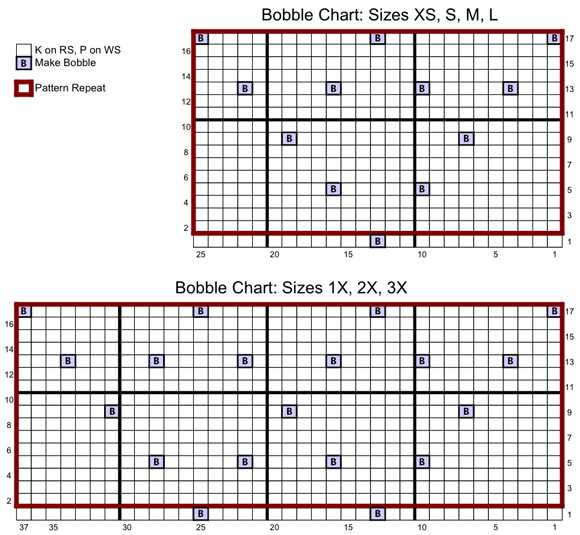
Once you are familiar with the symbols, you can start reading the rows of the knitting pattern grid. Each row represents a specific row of your knitting project. The numbers on the left side of the grid indicate the row numbers, while the symbols in each cell represent the stitches you need to make.
For example, if you see a “K2, P2” symbol in a cell, it means you need to knit two stitches, then purl two stitches, and repeat this pattern until the end of the row. If you see a blank cell, it usually means you need to continue with the same stitch pattern as the previous row.
Step 3: Follow the Key

In addition to the knitting pattern grid, there is usually a key or legend provided that explains the symbols used in the pattern. Make sure to refer to the key to double-check the meaning of each symbol, especially if you come across a symbol that you are not familiar with.
By following these steps and practicing reading blank knitting pattern grids, you will become more comfortable with deciphering knitting patterns and be able to tackle more complex projects with confidence.
Common Mistakes to Avoid When Using a Blank Knitting Pattern Grid
When using a blank knitting pattern grid, it is important to avoid certain common mistakes to ensure the success of your knitting project. By being aware of these pitfalls, you can save yourself time and frustration in the long run.
1. Not using the grid to plan the design:
One common mistake is to assume that you can simply start knitting without utilizing the grid to plan your design. The grid is an essential tool that allows you to visualize your pattern and make adjustments as needed. Failing to use the grid properly can result in an uneven or misshapen finished product.
2. Ignoring stitch and row counts:
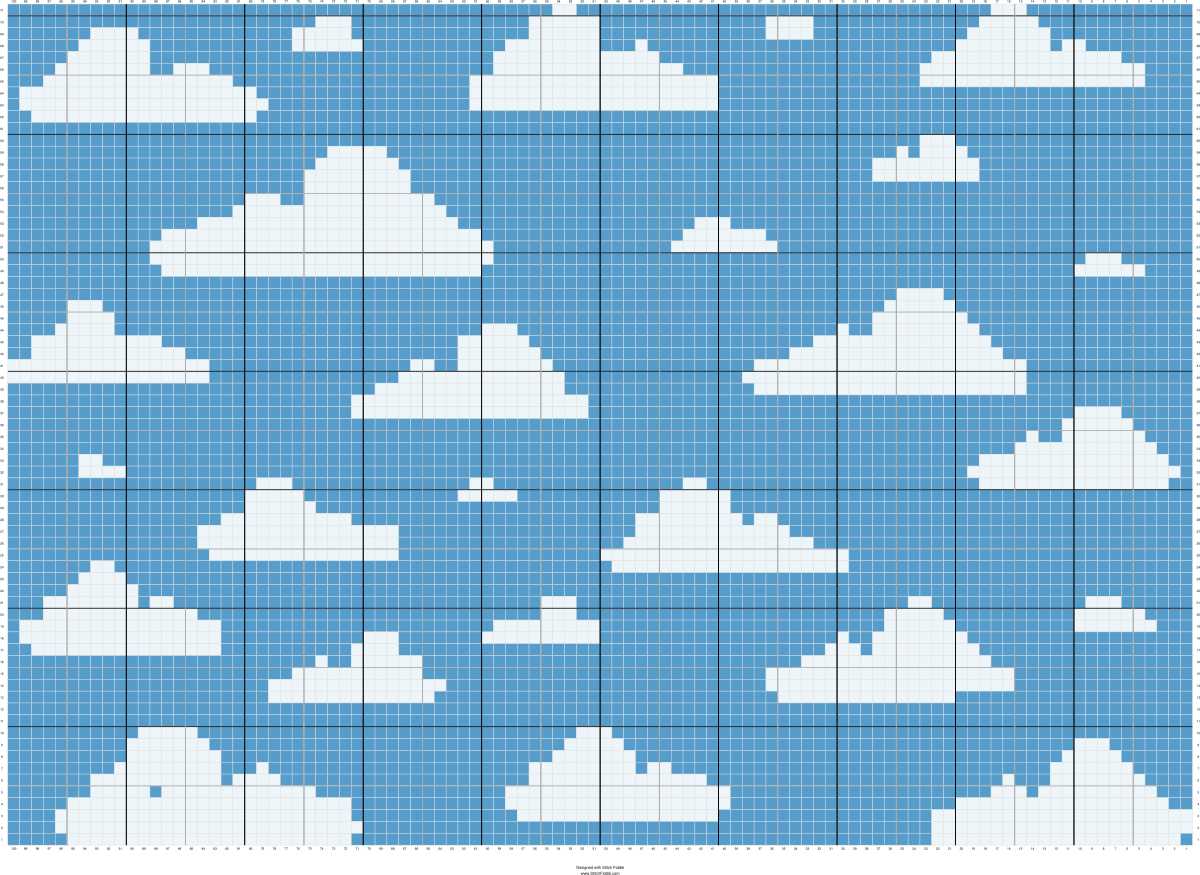
Another mistake is to ignore the stitch and row counts indicated on the grid. These counts are crucial for maintaining the correct sizing and proportions of your knitted piece. Failing to follow these counts can lead to a garment that is either too large or too small.
3. Not labeling the grid:
It is important to label each section of the grid to keep track of the different elements of your pattern. Without labels, it can be easy to lose track and make mistakes. By clearly labeling each section, you can ensure that you are following the pattern correctly and avoid any confusion.
4. Skipping the gauge swatch:
Avoid the mistake of skipping the gauge swatch before starting your project. The gauge swatch helps you determine the correct tension for your knitting and ensures that your finished item will have the desired measurements. Failing to do a gauge swatch can result in a finished piece that is too large or too small.
5. Not checking for errors:
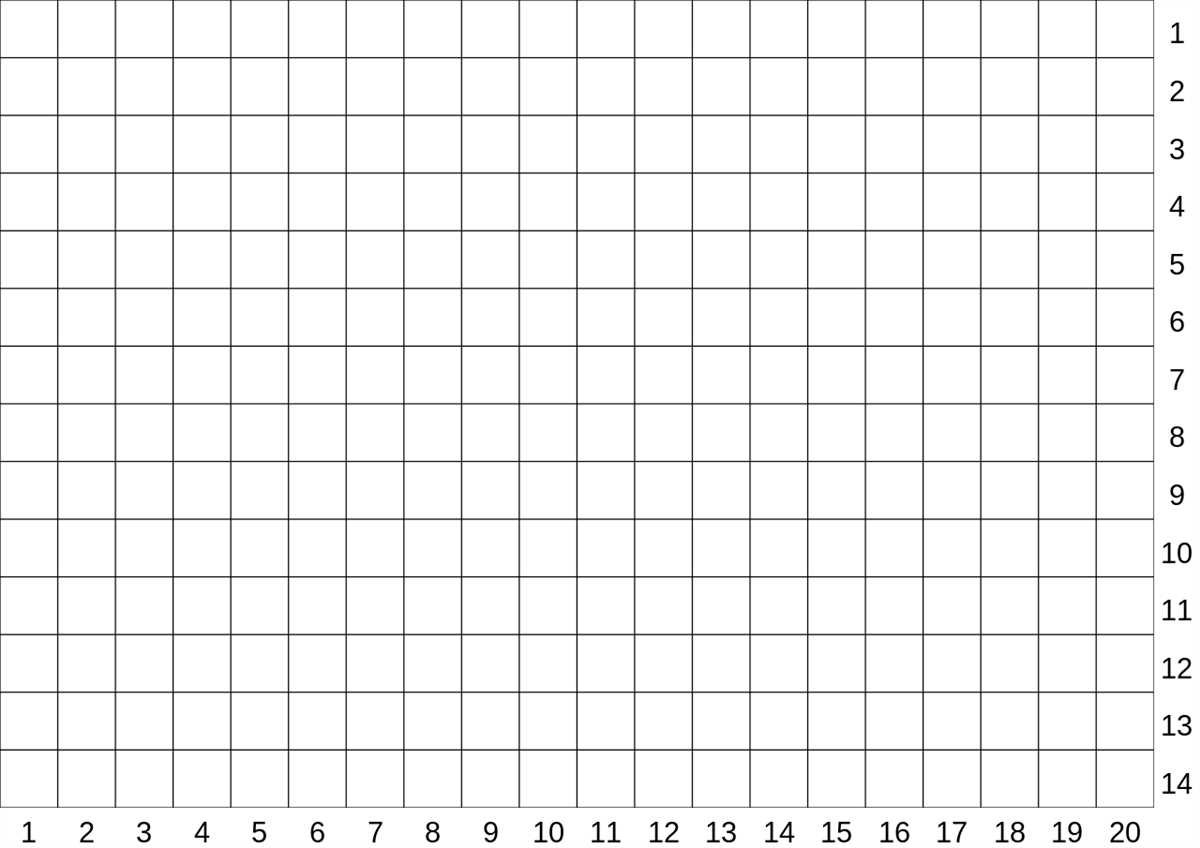
Lastly, it is essential to regularly check for errors in your knitting pattern grid. Mistakes can easily occur when transferring the pattern onto the grid, such as skipping stitches or rows. By checking for errors as you go, you can catch any issues early on and avoid having to undo or redo large sections of your work.
Examples of Blank Knitting Pattern Grids for Different Projects
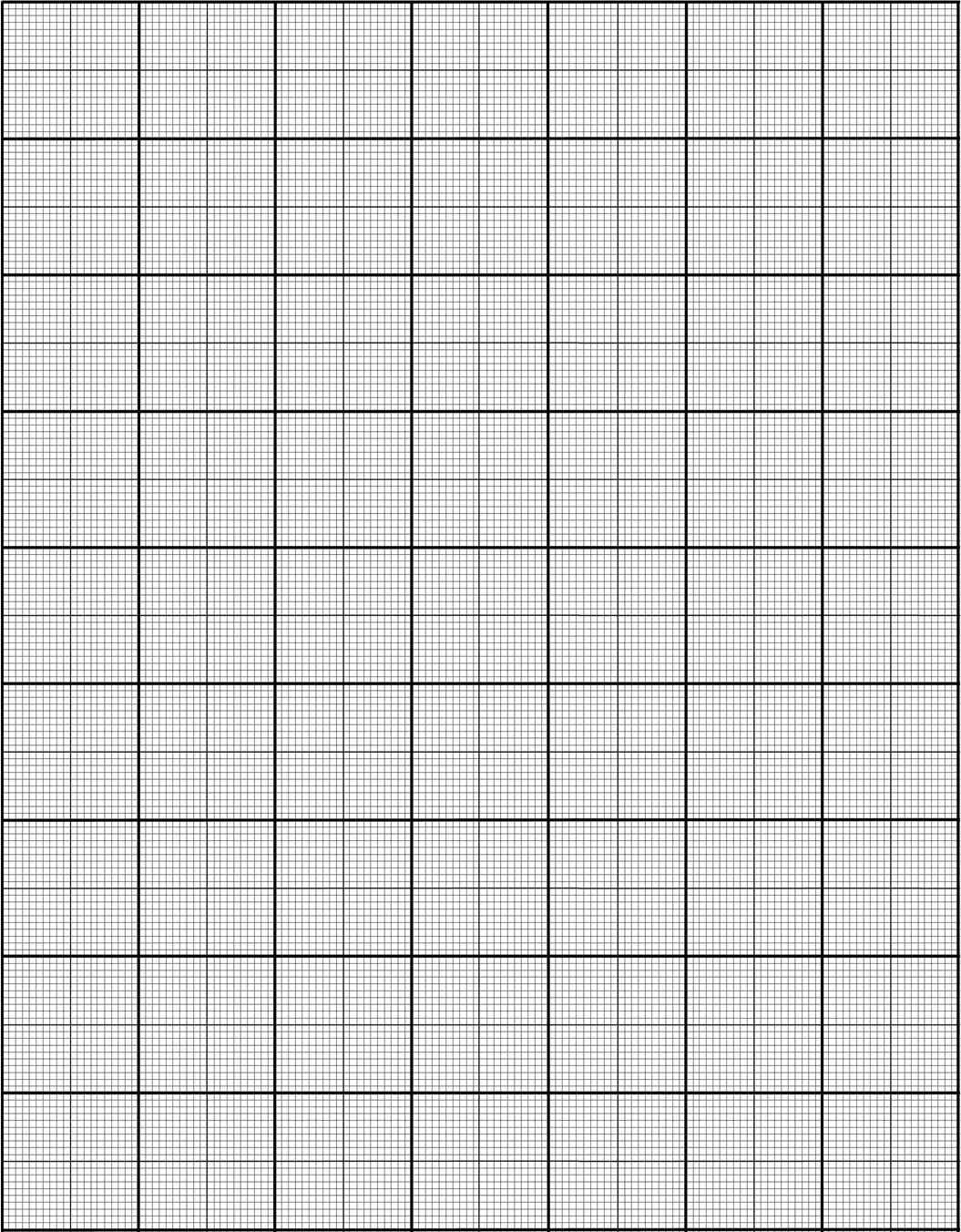
When it comes to knitting, having a blank pattern grid can be incredibly helpful. It allows you to plan and visualize your projects before you even begin. Whether you’re knitting a sweater, a hat, or a blanket, having a blank grid can make the process much easier.
A blank knitting pattern grid typically consists of squares arranged in rows and columns. Each square represents a stitch or a group of stitches. By filling in the squares with different symbols or colors, you can create your own unique knitting patterns. The grid helps you keep track of your stitches and ensures that your pattern is consistent throughout your project.
For a simple project like a scarf or a dishcloth, a basic blank knitting pattern grid with just a few rows and columns may be sufficient. This allows you to easily create a repeating pattern or experiment with different stitch combinations. You can use symbols or colors to represent different types of stitches, such as knits and purls, or to indicate pattern repeats.
For more complex projects like sweaters or blankets, a larger blank knitting pattern grid may be necessary. This allows you to plan out the entire project, including shaping and color changes. You can use the grid to map out the different sections of the garment or blanket and keep track of stitch counts. This ensures that your finished project fits properly and looks exactly how you envision it.
Overall, having a blank knitting pattern grid is a valuable tool for any knitter. It allows you to be creative and experiment with different stitch patterns, while also helping you stay organized and keep track of your progress. Whether you’re a beginner or an experienced knitter, using a blank grid can make your knitting projects more enjoyable and successful.
Where to Find Free Blank Knitting Pattern Grids
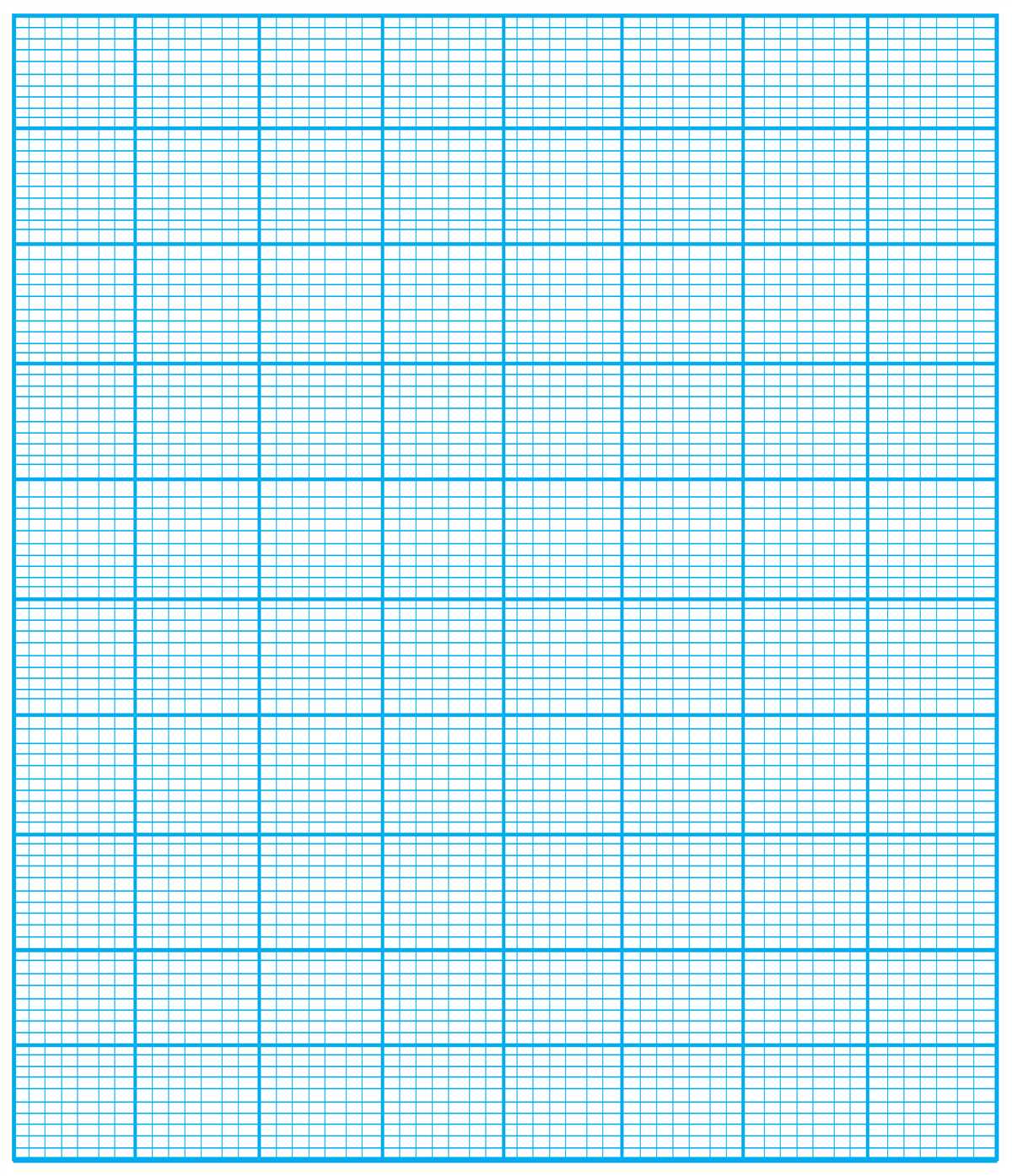
If you’re a knitting enthusiast or a designer looking for a blank knitting pattern grid to sketch out your next creation, there are several places online where you can find them for free. These grids are helpful tools that allow you to visualize and plan your knitting projects, making it easier to keep track of stitches, rows, and patterns.
1. Knitting Websites: Many knitting websites offer free resources, including blank knitting pattern grids. Websites like Ravelry, Knitting Pattern Central, and LoveKnitting have sections dedicated to printable knitting resources, where you can find a variety of blank knitting pattern grids to download and print.
2. Craft Blogs and Forums: Craft bloggers and knitting enthusiasts often share their own customized knitting pattern grids on their blogs or in knitting forums. These grids may be available for free, or they may require a small fee or a sign-up to access. Searching for “blank knitting pattern grids” or “free knitting resources” in your favorite search engine can lead you to blogs and forums where you can find and download these grids.
3. Knitting Apps: If you prefer digital resources, there are knitting apps available that provide blank knitting pattern grids for you to use. Apps like KnitEvenly, Knit Companion, and Knit Chart all offer blank grids that you can fill in with your own designs and patterns.
4. Online Templates: Another option is to search for online templates that allow you to customize and create your own blank knitting pattern grids. Websites like Canva and Adobe Spark have design templates for various purposes, and you can easily modify them to create your personalized knitting grid.
5. Online Communities: Joining online knitting communities, such as knitting groups on social media platforms or forums, can also be a great way to find free blank knitting pattern grids. Members often share resources, including grids and templates, that they have found or created themselves.
With these resources, you’ll have no trouble finding free blank knitting pattern grids that suit your needs. Whether you prefer printable grids or digital options, there are plenty of choices available to help you bring your knitting ideas to life.
How to Customize a Blank Knitting Pattern Grid
Knitting patterns are a great way to create unique and personalized projects. To make your own custom knitting pattern, you can start with a blank knitting pattern grid. This grid allows you to map out and visualize your design before you start knitting.
Here are the steps to customize a blank knitting pattern grid:
1. Determine your project dimensions

Before you start designing your pattern, decide on the size of your project. Is it going to be a scarf, a sweater, or a hat? Measure the dimensions you want your finished project to be, such as length and width.
2. Create the grid
Using a blank knitting pattern grid, draw vertical and horizontal lines to create a grid that matches the dimensions of your project. Each square in the grid represents one stitch or one row of knitting. Make sure to label the rows and columns with numbers for easy reference.
3. Plan your design
With the grid in place, you can now start planning your design. Consider the type of stitch or pattern you want to use, and decide where you want to place it on the grid. Use different symbols or colors to represent different stitches or patterns. This will help you visualize how your finished project will look.
4. Fill in the grid
Using the symbols or colors you’ve chosen, fill in the grid to represent your design. Each square in the grid corresponds to one stitch or one row of knitting. Take your time and double-check your work to ensure accuracy.
5. Start knitting
Once you have customized your blank knitting pattern grid, you can start knitting according to your design. Follow the symbols or colors on the grid as a guide, and knit each stitch or row accordingly. As you progress, refer back to the grid to make sure you’re staying on track.
By customizing a blank knitting pattern grid, you can create unique and personalized knitting projects. Whether you’re a beginner or an experienced knitter, this process allows you to visualize and plan your design before starting your project. Happy knitting!
Using a Blank Knitting Pattern Grid for Colorwork Projects
When working on colorwork knitting projects, utilizing a blank knitting pattern grid can be incredibly helpful. This tool allows knitters to plan and visualize their colorwork designs before starting the actual project. By using a grid, knitters can easily map out different colored stitches and create intricate patterns with precision.
One of the main advantages of using a blank knitting pattern grid is that it helps knitters experiment with different color combinations. They can easily fill in the grid squares with different colors to see how they will look in the final project. This allows for a greater level of creativity and helps in making informed decisions about the color placement.
Knitting pattern grids also aid in organizing and keeping track of stitches. By using the grid, knitters can easily count stitches and rows, ensuring that the colorwork design is accurate and symmetrical. The grid acts as a visual guide, preventing any mistakes or inconsistencies in the pattern.
Another benefit of using a blank knitting pattern grid is that it allows for easy modification and customization of existing patterns. Knitters can overlay the grid on a pre-designed pattern and then fill in the desired colors to create a unique variation. This enables knitters to put their own personal touch on a pattern and make it truly one-of-a-kind.
In conclusion, a blank knitting pattern grid is an indispensable tool for colorwork projects. It helps in visualizing and planning designs, experimenting with color combinations, organizing stitches, and allowing for customization of patterns. With the help of a knitting pattern grid, knitters can unleash their creativity and create beautiful and intricate colorwork projects.
Final Thoughts on Blank Knitting Pattern Grids
Blank knitting pattern grids are an invaluable tool for knitters of all skill levels. They provide a structured framework for designing and charting out knitting patterns, allowing for greater creativity and precision in the knitting process.
Whether you’re a beginner looking to experiment with new stitch patterns or an experienced knitter designing your own intricate designs, a blank knitting pattern grid can be a helpful resource. By using the grid to sketch out your ideas and plan your stitches, you can easily visualize how your pattern will look when knitted up, saving you time and frustration in the long run.
Benefits of using a blank knitting pattern grid:
- Ability to accurately chart out complex stitch patterns
- Easier tracking of stitch repeats and pattern elements
- Clear visualization of pattern layout and structure
- Improved efficiency in pattern design and execution
- Enhanced ability to modify and adapt existing patterns
When using a blank knitting pattern grid, it’s important to keep in mind that each square represents one stitch, and each row represents one row of knitting. This allows you to easily translate your design from the grid to your actual knitting. It’s also helpful to make notes and labels directly on the grid, indicating stitch types, pattern repeats, and any other important details.
Overall, blank knitting pattern grids are an essential tool for any knitter who wants to take their craft to the next level. By providing a visual and structured framework for designing and charting out knitting patterns, these grids empower knitters to unleash their creativity and create truly unique and beautiful projects. So grab a grid, some knitting needles, and get ready to bring your knitting ideas to life!