
If you are a knitting enthusiast and love to create beautiful and functional items, then you are in luck! Knitting gloves is a great project that not only allows you to showcase your skills but also provides you with lovely accessories to keep your hands warm during those chilly winter months. Whether you prefer fingerless gloves or full-fingered ones, there are plenty of free knitting patterns available online to suit your style and skill level.
One of the great things about knitting gloves is that you can customize them to fit your personal style and needs. Fingerless gloves are perfect for those who need their fingers free for typing or using their phones, while full-fingered gloves provide maximum warmth and protection. With the wide variety of free knitting patterns available, you can easily find a design that matches your preferences and skill level.
Knitting gloves can be a challenging project, especially for beginners. However, with the right pattern and a little practice, you can create beautiful and cozy gloves that you will be proud to wear or give as thoughtful gifts. Whether you prefer using double-pointed needles or circular needles, there are patterns available for both methods. So grab your favorite yarn and needles, and get ready to cast on for your next knitting adventure!
The Benefits of Knitting Your Own Gloves
Knitting your own gloves can be a rewarding and enjoyable experience. Not only does it allow you to create unique and personalized pieces, but it also offers a range of benefits. Here are some of the advantages of knitting your own gloves:
- Customization: Knitting your own gloves gives you the opportunity to customize them to fit your hand perfectly. You can adjust the size, length, and even add extra features like ribbing or patterns to make them truly unique.
- Quality: When you knit your own gloves, you have control over the materials used and the craftsmanship. This means you can choose high-quality yarns that are soft, warm, and durable, ensuring that your gloves will be comfortable and long-lasting.
- Cost-effective: While knitting your own gloves may require an initial investment in yarn and knitting needles, it can save you money in the long run. Instead of buying expensive store-bought gloves, you can make several pairs for a fraction of the cost.
- Therapeutic: Knitting has been proven to have therapeutic benefits. It can help reduce stress, improve focus, and increase mindfulness. Knitting your own gloves allows you to reap these benefits while also creating a practical and useful item.
- Sustainable: By knitting your own gloves, you can reduce your carbon footprint and contribute to a more sustainable fashion industry. You can choose eco-friendly yarns and avoid supporting fast fashion trends, leading to less waste and a more environmentally conscious approach.
- Gift-giving: Hand-knitted gloves make thoughtful and heartfelt gifts. By knitting your own gloves, you can create personalized presents for friends and family, showing them how much you care by putting time, effort, and love into each stitch.
Overall, knitting your own gloves allows you to express your creativity, enjoy a calming hobby, and produce high-quality items that fit your exact needs. So why not give it a try and experience the many benefits of knitting your own gloves?
How to Choose the Right Yarn for Glove Knitting
When it comes to glove knitting, choosing the right yarn is essential for a successful and comfortable finished product. The yarn you select will affect the fit, warmth, and durability of your gloves, so it’s important to consider a few key factors before making your choice.
Fiber Type: The type of fiber used in the yarn will greatly impact the characteristics of your gloves. For example, wool yarn is known for its warmth, breathability, and moisture-wicking properties, making it an excellent choice for cold weather gloves. Cotton yarn, on the other hand, is lightweight and breathable, making it suitable for lighter weight gloves or gloves worn in warmer climates. Other popular fiber options for gloves include acrylic, alpaca, and cashmere, each with their own unique qualities.
Yarn Weight: The weight of the yarn, often indicated by a number on the yarn label, will determine the thickness and density of your gloves. Thicker yarns, such as bulky or chunky weight, will create warmer and more substantial gloves, while thinner yarns, like fingering or sport weight, will result in lightweight and dexterous gloves. Consider the intended use of your gloves and the desired level of warmth when selecting the yarn weight.
In addition to fiber type and yarn weight, other factors to consider when choosing yarn for glove knitting include color, texture, and care instructions. It’s also important to keep in mind any specific yarn requirements or recommendations listed in the glove knitting pattern you plan to follow. By taking the time to carefully select the right yarn, you’ll be on your way to creating a pair of gloves that are not only beautiful but also functional and comfortable.
Essential Tools and Materials for Glove Knitting
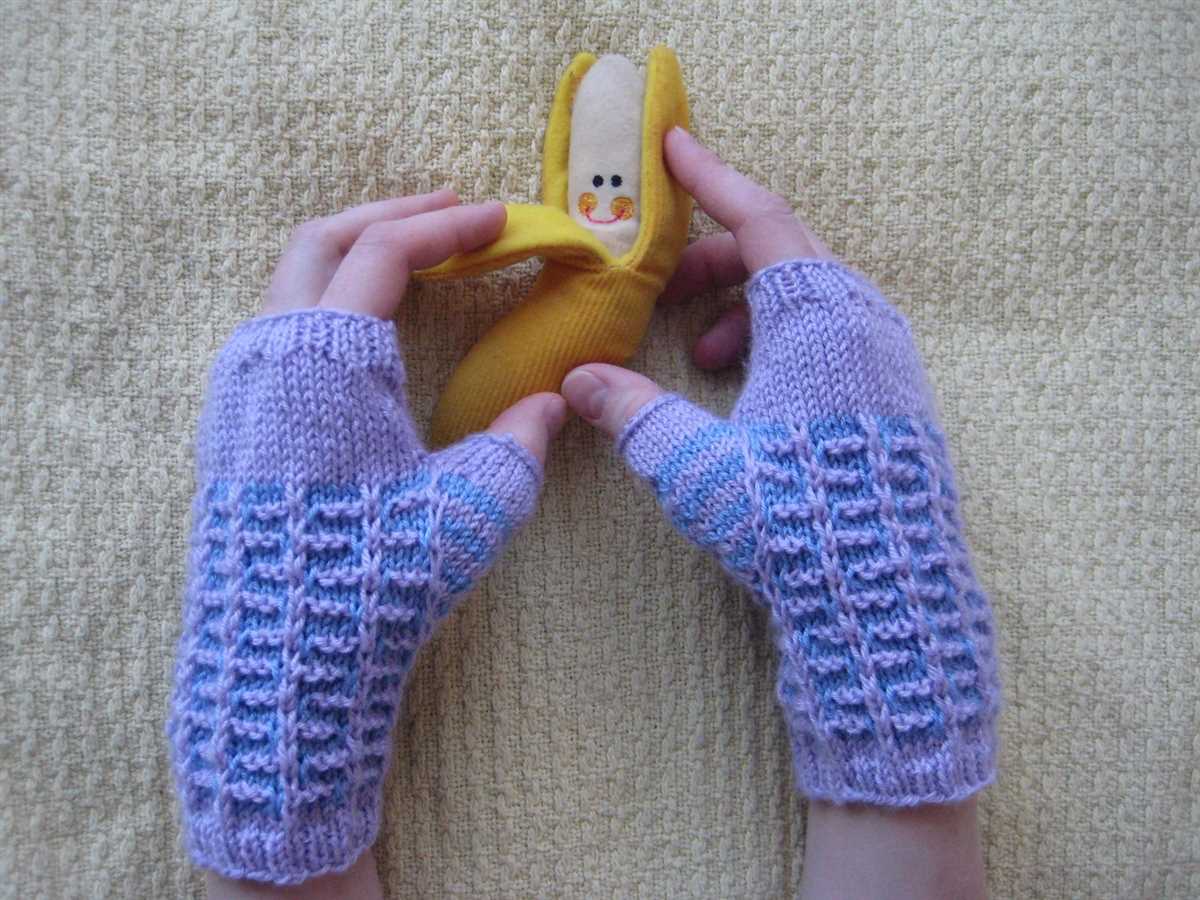
When it comes to knitting gloves, there are a few essential tools and materials that every knitter should have on hand. These items will not only make the knitting process easier but also help ensure that the gloves turn out well-fitted and comfortable.
1. Knitting Needles: Knitting gloves typically require a set of double-pointed needles, also known as DPNs. These short, pointed needles come in various sizes, and the size you choose will depend on the gauge of your yarn and the desired size of the gloves.
2. Yarn: Choosing the right yarn is crucial for successful glove knitting. Look for a yarn that has a good balance of warmth, softness, and durability. It’s also important to consider the weight of the yarn, as thinner yarns will create more delicate gloves, while thicker yarns will result in warmer and bulkier gloves.
3. Stitch Markers: Stitch markers are small, removable rings or clips that help you keep track of specific stitches or sections of your glove. They are especially useful when working on glove fingers or thumb gussets, where increases and decreases are necessary.
4. Tape Measure: A tape measure is an essential tool for glove knitting, as it allows you to accurately measure your hand and determine the appropriate glove size. This is especially important if you are knitting gloves for someone else or if you have unique hand measurements.
5. Darning Needle: A darning needle, also known as a yarn needle or tapestry needle, is used for sewing in loose ends and seaming up any gaps in your finished gloves. Choose a needle with a large eye that can easily accommodate the thickness of your yarn.
6. Stitch Holder: In glove knitting, a stitch holder is often used to hold stitches while working on other parts of the glove, such as the thumb or fingers. This prevents the stitches from unraveling and allows you to work on different sections separately.
7. Row Counter: A row counter is a handy tool that helps you keep track of the number of rows you have knitted. This is particularly important for glove knitting patterns that require specific row counts for each section of the glove.
By having these essential tools and materials on hand, you’ll be well-equipped to tackle any glove knitting project with confidence and create beautiful gloves that fit perfectly.
Basic Glove Knitting Techniques for Beginners

Knitting gloves can be a fun and rewarding project for beginners. While it may seem intimidating at first, mastering a few basic techniques will set you on your way to creating beautiful and functional gloves.
Casting On: To start knitting gloves, you will need to cast on stitches. This is the process of creating the foundation row of stitches on the knitting needle. There are several methods to cast on, such as the long-tail cast on or the knitted cast on. Choose the method that you find most comfortable and practice until you can create an even and sturdy cast-on row.
Sizing: It is important to consider sizing when knitting gloves. Measure the circumference of your hand at its widest point, as well as the length from the base of your palm to the tip of your longest finger. Use these measurements to determine the appropriate number of stitches to cast on and the placement of the thumb gusset. Remember to consider the desired fit and ease when determining your glove size.
Thumb Gusset: The thumb gusset is a triangular-shaped section in the glove where the thumb is located. It allows for proper movement and comfort. To create a thumb gusset, you will increase stitches on either side of a designated stitch to form the shape. This can be done by knitting or purling into the front and back of a stitch or using other increase methods. Follow the pattern instructions carefully to ensure an accurate and well-fitting thumb gusset.
Fingers: Knitting the fingers of gloves is often done separately from the hand portion. This allows for more flexibility and ease of knitting. You can use double-pointed needles or the magic loop technique to knit the fingers. Pay attention to the decrease instructions to shape the fingers properly. Keep trying on the glove as you go to ensure the fingers fit comfortably and are not too tight or loose.
Finishing: After you have completed knitting the gloves, it is time to finish off your project. This includes binding off stitches, weaving in ends, and possibly adding any decorative touches, such as ribbing or a cuff. Take care to secure all loose ends and give your gloves a final blocking to even out the stitches and enhance their appearance.
With these basic techniques, you will be well-equipped to start knitting gloves for yourself or as gifts for your loved ones. Don’t be afraid to experiment and try different patterns and styles. Soon enough, you will be able to create a variety of beautiful gloves to keep you warm and stylish in the colder months.
Knitting Fingerless Gloves: A Step-by-Step Guide
Fingerless gloves are a stylish and functional accessory that you can knit yourself. Whether you’re a beginner or an experienced knitter, this step-by-step guide will help you create a pair of fingerless gloves that are both cozy and fashionable.
Materials:
- Yarn: Choose a soft, warm yarn in your preferred color.
- Knitting Needles: Use the appropriate size needles for your yarn.
- Tape Measure: This will help you determine the correct size.
- Darning Needle: You’ll need this to sew the gloves together.
- Scissors: For cutting the yarn.
Step 1: Gauge and Measurements
Start by knitting a gauge swatch to determine the correct stitch count and row count for your yarn and needles. Measure your hand around the widest part, usually around the knuckles, and note the measurement. Choose a pattern that matches your gauge and has the right hand circumference.
Step 2: Cast On
Using your chosen yarn and needles, cast on the required number of stitches. This will vary depending on the pattern and size of the gloves. It’s important to create a firm but not too tight cast on to ensure a comfortable fit.
Step 3: Knit the Cuff
Follow the pattern instructions to knit the cuff of the fingerless gloves. This usually involves knitting a few rows or rounds in ribbing, such as K2, P2 or K1, P1. The cuff should be snug enough to stay in place but not too tight to restrict movement.
Step 4: Knit the Hand
Continue knitting according to the pattern instructions to create the main portion of the gloves. This may involve knitting in the round or working flat and seaming later. Pay attention to any shaping or stitch pattern changes.
Step 5: Bind Off
Once you’ve reached the desired length for the gloves, bind off the stitches following the pattern instructions. Make sure the bind off is loose enough to allow for comfortable movement.
Step 6: Finishing
Weave in any loose ends using a darning needle. If necessary, seam the gloves using a matching yarn or invisible seaming technique. Give your gloves a final press with a warm iron and they’re ready to wear or gift!
Cozy and Warm: Patterns for Knitted Mittens

When the weather gets chilly, there’s nothing quite like a pair of knitted mittens to keep your hands warm and cozy. Whether you’re a beginner knitter or an experienced crafter, there are plenty of free patterns available to help you create your own pair of stylish and functional mittens.
One popular pattern for knitted mittens is the classic ribbed design. This pattern features a stretchy ribbed cuff that hugs the wrist, providing a snug fit that keeps out the cold. The body of the mitten is knitted in a simple stockinette stitch, making it a great option for beginners. For added warmth, consider using a chunky yarn or doubling up on a lighter weight yarn.
Features:

- Ribbed cuff for a snug fit
- Simple stockinette stitch body
- Option to use chunky yarn for extra warmth
If you’re looking for a more intricate design, consider trying a pattern that incorporates cables or colorwork. Cables add depth and texture to the mittens, while colorwork allows for endless opportunities to showcase your creativity. These patterns may require more advanced knitting techniques, but the end result is definitely worth the effort.
To ensure a perfect fit, it’s important to take accurate measurements of your hand before starting your project. This will help you determine the appropriate size and make any necessary adjustments to the pattern. Additionally, be sure to choose a yarn that is soft and durable, as mittens are often subjected to regular wear and tear.
No matter which pattern you choose, the process of knitting mittens can be a rewarding and relaxing experience. Not only will you end up with a practical accessory to keep your hands warm, but you’ll also have a one-of-a-kind item that showcases your knitting skills and personal style.
Stylish and Trendy: Knitting Gloves with Cable Patterns

Knitting gloves with cable patterns is a perfect way to add a touch of style and trendiness to your wardrobe. Cable patterns are a classic knitting technique that creates beautiful and intricate designs on your gloves. Whether you prefer a simple twist or a more complex design, there are plenty of free glove knitting patterns available that will help you create a stylish pair of gloves.
One of the great things about knitting gloves with cable patterns is that they can be customized to suit your taste. You can choose from a wide variety of cable patterns, ranging from simple twists and braids to more intricate designs. These patterns can be combined with different colors and yarns to create unique and personalized gloves that reflect your own sense of style and fashion.
Knitting gloves with cable patterns not only adds style to your wardrobe, but it also provides warmth and comfort. The cables help to trap heat and create an extra layer of insulation, making these gloves perfect for chilly weather. The intricate designs also add a layer of texture, making the gloves more comfortable to wear and providing a cozy feeling on your hands.
If you’re new to cable knitting, don’t worry! There are plenty of free glove knitting patterns available that include detailed instructions and tutorials to help you master this technique. With a little practice, you’ll be able to create beautiful gloves with intricate cable patterns that are sure to impress.
So, why not give cable knitting a try and add a touch of style and trendiness to your glove collection? With a wide variety of free glove knitting patterns available, you’ll have no problem finding the perfect design to suit your taste. Knitting gloves with cable patterns is not only a fun and rewarding knitting project, but it also allows you to create personalized accessories that will keep you warm and stylish all winter long.
Introducing Lace: Knitting Gloves with Delicate Designs
Gloves not only keep our hands warm but can also be a fashionable accessory. Add an elegant touch to your winter wardrobe with lace knitting patterns for gloves. These delicate designs are perfect for those looking for a unique and stylish way to stay cozy.
Lace knitting involves creating intricate patterns and openwork using yarn and knitting needles. The result is a beautiful and lightweight fabric that adds a touch of sophistication to any outfit. Lace gloves are perfect for special occasions or to add a touch of elegance to your everyday look.
Why choose lace knitting patterns for gloves?
- Unique Designs: Lace knitting offers a wide range of intricate and beautiful designs that are not commonly found in store-bought gloves. You can customize the design and choose from different stitches to create a one-of-a-kind pair.
- Lightweight and Breathable: Lace patterns create a fabric that is lightweight and breathable, making it ideal for gloves. You can knit gloves with lace patterns that allow your hands to stay warm without feeling too bulky or heavy.
- Feminine and Elegant: Lace patterns have a feminine and delicate look that adds a touch of elegance to any outfit. Whether you’re attending a formal event or simply want to elevate your everyday style, lace gloves are a perfect choice.
Getting started with lace knitting patterns for gloves:
If you’re new to lace knitting, it’s best to begin with a simple lace pattern to get comfortable with the technique. Start with a basic lace stitch and gradually work your way up to more complex patterns.
It’s essential to choose the right yarn and knitting needles for your lace gloves. Opt for a finer yarn with good stitch definition to showcase the lace pattern. Lace gloves are typically knit with smaller needle sizes to create tighter stitches and a more intricate design.
With lace knitting patterns for gloves, you can showcase your knitting skills and create stunning accessories that are both practical and stylish. Whether you’re knitting gloves for yourself or as a gift, lace patterns will add a touch of luxury to your winter wardrobe.
Colorful and Fun: Patterns for Striped Gloves
Looking to add a pop of color and excitement to your winter wardrobe? Striped gloves are the perfect solution. With their vibrant and playful designs, these gloves will not only keep your hands warm but also add a touch of fun to any outfit.
Whether you prefer bold, contrasting colors or subtle, tonal shades, there are plenty of striped glove patterns available to suit your style. You can choose from simple vertical stripes or experiment with more intricate patterns like chevron or zigzag. The possibilities are endless, allowing you to showcase your creativity and individuality.
If you’re a beginner knitter, don’t worry! There are plenty of striped glove patterns that are suitable for all skill levels. You can start with basic stockinette stitch gloves with a few added stripes for a subtle effect. As you gain confidence, you can move on to more complex patterns that incorporate different stitches and techniques.
One of the great things about striped gloves is that you can customize them to match your favorite colors and create a unique accessory. Whether you prefer a monochromatic look or a rainbow of hues, you can mix and match yarns to achieve your desired effect. Additionally, you can play with the width and placement of the stripes to create different visual effects.
To get started on your striped gloves, check out the various free knitting patterns available online. Websites like Ravelry and Knitting Pattern Central offer a wide selection of patterns, ranging from simple to intricate. You can also find tutorials and tips to help you along the way.
So why settle for plain, boring gloves when you can make a colorful and fun statement with striped gloves? Grab your knitting needles and get ready to create a unique accessory that will brighten up your winter days.
Unique Knit Patterns for Gloves with Embellishments

Knitting gloves is a fun and rewarding project that allows you to showcase your creativity and add a personal touch to your winter accessories. If you’re looking to take your glove knitting to the next level, consider adding embellishments to your designs. These unique knit patterns for gloves with embellishments will make your creations stand out and show off your knitting skills.
1. Beaded Gloves
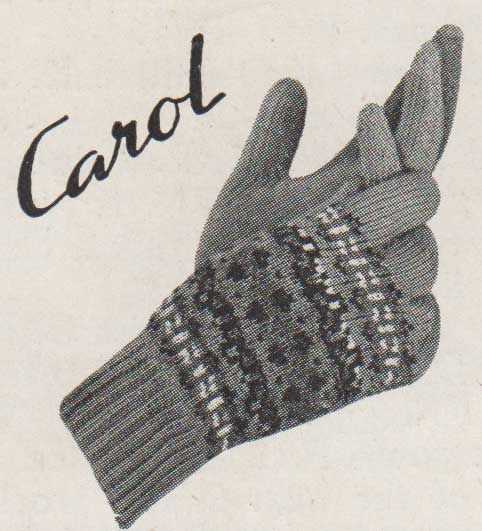
Add some sparkle to your gloves by incorporating beads into the design. You can use seed beads, crystal beads, or even tiny pearls to create intricate patterns or add simple accents. The beads can be sewn onto the gloves after they are knitted or threaded onto your yarn as you go. The result will be a stunning pair of gloves that are sure to catch everyone’s eye.
2. Embroidered Gloves
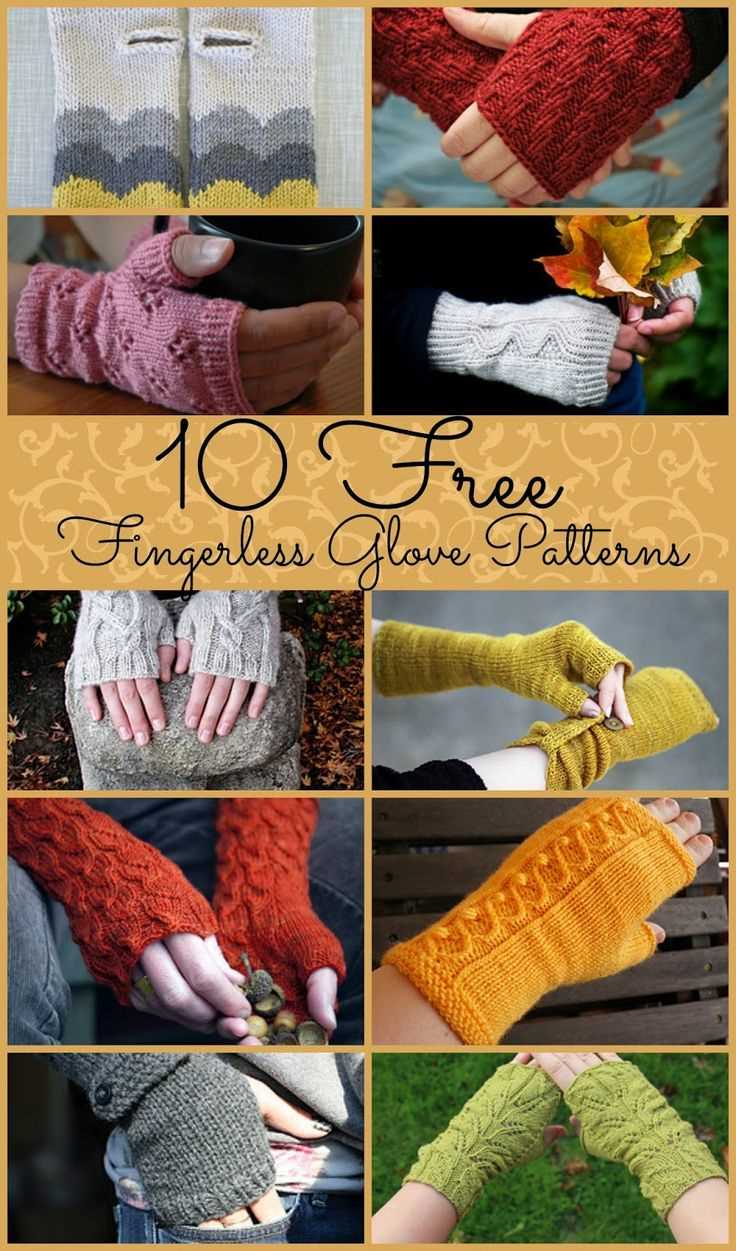
Transform a plain pair of gloves into a work of art by adding embroidered details. You can use colorful yarn to stitch patterns, flowers, or even small animals onto the gloves. Embroidery allows you to personalize your gloves and make them truly one-of-a-kind. Whether you choose to embroider a simple design or go for something more intricate, the end result will be gloves that are uniquely yours.
3. Cable Knit Gloves
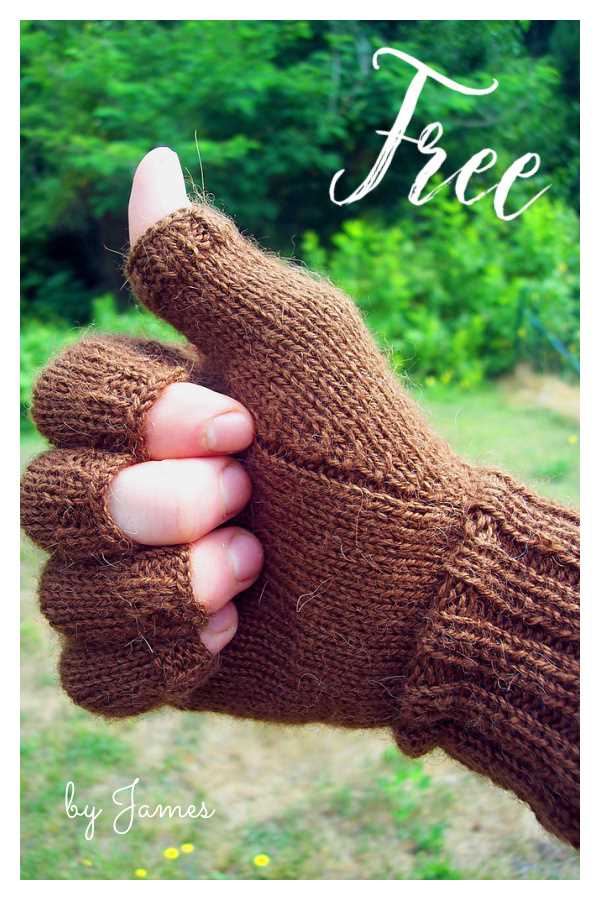
Cable knit patterns are a classic choice for gloves and can add a touch of elegance to your winter accessories. By incorporating different cable stitches into your glove design, you can create a textured and visually appealing look. Whether you choose a simple cable pattern or a more complex design, cable knit gloves are sure to impress.
4. Fair Isle Gloves

For a bold and eye-catching look, consider knitting Fair Isle gloves. Fair Isle is a traditional knitting technique that involves using multiple colors to create intricate patterns. By incorporating this technique into your glove knitting, you can create gloves that are vibrant and full of personality. The possibilities for Fair Isle designs are endless, allowing you to experiment with different color combinations and patterns.
With these unique knit patterns for gloves with embellishments, you can take your glove knitting to new heights. Whether you choose to add beads, embroidery, cable knit patterns, or Fair Isle designs, your gloves will be a true reflection of your creativity and skill. So grab your knitting needles, choose your favorite pattern, and get ready to create gloves that are as unique as you are!
Adapting Patterns for Different Hand Sizes and Preferences
When working with glove knitting patterns, it’s essential to consider the variability in hand sizes and personal preferences. Here are some tips for adapting patterns to fit different hand sizes and accommodate individual preferences:
1. Adjusting for Hand Size
- Measure the hand: Before starting your project, it’s important to measure the hand you’re knitting for. This will help you determine the appropriate size for the gloves.
- Modify stitch counts: If the pattern provides different sizes, follow the instructions for the size closest to the hand measurements. You can also adjust stitch counts to accommodate larger or smaller hands.
- Modify finger lengths: If the fingers on the gloves are too long or too short, you can adjust the length by adding or subtracting rows.
2. Adapting for Preferences

- Choosing the right yarn: The type and weight of yarn used can greatly affect the fit and feel of the gloves. So, consider personal preferences when selecting yarn.
- Modifying stitch patterns: If you prefer a specific stitch pattern or design element, you can incorporate it into the glove pattern. Just make sure to adjust stitch counts accordingly.
- Customizing fingers: Some people prefer gloves with full fingers, while others may like fingerless gloves. Feel free to modify the pattern to suit preferred finger coverage.
Remember, knitting is a creative craft, and adapting patterns is an opportunity to add your personal touch. By considering hand size and preferences, you can create gloves that not only fit well but also reflect your unique style.
Q&A:
Where can I find free glove knitting patterns?
You can find free glove knitting patterns on various websites and platforms. Some popular options include knitting blogs, knitting pattern websites, and online knitting communities. Some websites specifically dedicated to providing free knitting patterns include Ravelry, Knitty, and LoveCrafts.
Are there different types of glove knitting patterns available?
Yes, there are different types of glove knitting patterns available. Some common types include fingerless gloves, mittens, and traditional gloves with fingers. Each type may have variations in stitch patterns, thumb shaping, and overall construction. You can choose the type that suits your preferences and skill level.
What materials do I need for knitting gloves?
For knitting gloves, you will typically need yarn suitable for the desired pattern, knitting needles in the specified size, and any additional tools or notions mentioned in the pattern. The specific materials required may vary depending on the pattern, such as the weight and fiber content of the yarn. The pattern will usually provide recommendations for the materials needed.
Can I modify a glove knitting pattern to fit my hands?
Yes, you can modify a glove knitting pattern to fit your hands. If the pattern provides multiple sizes, you can choose the size that most closely matches your measurements. If the pattern only provides one size, you can make adjustments by changing the needle size or adjusting the number of stitches. It is also possible to modify the length of the fingers or the circumference of the hand by adding or subtracting stitches. Keep in mind that modifications may require some experience and trial and error.