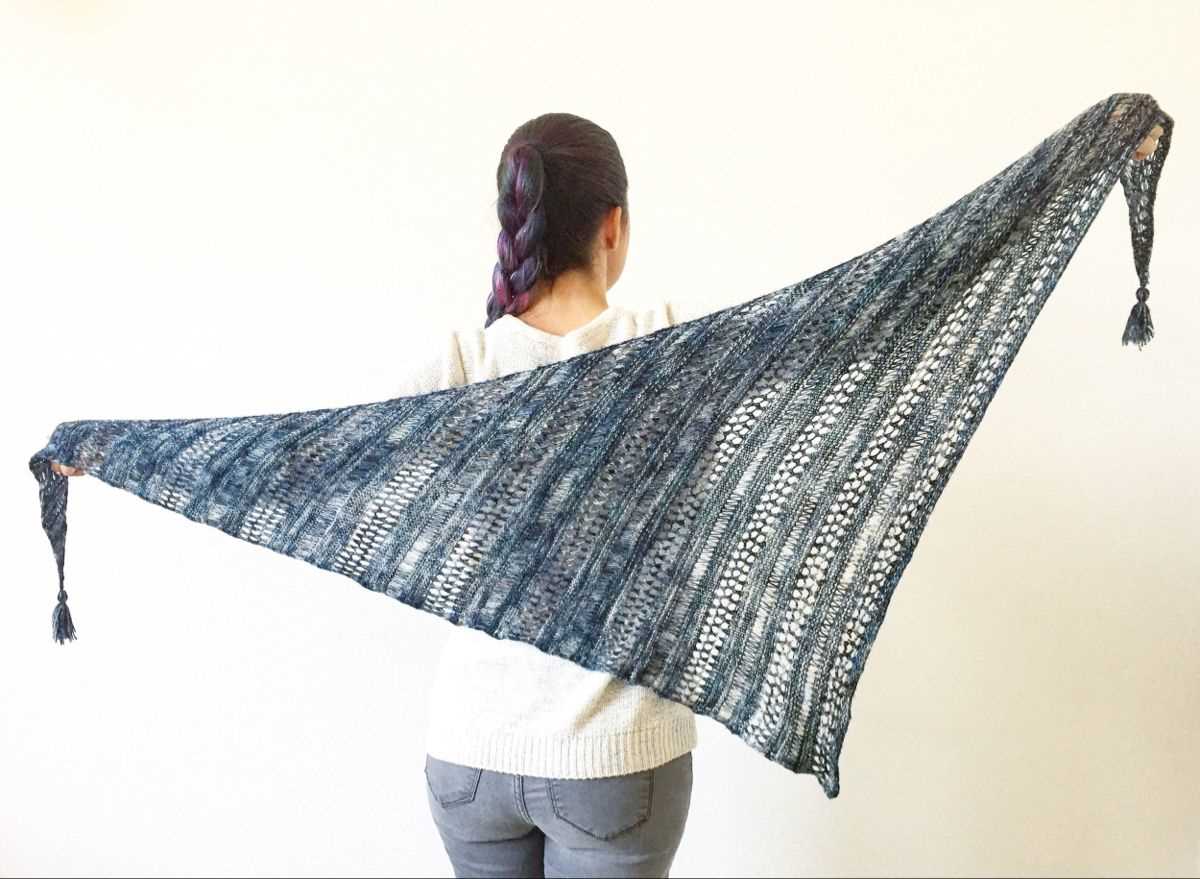
Loom knitting is a popular craft that allows people to create beautiful knitted items without using traditional knitting needles. One of the most versatile and practical items that can be made using a loom is a shawl. Shawls are not only stylish accessories, but they can also provide warmth and comfort during cooler months. Best of all, there are many easy loom knitting shawl patterns available that are perfect for beginners or those looking for a quick and satisfying project.
With easy loom knitting shawl patterns, even those who are new to loom knitting can create stunning shawls with minimal effort. Many of these patterns utilize simple stitches and repeatable patterns, making them ideal for beginners. The loom itself also makes it easy to create different shapes and sizes of shawls, allowing for endless customization options.
When choosing easy loom knitting shawl patterns, it’s important to consider the materials and yarns used. Soft and lightweight yarns such as cotton, bamboo, or acrylic are great for creating shawls that drape beautifully and are comfortable to wear. Variegated or self-striping yarns can also add visual interest to the finished shawl.
What is loom knitting?
Loom knitting is a method of creating knitted items using a specialized tool called a knitting loom. This technique is popular among beginners and those who may find traditional needle knitting challenging. Loom knitting allows you to easily create a variety of projects, including shawls, scarves, hats, and blankets.
Unlike traditional knitting needles, which require you to manually manipulate the yarn and stitches, a knitting loom consists of pegs that hold the yarn in place as you weave it. This makes it easier to create even and consistent stitches, even if you have little to no knitting experience. Loom knitting is also a great option for those with limited dexterity or hand mobility.
Key benefits of loom knitting:
- Beginner-friendly: Loom knitting is an excellent introduction to the world of knitting, as it requires fewer techniques and is generally easier to learn.
- Speed: Loom knitting can be faster than traditional knitting since you only need to wrap the yarn around the pegs and use a hook or tool to create the stitches.
- Versatility: Loom knitting can be used to create a wide range of projects, from small accessories to larger garments and home decor items.
- Portability: Knitting looms are compact and lightweight, making them easy to transport and use wherever you go.
- Comfort: Loom knitting can be less taxing on your hands, wrists, and arms compared to needle knitting, making it a more comfortable option for those with joint pain or arthritis.
Overall, loom knitting is a versatile and accessible technique that allows anyone to create beautiful knitted items with ease. Whether you have prior knitting experience or are a complete beginner, loom knitting offers an enjoyable and rewarding way to express your creativity.
Benefits of Loom Knitting Shawls
There are several benefits to loom knitting shawls that make it a popular choice among knitting enthusiasts. Firstly, loom knitting is a beginner-friendly technique that is much easier to learn compared to traditional knitting with needles. This makes it accessible to a wider range of people, including those who may have difficulty holding or maneuvering knitting needles.
In addition to being easier to learn, loom knitting also allows for faster and more efficient knitting. The use of a loom enables knitters to work on multiple rows at once, reducing the time and effort required to complete a shawl. This makes it a great option for those who want to create beautiful and intricate shawls without spending excessive amounts of time knitting.
Another benefit of loom knitting shawls is the versatility it offers in terms of patterns and designs. Looms come in various sizes and shapes, allowing knitters to create shawls of different sizes and styles. Additionally, the use of different types of yarn and stitch patterns can further customize the look and feel of the shawl, making it a truly unique and personalized accessory.
Loom knitting shawls also have the advantage of being highly portable. Unlike traditional knitting, which requires carrying around multiple needles and keeping track of stitches, loom knitting only requires the loom and a small tool to manipulate the yarn. This makes it an ideal option for knitting on the go, whether it’s during a commute, while traveling, or simply wanting to knit in different locations around the house.
Overall, loom knitting shawls offer a beginner-friendly, efficient, versatile, and portable knitting method. Whether you’re a beginner looking to learn a new hobby or an experienced knitter looking for a convenient and time-saving technique, loom knitting shawls are a great option to consider.
Choosing the right loom
When it comes to loom knitting, choosing the right loom for your project is crucial. There are various types of looms available, each with its own unique features and capabilities. Whether you’re a beginner or an experienced loom knitter, finding the right loom can make all the difference in the success of your project.
One important factor to consider when choosing a loom is the size. Looms come in different sizes, ranging from small to large. The size of the loom will determine the size of your finished project. If you’re knitting a shawl, for example, you’ll need a larger loom to accommodate the width and length of the shawl. It’s important to consider the size of your project and choose a loom that matches your desired dimensions.
Another factor to consider is the gauge of the loom. The gauge refers to the spacing between the pegs on the loom. Looms with a smaller gauge have closer pegs, resulting in a tighter stitch, while looms with a larger gauge have wider spacing, resulting in a looser stitch. The gauge of the loom will determine the texture and drape of your finished project. If you prefer a tighter stitch, choose a loom with a smaller gauge. If you prefer a looser stitch, choose a loom with a larger gauge. It’s important to experiment with different gauges to find the one that works best for your desired outcome.
When selecting a loom, consider the type of yarn you’ll be using. Different looms are designed to work with specific yarn weights. Be sure to choose a loom that is compatible with the weight of yarn you plan to use. Using the wrong loom for your yarn can result in an uneven or stretched-out finished product. If you’re unsure which loom is best for your chosen yarn, consult the manufacturer’s recommendations or seek advice from fellow loom knitters.
In conclusion, choosing the right loom is an essential step in loom knitting. Consider factors such as size, gauge, and yarn compatibility when selecting a loom for your project. Taking the time to find the right loom will ensure that your finished shawl pattern turns out exactly as you envision. Happy loom knitting!
Basic Stitches for Loom Knitting Shawls
Loom knitting shawls is a great way to create beautiful and cozy accessories. Whether you are a beginner or an experienced loom knitter, mastering the basic stitches is essential for creating stunning shawls. Here are some of the fundamental stitches that you can use in your loom knitting projects:
1. Knit Stitch
The knit stitch is one of the most basic stitches in loom knitting. It creates a smooth and textured fabric that is perfect for shawls. To create the knit stitch, simply wrap the yarn around the peg and then use a hook to pull the bottom loop over the top loop. Repeat this process across all the pegs on your loom to create a row of knit stitches.
2. Purl Stitch
The purl stitch is another essential stitch for loom knitting shawls. It creates a bumpy and reverse texture on the fabric. To purl stitch, you need to take the working yarn in front of the peg, insert the hook under the bottom loop, and bring the yarn over the top of the loop to create a new loop. Repeat this process across all the pegs to create a row of purl stitches.
3. Garter Stitch
The garter stitch is created by alternating rows of knit stitch and purl stitch. This stitch pattern creates a fabric with ridges, and it is commonly used in shawls to add texture and interest. To create the garter stitch, start with a row of knit stitches, and then alternate between knit and purl stitches in subsequent rows.
4. Rib Stitch
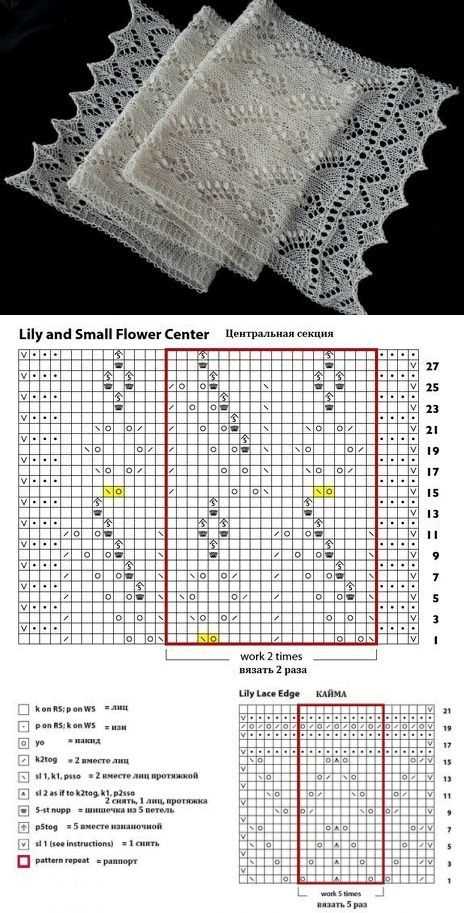
The rib stitch is another popular stitch pattern for loom knitting shawls. It creates a stretchy and reversible fabric with alternating columns of knit and purl stitches. To create the rib stitch, start with a row of knit stitches, and then alternate between knit and purl stitches in subsequent rows. This stitch pattern is great for adding elasticity to your shawl.
By mastering these basic stitches, you will be able to create a variety of beautiful shawls using a loom. Experiment with different yarns, colors, and stitch patterns to create unique and personalized shawls that are perfect for any occasion.
Simple loom knitting shawl pattern for beginners

When it comes to starting out in the world of loom knitting, a simple shawl pattern is a great way to dip your toes in. Shawls are versatile and can be used in different seasons, making them a popular choice among knitters. With a loom, you can create beautiful shawls without needing any advanced knitting skills.
Materials Needed:
- A knitting loom
- Medium or bulky weight yarn
- A loom knitting hook
- Tapestry needle
Instructions:
- Start by casting on your loom. To do this, simply wrap the yarn around each peg, forming a loop around each one.
- Once you have casted on, start knitting using the e-wrap stitch. This stitch involves wrapping the yarn around each peg in a figure-eight motion.
- Continue to knit in the e-wrap stitch until you have reached your desired length for the shawl.
- When you are ready to finish your shawl, bind off by knitting two stitches together, moving them to the adjacent peg, and repeating this process until you have reached the end of your loom.
- Remove the shawl from the loom, making sure to secure the stitches by threading the yarn through them with a tapestry needle.
- Trim any excess yarn and weave in the ends to finish off your shawl.
This simple loom knitting shawl pattern is perfect for beginners as it only requires the basic e-wrap stitch and is easy to customize with different yarn colors and textures. Once you master this pattern, you can experiment with different stitch patterns, such as the garter or seed stitch, to create unique shawls that showcase your skills.
Intermediate Loom Knitting Shawl Patterns
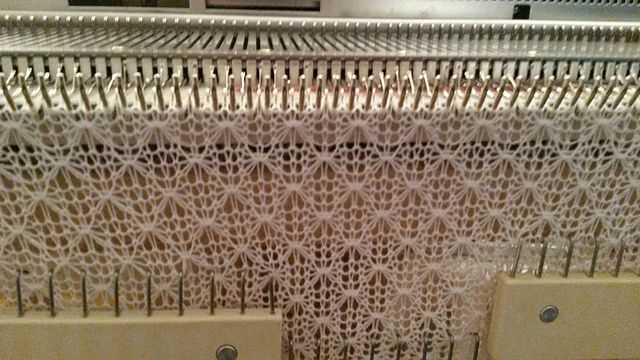
If you’re an experienced loom knitter looking for a new challenge or if you have mastered the basics and are ready to take your knitting skills to the next level, intermediate loom knitting shawl patterns are a great way to expand your repertoire. These patterns offer more complex stitch patterns and techniques that will challenge your knitting skills and result in beautiful, intricate shawls.
1. Lace and Cable Shawl: This intermediate pattern combines the delicate beauty of lace stitches with the elegant texture of cable stitches. The combination of these two stitches creates a stunning shawl with intricate patterns and a sophisticated look. Whether you choose to make it with lightweight yarn for a delicate lace shawl or with thicker yarn for a warmer cable shawl, this pattern will surely impress.
2. Mosaic Shawl: The mosaic technique is a great way to add color and visual interest to your shawls. This intermediate pattern teaches you how to create mosaic patterns using two contrasting colors of yarn. The result is a bold and eye-catching shawl with geometric patterns. Experiment with different color combinations to create your own unique design.
3. Entrelac Shawl: Entrelac is a technique that creates a woven or basketweave effect in your knitting. This intermediate pattern guides you through the process of creating an entrelac shawl, where each block is worked individually and then joined together. The result is a beautiful and textured shawl that looks more complex than it actually is. Choose variegated yarn for a vibrant and colorful effect, or stick to solid colors for a more classic look.
4. Twisted Rib Shawl: If you’re looking for a shawl with a unique and interesting texture, this intermediate pattern is for you. The twisted rib stitch is used to create a diagonal ribbing pattern that adds visual interest to the shawl. Whether you choose a single color or multiple colors, this pattern will result in a modern and stylish shawl that you’ll love to wear.
With these intermediate loom knitting shawl patterns, you can continue to challenge yourself and expand your knitting skills while creating beautiful and intricate shawls. Whether you prefer lace, cables, colorwork, or unique textures, there is an intermediate pattern out there that will suit your style and preferences. So grab your loom and yarn, and start knitting your next stunning shawl!
Advanced Loom Knitting Shawl Patterns
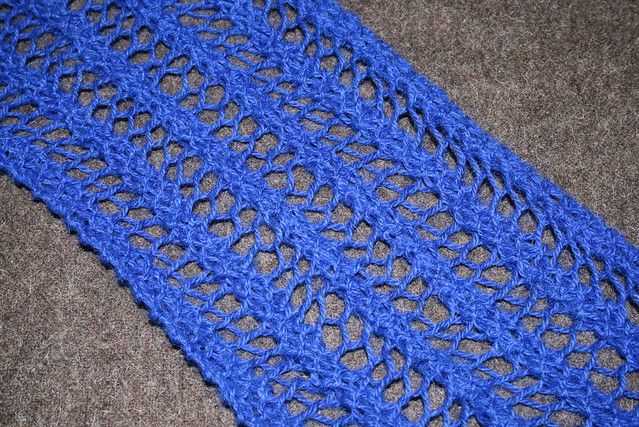
For more experienced loom knitters looking to take their skills to the next level, advanced loom knitting shawl patterns offer a great challenge and opportunity for creativity. These patterns often involve more complex stitches, intricate designs, and unique techniques that result in stunning finished shawls.
One advanced loom knitting shawl pattern that is sure to impress is the Lace Panel Shawl. This pattern combines lace stitches with a structured panel design to create a delicate and elegant shawl. Using a fine yarn and a loom with a large number of pegs, you can create a stunning lace pattern that flows beautifully across the shawl.
Materials needed:
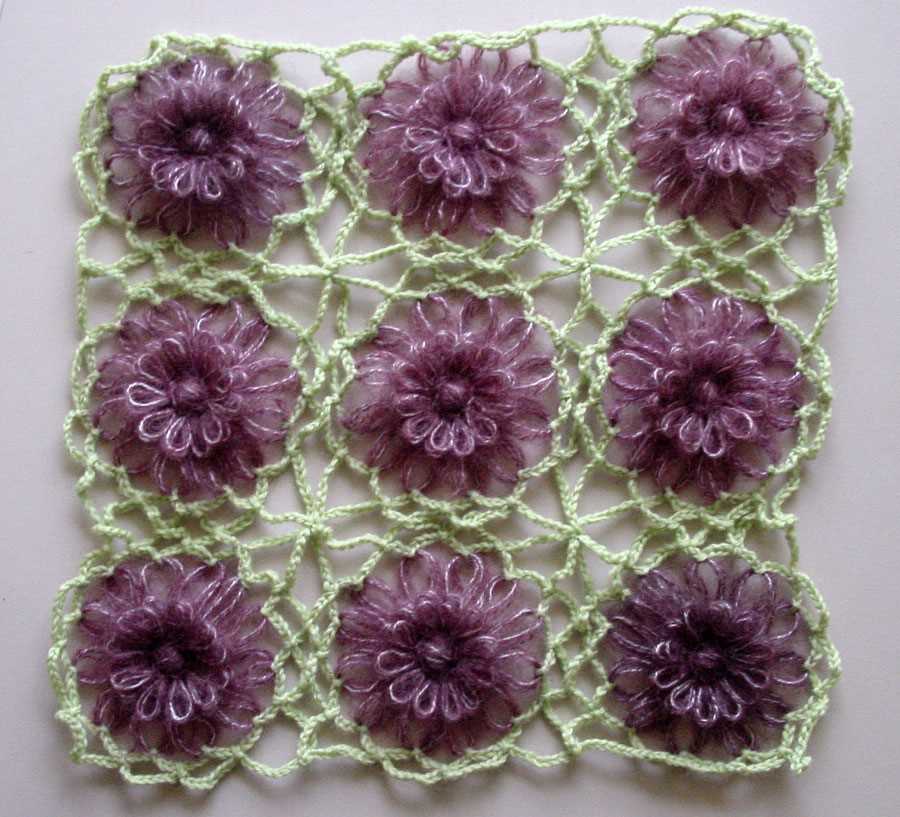
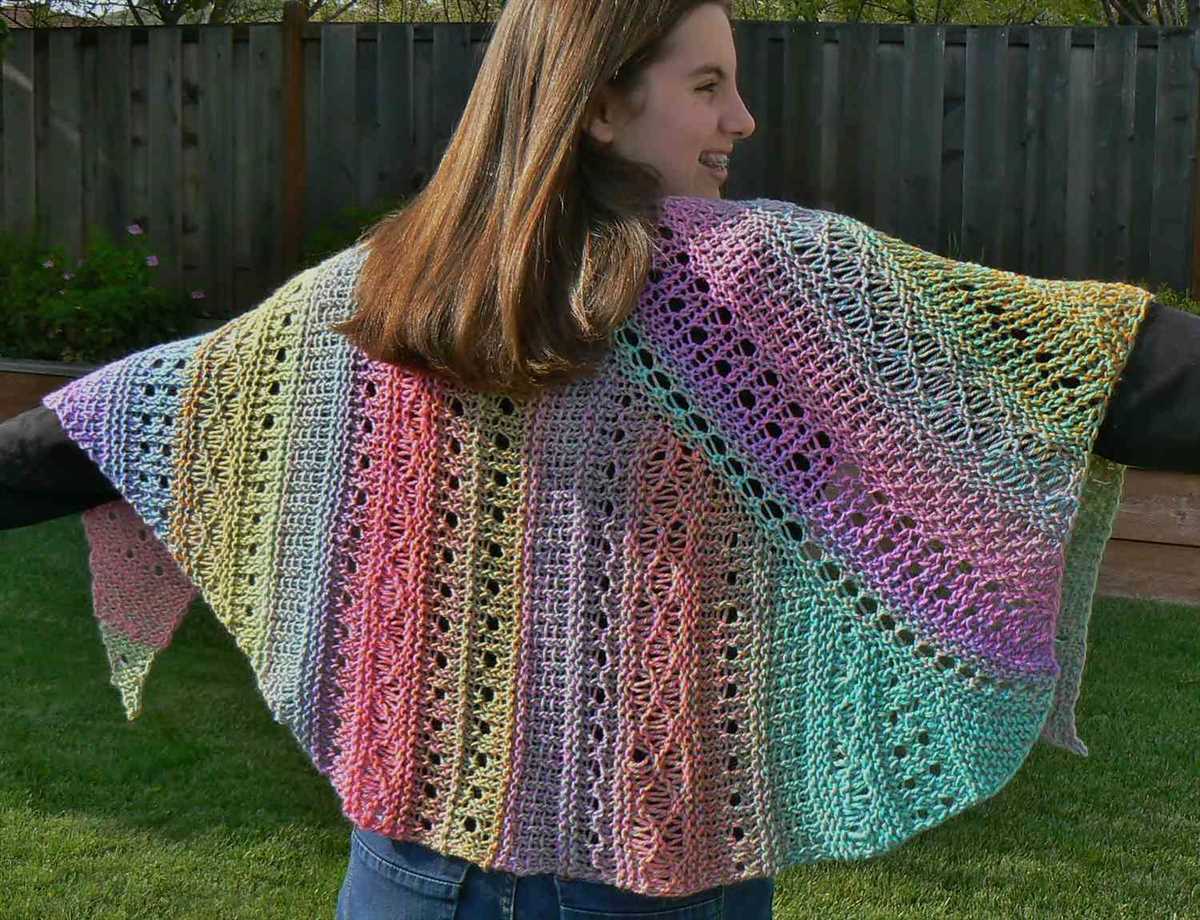
- Loom with a fine gauge and at least 100 pegs
- Fine weight yarn in your choice of color
- Loom knitting hook
- Yarn needle to weave in ends
Another advanced loom knitting shawl pattern to try is the Mosaic Shawl. This pattern incorporates colorwork and intricate patterns to create a visually stunning shawl. By using two contrasting colors and working with a loom that has a large number of pegs, you can create a mosaic-like design that will make a statement piece.
Materials needed:
- Loom with a fine gauge and at least 100 pegs
- Fine weight yarn in two contrasting colors
- Loom knitting hook
- Yarn needle to weave in ends
If you’re looking for a challenge, the Cable Shawl pattern is perfect for you. This advanced loom knitting pattern utilizes cable stitches to create a textured and intricate design. By using a loom with fewer pegs and a thicker yarn, you can create a cozy and visually appealing cable pattern that showcases your knitting skills.
Materials needed:
- Loom with a medium gauge and at least 60 pegs
- Worsted weight yarn in your choice of color
- Loom knitting hook
- Yarn needle to weave in ends
Advanced loom knitting shawl patterns offer a chance for experienced loom knitters to showcase their skills and create unique and beautiful shawls. With intricate stitches, complex designs, and creative techniques, these patterns are sure to challenge and inspire you. Whether you choose a lace panel, mosaic, or cable design, you’ll be able to create a one-of-a-kind shawl that you can be proud of.
Loom Knitting Shawl Patterns for Different Seasons
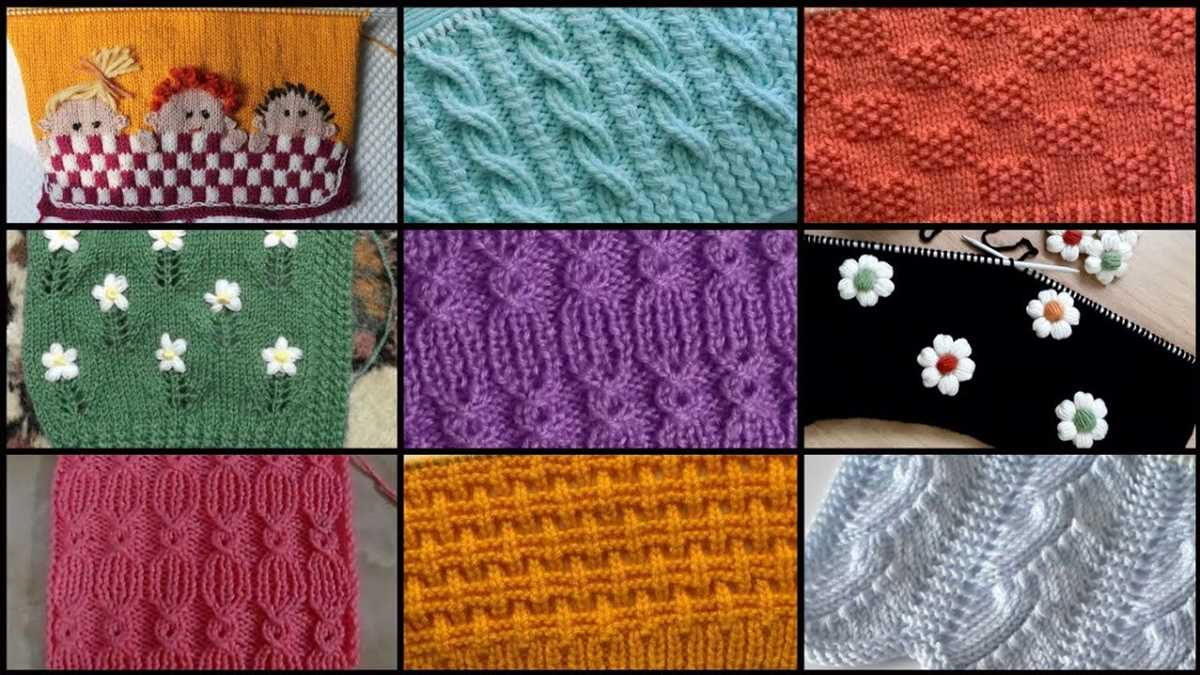
A shawl is a versatile accessory that can add warmth and style to any outfit. With loom knitting, you can easily create beautiful shawls for different seasons. Whether you’re looking for a lightweight shawl to wear during the spring or a cozy shawl for the winter, there are patterns available to suit every season.
Spring Shawl Patterns: During the spring, you may want a shawl that is lightweight and breath
Loom Knitting Shawl Patterns for Different Occasions

Shawls are versatile accessories that can be worn for various occasions, from casual outings to formal events. Loom knitting allows you to create beautiful shawls with unique patterns and textures. Whether you’re attending a wedding, going for a walk in the park, or simply want to add an extra layer of warmth to your outfit, there’s a loom knitting shawl pattern for every occasion.
1. Elegant Evening Shawl: For formal occasions such as weddings or cocktail parties, an elegant evening shawl is a perfect choice. You can use lacy stitch patterns, like the diamond lace or openwork stitch, to create a delicate and sophisticated look. Opt for luxurious yarns in rich colors to complement your evening attire.
2. Cozy Winter Shawl: When the weather gets chilly, a cozy winter shawl is a must-have accessory. Choose a chunky yarn and a simple stitch pattern, such as the garter stitch or ribbing, to create a warm and snug shawl. You can also add a fringe or pom-poms for a playful touch.
3. Everyday Wrap: For everyday use, an easy-to-wear wrap is ideal. Choose a soft and lightweight yarn for comfort and drape. Simple stitch patterns like the stockinette or seed stitch are perfect for creating a versatile and stylish wrap that can be worn with jeans or dresses.
4. Beach Cover-Up: If you’re heading to the beach, a lightweight and airy shawl can serve as a stylish cover-up. Use an openwork stitch pattern, such as the shell stitch or mesh stitch, combined with a cotton or linen yarn to create a breathable and fashionable beach accessory.
5. Travel Shawl: For those long flights or road trips, a travel shawl is a must-have. Opt for a compact and lightweight yarn that can be easily folded and packed. Choose a stitch pattern that offers both warmth and breathability, such as the moss stitch or diagonal rib, to keep you cozy during your travels.
- Shawls are versatile accessories that can be worn for various occasions.
- Loom knitting allows you to create beautiful shawls with unique patterns and textures.
- An elegant evening shawl is a perfect choice for formal occasions.
- A cozy winter shawl is a must-have accessory for cold weather.
- An everyday wrap is ideal for everyday use and can be worn with different outfits.
- A lightweight and airy shawl is perfect as a beach cover-up.
- A travel shawl is a must-have for long trips for both comfort and style.
How to Customize Loom Knitting Shawls
Loom knitting shawls can be a fun and creative way to add your own personal touch to a popular knitting project. Whether you are a seasoned loom knitter or just starting out, customizing your shawl patterns allows you to showcase your unique style and preferences. Here are some tips and techniques to help you customize your loom knitting shawls.
1. Choose Your Yarn
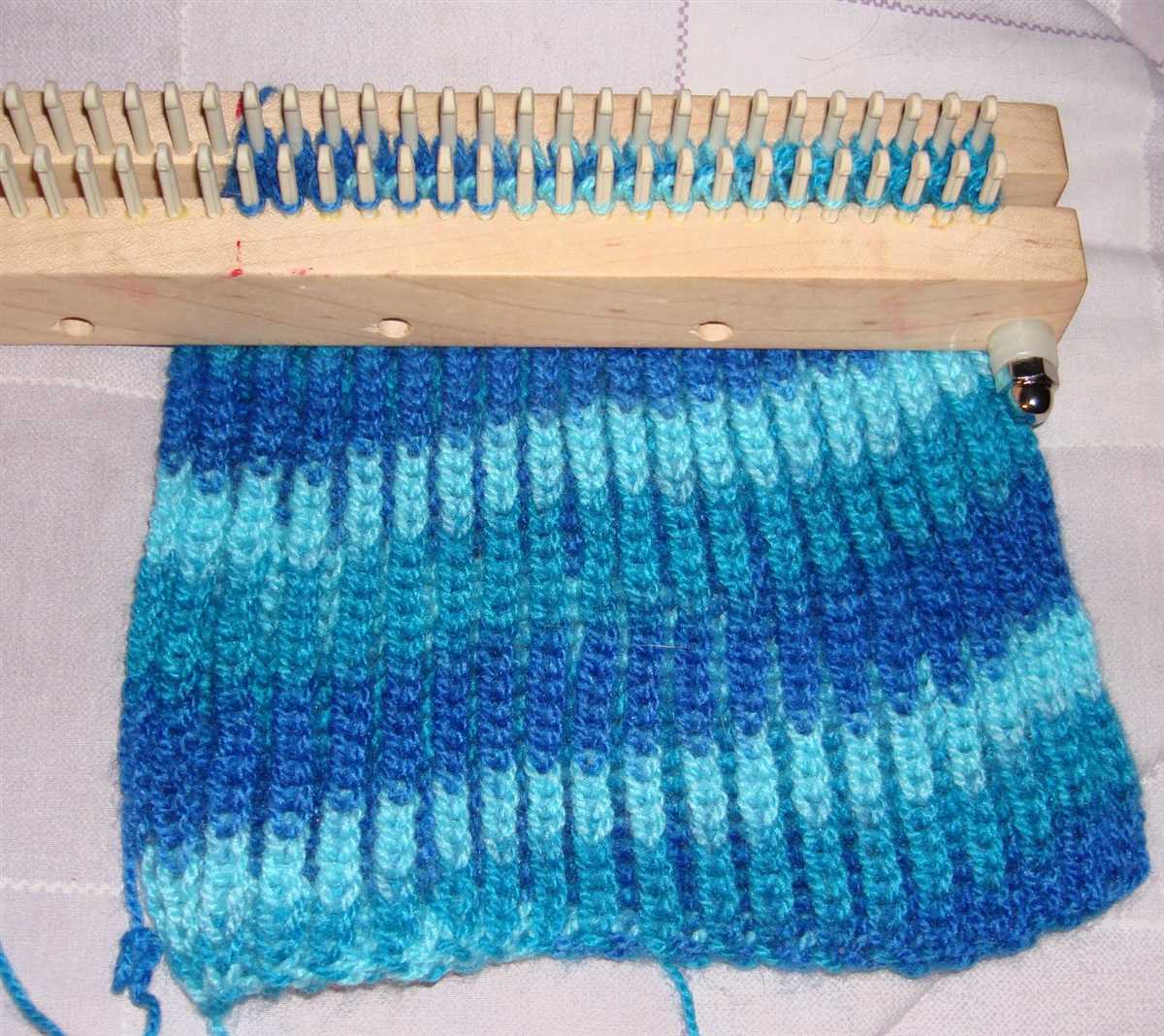
The first step in customizing your loom knitting shawl is to choose the right yarn. Consider the weight, texture, and color of the yarn to achieve the desired look. You can opt for a soft and cozy yarn for a winter shawl or go for lightweight and breathable yarn for a summer shawl. Experiment with different yarns to find the ones that work best for your project.
2. Select a Pattern
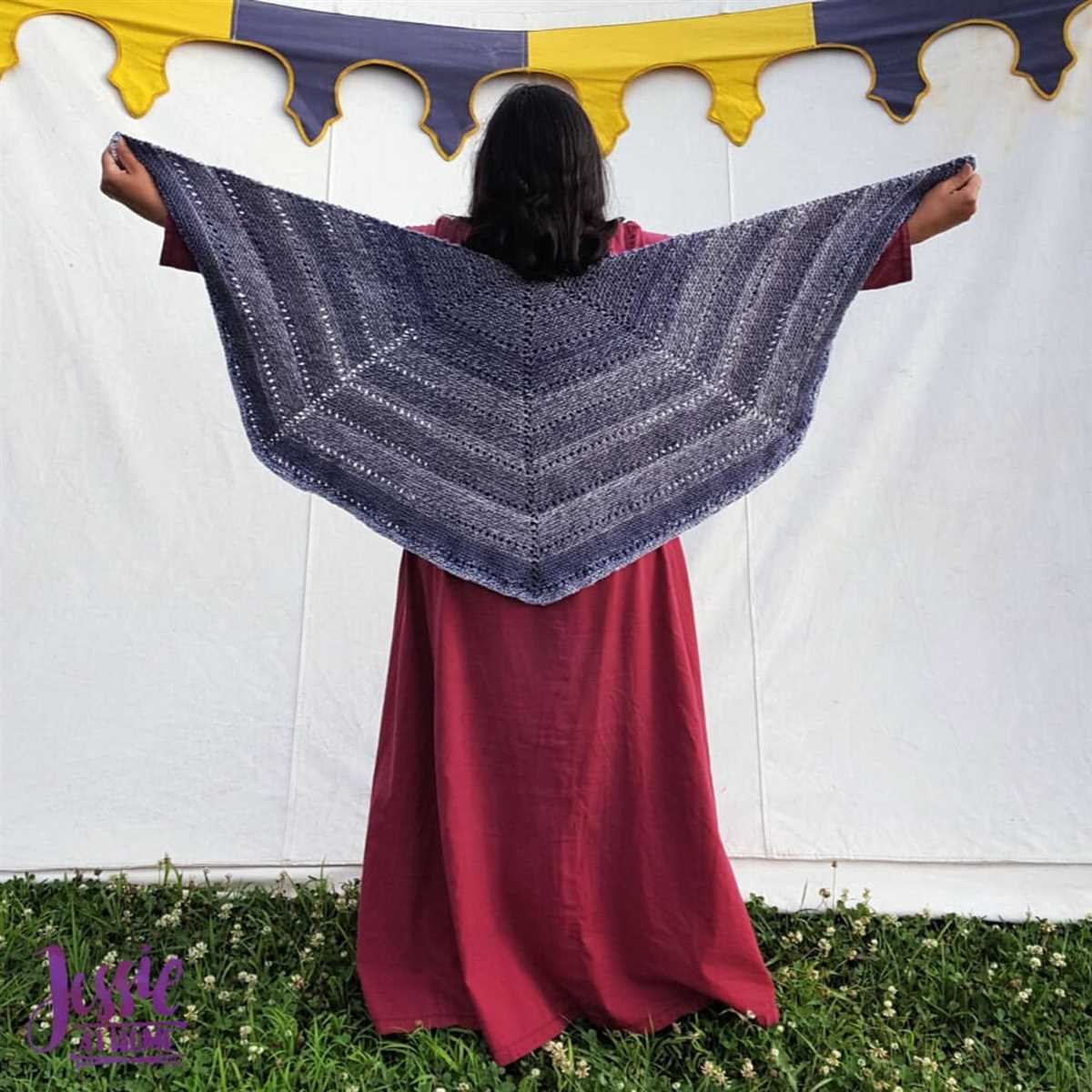
Once you have chosen your yarn, it’s time to select a pattern. There are plenty of easy loom knitting shawl patterns available online, ranging from simple garter stitch patterns to more intricate lace designs. Choose a pattern that matches your skill level and complements your yarn choice. You can also modify the pattern by adding or subtracting stitches or rows to achieve the desired size or shape.
3. Add Embellishments
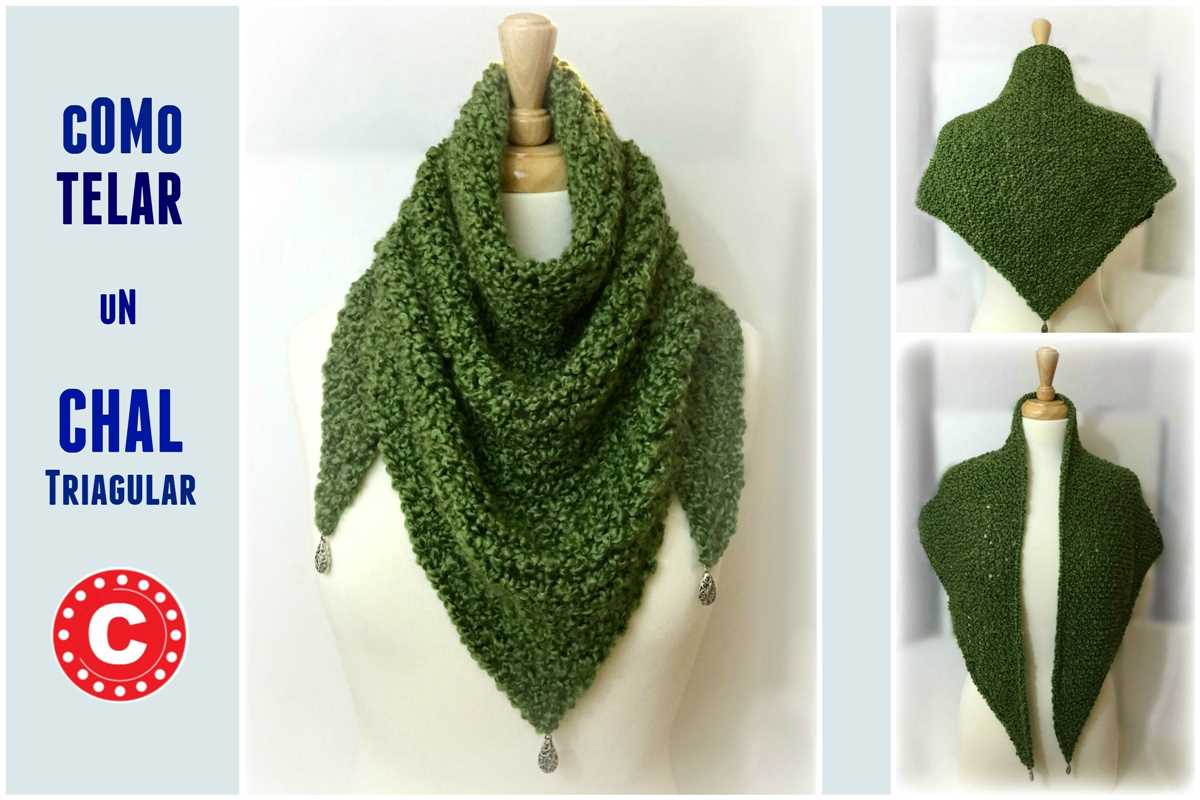
To truly customize your loom knitting shawl, consider adding embellishments. You can incorporate beads, buttons, or ribbons into your shawl to add a touch of sparkle or texture. Knit or crochet flowers, bows, or other decorative elements to attach to your shawl. These embellishments not only enhance the overall look of your shawl but also make it uniquely yours.
4. Experiment with Stitch Patterns
Another way to customize your loom knitting shawl is to experiment with different stitch patterns. While many shawl patterns use basic stitches, you can add complexity and visual interest by trying out different stitch patterns such as cables, lace, or colorwork. These variations can create a one-of-a-kind shawl that reflects your knitting skills and personal style.
Tips and Tricks for Successful Loom Knitting
Loom knitting is a popular method for creating beautiful shawls, blankets, and other items. Whether you are a beginner or an experienced loom knitter, these tips and tricks can help you achieve great results.
1. Choose the Right Loom
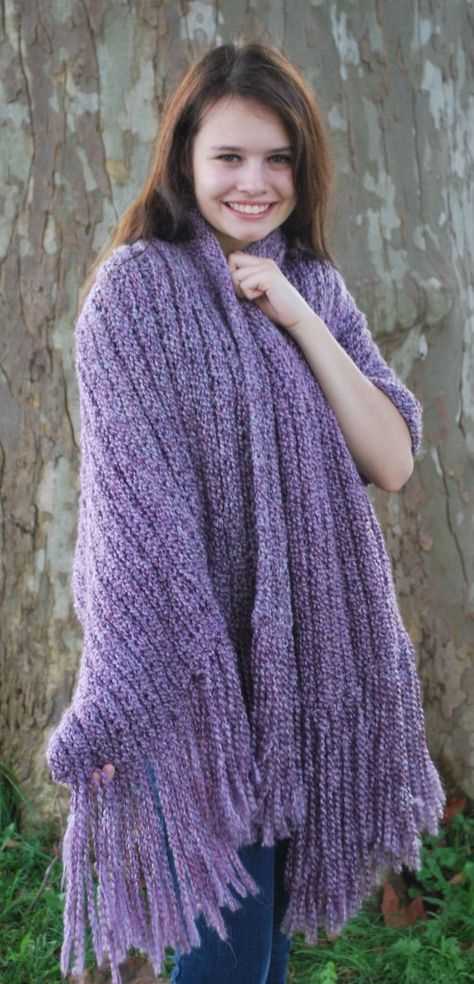
One of the most important factors in successful loom knitting is choosing the right loom for your project. Different loom sizes and shapes are suitable for different types of patterns and yarn weights. Make sure to match the loom size to the pattern requirements for optimal results.
2. Use the Right Yarn Weight
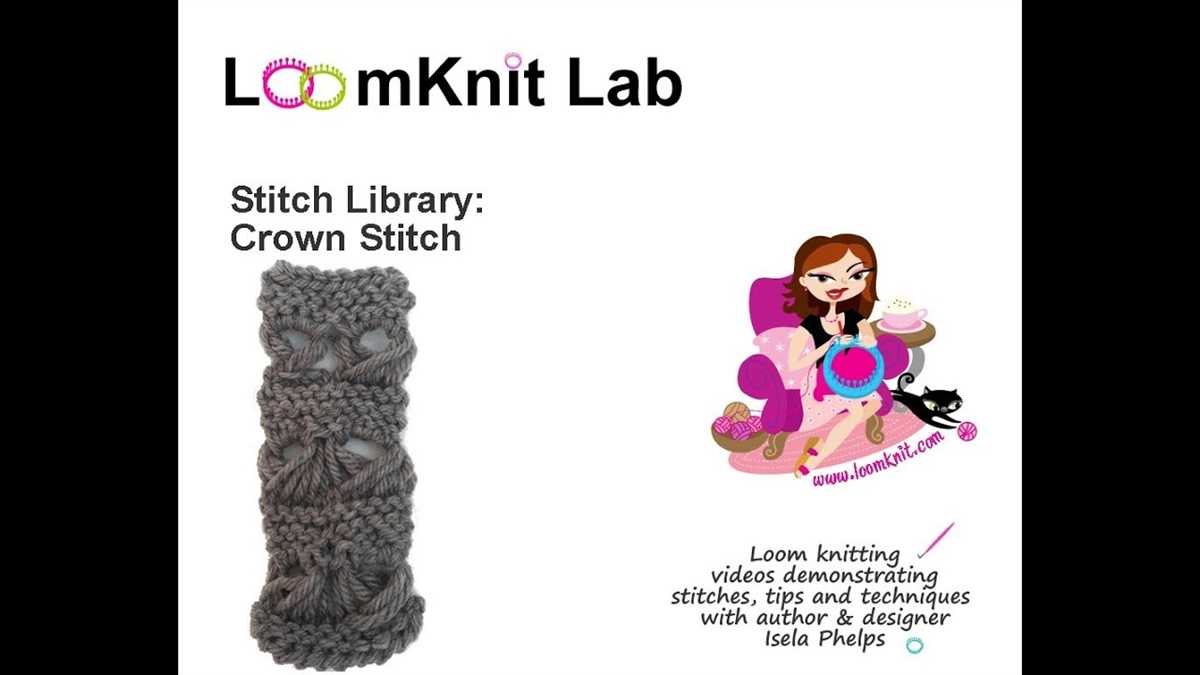
The yarn weight you choose can significantly impact the outcome of your loom knitting project. Heavier yarn weights work best with larger looms, while thinner yarns are better suited for smaller looms. Taking the time to select the appropriate yarn weight can ensure that your finished piece turns out exactly as you envisioned.
3. Gauge Matters
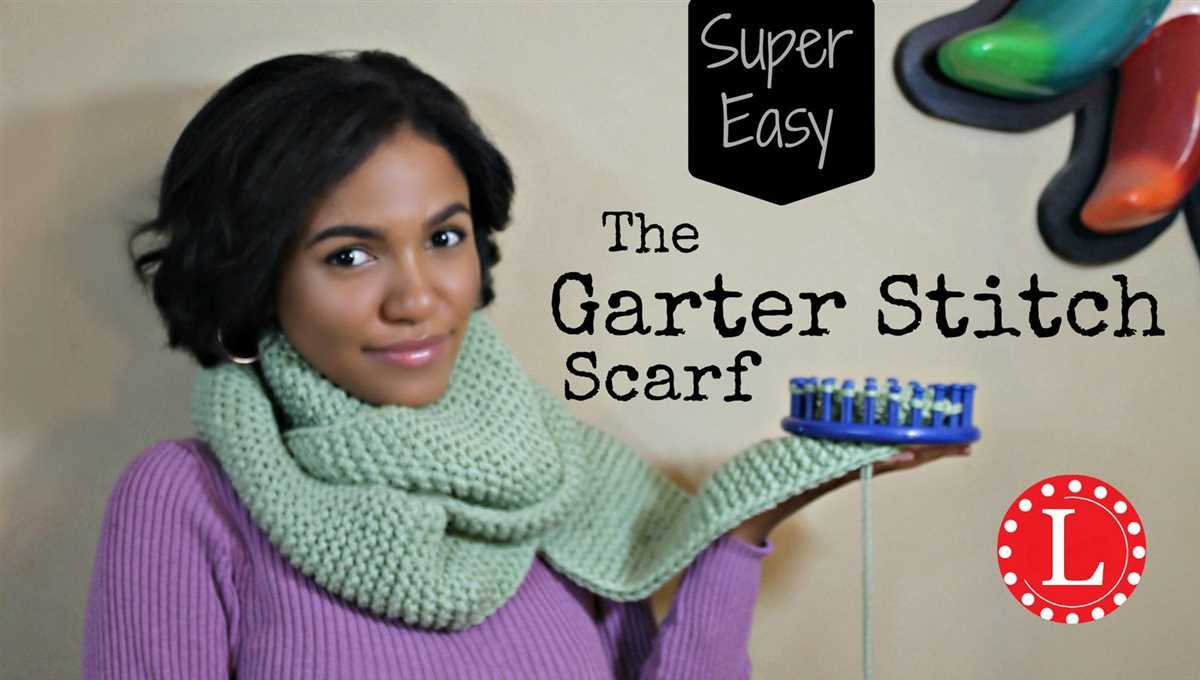
Paying attention to gauge is crucial for any knitting project, and loom knitting is no exception. Before you begin your project, take the time to create a gauge swatch using the same loom and yarn you plan to use. Adjust your tension and loom size as necessary to match the pattern’s gauge requirements. This step will help you achieve the desired dimensions and ensure that the final product fits properly.
4. Pay Attention to Tension
Achieving consistent tension is key to creating even and well-formed stitches in loom knitting. Be mindful of your tension as you work and make any necessary adjustments to avoid overly tight or loose stitches. Practice and experimentation will help you find the right tension for your knitting style and yarn choice.
5. Take Advantage of Stitch Markers
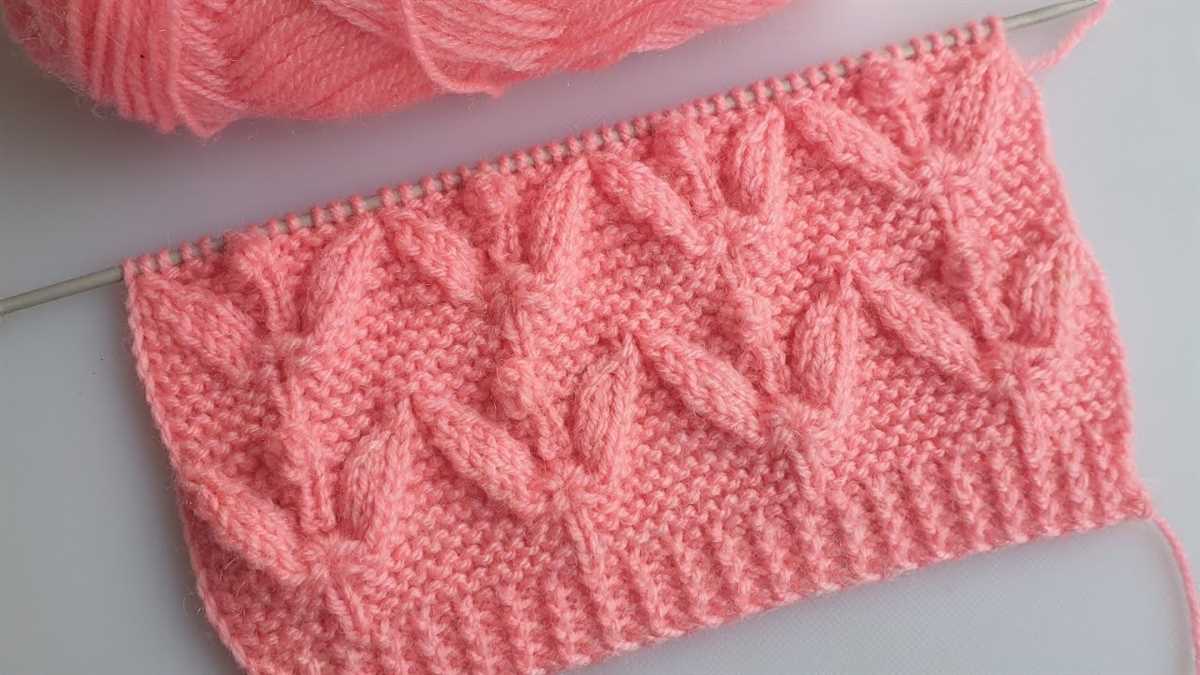
Stitch markers can be a helpful tool in loom knitting, especially for larger and more complex projects. Use stitch markers to mark specific stitches or pattern repeats, making it easier to keep track of your progress and avoid mistakes. These markers can be as simple as safety pins or special stitch markers designed for knitting.
By following these tips and tricks, you can enhance your loom knitting skills and create beautiful shawls and other projects with ease. Remember to choose the right loom and yarn weight, pay attention to gauge and tension, and utilize stitch markers when needed. With practice and patience, you’ll become a master loom knitter in no time!
Resources for loom knitting shawl patterns
If you’re looking for more patterns and inspiration for loom knitting shawls, there are several resources available online. Whether you’re a beginner or an experienced loom knitter, these websites and books can provide you with a variety of patterns and ideas to explore.
1. Ravelry: Ravelry is a popular online community for fiber artists, knitters, crocheters, and weavers. It has a huge database of patterns, including many for loom knitting shawls. You can browse patterns, connect with other loom knitters, and share your own creations.
2. Etsy: Etsy is a marketplace for handmade and vintage items, including knitting patterns. Many independent designers offer loom knitting shawl patterns for sale on Etsy. You can search for specific styles or techniques that you’re interested in and find unique patterns created by talented designers.
3. Loom Knitting Pattern Books: There are several books available that specifically focus on loom knitting shawls. Some popular options include “Loom Knit Shawls: 10 Afghans, Wraps, and Ponchos” by Kathy Norris and “Loom Knitting for Mommy and Me: 34 Designer Creations” by Isela Phelps. These books provide step-by-step instructions and patterns for a variety of shawl designs.
4. Loom Knitting YouTube Channels: Many loom knitting enthusiasts share tutorials and patterns on YouTube. Channels like “GoodKnitKisses” and “Tuteate” have videos dedicated to loom knitting shawls. You can follow along with the videos and learn new techniques while creating beautiful shawls.
With these resources, you’ll have a wealth of patterns and ideas at your fingertips. Whether you prefer printed patterns, online communities, or video tutorials, there’s something for everyone. Happy loom knitting!