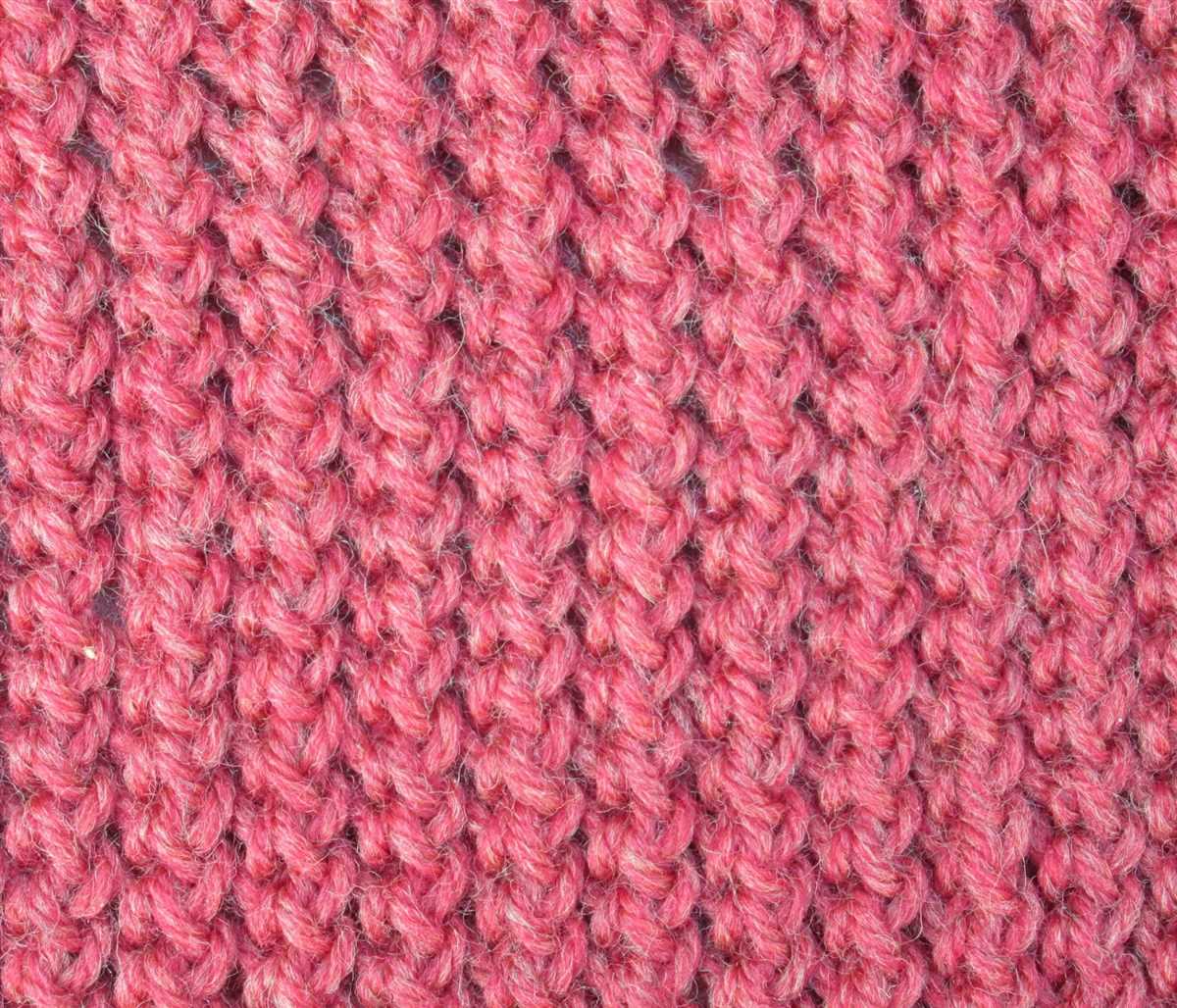
Knitting is a popular hobby that allows individuals to create unique and practical items using nothing more than a pair of needles and some yarn. One of the most important aspects of knitting is selecting the right stitch pattern for your project. Dense knitting stitch patterns are particularly appealing because they create a tight and solid fabric that can be used for various purposes.
There are many different types of dense knitting stitch patterns to choose from, each with its own unique characteristics. One popular option is the basketweave stitch, which creates a textured fabric that resembles the woven pattern of a basket. This stitch pattern is great for creating sturdy fabrics that are perfect for items like blankets, scarves, and bags.
Another dense knitting stitch pattern to consider is the seed stitch. This pattern features alternating knit and purl stitches, which creates a textured fabric that is dense and warm. The seed stitch is a great option for projects like sweaters, hats, and mittens, where you want the fabric to be extra cozy and insulating.
Whether you’re a beginner or an experienced knitter, trying out different dense knitting stitch patterns can be a fun and rewarding way to expand your knitting skills. Not only will you be able to create unique and beautiful items, but you’ll also have the satisfaction of knowing that your hard work has resulted in a dense and durable fabric that will stand the test of time.
Dense Knitting Stitch Patterns
The dense knitting stitch patterns are perfect for creating warm and cozy garments and accessories. These patterns are characterized by their tight and closely knit stitches, which create a thick and solid fabric. They are often used in winter wear, such as sweaters, hats, and scarves, to provide extra warmth and insulation.
One popular dense knitting stitch pattern is the seed stitch. This pattern is created by alternating knit and purl stitches in a regular pattern. The result is a textured fabric with a uniform and dense appearance. Another dense knit pattern is the brioche stitch. This stitch creates a reversible fabric with a unique ribbed texture. It is achieved by working multiple yarn overs and decreases, resulting in a squishy and thick fabric.
The cables and twists stitch patterns are also known for their density. These patterns involve crossing stitches over each other, creating a three-dimensional effect. They add both warmth and visual interest to a knitted piece. One example is the rope cable stitch, which mimics the look of twisted ropes. It is created by crossing stitches over each other on every row, creating a dense and sturdy fabric.
- The honeycomb stitch pattern is another dense knitting stitch pattern that creates a textured fabric resembling a honeycomb. It is achieved by working combination of knit and purl stitches in a specific repeat. This stitch pattern adds thickness and warmth to any knitted project.
- The basketweave stitch pattern is yet another popular choice for dense knitting. It creates a fabric that resembles a woven basket. This stitch pattern involves working blocks of knit and purl stitches in a set pattern, creating a structured and thick fabric.
What Are Dense Knitting Stitch Patterns?
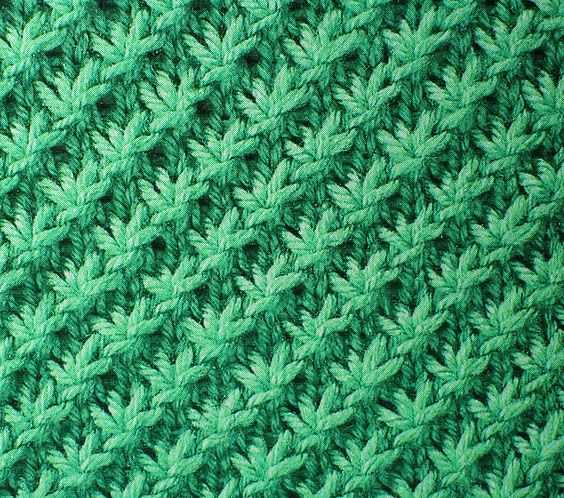
When knitting a project, the chosen stitch pattern can greatly impact the overall look and feel of the finished piece. Dense knitting stitch patterns are characterized by their tightly packed stitches, resulting in a fabric that has little to no visible spaces or holes.
These stitch patterns are often used to create warm and cozy textiles, such as sweaters, scarves, and blankets, as they provide excellent insulation against the cold. Due to their tightly packed construction, dense knitting stitch patterns are also great for adding structure and stability to garments, making them suitable for projects that require extra durability.
Examples of dense knitting stitch patterns include:
- The seed stitch: This pattern alternates between knit and purl stitches in every row, creating a uniform textured fabric that is both dense and reversible.
- The moss stitch: Similar to the seed stitch, this pattern alternates between knit and purl stitches, but with an added twist. The stitches are offset, creating a subtle pattern of bumps and ridges.
- The rib stitch: This pattern consists of alternating knit and purl stitches in a vertical arrangement, often used for creating stretchy and form-fitting fabrics.
These are just a few examples of dense knitting stitch patterns, but there are countless variations and combinations to explore. Whether you’re looking for warmth, durability, or structure, experimenting with different stitch patterns can add depth and interest to your knitting projects.
Benefits of Using Dense Knitting Stitch Patterns
When it comes to knitting, choosing the right stitch pattern is crucial to achieving the desired look and feel of the finished project. One popular option is dense knitting stitch patterns, which offer a range of benefits for both beginners and experienced knitters.
1. Enhanced Warmth and Insulation
Dense knitting stitch patterns, like the seed stitch or the moss stitch, create a denser fabric that provides exceptional warmth and insulation. The tight stitches trap heat more effectively, making them ideal for cold weather garments such as sweaters, hats, and scarves. These patterns can help keep the wearer cozy and comfortable even in harsh winter conditions.
2. Added Durability and Structure
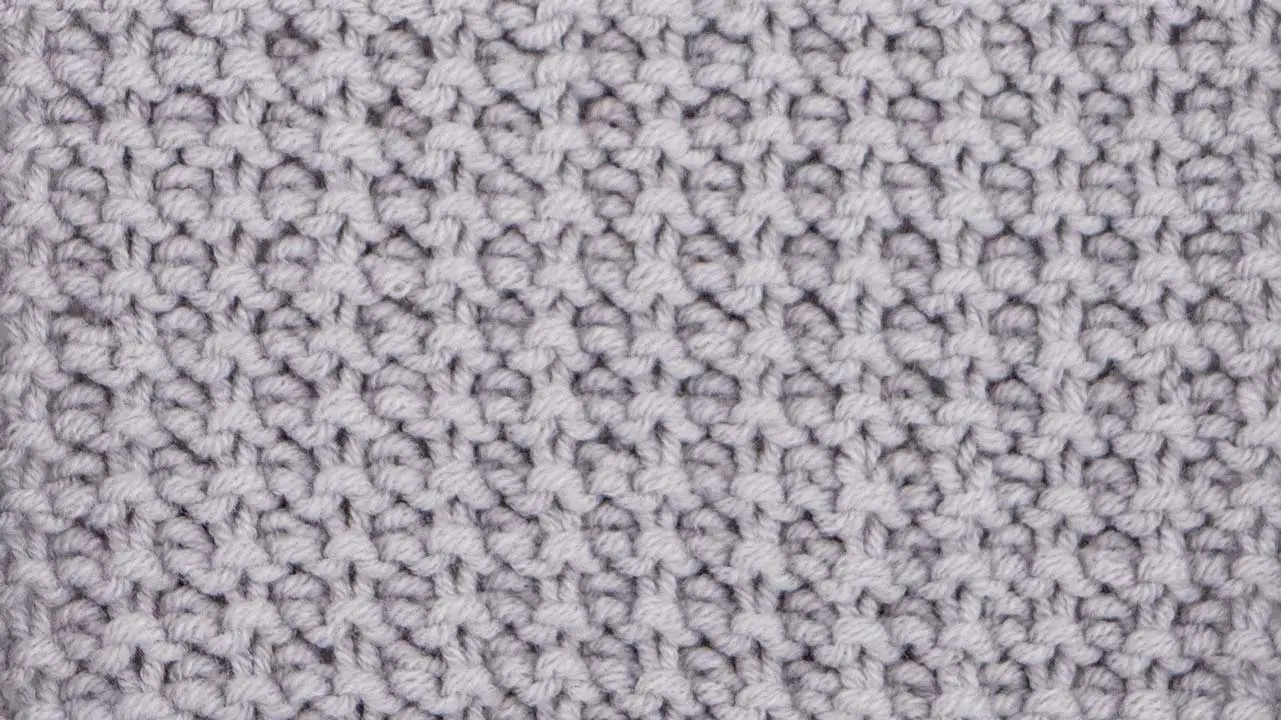
The tightly knit stitches of dense patterns result in a fabric that is more durable and structurally sound. This makes them excellent choices for projects that need to withstand regular wear and tear, such as blankets or socks. The density of the stitches also helps the fabric maintain its shape and structure over time, ensuring a longer lifespan for the knitted item.
3. Versatility and Texture
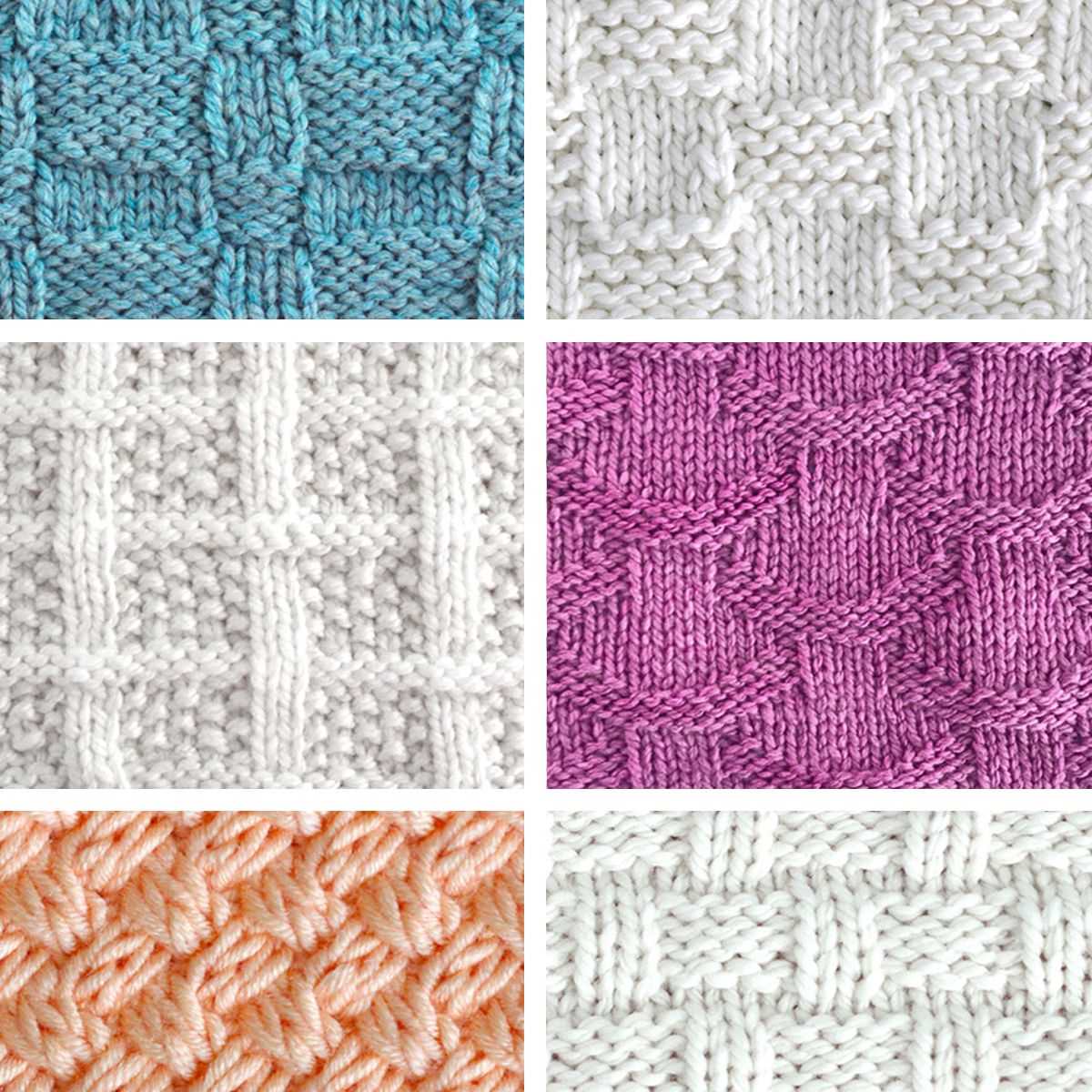
Dense knitting stitch patterns offer a wide range of design possibilities and create interesting textures. These patterns can be used to create intricate cable or lace designs, giving the fabric a complex and visually appealing look. The tight stitches also allow for better stitch definition, making them suitable for projects where the texture is an essential element, like textured pillows or stuffed animals.
4. Faster Knitting Process
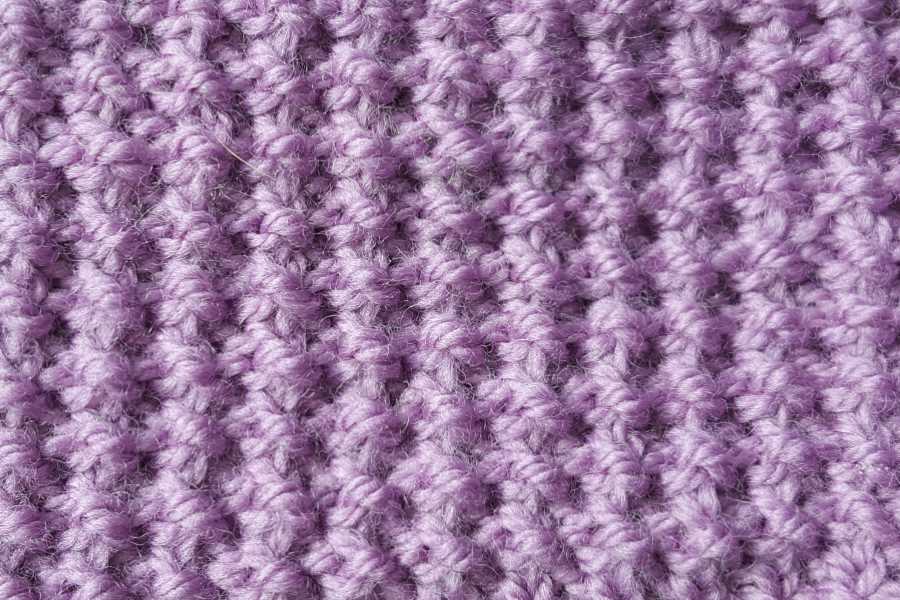
Knitting with dense stitch patterns can actually speed up the knitting process. The tighter stitches require less yarn, making the knitting go faster. Additionally, dense patterns often involve simple repeat patterns, which are easier and quicker to memorize. This can be especially beneficial for larger projects like blankets or afghans, where faster progress can be quite motivating.
Overall, dense knitting stitch patterns offer numerous benefits, from enhanced warmth and durability to versatility and a faster knitting process. Whether you are a beginner or an experienced knitter, incorporating dense stitch patterns into your projects can help you achieve beautiful and functional knitted items.
How to Choose the Right Yarn for Dense Knitting Stitch Patterns
When it comes to knitting dense stitch patterns, choosing the right yarn is essential to achieve the desired result. The yarn you select can greatly impact the overall look and feel of your project, as well as its durability and warmth. Here are some considerations to keep in mind when choosing yarn for dense knitting stitch patterns.
Fiber Content
The first thing to consider is the fiber content of the yarn. Certain fibers, such as wool and alpaca, have natural elasticity and drape, making them well-suited for dense knitting stitch patterns. These fibers have the ability to stretch and contract, allowing the stitches to compress and create a more defined pattern. On the other hand, yarns with synthetic fibers like acrylic may not have the same level of elasticity, which could result in a less defined stitch pattern.
Yarn Weight
Another important factor to consider is the weight of the yarn. Dense stitch patterns typically require a heavier weight yarn, such as bulky or chunky, to create the desired effect. These thicker yarns have more substance and can showcase the intricate details of the stitch pattern. Using a lighter weight yarn may result in a less pronounced pattern, as the stitches won’t have enough bulk to stand out.
Texture
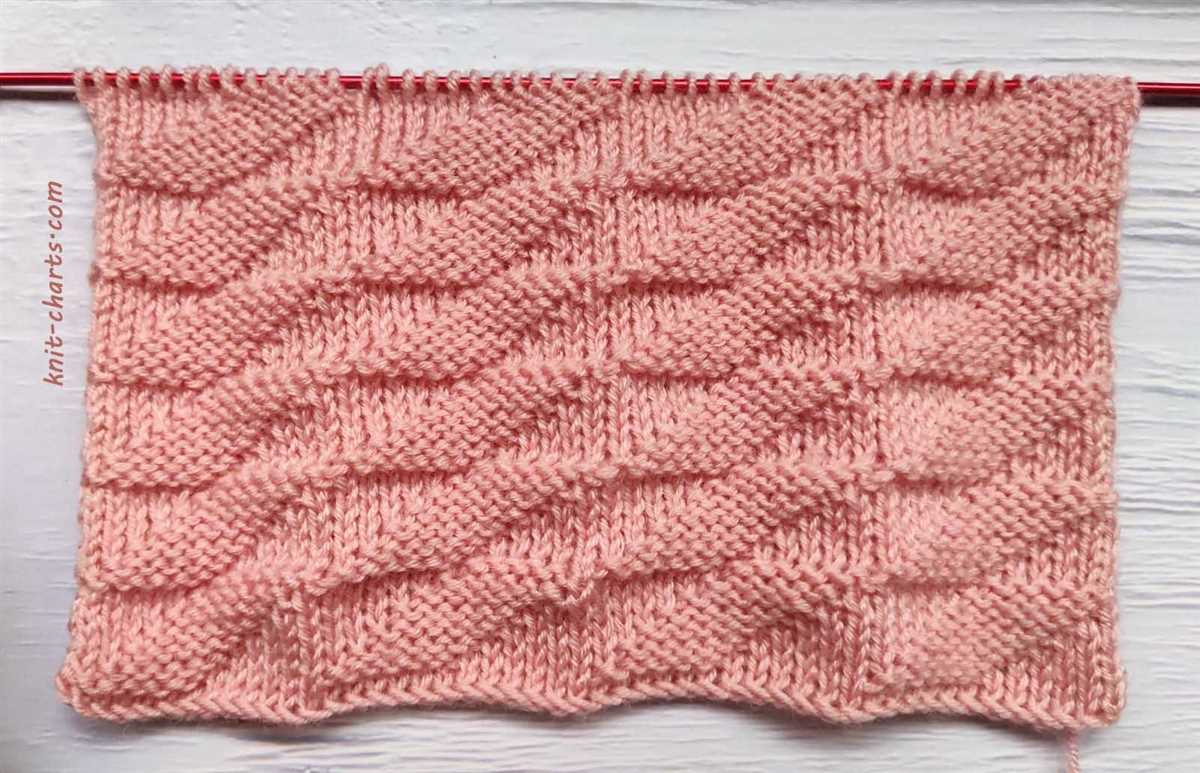
Consider the texture of the yarn as well. Smooth, plied yarns can highlight the individual stitches and create crisp lines in dense stitch patterns. Conversely, yarns with a halo or fuzzy texture can soften the look of the stitches and create a more diffuse pattern. Depending on the desired aesthetic, you may choose a yarn with a texture that complements the stitch pattern or enhances its visual effect.
Color
Lastly, don’t forget to consider the color of the yarn. The color can play a significant role in highlighting or downplaying the stitch pattern. For intricate dense stitch patterns, choosing a solid or semi-solid color can help showcase the pattern without distractions. Alternatively, variegated or self-striping yarns can add visual interest and create unique effects in the stitch pattern.
Overall, selecting the right yarn for dense knitting stitch patterns involves considering the fiber content, weight, texture, and color of the yarn. By carefully choosing these elements, you can ensure that your finished project will have the desired look, feel, and durability.
Tips for Knitting Dense Stitch Patterns
When knitting dense stitch patterns, it’s important to pay attention to a few key factors in order to achieve the desired result. Here are some tips to help you knit dense stitch patterns successfully:
1. Choose the right yarn:
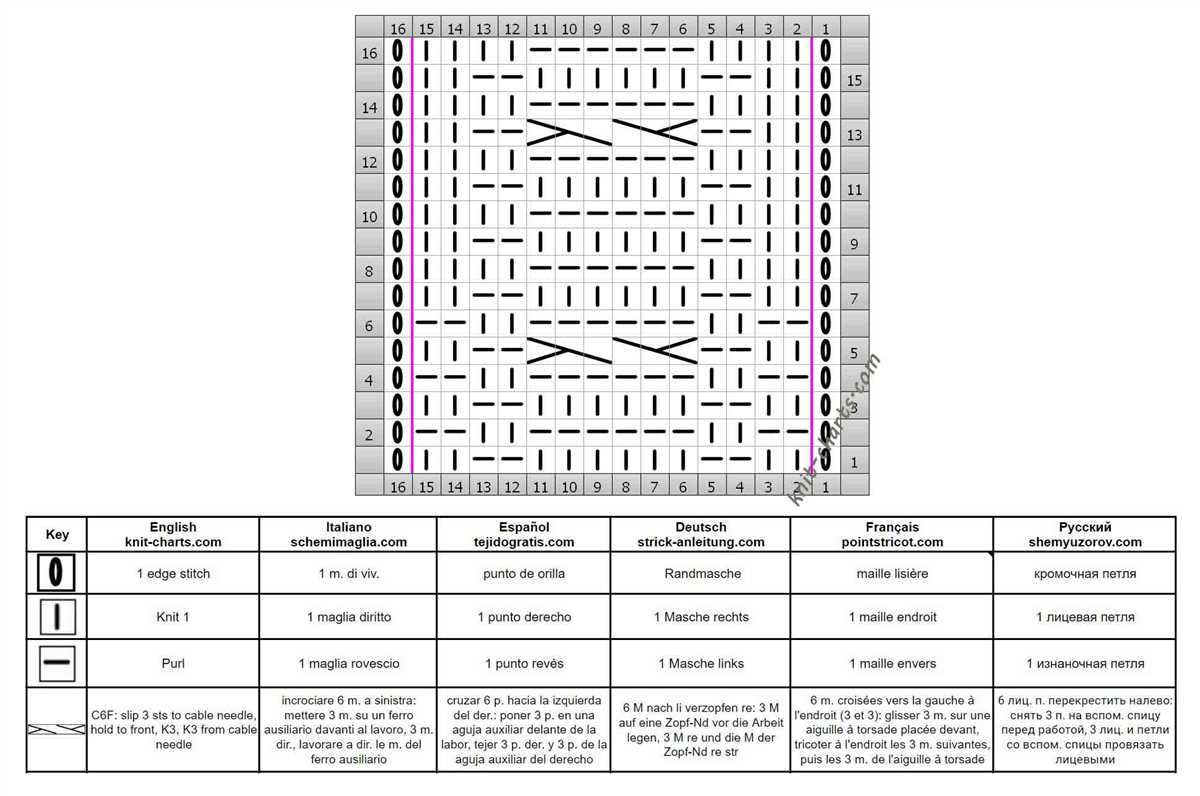
When knitting dense stitch patterns, it’s important to choose a yarn that will complement the pattern. Look for yarns that have good stitch definition and a tighter twist, as these types of yarns will help the stitches stand out more and create a denser fabric. Yarns with a higher wool content or a blend of wool and acrylic are often good options for dense stitch patterns.
2. Use smaller needles:

Using smaller needles can help create a tighter fabric and achieve a denser stitch pattern. When knitting dense stitch patterns, it’s common to go down a needle size or two from what is recommended on the yarn label. However, it’s important to swatch and check your gauge to ensure that the fabric is not too tight or too loose.
3. Pay attention to tension:
Consistent tension is crucial when knitting dense stitch patterns. Make sure to maintain an even tension throughout your work, as loose or tight stitches can affect the density of the fabric. Take your time and strive for an even tension to ensure a neat and professional-looking result.
4. Block your finished project:
Blocking your finished project can help enhance the density of the stitch pattern. Once your knitting is complete, wet block your project by gently washing it and then laying it flat to dry. This process can help the stitches relax and even out, ultimately making the fabric appear denser.
5. Practice and experiment:
Knitting dense stitch patterns can be a challenge, especially for beginners. Don’t be discouraged if your first attempts don’t turn out exactly as you imagined. Practice the stitch pattern on a small swatch to familiarize yourself with the pattern and to refine your technique. Experiment with different yarns, needles, and tension until you find the combination that works best for you.
By following these tips, you’ll be on your way to creating beautiful and dense stitch patterns in your knitting projects. Remember to be patient and enjoy the process!
Common Mistakes to Avoid When Knitting Dense Stitch Patterns
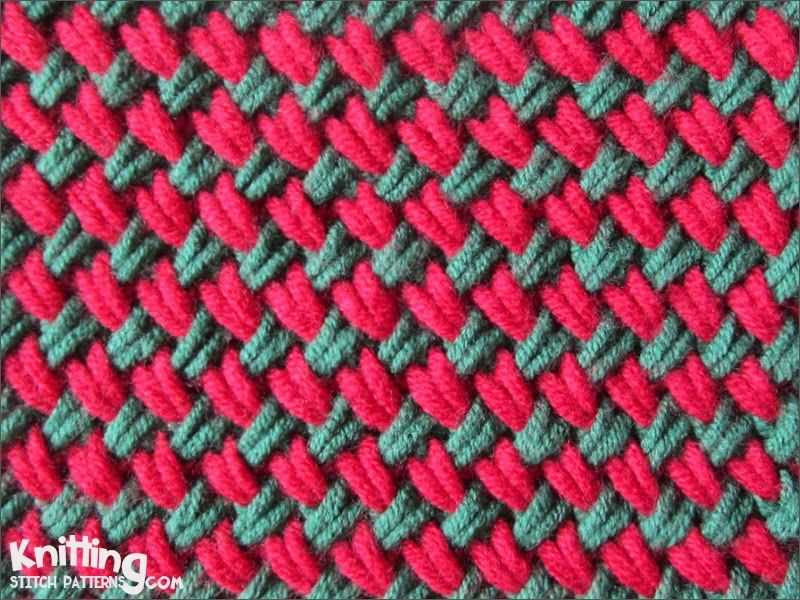
Knitting dense stitch patterns can be a fun and challenging project, but it’s important to be aware of common mistakes that can occur. These mistakes can result in uneven tension, dropped stitches, or even having to start over from the beginning. To help you avoid these pitfalls, here are some common mistakes to watch out for:
Tension Issues
One of the most common mistakes when knitting dense stitch patterns is uneven tension. This can happen when you’re not consistently pulling the yarn tight enough after each stitch. To avoid this, make sure to keep an even tension throughout your knitting. You can try using a smaller needle size or adjusting your grip on the yarn to achieve a more consistent tension.
Another tension issue to watch out for is pulling the yarn too tight, which can result in stitches that are difficult to maneuver and a finished project that is stiff. It’s important to find the right balance between being too loose and too tight when knitting dense stitch patterns.
Dropped Stitches
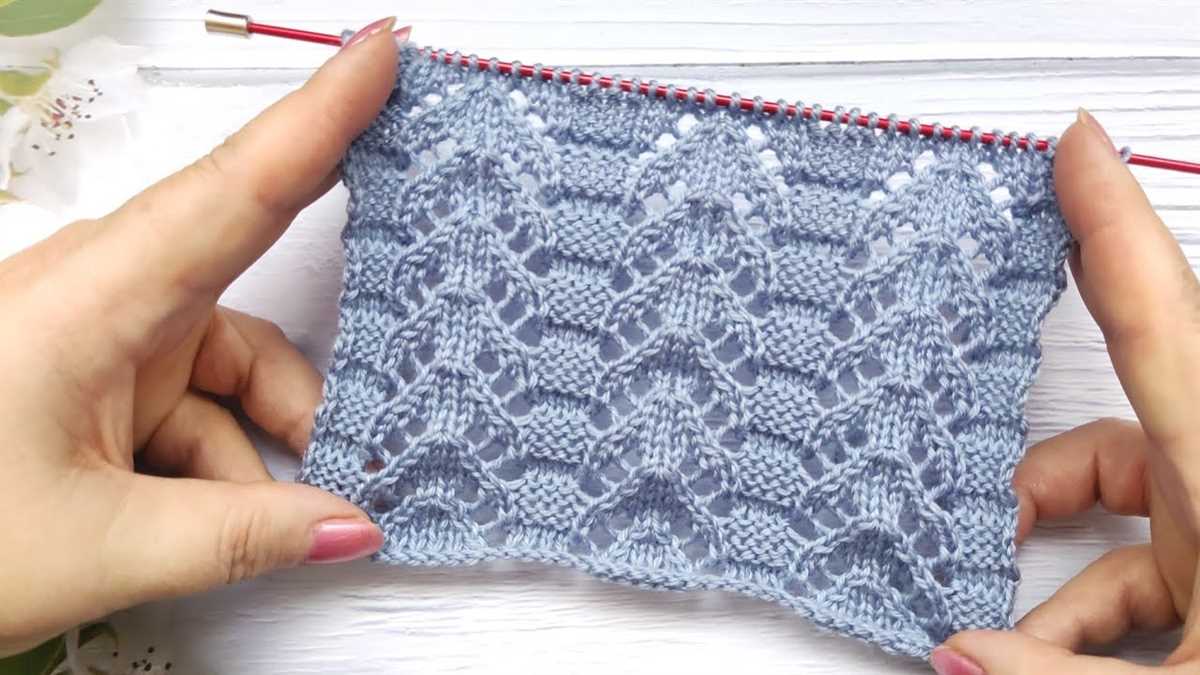
Dropped stitches can be a frustrating mistake to make, especially in a dense stitch pattern where it can be difficult to fix. To prevent dropped stitches, make sure to pay close attention to your knitting and avoid distractions. Counting your stitches regularly can also help you catch any mistakes early on.
If you do drop a stitch, don’t panic. Take a deep breath and carefully pick up the dropped stitch with a crochet hook or a knitting needle. If the stitch has unraveled multiple rows, you may need to unravel your work back to the dropped stitch and re-knit it.
Lack of Preparation
Before starting a dense stitch pattern, it’s important to be properly prepared. This includes reading and understanding the pattern instructions, gathering all the necessary materials, and ensuring you have the required level of knitting experience for the project. By being prepared, you can avoid making mistakes due to confusion or lack of knowledge.
In addition to these common mistakes, it’s important to remember that knitting is a skill that takes practice. Don’t be too hard on yourself if you make mistakes along the way. Learn from them, and with time and experience, you’ll become more proficient at knitting dense stitch patterns.
Popular Dense Knitting Stitch Patterns
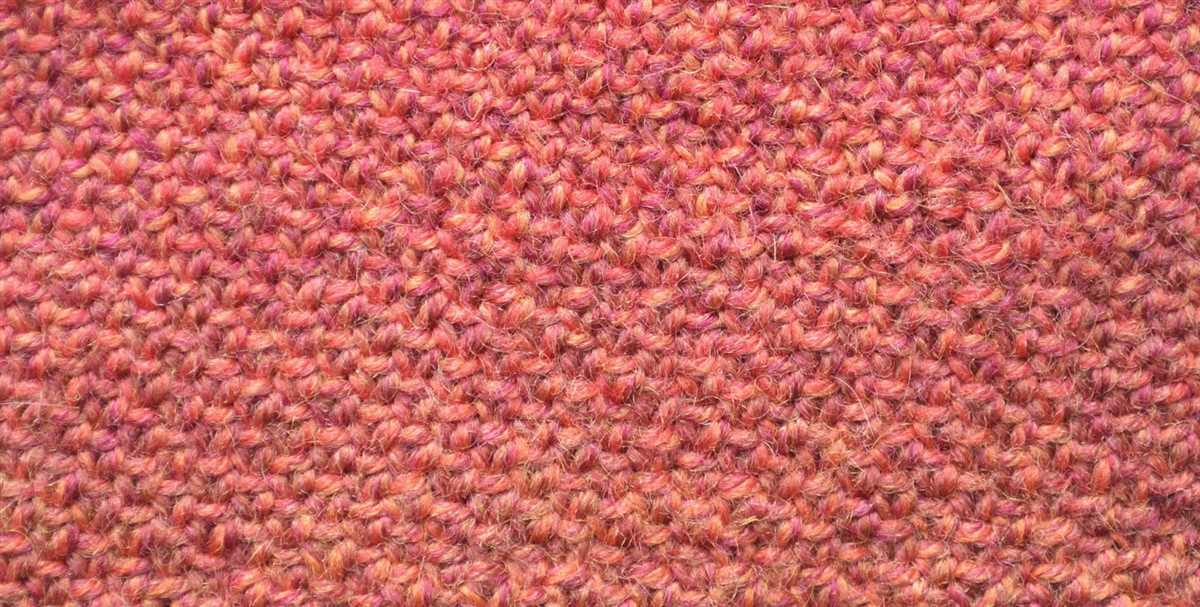
When it comes to creating texture and warmth in knitting projects, dense stitch patterns are an excellent choice. These stitch patterns typically involve multiple stitches or yarn overs worked into a single stitch, resulting in a thick and cozy fabric. Here are a few popular dense knitting stitch patterns that are loved by knitters worldwide:
1. Basketweave Stitch
The basketweave stitch is a classic pattern that creates a beautiful textured fabric with a woven appearance. It is achieved by alternating blocks of knit and purl stitches, typically in a 4×4 or 6×6 grid. This stitch pattern is perfect for creating blankets, scarves, and other cozy accessories.
2. Seed Stitch
Seed stitch, also known as moss stitch, is a simple yet effective dense stitch pattern. It involves alternating between knit and purl stitches within the same row and across subsequent rows. This creates a bumpy texture and a fabric that is reversible. Seed stitch is often used for borders, cuffs, and edging on garments.
3. Garter Stitch
The garter stitch is perhaps the simplest and most basic of all knitting stitches. It is achieved by knitting every row, creating a fabric with ridges on both sides. This stitch pattern is dense and produces a warm and squishy texture. Garter stitch is commonly used for scarves, blankets, and baby garments.
4. Cable Stitch
Cable stitch patterns add a touch of sophistication and depth to knitted projects. While cables can vary in complexity, they often involve crossing stitches over each other to create intricate designs. Cable stitches are denser than regular knit and purl stitches, making them perfect for sweaters, hats, and other accessories that require extra warmth.
If you’re looking to add texture and warmth to your knitting projects, these popular dense stitch patterns are great options to consider. Whether you choose the basketweave stitch, seed stitch, garter stitch, or cable stitch, you’re sure to create a cozy and beautiful finished piece.
Creating Texture with Dense Knitting Stitch Patterns
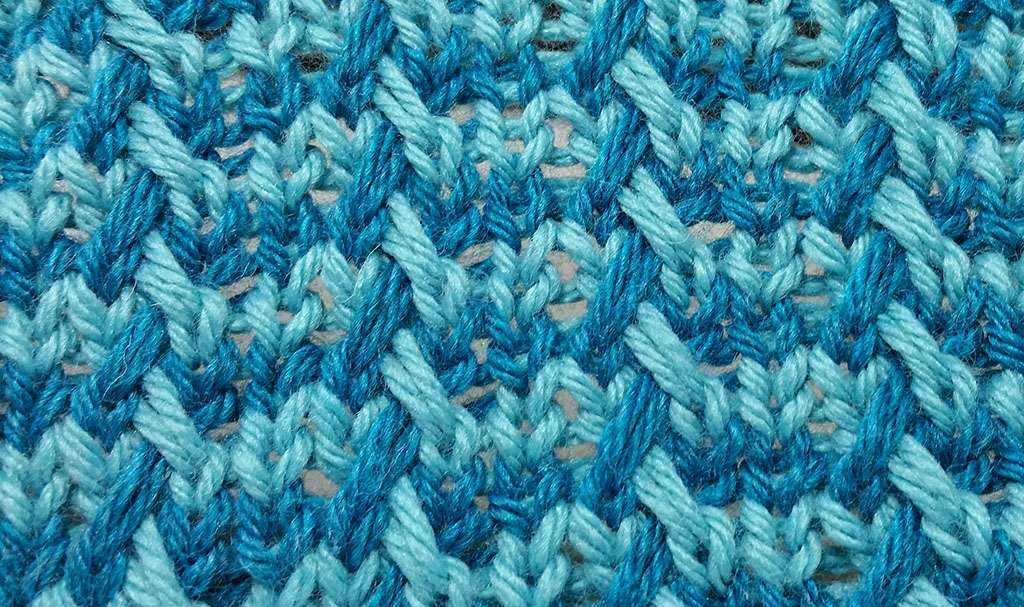
When it comes to knitting, there are countless stitch patterns and techniques to explore. One way to add texture and visual interest to your knitting projects is by using dense stitch patterns. These patterns typically involve a combination of knit and purl stitches, resulting in a fabric that is thick and tightly woven.
One popular dense knitting stitch pattern is the seed stitch. This pattern alternates between knit and purl stitches on every row, creating a bumpy texture that is both visually appealing and gives the fabric a nice drape. The seed stitch is often used for scarves, hats, and other accessories where a dense, warm fabric is desired.
Another dense stitch pattern is the garter stitch. This pattern consists of knitting every row, resulting in a fabric that is primarily made up of interlocking ridges. The garter stitch is often used for blankets and other cozy items, as it creates a thick, insulating fabric that is perfect for snuggling up in.
For those looking for a more intricate pattern, the basketweave stitch is a great option. This stitch pattern combines knit and purl stitches in a specific pattern, resulting in a fabric that resembles a woven basket. The basketweave stitch is perfect for adding texture to sweaters, cardigans, and other garments.
In addition to these specific stitch patterns, you can also create texture by incorporating cables, bobbles, and other embellishments into your knitting. By experimenting with different stitch patterns and techniques, you can create truly unique and textured fabrics that are sure to impress.
Adapting Dense Knitting Stitch Patterns for Different Projects
When it comes to dense knitting stitch patterns, there are a wide variety of options that can be adapted for different projects. These stitch patterns typically create a thick and textured fabric, making them suitable for items such as blankets, scarves, and hats. However, with a little creativity and adjustment, these stitch patterns can also be used for other projects.
One way to adapt dense knitting stitch patterns is to change the yarn weight and needle size. By using a finer yarn and smaller needles, you can create a lighter and more delicate fabric. This can be perfect for items like shawls or lightweight sweaters. On the other hand, using a bulkier yarn and larger needles will result in a thicker and cozier fabric, making it ideal for blankets and winter accessories.
Another way to adapt dense knitting stitch patterns is to modify the stitch count or pattern repeat. By adjusting the number of stitches or the way the stitches are repeated, you can change the size and shape of the final piece. For example, if you have a dense stitch pattern that creates a rectangular fabric, you can decrease the stitch count to create a scarf or increase the stitch count to make a blanket.
Dense knitting stitch patterns can also be combined with other stitch patterns. Mixing different stitch patterns can add visual interest and texture to your project. For example, you can alternate between a dense stitch pattern and a lace stitch pattern to create a beautiful contrast. You can also incorporate different stitch patterns into different sections of your project, such as using a dense stitch pattern for the body of a sweater and a ribbing stitch pattern for the cuffs and hem.
In conclusion, dense knitting stitch patterns can be adapted for a variety of projects by changing the yarn weight and needle size, modifying the stitch count or pattern repeat, and combining them with other stitch patterns. With a little experimentation and creativity, you can create unique and beautiful knitted items using these versatile stitch patterns.
Exploring Advanced Techniques in Dense Knitting Stitch Patterns
When it comes to dense knitting stitch patterns, advanced techniques can be used to create intricate and beautiful designs. These techniques go beyond basic knitting stitches and require a higher level of skill and precision.
One advanced technique that can be used in dense knitting stitch patterns is cabling. Cabling involves crossing stitches over each other to create twisted patterns. By manipulating the order in which stitches are worked, intricate cable designs can be achieved. Cabling can add depth and texture to dense knitting stitch patterns, making them visually interesting and appealing.
Another advanced technique that can be explored in dense knitting stitch patterns is lacework. Lacework involves creating patterns with holes or “eyelets” in the fabric. This can be achieved by increasing and decreasing stitches in specific ways. Lacework can add a delicate and airy quality to dense knitting stitch patterns, breaking up the density of the fabric and creating visual interest.
In addition to cabling and lacework, there are many other advanced techniques that can be used in dense knitting stitch patterns. These include colorwork, where multiple colors are used to create intricate patterns and designs, as well as textured stitch patterns, where different knitting techniques are combined to create unique textures and surfaces. By exploring these advanced techniques, knitters can create stunning and complex designs that showcase their skills and creativity.
Examples of Advanced Techniques in Dense Knitting Stitch Patterns:
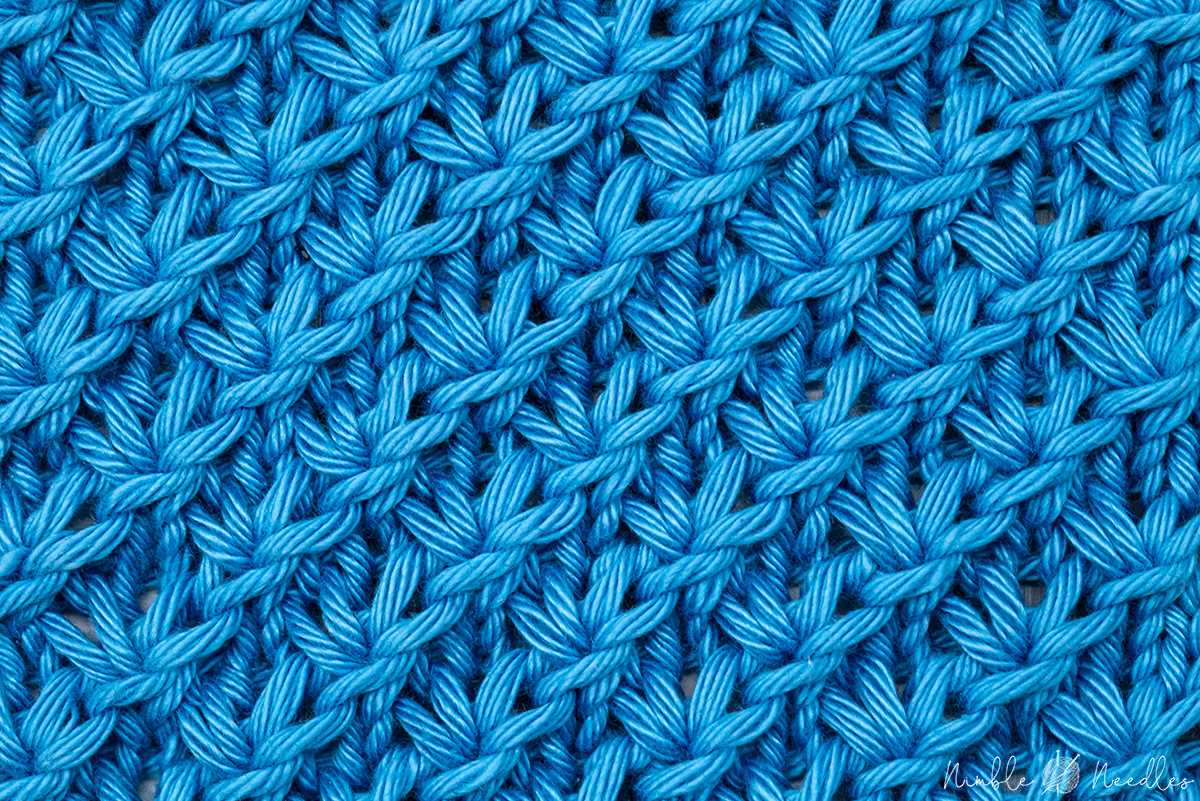
- Cabling
- Lacework
- Colorwork
- Textured stitch patterns
In conclusion, advanced techniques in dense knitting stitch patterns can elevate the quality and complexity of the designs. By experimenting with techniques such as cabling, lacework, colorwork, and textured stitch patterns, knitters can create beautiful and unique pieces that showcase their creativity and skill.
Incorporating Color in Dense Knitting Stitch Patterns
When it comes to knitting, incorporating color can add a whole new dimension to your dense stitch patterns. By using different colors in your knitting project, you can create stunning visual effects and make your stitches truly stand out.
One popular technique for incorporating color in dense knitting stitch patterns is stranded colorwork. Stranded colorwork involves knitting with two or more colors at the same time, carrying the unused colors along the back of the work. This technique creates a dense and warm fabric with intricate color patterns. It is often used in traditional Fair Isle knitting, where small geometric motifs are worked into the fabric.
Here are a few tips for incorporating color in dense knitting stitch patterns:
- Choose colors that contrast well with each other. The contrasting colors will create a bold and eye-catching design.
- Start with simple stitch patterns. As you become more comfortable with stranded colorwork, you can experiment with more complex designs.
- Keep your tension even. Uneven tension can cause the fabric to pucker or distort the color pattern.
- Experiment with different yarn weights. Thicker yarns will produce a denser fabric, while finer yarns will create a more delicate look.
- Consider using a color chart or graph paper to plan out your color pattern in advance. This will help you visualize how the colors will interact and ensure a balanced design.
By incorporating color in dense knitting stitch patterns, you can take your knitting to the next level and create unique and visually stunning projects. So go ahead and introduce some color into your next knitting project, and watch as your stitches come to life!
Examples of Finished Projects Using Dense Knitting Stitch Patterns

Knitting dense stitch patterns can create stunning projects that are both beautiful and functional. Whether you’re a beginner or an experienced knitter, there are countless possibilities for using dense stitches in your projects. Here are a few examples of finished projects that showcase the versatility of dense knitting stitch patterns.
A Chunky Cable Scarf
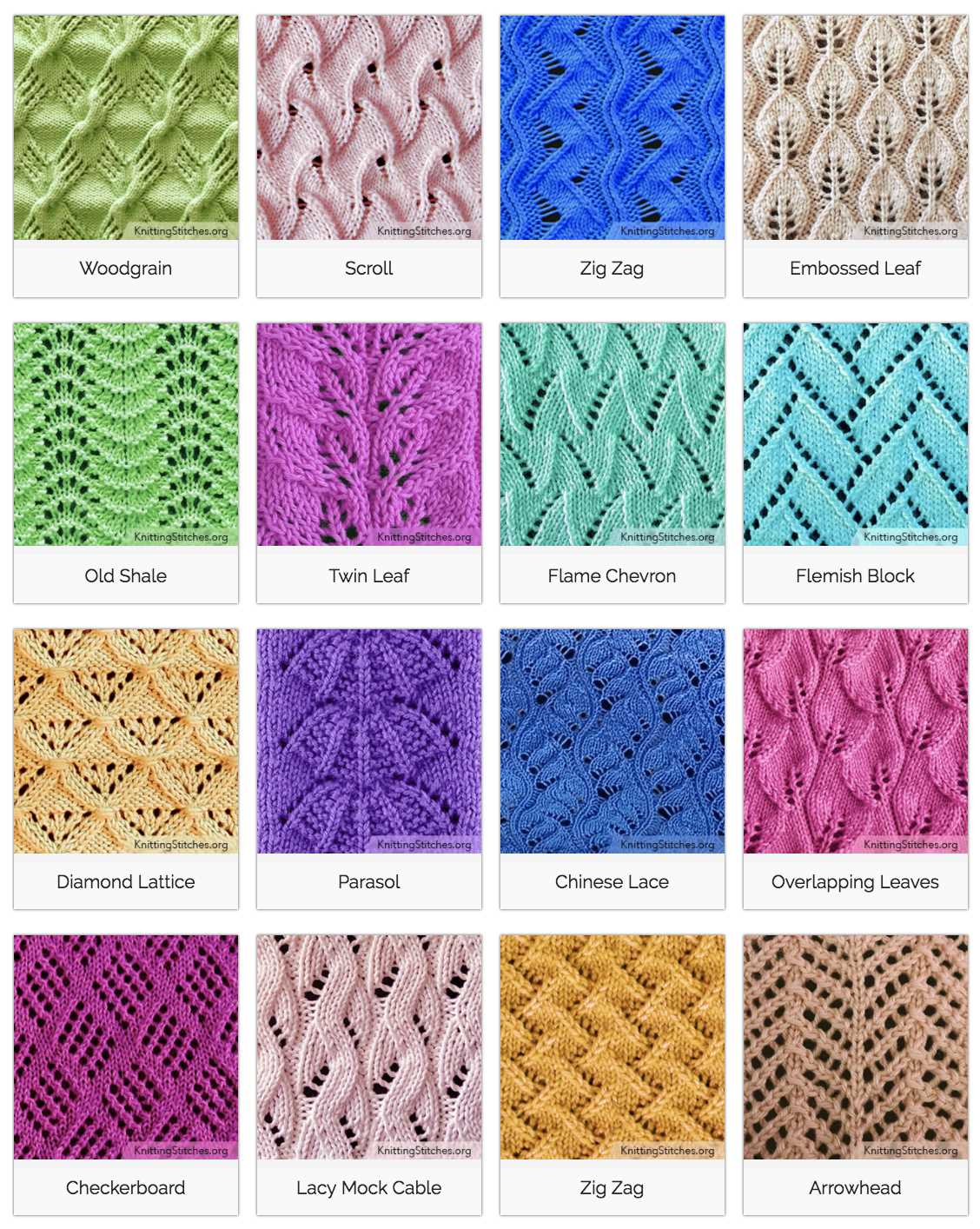
Pattern: This scarf features a dense cable stitch pattern that adds texture and warmth. The cables are worked over a multiple of stitches and create a striking design. The scarf is knitted with a bulky yarn, making it cozy and perfect for keeping warm on cold winter days.
Materials: Bulky yarn, knitting needles, cable needle.
A Cozy Sweater
Pattern: This sweater features a dense basketweave stitch pattern that creates a structured and textured fabric. The stitch pattern is worked on the body and sleeves, adding interest and uniqueness to the design. The sweater is knitted with a worsted weight yarn, providing a good balance of warmth and breathability.
Materials: Worsted weight yarn, knitting needles.
A Textured Blanket
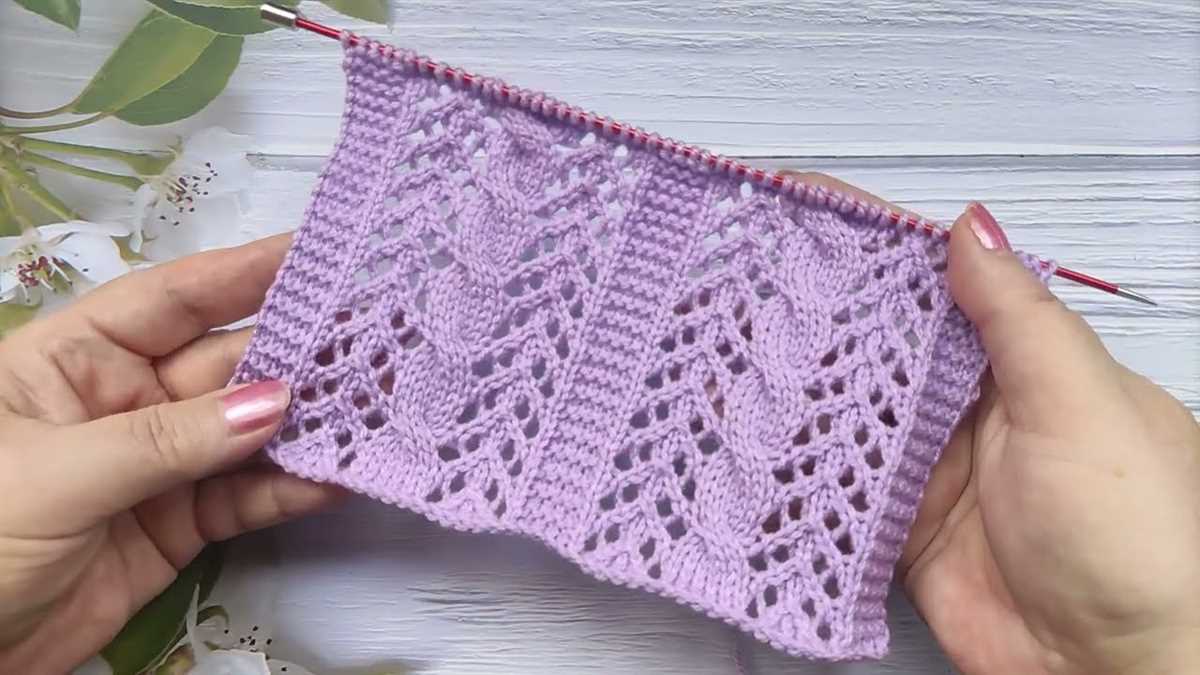
Pattern: This blanket showcases a dense seed stitch pattern that creates a textured and cozy fabric. The seed stitch is worked over a large number of stitches and rows, resulting in a beautiful overall pattern. The blanket is knitted with a super bulky yarn, making it thick and warm.
Materials: Super bulky yarn, knitting needles.
A Warm Hat
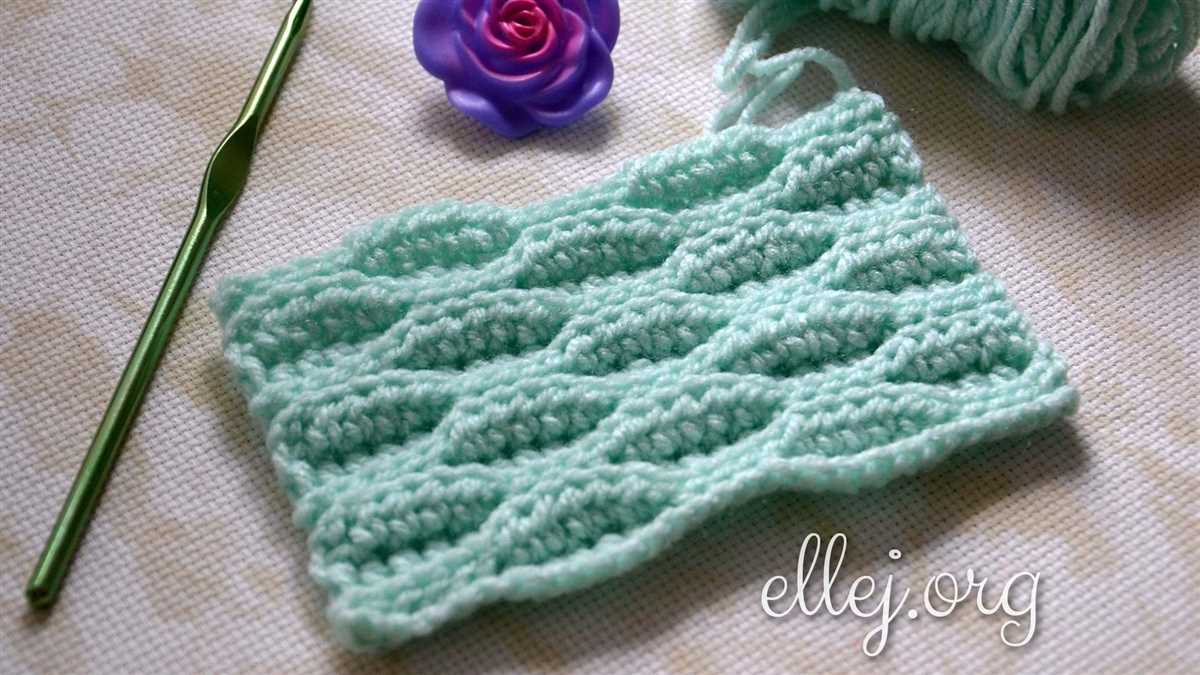
Pattern: This hat features a dense ribbed stitch pattern that adds warmth and stretch. The ribbing is worked over a multiple of stitches and creates a snug fit. The hat is knitted with a soft and warm yarn, making it perfect for keeping your head cozy in cold weather.
Materials: Medium weight yarn, knitting needles.
These examples demonstrate the variety of projects that can be created using dense knitting stitch patterns. Whether you’re in the mood for a cozy scarf, a stylish sweater, a textured blanket, or a warm hat, dense stitches can add depth and interest to your finished pieces. Experiment with different stitch patterns and yarn weights to create unique and personalized projects that showcase your knitting skills.