Whether you’re a seasoned sewist or just starting out, knit sewing patterns offer a whole new world of possibilities for creating your own stylish and comfortable garments. Knit fabrics, such as jersey, interlock, and rib knits, are known for their flexibility, stretch, and softness, making them ideal for creating everything from t-shirts and dresses to pants and sweaters.
If you’re new to sewing with knit fabrics, don’t worry! This beginner’s guide will walk you through the basics of working with knit sewing patterns. We’ll discuss the different types of knit fabrics available, as well as the essential tools and techniques you’ll need to successfully complete your projects. From selecting the right needle and stitch for your machine to understanding how to properly cut and sew knit fabrics, we’ve got you covered.
One of the great things about knit sewing patterns is their versatility. Whether you prefer a classic, form-fitting silhouette or a more relaxed and casual style, there’s a knit sewing pattern out there for you. With a wide range of designs and sizes available, you can easily find patterns that suit your personal taste and body shape. Plus, since knit fabrics are forgiving and stretchy, they can be more forgiving in terms of fit compared to woven fabrics.
So, whether you’re looking to create your own wardrobe staples or venture into the world of handmade gifts, knit sewing patterns are a fantastic choice. With a little practice and some basic knowledge, you’ll soon be whipping up your own stylish and comfortable garments that will make you the envy of all your friends!
What are knit sewing patterns?
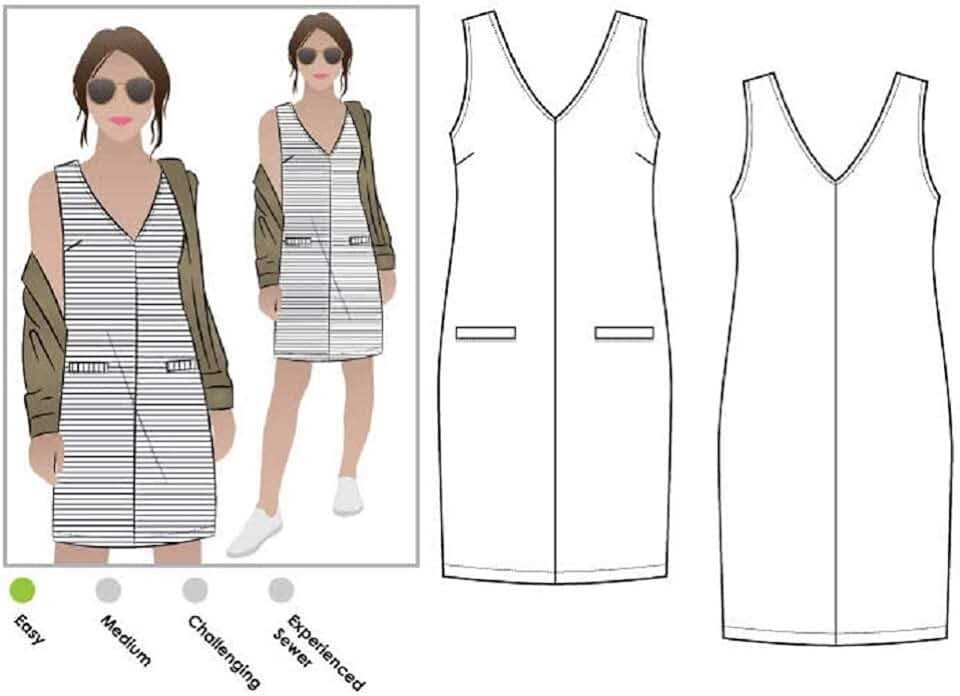
Knit sewing patterns are instructions or templates that guide you through the process of creating clothing or accessories using knit fabrics. Knitting is a method of creating fabric by interlocking loops of yarn, and knit fabrics are made from these loops. When sewing with knit fabrics, it’s important to use specific techniques and patterns designed for stretchy and flexible materials.
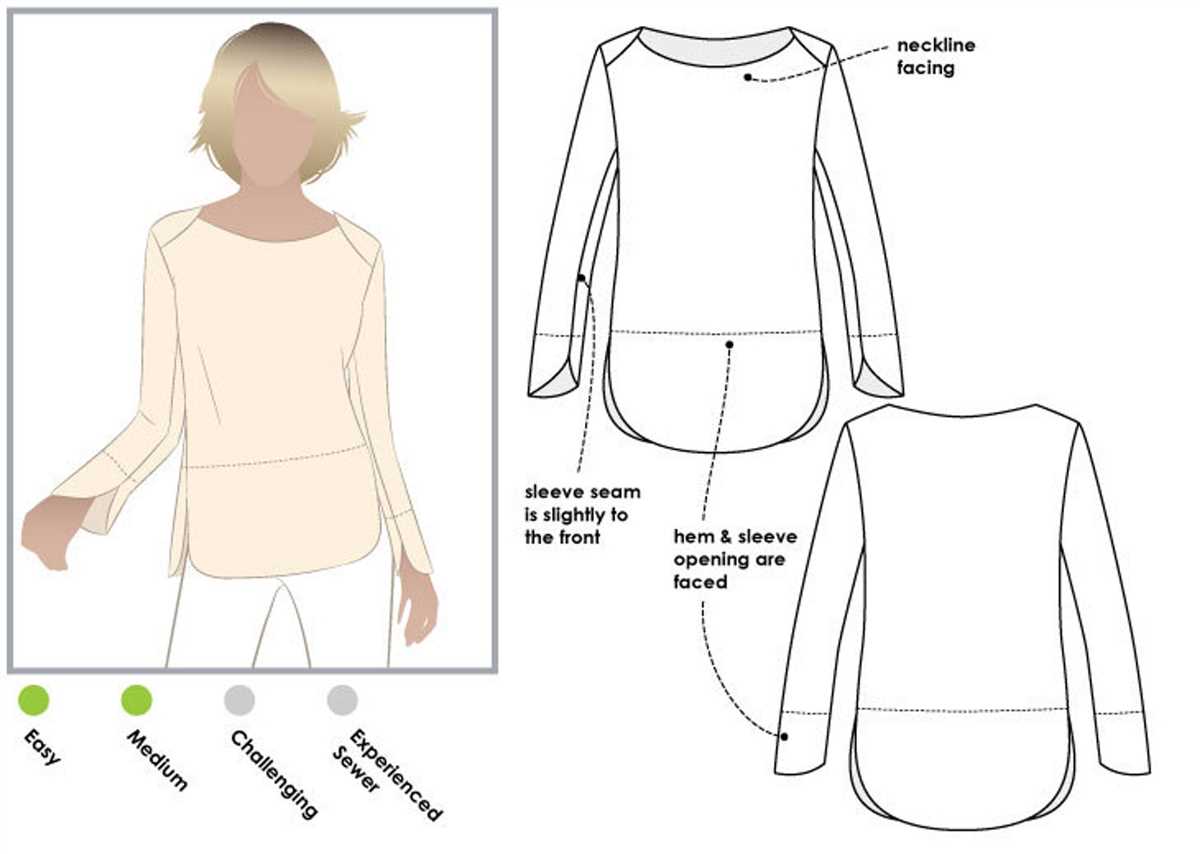
These patterns typically come in the form of printed or digital instructions that include detailed illustrations or diagrams, as well as measurements, cutting layouts, and step-by-step instructions for constructing the garment. They may also include information on the type of knit fabric recommended, any necessary adjustments for different body types, and tips or techniques for achieving a professional finish.
A knit sewing pattern may specify the type of knit fabric to use, such as jersey, interlock, or rib knit, as well as the amount of stretch required. It will provide guidance on selecting the appropriate size based on your measurements and may include multiple size options. The pattern will also indicate how much fabric is needed, any notions or additional supplies required, and may offer alternative design options or variations.
One of the key advantages of knit sewing patterns is their versatility. Knit fabrics are known for their stretch and recovery, making them suitable for a wide range of garments and accessories, including t-shirts, dresses, skirts, leggings, sweaters, and more. The stretchiness of knits also allows for a more forgiving fit, as they can conform to the curves of the body. Additionally, knit sewing patterns often include techniques for finishing seams and edges without the need for additional finishing steps, such as hemming or serging.
The History of Knit Sewing Patterns

Knit sewing patterns have a long and fascinating history, with roots dating back hundreds of years. Knitting itself is believed to have originated in the Middle East in the 11th century, and it quickly spread throughout Europe. Initially, knitting was done by hand using only two needles, and patterns were often passed down through generations orally or through simple diagrams.
It wasn’t until the Industrial Revolution in the 18th century that knitting machines were developed, making the production of knit fabrics faster and more efficient. This advancement in technology also led to the creation of intricate and complex knit sewing patterns. With the ability to easily mass-produce knitted garments, patterns became more accessible to everyday people, not just skilled knitters.
As knitting continued to evolve, so did the variety of knit sewing patterns available. In the early 20th century, knitting magazines and books began publishing patterns for different types of garments, such as sweaters, hats, and socks. These patterns often included detailed instructions and charts to guide knitters and ensure accurate results. With the advent of the internet, knit sewing patterns became even more accessible, with countless websites and online communities dedicated to sharing and discussing patterns.
Today, knit sewing patterns are not only a practical way to create unique and personalized garments but also a form of self-expression and creativity. With countless designs, techniques, and materials to choose from, knitters can truly make their creations their own. Whether knitting for themselves or others, these patterns continue to inspire and bring joy to those who love the craft of knitting.
Types of knit sewing patterns
Knit sewing patterns are a versatile option for creating a variety of garments and accessories. From cozy sweaters to trendy dresses, there are many different types of knit sewing patterns available to suit different styles and skill levels. Here are a few examples:
1. Sweater patterns:
Sweater patterns are a popular choice for knitters of all skill levels. Whether you’re a beginner looking to make your first sweater or an experienced knitter looking for a new challenge, there are sweater patterns available in a wide range of styles and difficulty levels. From classic crew neck pullovers to oversized cardigans, there’s a sweater pattern out there for everyone.
2. Hat patterns:
Hat patterns are great for knitters who want a quick and satisfying project. Whether you prefer a slouchy beanie or a fitted cap, there are hat patterns available for all styles and preferences. Hat patterns can be simple and straightforward, making them perfect for beginners, or they can be more complex with intricate cable or colorwork designs for experienced knitters.
3. Dress patterns:
Knit dress patterns offer a comfortable and stylish option for any wardrobe. From casual t-shirt dresses to elegant maxi dresses, there are knit dress patterns available in a variety of styles and lengths. Knit dresses are a great choice for beginners who want to try their hand at sewing garments, as they are often more forgiving and easier to fit than woven fabrics.
4. Scarf patterns:
Scarves are a classic accessory that can add a touch of warmth and style to any outfit. Knit scarf patterns come in a variety of styles, from simple garter stitch scarves to more intricate lace or cable designs. Scarf patterns can be a great way to practice new knitting techniques and experiment with different yarns and textures.
- Other knit sewing patterns:
In addition to the examples mentioned above, there are many other types of knit sewing patterns available. These include patterns for socks, shawls, mittens, and more. Whether you’re a beginner or an experienced knitter, there’s a wide range of knit sewing patterns to choose from to suit your style and skill level.
Choosing the right knit fabric for your sewing project
When it comes to sewing with knits, choosing the right fabric is key to the success of your project. Knit fabrics come in a variety of types and weights, each with its own characteristics and suitability for different garments. Here are some factors to consider when choosing a knit fabric for your sewing project.
Type of knit fabric
There are various types of knit fabrics, including jersey, interlock, rib knit, and sweater knit. Each type has its own stretch, drape, and weight. Jersey knit is one of the most common types and is known for its softness and fluid drape. Interlock knit has a firmer hand and is great for more structured garments. Rib knit has more texture and stretch, making it ideal for cuffs, neckbands, and waistbands. Sweater knit is thicker and often used for sweaters, cardigans, and outerwear.
Stretch and recovery
Another important factor to consider is the stretch and recovery of the knit fabric. Stretch refers to how much the fabric can be stretched, while recovery is its ability to return to its original shape after stretching. Different garments require different amounts of stretch and recovery. For example, a form-fitting dress may require a fabric with a high amount of stretch and excellent recovery, while a loose-fitting t-shirt may only require a moderate amount of stretch.
- Consider the stretch percentage of the fabric and compare it to the pattern’s recommended stretch percentage.
- Do a stretch test by pulling the fabric in both directions to see how much it stretches and how well it recovers.
- Keep in mind that knits with too much stretch or poor recovery may result in a garment that becomes stretched out and loses its shape over time.
Fabric weight and drape

The weight and drape of the knit fabric will also affect the look and feel of the finished garment. Lightweight knits are great for summer dresses and tops, while heavier knits are better suited for winter sweaters and cardigans. Consider the drape of the fabric as well – how it falls and moves when draping over the body. Some knits have a fluid drape, while others may be more structured.
Remember to always pre-wash and pre-shrink your knit fabrics before starting your sewing project, as some knits have a tendency to shrink. Lastly, don’t be afraid to experiment and try different knit fabrics to find the one that works best for your project and personal style. Happy sewing!
Tools and materials needed for knitting sewing patterns
When it comes to knitting sewing patterns, having the right tools and materials is essential to ensure a successful and enjoyable knitting experience. Here are some of the key items you will need:
Knitting Needles:
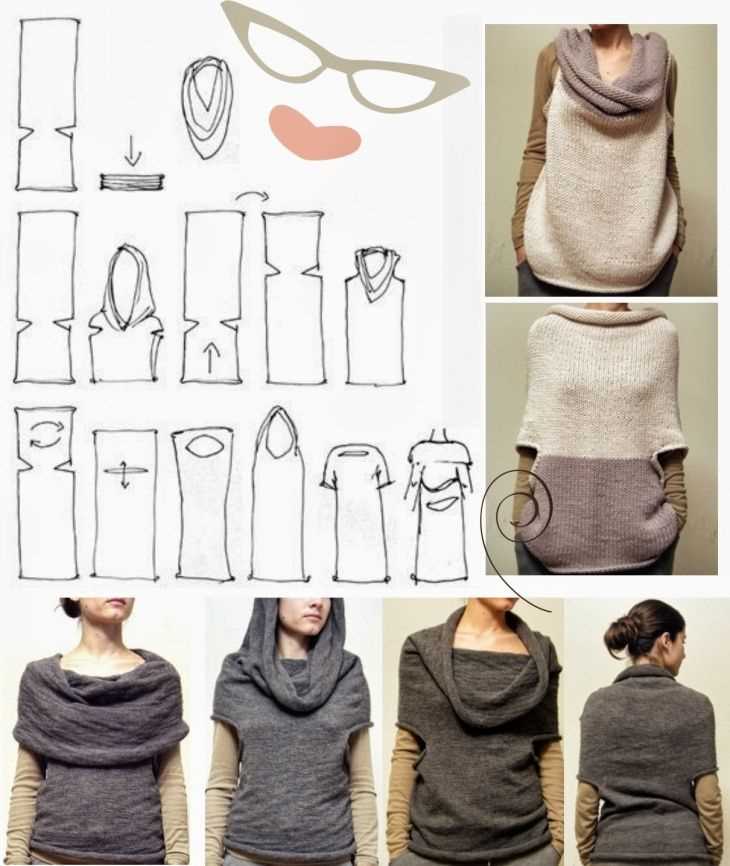
- Straight Needles: These are typically used for flat knitting and come in various sizes and lengths. They are great for knitting scarves and other rectangular-shaped items.
- Circular Needles: These needles have two needle tips connected by a flexible cable. They are ideal for knitting in the round, such as hats, socks, and sweaters. They also work well for larger projects as they can hold a larger number of stitches.
- Double-Pointed Needles: These needles have points on both ends and are used for projects that require knitting in small circles, like gloves or socks. They also come in handy for finishing touches on certain projects.
Yarn:
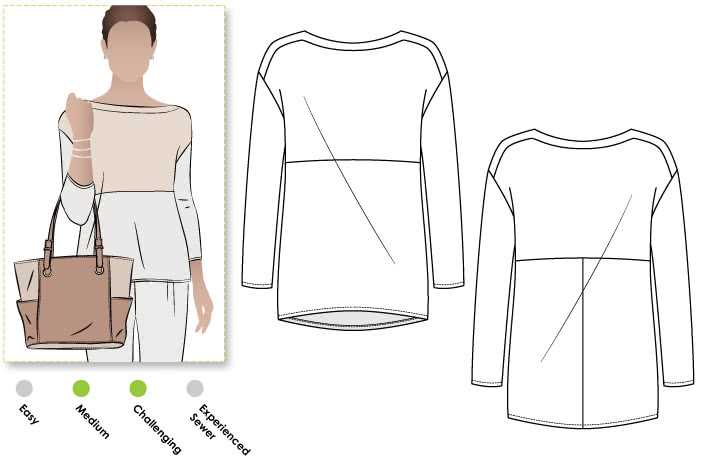
- Yarn: Choose a yarn that is suitable for your project. The weight, fiber content, and texture of the yarn will all affect the outcome of your knitting. Consider factors such as warmth, drape, and stitch definition when selecting your yarn.
- Yarn Needle: You will need a yarn needle to weave in loose ends and sew up seams. Look for a blunt-ended needle with a large eye that can accommodate your yarn.
- Stitch Markers: These small plastic or metal rings are used to mark specific stitches or rows in a pattern. They can be essential for keeping track of increases, decreases, or pattern repeats.
- Measuring Tape: A flexible measuring tape is useful for checking gauge and measuring your finished project.
These are just some of the tools and materials you will need for knitting sewing patterns. Having the right equipment will not only make your knitting easier but also ensure that your finished project turns out as desired. So, gather your supplies and start knitting!
How to Read a Knit Sewing Pattern
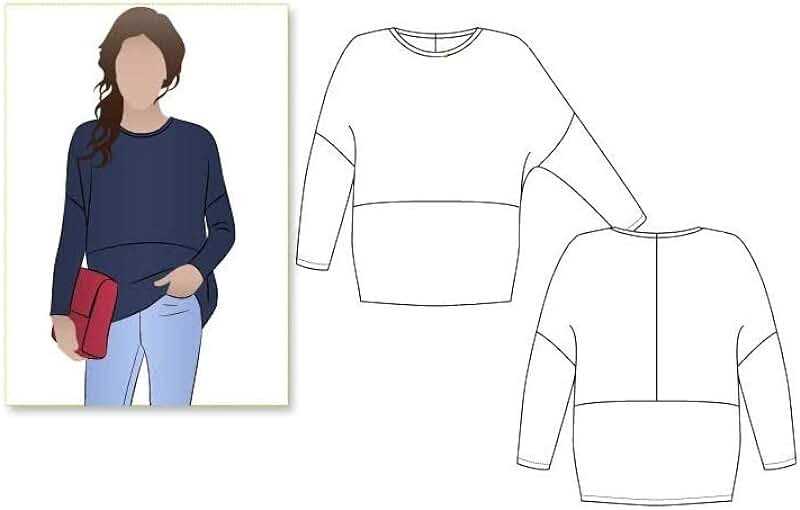
A knit sewing pattern is a valuable tool for any knitter looking to create a specific garment or accessory. However, understanding how to read a knit sewing pattern can sometimes be confusing, especially for beginners. Here are some key steps to help you navigate through a knit sewing pattern and successfully complete your project.
1. Familiarize Yourself with the Pattern Key: Before diving into the pattern itself, take a moment to read through the pattern key or legend. This section will provide you with important information on how to read the various symbols, abbreviations, and terms used in the pattern.
2. Review the Materials List:
Next, carefully review the materials list to ensure you have all the necessary supplies for your project. This typically includes the specific type and weight of yarn, as well as the recommended needle size. Pay attention to any additional materials or tools that may be required, such as stitch markers or a tapestry needle.
3. Understand the Sizing and Gauge:
Most knit sewing patterns include instructions for multiple sizes, so it’s important to determine which size will best fit your measurements. The pattern will provide a sizing chart or detailed measurements to help you choose the right size. Additionally, pay attention to the recommended gauge, which indicates the number of stitches and rows per inch. Checking your gauge before starting your project will ensure that the finished garment or accessory fits properly.
4. Read the Instructions Carefully:
Now it’s time to read through the pattern instructions. Take your time and read each step carefully, making sure you understand what is being asked of you. Pay attention to any special techniques or stitches that may be used and refer back to the pattern key if needed. If the pattern includes any charts or diagrams, study them thoroughly before beginning.
5. Take Notes and Mark Your Progress: As you work through the pattern, it can be helpful to take notes and mark your progress. This can help you keep track of any modifications you make, track your row or stitch count, or note any other important details. Additionally, consider using stitch markers or a progress keeper to help you visually see your progress as you knit.
By following these steps, you’ll be able to confidently read a knit sewing pattern and successfully complete your desired project. Remember to take your time, ask for help when needed, and enjoy the process of bringing your knitting creations to life!
Tips and tricks for successful knit sewing
Sewing with knit fabrics can be a bit challenging, but with the right tips and tricks, you can achieve great results. Here are some helpful tips to ensure successful knit sewing:
1. Choose the right needles and thread
When sewing with knits, it’s important to use the right needles and thread. Opt for ballpoint or stretch needles, as they have rounded points that will glide through the fabric without snagging or causing runs. Make sure to use polyester thread, as it has some stretch and won’t break easily when the fabric stretches.
2. Use a stretch stitch or a zigzag stitch
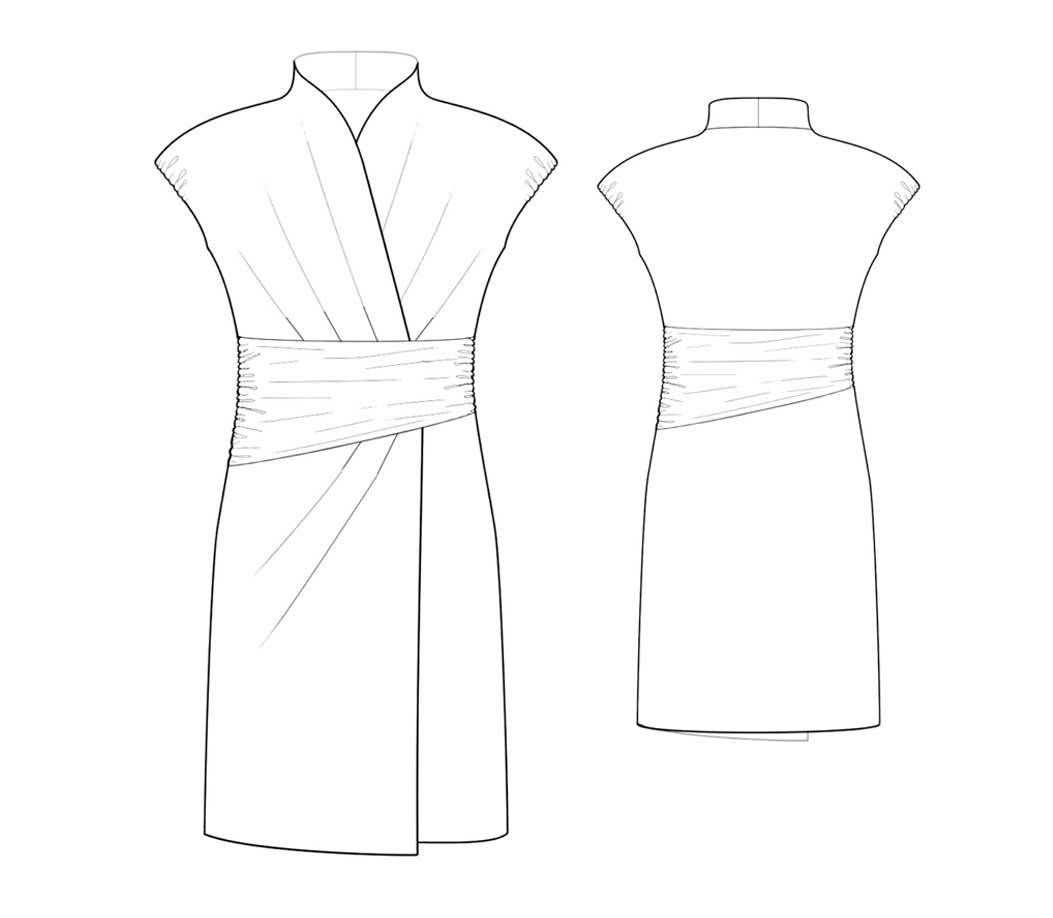
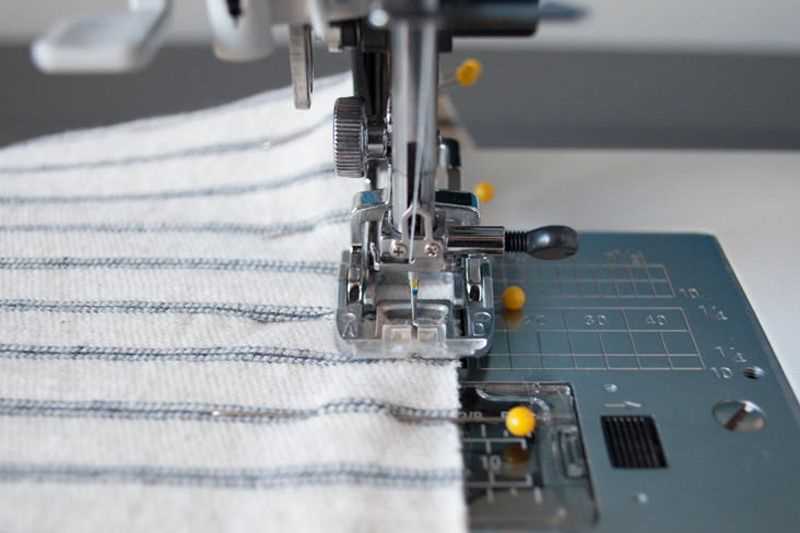
Straight stitches tend to break when the fabric stretches, so it’s best to use a stretch stitch or a zigzag stitch when sewing knits. These stitches allow the fabric to stretch without the thread breaking. Some sewing machines have built-in stretch stitches, but if yours doesn’t, a narrow zigzag stitch works just as well.
3. Use a walking foot
A walking foot is a great tool to have when sewing knits. It helps to feed the fabric evenly and prevents the layers from shifting. If you don’t have a walking foot, you can try using tissue paper on top of the fabric to prevent it from stretching as you sew.
4. Test the stitches and tension
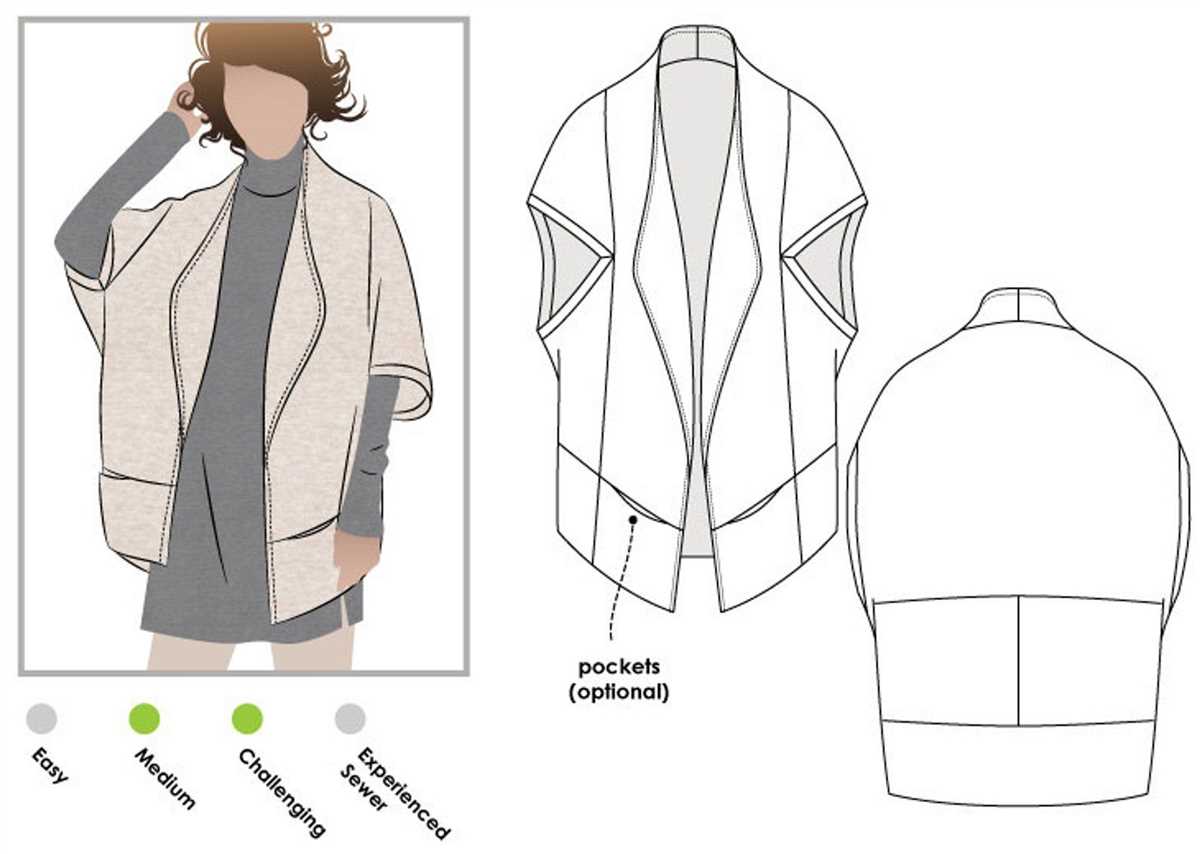
Before starting your project, it’s a good idea to test your stitches and tension on a scrap piece of fabric. This will help you determine the best settings for your machine and ensure that the stitches are not too tight or too loose.
5. Press gently and use a pressing cloth

When pressing your knit projects, make sure to use a low heat setting and press gently. Avoid stretching the fabric while pressing. It’s also a good idea to use a pressing cloth to protect the fabric from direct heat and prevent any shine or marks from appearing.
By following these tips, you’ll be on your way to successful knit sewing. Remember to take your time, practice, and don’t be afraid to experiment with different techniques.
Common mistakes to avoid when knitting sewing patterns

Knitting sewing patterns can be both fun and challenging, but sometimes mistakes can happen. To help ensure your project turns out beautifully, here are some common mistakes to avoid:
Skipping the gauge swatch
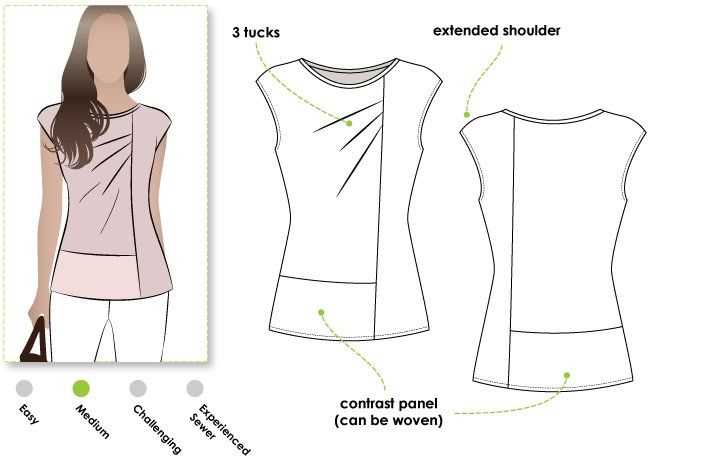
One of the biggest mistakes knitters make is skipping the gauge swatch. The gauge swatch is a small sample of your knitting that allows you to check if you are knitting to the correct tension for the pattern. Skipping this step can result in a finished project that is either too large or too small. Take the time to knit and measure your gauge swatch to ensure your finished piece matches the intended size.
Not reading the pattern carefully
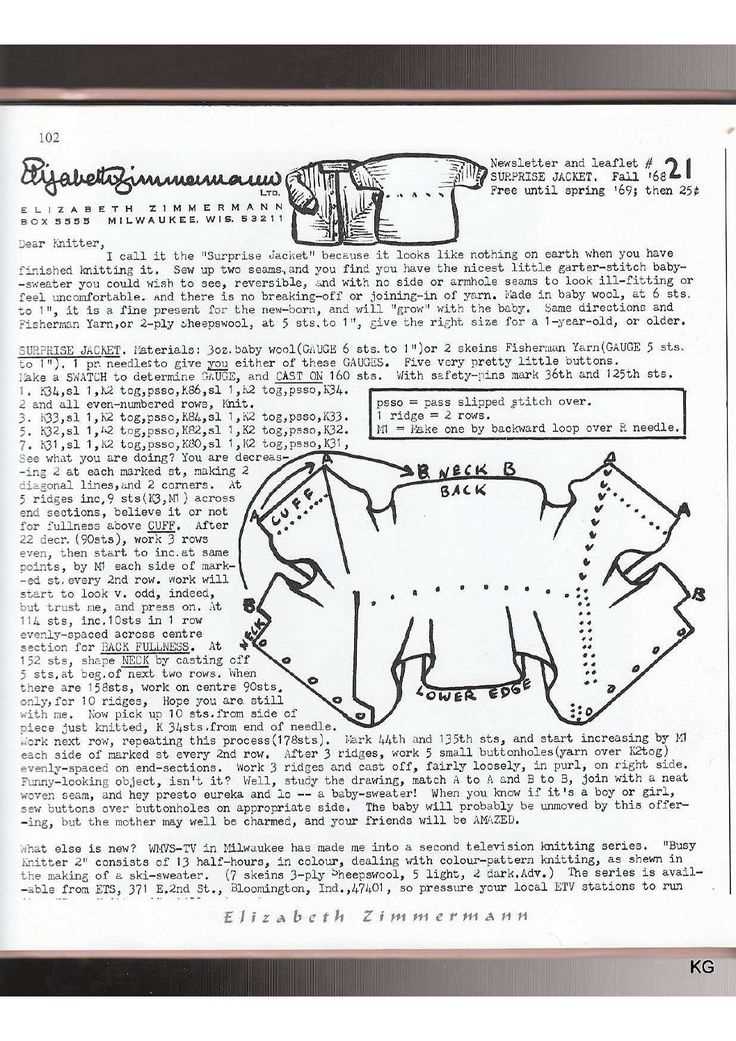
Another common mistake is not reading the pattern carefully before starting to knit. It’s important to read through the entire pattern to understand the instructions and any shaping or stitch patterns involved. Skipping over important details can lead to mistakes or confusion later on. Take the time to familiarize yourself with the pattern and make sure you understand each step before beginning.
Not counting stitches
Counting stitches is essential when knitting, especially when working with complex patterns or stitch motifs. Not counting stitches regularly can result in errors, such as dropped stitches or extra stitches. Make it a habit to count your stitches at the end of each row or round to ensure you are staying on track. This will help prevent any mistakes from going unnoticed and keep your knitting looking neat and even.
Using the wrong yarn or needle size
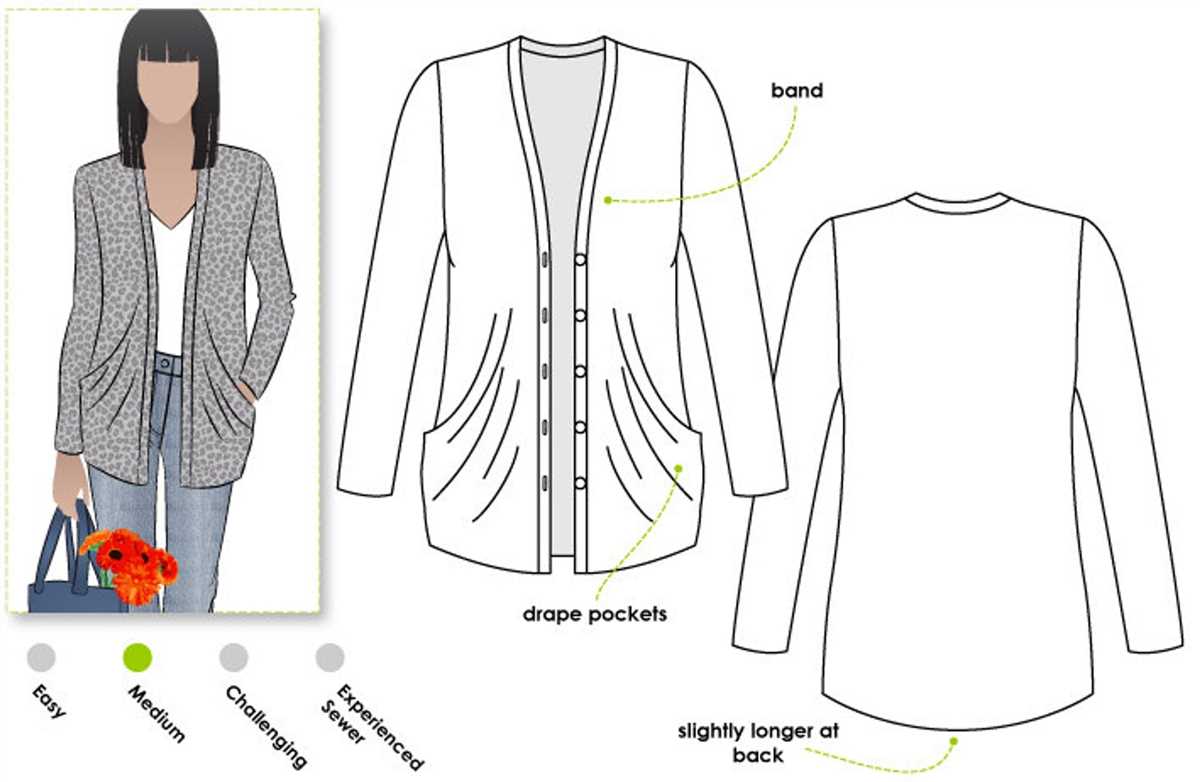
Using the wrong yarn or needle size can greatly affect the outcome of your knitting project. If you use a thinner yarn or smaller needle size than what is specified in the pattern, your finished piece may turn out too small. On the other hand, using a thicker yarn or larger needle size can result in a project that is too large. It’s important to follow the pattern’s recommendations for yarn weight and needle size to achieve the desired result.
Not properly finishing off your project
Lastly, not properly finishing off your project can diminish all your hard work. This includes weaving in loose ends, blocking, and seaming if necessary. Skipping these finishing steps can result in a project that looks unfinished or sloppy. Take the time to properly finish off your project to give it a polished and professional appearance.
By avoiding these common mistakes, you can improve your knitting skills and create beautiful sewing patterns.
Conclusion
Adjusting knit sewing patterns for the perfect fit may seem intimidating at first, but with a little practice and patience, it can become second nature. By understanding and taking into consideration the stretch factor of knitted fabrics, measuring accurately, and making the necessary adjustments, you can create garments that fit you like a dream.
Remember to always make a muslin or test garment before cutting into your final fabric, as this will allow you to make any needed adjustments without wasting your precious material. Additionally, don’t be afraid to experiment and try different methods of adjusting patterns until you find the one that works best for you.
With these tips in mind, you can confidently dive into using knit sewing patterns and enjoy the process of creating beautifully fitting garments that you’ll be proud to wear!
Q&A:
Where can I find knit sewing patterns?
There are many websites and online stores where you can find knit sewing patterns. Some popular options include Etsy, Ravelry, and Craftsy. You can also find patterns at your local fabric store or in sewing magazines.
What types of knit sewing patterns are available?
There are a wide variety of knit sewing patterns available, ranging from basic t-shirt and dress patterns to more complex patterns for sweaters, cardigans, and accessories. You can also find patterns for baby clothes, activewear, and home decor items.
Are knit sewing patterns suitable for beginners?
Yes, there are many knit sewing patterns that are suitable for beginners. Look for patterns labeled as “easy” or “beginner-friendly.” These patterns typically have clear instructions, minimal pattern pieces, and use simple sewing techniques.
Can I modify knit sewing patterns to fit my preferences?
Yes, you can modify knit sewing patterns to fit your preferences. Common modifications include adjusting the length or adding/subtracting sleeve options. You can also use different knit fabric weights or prints to customize the look of the garment. Just make sure to measure and make any necessary adjustments to the pattern before cutting and sewing.