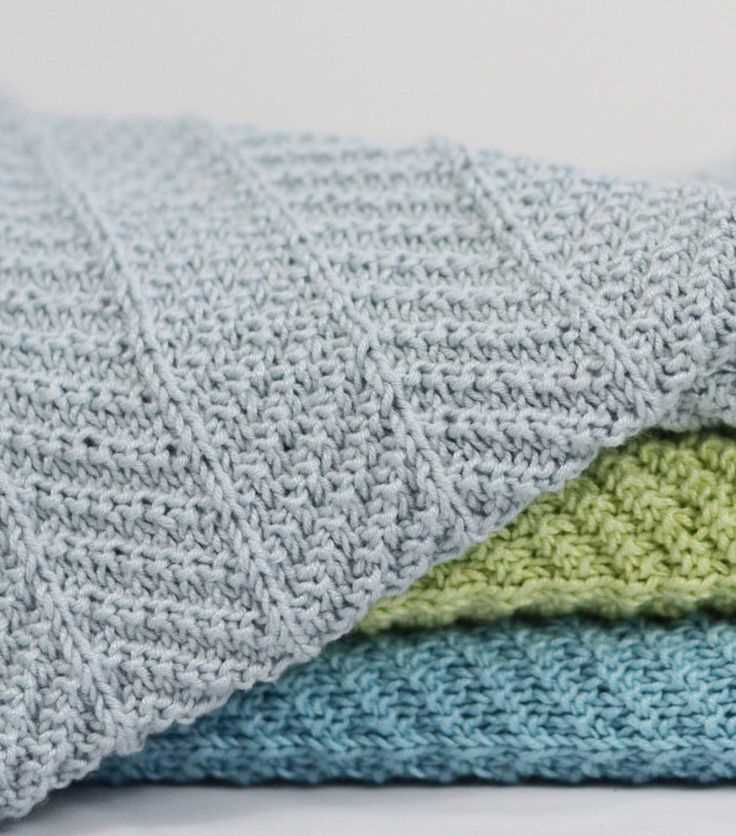
Blanket stitch knitting patterns are a popular choice for many knitters, both novice and experienced. The blanket stitch is a versatile, simple stitch that creates a beautiful woven pattern. It is often used to create cozy blankets, throws, and other home decor items. Whether you’re looking to create a warm and cozy blanket for yourself or to give as a gift, or you’re simply looking to try out a new stitch pattern, blanket stitch knitting patterns are a great option.
One of the great things about blanket stitch knitting patterns is that they can be easily customized to fit any project. Whether you’re looking to create a small baby blanket or a large, full-size blanket, the blanket stitch can be adjusted to accommodate your needs. Additionally, the stitch can be worked with any weight of yarn and any size of knitting needles, making it a versatile and accessible pattern for knitters of all skill levels.
There are also many variations of the blanket stitch that can be used to create different effects and textures in your knitting. For example, you can use a larger needle size to create a looser, more open stitch pattern, or a smaller needle size to create a tighter, denser stitch pattern. You can also experiment with different yarns and colors to create unique and personalized designs.
If you’re new to knitting or just looking for a fun and satisfying project, blanket stitch knitting patterns are a great choice. With their simple yet beautiful design, customizable options, and endless possibilities for creativity, it’s no wonder that blanket stitch knitting patterns continue to be a favorite among knitters everywhere.
What is blanket stitch knitting?
Blanket stitch knitting is a technique that involves using a blanket stitch pattern to create a knitted fabric. The blanket stitch is a decorative stitch that is often used to finish the edges of blankets, hence the name. This stitch creates a neat and clean look, which is why it is popularly used in knitting patterns for blankets.
To create a blanket stitch knitting pattern, you will need to know how to knit and purl stitches, as well as how to do yarn overs and decreases. The combination of these stitches and techniques creates the unique pattern that resembles the blanket stitch. This pattern can be used to create a variety of items, such as blankets, scarves, and even garments.
The blanket stitch knitting pattern typically involves alternating between rows of knit stitches and rows of purl stitches. This creates a textured fabric with a raised, bumpy surface. The pattern can be customized by changing the number of knit and purl stitches in each row, as well as by adding in additional stitches or decorative elements.
Blanket stitch knitting patterns can be found in various difficulty levels, from beginner-friendly patterns to more advanced designs. They can also be adapted to different yarn weights and needle sizes, allowing for further customization. Whether you’re a beginner or an experienced knitter, blanket stitch knitting can be a fun and rewarding technique to explore, allowing you to create beautiful and cozy items for yourself or as gifts for others.
Basic Blanket Stitch Knitting Pattern
The blanket stitch is a popular knitting technique used to create decorative edges and borders on various projects, such as blankets, scarves, and pillowcases. It is a simple stitch that adds a beautiful finishing touch and can be easily mastered by beginners.
To start the basic blanket stitch knitting pattern, you will need a pair of knitting needles and your chosen yarn. Begin by casting on an even number of stitches for your desired width. For example, if you want to create a baby blanket, you might cast on 100 stitches.
Row 1: Knit all stitches.
Row 2: Purl all stitches.
Repeat these two rows until your blanket reaches the desired length, making sure to end with a purl row.
Once you have finished knitting the main body of your blanket, it’s time to create the blanket stitch border. This border is worked by knitting stitches together with stitches from the cast-on edge.
Border Row 1: *Insert the tip of the right needle into the first stitch on the left needle. Take the working yarn and wrap it around the right needle, as if to knit, and pull it through both stitches, slipping off the left needle. Repeat from * until you reach the end of the row.
Border Row 2: Knit all stitches.
Repeat these two border rows until you have completed the desired number of rows for your blanket stitch border.
Finally, bind off all stitches and weave in any loose ends. Your basic blanket stitch knitting pattern is now complete! This pattern can be customized by using different colors or adding additional stitches or patterns to create a unique design.
Materials needed for blanket stitch knitting
When undertaking a blanket stitch knitting project, it is important to have all the necessary materials to ensure a successful outcome. Here is a list of key items you will need:
- Yarn: Choose a yarn that is suitable for a blanket project. Consider the weight and texture of the yarn, as well as the colors you want to incorporate into your design. It is recommended to use a soft and durable yarn that will provide warmth and comfort.
- Knitting needles: Select knitting needles that are appropriate for the thickness of your chosen yarn. The size of the needles will also depend on the desired tension and stitch gauge of your project. Make sure you have a pair of knitting needles that are comfortable to use for long periods of time.
- Tapestry needle: A tapestry needle will be needed for weaving in loose ends and sewing up any seams in your blanket. It should have a large eye and a blunt tip, making it easier to work with the thickness of the yarn.
- Stitch markers: Depending on your pattern, stitch markers may be necessary to keep track of specific stitches or sections of your blanket. They can be as simple as safety pins or specialized stitch markers designed for knitting.
- Scissors: You will need a pair of scissors for cutting yarn and any other materials that may be required during the knitting process. Make sure they are sharp and easy to handle.
- Measuring tape: Accurate measurements are crucial when knitting a blanket. A measuring tape will help you ensure that your blanket is the desired size and that you are achieving the correct gauge as specified in the pattern.
Once you have gathered all the necessary materials, you will be well-equipped to start your blanket stitch knitting project. Remember to follow the pattern instructions carefully and enjoy the process of creating a beautiful and cozy blanket.
Step-by-step instructions for blanket stitch knitting
Step 1: Choose your yarn and needles
Before you begin, you’ll need to choose the yarn and needles that you’ll be using for your blanket stitch knitting project. Consider the desired size and thickness of your blanket, as well as the color and texture of the yarn. Once you’ve made your selection, you’re ready to move on to the next step.
Step 2: Cast on the stitches
Start by casting on the desired number of stitches onto your knitting needles. Make sure to leave a long tail of yarn for weaving in later. This will serve as the foundation for your blanket stitch knitting project.
Step 3: Begin the first row
Once you’ve cast on your stitches, you can begin the first row of blanket stitch knitting. To do this, simply knit the first stitch, then bring the yarn to the front of your work and slip the next stitch purlwise. This will create the characteristic “bump” or stitch that is characteristic of the blanket stitch knitting technique. Continue knitting and slipping the stitches in this manner across the row.
Step 4: Continue stitching the subsequent rows
As you continue knitting subsequent rows, you’ll need to maintain the blanket stitch pattern. To do this, knit the stitch that was slipped in the previous row, and slip the stitch that was knitted. Repeat this pattern across the row, making sure to alternate the stitches in each row.
Step 5: Finish off your work
Once you’ve completed your desired number of rows, it’s time to finish off your blanket stitch knitting project. Trim the yarn, leaving a long tail for weaving in, and bind off the stitches. Be sure to secure the ends of the yarn by weaving them in with a tapestry needle to prevent any unraveling.
With these step-by-step instructions, you’ll be well on your way to creating beautiful and intricate blanket stitch knitting patterns. Practice and experimentation will help you refine your technique and bring your creative vision to life.
Advanced Blanket Stitch Knitting Patterns
The blanket stitch is a popular knitting technique that adds intricate and decorative detail to your projects. Once you’ve mastered the basics of the blanket stitch, you may be ready to explore more advanced patterns. These patterns incorporate variations of the blanket stitch to create stunning and complex designs.
1. Basketweave Blanket Stitch Pattern: This pattern uses the blanket stitch to create a basketweave effect. By alternating between different stitches and using a combination of knits and purls, you can create a textured pattern that resembles a woven basket. This pattern is perfect for adding depth and dimension to your blankets.
2. Lace Blanket Stitch Pattern: For a more delicate and intricate look, try the lace blanket stitch pattern. This pattern incorporates yarn overs, decreases, and other lace knitting techniques to create an airy and lacy design. The result is a light and ethereal blanket that is perfect for spring or summer.
3. Cabled Blanket Stitch Pattern: If you’re looking for a pattern that adds a touch of elegance and sophistication to your blankets, consider the cabled blanket stitch pattern. This pattern combines the blanket stitch with cable knitting techniques to create intricate cable designs. The result is a blanket that is both cozy and visually stunning.
4. Colorwork Blanket Stitch Pattern: Add a pop of color to your blankets with a colorwork blanket stitch pattern. This pattern incorporates multiple colors of yarn to create beautiful geometric designs. By using the blanket stitch in combination with stranded knitting or intarsia techniques, you can create striking patterns that are sure to impress.
With these advanced blanket stitch knitting patterns, you can take your knitting skills to the next level and create blankets that are not only warm and cozy but also works of art. Whether you prefer a textured, lacy, cabled, or colorwork design, there is a pattern out there to suit your style and skill level.
Colorful Blanket Stitch Knitting Pattern
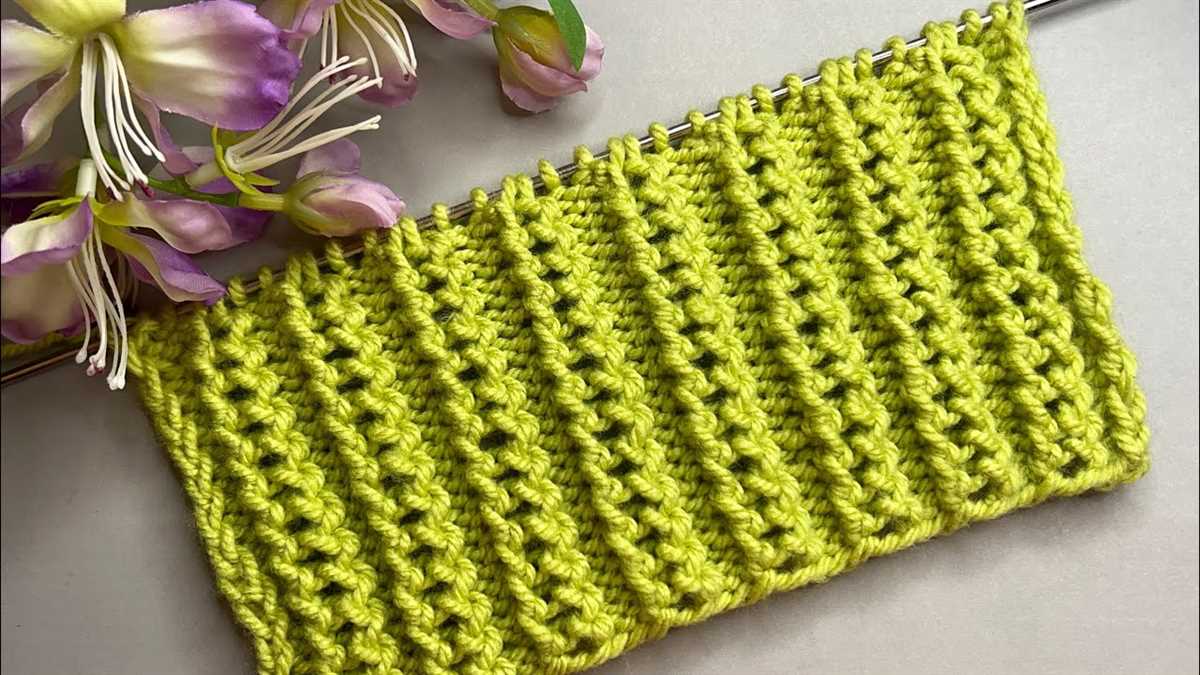
The blanket stitch is a classic knitting pattern that is perfect for creating colorful and eye-catching designs. With its unique texture and versatile stitch pattern, it can be used to knit beautiful blankets that are both cozy and visually appealing. Whether you are a beginner or an experienced knitter, this pattern is an excellent choice for adding a pop of color to your home decor.
To create a colorful blanket stitch pattern, you will need a variety of yarn colors. You can choose a rainbow of colors or stick to a specific color palette to create a cohesive design. The key is to select colors that complement each other and create a harmonious look. For example, you can use colors that are similar in tone or choose contrasting colors for a bold and vibrant effect.
To knit the blanket stitch pattern, you will need to work with multiple strands of yarn at the same time. This technique is known as stranded knitting or colorwork. By working with multiple colors in each row, you can create intricate and intricate patterns that make your blanket truly unique.
Once you have selected your yarn colors and gathered your materials, you can start knitting the blanket stitch pattern. To begin, you will need to cast on the desired number of stitches using a circular or straight knitting needle. Then, follow the pattern instructions to work the blanket stitch, making sure to change colors as needed to create the desired design.
As you knit the blanket stitch pattern, you will see the colorful design gradually take shape. The combination of different colors and the texture of the stitches create a stunning visual effect that is sure to impress. Once you have finished knitting the blanket, you can block it to ensure that it retains its shape and beauty.
Whether you are knitting a blanket for yourself or as a gift for a loved one, a colorful blanket stitch pattern is a wonderful choice. With its vibrant colors and intricate design, it will add a touch of warmth and style to any space. So, grab your knitting needles and yarn, and get ready to create a beautiful and colorful blanket that will be cherished for years to come.
Lace Blanket Stitch Knitting Pattern
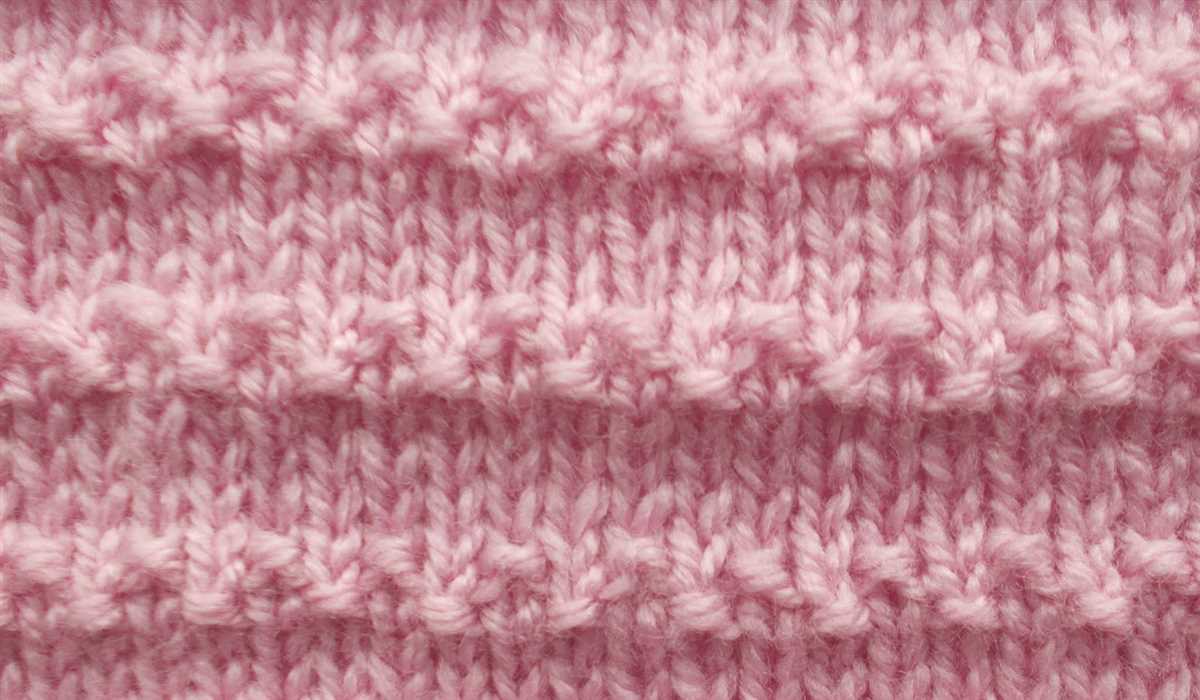
The lace blanket stitch knitting pattern is a beautiful and delicate design that adds a touch of elegance to any project. This pattern features a combination of lace and blanket stitch techniques, creating an intricate and intricate texture that is perfect for blankets, shawls, and even garments.
To create this lace blanket stitch pattern, you will need to know how to knit, purl, yarn over, and decrease stitches. The pattern is worked over a multiple of stitches and is repeated across each row.
Instructions:
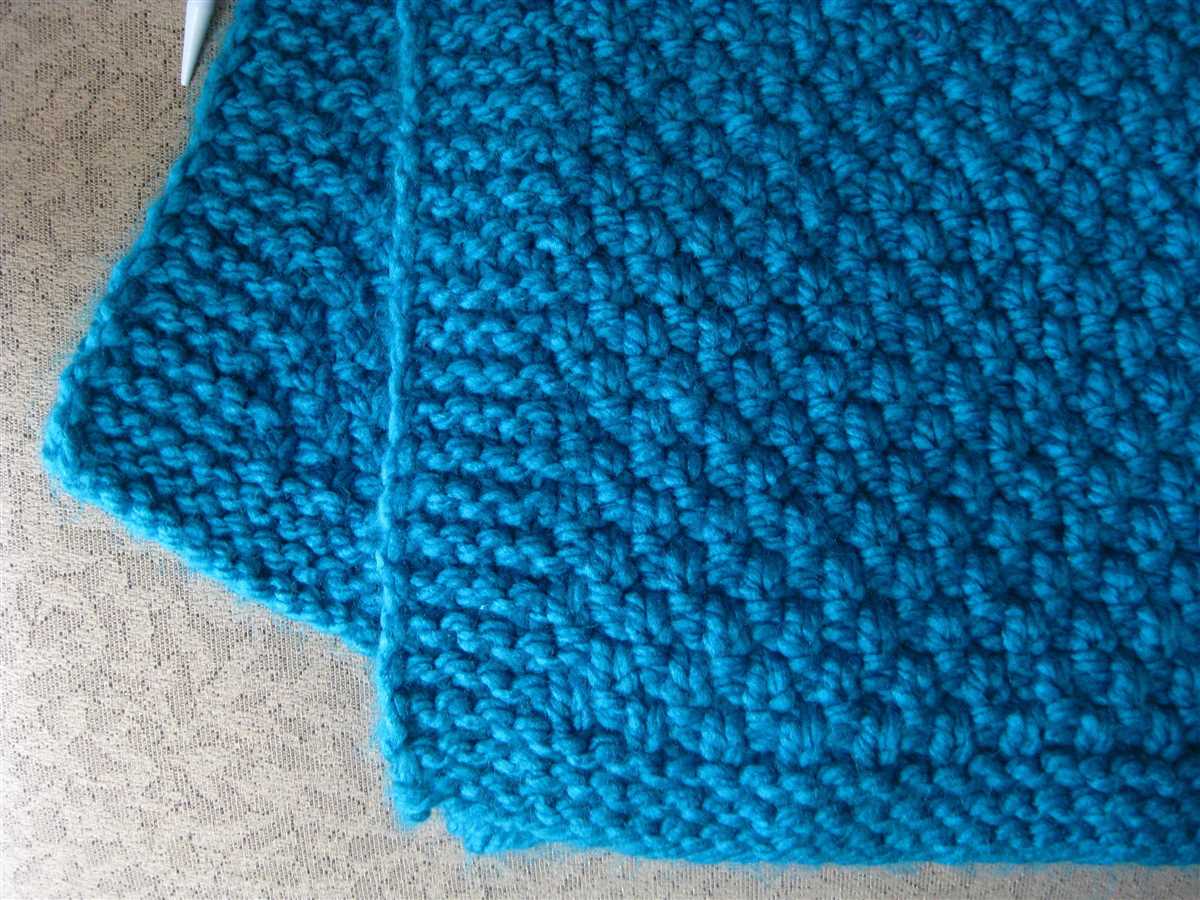
Row 1 (RS): Knit all stitches.
Row 2 (WS): Purl all stitches.
Row 3: *Knit 2 together (k2tog), yarn over (yo), repeat from * to end of row.
Row 4: Purl all stitches.
Row 5: *Yarn over (yo), knit 2 together through back loops (k2tog tbl), repeat from * to end of row.
Row 6: Purl all stitches.
Continue repeating rows 3-6 until desired length is reached.
This lace blanket stitch knitting pattern is perfect for creating a lightweight and airy fabric, making it a great option for spring and summer projects. The delicate lace motifs add an elegant touch to any knitting project and can be used to create beautiful blankets, shawls, and even lacy garments.
Tips:
- Use a lightweight yarn and larger needle size to enhance the lacy effect of the pattern.
- Block your finished project to open up the lace motifs and create a more polished look.
- Experiment with different color combinations to create unique and personalized pieces.
Blanket Stitch Knitting Tips and Techniques
Knitting a blanket with the blanket stitch is a great way to create a cozy and unique piece. Whether you’re an experienced knitter or a beginner, here are some tips and techniques to help you master the blanket stitch knitting pattern.
Choose the Right Yarn
When knitting a blanket, it’s important to choose a yarn that is soft and warm, as well as durable. Look for yarns that are labeled as “bulky” or “super bulky,” as they will create a thicker and warmer blanket. Consider using natural fibers like wool or alpaca, as they have excellent insulation properties and will keep you snug during the colder months.
Use Circular Needles
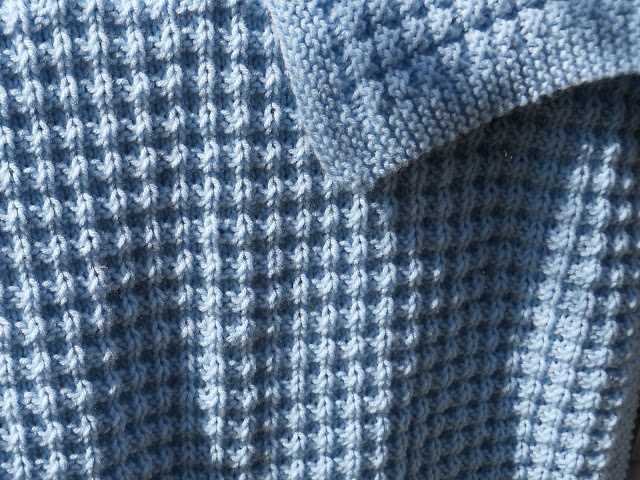
Knitting a blanket can involve a large number of stitches, so using circular needles can make the process more comfortable and manageable. Circular needles allow the weight of the blanket to rest on your lap, rather than on your arms, reducing strain and fatigue. They also make it easier to hold a large number of stitches and help distribute the weight evenly.
Master the Blanket Stitch
The blanket stitch is a simple yet versatile stitch pattern that creates a beautiful texture. To knit the blanket stitch, start by casting on an even number of stitches. Then, knit the first row, and on the second row, *knit 1 stitch, purl 1 stitch; repeat from * to the end of the row. Repeat these two rows to create the blanket stitch pattern. Remember to always knit the knits and purl the purls to keep the pattern consistent.
Add Variations
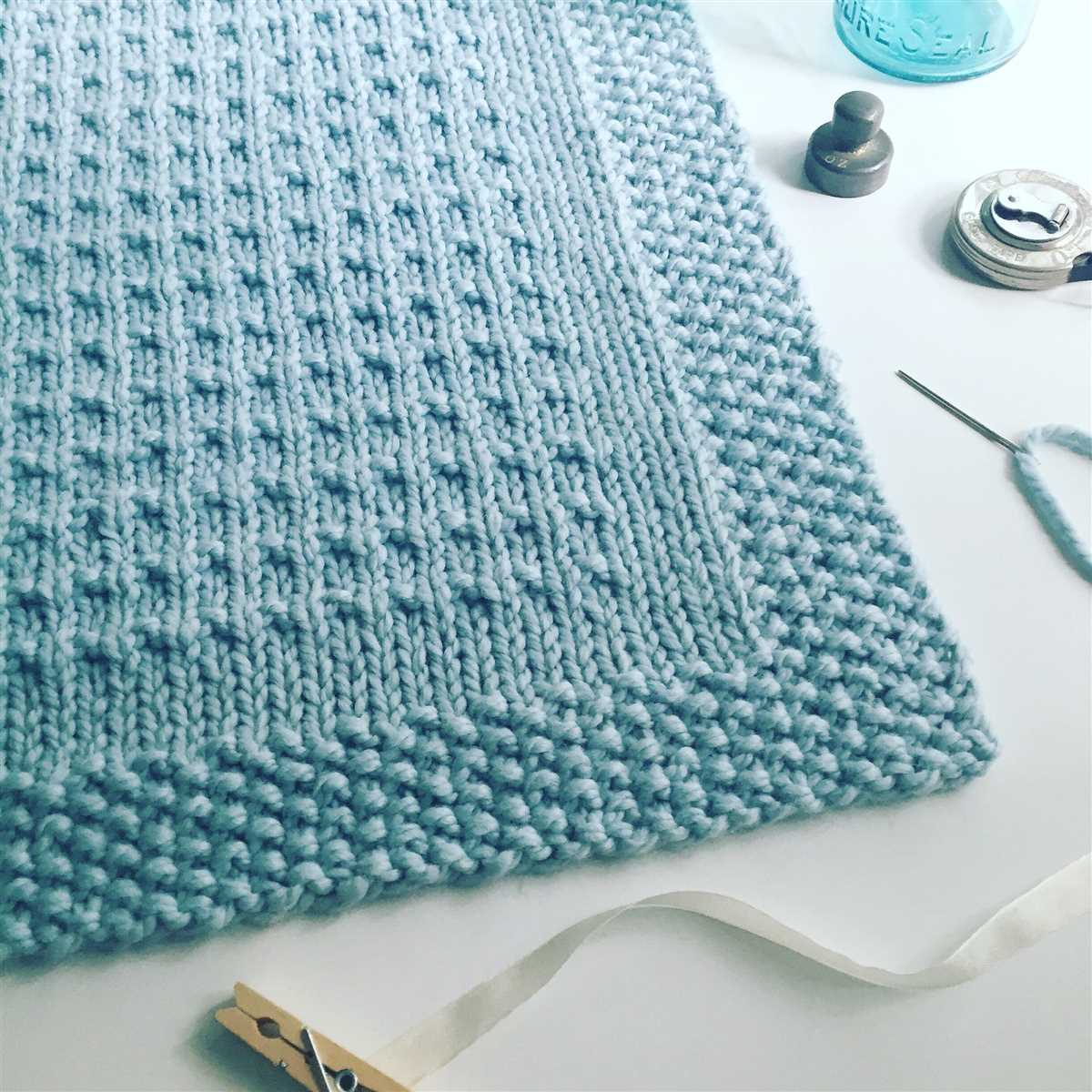
Once you’ve mastered the basic blanket stitch, you can experiment with adding variations to make your blanket more unique. Try incorporating different stitch patterns, such as cables or lace, to create visual interest. You can also play with color by using multiple shades of yarn or creating stripes. Adding these variations will give your blanket a personal touch and make it truly one-of-a-kind.
Block and Finish Your Blanket
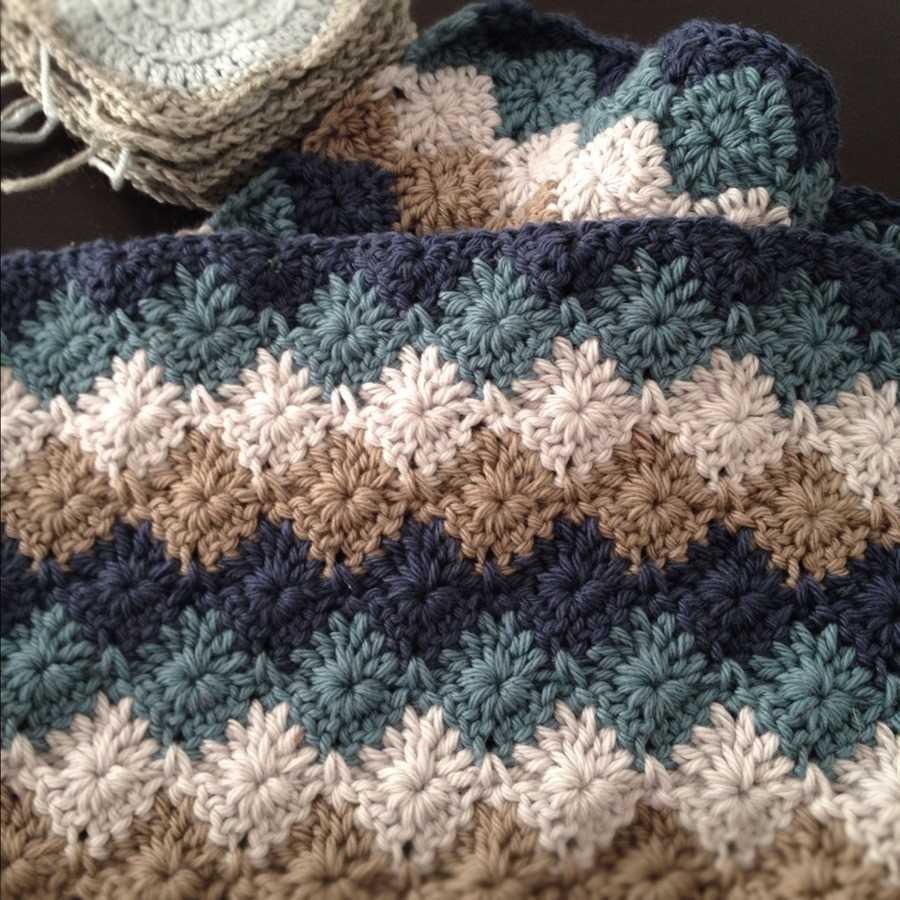
After you’ve completed knitting your blanket, it’s important to block and finish it properly to give it a polished look. Blocking involves wetting the blanket and gently reshaping it to even out the stitches and make the texture more defined. This step will also help the blanket relax and drape nicely. Once the blanket is dry, weave in any loose ends and give it a final inspection to make sure everything is secure and tidy. Your finished blanket is now ready to provide warmth and comfort for years to come.
Choosing the Right Yarn for Blanket Stitch Knitting
When it comes to blanket stitch knitting, choosing the right yarn is essential for creating a beautiful and functional finished product. The type of yarn you select will impact the overall look, feel, and durability of your blanket. Here are some factors to consider when choosing the perfect yarn for your project.
1. Weight and Thickness
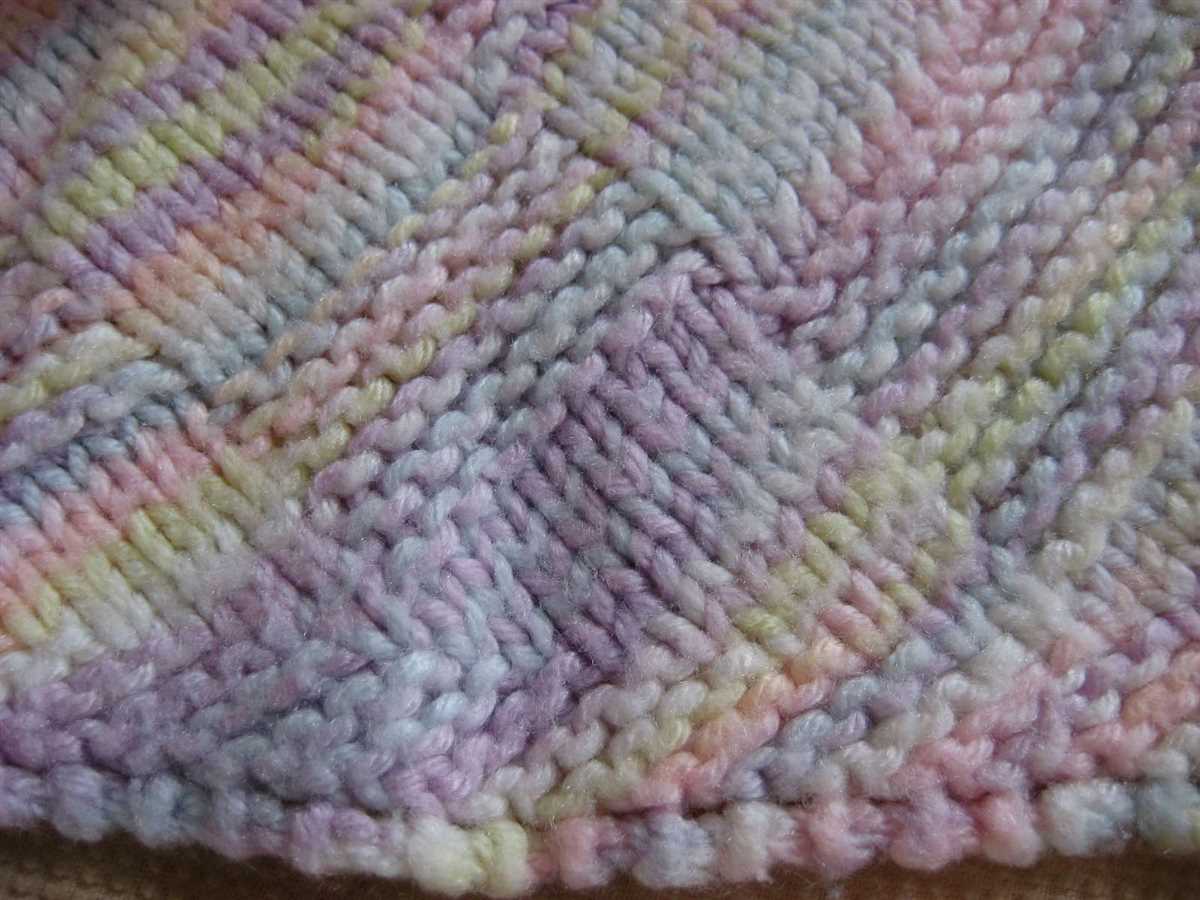
The weight and thickness of the yarn will determine the overall warmth of your blanket. If you’re looking for a cozy, winter-ready blanket, opt for a bulky or super bulky yarn. For a lighter and more breathable blanket, choose a yarn with a fingering or sport weight. Consider the climate and the intended use of the blanket as you decide on the weight of the yarn.
2. Fiber Content
The fiber content of the yarn will affect both the look and feel of the blanket. Wool is a popular choice for blanket knitting, as it offers warmth and durability. Cotton yarn is a great option for lighter blankets, as it is breathable and easy to care for. Acrylic yarn is another common choice, as it is affordable, soft, and machine washable. Consider your preferences and any potential allergies when selecting the fiber content of the yarn.
3. Color and Dye Lot
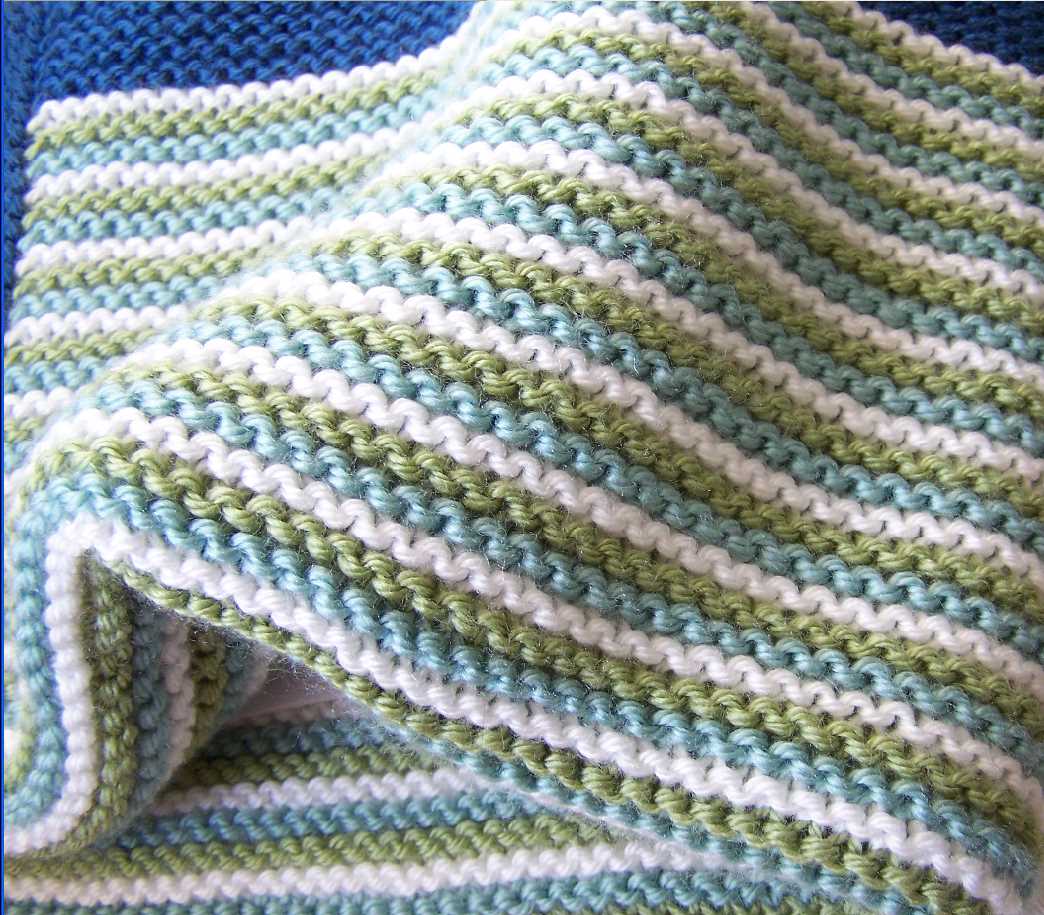
Blankets are often statement pieces, so the color of the yarn is an important consideration. Choose a color that complements your decor or personal style. Additionally, if you plan to use multiple skeins of yarn for your blanket, make sure to purchase them from the same dye lot to ensure consistent color throughout the project.
4. Texture and Stitch Definition
The texture and stitch definition of the yarn will impact the overall appearance of your blanket. If you’re working with intricate stitch patterns or cables, choose a yarn that has good stitch definition, meaning that the details of your stitches will be clear and distinct. Smooth and tightly spun yarns are often recommended for these types of projects. On the other hand, if you prefer a more textured and rustic look, you can opt for yarns with a halo or fuzziness.
By considering these factors when choosing your yarn, you can ensure that your blanket stitch knitting project turns out exactly as you envision it. Whether you’re creating a cozy afghan for snuggling up on the couch or a decorative throw for your living room, the right yarn will make all the difference in creating a finished product that is both beautiful and practical.
Understanding gauge in blanket stitch knitting
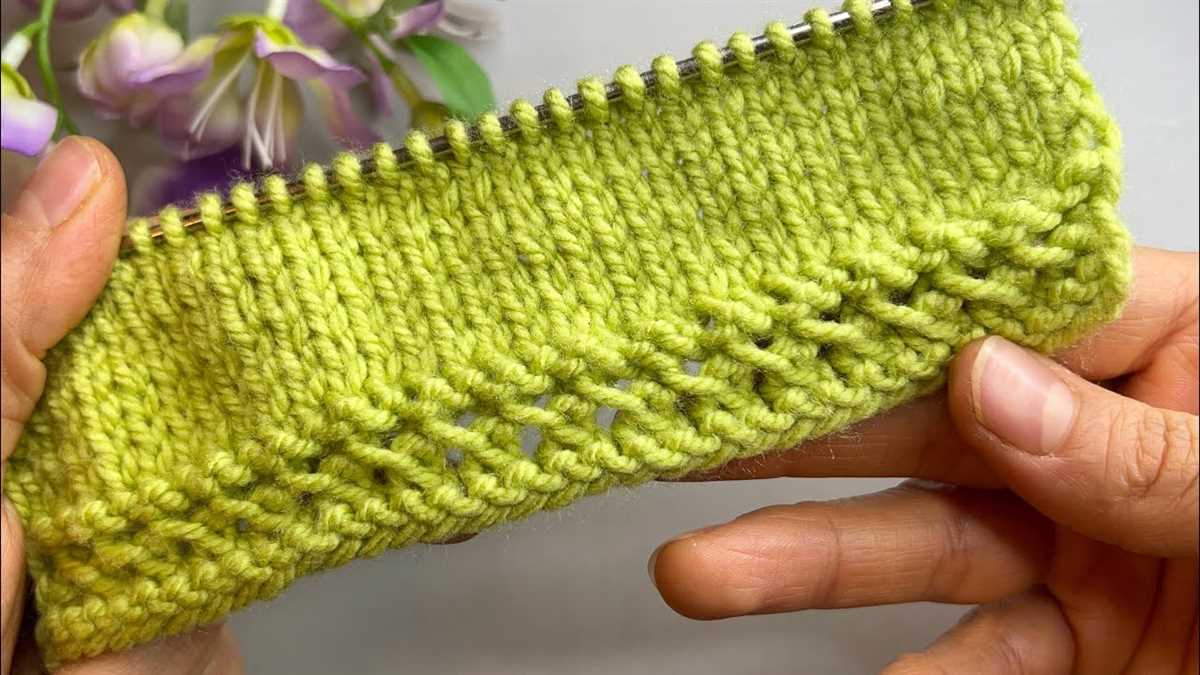
When it comes to knitting a blanket, understanding gauge is essential. Gauge refers to the number of stitches and rows per inch in your knitted fabric. It determines the size and drape of your finished blanket. By achieving the correct gauge, you can ensure that your blanket turns out as expected.
Before you start knitting your blanket, it is important to swatch and measure your gauge. This involves knitting a small sample of the blanket stitch pattern and measuring the number of stitches and rows within a specific measurement, usually 4 inches. If your gauge doesn’t match the pattern’s gauge, you can make adjustments by changing your needle size or adjusting your tension.
How to measure gauge:
- Cast on a few more stitches than the specified gauge measurement, using the recommended needle size.
- Knit a few rows in the blanket stitch pattern.
- Measure the stitches and rows within a 4-inch section.
- If you have more stitches and rows than the pattern’s gauge, your stitches are too tight. Try using a larger needle size.
- If you have fewer stitches and rows than the pattern’s gauge, your stitches are too loose. Try using a smaller needle size or adjusting your tension.
Once you have determined your gauge, you can proceed with knitting your blanket. Keep in mind that achieving the correct gauge is especially important for blanket stitch patterns as it affects the overall size and appearance of the blanket. Make sure to measure your gauge periodically as you work on your project to ensure consistency.
In conclusion, understanding and achieving the correct gauge is crucial when knitting a blanket using a blanket stitch pattern. By swatching and measuring your gauge before you begin, you can make any necessary adjustments to ensure that your blanket turns out beautifully.