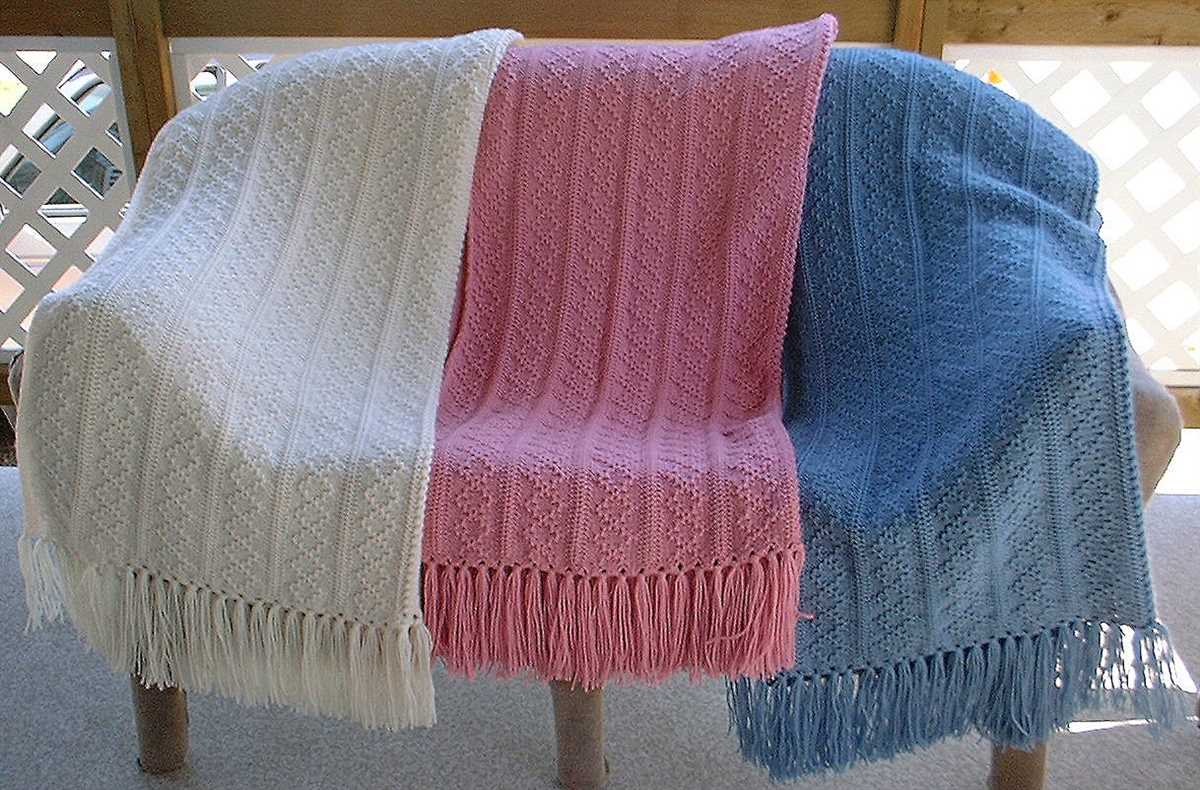
Knitting is a timeless craft that allows you to create beautiful and functional items, and one of the most beloved projects for many knitters is a cozy blanket. If you’re looking for a new knitting project to take on, a patchwork blanket made using an Aran pattern is a wonderful choice. This classic knitting technique, known for its intricate and textured designs, adds a touch of elegance and sophistication to any blanket.
Traditionally, Aran patterns originate from the Aran Islands of Ireland and are characterized by their use of cable stitches, twists, and diamond patterns. These stitches create a visually stunning patchwork effect that is both eye-catching and cozy. The Aran stitch patterns are often inspired by the Celtic culture and history of the region, giving your blanket a rich and meaningful touch.
Creating an Aran patchwork blanket is a rewarding project that allows you to showcase your knitting skills and create a cherished item that will be treasured for years to come. With an endless variety of patterns and color combinations to choose from, you can personalize your blanket to suit your style and preferences. Whether you prefer a neutral, timeless look or a bold and vibrant design, an Aran patchwork blanket can be customized to match your taste.
In this article, we will explore different Aran patchwork blanket knitting patterns, provide step-by-step instructions, and offer tips and tricks for creating the perfect blanket. Whether you’re a beginner knitter or an experienced crafter, this article will guide you through the process of knitting a beautiful Aran patchwork blanket that will keep you cozy and warm on chilly days.
Aran Patchwork Blanket Knitting Pattern
The Aran Patchwork Blanket knitting pattern is a beautiful and intricate design that showcases the artistry of traditional Aran knitting. This pattern combines different cable and texture stitch patterns to create a stunning patchwork effect, resulting in a warm and cozy blanket that will be cherished for generations.
To start this project, you will need a selection of Aran-weight yarn in various colors. The different colors will be used to create the patchwork effect and add visual interest to the blanket. Additionally, you will need a set of circular knitting needles and cable needles to accommodate the size of your project.
The pattern begins by casting on a certain number of stitches, depending on the desired size of the blanket. The blanket is worked in panels, with each panel featuring a different cable or texture pattern. The panels are then sewn together to create the patchwork effect. The pattern provides detailed instructions for each panel, including stitch counts, cable instructions, and pattern repeats.
As you progress through the pattern, you will be able to see your blanket take shape and the patchwork effect come to life. Each panel is like a mini project within the larger blanket, allowing you to develop your knitting skills and experiment with different stitch patterns. The combination of cables, bobbles, and textured stitches creates a visually stunning and tactile blanket that is sure to impress.
Once all the panels are complete, you will finish the blanket by adding a border. The border can be a simple garter stitch or a more elaborate pattern, depending on your preference. The border provides a polished and finished look to the blanket, and it also helps to secure the panels together.
With its intricate stitch patterns and unique patchwork effect, the Aran Patchwork Blanket is a knitting project that will challenge and inspire you. Whether you choose to keep the blanket for yourself or gift it to a loved one, it is sure to be treasured for its beauty and the effort and skill put into its creation.
What is an Aran Patchwork Blanket?
An Aran patchwork blanket is a type of knitted blanket that is made using the Aran knitting technique. Aran knitting is a style of knitting that originated in the Aran Islands of Ireland and is characterized by its intricate cable and textured patterns. The patchwork aspect of the blanket refers to the use of different Aran patterns and stitches to create a patchwork effect.
The Aran patchwork blanket is typically made using a variety of stitches, such as cables, honeycomb, and moss stitch, to create a visually interesting design. Each patch or section of the blanket may feature a different stitch pattern, creating a patchwork effect when they are all joined together. This allows knitters to showcase their skills and creativity by incorporating various stitches and patterns into one cohesive blanket.
The Aran patchwork blanket can be made using different colors of yarn, adding to the patchwork effect. Knitters can choose to use one color for each individual patch, or they can mix and match colors to create a more vibrant and colorful blanket. The use of different colors can also help to highlight the different stitch patterns and create a more textured and visually appealing design.
Overall, an Aran patchwork blanket is a beautiful and intricate piece of knitting that showcases the rich heritage and craftsmanship of Aran knitting. It is a labor of love that requires time, skill, and attention to detail, but the end result is a stunning and cozy blanket that can be cherished for years to come.
Choosing the Right Yarn and Needles
When it comes to knitting a beautiful Aran patchwork blanket, choosing the right yarn and needles is crucial. The yarn you select will determine the overall look and feel of your finished project, so it’s important to consider the texture, colors, and weight of the yarn. Additionally, the needles you choose will affect the gauge and tension of your knitting, so you’ll want to select a size that matches the recommended gauge for the pattern.
Yarn: For an Aran patchwork blanket, you’ll want to choose a yarn that is warm, soft, and durable. Wool or wool blend yarns are a popular choice for this type of project, as they provide warmth and have a natural elasticity that helps the blanket retain its shape. Consider the color palette you want for your blanket and select yarns in various shades that complement each other. The texture of the yarn is also important – choose a yarn that has a nice stitch definition to showcase the intricate Aran patterns.
Needles: The size of the needles you use will determine the size and tension of your stitches. It’s important to match the recommended gauge for the pattern, so be sure to check the pattern instructions for the recommended needle size. Typically, Aran weight yarns work well with needle sizes between US 7 and US 9. If you want a tighter, more dense fabric, you can opt for smaller needles, while larger needles will create a looser, more open fabric. Additionally, consider the type of needles you prefer to work with – straight or circular needles. Remember to use the needles that feel comfortable in your hands and allow you to achieve the desired tension and gauge.
In summary, when knitting an Aran patchwork blanket, choosing the right yarn and needles is key to achieving a beautiful result. Consider the texture, colors, and weight of the yarn, and select needles that match the recommended gauge for the pattern. By taking the time to choose the right materials, you’ll be setting yourself up for success in creating a cozy and stunning blanket.
Getting Started: Cast-On and Gauge Swatch
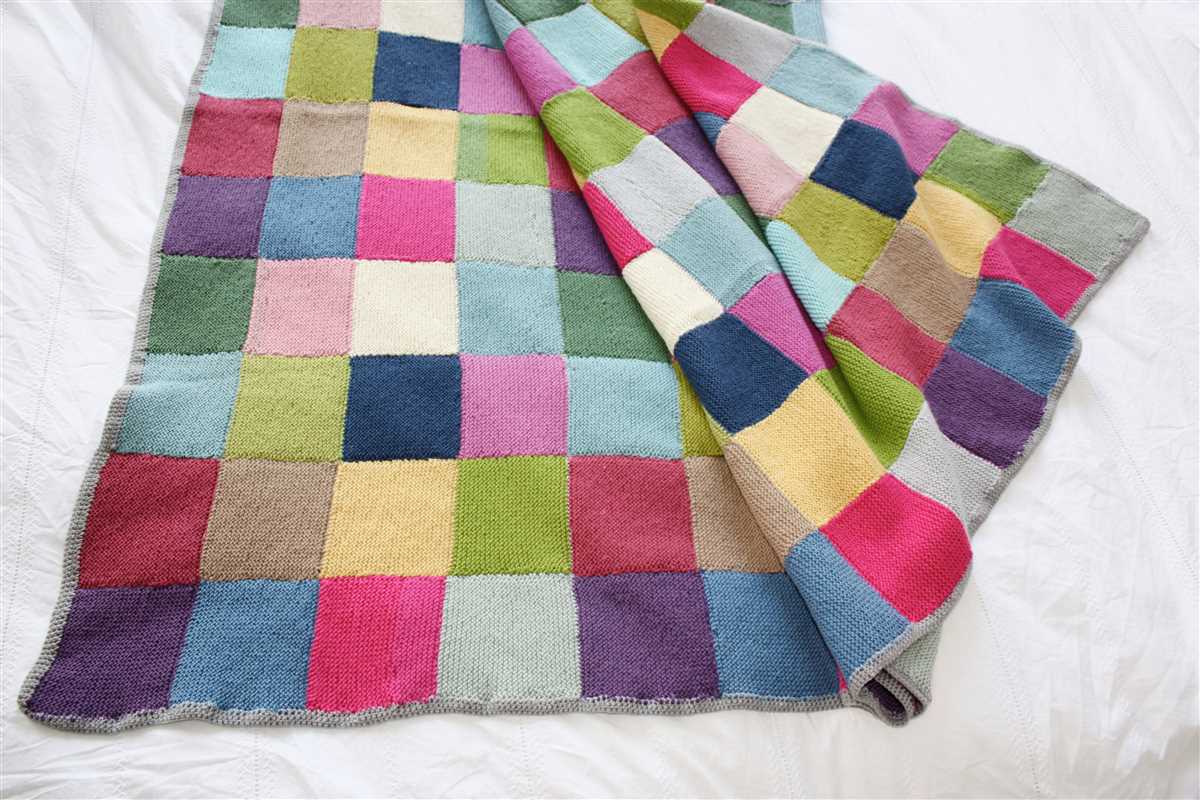
Before you begin knitting your Aran patchwork blanket, it’s important to start with the cast-on and gauge swatch. The cast-on is the first step in starting any knitting project, and it sets the foundation for your stitches. The cast-on method you choose will depend on your personal preference and the desired outcome of your blanket. There are many different cast-on methods to choose from, such as the long-tail cast-on, the cable cast-on, or the knitted cast-on. Whichever method you choose, make sure to cast on the appropriate number of stitches as indicated in the pattern.
Once you have cast on the required number of stitches, it’s time to work on your gauge swatch. The gauge swatch is a small sample of knitting that allows you to determine if your stitch size matches the pattern’s gauge. To create a gauge swatch, use the same yarn and needles that you will be using for your blanket. Cast on a few more stitches than the recommended gauge, and work in the specified stitch pattern for a few inches.
After completing the gauge swatch, use a ruler or measuring tape to measure the number of stitches and rows per inch. Compare these measurements to the gauge specified in the pattern. If your stitch and row measurements match the pattern’s gauge, then you’re ready to start knitting your blanket. However, if your gauge is off, you may need to adjust your needle size. If your stitches are too small, try using larger needles, and if they are too large, try using smaller needles.
Remember, taking the time to complete a gauge swatch and ensure an accurate gauge will save you a lot of frustration in the long run. It will help ensure that your blanket turns out the correct size and that your stitches are even throughout the project. So, invest the time and effort into getting the cast-on and gauge swatch right, and you’ll be rewarded with a beautiful Aran patchwork blanket that you can be proud of.
Basic Knitting Stitches: Garter Stitch and Stockinette Stitch
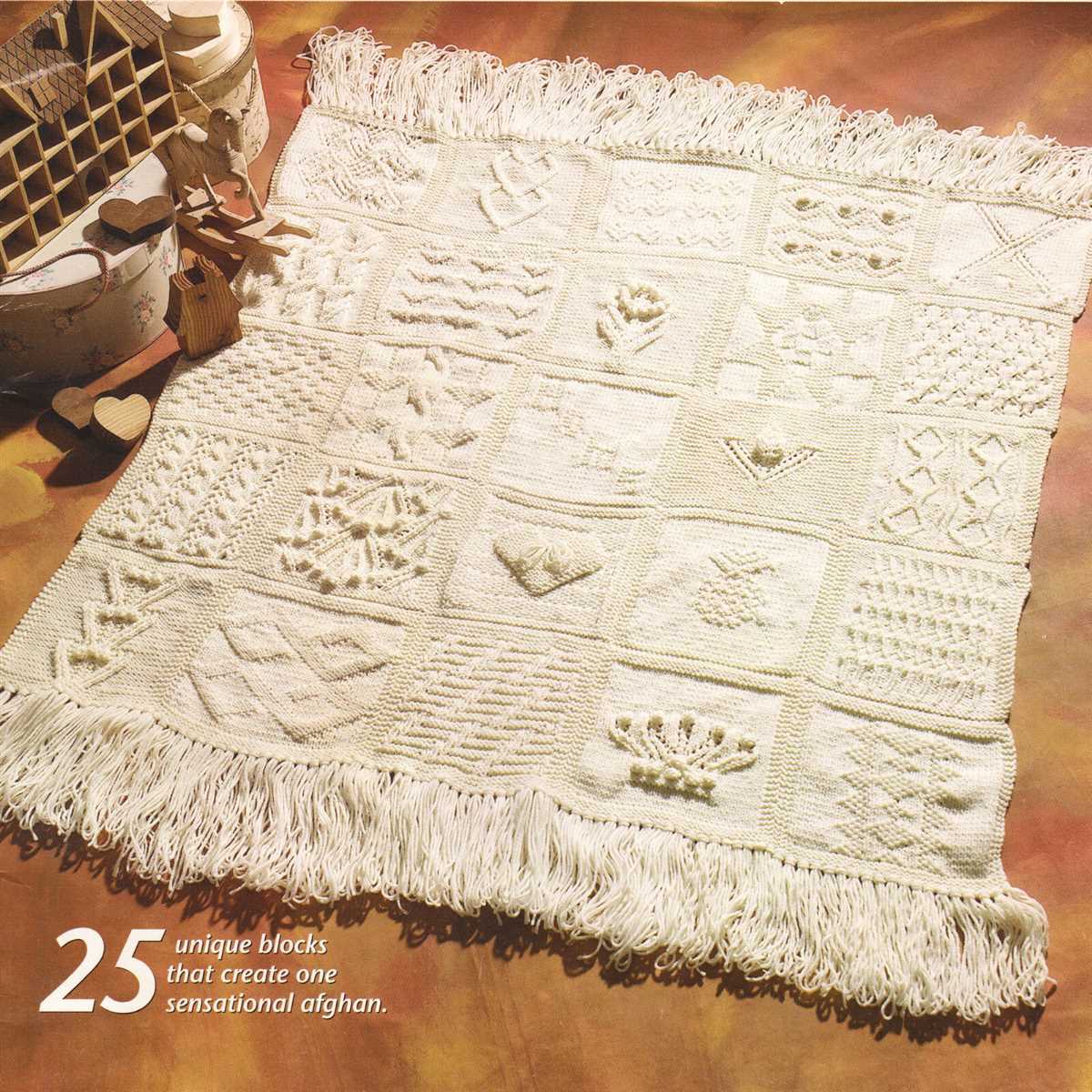
When it comes to knitting, there are a few basic stitches that every knitter should know. Two of the most common stitches are the garter stitch and the stockinette stitch. These stitches are often used in a variety of knitting projects, including the Aran patchwork blanket.
The garter stitch is perhaps the simplest of all knitting stitches. It is created by knitting every row, whether you are working on the right side or the wrong side of the fabric. The result is a fabric with ridges that give the knitting a textured appearance. The garter stitch is great for beginners because it is easy to learn and creates a stretchy and reversible fabric.
The stockinette stitch, on the other hand, involves alternating rows of knitting and purling. When you knit on the right side of the fabric and purl on the wrong side, you create a smooth and flat fabric with distinct V-shaped stitches on one side, known as the right side, and horizontal bars on the other side, known as the wrong side. The stockinette stitch is commonly used for garments such as sweaters and scarves because it creates a sleek and polished look.
Both the garter stitch and the stockinette stitch are versatile and can be used in a variety of knitting projects. They can be worked using different yarn weights and needle sizes to create different effects and textures. Whether you are a beginner knitter or an experienced one, mastering these basic stitches will open up a world of possibilities for your knitting projects.
Creating a Patchwork Pattern: Cables and Twist Stitches
In the world of knitting, creating a patchwork pattern can add a beautiful and unique touch to your projects. One technique that can be used to achieve this effect is incorporating cables and twist stitches into the design. These stitches create a textured and dimensional look, adding interest and complexity to your patchwork blanket.
Cables: Cables are created by rearranging the order of the stitches on your knitting needles. By crossing stitches over each other, you can create the appearance of a twisted or braided cable. This technique is achieved by working specific rows where stitches are slipped onto a cable needle or stitch holder, then knit out of order before returning them to the working needles. By strategically placing these cable rows within your patchwork pattern, you can create intricate designs and patterns that stand out.
Twist Stitches: Twist stitches are another way to add texture to your patchwork pattern. These stitches are created by manipulating the stitches on your needles, either individually or in groups, to create a twisted effect. For example, a right twist is achieved by knitting the second stitch on your left needle, then knitting the first stitch, and finally slipping both stitches off the needle. This creates a twisted appearance as the stitches cross over each other. By incorporating twist stitches into your patchwork pattern, you can create intricate motifs and designs that add visual interest to your project.
When incorporating cables and twist stitches into your patchwork pattern, it’s important to carefully follow the instructions and chart provided in your knitting pattern. These stitches can be more complex than basic knit and purl stitches, so it’s helpful to have a good understanding of the technique before starting. Additionally, using a cable needle or stitch holder can be beneficial to keep your stitches organized and prevent any accidental drops.
By incorporating cables and twist stitches into your patchwork pattern, you can create a visually stunning and unique blanket that showcases your knitting skills. Whether you choose to create simple cable crosses or intricate twist stitch designs, these techniques add a touch of elegance and complexity to your project. So grab your knitting needles, choose your favorite patchwork pattern, and get ready to create a masterpiece!
Incorporating Colorwork: Fair Isle and Intarsia Techniques
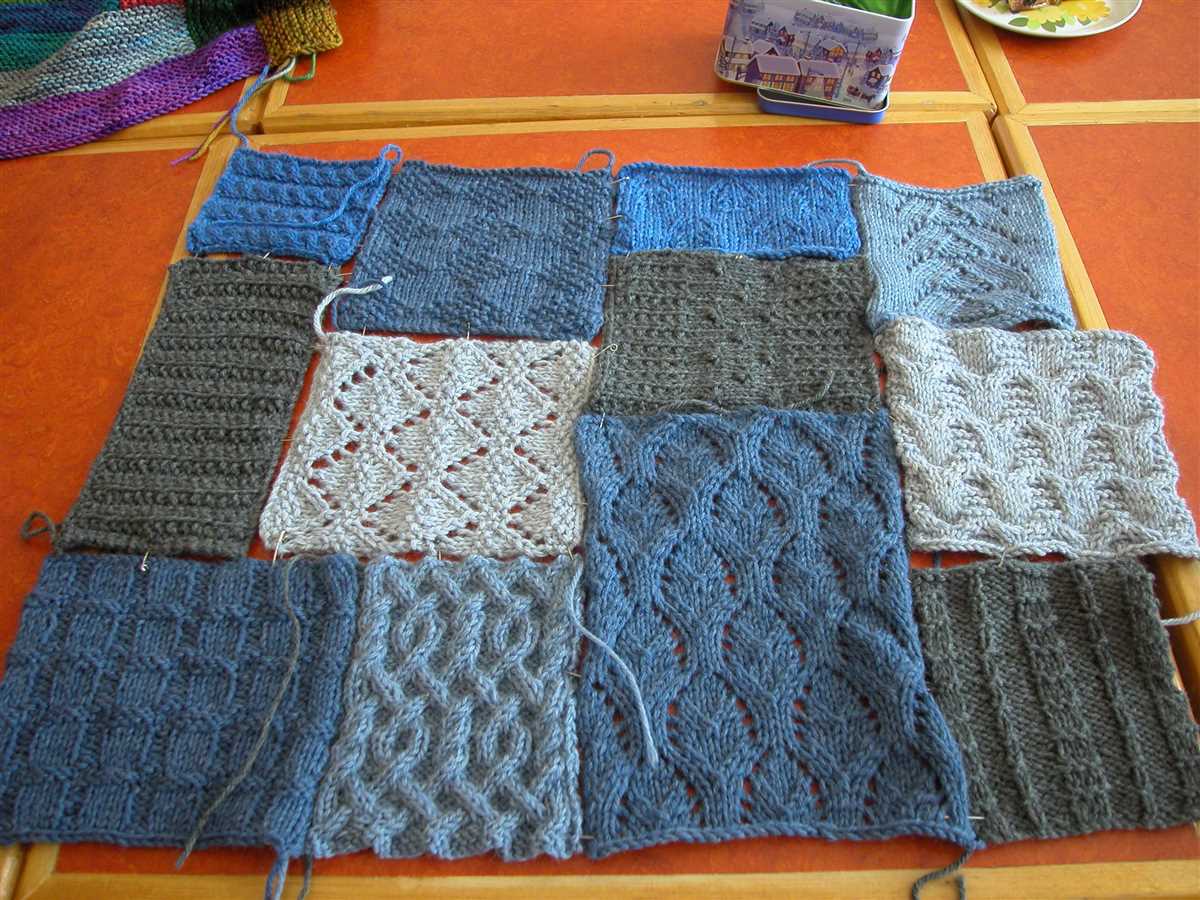
When knitting a patchwork blanket, adding colorwork can bring a whole new level of interest and beauty to the finished piece. Two popular techniques for incorporating colorwork into knitted projects are Fair Isle and Intarsia. Each technique has its own unique characteristics and can be used to achieve different effects.
Fair Isle knitting, also known as stranded knitting, involves working with multiple colors in a single row or round. Traditionally, Fair Isle patterns originate from the Fair Isle, an island in Scotland. In Fair Isle knitting, two or more colors are used in each row, with the unused colors carried along the back of the work. This technique creates a float of yarn on the wrong side of the fabric, which can cause the fabric to be thicker and less stretchy. However, Fair Isle knitting is excellent for creating intricate patterns and motifs, as the colors can be easily switched to create complex designs.
Intarsia knitting, on the other hand, involves knitting blocks of color separately rather than carrying the yarn across the work. This technique is commonly used when working with larger areas of color, such as creating large geometric designs or pictures. One color is used at a time, and when switching colors, the yarn is twisted around each other to prevent holes from forming. This technique results in a flat fabric, making it ideal for blankets or items where drape is important. It is important to note that each block of color in intarsia requires its own separate ball of yarn, and care must be taken to twist the yarns correctly to avoid creating loose loops.
- Fair Isle: Multiple colors used in each row, creates a float of yarn on the wrong side, ideal for intricate patterns.
- Intarsia: Blocks of color worked separately, creates a flat fabric, perfect for larger areas of color.
Both Fair Isle and Intarsia techniques require careful attention to tension and yarn management to ensure even stitches and neat color changes. By mastering these techniques, knitters can add stunning colorwork to their patchwork blankets, elevating them from simple patterns to beautiful works of art.
Blocking and Finishing Your Knitted Blanket

Once you have finished knitting your Aran patchwork blanket, the next step is to block and finish it. Blocking is an important process that helps to shape and set your blanket, giving it a professional and polished look. Here are some steps to follow when blocking and finishing your knitted blanket:
1. Washing and soaking:
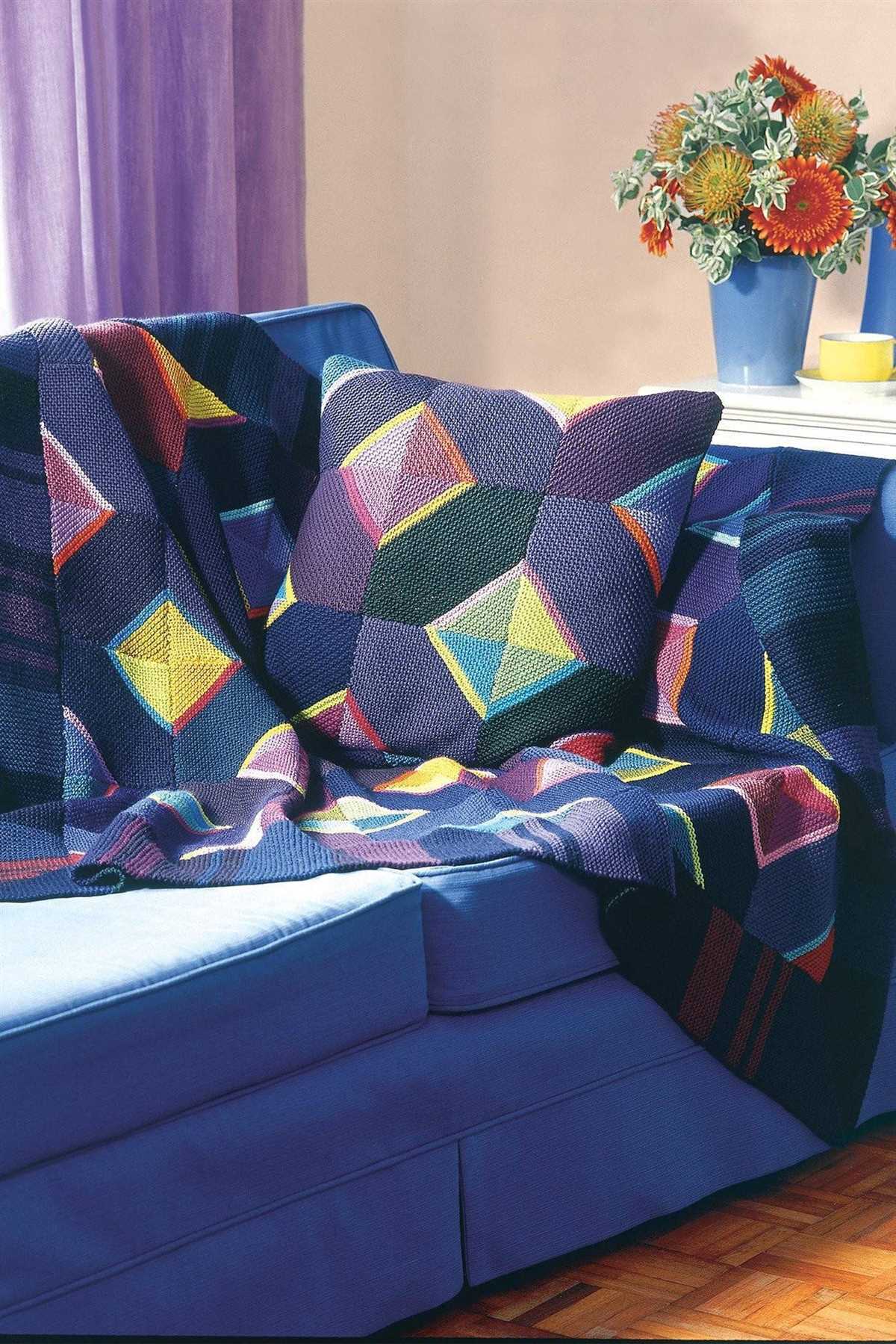
Before blocking, it is recommended to wash your blanket by hand in cool water using a mild detergent. Gently squeeze out excess water and then soak the blanket in warm water for about 20-30 minutes. This will help to relax the fibers and remove any residual dye or chemicals.
2. Blocking:
After soaking, carefully remove the blanket from the water and gently squeeze out excess moisture without wringing or twisting. Lay the blanket flat on a clean towel or blocking mat, making sure to smooth out any wrinkles or lumps. Use blocking pins or T-pins to secure the edges of the blanket and shape it to the desired dimensions. Stretch the blanket gently to ensure even tension.
3. Drying:
Once your blanket is blocked, allow it to air dry completely. Avoid direct sunlight or heat sources, as this can cause the fibers to become brittle. It is important to let the blanket dry naturally to retain its shape and softness.
4. Finishing touches:
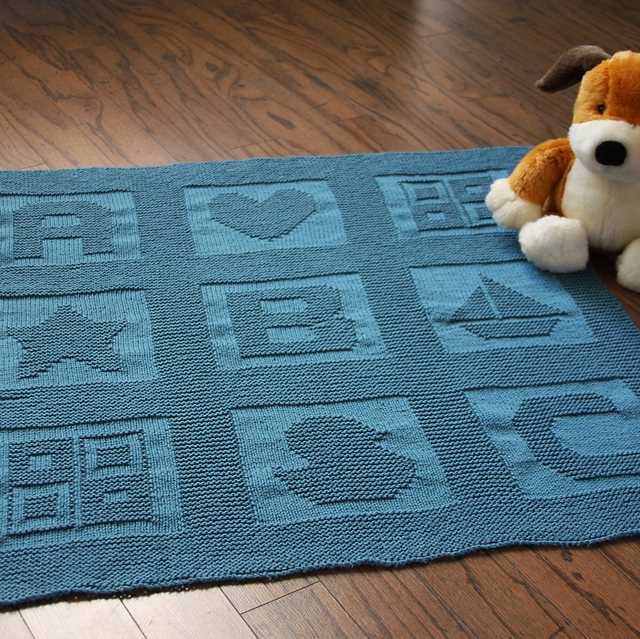
After your blanket is dry, you can add any finishing touches, such as weaving in loose ends or adding a border. Use a tapestry needle to carefully weave in any loose yarn tails, making sure to secure them tightly. If you want to add a border, you can choose a complementary yarn color and knit or crochet it around the edges of the blanket.
By following these steps, you can ensure that your Aran patchwork blanket is beautifully finished and ready to be enjoyed for years to come. The blocking process helps to enhance the stitch definition and drape of the blanket, giving it a professional finish. With proper care and maintenance, your knitted blanket will remain a cherished item in your home.
Adding Personalized Touches: Embroidery and Applique
One of the great things about knitting your own Aran patchwork blanket is the opportunity to add personalized touches to make it truly unique. One way to achieve this is through the use of embroidery and applique. These techniques allow you to embellish your blanket with intricate designs, motifs, and even names or initials.
Embroidery is the art of decorating fabric with needle and thread. You can use embroidery to add decorative stitches, patterns, or images to your blanket. This can be done using a variety of stitches such as satin stitch, chain stitch, or cross stitch. You can embroider anything from simple flowers or geometric shapes to more complex designs like animals or landscapes. The choice is entirely up to you and your creativity.
Applique is another technique that can be used to personalize your Aran patchwork blanket. Applique involves attaching pieces of fabric onto the surface of the blanket to create a design or image. This can be done by stitching the fabric down or by using fusible web or adhesive. You can cut out shapes from different fabrics to create a layered effect or use fabric scraps to create a quilted look. The possibilities are endless when it comes to applique.
Embroidery and Applique Ideas
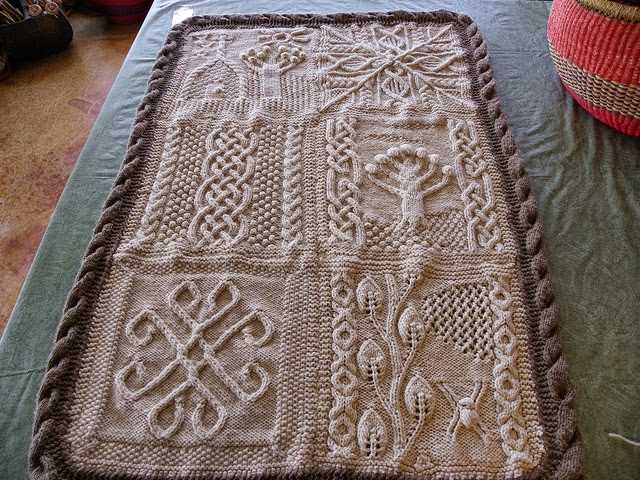
- Create a border of embroidered flowers or leaves around the edges of your blanket.
- Add a monogram or initials using elegant script or decorative fonts.
- Embroider the name of the person the blanket is intended for, making it a truly personalized gift.
- Create a scene or landscape using various embroidery stitches to depict mountains, trees, and animals.
- Add applique shapes of hearts, stars, or other symbols to represent something meaningful to you.
- Embroider your favorite quote or inspirational phrase onto a corner of the blanket.
These are just a few ideas to get you started, but feel free to let your imagination run wild and create something truly unique and special. Adding embroidery and applique to your Aran patchwork blanket will not only personalize it but also elevate it to a work of art.
Additional Tips and Techniques for a Perfect Blanket
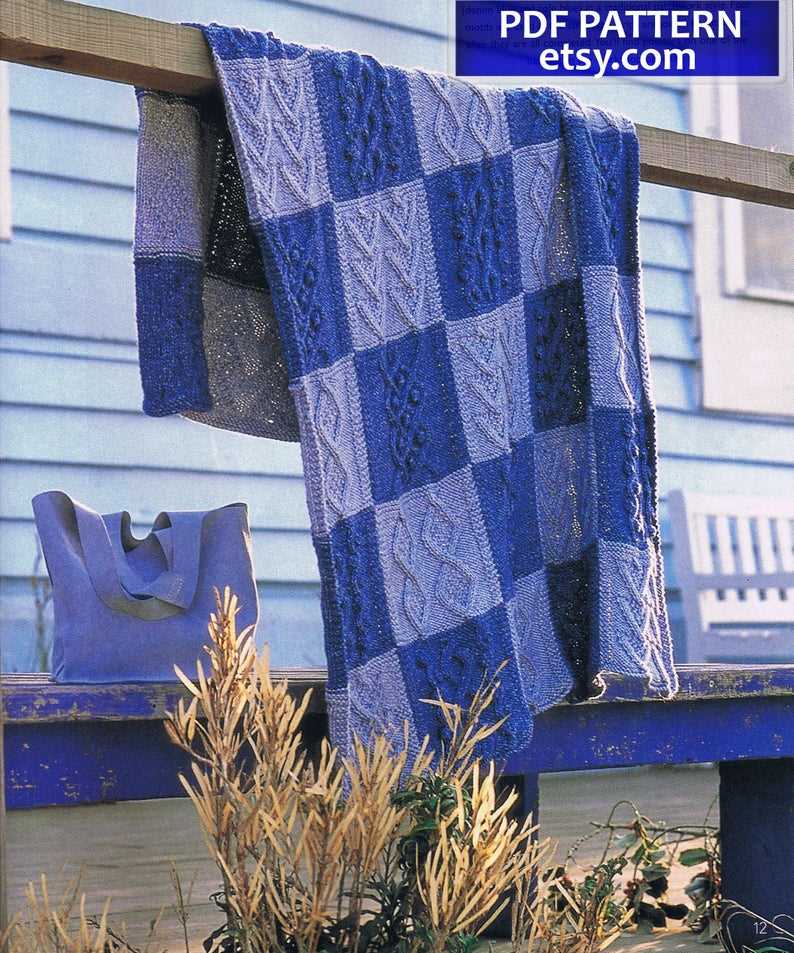
When knitting an Aran patchwork blanket, there are several tips and techniques that can help ensure a perfect finished product. These tips include the following:
- Use stitch markers: Stitch markers can be extremely helpful when knitting a blanket with multiple sections. By placing markers between each section, it becomes easier to keep track of where you are in the pattern and prevents mistakes.
- Check tension regularly: Tension can vary with each individual knitter, so it’s important to regularly check the tension of your knitting. This can be done by knitting a swatch and measuring the number of stitches and rows per inch. Adjust your knitting accordingly to achieve the desired size and tension for your blanket.
- Join yarn properly: To ensure a seamless transition between different yarn colors or skeins, it’s important to join them properly. This can be achieved by weaving in the ends of the old yarn and the new yarn together, making sure to leave a long tail for extra security. This will help prevent any gaps or loose stitches in your blanket.
- Block your blanket: Blocking is an important step in finishing your blanket. After you have completed knitting, wet blocking can help even out the stitches and give your blanket a more polished and professional look. Simply soak your blanket in lukewarm water, squeeze out the excess water, and lay it flat to dry, shaping it into the desired dimensions.
- Take breaks: Knitting a large blanket can be time-consuming and tiring, so it’s important to take breaks to prevent strain on your hands and wrists. Stretching your fingers and wrists regularly can help alleviate any discomfort and allow you to continue knitting for longer periods of time.
By following these additional tips and techniques, you can create a beautiful Aran patchwork blanket that is not only visually stunning but also cozy and functional.
Inspiration and Variation: Different Patchwork Patterns
Creating a patchwork blanket using the Aran knitting technique provides a canvas for creativity and experimentation. With its combination of textured stitches and intricate cable patterns, the Aran patchwork blanket is truly a work of art. However, the possibilities don’t end there. Knitters can take inspiration from different patchwork patterns to add their own unique touch to their blankets.
One patchwork pattern that can be incorporated into an Aran blanket is the log cabin design. This pattern involves knitting rectangular blocks in alternating colors and arranging them in a specific way to create a visually appealing geometric pattern. By alternating blocks of Aran knitting with log cabin blocks, knitters can create an interesting contrast of textures and designs.
A checkerboard pattern is another variation that can be used in an Aran patchwork blanket. This pattern involves knitting squares of different colors and arranging them in a checkerboard formation. By incorporating cables and textured stitches into the squares, knitters can add depth and complexity to the overall design.
For those who prefer a more organic and whimsical look, the crazy quilt pattern is a great option. This pattern involves knitting irregularly shaped patches with different colors and textures, and then sewing them together to create a unique mosaic effect. By combining crazy quilt patches with sections of Aran knitting, knitters can create a visually striking blanket that is full of character and charm.
These are just a few examples of the many patchwork patterns that can be used to create a one-of-a-kind Aran blanket. By exploring different designs and incorporating them into their knitting projects, knitters can unleash their creativity and create blankets that are truly personalized and meaningful.
Sharing and Caring: Gift Ideas and Charity Projects
Knitting can be more than just a hobby; it can also be a way to spread love and care to others. If you have mastered the Aran patchwork blanket knitting pattern and are looking for ways to share your creations and make a difference in someone’s life, we have some ideas for you. Whether you want to give a thoughtful gift or take part in a charity project, there are plenty of opportunities to make a positive impact.
Gift Ideas
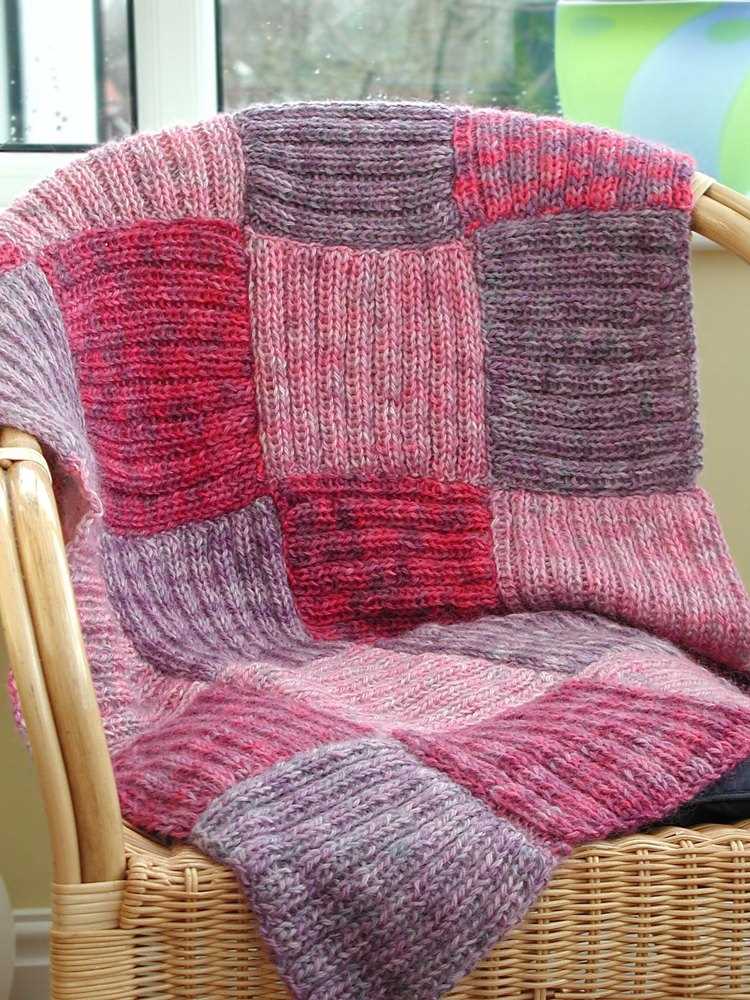
1. Personalized Blankets: Use the Aran patchwork blanket knitting pattern to create a unique and personalized gift. You can incorporate the recipient’s favorite colors or add their initials to make it extra special.
2. Baby Shower Present: Knitting a patchwork blanket is perfect for welcoming a new baby. Choose soft and gentle yarns to ensure comfort and add some cute embellishments, such as animal motifs or pom-poms.
3. Housewarming Gift: A handmade blanket can be a meaningful and heartfelt gift for someone moving into a new home. Consider using neutral colors and timeless patterns to suit any decor.
Charity Projects
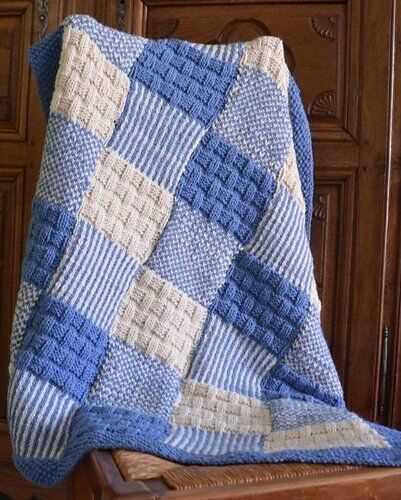
1. Donation to a Shelter: Contact local shelters or organizations that support those in need and inquire if they accept handmade blankets. Your Aran patchwork blanket could bring warmth and comfort to someone going through a difficult time.
2. Knit for a Cause: Join knitting groups or organizations that focus on charity projects. They often have organized initiatives where you can contribute your knitting skills to make a difference in various causes, such as supporting cancer patients or the elderly.
3. Community Fundraisers: Participate in community fundraisers where you can donate your Aran patchwork blankets for auctions or raffles. The money raised can go towards helping local organizations or individuals in need.
Remember, sharing your love for knitting and caring for others can bring immense joy and fulfillment. Whether you choose to make personalized gifts or participate in charity projects, your Aran patchwork blanket creations have the power to spread warmth and happiness to those who need it most.