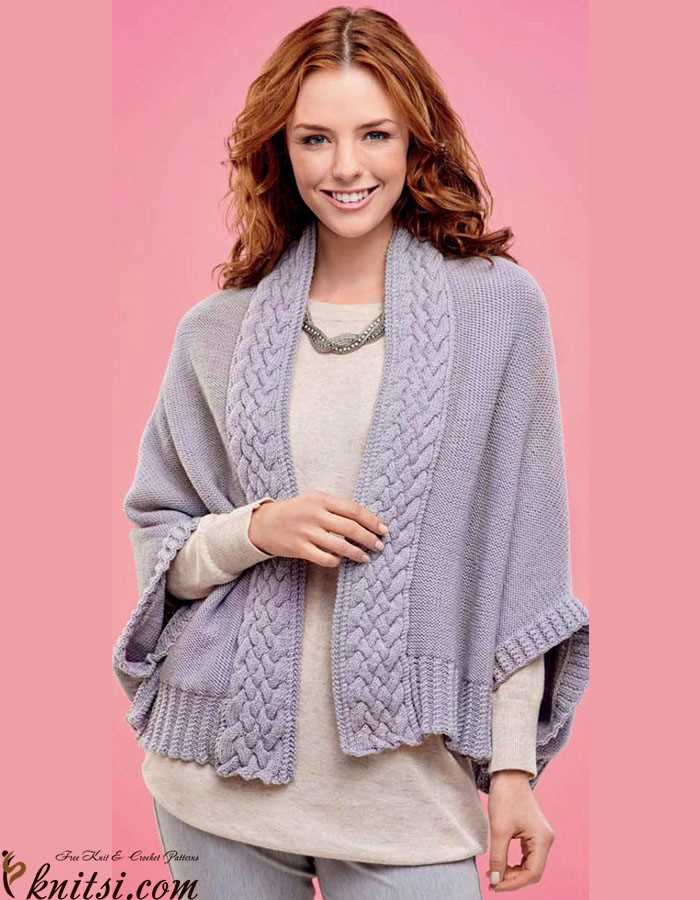
If you are a knitting enthusiast and love to create beautiful and unique garments, then you will definitely enjoy knitting a cape. Capes are versatile pieces that can be worn for various occasions and can add an elegant touch to any outfit. In addition to being stylish, capes are also warm and cozy, making them perfect for chilly weather.
One of the great things about knitting a cape is that there are so many different patterns and styles to choose from. Whether you prefer a simple and classic design or something more intricate and eye-catching, you are sure to find a cape knitting pattern that suits your skills and personal style. From capes with cables and textured stitches to those with lace details and colorwork, the possibilities are endless.
When knitting a cape, it is important to choose the right yarn and needles to achieve the desired drape and texture. Chunky yarns can create a cozy and chunky cape, while lighter weight yarns can result in a more delicate and flowing garment. The choice of needles will also depend on the yarn and pattern you choose, so be sure to check the gauge and adjust accordingly.
Once you have chosen your pattern, yarn, and needles, it’s time to get started on your cape knitting project. Take your time and enjoy the process of creating something beautiful with your own hands. Before you know it, you will have a stunning cape that you can proudly wear and show off to everyone you meet.
Cape Knitting Pattern
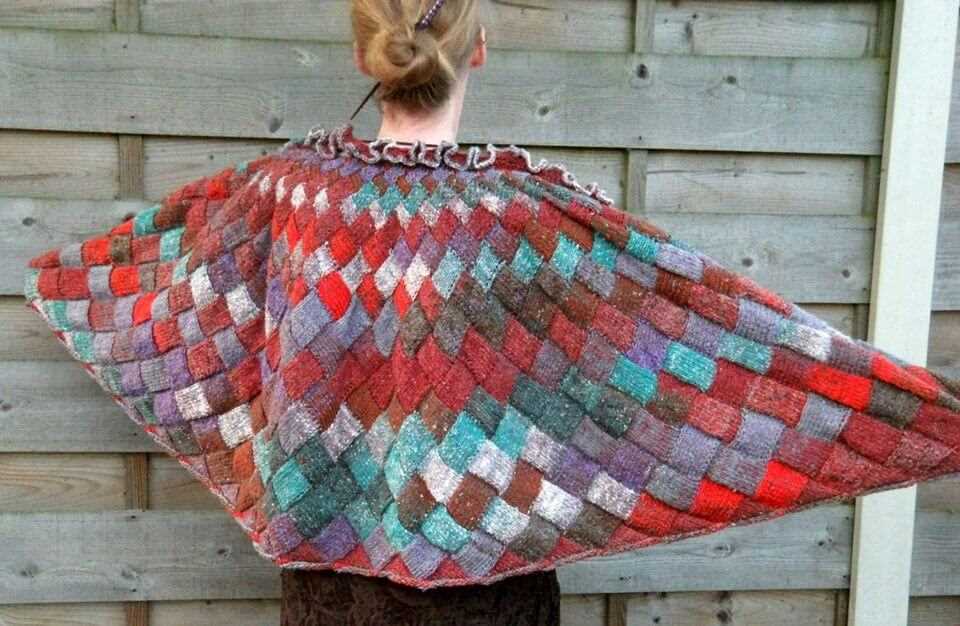
Knitting a cape can be a fun and rewarding project for any knitter. Whether you’re a beginner or an experienced knitter, there are a variety of cape knitting patterns available to suit your skill level and style preferences.
One popular cape knitting pattern is a simple garter stitch cape. This pattern is perfect for beginners as it only requires knowledge of basic knitting stitches. The cape is knit in one piece, starting from the bottom edge and working up to the neckline. It can be made in any size and color, allowing for endless customization options.
Materials:
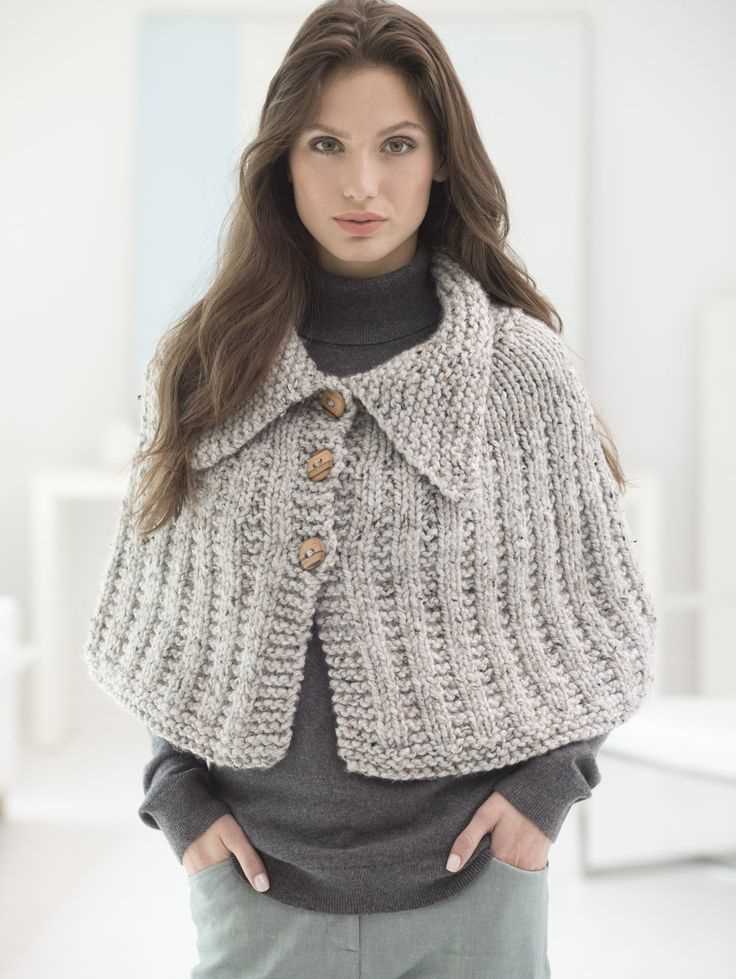
- Knitting needles in the appropriate size for your yarn
- Yarn in your desired color and weight
- Scissors
- Yarn needle
Instructions:
- Cast on the required number of stitches, based on the size of the cape you want to make.
- Knit every row in garter stitch until the cape reaches your desired length.
- Bind off all stitches.
- Use a yarn needle to weave in any loose ends.
This simple garter stitch cape can be worn over a sweater or dress, adding a stylish and cozy layer to any outfit. The garter stitch creates a textured fabric that is warm and comfortable, perfect for chilly days and evenings.
If you’re looking for a more advanced cape knitting pattern, you might consider a lace cape or a cable knit cape. These patterns require more advanced knitting techniques, but the end result is a stunning and intricate cape that will surely impress.
What is a Cape?
A cape is a type of garment that is worn loosely over the shoulders and typically does not have sleeves. It is usually made from a warm and thick fabric, such as wool, and is designed to provide warmth and protection from the cold weather. Capes have been worn for centuries and can be found in various cultures around the world.
Traditionally, capes were worn by both men and women as outerwear. They were often used as a practical and functional garment, providing insulation and protection against the elements. However, capes have also been worn as a fashion statement and an accessory to enhance an outfit. In recent years, capes have made a comeback in the fashion industry, with designers incorporating them into their collections in different styles and materials.
Types of Capes:
- Traditional Cape: This is the classic style of cape that is worn over the shoulders and hangs freely. It is usually made from a single piece of fabric, with a hole in the center for the head to pass through. Traditional capes can be plain or adorned with decorative elements, such as buttons or trim.
- Poncho Cape: A poncho cape is similar to a traditional cape, but it is made from a rectangular or square piece of fabric. It is typically worn with the longer side draped over the shoulders, creating a loose and flowing silhouette. Poncho capes can be made from various fabrics and are often more lightweight and casual.
- Cape Coat: A cape coat is a hybrid between a cape and a coat. It typically has armholes and buttons or a zip closure in the front, allowing for easier movement and wearability. Cape coats come in different lengths and styles, ranging from shorter cropped versions to longer and more structured designs.
History of Cape Knitting
Knitting has been a popular craft for centuries, with its origins dating back to ancient times. The art of cape knitting, specifically, has a rich history that spans different cultures and periods.
The origins of cape knitting
One of the earliest known examples of cape knitting can be traced back to the indigenous tribes of the Americas. These tribes used fibers from local plants and animals to create functional garments that were warm and durable. The capes they knitted often featured intricate patterns and designs that were passed down through generations, representing their cultural heritage.
The rise of cape knitting in Europe
In Europe, cape knitting gained popularity during the medieval period. Knitted capes were worn by royalty, nobility, and the wealthy as a symbol of their status and wealth. The intricate patterns and designs became more elaborate, with the introduction of new knitting techniques and the use of luxurious fibers such as silk and fine wool.
The influence of the Industrial Revolution
The Industrial Revolution in the 18th century brought significant changes to the knitting industry. With the invention of knitting machines, the production of knitted goods became faster and more efficient. Cape knitting became more accessible to the masses, and the variety of patterns and designs expanded.
Modern cape knitting
Today, cape knitting continues to be a popular craft, with a wide range of patterns and designs available. Knitters can choose from traditional styles that pay homage to the rich history of cape knitting or opt for contemporary designs that incorporate modern trends and techniques.
In conclusion, the history of cape knitting is a testament to the enduring appeal of this craft. From its humble origins in indigenous tribes to its popularity in European nobility and the influence of the Industrial Revolution, cape knitting has evolved and adapted throughout the centuries. It remains a beloved craft that allows knitters to create beautiful and functional garments that reflect their creativity and skill.
Choosing Yarn for Cape
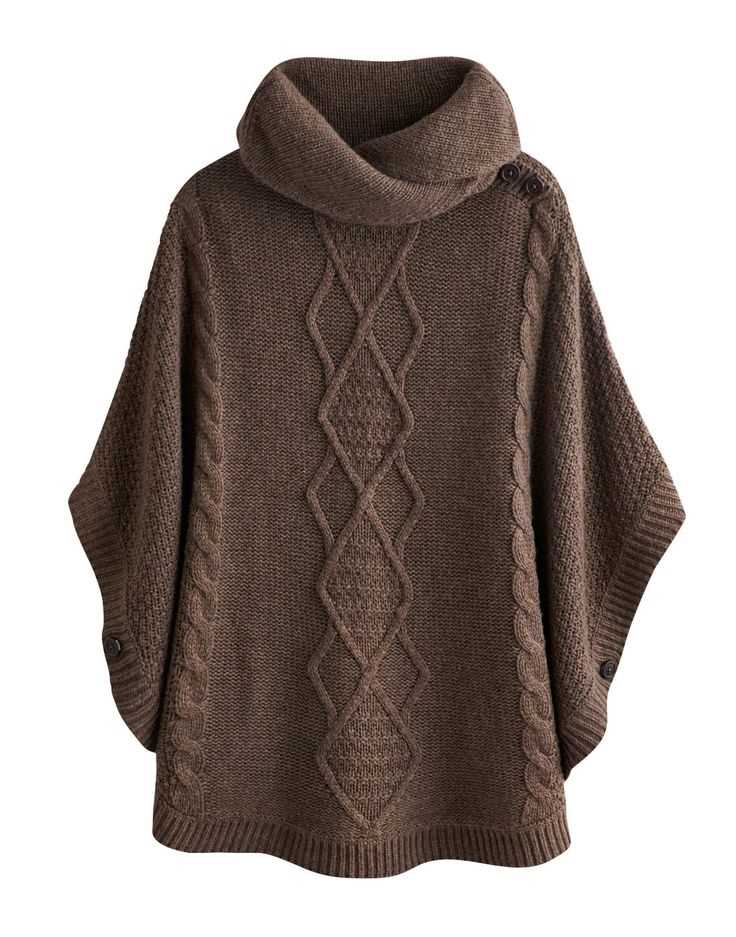
When it comes to choosing the perfect yarn for your cape knitting project, there are several factors to consider. The type of yarn you choose will have a significant impact on the overall look, feel, and durability of your cape.
Fiber Content: The first thing to consider is the fiber content of the yarn. Different fibers have different properties, so it’s important to choose one that suits your needs. For a warm and cozy cape, consider using wool or alpaca yarn. If you want a lightweight and breathable cape, cotton or silk yarn would be a better choice. Acrylic yarn is also a popular option as it is affordable and easy to care for.
Natural vs. Synthetic:
Another thing to consider is whether you prefer natural or synthetic yarn. Natural fibers such as wool, cotton, and silk have a luxurious feel and often have more breathability. They also tend to be more expensive. Synthetic fibers like acrylic, polyester, and nylon are more affordable and easy to care for, but they may not provide the same level of warmth and comfort as natural fibers.
- Gauge and Weight: Pay attention to the recommended gauge and weight of the yarn specified in the cape knitting pattern. Using a yarn with a different gauge could result in a cape that is too big or too small. Also, consider the weight of the yarn, as it will affect the drape and overall appearance of the cape.
- Color and Texture: The color and texture of the yarn will also play a role in the final look of your cape. Consider the style and purpose of the cape when choosing the color. If you want a classic and versatile cape, neutral colors like black, gray, or beige are good choices. If you want to make a statement, bold and vibrant colors can add a pop of color to your outfit. Similarly, the texture of the yarn can add visual interest and dimension to the cape.
- Budget: Finally, consider your budget when choosing yarn for your cape. Yarn prices can vary greatly depending on the fiber content, brand, and quality. It’s important to find a balance between the quality and price that suits your budget and knitting needs.
Overall, choosing the right yarn for your cape is an important decision that will impact the final result. Consider factors such as fiber content, natural vs. synthetic, gauge and weight, color and texture, and budget to ensure you select the perfect yarn for your project.
Types of Cape Knitting Patterns
When it comes to cape knitting patterns, there are various styles and designs to choose from. Whether you prefer a classic, timeless look or something more modern and trendy, there is a cape pattern out there for you. Below are a few different types of cape knitting patterns:
1. Classic Cape:
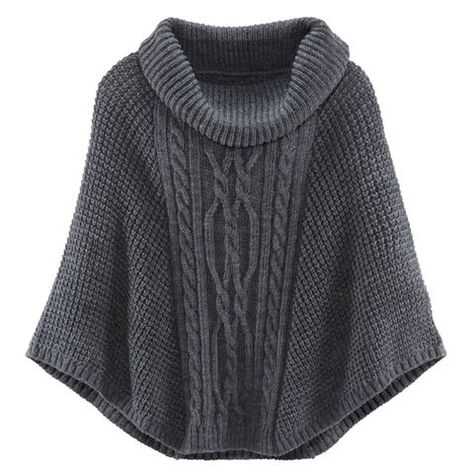
A classic cape is a versatile and timeless piece that never goes out of style. It typically features a simple and elegant design, with a button or toggle closure at the front. Classic cape knitting patterns often use a chunky or worsted weight yarn to create a cozy and warm garment.
2. Poncho Cape:
A poncho cape combines the best of both worlds: the comfort and ease of a poncho with the functionality and coverage of a cape. This style typically has an oversized, loose fit and is great for layering over sweaters or long-sleeve tops. Poncho cape knitting patterns often incorporate interesting stitch patterns or colorwork for added visual interest.
3. Hooded Cape:
A hooded cape is perfect for those chilly days when you want to keep your head warm as well. This style features a hood attached to the cape, providing extra warmth and protection from the elements. Hooded cape knitting patterns can range from simple and minimalistic to more intricate designs with cables or lace.
4. Capelet:
A capelet is a smaller, shorter version of a cape that typically covers the shoulders and upper back. It adds a touch of elegance and sophistication to any outfit and is often worn as an accessory for special occasions. Capelet knitting patterns often feature delicate lace or eyelet designs, making them a beautiful accent piece.
These are just a few examples of the different types of cape knitting patterns available. Whether you’re a beginner knitter or an experienced one, there is a cape pattern out there that will suit your skill level and personal style. So grab your knitting needles and get started on your next cape project!
Beginner-Friendly Cape Knitting Patterns
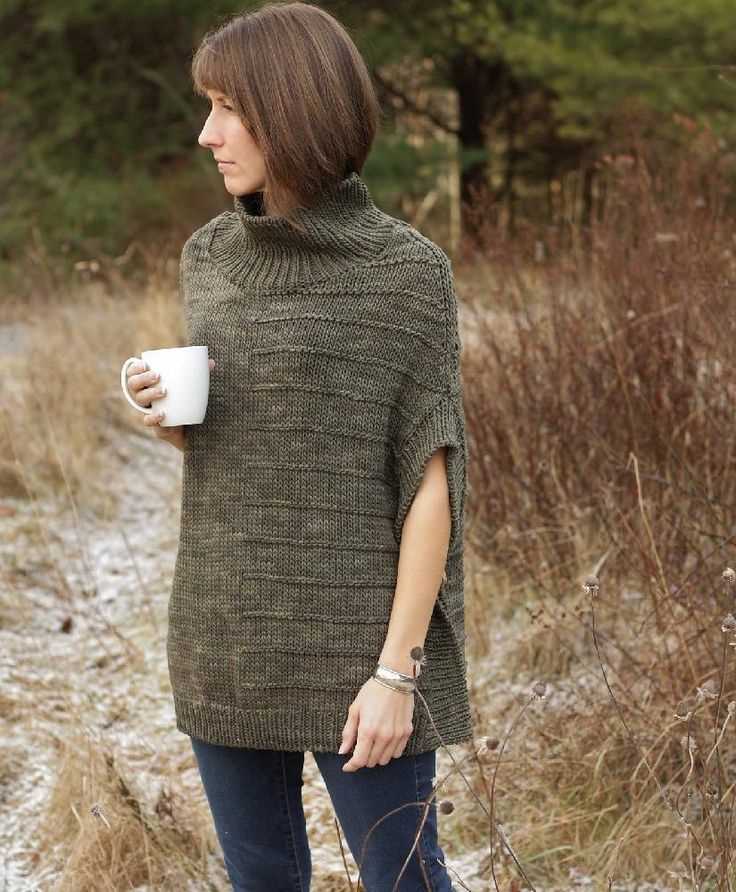
If you are a beginner knitter looking to take on a new project, cape knitting patterns are a great option. Capes are versatile and stylish garments that can be made in various designs and sizes, making them suitable for knitters of all skill levels.
1. Classic Cape Pattern: The classic cape pattern is an excellent choice for beginners. It typically features a simple rectangle or square shape with a hole for the neck and straight sides that can be stitched to create armholes. This pattern is easy to follow and allows for customization with different stitch patterns and yarn choices.
2. Beginner Poncho Pattern: A poncho-style cape is another beginner-friendly option. This pattern usually involves knitting a large rectangle or two panels that are sewn together to create an opening for the head. The simplicity of this design makes it a great project for beginners who are looking for a quick and stylish garment.
3. Capelet Pattern: A capelet is a smaller version of a cape that sits on the shoulders and provides a stylish accessory to any outfit. This pattern typically involves knitting a circular or semi-circular shape with a hole for the neck. Capelets are perfect for beginners who want to try their hand at knitting in the round.
4. Hooded Cape Pattern: For those looking to add a touch of coziness to their cape, a hooded cape pattern is a great option. This pattern usually involves knitting a cape with a detachable or attached hood. The hood can be a simple rectangle or shaped to create a more tailored look. Beginners can try their hand at knitting cables or other textured stitches to add interest to the hood.
Whether you choose a classic cape, a poncho-style cape, a capelet, or a hooded cape, there are numerous beginner-friendly knitting patterns available online. These patterns provide step-by-step instructions and often include helpful tips and tutorials to guide you through the process. With a little practice, you’ll be able to create a beautiful cape that you can wear with pride.
Intermediate Cape Knitting Patterns
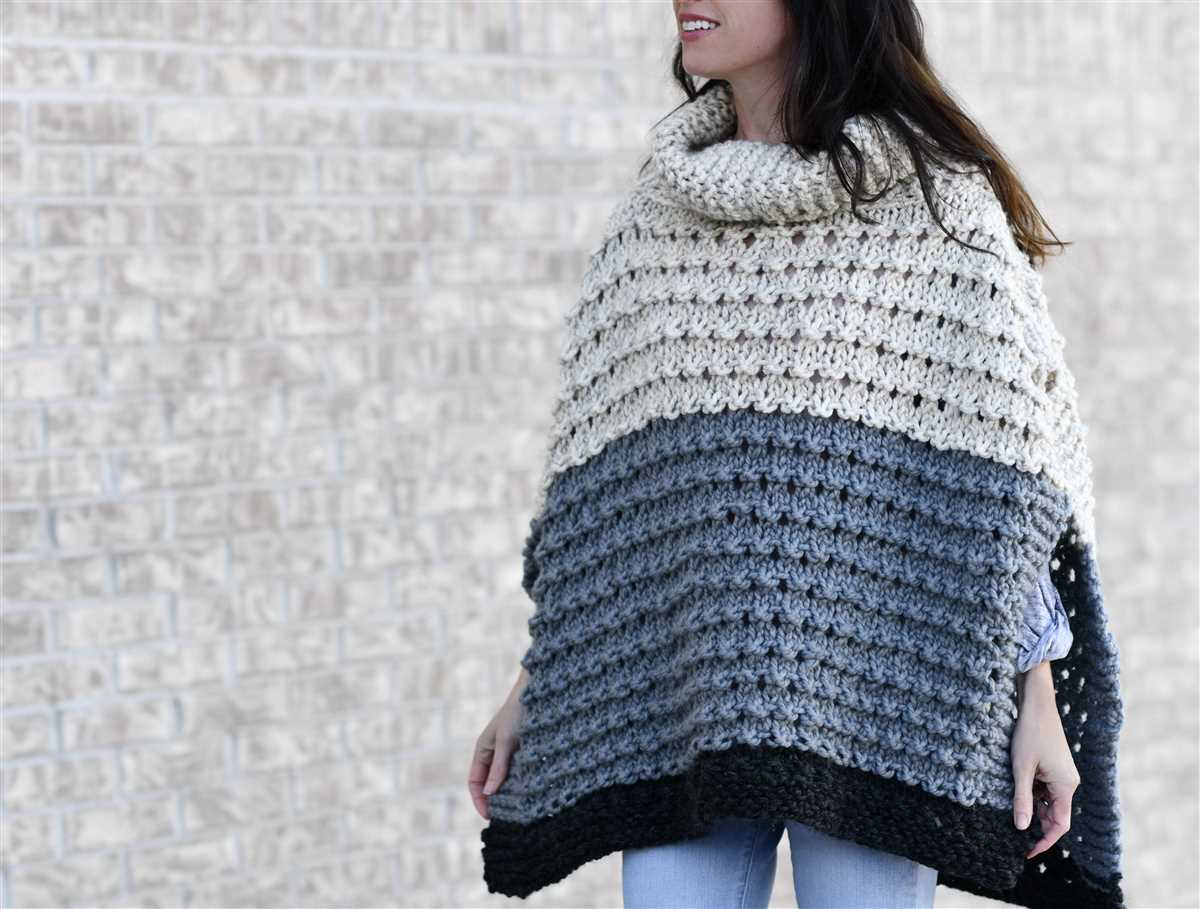
For knitters looking to take their skills to the next level, intermediate cape knitting patterns offer an exciting challenge. These patterns often incorporate more complex stitches and techniques, allowing knitters to expand their knowledge and create beautiful, intricately designed capes.
One popular intermediate cape knitting pattern is the lace cape. This pattern typically features delicate lacework and requires an understanding of lace knitting techniques, such as yarn overs and decreases. Knitters can choose from a variety of lace patterns, ranging from simple to more intricate, to create a customized lace cape that suits their style.
Another intermediate cape knitting pattern is the cable cape. This pattern utilizes cable stitches, which create a textured, braided-like design on the fabric. Knitters will need to know how to read cable charts and manipulate stitches to create the cables. The cable cape can be knit in different weights of yarn for varying levels of warmth and can be customized with different cable patterns for a unique look.
Additionally, the stranded colorwork cape is a popular intermediate pattern choice. This pattern involves knitting with multiple colors at the same time to create intricate color patterns throughout the fabric. Knitters will need to be familiar with colorwork techniques, such as Fair Isle or intarsia, to successfully complete the cape. The resulting colorwork cape is a stunning piece that showcases the knitter’s skill and creativity.
Intermediate cape knitting patterns provide an opportunity for knitters to challenge themselves and expand their knitting repertoire. With a variety of stitch patterns and techniques to choose from, knitters can create unique, personalized capes that are both functional and beautiful. Whether it’s lace, cables, or colorwork, intermediate cape knitting patterns offer endless possibilities for knitters looking to take their knitting skills to the next level.
Advanced Cape Knitting Patterns
In the world of knitting, capes are a versatile and stylish accessory that can be worn in any season. For experienced knitters looking for a challenge, there are a variety of advanced cape knitting patterns available. These patterns often feature intricate stitch patterns, unique shaping techniques, and interesting details that elevate the finished cape to a work of art.
1. Lace Cape with Feathered Edging: This advanced knitting pattern combines the delicate beauty of lace with the texture of feathered edging. Knitted in a luxurious yarn, this cape is perfect for special occasions or as a statement piece. The lace stitch pattern requires attention to detail and patience, but the end result is a stunning, ethereal cape that is sure to turn heads.
2. Cabled Cape with Hood: For knitters who enjoy working with cables, this pattern is a must-try. The complex cable stitch pattern creates a rich, textured fabric that is both warm and visually appealing. With the addition of a hood, this cape is practical for chilly weather and adds a touch of coziness to any outfit.
3. Colorwork Cape with Fair Isle Motifs: Fair Isle knitting is a technique that involves using multiple colors to create intricate patterns. This advanced cape pattern incorporates Fair Isle motifs in a bold and eye-catching way. Knitted in a wool blend yarn, this cape is not only stylish but also warm and cozy. The colorwork requires careful attention to tension and color placement, but the result is a unique and vibrant cape that is sure to be a conversation starter.
Additional Tips:
- When choosing an advanced cape knitting pattern, consider your skill level and previous experience with complex stitches and techniques.
- Take the time to swatch and gauge your knitting to ensure the finished cape fits properly.
- Don’t be afraid to experiment with different yarns and colors to make the pattern your own.
- Take breaks and stretch your hands and wrists to avoid fatigue and strain while working on intricate patterns.
- Join online knitting communities or workshops to learn from and connect with other advanced knitters.
With these advanced cape knitting patterns, you can challenge yourself and create unique, beautiful capes that showcase your skills as a knitter. Whether you prefer lace, cables, or colorwork, there is a pattern out there that will inspire and excite you. Happy knitting!
Tips and Tricks for Cape Knitting
Knitting a cape can be a fun and rewarding project for any knitter. Whether you’re a beginner or an experienced knitter, here are some tips and tricks to help you create a beautiful and stylish cape.
1. Choose the right yarn and needle size

When knitting a cape, it’s important to choose the right yarn and needle size to achieve the desired drape and texture. Consider the weight and fiber content of the yarn to ensure that it’s suitable for the project. Additionally, experiment with different needle sizes to achieve the correct gauge and ensure that the stitches are neither too tight nor too loose.
2. Use stitch markers
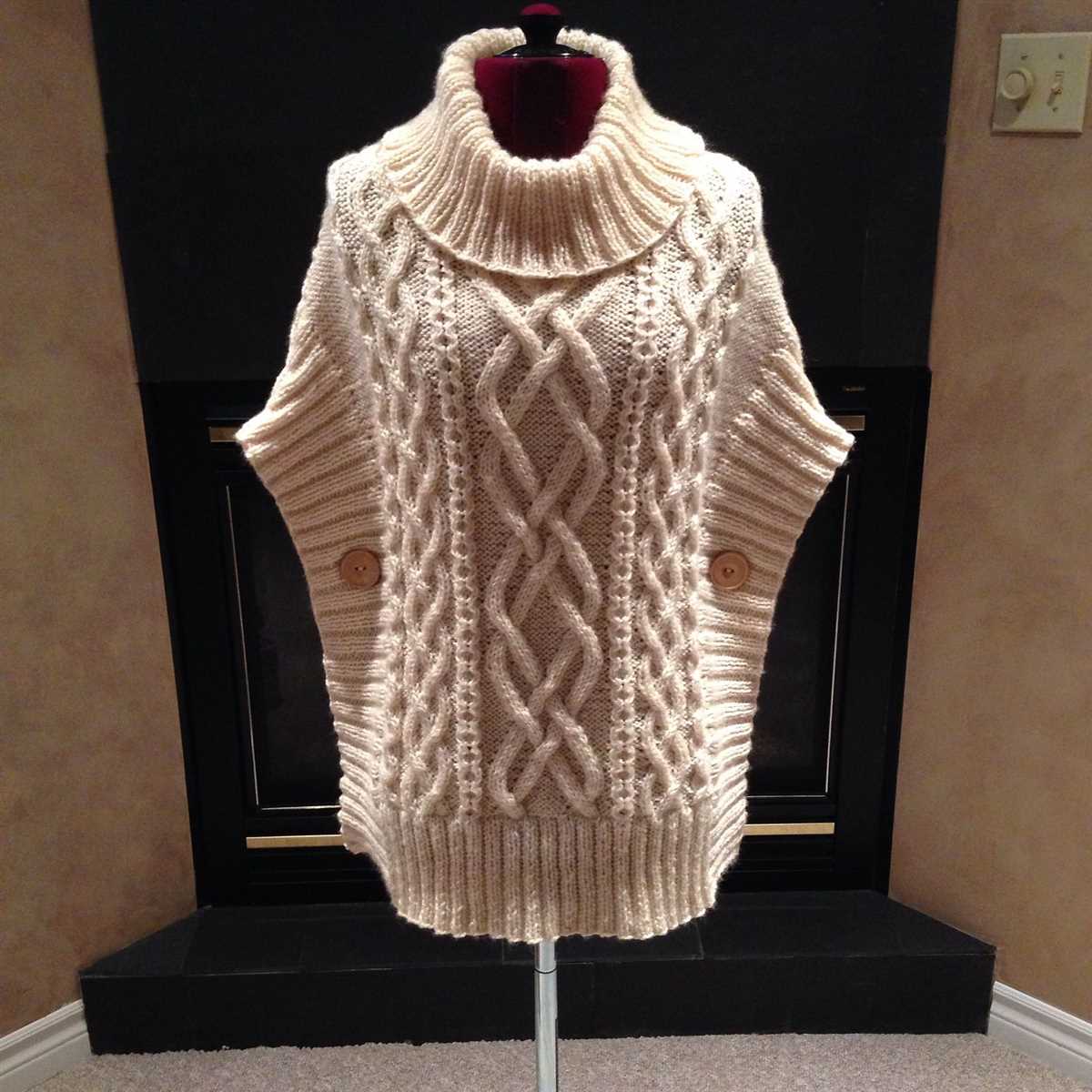
Stitch markers can be incredibly helpful when knitting a cape, especially if the pattern involves complex stitch patterns or color changes. Use stitch markers to mark important points in the pattern, such as the beginning of a round or the placement of pattern repeats. This will make it easier to keep track of your progress and prevent mistakes.
3. Block your finished cape

Blocking is an essential step in the knitting process that helps to shape and smooth out the finished garment. After completing your cape, wet block it by soaking it in lukewarm water and gently squeezing out the excess moisture. Then, lay it flat on a towel, shape it as desired, and let it dry completely. Blocking will help to even out the stitches and give your cape a professional and polished look.
4. Add embellishments

If you want to add a personal touch to your cape, consider incorporating embellishments such as buttons, ribbons, or embroidery. These small details can make a big difference in the overall look of the cape and allow you to customize it to your taste. Just make sure to securely attach any embellishments to ensure they stay in place.
5. Check your measurements
Before starting your cape, take accurate measurements of the wearer to ensure a proper fit. Pay attention to the length, width, and any specific design details that may affect the sizing. Double-check your measurements throughout the knitting process to ensure that your cape will fit as intended.
By following these tips and tricks, you’ll be well on your way to knitting a beautiful and fashionable cape that you’ll be proud to wear or gift to someone special!
Finishing and Styling your Cape
Once you have completed knitting your cape, it’s time to focus on the finishing touches and styling. Here are some tips to help you make your cape look polished and stylish:
Blocking:

Before starting any finishing techniques, it is important to block your cape. Blocking involves wetting the knitted fabric and shaping it to the desired measurements. This will help even out any inconsistencies in tension and give your cape a professional finish.
Seaming:
If your cape was knitted in separate pieces, you will need to seam them together. Use a mattress stitch to join the pieces seamlessly. Take your time with this step to ensure that the seams are invisible and the cape looks seamless.
Add Buttons or a Closure:
Adding buttons or a closure to your cape can enhance its functionality and style. Choose buttons that complement the color and design of your cape. Alternatively, you can opt for a stylish closure, such as a toggle or a clasp. Ensure that the buttons or closure are securely attached for durability.
Add Embellishments:
If you want to add some extra flair to your cape, consider embellishing it with decorative elements. You can add a crochet trim, embroidery, or even sew on some beads or sequins for an eye-catching effect. Be creative and experiment with different embellishments to personalize your cape.
Styling:
Once your cape is finished, it’s time to think about how you will style it. A cape can be a versatile accessory that can be dressed up or down depending on the occasion. Pair it with a belt to cinch in the waist and create a more fitted silhouette. Layer it over a sweater or blouse for a chic look. Experiment with different outfits and accessories to make your cape the centerpiece of your outfit.
Follow these finishing and styling tips to ensure that your cape looks polished and stylish. With a little extra effort, you can turn your knitting project into a fashionable and functional accessory that you will love to wear.
Where to Find Cape Knitting Patterns

If you are looking for cape knitting patterns, there are several places you can explore. Whether you are a beginner or an experienced knitter, these online resources offer a wide range of cape patterns to choose from.
1. Knitting pattern websites
You can find a variety of cape knitting patterns on dedicated knitting pattern websites. These websites often have a search feature that allows you to filter the patterns by difficulty level, style, and size. Some popular knitting pattern websites include Ravelry, LoveCrafts, and Knitty.
2. Yarn company websites
Many yarn companies offer free patterns on their websites, including cape knitting patterns. These websites usually provide detailed instructions and may also include helpful tutorials and videos. Some popular yarn company websites include Lion Brand, Red Heart, and Cascade Yarns.
3. Knitting blogs
Knitting blogs are a great resource for finding unique and creative cape knitting patterns. Bloggers often share their own patterns and provide step-by-step instructions along with photos. You can search for knitting blogs using blog directories or by simply searching for “cape knitting patterns” on search engines.
4. Online knitting communities
Online knitting communities, such as forums and social media groups, are another excellent place to find cape knitting patterns. These communities allow you to connect with other knitters, ask questions, and share patterns. You can join knitting groups on platforms like Facebook, Reddit, or join specific knitting forums.
5. Local yarn shops
If you prefer a more hands-on experience, consider visiting your local yarn shop. Many yarn shops have pattern books and leaflets that include cape knitting patterns. The staff at the yarn shop can also provide guidance and recommendations based on your skill level and preferences.
With these resources at your fingertips, you’ll be able to find a cape knitting pattern that suits your style and skill level. Remember to have fun and experiment with different patterns and yarns to create a unique and beautiful cape.