
Knitted vests are a versatile and stylish addition to any wardrobe. They are the perfect layering piece for transitional seasons, adding a touch of warmth without the bulk of a full sweater. With their timeless design, knitted vests can be worn by both men and women, and can be dressed up or down for any occasion. Whether you’re a beginner knitter or an experienced pro, there are countless patterns available to help you create your own unique knitted vest.
One of the great things about knitting vests is that they can be customized to fit your individual style and taste. From classic designs with cables and textured stitches to more modern, sleek styles, the possibilities are endless. You can choose from a range of yarn weights and fibers to achieve the desired drape and warmth, making it a great project for using up leftover yarn from other projects.
If you’re new to knitting, there are plenty of beginner-friendly patterns available that will teach you the basics while creating a stylish garment. If you’re a more advanced knitter, you can challenge yourself with more intricate patterns that incorporate lace, colorwork, or unique construction techniques. No matter your skill level, knitting a vest is a rewarding project that will result in a beautiful and functional piece of clothing.
How to Choose the Right Yarn for Knitted Vests
When it comes to knitting vests, choosing the right yarn is an important step to ensure the success of your project. The yarn you select can greatly affect the drape, warmth, and overall look of the finished vest. Here are some factors to consider when choosing yarn for your knitted vests:
Fiber Content
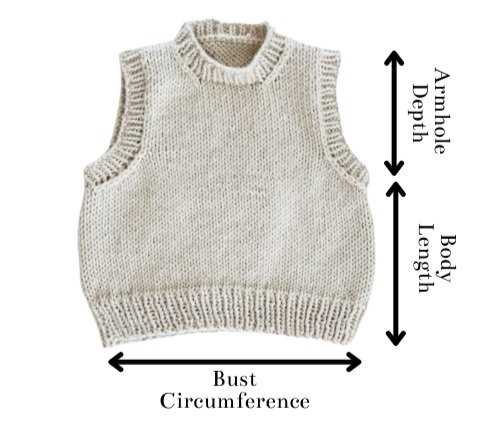
The fiber content of the yarn plays a significant role in determining the characteristics of the knitted vest. Common yarn fibers include wool, cotton, acrylic, alpaca, and blends of these materials. Wool and alpaca offer excellent warmth and have natural insulating properties, making them ideal for cold weather vests. Cotton, on the other hand, is breathable and more suitable for lightweight and summer vests. Blended yarns can offer the best of both worlds, combining the benefits of different fibers.
Weight and Gauge
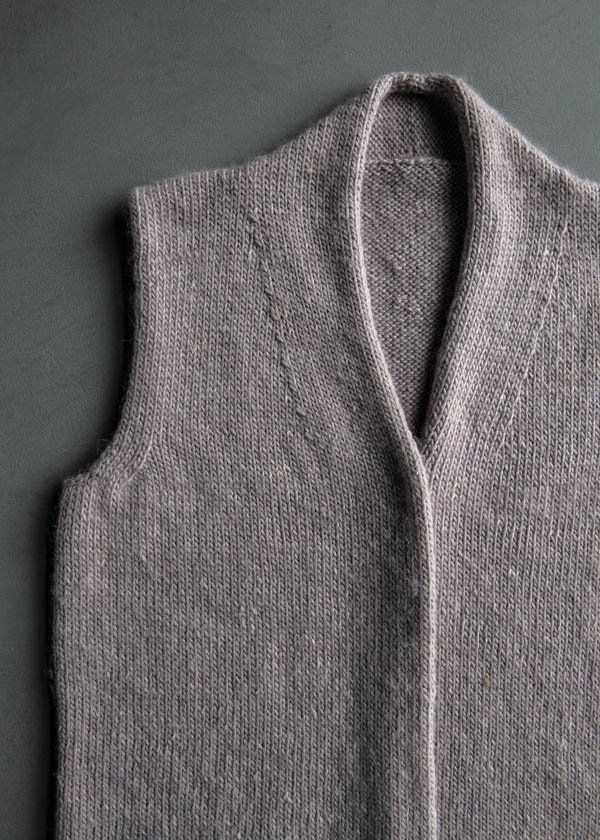
The weight of the yarn, often classified as lace, fingering, sport, DK, worsted, or bulky, will impact the overall look and thickness of the vest. The recommended gauge indicated on the knitting pattern will guide you in choosing the appropriate weight of yarn. It is essential to match the gauge specified in the pattern to ensure that the finished vest fits correctly. Using a different yarn weight can alter the size and proportions of the garment.
Texture and Stitch Definition

The texture and stitch definition of the yarn will affect the appearance of the knitted vest. Smooth yarns with good stitch definition, such as mercerized cotton or tightly spun wool, are recommended for intricate stitch patterns or cables, as they showcase the details beautifully. On the other hand, yarns with a halo, like mohair, can create a soft and fuzzy texture, adding depth and interest to the vest.
Color and Dye Lot
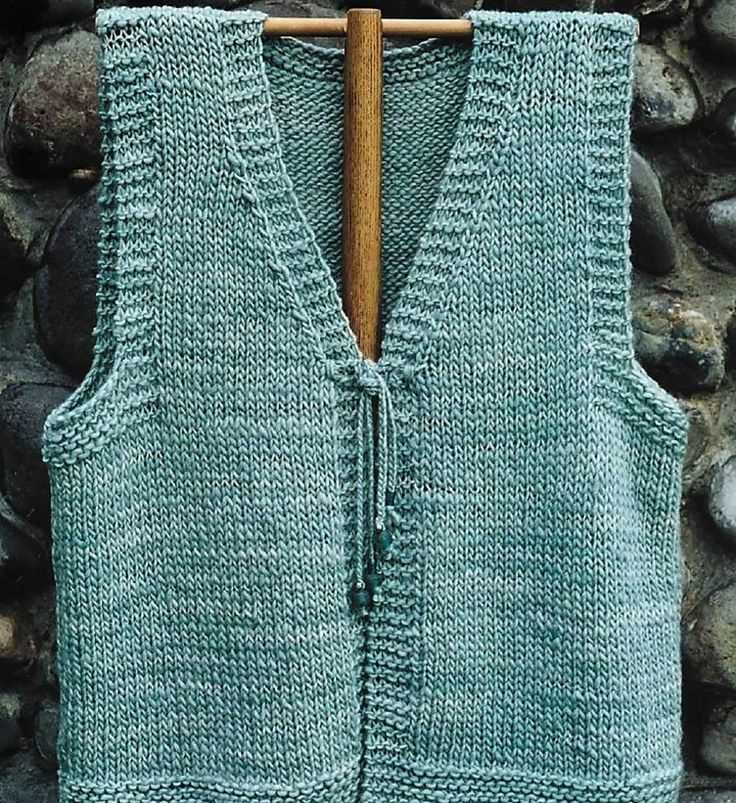
Consider the color and dye lot of the yarn. Neutral or solid colors offer versatility and can be easily paired with different outfits. Yarns with variegated or self-striping colors can create unique and eye-catching vests. When purchasing yarn, make sure to buy enough from the same dye lot to ensure consistency in color throughout the project. Dye lots can vary, even within the same color, so it’s best to avoid mixing different dye lots to avoid noticeable color differences in the finished vest.
Ultimately, the choice of yarn for your knitted vests is a personal one, influenced by your preferences, project requirements, and desired outcome. By considering factors such as fiber content, weight and gauge, texture and stitch definition, as well as color and dye lot, you can find the perfect yarn to bring your knitted vest pattern to life.
Essential Knitting Techniques for Knitted Vests
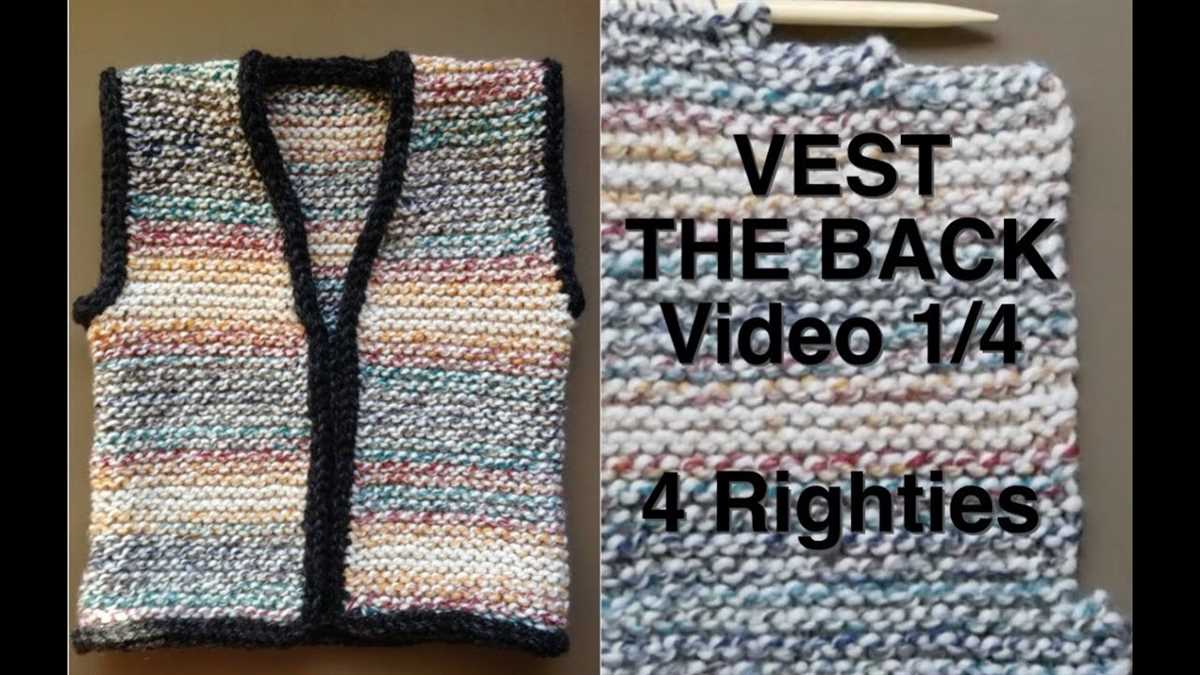
Knitting vests can be a fun and rewarding project for knitters of all skill levels. Whether you’re an experienced knitter or just starting out, there are a few essential techniques that will help you create beautiful and well-fitting vests.
1. Casting on and binding off: Before you can begin knitting your vest, you’ll need to cast on stitches. The long-tail cast on method is commonly used for vests, as it creates a stretchy yet sturdy edge. When you’re finished knitting, binding off is the process of securing your stitches to prevent unraveling.
2. Increasing and decreasing: To shape the armholes, neck, and waist of your knitted vest, you’ll need to know how to increase and decrease stitches. Common methods include knitting or purling two stitches together (k2tog or p2tog) to decrease, and using yarn overs (yo) or make one (M1) to increase. These techniques can be used to create a fitted or loose-fitting vest, depending on your preference.
3. Knitting in the round: Many knitted vests are worked in the round, either from the bottom up or from the top down. This eliminates the need to seam the sides of the vest, resulting in a more seamless and professional finish. Circular knitting needles and techniques such as the magic loop or using double-pointed needles are commonly used for knitting in the round.
4. Pattern reading and chart interpretation: Knitted vests often feature cable, lace, or colorwork patterns, which require reading and interpreting knitting charts or written instructions. Familiarize yourself with common knitting abbreviations and symbols, and practice following patterns before starting your vest project.
5. Finishing techniques: Once you’ve completed the main body of your knitted vest, you’ll need to finish it off with various techniques. This includes adding ribbing to the bottom hem and armholes, picking up stitches for the collar or button bands, and sewing on buttons or other closures. These finishing touches can greatly enhance the overall look and fit of your vest.
6. Blocking: Blocking is an important step in the knitting process that involves soaking your finished vest in water and shaping it to the desired measurements. This helps to even out stitches, relax the fibers, and improve the drape of the fabric. Proper blocking can make a significant difference in the final appearance of your vest.
In conclusion, mastering these essential knitting techniques will set you on the path to creating beautiful and well-fitting knitted vests. Whether you’re a beginner or an experienced knitter, practice and patience will help you hone your skills and create vests that you’ll be proud to wear or gift to others.
Knitting Tools and Supplies for Making Vests
When it comes to knitting beautiful vests, having the right tools and supplies is essential. Whether you are a beginner or an experienced knitter, the quality of your tools can greatly impact the outcome of your project. Here are some key items you will need to create your own knitted vests:
1. Knitting Needles
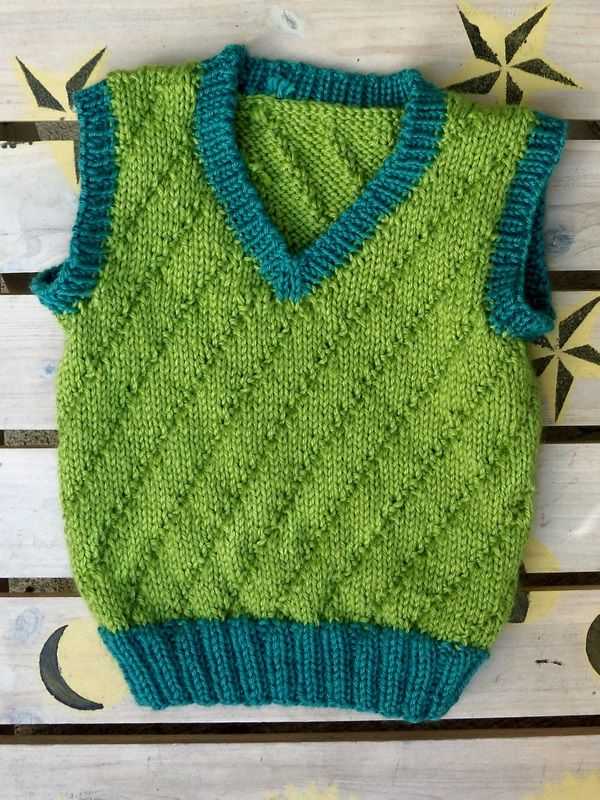
The first and most important tool you will need is a pair of knitting needles. For knitting vests, it is recommended to use circular needles, as they allow you to easily work larger stitches and accommodate the width of the garment. Circular needles also come in a variety of lengths, so choose one that suits your project’s requirements.
2. Yarn
Choosing the right yarn is crucial for your vest project. Consider the weight and fiber content of the yarn, as they will determine the overall drape and warmth of the finished garment. Worsted weight yarn is a popular choice for vests, as it is versatile and provides good stitch definition.
3. Stitch Markers
Stitch markers are essential for keeping track of your stitches and patterns. They can be used to mark the beginning of a round, the location of a specific stitch, or any other important points in your knitting. There are various types of stitch markers available, including locking stitch markers, split-ring markers, and removable markers.
4. Tapestry Needle
A tapestry needle, also known as a yarn needle or darning needle, is used for weaving in ends and seaming your knitted pieces. It is an essential tool for finishing your vest and giving it a polished look. Look for a needle with a blunt tip that won’t split your yarn.
5. Measuring Tape
Accurate measurements are crucial when knitting garments, including vests. A soft measuring tape or a ruler will help you measure your gauge, check the length and width of your vest, and ensure a proper fit. Keep it handy throughout your project to make adjustments as needed.
6. Row Counter
A row counter is a handy tool that helps you keep track of the number of rows or rounds you have completed. This is especially useful when working on complex stitch patterns or when you need to make multiple identical pieces for your vest. There are mechanical row counters, digital counters, and even smartphone apps available for this purpose.
By having these essential knitting tools and supplies, you will be well-equipped to create beautiful vests with ease. Remember to choose high-quality materials and invest in tools that are comfortable to use, as they can greatly enhance your knitting experience.
Basic Knitted Vest Patterns for Beginners
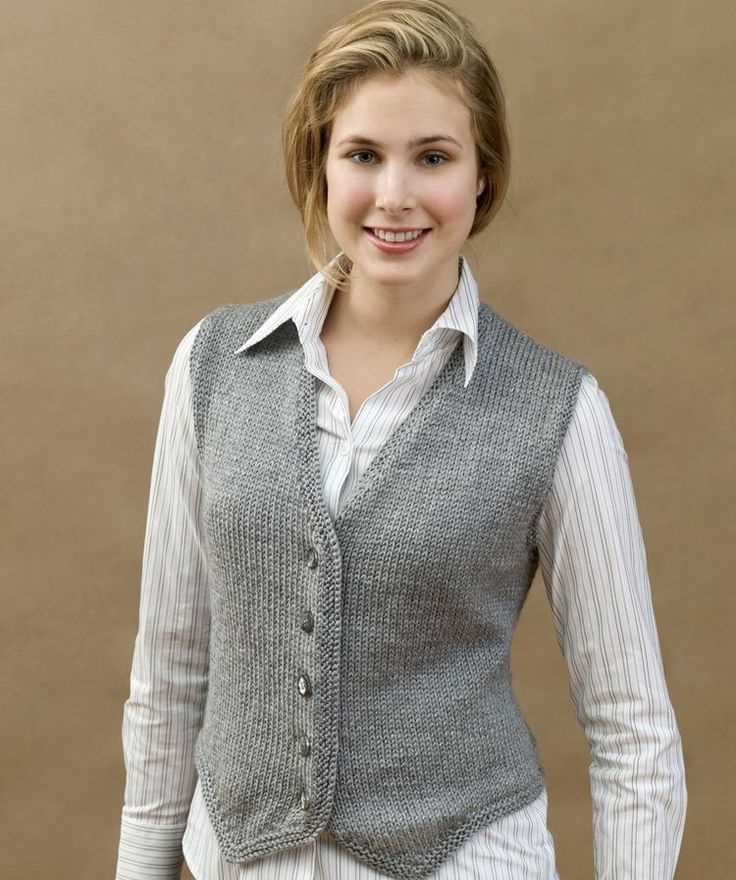
If you are just starting out with knitting and want to try making a vest, there are some basic patterns that are perfect for beginners. These patterns are simple and straightforward, making them great projects for learning new knitting techniques and building your skills.
1. Garter Stitch Vest: The garter stitch is one of the most basic knitting stitches, making it a perfect choice for beginners. This simple vest pattern is worked entirely in garter stitch, with just basic shaping for the armholes and neckline. It’s a great project for practicing your tension and creating a fabric that has a nice drape.
2. Stockinette Stitch Vest: Another basic stitch pattern that works well for vests is the stockinette stitch. This pattern is worked in stockinette stitch throughout, with ribbed edgings for a polished look. It’s a great way to practice knitting in the round and working with different stitch patterns.
3. Lace Panel Vest: If you want to venture into lace knitting, this pattern is a great choice for beginners. The lace panel adds a touch of elegance to the vest, while the rest of the garment is worked in simple stockinette stitch. It’s a great project for learning how to read lace charts and work with lace yarns.
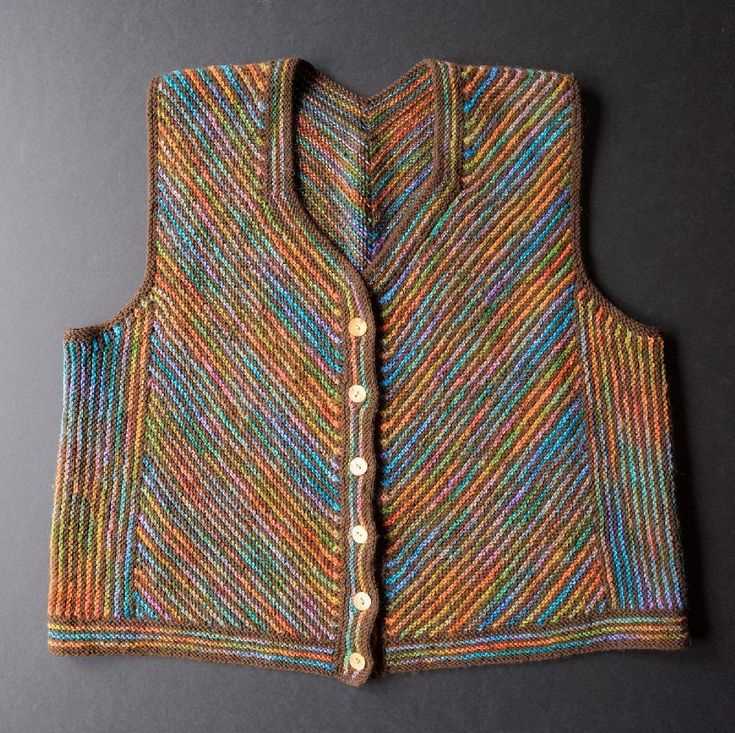
4. Striped Vest: For a fun and colorful project, try knitting a striped vest. This pattern allows you to play with different color combinations and create a unique garment. It’s a great way to practice colorwork techniques, such as knitting with multiple strands of yarn or using the intarsia method.
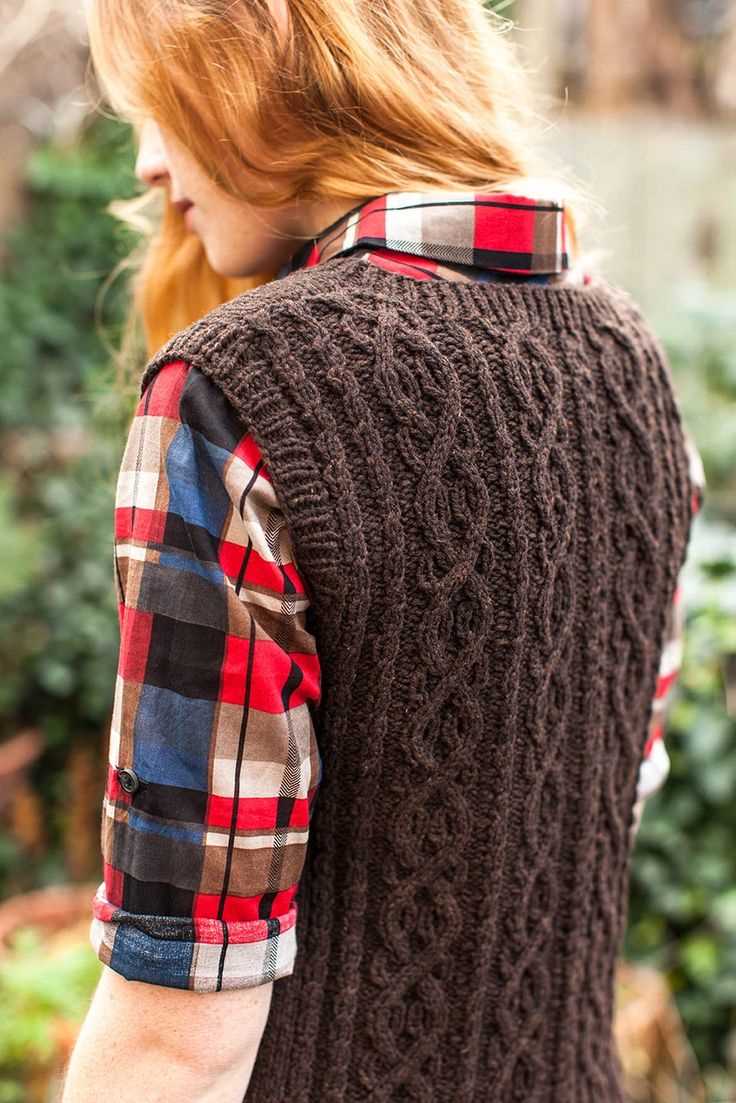
5. Cable Knit Vest: If you’re ready to tackle more advanced knitting techniques, try knitting a cable knit vest. This pattern features a simple cable design that adds texture and interest to the garment. It’s a great project for learning how to create cables and work with cable needles.
Overall, these basic knitted vest patterns are perfect for beginners who want to try their hand at knitting garments. They provide a great opportunity to practice new knitting techniques and build your skills, while creating a stylish and wearable garment.
Intermediate Knitted Vest Patterns for Experienced Knitters
Experienced knitters looking for a new challenge will find a variety of intermediate knitted vest patterns to expand their skills and create stylish garments. These patterns offer unique designs and techniques that will elevate any knitter’s repertoire.
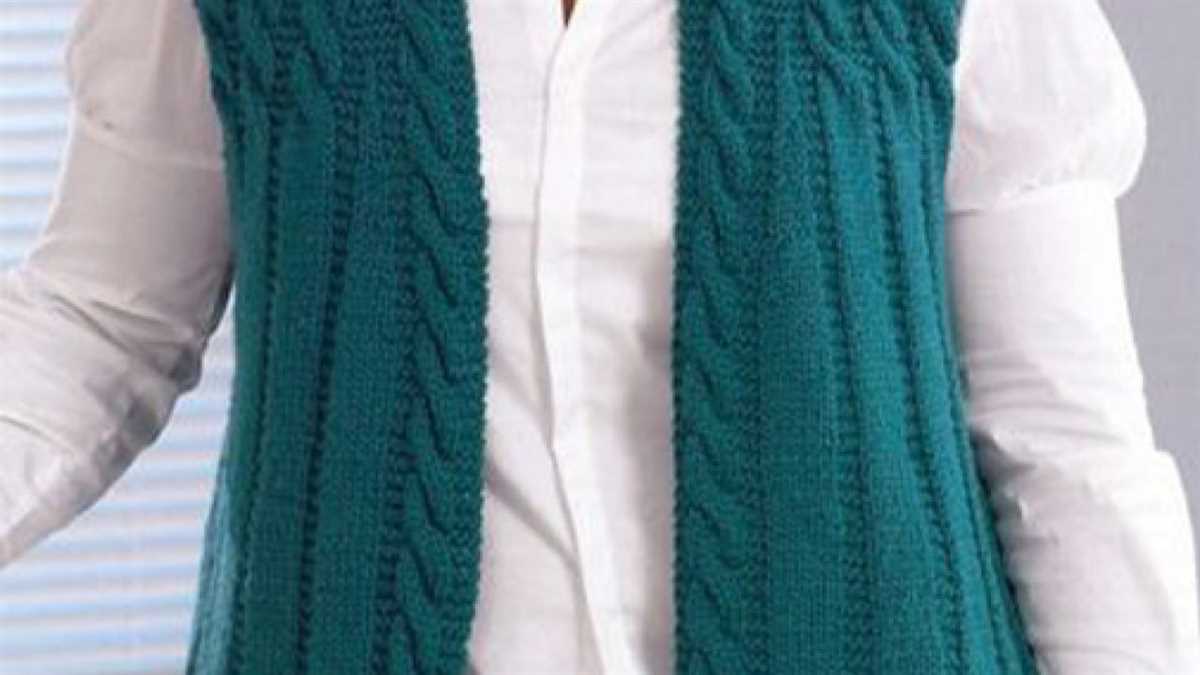
1. Cable Knit Vest: This pattern showcases intricate cable stitches, making it an excellent choice for knitters eager to expand their cable knitting skills. The textured design adds visual interest to the vest, making it a versatile and fashionable piece for any wardrobe.
2. Fair Isle Vest: Fair Isle knitting is known for its beautiful stranded colorwork, and this vest pattern is an ideal project for knitters looking to master the technique. With its combination of geometric patterns and vibrant colors, this vest is a statement piece that will impress both the knitter and those who see the finished product.
3. Lace Panel Vest: A lace panel vest is an elegant and feminine addition to any wardrobe. This pattern incorporates delicate lace stitches, providing a chance for experienced knitters to practice working with lace while creating a stunning garment. The lace panel can be placed in the front or back of the vest, allowing knitters to customize the design to their preference.
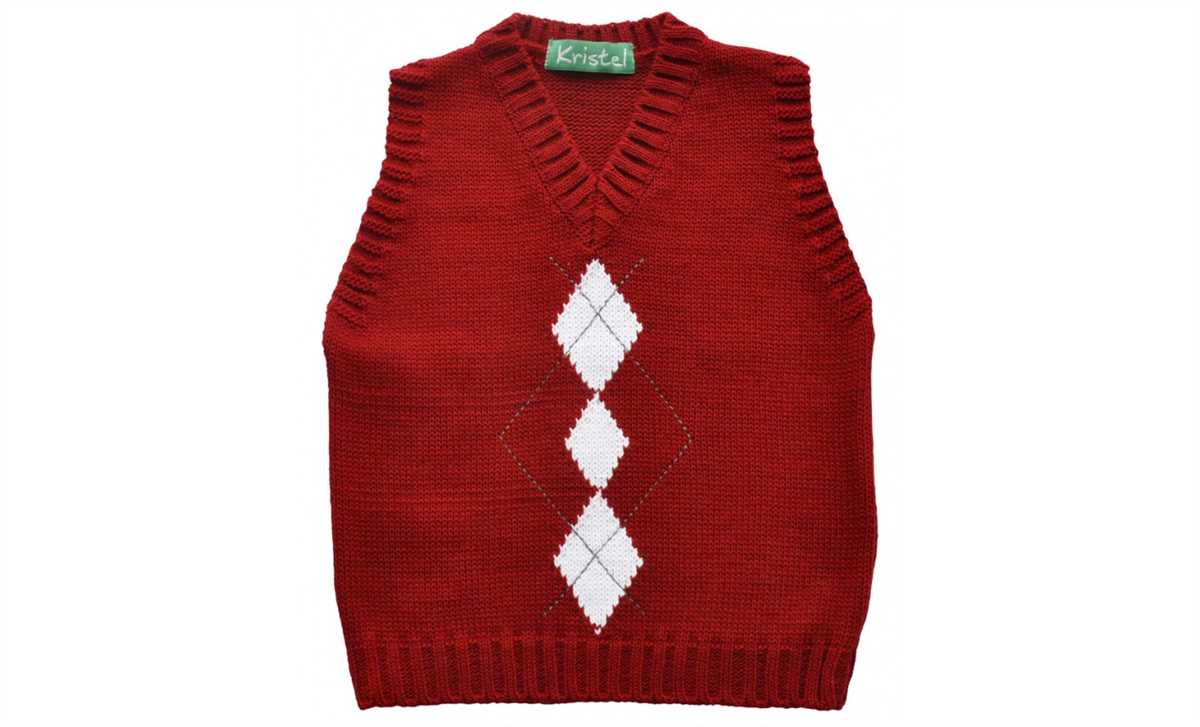
4. Argyle Vest: The argyle pattern is a classic and timeless design, and this vest pattern allows knitters to showcase their expertise in colorwork. With its diamond-shaped motifs and contrasting colors, this vest is both sophisticated and eye-catching. Knitters will enjoy the challenge of working with multiple colors and mastering the intarsia technique.
5. Ribbed Vest: A ribbed vest may seem simple, but it offers opportunities for knitters to perfect their tension control and create a tailored and polished garment. This pattern typically features a combination of knit and purl stitches, allowing knitters to create a textured fabric that hugs the body comfortably. The ribbed vest is a classic wardrobe staple that can be dressed up or down, making it a versatile addition to any knitter’s collection.
These intermediate knitted vest patterns offer experienced knitters a chance to hone their skills and create beautiful garments that showcase their expertise. From intricate cable stitches to delicate lace panels, there is a pattern to challenge and inspire every knitter. Whether it’s for personal use or as a gift for a loved one, these vests will undoubtedly become treasured pieces in any wardrobe.
Advanced Knitted Vest Patterns for Seasoned Knitters
If you are an experienced knitter looking for a new challenge, advanced knitted vest patterns are a great way to expand your skills and create stunning garments. These patterns often feature complex stitch patterns, intricate cables, and unique shaping techniques, allowing you to create a vest that is both stylish and impressive.
One popular advanced pattern is the Fair Isle vest, which incorporates stranded colorwork to create beautiful, intricate designs. This technique involves working with multiple colors in each row, creating a stunning effect that is sure to turn heads. The Fair Isle vest is a great way to experiment with different color combinations and create a garment that is truly unique.
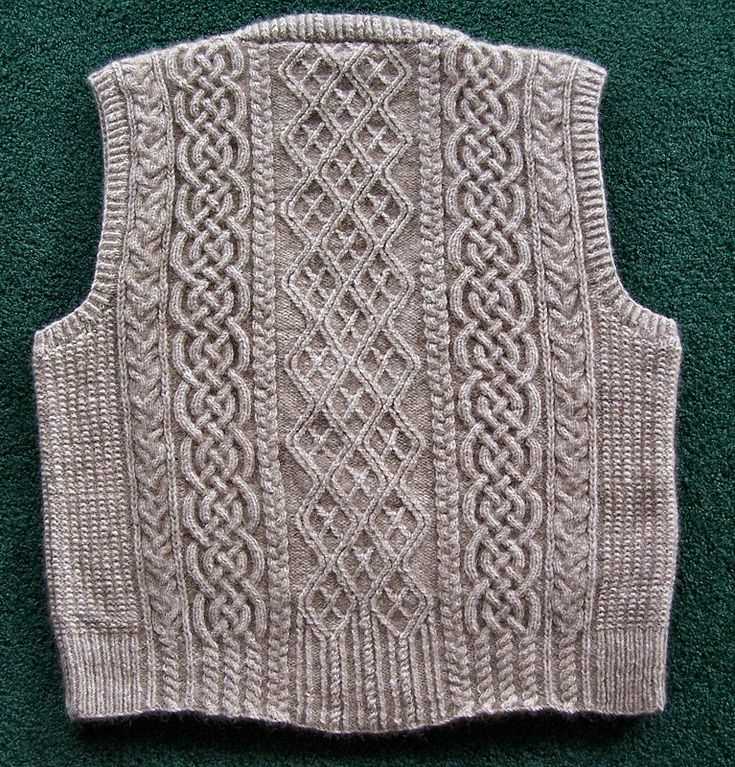
For knitters who enjoy working with cables, there are also advanced vest patterns available that feature intricate cable designs. These patterns often require the knitter to cable without a cable needle, which can be a challenging technique to master. However, the final result is well worth the effort, as the intricate cables create a stunning texture and add visual interest to the garment.
Another advanced technique that can be incorporated into knitted vest patterns is lace knitting. Lace patterns often feature intricate, delicate designs that create an airy, lightweight fabric. Knitting a lace vest requires careful attention to detail, as the patterns can be complex and require precise stitch placement. However, the end result is a beautiful, feminine garment that is perfect for layering.
When working on advanced knitted vest patterns, it is important to take your time and carefully read through the pattern instructions before beginning. These patterns often require more attention to detail and precision than simpler patterns, so it is important to be patient and take your time when working on them. With practice, you will be able to create stunning vests that showcase your advanced knitting skills.
Tips and Tricks for Modifying Knitted Vest Patterns
Knitting a vest can be a fun and rewarding project, but sometimes you may find that the pattern you have chosen doesn’t fit your style or body type perfectly. Luckily, there are several tips and tricks you can use to modify knitted vest patterns to better suit your preferences. Here are some ideas to consider:
1. Adjusting the length
If you find that the vest pattern is longer or shorter than you would like, you can easily modify the length. To make the vest longer, simply add more rows to the body section. Conversely, if you want a shorter vest, just knit fewer rows. Keep in mind that if the pattern has a specific stitch pattern or design element, you may need to adjust these accordingly as well.
2. Changing the neckline
The neckline of a vest can greatly impact its overall look. If you prefer a higher neckline, you can modify the pattern by knitting more rows in the neck area or by picking up stitches and adding a ribbed or garter stitch collar. For a lower or wider neckline, you can knit fewer rows or bind off more stitches in the neck area.
3. Adjusting the armholes
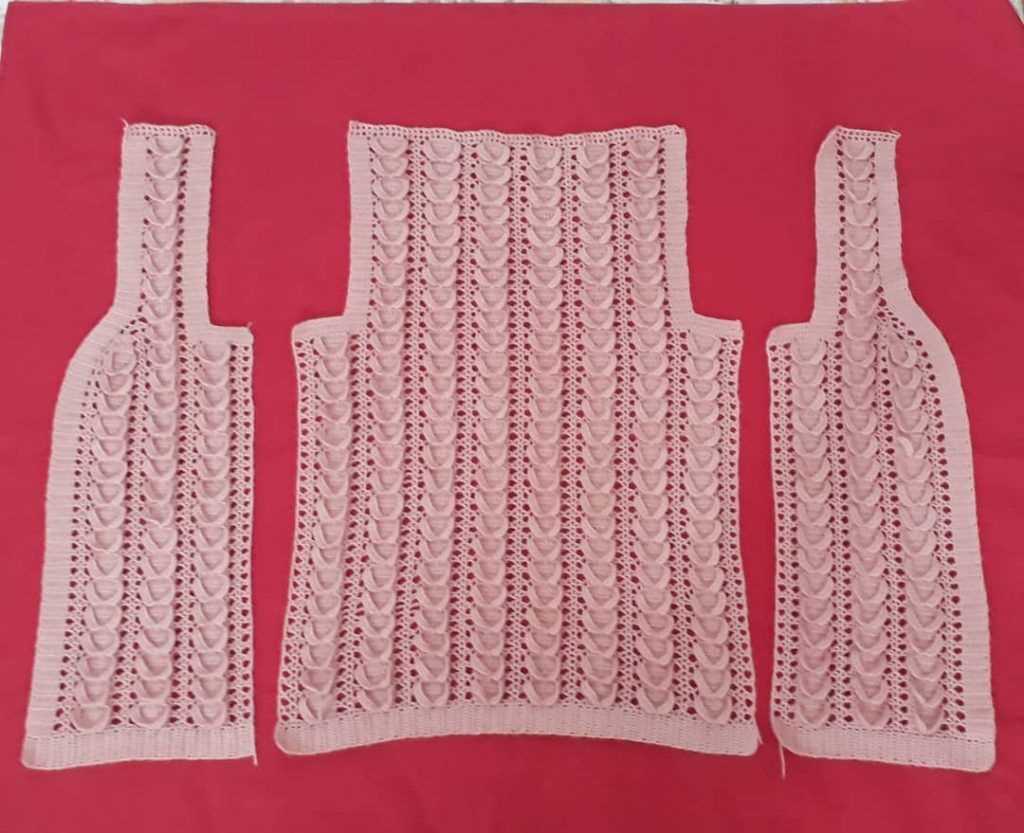
Another modification you may want to make is adjusting the size or shape of the armholes. If you find that the armholes are too tight or too loose for your liking, you can easily modify them. To make the armholes larger, you can either knit more rows or bind off fewer stitches for the armhole shaping. To make them smaller, knit fewer rows or bind off more stitches. Just be sure to keep track of any pattern repeats or stitch patterns that may be affected by these modifications.
4. Adding or removing details
If you want to add some personal flair to your vest, you can consider adding or removing certain details. For example, you can add a cable or lace pattern to the front or back panels of the vest, or you can omit any stitch patterns or design elements that you don’t like. Just be sure to adjust the stitch counts and pattern repeats accordingly to maintain the overall structure and shape of the vest.
By using these tips and tricks, you can easily modify knitted vest patterns to better suit your style, body type, and preferences. Don’t be afraid to get creative and make the vest uniquely yours!
Popular Color and Stitch Patterns for Knitted Vests

Knitted vests are a versatile and stylish addition to any wardrobe. With a variety of color and stitch patterns to choose from, you can create a unique and personalized vest that reflects your own personal style. Here are some popular color and stitch patterns that can be used to create beautiful knitted vests:
1. Fair Isle:
Fair Isle knitting is a technique that involves using multiple colors in a single row to create intricate and colorful patterns. This technique can be used to create stunning knitted vests with beautiful colorwork designs. The contrast between the different colors can add depth and visual interest to the vest, making it a standout piece.
2. Cable Knit:

Cable knit patterns are another popular choice for knitted vests. These patterns involve crossing stitches over each other to create a textured and three-dimensional effect. The intricate cables can add a touch of sophistication and elegance to a vest, making it a fashionable choice for both casual and formal occasions.
3. Lace:
Lace stitch patterns are lightweight and airy, making them perfect for creating delicate and feminine knitted vests. The lacy patterns can add a touch of elegance and romance to the vest, creating a soft and feminine look. Lace stitch patterns can be simple and subtle or bold and intricate, depending on your preference.
4. Stripes:

Stripes are a classic choice for knitted vests, as they can add a touch of fun and playfulness to the garment. Whether you choose to use bold and contrasting colors or subtle and tonal shades, stripes can create an eye-catching and stylish effect. Stripes can be worked vertically or horizontally, allowing for endless possibilities in design.
5. Textured Stitch Patterns:
Textured stitch patterns, such as seed stitch or moss stitch, can add depth and visual interest to a knitted vest. These patterns create a raised and textured surface, giving the vest a unique and tactile appeal. Textured stitch patterns can be used as an all-over design or as accents on certain sections of the vest.
When choosing a color and stitch pattern for your knitted vest, consider your own personal style and the occasion for which you plan to wear the vest. With so many options available, you’re sure to find the perfect combination that will result in a beautiful and stylish knitted vest.
How to Care for and Maintain Your Knitted Vests
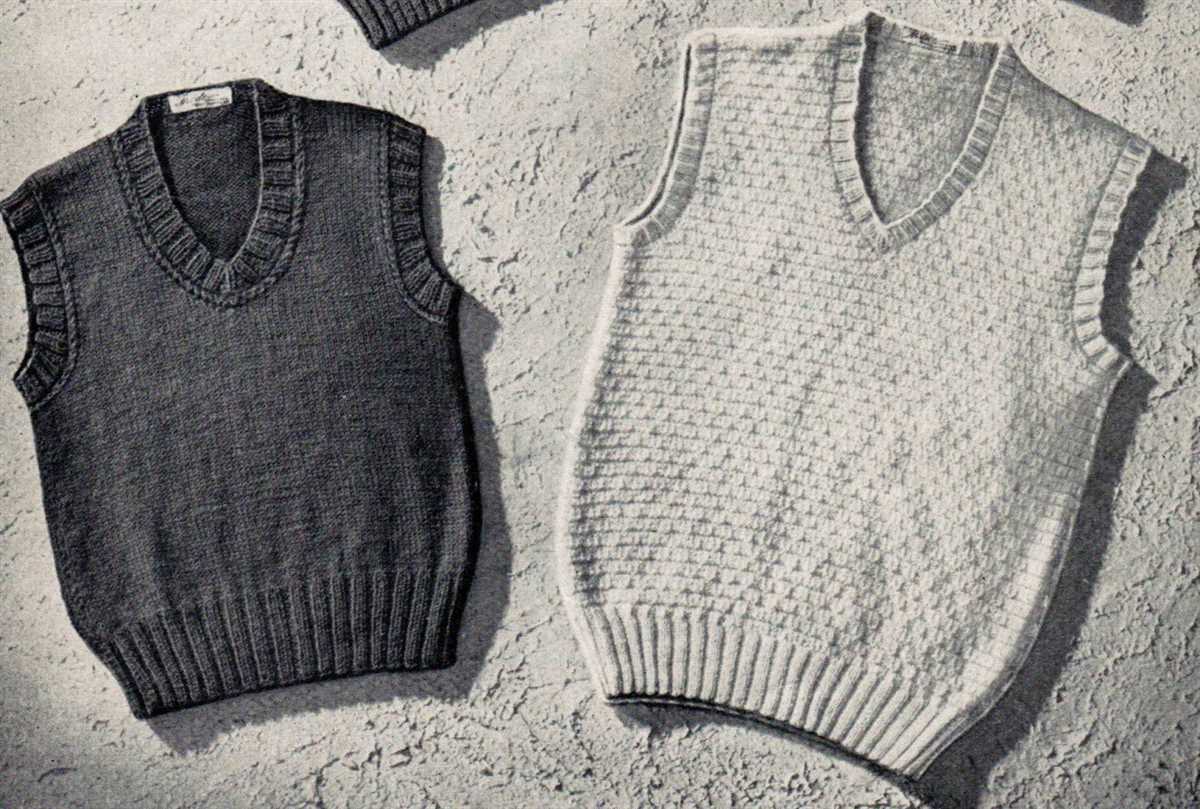
Proper care and maintenance of your knitted vests will ensure that they stay in great condition for a long time. Follow these tips to keep your vests looking their best.
- Wash with care: When it’s time to wash your knitted vest, always refer to the care instructions on the yarn label. Most knitted vests can be hand-washed or machine-washed on a gentle cycle. Use a mild detergent and cool water to avoid shrinking or stretching the fabric. If in doubt, it’s best to hand-wash your vest to be on the safe side.
- Dry flat: After washing, reshape your vest by gently stretching it back into shape. Avoid wringing or twisting the fabric, as this can cause distortion. Lay the vest out flat on a clean towel or drying rack to air dry. Avoid hanging your vest, as this can cause it to stretch out of shape.
- Store properly: When you’re not wearing your knitted vest, store it folded or rolled up in a clean, dry place. Avoid hanging your vest, as this can cause it to stretch. It’s also a good idea to keep your vest away from direct sunlight and excessive heat, as this can cause fading and damage.
- Remove pills: Over time, you may notice small balls of fiber, known as pills, forming on your knitted vest. Gently remove these pills using a fabric shaver or pill remover. Be careful not to cut or snag the fabric while removing pills.
- Repair when needed: If your knitted vest develops a hole or snag, it’s important to repair it as soon as possible to prevent further damage. Use a matching yarn and a darning needle to weave the yarn through the fabric and close any holes or snags. Alternatively, you can take your vest to a professional knitter or tailor for repair.
Conclusion
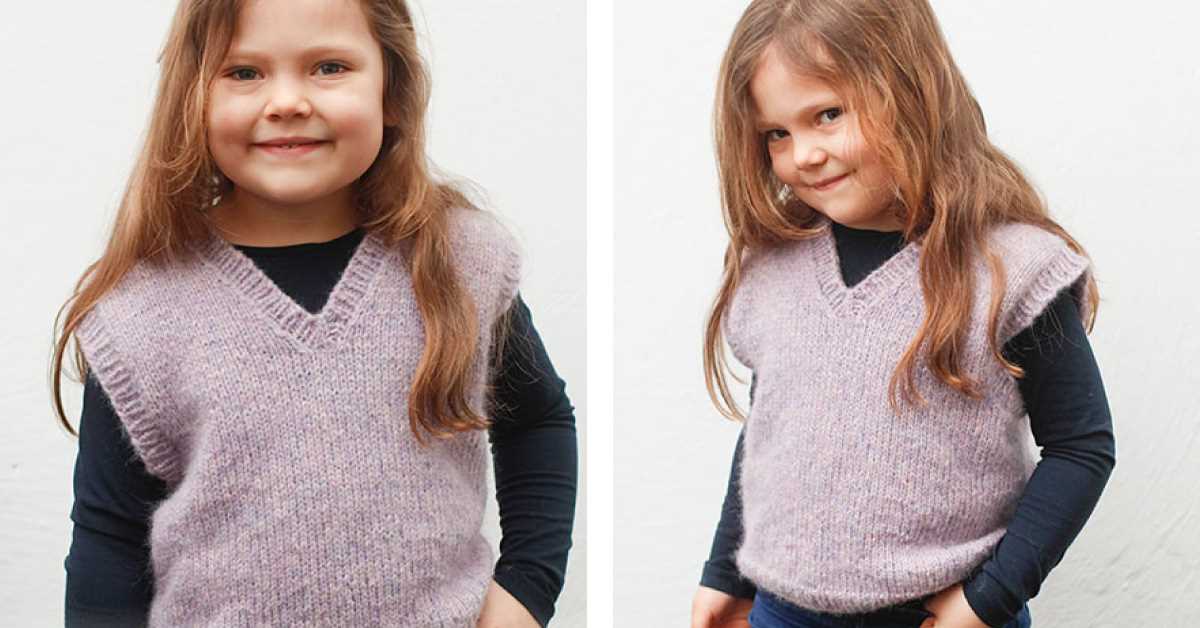
Caring for your knitted vests is essential to keep them looking their best. Follow these tips to clean, store, and maintain your vests, and they will continue to provide warmth and style for years to come. With proper care, your knitted vest can become a cherished wardrobe staple.