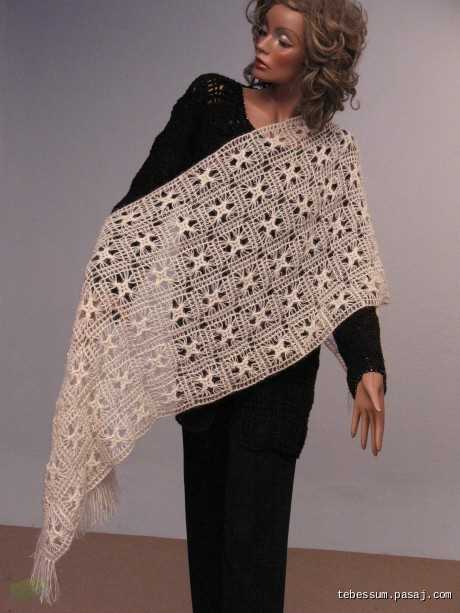
Knitted shawls are timeless accessories that never go out of style. They are versatile, elegant, and provide warmth and comfort. If you are looking for a new knitting project, why not try making a knitted rectangle shawl? It is a simple and beginner-friendly pattern that produces stunning results.
One of the best things about knitting a rectangle shawl is that it can be customized to your preferred size and design. Whether you prefer a small shawl to drape over your shoulders or a larger one to wrap around you on chilly evenings, this pattern allows you to create the perfect size for your needs.
Another advantage of knitting a rectangle shawl is that it requires basic knitting skills and stitches. If you are new to knitting or want a relaxing project that doesn’t require too much concentration, this is the perfect pattern for you. You will need to know how to cast on stitches, knit and purl, and cast off to complete this project.
In this article, we will provide a step-by-step guide to knitting a rectangle shawl, including yarn and needle recommendations, stitch instructions, and finishing touches. Get ready to create a beautiful and cozy accessory that you can wear with pride or gift to a loved one.
Knitted Rectangle Shawl Pattern

Knitted shawls are a versatile and fashionable accessory that can add warmth and style to any outfit. The knitted rectangle shawl pattern is a popular choice for knitters of all skill levels. This pattern allows you to create a beautiful and functional rectangular shawl with a simple, yet elegant design.
Materials:
- Size US 8 knitting needles
- 5 skeins of worsted weight yarn
- Yarn needle
Instructions:
- Cast on 100 stitches.
- Knit every row until the shawl reaches your desired length.
- Bind off all stitches.
- Weave in any loose ends.
Tips:
- You can customize the size of your shawl by casting on more or fewer stitches.
- Experiment with different yarn colors and textures to create unique shawls.
- Add embellishments such as tassels or fringe to personalize your shawl.
This knitted rectangle shawl pattern is a great project for beginners or experienced knitters looking for a quick and easy project. The simplicity of the design allows the beauty of the yarn to shine through, making it a versatile accessory that can be worn with casual or formal outfits. Whether you’re knitting for yourself or as a gift, this pattern is sure to become a favorite.
Materials

When starting a knitted rectangle shawl project, you will need a few key materials. Here is a list of the materials you will need:
- Yarn: Choose a yarn that is suitable for shawl knitting. The weight and composition of the yarn will affect the drape and warmth of the finished shawl. Look for yarn that has a smooth and even texture, as this will make it easier to work with.
- Knitting Needles: Select a pair of knitting needles that are appropriate for the weight of your chosen yarn. The size of the needles will determine the gauge of your knitting, so be sure to check the pattern for the recommended needle size.
- Tapestry Needle: You will need a tapestry needle to weave in the loose ends of your yarn and finish off your shawl.
- Stitch Markers: Stitch markers can be helpful for keeping track of different sections or stitch patterns in your shawl. They can be placed on the needles to mark a specific stitch or used to mark a repeat in the pattern.
- Scissors: A pair of scissors will be necessary for cutting the yarn and trimming any excess.
These materials are essential for knitting a rectangle shawl. Having them on hand will ensure that you have everything you need to complete your project successfully.
Gauge

When knitting a pattern, achieving the correct gauge is crucial to ensuring that the finished project has the correct dimensions and fit. Gauge refers to the number of stitches and rows per inch that are produced when knitting with a specific size of needles and yarn. It is important to match the gauge specified in the pattern in order to ensure that the finished piece will be the correct size.
In order to determine gauge, it is recommended to knit a swatch using the specified needles and yarn. The swatch should be at least 4×4 inches and knit in the stitch pattern specified in the pattern. After knitting the swatch, it should be blocked and then measured to check if the stitch and row counts match the gauge specified in the pattern.
If the gauge is too large, meaning there are fewer stitches and rows per inch than specified, it may be necessary to switch to smaller needles or a finer yarn to achieve the correct gauge. Conversely, if the gauge is too small, meaning there are more stitches and rows per inch, it may be necessary to switch to larger needles or a thicker yarn.
It is important to note that everyone’s knitting tension is different, so it is not uncommon for knitters to have to adjust their needle size or yarn weight in order to achieve the correct gauge. Taking the time to knit a gauge swatch before starting a project can save a lot of frustration and disappointment later on, as it ensures that the finished piece will be the correct size and fit as intended by the pattern designer.
To summarize, gauge is a critical aspect of knitting that refers to the stitch and row count per inch achieved with a specified needle size and yarn. Achieving the correct gauge is important for ensuring that the finished piece has the correct dimensions and fit. Knitting a swatch and adjusting needle size or yarn weight as necessary is key to achieving the correct gauge and successfully completing a knitted project.
Pattern

A knitted rectangle shawl pattern is an easy and versatile project for knitters of all skill levels. This pattern creates a rectangular shawl that can be worn in a variety of ways, making it a great accessory for any outfit.
When starting this pattern, you will need to gather the necessary materials, including your choice of yarn and knitting needles. The size of the needles will depend on the weight of the yarn you choose, so be sure to check the recommended needle size on the yarn label.
To begin, cast on the desired number of stitches for your shawl. This will determine the width of the shawl, so you can adjust it based on your preference. Use a simple knit stitch or a pattern of your choice to create the body of the shawl.
Decreasing and increasing:
- To shape the shawl, you can incorporate decreasing and increasing techniques. Decreasing involves knitting two stitches together to decrease the total number of stitches, while increasing involves making new stitches by working into the front and back of a stitch.
- You can choose to incorporate lace patterns or textured stitches into your shawl to add interest and visual appeal. Lace patterns typically involve yarn overs and decreases to create open, lacy designs, while textured stitches can include cables, ribbing, or other stitch patterns.
- Once you have reached the desired length for your shawl, you can begin the finishing process. This may involve blocking the shawl to enhance its drape and shape, as well as weaving in any loose ends of yarn.
Finally, you can customize your shawl by adding fringe, tassels, or other decorative elements. This allows you to put your own personal touch on the finished piece.
Overall, a knitted rectangle shawl pattern is a versatile and enjoyable project that allows you to create a beautiful and functional accessory. Whether you’re a beginner or an experienced knitter, this pattern is sure to provide a satisfying knitting experience.
Cast On

When starting a knitting project, the first thing you need to do is cast on. This is the process of creating the first row of stitches on your knitting needle. There are several methods for casting on, but the most common one is the long-tail cast on. To do this, you will need to estimate the amount of yarn you need for your cast on and leave a long tail before making your first stitch.
To begin the long-tail cast on, hold the needle in your right hand and the yarn in your left hand. Make a slipknot with the yarn, leaving a tail that is about three times the width of your finished project. Insert the needle into the slipknot from left to right, and then yarn over (bring the yarn under and over the needle) to create a new loop. Pull the loop through the slipknot and snug it up on the needle.
Repeat this process until you have the desired number of stitches on your needle. It’s important to keep the stitches loose enough so that they can easily move along the needle, but not so loose that they become uneven. Once you have cast on all of your stitches, you are ready to begin knitting your project.
Knit Rows
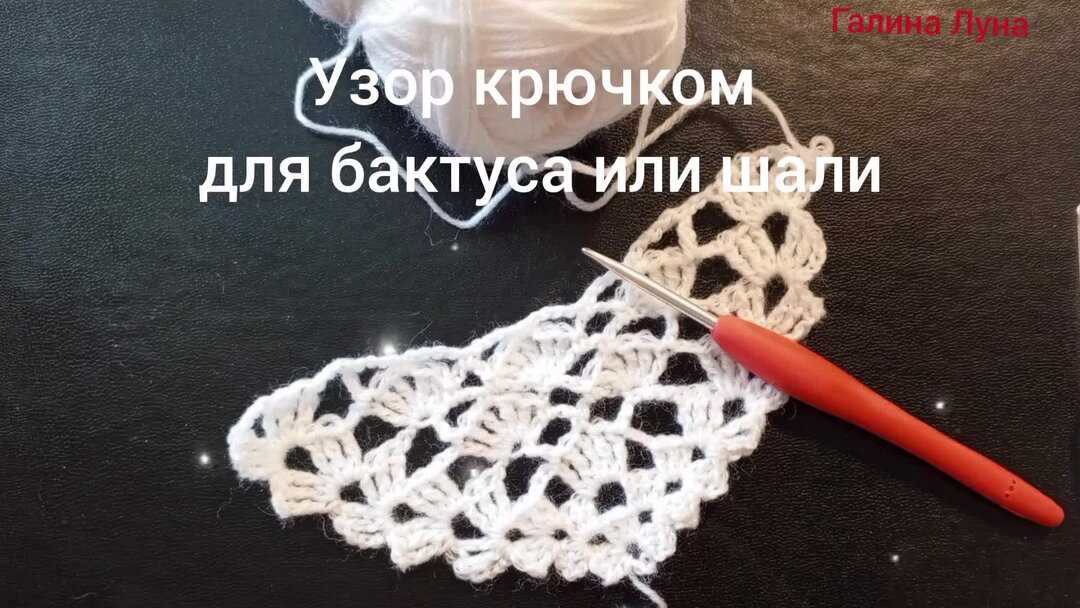
The knitted rectangle shawl pattern is made up of several rows of knitting. Each row consists of a series of stitches that are created by looping the yarn around the knitting needles. The pattern usually specifies how many stitches to knit in each row and what type of stitches to use, such as the knit stitch or the purl stitch. The knitter follows the instructions in the pattern to create a row of stitches, and then repeats this process for each subsequent row.
To begin a row, the knitter holds the knitting needles in their hands and positions the yarn behind the needles. The right needle is inserted into the first stitch on the left needle, and the yarn is wrapped around the right needle from back to front. The right needle is then pulled through the stitch, creating a new stitch on the right needle. This process is repeated for each stitch in the row, until all of the stitches have been transferred to the right needle.
Once all of the stitches have been knitted in one row, the knitter turns the work around and begins the next row. The pattern may instruct the knitter to knit or purl the stitches in the next row, or it may include other types of stitches or techniques. The knitter continues to work their way through the rows, following the pattern instructions until the desired length of the shawl is reached.
When knitting rows, it is important to maintain an even tension in the yarn so that the stitches are consistent in size. It can also be helpful to use stitch markers or count the stitches periodically to ensure that the correct number of stitches are being worked in each row. Knitting rows can be a repetitive process, but it is also a meditative and satisfying activity that allows the knitter to create beautiful and functional items, such as a knitted rectangle shawl.
Increase Stitches

In knitting, increasing stitches is an essential technique used to add more stitches to your knitting project. It is commonly used to shape the fabric, create decorative elements, or widen a piece. There are several methods you can use to increase stitches, each producing a different effect.
1. Knit Front and Back (KFB): This method is a simple way to increase stitches. To KFB, you knit into the front and back of the same stitch, effectively creating two stitches from one. This creates a visible bar in the fabric and is commonly used to create subtle shaping.
2. Make One (M1): This method involves picking up the horizontal strand of yarn between two stitches and knitting into it. This method does not leave a visible bar and is often used for increasing stitches in lace patterns or areas where you want a more seamless look.
3. Yarn Over (YO): To create a yarn over, simply bring the yarn to the front of your work and then over the right-hand needle to the back. On the next row, you will knit or purl the yarn over as a regular stitch. Yarn overs are often used in lace patterns to create decorative holes or eyelets.
4. Knit Into the Same Stitch Multiple Times: If you want to create a more pronounced increase, you can knit into the same stitch multiple times. For example, you could knit into the front, back, and front again of the same stitch to create three stitches from one. This method is commonly used in patterns that require rapid and significant increases.
These are just a few examples of the many ways you can increase stitches in your knitting projects. It’s important to choose the method that suits your pattern and desired outcome. By understanding these different techniques, you can confidently tackle projects that require shaping or decorative elements.
Knit Center Section

The center section of the knitted rectangle shawl is where you will create the main body of the shawl. The center section is made up of a repeating pattern that is worked across the width of the shawl.
To begin the center section, you will need to cast on the required number of stitches. The pattern will specify the number of stitches needed for the desired width of your shawl. Once you have cast on your stitches, you are ready to begin working the pattern.
Pattern Stitch: The center section pattern stitch consists of a combination of knit and purl stitches. The specific pattern will vary depending on the design you are following, but it will typically involve alternating between rows of knit stitches and rows of purl stitches.
Repeat Rows: The center section pattern stitch will be repeated across the width of the shawl. This means that you will work the pattern stitch for a certain number of rows, and then repeat those rows until you reach the desired length of your shawl.
Row Counters: It can be helpful to use row counters or other methods of keeping track of your rows as you work the center section. This will ensure that you don’t lose track of where you are in the pattern. Some patterns may also include stitch markers to help you keep track of certain sections or stitches within the pattern.
Finishing: Once you have completed the required number of rows for the center section, you will be ready to move on to the next section of the shawl. This may involve adding lace or other decorative elements, or it may simply involve continuing with the same pattern stitch until you reach the desired length of your shawl.
Decrease Stitches

When knitting a rectangle shawl, it is common to decrease stitches to shape the shawl and create a tapered or pointed end. Decreasing stitches can also be used to add decorative elements or create interesting patterns within the shawl.
There are several methods for decreasing stitches in knitting, including knit two together (k2tog), slip slip knit (ssk), and slip slip slip knit (sssk). These techniques involve working multiple stitches together or manipulating the stitches in a specific way to create a decrease.
Knit Two Together (K2tog): To decrease using k2tog, simply insert the right-hand needle into the next two stitches on the left-hand needle and knit them together as if they were one stitch. This decreases the stitch count by one.
Slip Slip Knit (SSK): SSK is another commonly used decrease technique. To perform an SSK, slip the next two stitches from the left-hand needle to the right-hand needle knitwise, as if to knit. Then insert the left-hand needle into the front loops of these two slipped stitches and knit them together through the back loops.
Slip Slip Slip Knit (SSSK): SSSK is a more advanced decrease technique. To perform an SSSK, slip the next three stitches individually from the left-hand needle to the right-hand needle knitwise. Then insert the left-hand needle into the front loops of these three slipped stitches and knit them together through the back loops.
By using these decrease techniques strategically, you can create different shapes and designs within your knitted rectangle shawl. Whether you want a simple tapered end or an intricate lace pattern, decreasing stitches is an essential skill for adding shape and interest to your shawl.
Bind Off

Once you have completed all the rows of your knitted rectangle shawl, it’s time to bind off your stitches. Binding off is the process of securing your stitches so that they don’t unravel. It is the final step in completing your shawl.
To bind off, start by knitting the first two stitches as usual. Then, using your left needle, lift the first stitch you knit over the second stitch and off the right needle. This creates one bound off stitch. Continue knitting one stitch and binding it off until you have reached the end of your row.
After binding off all the stitches, cut your yarn, leaving a long tail. Take the tail and pull it through the last loop on your needle, tightening it to secure the stitches. You can then weave in the loose end of the yarn into the edge of your shawl to conceal it.
Final Thoughts

Creating a knitted rectangle shawl can be a rewarding project for knitters of all skill levels. Whether you’re a beginner looking to expand your skills or an experienced knitter looking for a relaxing project, this pattern offers a great opportunity to explore different stitch patterns and create a versatile accessory.
With its customizable size and design possibilities, the knitted rectangle shawl can be adapted to fit any personal style or occasion. The simplicity of the pattern allows for endless variations, from using multicolored yarns to adding fringe or lace details.
Knitting a rectangle shawl also offers a practical accessory that can be worn in various ways — draped over the shoulders for a cozy wrap, folded in half for a scarf-like effect, or even used as a decorative element on a chair or sofa.
Overall, the knitted rectangle shawl pattern is a versatile and accessible project that allows knitters to create a beautiful and practical accessory. So grab your needles, choose your favorite yarn, and enjoy the process of creating your own unique shawl!