Knitting is more than just a hobby – it’s an art form. And for those who have mastered the basics, there are endless possibilities to create intricate and stunning pieces. Advanced knitting patterns offer a challenge for experienced knitters, pushing the boundaries of what can be achieved with a pair of needles and some yarn.
Advanced knitting patterns require a solid understanding of the fundamentals, such as casting on, knitting, and purling. These patterns often involve complex stitch techniques, intricate lacework, and intricate colorwork. They require patience, skill, and attention to detail, but the end result is always worth the effort.
One popular advanced knitting technique is Fair Isle knitting, which involves creating intricate patterns and motifs using multiple colors. This technique originated in the Fair Isle, a small island in Scotland, and is now beloved by knitters around the world. Fair Isle knitting requires the ability to carry multiple colors along the back of the work and create neat floats.
Understanding advanced knitting techniques
When it comes to knitting, there are endless possibilities for creating intricate and beautiful patterns. Advanced knitting techniques allow experienced knitters to take their skills to the next level and create stunning and complex designs.
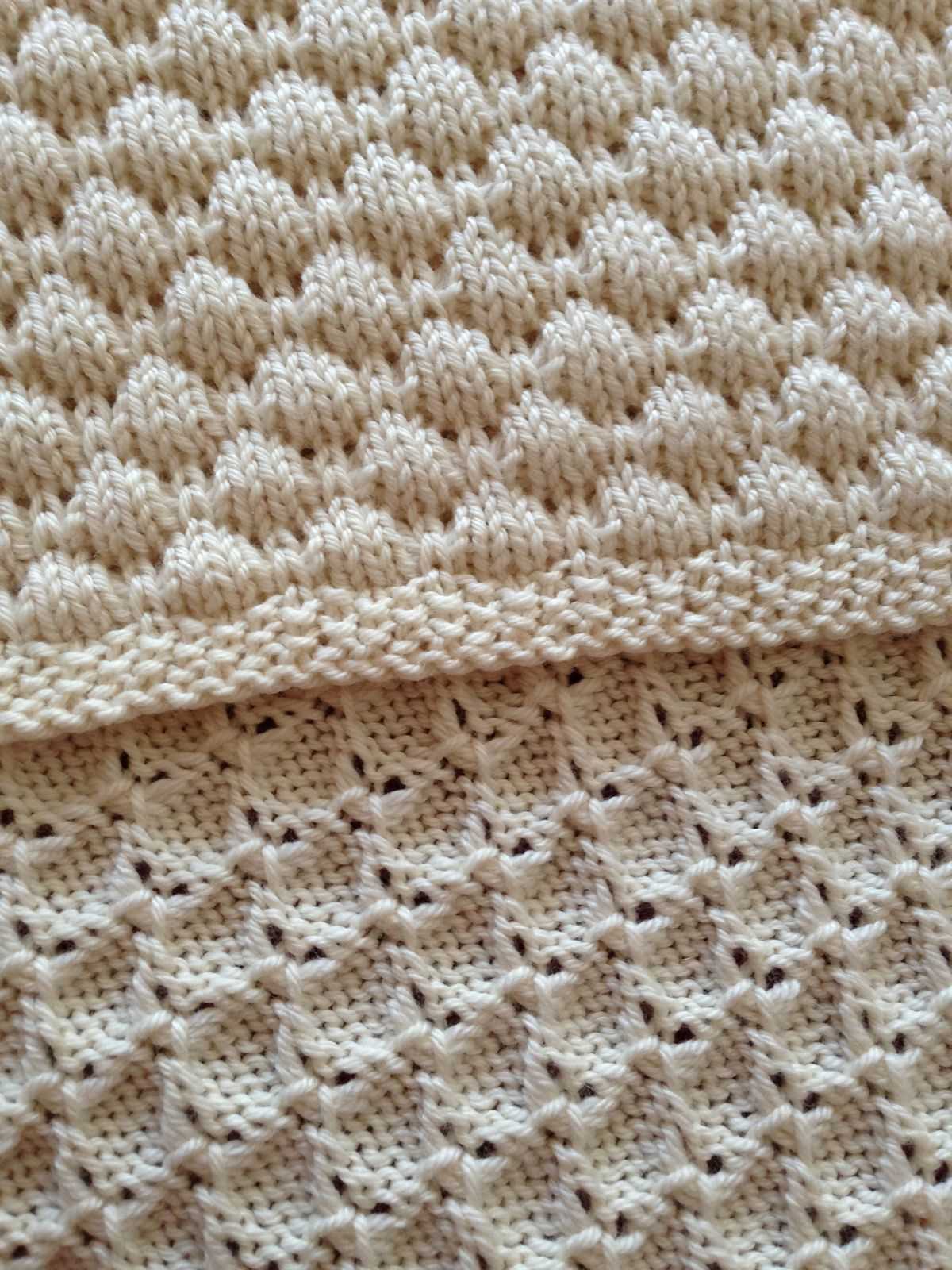
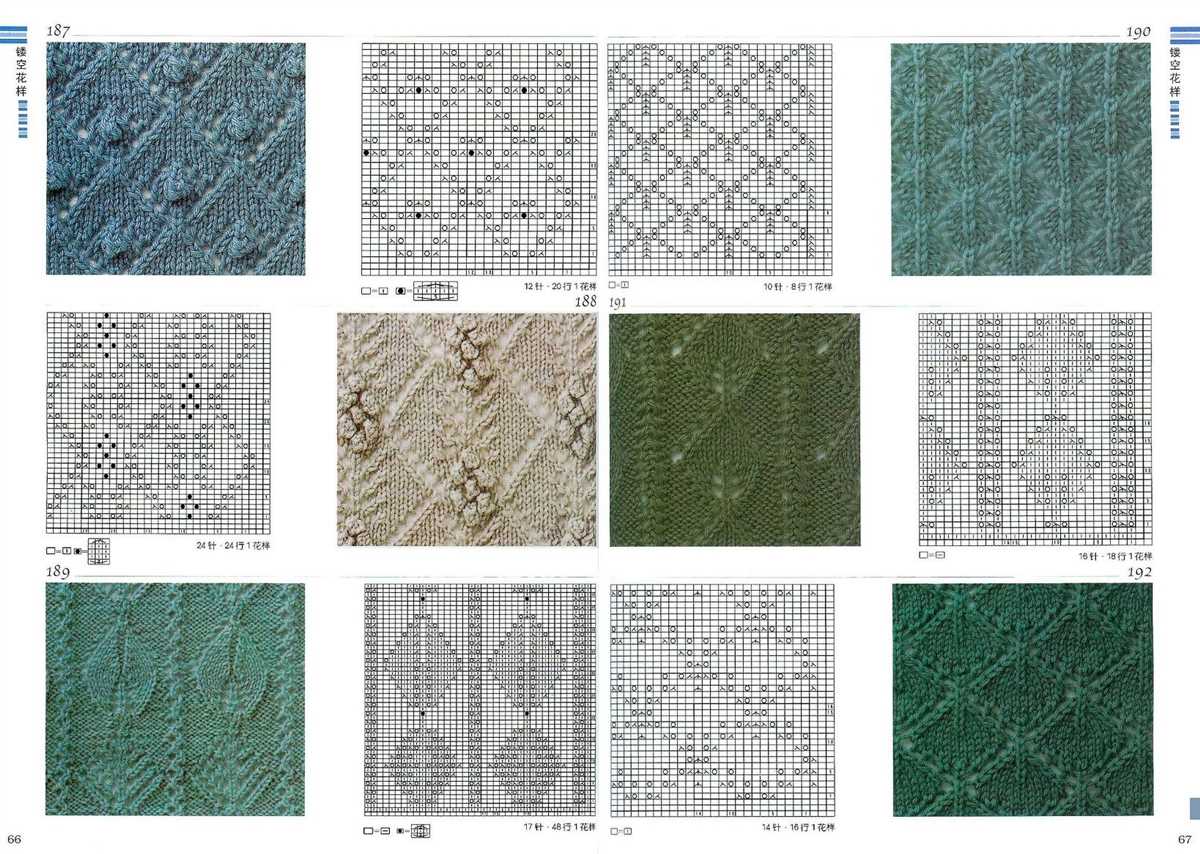
One of the advanced techniques in knitting is lace knitting. Lace patterns are delicate and often incorporate intricate designs of holes and eyelets. Knitters who have mastered lace techniques can create stunning shawls, scarves, and even garments with intricate lace motifs. It requires careful attention to detail and the ability to read complex lace charts.
Another advanced knitting technique is colorwork. Colorwork involves using multiple colors of yarn in a single project to create patterns and designs. Fair Isle and intarsia are two popular methods of colorwork. Fair Isle involves carrying two or more colors of yarn across the back of the work, creating intricate patterns with small, repeated motifs. Intarsia, on the other hand, involves using separate balls or bobbins of yarn for each color block, allowing for larger, more geometric patterns.
Cable knitting is yet another advanced technique that involves creating twisted stitch patterns that resemble cables. Cable patterns can range from simple twists to more complex designs that create intricate braided cables. Knitters who master cable knitting can create textured garments, accessories, and even cable blankets.
Understanding and practicing these advanced knitting techniques requires patience and perseverance. However, the results are well worth the effort. With advanced knitting techniques, you can create stunning and unique projects that showcase your skills and creativity.
Choosing the right yarn for advanced knitting patterns
Choosing the right yarn is essential when working on advanced knitting patterns. The yarn you choose can greatly affect the final look and feel of your project, as well as the ease of knitting. Here are some important factors to consider when selecting yarn for advanced patterns:
1. Fiber Content:
The first thing to consider is the fiber content of the yarn. Different fibers have different properties, which can affect the drape, stitch definition, and durability of the finished project. For advanced knitting patterns, it is recommended to use natural fibers such as wool, alpaca, or silk, as they tend to have better stitch definition and drape compared to synthetic fibers.
2. Weight:

The weight of the yarn is another important factor to consider. Advanced knitting patterns often require more intricate stitch work and finer details, so it is important to choose a yarn that is suitable for the desired effect. Lace weight or fingering weight yarns are often used for intricate lace patterns, while worsted weight or bulky weight yarns are better suited for textured or cabled patterns.
3. Color and Texture:
The color and texture of the yarn can also play a role in the overall look of the advanced knitting pattern. Consider the stitch pattern and design elements of the pattern when choosing the color and texture of the yarn. Solid or semi-solid colors are often preferred for intricate stitch patterns, while variegated or self-striping yarns can add visual interest to simpler designs.
4. Gauge:
Before starting an advanced knitting pattern, it is important to swatch and determine the gauge of the yarn. The gauge will affect the size and fit of the finished project, so it is crucial to choose a yarn that allows you to achieve the required gauge. Pay attention to the recommended gauge in the pattern and choose a yarn that matches or can be adjusted to meet the gauge requirements.
By considering these factors, you can choose a yarn that is suitable for your advanced knitting pattern and enhance the overall quality and appearance of your finished project.
Tips for successfully reading and following advanced knitting patterns
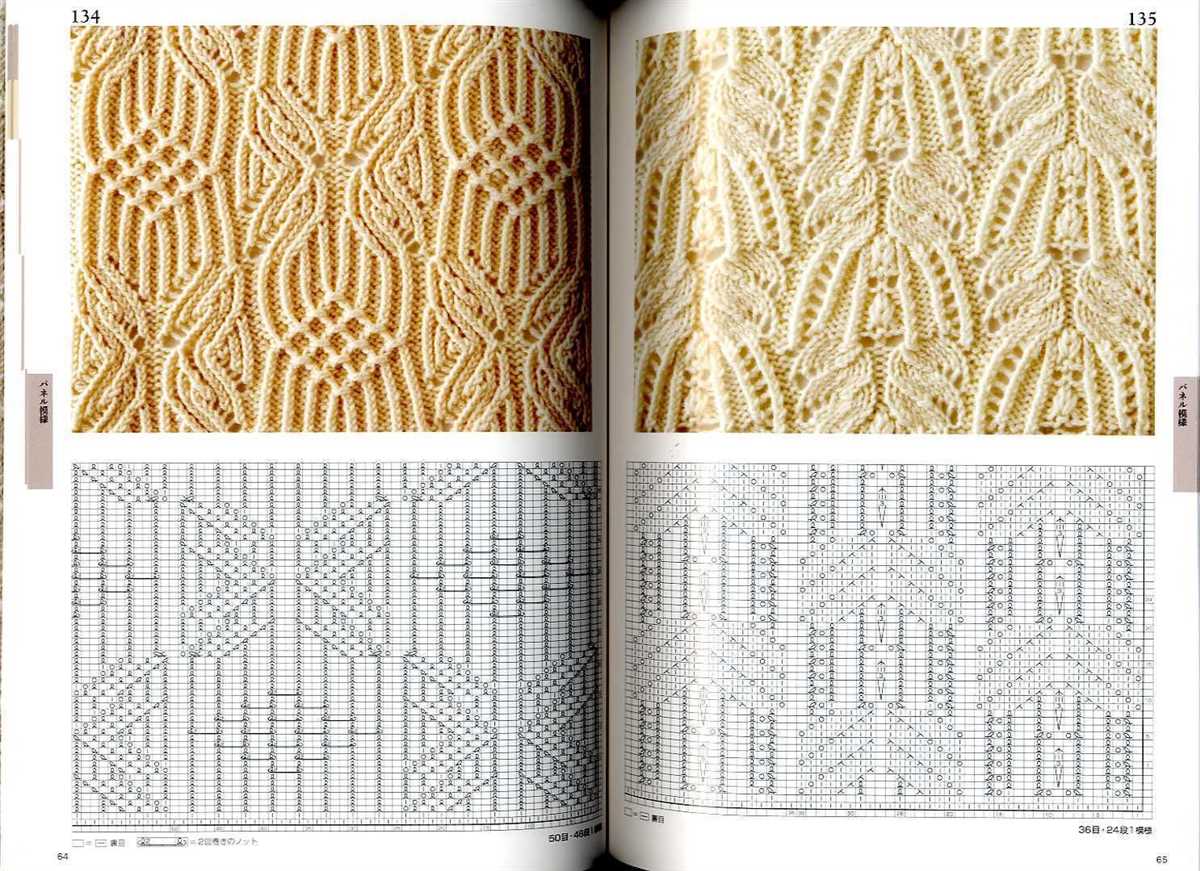
Knitting patterns can sometimes be challenging to interpret, especially when they are labeled as advanced. However, with a few tips and tricks, you can navigate even the most complex patterns with ease.
1. Familiarize yourself with the pattern
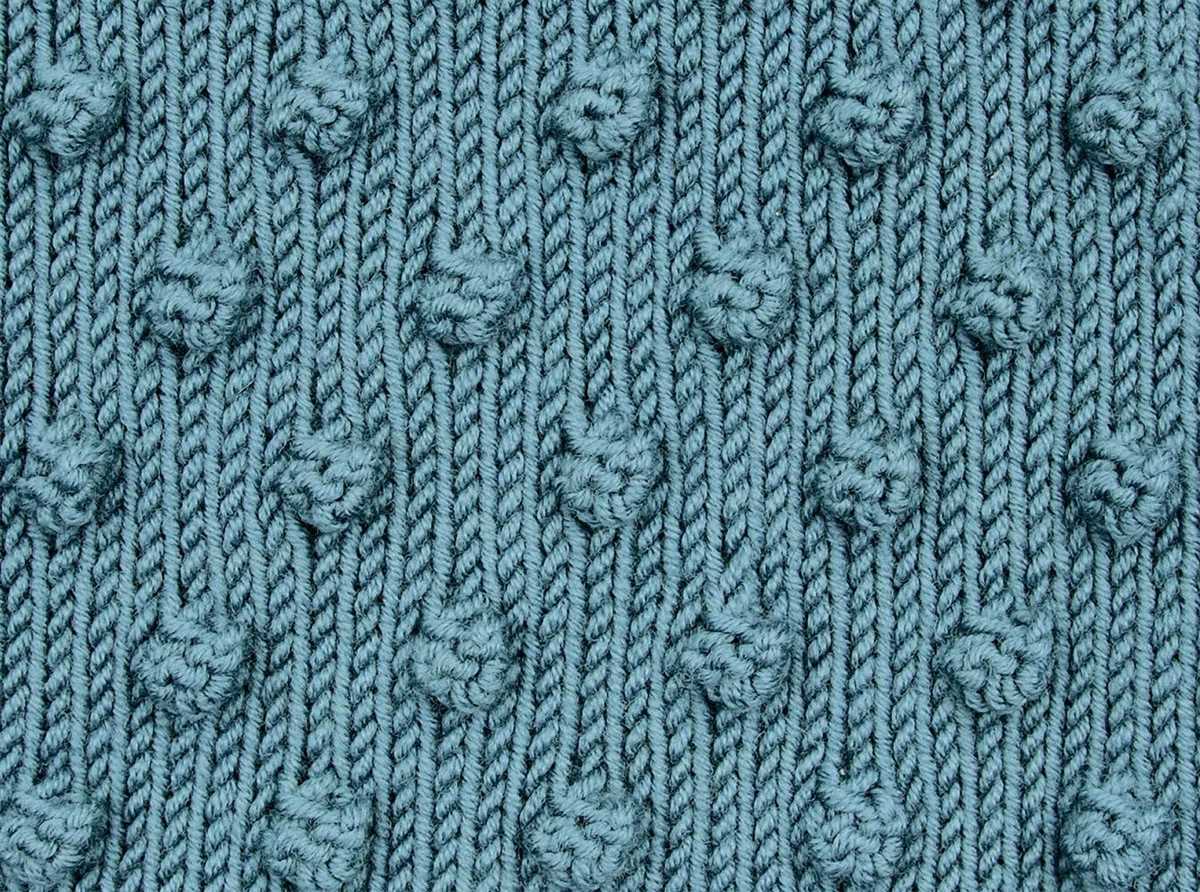
Before you begin, take the time to thoroughly read through the entire knitting pattern. This will help you understand the overall structure, as well as any specific techniques or stitches you may need to learn or practice. Pay attention to any special instructions or abbreviations that are used in the pattern.
2. Make a gauge swatch
Gauge swatches are crucial when working with advanced knitting patterns, as they help ensure that your final project will have the correct dimensions. Take the time to knit a swatch using the recommended yarn and needle size, and compare it to the gauge specified in the pattern. Adjust your needle size as needed to achieve the correct gauge.
3. Take notes and use markers
When working with complex patterns, it can be helpful to take notes as you go. Jot down any modifications you make, any stitch counts, and any other relevant information. Additionally, use stitch markers to help you keep track of pattern repeats or important sections of the pattern.
4. Break it down
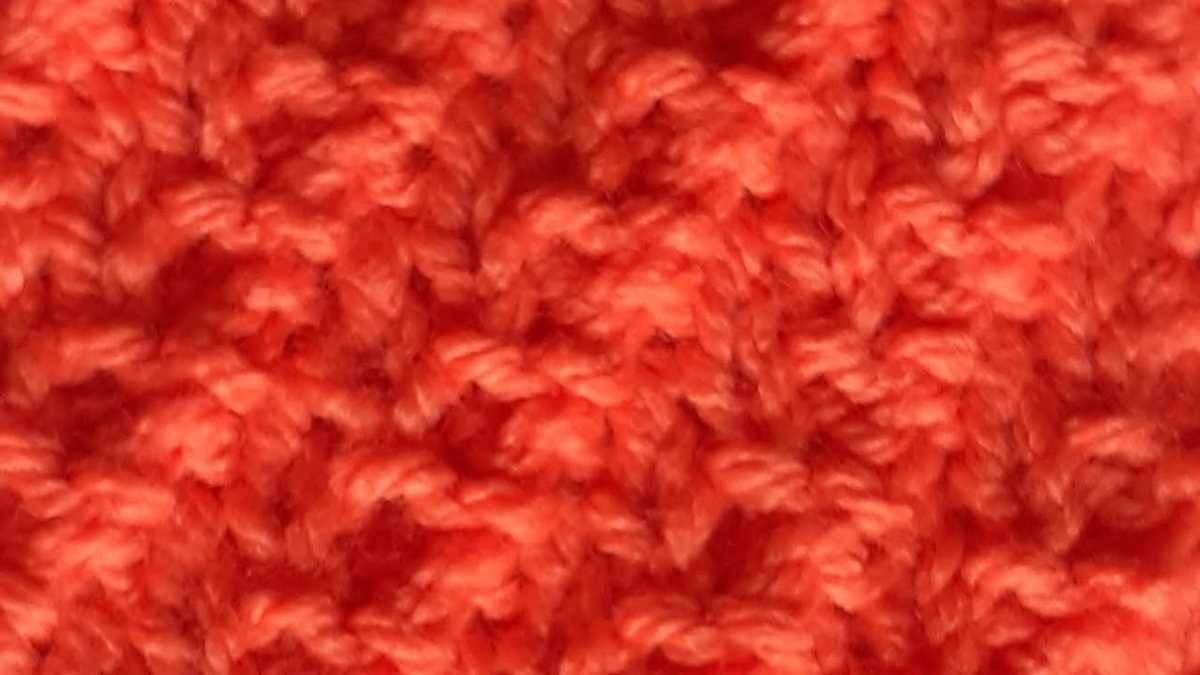
If the pattern seems overwhelming, break it down into smaller sections or steps. Focus on one section at a time, and don’t move on until you feel confident in your understanding of that section. This can help prevent confusion and mistakes.
5. Seek help if needed
If you are struggling to understand a certain aspect of the pattern, don’t hesitate to seek help. Reach out to fellow knitters, join knitting communities online, or consult knitting resources and tutorials. Sometimes, a fresh perspective or clarification can make all the difference.
By following these tips, you will be well-equipped to tackle advanced knitting patterns with confidence and success. Don’t be afraid to challenge yourself and take on new knitting projects – with practice and patience, you can master even the most intricate patterns.
Creating Complex Stitch Patterns in Advanced Knitting
Advanced knitters are always looking for new challenges and techniques to push the boundaries of their craft. One way to achieve this is by creating complex stitch patterns that add intricacy and depth to their knitting projects. These patterns often involve a combination of various stitches and techniques, resulting in stunning textures and designs.
Exploring Lace Patterns: Lace patterns are a popular choice for advanced knitters looking to create intricate stitch patterns. These patterns often involve delicate and intricate designs that resemble traditional lacework. Knitters can experiment with different lace motifs, such as leaves, flowers, or geometric shapes, to create unique and eye-catching patterns. By using multiple lace stitches and intricate charts, knitters can achieve stunning lace patterns that showcase their advanced skills.
Playing with Cables: Another way to create complex stitch patterns is by incorporating cables into the design. Cables are created by crossing stitches over each other, creating a twisted and interlocking effect. Advanced knitters can experiment with different cable patterns, incorporating multiple cables and twists in various directions to create visually striking designs. By combining different cable stitches and varying their sizes and placements, knitters can create intricate and textured patterns that add a three-dimensional aspect to their projects.
Experimenting with Colorwork:
In addition to lace and cables, advanced knitters can also create complex stitch patterns by experimenting with colorwork. Colorwork involves using multiple colors of yarn to create patterns and designs within the fabric. This can be achieved through techniques such as stranded knitting, intarsia, or slip stitch colorwork. By combining different colors and manipulating the yarn strands, knitters can create intricate and detailed patterns that add visual interest and complexity to their knitting projects.
Combining Different Techniques: Advanced knitters can take their stitch pattern creations to the next level by combining different techniques. For example, they can incorporate lace, cables, and colorwork all in one project to create a truly unique and complex design. By carefully planning and charting out the different stitch patterns and techniques, knitters can create harmonious and visually stunning pieces that showcase their advanced knitting skills.
Creating complex stitch patterns in advanced knitting requires patience, practice, and a willingness to experiment. It is an opportunity for knitters to push their boundaries, challenge themselves, and create truly unique and captivating designs.
Exploring lace knitting techniques for advanced knitters
Lace knitting is an intricate and beautiful technique that can add elegance and sophistication to your knitting projects. For advanced knitters looking to elevate their skills, exploring lace knitting techniques can be an exciting and rewarding endeavor.
One of the key aspects of lace knitting is the use of yarn overs and decreases to create intricate patterns and openwork designs. Knitters can experiment with different combinations of yarn overs, such as single yarn overs, double yarn overs, and multiple yarn overs, to create various lace motifs and designs.
Using lace charts
Lace charts are an essential tool for advanced knitters delving into lace knitting. These charts visually represent the lace patterns, indicating when to make yarn overs, decreases, and other stitches. By following the chart, knitters can create complex lace patterns with accuracy and precision.
Choosing the right yarn and needles
The choice of yarn and needles can greatly impact the outcome of lace knitting projects. For lace knitting, it is recommended to use a yarn with good stitch definition, such as a lace weight or fingering weight yarn. Needles with sharp tips, such as lace needles or pointed needles, can also facilitate the execution of intricate lace stitches.
Blocking lace projects
Blocking is an essential step in lace knitting, as it helps to open up the lace stitches and define the pattern. After completing a lace knitting project, it is important to soak the finished piece in cold water and then gently stretch and pin it to shape. This process allows the lace to relax and achieve its full beauty.
Experimenting with stitch patterns
Advanced knitters can have fun and unleash their creativity by experimenting with different stitch patterns in lace knitting. From traditional lace motifs like leaves and flowers to more modern geometric designs, the possibilities are endless. By combining different stitch patterns, knitters can create unique and personalized lace projects.
Challenge yourself with lace knitting
Exploring lace knitting techniques can be a wonderful way for advanced knitters to challenge themselves and push their knitting skills to the next level. With patience, practice, and perseverance, knitters can create exquisite lace projects that showcase their craftsmanship and passion for the art of knitting.
Mastering colorwork in advanced knitting projects
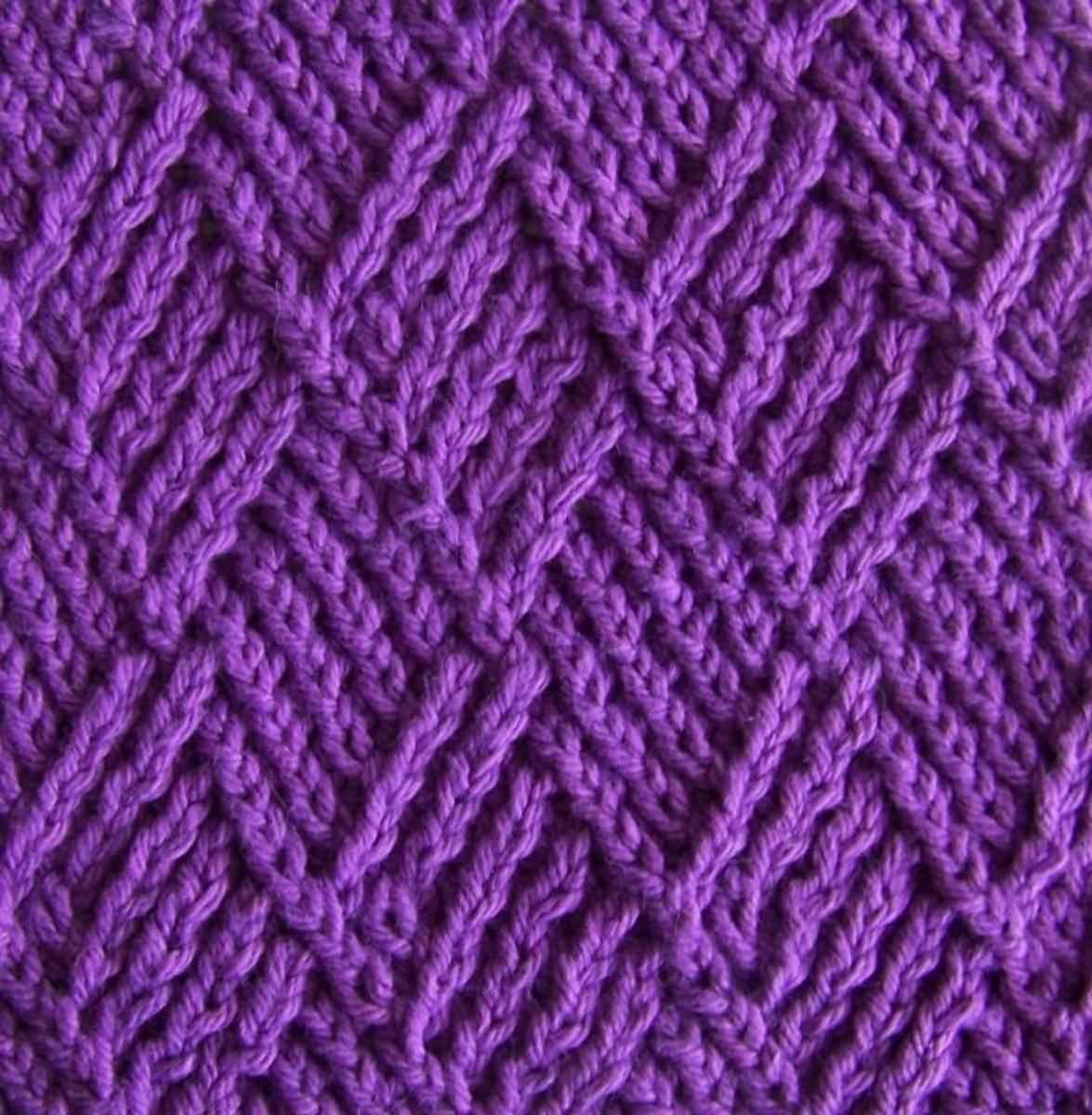
Colorwork is a technique in advanced knitting projects that involves knitting with multiple colors to create intricate and beautiful patterns. Mastering colorwork can take your knitting skills to the next level and open up a world of possibilities when it comes to creating unique and personalized garments.
One key aspect of mastering colorwork is understanding how different colors interact with each other. By experimenting with different color combinations and observing how they play off each other, you can create stunning patterns that are visually striking. Some popular colorwork techniques include stranded knitting, intarsia, and fair isle knitting.
Stranded Knitting
Stranded knitting, also known as two-color knitting or Fair Isle knitting, involves carrying two or more colors of yarn across the row and working with them as needed. This technique creates a distinct woven appearance and is often used to create intricate geometric patterns or pictorial designs. To ensure even tension and avoid puckering, it is important to strand the yarn not in use loosely across the back of the work.
Intarsia
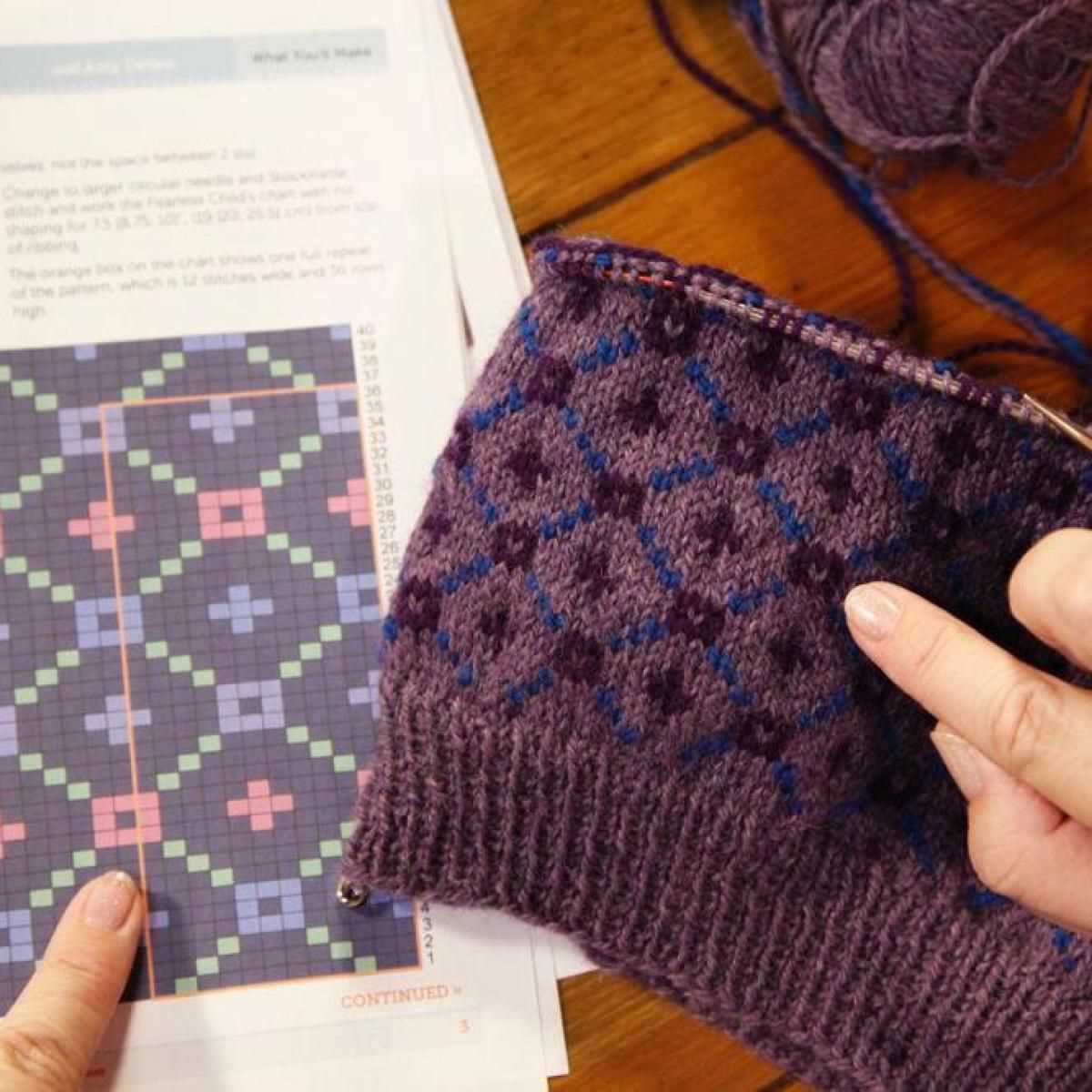
Intarsia is a colorwork technique that involves using separate bobbins or balls of yarn for each section of color. This allows for the creation of larger color blocks and more complex designs. When working with intarsia, it is important to keep the tension consistent and, when changing colors, to twist the yarns together to prevent holes in the fabric.
Fair Isle Knitting
Fair Isle knitting, named after a small island in Scotland, is a type of stranded knitting characterized by its use of multiple colors in a single row. Typically, no more than two colors are used per row, with the unused yarn carried along the back of the work. Fair Isle patterns often feature intricate motifs inspired by traditional Scandinavian designs.
Mastering colorwork in advanced knitting projects takes time and practice, but the results are well worth the effort. By understanding different colorwork techniques and experimenting with color combinations, you can create truly unique and stunning pieces that showcase your knitting skills and creativity.
Knitting cables and twists in advanced patterns

Cables and twists are intricate and eye-catching design elements that can take your knitting to the next level. These techniques involve crossing stitches over each other, creating a raised texture and an interesting visual effect.
Types of cables: There are different types of cables that can be incorporated into advanced knitting patterns. A basic cable involves crossing a designated number of stitches over each other. The stitches can cross to the right or left, creating a diagonal or zigzag pattern. Other types of cables include horseshoe cables, braided cables, and honeycomb cables. Each cable pattern requires careful attention to detail and precise knitting techniques to achieve the desired effect.
Twist stitches: In addition to cables, advanced knitting patterns often feature twist stitches. These stitches involve crossing individual stitches over each other, creating a twist effect. The crossing can be done in various ways, such as a right twist or left twist. Twist stitches add depth and complexity to a knitted fabric, and they can be used to create intricate textures and patterns.
Working with cable needles: When knitting cables and twists, it is common to use cable needles. These special needles have a curved or U-shape that holds the stitches in place while you work the other stitches. Cable needles come in different sizes and materials, and you can choose one that best suits your knitting style. It is important to use cable needles that match the gauge and thickness of your yarn to ensure a consistent and even result.
Reading cable charts: Advanced knitting patterns often include cable charts, which are visual representations of the cable patterns. These charts use symbols to indicate the cable stitches and the direction of the crossings. Learning how to read cable charts is essential for successfully working on advanced cable and twist patterns. By following the symbols and instructions on the chart, you can create intricate cable designs with precision.
- Experimenting with different cable patterns and stitch combinations can lead to stunning and unique knitted creations.
- Advanced patterns that incorporate cables and twists require attention to detail and patience, but the end result is worth the effort.
- Don’t be afraid to challenge yourself with more complex knitting techniques – you might discover a new favorite style or design element.
Creating intricate textures in advanced knitting patterns
The art of advanced knitting patterns allows knitters to create intricate and beautiful textures in their projects. These textures are achieved through the use of various techniques, stitches, and patterns that require a higher level of skill and experience. Whether it’s cables, lace, or colorwork, advanced knitting patterns offer endless possibilities to create unique and visually stunning designs.
One popular technique for creating intricate textures is cable knitting. Cables are formed by crossing stitches over each other, either to the left or right, creating a twisted pattern that adds depth and dimension to the knit fabric. By manipulating the order and direction of the cable crosses, knitters can create an array of complex and visually appealing cable patterns.
Another technique commonly used in advanced knitting patterns is lace knitting. Lace patterns typically involve creating deliberate holes in the fabric by increasing and decreasing stitches in a specific pattern. These delicate and openwork designs can range from simple eyelets to intricate motifs and are often used in shawls, scarves, and delicate garments.
Colorwork is yet another way to add texture and complexity to advanced knitting patterns. Fair Isle, intarsia, and stranded knitting are all techniques that involve working with multiple colors to create patterns and motifs. By integrating different colors into the design, knitters can achieve intricate details and visually striking textures that make their projects truly one-of-a-kind.
Overall, advanced knitting patterns provide a platform for knitters to push their skills and creativity to new heights. By incorporating techniques such as cables, lace, and colorwork, knitters can create intricate textures and designs that showcase their mastery of the craft.
Working with Multi-Directional Knitting Techniques
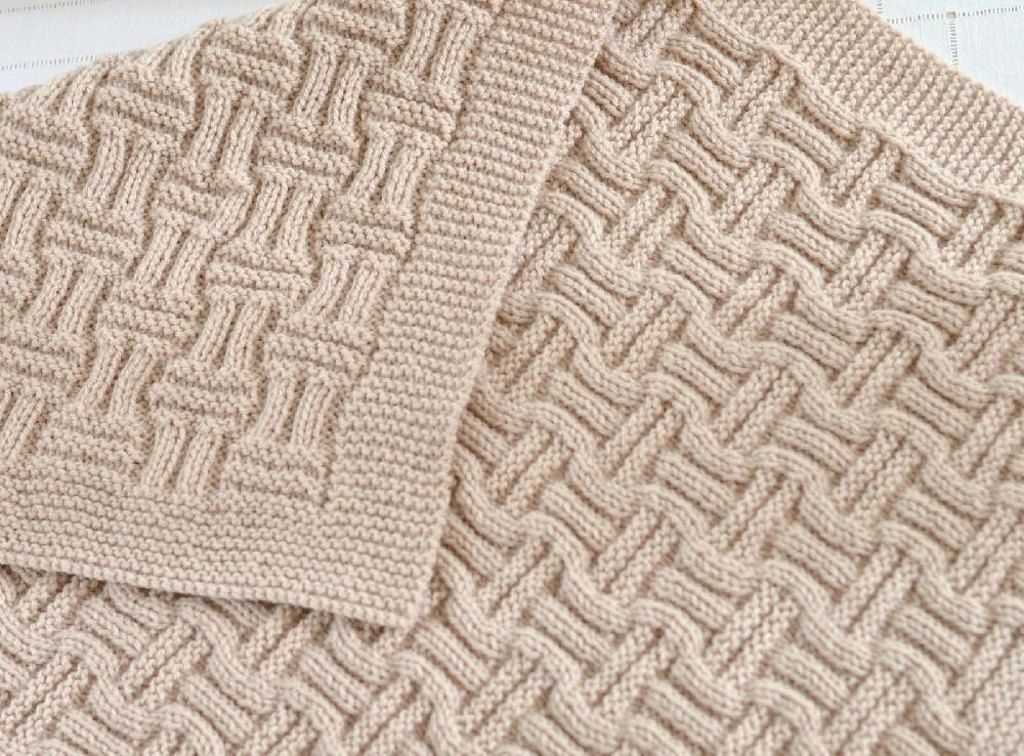
Multi-directional knitting techniques offer knitters a creative and versatile way to add unique textures and patterns to their projects. By knitting in multiple directions, you can create visually interesting designs that stand out from traditional, linear knitting patterns.
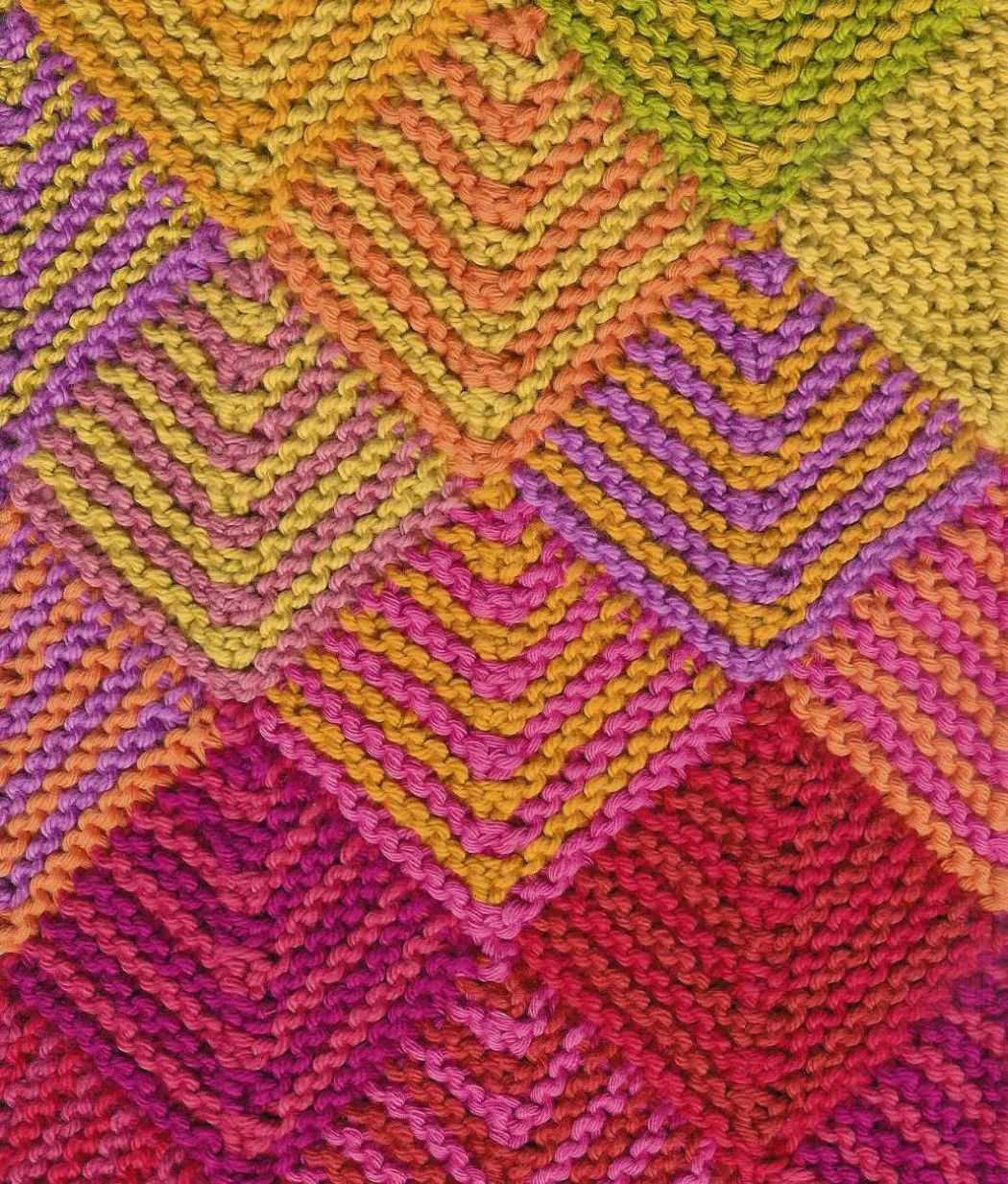
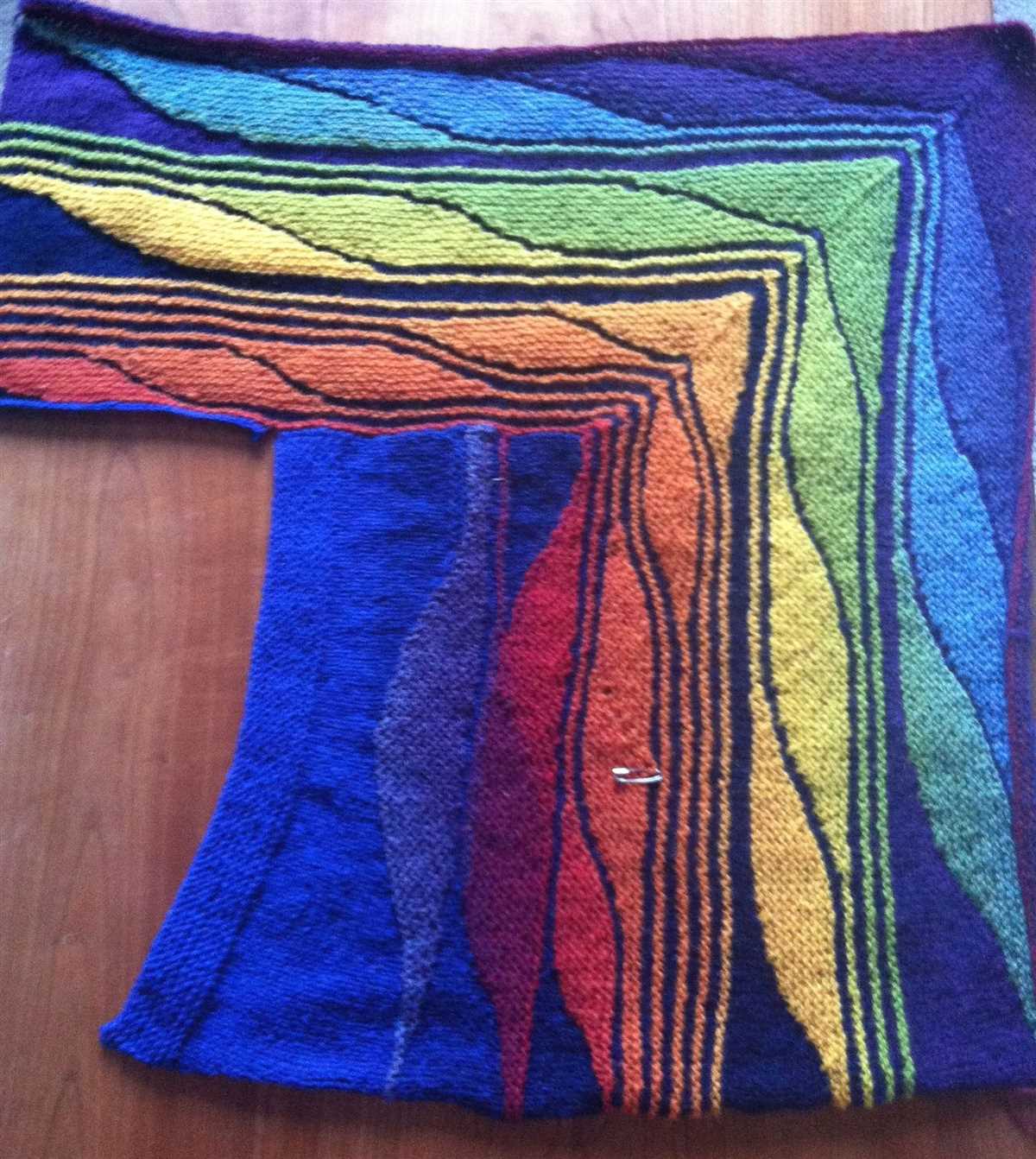
One popular multi-directional knitting technique is the entrelac method. This technique involves creating a series of interconnected squares or diamonds that are knit in different directions. By picking up stitches along the edges of each square, you can easily transition from one direction to another, creating a beautiful woven effect. Entrelac knitting patterns can be used to create a variety of projects, from scarves and shawls to blankets and pillows.
Another multi-directional knitting technique is modular knitting. This technique involves knitting individual modules or blocks separately, and then joining them together to form a larger piece. The modules can be knit in different directions or patterns, allowing you to create intricate designs with ease. Modular knitting is often used in projects like sweaters, bags, and blankets, where the individual modules can be easily customized and assembled.
When working with multi-directional knitting techniques, it’s important to pay attention to the directions and transitions between different sections of your project. Clear instructions and charts can be helpful in guiding you through the process and ensuring that your stitches are aligned properly. Additionally, using stitch markers or stitch holders can be useful for keeping track of your progress and maintaining the structure of your project.
Overall, working with multi-directional knitting techniques can be a fun and rewarding challenge for advanced knitters. Whether you choose to explore entrelac or modular knitting, these techniques offer endless possibilities for creating unique and eye-catching designs. So grab your needles, pick a pattern, and let your creativity flow!
Advanced techniques for shaping in knitting patterns

When it comes to advanced knitting patterns, shaping is an important technique that can greatly enhance the fit and appearance of the finished piece. Shaping refers to the process of increasing or decreasing the number of stitches to create curves, angles, or other desired shapes in the knitted fabric. It is an essential skill for knitters who want to tackle more complex projects and achieve a professional-looking result.
1. Short rows: Short rows are a popular technique used for shaping various parts of a knitted garment, such as bust darts or shoulder slopes. By knitting a certain number of stitches and then turning the work before reaching the end of a row, short rows create extra fabric that adds depth and shape to the knitted piece.
2. Increases and decreases: Another way to shape a knitted piece is by adding or removing stitches through increases and decreases. There are many different types of increase and decrease methods, such as knit front and back (kfb) or knit two together (k2tog), each resulting in a different appearance in the fabric. These techniques can be used to create curves, angles, or even intricate lace patterns.
3. Contoured or shaped edges: Creating contoured or shaped edges is another advanced technique for shaping in knitting patterns. Rather than knitting a straight edge, shaping the edges of a garment can add interest and create a more flattering fit. Techniques such as short-row shaping, double decreases, or directional decreases can be used to create shaped edges.
4. Dart shaping: Dart shaping is commonly used in knitting patterns for garments that require a more tailored fit, such as cardigans or sweaters. By increasing and decreasing stitches in a specific area, darts help to create a more flattering and form-fitting silhouette. Dart shaping is often seen in the bust or waist area of a garment.
5. Combination shaping techniques: Advanced knitting patterns may incorporate a combination of different shaping techniques to achieve the desired result. For example, a garment may require shaping through increases and decreases, combined with short rows for added depth and contour. This level of complexity in shaping requires careful attention to pattern instructions and an understanding of how the different techniques work together.
In conclusion, mastering advanced shaping techniques in knitting patterns opens up a world of possibilities for creating beautifully fitted and visually interesting garments. By experimenting with different shaping methods and understanding how they can be combined, knitters can take their skills to the next level and create truly bespoke pieces. Whether it’s through short rows, increases and decreases, contoured edges, dart shaping, or a combination of techniques, advanced shaping allows for endless creativity in the world of knitting.
Finishing techniques for advanced knitting projects
Completing an advanced knitting project is an exciting accomplishment, but it is important to pay attention to the finishing details to truly bring your creation to life. Finishing techniques can make a significant difference in the overall appearance and durability of your project. Here are some essential finishing techniques to consider:
1. Blocking

Blocking is a crucial step in finishing your advanced knitting project. It involves shaping and setting the final dimensions of your knitted item through the careful use of water, steam, or heat. Blocking helps to even out stitches, enhance drape, and improve the overall look of your project. It is particularly important for lace or intricate stitch patterns.
2. Seaming
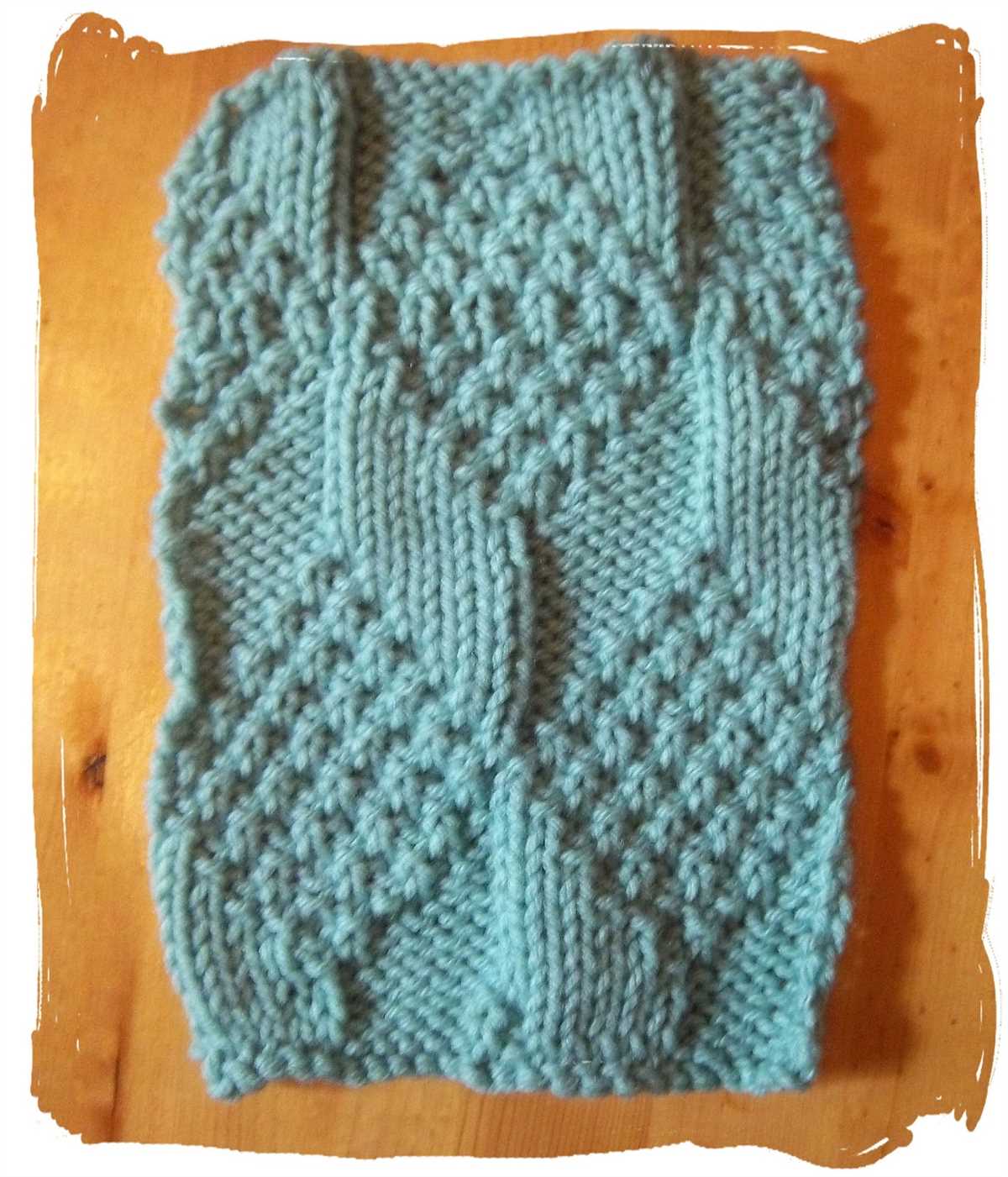
Seaming is the process of joining pieces together to create a seamless and polished finished product. Advanced knitting projects often involve multiple pieces that need to be sewn together. Proper seaming techniques ensure that the seams are strong, discreet, and blend seamlessly with the rest of the project. There are various seaming methods to choose from, such as mattress stitch, backstitch, or grafting.
3. Weaving in Ends
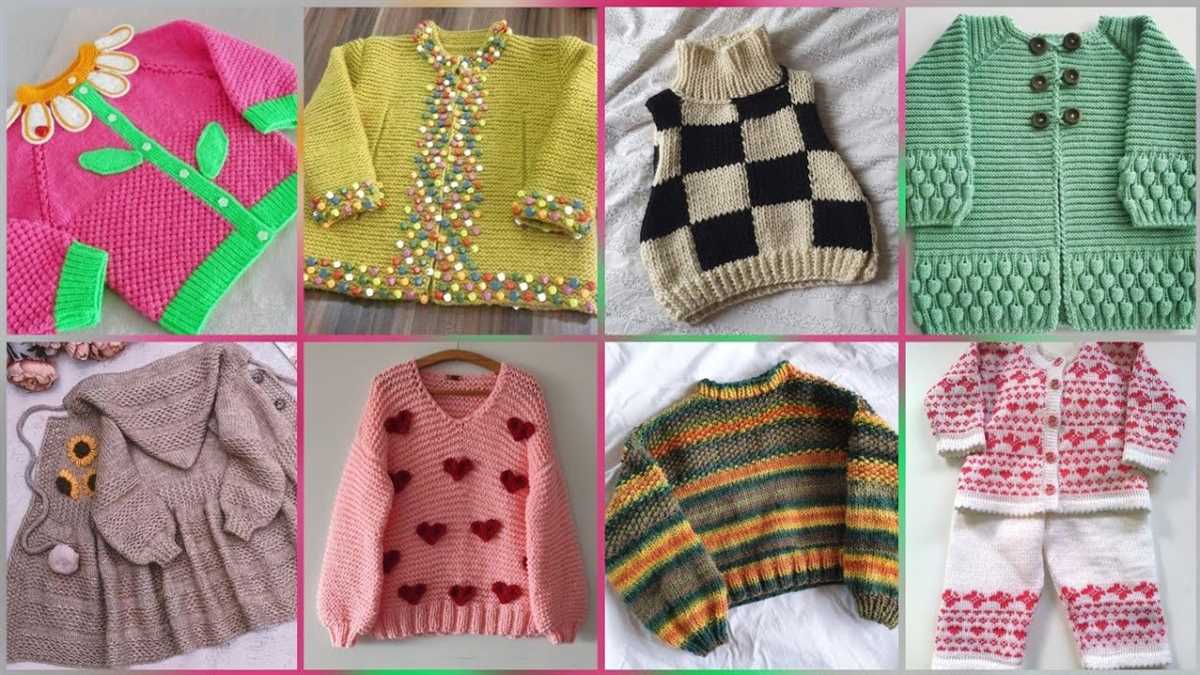
When working on advanced knitting projects, you may find yourself with a multitude of loose ends from color changes or yarn joins. It is essential to carefully weave in these ends to ensure they are secure and invisible. The goal is to prevent the ends from unraveling or poking out, while also maintaining a neat appearance.
4. Edgings and Trims

Add an extra touch of elegance and refinement to your advanced knitting project by incorporating beautiful edgings or trims. Whether it’s a picot edge, an applied i-cord, or a delicate lace border, these details can elevate the overall look and give your project a professional finish.
5. Finishing Touches
Consider adding any final embellishments or finishing touches to personalize your project. This could involve attaching buttons, sewing on beads or sequins, or embroidering motifs. These small details can enhance the visual appeal and make your advanced knitting project truly unique.
By paying attention to these finishing techniques, you can take your advanced knitting projects to the next level. Remember to take your time, follow instructions carefully, and practice these skills to become more proficient. With dedication and attention to detail, your finished knitting projects will be a true reflection of your skill and creativity.