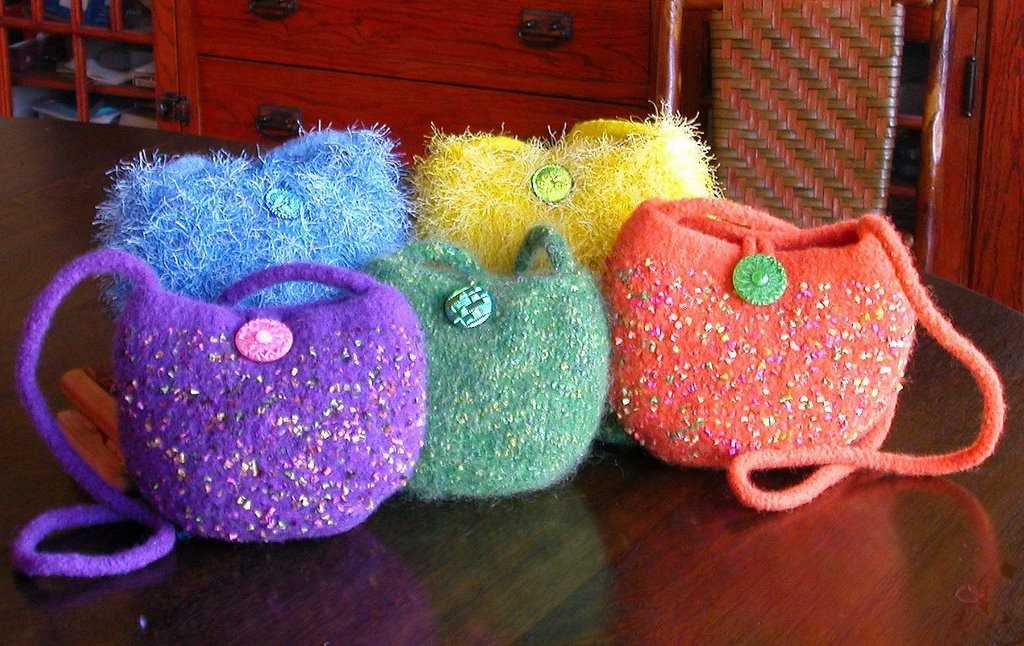
A knitted felted bag is a versatile accessory that can be both practical and stylish. With its unique texture and durability, a felted bag can add a touch of elegance to any outfit. Whether you’re a beginner or an experienced knitter, there are plenty of patterns available that will help you create your own one-of-a-kind bag. From simple tote bags to intricate designs, there’s something for everyone.
One of the great things about knitting a bag that will be felted is that you don’t have to worry too much about precision. The felting process will smooth out any imperfections and give your bag a finished look. So even if you’re not the most confident knitter, you can still create a beautiful bag.
There are countless patterns to choose from when it comes to knitted felted bags. Some patterns are more basic and focus on simple shapes and stitches, while others are more intricate and feature intricate colorwork or textured patterns. Whether you prefer a classic design or something more modern and trendy, there’s a pattern out there that will suit your style.
Knitted Felted Bag Patterns
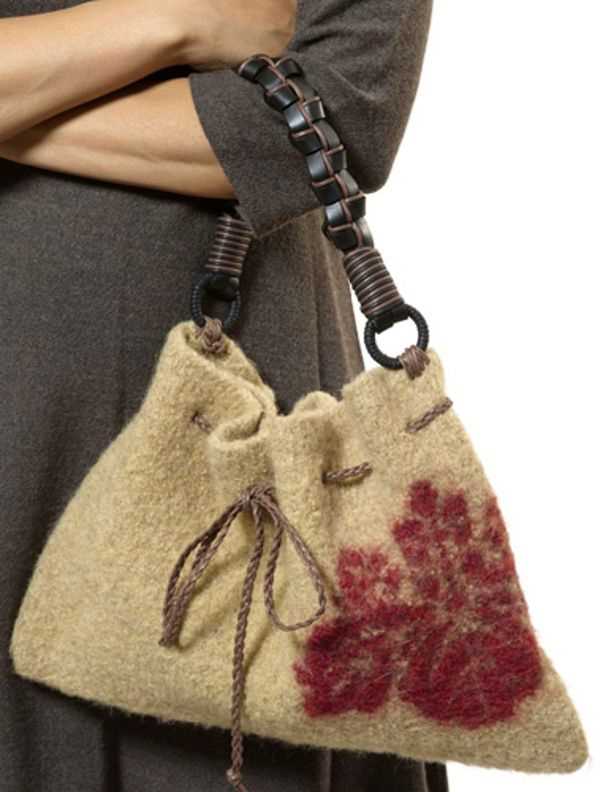
If you are looking for a fun and versatile project to knit, then you should consider making a knitted felted bag. Felted bags are not only practical, but they also make great fashion statements. Plus, the felting process adds an extra dimension to the finished bag, making it sturdy and durable.
There are countless knitted felted bag patterns available, allowing you to choose a design that suits your personal style and preferences. From simple and classic tote bags to more intricate patterns with unique shapes and embellishments, there is something for everyone. These patterns often include detailed instructions on how to knit the bag, as well as how to felt it to achieve the desired texture and size.
Benefits of Knitted Felted Bags
- Durability: Felted bags are highly durable and can withstand heavy use without losing their shape or structure. The felting process makes the knitted fabric denser, creating a sturdy material that can hold its shape and withstand daily wear and tear.
- Versatility: Felted bags come in a wide variety of styles, sizes, and designs, making them suitable for various occasions. Whether you need a spacious tote for everyday use, a small clutch for a night out, or a stylish backpack for a weekend getaway, there is a knitted felted bag pattern to meet your needs.
- Customization: Knitted felted bags can be easily customized to fit your personal style. You can choose your favorite colors, add unique embellishments, or experiment with different stitch patterns to create a one-of-a-kind bag that reflects your individuality.
- Eco-friendly: By knitting and felting your own bag, you are contributing to a more sustainable fashion industry. Instead of purchasing mass-produced bags made from synthetic materials, you can use natural fibers and create a bag that is both environmentally friendly and long-lasting.
Overall, knitting a felted bag is a rewarding project that allows you to showcase your creativity and create a practical accessory that will last for years to come. Whether you are a beginner knitter or an experienced crafter, there is a knitted felted bag pattern out there that will inspire you to knit your own unique bag.
Choosing the Right Yarn for Your Knitted Felted Bag
When it comes to knitting a felted bag, choosing the right yarn is crucial. Felted bags require a specific type of yarn that will felt well when exposed to heat and agitation. The most commonly used yarn for felting is 100% wool. Wool has natural fibers that are more prone to felting compared to other materials. This means that your knitted bag will shrink and become denser when you felt it, resulting in a sturdy and durable finished product.
When selecting yarn for your knitted felted bag, consider the weight and composition of the yarn. Generally, bulky or super bulky weight yarns work best for felting as they shrink more easily. These thicker yarns also create a thicker fabric, which adds to the strength of the finished bag. As for composition, look for yarns that are labeled as 100% wool, as they are more likely to felt well. Avoid yarns that contain synthetic fibers or are labeled as machine washable, as these types of yarns may not felt properly or at all.
Another important factor to consider when choosing yarn is the color. Keep in mind that the felting process can cause the yarn to darken or change in color. So, if you have a specific color in mind for your knitted felted bag, it’s a good idea to choose a slightly lighter shade of that color. This way, you can ensure that the finished bag will match your desired color more closely. Additionally, variegated or self-striping yarns can create interesting patterns and designs in the felted fabric.
Ultimately, choosing the right yarn is essential for the success of your knitted felted bag project. Pay attention to the weight and composition of the yarn, opt for 100% wool for optimal felting, and consider the potential color changes during the felting process. With the right yarn, you can create a beautiful and durable felted bag that will be a joy to use and show off.
Best Needles for Knitted Felted Bag Patterns
When it comes to knitting felted bags, having the right needles can make a significant difference in the outcome of your project. The choice of needles can affect the size, texture, and durability of the finished bag. Here are some of the best needles to consider for knitting felted bag patterns:
1. Circular Needles:
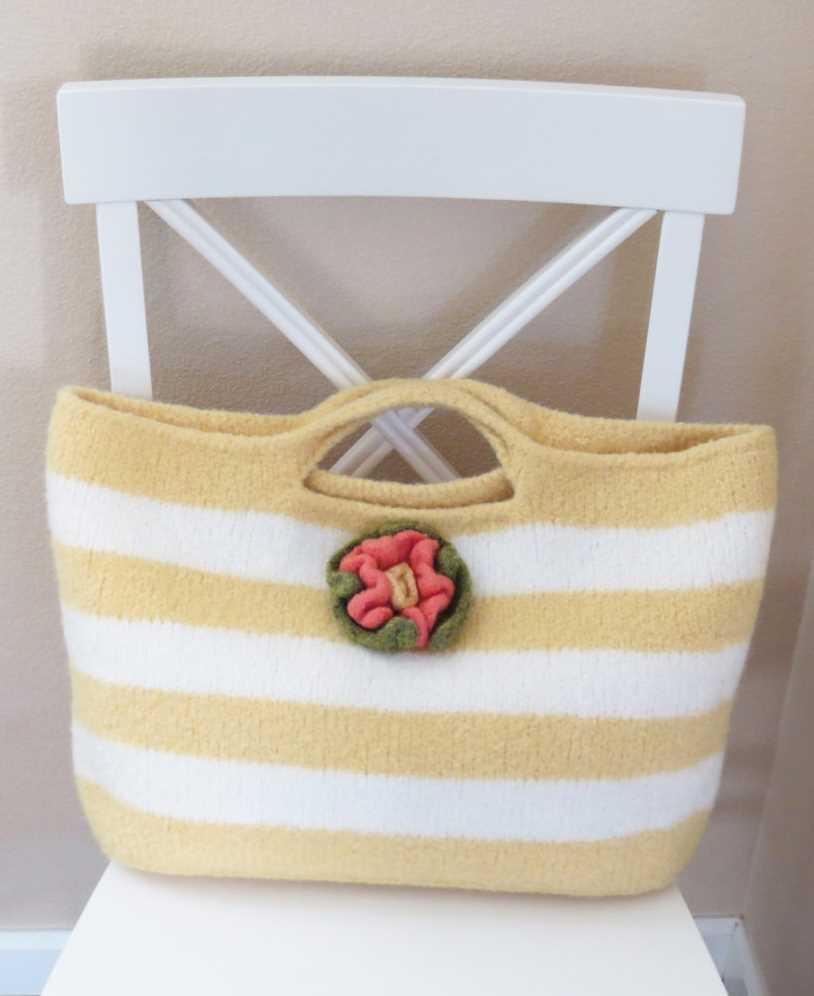
Circular needles are an excellent choice for knitting felted bags because they allow you to knit in the round seamlessly. They eliminate the need for seams, resulting in a more professional and polished finished product. In addition, circular needles distribute the weight of your project evenly, making it easier to handle the weight of the felted bag as you work.
2. Double-Pointed Needles:
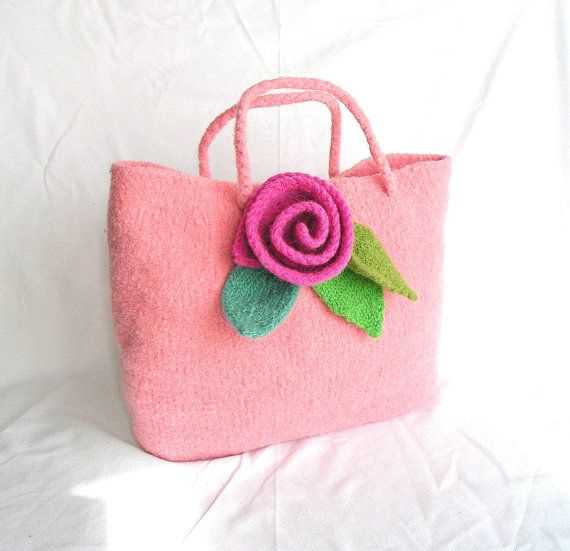
Double-pointed needles (DPNs) are another option for knitting felted bags. They are typically used for small projects or working in tight spaces, such as when shaping the bottom or working on the handles of the bag. DPNs provide better control over the stitches and make it easier to navigate the curves and corners of the bag.
Furthermore, DPNs allow for more flexibility in sizing. The number of needles used can be adjusted to accommodate the size and shape of the bag you are working on. This flexibility is particularly useful when following patterns that require specific stitch counts for different sections of the bag.
3. Bamboo Needles:
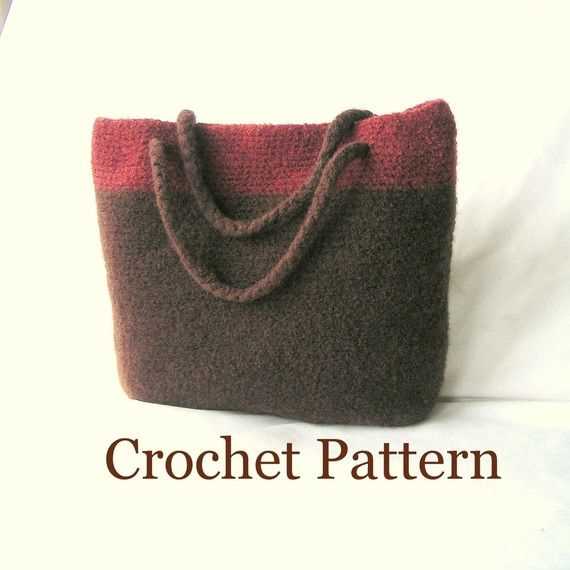
Bamboo needles are an excellent choice for knitting felted bags due to their natural grip and warmth. The natural texture of bamboo prevents the stitches from slipping off the needles easily, thereby ensuring greater control and reducing the likelihood of dropped stitches. Bamboo needles are also lightweight, which can be beneficial when working on larger and heavier felted bag projects.
In summary, when knitting felted bags, it is crucial to choose the right needles. Circular needles are ideal for seamless knitting in the round, while double-pointed needles offer more control and flexibility. Bamboo needles provide a natural grip and are lightweight, making them a great choice for larger and heavier projects. Consider these options when embarking on your next knitted felted bag pattern for a successful and enjoyable knitting experience.
Basic Knitting Techniques for Felted Bags
When it comes to knitting felted bags, there are a few basic techniques that you should be familiar with. These techniques will help you create a sturdy and durable bag that will withstand the felting process.
1. Knitting in the Round
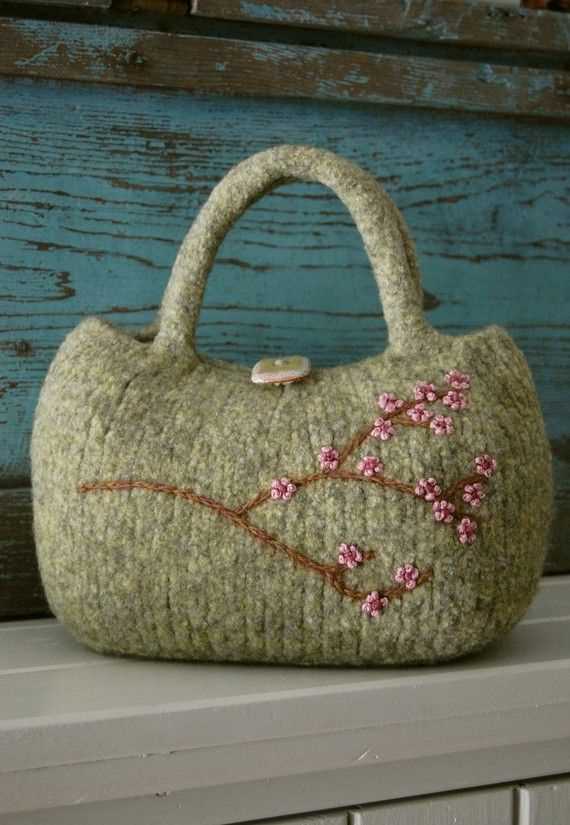
Most felted bags are knit in the round, which means that you will be knitting in a continuous circle instead of back and forth in rows. This technique eliminates the need for seaming and creates a seamless bag. To knit in the round, you can use double-pointed needles or circular needles, depending on your preference.
2. Felting

The felting process is what gives the knitted bag its sturdy and dense texture. It involves subjecting the knitted piece to hot water, agitation, and friction to shrink the fibers and create a felted fabric. To felt your bag, you can either use a washing machine or hand-felting techniques, such as rubbing the fabric together or using a felting mat and tool.
3. Increases and Decreases
As you knit your bag, you may need to shape it by increasing or decreasing stitches. Common increases include knit front and back (KFB) and make one (M1), while common decreases include knit two together (K2tog) and slip, slip, knit (SSK). These techniques allow you to create shaping in your bag, such as a tapered bottom or a rounded handle.
4. Provisional Cast-On
A provisional cast-on is often used in felted bag patterns to create a temporary cast-on that can be easily removed later. This allows you to pick up stitches and create an integrated edge or flap without seaming. There are different methods for provisional cast-on, such as using waste yarn or a crochet chain, and it’s useful to have this technique in your knitting repertoire.
- 5. Embellishments
Finally, don’t forget to add some personal touches to your felted bag with embellishments. You can incorporate different colors of yarn, add beads or buttons, or even do some embroidery or appliqué work. These embellishments can make your bag unique and showcase your creativity.
Simple Knitted Felted Bag Patterns for Beginners
For beginners who are looking to learn the art of knitting and want to create a functional and stylish project, knitting a felted bag is a great option. Felted bags are a popular choice because they are durable, versatile, and can be customized to fit your personal style. With just a few basic knitting stitches, you can create a beautiful and functional bag.
One simple knitted felted bag pattern for beginners is the garter stitch bag. The garter stitch is the most basic knitting stitch, making it perfect for beginners. To create the garter stitch bag, you simply knit every row until you have reached your desired size. Then, you can choose to add a strap or handles to complete the bag. Once the bag is finished, it can be felted by washing it in hot water and agitating it to shrink and tighten the stitches. This will give the bag a finished and professional look.
If you are looking for a more challenging project, the stockinette stitch bag is another great option. The stockinette stitch is a simple stitch that creates a smooth and even fabric. To create the stockinette stitch bag, you knit one row and purl one row, repeating this pattern until you have reached your desired size. Like the garter stitch bag, you can add a strap or handles and then felt it to achieve the finished look.
Overall, knitting a felted bag is a fun and rewarding project for beginners. With just a few basic stitches, you can create a functional and stylish bag that you can use for years to come. Whether you choose the garter stitch or stockinette stitch pattern, you are sure to love the end result. So grab your knitting needles and start creating your own knitted felted bag!
Advanced Knitted Felted Bag Patterns for Experienced Knitters
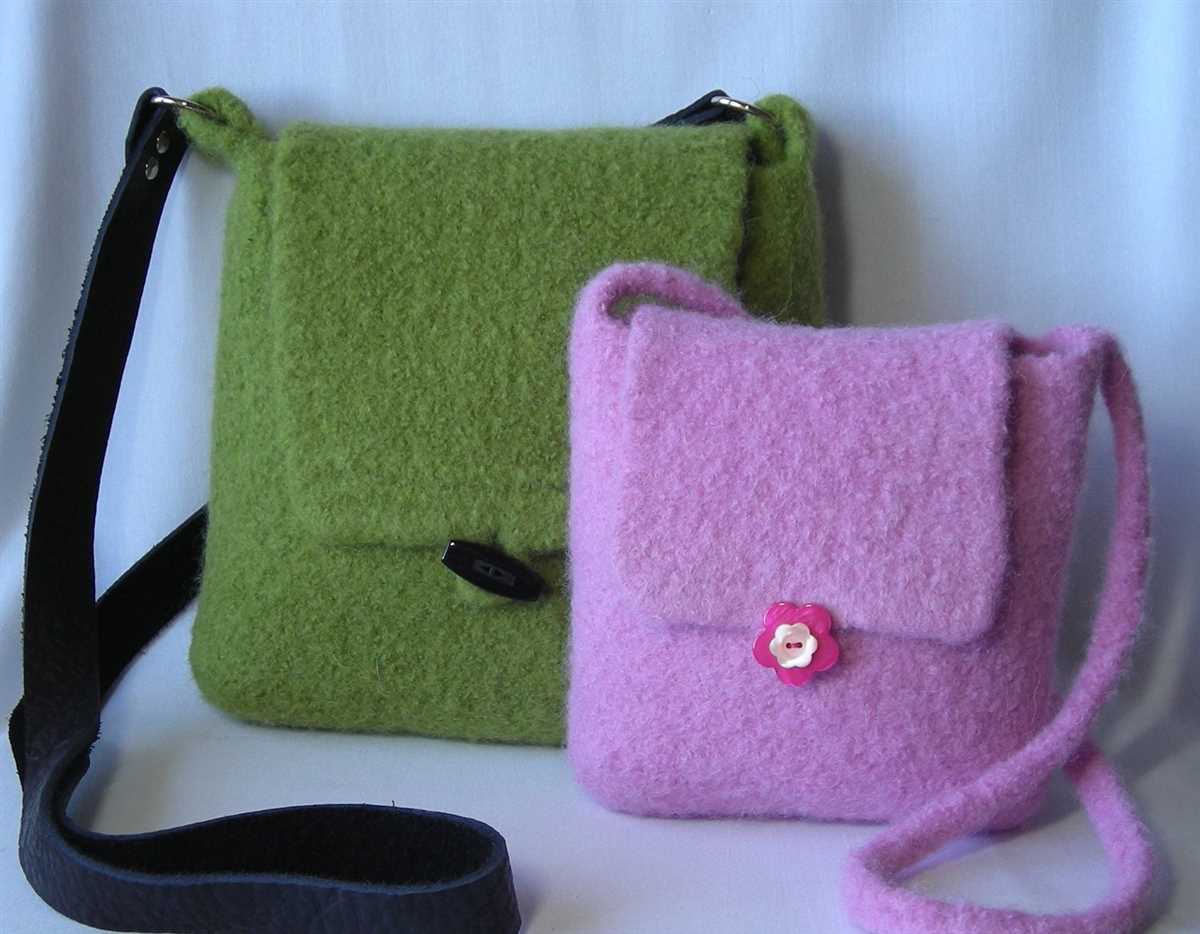
For experienced knitters looking to take their skills to the next level, advanced knitted felted bag patterns offer a challenging and rewarding project. These patterns not only showcase intricate stitch patterns and techniques, but also provide the opportunity to create a unique and durable bag that can be used for years to come.
One popular example of an advanced knitted felted bag pattern is the “Cable and Lace Tote.” This pattern includes complex cable and lace stitch patterns that create a stunning texture and design. Knitters will need to be comfortable with reading and following charts, as well as have experience working with multiple stitch patterns within the same row. The finished bag is large enough to hold all your essentials and is perfect for both daily use and special occasions.
Another advanced pattern to consider is the “Fair Isle Satchel.” This pattern incorporates intricate colorwork techniques using multiple colors of yarn, creating a beautiful stranded knitting design. Knitters will need to have experience with fair isle knitting, as well as the ability to manage multiple colors and floats. The finished satchel is not only visually striking but also highly functional, with a spacious interior and sturdy strap.
When choosing an advanced knitted felted bag pattern, it’s important to consider your skill level and comfort with different techniques. These patterns can be challenging, but they also provide an excellent opportunity to expand your knitting skills and create something truly unique. With patience and determination, you’ll be able to tackle any advanced knitted felted bag pattern and create a stunning accessory that will be the envy of all your friends.
Tips and Tricks for Successful Felting
Felting is a popular technique used in knitting to create dense and sturdy fabrics. While the process itself is fairly simple, there are a few tips and tricks that can help ensure successful results. Here are some key pointers to keep in mind when felting your knitted bags:
Choose the Right Yarn

The type of yarn you use can greatly affect the outcome of your felting. It’s best to use 100% wool yarn, as it has natural fibers that easily bond together. Avoid using yarns with synthetic materials, as they won’t felt as well. Additionally, choose a yarn that is not superwash, as it is treated to prevent felting.
Use Hot Water and Agitation
The felting process requires hot water and agitation to help the fibers bond together. Fill a basin or sink with hot water and add a small amount of soap or detergent. Place your knitted bag in the water and gently agitate it by hand or using a washing machine on a delicate setting. The hotter the water and the more agitating, the more the fibers will felt together.
Monitor the Felting Process
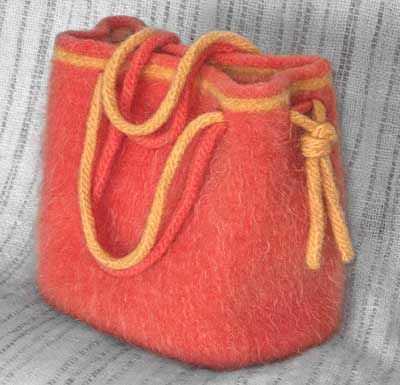
It’s important to keep a close eye on your knitted bag as it felts, as the process can happen quite quickly. Check the bag regularly to see if it has reached the desired level of felting. If it hasn’t fully felted, you can continue agitating it for longer. If it has felted too much, you can try stretching it back into shape.
Dry and Shape Properly
After felting, it’s important to properly dry and shape your knitted bag. Gently squeeze out the excess water and reshape the bag to its desired shape. Stuff the bag with a towel or plastic bags to help it retain its shape as it dries. Allow the bag to air dry completely before using or storing it.
- Choose 100% wool yarn for felting;
- Use hot water and agitation to help the fibers bond together;
- Monitor the felting process to avoid over or under felting;
- Properly dry and shape the bag after felting.
By following these tips and tricks, you can achieve successful felting of your knitted bags. Remember to experiment and have fun with different yarns and patterns to create unique and beautiful felted bags!
Adding Embellishments to Your Felted Bags
One of the things that makes knitted felted bags so unique and special is the ability to add embellishments to them. Whether you want to add a pop of color, texture, or even a touch of sparkle, there are endless possibilities for personalizing your felted bags.
1. Embroidery: Embroidery is a versatile way to add intricate designs and patterns to your felted bags. You can use embroidery floss or yarn to create beautiful floral motifs, geometric patterns, or even personalized monograms. Embroidery can be done before or after felting, depending on the desired effect. Be sure to use a sturdy needle and secure your stitches tightly to ensure that the embellishments stay in place.
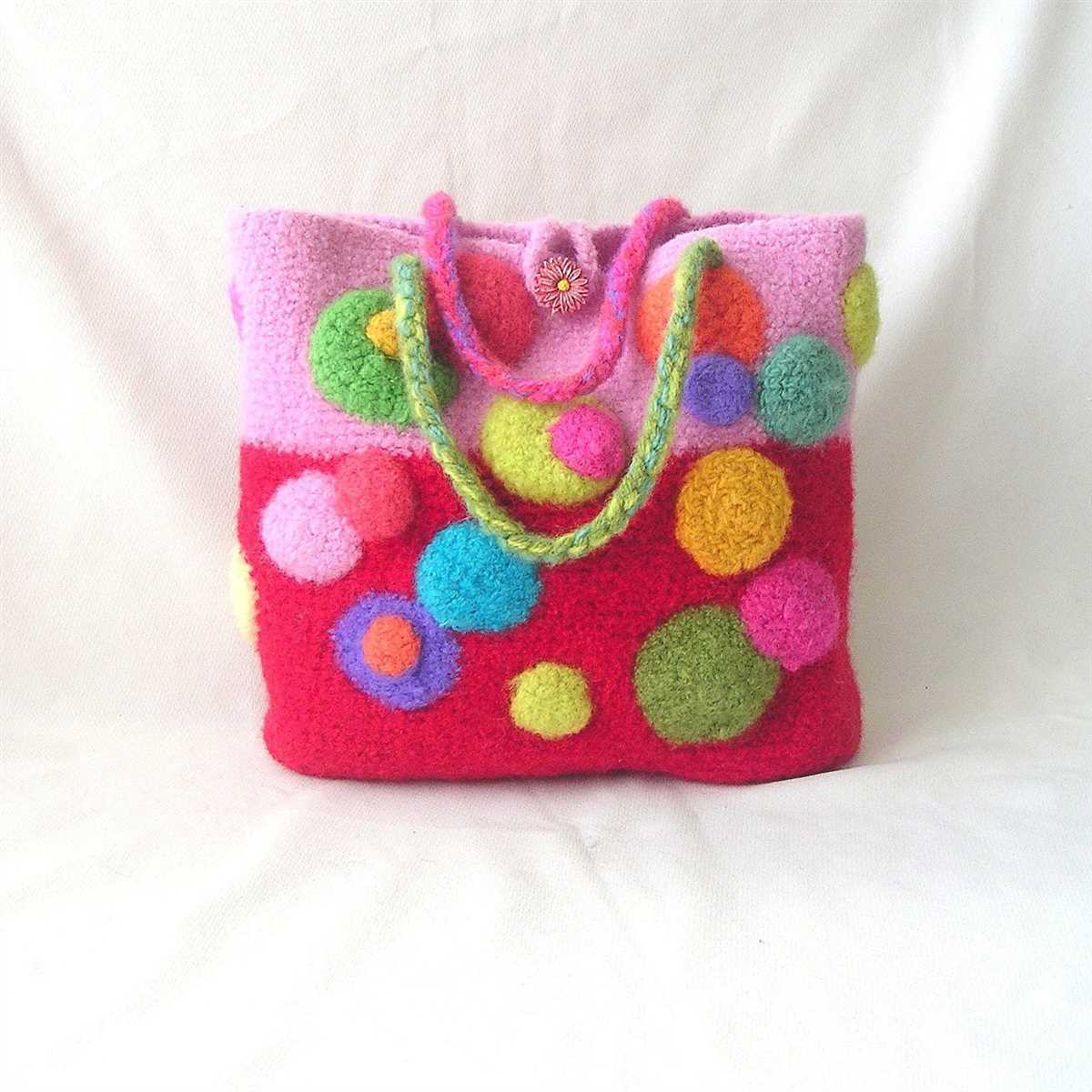
2. Felted Appliques: Adding felted appliques to your bags can give them a three-dimensional look and add a touch of whimsy. You can create appliques in various shapes and sizes, such as flowers, animals, or even everyday objects. These appliques can be sewn onto the bag or attached with fabric glue after felting. To make the appliques, knit a small swatch of felted fabric and cut out the desired shape. Then, sew or glue it onto the bag. You can further enhance the applique by adding embroidery or beads.
Here are a few more embellishment ideas:
- Beads: Sewing beads onto your felted bags can add a touch of elegance and sparkle. You can use seed beads, sequins, or even larger beads for a more dramatic effect.
- Ribbons and Trims: Adding ribbons and trims to your bags can give them a polished and finished look. You can sew them along the edges, create bows, or use them to create handles.
- Buttons: Sewing buttons onto your felted bags can add a fun and playful touch. You can use buttons in various sizes, shapes, and colors to create eye-catching designs.
- Pom-poms: Attaching pom-poms to your bags can give them a playful and whimsical look. You can make pom-poms in different sizes and colors to match the bag or add a contrasting pop of color.
With these embellishment ideas, you can take your knitted felted bags to the next level and create unique and personalized accessories that stand out from the crowd.
How to Care for Your Knitted Felted Bag
Your knitted felted bag is not only a stylish accessory but also a practical item for carrying your belongings. To ensure that your bag remains in good shape and continues to serve you well, it’s important to take proper care of it. Here are some tips to help you maintain the quality and longevity of your knitted felted bag:
Cleaning:
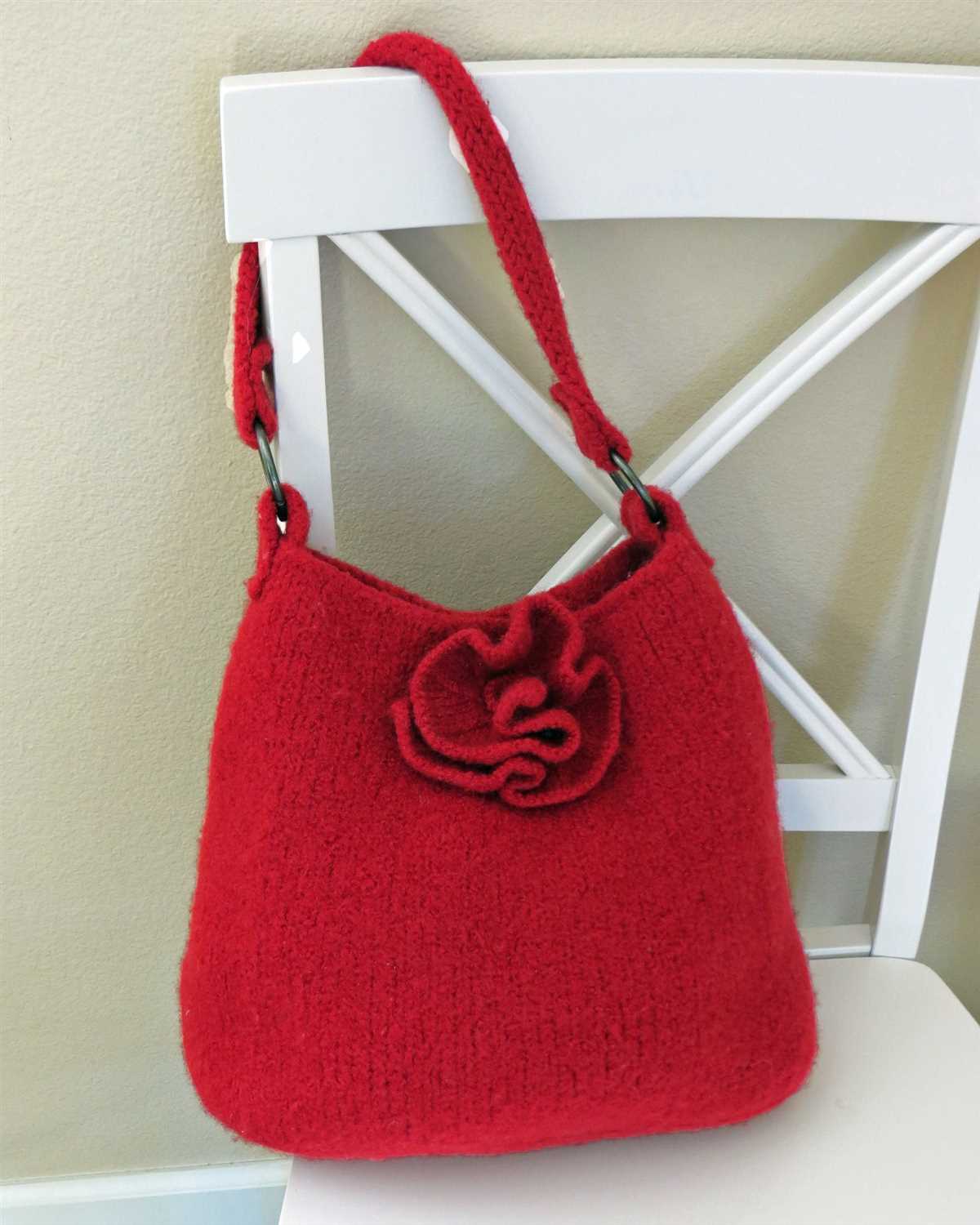
- Spot cleaning: If you notice any stains or spills on your bag, it’s best to spot clean it immediately. Use a damp cloth or sponge with mild soap and gently dab the affected area. Avoid rubbing or scrubbing vigorously as this can damage the knitted fabric.
- Handwashing: When your entire bag needs a thorough cleaning, handwashing is the preferred method. Fill a basin with lukewarm water and add a small amount of wool detergent. Gently submerge the bag and agitate it for a few minutes. Rinse thoroughly with cool water and squeeze out excess moisture by pressing the bag between towels. Reshape the bag and let it air dry away from direct sunlight.
Storage:
- Fold or hang: Depending on the size and shape of your knitted felted bag, you can either fold it neatly or hang it to store. Folding is suitable for compact bags, while hanging is better for larger ones. Ensure that the bag is clean and completely dry before storing.
- Avoid overcrowding: To prevent the bag from losing its shape, it’s important not to overcrowd it with too many items. Be mindful of the weight you place inside the bag and avoid overloading it.
- Protection: To protect your knitted felted bag from dust and potential damage, consider storing it in a dust bag or pillowcase when not in use. This will help preserve its condition and prevent any snags or scratches.
By following these care instructions, you can ensure that your knitted felted bag remains in excellent condition for a long time. Enjoy using your handmade bag and showcase your knitting skills with pride!
Stunning Variations of Knitted Felted Bag Patterns
If you’re looking for a unique and stylish bag that you can knit and felt yourself, there are truly stunning variations of patterns available. Whether you prefer a classic tote style or a more whimsical design, there is a pattern out there that will suit your taste and skill level.
One popular variation of knitted felted bags is the mosaic pattern. This technique involves knitting with two or more colors and creating intricate geometric designs. The end result is a bag that is both eye-catching and unique. Some mosaic patterns also incorporate different textures and stitch patterns, adding even more visual interest to the finished bag.
Another stunning variation is the lace pattern. Knitting a lace bag allows you to create delicate and intricate designs that are absolutely breathtaking. Lace bags can be knit with a variety of fibers, such as silk or bamboo, to create a luxurious and elegant accessory that will elevate any outfit. These bags are perfect for special occasions and formal events.
If you prefer a more structured and tailored look, you can try a herringbone or chevron pattern. These patterns create a bold and modern design that is contemporary and chic. The herringbone pattern, in particular, adds a touch of sophistication to any bag. These patterns work well with a wide range of colors, allowing you to customize the bag to match your personal style.
Finally, if you’re feeling adventurous, you can try a novelty pattern. These patterns often feature fun and whimsical designs, such as animals, flowers, or even food items. Knitting a bag in a novelty pattern is a great way to show off your creativity and make a statement. These bags are sure to be conversation starters wherever you go.
In conclusion, there are countless stunning variations of knitted felted bag patterns available. From mosaic and lace designs to herringbone and novelty patterns, you can find a pattern that suits your style and personality. Knitting and felting your own bag allows you to create a one-of-a-kind accessory that is both functional and fashionable. So grab your needles and yarn, and get ready to knit up a stunning bag that will turn heads wherever you go.