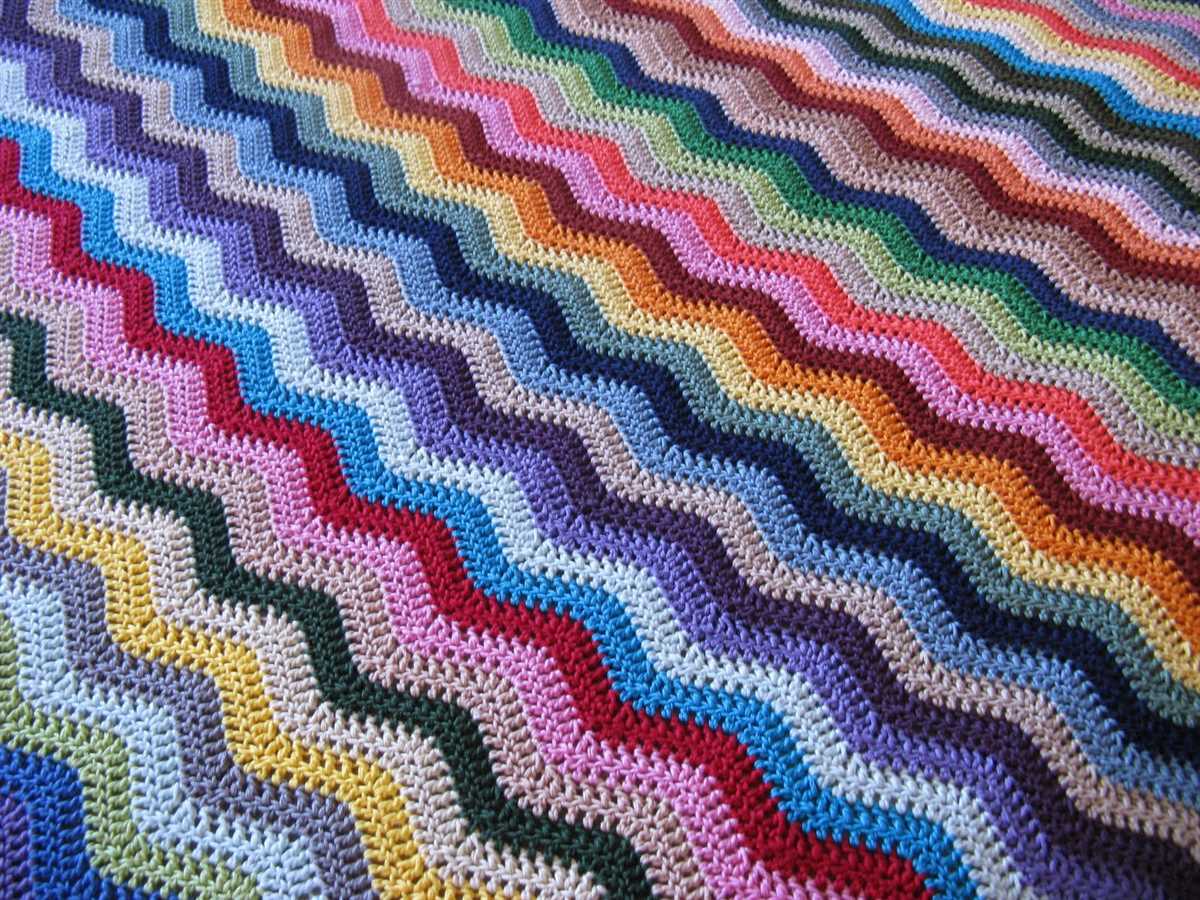
Knitting is a craft that has been practiced for centuries, and it continues to evolve as new techniques and patterns are developed. One popular pattern that has gained popularity in recent years is the knit rope pattern. This pattern is characterized by its unique textured look, resembling a twisted rope. It is created by using a combination of knit and purl stitches, and is perfect for creating scarves, hats, or even blankets.
What sets the knit rope pattern apart from other textured patterns is its simplicity. With just a basic knowledge of knitting stitches, you can easily achieve this intricate and beautiful look. The pattern is created by alternating between a series of knit and purl stitches, which creates a raised, textured effect. This makes it an ideal choice for beginners who are looking to create a project that looks more advanced than it actually is.
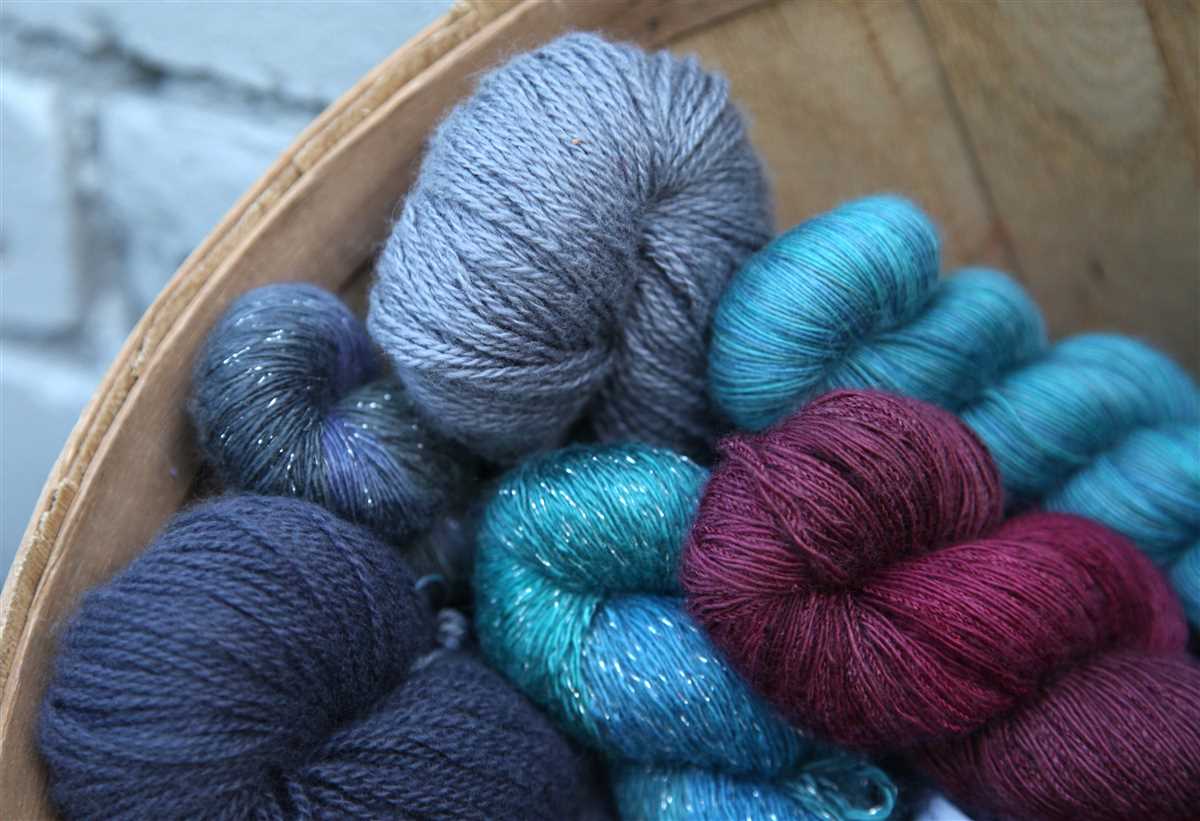
One of the best things about the knit rope pattern is its versatility. It can be used to create a variety of different projects, and can be customized to fit any style or taste. The pattern can be knit using any type of yarn, from chunky and bulky to fine and lightweight. Additionally, the size of the needles can be adjusted to create a tighter or looser stitch, depending on the desired outcome.
What is a knit rope pattern?
A knit rope pattern is a type of knitting technique that creates a pattern resembling a rope. It is characterized by textured stitches that are arranged in a specific way to mimic the appearance of a twisted or braided rope. Knit rope patterns are often used in various knitting projects, such as scarves, blankets, and sweater detailing, to add visual interest and depth to the design.
In a knit rope pattern, the stitches are worked in a way that creates a three-dimensional effect, giving the illusion of a rope twisting or intertwining. The pattern can be created by using various knitting stitches, such as cables, twisted stitches, and lacework, to achieve the desired rope-like texture. The choice of yarn and needle size can also impact the overall appearance of the knit rope pattern.
One popular type of knit rope pattern is the cable stitch, where stitches are crossed over each other to create the appearance of a twisted rope. This stitch is commonly used in projects like cable-knit sweaters and accessories. Another technique for creating a rope-like pattern is through the use of twisted stitches, where the stitches are deliberately worked in a twisted manner to mimic the look of a braided rope.
Knit rope patterns offer a versatile way to incorporate texture and visual interest into knitted projects. They can add a unique touch to simple designs or be the focal point of more complex patterns. Whether used as an accent or as the main element of a project, a knit rope pattern adds depth and dimension, making it an appealing choice for knitters looking to add an extra level of complexity to their creations.
History of Knit Rope Patterns

Knitting has been practiced for centuries and has a rich history that extends back to ancient times. Knit rope patterns, in particular, have played a significant role in various cultures around the world. These patterns, which are created by interlacing yarn or thread, have been used for a wide range of purposes, including making ropes, cords, and decorative elements.
The origins of knit rope patterns can be traced back to ancient Egypt, where evidence of knitted textiles has been found dating back to the 5th century BC. The Egyptians used intricate knit patterns not only for practical purposes but also as symbols of status and wealth. They developed sophisticated techniques and used various materials, including linen and wool, to create a variety of knit patterns.
The use of knit rope patterns in seafaring cultures
As seafaring cultures developed and expanded, knit rope patterns became an essential part of their maritime traditions. Sailors used knitted ropes to secure sails, tie knots, and for general ship rigging. The complex knit patterns provided strength, durability, and flexibility, making them ideal for maritime use.
In addition to their practical use, knit rope patterns also had symbolic meanings in seafaring cultures. Many sailors believed that these patterns brought good luck and protected them from harm during their voyages. Knitted ropes with intricate patterns were often given as gifts between sailors, and they were highly regarded as precious items.
Knit rope patterns in contemporary knitting
Today, knit rope patterns continue to be popular among knitting enthusiasts. While their practical use may have diminished with the advent of modern materials, they are still cherished for their aesthetic value. Knitters create intricate patterns using various techniques such as cables, lace, and colorwork, resulting in beautiful and unique designs.
Moreover, knit rope patterns have also found their way into various art forms and industries. They are often used in fashion design, home decor, and even in industrial applications such as architecture and interior design. The versatility and timeless appeal of knit rope patterns ensure that they will continue to be appreciated and utilized for years to come.
Types of knit rope patterns
Knit rope patterns are a popular choice for creating a variety of textile projects, from accessories like scarves and hats to home decor items like blankets and pillows. There are several types of knit rope patterns that offer different textures and designs. Whether you’re a beginner or an experienced knitter, you can find a pattern that suits your skill level and desired outcome.
1. Cable knit pattern: Cable knit patterns are characterized by their twisted, braided-like appearance. This pattern involves crossing stitches over each other to create a vertical cable design. Cable knit ropes are often used in projects like sweaters and blankets, as they add an element of visual interest and texture.
2. Rib knit pattern: Rib knit patterns consist of alternating knit and purl stitches, creating a series of vertical ribs. This pattern is stretchy and can be used to create a snug fit in garments like socks and hats. Rib knit ropes are also commonly used as edging or cuffs in various projects.
3. Seed stitch pattern: The seed stitch pattern is created by alternating knit and purl stitches in a random sequence. This pattern results in a pebbled texture, with each knit and purl stitch forming a small seed-like dot. Seed stitch ropes are versatile and can be used in a wide range of projects, from scarves to dishcloths.
4. Garter stitch pattern: Garter stitch is created by knitting every row. This pattern produces a fabric with ridges on both sides and is often used as a beginner’s stitch. Garter stitch ropes are ideal for projects that require a stretchy and thick fabric, such as blankets and shawls.
5. Basketweave pattern: The basketweave pattern consists of blocks of knit and purl stitches, creating a texture that resembles a woven basket. This pattern is achieved by alternating between knitting groups of stitches and purling groups of stitches. Basketweave ropes are commonly used in projects that require a structured and textured fabric, such as handbags and cushions.
These are just a few examples of the wide variety of knit rope patterns available. The choice of pattern depends on the desired texture and appearance of the finished project, as well as the skill level of the knitter. With so many options to choose from, knitters can experiment and create unique designs in their projects.
Cable Knit Rope Patterns
Cable knit rope patterns are a popular technique in knitting that create a beautiful and intricate design. The patterns are created by twisting and crossing the stitches to create cables that resemble ropes. These patterns add texture and dimension to any knitted project, whether it’s a sweater, scarf, or blanket.
One of the most common cable knit rope patterns is the classic braided cable. This pattern consists of three strands of cables that cross over each other, creating the appearance of a braided rope. It is a versatile pattern that can be used in a variety of projects and can be easily adapted to different stitch counts and sizes.
The honeycomb cable is another popular cable knit rope pattern. It features a repeating pattern of interlocking cables that resemble hexagons, giving it a unique and visually interesting look. This pattern is slightly more challenging than the braided cable, but the end result is worth the effort.
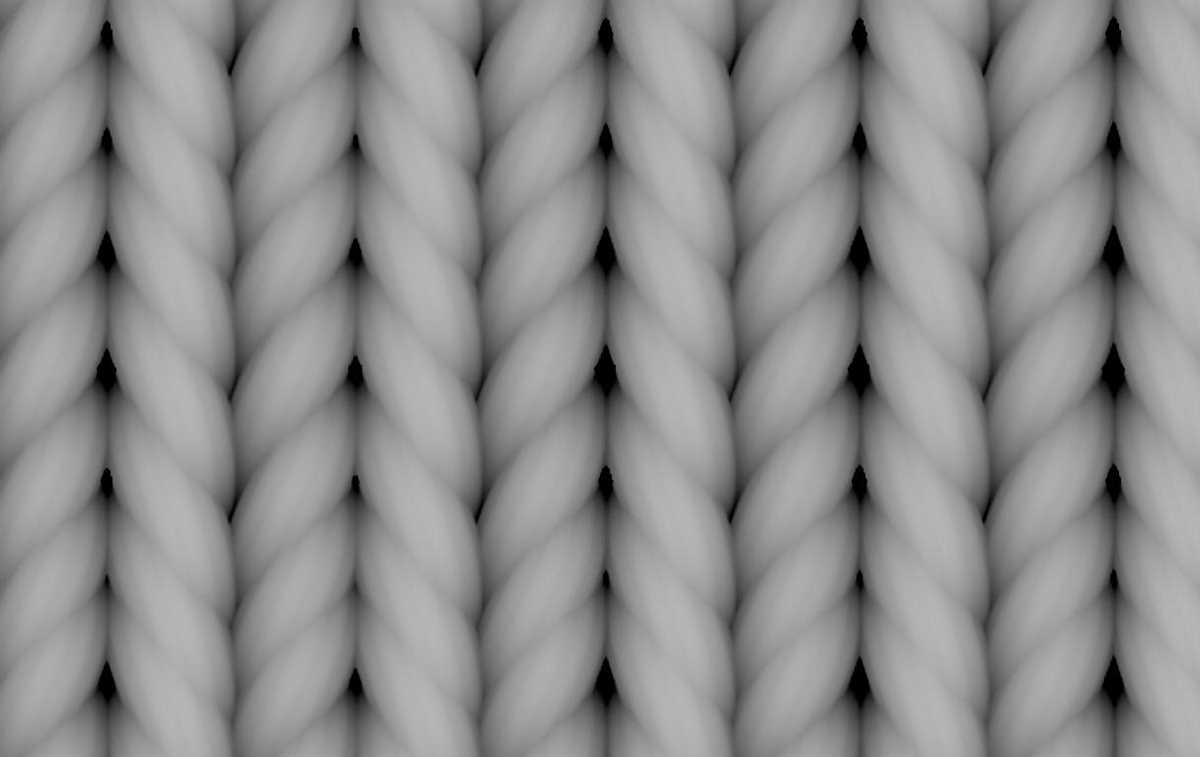
To create cable knit rope patterns, it’s important to have a basic understanding of cable knitting techniques. This involves using a cable needle or a smaller double-pointed needle to hold the stitches while you work the cable. The stitches are then crossed over each other to create the desired pattern. It may take some practice to get the hang of it, but once you’ve mastered the technique, you can create beautiful cable knit rope patterns in your knitting projects.
Tips for knitting cable knit rope patterns:
- Use a cable needle or double-pointed needle to hold the stitches.
- Follow the pattern instructions carefully, noting the direction and number of cable crosses.
- Keep your tension consistent to ensure that the cables stand out and the pattern is well-defined.
- Try different variations of cables and incorporate them into your own designs.
- Take your time and enjoy the process of knitting these intricate patterns!
Aran Knit Rope Patterns
Knitting is a versatile craft that allows for endless creativity and expression. One popular style of knitting is Aran knitting, which originated in the Aran Islands of Ireland. Aran knitting is characterized by its intricate and textured patterns, often inspired by the natural environment and maritime traditions of the island.
Aran knit rope patterns are a specific type of design that can be incorporated into various knitting projects. These patterns are reminiscent of traditional ropes used by fishermen and sailors, and they add a unique touch to any knitted garment or accessory. The intricate twists and turns of the rope pattern create a visually stunning texture that can be both visually appealing and functional.
In Aran knitting, the rope pattern is typically created using cables, which are knitted stitches that cross over each other to create the appearance of a twisted rope. The cables can be worked in various directions and sizes to create different effects. For example, a larger cable can mimic a thick ship rope, while a smaller cable can resemble a delicate climbing rope.
One way to incorporate Aran knit rope patterns into your knitting projects is by adding them to the edges, such as the cuffs or hems of a sweater or the brim of a hat. This can give the finished piece a classic and timeless look. Another option is to use the rope pattern as a central motif, creating a focal point on a garment or accessory.
Aran knit rope patterns can be challenging to master, but with practice and patience, they can add a beautiful and intricate touch to your knitting projects. Whether you’re an experienced knitter or just starting out, incorporating Aran knit rope patterns into your designs can help you create unique and stunning pieces that showcase your skills and creativity.
Lace Knit Rope Patterns

Lace knit rope patterns are a beautiful and intricate way to create stunning pieces of knitted fabric. These patterns often feature delicate lace motifs that are created using a combination of yarn overs and decreases to create an open and lacy effect. The resulting fabric is lightweight and airy, making it perfect for accessories like scarves, shawls, and even delicate tops or dresses.
One popular lace knit rope pattern is the “Feather and Fan” stitch. This pattern creates a wave-like effect with its alternating rows of yarn overs and decreases. The result is a fabric that resembles a gentle breeze or flowing water. The Feather and Fan pattern can be worked in a single color or with multiple colors for added visual interest.
A variation of the Feather and Fan pattern is the “Lace Chevron” stitch. This pattern creates a zigzag effect with its diagonal lines of yarn overs and decreases. The Lace Chevron pattern is particularly well-suited for projects like blankets or pillows, as the zigzag design adds a dynamic element to the finished piece.
Another popular lace knit rope pattern is the “Pineapple” stitch. This pattern features a combination of yarn overs and decreases that create a series of openwork motifs that resemble pineapples. The Pineapple pattern is often used to create decorative edging on garments or accessories, adding a touch of elegance and sophistication.
When working with lace knit rope patterns, it is important to use a lightweight yarn that has good stitch definition. This allows the intricate lace motifs to shine and creates a fabric that is both delicate and durable. It is also important to pay close attention to the pattern instructions, as lace knitting often requires careful counting and attention to detail.
In conclusion, lace knit rope patterns are a beautiful way to create delicate and airy fabrics. The Feather and Fan, Lace Chevron, and Pineapple stitches are just a few examples of the many intricate lace motifs that can be created through knitting. Whether used in accessories or garments, these patterns add a touch of elegance and sophistication to any project.
Popular uses for knit rope patterns
Knit rope patterns are versatile and can be used in a variety of ways for both decorative and functional purposes. Here are some popular uses for knit rope patterns:
1. Macrame crafts
Macrame is a popular craft that involves creating decorative pieces using various knotting techniques. Knit rope patterns can be used to make intricate wall hangings, plant hangers, and other macrame projects. The texture and thickness of the knit rope add visual interest and durability to these crafts.
2. Home decor
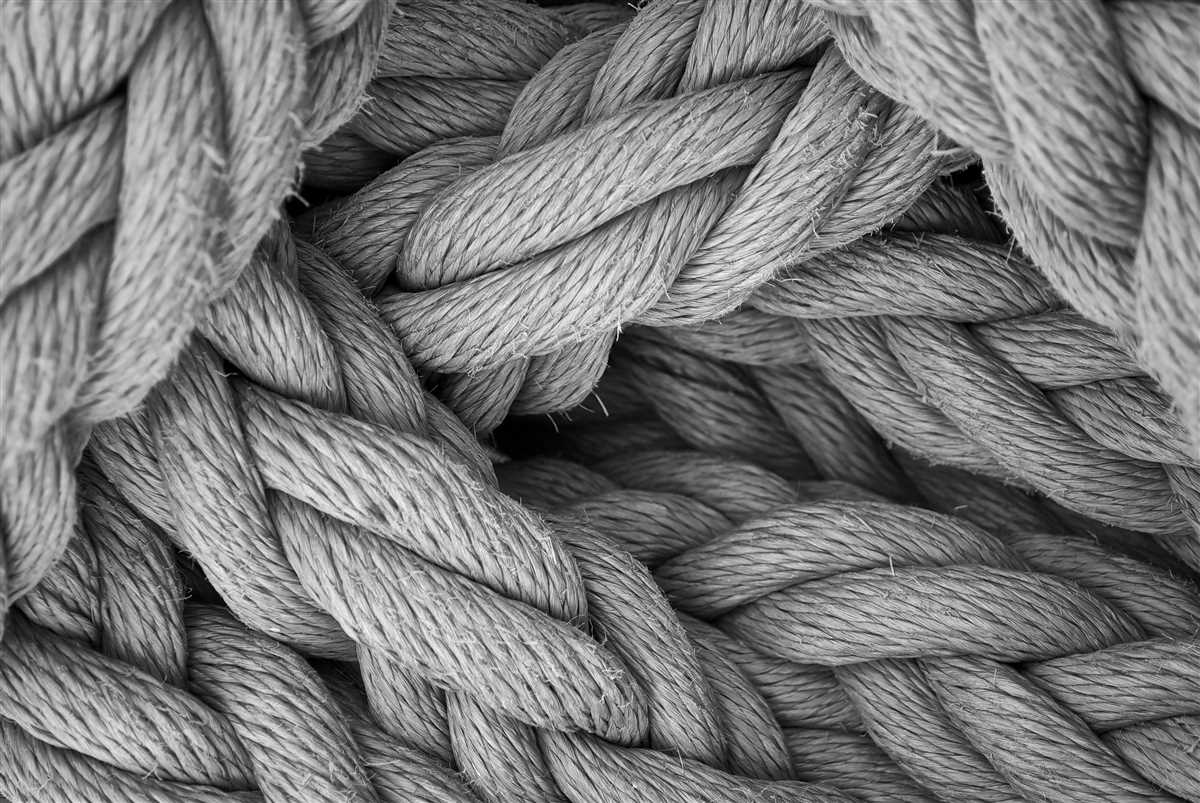
Knit rope patterns can be incorporated into various home decor items. They can be used to make cushion covers, table runners, and even lampshades. The unique texture of the knit rope adds a cozy and warm feel to any space, making it a popular choice for rustic or bohemian-themed interiors.
3. Fashion accessories
Knit rope patterns are widely used in the creation of fashionable accessories. From handbags and backpacks to belts and bracelets, knit rope adds a touch of uniqueness and style to these items. The durability of the knit rope makes it an ideal material for accessories that need to withstand daily use.
4. Outdoor projects
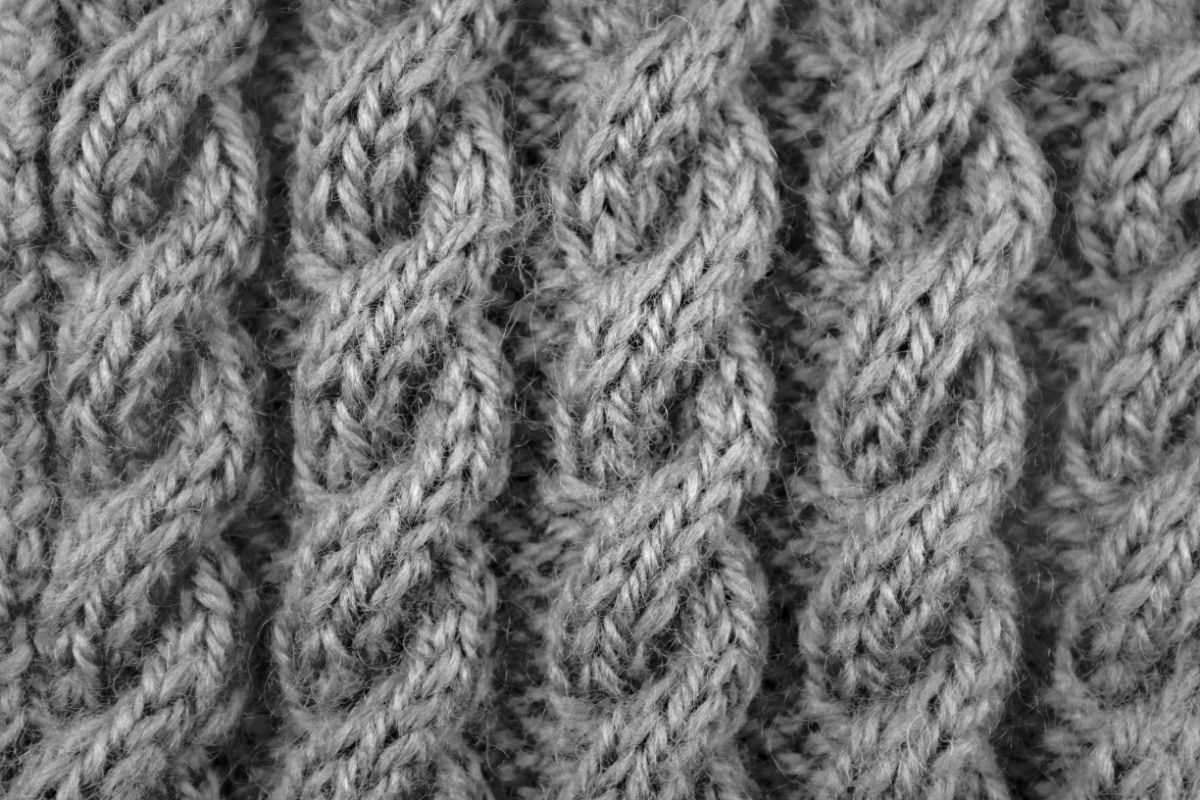
Knit rope patterns are also commonly used in outdoor projects. They can be used to make hammocks, swing seats, and even dog leashes. The natural elasticity and strength of the knit rope make it a reliable choice for these outdoor applications.
5. Pet toys and accessories
Knit rope patterns are a popular choice for pet toys and accessories. They are often used to create chew toys for dogs and scratching posts for cats. The texture of the knit rope helps to clean pets’ teeth and promote dental health while providing them with hours of entertainment.
Overall, knit rope patterns offer a wide range of possibilities for both practical and creative projects. Their durability, texture, and visual appeal make them a popular choice among crafters and designers.
How to Knit a Rope Pattern
Knitting a rope pattern can add a unique and interesting texture to your projects. Whether you want to incorporate this pattern into a scarf, hat, or blanket, it’s a great way to make your knitted items stand out. Follow these steps to learn how to knit a rope pattern.
Materials Needed:
- Yarn in your preferred color and weight
- Knitting needles in the appropriate size for your yarn
- Tapestry needle
- Scissors
Instructions:
- Start by casting on the desired number of stitches for your project. The rope pattern works best with an odd number of stitches.
- Row 1: Knit all stitches.
- Row 2: Purl all stitches.
- Row 3: Knit 1, *slip 1 stitch purlwise with yarn in front, knit 1*. Repeat from * to the end of the row.
- Row 4: Purl all stitches.
- Repeat rows 3 and 4 until you reach the desired length of your project.
- Bind off all stitches.
Once you have completed these steps, you will have a beautiful rope pattern created with your knitting needles. Remember to experiment with different colors and yarn weights to achieve different effects. Whether you’re a beginner or an experienced knitter, the rope pattern is a fun and versatile technique to incorporate into your knitting projects.
Now that you know how to knit a rope pattern, get creative and start incorporating this unique texture into your next knitting project. From scarves to sweaters, the possibilities are endless. Happy knitting!
Materials and tools needed
When it comes to knitting a rope pattern, there are several materials and tools that are essential for the task. These include:
- Yarn: Choose a yarn that is suitable for the project, taking into consideration the desired thickness, color, and texture. It is recommended to use a strong and durable yarn, such as cotton or nylon, to ensure the rope’s strength.
- Knitting needles: Select knitting needles that are appropriate for the chosen yarn. The size of the needles will depend on the desired thickness of the rope. Alternatively, circular knitting needles can also be used.
- Tape measure: A tape measure is necessary to accurately measure the length of the rope as it is being knitted.
- Scissors: Scissors are needed to cut the yarn at the end of each row or when changing colors.
Optional materials:
- Stitch markers: Stitch markers can be used to mark specific stitches or sections in the pattern, making it easier to keep track of the progress.
- Cable needle: If the rope pattern involves cable stitches, a cable needle may be required to hold the stitches temporarily.
- Tapestry needle: A tapestry needle can be useful for weaving in any loose ends or joining sections of the rope together.
By having these materials and tools on hand, you will be well-equipped to knit a beautiful rope pattern.
Step-by-step instructions for knitting a rope pattern
Knitting a rope pattern can add texture and visual interest to your knitting projects. The rope pattern involves cables and twisted stitches, which create the appearance of a rope twisting and intertwining. Follow these step-by-step instructions to knit a rope pattern:
Materials:
- Knitting needles suitable for the yarn weight
- Yarn of your choice
- Cable needle
- Tapestry needle
- Scissors
Steps:
- Cast on the desired number of stitches for your project. Make sure the number of stitches is divisible by the number of stitches in the rope pattern repeat, usually 8 or 12 stitches.
- Row 1: Knit all stitches.
- Row 2: Purl all stitches.
- Row 3: Knit all stitches.
- Row 4: Purl all stitches.
- Row 5: Knit all stitches.
- Row 6: Purl all stitches.
- Row 7: Knit all stitches.
- Row 8 (cable row): Slip the next 4 stitches onto the cable needle and hold it at the back of your work. Knit the next 4 stitches from the left-hand needle, then knit the 4 stitches from the cable needle.
- Repeat rows 1-8 until you reach the desired length.
- Bind off all stitches in pattern.
- Weave in any loose ends with the tapestry needle and trim the excess yarn with scissors.
With these step-by-step instructions, you can easily create a beautiful rope pattern in your knitting projects. Experiment with different yarn weights and colors to customize your rope pattern and make it your own.
Tips and tricks for knitting rope patterns
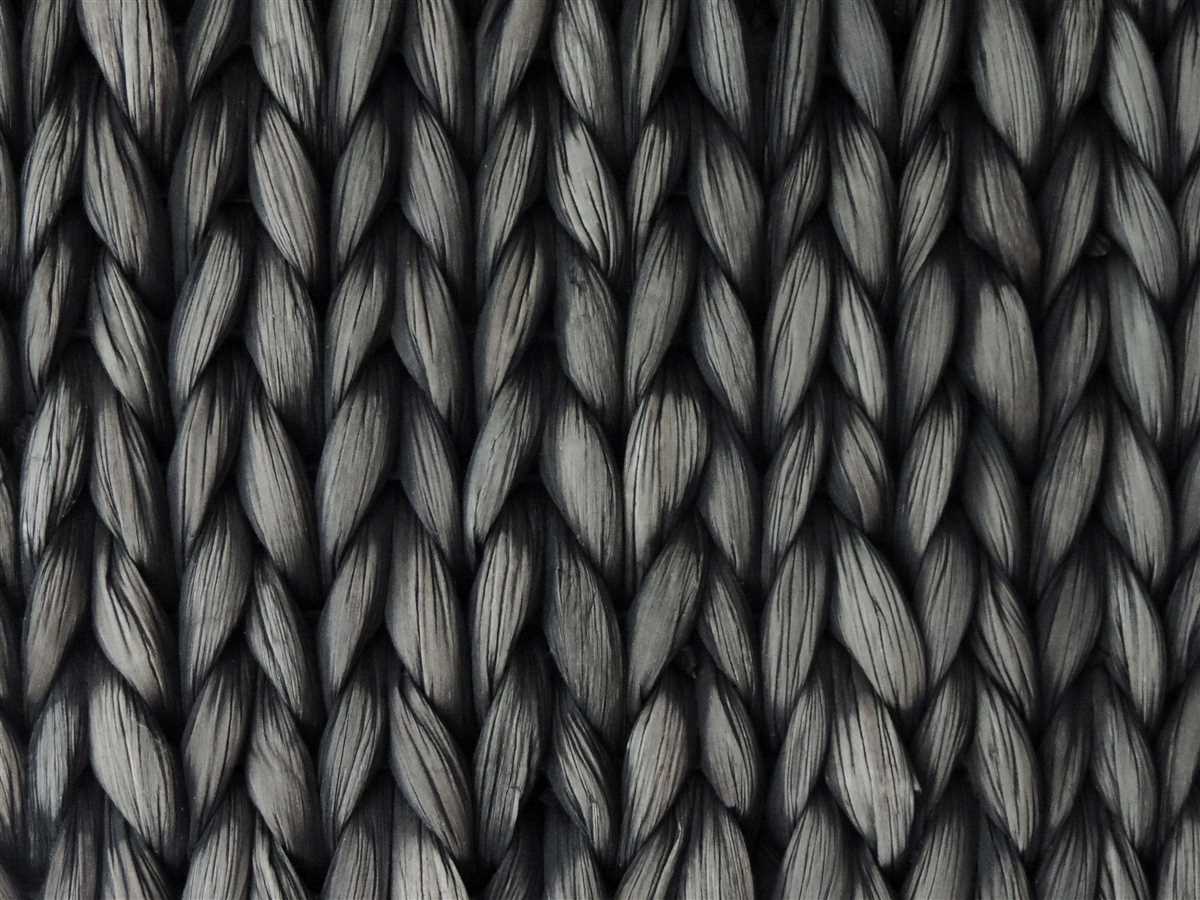
Knitting rope patterns can be a fun and creative way to add texture and interest to your knitting projects. Whether you’re making a scarf, hat, or even a bag, here are some tips and tricks to help you master the art of knitting rope patterns.
Choose the right yarn
When knitting rope patterns, it’s important to choose a yarn that is sturdy and has good stitch definition. A yarn with a smooth texture, such as cotton or a cotton blend, works well for rope patterns as it allows the stitches to stand out. Avoid using fluffy or textured yarns, as they can hide the pattern and make it difficult to see your progress.
Use a cable needle
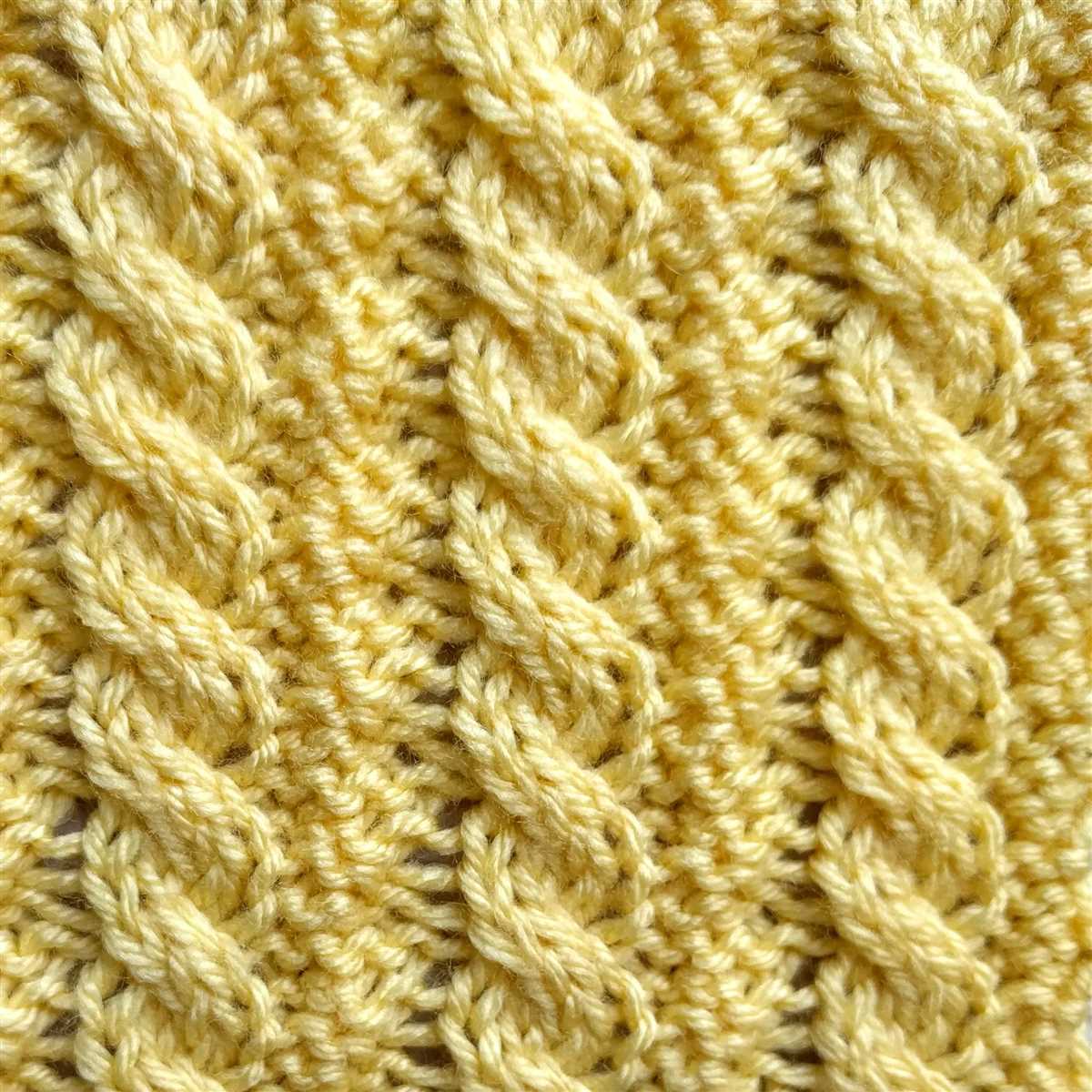
Knitting rope patterns often involve working with cables, which require the use of a cable needle. A cable needle is a short, double-pointed needle that holds the stitches while you cross them over one another. It’s important to choose a cable needle that is the right size for your yarn and project, as using one that is too small or too large can make the process more difficult.
Read the pattern carefully
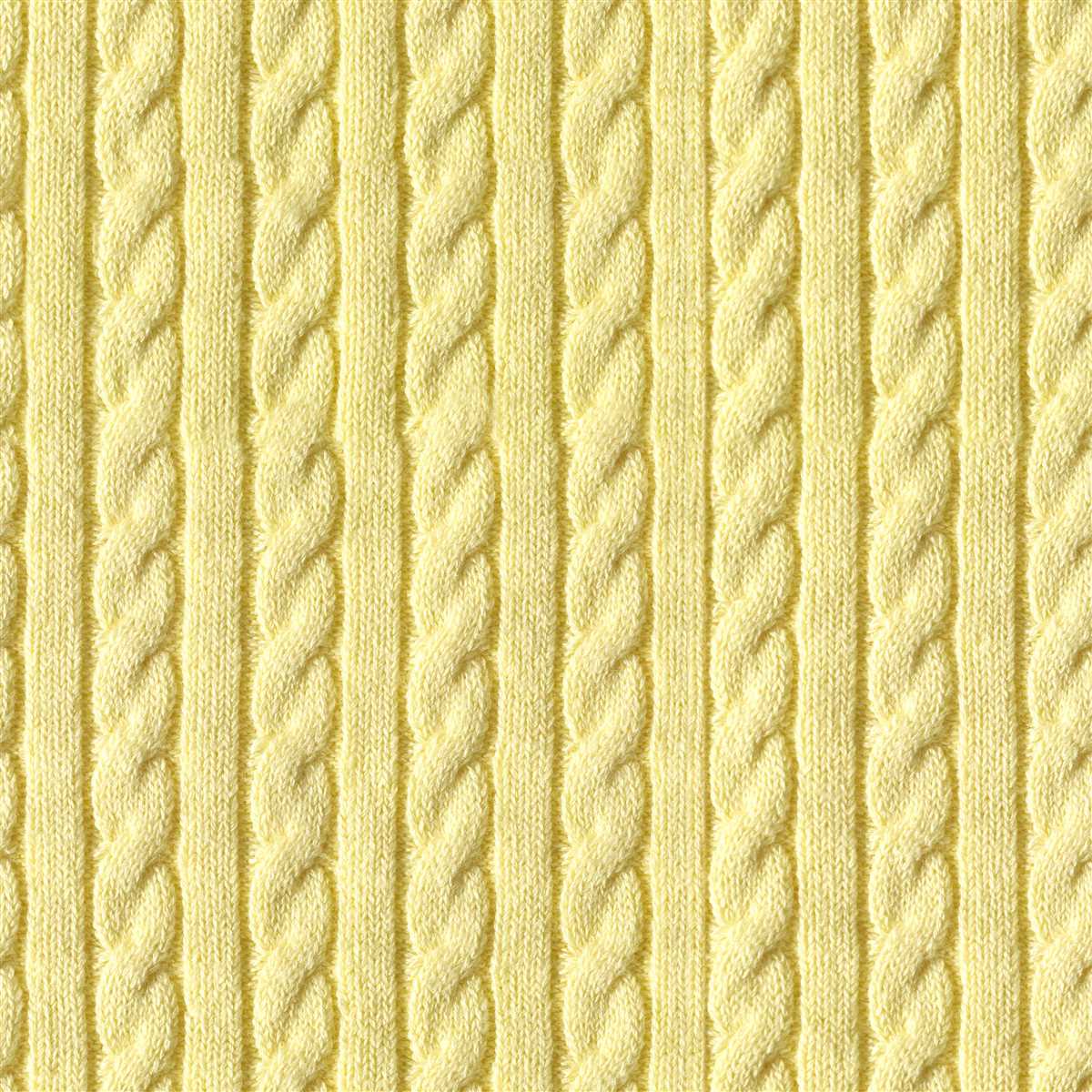
Before you begin knitting a rope pattern, make sure to read the pattern instructions carefully. Rope patterns can be complex and may involve different types of stitches and techniques. Take the time to familiarize yourself with the pattern and understand how the stitches are worked before you start knitting. It can be helpful to highlight or mark important sections of the pattern to keep track of your progress.
Practice makes perfect
Knitting rope patterns can be challenging, especially if you’re new to cables and intricate stitchwork. Don’t get discouraged if your first few attempts don’t turn out as you’d hoped. Like any new skill, knitting rope patterns take practice to master. Start with simpler patterns and gradually work your way up to more complex designs as you gain confidence and skill.
- Choose the right yarn
- Use a cable needle
- Read the pattern carefully
- Practice makes perfect
Common mistakes to avoid when knitting rope patterns
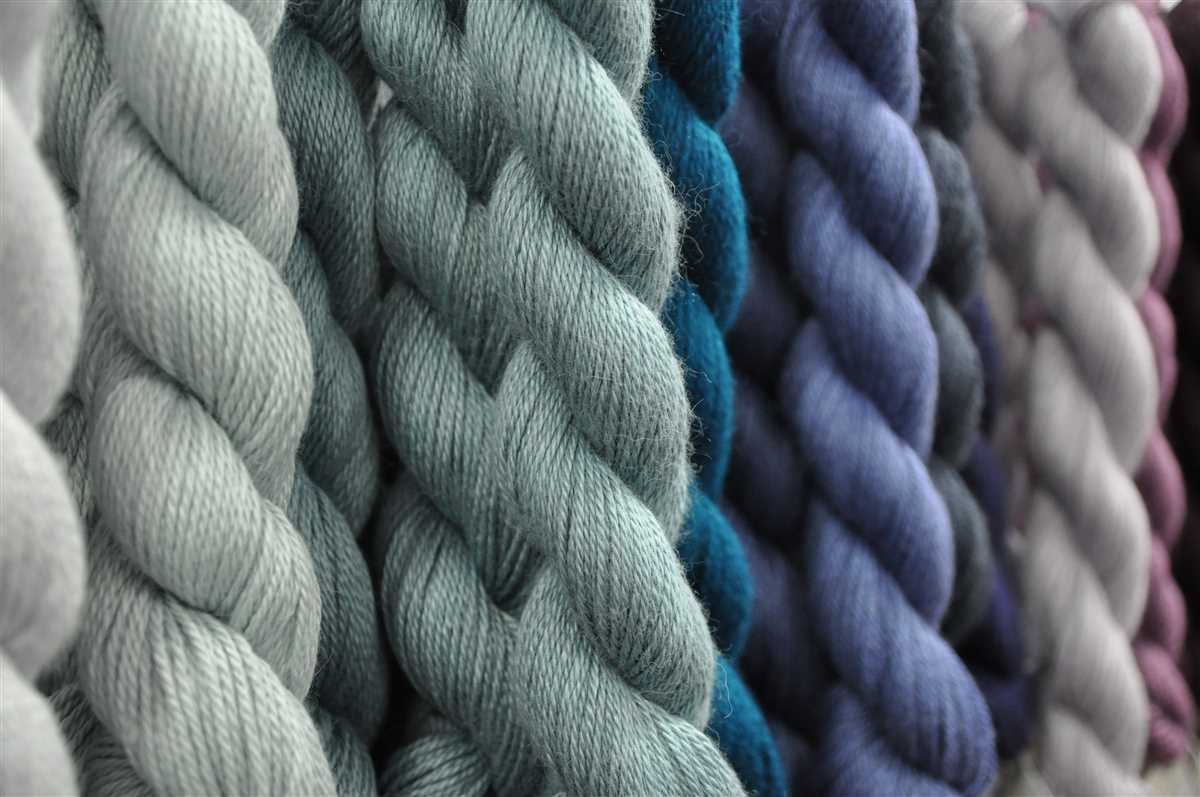
Knitting rope patterns can be an enjoyable and rewarding experience, but it’s important to be aware of common mistakes that can occur. By avoiding these errors, you can ensure that your finished project turns out beautifully.
1. Not using the right yarn
One of the most common mistakes when knitting rope patterns is not using the correct yarn. The thickness and texture of the yarn can greatly affect the final result. Make sure to choose a yarn that is suitable for the pattern and the desired outcome. Using a yarn that is too thin or too thick can result in a rope that is too loose or too tight.
2. Incorrect tension
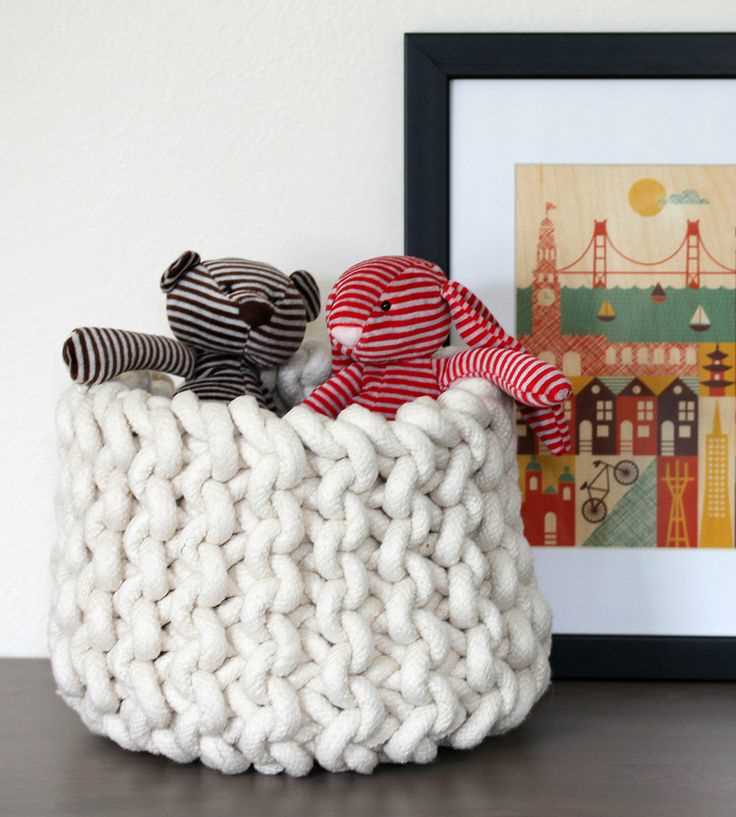
Tension is crucial when knitting rope patterns. If your tension is too tight, the rope can become stiff and inflexible. On the other hand, if your tension is too loose, the rope may be saggy and lack structure. Take the time to practice and find the right tension before starting your project. It’s better to start over and adjust your tension than to continue with a rope that doesn’t meet your expectations.
3. Skipping gauge swatching
Gauge swatching is often overlooked, but it is an essential step in knitting rope patterns. By knitting a small swatch and measuring the stitches per inch, you can determine if your gauge matches the pattern’s requirements. Making a gauge swatch can prevent you from ending up with a rope that is the wrong size or shape.
4. Ignoring pattern instructions
Following the pattern instructions is crucial when knitting rope patterns. Each pattern is unique and may have specific techniques or stitch combinations that need to be followed. Skipping or altering these instructions can result in an uneven or distorted rope. Take the time to read and understand the pattern before you begin, ensuring that you have all the necessary supplies and skills to complete it successfully.
5. Lack of patience and practice

Knitting rope patterns require patience and practice. It’s important to take your time and not rush through the process. By practicing different techniques and stitches, you can improve your skills and create more polished ropes. Don’t be discouraged if your first attempt doesn’t turn out as expected – learning from mistakes and staying persistent will lead to better results in the long run.
Avoiding these common mistakes will help you achieve better results when knitting rope patterns. Remember to choose the right yarn, maintain the correct tension, make a gauge swatch, follow pattern instructions, and practice regularly. With patience and attention to detail, you’ll be able to create beautiful and sturdy ropes that can be used for a variety of projects.
Inspiration for Knit Rope Patterns
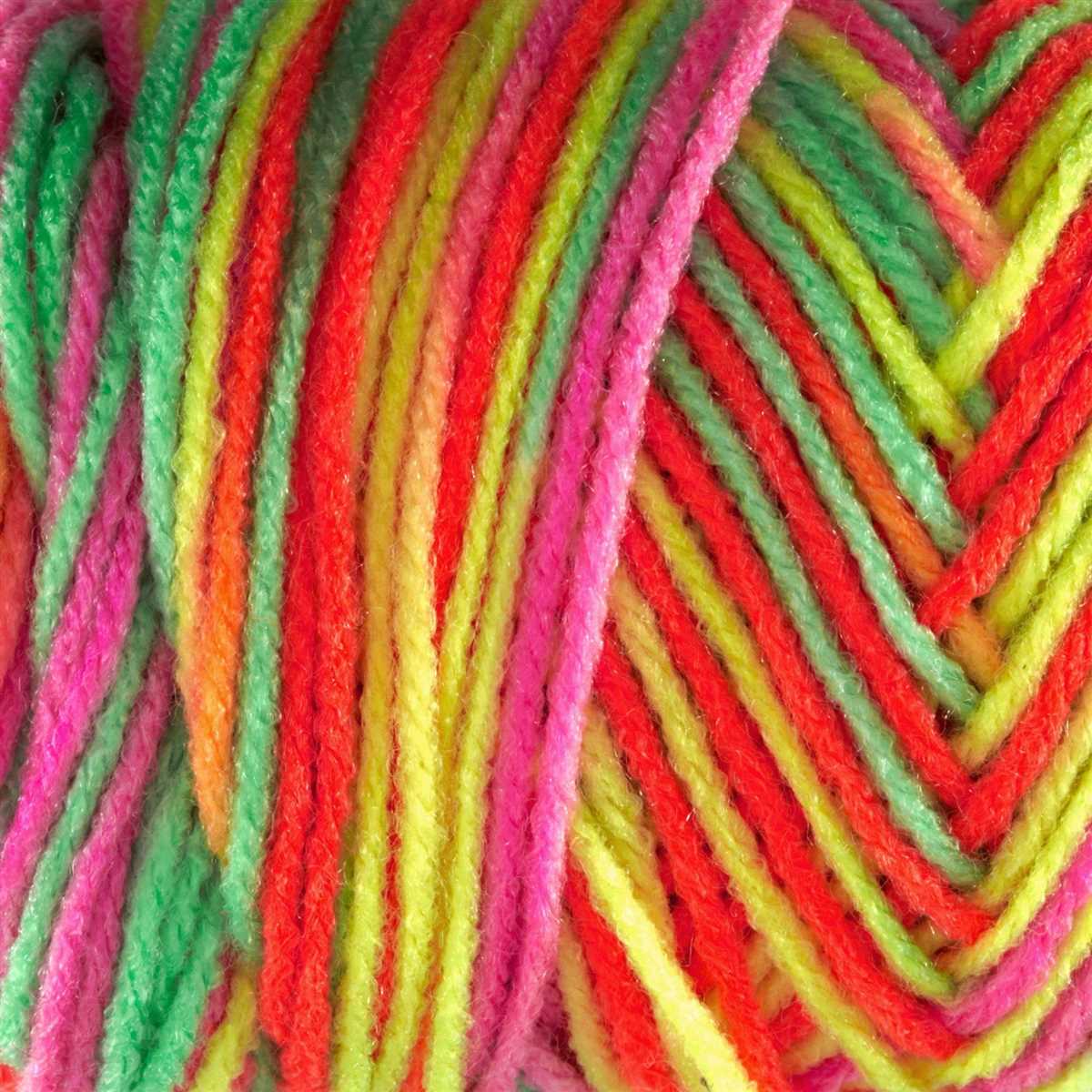
Knit rope patterns are a versatile and stylish way to add texture to your knitted projects. Whether you’re making a cozy blanket, a fashionable scarf, or decorative home accessories, there is a wide range of knit rope patterns to choose from. Here are some sources of inspiration to get you started:
1. Nature
Nature provides endless inspiration for knit rope patterns. Take a look at the intricate patterns formed by twisting vines or the mesmerizing lines found in the texture of tree bark. Incorporating these natural elements into your knitting can create unique and eye-catching designs.
2. Traditional Ropes

Looking at traditional rope designs can be a great source of inspiration for knit rope patterns. Whether it’s the classic sailor’s knot or the intricate patterns used in macramé, these traditional techniques can be adapted into knitting stitches to add a touch of nostalgia and charm to your projects.
3. Architecture
Architectural structures, such as bridges, buildings, and fences, can provide interesting design ideas for knit rope patterns. The clean lines and geometric shapes found in architecture can be translated into knitting techniques, resulting in modern and visually appealing patterns.
4. Historical Textiles
Historical textiles, such as tapestries and carpets, offer a wealth of inspiration for knit rope patterns. The intricate motifs and patterns used in these textiles can be translated into knitting techniques, creating unique and textured designs that reflect the rich history of textile art.
In conclusion, knit rope patterns can be inspired by various sources, such as nature, traditional ropes, architecture, and historical textiles. By drawing inspiration from these diverse elements, you can create unique and visually appealing knit rope patterns that add a touch of sophistication and charm to your knitted projects.
Q&A:
What is a knit rope pattern?
A knit rope pattern is a specific design made by interweaving yarn or thread in a particular way to create a strong and flexible cord or rope. It is created using knitting techniques such as knitting or purling stitches to form a rope-like structure.
What are some common knit rope patterns?
Some common knit rope patterns include the twisted rope pattern, the braided rope pattern, and the i-cord pattern. These patterns vary in complexity and can be used to create various types of ropes or cords for different purposes.
What can you make with a knit rope pattern?
A knit rope pattern can be used to create a wide range of items, such as drawstring bags, handles for bags or purses, decorative trims, and even jewelry. The strength and flexibility of the knit rope make it suitable for various practical and decorative applications.
Is it difficult to knit a rope pattern?
Knitting a rope pattern is relatively easy, especially if you are familiar with basic knitting techniques. The key is to keep the tension even and maintain a consistent gauge throughout the project. Many resources, such as tutorials and patterns, are available online to guide you through the process.