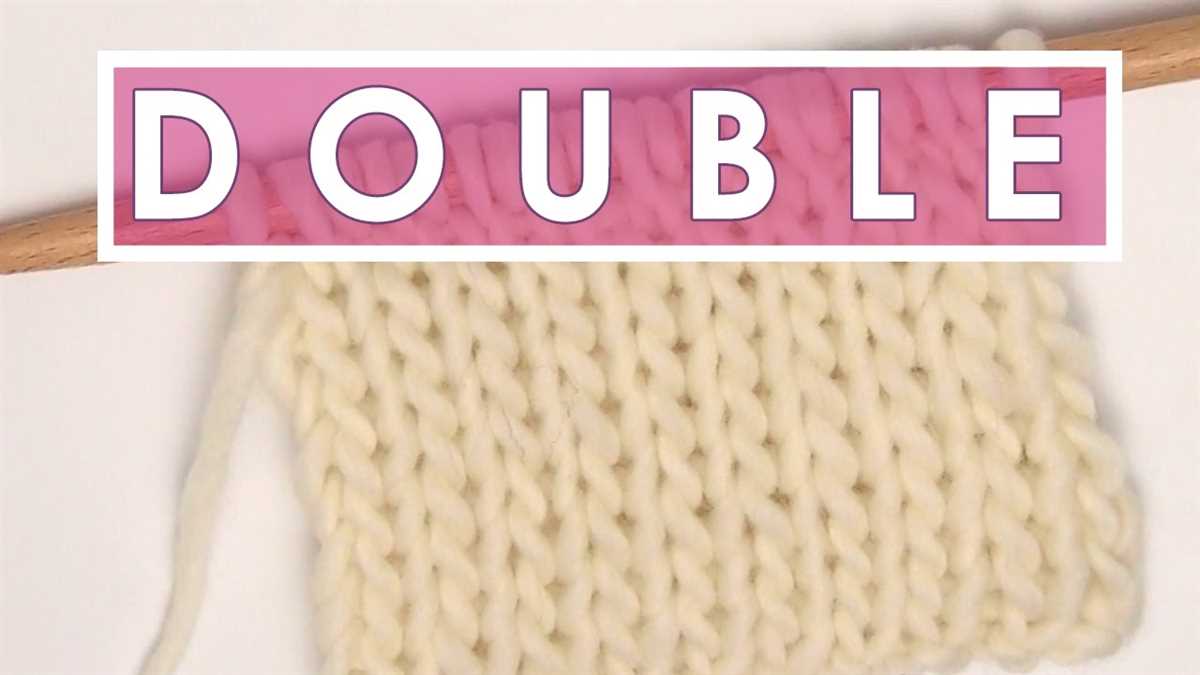
The double knit pattern is a popular technique in knitting that creates a thick, sturdy fabric by working two layers at the same time. It is achieved by knitting with two strands of yarn, alternating between the two layers on each row. This results in a reversible fabric with two right sides, making it perfect for projects like scarves, blankets, and even sweaters.
One of the main benefits of the double knit pattern is its durability. The two layers of fabric create a dense, warm fabric that is perfect for cold weather garments. It also gives the fabric a nice weight and drape, making it ideal for making cozy, comfortable items. Additionally, the reversible nature of the fabric allows for more design options, as both sides can be used interchangeably.
Mastering the double knit pattern requires some practice, as it can be a bit more challenging than traditional knitting. However, once you get the hang of it, it opens up a world of possibilities for creating unique and versatile pieces. Whether you’re a beginner looking to expand your knitting skills or an experienced knitter wanting to try something new, the double knit pattern is definitely worth exploring.
What is a double knit pattern?
A double knit pattern is a type of knitting technique that creates a thick, reversible fabric by using two strands of yarn at the same time. This technique is often used to make warm and durable garments such as sweaters, hats, and scarves.
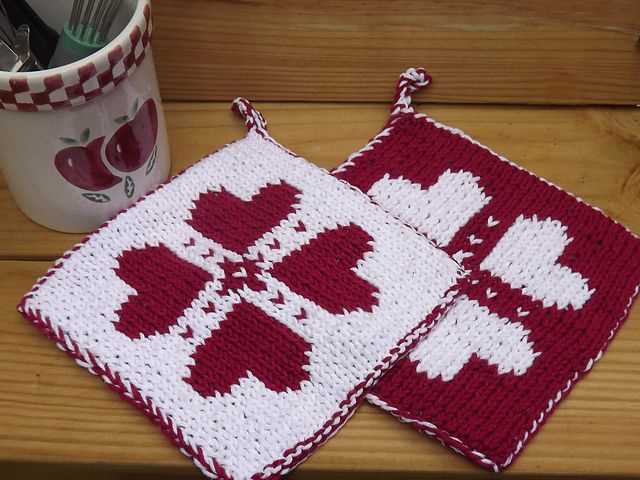
Unlike traditional knitting, which uses a single strand of yarn, double knitting requires two different colors of yarn that are alternated between rows or stitches. The resulting fabric has two layers, with each layer showing a different color, making it reversible and adding extra insulation.
In a double knit pattern, the knitter works with both strands of yarn simultaneously, often using a circular needle or two separate needles. Typically, one color of yarn is knit on the right side of the fabric, while the other color is purled on the wrong side. This creates a pattern of knit and purl stitches on both sides of the fabric, which adds elasticity and structure to the final piece.
Double knitting allows for the creation of intricate and colorful designs, as patterns can be created by changing the color of yarn in specific sections or using different stitches. This technique also results in a dense and sturdy fabric that has excellent drape and warmth.
Overall, double knitting is a versatile and rewarding technique that offers endless possibilities for creating unique and beautiful knitted items.
The history of double knit patterns

Double knit patterns have a long and rich history, dating back centuries. The double knit technique involves creating a fabric that is reversible, with two right sides. This is achieved by interlocking two layers of fabric together, creating a sturdy and durable material. Double knit patterns can be found in various forms of clothing, accessories, and home decor items.
One of the earliest uses of double knit patterns can be traced back to ancient Egypt. The Egyptians were skilled in the art of weaving and used double knit techniques to create garments that could provide warmth and protection. These early double knit fabrics were often made from natural fibers such as linen or wool.
The popularity of double knit patterns continued to grow throughout history, with different cultures adopting and adapting the technique to suit their specific needs. In the Middle Ages, double knit fabrics were often used to create garments for knights and soldiers, providing them with a strong and protective layer of clothing.
In more recent history, the double knit technique gained significant attention during the 1960s and 1970s. This period saw a surge in the popularity of knitwear, with designers like Mary Quant and André Courrèges incorporating double knit patterns into their collections. These bold and colorful designs became synonymous with the fashion trends of the era, and double knit patterns became a staple of modern clothing.
Today, double knit patterns are still widely used in the textile industry. Advances in technology have allowed for the development of even more intricate and complex patterns, making double knit fabrics more versatile than ever before. Whether it’s a cozy sweater, a stylish dress, or a decorative throw blanket, double knit patterns continue to be a popular choice for both fashion and home decor.
Benefits of using double knit patterns
The use of double knit patterns in knitting offers a range of benefits to both beginners and experienced knitters. Double knit patterns refer to a technique where two layers of fabric are simultaneously created on a single set of needles, resulting in a reversible fabric with two right sides. This technique opens up a whole new world of possibilities and advantages for knitters.
One of the main benefits of using double knit patterns is the versatility it provides. With a reversible fabric, you have the freedom to choose which side to display, depending on your preference or the design of the project. This means that you essentially get two garments or accessories in one, allowing you to switch up the look without having to knit a completely new piece.
Double knit patterns also offer great insulation. The two layers of fabric create an extra layer of warmth, making it ideal for winter clothing items such as scarves, hats, and sweaters. The added thickness of the reversible fabric helps to trap heat and keep you cozy in colder temperatures. Additionally, the two layers can provide more structure and stability to the garment, giving it a more polished and finished look.
Another advantage of double knit patterns is the opportunity to experiment with different color combinations. Since both sides of the fabric are visible, you can create interesting colorwork designs by using contrasting or complementary colors. This opens up endless possibilities for creating intricate patterns and designs, making your knitting projects more visually appealing and unique.
Double knit patterns also lend themselves well to creating pockets and compartments within the fabric. By strategically placing the yarn in certain areas, you can create small pockets or compartments that can be used to store small items, such as keys or cash. This feature adds functionality to your knitted projects and makes them more practical for everyday use.
- Reversible fabric allows for versatility in choosing which side to display.
- Provides great insulation for winter clothing items.
- Offers the opportunity to experiment with different color combinations.
- Allows for the creation of pockets and compartments within the fabric.
Getting started with double knit patterns
Double knitting is a versatile knitting technique that creates a reversible fabric with two distinct layers, making it ideal for projects like scarves, blankets, and mittens. If you’re new to double knitting, here are a few steps to help you get started.
1. Choose the right yarn and needles
When working with double knitting, it’s important to select yarn and needles that complement each other. You’ll want a yarn that is suitable for the project you have in mind, whether it’s a cozy scarf or a warm blanket. It’s also crucial to choose needles that are the appropriate size for your chosen yarn, as this will ensure a balanced tension throughout your knitting.
2. Learn the basic double knitting stitches
Before diving into a complex double knit pattern, it’s essential to familiarize yourself with the basic double knitting stitches. These stitches include the knit stitch, the purl stitch, and various colorwork techniques. Practice these stitches on a small swatch to ensure you understand the mechanics and can maintain the tension needed for double knitting.
3. Follow a double knit pattern
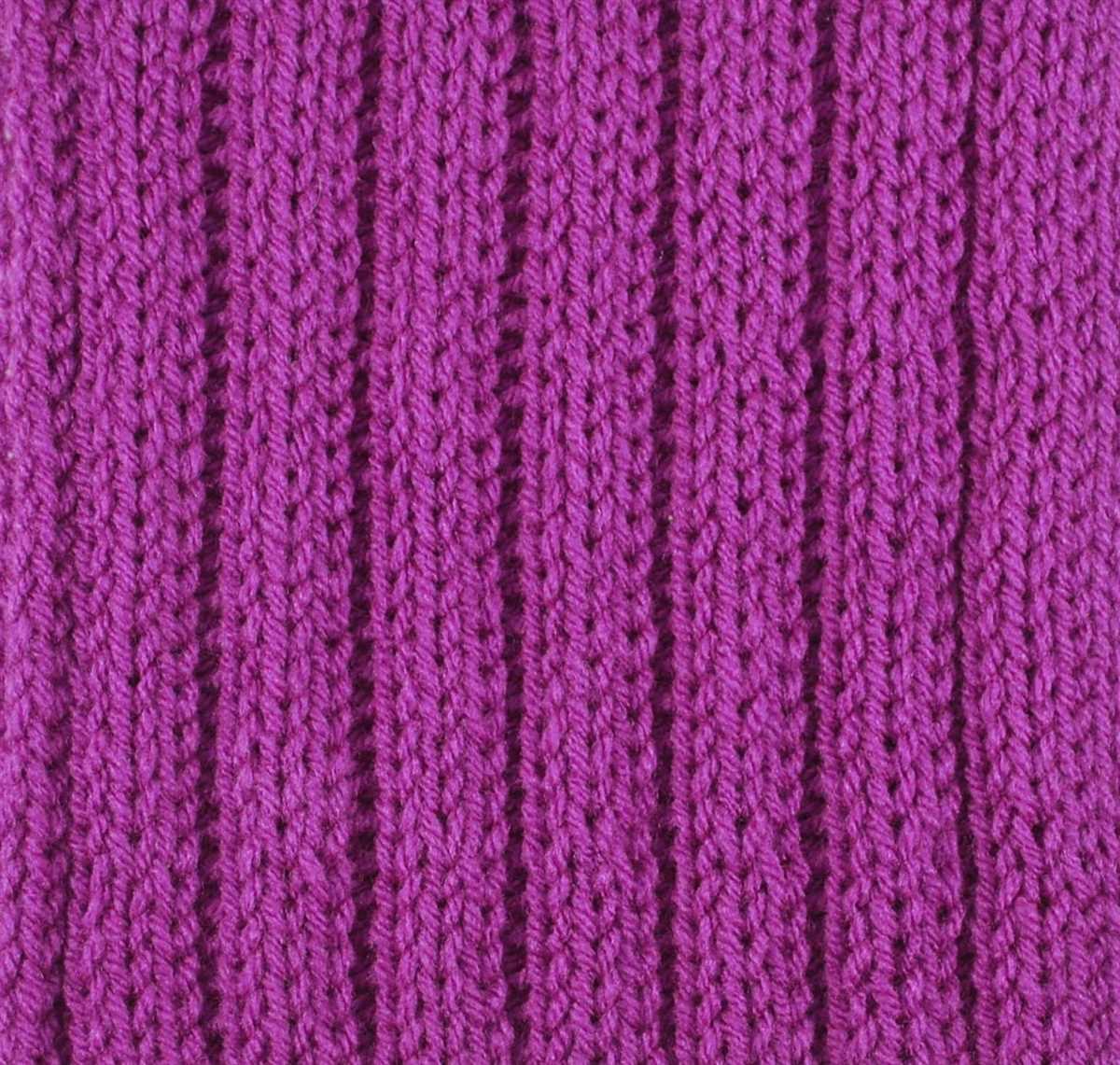
Once you feel comfortable with the basic stitches, it’s time to try your hand at a double knit pattern. Double knit patterns typically involve using two colors of yarn and working the stitches simultaneously on both sides of the fabric. Follow the pattern’s instructions carefully, making sure to keep track of which stitches belong to each layer and to switch colors as indicated.
4. Take it slow and practice
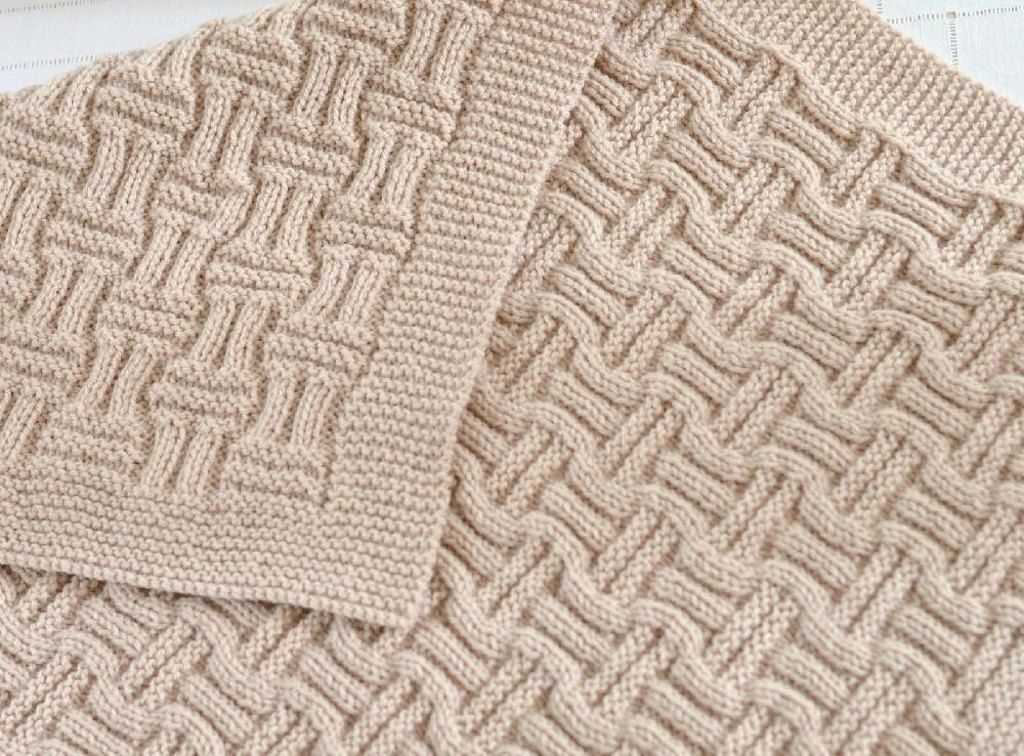
Double knitting can be more intricate and time-consuming than traditional knitting, so it’s important to take your time and practice regularly. As with any new technique, the more you practice, the more confident and proficient you’ll become. Start with simpler double knit patterns and gradually work your way up to more complex projects as you gain experience and skills.
By following these steps and exploring different double knit patterns, you’ll soon be able to create beautiful reversible fabrics that showcase your knitting skills and creativity. Enjoy the process, experiment with colors and stitch combinations, and have fun exploring the world of double knitting!
Essential tools for double knit patterns
Double knit patterns, also known as reversible knitting, require a specific set of tools to ensure success and accuracy in your projects. Whether you’re new to double knitting or a seasoned pro, having the right tools can make a world of difference in the outcome of your work. Here are some essential tools you should have in your knitting arsenal:
Double-pointed needles (DPNs)
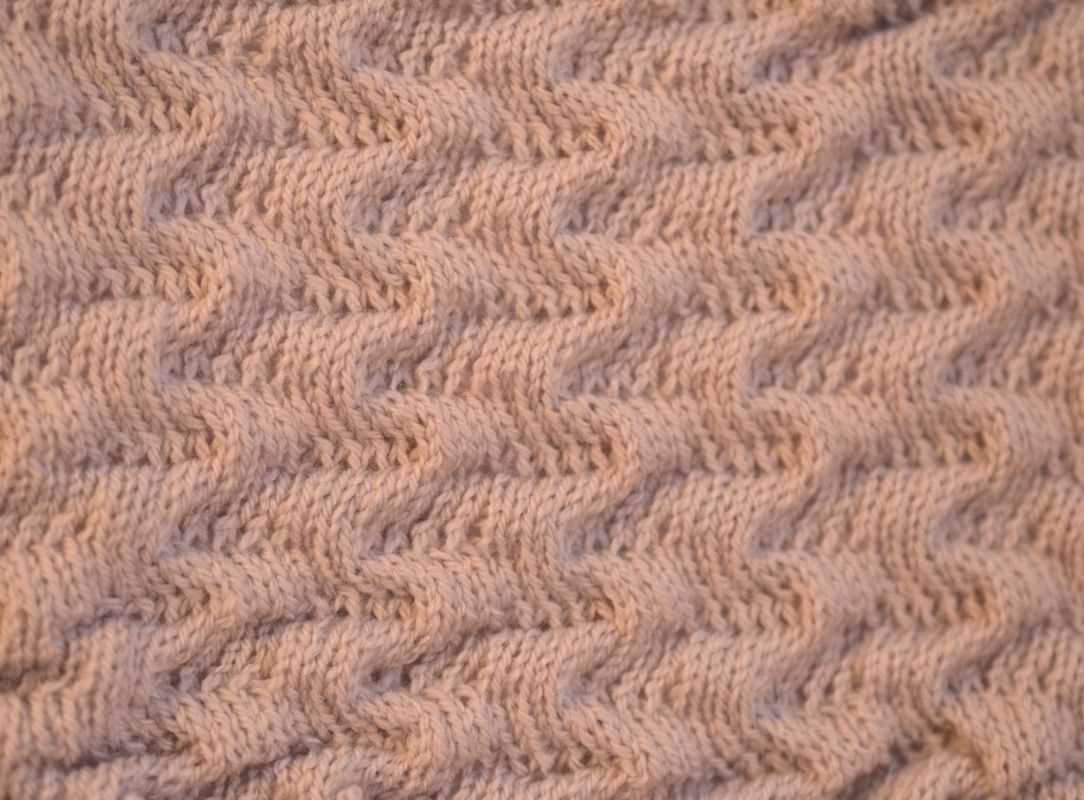
DPNs are an integral tool for double knitting. They come in sets of four or five, and their pointed tips allow you to work with multiple yarn colors and create intricate patterns. Make sure to choose DPNs that are the appropriate size for your project and comfortable for you to work with.
Stitch markers
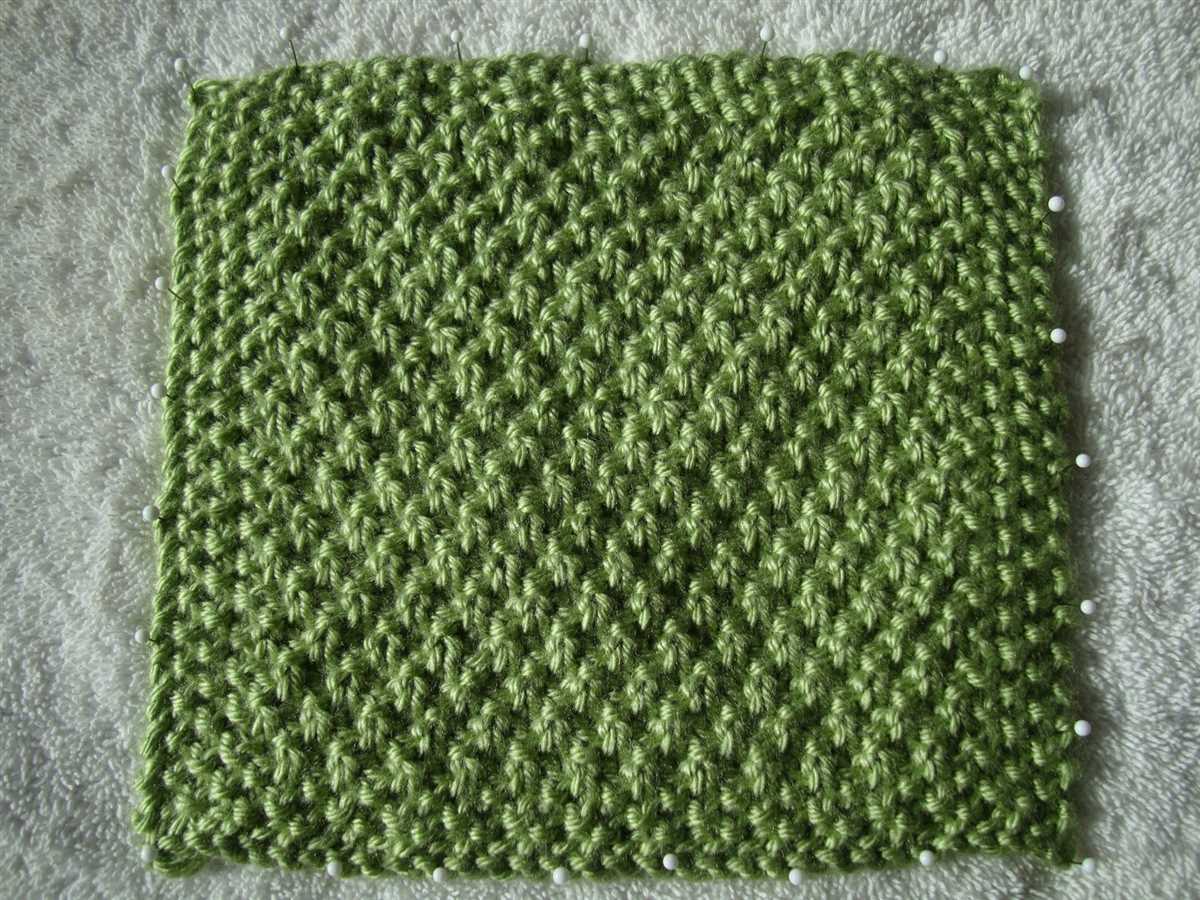
Stitch markers are crucial for keeping track of the different sections and patterns in your double knit project. They help you identify where to switch between the front and back sides of the work and ensure that your stitches are aligned correctly. Use contrasting-color stitch markers that are easy to spot in your knitting.
Color-coded yarn bobbins
When working with multiple yarn colors in double knitting, it’s essential to keep your yarn organized and tangle-free. Color-coded yarn bobbins are a fantastic tool for this. Wind each color onto a separate bobbin, labeling them with the corresponding color, and you’ll be able to easily switch between colors without any confusion.
Tapestry needles
Tapestry needles are necessary for weaving in the loose ends of yarn in double knit patterns. Since both sides of the work are visible, it’s important to secure the ends neatly so they don’t show through or unravel. Choose a tapestry needle with a large eye and a blunt tip for ease of use.
Pattern charts or graph paper
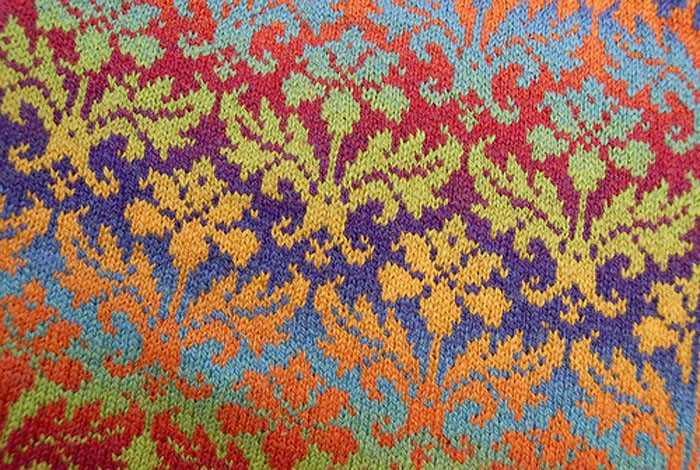
Double knit patterns often involve complex colorwork or intricate designs. Having pattern charts or graph paper is indispensable for keeping track of each stitch and color change. It allows you to visualize the pattern and follow along row by row, ensuring accuracy throughout your knitting.
- Keep these essential tools in your knitting bag, and you’ll be well-equipped to tackle any double knit pattern that comes your way.
- Remember to practice patience and take your time to understand the pattern before diving in.
- With the right tools and a bit of practice, you’ll soon be creating beautiful, reversible double knit projects.
Choosing yarn for double knit patterns
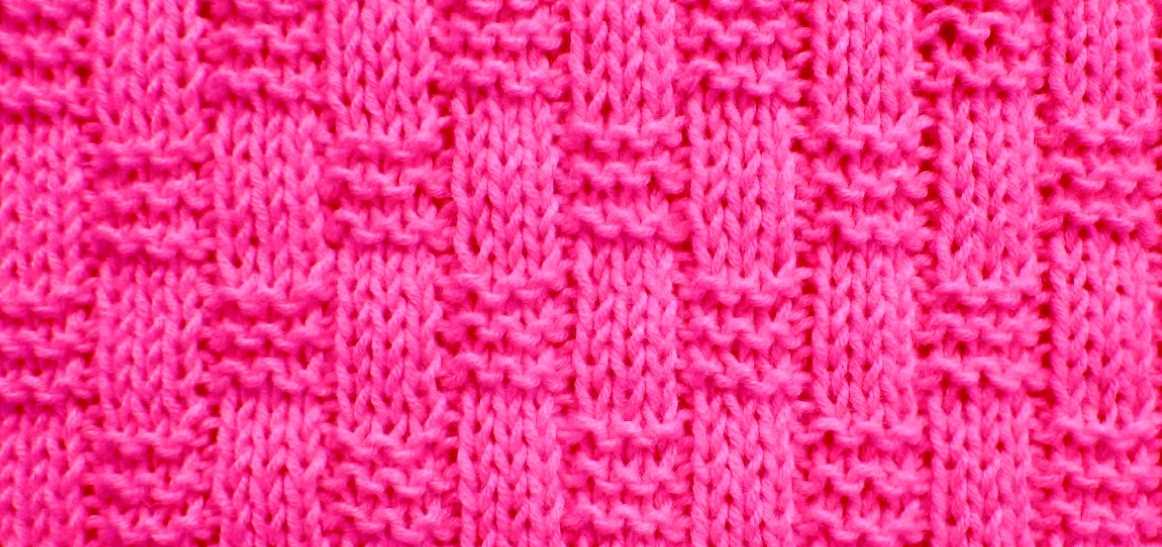
When it comes to double knit patterns, it is essential to choose the right type of yarn. Double knitting involves creating a fabric that is double-sided, with two layers of knitting that are interlocked. This technique creates a thick and sturdy fabric that is perfect for items like scarves, blankets, and hats.
One important factor to consider when choosing yarn for double knit patterns is the weight or thickness of the yarn. Double knitting requires using a heavier weight yarn, such as worsted weight or bulky weight, to ensure that the fabric has enough depth and stability. A thin or lightweight yarn may not provide the desired thickness for a double knit pattern, resulting in a fabric that is too flimsy or unstable.
Another consideration when selecting yarn for double knit patterns is the fiber content. Different fibers can give the fabric different characteristics. For example, wool yarn provides warmth and elasticity, making it an excellent choice for winter accessories. Cotton yarn, on the other hand, is breathable and lightweight, making it suitable for spring or summer projects. It is important to choose a yarn that aligns with the intended use of the finished item.
Color and texture also play a role when choosing yarn for double knit patterns. Some patterns may require a specific color scheme or texture to achieve the desired design. Variegated or self-striping yarns can create interesting patterns and add visual interest to the fabric. Solid-colored yarns, on the other hand, can showcase intricate stitch patterns or allow for personalization through embellishments.
Ultimately, the choice of yarn for double knit patterns depends on personal preference, the intended use of the finished item, and the desired appearance and characteristics of the fabric. Taking these factors into consideration will help ensure that the chosen yarn is well-suited for the project and will result in a successful double knit creation.
Basic stitches for double knit patterns
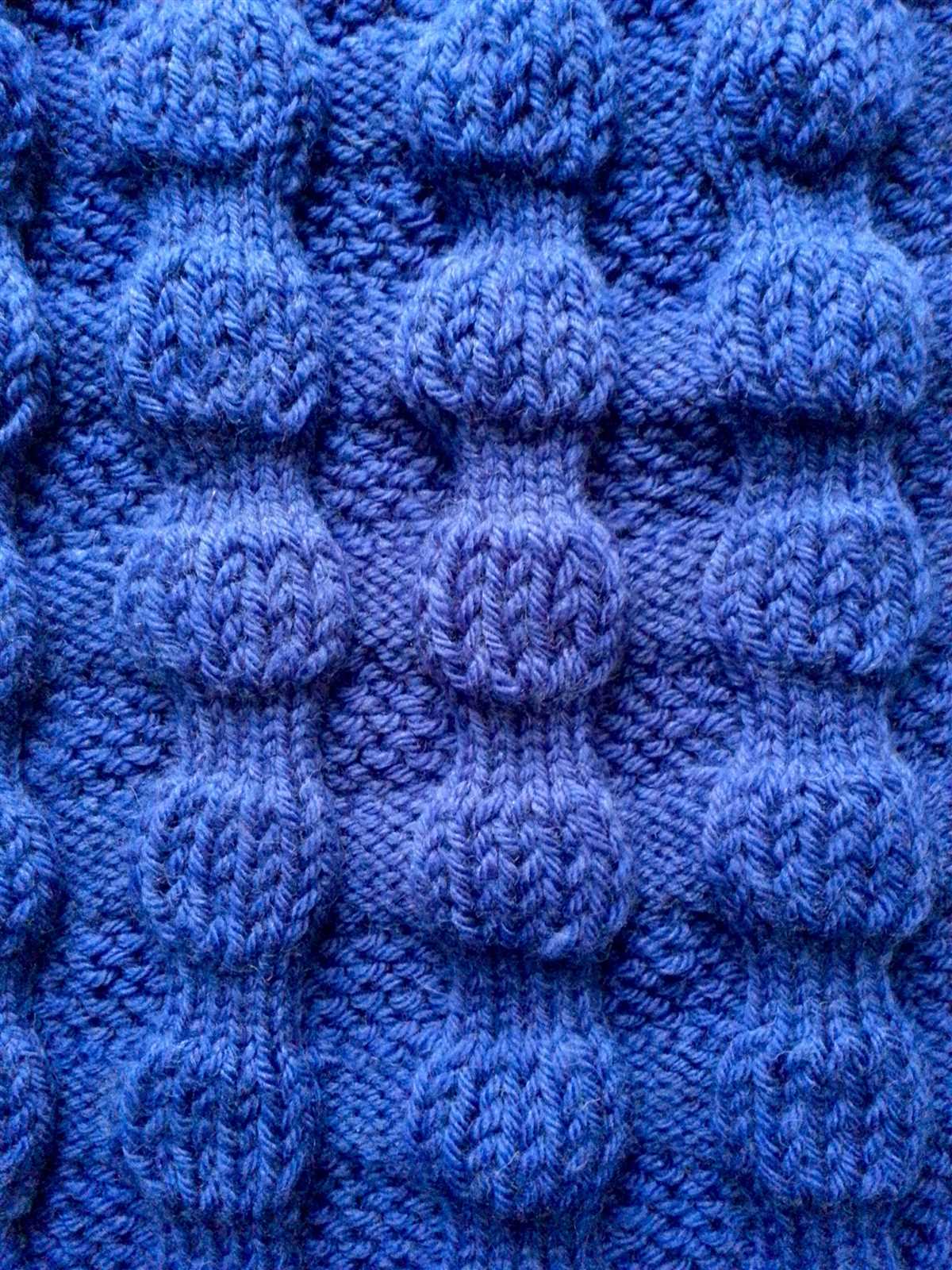
If you are new to double knitting, understanding the basic stitches is essential to create beautiful and intricate patterns. Double knitting is a technique that creates a reversible fabric with two layers, making it perfect for items such as scarves, blankets, and even sweaters. Here are some of the basic stitches commonly used in double knitting:
1. Knit stitch
The knit stitch is the foundation of double knitting. It is created by inserting the right-hand needle from left to right into the first stitch on the left-hand needle, wrapping the yarn around the right-hand needle, and pulling it through. This creates a new stitch on the right-hand needle, while the original stitch remains on the left-hand needle. When knitting in double knit, you alternate between knitting one stitch for the front layer and knitting one stitch for the back layer.
2. Purl stitch
The purl stitch is the reverse of the knit stitch and is used to create a different texture on the fabric. To purl in double knitting, you insert the right-hand needle from right to left into the first stitch on the left-hand needle, wrap the yarn around the right-hand needle, and pull it through. This creates a new stitch on the right-hand needle, while the original stitch remains on the left-hand needle. When purling in double knit, you alternate between purling one stitch for the front layer and purling one stitch for the back layer.
3. Slip stitch
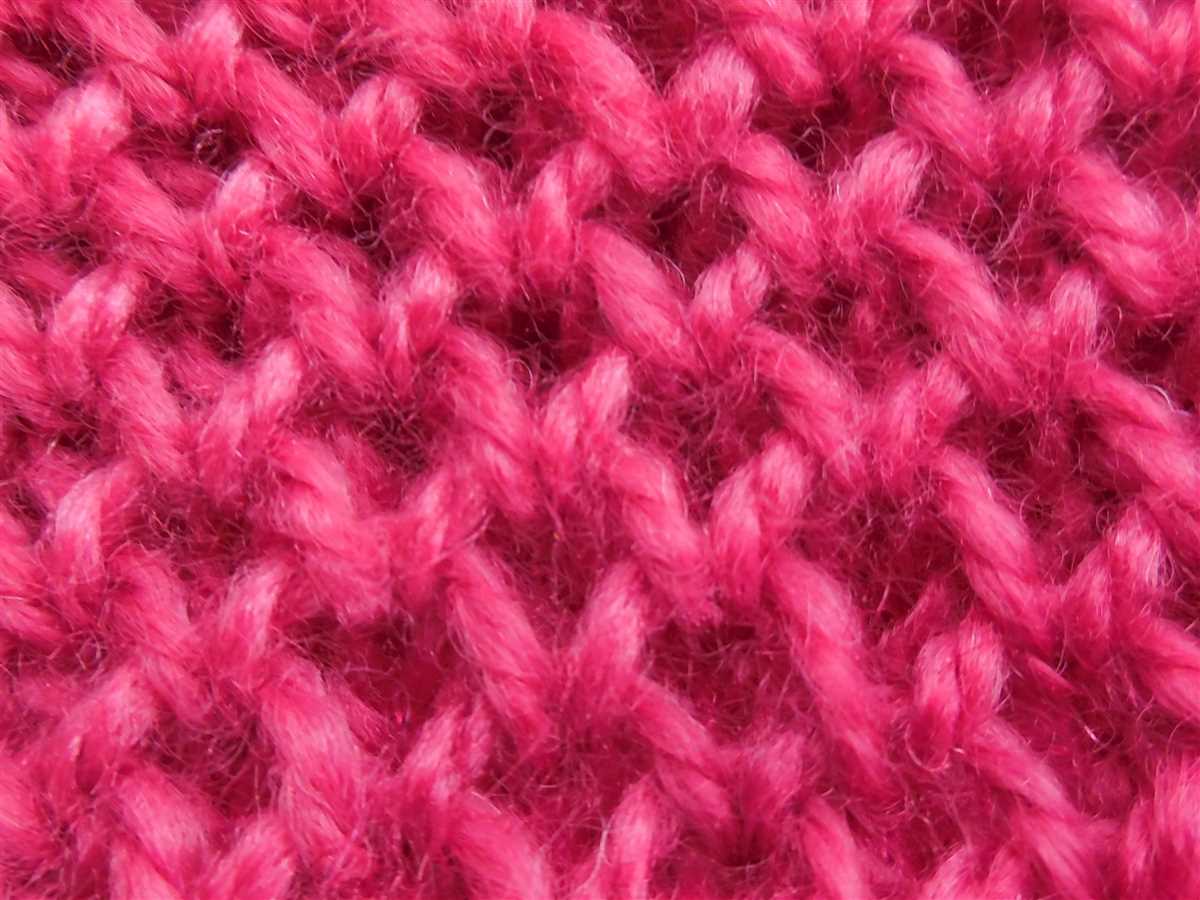
The slip stitch is another common stitch used in double knitting. It is created by transferring a stitch from the left-hand needle to the right-hand needle without knitting or purling it. This stitch is often used to create colorwork patterns or to move stitches between layers in double knitting. To slip a stitch in double knit, you insert the right-hand needle into the first stitch on the left-hand needle as if to purl, but instead of knitting or purling, you simply transfer the stitch to the right-hand needle.
By mastering these basic stitches, you will be able to create intricate and beautiful patterns in double knitting. Don’t be afraid to experiment with different stitch combinations and colors to create your own unique designs!
Advanced techniques for double knit patterns
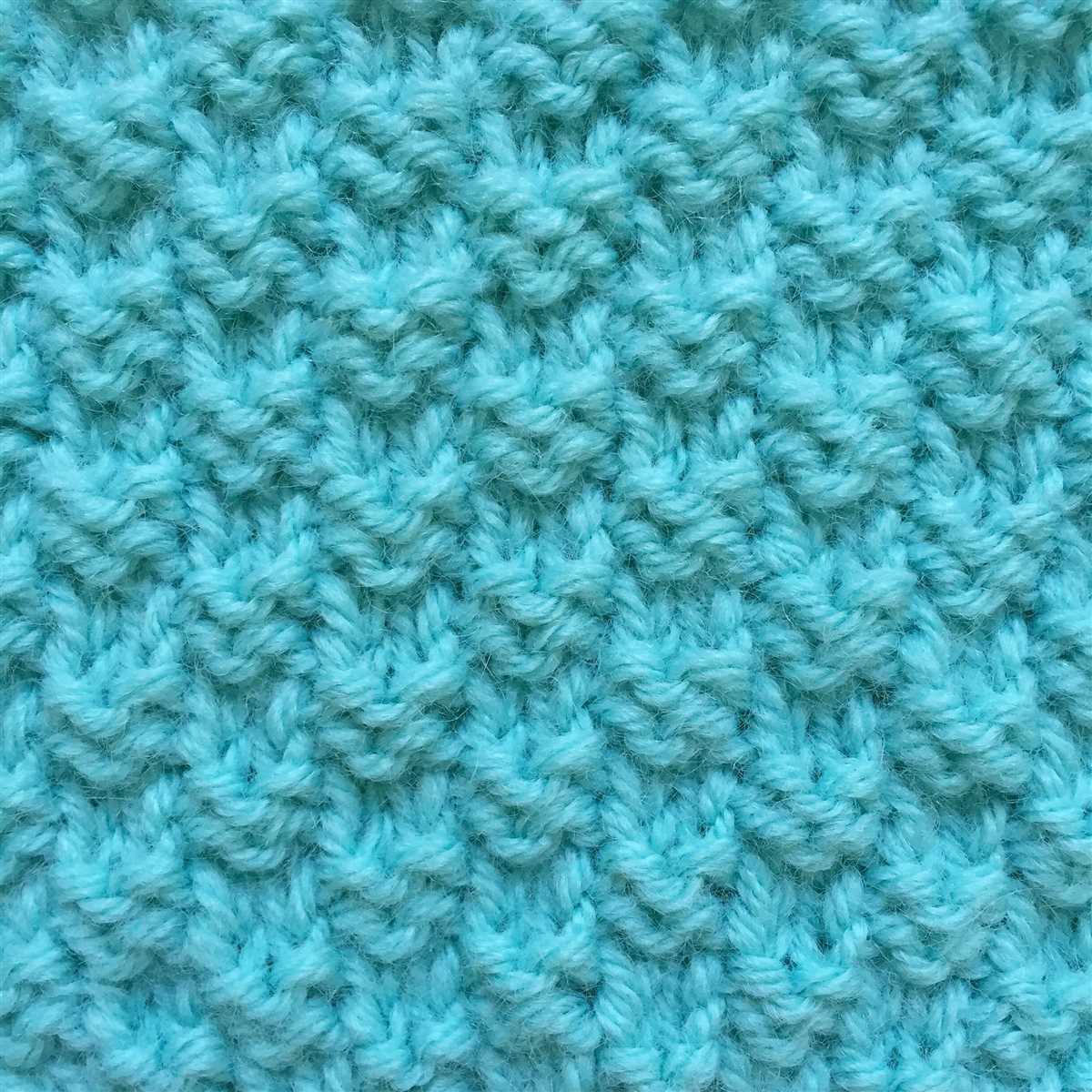
Double knit patterns can offer a wide range of possibilities for creating complex and intricate designs. By combining different stitches, colorwork techniques, and advanced shaping methods, you can create unique and stunning double knit patterns that are sure to impress.
1. Lace and cables: Incorporating lace and cable stitches into your double knit patterns can add texture and visual interest to your designs. Lace stitches create delicate and airy patterns, while cables create twisted and raised motifs. Experiment with combining these techniques to create intricate lace and cable double knit patterns.
2. Intarsia and Fair Isle: Intarsia and Fair Isle are two popular colorwork techniques that can be adapted for double knitting. Intarsia involves working with separate blocks of color, while Fair Isle uses multiple colors in a repeating pattern. By using these techniques in double knitting, you can create complex and detailed colorwork designs.
3. Shaping techniques: Double knitting allows for unique shaping possibilities. You can use increases and decreases to create curves and contours within your pattern. By strategically placing these shaping techniques, you can create three-dimensional effects in your double knit designs.
4. Reversible patterns: One of the key benefits of double knitting is that the fabric is completely reversible, with a different pattern on each side. Take advantage of this feature by creating reversible patterns that have two distinct designs. This adds versatility and interest to your double knit projects.
5. Picking up stitches: Picking up stitches along the edges of your double knit fabric can be used to add additional details or create borders. This technique allows for the seamless integration of different elements into your double knit patterns.
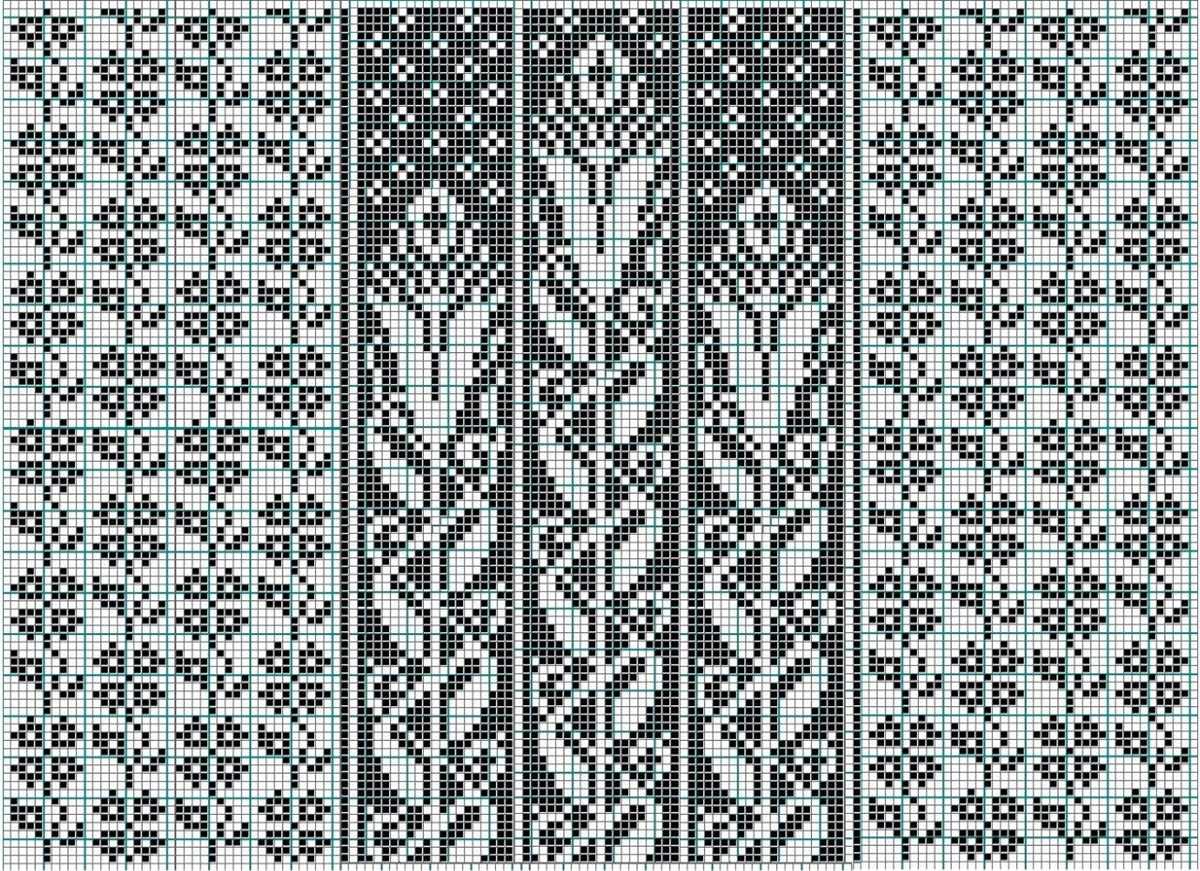
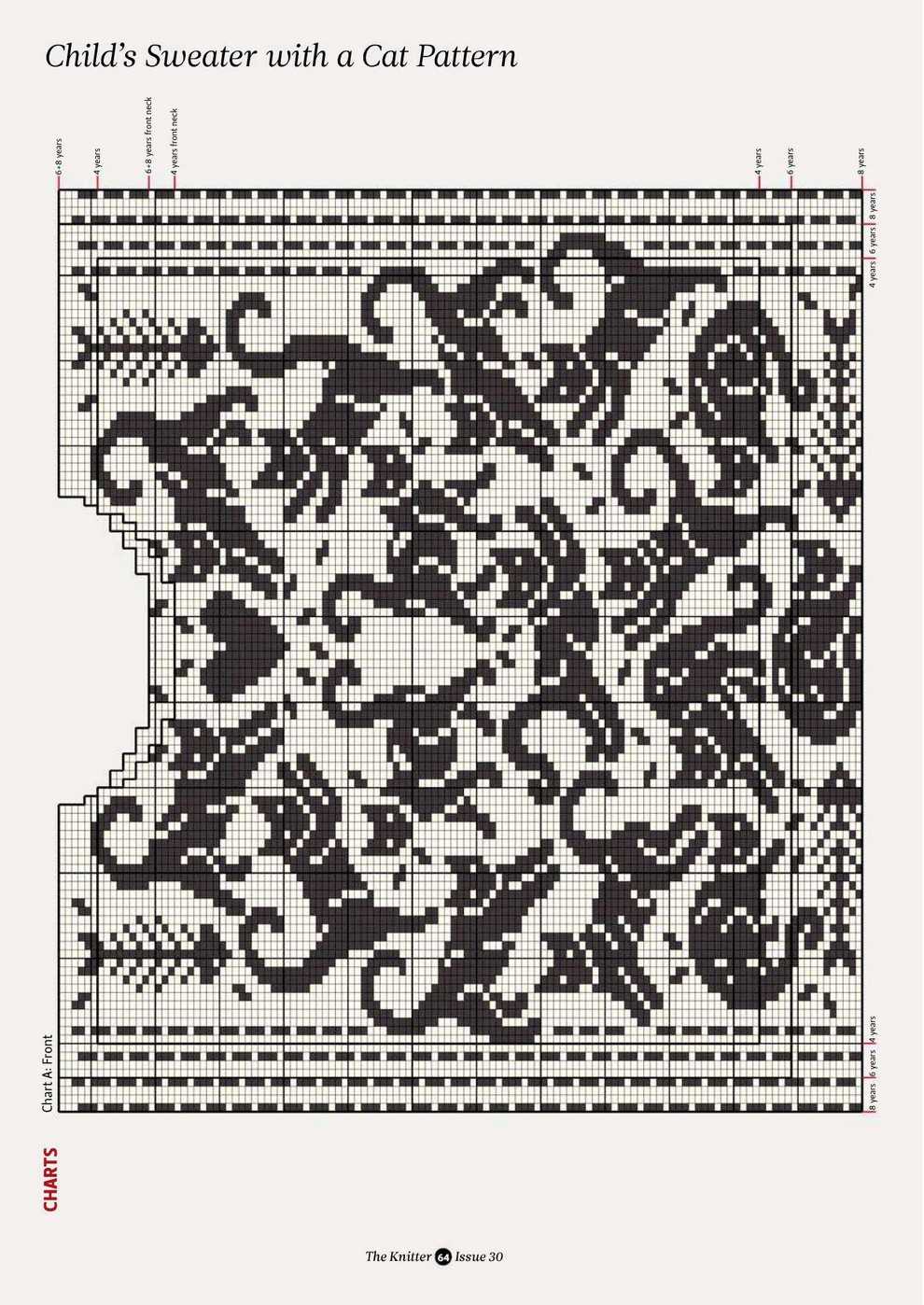
6. Charted designs: Using charts to create your double knit patterns can be helpful in visualizing the design and ensuring accuracy. By creating your own charts or following existing ones, you can easily translate intricate patterns into double knit stitches.
By incorporating these advanced techniques into your double knit patterns, you can take your knitting to the next level and create stunning and intricate designs. Experiment with different techniques and explore the possibilities of double knitting to unleash your creativity.
Tips for troubleshooting common issues in double knit patterns
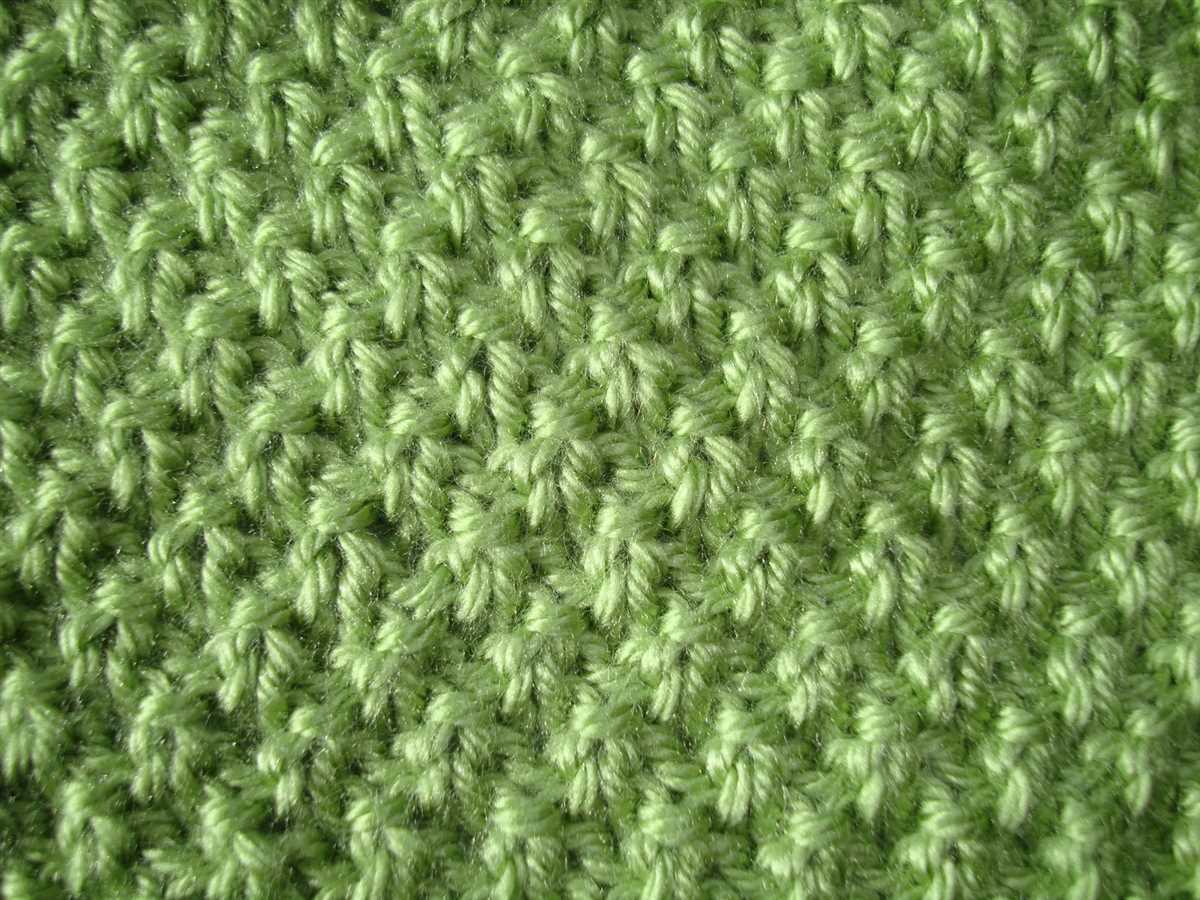
Double knit patterns can be challenging, but with a few tips and tricks, you can overcome any common issues that may arise. Here are some helpful suggestions to troubleshoot common problems in double knit patterns:
1. Uneven tension:
One common issue in double knit patterns is uneven tension, which can result in a lopsided or misshapen fabric. To fix this problem, make sure to maintain consistent tension throughout your work. You can achieve this by consciously adjusting your grip on the yarn or using a needle size that helps you maintain an even tension. Taking regular breaks during knitting can also prevent fatigue and help you maintain an even tension.
2. Mistakes in color changes:
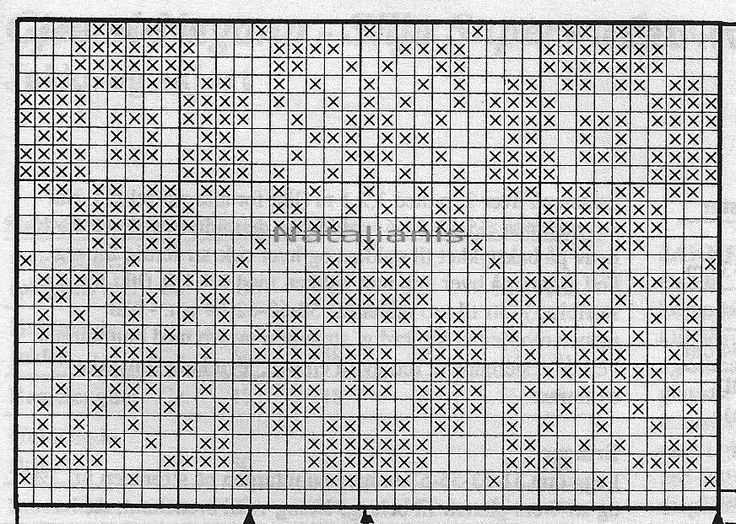
Color changes are an important aspect of double knit patterns, but they can sometimes lead to mistakes. If you notice errors in your color changes, such as missing or extra stitches, carefully examine your work and identify the point where the mistake occurred. To fix the mistake, you can carefully unravel the stitches back to the mistake and reknit them correctly. Using stitch markers or sticky notes to mark the color change points can also help you stay on track.
3. Twisted stitches:
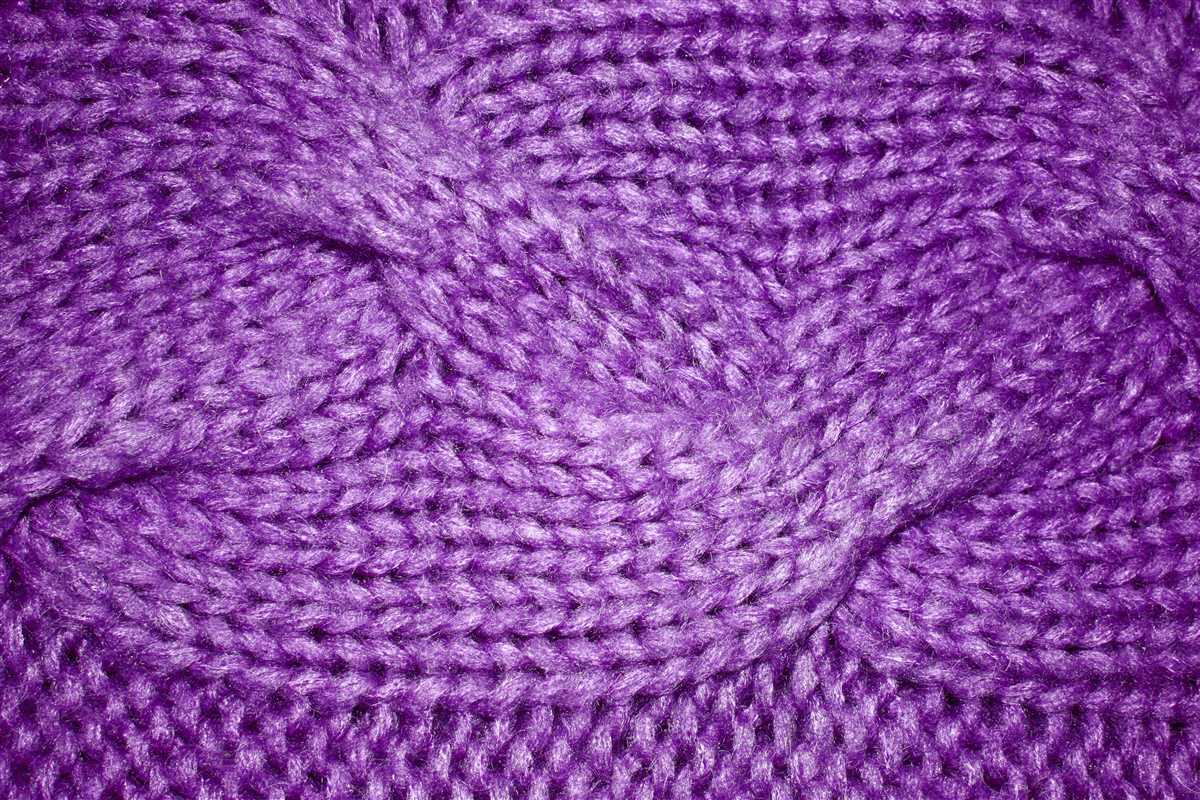
Twisted stitches can occur when you accidentally twist the stitches while working on the wrong side of the fabric. This can result in a twisted or distorted appearance in your double knit pattern. To prevent twisted stitches, pay close attention to your needle placement and make sure to insert the needle correctly into the stitch. If you notice twisted stitches, you can undo the stitches and rework them properly. Using a crochet hook or a spare needle to fix twisted stitches can make the process easier.
4. Difficulty reading the pattern:
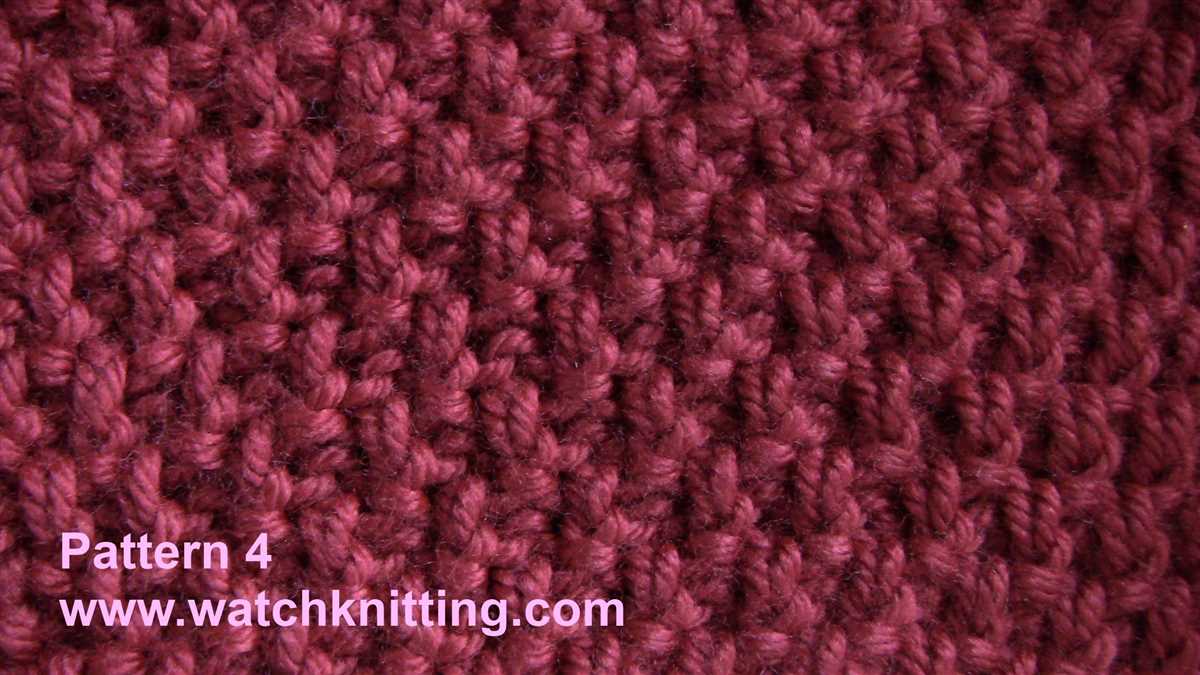
Double knit patterns can sometimes be complex and difficult to understand, especially for beginners. If you’re having trouble reading the pattern, take your time and carefully analyze the instructions. Break down the pattern into smaller sections and make sure you understand each step before moving on. You can also seek help from experienced knitters or consult online tutorials and resources that provide explanations and examples of double knit techniques.
5. Insufficient or excess yarn:
Running out of yarn or having excess yarn can be a common issue in double knit patterns, especially if the pattern doesn’t provide specific yardage requirements. To avoid this problem, make sure to accurately estimate the amount of yarn you’ll need for the pattern. If you’re unsure, it’s always better to err on the side of caution and buy slightly more yarn than you think you’ll need. Keeping track of your yarn usage as you progress can also help you determine if you’ll have enough yarn to complete the project.
By following these troubleshooting tips, you’ll be better equipped to handle common issues that may arise while working on double knit patterns. Remember to be patient, take your time, and don’t hesitate to seek help or ask for clarification if needed. With practice and perseverance, you’ll master the art of double knitting and create beautiful, intricate designs.
Inspirational ideas for double knit patterns

Double knit patterns are versatile and offer endless possibilities for creating unique and beautiful designs. Whether you’re an experienced knitter or just starting out, here are some inspirational ideas to get you started:
1. Colorful geometric patterns
Double knitting allows you to easily create complex geometric patterns with multiple colors. From checkerboards to intricate motifs, the possibilities are endless. Experiment with different color combinations and create striking designs that are sure to make a statement.
2. Reversible stitches
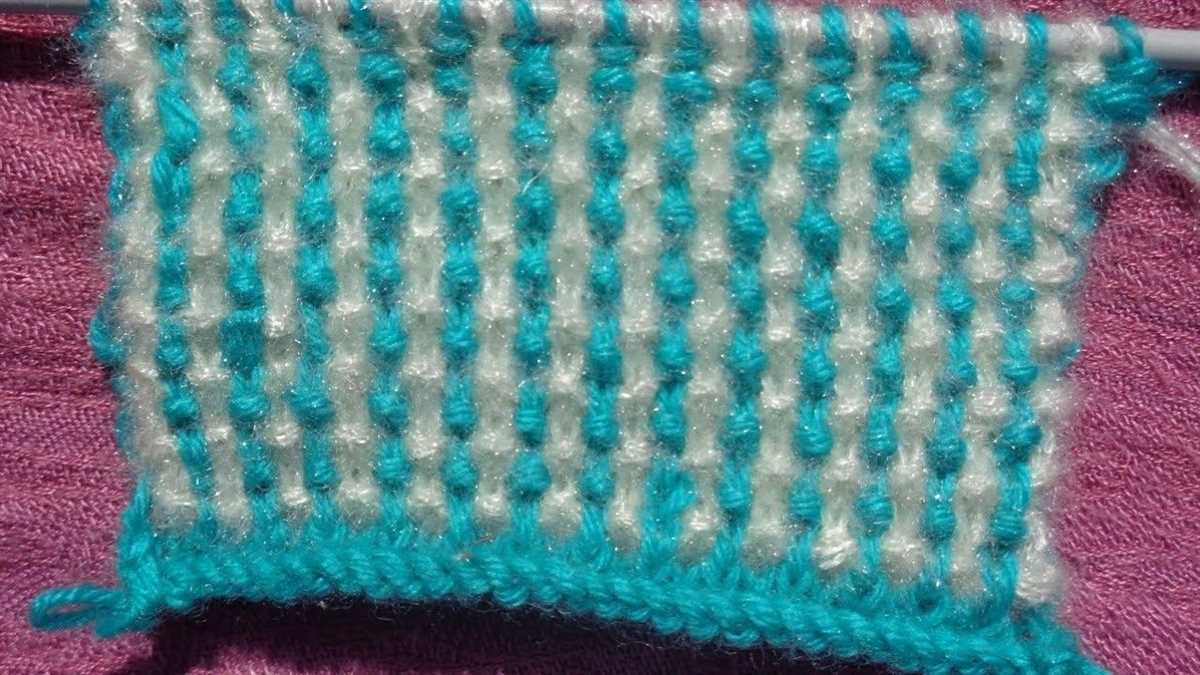
One of the unique features of double knitting is that both sides of the fabric look the same. This opens up a whole new world of possibilities for creating reversible stitches and patterns. Consider trying out reversible cables, lace, or textured stitches to add interest and versatility to your projects.
3. Fair Isle designs
Double knitting is perfect for creating traditional Fair Isle designs. This colorwork technique involves knitting with two colors in the same row, creating intricate patterns and motifs. With double knitting, you can easily achieve the floats on the back of the fabric, resulting in a clean and professional finish.
4. Personalized motifs
Double knitting allows you to easily incorporate personalized motifs into your projects. Whether it’s initials, names, or even pictures, you can create unique and meaningful designs that reflect your personal style or make personalized gifts for your loved ones.
5. Textured patterns
Double knitting lends itself well to creating textured patterns. Experiment with different stitch combinations and create designs with raised or embossed textures. From cables to bobbles to seed stitches, double knitting is a great technique for adding dimension and interest to your projects.
In conclusion, double knitting offers a world of creative possibilities. Whether you’re looking to create intricate colorwork patterns, reversible stitches, or personalized motifs, there’s something for everyone. So grab your needles and yarn, and let your imagination run wild with these inspirational ideas for double knit patterns.