
Knitting on a rectangle loom is a popular alternative to traditional knitting needles, as it allows for the creation of large, flat pieces of fabric. Whether you’re a beginner or a seasoned knitter, there are countless rectangle loom knitting patterns to suit your skill level and personal style.
From cozy blankets and scarves to stylish ponchos and sweaters, the possibilities are endless when it comes to rectangle loom knitting. The rectangular shape of the loom lends itself well to creating patterns with clean lines and symmetry, making it an ideal choice for those who prefer a more structured look.
One of the advantages of knitting on a rectangle loom is the ease and speed at which projects can be completed. With the wider spacing of the pegs, stitches can be worked up quickly, making it a great option for those who want to see results fast. Additionally, the loom’s shape allows for the use of thicker yarns and larger needles, resulting in a cozy, chunky texture.
Whether you’re looking to knit a baby blanket as a gift or create a fashionable accessory for yourself, exploring rectangle loom knitting patterns opens up a whole new world of possibilities. With a little practice and experimentation, you’ll be creating beautiful, one-of-a-kind pieces in no time.
Rectangle Loom Knitting Patterns

Rectangle loom knitting patterns are a popular choice for beginners and experienced knitters alike. With its simple shape and easy-to-follow instructions, knitting a rectangle on a loom is a great way to create beautiful and functional pieces. Whether you’re looking to make a cozy scarf, a warm blanket, or a stylish hat, there are countless patterns available to help you achieve your knitting goals.
One of the advantages of knitting on a loom is that it allows you to create larger projects without the need for traditional knitting needles. This makes it an ideal technique for those who may have difficulty with traditional knitting or who prefer a faster, more efficient method. With a rectangle loom, you can knit up projects in no time, making it a great option for last-minute gifts or personal projects.
If you’re new to loom knitting, a simple and versatile pattern to start with is the garter stitch scarf. This pattern involves knitting every row, creating a knitted texture that is both soft and stretchy. Another popular pattern for rectangle loom knitting is the seed stitch blanket. This pattern alternates between knit and purl stitches, creating a textured fabric that is perfect for keeping warm in chilly weather.
For those looking for more advanced projects, there are also complex patterns available for rectangle loom knitting. These patterns often involve incorporating different stitch patterns, such as cables or lace, to create intricate designs. Some examples include the honeycomb stitch hat, the chevron blanket, or the basketweave cowl. These patterns require a bit more skill and patience, but they can result in stunning finished products.
Whether you’re a beginner or an experienced knitter, rectangle loom knitting patterns offer a wide range of possibilities. From simple scarves to intricate blankets, there is a pattern to suit every skill level and personal taste. So grab your loom, some yarn, and get ready to create beautiful and cozy knitted pieces!
Basics of Rectangle Loom Knitting
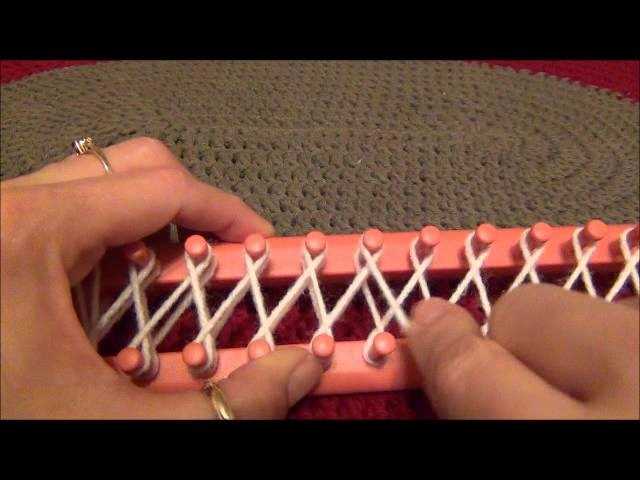
If you’re new to loom knitting, the rectangle loom is a great place to start. This versatile tool can be used to create a variety of projects, from scarves and blankets to dishcloths and hats. With a few simple techniques, you’ll be able to create beautiful, professional-looking pieces in no time.
Choosing the Right Loom: When it comes to rectangle loom knitting, one size does not fit all. It’s important to choose the right loom for your project. Consider the size of the finished item, the type of yarn you’ll be using, and your own personal knitting style. A general rule of thumb is to choose a loom that is slightly wider than the desired width of your finished piece.
Foundation Rows: To begin your rectangular project, start by casting on your stitches. This can be done using the e-wrap cast on method or the figure-eight cast on method, depending on your preference. Be sure to leave a long tail of yarn to weave in later. Once you have cast on your stitches, you can begin knitting your foundation rows. This is done by alternating between knitting and purling each row until you’ve reached the desired length.
Creating Patterns: Once you have mastered the basics of loom knitting, you can start experimenting with different stitch patterns and designs. The rectangle loom is a great tool for creating various textures and patterns, such as ribbing, cables, and even colorwork. There are countless resources and patterns available online to help you explore new techniques and create unique pieces.
Finishing Touches: When you have completed your knitting, it’s time to finish off your project. To do this, bind off your stitches using a basic bind-off method or a stretchy bind-off method if desired. Be sure to weave in any loose ends of yarn using a tapestry needle to give your project a polished look. Finally, block your finished piece to even out the stitches and ensure that it retains its shape.
With these basics, you’ll be well on your way to mastering the art of rectangle loom knitting. Whether you’re a beginner or an experienced knitter, the rectangle loom offers endless possibilities for creating beautiful, handmade items.
Top 5 Rectangle Loom Knitting Patterns for Beginners
Rectangle loom knitting is a great way for beginners to start creating beautiful and functional knitwear without the need for complex techniques. With just a few simple stitches and a rectangle loom, you can create a variety of patterns and designs. Here are the top 5 rectangle loom knitting patterns for beginners to try:
1. Basic Scarf
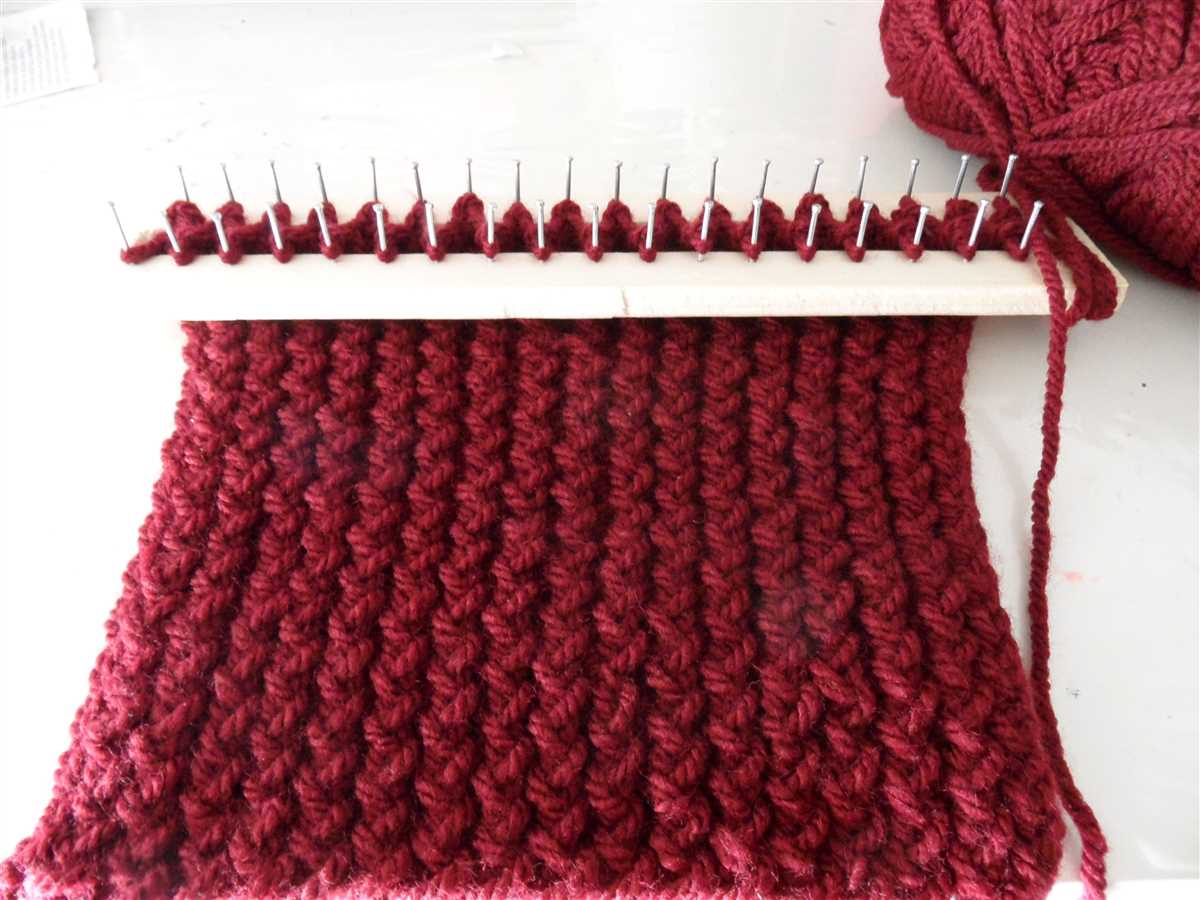
A basic scarf pattern is a perfect project for beginners to practice their knitting skills. With a rectangle loom, you can easily create a cozy and stylish scarf using just the knit stitch. Experiment with different yarn weights and colors to create a unique accessory for yourself or as a gift for a loved one.
2. Headband
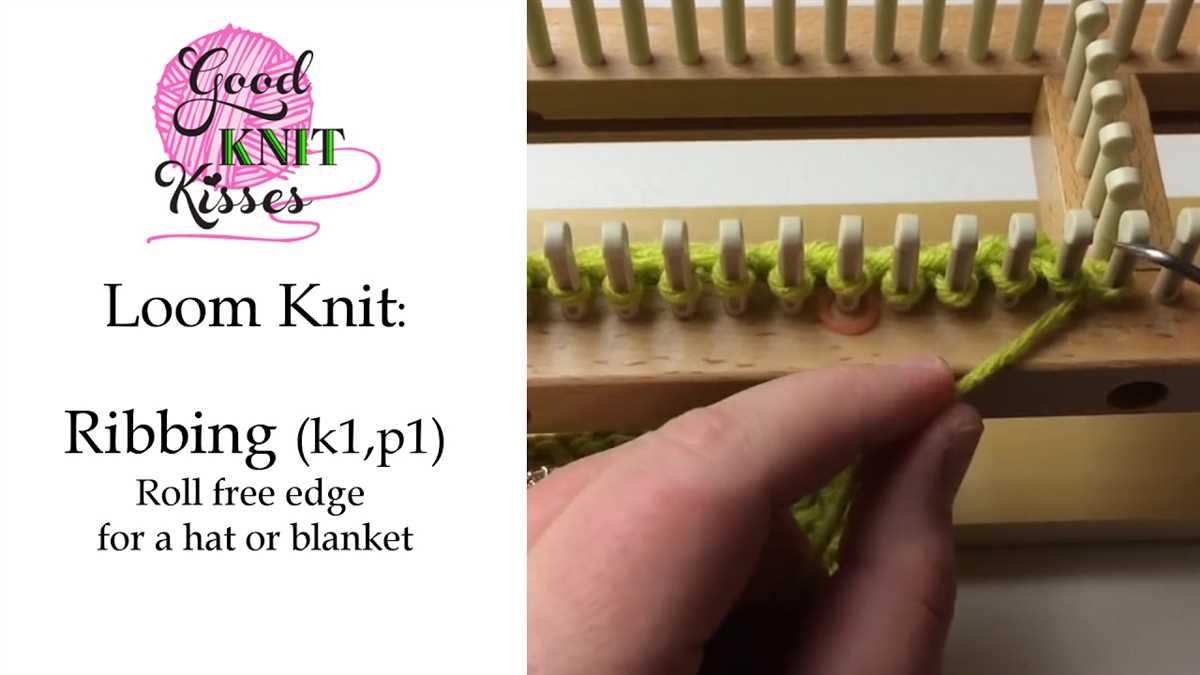
A headband is another simple and quick project that beginners can tackle with a rectangle loom. Using either the knit stitch or the rib stitch, you can create a comfortable and stylish headband to keep your ears warm during the colder months. Add a decorative button or flower for a personalized touch.
3. Blanket
For those looking for a larger and more ambitious project, a blanket is a great option. With a rectangle loom, you can easily create a cozy and warm blanket using the basic knit stitch. Experiment with different yarn colors and textures to create a unique and personalized blanket that will be cherished for years.
4. Baby Booties
Knitting baby booties is a popular project for beginners, and a rectangle loom makes it even easier. With just a few simple stitches, you can create adorable and soft booties for the little ones in your life. Add a ribbon or button for a cute finishing touch.
5. Dishcloth
A dishcloth is a practical and useful project for beginners to try with a rectangle loom. Using the knit stitch or the garter stitch, you can create a durable and absorbent dishcloth that will make washing dishes a breeze. Experiment with different colors and stitch patterns for a unique and stylish dishcloth collection.
These are just a few of the many rectangle loom knitting patterns that beginners can try. With a little practice and creativity, you can create beautiful and functional knitwear using just a rectangle loom and a few basic stitches.
How to Choose the Right Yarn for Rectangle Loom Knitting
Choosing the right yarn for rectangle loom knitting is an important step in ensuring the success of your project. There are several factors that you should consider when selecting a yarn, including the weight, fiber content, and color.
Weight: The weight of the yarn refers to its thickness, and it can greatly impact the final outcome of your project. For rectangle loom knitting, it is recommended to choose a medium-weight yarn, also known as worsted or aran weight. This weight is versatile and works well for a wide range of projects, from scarves and hats to blankets and shawls.
Fiber Content: The fiber content of the yarn will determine its characteristics, such as softness, durability, and washability. For rectangle loom knitting, acrylic yarn is a popular choice as it is affordable, easy to care for, and comes in a wide variety of colors. However, if you prefer natural fibers, you can also consider using wool, cotton, or bamboo yarn, depending on your preferences and the intended use of the finished product.
Color: The color of the yarn can greatly affect the overall look of your rectangle loom knitting project. You can choose to use a single color for a classic and timeless look, or you can opt for multiple colors to create interesting patterns and designs. Consider the color scheme and intended use of the finished project when selecting the yarn color.
In summary, when choosing yarn for rectangle loom knitting, consider the weight, fiber content, and color. Select a medium-weight yarn for versatility, and choose a fiber content that suits your preferences and the intended use of the finished project. Finally, carefully consider the color of the yarn to achieve the desired look for your rectangle loom knitting project.
Tips and Tricks for Increasing and Decreasing Stitches on a Rectangle Loom
Increasing and decreasing stitches on a rectangular loom can be a bit tricky, but with a few tips and tricks, you can master these techniques and create beautiful knitted pieces.
Increasing Stitches
To increase stitches on a rectangle loom, you can use the “knit front and back” method. Insert the loom hook into the next stitch on the loom, and lift the loop up and over the peg to create a new stitch. Then, place the original stitch back onto the peg. This method will help you add stitches gradually and evenly.
Another way to increase stitches is by using the “e-wrap” method. To do this, wrap the working yarn around the next peg twice instead of once, creating two loops on the peg. Then, lift the bottom loop over the top loop, creating a new stitch. This method is great for adding stitches quickly and can be used for lacy or decorative patterns.
Decreasing Stitches
When it comes to decreasing stitches on a rectangle loom, you can use the “knit two together” method. Insert the loom hook into the next two stitches on the loom, and lift both loops up and over the peg to create one new stitch. This method will help you decrease stitches evenly and smoothly.
Alternatively, you can use the “slip, slip, knit” method for decreasing stitches. Slip the first stitch on the loom onto the loom hook, then slip the second stitch onto the loom hook as well. Slide both loops off the loom hook and back onto the peg, then knit both loops together, creating one new stitch. This method is great for creating a neat and tidy decrease.
Remember to practice and experiment with these techniques to find the one that works best for you and your project. With some patience and perseverance, you’ll be able to confidently increase and decrease stitches on your rectangular loom.
Advanced Techniques for Creating Texture and Designs on a Rectangle Loom
Knitting on a rectangle loom opens up a world of possibilities for creating unique textures and designs in your projects. With a few advanced techniques, you can take your loom knitting to the next level and create stunning pieces that stand out.
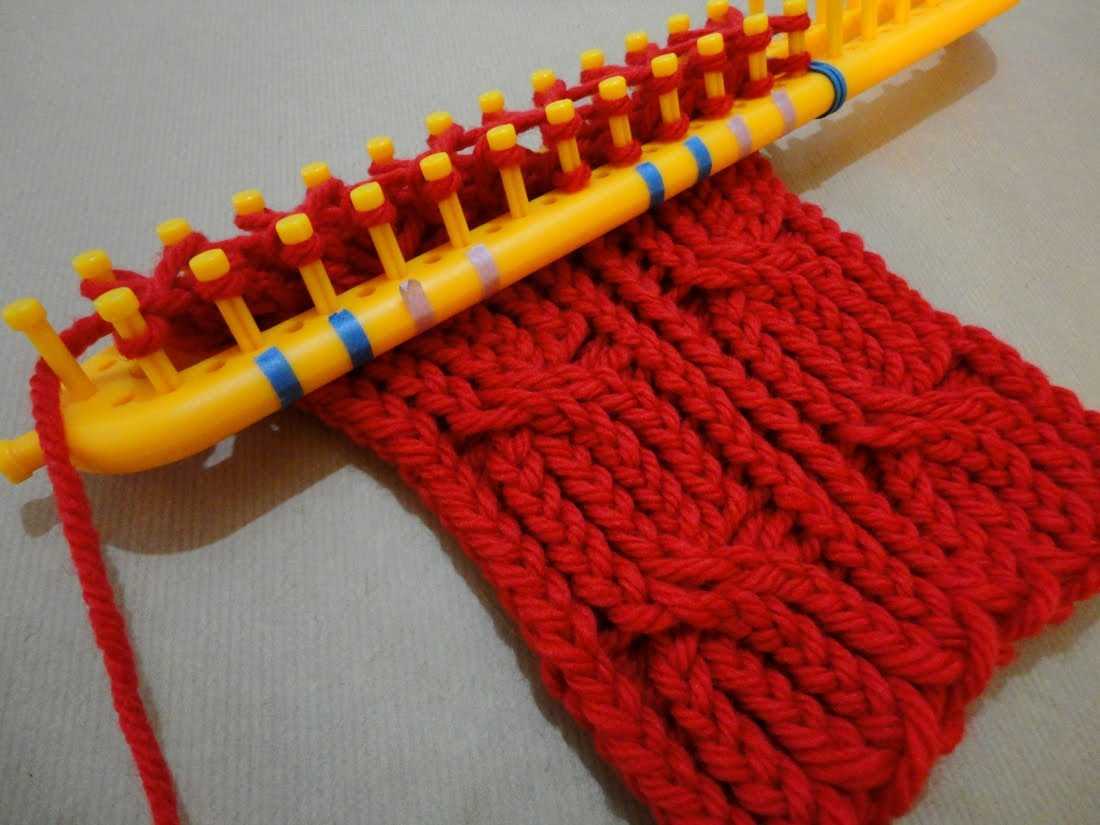
One technique that can add texture to your projects is the cable stitch. Similar to knitting with needles, the cable stitch on a rectangle loom involves crossing stitches over each other to create a twisted effect. By following a specific pattern of crossings, you can create intricate cables that give your project depth and visual interest.
Seed stitch is another advanced technique that can be used on a rectangle loom. With alternating knits and purls, the seed stitch creates a bumpy texture that adds dimension to your work. This stitch is perfect for creating blankets, scarves, or even sweaters.
Colorwork techniques can also be incorporated into your loom knitting projects. Using multiple colors of yarn and following a chart, you can create intricate patterns and designs. Fair Isle and intarsia are two popular colorwork techniques that can be adapted to the rectangle loom.
Finally, lace knitting can be achieved on a rectangle loom by using a combination of yarn overs and decreases. By strategically placing these stitches throughout your work, you can create delicate and intricate lace patterns. Lace knitting on a loom may require some additional techniques, such as dropping stitches and using a crochet hook to fix mistakes.
These are just a few of the advanced techniques that can be utilized on a rectangle loom to create texture and designs in your knitting projects. With practice and experimentation, you can develop your own unique style and take your loom knitting to new heights.
Rectangular Loom Knitting Patterns for Blankets and Afghans

When it comes to creating cozy and beautiful blankets and afghans, rectangular loom knitting patterns offer a versatile and enjoyable way to create stunning designs. Whether you’re a beginner or an experienced loom knitter, there are numerous patterns available that cater to different skill levels and design preferences.
One popular rectangular loom knitting pattern is the basic garter stitch blanket. This simple yet elegant pattern is perfect for beginners as it only requires knowledge of the basic knitting stitch. The garter stitch creates a bumpy texture on both sides of the blanket, making it reversible and adding an interesting visual element to the finished product. This pattern is great for using up leftover yarns or experimenting with color block designs.
If you’re looking to create a more intricate design, the seed stitch blanket pattern is another excellent choice. The seed stitch is created by alternating between knitting and purling stitches, resulting in a raised, textured pattern that adds depth and visual interest to the blanket. This pattern is suitable for intermediate knitters and allows for customization in terms of color choices and stripe placement.
For those seeking a challenge and a unique, eye-catching design, the cable knit blanket pattern is a great option. Although this pattern requires more advanced knitting skills, the end result is well worth the effort. Cable stitches are created by crossing stitches over each other, creating stunning braided or twisted patterns. The cable knit blanket pattern can be customized with different cable designs and is sure to impress with its intricate texture.
In conclusion, rectangular loom knitting patterns for blankets and afghans offer a range of options for knitters of all skill levels. Whether you prefer simple and minimalistic designs or intricate and textured patterns, there is a pattern out there to suit your taste. So grab your loom, choose a pattern, and start creating cozy and beautiful blankets and afghans that are bound to be treasured for years to come.
Rectangular Loom Knitting Patterns for Scarves and Shawls
When it comes to creating beautiful and versatile accessories, rectangular loom knitting patterns for scarves and shawls are a fantastic choice. With a rectangular loom, you can easily create a variety of patterns and textures using different stitches and techniques. Whether you’re a beginner or an experienced knitter, there are plenty of options to choose from when it comes to rectangular loom knitting patterns.
If you’re looking for a simple yet elegant design, a basic garter stitch scarf or shawl is a great place to start. With the garter stitch, you knit every row, creating a textured fabric that is both warm and cozy. This stitch pattern works well with thicker yarns and is perfect for those who are new to loom knitting.
For those who are more experienced and want to try something more challenging, there are a variety of stitch patterns to choose from. The seed stitch, for example, creates a beautiful textured fabric with alternating knit and purl stitches. The rib stitch, on the other hand, creates a stretchy and textured fabric that is perfect for scarves and shawls.
Another option for rectangular loom knitting patterns is to incorporate different colors and yarns. By using multiple colors or variegated yarns, you can create beautiful stripes or gradients in your scarf or shawl. This adds visual interest and allows you to personalize your accessory to match your style and wardrobe.
Whether you’re looking to create a simple and classic scarf or a more intricate and unique shawl, rectangular loom knitting patterns offer endless possibilities. With different stitches, colors, and yarns, you can create accessories that are not only stylish but also cozy and warm. So grab your loom and get ready to start knitting!
The Benefits of Using a Rectangle Loom for Knitting Projects
Rectangle looms are a versatile and practical tool for knitting projects. They offer several benefits compared to other types of looms, making them a popular choice among knitters. Whether you are a beginner or an experienced knitter, using a rectangle loom can enhance your knitting experience in various ways.
1. Wide Variety of Projects: One of the main advantages of using a rectangle loom is the wide variety of projects you can create. From scarves and blankets to shawls and sweaters, the possibilities are endless. The rectangular shape of the loom allows you to knit large and small projects alike, giving you the flexibility to tackle different knitting patterns and designs.
2. Easy to Learn: Rectangle looms are relatively easy to learn and use, making them ideal for beginners. The simple design and structure of the loom make it easy to understand and follow knitting instructions. With a rectangle loom, you can quickly grasp the basics of loom knitting and start creating beautiful projects in no time.
3. Efficient and Time-Saving: The rectangular shape of the loom allows for efficient and time-saving knitting. With a rectangle loom, you can knit larger sections at once, reducing the need for multiple rows or rounds. This not only saves you time but also ensures a more consistent and even knitting pattern.
4. Portability: Rectangle looms are also highly portable, making them convenient for knitting on the go. They are lightweight and compact, allowing you to easily carry them in your bag or purse. This means that you can continue working on your knitting projects wherever you are, whether it’s during your commute or while traveling.
5. Versatility in Stitch Patterns: Rectangle looms offer versatility when it comes to stitch patterns. You can create a wide range of stitch patterns, including ribbing, garter stitch, seed stitch, and more. The straight edges of the loom make it easier to work with different stitch patterns and achieve different textures in your knitting projects.
In conclusion, using a rectangle loom for knitting projects provides several benefits, including the ability to work on a wide variety of projects, ease of use, time-saving knitting, portability, and versatility in stitch patterns. Whether you are a beginner or an experienced knitter, a rectangle loom can enhance your knitting experience and help you create beautiful and unique projects.
How to Finish Off Your Rectangle Loom Knitting Projects

Finishing off your rectangle loom knitting projects is an important step in ensuring that your work looks neat and professional. Whether you are making a scarf, blanket, or any other rectangular item, here are a few steps you can follow to finish off your project:
1. Bind off:
To bind off, start by knitting the first two stitches. Then, using your loom hook, pull the first stitch over the second stitch and off the loom. Continue this process until you reach the end of the row. Cut the yarn, leaving a tail, and pull it through the last loop to secure it.
2. Weave in ends:
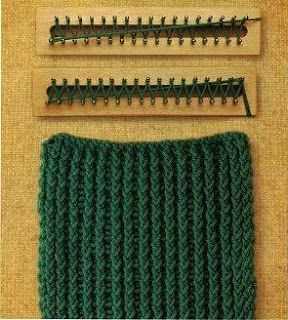
After binding off, you will have two ends of yarn sticking out. Take a yarn needle and thread one end through the needle. Begin weaving the needle and yarn through the stitches on the backside of your project. Be sure to go in different directions to secure the yarn. Repeat the same process with the other end of yarn.
3. Block if necessary:
If your project looks a bit uneven or needs some shaping, blocking can help. Wet your project and gently squeeze out excess water. Lay it flat on a towel and shape it to the desired size and dimensions. Allow it to dry completely before removing it from the blocking surface.
4. Add any desired embellishments:
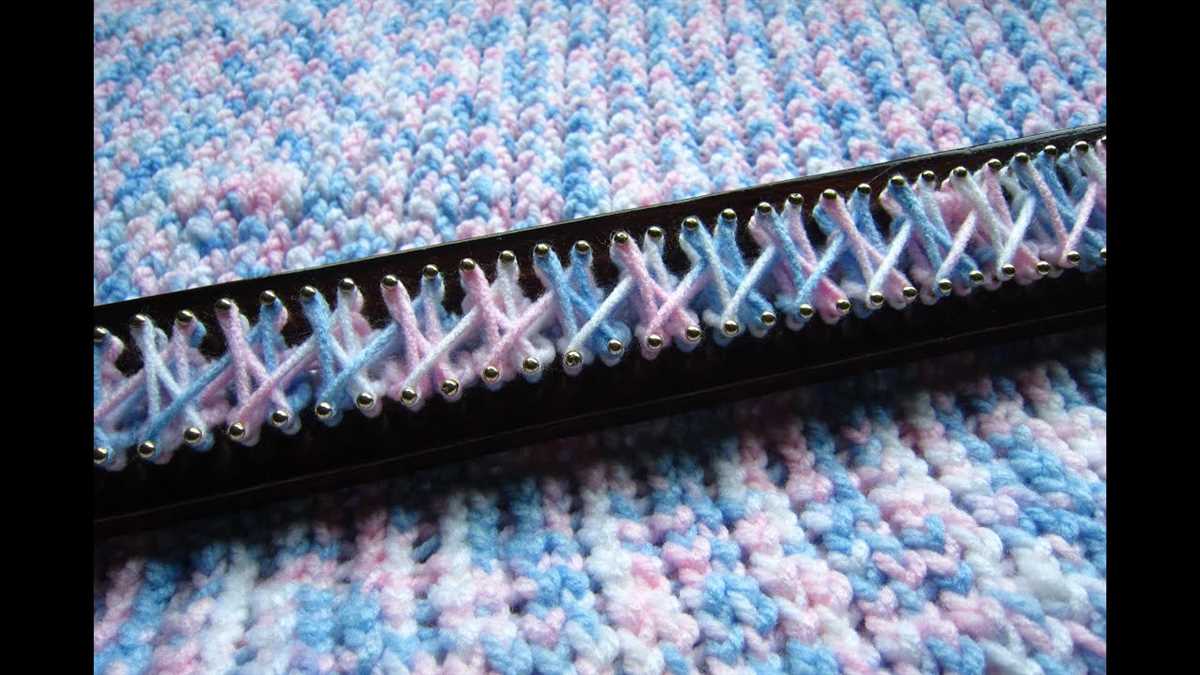
If you want to add a personal touch to your finished project, consider adding embellishments such as buttons, pom-poms, or fringe. Sew on buttons securely, attach pom-poms using a needle and thread, or create fringe by cutting strips of yarn and attaching them to the edges.
By following these steps, you can ensure that your rectangle loom knitting projects look polished and professionally finished. Take your time and enjoy the process of completing your project with care and attention to detail. Happy loom knitting!
Resources for Finding More Rectangular Loom Knitting Patterns and Inspiration
There are many resources available online where you can find more rectangular loom knitting patterns and get inspired to create your own unique designs. Here are a few places where you can start:
1. Websites and Blogs
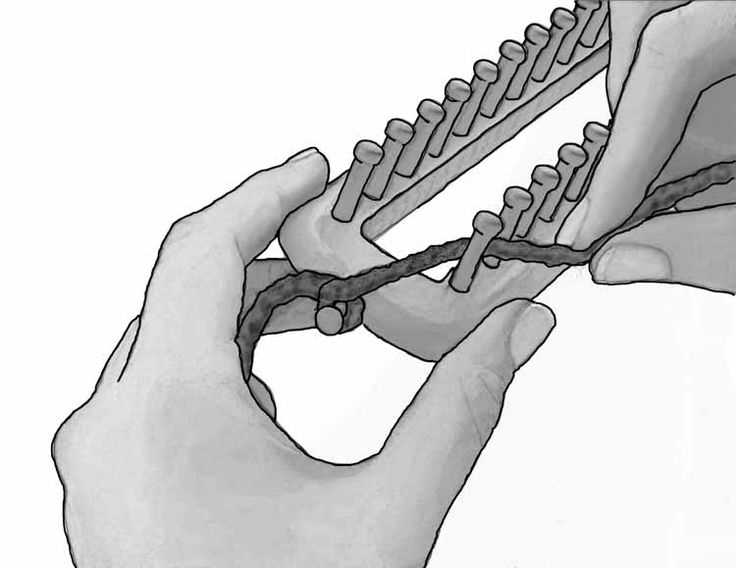
There are several websites and blogs dedicated to loom knitting that offer a wide variety of patterns for rectangular looms. Some popular ones include:
- Loomahat.com: This website offers a collection of free rectangular loom knitting patterns, as well as tutorials and tips for loom knitting.
- KnittingBoard.com: The official website of Knitting Board, a popular brand of loom knitting tools, offers free patterns for rectangular looms that you can download and use.
- Ravelry.com: Ravelry is a popular online community for knitters and crocheters. It has a vast database of loom knitting patterns, many of which are designed for rectangular looms. You can browse through the patterns, filter them by criteria such as difficulty level or yarn weight, and save your favorites to your Ravelry library.
2. YouTube Channels and Videos
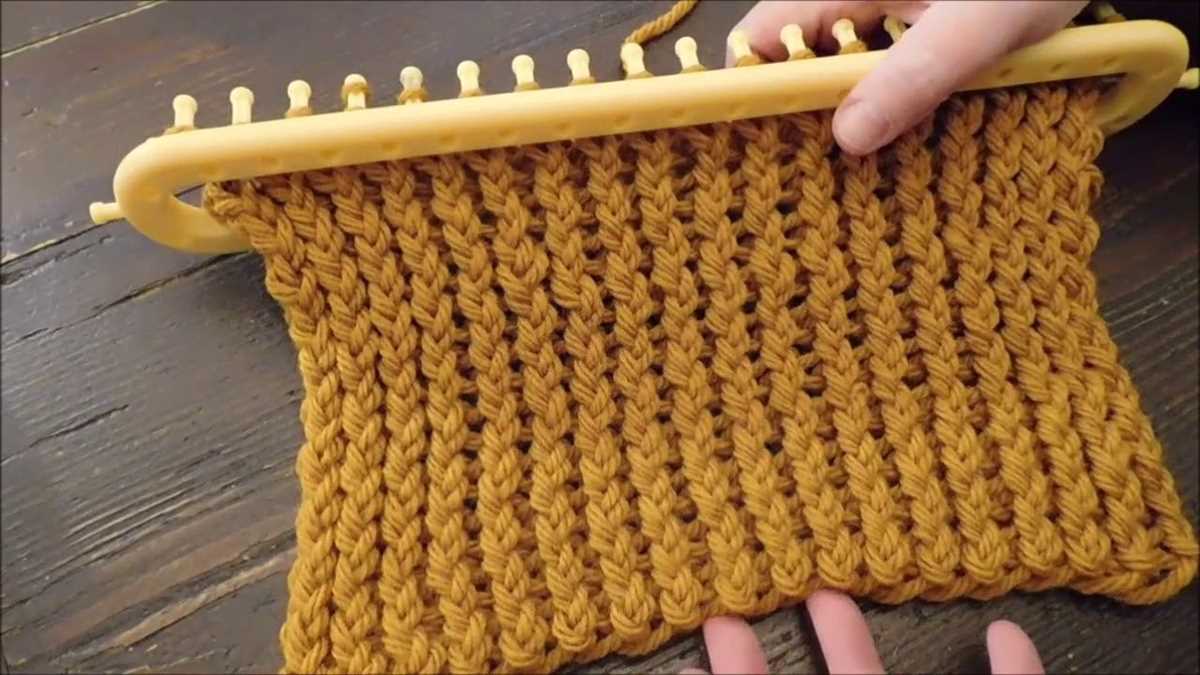
YouTube is a great resource for finding video tutorials and patterns for rectangular loom knitting. Here are a few channels and videos to check out:
- GoodKnitKisses: This YouTube channel offers a wide range of loom knitting tutorials, including many patterns for rectangular looms. The videos are easy to follow and provide step-by-step instructions.
- Jennifer Looms: Jennifer Looms is a loom knitting enthusiast who shares her expertise through her YouTube channel. She has several videos dedicated to rectangular loom knitting patterns and techniques.
- Red Heart Yarns: Red Heart Yarns is a well-known yarn brand that also has a YouTube channel. They offer various loom knitting patterns, including some for rectangular looms.
If you prefer following along with video tutorials rather than written patterns, YouTube can be a great resource to learn new rectangular loom knitting techniques and create beautiful projects.
3. Social Media
Social media platforms like Facebook and Instagram are also great places to find rectangular loom knitting patterns and connect with other loom knitters. You can join loom knitting groups, follow hashtags like #loomknittingpatterns or #rectangularloomknitting, and get inspired by the projects shared by other crafters.
By exploring these resources, you can find a wide variety of rectangular loom knitting patterns, from simple scarves to intricate blankets and everything in between. Whether you’re a beginner or an experienced loom knitter, these resources will help you find the inspiration and patterns you need to create beautiful rectangular loom knitting projects.