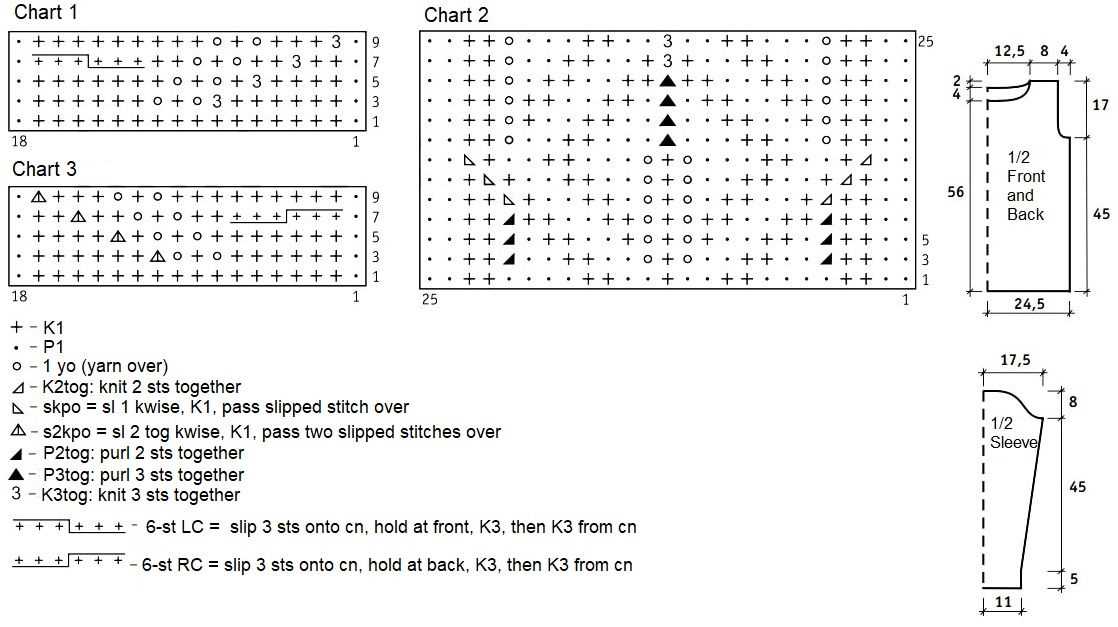
Knit one slip one pattern is a popular knitting technique that creates a beautifully textured fabric. This pattern is commonly used in various knitting projects, such as scarves, hats, and sweaters, to add visual interest and enhance the overall design. The pattern involves a combination of knitting and slipping stitches, resulting in a stunning raised effect.
The knit one slip one pattern is relatively easy to learn and perfect for knitters of all skill levels. It is achieved by knitting one stitch and then slipping the next stitch purlwise onto the right needle without knitting it. This creates a row of slipped stitches that sit proud on the surface of the fabric. Additionally, this pattern can be paired with other knitting techniques, such as ribbing or colorwork, to create even more intricate designs.
One of the benefits of the knit one slip one pattern is its versatility. Depending on the number of rows repeated and the type of yarn used, the texture of the fabric can range from subtle to bold. This pattern is particularly effective when using a yarn with a solid or semi-solid color, as it allows the texture to stand out. It can also be used to create interesting stitch patterns, such as cables or lace, by incorporating different knitting techniques alongside the slip stitches.
Knit One Slip One Pattern: Your Ultimate Guide to Mastering this Knitting Technique
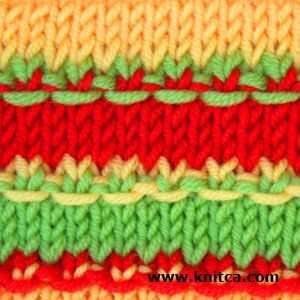
Knitting is a popular craft that allows you to create beautiful, intricate designs with just a pair of needles and some yarn. One of the most versatile and visually appealing knitting techniques is the Knit One Slip One pattern. This pattern creates a textured fabric that is both cozy and stylish, making it perfect for a variety of knitting projects.
The Knit One Slip One pattern is relatively simple to master, but it does require some basic knowledge of knitting techniques. To start, you will need to know how to cast on stitches and how to knit and purl. Once you have these skills under your belt, you can easily learn the Knit One Slip One pattern.
To begin the Knit One Slip One pattern, you will first need to cast on an even number of stitches. Then, you will work the foundation row by knitting the first stitch and slipping the next stitch purlwise with the yarn in front. This creates a raised stitch that adds texture to the fabric. You will repeat this pattern across the entire row, ending with a knit stitch.
On the following row, you will purl the first stitch and slip the next stitch purlwise with the yarn in back. This creates a smooth stitch that contrasts with the raised stitches from the previous row. You will continue to alternate between knitting and slipping stitches in this manner for the remainder of your project.
The Knit One Slip One pattern can be used to create a wide variety of projects, including scarves, hats, and blankets. It is a versatile pattern that can be easily customized by changing the yarn color or using different stitch combinations. With practice, you will be able to create stunning, professional-looking knitted items using the Knit One Slip One pattern.
- Pros of the Knit One Slip One pattern:
- Creates a textured fabric
- Versatile and customizable
- Suitable for a variety of projects
- Cons of the Knit One Slip One pattern:
- Requires some basic knitting knowledge
- Can be time-consuming for larger projects
Overall, the Knit One Slip One pattern is a great technique to add to your knitting repertoire. Whether you are a beginner or an experienced knitter, this pattern can help you create beautiful, unique pieces that are sure to impress. So grab your needles and yarn, and start experimenting with the Knit One Slip One pattern today!
What is the Knit One Slip One Pattern?
The Knit One Slip One pattern is a popular knitting technique that creates a textured fabric with a unique look. It is a variation of the basic knitting stitch and involves alternating between knitting and slipping stitches. This pattern is often used to create garments, such as scarves, hats, and sweaters, as well as various accessories.
When working the Knit One Slip One pattern, you start by knitting one stitch as normal. Then, instead of knitting the next stitch, you slip it off the left-hand needle onto the right-hand needle without knitting it. This creates a gap in the fabric. The yarn is then brought to the front of the work, and you knit the next stitch. This alternating knit and slip stitch pattern is repeated across the row or round to create the desired effect.
The Knit One Slip One pattern is known for its ability to add texture and visual interest to knitted items. The slipped stitches create a shadow-like effect and give the fabric a bumpy appearance. This makes it a popular choice for creating textured patterns, such as cables, ribs, and seed stitch. It also allows for a more lightweight and breathable fabric compared to traditional knitting stitches.
There are various versions of the Knit One Slip One pattern, including variations that incorporate additional stitches or different stitch combinations. This pattern can be easily modified to create different looks and can be adapted to different knitting projects. With its versatility and attractive texture, the Knit One Slip One pattern is a favorite among knitters of all skill levels.
The History and Origins of the Knit One Slip One Pattern
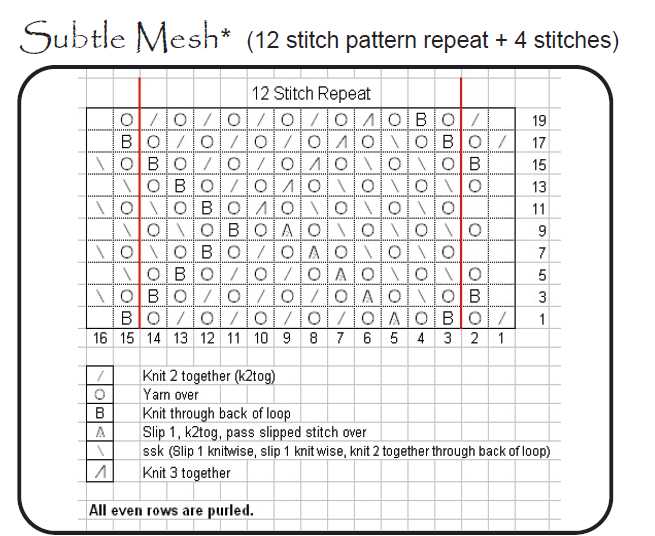
The knit one slip one pattern, also known as the K1, P1 pattern, is a popular knitting technique that creates a textured fabric with a combination of knit and purl stitches. This pattern has been used in knitting for centuries and has a rich history and origins that can be traced back to traditional knitting practices.
One of the earliest references to the knit one slip one pattern can be found in Elizabeth Zimmermann’s book “Knitting Without Tears” published in 1971. Zimmermann, a pioneering knitter known for her innovative techniques, described the knit one slip one pattern as a versatile and elegant stitch pattern that adds texture and interest to any knitted project.
The knit one slip one pattern is often used in various knitting projects, including scarves, hats, sweaters, and blankets. It’s a relatively simple pattern to learn, making it accessible to knitters of all skill levels. The pattern is achieved by knitting one stitch and then slipping the next stitch purlwise with the yarn in front, creating a raised stitch that adds a subtle decorative element to the fabric.
Throughout history, the knit one slip one pattern has been adapted and modified by knitters to create unique and intricate designs. It has become a staple in many knitting traditions and is often used as a foundation for more complex stitch patterns. Today, the knit one slip one pattern continues to be a beloved technique in the knitting community and is cherished for its versatility and visual appeal.
Tools and Materials Needed to Knit One Slip One
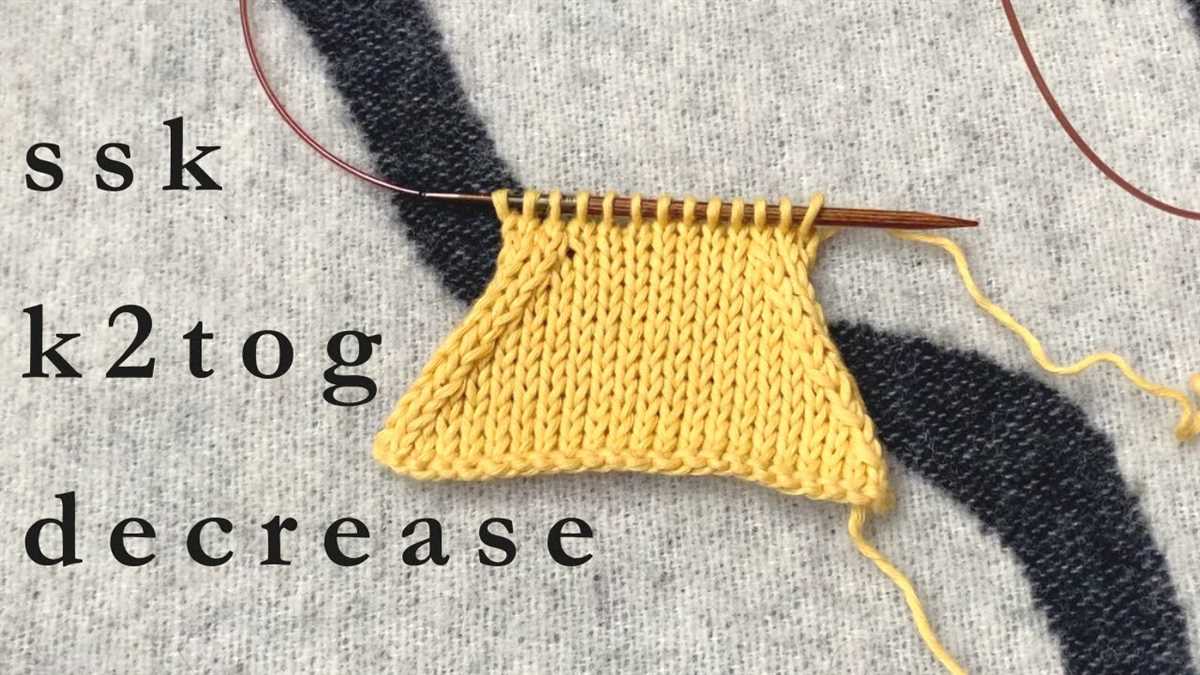
Knitting one slip one, a popular knitting pattern, requires a few essential tools and materials to get started. Having the right equipment and supplies will ensure that your knitting project is successful and enjoyable.
To knit one slip one, you will need:
- Knitting Needles: Choose knitting needles that are appropriate for the yarn you are using. The size will depend on the gauge and tension you want to achieve in your project.
- Yarn: Select yarn in the color and texture of your choice. The type of yarn will also depend on the project you are working on. Make sure you have enough yarn to complete your project.
- Tapestry Needle: A tapestry needle is used for weaving in ends and seaming your knitting project. Choose a needle with a large eye and a blunt tip for easy use.
- Stitch Markers: Stitch markers are useful for keeping track of stitch patterns and shaping in your knitting. They can be made of plastic, metal, or even simple loops of yarn.
- Scissors: A pair of scissors will come in handy for cutting yarn and trimming any excess.
- Measuring Tape: A measuring tape will help you check the size and length of your project, ensuring accurate measurements.
- Row Counter: A row counter is useful for keeping track of the number of rows you have knitted. It can help you maintain consistency in your pattern.
Having these tools and materials on hand will give you everything you need to successfully knit one slip one. Remember to choose high-quality materials and take proper care of your tools to ensure they last for many knitting projects to come.
Step-by-Step Instructions for Knitting the Knit One Slip One Pattern
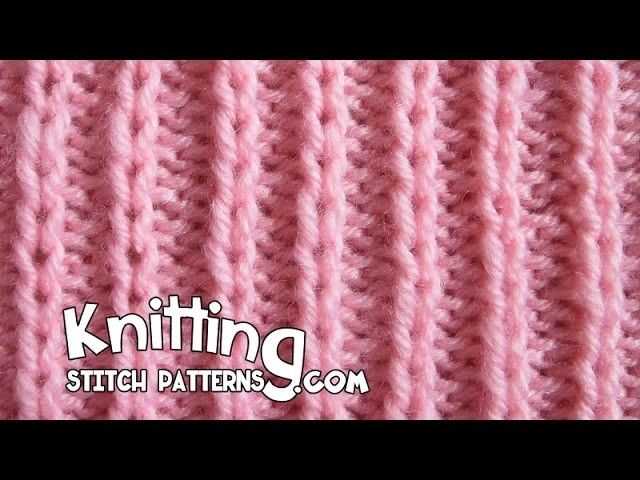
The knit one slip one pattern is a popular knitting technique that creates a textured fabric with an interesting look. It involves alternating between knitting one stitch and slipping the next stitch. This pattern can be used to create a variety of knitted items, such as scarves, hats, and blankets. With the following step-by-step instructions, you’ll be able to easily master the knit one slip one pattern and incorporate it into your knitting projects.
Materials:

- Yarn
- Knitting needles
- Tapestry needle
- Scissors
Instructions:

- Start by casting on an even number of stitches onto your knitting needles.
- Hold the yarn in your right hand and the needle with the cast-on stitches in your left hand.
- Insert the right needle into the first stitch as if to knit.
- Wrap the yarn around the right needle counterclockwise.
- Pull the right needle through the stitch, creating a new stitch on the right needle.
- Slip the next stitch from the left needle to the right needle without knitting it. You can do this by simply inserting the right needle into the stitch and sliding it off the left needle.
- Repeat steps 3-6 across the row until you reach the end.
- When you reach the end of the row, turn your work and repeat steps 3-7 on the next row.
- Continue repeating steps 3-7 for as many rows as desired.
- To bind off, knit the first stitch, then slip the next stitch. Pass the first stitch over the slipped stitch and off the needle. Repeat this process across the row until you have one stitch remaining.
- Cut the yarn, leaving a tail for weaving in later. Pull the tail through the last stitch and tighten to secure.
- Weave in any remaining yarn tails using a tapestry needle to finish your knitted piece.
By following these step-by-step instructions, you’ll be able to easily knit the knit one slip one pattern and create beautiful textured projects. Practice this pattern with different yarns and needle sizes to achieve different effects and experiment with incorporating it into your own unique designs.
Tips and Tricks for Perfecting Your Knit One Slip One Technique

The knit one slip one pattern is a popular knitting technique that adds texture and visual interest to your projects. However, it can be challenging to master and perfect. Here are some tips and tricks to help you improve your knit one slip one skills.
1. Use the right needles: The choice of needles can make a big difference in how your knit one slip one stitches turn out. Opt for needles with a smooth surface, such as bamboo or metal, to ensure the yarn glides smoothly and the slips are neat.
2. Maintain tension: Consistent tension is key to achieving even and balanced knit one slip one stitches. Avoid pulling the yarn too tightly or loosely when slipping the stitch, as it can distort the pattern and affect the overall appearance of your work. Practice maintaining a steady tension to achieve professional-looking results.
3. Pay attention to stitch placement: When working the knit one slip one pattern, it’s important to pay attention to the placement of your stitches. Make sure you’re slipping the stitch correctly and in the right direction to create the desired effect. Take your time and double-check your stitches to avoid any mistakes.
4. Practice with different yarns: Experimenting with different types of yarn can help you better understand how the knit one slip one pattern works with various textures and weights. Try working with both smooth and textured yarns to see how they affect the final result. This will also give you an opportunity to practice adjusting your tension accordingly.
5. Count your stitches: It’s important to keep track of your stitches when working the knit one slip one pattern, especially if you’re following a specific pattern or creating a symmetrical design. Make sure to count your stitches at regular intervals to ensure accuracy and prevent any mistakes from going unnoticed.
6. Take breaks: Knitting can be a repetitive activity, and practicing the knit one slip one pattern for an extended period can lead to fatigue and mistakes. Take regular breaks to rest your hands and clear your mind. This will help you maintain focus and improve your overall knitting technique.
7. Seek help and inspiration: If you’re struggling with the knit one slip one technique, don’t hesitate to seek help from fellow knitters or online knitting communities. There are plenty of tutorials, videos, and forums available where you can find guidance and inspiration. Learning from others can greatly enhance your skills and confidence.
By following these tips and tricks, you’ll be well on your way to perfecting your knit one slip one technique. Remember, practice makes perfect, so don’t get discouraged if it takes time to master. Keep knitting and enjoy the process!
Common Mistakes to Avoid When Knitting the Knit One Slip One Pattern
Knitting the knit one slip one pattern can be a challenge, especially for beginners. While the pattern itself may seem straightforward, there are some common mistakes that knitters should be aware of in order to achieve the desired results. By avoiding these mistakes, you can ensure that your knitted piece turns out beautifully.
1. Miscounting stitches: One of the most common mistakes when knitting the knit one slip one pattern is miscounting stitches. This pattern requires you to knit one stitch, slip the next stitch, and then repeat this pattern across the row. It’s easy to lose count, especially if you’re working on a large project. To avoid this mistake, it’s important to stay focused and count your stitches carefully.
2. Not slipping the stitch correctly: Another mistake that often occurs when knitting the knit one slip one pattern is not slipping the stitch correctly. When you slip a stitch, you need to pass it from one needle to the other without knitting it. Some knitters accidentally knit the slipped stitch instead, which can result in an incorrect pattern. Pay close attention to ensure that you’re slipping the stitch properly.
3. Tension issues: Maintaining the right tension is crucial when working with any knitting pattern, including the knit one slip one pattern. Tension refers to the tightness or looseness of your stitches. If your tension is too tight, the fabric may become stiff and difficult to work with. On the other hand, if your tension is too loose, the fabric may appear sloppy and loose. Practice knitting the pattern with different tension levels until you find the perfect balance.
4. Not reading the pattern instructions carefully: It’s important to carefully read and understand the pattern instructions before beginning any knitting project. This is especially true for the knit one slip one pattern, as it involves a specific sequence of stitches. Skipping or misinterpreting the pattern instructions can lead to mistakes and uneven stitches. Take your time to familiarize yourself with the pattern before diving in.
5. Ignoring the importance of practice: Like any new skill, knitting the knit one slip one pattern takes practice. Don’t expect to master the pattern right away. It’s important to dedicate time to perfecting your technique and becoming familiar with the pattern. Consider starting with smaller projects, such as a dishcloth or scarf, to build your confidence before tackling larger projects.
By being aware of these common mistakes and taking the necessary precautions, you can successfully knit the knit one slip one pattern and create stunning hand-knit items. Remember to be patient with yourself and enjoy the process of learning and experimenting with this versatile knitting pattern.
How to Incorporate the Knit One Slip One Pattern into Your Knitting Projects
If you are looking to add some texture and interest to your knitting projects, the knit one slip one pattern is a great choice. This simple stitch pattern creates a subtle diagonal effect that can be used in a variety of ways. Whether you are knitting a scarf, a hat, or a sweater, incorporating the knit one slip one pattern will add a touch of sophistication to your project.
To begin incorporating the knit one slip one pattern, you’ll need to understand the basic technique. The pattern consists of alternating between knitting one stitch and slipping one stitch. To knit one, insert your right needle into the next stitch on your left needle, bring the yarn over the top of the right needle, and pull the loop of the new stitch through. To slip one, insert your right needle into the next stitch on your left needle as if you were going to knit it, but instead, simply slide the stitch onto the right needle without knitting it.
Once you have mastered the knit one slip one pattern, you can begin to experiment with different ways to incorporate it into your knitting projects. One option is to use it as an all-over stitch pattern, creating a textured fabric that is perfect for blankets or scarves. Another option is to use it as a border or edging, adding a decorative touch to the edge of a sweater or hat. You could also use the knit one slip one pattern to create a panel or panel design within a larger project, such as a sweater or cardigan.
In addition to its versatility, the knit one slip one pattern also lends itself well to different yarn types and weights. You can use a chunky yarn for a more pronounced textured effect, or a finer yarn for a more delicate and subtle look. The pattern also works well with variegated or self-striping yarns, allowing the colors to shine through while still showcasing the texture of the stitch.
Overall, incorporating the knit one slip one pattern into your knitting projects is a great way to add texture, interest, and sophistication. Whether you choose to use it as an all-over stitch pattern, a border, or a panel design, this simple yet versatile pattern is sure to elevate your knitting to the next level.
Variations and Modifications of the Knit One Slip One Pattern
The knit one slip one pattern is a classic knitting technique that creates a beautiful textured look. While the traditional pattern involves alternating knit stitches with slipped stitches, there are many variations and modifications that can be made to create unique and interesting designs.
1. Seed Stitch Variation
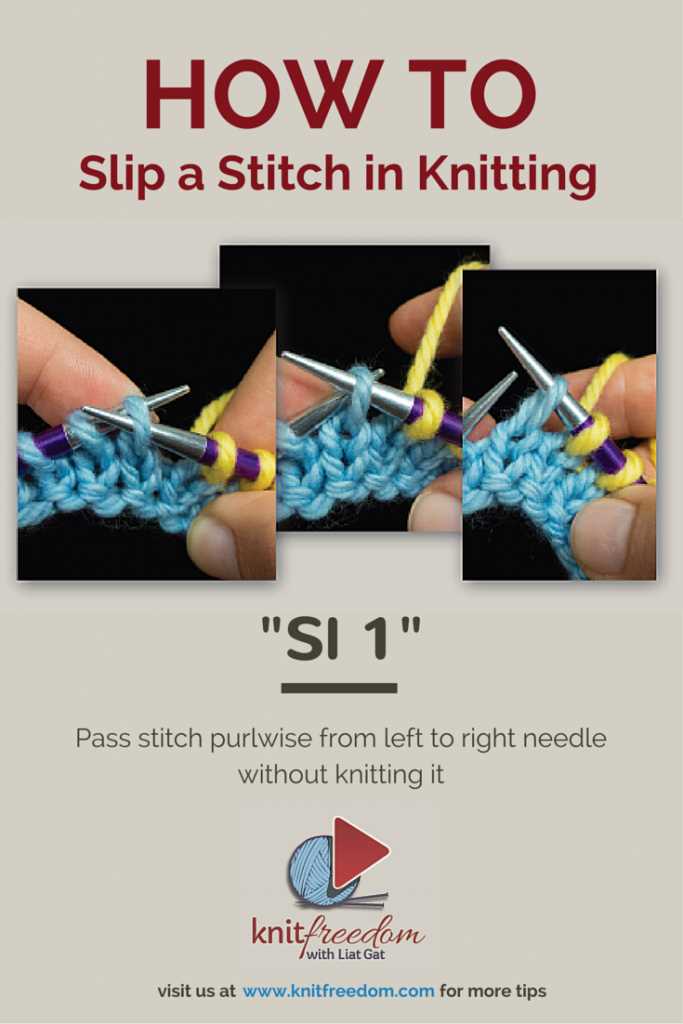
A popular variation of the knit one slip one pattern is the seed stitch variation. Instead of slipping stitches, this variation involves alternating knit and purl stitches. The result is a textured fabric with small seed-like bumps. This variation is great for creating solid, yet interesting, backgrounds for other designs.
2. Cable Twist Modification
Another way to modify the knit one slip one pattern is to incorporate cable twists. By crossing stitches over each other, you can create intricate cable designs within the pattern. This modification adds an extra level of complexity and visual interest to the traditional pattern.
3. Lace Panel Addition
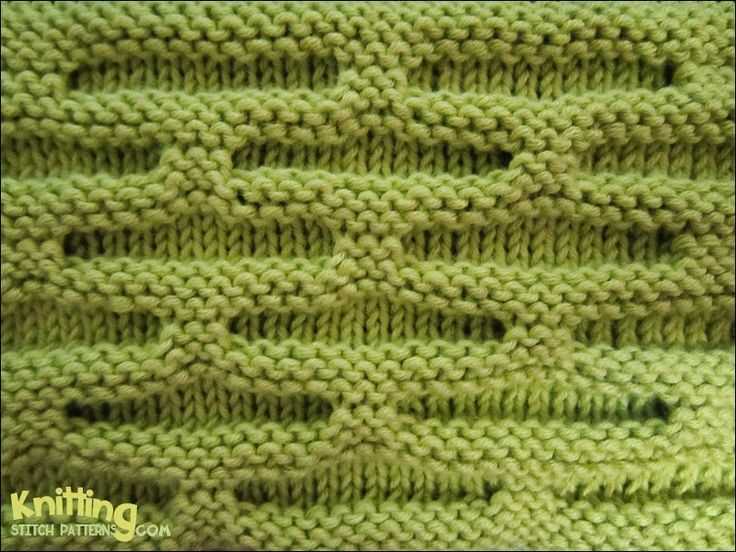
To create a more delicate and open design, you can add lace panels to the knit one slip one pattern. Lace panels are created by working yarn overs and decreases in specific patterns, creating a lacy and airy effect. This modification is often used in shawls, scarves, and other lightweight garments.
4. Colorwork Variation
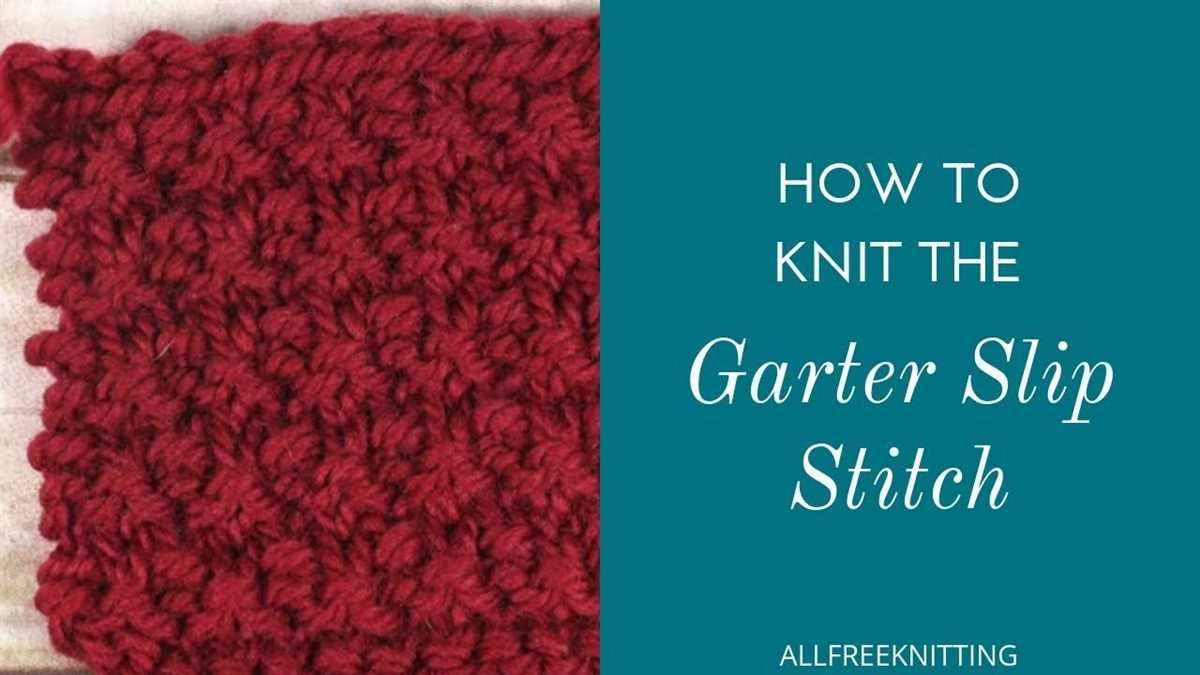
For those who want to incorporate multiple colors into their project, the knit one slip one pattern can be modified to include colorwork. This can be done by working the slipped stitches in a different color than the knit stitches, or by adding additional colors to create intricate patterns. Colorwork adds vibrancy and visual interest to the fabric.
5. Ribbing Modification
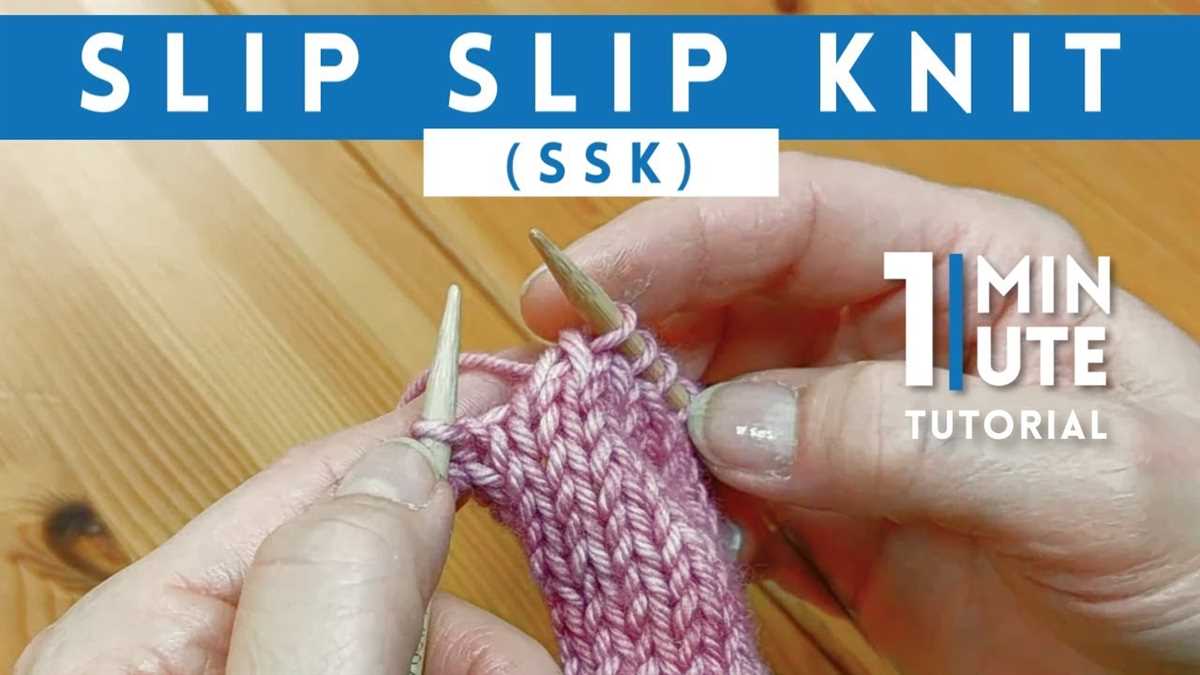
Ribbing is another modification that can be made to the knit one slip one pattern. By adding in knit and purl stitches in a specific sequence, you can create a ribbed texture. Ribbing is commonly used in cuffs, collars, and hems to provide elasticity and structure to knitted garments.
These are just a few examples of the variations and modifications that can be made to the knit one slip one pattern. The possibilities are endless, and with a little creativity, you can create truly unique and personalized designs.
Inspiring Knitting Projects Using the Knit One Slip One Pattern
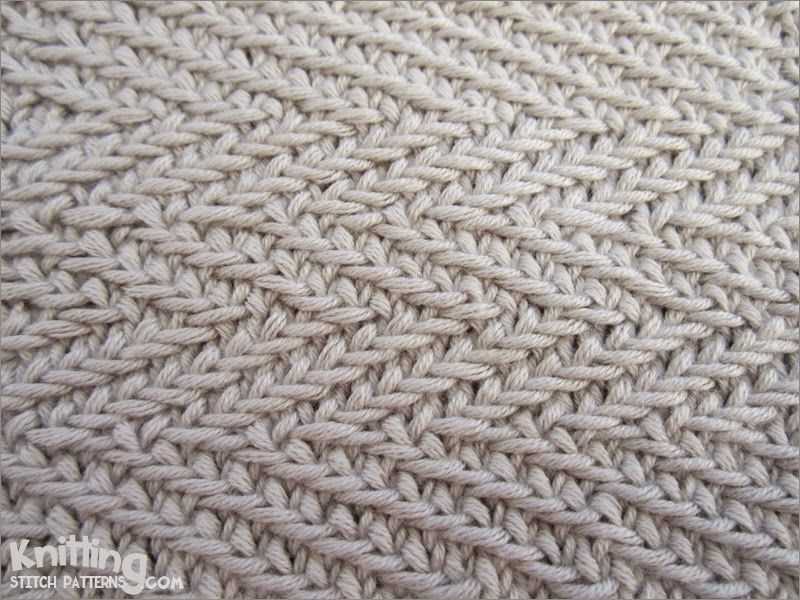
Knitting is not only a popular pastime but also a creative outlet for many people. Whether you’re an experienced knitter or just starting out, the knit one slip one pattern is a versatile and visually appealing technique that can be used to create stunning projects. By alternating between knitting and slipping stitches, you can achieve a beautiful textured effect that adds depth and dimension to your knitted items.
If you’re looking for inspiration on how to incorporate the knit one slip one pattern into your knitting projects, here are a few ideas to get you started:
1. Scarves and Shawls
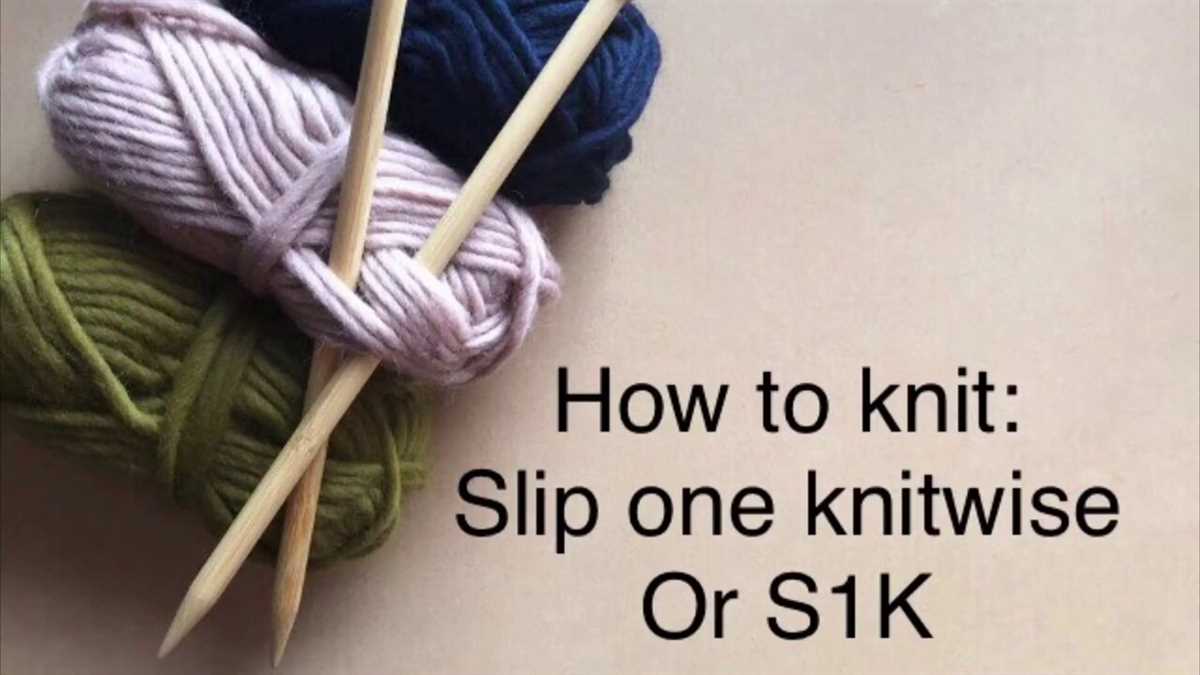
The knit one slip one pattern is perfect for creating unique and beautiful scarves and shawls. By using different yarns and colors, you can experiment with different textures and create one-of-a-kind accessories. Whether you prefer a chunky knit or a delicate lace pattern, the knit one slip one technique can be adapted to suit your style.
2. Sweaters and Cardigans
If you’re looking to add some visual interest to your knitted sweaters and cardigans, try incorporating the knit one slip one pattern into the design. This technique can be used to create interesting panels or accents, adding a touch of elegance to your garments. Whether you choose to use the pattern on the entire garment or just as a border or trim, the end result will be a stunning and unique piece.
3. Baby Blankets and Afghans
When it comes to knitting projects for babies and children, the possibilities are endless. The knit one slip one pattern can be used to create beautiful baby blankets and afghans that are not only cozy but also visually appealing. By using soft and gentle yarns, you can create a textured and tactile piece that little ones will love to snuggle up with.
These are just a few examples of how you can incorporate the knit one slip one pattern into your knitting projects. The beauty of this pattern is its versatility – it can be adapted to suit any project, from small accessories to large garments. So grab your knitting needles and get creative with the knit one slip one pattern!
Resources and Further Reading for the Knit One Slip One Pattern
Learning a new knitting pattern can be challenging, but with the right resources and further reading, you can master the knit one slip one pattern in no time. Here are some helpful resources to get you started:
- Books: There are many knitting books available that provide detailed instructions and patterns for various stitches, including the knit one slip one pattern. Some recommended books include “The Knitter’s Book of Stitches” by Barbara G. Walker and “Knitting Patterns For Dummies” by Kristi Porter.
- Online Tutorials: Numerous websites and YouTube channels offer step-by-step tutorials on different knitting stitches. Search for “knit one slip one” tutorials to find videos and written instructions that can guide you through the pattern.
- Knitting Forums: Online knitting forums and communities can be a great place to ask questions, seek advice, and connect with other knitters who are experienced in the knit one slip one pattern. Websites like Ravelry have dedicated forums where you can find discussions on this specific pattern.
- Local Knitting Groups: Joining a local knitting group or club can provide you with a valuable source of support and knowledge. You can learn from more experienced knitters, ask questions, and receive hands-on help with the knit one slip one pattern.
With these resources and further reading, you have a wide range of options to choose from when it comes to mastering the knit one slip one pattern. Whether you prefer learning from books, online tutorials, or through community support, you’ll find the help you need to become proficient in this beautiful and versatile knitting stitch.
Q&A:
What is the knit one slip one pattern?
The knit one slip one pattern is a common knitting technique where you knit one stitch, then slip the next stitch purlwise from the left needle to the right needle without knitting it. This creates a pattern of alternating knitted and slipped stitches.
What is the purpose of the knit one slip one pattern?
The purpose of the knit one slip one pattern can vary depending on the project. It can be used to create texture, such as in ribbing or basketweave patterns. It can also be used as a decorative stitch pattern or to create a stretchy fabric, such as in sock cuffs.
Can the knit one slip one pattern be used in different knitting projects?
Yes, the knit one slip one pattern can be used in a variety of knitting projects. It is commonly used for ribbing on garments like sweaters, hats, and scarves. It can also be used in stitch patterns for blankets, shawls, and other accessories.
Is the knit one slip one pattern difficult to learn?
The knit one slip one pattern is not difficult to learn, especially if you already have some basic knitting skills. It involves simple knit stitches and slipping stitches, which are both beginner-level techniques. With some practice, you can easily master this pattern.
Are there any variations of the knit one slip one pattern?
Yes, there are variations of the knit one slip one pattern. For example, you can knit multiple stitches before slipping one, or you can slip multiple stitches before knitting one. These variations can create different textures and patterns in your knitting.
What is the knit one slip one pattern?
Knit one slip one pattern, also known as the knit one, slip one (K1, sl1) pattern, is a knitting technique where you alternate between knitting one stitch and slipping one stitch without knitting it. This pattern creates a textured fabric with a combination of raised and lowered stitches.