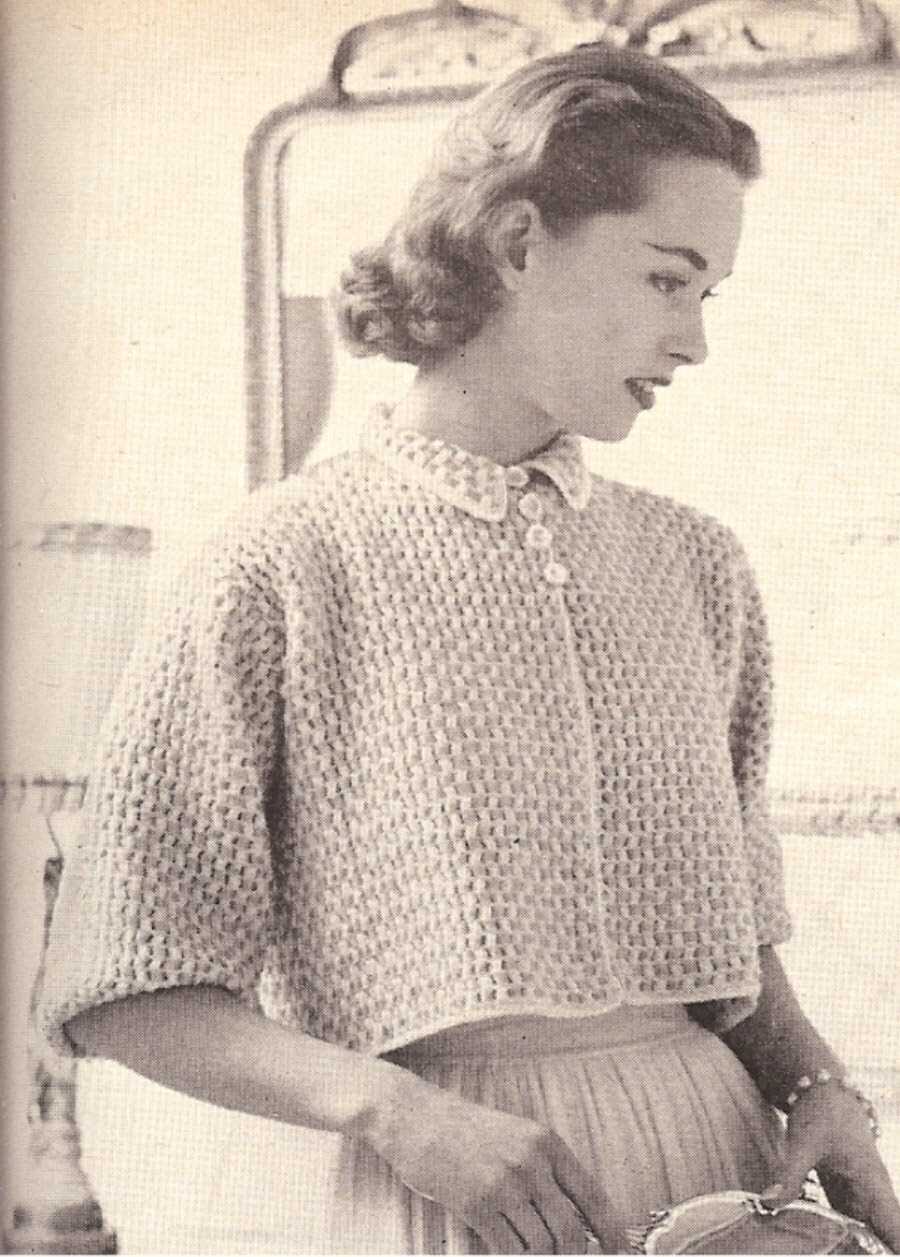
When the weather gets chilly, there’s nothing better than curling up in a cozy bed jacket. Knitting your own bed jacket not only allows you to customize the design and fit, but it’s also a great way to relax and enjoy the process. With this free bed jacket knitting pattern, you can create a stylish and comfortable garment that will keep you warm during those cold winter nights.
This knitting pattern is suitable for knitters of all skill levels, from beginners to advanced. The design features a classic bed jacket style with a button-up front and ribbed cuffs and hem. The pattern includes detailed instructions and a stitch chart, making it easy to follow along and create a beautiful finished product.
Not only is this bed jacket practical, but it’s also a fashionable addition to any wardrobe. You can choose to knit it in a classic neutral color like cream or gray, or go for a bold and vibrant shade to add a pop of color to your outfit. Whether you wear it over your favorite pajamas or pair it with jeans for a casual look, this bed jacket is sure to become a staple in your wardrobe.
Materials Needed for Bed Jacket Knitting
When starting a new knitting project, it is important to gather all the necessary materials to ensure a smooth and successful knitting experience. The same goes for knitting a bed jacket. Here are the essential materials you will need:
1. Yarn

The first and most important material you will need is yarn. Choose a soft and cozy yarn that is suitable for knitting a bed jacket. Consider the weight and color of the yarn as well, depending on your personal preferences. It is recommended to use a medium-weight yarn for a bed jacket.
2. Knitting Needles
Another crucial material is a pair of knitting needles. The size of the knitting needles will depend on the gauge of the yarn you choose. Refer to the knitting pattern you are using to determine the appropriate needle size. Generally, a set of US size 8 (5mm) or US size 9 (5.5mm) knitting needles will work well for a bed jacket.
3. Stitch Markers

Stitch markers are small accessories that help you keep track of your knitting progress. They are especially useful when working on patterns that require repeating sections or when you need to mark specific points for shaping. Make sure to have a few stitch markers handy to assist you throughout the bed jacket knitting process.
4. Scissors
A good pair of scissors is essential for any knitting project. You will need them to cut the yarn at different stages, such as when joining a new ball of yarn or when finishing the bed jacket. Choose a pair of sharp and sturdy scissors that are comfortable to handle.
5. Tapestry Needle

A tapestry needle, also known as a yarn needle, is used for weaving in ends and seaming knitted pieces together. Make sure to have a tapestry needle with a large eye to easily thread the yarn through. This tool will come in handy when completing the finishing touches of your bed jacket.
In addition to these main materials, you may also need additional accessories such as buttons, ribbons, or decorative embellishments, depending on the design and style of your bed jacket. By having these essential materials ready, you can start knitting your bed jacket with confidence and enjoy the cozy and stylish result.
Choosing the right yarn for your bed jacket
When knitting a bed jacket, it is important to choose the right yarn to ensure that the finished product is comfortable, durable, and suitable for its intended purpose. There are several factors to consider when selecting yarn for your project.
Fiber content: One of the first things to consider is the fiber content of the yarn. Different fibers have different properties, and you’ll want to choose a yarn that is soft, warm, and breathable. Many knitters prefer natural fibers such as wool, alpaca, or cotton for bed jackets, as they have excellent insulation properties and can regulate body temperature.
Weight: The weight of the yarn will also play a role in the outcome of your bed jacket. If you want a lightweight and airy jacket, opt for a fingering or DK weight yarn. For a warmer and cozier jacket, choose a thicker worsted or bulky weight yarn. Be sure to check the pattern’s recommended gauge and choose a yarn that will help you achieve the desired fit and drape.
Texture: The texture of the yarn can also add interest and character to your bed jacket. You can choose a smooth and uniform yarn for a more classic and timeless look, or opt for a yarn with texture, such as boucle or mohair, for a more playful and cozy appearance. Experiment with different yarn textures to achieve the desired effect.
Color: Finally, consider the color of the yarn. Bed jackets are often worn in intimate settings, so you may want to choose a color that reflects your personal style or complements your bedroom decor. Neutral colors such as white, beige, or gray are versatile and timeless, while bold and vibrant colors can add a pop of color and personality to your bed jacket.
By carefully considering the fiber content, weight, texture, and color of the yarn, you can ensure that your bed jacket is not only beautiful but also functional and comfortable. Take the time to choose the right yarn for your project, and you’ll be rewarded with a cozy and stylish bed jacket that you’ll love to wear.
Getting started with bed jacket knitting
Knitting a bed jacket can be a cozy and rewarding project. Whether you’re knitting for yourself or as a gift, a bed jacket is a versatile and practical garment that can provide warmth and comfort. With the right pattern and materials, you can create a beautiful and functional bed jacket.
Before you begin knitting your bed jacket, there are a few things you’ll need to gather. First, you’ll need your chosen knitting pattern. Look for a pattern that matches your skill level and has clear instructions. You may also want to consider the size and style of the jacket you want to knit.
Choosing the right yarn and needles
Next, you’ll need to select the appropriate yarn and needles for your bed jacket. Consider the weight of the yarn and the recommended gauge in the pattern. A lightweight yarn is often a good choice for a bed jacket, as it will provide warmth without adding too much bulk. As for needles, choose a pair that matches the recommended size in the pattern.
Once you have all your materials ready, you can cast on and start knitting your bed jacket. Follow the instructions in the pattern, working each row carefully and paying attention to any shaping or stitch patterns. Take your time and enjoy the process of creating a beautiful and functional bed jacket that you can cherish for years to come.
- Choose a knitting pattern that matches your skill level and style preferences.
- Select the appropriate yarn weight and needle size for your bed jacket.
- Follow the instructions in the pattern, taking care to work each row accurately.
Remember to take breaks and stretch your hands and wrists to prevent any discomfort or strain. Knitting a bed jacket can be a relaxing and enjoyable activity, so take your time and savor the process of creating something special.
Knitting Techniques for the Bed Jacket Pattern

Knitting a bed jacket can be a rewarding project, especially when you have the right techniques at your disposal. This article will guide you through some essential knitting techniques that will help you complete your bed jacket pattern with ease.
1. Casting On
The first step in any knitting project is to cast on your stitches. For the bed jacket pattern, you will need to cast on a specific number of stitches to create the desired size. Follow the instructions provided in the pattern to cast on the correct number of stitches.
2. Knit and Purl Stitch

The bed jacket pattern will likely require a combination of both knit and purl stitches. The knit stitch creates a smooth, V-shaped pattern, while the purl stitch creates a bumpy, raised pattern. By alternating between these two stitches, you can create various textures in your bed jacket.
3. Increasing and Decreasing Stitches

To shape the bed jacket and achieve the desired fit, you may need to increase or decrease stitches at certain points in the pattern. There are several techniques available for increasing and decreasing stitches, such as knitting two stitches together or yarn overs. Consult the pattern for specific instructions on when and how to perform these techniques.
4. Ribbing

Ribbing is a common technique used in bed jacket patterns to create stretchy and form-fitting cuffs, collars, and edges. It is achieved by alternating between knit and purl stitches in a specific pattern. The most common ribbing patterns are 1×1 (alternating knit and purl stitches) or 2×2 (alternating two knit stitches and two purl stitches).
5. Finishing Techniques

Once you have completed the main body of your bed jacket, it’s time to finish it off with some essential techniques. These may include binding off your stitches to create a neat edge, weaving in any loose ends, and sewing any necessary seams. Follow the instructions provided in the pattern to ensure a polished and professional-looking final product.
By mastering these knitting techniques, you will be well-equipped to tackle your bed jacket pattern and create a cozy and stylish garment. Remember to always take your time, read the pattern instructions carefully, and enjoy the process of creating something beautiful with your knitting skills.
Adding buttons or other closures to your bed jacket

One of the ways to customize your bed jacket is to add buttons or other closures to it. This not only adds a functional element to the jacket but also gives it a stylish and personalized touch. Here are a few options for adding closures to your bed jacket:
1. Button closure:
Adding buttons to your bed jacket is a popular choice. You can either sew the buttons directly onto the jacket or create buttonholes for a more tailored look. Choose buttons that complement the yarn color and style of your bed jacket for a cohesive look. Additionally, you can add decorative buttons for an extra touch of elegance.
2. Ribbon tie closure:
Another option is to add ribbon ties as closures for your bed jacket. Cut two pieces of ribbon, each long enough to wrap around your waist and tie into a bow. Sew one end of each ribbon onto the front edges of the jacket, and then securely tie the ribbons together to close the jacket. This creates a feminine and delicate closure option.
3. Hook and eye closure:

A hook and eye closure is a discreet and secure option for your bed jacket. Sew a small hook onto one side of the front edge of the jacket and the matching eye onto the other side. When you close the jacket, the hook will fit into the eye, keeping the jacket closed. This type of closure works well if you want a seamless and streamlined look.
Remember to choose closures that not only match the overall style of your bed jacket but also ensure a comfortable fit. Experiment with different closure options to find the one that suits your preferences and adds a touch of uniqueness to your bed jacket.
Modifying the bed jacket pattern for a custom fit
If you’re using a free bed jacket knitting pattern but want to make sure it fits you perfectly, there are a few modifications you can make to customize the fit. In this article, we’ll go through some simple adjustments you can make to the pattern.
1. Adjusting the size

If the pattern provides multiple sizing options, choose the one closest to your measurements. However, if you fall in between sizes or prefer a looser or tighter fit, you can easily modify the pattern. To make the bed jacket larger, you can add extra stitches to the back and front pieces. Conversely, if you want a smaller size, simply decrease the number of stitches.
2. Length modifications

The length of the bed jacket is another aspect you can easily modify. If you want a longer bed jacket, simply add more rows to the pattern. Similarly, if you prefer a shorter length, you can reduce the number of rows. Keep in mind that the adjustments should be made evenly throughout the pattern to maintain the overall design.
3. Sleeve adjustments

If the bed jacket pattern has sleeves and you want to modify their length, it’s as simple as adding or subtracting rows. To make the sleeves longer, add more rows before binding off. For shorter sleeves, bind off earlier. You can also adjust the width of the sleeves by adding or decreasing stitches, ensuring they match your desired fit.
By making these simple modifications to a free bed jacket knitting pattern, you can create a garment that fits you perfectly. Remember to always check your gauge before starting and to try on the bed jacket as you go to ensure the desired fit.
Adding embellishments to your bed jacket
When it comes to adding embellishments to your bed jacket, you have countless options to choose from. Whether you prefer a subtle touch or a bold statement, there are various techniques and materials that can be used to enhance the overall design and make your bed jacket truly unique.
Embroidery: Embroidery is a classic technique that can add elegance and charm to your bed jacket. You can choose to embroider delicate flowers, intricate patterns, or even monograms to personalize your garment. Use contrasting or complementary thread colors to make the embroidery stand out.
Ribbons and trims: Ribbons and trims can be used to add texture and visual interest to your bed jacket. You can sew them along the neckline, cuffs, or hemline to create a decorative border. Satin, lace, or velvet ribbons can add a touch of luxury, while pom-pom or tassel trims can create a playful and whimsical look.
Buttons and closures: Choosing the right buttons or closures can make a big difference in the overall appearance of your bed jacket. You can opt for vintage-inspired buttons for a nostalgic feel, or modern and colorful buttons for a more contemporary look. If you prefer a more delicate closure, you can use hooks and eyes or small fabric-covered buttons.
Appliques: Appliques are another way to add dimension and visual interest to your bed jacket. They can be made from fabric, lace, or even sequins. Appliques can be sewn onto the fabric at strategic spots, such as the shoulder or pocket, to create a focal point and make your bed jacket truly one-of-a-kind.
Beading: If you want to add a touch of glamour and sparkle to your bed jacket, consider adding beads. Whether you choose small seed beads, larger beads, or even sequins, they can create a beautiful and eye-catching effect. Beading can be done along the edges, in a specific pattern, or scattered randomly for a more whimsical look.
Color blocking: If you want to make a bold statement with your bed jacket, consider using different colors of yarn to create color blocks. This technique involves using multiple colors in distinct sections of the bed jacket, creating a modern and graphic look. You can experiment with contrasting or complementary colors to achieve different effects.
Adding embellishments to your bed jacket allows you to showcase your creativity and personalize your garment. Whether you choose to embroider, add ribbons and trims, use unique buttons, appliques, beads, or experiment with color blocking, the possibilities are endless. The key is to have fun and let your imagination run wild, creating a bed jacket that is truly one-of-a-kind.
Finishing touches for your bed jacket

Once you have completed knitting your bed jacket using the free pattern, there are a few finishing touches you can add to make it even more special. These details will not only enhance the overall look of the jacket but also ensure a comfortable fit.
1. Buttons: Choose decorative buttons that complement the color and style of your bed jacket. Sew them onto the front opening, ensuring they are evenly spaced and securely attached. The buttons not only add an aesthetic element but also allow you to fasten the jacket when desired.
2. Crochet edging: Adding a crochet edging around the sleeves and bottom hem will give your bed jacket a delicate and feminine touch. Choose a contrasting color yarn and follow a simple crochet pattern to create a decorative border. This will add visual interest and make your jacket stand out.
3. Ribbon tie closure: Instead of buttons, you can opt for a ribbon tie closure. Attach two small fabric loops to the front opening of the jacket and thread a ribbon through them. This closure option adds a daintier and more delicate look to the bed jacket while still allowing you to easily fasten it.
4. Embellishments: If you want to personalize your bed jacket further, consider adding small embellishments such as lace trims, embroidered motifs, or fabric appliques. These details can be sewn onto the front, sleeves, or collar of the jacket to make it truly unique and reflect your personal style.
5. Lining: To add an extra layer of warmth and comfort, you can line the inside of your bed jacket. Choose a soft and lightweight fabric that complements the color and style of the jacket. Cut the fabric to match the shape of the jacket and sew it in place, ensuring a neat finish. The lining will create a luxurious feel and make the jacket more cozy to wear.
By adding these finishing touches to your bed jacket, you can transform it into a beautiful and personalized garment that fits your style and preferences. Enjoy the process of making these adjustments and creating a truly unique piece to keep you warm and stylish.
Tips and tricks for knitting a bed jacket
Knitting a bed jacket can be a fun and rewarding project. However, it’s important to keep a few tips and tricks in mind to ensure the best results. Here are some useful tips to consider when knitting your own bed jacket:
- Choose the right yarn: Select a soft and cozy yarn that is suitable for a bed jacket. It should be warm and comfortable against the skin.
- Check your gauge: Before starting your project, make sure to knit a swatch to check your gauge. This will help ensure that your bed jacket turns out the correct size.
- Use stitch markers: Stitch markers can be helpful for keeping track of pattern repeats and shaping. Place them at the beginning and end of each repeat to help you stay organized.
- Take breaks and stretch: Knitting for long periods of time can lead to hand and wrist fatigue. Remember to take breaks and stretch your hands and wrists to avoid discomfort.
- Read the pattern carefully: Before starting your bed jacket, read through the pattern instructions thoroughly. Familiarize yourself with any special stitches or techniques that may be required.
- Count your stitches: Regularly count your stitches as you work to ensure that you haven’t accidentally added or dropped any stitches. Fixing mistakes early on will save you time and frustration later.
By following these tips and tricks, you can create a beautiful and cozy bed jacket that you will love to wear. Happy knitting!