
Knitting is a popular craft that has been practiced for centuries. One of the most well-known types of knitting patterns is the Norwegian sweater. These sweaters are not only fashionable but also have a rich history and cultural significance. Originating in Norway, these patterns have become a staple in the knitting community.
Norwegian sweater knitting patterns are known for their intricate designs and vibrant colors. Traditionally, these sweaters are made from wool, which helps to keep the wearer warm during the harsh Norwegian winters. The patterns often feature geometric motifs, such as crosses, stars, and diamonds, inspired by traditional Norwegian folklore and mythology.
Knitting a Norwegian sweater is a labor of love. The patterns can be challenging, but the end result is a garment that is not only beautiful but also holds cultural significance. Many knitters take pride in mastering these intricate patterns and passing down the tradition to future generations. Whether you are a beginner or an experienced knitter, there is a Norwegian sweater pattern out there for you to try.
If you are interested in knitting a Norwegian sweater, there are many resources available to help you get started. From books and online tutorials to knitting groups and workshops, there are endless opportunities to learn and grow as a knitter. So grab your needles, choose a pattern, and start crafting your very own Norwegian sweater!
Norwegian Sweater Knitting Patterns
Knitting is a popular craft that has been passed down through generations, and Norwegian sweater knitting patterns are treasured for their intricate designs and timeless appeal. These patterns often feature traditional motifs, such as snowflakes, reindeer, and geometric patterns, which reflect the rich cultural heritage of Norway.
One of the most iconic Norwegian sweater patterns is the “Selbu rose,” named after the small village of Selbu in central Norway. This pattern typically consists of a central rose motif surrounded by intricate snowflake designs. The Selbu rose pattern originated in the late 19th century and has since become a symbol of Norwegian knitting tradition.
Traditional Norwegian Sweater Knitting Techniques
Creating a Norwegian sweater requires mastering several traditional knitting techniques. One of the most important techniques is stranded knitting, also known as Fair Isle knitting. This technique involves working with multiple colors in the same row, which creates a beautiful and intricate design. It is essential to maintain an even tension when working with multiple colors to ensure the pattern stands out without distorting the fabric.
In addition to stranded knitting, Norwegian sweater patterns often incorporate steeks. Steeks are small columns of stitches that are cut open to create openings for buttons or armholes. This technique allows for knitting in the round, which is quicker and more efficient than knitting flat. Steeking requires precise cutting and reinforcing the edges to prevent unraveling, making it an advanced technique that adds durability and functionality to Norwegian sweaters.
Whether you’re a seasoned knitter or new to the craft, knitting a Norwegian sweater can be a rewarding and fulfilling project. The intricate patterns and traditional techniques used in Norwegian sweater knitting make each piece a work of art that embodies the rich cultural heritage of Norway.
Understanding Norwegian Sweater Knitting

Norwegian sweater knitting is a traditional craft that has been passed down through generations. These sweaters, also known as “Norwegian jumpers” or “Lusekofte,” are known for their intricate patterns, warm wool, and durable construction. They have become iconic symbols of Norwegian culture and are popular both within the country and abroad.
When it comes to understanding Norwegian sweater knitting, one key aspect to consider is the unique patterns used in these garments. Norwegian sweaters often feature geometric motifs, nature-inspired designs, or traditional Norwegian symbols like the “Selbu rose.” These patterns are typically created using a technique called “stranded knitting,” where multiple colors of yarn are carried across the back of the work while knitting. This creates a dense, warm fabric and allows for intricate colorwork.
Stranded knitting requires some skill and patience to master. Knitters must be able to manage multiple yarn colors at once, while maintaining an even tension. To achieve this, a Norwegian knitting thimble can be used to help control the tension on the yarn in the non-dominant hand. This technique creates beautiful, complex patterns that are characteristic of Norwegian sweaters.
Another important aspect of Norwegian sweater knitting is the choice of yarn. Traditionally, Norwegian sweaters are made with wool, which provides warmth and durability. Norwegian wool, known as “norsk ull,” is beloved for its insulating properties and ability to withstand harsh weather conditions. However, modern knitters may also opt for other types of yarn, such as alpaca or cotton blends, to achieve different textures and finishes.
In conclusion, understanding Norwegian sweater knitting involves recognizing the unique patterns, mastering the technique of stranded knitting, and choosing the right yarn. Whether you are a beginner or an experienced knitter, exploring the world of Norwegian sweater knitting can be a rewarding and enjoyable journey. With dedication and practice, you can create your own stunning and cozy Norwegian sweaters that will be treasured for years to come.
History of Norwegian Sweaters

Norwegian sweaters, also known as “Norwegian jumpers” or “Lusekofte,” have a rich history dating back centuries. The intricate patterns and unique designs have become iconic representations of Norwegian culture and craftsmanship.
The origin of Norwegian sweaters can be traced back to the rural areas of Norway, where the local communities relied heavily on sheep farming for their livelihood. The sweaters were initially made for practical purposes, providing warmth and protection against the harsh Norwegian winters.
The design of Norwegian sweaters is heavily influenced by traditional Scandinavian knitting techniques. One of the most distinctive features is the use of the “Selburose” pattern, which consists of a central star motif surrounded by smaller geometric shapes. This pattern was first introduced in the 19th century by a woman named Marit Emstad, who lived in the Selbu region of Norway.
The popularity of Norwegian sweaters started to spread beyond the rural communities and gained international recognition in the early 20th century. In 1928, Norway’s ski team wore Norwegian sweaters during the Winter Olympics in St. Moritz, Switzerland, which helped to popularize the style even further.
Today, Norwegian sweaters are not only worn for their practicality and warmth but are also sought after for their beauty and craftsmanship. They have become a symbol of Norwegian national identity and are often associated with outdoor activities such as skiing and hiking. Knitting enthusiasts around the world continue to explore and create new patterns inspired by the rich history of Norwegian sweaters.
Traditional Norwegian Sweater Patterns

Norwegian sweater knitting patterns are known worldwide for their intricate designs and timeless appeal. These traditional patterns have been passed down through generations and continue to be popular choices for knitters today. Whether you’re an experienced knitter or just starting out, exploring the world of Norwegian sweater patterns can be a rewarding and creative experience.
Inspired by nature and Norwegian culture, many traditional Norwegian sweater patterns feature motifs such as snowflakes, reindeer, and traditional geometric designs. These patterns often incorporate a combination of stranded colorwork and textured stitches, providing a sense of depth and complexity to the finished sweater. Each motif has its own meaning and significance, making these sweaters not only beautiful but also rich in cultural heritage.
One popular Norwegian sweater pattern is the “Selburose,” named after the Selbu region in Norway. This pattern, featuring a beautiful rose motif, is often knit in black and white or other contrasting colors. Another well-known pattern is the “Setesdal” pattern, which originated in the Setesdal valley and is characterized by its diamond-shaped design and intricate details.
- Traditionally, Norwegian sweaters were knit using two-ply or three-ply wool yarn, which creates a warm and durable fabric. The tight gauge and stranded colorwork technique used in these patterns also contribute to the sweater’s warmth and ability to withstand harsh weather conditions.
- When choosing a Norwegian sweater pattern, it’s important to consider your knitting skill level and the amount of time you’re willing to dedicate to the project. Some patterns may require more advanced techniques, such as steeking or grafting, while others may be more suitable for beginners.
- As you explore traditional Norwegian sweater patterns, you’ll discover a wide range of design options, from simple and classic to more intricate and detailed. Don’t be afraid to experiment with different colors and motifs to make the design your own.
In conclusion, Norwegian sweater patterns are a beautiful and meaningful way to showcase your knitting skills. Whether you’re creating a sweater for yourself or as a gift, these patterns offer a touch of Norwegian culture and tradition that is both timeless and stylish.
Tips for Choosing the Right Yarn for Your Norwegian Sweater
When it comes to knitting a Norwegian sweater, one of the most important decisions you’ll make is choosing the right yarn. Norwegian sweaters are known for their intricate colorwork and cozy warmth, so selecting a yarn that is both durable and soft is key. Here are some tips to help you find the perfect yarn for your project.
Determine the Fiber Content
First and foremost, consider the fiber content of the yarn. Traditional Norwegian sweaters are typically made from wool, as it provides excellent insulation and is naturally moisture-wicking. Look for yarns that have a high percentage of wool, such as 100% wool or wool blends. These yarns will keep you warm and cozy, even in chilly Nordic weather.
Consider the Weight
The weight of the yarn is another important factor to consider. Norwegian sweaters can be knit in a variety of different weights, from light fingering to bulky. The weight you choose will depend on the desired final look and the climate you plan to wear the sweater in. Lighter weights are ideal for layering, while heavier weights provide extra warmth. Be sure to check the pattern or consult with an experienced knitter to determine the recommended yarn weight for your specific design.
Look for Variegated Colors

Norwegian sweaters are known for their vibrant and intricate colorwork. Look for yarns that come in a range of variegated colors to achieve the bold patterns typical of traditional Norwegian designs. Some yarns are specifically designed for colorwork, with multiple colors available in each skein for easy color transitions and blending. Experiment with different color combinations to create your own unique and eye-catching Norwegian sweater.
Check for Durability

A Norwegian sweater is an investment, so it’s important to choose a yarn that will stand the test of time. Look for yarns that are known for their durability, such as those with a tight twist or made from long-staple fibers. These yarns are less likely to pill or wear out over time, ensuring that your Norwegian sweater will last for years to come.
Don’t Be Afraid to Mix and Match
Finally, don’t be afraid to mix and match different yarns to achieve the desired effect. You can use a single yarn for the entire sweater, or combine multiple yarns to add texture and interest. Consider using a solid-colored yarn for the main body of the sweater and a variegated yarn for the colorwork sections. This can create a stunning contrast and make your Norwegian sweater truly one-of-a-kind.
By following these tips, you’ll be well on your way to selecting the perfect yarn for your Norwegian sweater. Remember to consider the fiber content, weight, color options, durability, and don’t be afraid to get creative by mixing and matching yarns. With the right yarn, your Norwegian sweater will become a cherished heirloom that keeps you warm and stylish for years to come.
Essential Knitting Techniques for Norwegian Sweaters
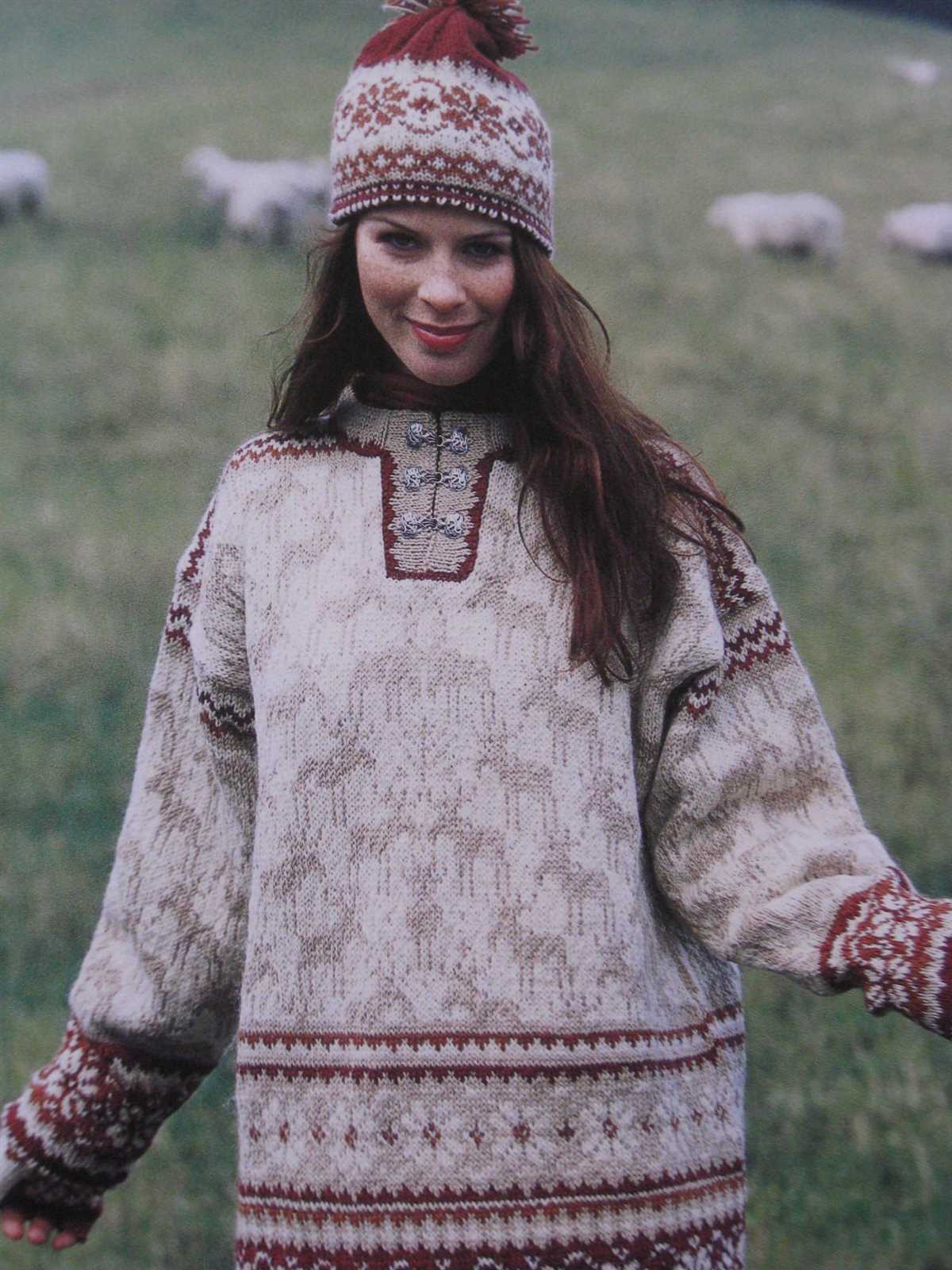
When it comes to knitting Norwegian sweaters, there are several essential techniques that every knitter should know. These techniques not only add beautiful and intricate details to your sweater but also help ensure a proper fit and durability. Whether you are a beginner or an experienced knitter, mastering these techniques will enable you to create stunning Norwegian sweaters that are both warm and stylish.
Fair Isle Knitting: Fair Isle knitting, also known as stranded knitting, is a popular technique used in Norwegian sweaters to create intricate patterns with multiple colors. The key to Fair Isle knitting is to carry the non-working yarn along the back of the work while knitting with the dominant yarn. This technique creates a double layer of fabric, making the sweater warmer and more durable.
Steeking: Steeking is a technique used to create openings in Norwegian sweaters, such as for a cardigan front or armholes. It involves cutting through the knitted fabric after it has been completed. To reinforce the steek, it is common to add stitches or sew on a ribbon. While steeking can be intimidating for beginners, with proper practice and attention to detail, it can be a valuable technique for adding functionality and versatility to your Norwegian sweater.
Twisted Stitches: Twisted stitches are commonly used in Norwegian sweaters to create texture and decorative motifs. Knitting through the back loop of a stitch creates a twisted stitch, which can be combined with colorwork to create stunning patterns. This technique adds visual interest and depth to your sweater, making it stand out from the crowd.
Provisional Cast-On: The provisional cast-on is a temporary cast-on technique that allows you to easily pick up stitches later for finishing. This technique is often used in Norwegian sweaters for adding cuffs, collars, or hems. It provides a seamless and professional finish to your garment.
Norwegian Purling: The Norwegian purling technique is a variation of the traditional purl stitch that creates a purl stitch without having to move the yarn to the front of the work. This technique allows for faster knitting and is commonly used in Norwegian sweaters for ribbing and textured patterns.
Blocking: Blocking is an essential technique for finishing your Norwegian sweater. It involves soaking the knitted fabric, gently stretching it to shape, and allowing it to dry flat. Blocking helps even out the stitches, improve the drape of the fabric, and give the sweater its final shape and size.
By mastering these essential knitting techniques, you will have the skills and knowledge to create beautiful and authentic Norwegian sweaters. Whether you choose to follow traditional patterns or design your own, these techniques will elevate your knitting and allow you to create garments that are as functional as they are fashionable.
How to Read and Follow a Norwegian Sweater Knitting Pattern
Knitting a Norwegian sweater can be a challenging but rewarding project. To successfully complete your sweater, it is important to understand and correctly interpret the instructions provided in the knitting pattern. Here are some tips on how to read and follow a Norwegian sweater knitting pattern.
1. Familiarize Yourself with the Terminology
Before you begin knitting, take some time to study the pattern and familiarize yourself with the unique terminology used in Norwegian sweater patterns. Look for keywords such as “masker” (stitches), “oppskrift” (pattern), and “genser” (sweater). Understanding these terms will help you navigate the instructions more effectively.
2. Pay Attention to the Sizing and Gauge
Most Norwegian sweater patterns will provide instructions for multiple sizes. Make sure to select the correct size based on the measurements provided. Additionally, pay attention to the recommended gauge, as this will ensure that your finished sweater matches the intended measurements. Swatching and adjusting your needle size if necessary can help achieve the correct gauge.
3. Follow the Graphs and Charts
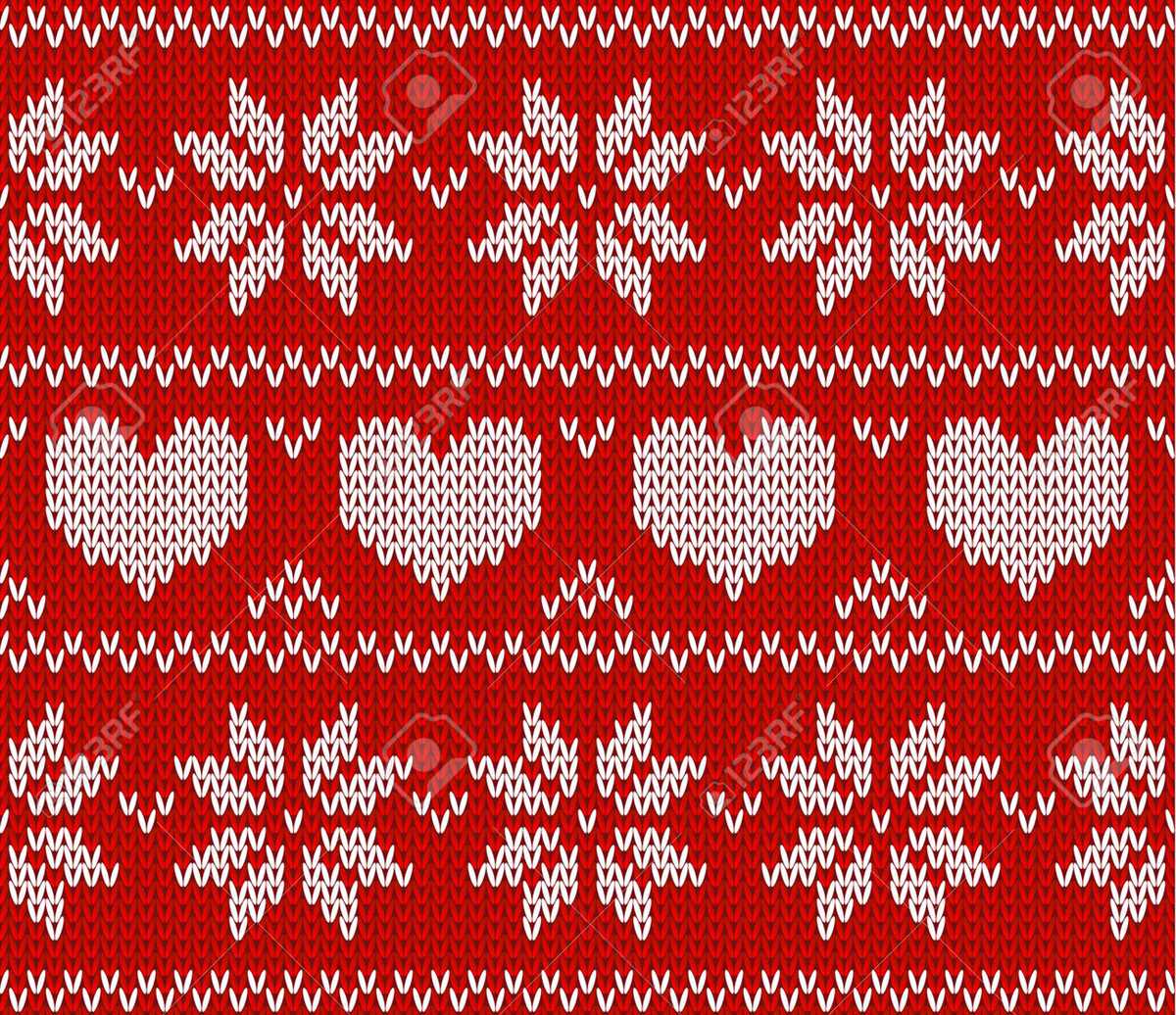
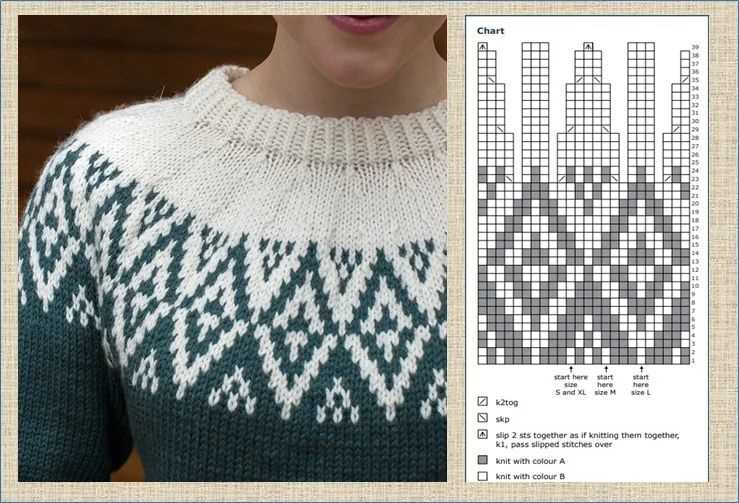
One distinctive feature of Norwegian sweater patterns is the use of colorwork charts or graphs to represent the pattern motifs. These charts typically use different symbols or colors to denote different stitches or colors. Take the time to carefully study the charts and learn how to read them before you begin knitting. Following the charts row by row will ensure that you create the correct designs and patterns in your sweater.
4. Take Note of the Construction Techniques
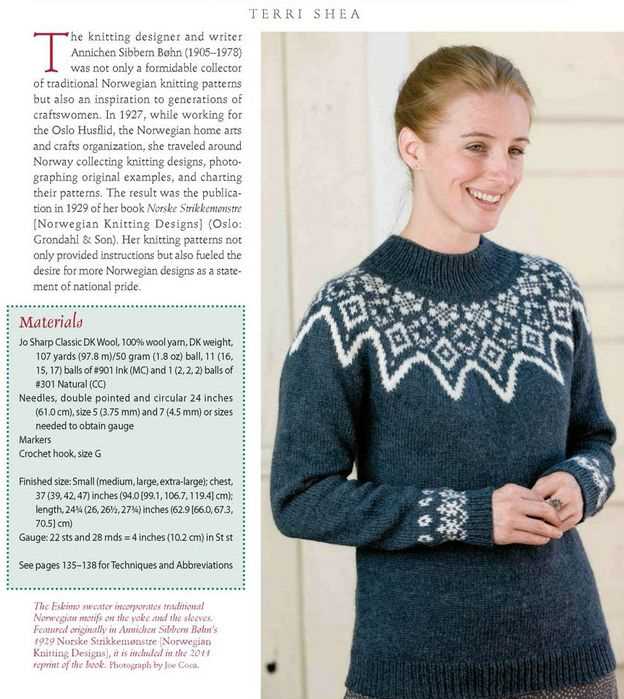
Norwegian sweaters often feature unique construction techniques, such as steeking, which involves cutting the knitted fabric to create openings for armholes or the front opening. Make sure to read the instructions carefully and understand the steps involved in these techniques before you attempt them. It can be helpful to practice these techniques on a small swatch before incorporating them into your sweater.
5. Check for Additional Notes and Tips
Some Norwegian sweater patterns may include additional notes or tips to help you successfully complete your project. These notes may provide guidance on specific techniques, stitch patterns, or modifications. Make sure to read through these notes thoroughly before you start knitting to avoid any potential pitfalls or confusion later on.
By following these tips and taking the time to understand the instructions in a Norwegian sweater knitting pattern, you will be better equipped to successfully complete your project and create a beautiful Norwegian sweater.
Popular Norwegian Sweater Designs

Norwegian sweater designs have been popular around the world for their distinctive patterns and cozy warmth. These sweaters are known for their intricate colorwork and traditional motifs, often inspired by nature and the rich cultural heritage of Norway. Here are some popular Norwegian sweater designs that have stood the test of time.
1. Fair Isle Sweaters
Fair Isle sweaters are a classic style of Norwegian sweater known for their bold and colorful patterns. The technique involves knitting with multiple colors in each row, creating intricate geometric designs. These sweaters are typically made with a combination of natural fibers like wool and alpaca, making them warm and durable for cold weather.
2. Selburose Sweaters
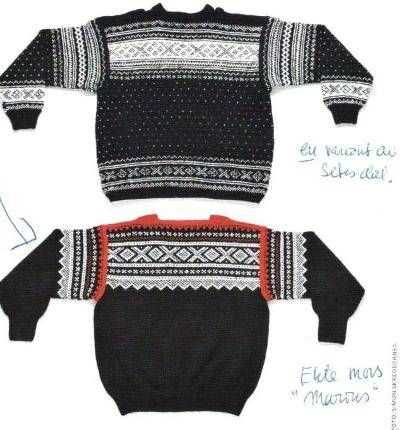
Selburose sweaters feature a traditional rose motif that originated in the Selbu region of Norway. The rose design is created using a combination of purl stitches and colorwork techniques. These sweaters are often knitted in a neutral base color with contrasting colors for the roses and other decorative elements. Selburose sweaters have become iconic symbols of Norwegian knitting.
3. Setesdal Sweaters

Setesdal sweaters are named after the Setesdal Valley in southern Norway. They are known for their distinctive “lice” pattern, which consists of small, dotted stitches spread across a solid-colored background. These sweaters often feature intricate borders and traditional Norwegian motifs like snowflakes or crosses. Setesdal sweaters are typically knitted using traditional wool yarn and are popular for their timeless appeal.
4. Marius Sweaters
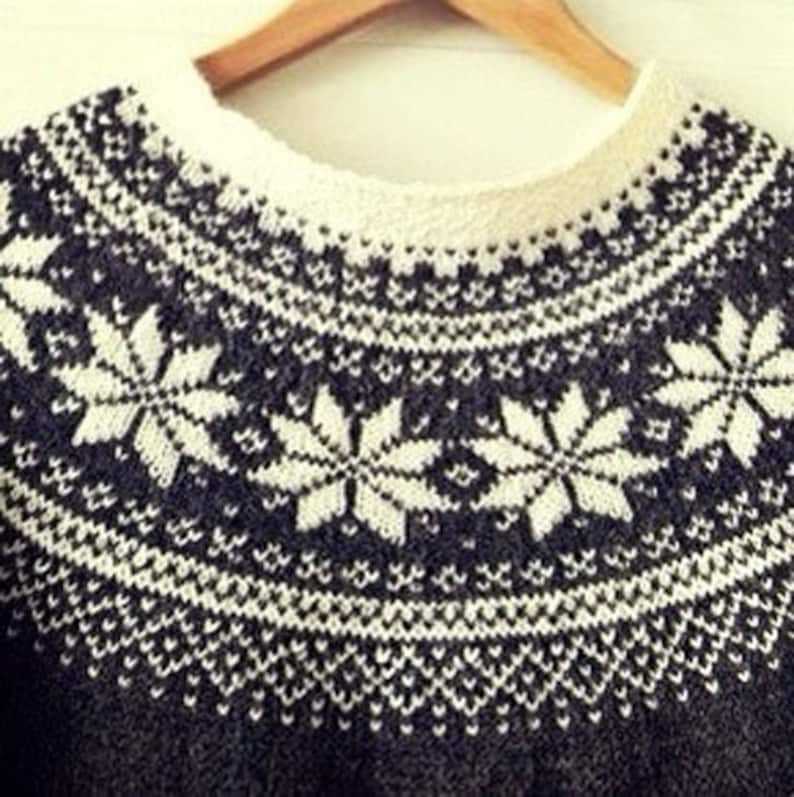
Marius sweaters are a modern take on traditional Norwegian knitting patterns. These sweaters were originally designed in the 1950s and have since become iconic in Norwegian fashion. The Marius pattern features a combination of crosses and X-shaped motifs, often knitted in bold contrasting colors. Marius sweaters are beloved for their vibrant designs and are often worn as a symbol of Norwegian pride and heritage.
5. Lusekofte Sweaters
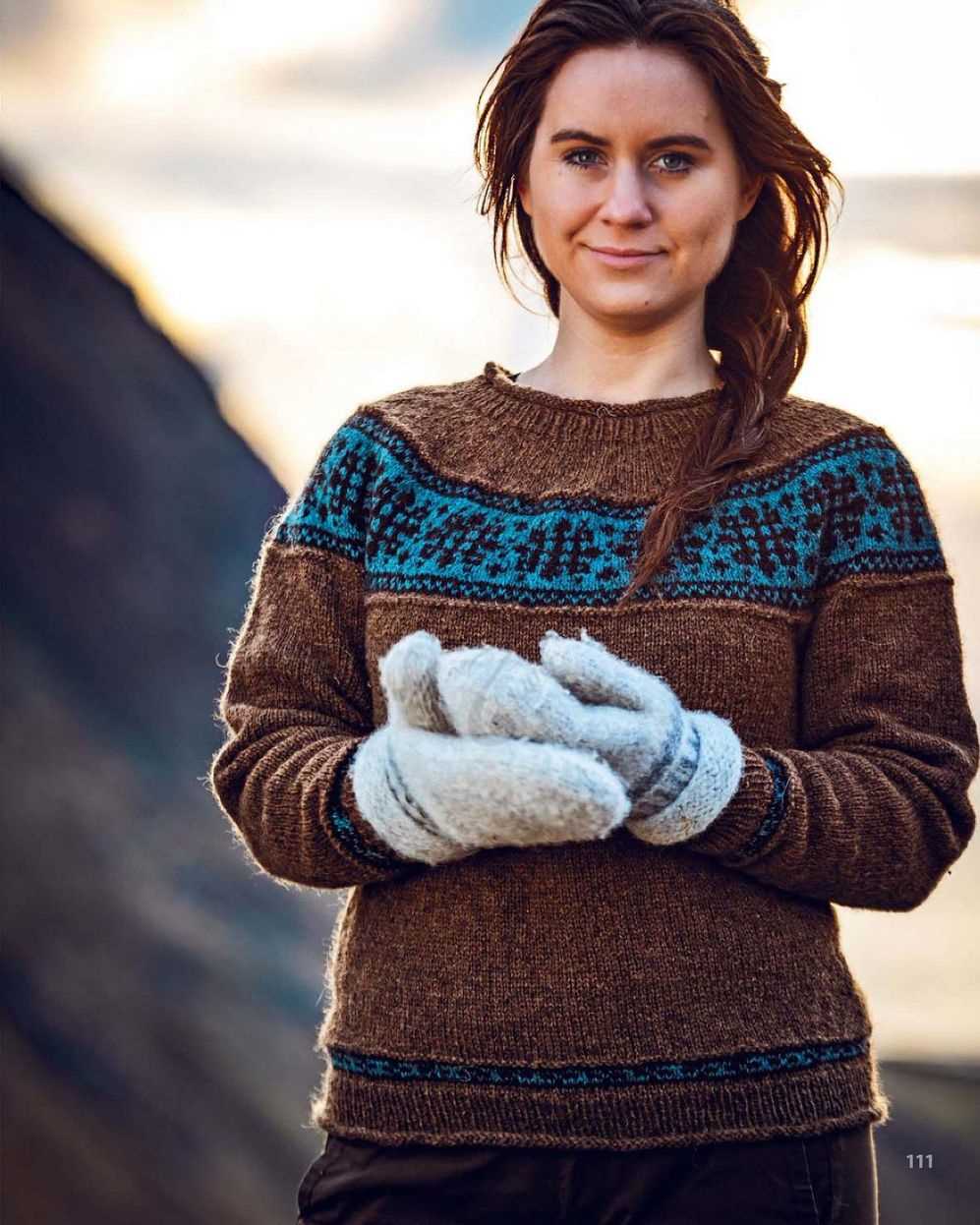
Lusekofte sweaters, also known as lice pattern sweaters, are another popular Norwegian design. These sweaters are characterized by their small, repeating diamond-shaped patterns. The lice pattern is created by alternating knit and purl stitches, creating a textured and visually appealing design. Lusekofte sweaters are often knitted in natural wool colors and are highly regarded for their warmth and durability.
Whether you’re looking for a classic Fair Isle sweater or a modern Marius design, Norwegian sweater patterns offer a wide range of options to suit any style. These timeless designs not only provide warmth but also serve as a connection to the rich knitting traditions of Norway.
Colorwork Techniques in Norwegian Sweater Knitting
Norwegian sweater knitting is known for its intricate and beautiful colorwork designs. These techniques, often referred to as “Fair Isle” or “stranded knitting,” involve working with multiple colors within a single row or round of knitting. The result is a unique and eye-catching pattern that is characteristic of traditional Norwegian sweaters.
One common colorwork technique used in Norwegian sweater knitting is the “two-handed” method. This technique involves holding one color of yarn in the left hand and another color in the right hand, allowing for efficient and smooth knitting. By using both hands, the knitter can easily switch between colors, creating intricate patterns with ease.
Another key colorwork technique in Norwegian sweater knitting is “steeking.” Steeking involves intentionally cutting an opening in the knitted fabric to create a cardigan-style sweater. This technique allows for more complex colorwork patterns, as knitters can work in the round and then cut open the desired parts of the sweater. While steeking can be intimidating for beginners, it is a traditional technique that is widely used in Norwegian knitting.
Traditional Norwegian sweater patterns often feature motifs inspired by nature and folklore, such as snowflakes, reindeer, and intricate geometric patterns. These motifs can be created using various colorwork techniques, including stranded knitting, intarsia, and duplicate stitch. The use of multiple colors in these patterns adds depth and visual interest to the finished garment.
In addition to traditional colorwork techniques, contemporary Norwegian sweater designers are also incorporating new and innovative approaches. These may include using gradients, mixing different textures or yarn weights, or experimenting with non-traditional color combinations. These modern interpretations of Norwegian sweater knitting techniques keep the craft vibrant and evolving, while still honoring its rich heritage.
Whether you’re a beginner or an experienced knitter, exploring colorwork techniques in Norwegian sweater knitting can be a rewarding and creative journey. The rich history and tradition of these techniques, combined with the opportunity for personal expression, make Norwegian sweater knitting a truly unique art form.
Caring for Your Norwegian Sweater

When it comes to caring for your Norwegian sweater, it is important to follow a few guidelines to ensure its longevity and keep it looking its best for years to come.
Handwashing is key
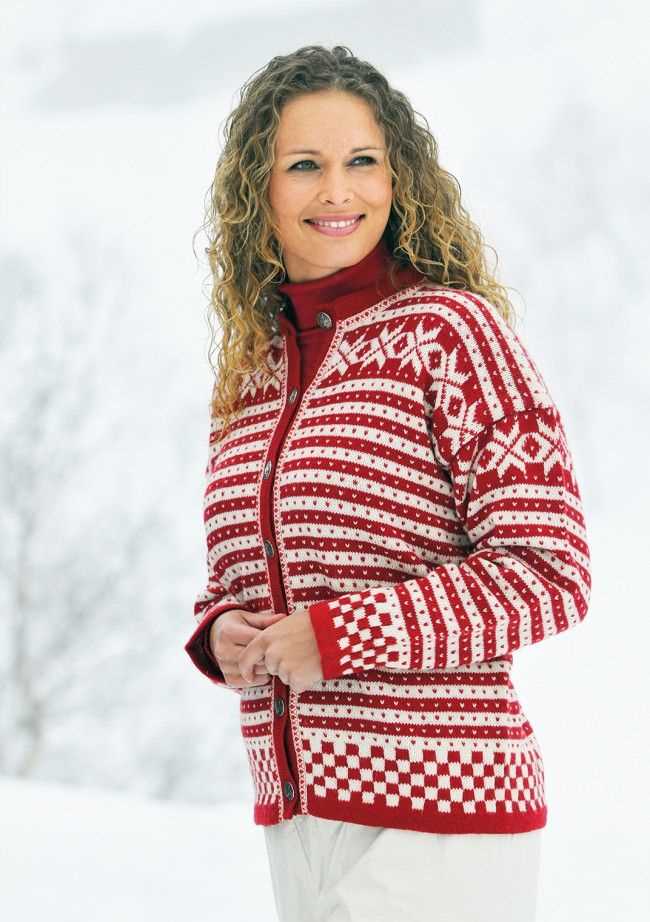
One of the most important steps in caring for your Norwegian sweater is to handwash it. This will help maintain the integrity of the wool fibers and prevent them from becoming misshapen or damaged. Fill a basin with lukewarm water and add a gentle wool detergent. Gently agitate the sweater in the water and let it soak for a few minutes. Rinse with cool water until all the detergent is gone, then gently squeeze out the excess water. Avoid wringing or twisting the sweater, as this can cause it to lose its shape. Instead, roll it in a towel to remove excess moisture before laying it flat to dry.
Avoid machine washing and drying
Machine washing and drying can be detrimental to the quality and appearance of your Norwegian sweater. The agitation and heat can cause the wool fibers to shrink, resulting in a smaller, misshapen sweater. To avoid this, always handwash your sweater instead. However, if you must machine wash your sweater, be sure to use a gentle wool cycle and cold water. Place the sweater in a mesh laundry bag to protect it from excessive agitation. After washing, reshape the sweater while damp and lay it flat to dry.
Store with care
Properly storing your Norwegian sweater is also essential for its care. Before storing it away for the season, make sure it is clean and completely dry. Folding it neatly and placing it in a breathable storage bag or drawer will help protect it from dust, moths, and other potential damage. Avoid hanging your sweater, as this can cause it to stretch and lose its shape over time. Instead, opt for folding it and storing it flat to maintain its integrity.
By following these care instructions, you can help ensure that your Norwegian sweater stays beautiful and cozy for many years to come.
Norwegian Sweater Knitting Kits and Resources
If you’re a fan of cozy and stylish Norwegian sweaters, you’re in luck! There are a variety of knitting kits and resources available to help you create your very own Norwegian-inspired garments. Whether you’re a beginner or an experienced knitter, these kits and resources provide everything you need to get started on your sweater project.
Knitting Kits: Knitting kits are a great way to get started on your Norwegian sweater project. These kits typically include the pattern, yarn, and any necessary tools like knitting needles or stitch markers. You can find kits that cater to different skill levels, so you can choose one that matches your knitting expertise. Some kits also provide guidance on colorwork techniques, which are an important aspect of Norwegian sweater designs.
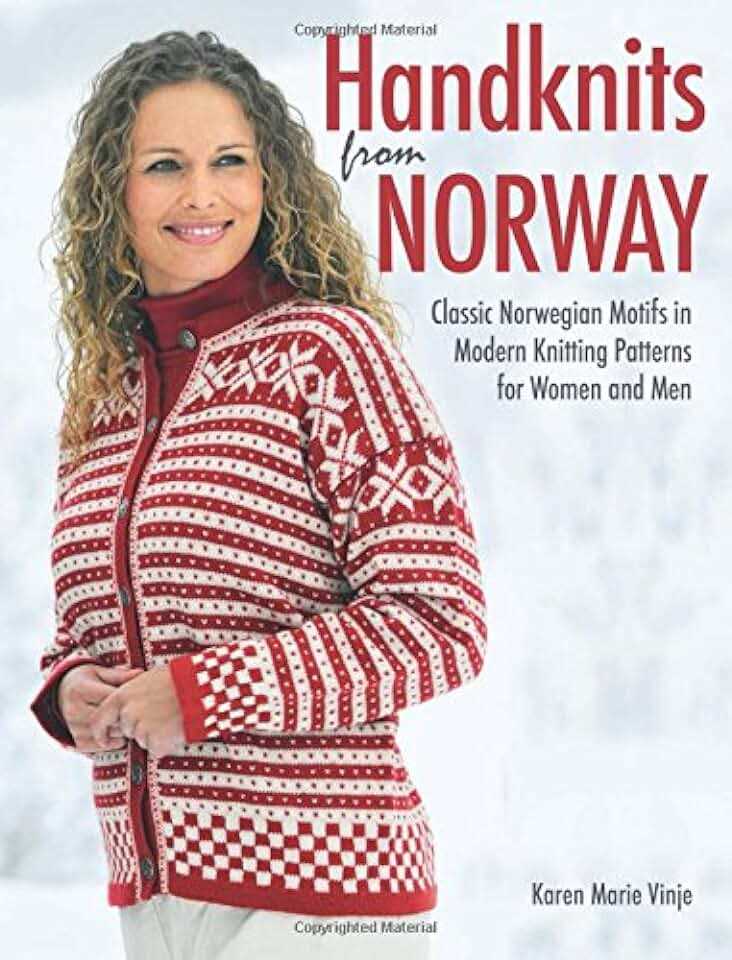
Pattern Books: If you prefer to choose your own yarn and supplies, pattern books are a fantastic resource for Norwegian sweater patterns. These books often feature a wide range of designs, from traditional and classic to modern and trendy. They usually include detailed instructions, charts, and tips for customizing the patterns to your liking. With a pattern book, you have the flexibility to select your own yarn and colors to create a truly unique Norwegian sweater.
Online Tutorials and Classes:
If you’re new to Norwegian sweater knitting or want to refine your skills, there are plenty of online tutorials and classes available. These resources provide step-by-step instructions, videos, and demonstrations to help you master various knitting techniques involved in creating Norwegian sweaters. From basic colorwork to intricate cable patterns, you can learn at your own pace and practice your skills from the comfort of your home.
- Websites and Blogs: Numerous websites and blogs dedicated to knitting offer free patterns, tips, and tutorials specifically for Norwegian sweaters. These online resources are a treasure trove of information, providing inspiration and guidance for your knitting projects.
- Yarn Stores and Knitting Communities: Local yarn stores often offer classes and workshops on Norwegian sweater knitting. These in-person opportunities allow you to learn from experienced instructors and connect with fellow knitting enthusiasts. Additionally, joining online knitting communities and forums can provide valuable advice, support, and inspiration from knitters around the world.
In conclusion, whether you choose a knitting kit, a pattern book, or online tutorials, there are countless resources available to help you create beautiful Norwegian sweaters. So grab your knitting needles and embark on a cozy and rewarding knitting journey!
Showcasing Norwegian Sweater Knitting Projects
If you’re looking for inspiration for your next knitting project, look no further than Norwegian sweater patterns. These beautiful and intricate designs have been passed down through generations and continue to captivate knitters around the world. In this article, we’ve compiled a showcase of stunning Norwegian sweater knitting projects to inspire and motivate you to take on your own Norwegian knitting adventure.
The Classic Design: One of the most iconic Norwegian sweater designs is the traditional Fair Isle pattern. With its intricate geometric motifs and vibrant colors, the Fair Isle technique is a testament to the expertise and artistry of Norwegian knitters. Knitting a Fair Isle sweater allows you to showcase your skill and create a timeless piece that will be treasured for years to come.
Example project: The “Løv” sweater, which translates to “leaf” in English, showcases the beauty of nature through its intricate leaf motif. Knitted in traditional Norwegian wool yarn, this sweater combines the elegance of the past with the comfort of modern fabric.
The Modern Twist: While Norwegian sweaters are steeped in tradition, many designers have taken these patterns and added a contemporary twist. By experimenting with colors, textures, and silhouettes, they bring the Norwegian knitting tradition into the modern age. These updated designs offer a fresh take on a classic art form.
Example project: The “Norwegian Sunset” sweater combines the traditional Norwegian patterns with a modern color palette inspired by the vibrant hues of a sunset. The result is a stunning sweater that captures the essence of Norway’s natural beauty while adding a contemporary flair.
-
Tips for Success:
- Take your time: Norwegian sweater knitting requires patience and attention to detail. Don’t rush the process and focus on each stitch.
- Choose the right yarn: Traditional Norwegian sweaters are typically knitted with wool yarn to achieve the desired warmth and structure. Select a yarn that is suitable for colorwork and has good stitch definition.
- Practice colorwork techniques: Norwegian sweater patterns often involve intricate colorwork, so it’s essential to practice working with multiple colors and carrying yarn behind your work. Start with small projects to build your skills.
- Block your finished piece: Blocking is crucial for achieving the proper fit and shape of your Norwegian sweater. Follow the blocking instructions provided in the pattern to ensure your finished project looks its best.
In conclusion, Norwegian sweater knitting projects offer a unique opportunity to create beautiful and timeless garments that reflect the rich knitting tradition of Norway. Whether you choose a classic design or opt for a modern twist, knitting a Norwegian sweater is a rewarding endeavor that allows you to showcase your skill and creativity. So pick up your needles, choose a pattern, and embark on your own Norwegian knitting adventure!
Q&A:
What are Norwegian sweater knitting patterns?
Norwegian sweater knitting patterns are traditional knitting designs that originated in Norway. They typically feature intricate colorwork and geometric motifs, and are known for their warmth and durability. These patterns are often used to create cozy and stylish sweaters, hats, mittens, and other winter accessories.
Where can I find Norwegian sweater knitting patterns?
There are many places where you can find Norwegian sweater knitting patterns. You can find them in knitting books or magazines, on websites and blogs dedicated to knitting, or in knitting shops that sell patterns. You can also find free patterns online on websites such as Ravelry, where knitters and designers share their patterns with the knitting community.
What skills do I need to knit a Norwegian sweater?
To knit a Norwegian sweater, you should have some basic knitting skills, such as cast on, knit, purl, and bind off. You should also be comfortable working with multiple colors, as Norwegian sweater patterns often involve colorwork techniques like stranded knitting or Fair Isle knitting. It’s helpful to have experience working with charts, as many Norwegian sweater patterns are written using charted instructions.
Can I modify a Norwegian sweater knitting pattern?
Yes, you can definitely modify a Norwegian sweater knitting pattern to suit your preferences. You can change the color scheme, adjust the size, or even combine different patterns to create a unique design. However, keep in mind that modifying a pattern may require some advanced knitting skills and knowledge, so it’s always a good idea to consult a more experienced knitter or designer if you’re unsure about how to make the modifications.
Are Norwegian sweater knitting patterns suitable for beginners?
Norwegian sweater knitting patterns can be a bit challenging for beginners, especially if you’re not familiar with colorwork techniques. However, if you’re willing to learn and practice, they can also be a great way to improve your knitting skills. It’s a good idea to start with simpler patterns that only involve two colors and gradually work your way up to more complex designs. There are also many resources available, such as tutorials and classes, that can help beginners learn the necessary techniques.