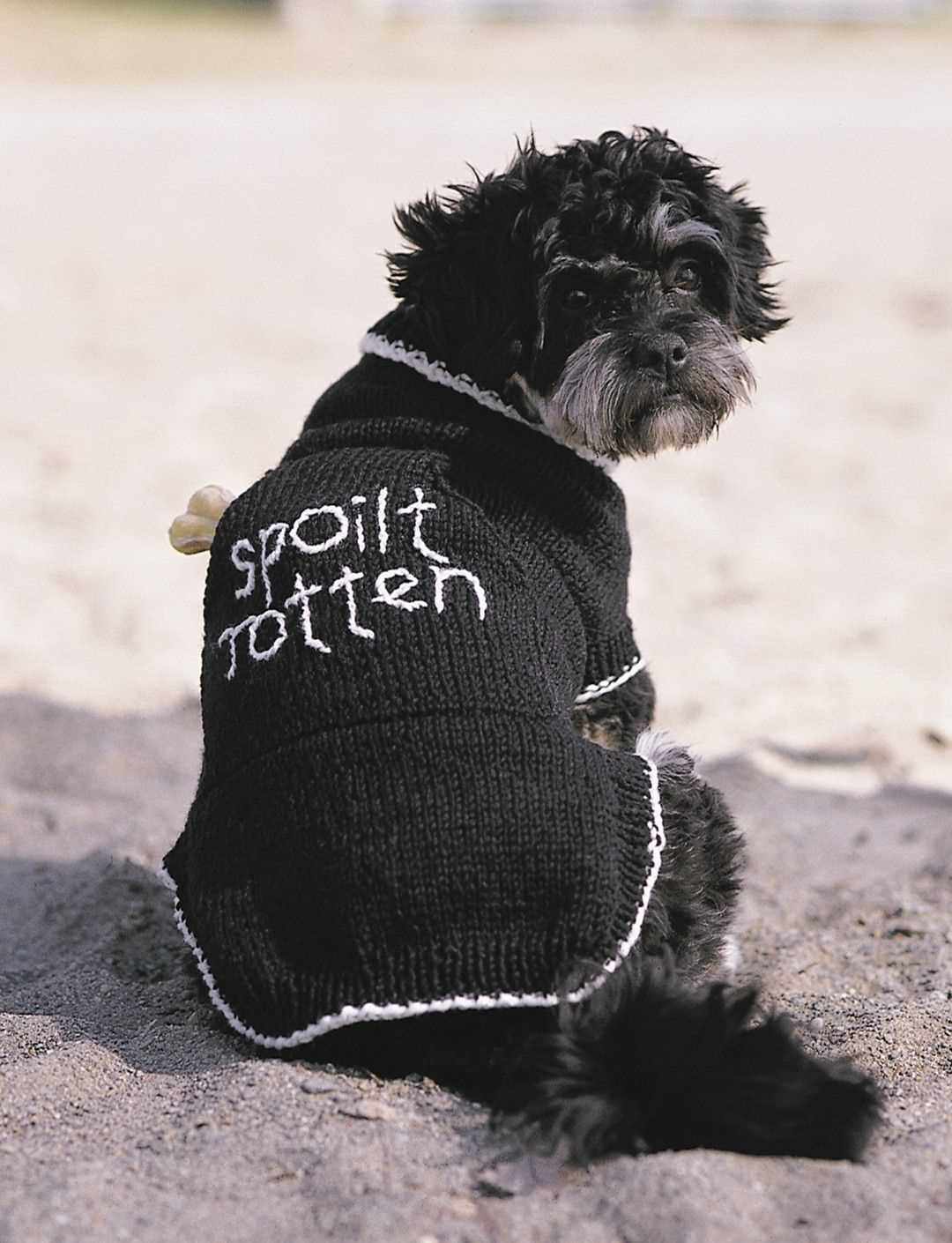
When the weather outside is frightful, nothing beats snuggling up with a warm and cozy blanket. And that doesn’t just go for humans! Our furry friends deserve the same comfort and warmth on chilly days. That’s where a dog blanket knitting pattern comes in handy.
Knitting a blanket for your dog is not only a great way to keep them warm, but it also allows you to add a personal touch to their bedding. Whether you prefer a simple design or want to experiment with different patterns and colors, knitting a dog blanket is a fun and rewarding project that can be enjoyed by both novice and experienced knitters.
With a dog blanket knitting pattern, you can create a blanket that fits your dog’s size and personality. From small and dainty Chihuahuas to big and proud Labradors, there’s a pattern out there for every breed. Plus, a hand-knitted blanket can easily become your dog’s favorite spot to curl up and relax, adding a touch of style to your home.
Why Knit a Dog Blanket?
Knitting a dog blanket is not only a fun and rewarding project, but it also offers several benefits for both you and your furry friend. Whether you have a small lap dog or a large breed, a hand-knit blanket can provide comfort, warmth, and protection.
1. Personal touch: By knitting a dog blanket, you are creating a handmade item that is unique and tailored to your dog’s needs. This personal touch adds sentimental value and shows your love and care for your pet.
2. Warmth and comfort: Dogs, like humans, appreciate having a cozy and warm place to relax. Knitting a blanket with soft and insulating yarn can provide your dog with a comfortable spot to cuddle up and sleep, especially during colder months.
3. Protection: A dog blanket can serve as a protective barrier, whether it’s placed on furniture or in a dog crate. It can help prevent damage from scratching or shedding, keeping your furniture and belongings in better condition.
4. Bonding time: Knitting a dog blanket can be a fun and enjoyable activity that you can do together with your pet. Your dog may even find comfort in watching you knit, creating a special bonding experience between you both.
5. Practical and cost-effective: Knitting your own dog blanket allows you to choose the perfect size, color, and pattern to match your home décor. It can also be a cost-effective option compared to purchasing a ready-made blanket.
Overall, knitting a dog blanket is a rewarding and practical way to provide comfort, warmth, and protection for your furry friend while also allowing you to unleash your creativity and knitting skills.
Essential Supplies for Dog Blanket Knitting
If you’re planning to knit a cozy blanket for your furry friend, there are a few essential supplies that you’ll need to get started. These supplies will ensure that you have everything you need to create a high-quality, comfortable blanket that your dog will love.
1. Yarn: Choose a soft, durable yarn that is suitable for your dog’s needs. Look for yarn that is machine washable and hypoallergenic, if possible. Consider the size and breed of your dog when selecting the weight and quantity of yarn needed for the blanket.
2. Knitting Needles: Make sure you have a set of knitting needles in the appropriate size for your chosen yarn. Circular needles are often recommended for larger projects like blankets, as they can hold more stitches.
3. Stitch Markers: Stitch markers are useful tools for keeping track of your progress and marking important sections of your knitting. They can be especially helpful when knitting a pattern or when using multiple colors of yarn.
4. Scissors: A pair of sharp scissors is essential for cutting yarn and trimming any loose ends as you work on your blanket.
5. Tapestry Needle: A tapestry needle is needed for weaving in loose ends and finishing off your blanket. Look for a blunt-tipped needle that is large enough to accommodate the thickness of your yarn.
6. Measuring Tape: A measuring tape will help you keep track of the size of your blanket as you work on it. This is especially important if you are following a specific pattern or have size requirements.
7. Pattern: While not necessarily a supply, having a pattern or instructions for your dog blanket can be extremely helpful. It will guide you in creating the desired size and design, ensuring your blanket turns out just right.
By having these essential supplies on hand, you’ll be well-prepared to start knitting a cozy and comfortable blanket for your beloved dog. Enjoy the process and the satisfaction of creating something special for your furry friend.
Yarn
Yarn is a crucial material for any knitting or crocheting project, including dog blanket knitting patterns. It is made from fibers that can be natural, synthetic, or a combination of both. The type of yarn used can greatly affect the final look, feel, and durability of the finished product.
When choosing yarn for a dog blanket, it is important to consider the specific needs of the dog. Some dogs have sensitive skin and may be allergic to certain fibers, so it is best to opt for hypoallergenic yarns. Additionally, dogs can be prone to chewing or scratching their blankets, so a sturdy and durable yarn is recommended to withstand their natural behaviors.
Fiber Content: The fiber content of yarn can vary widely, and each type of fiber has its own unique properties. Some common natural fibers used in yarn include wool, alpaca, cotton, and silk. Synthetic fibers like acrylic, polyester, and nylon are also popular choices. The fiber content will determine the yarn’s warmth, softness, and drape, so it is important to consider these factors when selecting yarn for a dog blanket.
Weight: Yarn comes in a variety of weights, ranging from super fine to super bulky. The weight of the yarn will determine the thickness of the finished blanket. For a dog blanket, it is best to choose a medium to bulky weight yarn that will provide warmth and durability. Chunky or bulky weight yarns can also make the knitting process quicker and easier.
Color and Pattern: The color and pattern of the yarn can add a decorative touch to the dog blanket. Some dog owners may prefer neutral or muted colors to blend with their home decor, while others may opt for bright and vibrant colors to reflect their pet’s personality. Additionally, using variegated or self-striping yarn can create interesting patterns without the need for complex stitching techniques.
Price: The cost of yarn can also vary greatly depending on the brand, fiber content, and quality. It is important to consider the budget for the dog blanket project and choose a yarn that fits within that range. There are many affordable yarn options available, and sometimes it is possible to find discounted or discontinued yarns for a lower price.
Overall, selecting the right yarn for a dog blanket knitting pattern is essential to create a comfortable, durable, and aesthetically pleasing finished product. By considering factors such as fiber content, weight, color, and price, dog owners can choose the perfect yarn to suit their pet’s needs and their own personal preferences.
Needles
When it comes to knitting a dog blanket, choosing the right needles is essential. The type and size of the needles you use can greatly affect the outcome of your knitting project. Here are a few things to consider when selecting needles for your dog blanket:
Material: Needles can be made from various materials such as metal, wood, or plastic. Each material has its own unique qualities. Metal needles are often preferred for knitting blankets as they are durable and slide easily through the yarn. Wood needles, on the other hand, provide a warm and comfortable grip, making them a popular choice for those with hand pain or arthritis. Plastic needles are lightweight and can be a good option for beginners.
Size: The size of the needles you choose will determine the size of the stitches and ultimately the finished size of your dog blanket. The size of the needles is indicated by a number, with larger numbers representing larger needles. For a dog blanket, you will typically want to use larger needles to create a looser fabric that is soft and cozy for your furry friend.
When selecting needles for your dog blanket knitting project, consider both the material and size of the needles to ensure the best results. Remember to also check the tension and gauge of your knitting to achieve the desired size and fit for your dog.
Measuring Tape
A measuring tape is an essential tool for any knitting project, including making a dog blanket. It is used to accurately measure the length, width, and height of the blanket, ensuring that it fits your furry friend perfectly. A measuring tape is typically made of flexible material, like fabric or metal, and has measurements marked in inches or centimeters.
When starting a dog blanket knitting project, it is important to have precise measurements to ensure a proper fit. Using a measuring tape, you can measure the length of your dog from the base of their neck to the base of their tail. This measurement will determine the length of the blanket. You can also measure the width of your dog’s chest to determine the width of the blanket. Additionally, measuring the height of your dog from the floor to the top of their back can help determine the height of the blanket.
It is important to take accurate measurements using a measuring tape to avoid any discomfort or ill-fitting blankets for your dog. A properly fitting blanket will provide warmth and comfort while allowing your dog to move freely. In addition to measuring your dog, a measuring tape can also be useful for measuring the gauge of your knitting stitches, ensuring that you achieve the desired size and tension in your project.
Using a measuring tape is quick and easy, and it is a valuable tool for any knitting project, especially when making a dog blanket. It allows you to create a custom-sized blanket that will keep your furry friend cozy and comfortable. So, make sure to have a measuring tape on hand before starting your knitting project!
Scissors
Scissors are an essential tool for any knitter or crafter. They are used to cut yarn, fabric, and other materials with precision and accuracy. A good pair of scissors is sharp, comfortable to use, and durable. Whether you are cutting the yarn for your dog blanket knitting pattern or trimming excess fabric for a sewing project, having a reliable pair of scissors is crucial.
When choosing scissors for your crafting needs, there are a few factors to consider. First, consider the size of the scissors. Smaller scissors are more portable and easier to maneuver, while larger scissors may be better for cutting through thicker materials. The handle of the scissors is also important. Look for scissors with ergonomic handles that are comfortable to hold for extended periods of time. Additionally, the material of the blades is crucial. Stainless steel blades are a popular choice as they are sharp and resistant to rust.
It is important to keep your scissors clean and well-maintained. After each use, wipe the blades with a clean cloth to remove any residue. Avoid using scissors on materials that may dull or damage the blades, such as paper or cardboard. Regularly inspect the blades for any signs of wear or damage, and if necessary, sharpen them or replace them. Proper care and maintenance will ensure that your scissors remain sharp and ready for your next crafting project.
Benefits of Using Scissors for Knitting
- Accuracy: Scissors allow for precise and accurate cuts, ensuring that you get clean edges on your knitting project.
- Versatility: With scissors, you can effortlessly cut through different materials, from yarn to fabric, without causing any damage.
- Efficiency: Having a good pair of scissors on hand saves time and effort compared to using alternative cutting tools.
- Portability: Scissors are compact and easy to carry, making them convenient for knitting on the go.
- Control: Scissors offer better control and maneuverability compared to other cutting tools, allowing you to make intricate cuts with ease.
Overall, scissors are an indispensable tool for any knitter or crafter. By choosing the right pair of scissors and properly maintaining them, you can ensure the success and quality of your knitting projects.
Choosing the Right Dog Blanket Pattern
Knitting a blanket for your dog can be a fun and rewarding project. Not only will it provide them with a cozy and comfortable place to rest, but it can also showcase your knitting skills. However, before you start knitting, it’s important to choose the right dog blanket pattern that suits your dog’s needs and preferences.
Consider your dog’s size: Dogs come in all shapes and sizes, so it’s essential to consider your dog’s size when selecting a blanket pattern. Smaller dogs may require a smaller blanket, while larger dogs will need a more substantial and durable blanket that can withstand their size and weight.
Think about the season: Another factor to consider when choosing a dog blanket pattern is the season. If you’re knitting a blanket for winter, you may want to use thicker and warmer yarn. For summer, you might opt for a lighter material or a pattern that allows for better airflow.
Take into account your dog’s breed: Different dog breeds have different preferences when it comes to blankets. For example, smaller breeds such as Chihuahuas or Dachshunds may appreciate a blanket with a tighter knitting pattern that provides extra warmth. On the other hand, breeds with thicker coats, like Huskies or Golden Retrievers, might prefer a lighter and more breathable design.
Consider your knitting skills: If you’re a beginner knitter, it’s important to choose a dog blanket pattern that suits your skill level. Look for patterns that are labeled as “easy” or “beginner-friendly.” These patterns usually have simpler stitches and fewer complicated techniques, making them more manageable for beginners to complete.
Personalize it: Lastly, don’t be afraid to personalize your dog’s blanket pattern. Add your dog’s name or a design that reflects their personality. You can also choose colors that match your interior decor or your dog’s favorite color.
In conclusion, choosing the right dog blanket pattern involves considering your dog’s size, the season, their breed, your knitting skills, and personal preferences. By taking these factors into account, you can create a cozy and personalized blanket that both you and your furry friend will love.
How to Measure Your Dog for a Blanket
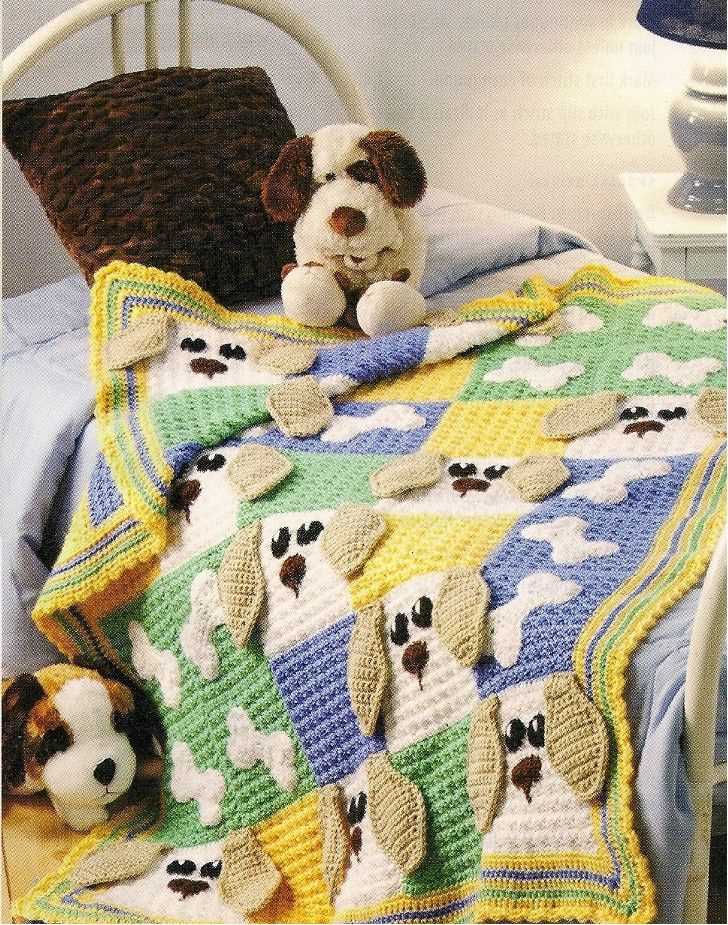
When knitting a blanket for your dog, it is important to ensure that it fits properly and provides the necessary warmth and comfort. To achieve the best fit, you’ll need to measure your dog’s body accurately. Here are some steps to follow when measuring your dog for a blanket.
1. Measure the Length
Start by measuring the length of your dog’s back. Place one end of the measuring tape at the base of the neck, where the collar usually sits, and measure down to the base of the tail. Make sure the measuring tape is parallel to your dog’s spine for an accurate measurement.
2. Measure the Chest
Next, measure the circumference of your dog’s chest. Wrap the measuring tape around the widest part of the chest, just behind the front legs. Make sure the tape is snug but not too tight. This measurement will help you determine the width of the blanket.
3. Measure the Neck
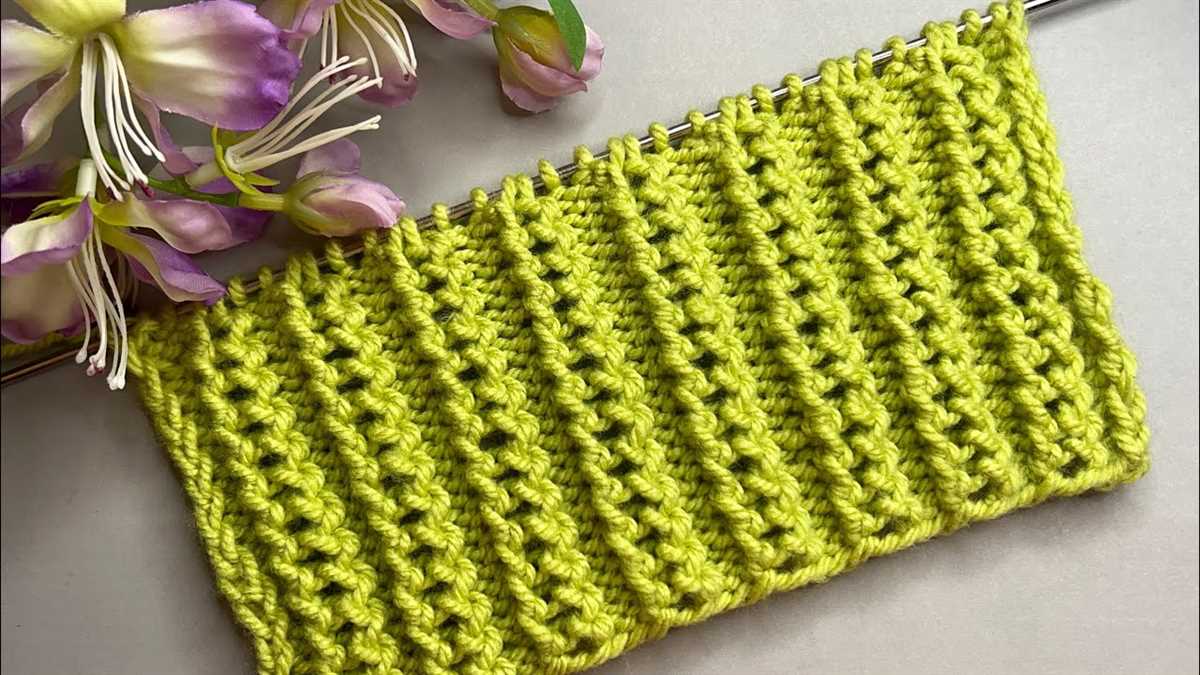
Measure the circumference of your dog’s neck by wrapping the tape around the base, where the collar usually sits. Again, make sure the tape is snug but not too tight. This measurement will help you determine the size of the neck opening in the blanket.
4. Measure the Leg Length (Optional)
If you want to make a blanket that covers your dog’s legs, you can measure the length of the legs as well. Start from the base of the neck and measure down to the desired length of the leg coverage. This will help you determine the overall length of the blanket.
By taking accurate measurements of your dog’s body, you can ensure that the blanket you knit will fit comfortably and provide the necessary warmth. Keep in mind that these measurements will vary depending on the breed and size of your dog, so always double-check before starting your knitting project.
Knitting Techniques for Beginners
Knitting is a popular craft that allows you to create beautiful and functional items using yarn and needles. If you are new to knitting, it is important to start with the basics and gradually build your skills. Here are some essential knitting techniques for beginners:
Casting On:
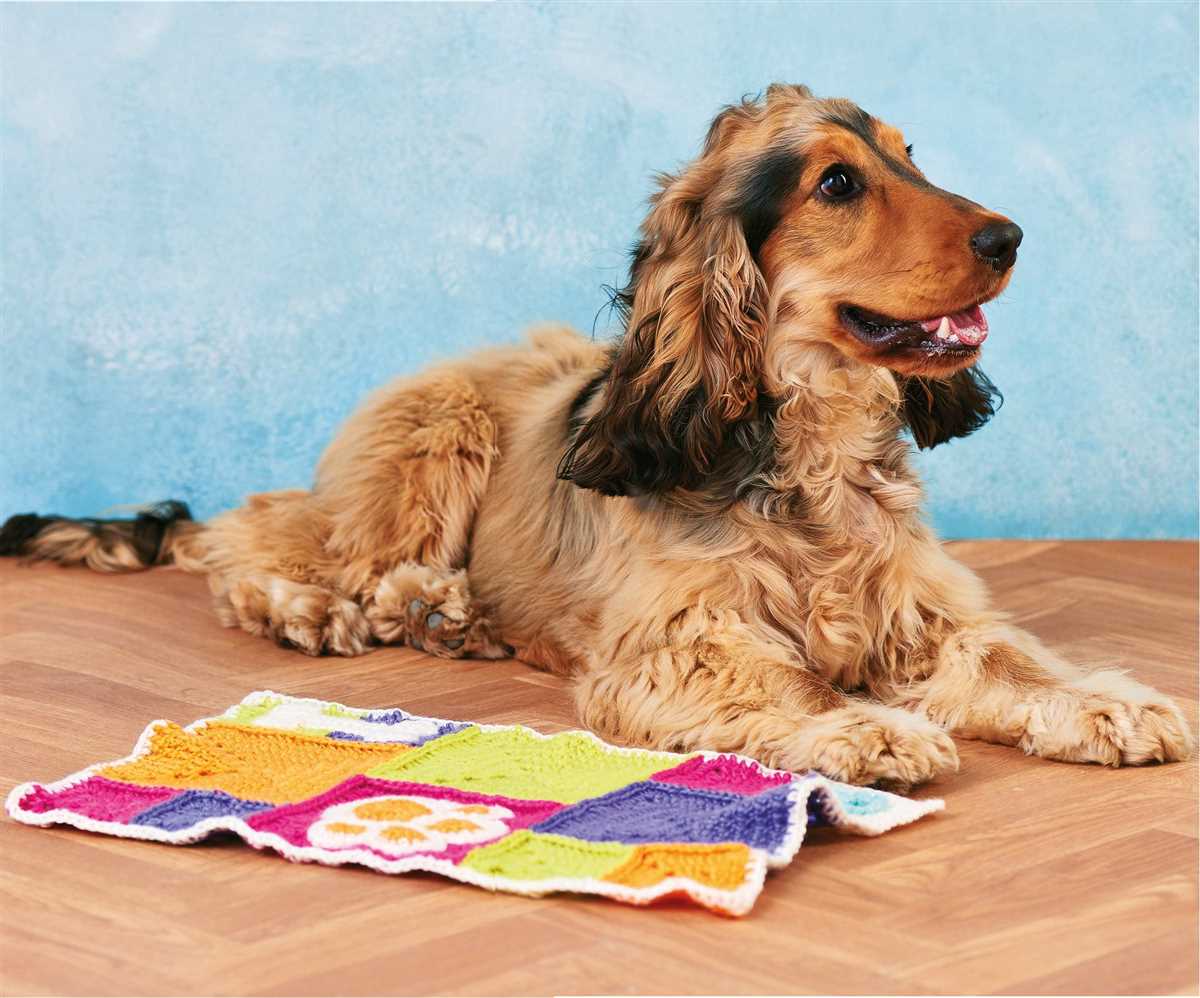
Before you can begin knitting, you need to cast on stitches onto your needle. The long tail cast on method is commonly used by beginners. To cast on, you will create a slip knot and then use your needle to create additional loops called stitches.
Knit Stitch:
The knit stitch is the most basic stitch in knitting. To knit, you insert your needle through the first stitch on the left needle, wrap the yarn around the right needle, and pull the new loop of yarn through the old stitch. This creates a new stitch on the right needle, and the old stitch is transferred to the right needle.
Purl Stitch:
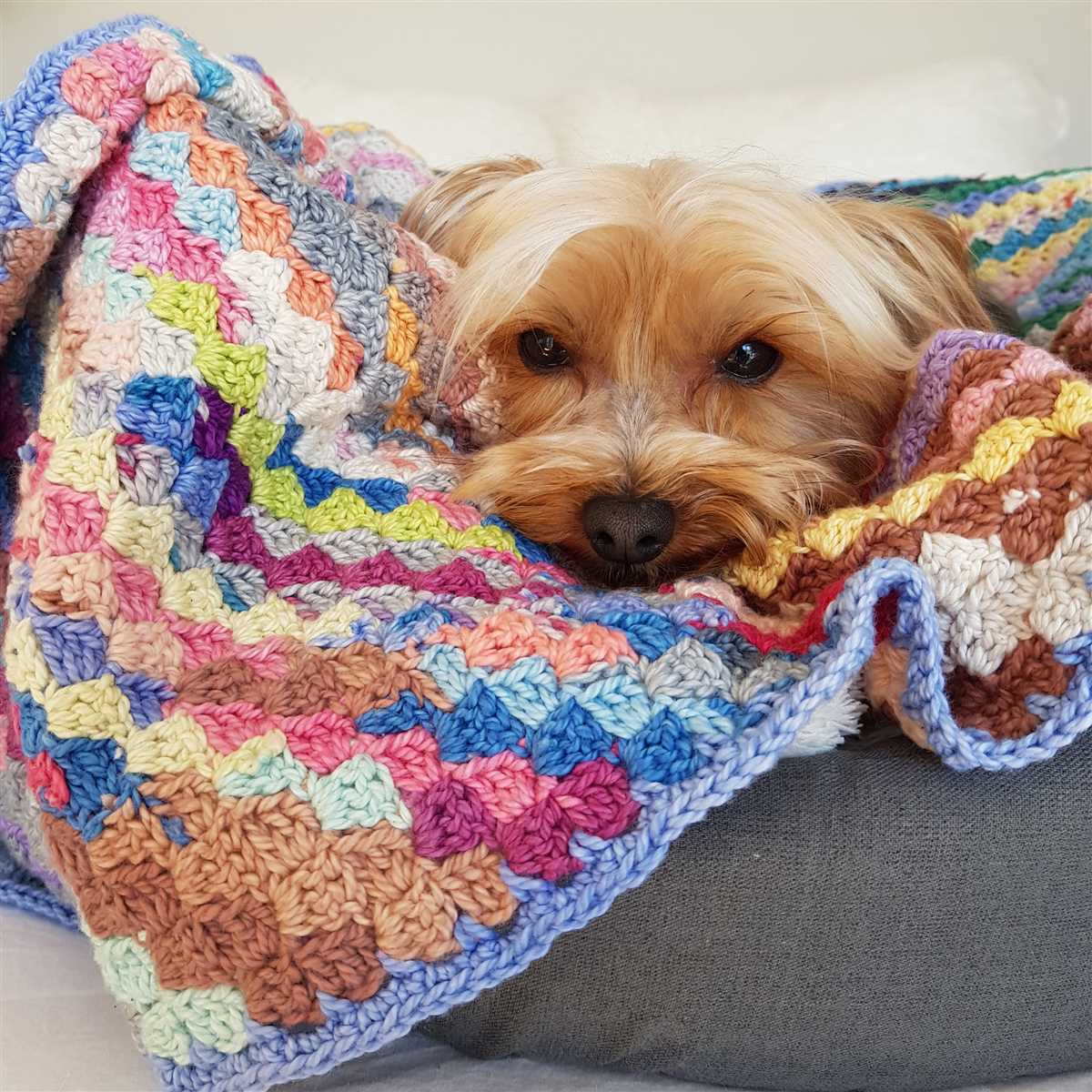
The purl stitch is another fundamental stitch in knitting. It is the reverse of the knit stitch and creates a bumpy texture. To purl, you insert your needle through the first stitch on the left needle from right to left, bring the yarn to the front, wrap the yarn over the right needle, and pull it through the stitch. This creates a new stitch on the right needle and transfers the old stitch to the right needle.
Binding Off:
Binding off is the final step in a knitting project. It is used to secure the stitches and create a finished edge. To bind off, you knit the first two stitches, then use the left needle to lift the first stitch over the second stitch and off the right needle. Continue knitting one stitch and binding off one stitch until all the stitches are bound off.
Increasing and Decreasing:
Once you have mastered the basic knit and purl stitches, you can start learning techniques to increase or decrease the number of stitches in your knitting. Increasing involves adding stitches, while decreasing involves removing stitches. These techniques allow you to shape your knitting and create more intricate patterns.
Finishing Techniques:
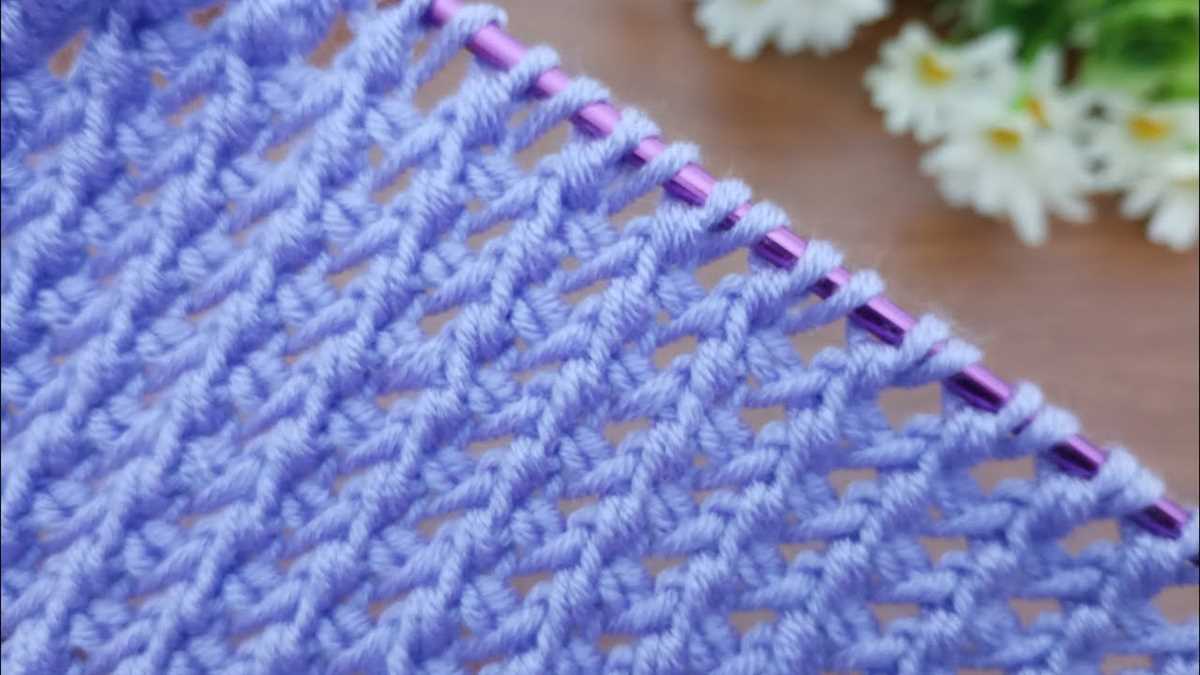
After completing your knitting project, there are several finishing techniques that can give it a polished look. These include weaving in loose ends, blocking the finished piece to shape and size, and adding any desired embellishments such as buttons or embroidery.
With practice and patience, you can learn these knitting techniques for beginners and start creating your own cozy blankets, scarves, and other beautiful knitted items. Happy knitting!
Step-by-Step Guide to Knitting a Dog Blanket
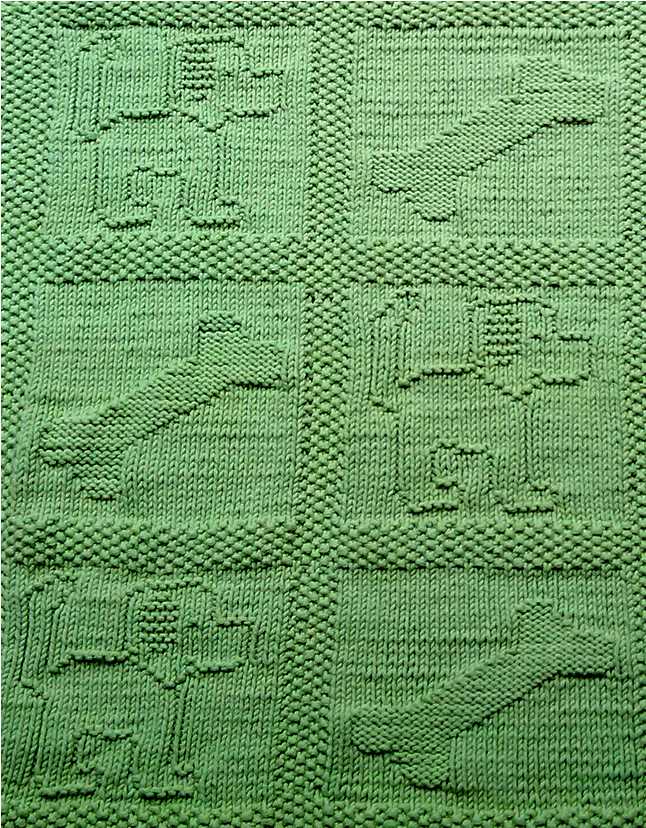
If you want to keep your furry friend warm and cozy, knitting a dog blanket is a great project to take on. Not only is it a practical item for your dog to snuggle up in, but it also gives you a chance to practice your knitting skills. Follow this step-by-step guide to create a beautiful and functional dog blanket.
Materials Needed
- Knitting needles
- Yarn in your chosen color(s)
- Scissors
- Tapestry needle
Step 1: Choose Your Pattern
Before you start knitting, decide on the pattern you want to use for your dog blanket. There are many different options available, from simple garter stitch to more intricate cable patterns. Consider the size of your dog and their preferences when choosing the pattern.
Step 2: Measure and Cast On
Measure your dog to determine the size of the blanket. Start by casting on the desired number of stitches, making sure to leave a tail of yarn for later sewing. For a small dog, you may need around 60 stitches, while a larger dog may require 100 or more.
Step 3: Knit the Blanket
Follow the pattern you have chosen to knit the blanket. You may need to repeat certain rows or stitches to achieve the desired length. Remember to keep your tension consistent to ensure an even result.
Step 4: Add Personal Touches
If desired, you can add personal touches to the blanket, such as a border or your dog’s name. Get creative and make the blanket unique to your furry friend.
Step 5: Bind Off and Finish
Once you have reached the desired length, bind off your stitches to secure the knitting. Cut the yarn, leaving a tail for sewing. Use a tapestry needle to weave in any loose ends and attach the border or personal touches, if applicable.
With this step-by-step guide, you can easily create a cozy and stylish dog blanket for your furry companion. Enjoy the process of knitting and see the joy on your dog’s face when they snuggle up in their new blanket.
Troubleshooting Tips for Knitting a Dog Blanket
Knitting a dog blanket can be a fun and rewarding project, but it can also come with its fair share of challenges. Whether you’re a beginner or an experienced knitter, it’s not uncommon to run into some issues along the way. Here are some troubleshooting tips to help you overcome common problems and ensure that your dog blanket turns out great:
1. Tension issues:
One common problem knitters face is uneven tension in their stitches, resulting in an unbalanced and lumpy blanket. To avoid this, try using the same tension throughout your project by keeping your stitches consistent and not pulling too tightly or loosely.
2. Yarn tangling:
Untangling yarn can be frustrating and time-consuming. To prevent yarn tangling, make sure to keep your yarn ball in a separate place or use a yarn holder while knitting. Additionally, try to avoid making swift and sudden movements that can cause the yarn to twist and tangle.
3. Dropping stitches:
Accidentally dropping stitches can be a common mishap while knitting. If this happens, don’t panic! Use a crochet hook or knitting needle to pick up the dropped stitch and put it back on your needles. Take your time and double-check your work to ensure all stitches are accounted for.
4. Gauge issues:
Gauge refers to the number of stitches and rows per inch in your knitting. If your gauge doesn’t match the pattern’s gauge, your dog blanket may turn out too small or too large. To avoid this, always take the time to knit a gauge swatch before starting your project. If your gauge is off, adjust your needle size accordingly.
5. Misreading patterns:
Knitting patterns can be confusing, especially for beginners. Take the time to read and understand the pattern instructions before starting. Pay attention to any abbreviations or special stitches and double-check your work as you go along. If you do make a mistake, don’t be afraid to rip out your work and start again.
- Troubleshooting tension issues
- Preventing yarn tangling
- Fixing dropped stitches
- Checking and adjusting gauge
- Paying attention to knitting patterns
Adding Personal Touches to Your Dog Blanket
When it comes to knitting a dog blanket, adding personal touches can make the finished product even more special. Whether you’re making a blanket for your own furry friend or as a gift for someone else, there are plenty of ways to add that extra touch of customization.
1. Embroidered Name or Initials: Adding your dog’s name or initials to the blanket can make it truly one-of-a-kind. You can use a contrasting color of yarn to embroider the name or initials onto the blanket, or even use embroidery floss for a more intricate design. This personalization not only adds a decorative element, but also helps to make sure the blanket doesn’t get mixed up with others.
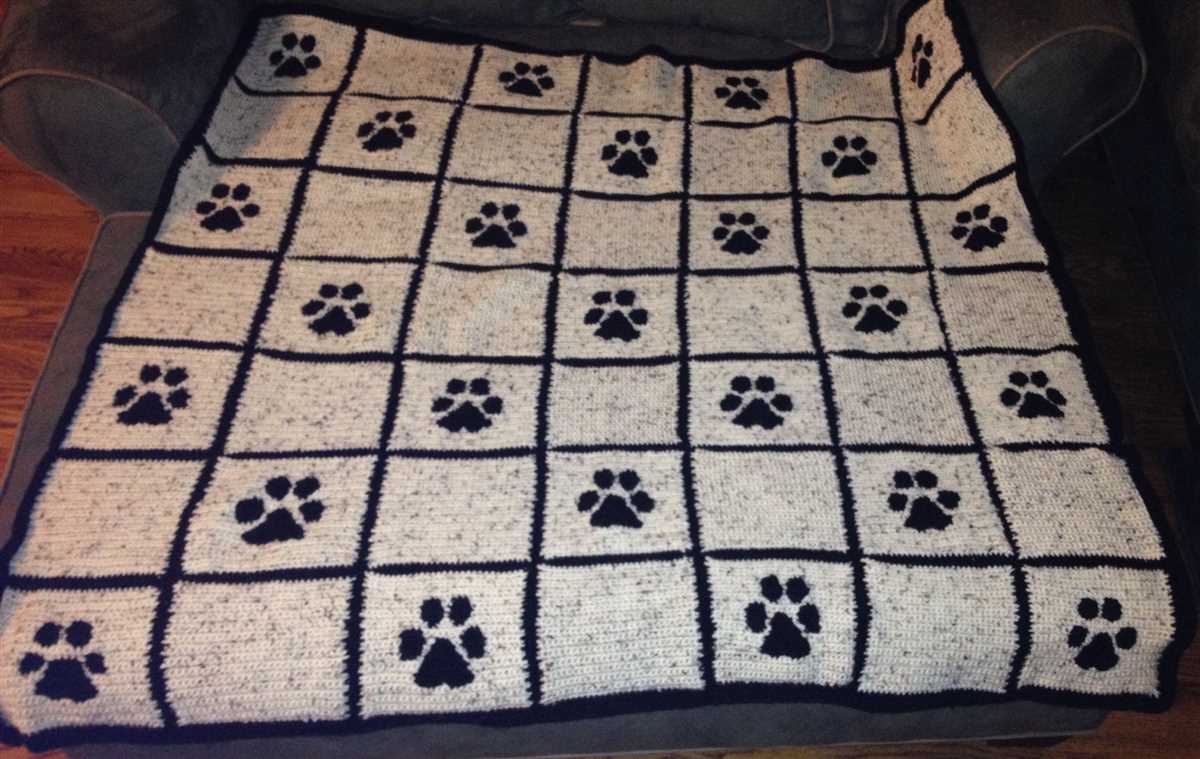
2. Paw Print Appliques: Another fun way to personalize a dog blanket is by adding paw print appliques. You can either knit or crochet small paw prints using a different colored yarn and sew them onto the blanket. This simple addition can add a playful and whimsical touch to the overall design.
3. Custom Color Scheme: While many knitting patterns may suggest specific colors, feel free to customize the color scheme to match your dog’s personality or the recipient’s preferences. You can choose colors that reflect your dog’s breed or go for a bold and vibrant palette to make the blanket stand out. This customization can really make the blanket feel unique and tailored to the individual.
4. Personalized Tags: Consider attaching a personalized tag to the blanket for an extra special touch. You can have a metal or leather tag engraved with your dog’s name or a heartfelt message. Alternatively, you can create a fabric tag and sew it onto the blanket. This small detail adds a sentimental aspect to the blanket and makes it feel even more personal.
5. Knit-in Shapes: If you’re feeling up for a bit of a challenge, consider knitting in shapes or designs directly into the blanket. You can create a silhouette of your dog’s breed, a bone shape, or any other design that holds significance. This technique requires a bit more skill and planning, but the end result can be truly extraordinary.
- Overall, there are countless ways to add personal touches to a dog blanket. Whether through embroidery, appliques, color choices, or custom tags, these additions can elevate the blanket from a simple accessory to a cherished item. Get creative and have fun with the process, knowing that your personal touch will bring joy and comfort to your furry companion or a lucky recipient.
Caring for Your Knitted Dog Blanket

Once you have finished knitting your dog blanket, it’s important to take proper care of it to ensure it lasts for a long time. Here are a few tips on how to care for your knitted dog blanket:
- Washing: Before washing your dog blanket, check the care instructions for the type of yarn you used. Some yarns may require hand washing, while others can be washed in the machine. Use a gentle detergent and cold water. Avoid using bleach or fabric softeners, as these can damage the fibers of the blanket.
- Drying: After washing, reshape the blanket gently and lay it flat to dry. Avoid hanging the blanket, as this can stretch it out of shape. Keep it away from direct sunlight, as prolonged exposure to sunlight can cause the colors to fade.
- Storage: When not in use, store your knitted dog blanket in a clean, dry place. Make sure it’s protected from moths and other pests that may be attracted to the wool fibers. You can store it in a plastic bag or a storage container to keep it safe.
- Spot Cleaning: If your dog blanket gets dirty but doesn’t require a full wash, you can spot clean it. Use a mild detergent and cold water to gently clean the stained area. Blot the stain instead of rubbing it, as rubbing can cause the stain to spread.
- Mending: If you notice any loose threads or small holes in your knitted dog blanket, it’s important to mend them as soon as possible. Use the same yarn and a yarn needle to stitch the loose threads or holes closed. This will prevent them from getting bigger and causing more damage to the blanket.
By following these care instructions, you can keep your knitted dog blanket looking and feeling great for years to come. Remember to regularly check for any signs of wear and tear and address them promptly to prolong the life of your blanket. With proper care, your dog will be able to enjoy the warmth and comfort of their knitted blanket for a long time.
Q&A:
What materials do I need to knit a dog blanket?
To knit a dog blanket, you will need a set of knitting needles, yarn in your preferred color, scissors, and a tape measure.
What size should the dog blanket be?
The size of the dog blanket will depend on the size of your dog. You can measure your dog from neck to tail and add a few extra inches for room to determine the length. The width should be wide enough to cover your dog comfortably.
Can I use any type of yarn for a dog blanket?
Yes, you can use any type of yarn for a dog blanket. However, it is recommended to use a soft and durable yarn that is machine washable.
Are there any specific knitting techniques I should use?
For a dog blanket, you can use basic knitting techniques such as knit stitches and purl stitches. You can also add additional details like ribbing or basketweave patterns if desired.