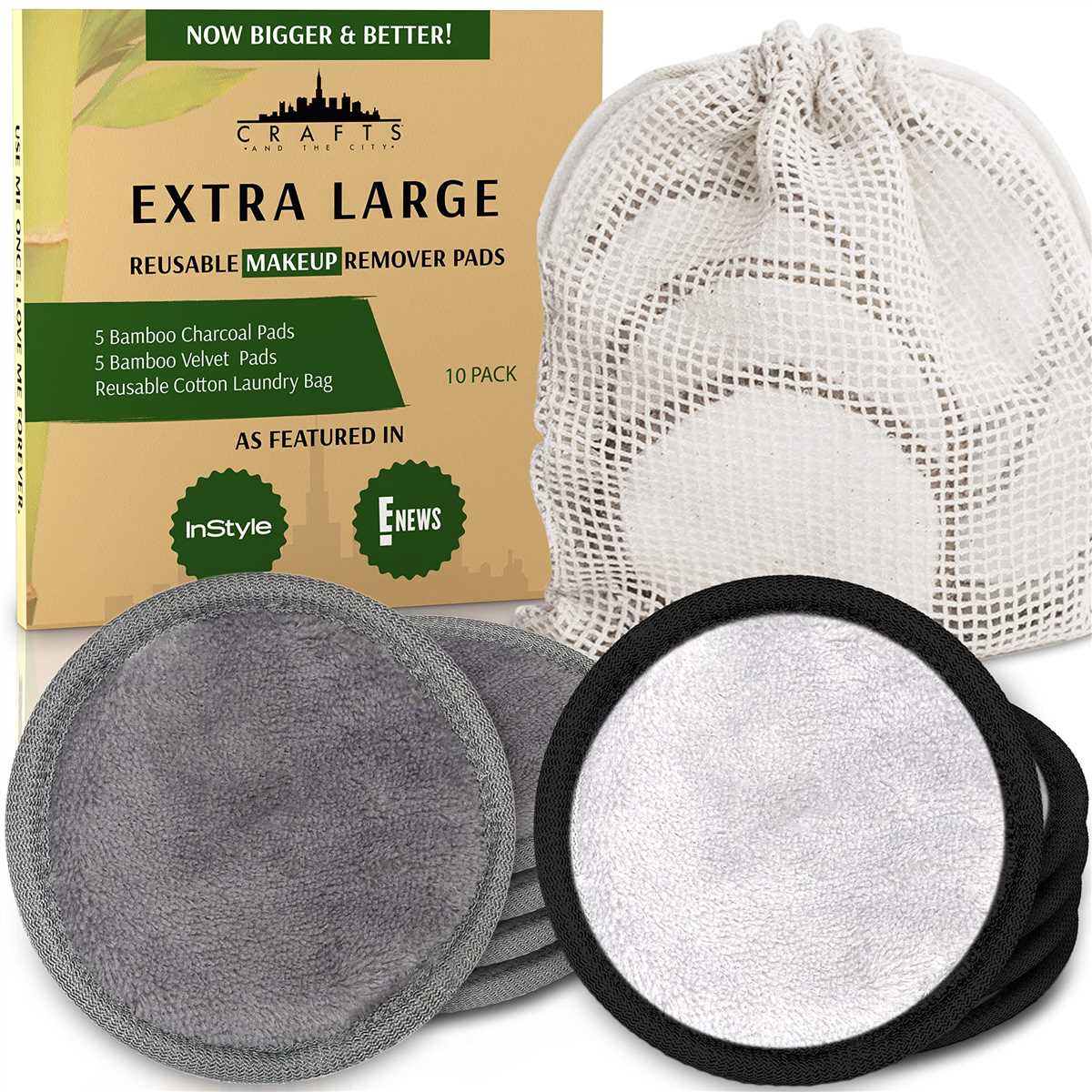
Makeup remover pads are an essential part of any skincare routine, but disposable options can be wasteful and harmful to the environment. Luckily, there is a more sustainable alternative – knitted makeup remover pads. These reusable pads are soft, gentle on the skin, and can be easily washed and reused.
Knitting your own makeup remover pads is a fun and rewarding project that allows you to customize the size, shape, and texture of the pads to suit your needs. Plus, it’s a great way to use up leftover yarn and reduce waste in your crafting stash.
In this article, we’ll provide you with a knitted makeup remover pads pattern that is beginner-friendly and easy to follow. Whether you’re a seasoned knitter or just starting out, you’ll be able to create your own set of eco-friendly makeup remover pads in no time. So grab your knitting needles and let’s get started!
How to Make Knitted Makeup Remover Pads
Knitted makeup remover pads are a great alternative to disposable cotton pads. They are not only eco-friendly, but they can also be reused multiple times, saving you money in the long run. In this tutorial, we will guide you through the process of making your own knitted makeup remover pads.
Materials:
- Knitting needles (size 4)
- Cotton yarn
- Tapestry needle
- Scissors
Step 1: Cast on stitches
Using your knitting needles and cotton yarn, cast on 36 stitches. This will be the base for your knitted makeup remover pad.
Step 2: Knit the first row
Knit across all the stitches on your needle. This will create the foundation for the texture of the pad.
Step 3: Begin the pattern
Now, you will start the pattern for the knitted makeup remover pad. Follow this sequence of rows:
- Row 1: Knit
- Row 2: Purl
- Row 3: Knit
- Row 4: Knit
- Row 5: Purl
- Row 6: Knit
- Row 7: Purl
- Row 8: Knit
- Repeat rows 1-8 until your pad reaches the desired size.
Step 4: Bind off
Once you have reached the desired size for your knitted makeup remover pad, it’s time to bind off. Cut your yarn, leaving a long tail. Thread the tail onto a tapestry needle and slip the needle through each stitch, pulling it tight. This will secure the stitches and prevent them from unraveling.
Step 5: Finishing touches
Trim any excess yarn and weave in the ends using your tapestry needle. Your knitted makeup remover pad is now ready to use!
With these simple steps, you can create your own knitted makeup remover pads that are not only functional but also stylish. Enjoy the process of knitting and the satisfaction of reducing waste with this eco-friendly alternative.
Materials You Will Need
If you are planning to make your own knitted makeup remover pads, there are a few materials you will need to gather before getting started. These materials can be easily found at your local craft store or online. Here is a list of what you will need:
- Yarn: Choose a soft and gentle yarn that is suitable for sensitive skin. You can use cotton, bamboo, or microfiber yarn for this project.
- Knitting Needles: Depending on your preference, you can use straight or circular knitting needles. Make sure to choose the appropriate size for your chosen yarn.
- Tapestry Needle: This needle will be used for weaving in loose ends and sewing the edges of the pads.
- Scissors: You will need a good pair of scissors to cut the yarn and trim any excess.
- Stitch Marker: This is optional, but it can be helpful to mark the beginning of each round if you are using circular needles.
- Measuring Tape: It’s always a good idea to have a measuring tape handy to check your gauge and ensure your pads are the desired size.
Once you have gathered all the necessary materials, you will be ready to start knitting your own makeup remover pads. These pads are not only eco-friendly but also reusable, making them a great alternative to disposable cotton pads. Get creative with your yarn choices and enjoy the process of making these sustainable beauty products!
Why Choose Knitted Makeup Remover Pads?
Knitted makeup remover pads have become increasingly popular in recent years, and for good reason. These reusable pads offer numerous benefits over traditional disposable cotton pads when it comes to removing makeup effectively and sustainably.
1. Eco-friendly: One of the main reasons why people are choosing knitted makeup remover pads is their eco-friendliness. Disposable cotton pads contribute to global waste and pollution, but knitted pads can be used over and over again, reducing the amount of waste that ends up in landfills.
2. Cost-effective: While the initial investment in knitted makeup remover pads may be higher compared to disposable ones, the long-term cost-effectiveness is undeniable. Instead of continuously purchasing and throwing away cotton pads, knitted pads can be easily washed and reused, making them a more economical choice in the long run.
3. Gentle on the skin: Knitted pads are typically made from soft, hypoallergenic materials like cotton or bamboo, making them gentle on the skin. These pads are less likely to cause irritation, redness, or dryness compared to disposable cotton pads, which can be rough and abrasive.
4. Versatility: Knitted makeup remover pads aren’t just useful for removing makeup. They can also be used for applying toners, serums, or other skincare products. The texture of the knitted fabric helps to evenly distribute the product on the skin, making it more effective.
5. Customizable patterns and sizes: Another great feature of knitted makeup remover pads is that they can be easily customized to fit individual preferences. From choosing different patterns and colors to selecting the desired size, knitted pads can be personalized to suit different needs and aesthetics.
6. Easy to clean: Cleaning knitted makeup remover pads is a breeze. Simply toss them in the washing machine with your regular laundry, and they’ll come out fresh and ready to use again. This convenience eliminates the need for complex washing routines or special cleaning products.
Advantages of Knitted Pads over Disposable Ones
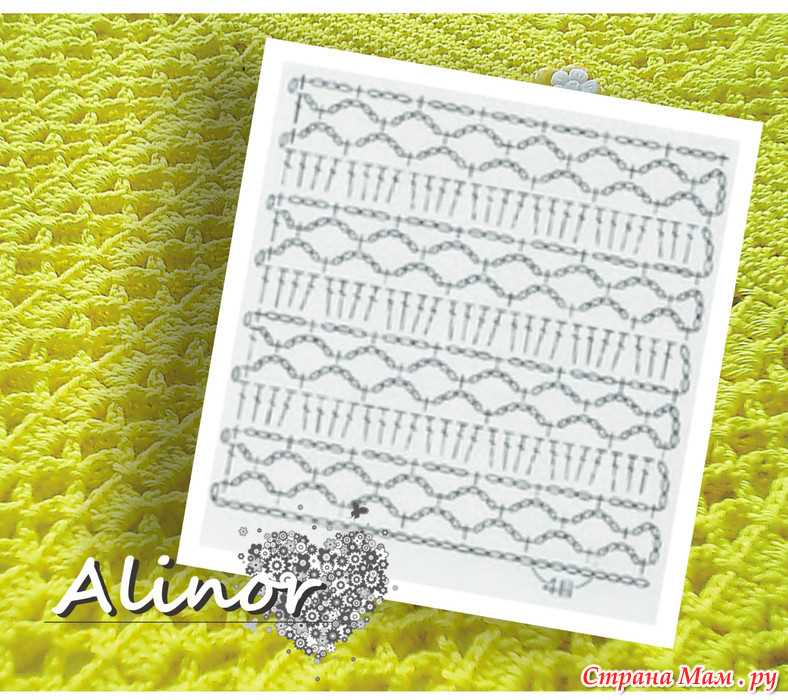
Knitted makeup remover pads offer several advantages over disposable ones, making them a more sustainable and cost-effective option for daily skincare routines. One of the key advantages of knitted pads is their reusability. Unlike disposable pads which are intended for single use and then thrown away, knitted pads can be washed and reused multiple times, reducing waste and saving money in the long run.
Another advantage of knitted pads is their soft and gentle texture. Knitted from soft and natural fibers like cotton or bamboo, these pads are gentle on the skin, minimizing irritation and ensuring a pleasant makeup removal experience. The knitting pattern also provides a textured surface, making it more effective at removing dirt, oil, and makeup residue from the skin.
Knitted pads also have an environmental advantage over disposable ones. With the increasing concern about plastic pollution, using reusable knitted pads can help reduce plastic waste and its impact on the environment. By opting for knitted pads, individuals can contribute to a more sustainable lifestyle and make a positive difference in reducing their ecological footprint.
Furthermore, knitted pads can be easily customized to suit individual preferences. They can be made in different sizes and thicknesses, allowing users to choose the pads that best fit their needs. Whether it’s for removing heavy makeup or delicate eye makeup, knitted pads offer versatility and adaptability to cater to different skincare routines.
In conclusion, knitted makeup remover pads have several advantages over disposable ones. Their reusability, soft texture, environmental benefits, and customization options make them a more sustainable and convenient choice for daily skincare routines. By opting for knitted pads, individuals can enjoy a more eco-friendly and cost-effective approach to makeup removal.
Step-by-Step Instructions for Knitting the Pads
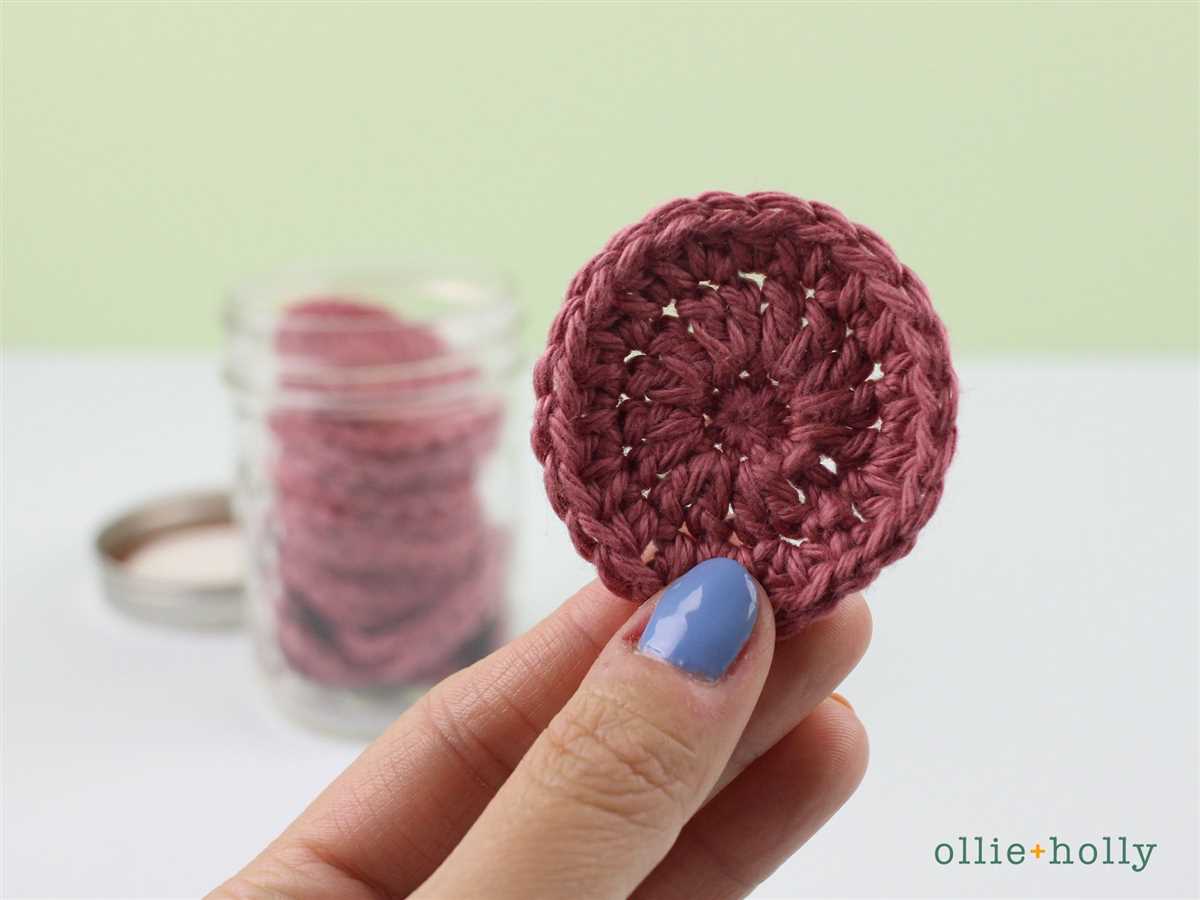
If you want to make your own knitted makeup remover pads, follow these step-by-step instructions:
Materials Needed:
- Knitting needles (size 6 or 7)
- Cotton yarn (in any color you prefer)
- Tapestry needle
- Scissors
Step 1: Cast On
Using your knitting needles, cast on 30 stitches. This will be the base of your makeup remover pad.
Step 2: Knit Rows
Continue knitting in garter stitch pattern for the desired size of your pad. You can choose to knit until the pad measures approximately 3 to 4 inches in diameter.
Step 3: Cast Off
Once you’ve reached the desired size, it’s time to cast off. Cut the yarn, leaving a long tail. Thread the tail through the tapestry needle and slide the needle through all the stitches, pulling tight to secure the end.
Step 4: Finishing Touches
Using your scissors, snip off any excess yarn. Weave in any loose ends using the tapestry needle to give your pad a clean finish.
Repeat these steps to create as many knitted makeup remover pads as you desire. They make great gifts or additions to your own skincare routine!
Choosing the Right Yarn for Makeup Remover Pads
When it comes to knitting makeup remover pads, choosing the right yarn is essential. The yarn you select will determine the texture, absorbency, and overall performance of the pads. Here are some factors to consider when deciding on the perfect yarn for your project.
Fiber Type
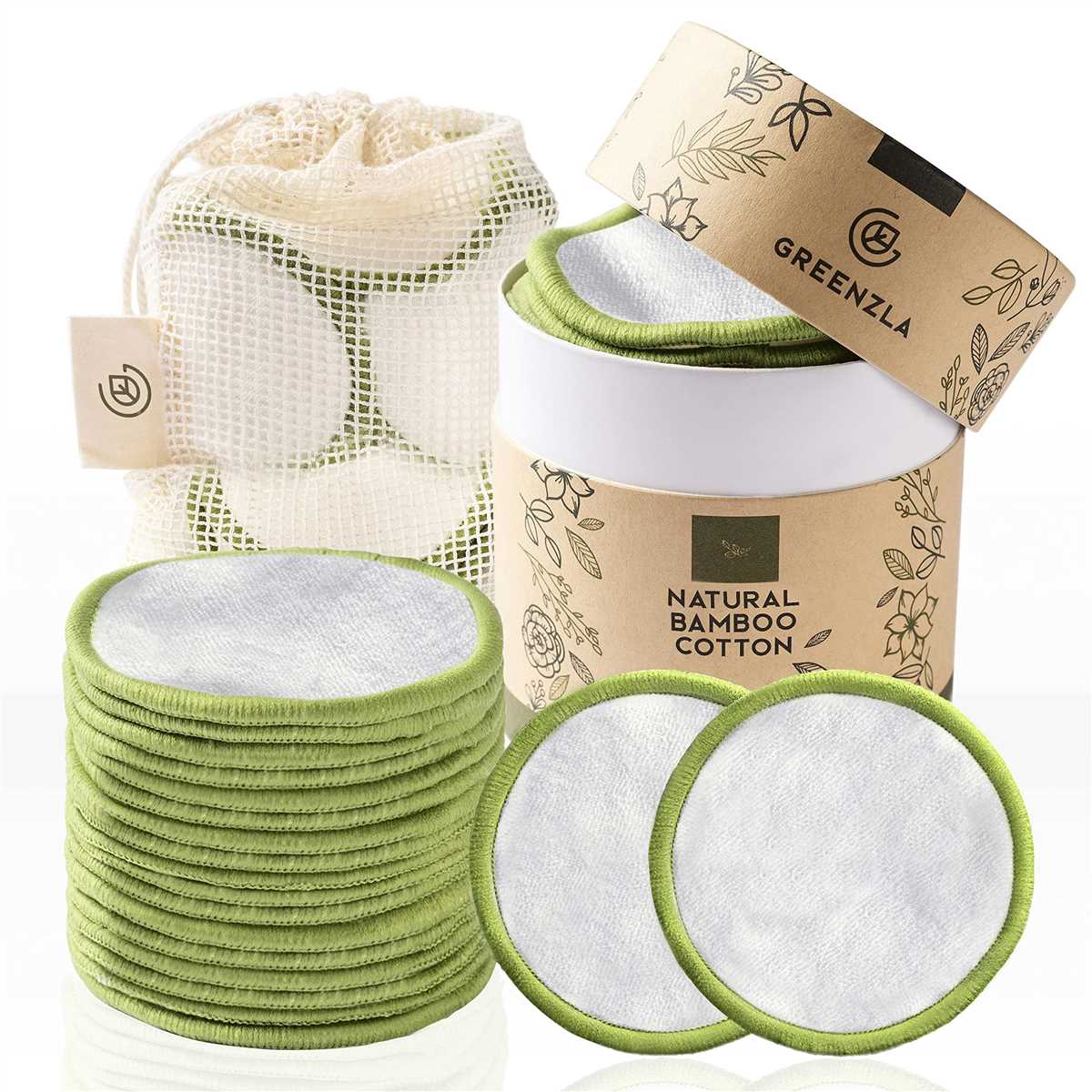
One of the most important considerations when choosing yarn for makeup remover pads is the fiber type. Cotton is a popular choice due to its softness, absorbency, and ability to withstand frequent washing. Bamboo yarn is another excellent option, as it is eco-friendly and has natural antibacterial properties. Both of these fibers are gentle on the skin and can effectively remove makeup without causing irritation.
Weight
The weight of the yarn will also impact the performance of your makeup remover pads. For optimal absorbency, choose a medium-weight or worsted-weight yarn. These yarns have a good balance of thickness and absorbency, making them ideal for removing makeup. Avoid using very thin or bulky yarns, as they may not be as effective in removing makeup or may be too rough on the skin.
Color
While the color of the yarn may not have a direct impact on the performance of the makeup remover pads, it is still an important consideration. Dark-colored yarns may show stains more easily, while lighter-colored yarns may be more forgiving. Consider the aesthetic appeal and practicality of the yarn’s color when making your selection.
Machine Washable
Since makeup remover pads will need to be washed frequently, it is important to choose a yarn that is machine washable. Look for yarns that can withstand regular washing without losing their shape or becoming less absorbent. This will ensure that your makeup remover pads can be easily cleaned and reused without any issues.
By considering these factors and choosing the right yarn, you can create makeup remover pads that are soft, effective, and durable. Experiment with different yarns to find the perfect combination of texture and absorbency for your needs.
Tips for Knitting with Different Yarn Types
When it comes to knitting, choosing the right yarn can make a big difference in the outcome of your project. Each yarn type has its own unique characteristics, and understanding how to work with different yarns can enhance your knitting experience. Whether you’re using chunky wool or lightweight cotton, here are some tips to help you knit with different yarn types.
1. Understanding Yarn Weights
Yarn weight determines the thickness of the yarn and can greatly impact the drape and the stitch definition of your knitting. It’s important to choose the right yarn weight for your project and to follow the recommended gauge provided in the knitting pattern. Be sure to check the label of the yarn for information on its weight and use the appropriate knitting needles for that weight.
2. Adjusting Your Tension
Many yarns have different tension requirements, meaning you may need to adjust your knitting technique to achieve the desired results. Thicker yarns typically require looser tension to create soft and cozy fabric, while thinner yarns may require tighter tension for better stitch definition. Experiment with different tension levels to find the one that works best for the yarn you’re using.
3. Choosing the Right Needles
The type of needles you use can also affect your knitting experience with different yarn types. For chunky or textured yarns, larger needles with a smooth surface can make it easier to work with. Finer yarns, on the other hand, may require smaller needles to create tight and even stitches. Consider the fiber content and thickness of the yarn when selecting your knitting needles.
4. Blocking and Care Instructions
Once your knitting project is complete, it’s essential to understand the care instructions for the yarn you used. Different yarns have different washing and blocking requirements, and following these instructions will help maintain the shape and appearance of your knitted item. Blocking can also help even out the stitches and give your project a polished finish.
By considering these tips and being mindful of the characteristics of different yarn types, you can enhance your knitting skills and create beautiful projects with ease. Experiment with different yarns and techniques to expand your knitting repertoire and discover new possibilities for your creations.
How to Care for Knitted Makeup Remover Pads
Knitted makeup remover pads are a great eco-friendly alternative to disposable cotton pads. They are not only reusable but also gentle on the skin. To ensure that your knitted makeup remover pads last long and stay clean, it is important to properly care for them. Here are some tips:
1. Wash after each use: After using the knitted makeup remover pad, rinse it with warm water and a mild soap to remove any makeup residue. Gently squeeze out the excess water and lay it flat to dry.
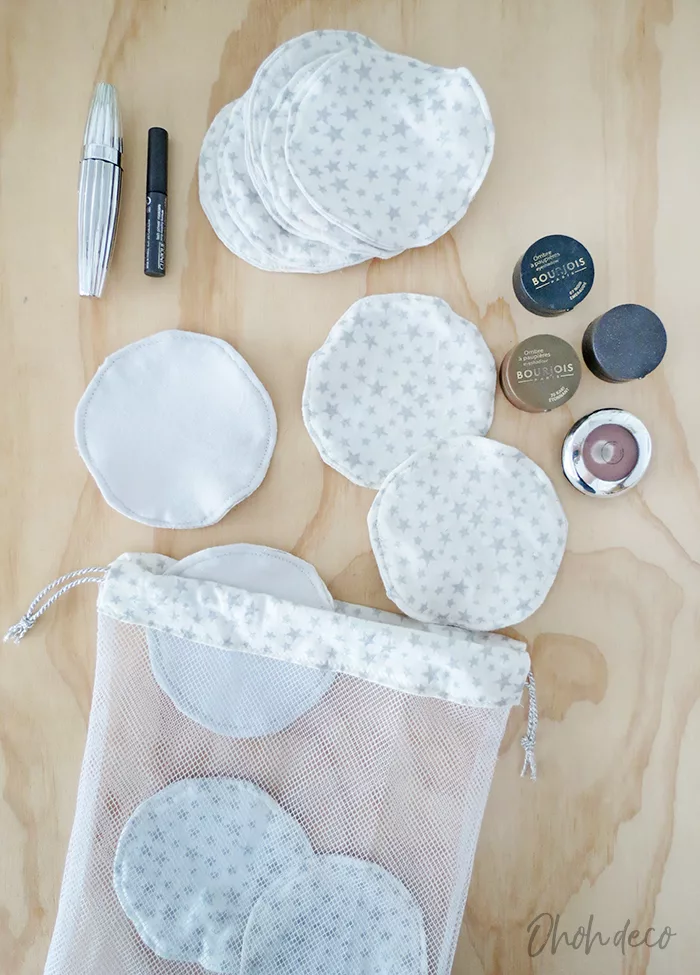
2. Machine wash on a gentle cycle: To keep your knitted makeup remover pads clean and fresh, machine wash them on a gentle cycle with like-colored items. Use a mesh laundry bag to prevent them from getting caught or tangled with other clothes or linens.
3. Avoid using fabric softener: Fabric softeners can coat the fibers of the knitted makeup remover pad, reducing their absorbency. Instead, opt for a vinegar rinse or an eco-friendly fabric softener to keep them soft without compromising their performance.
4. Air dry: After washing, lay the knitted makeup remover pads flat on a clean towel and allow them to air dry. Avoid using the dryer, as the heat can cause the pads to shrink or lose their shape.
5. Store in a clean, dry place: Once the knitted makeup remover pads are completely dry, store them in a clean, dry place. You can keep them in a small pouch or container to keep them organized and prevent them from accumulating dust or dirt.
By following these care instructions, your knitted makeup remover pads will remain soft, absorbent, and ready for use whenever you need them. Remember to replace them regularly to maintain hygiene and effectiveness.
Several Patterns for Knitted Makeup Remover Pads
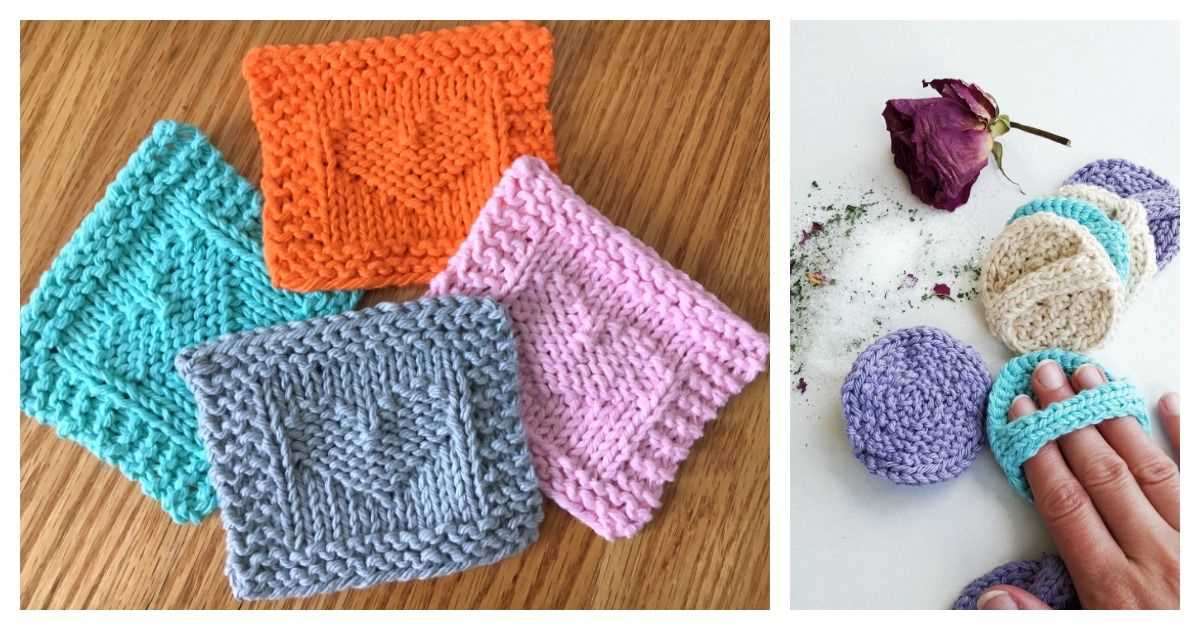
Knitted makeup remover pads are an eco-friendly and reusable alternative to disposable cotton pads. You can easily make your own by following various patterns available online. Here are a few patterns to get you started:
1. Basic Knitted Square Pattern
A simple and beginner-friendly pattern is to knit a basic square. Start by casting on the desired number of stitches and knit in garter stitch until the pad reaches the desired size. You can use any soft, absorbent yarn and knitting needles of suitable size. This pattern is quick to knit and produces a versatile makeup remover pad that can easily be washed and reused.
2. Textured Stitch Pattern
If you want to add some texture to your makeup remover pads, try a pattern that incorporates different stitches. For example, you can knit a few rows of stockinette stitch followed by a few rows of seed stitch or ribbing. This will create a textured surface that can help remove makeup more effectively. Experiment with different stitch patterns to find the one you like best.
3. Lace Pattern
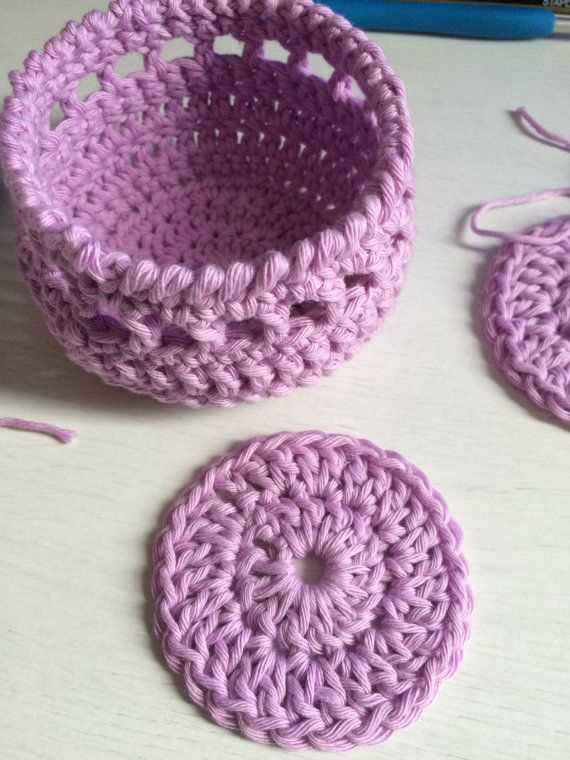
If you’re looking for a more feminine and delicate design, consider knitting makeup remover pads with a lace pattern. There are many lace stitch patterns available, ranging from simple eyelet patterns to intricate lace motifs. Lace patterns create a beautiful and elegant texture, making these pads not only functional but also aesthetically pleasing. Just make sure to choose a lace pattern that is not too open, so the pads remain durable and effective.
4. Colorful Striped Pattern
If you want to add some color to your makeup remover pads, try knitting them in stripes. You can use different colors of yarn to create vibrant and eye-catching patterns. Knitting in stripes is a great way to use up small amounts of leftover yarn from other projects. This pattern allows you to personalize your makeup remover pads and make them unique to your style.
These are just a few examples of the many patterns available for knitted makeup remover pads. Whether you prefer a basic square, a textured design, a lace pattern, or colorful stripes, there is a pattern that suits your preferences and skill level. Making your own knitted makeup remover pads not only helps reduce waste but also allows you to customize them to your liking.
How to Customize the Pattern to Fit Your Needs
When it comes to knitting makeup remover pads, the pattern can easily be customized to suit your specific preferences and needs. Whether you want to adjust the size, shape, or design, there are several ways you can make the pattern your own.
1. Size: If you prefer larger or smaller pads, you can easily adjust the size by changing the number of stitches and rows. For larger pads, you can increase the number of stitches and rows, while for smaller pads, you can decrease them. Just keep in mind that altering the size may result in a different gauge, so you may need to adjust your needle size accordingly.
2. Shape: The basic pattern is typically circular, but you can experiment with different shapes such as squares, rectangles, or even hearts. To achieve different shapes, you will need to modify the increases and decreases in the pattern. You can find various knitting resources and tutorials online to guide you through the process of shaping your pads.
3. Yarn: The pattern suggests using cotton yarn for its absorbency, but you can choose any yarn that suits your needs. Consider using bamboo or silk yarn for a softer texture, or acrylic yarn if you prefer something more budget-friendly. Just be aware that different yarns may behave differently during knitting and in terms of absorbency.
4. Design: The pattern for knitted makeup remover pads is usually very simple, but you can add your own personal touch by incorporating different stitch patterns or colorwork. You can experiment with lace stitch patterns for a more delicate look or try out different color combinations to make your pads more visually appealing. Just make sure to keep track of any changes you make to the pattern, so you can replicate them if desired.
5. Quantity: The pattern typically provides instructions for making a set of makeup remover pads, but you can easily customize the quantity based on your needs. Whether you want a smaller set for personal use or a larger set to give as gifts, you can adjust the number of pads you make accordingly. Just make sure to keep track of your stitch count and follow the pattern instructions for each individual pad.
Knitting Terms and Techniques to Know
When it comes to knitting, there are a variety of terms and techniques that are important to understand. Whether you’re a beginner or an experienced knitter, knowing these terms will help you follow patterns and create beautiful projects. Here are some key terms and techniques to familiarize yourself with:
Casting On
Casting on is the first step in starting a knitting project. It involves creating the first row of stitches on your knitting needle. There are different methods of casting on, such as the long-tail cast on or the knitted cast on. The method you choose will depend on the project you’re working on and your personal preference.
Knit Stitch
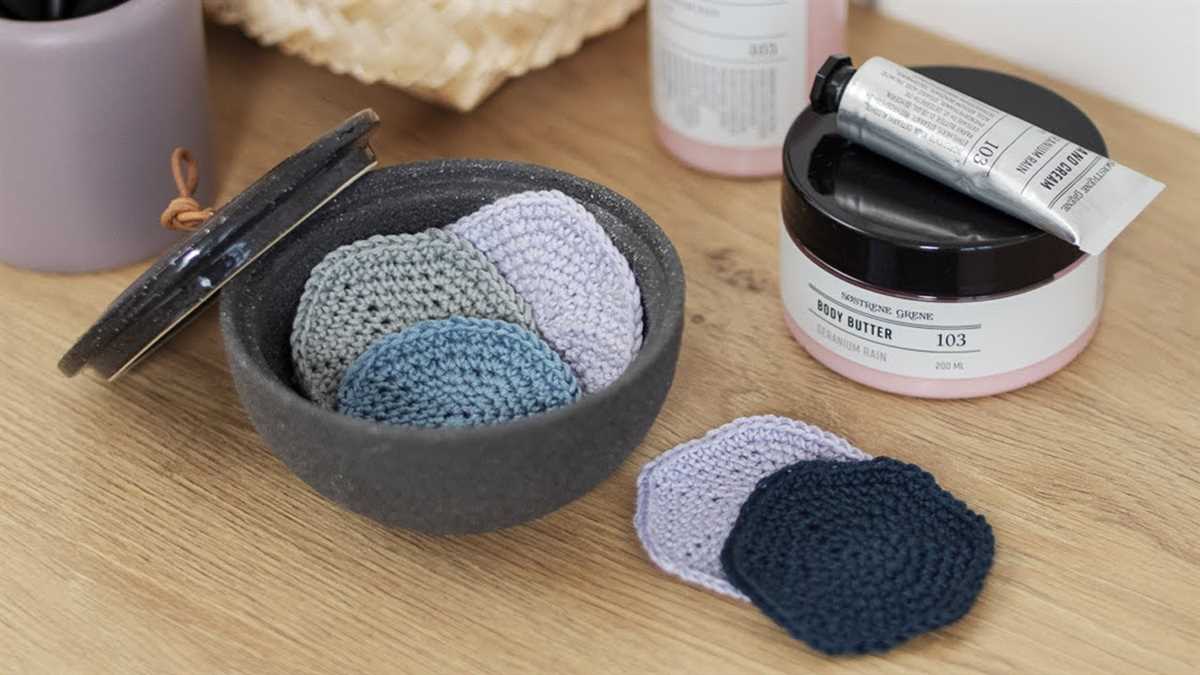
The knit stitch is one of the most basic and commonly used stitches in knitting. It creates a smooth, flat fabric and is often used for the right side (or front side) of a project. To knit, you insert the right needle into the first stitch on the left needle, wrap the yarn around the right needle, and pull it through the stitch, transferring it to the right needle.
Purl Stitch
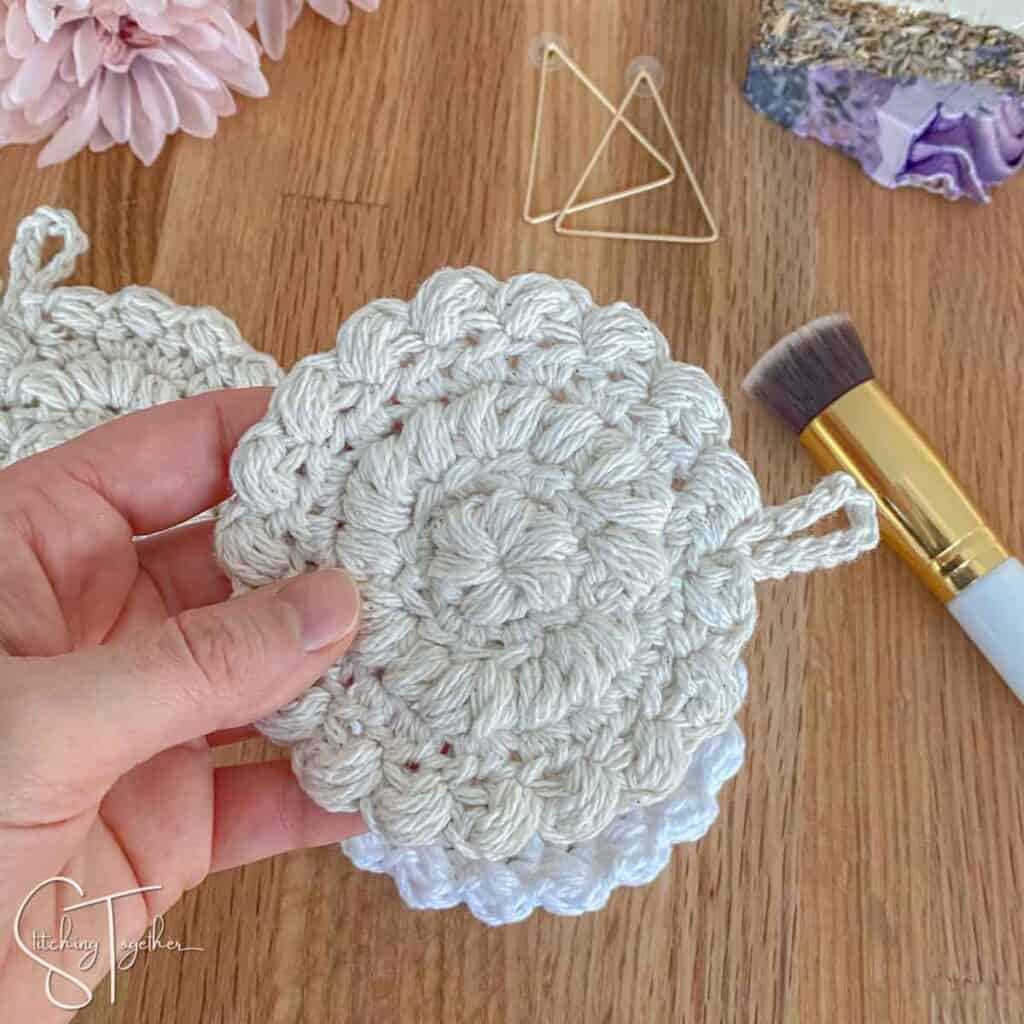
The purl stitch is another fundamental knitting stitch. It creates a raised, textured fabric and is often used for the wrong side (or back side) of a project. To purl, you insert the right needle from right to left into the first stitch on the left needle, wrap the yarn around the right needle, and pull it through the stitch, transferring it to the right needle.
Increasing and Decreasing
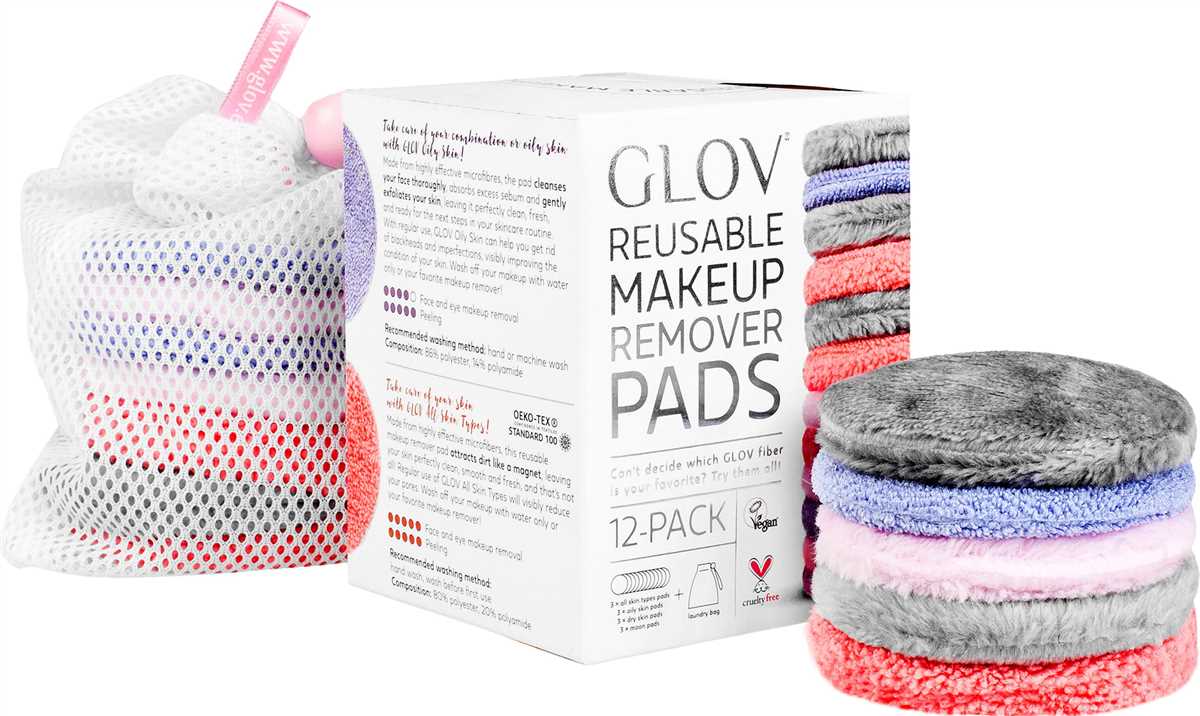
Increasing and decreasing are techniques used to shape your knitting projects. Increasing involves adding stitches to your work, while decreasing involves removing stitches. There are different methods for increasing and decreasing, such as the kfb (knit front and back) for increasing and the k2tog (knit two together) for decreasing.
Blocking
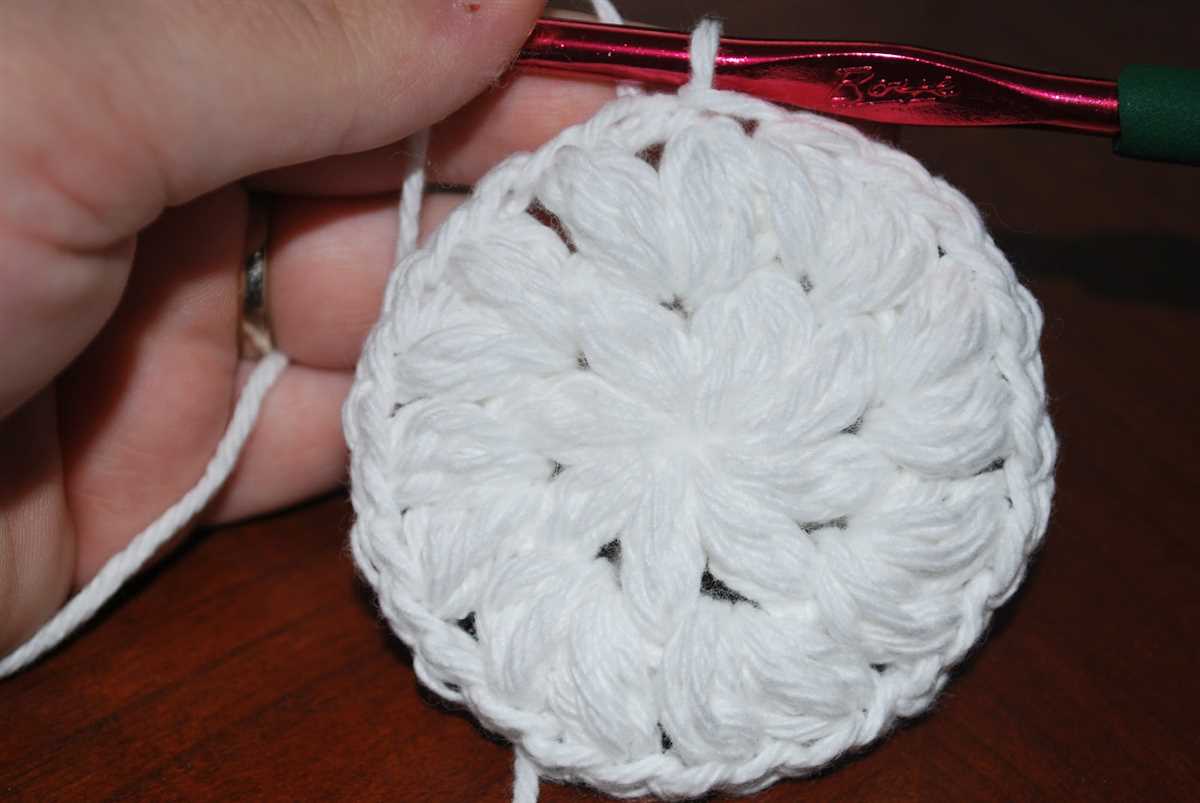
After completing a knitting project, it’s often necessary to block the finished piece. Blocking involves wetting or steaming the fabric and then shaping it to the desired size and dimensions. This helps even out the stitches, relax the fibers, and give the project a polished look.
These are just a few of the many terms and techniques you’ll encounter in the world of knitting. As you continue to knit and explore more patterns, you’ll become more familiar with these terms and gain confidence in your knitting skills.
Where to Buy Knitted Pads or Patterns
Knitted makeup remover pads have become increasingly popular in recent years due to their eco-friendly nature and reusable design. If you are interested in purchasing these pads or want to find knitting patterns to make your own, there are several options available to you.
1. Online Marketplaces
Online marketplaces such as Etsy and Amazon offer a wide range of knitted makeup remover pads for sale. These platforms allow independent sellers to showcase and sell their handmade items, including knitted pads. You can browse through different sellers and choose from various designs, colors, and materials. Make sure to read the product descriptions and reviews before making a purchase.
2. Local Craft Stores
If you prefer to see the products in person before buying them, local craft stores might be your best option. Many craft stores carry a selection of knitted pads or can point you to local artisans who create and sell these items. This allows you to support local businesses and get a hands-on experience with the pads before making a purchase.
3. Knitting Websites and Blogs
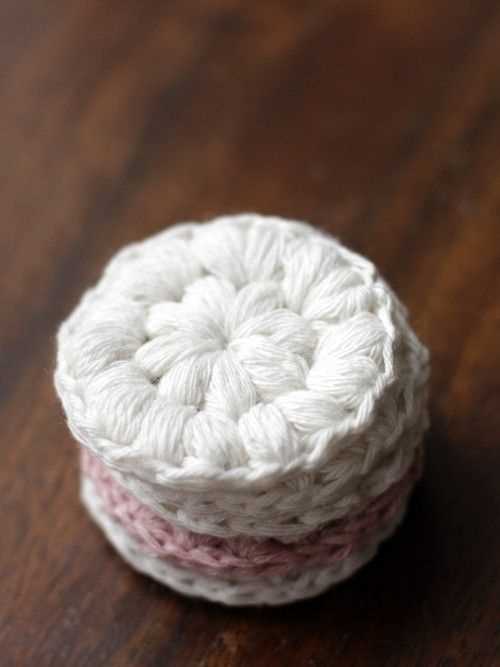
If you are a knitter and want to make your own knitted makeup remover pads, various knitting websites and blogs offer free or paid patterns. These patterns provide detailed instructions on how to create the pads using different knitting techniques and stitches. Some popular knitting websites include Ravelry, Knitty, and LoveCrafts. You can also find patterns through knitter communities and forums.
- Ravelry: Ravelry is a popular online community for knitters and crocheters. It offers a vast collection of patterns, including knitted makeup remover pads. You can search for patterns based on your skill level, yarn preference, and desired design.
- Knitty: Knitty is an online knitting magazine that publishes free patterns. They often feature patterns for various household items, including knitted pads. You can browse through their archives or search for specific patterns using their website’s search function.
- LoveCrafts: LoveCrafts is an online marketplace and community for crafters. They have a section dedicated to knitting patterns, where you can find patterns for knitted makeup remover pads. Some patterns are available for free, while others require a purchase.
Eco-Friendly Alternatives for Makeup Removal
In an effort to reduce waste and promote sustainability, many people are seeking eco-friendly alternatives for makeup removal. Traditional single-use makeup wipes can contribute to pollution and landfill waste, but there are several eco-friendly options available that can help you remove your makeup while minimizing your environmental impact.
One popular option is reusable makeup remover pads. These pads are typically made from soft, washable materials such as cotton or bamboo, and they can be used multiple times before needing to be washed. Simply apply your makeup remover to the pad and gently wipe away your makeup. After use, you can toss the pad into the washing machine and use it again and again. This not only eliminates the need for single-use wipes, but it also saves you money in the long run.
Benefits of using reusable makeup remover pads:
- Reduces waste: By using reusable pads, you can eliminate the need for disposable wipes that contribute to landfill waste.
- Saves money: Investing in reusable pads can save you money over time, as you won’t need to constantly repurchase disposable wipes.
- Gentle on the skin: Many reusable pads are made from soft, natural materials that are gentle on the skin, making them suitable for all skin types.
- Easy to clean: Most reusable pads can be easily cleaned by throwing them into the washing machine, making them convenient and hygienic.
- Customizable: You can choose reusable pads in different shapes, sizes, and materials to suit your preferences and needs.
If you’re looking to make your own reusable makeup remover pads, you can find various patterns and tutorials online. Knitting or crocheting your own pads allows you to customize the size and material to your liking.
In conclusion, switching to eco-friendly alternatives for makeup removal, such as reusable makeup remover pads, is a great way to reduce waste and promote sustainability. By making this small change in your beauty routine, you can contribute to a cleaner and greener planet.