
If you’ve ever been fascinated by DNA and enjoy knitting, you’ll love the DNA knitting pattern. This unique pattern allows you to create beautiful designs that resemble the double helix structure of DNA. Whether you’re a beginner or an experienced knitter, this pattern is a fun and challenging project that will keep you engaged.
The DNA knitting pattern typically uses two different colors of yarn to represent the two strands of DNA. One color represents the purine bases (adenine and guanine) while the other color represents the pyrimidine bases (thymine and cytosine). By using different stitches and techniques, you can create a pattern that mimics the twisting and turning of the DNA strands.
This pattern is not only a great way to express your love for science and knitting, but it also makes for a unique and personalized gift. You can knit DNA scarves, hats, blankets, or even framed artwork. The possibilities are endless, and the finished products are sure to be conversation starters.
So, if you’re looking for a new and exciting knitting project, give the DNA knitting pattern a try. Not only will you learn new techniques and create stunning designs, but you’ll also gain a better appreciation for the beauty and complexity of DNA, one stitch at a time.
DNA Knitting Patterns: Exploring the Fascinating World of Biological Knitting

Knitting is a versatile craft that allows individuals to express their creativity and create unique and intricate designs. One fascinating area of knitting that has gained popularity in recent years is DNA knitting patterns. Inspired by the intricate and beautiful structure of DNA, these patterns offer a unique way to combine science and art.
The beauty of DNA knitting patterns lies in their ability to capture the complex and elegant structure of DNA in a tangible and wearable form. By using various knitting techniques and stitches, these patterns recreate the double helix structure of DNA, complete with the iconic twists and turns. The result is a stunning and intricate piece of clothing or accessory that pays homage to the fundamental building blocks of life.
- Knitting Techniques: Creating DNA knitting patterns involves a mix of techniques, including simple stockinette stitches, decorative lace stitches, and colorwork to mimic the different base pairs of DNA. These techniques allow knitters to experiment with different textures and patterns to achieve the desired effect.
- Symbolism and Meaning: DNA knitting patterns can carry a symbolic and meaningful message. They can represent the inherent beauty and complexity of life, the importance of science and discovery, or simply serve as a reminder of our connection to the natural world. Each stitch and pattern choice can contribute to the overall symbolism of the design.
- Creating Unique Designs: The world of DNA knitting patterns offers endless possibilities for creativity. Knitters can experiment with different color combinations, stitch variations, and garment shapes to create their own unique designs. Whether it’s a scarf, a sweater, or a pair of socks, the DNA knitting pattern can be customized to reflect the individual’s style and preferences.
Exploring the world of DNA knitting patterns is not only a creative endeavor but also a way to engage with the fascinating world of biology. It allows knitters to appreciate the intricacies of DNA while expressing their artistic talents. Whether you’re a knitting enthusiast, a biology lover, or simply someone who appreciates unique and thought-provoking designs, DNA knitting patterns offer a captivating and inspiring outlet for creativity.
What are DNA Knitting Patterns?
DNA knitting patterns combine the art of knitting with the science of genetics to create unique and intricate designs. These patterns take inspiration from the structure of DNA, the molecule that carries the genetic instructions for all living organisms. Just as DNA is made up of a sequence of nucleotides, these knitting patterns are made up of a sequence of stitches and rows.
The DNA knitting patterns often feature motifs and symbols that represent the four nitrogenous bases found in DNA: adenine (A), thymine (T), cytosine (C), and guanine (G). These bases are the building blocks of DNA and pair up to form the famous double helix structure. Knitting patterns may incorporate these symbols in various ways, such as in the form of colorwork, cables, or lace.
The complexity of DNA knitting patterns can vary widely, from simple and beginner-friendly designs to intricate and challenging projects. Some patterns may incorporate multiple motifs and stitch patterns to create a visually stunning representation of DNA. Knitters can choose to create scarves, hats, sweaters, or even blankets using these patterns, allowing for personal creativity and customization.
Many knitting enthusiasts enjoy creating DNA knitting patterns as a way to express their love for both science and art. These patterns not only showcase the beauty and elegance of the DNA molecule but also serve as a reminder of the incredible complexity and diversity of life. Whether you’re a scientist or an artist, knitting DNA patterns can be a truly fascinating and rewarding endeavor.
The History of DNA Knitting Patterns
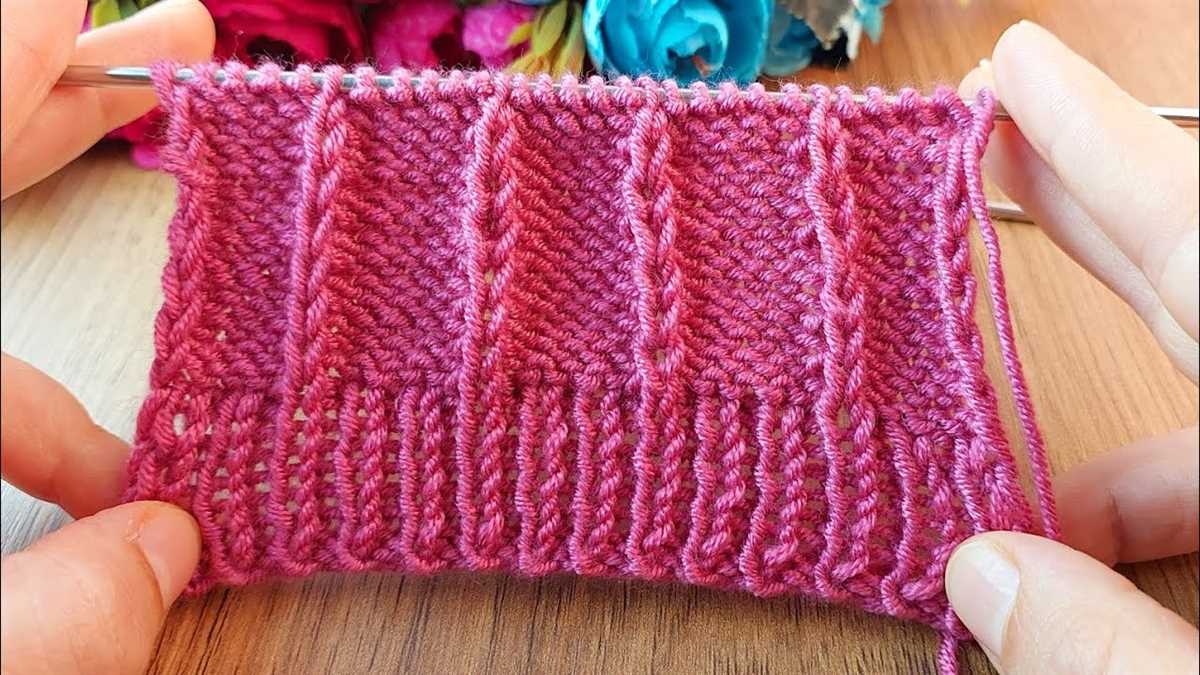
DNA knitting patterns are a unique and fascinating way to incorporate the intricate structures of DNA into knitting projects. This trend has gained popularity in recent years, combining the worlds of science and crafts to create beautiful and meaningful pieces.
The idea of incorporating DNA into knitting patterns can be traced back to the early 2000s when scientists and knitting enthusiasts began to explore the intersection between these two disciplines. The first known DNA knitting pattern was created by Sydney Swasey, a biochemist and avid knitter. Swasey wanted to find a way to display the complexity and beauty of DNA structures in a tangible form, and knitting provided the perfect medium.
One of the most iconic DNA knitting patterns is the “double helix” design. This pattern mimics the shape of a DNA molecule, with two strands twisting around each other to form a helix. It is typically created using a combination of knit and purl stitches, carefully arranged to mimic the structural elements of DNA. The resulting knitted piece creates a visually striking representation of the DNA double helix.
As the popularity of DNA knitting patterns grew, more and more patterns were developed that incorporated different aspects of DNA, such as base pairs, nucleotides, and even specific genes. Knitters began to experiment with different stitch patterns, colors, and yarn choices to create unique interpretations of DNA structures in their projects.
Today, DNA knitting patterns continue to evolve and inspire knitters around the world. They serve as a bridge between science and art, allowing individuals to explore their creativity while also honoring the beauty and complexity of DNA. Whether it’s a knitted scarf, sweater, or even a piece of jewelry, DNA knitting patterns offer a unique and meaningful way to showcase one’s passion for both science and crafts.
Why Knit with DNA Patterns?
Knitting is a creative and versatile craft that allows people to express their individuality and create unique pieces of clothing and accessories. While traditional knitting patterns have been widely used for centuries, there is a growing trend of using DNA patterns as a source of inspiration for knitting projects.
Knitting with DNA patterns offers a range of benefits and opportunities for knitters. First and foremost, DNA patterns provide a fascinating and visually appealing design element. The double helix structure of DNA, with its twists and curves, creates an intricate and captivating pattern that can be translated into knitting stitches.
Uniqueness
One of the key reasons why knitters choose to work with DNA patterns is the uniqueness they offer. Unlike traditional knitting patterns that may be widely available and utilized by many people, DNA patterns are relatively new and less commonly used. This allows knitters to create truly one-of-a-kind pieces that stand out from the crowd.
Scientific Inspiration
Using DNA patterns in knitting projects can also serve as a source of scientific inspiration. It allows knitters to explore the wonders of the natural world and pay homage to the incredible complexities of life. DNA knitting patterns can be seen as a fusion of art and science, combining the creativity and craftsmanship of knitting with the beauty and elegance of the genetic code.
Personal Connection
For some individuals, knitting with DNA patterns may hold a personal significance. It can be a way to celebrate their love for biology, genetics, or the study of life itself. Others may find inspiration in their own DNA or the DNA of loved ones, creating meaningful and sentimental pieces that carry a deeper connection and story.
- Unique and visually appealing design element
- Scientific inspiration
- Personal connection and significance
In conclusion, knitting with DNA patterns offers an exciting and innovative way to explore the art of knitting. The uniqueness, scientific inspiration, and personal connection that DNA patterns can provide make them an intriguing choice for knitters looking to create exceptional and meaningful pieces.
Getting Started with DNA Knitting Patterns

If you are a knitting enthusiast, you may have already tried your hand at various knitting patterns, from simple scarves to intricate sweaters. But have you ever considered knitting with DNA patterns? DNA knitting patterns take inspiration from the double helix structure of DNA molecules and offer a unique and fascinating challenge for knitters.
What are DNA knitting patterns?
DNA knitting patterns are designs that mimic the structure of a DNA molecule. They typically consist of repeating sequences of knits and purls that create a helical pattern. By following these patterns, you can create visually stunning pieces that are both interesting to look at and fun to knit.
How to get started with DNA knitting patterns
- Choose a pattern: Start by selecting a DNA knitting pattern that suits your skill level and interests. There are plenty of patterns available online, ranging from simple designs for beginners to more complex patterns for advanced knitters.
- Gather your materials: Once you have chosen a pattern, gather the necessary materials, including yarn in your preferred colors and the appropriate knitting needles. Some patterns may also require additional tools like cable needles or stitch markers.
- Read and understand the pattern: Before diving into the knitting process, take some time to carefully read and understand the DNA knitting pattern. Pay attention to any special stitches or techniques that may be involved.
- Start knitting: With your pattern and materials ready, it’s time to start knitting! Follow the pattern instructions, stitch by stitch, to create the DNA-inspired design. Take your time and enjoy the process.
- Experiment and personalize: As you become more comfortable with DNA knitting patterns, don’t be afraid to experiment and personalize the designs. You can try using different colors, adding beads or sequins, or even combining multiple DNA patterns to create unique and one-of-a-kind pieces.
By getting started with DNA knitting patterns, you can take your knitting skills to a whole new level. Whether you are a beginner or an experienced knitter, DNA patterns offer an exciting and creative way to explore the world of knitting.
Types of DNA Knitting Patterns

The world of knitting offers an array of beautiful and intricate patterns, and DNA knitting patterns have gained popularity in recent years. These patterns are inspired by the structure and composition of DNA molecules, resulting in unique and eye-catching designs. There are several types of DNA knitting patterns that crafters can explore and experiment with.
1. Double Helix Pattern

One of the most recognizable DNA knitting patterns is the double helix pattern. This pattern mimics the intertwined strands of DNA that form the iconic double helix structure. Knitters can create this pattern by using two different colored yarns to represent the two strands of DNA and incorporating various stitch techniques to achieve the desired effect. The double helix pattern is versatile and can be incorporated into a variety of knitting projects, such as scarves, hats, or even sweaters.
2. Nucleotide Pattern

The nucleotide pattern is another popular choice for DNA-inspired knitting projects. This pattern focuses on replicating the individual building blocks of DNA, known as nucleotides. By utilizing different combinations of knitting stitches and colors, crafters can create an intricate pattern that resembles the nucleotide sequence of DNA. This pattern can be used on smaller projects like gloves, socks, or bags to add a unique and scientific touch.
3. Chromosome Pattern
For those looking to incorporate larger and more complex DNA structures into their knitting, the chromosome pattern is an excellent choice. This pattern represents the structure and arrangement of chromosomes within the nucleus of a cell. Knitters can use different techniques such as cabling or lace knitting to create the characteristic shapes and patterns found in chromosomes. The chromosome pattern can be used to create stunning blankets, shawls, or even wall hangings.
These are just a few examples of the different types of DNA knitting patterns available. Knitting enthusiasts can let their creativity run wild and experiment with various stitches, colors, and techniques to create their unique DNA-inspired designs.
Choosing the Right Yarn and Needles for DNA Knitting

When it comes to DNA knitting, selecting the right yarn and needles is crucial to achieve the desired result. The yarn should be smooth and durable, with good stitch definition to showcase the intricate DNA pattern. A yarn made of natural fibers, like wool or cotton, is recommended as it provides excellent structure and elasticity for the knitted fabric.
Yarn Weight: The weight of the yarn determines the thickness of the resulting knitted fabric. For a more delicate DNA pattern, a fingering or sport weight yarn can be used, whereas a worsted weight yarn will create a bolder and more pronounced design. It is important to consider the desired drape and texture of the final piece when choosing the yarn weight.
Needle Size: The needle size should be selected based on the yarn weight and personal knitting tension. A smaller needle size will create tighter stitches, while a larger needle size will result in looser stitches. It is recommended to start with the needle size suggested on the yarn label and make adjustments if necessary to achieve the desired gauge and fabric texture.
Remember to always swatch to ensure the correct gauge before starting the actual DNA knitting project. This will help determine if the yarn and needle combination is producing the desired fabric texture and pattern definition. Experimenting with different yarn and needle combinations can also be an exciting way to create unique variations of the DNA knitting pattern.
Tips and Tricks for Successful DNA Knitting
Knitting a DNA pattern can be both challenging and rewarding. To help you achieve success in your project, here are some tips and tricks to keep in mind:
1. Choose the Right Yarn:
When knitting a DNA pattern, it is crucial to choose a yarn that has good stitch definition. Opt for a yarn that is not too fuzzy or fluffy, as it may obscure the details of the DNA structure. A smooth, medium weight yarn made from natural fibers like wool or cotton is often the best choice.
2. Use Color-Coded Stitch Markers:
Keeping track of the different sections and elements in a DNA knitting pattern can be challenging. To make it easier, use color-coded stitch markers to mark the beginning and end of each section. This will help you stay organized and prevent mistakes.
3. Follow a Chart or Written Instructions:
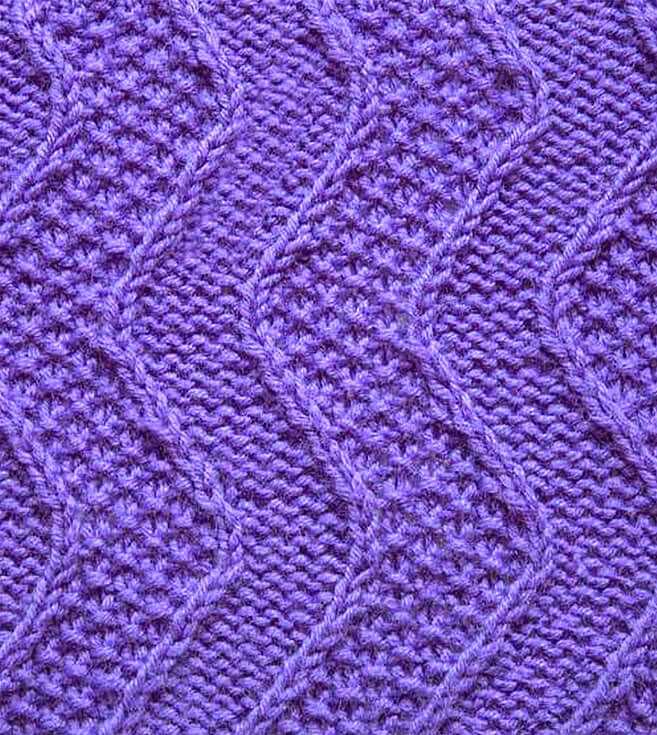
Depending on your knitting preferences, you can choose to follow a chart or written instructions for your DNA knitting project. Charts provide a visual representation of the pattern, while written instructions give you step-by-step guidance. Choose the format that works best for you and stick to it throughout your project.
4. Practice Proper Tension Control:

Tension control is crucial when knitting a DNA pattern to ensure that the stitches appear even and consistent. Take the time to practice and achieve a tension that matches the pattern requirements. This may include knitting looser or tighter than your usual tension. Remember to check your tension regularly as you progress through the project.
5. Block Your Finished Project:
Blocking is an essential step in finishing any knitting project, and it is particularly important when knitting a DNA pattern. Blocking helps to even out the stitches, enhance the pattern’s definition, and give the final project a professional look. Follow the blocking instructions specific to your chosen yarn and fiber to achieve the best results.
By paying attention to these tips and tricks, you can improve your chances of successfully knitting a DNA pattern. Remember to be patient, enjoy the process, and don’t be afraid to make adjustments along the way. Happy knitting!
Popular DNA Knitting Patterns

Knitting is a popular hobby that allows people to create beautiful and unique items using yarn and needles. One intriguing knitting pattern that has gained popularity in recent years is the DNA knitting pattern. This pattern is inspired by the structure of DNA, the molecule that contains the genetic instructions for all living organisms.
The DNA knitting pattern involves creating a unique design that resembles the helical structure of DNA. This pattern often incorporates twists, cables, and other intricate stitches to mimic the double helix shape. It can be used to create various items such as scarves, hats, sweaters, and even blankets.
There are many popular DNA knitting patterns available for crafters to try. Some patterns feature a more subtle DNA design, with the helical structure incorporated into the edges or borders of the item. Others take a bolder approach, with the entire item covered in a DNA motif.
If you’re new to knitting or are looking for a simple DNA pattern to start with, there are beginner-friendly options available. These patterns typically use basic stitches and are a great way to familiarize yourself with the DNA knitting technique.
For those looking to challenge themselves, there are also more advanced DNA knitting patterns available. These patterns may include complex cable stitches, lacework, or colorwork techniques to create intricate DNA patterns. They require more experience and skill, but the end result is a truly stunning and unique piece.
- A popular choice among knitters is the DNA scarf pattern.
- Another popular item to make using the DNA knitting pattern is a hat.
- People also enjoy creating DNA-inspired sweaters.
No matter your skill level or the item you choose to create, the DNA knitting pattern offers a unique and interesting challenge for knitters. Whether you’re knitting for yourself or making a gift for a science enthusiast, a DNA-inspired item is sure to be a conversation starter!
Creating Your Own DNA Knitting Patterns
Knitting is a popular craft that allows you to create unique and personalized items. One way to add a special touch to your knitting projects is by incorporating DNA patterns into your designs. By creating your own DNA knitting patterns, you can create one-of-a-kind pieces that reflect the essence of life itself. Whether you want to knit a scarf, a hat, or even a sweater, incorporating DNA patterns will give your project a distinctive and meaningful twist.
Getting Started
Before you begin creating your own DNA knitting patterns, it’s important to have a basic understanding of the structure of DNA. DNA is composed of four different nucleotides: adenine (A), thymine (T), cytosine (C), and guanine (G). These nucleotides form pairs, with A always pairing with T, and C always pairing with G. The sequence of these nucleotides forms the genetic code that determines the traits and characteristics of living organisms.
Designing Your Pattern
To create your DNA knitting pattern, start by deciding which aspect of DNA you want to represent in your design. You could focus on the overall structure of the DNA molecule, the nucleotide sequence of a specific gene, or even the pairing of specific nucleotides. Once you have a concept in mind, you can begin sketching out your design.
Tip: You can use graph paper to help you create precise and symmetrical patterns.
Next, assign different knitting stitches or colors to each of the four nucleotides. For example, you could use knit stitches for adenine, purl stitches for thymine, cable stitches for cytosine, and lace stitches for guanine. Experiment with different stitch patterns and techniques to create the desired effect.
Finally, convert your design into a comprehensive knitting pattern. Include details such as the yarn weight, needle size, and gauge. Add clear instructions on how to create the DNA pattern, including any special stitch techniques or color changes. Consider adding an explanation of the significance of the DNA pattern to give your project an extra layer of meaning.
Knitting Your Pattern
Once you have your DNA knitting pattern ready, it’s time to start knitting! Follow the instructions carefully, and pay attention to any special stitch techniques or color changes. Take your time and enjoy the process of bringing your unique DNA pattern to life.
When you finish your project, you will have a beautiful and meaningful piece that showcases your creativity and appreciation for the wonders of life. Your DNA knitting pattern will serve as a reminder of the intricate and awe-inspiring nature of the world around us.
Advanced Techniques and Challenges in DNA Knitting
The field of DNA knitting has seen significant advancements in recent years, as scientists and researchers continue to explore new techniques for creating intricate and functional patterns with DNA. These advancements have opened up exciting possibilities for applications in nanotechnology, biomedicine, and materials science.
One of the advanced techniques that has emerged in DNA knitting is the use of self-assembling DNA origami. Origami, the ancient art of paper folding, has been adapted to the molecular scale using DNA as the building blocks. By designing specific DNA sequences, scientists can create complex three-dimensional shapes, such as cubes, stars, and even microscopic robots. These structures can then be knitted together using complementary DNA strands to form larger and more intricate patterns.
Another challenge in DNA knitting is ensuring the stability and integrity of the knitted structures. DNA is a fragile molecule that can easily break apart or unravel under certain conditions. Therefore, scientists have been developing techniques to reinforce the knitted patterns and make them more robust. This includes using modified DNA strands with chemical modifications or incorporating other materials, such as proteins or nanoparticles, into the knitting process to provide additional stability.
Advanced Techniques:
- Self-assembling DNA origami
- Designing specific DNA sequences for complex shapes
- Knitting together structures using complementary DNA strands
- Reinforcing knitted patterns with modified DNA strands
- Incorporating other materials, such as proteins or nanoparticles
Challenges:
- Maintaining stability and integrity of knitted structures
- Preventing DNA breakage and unraveling
- Ensuring robustness of the knitted patterns
In conclusion, the advancements in DNA knitting techniques have opened up new possibilities for creating complex and functional patterns at the molecular scale. However, challenges still remain in ensuring the stability and integrity of the knitted structures. With continued research and development, DNA knitting holds great potential for revolutionizing various fields, from nanotechnology to biomedicine.
Conclusion

As we have seen, DNA knitting is a fascinating field that combines the art of knitting with the science of genetics. By using DNA as a knitting pattern, researchers and designers are able to create intricate and unique designs that reflect the structure and function of DNA molecules.
Through the use of different knitting techniques and variations in DNA sequences, the possibilities for creating innovative and visually stunning designs are virtually limitless. As we continue to explore the creative possibilities of DNA knitting, we may discover new ways to incorporate elements of nature and biology into our knitting projects.
Moreover, this interdisciplinary approach to knitting and genetics not only offers a unique way to express creativity, but also provides a platform for scientific education and communication. By visualizing DNA structures through knitting patterns, we can make complex scientific concepts more accessible and engaging for a wider audience.
In conclusion, DNA knitting opens up a world of creative possibilities, blending art and science in a unique and exciting way. Whether you are a knitter, a scientist, or simply someone interested in exploring the intersection of art and technology, DNA knitting offers a new avenue for expression and discovery.