
When it comes to knitting, there are a multitude of patterns and designs to choose from. One popular style that has stood the test of time is Aran knitting. Aran knitting patterns originated from the Aran Islands off the west coast of Ireland and have become synonymous with traditional Irish knitting.
Aran knitting patterns are known for their intricate and textured designs. They typically feature various cable stitches, which create a raised pattern on the fabric. These patterns are not only beautiful, but also functional, as the cables provide extra warmth and insulation.
One of the defining features of Aran knitting patterns is their symbolism. Each stitch or pattern has a specific meaning and is often associated with the wearer’s family or life on the island. For example, the honeycomb stitch represents hard work, while the cable stitch resembles the ropes used by fishermen.
Today, Aran knitting patterns are popular all over the world and can be found in a wide range of garments and accessories. From cozy sweaters and cardigans to hats, scarves, and blankets, there is something for everyone. Whether you are a beginner or an experienced knitter, trying out an Aran knitting pattern can be a rewarding and enjoyable project.
Aran Knitting Patterns
Aran knitting patterns, also known as fisherman knitting patterns, are a traditional style of knitting that originated in the Aran Islands of Ireland. These patterns are characterized by their intricate cables, twists, and texture, which create a visually stunning and highly durable fabric. Aran knitting patterns have become popular worldwide and are often used to create sweaters, cardigans, hats, and scarves.
One of the key features of Aran knitting patterns is the use of cable stitches. Cables are created by crossing sections of stitches over each other, resulting in a raised, three-dimensional pattern. These cables can be arranged in various ways, such as diagonal lines, diamond shapes, or intricate Celtic knot designs. The complexity and beauty of these cable patterns make Aran knitting highly sought after by both knitters and fashion enthusiasts.
In addition to cable stitches, Aran patterns often include other textured stitches, such as bobbles, seed stitches, and moss stitches. These add depth and interest to the fabric, creating a visually appealing and cozy garment. Aran knitting patterns are known for their warmth and durability, as the dense fabric created by these textured stitches helps to trap heat and make the garment suitable for colder climates.
Aran knitting patterns can be found in a wide range of designs, from classic and timeless to modern and innovative. Traditional Aran patterns often feature motifs and symbols with symbolic meanings, such as the diamond stitch representing success and fishing nets symbolizing a good catch. These patterns have been passed down through generations, preserving the rich cultural heritage of the Aran Islands.
Benefits of Aran Knitting Patterns:
- Creates visually stunning and highly textured fabric
- Provides warmth and durability
- Offers a wide range of design options, from traditional to modern
- Preserves the cultural heritage of the Aran Islands
Whether you’re an experienced knitter or just starting out, exploring the world of Aran knitting patterns can be a rewarding and enjoyable experience. With their rich history and timeless beauty, Aran garments are sure to become cherished pieces in your wardrobe.
What Are Aran Knitting Patterns?

Aran knitting patterns are a traditional style of knitting that originated from the Aran Islands, located off the west coast of Ireland. These patterns are known for their intricate and textured designs, typically featuring cables, twists, and diamond patterns. Aran knitting is distinct and recognizable, often associated with cozy and warm garments.
The main characteristic of Aran knitting patterns is the use of cable stitches. Cables are created by crossing stitches over each other to form interlocking designs. The patterns can range from simple one-stitch crossings to more complex combinations of twists and cables. Each cable pattern has its own symbolic meaning, representing various aspects of island life, such as fishing nets, honeycomb, or the fields.
Aran knitting patterns can be found in various forms, including sweaters, cardigans, scarves, hats, and blankets. They are popular choices for winter wear, providing both style and warmth. The natural wool fibers used in Aran knitting create a cozy and insulating effect, making these garments suitable for cold weather conditions.
Over the years, Aran knitting patterns have gained international popularity and have been adapted and modified by knitters all around the world. These patterns have become a symbol of Irish heritage and craftsmanship, loved not only for their intricate designs but also for the unique stories and traditions they carry.
In conclusion, Aran knitting patterns are a traditional style of knitting originating from the Aran Islands in Ireland. They are known for their textured designs and intricate cable stitches, representing various aspects of island life. These patterns are popular for creating warm and stylish garments, making them a favorite choice for winter wear. The symbolism and heritage associated with Aran knitting patterns have contributed to their enduring popularity among knitters worldwide.
History of Aran Knitting
The history of Aran knitting can be traced back to the Aran Islands, a group of three small islands located off the western coast of Ireland. These islands, known for their rugged landscape and close-knit community, have been the birthplace of the unique and intricate knitting patterns that have become synonymous with Aran knitting.
It is believed that the origins of Aran knitting can be traced back to the 20th century when the women of the Aran Islands began crafting these elaborate patterns to create warm and durable sweaters for their families. The patterns were often passed down from mother to daughter, resulting in a rich tradition of knitting that has been preserved and cherished throughout generations.
One of the most distinctive features of Aran knitting is the use of cable stitches, which are created by crossing the knitting needles and twisting the yarn in a specific manner. These cable stitches create a textured and raised appearance on the knitted fabric, adding both warmth and visual interest to the finished garment.
Over the years, Aran knitting has gained widespread popularity around the world. The unique patterns and intricate designs have made Aran sweaters a sought-after fashion item, not only for their functionality but also for their aesthetic appeal. Today, Aran knitting continues to be a cherished tradition, with many talented knitters and designers adding their own creative twists to the classic patterns.
Traditional Aran Patterns
Traditional Aran patterns are a distinctive style of knitting that originated in the Aran Islands off the west coast of Ireland. They are characterized by their intricate cable and diamond patterns, which were traditionally knit with natural-colored wool. Aran sweaters, also known as “fisherman sweaters,” have become iconic symbols of Irish heritage and craftsmanship.
The origin of Aran patterns can be traced back to the 1900s when the island communities used wool from their sheep to create warm and durable clothing. The patterns were often passed down from one generation to the next, with each family having their own unique design. This rich history and cultural significance make Aran knitting patterns highly sought after by knitters and collectors alike.
One of the most recognizable features of Aran patterns is the intricate cable stitching. Cables are created by crossing stitches over each other, resulting in a raised, three-dimensional effect. These cables often symbolize various elements of island life, such as fishing nets, ropes, or the paths of the farmers’ fields. Each cable pattern has its own meaning and symbolism, adding depth and storytelling to the garment.
In addition to cables, Aran patterns may also include diamond, honeycomb, and basketweave stitches. These patterns are created by combining various combinations of knit and purl stitches, resulting in a visually appealing texture. The combination of different patterns in a single garment adds complexity and interest to the overall design.
Aran Knitting Patterns Today

Today, Aran knitting patterns have evolved to accommodate modern tastes and fashion trends. While the traditional natural-colored wool is still popular, contemporary knitters also experiment with different colors and yarns. Some designers incorporate Aran patterns into accessories such as hats, scarves, and socks, in addition to sweaters and cardigans.
Whether you are a beginner or an experienced knitter, trying your hand at an Aran pattern can be a rewarding and enjoyable experience. The timeless beauty and intricate designs of traditional Aran patterns continue to captivate knitters worldwide, bridging the gap between past and present.
Popular Aran Knitting Stitches
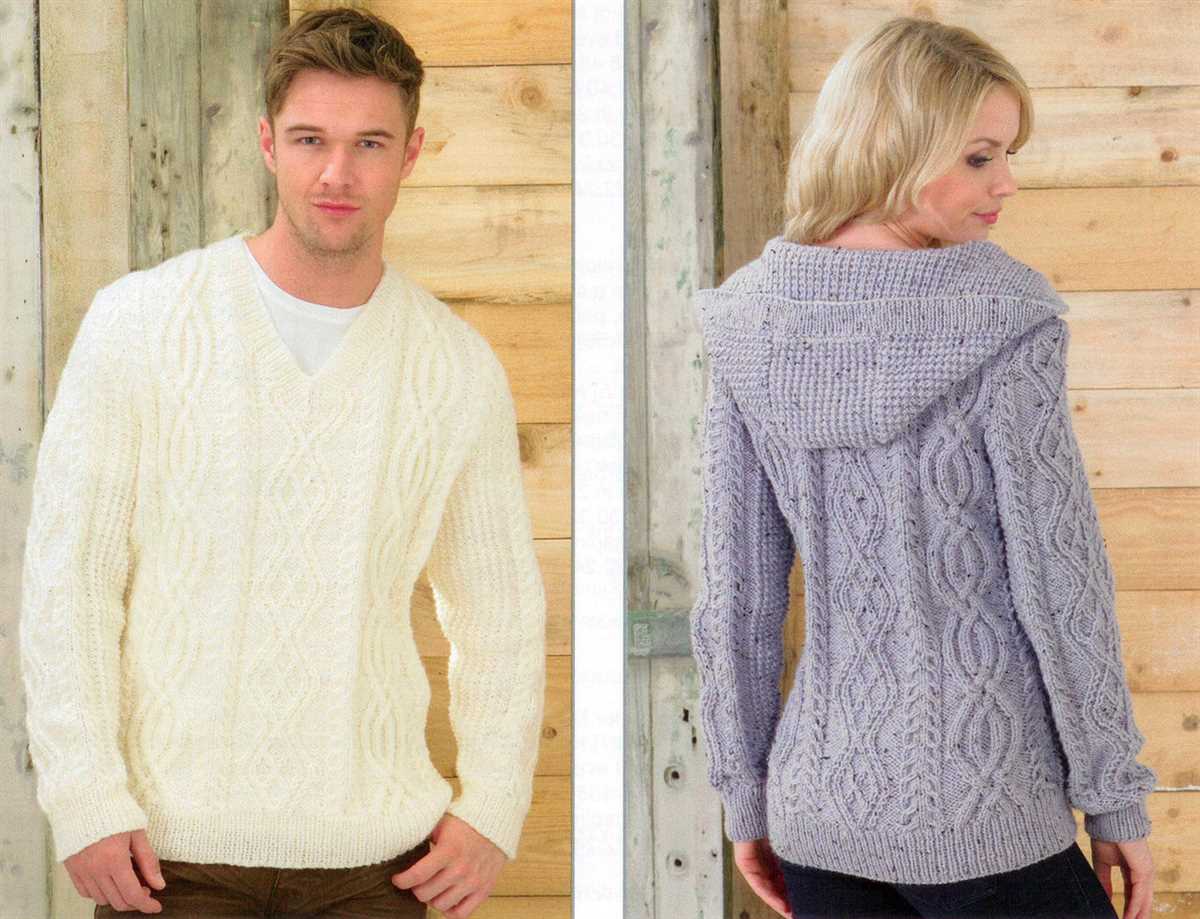
Aran knitting is a traditional Irish technique that creates beautiful textured patterns using combinations of knit and purl stitches. These stitches are often used to create intricate decorative designs in Aran sweaters, hats, scarves, and blankets. Here are some popular Aran knitting stitches:
Cable Stitch
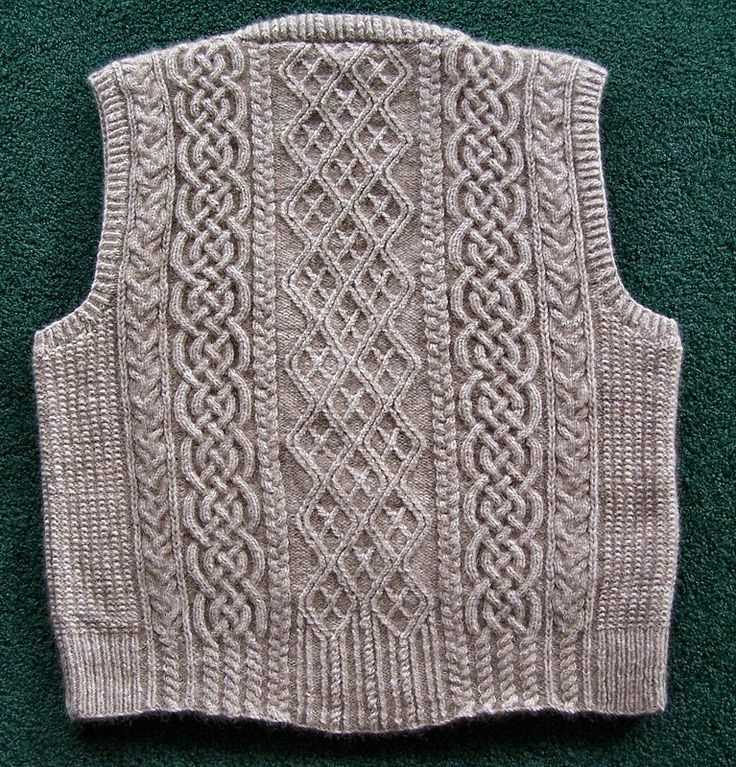
The cable stitch is one of the most iconic Aran knitting stitches. It creates a twist or cable-like pattern that adds depth and visual interest to the knitted fabric. Cable stitches are created by crossing groups of stitches over each other, usually with the help of a cable needle. They can be simple one-over-one cables or more intricate designs with multiple cables crossing each other.
Honeycomb Stitch
The honeycomb stitch is another popular Aran knitting stitch that resembles the cells of a honeycomb. It is created by alternating groups of knit and purl stitches in a specific pattern. The result is a textured fabric that looks intricate and cozy. The honeycomb stitch is often used in Aran sweaters and blankets, adding both visual appeal and warmth to the finished piece.
Diamond Stitch
The diamond stitch is a classic Aran knitting stitch that features a diamond-shaped pattern. It is created by combining knit and purl stitches in a specific arrangement. The diamond stitch can be used as a central motif in a larger design or repeated multiple times for a more intricate look. It adds a touch of elegance and sophistication to Aran garments and accessories.
Trellis Stitch
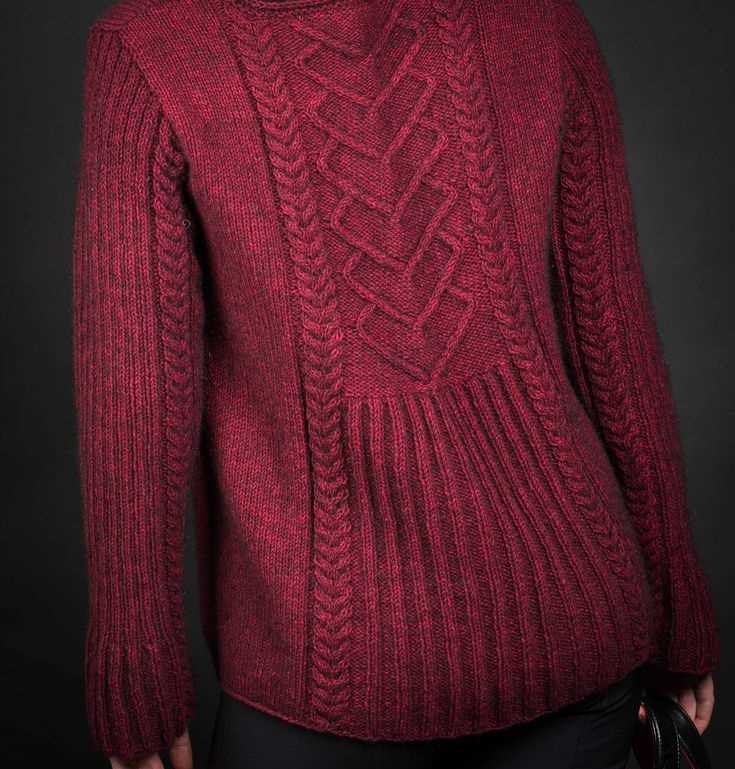
The trellis stitch is a beautiful Aran knitting stitch that resembles the crisscross pattern of a garden trellis. It is created by crossing stitches over each other in a specific pattern. The trellis stitch adds a delicate and feminine touch to Aran designs and is often used in lace patterns or as a decorative element on sleeves or bodices.
Moss Stitch
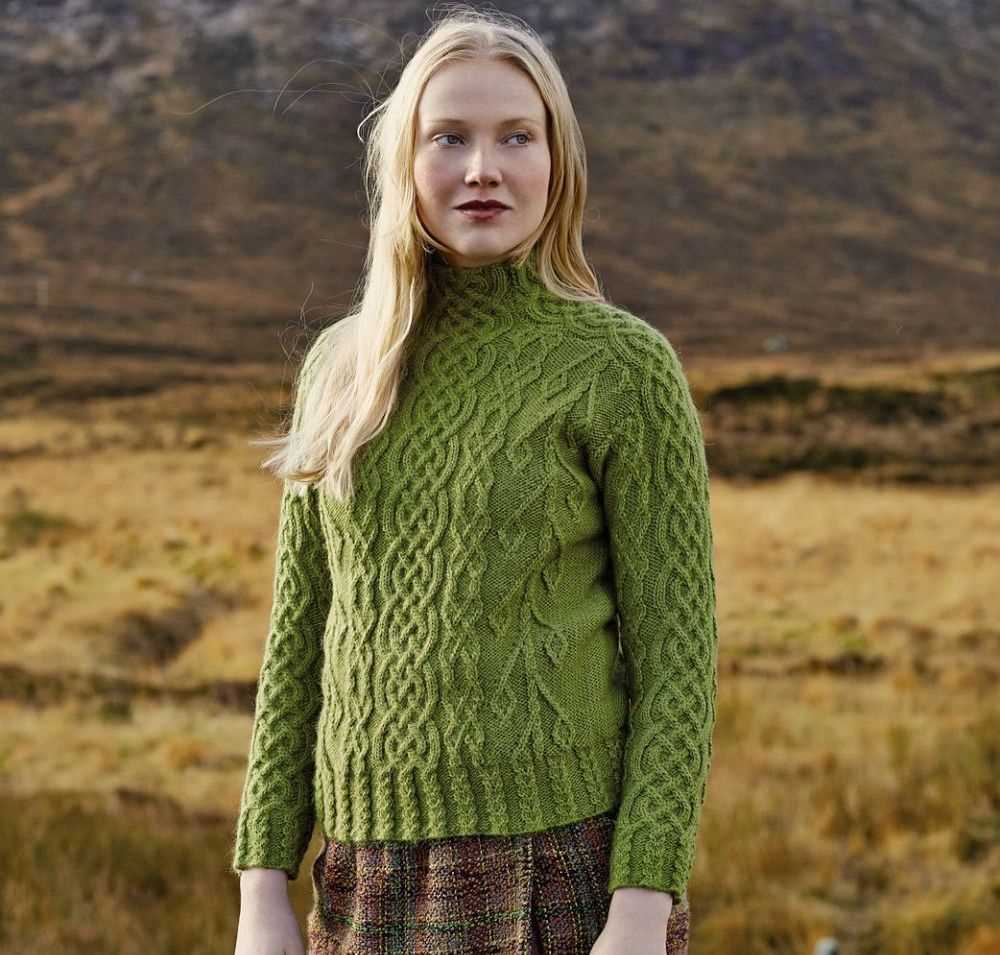
The moss stitch is a simple yet versatile Aran knitting stitch that adds texture and depth to the fabric. It is created by alternating knit and purl stitches in a specific pattern, commonly referred to as seed stitch. The moss stitch is often used for borders, cuffs, and collars in Aran designs, as well as for creating an allover textured fabric.
These are just a few examples of the many beautiful Aran knitting stitches available. Each stitch adds its own unique texture and pattern to the fabric, allowing knitters to create stunning and intricate designs. Whether you’re a beginner or an experienced knitter, exploring different Aran knitting stitches can be a fun and rewarding way to enhance your knitting skills and create beautiful handmade garments and accessories.
Aran Knitting Patterns for Sweaters
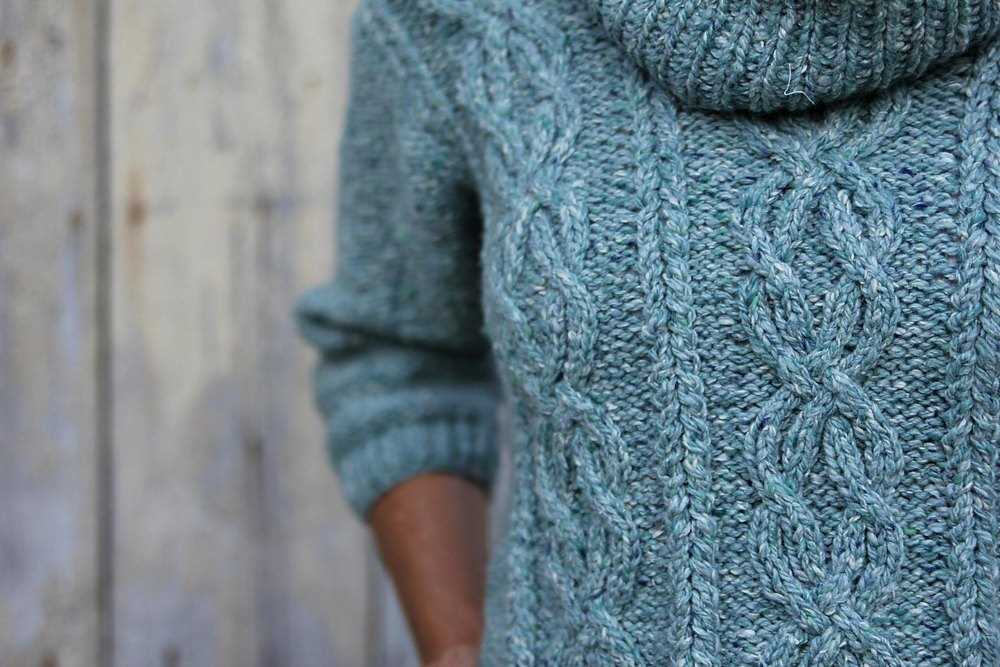
When it comes to knitting, Aran patterns are a popular choice for sweaters. Aran knitting originated from the Aran Islands in Ireland and is known for its intricate and textured patterns. These patterns are often made up of different combinations of knit and purl stitches, creating a visually appealing design.
One of the most well-known Aran patterns for sweaters is the cable pattern. This pattern creates a braided or twisted look on the fabric, adding depth and dimension to the garment. It is often used on the front and back of the sweater, creating a focal point and making it stand out.
Other popular Aran knitting patterns for sweaters include:
- Honeycomb pattern: This pattern resembles the cells of a honeycomb and adds a unique texture to the sweater.
- Diamond pattern: This pattern creates a diamond shape on the fabric and is often used to create a central design element.
- Moss stitch pattern: This pattern is made up of alternating knit and purl stitches, creating a bumpy texture on the fabric.
- Tree of Life pattern: This pattern features a tree motif, symbolizing the connection between nature and the knitter.
- Basketweave pattern: This pattern creates a woven effect on the fabric, resembling a basket.
Aran knitting patterns for sweaters can be adapted to suit different styles and preferences. They can be used to create classic, timeless designs or more contemporary and trendy pieces. Whether you’re a beginner or an experienced knitter, exploring Aran knitting patterns for sweaters can be a rewarding and enjoyable experience.
Aran Knitting Patterns for Accessories

When it comes to knitting, Aran patterns are renowned for their intricate designs and beautiful textures. While Aran sweaters may be the most well-known pieces, there are also a variety of Aran knitting patterns available for accessories.
Hats: Aran knitting patterns for hats can add a touch of style and warmth to your winter wardrobe. These patterns often feature cable stitches, which create a unique and eye-catching design. Whether you prefer a slouchy beanie or a cozy fitted hat, there are Aran patterns available for all skill levels.
Scarves: A knitted Aran scarf can make a statement while also keeping you warm. These patterns typically incorporate a variety of cable stitches and textures, creating a visually interesting accessory. Whether you opt for a long and chunky scarf or a shorter and more delicate design, an Aran scarf is a versatile addition to any wardrobe.
Gloves: Aran knitting patterns for gloves can add a touch of elegance to your winter ensemble. These patterns often feature intricate cable designs on the back of the hand, and ribbing or other textured stitches on the palm. With options for fingerless gloves or full-length mittens, you can find an Aran pattern that suits your style and needs.
Socks: Aran knitting patterns for socks offer both style and warmth for your feet. These patterns often incorporate cable stitches or other textured designs to create a cozy and visually interesting sock. Whether you prefer ankle socks or knee-highs, there are Aran patterns available to keep your toes toasty.
- Hats
- Scarves
- Gloves
- Socks
With Aran knitting patterns for accessories, you can create unique and stylish pieces that showcase the beauty of this traditional Irish knitting technique. Whether you’re a beginner or an experienced knitter, there’s an Aran pattern out there to suit your skill level and personal taste.
Modern Twists on Aran Knitting
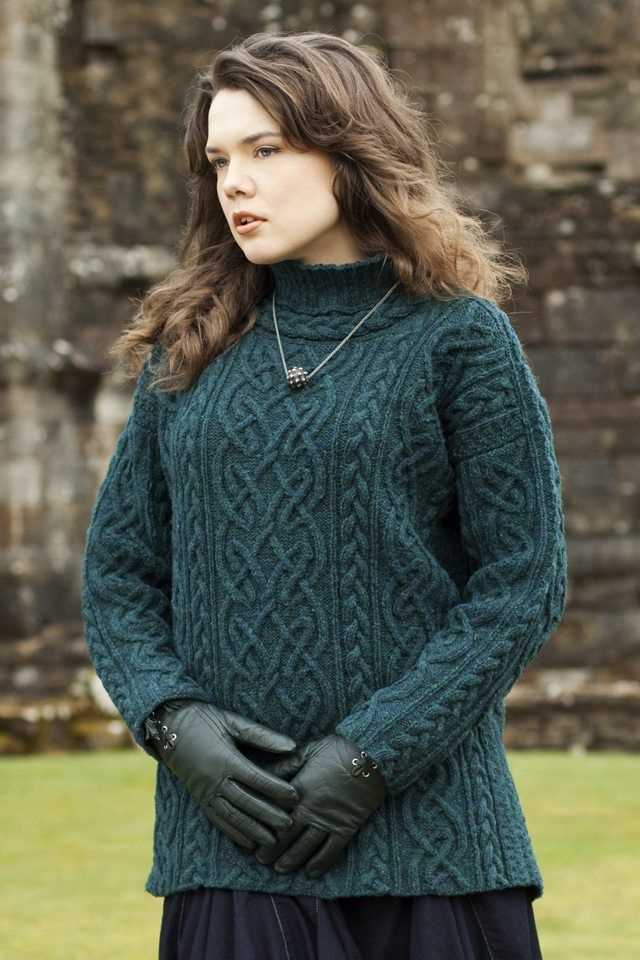
Aran knitting is a traditional style of knitting that originated in the Aran Islands off the west coast of Ireland. It is characterized by its intricate cable patterns and rich textures. While Aran knitting has a long history, modern knitters have found ways to put a contemporary twist on this classic technique. By incorporating new materials, experimenting with color, and adding unexpected elements, modern Aran knitting patterns have emerged that are both traditional and innovative.
One modern twist on Aran knitting is the use of non-traditional materials. While traditional Aran patterns are often knit with wool or other natural fibers, modern knitters have started to use materials like acrylic yarns and cotton blends. These materials offer a wider range of colors and textures, allowing knitters to create Aran-inspired garments that are more lightweight and suitable for different climates. Additionally, the use of non-traditional materials can make Aran knitting more accessible to knitters with allergies or sensitivities to wool.
Another way that modern knitters are putting a twist on Aran knitting is through the use of color. While traditional Aran patterns are often knit in neutral colors like cream, gray, or brown, modern knitters have started to experiment with bold, vibrant hues. By using colorwork techniques such as fair isle or intarsia, knitters can create eye-catching designs that still incorporate the intricate cables and textures of Aran knitting. This allows for a more personalized and creative approach to Aran knitting, making it a truly unique and modern craft.
Finally, modern Aran knitting patterns often incorporate unexpected elements that add a contemporary touch. This can include incorporating lace motifs, adding asymmetrical designs, or experimenting with different garment shapes. By mixing traditional Aran techniques with modern design elements, knitters can create garments that are both timeless and on-trend. These unexpected twists on Aran knitting patterns keep the craft fresh and exciting, while still honoring the rich history and tradition of this beloved knitting style.
Choosing the Right Yarn for Aran Knitting
Aran knitting is a traditional Irish style of knitting that is characterized by its intricate cable and diamond patterns. When choosing the right yarn for Aran knitting, it’s important to consider the weight, fiber content, and color of the yarn.
Weight: Aran knitting typically uses a medium-weight yarn, also known as an Aran weight yarn. This weight of yarn is perfect for creating the dense and warm garments that Aran knitting is known for. The stitches and cables in Aran knitting require a yarn that has enough structure to hold the intricate patterns, so opting for a heavier weight yarn is recommended.
Fiber Content: The fiber content of the yarn will greatly affect the final look and feel of your Aran knitting project. Traditional Aran knitting is often done with wool yarn, as it provides warmth and excellent stitch definition. However, you can also choose other natural fibers such as alpaca or cashmere for a luxurious feel. Synthetic fibers such as acrylic or nylon can be used for those who prefer a non-wool option or have allergies.
Color: The color of the yarn can greatly enhance the beauty of the Aran knitting patterns. Traditional Aran knitting often uses natural, earthy tones such as cream, beige, and brown, which complement the rustic feel of the designs. However, you can also experiment with bold and vibrant colors to add a modern twist to your Aran knitting project. The choice of color ultimately depends on your personal preference and the look you want to achieve.
When choosing the right yarn for Aran knitting, it’s important to consider the weight, fiber content, and color to ensure that the finished project meets your expectations. Whether you opt for a traditional wool yarn in earthy tones or go for a more modern color palette, aran knitting is a timeless craft that allows you to create beautiful and cozy garments.
Tips for Knitting Aran Patterns

When knitting Aran patterns, it’s important to have a good understanding of the techniques and stitches involved. Here are some tips to help you successfully knit your Aran projects:
1. Choose the right yarn:
When selecting yarn for an Aran pattern, it’s important to choose a yarn that is suitable for the project. Look for a medium to heavy-weight yarn that has good stitch definition and will show off the intricate cable patterns. Natural fibers like wool or alpaca are popular choices for Aran knitting as they provide both warmth and durability.
2. Practice your cable stitches:

Cable stitches are a defining feature of Aran knitting. Before you start your project, take some time to practice your cable stitches on a swatch or sample piece. This will help you become familiar with the techniques involved and ensure that your cables are neat and well-formed.
3. Use stitch markers:
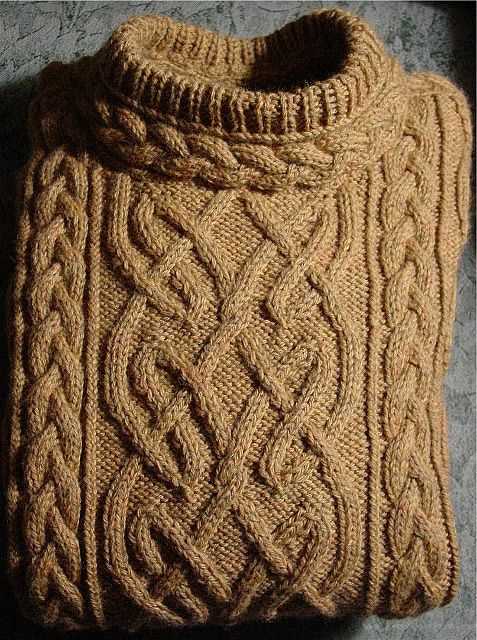
When working on complex Aran patterns with multiple cable crossings, it can be helpful to use stitch markers to keep track of where each cable begins and ends. This will make it easier to follow the pattern and prevent mistakes.
4. Block your finished project:
Blocking is an important step in finishing your Aran project. After completing your knitting, gently steam or wet block your project to even out the stitches and bring out the full beauty of the cable patterns. This will give your finished project a polished and professional look.
5. Pay attention to gauge:
Gauge is crucial in Aran knitting to ensure that your finished project will fit properly. Take the time to check your gauge before you start your project and make any necessary adjustments. This will help you achieve the desired size and fit for your garment or accessory.
With these tips in mind, you’ll be well-equipped to tackle your next Aran knitting project. Enjoy the process and have fun creating beautiful, intricate designs!
Where to Find Aran Knitting Patterns
If you are a fan of Aran knitting patterns, you may be wondering where you can find a wide variety of options to choose from. Luckily, there are several sources where you can find these beautiful and intricate patterns.
1. Craft Stores: Local craft stores often carry a selection of knitting books and magazines that include Aran patterns. These stores are a great place to start if you prefer to browse physical copies of patterns and get inspiration. You may also find knitting classes or workshops that focus specifically on Aran knitting.
2. Online Pattern Libraries: There are numerous websites that offer an extensive collection of Aran knitting patterns. These online pattern libraries allow you to search and filter patterns based on different criteria such as skill level, project type, and design. Some websites offer both free and paid patterns, giving you the option to choose based on your budget.
3. Ravelry: Ravelry is a popular online community for knitters and crocheters. It offers a vast database of patterns, including a wide range of Aran designs. Ravelry allows users to search for patterns, join groups, and connect with other knitters who share similar interests. It is an excellent platform for finding Aran patterns and connecting with fellow knitting enthusiasts.
4. Knitting Magazines: Knitting magazines often feature Aran patterns in their issues. Subscribing to these magazines can provide you with a regular supply of new patterns, as well as helpful tips and techniques. Some magazines even have dedicated sections or special editions focused solely on Aran knitting. Keep an eye out for these publications at your local bookstore or consider subscribing to them for a consistent source of Aran patterns.
5. Vintage Pattern Collections: If you enjoy the classic and timeless appeal of Aran knitting, you may be interested in exploring vintage knitting pattern collections. These collections typically include patterns from different eras, allowing you to recreate historical Aran designs. Vintage pattern books can often be found in secondhand bookstores, thrift shops, or online platforms dedicated to vintage knitting supplies.
Whether you prefer to shop at a physical store, explore online platforms, or delve into vintage collections, there are plenty of options available to find Aran knitting patterns. By using these different sources, you can expand your collection and create beautiful Aran garments and accessories.
Aran Knitting Patterns for Beginners

Aran Scarf: Start with a simple Aran scarf pattern to get familiar with the basic techniques. You’ll typically use a bulky or worsted weight yarn and larger needles, making it easier to see your stitches and work with. Choose a pattern with a simple cable or textured stitch and practice working it over and over again until you feel comfortable with the pattern.
Aran Hat: Once you’ve mastered the scarf, move on to an Aran hat pattern. This will introduce you to knitting in the round and shaping techniques. Look for a pattern that incorporates cables or twisted stitches for added interest. Choose a worsted weight yarn that is soft and warm to keep your head cozy in colder weather.
Aran Sweater: If you’re feeling ambitious, you can try your hand at an Aran sweater pattern. This will involve more advanced techniques, including knitting flat and seaming pieces together. Look for a pattern that provides clear instructions and includes step-by-step photos or videos to guide you through the process. Choose a soft and durable yarn to ensure your sweater will last for years to come.
Remember, it’s important to take your time and practice each new technique before moving on to more complex projects. Start with smaller items like scarves and hats and gradually work your way up to sweaters. With patience and perseverance, you’ll soon be creating beautiful Aran knits that you can be proud of.
Aran Knitting Patterns for Advanced Knitters
Aran knitting patterns offer a rich variety of complex stitches and intricate cable designs that can challenge even the most experienced knitters. These patterns incorporate traditional Irish knitting techniques, creating beautiful and timeless garments with a touch of heritage.
If you’re an advanced knitter looking to expand your skills and create impressive projects, Aran knitting patterns are the perfect choice. They provide an opportunity to master intricate cable patterns, intricate textures, and unique stitch combinations.
Aran knitting patterns often include a combination of cable stitches, such as the honeycomb, diamond, and rope stitch. These cables are worked over a background of moss or seed stitch, which adds texture and depth to the finished piece. The patterns may also incorporate other traditional Irish stitches, like the basketweave or lattice stitch, to further enhance the overall design.
When working on Aran knitting patterns, it’s essential to have a good understanding of cable techniques and the ability to read complex charts or written instructions. Advanced knitters thrive on the challenge of incorporating intricate stitch patterns into their projects and enjoy the process of creating unique and visually stunning garments.
Whether you decide to knit a cozy Aran sweater, a hat, or accessories like gloves or scarves, the beauty of Aran knitting patterns lies in the attention to detail and the intricate stitches that bring the designs to life.
The final result of an Aran knitting project is not only a one-of-a-kind garment but also a testament to your knitting skills and dedication as an advanced knitter. The satisfaction of completing a challenging pattern and the admiration received when showcasing your finished creation make Aran knitting truly rewarding.
So if you’re an experienced knitter seeking a new and exciting challenge, dive into the world of Aran knitting patterns. The intricate stitches and beautiful designs are sure to captivate and inspire you on your knitting journey.