
If you are a fan of cute and quirky animals, then you have probably heard of the axolotl. These fascinating creatures are native to Mexico and are known for their unique appearance and regenerative abilities. With their feathery gills and adorable smiles, axolotls have become a popular subject in various forms of art, including knitting.
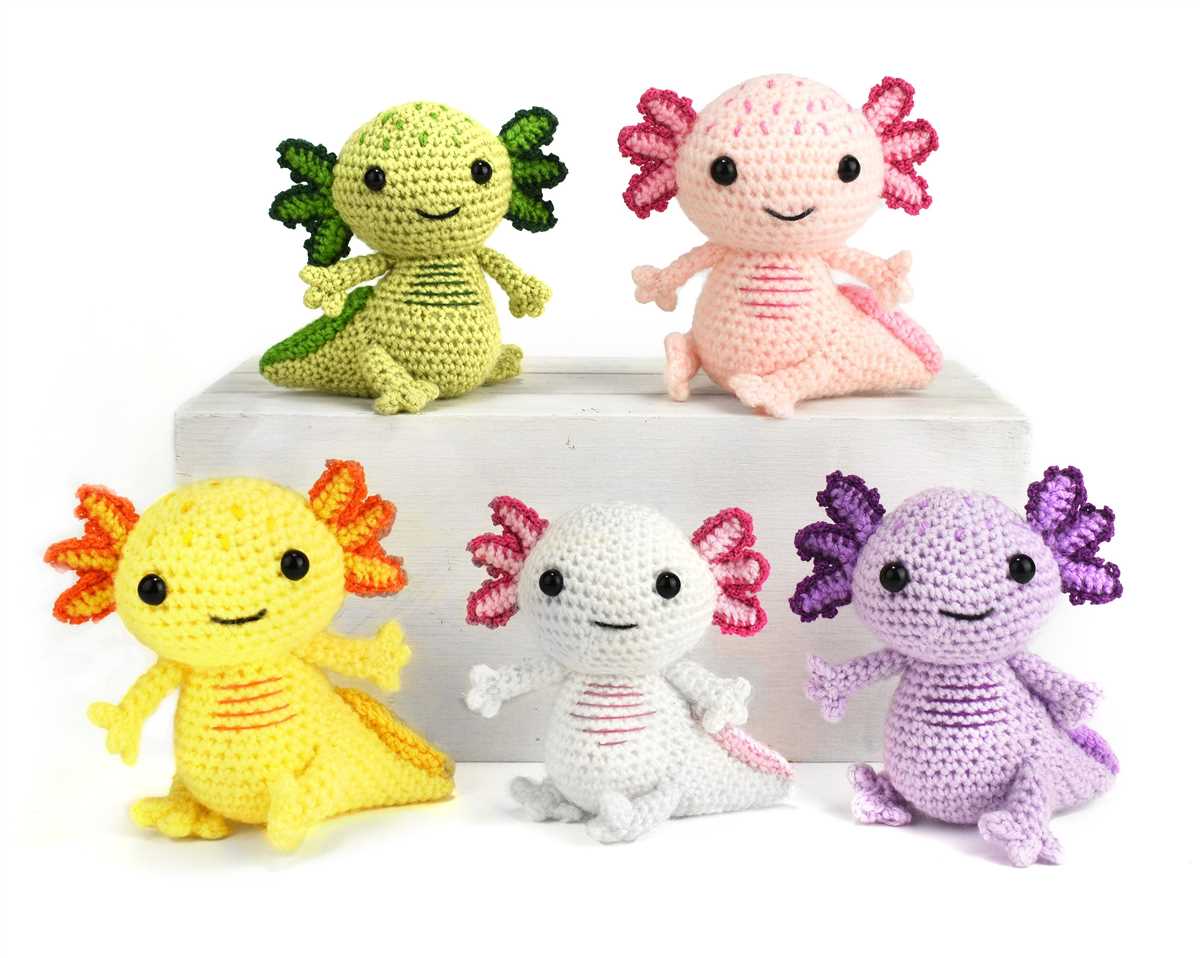
Knitting enthusiasts have embraced the challenge of capturing the charm and character of axolotls in their creations. This has led to the emergence of axolotl knitting patterns, which allow crafters to create their own soft and cuddly axolotl companions. Whether you are a seasoned knitter or a beginner looking for a fun project, these patterns offer a delightful way to bring these lovable creatures to life.
One of the reasons why axolotl knitting patterns have gained popularity is their versatility. With these patterns, you can create a wide range of axolotl-inspired items, including plush toys, hats, mittens, and even scarves. The options are endless, and each finished piece is a unique expression of your creativity.
Not only are axolotl knitting patterns a joy to work on, but they also make great gifts for both kids and adults. Imagine the delight on the recipient’s face as they unwrap a handmade axolotl toy or accessory. It’s a thoughtful and personal gift that shows you put time and effort into creating something special.
About axolotls

The axolotl, also known as the Mexican salamander or Mexican walking fish, is a unique amphibian native to the lakes and canals of Mexico. It is famous for its fascinating ability to regenerate its limbs, spinal cord, and even parts of its heart and brain. This ability makes the axolotl a subject of great interest for scientists and researchers studying tissue regeneration and developmental biology.
The axolotl is a neotenic creature, meaning it retains its juvenile characteristics throughout its entire life. Unlike other amphibians, the axolotl remains aquatic and does not undergo metamorphosis into a terrestrial form. It has feathery gills protruding from either side of its head, which it uses to extract oxygen from the water. With its unique appearance and vibrant colors, the axolotl has become a popular pet and is now bred in captivity around the world.
Physical features and adaptations
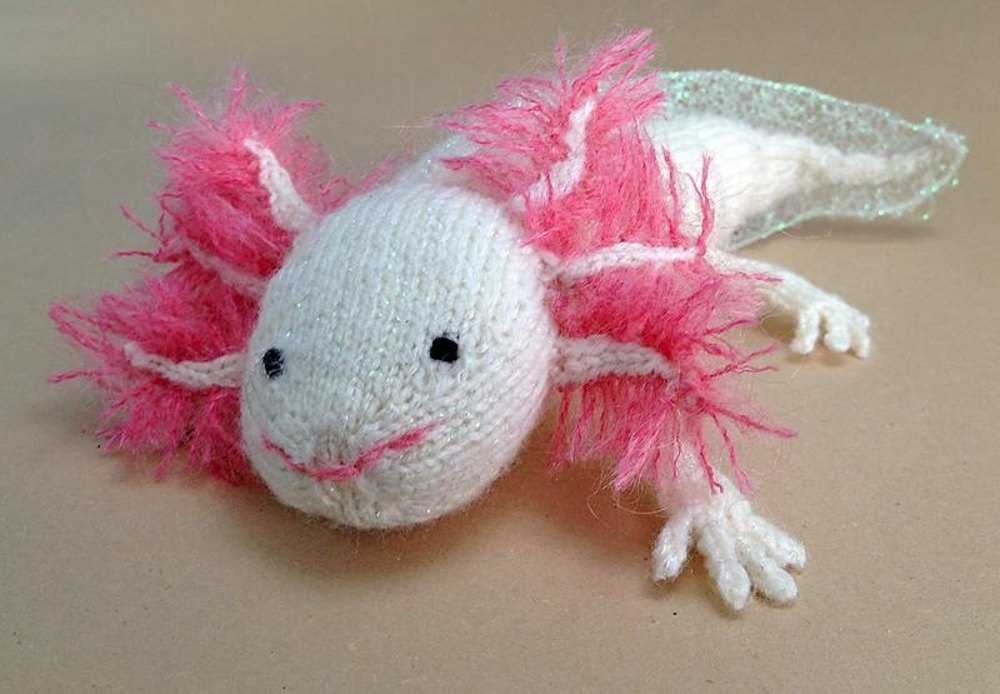
- The axolotl has a streamlined body with a long tail, which it uses for swimming and navigating through the water.
- It can grow up to 9-12 inches (23-30 cm) in length, with males typically being larger than females.
- Axolotls exhibit a range of colors, including black, gray, brown, albino, and various shades of pink.
- They have the ability to regenerate lost body parts, including limbs, tail, and even parts of their organs.
- Their feathery gills not only extract oxygen from the water but also serve as sensory organs to detect changes in their environment.
Axolotls are carnivorous and primarily feed on small aquatic invertebrates, such as worms, insects, and small fish. They have a unique feeding behavior called “gaping,” where they use suction to quickly engulf their prey. Axolotls have a relatively long lifespan, with some individuals living up to 15-20 years in captivity.
In recent years, the axolotl population in the wild has declined due to habitat destruction, water pollution, and the introduction of invasive species. Efforts are being made to conserve and protect axolotls in their natural habitat, as well as promote responsible captive breeding to ensure their survival in the long term.
The charm of axolotls

Axolotls are unique creatures that have captivated the hearts of many with their charming appearance and fascinating characteristics. With their cute smiles and fringed gills, axolotls have become the darlings of many aquarists and animal lovers around the world.
One of the most enchanting features of axolotls is their ability to regenerate body parts. Unlike most animals, axolotls have the remarkable ability to regrow not only their limbs but also their spinal cord, heart, and even parts of their brain. This incredible regenerative power has made axolotls a subject of great interest and study among scientists and researchers.
Another reason why axolotls are so charming is their unique appearance. Their soft, pinkish skin, chubby bodies, and feathery external gills give them a look that is both adorable and otherworldly. They have a permanently smiling face, with their tiny eyes and smiling mouth, making them almost impossible to resist.
Axolotls are also known for their peaceful nature and ability to live in harmony with other aquatic creatures. They are not aggressive and can be kept in community tanks with other fish species without any issues. This makes them an ideal addition to any aquarium, whether large or small.
Furthermore, the axolotl’s diet is quite simple. They primarily feed on small aquatic invertebrates, worms, and insects, making them relatively easy to care for. Their modest dietary requirements make them a suitable pet for both beginners and experienced aquarists.
In conclusion, the charm of axolotls lies not only in their adorable appearance but also in their unique abilities and peaceful nature. Whether it’s their regenerative powers, their smiling faces, or their compatibility with other aquatic creatures, axolotls continue to enchant and fascinate those who have the pleasure of encountering them.
Why knit an axolotl?

Knitting has always been a popular hobby, allowing people to create unique and personal items. One unique project that has gained popularity is knitting axolotls. These adorable amphibians have captured the hearts of many with their cute appearance and fascinating biology.
Uniqueness: Knitting an axolotl is not your typical knitting project. It offers a chance to create something that stands out from the crowd. While many knitters opt for more traditional patterns like sweaters or hats, knitting an axolotl allows you to show off your creativity and make a truly one-of-a-kind item.
1. Fun and Whimsical:

Knitting an axolotl brings a sense of fun and whimsy to your knitting projects. These little creatures have a unique charm that can brighten up any space. Whether you’re knitting them as toys, decorations, or even as a gift for a fellow axolotl enthusiast, they are sure to bring a smile to anyone’s face.
2. Educational Value:

Knitting an axolotl can also have educational value. As you follow the pattern and create the different parts of the axolotl, you can learn more about their anatomy and unique characteristics. This hands-on approach to learning can make the process of knitting an axolotl not only enjoyable but also educational.
3. Relaxation and Mindfulness:
Knitting in general is known for its therapeutic benefits, and knitting an axolotl is no exception. The repetitive motions and focus required for knitting can help relax the mind and promote mindfulness. It’s a great way to unwind after a long day or to take a break from the stresses of daily life.
4. Personal Connection:

Knitting an axolotl allows you to create a personal connection with these fascinating creatures. Whether you have a special affinity for axolotls or simply find them interesting, knitting an axolotl can help you feel a deeper connection with them. It’s a way to celebrate their uniqueness and showcase your own love for these creatures.
In conclusion, knitting an axolotl offers a unique and fun knitting project that can bring joy, education, relaxation, and a personal connection. So why not pick up your knitting needles and start creating your own adorable axolotl?
Choosing the right materials
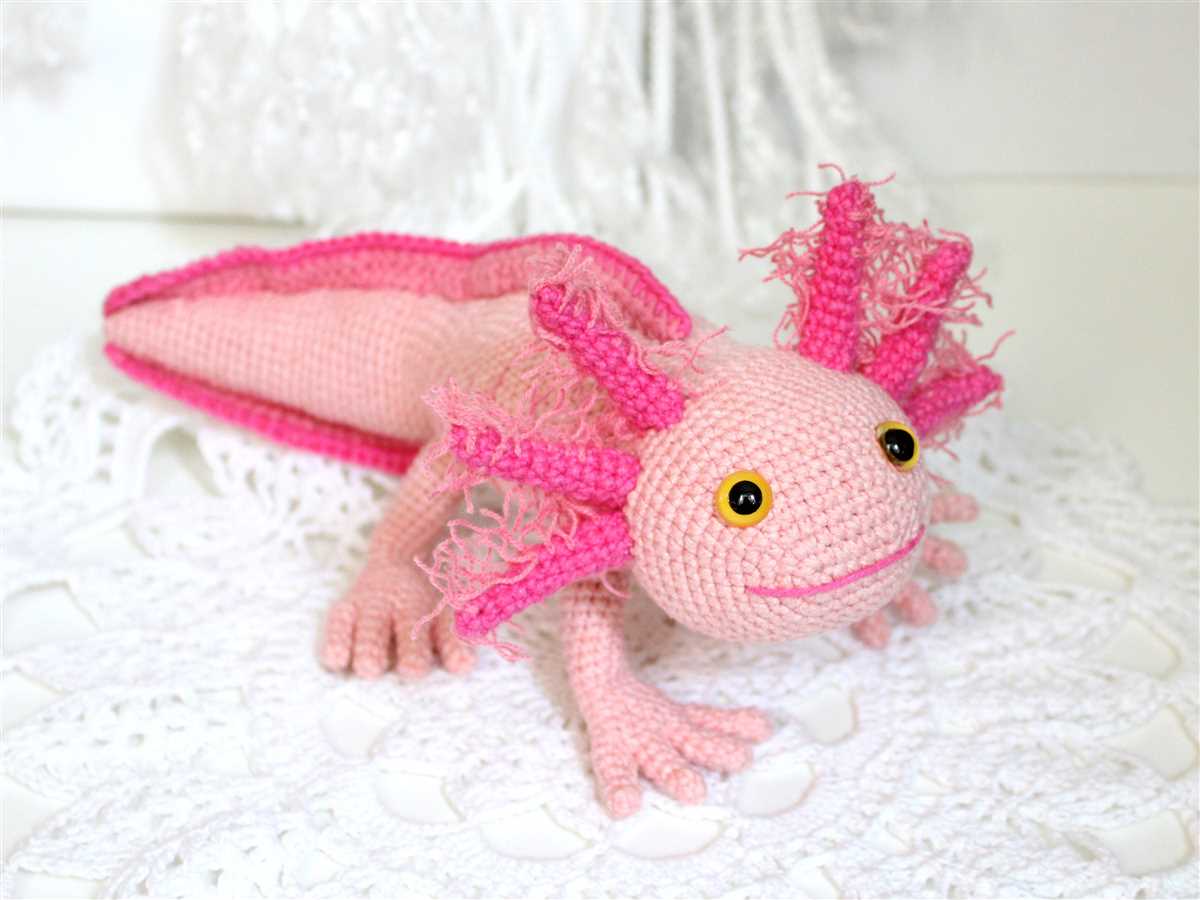
When it comes to knitting an axolotl, choosing the right materials is essential to create a realistic and adorable creature. The first thing to consider is the yarn. Opt for a soft and lightweight yarn, such as acrylic or cotton, to give your axolotl a cuddly and comfortable texture. Avoid using yarns that are too bulky or heavy, as they may make it difficult to shape the axolotl’s features.
Color: The color of the yarn is another important factor to consider. Axolotls come in various colors, such as pink, white, and dark grey. Choose a yarn color that closely matches the natural color of an axolotl or get creative and use fun and vibrant colors to give your knitted axolotl a unique and whimsical look.
Needles: The right knitting needles can make a significant difference in the outcome of your axolotl toy. Choose needles that are appropriate for the yarn you are using. If you are using a lightweight yarn, opt for smaller needles, such as size 3.5 mm or 4 mm, to create tight and neat stitches. If you are using a thicker yarn, larger needles, such as size 5 mm or 6 mm, will help create a looser and more flexible fabric.
Stitch markers: Stitch markers can be helpful when knitting an axolotl pattern, especially if there are specific instructions or stitch counts that need to be followed. Choose stitch markers that are easily visible and won’t slip out of your stitches. You can use traditional stitch markers or even make your own by using contrasting yarn or small safety pins.
Toy stuffing: To give your knitted axolotl its three-dimensional shape, you will need toy stuffing. Opt for a soft and non-allergenic stuffing that will provide the right amount of firmness without feeling too bulky. Avoid using stuffing that is overly dense or lumpy, as it can affect the appearance and texture of your finished axolotl.
Additional materials: Depending on the axolotl pattern you are using, you may also need small amounts of yarn in different colors for accents or details, such as the axolotl’s gills or facial features. Additionally, you might need a yarn needle for seaming and weaving in ends, and scissors for cutting the yarn.
By choosing the right materials for your axolotl knitting project, you can ensure that your finished creation is both aesthetically pleasing and enjoyable to play with or display.
Getting started with the Axolotl knitting pattern
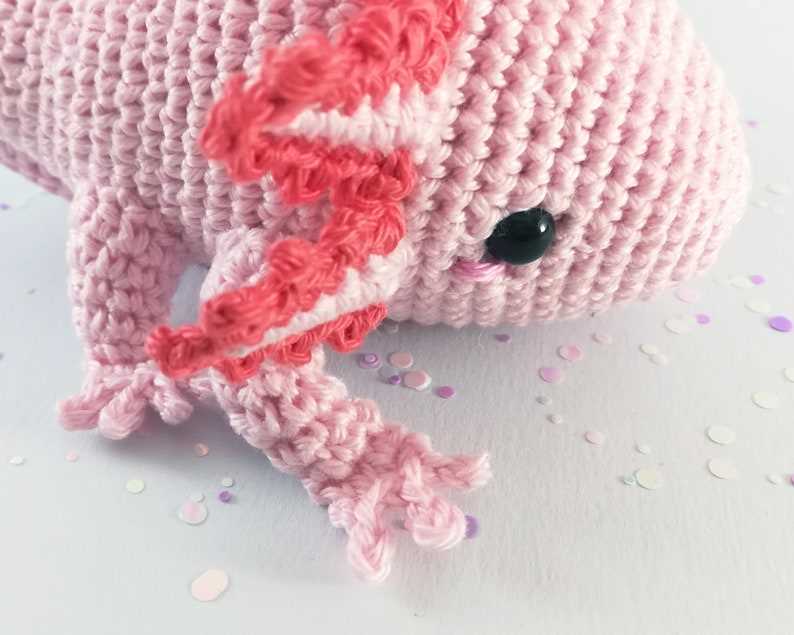
If you’re a knitting enthusiast looking to embark on a fun and adorable project, the Axolotl knitting pattern is perfect for you. This pattern allows you to create a cute and cuddly knitted axolotl, complete with its unique features and charm. Whether you’re an experienced knitter or just starting out, this pattern provides clear instructions and helpful tips to guide you through each step.
Materials:
- 1 pair of knitting needles (size 5mm)
- 1 skein of yarn (color of your choice)
- Polyester fiberfill for stuffing
- Tapestry needle for sewing and weaving in ends
- Scissors
Instructions:
- Start by casting on the required number of stitches as specified in the pattern. It’s important to ensure that you have the correct gauge for the pattern.
- Follow the pattern’s instructions to knit the body of the axolotl. This may involve knitting in different stitches and creating increases or decreases to shape the body.
- Once the body is complete, you can move on to knitting the limbs, tail, and other features of the axolotl. Pay close attention to the pattern’s instructions to achieve the desired shape and size.
- After finishing each part, remember to stuff it with polyester fiberfill to give the axolotl a plush and huggable feel.
- Once all the parts are complete and stuffed, it’s time to sew them together using a tapestry needle. Follow the pattern’s guidance to ensure proper placement and alignment of the limbs, tail, and other features.
- Finally, use the tapestry needle to weave in any loose ends of yarn and trim them with scissors.
- Your knitted axolotl is now ready to be enjoyed or gifted to a fellow knitting enthusiast.
With this Axolotl knitting pattern, you can create your very own adorable axolotl companion. It’s a delightful project that combines creativity and knitting skills to produce a unique and huggable result. Don’t forget to have fun and enjoy the process as you bring your knitted axolotl to life!
Knitting techniques for beginners

If you are new to knitting, there are a few essential techniques that you should learn to get started. These basic stitches and methods will serve as a foundation for more complex projects in the future.
Casting on: The first step in any knitting project is to cast on, which creates the first row of stitches on your needle. There are various methods for casting on, but the long-tail cast-on is commonly used for beginners. It involves creating a loop with a long tail of yarn and then using the tail to form the first stitches.
Knit stitch: The knit stitch is the most basic stitch in knitting. It creates a smooth, v-shaped fabric and forms the basis for many other stitch patterns. To knit, insert the right-hand needle into the first stitch on the left-hand needle and bring the yarn through the stitch, creating a new stitch on the right-hand needle. Repeat this process for each stitch on the left-hand needle.
Purl stitch: The purl stitch is the opposite of the knit stitch and creates a bumpy, horizontal fabric. It is often used in combination with the knit stitch to create different textures and patterns. To purl, insert the right-hand needle from right to left into the first stitch on the left-hand needle, bringing the yarn under and through the stitch. Repeat for each stitch on the left-hand needle.
Binding off: Once you have finished knitting your project, you will need to bind off to secure the stitches and create a finished edge. To bind off, knit the first two stitches, then use the left-hand needle to lift the first stitch over the second stitch and off the right-hand needle. Continue this process until you reach the end of the row.
Increasing and decreasing: As you become more comfortable with the basic stitches, you can start exploring techniques for shaping your knitting. Increasing involves adding stitches to your work, while decreasing involves removing stitches. There are various methods for increasing and decreasing, such as yarn overs and knit two together, which are used to create different types of patterns and shapes.
By mastering these fundamental knitting techniques, you will have the skills necessary to tackle more complex projects and explore different patterns and designs. Remember to start with simple projects and practice regularly to improve your skills and build confidence in your knitting abilities.
Advanced knitting techniques

Knitting is a popular craft that offers endless possibilities for creativity and self-expression. While beginners may start with simple stitches and patterns, advanced knitters are always looking for new challenges to push their skills to the next level. Here are some advanced knitting techniques that can take your knitting game to new heights.
Cable knitting
Cable knitting is an advanced technique that involves crossing stitches to create intricate cable patterns. This technique requires the use of a cable needle or double-pointed needle to hold stitches as they are moved behind or in front of other stitches. By following cable charts or patterns, you can create beautiful textured designs that add depth and interest to your knitted projects.
Lace knitting
Lace knitting is another advanced technique that involves creating patterns with intentionally placed holes and eyelets. This delicate and intricate style of knitting requires careful attention to detail and the use of fine yarn and small needles. Lace patterns can be used to create shawls, scarves, and other delicate garments, adding an elegant and feminine touch to your knitting projects.
Intarsia knitting is a technique that enables you to create intricate designs and patterns with multiple colors. It involves using separate balls of yarn for each color block and twisting the yarns at color change points to prevent holes. The result is a seamless and color-rich fabric that can be used to create eye-catching garments and accessories. It’s important to follow a color chart and maintain consistent tension across color changes to achieve clean and even intarsia work.
Fair Isle knitting

Fair Isle knitting, also known as stranded knitting, is a traditional technique that involves working with multiple colors in a single row. The colorwork is created by carrying the unused yarn along the back of the work, often creating floats that need to be caught in every few stitches to prevent tangling or distortion. Fair Isle knitting allows you to create intricate patterns and motifs, often inspired by traditional Nordic designs. It’s important to maintain an even tension and to avoid carrying the unused yarn too tightly to ensure a smooth and stretchy fabric.
Troubleshooting Tips

Knitting an axolotl can be a fun and rewarding project, but sometimes you may encounter some difficulties along the way. Here are a few troubleshooting tips to help you overcome common challenges:
Tangled Yarn:

If you find that your yarn is becoming tangled as you knit, it’s important to address the issue before it gets worse. One solution is to wind the yarn into a ball or use a yarn holder to keep it organized and prevent tangling. Additionally, try to keep your work area neat and free from distractions to minimize the chances of accidental entanglements. If you do end up with a tangled mess, take a deep breath, remain patient, and carefully untangle the yarn using your fingers.
Dropped Stitches:

Accidentally dropping a stitch is a common issue when knitting, and it can be frustrating. One way to prevent dropped stitches is to check your work regularly, especially after completing a row or pattern repeat. If you notice a dropped stitch, do not panic! Take a crochet hook or a small knitting needle, carefully lift the dropped stitch back onto the needle, and continue knitting as usual. Remember to check your work again to ensure no other stitches have been dropped.
Tension Issues:

Maintaining consistent tension is crucial for creating a well-knit axolotl. If you find that your stitches are too tight or too loose, you can adjust your tension by changing needle sizes. If your stitches are too tight, try using a larger needle to create looser and more even stitches. On the other hand, if your stitches are too loose, switch to a smaller needle to achieve tighter stitches. Take the time to experiment with needle sizes until you find the tension that works best for you.
- Note: These troubleshooting tips are meant to address common issues, but individual circumstances may vary. If you encounter persistent problems or need further assistance, consider reaching out to a knitting community or seeking guidance from experienced knitters.
Adding Finishing Touches

Now that you have completed knitting the axolotl pattern, it’s time to add some finishing touches to make your creation even more adorable and lifelike.
1. Embroider facial features: Bring your axolotl to life by embroidering its facial features. Use a contrasting color yarn or embroidery floss to stitch on the eyes, nose, and mouth. You can use small stitches or French knots to create the details.
2. Attach limbs securely: To ensure that your axolotl’s limbs stay in place, securely sew them onto the body. Double-check that they are evenly spaced and positioned correctly. Use a yarn needle and the same yarn color for a seamless finish.
3. Add some blush: Axolotls often have a pinkish hue on their cheeks, so you can add a touch of blush to give your knitted axolotl a cute and rosy complexion. Use a small amount of blush or pink fabric paint and lightly brush it onto the cheeks using a cotton swab.
4. Create a color variation: To make your axolotl more unique, you can experiment with different color variations. Play around with different shades of yarn or choose a variegated yarn to give your axolotl a multicolored appearance. This will add depth and visual interest to your finished creation.
5. Optional accessories: If you want to personalize your axolotl even further, you can add some optional accessories. You can knit a tiny scarf, hat, or even a little backpack for your axolotl. Get creative and have fun adding these extra details to make your axolotl truly one-of-a-kind.
With these finishing touches, your knitted axolotl will be ready to charm everyone who sees it. Whether you’re gifting it to a friend or displaying it as a cute decoration, your axolotl is sure to be the center of attention!
Showcasing your knitted axolotl
After completing your axolotl knitting project, it’s time to showcase your creation to the world. Whether you want to display it at home, gift it to a loved one, or even sell it, there are several options for showcasing your knitted axolotl.
Displaying at home: One of the simplest ways to showcase your knitted axolotl is to display it at home. You can place it on a shelf, mantel, or even create a dedicated display for it. Consider positioning it in a way that allows others to appreciate the details of your knitting work.
Gifting your creation: If you’re proud of your knitted axolotl and would like to share it with someone special, consider gifting it. Whether it’s for a birthday, holiday, or just to show your appreciation, your unique and handcrafted axolotl is sure to bring a smile to the recipient’s face.
Selling your knitted axolotl: If you’ve mastered the art of knitting axolotls and have a passion for creating them, you might consider selling your creations. There are several platforms, both online and offline, where you can showcase and sell your handcrafted axolotls. Consider setting up an online store, participating in craft fairs, or even reaching out to local gift shops.
Sharing on social media: The digital world offers an excellent platform for showcasing and sharing your knitted axolotl. Take high-quality photos of your creation and share them on social media platforms, such as Instagram, Pinterest, or even in knitting-related Facebook groups. This way, you can receive feedback, inspire others, and potentially connect with fellow knitters who share your love for axolotls.
Regardless of how you choose to showcase your knitted axolotl, remember to be proud of your creation and the time and effort you put into it. Whether it brings joy and warmth to your home, makes someone’s day brighter as a gift, or becomes a source of income, your knitted axolotl is a testament to your creativity and skill.