
Circular knitting patterns are a popular choice among both beginner and experienced knitters. Unlike traditional flat knitting, circular knitting allows you to create seamless garments and accessories, making it an efficient and enjoyable technique to master. Whether you’re interested in knitting hats, socks, sweaters, or blankets, circular knitting patterns offer a wide range of possibilities.
One of the benefits of circular knitting patterns is that they eliminate the need to sew pieces together, resulting in a professional and polished finished product. Additionally, circular knitting is great for projects that require a lot of stitches, as the circular needles can hold a larger number of stitches compared to straight needles. This makes it an ideal technique for knitting large garments like blankets or skirts.
There are numerous circular knitting patterns available for knitters of all skill levels. From simple and repetitive patterns for beginners to intricate lace and cable patterns for advanced knitters, there’s a pattern for everyone to enjoy. Circular knitting patterns also allow for endless customization options, including different stitch patterns, colors, and yarn weights, allowing you to truly personalize your creations.
Circular Knitting Patterns
Circular knitting patterns offer a versatile and efficient way to create seamless garments and accessories. Unlike traditional flat knitting, circular knitting allows you to continuously work in the round, eliminating the need for sewing seams together. This makes circular knitting patterns perfect for creating items like hats, socks, and sweaters.
One popular type of circular knitting pattern is the top-down sweater. Starting from the neckline, you cast on stitches and gradually increase as you work your way down to the hem. This method allows for easy customization, as you can easily try on the sweater as you go and make adjustments to the fit. Top-down circular knitting patterns are also great for experimenting with colorwork or texture.
Another common circular knitting technique is knitting in the round with double-pointed needles. This method involves using a set of four or five double-pointed needles to create a circular shape. This is often used to create items like socks and sleeves. Using double-pointed needles can be a bit tricky at first, but with practice, it becomes second nature. There are also circular knitting needles with interchangeable tips available, which offer even more versatility.
When it comes to circular knitting patterns, there are endless possibilities. You can create intricate lace patterns, bold colorwork designs, or simple, elegant textures. Circular knitting allows for easy customization and endless creativity. Whether you’re a beginner or an experienced knitter, there’s a circular knitting pattern out there for you to explore and enjoy.
What Is Circular Knitting?

Circular knitting is a technique that allows you to knit in the round, creating seamless tubes of fabric. It is commonly used to create items such as hats, socks, and sweaters. Instead of knitting back and forth on straight needles, circular knitting is done on circular needles or double-pointed needles.
Circular knitting eliminates the need to sew or seam your knitting projects together, as the continuous loop of stitches creates a seamless finish. This technique is especially useful when working on large projects, as it allows you to easily work with a large number of stitches.
The main difference between circular knitting and flat knitting is the way that the fabric is constructed. In circular knitting, you work in a spiral, continuously knitting around and around, while in flat knitting, you work in rows, moving the stitches from one needle to another at the end of each row.
Circular knitting can be done using various methods, such as Magic Loop, where a long circular needle is used to knit small circumferences, or using multiple double-pointed needles. It is a versatile technique that can be used to create a wide range of stitch patterns and designs.
The Advantages of Circular Knitting
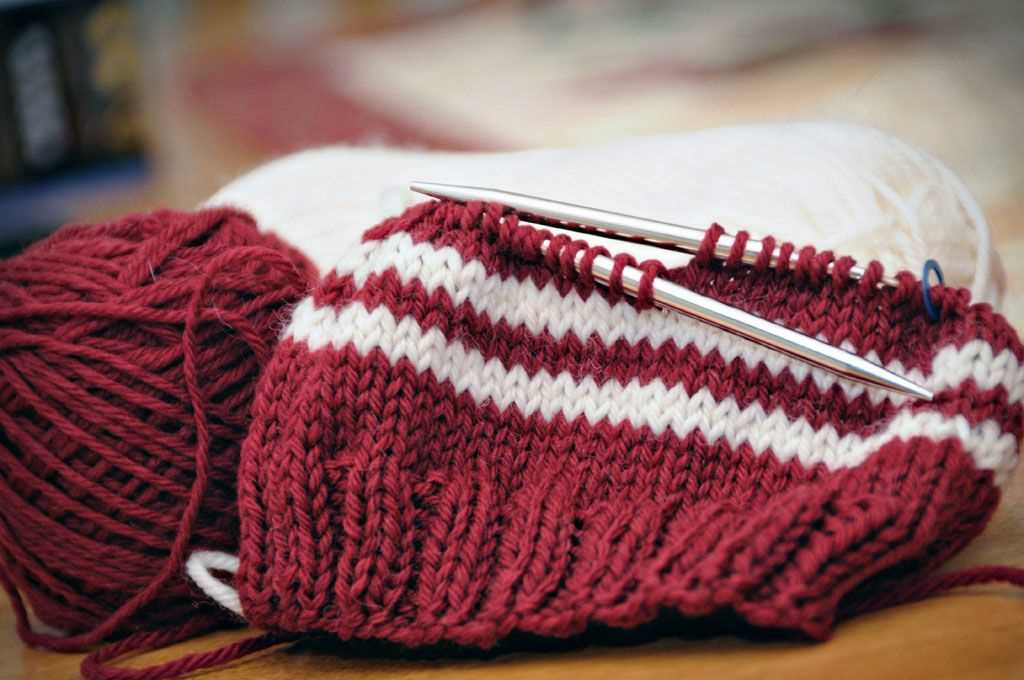
Circular knitting is a popular technique in the world of knitting, offering several advantages over traditional flat knitting. One of the main advantages of circular knitting is that it allows for the creation of seamless garments. When knitting in the round, there are no seams to sew, which not only saves time and effort but also ensures a smoother and more comfortable finished product. Additionally, seamless garments created with circular knitting are less prone to unraveling and fraying, making them more durable and long-lasting.
Efficiency
Another advantage of circular knitting is its efficiency. With circular needles, you can knit continuously in a spiral, eliminating the need to turn the work at the end of each row. This means that you can complete projects more quickly and efficiently, as you don’t have to spend time stopping and starting. Circular knitting is also great for knitting larger projects, such as blankets or sweaters, as the stitches are held on the cable of the needle and not on the needle itself, allowing for more flexibility and ease of handling.
- Versatility
Circular knitting is also incredibly versatile. It allows for the creation of a wide range of projects, from hats and socks to shawls and sweaters. The technique can be used with various types of yarn, from fine lace-weight to bulky yarns, and it can be easily adapted to different patterns and stitch combinations. Circular knitting is also ideal for working with colorwork and creating intricate designs and patterns, as the stitches are always facing the same direction, making it easier to keep track of the pattern.
Overall, circular knitting offers many advantages that make it a preferred technique for knitters of all skill levels. Whether you’re a beginner or an experienced knitter, using circular needles can save you time and effort, produce more seamless and durable garments, and provide you with endless possibilities for creative knitting projects.
Choosing the Right Circular Needles

When it comes to circular knitting patterns, choosing the right circular needles can make a big difference in the outcome of your project. Circular needles are an indispensable tool for knitting in the round, and they come in a variety of sizes, materials, and lengths. Here are some factors to consider when choosing the right circular needles for your project.
Size:
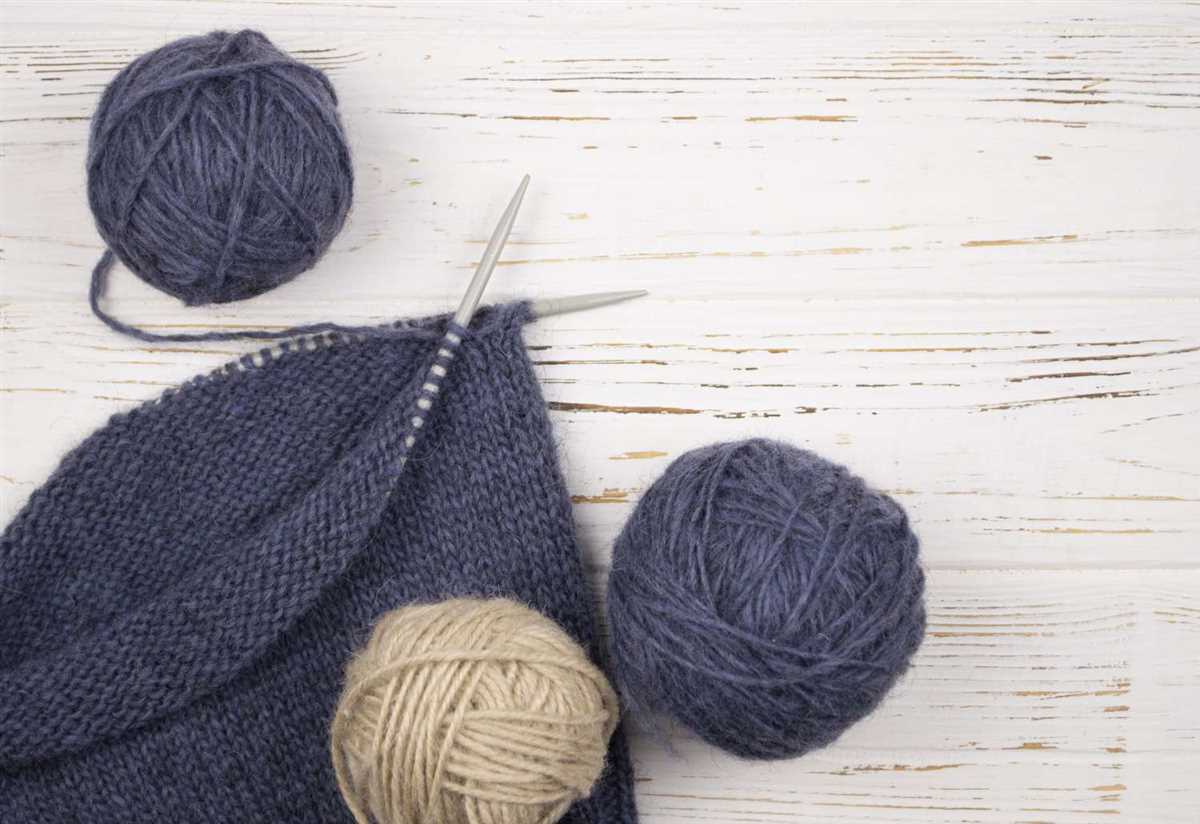
One of the most important factors to consider when choosing circular needles is the size. Circular needles come in different sizes indicated by the diameter of the needle. The size of the needle you choose will depend on the thickness of the yarn you are using and the desired gauge of your project. It’s important to select a needle size that matches the recommended gauge given in your knitting pattern.
Material:
Circular needles can be made from various materials, each with its own advantages. Common materials for circular needles include metal, bamboo, and plastic. Metal needles are often preferred for their durability and smoothness, making them ideal for quick knitting. Bamboo needles, on the other hand, have a warm and natural feel, allowing for a better grip and reduced hand fatigue. Plastic needles are lightweight and flexible, making them a good choice for those with sensitive hands.
Length:
The length of your circular needle is another important consideration. Circular needles come in different lengths, typically ranging from 16 inches to 60 inches or longer. The length you choose will depend on the circumference of your project. For smaller circumference projects like hats or sleeves, you will need a shorter needle, while larger projects like sweaters or blankets will require a longer needle. It’s important to choose a needle length that allows you to comfortably work on your project without stretching the stitches too much.
Ultimately, choosing the right circular needles for your project comes down to personal preference and the specific requirements of your knitting pattern. By considering factors such as size, material, and length, you can ensure that you have the right tools to create beautiful and seamless circular knitted items.
Basic Techniques in Circular Knitting
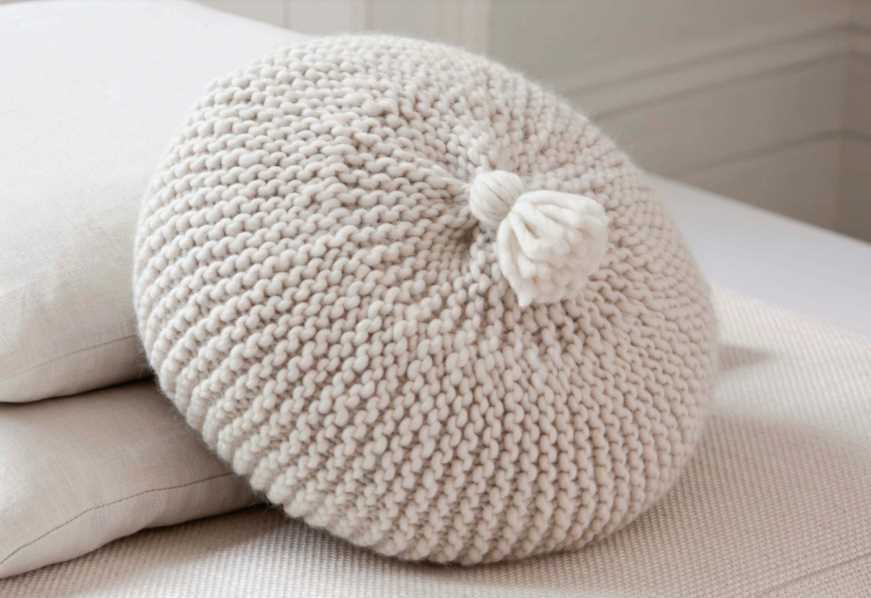
Circular knitting is a popular technique used to create seamless garments and accessories. It involves knitting in the round using circular or double-pointed needles, instead of traditional straight needles. Circular knitting allows for continuous knitting, eliminating the need to turn the work at the end of each row. This technique is commonly used in patterns for hats, socks, sweaters, and other items.
1. Casting On: To begin a circular knitting project, you will need to cast on stitches onto your circular needles. There are several methods you can use to cast on, including the long-tail cast-on, the knitted cast-on, and the provisional cast-on. Choose a cast-on method that suits your project and skill level.
2. Joining in the Round: Once you have cast on your stitches, you will need to join them in the round to create a seamless circle. To do this, place a stitch marker on your right-hand needle to mark the beginning of the round. Then, bring the working yarn forward between the needles and begin knitting the first stitch. By knitting this first stitch, you will close the gap and create a continuous circle of stitches.
3. Knitting: Once your stitches are joined in the round, you can begin knitting. Use the desired stitch pattern specified in your pattern, whether it’s stockinette stitch, ribbing, or lace. When knitting in the round, you will typically knit every stitch (unless the pattern specifies otherwise) as there is no need to purl to create a right side and wrong side.
4. Increasing and Decreasing: When working on circular knitting projects, you may need to increase or decrease the number of stitches to shape your garment. There are various methods for increasing, such as yarn over (YO) or make one (M1), and decreasing, such as knit two together (K2tog) or slip, slip, knit (SSK). Follow the pattern instructions for the specific increases and decreases required.
5. Binding Off: Once you have completed your circular knitting project, you will need to bind off to secure the stitches and create a finished edge. To bind off in circular knitting, simply knit two stitches together, then lift the first stitch over the second stitch and off the needle. Repeat this process until all stitches are bound off. Cut the yarn, leaving a tail for weaving in later.
These basic techniques in circular knitting will help you get started on your next project. Experiment with different stitch patterns and techniques to create unique and beautiful items.
Top Circular Knitting Patterns for Beginners
Are you a beginner in circular knitting? Don’t worry, there are plenty of great patterns out there that are perfect for beginners. Circular knitting is a technique that involves using a set of circular knitting needles instead of straight needles. This allows you to create seamless pieces without the need for seaming.
If you’re just starting out, it’s a good idea to choose patterns that are simple and straightforward. Here are some top circular knitting patterns for beginners:
- Infinity Scarf: An infinity scarf is a great project for beginners. It’s simple to make and doesn’t require any complex shaping. You can choose from a variety of stitch patterns to add some texture to your scarf.
- Hat: A hat is another beginner-friendly project that can be knit in the round. You can start with a basic beanie pattern and then experiment with different stitch patterns and decorations.
- Cowl: A cowl is a versatile accessory that can be worn in different ways. It’s a great project for beginners because it’s quick to knit and doesn’t require a lot of yarn.
- Socks: Socks may seem intimidating, but they can be a great project for beginners who are comfortable with circular knitting. There are many simple sock patterns out there that are perfect for learning basic sock construction.
As a beginner, it’s important to choose patterns that match your skill level and interests. Don’t be afraid to experiment and try new things. With practice, you’ll soon be able to tackle more complex circular knitting patterns.
Intermediate Circular Knitting Patterns
Knitting in the round is a versatile technique that can create seamless garments and accessories. If you are an intermediate knitter looking to expand your skills, here are some circular knitting patterns that will challenge you and help you grow as a knitter.
1. Colorwork Mittens
Colorwork mittens are a great intermediate project for knitters looking to try their hand at stranded knitting. The intricate designs and different color combinations will keep you engaged and motivated to finish the project. Choose a pattern that includes a chart and follow the colorwork instructions carefully for beautiful, professional-looking mittens.
2. Lace Shawl

A lace shawl is another intermediate circular knitting pattern that will test your skills. Lace knitting involves creating delicate, intricate patterns using yarn overs and decreases. The circular construction allows you to seamlessly knit the shawl in one piece. Choose a pattern with clear instructions and charts to guide you through the lace motifs.
3. Cable Sweater

If you’re ready to tackle a larger project, try knitting a cable sweater in the round. Cables add beautiful texture and depth to your knitting, and knitting them in the round allows you to avoid seaming. Look for a pattern that includes both written instructions and charts for the cable patterns, and make sure to follow the chart carefully to maintain the correct stitch count.
4. Fair Isle Hat
Fair Isle knitting is a technique that involves knitting with multiple colors in a single row. Knitting a Fair Isle hat in the round is a great way to practice this skill. Choose a pattern with a simple, repeating Fair Isle motif to start, and gradually challenge yourself with more complex designs. Pay close attention to tension issues and keep your floats loose to ensure a well-fitting and comfortable hat.
These intermediate circular knitting patterns will not only challenge you but also give you the opportunity to learn and grow as a knitter. Remember to take your time, follow the instructions carefully, and enjoy the process of creating beautiful hand-knit items.
Advanced Circular Knitting Patterns

Circular knitting is a popular technique that allows you to create seamless projects such as hats, socks, and sweaters. Once you have mastered the basics of circular knitting, you may want to challenge yourself with more advanced patterns. These advanced patterns require more skill and attention to detail, but the results are well worth the effort.
Fair Isle Knitting

Fair Isle knitting is a technique that involves using multiple colors to create intricate and colorful designs. In circular knitting, Fair Isle patterns can be worked in the round, resulting in a seamless and beautiful finished project. This technique requires careful tension control and skillful colorwork, making it an advanced technique for experienced knitters.
Lace Knitting

Lace knitting is another advanced technique that relies on intricate patterns and delicate stitches. In circular knitting, lace patterns can be created by working yarn overs and decreases, resulting in a fabric with decorative holes and motifs. Lace knitting requires concentration and attention to detail, as the chart or written instructions must be followed precisely to achieve the desired design.
Cabling
Cabling is a technique that creates twisted stitches, resulting in raised patterns and textures. In circular knitting, cables can be worked by crossing stitches over each other, creating intricate and visually stunning designs. Cabling requires the use of a cable needle and the ability to read cable charts or written instructions. This technique adds depth and interest to any circular knitting project.
Colorwork

Colorwork is a technique that involves using different colored yarns to create patterns and designs. In circular knitting, colorwork can be worked in the round, allowing for seamless and continuous motifs. There are various methods of colorwork, such as intarsia, slip stitch, and stranded knitting. Each method requires skillful yarn management and attention to detail to create beautiful and visually striking patterns.
- Fair Isle knitting
- Lace knitting
- Cabling
- Colorwork
These are just a few examples of advanced circular knitting patterns. By challenging yourself with these techniques, you can create unique and intricate projects that showcase your knitting skills and creativity.
Unique Circular Knitting Stitch Patterns
Circular knitting is a technique that allows you to create seamless garments and accessories in the round. One of the key elements of circular knitting is the stitch pattern used. While there are many traditional stitch patterns available, there are also unique stitch patterns that can add a special touch to your knitting projects.
One unique circular knitting stitch pattern is the star stitch. This stitch creates a textured, three-dimensional pattern that resembles a star. It is achieved by working a combination of knit and purl stitches in a specific sequence. The star stitch is perfect for creating eye-catching designs on hats, scarves, and sweaters.
1. Star Stitch
- Materials: Worsted weight yarn, circular knitting needles
- Instructions:
- Cast on an odd number of stitches.
- Row 1: Knit 1, *purl 2 together, leaving stitches on the needle, purl into the first stitch again, then drop both stitches off the needle. Repeat from * to the end of the row.
- Row 2: Knit all stitches.
- Repeat these two rows to create the star stitch pattern.
Another unique circular knitting stitch pattern is the bubble stitch. This stitch creates a raised, bubbled texture that adds a fun and playful element to your knitting. The bubble stitch is achieved by working a combination of knit and purl stitches, as well as increasing and decreasing stitches in specific rows. It is perfect for creating unique patterns on baby blankets, pillows, and cozy sweaters.
2. Bubble Stitch
- Materials: Bulky weight yarn, circular knitting needles
- Instructions:
- Cast on a multiple of 4 stitches.
- Row 1: Knit all stitches.
- Row 2: *Knit 2, purl 2. Repeat from * to the end of the row.
- Row 3: *Purl 2, knit 2. Repeat from * to the end of the row.
- Row 4: Knit all stitches.
- Row 5: *Knit 2 together, yarn over, knit 2 together, knit 2. Repeat from * to the end of the row.
- Row 6: Knit all stitches.
- Repeat these six rows to create the bubble stitch pattern.
These unique circular knitting stitch patterns are just a few examples of the endless possibilities you can explore when it comes to circular knitting. By using different stitch patterns, you can create one-of-a-kind designs that are sure to impress. So grab your circular knitting needles and start experimenting with these unique stitch patterns to take your knitting to the next level.
How to Modify Circular Knitting Patterns
Modifying circular knitting patterns can be a great way to inject your own creativity and personal touch into your knitting projects. Whether you want to change the stitch pattern, alter the size, or add your own unique design elements, there are several techniques you can use to modify circular knitting patterns.
1. Changing the Stitch Pattern
If you’re looking to change the stitch pattern in a circular knitting pattern, you can easily do so by substituting different stitches or stitch combinations. You can experiment with different stitch patterns, such as cables, lace, or colorwork, to create a completely different look. Just make sure to keep track of your stitch count and any pattern repeats to ensure your modifications align with the original pattern.
You can also combine different stitch patterns to create interesting texture and visual effects. For example, you could alternate between a simple stockinette stitch and a lace pattern to create a delicate and airy fabric. The possibilities are endless, so don’t be afraid to get creative and try out different stitch combinations.
2. Modifying the Size

If you need to modify the size of a circular knitting pattern, you can adjust the number of cast-on stitches or the gauge of your yarn. To make a larger item, you can cast on more stitches, and to make a smaller item, you can cast on fewer stitches. Just keep in mind that changing the number of stitches may also require adjustments to the pattern instructions.
Another way to modify the size is by changing the gauge of your yarn. By using a thicker or thinner yarn than what is specified in the pattern, you can create a larger or smaller item. However, this method requires careful calculation and swatching to ensure the final dimensions of your project match your desired size.
3. Adding Design Elements

If you want to add your own design elements to a circular knitting pattern, such as colorwork or cables, you can do so by inserting the desired design into the pattern. For example, you can incorporate a Fair Isle or intarsia motif into a plain hat pattern or add a cable panel to a basic sweater pattern.
To add design elements, you may need to adjust the stitch count and follow specific instructions for the added design. Make sure to carefully read and understand the pattern before making any modifications to ensure you incorporate the design seamlessly into the overall project.
Modifying circular knitting patterns allows you to customize your projects and create unique, one-of-a-kind pieces. By changing stitch patterns, adjusting sizes, or adding your own design elements, you can transform a basic pattern into something truly special. So don’t be afraid to experiment and let your creativity flow!
Caring for Your Circular Knitted Items
Proper care is essential for preserving the quality and longevity of your circular knitted items. Follow these guidelines to keep your creations looking beautiful for years to come:
1. Read the care instructions on the yarn label: Before beginning your project, make sure to check the care instructions provided by the yarn manufacturer. This will give you an idea of how to best care for your item once it’s finished.
2. Handwash when possible: Handwashing is the gentlest method for cleaning your circular knitted items. Fill a basin with lukewarm water and mild detergent, then soak the item for a few minutes. Gently agitate the water to loosen any dirt or residue, then rinse thoroughly with clean water and lay flat to dry.
3. Machine wash with care: If the yarn label allows for machine washing, use a delicate or wool cycle and place your item in a laundry bag to protect it from snagging or stretching. Opt for a mild detergent specially formulated for delicate fabrics, and avoid using bleach or fabric softener. After washing, reshape the item and lay it flat to dry.
4. Handle with care: Circular knitted items, especially those made with delicate yarns, can be prone to snagging or stretching. Avoid hanging your item to dry, as this can lead to stretching. Instead, gently reshape it when wet and lay it flat on a clean towel or drying rack.
5. Store properly: To prevent your circular knitted items from getting misshapen or damaged, always fold them neatly and store them in a cool, dry place. Avoid hanging items for long periods, as this can cause them to stretch.
By following these care instructions, you can ensure that your circular knitted items remain in great condition for many years. With proper care, they will continue to bring warmth and style to your wardrobe.
Q&A:
What is circular knitting?
Circular knitting is a method of knitting in a continuous loop, using circular needles or double-pointed needles, rather than using straight needles. It allows you to knit seamless tubes or tubes with a closed bottom, perfect for knitting items like hats, sweaters, and socks.
What are the advantages of circular knitting?
Circular knitting offers several advantages. Firstly, it eliminates the need for sewing seams in your knitted projects, making the finished item more comfortable and aesthetically pleasing. Additionally, circular knitting allows you to easily knit in the round without the need for purling, making it faster and more efficient. It also allows you to easily try on your project as you go and make adjustments if needed.
What types of projects can be knitted using circular knitting?
Almost any project that requires knitting in the round or creating seamless tubes can be knitted using circular knitting. Some common projects include hats, sweaters, socks, gloves, cowls, and even blankets. Circular knitting is also great for knitting projects with a large number of stitches, as the circular needles can hold more stitches than straight needles.
How do you read a circular knitting pattern?
Reading a circular knitting pattern is similar to reading a regular knitting pattern. The pattern will provide instructions for each round, specifying the type of stitches, stitch count, and any other necessary information. When knitting in the round, you typically repeat the same round over and over until the desired length or shape is achieved. It’s important to read the pattern carefully and understand any special instructions or techniques used.
Do I need special needles for circular knitting?
Yes, in order to do circular knitting, you will need special circular needles or double-pointed needles. Circular needles have two needle tips connected by a flexible cable, allowing you to knit in the round. They come in various lengths and materials, so you can choose the one that works best for your project. Double-pointed needles, on the other hand, come in sets of four or five and are used for knitting small, seamless tubes for items like socks or gloves.
What is circular knitting?
Circular knitting is a technique used to create seamless tubes or cylinders of fabric. It involves using a set of circular knitting needles or a circular knitting machine to knit in the round.