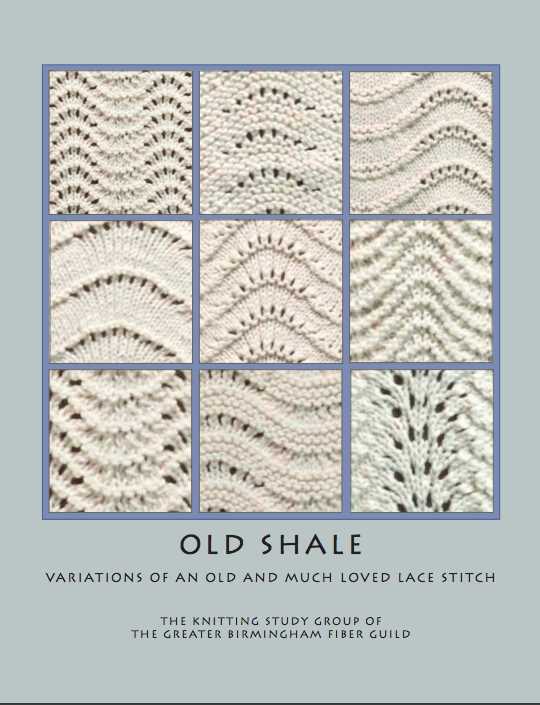
Knitting is a popular craft that allows you to create beautiful and functional items with just a pair of needles and some yarn. While most people are familiar with the traditional knit and purl stitches, there are endless possibilities when it comes to knitting patterns. One such pattern is the corkscrew knitting pattern, which creates a unique and eye-catching design.
The corkscrew knitting pattern is a type of cable stitch that involves twisting the stitches to create a spiral effect. It is a fun and challenging pattern that can add a touch of whimsy to your knitting projects. This pattern is often used to create scarves, hats, and other accessories, but it can also be incorporated into larger garments.
To create the corkscrew knitting pattern, you will need to have a basic understanding of cable knitting techniques. You will also need a cable needle, which is a short, double-pointed needle that is used to hold the stitches while you work the cable. This pattern is worked over a multiple of stitches, so you can easily adjust it to fit your desired width.
The corkscrew knitting pattern may look complex, but it is actually quite simple once you understand the steps. With a little practice, you will be able to create stunning pieces that are sure to impress. Whether you are a beginner or an experienced knitter, the corkscrew knitting pattern is a great way to take your knitting skills to the next level.
Corkscrew Knitting Pattern

If you’re looking for a unique and eye-catching knitting pattern, the corkscrew knitting pattern is the perfect choice. This pattern creates a playful and whimsical texture that resembles twisted corkscrews, adding a fun element to any knitted project. Whether you’re knitting a scarf, hat, or even a sweater, the corkscrew pattern is sure to make a statement.
To create the corkscrew pattern, you’ll need to have basic knitting skills, including casting on, knitting, and purling. The pattern involves a combination of different stitches and techniques, such as twisted stitches and yarn overs, to create the twisted corkscrew effect. Once you get the hang of the pattern, it can be quite addictive, and you’ll find yourself wanting to incorporate it into all your knitting projects.
How to knit the corkscrew pattern:
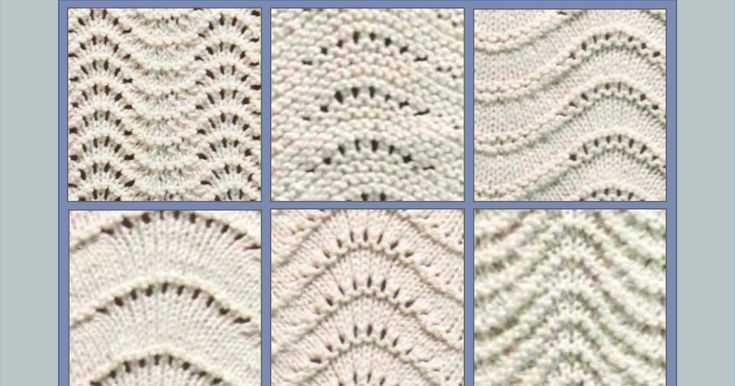
- Start by casting on the desired number of stitches.
- Row 1: Knit all stitches.
- Row 2: Purl all stitches.
- Row 3: *Knit 1, yarn over, knit 1 into the same stitch, repeat from * to the end of the row.
- Row 4: Purl all stitches.
- Repeat rows 1-4 until you reach the desired length.
- Bind off all stitches.
Once you’ve mastered the basic corkscrew pattern, you can get creative and experiment with different variations. For example, you could try knitting the pattern in multiple colors or using different yarn weights to achieve different effects. You could also incorporate the corkscrew pattern into larger stitch patterns or combine it with other textured stitches for added interest.
Whether you’re a seasoned knitter or just starting out, the corkscrew knitting pattern is a fun and versatile technique to add to your repertoire. Give it a try and watch as your knitting projects come to life with a twist!
What is Corkscrew Knitting?
Corkscrew knitting is a unique knitting technique that creates a spiraling effect in the finished fabric. It is achieved by twisting the stitches as they are worked, resulting in a distinctive corkscrew-like pattern. This technique adds texture and visual interest to knitted projects, making them stand out from traditional knitting patterns.
To create the corkscrew effect, the stitches are twisted either to the right or left direction at specific intervals. This twisting creates a spiraling effect, resembling the shape of a corkscrew. The direction of the twist can be varied to achieve different design effects. The stitches can be twisted individually or in groups, depending on the desired outcome.
The corkscrew knitting technique is often used to create accessories such as scarves, hats, and shawls, as well as decorative elements in larger projects like sweaters or blankets. It can be worked with any type of yarn and needle size, allowing for endless possibilities in design and creativity.
While corkscrew knitting may require some practice to get the tension and twists just right, it is a rewarding technique that can yield stunning results. Whether you are a beginner or an experienced knitter, corkscrew knitting is a fun and exciting way to add a twist to your projects.
The History of Corkscrew Knitting
Knitting has a long and rich history, dating back thousands of years. One unique knitting technique that has fascinated knitters for centuries is corkscrew knitting. This intriguing pattern creates a spiral effect, resembling the shape of a corkscrew, hence its name. Let’s delve into the history of corkscrew knitting and explore its origins.
The exact origins of corkscrew knitting are unclear, but it is believed to have originated in traditional knitting cultures such as Scandinavia. It was likely passed down through generations, with variations and unique touches added by each knitter. The technique gained popularity among knitters in the early 20th century and has since become a beloved pattern in the knitting community.
Corkscrew knitting involves manipulating stitches in a specific way to create the spiral effect. The pattern typically uses a combination of knit and purl stitches, along with various increases and decreases to shape the spiral. Knitters can experiment with different yarn weights and needle sizes to achieve different-sized spirals and textures.
The corkscrew knitting pattern has found its way into various knitting projects, including hats, scarves, socks, and even blankets. Its unique and eye-catching design adds a touch of whimsy and visual interest to any knitted item. With its popularity continuing to grow, many knitting enthusiasts are eager to learn and master the corkscrew knitting technique.
Materials Needed for Corkscrew Knitting

When undertaking a corkscrew knitting project, it is important to gather all the necessary materials before starting. The following is a list of essential items that will be needed:
- Yarn: Choose a yarn that is suitable for corkscrew knitting. A medium-weight yarn is generally recommended.
- Knitting Needles: You will need a pair of knitting needles that are the appropriate size for your chosen yarn. Check the yarn label for needle size recommendations.
- Tape Measure: A tape measure will come in handy for measuring the length and width of your project as you work.
- Scissors: Keep a pair of scissors nearby to cut the yarn when necessary.
- Tapestry Needle: A tapestry needle is needed for weaving in ends and finishing off your project.
- Stitch Markers: Optional, but stitch markers can be helpful for keeping track of certain stitches or pattern repeats.
- Pattern: Have a corkscrew knitting pattern on hand to guide you through the project. This can be a printed pattern or a digital download.
With these materials ready, you will be well-prepared to dive into your corkscrew knitting project. Make sure to choose yarn and needles that complement each other to achieve the desired results. Happy knitting!
Step-by-Step Guide to Corkscrew Knitting
Knitting is a popular craft that has been around for centuries, with various techniques and patterns to create beautiful and unique designs. One such technique is corkscrew knitting, which creates a spiral effect in the finished project. If you’re interested in trying your hand at corkscrew knitting, here is a step-by-step guide to get you started.
Step 1: Choose the Right Yarn and Needles
The first step in corkscrew knitting is to select the right yarn and needles. For this technique, it’s best to choose a smooth, medium-weight yarn that will allow the stitches to slide easily. You can use either straight or circular needles, depending on your preference. Just make sure that the needles are appropriate for the yarn weight you’ve chosen.
Step 2: Cast On Stitches
Once you have your yarn and needles ready, it’s time to cast on the stitches. Start by making a slipknot and placing it on one of the needles. Then, using the long-tail cast on method, cast on the desired number of stitches. Make sure to leave a long tail at the end, as this will be used later to create the corkscrew effect.
Step 3: Knit the First Row
With your stitches cast on, it’s time to start knitting. Begin by inserting the empty needle into the first stitch on the other needle, from left to right. Then, wrap the yarn around the needle, forming a loop, and pull it through the stitch. Slide the original stitch off the needle, and you have completed your first knit stitch. Repeat this process for the remaining stitches on the needle.
Step 4: Create the Corkscrew Effect

Now comes the fun part – creating the corkscrew effect. To do this, you will use the long tail from the cast on as a second strand of yarn. Hold the working yarn in your right hand and the long tail in your left hand. As you knit each stitch, make sure to wrap both yarns around the needle in a clockwise direction. This will create a twist in the stitches and give your project a spiral appearance.
Step 5: Continue Knitting
Once you have finished knitting the first row, continue to knit each subsequent row in the same manner. Remember to wrap both yarns around the needle clockwise to maintain the corkscrew effect. As you progress, you will see the spiral pattern start to emerge.
Follow these steps, and with practice and patience, you will be able to create beautiful corkscrew knitting projects. Whether you choose to make a corkscrew scarf, hat, or any other item, this technique is sure to add an interesting twist to your knitting repertoire.
Tips for Successful Corkscrew Knitting
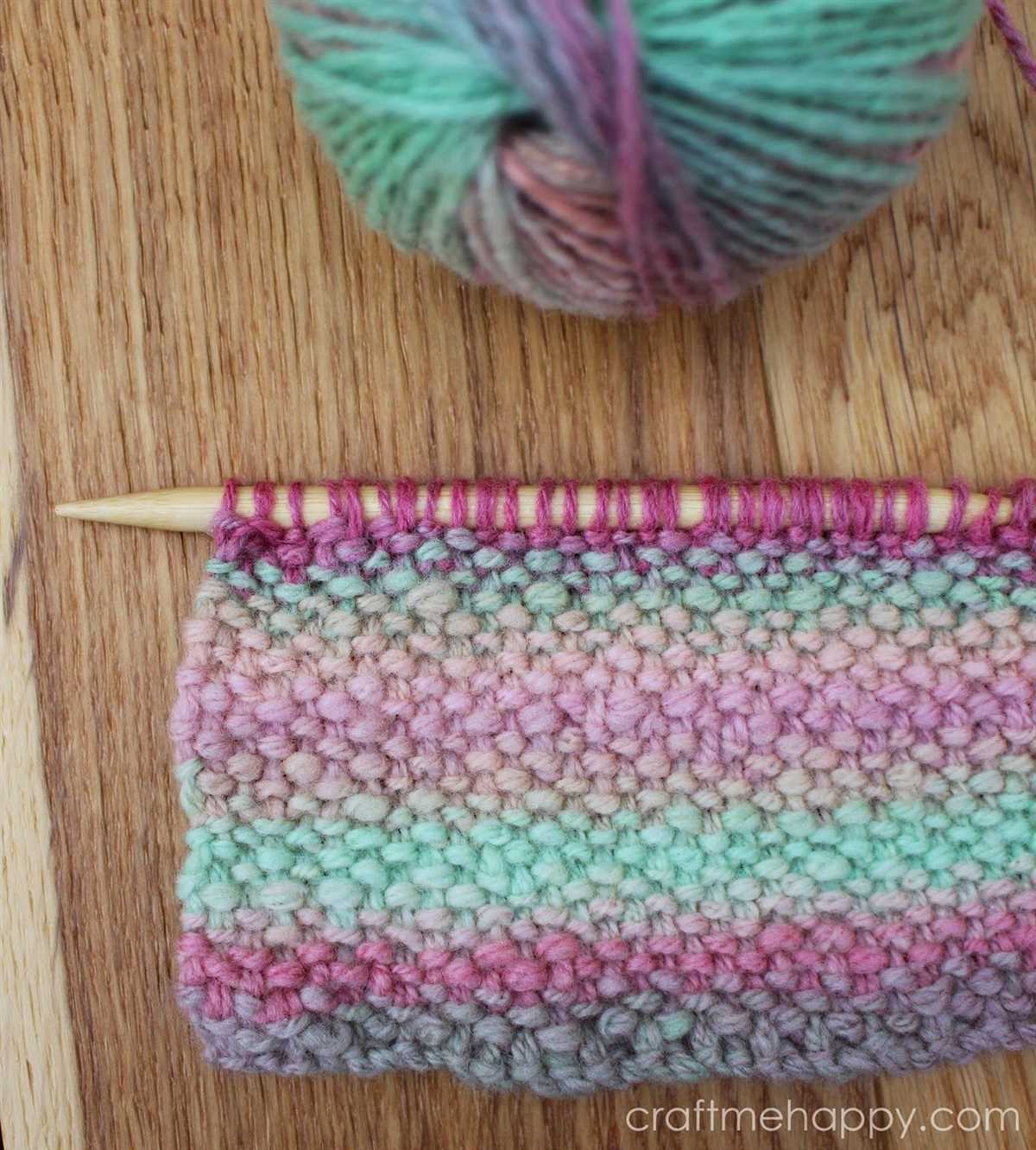
If you’re new to corkscrew knitting or just need some tips to improve your technique, here are some helpful suggestions for successful results:
1. Choose the right yarn
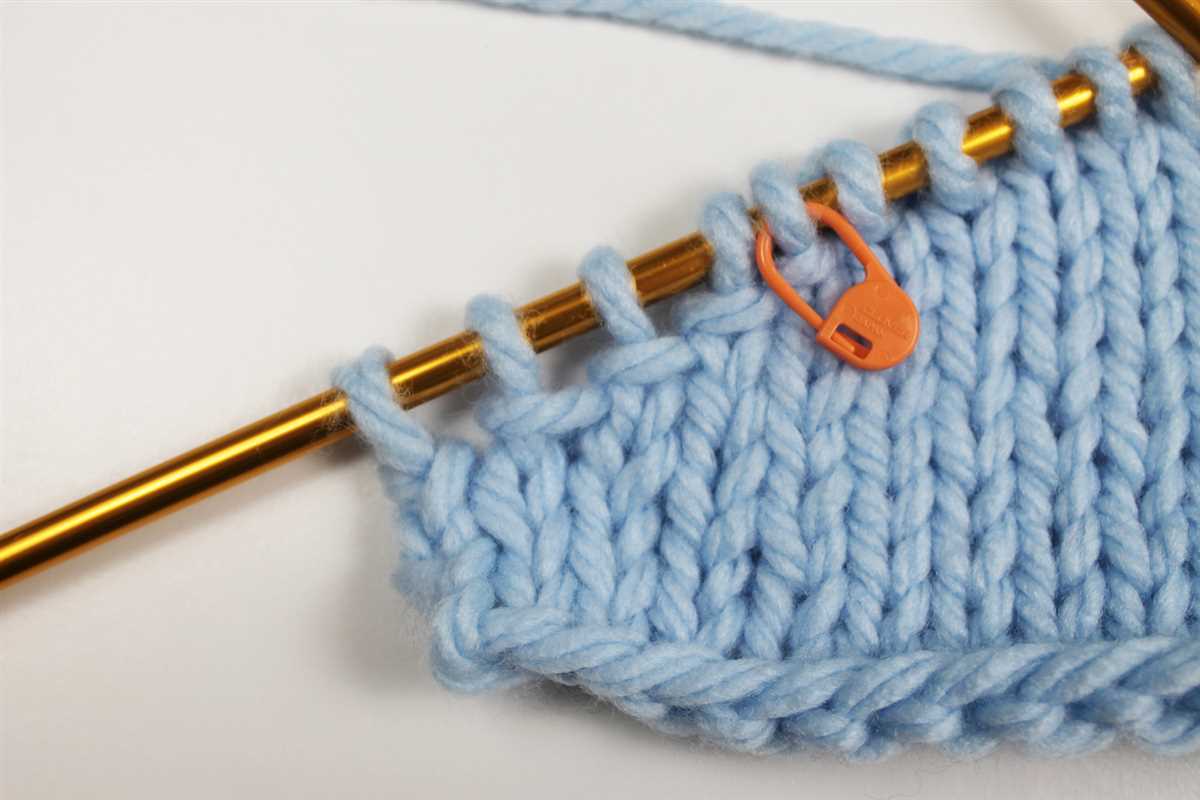
When selecting yarn for your corkscrew knitting project, it’s important to choose a yarn that has good elasticity and will hold the corkscrew shape well. Look for a yarn that has a high percentage of natural fibers such as wool or cotton, as these fibers tend to have better stretch and resilience.
2. Use the right needle size
The size of the knitting needles you use can have a big impact on the appearance of your corkscrew pattern. For tighter, more defined corkscrews, use smaller needles, while larger needles will result in looser, more open spirals. Experiment with different needle sizes to achieve the desired effect.
3. Start with a swatch
Before diving into a larger corkscrew knitting project, it’s always a good idea to start with a swatch. This will allow you to practice the technique and see how the yarn and needles you’ve chosen work together. It will also give you a chance to adjust your tension if needed.
4. Maintain consistent tension
Consistent tension is key when knitting corkscrews. If your tension is too loose or too tight, the spirals may not hold their shape properly. Pay attention to your tension and adjust as necessary to ensure even and uniform corkscrews.
5. Block your finished project
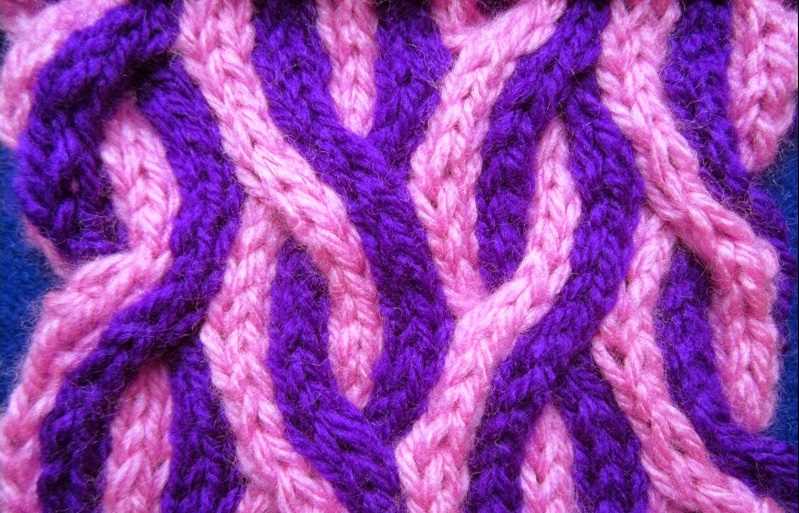
Once you’ve completed your corkscrew knitting project, it’s important to block it to help set the shape and even out any inconsistencies. Wet blocking is recommended for corkscrew knitting, as it can help relax the yarn and encourage the spirals to hold their shape.
- Choose the right yarn
- Use the right needle size
- Start with a swatch
- Maintain consistent tension
- Block your finished project
Common Mistakes to Avoid in Corkscrew Knitting
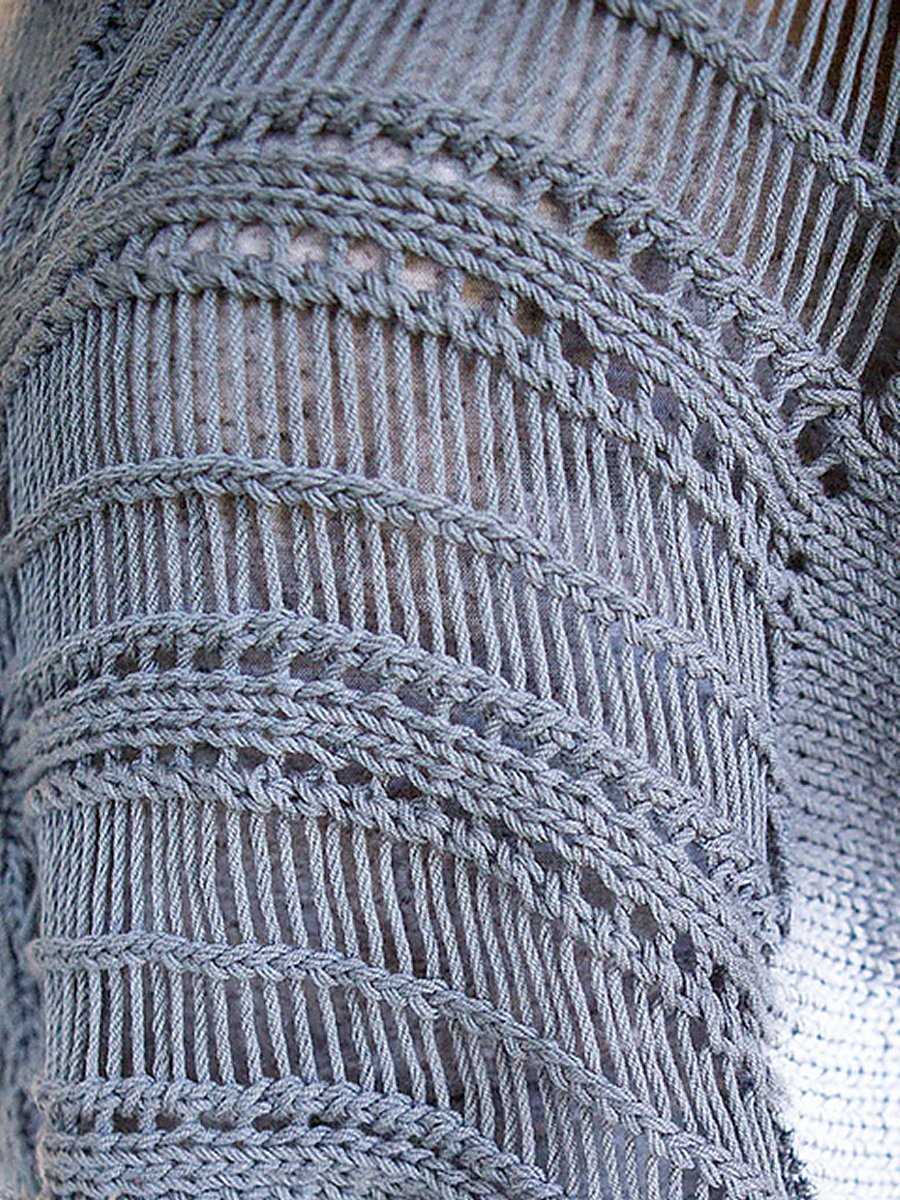
When it comes to corkscrew knitting, it’s important to avoid certain common mistakes that can affect the outcome of your project. By being aware of these mistakes and taking steps to prevent them, you can ensure that your corkscrew knitting turns out beautifully.
Using the Wrong Needle Size
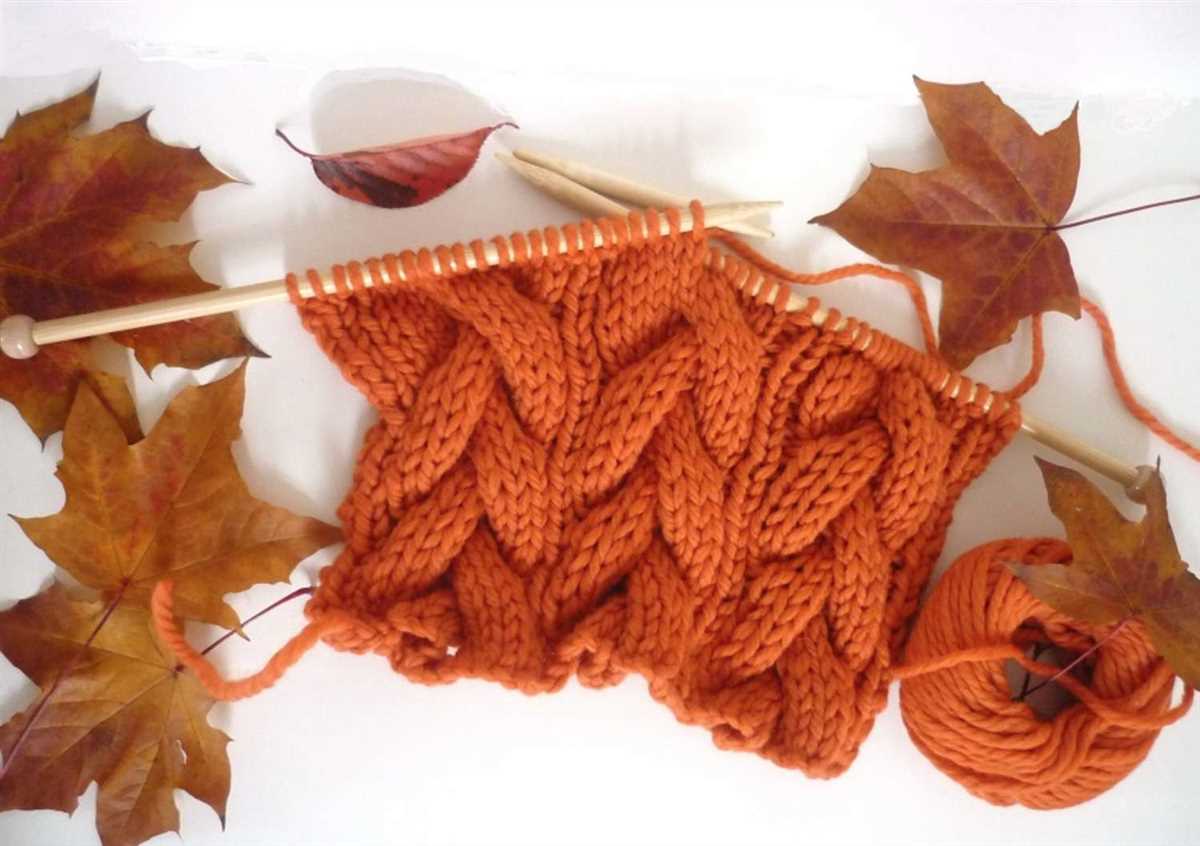
One common mistake that beginners often make is using the wrong needle size for corkscrew knitting. It’s important to choose a needle size that is appropriate for the type of yarn you are working with and the desired tightness or looseness of your stitches. Using the wrong needle size can result in uneven stitches and an overall unappealing appearance.
Not Tensioning the Yarn Properly
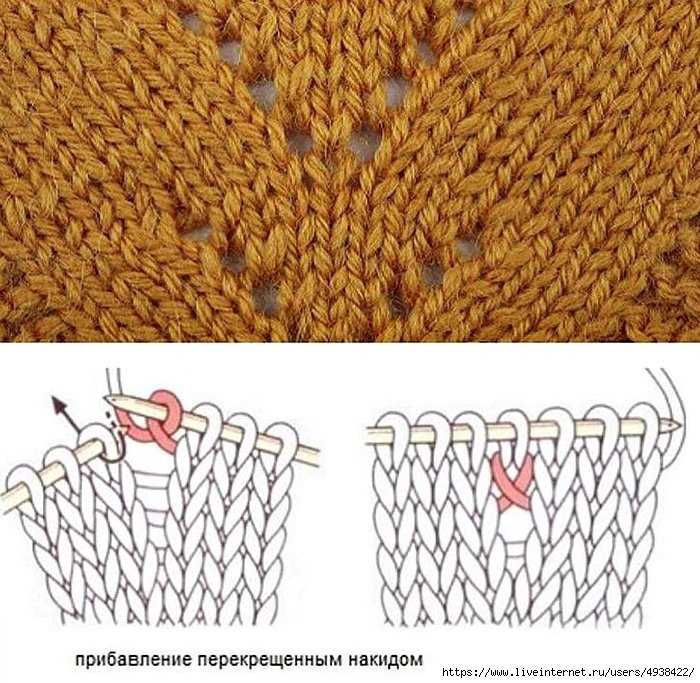
Tensioning the yarn properly is crucial in corkscrew knitting. If the yarn is too loose or too tight, it can affect the overall look and feel of the finished project. It’s important to find a balance in tensioning the yarn, ensuring that it flows smoothly through your stitches without being too tight or too loose. Practice and experience will help you develop the right tension for your corkscrew knitting.
Inconsistent Stitch Height
Another mistake to avoid in corkscrew knitting is having inconsistent stitch height. This can happen when you have varying levels of tension in your stitches or if you are not consistently pulling the yarn through each stitch with the same firmness. Consistent stitch height is important for creating a uniform appearance in your corkscrew knitting.
Forgetting to Count Stitches
Counting stitches is essential in corkscrew knitting, especially if you are working on a project that requires a specific number of stitches. Forgetting to count stitches can lead to mistakes in the pattern or the overall shape of the project. It’s important to stay focused and ensure that you are maintaining the correct stitch count as you work.
Not Following the Pattern Instructions
Finally, one of the most common mistakes in corkscrew knitting is not following the pattern instructions closely. Each pattern has specific instructions for stitch placement, increases, decreases, and other important details. Ignoring or deviating from these instructions can negatively impact the final result of your corkscrew knitting project. It’s essential to carefully read and follow the pattern instructions to achieve the desired outcome.
By being mindful of these common mistakes and taking the time to practice and learn from them, you can improve your corkscrew knitting skills and create beautiful and flawless projects. Remember, patience and attention to detail are key in achieving success in corkscrew knitting.
Fun Variations of Corkscrew Knitting
Once you’ve mastered the basic corkscrew knitting technique, there are several fun variations you can try to create unique and eye-catching designs. These variations not only add visual interest but also allow you to experiment with different textures and patterns. Whether you’re a beginner or an experienced knitter, exploring these variations can bring a new level of excitement to your knitting projects.
1. Reversed Corkscrew
The reversed corkscrew is a variation in which the loops are created in the opposite direction. Instead of twisting the loop counter-clockwise, you twist it clockwise. This creates a slightly different look and can be used to add a twist to your traditional corkscrew knitting patterns.
2. Multi-color Corkscrew
If you want to add even more excitement to your corkscrew knitting, try using multiple colors of yarn. You can create stripes or patterns by switching the yarn color after completing a few rows. This variation allows you to create visually stunning designs and showcase your creativity.
3. Lace Corkscrew
If you’re a fan of lace knitting, you can incorporate the corkscrew technique into your lace patterns. By adding yarn-overs and decreases, you can create intricate lace designs with a twisted effect. This combination of lace and corkscrew knitting can result in beautiful and unique creations.
4. Cable Corkscrew
For those who love cables, the cable corkscrew variation combines the best of both worlds. By incorporating cabling techniques into your corkscrew knitting, you can create twisted cables that add depth and dimension to your projects. This variation is perfect for creating cozy and stylish knitted accessories.
5. Beaded Corkscrew
If you want to add a touch of elegance and glamour to your corkscrew knitting, try incorporating beads into your projects. You can thread beads onto your yarn and place them strategically throughout your corkscrew pattern. This variation adds a stunning embellishment and transforms your knitting into a work of art.
These are just a few examples of the fun and exciting variations you can explore with corkscrew knitting. Whether you choose to try the reversed corkscrew, experiment with multiple colors, incorporate lace or cables, or add beads, each variation offers its own unique twist to the traditional corkscrew technique. So grab your yarn and needles, and let your creativity soar with these fun variations!
How to Use Corkscrew Knitting in your Projects
Corkscrew knitting is a unique technique that can add texture and visual interest to your knitting projects. It involves creating twisted stitches that resemble corkscrews, making for a stunning and eye-catching design. Whether you’re a beginner looking to learn a new technique or an experienced knitter wanting to try something different, here’s a step-by-step guide on how to incorporate corkscrew knitting into your projects.
Choose the Right Yarn

When working with corkscrew knitting, it’s important to choose the right yarn. Opt for a yarn that has good stitch definition and is not too fuzzy or slippery, as this can make it challenging to create the corkscrew effect. Yarns with a plied construction tend to work well for this technique.
Practice the Twisted Stitch
Before diving into a corkscrew knitting project, it’s essential to practice the twisted stitch used to create the corkscrew effect. Start by working on a swatch and familiarize yourself with the basic technique. The twisted stitch is created by knitting or purling through the back loop of the stitch. Experiment with different tensions and see which style of twisted stitch you prefer.
Incorporate the Corkscrew Knitting
Now that you’re comfortable with the twisted stitch, it’s time to incorporate corkscrew knitting into your projects. One way to do this is by substituting the twisted stitch for regular knit or purl stitches in your pattern. This can create a beautiful corkscrew pattern that adds dimension and texture to your knitting.
You can also create corkscrew cables by working the twisted stitch on a cable needle and crossing it over or under other stitches. This adds a unique twist to traditional cable knitting and elevates your projects to a whole new level.
Experiment with Different Patterns
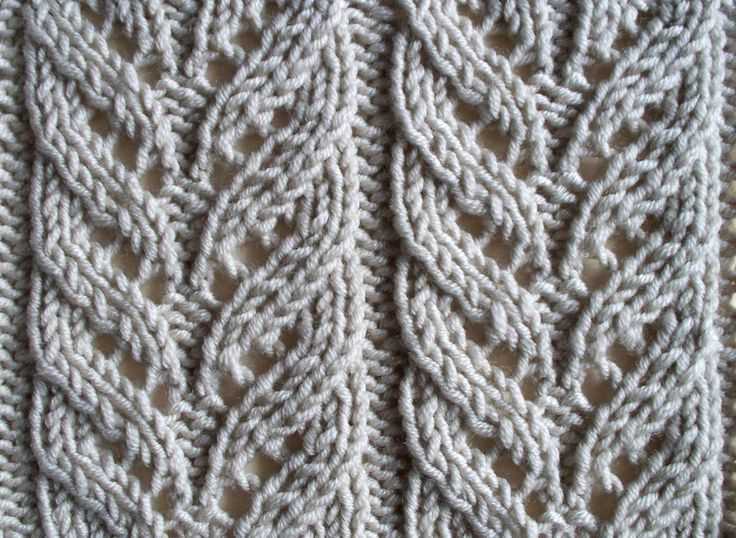
Once you’ve mastered the corkscrew knitting technique, don’t be afraid to experiment with different patterns and designs. Incorporate corkscrew stitches into lace patterns for added intricacy, or mix them with other textured stitches to create a truly one-of-a-kind piece. The possibilities are endless, so let your creativity run wild!
In conclusion, corkscrew knitting is a versatile technique that can take your projects to the next level. By choosing the right yarn, practicing the twisted stitch, and incorporating corkscrew knitting into your patterns, you’ll be able to create stunning and unique pieces that are sure to impress. So grab your knitting needles and give corkscrew knitting a try!
Inspiration for Corkscrew Knitting Projects
Corkscrew knitting is a unique and captivating technique that creates beautiful spiral designs in your knitting projects. With its eye-catching texture and playful appearance, corkscrew knitting adds an element of fun and whimsy to any garment or accessory. Whether you’re a seasoned knitter looking to try something new or a beginner eager to explore different techniques, corkscrew knitting offers endless possibilities for creativity and inspiration.
One way to find inspiration for corkscrew knitting projects is by exploring different color combinations. By using vibrant and contrasting colors, you can create striking patterns and really make the corkscrew design pop. Experiment with different shades and tones to achieve the desired effect, whether it’s a bold and vibrant look or a more subtle and sophisticated one.
Patterns and textures
Anothe
Frequently Asked Questions about Corkscrew Knitting

Corkscrew knitting is a unique technique that creates a spiral effect in your knitting. If you’re new to corkscrew knitting, you may have some questions. Here are some frequently asked questions and their answers:
1. What is corkscrew knitting?
Corkscrew knitting is a technique that involves creating spirals in your knitting by twisting the stitches. It adds a fun and unique texture to your projects.
2. Can I use any yarn for corkscrew knitting?
Yes, you can use any yarn for corkscrew knitting. However, it’s best to use a yarn with good stitch definition so that the spiral effect is more visible.
3. Can I corkscrew knit in the round?
Yes, you can corkscrew knit in the round. You can create spirals in your circular knitting by twisting the stitches in the same way as you would in flat knitting.
4. Are there any specific patterns or projects for corkscrew knitting?
While corkscrew knitting can be incorporated into any pattern, there are specific patterns designed specifically for this technique. You can find corkscrew knitting patterns for various projects such as scarves, hats, and even socks.
5. Is corkscrew knitting difficult?
Corkscrew knitting can be a bit challenging at first, especially if you’re new to knitting. However, with practice and patience, you’ll become more comfortable with the technique. Watching tutorial videos and following step-by-step instructions can also help you learn corkscrew knitting.
In conclusion, corkscrew knitting is a fun and unique technique that adds a spiral effect to your knitting. Whether you’re a beginner or an experienced knitter, corkscrew knitting can be a great way to add texture and interest to your projects.