
Are you looking for a new knitting project? Consider trying out a diagonal shawl knitting pattern! Diagonal shawls are not only stylish and versatile, but they also offer an interesting challenge for knitters of all skill levels.
Diagonal shawls are unique in that they are knit on the bias, starting from one corner and gradually increasing in size as you work your way to the opposite corner. This construction technique creates a beautiful drape and allows for endless possibilities in terms of stitch patterns and color combinations.
One popular diagonal shawl knitting pattern is the garter stitch triangle shawl. This pattern is perfect for beginners as it only requires knowledge of the basic knit stitch. The garter stitch creates a cozy and textural fabric that drapes beautifully around the shoulders. You can customize this shawl by using different yarn weights and colors.
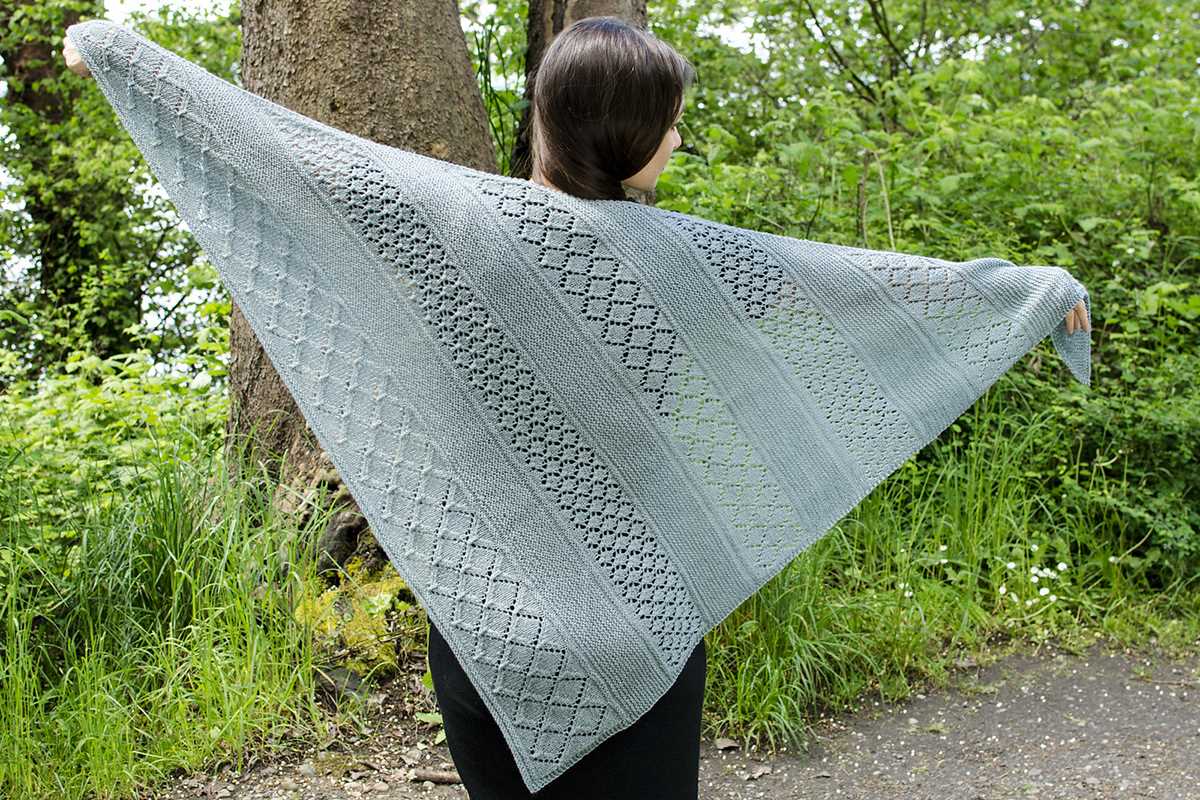
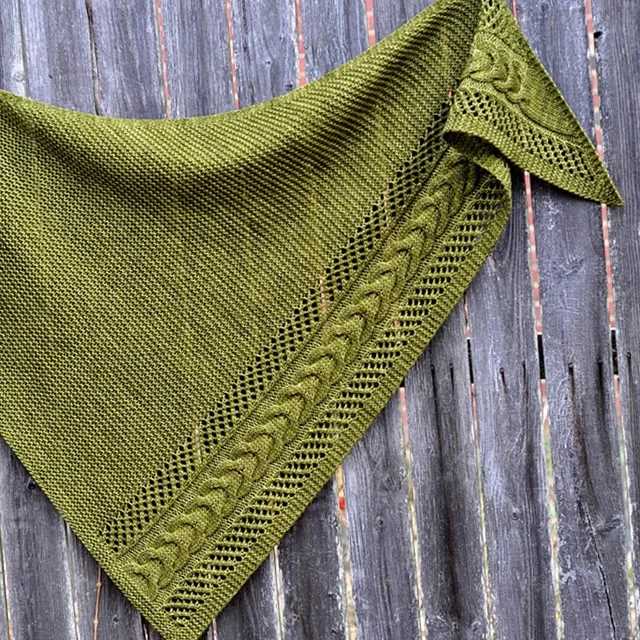
If you’re up for a slightly more challenging project, you can try a lace or cable pattern for your diagonal shawl. Lace patterns add a delicate and feminine touch to your shawl, while cable patterns create a more textured and chunky look. These patterns often involve more intricate stitch work and may require some experience with lace or cable knitting.
So, if you’re looking to expand your knitting skills and create a stunning accessory, give a diagonal shawl knitting pattern a try. Whether you’re a beginner or an experienced knitter, there’s a pattern out there that will suit your skill level and personal style. Happy knitting!
Diagonal Shawl Knitting Pattern
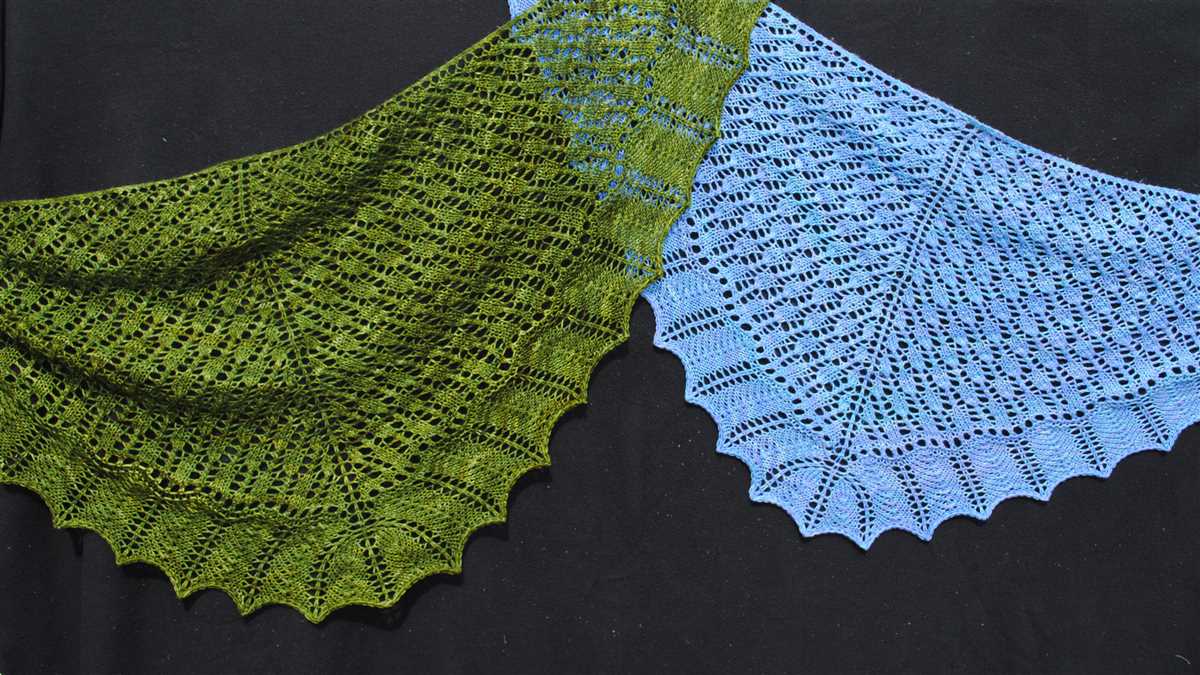
The diagonal shawl knitting pattern is a popular choice for knitters looking to create a beautiful and unique shawl. This pattern creates a shawl that is knit on the bias, resulting in a diagonal design that adds interest and texture to the finished piece. The diagonal shawl can be knit using a variety of stitches and techniques, allowing knitters to customize the pattern to their preferences.
To begin the diagonal shawl knitting pattern, you will need to cast on the desired number of stitches. The number of stitches will determine the size of the shawl, so be sure to choose a number that suits your preferences. Once you have cast on, you will begin knitting in a diagonal direction, increasing or decreasing stitches as necessary to create the diagonal shape.
The beauty of the diagonal shawl knitting pattern is its versatility. Knitters can choose from a wide range of stitches to create different textures and patterns within the shawl. For example, you could opt for a simple garter stitch for a classic and clean look, or try a lace stitch for a more delicate and intricate design. The choice of yarn and needle size will also affect the final appearance of the shawl, allowing for even more customization.
As you continue to knit the diagonal shawl, you will watch as the pattern develops and the shape of the shawl begins to take form. This knitting pattern can be a great way to challenge yourself and develop new knitting skills, and the end result is a stunning and unique shawl that you can be proud of. Whether you’re knitting for yourself or as a gift for someone else, the beauty of the diagonal shawl pattern is sure to impress.
In conclusion, the diagonal shawl knitting pattern offers knitters an opportunity to create a beautiful and unique shawl with a diagonal design. With a variety of stitch options and customization choices, this pattern allows for endless creativity and personalization. Whether you’re a beginner or an experienced knitter, the diagonal shawl pattern is a versatile and enjoyable project to take on. So grab your needles, choose your favorite yarn, and start knitting your own beautiful diagonal shawl today.
Choose the Right Yarn
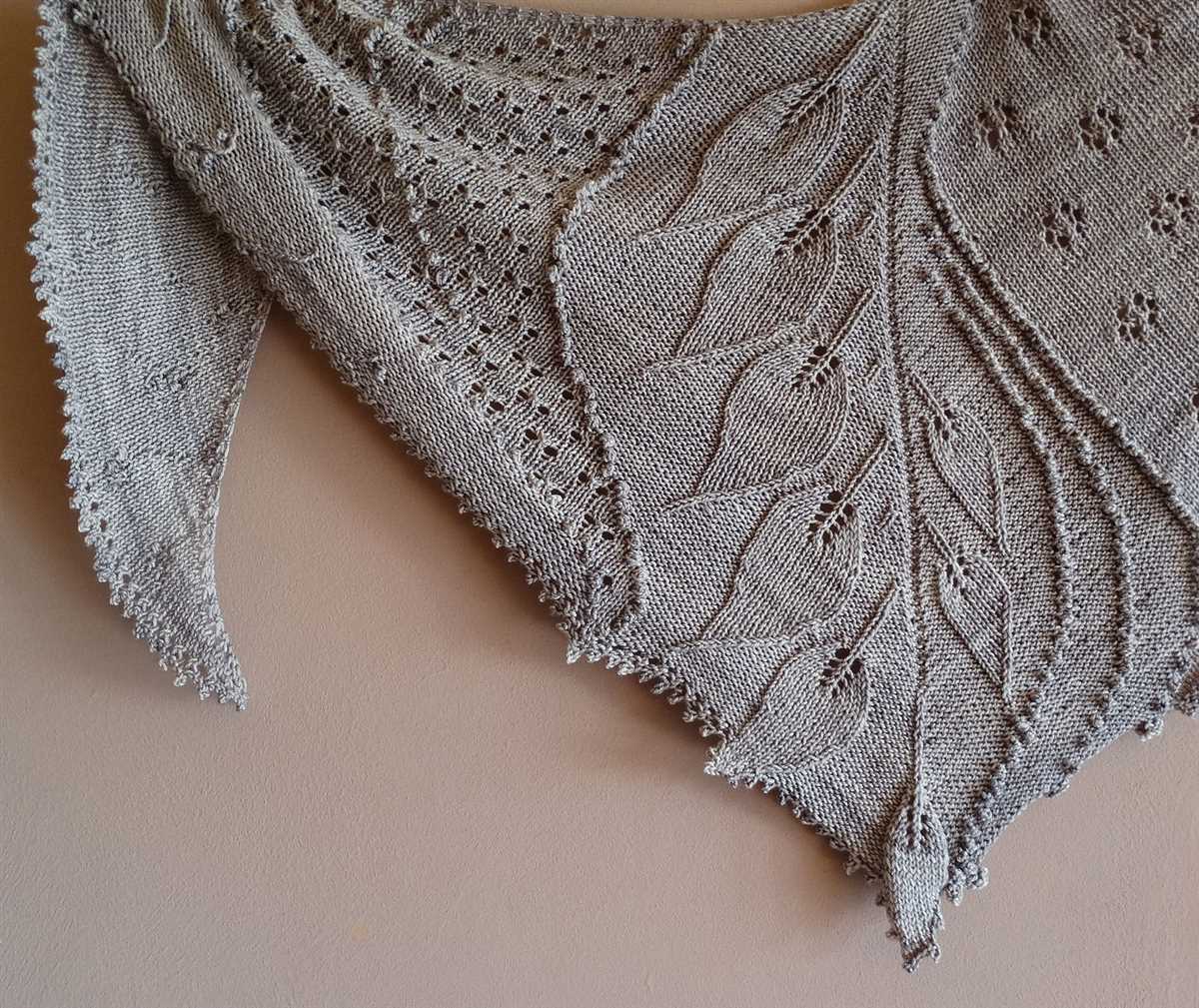
When it comes to knitting a diagonal shawl, choosing the right yarn is crucial. The yarn you choose will not only affect the overall look and feel of the shawl, but also its drape and warmth. There are a few key factors to consider when selecting the perfect yarn for your project.
1. Fiber Content
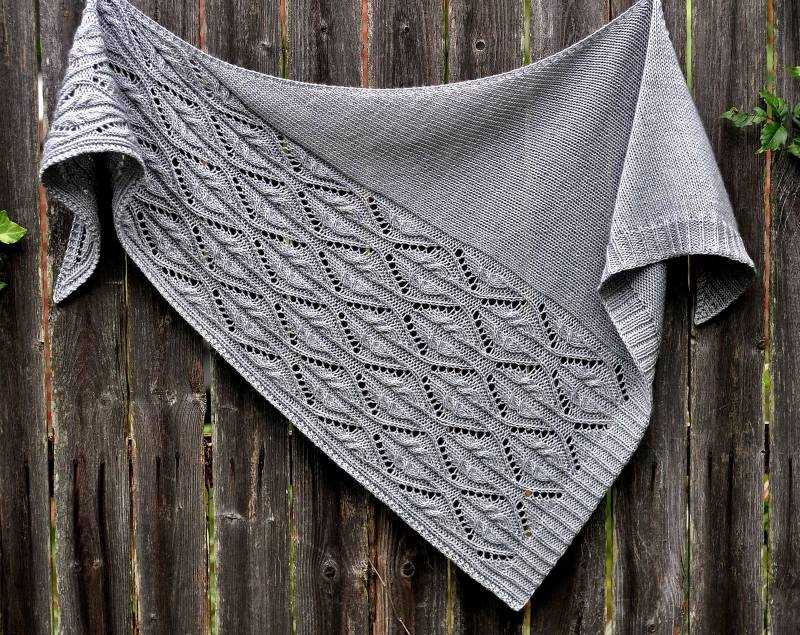
The fiber content of the yarn will determine how warm and soft the finished shawl will be. If you’re looking for a cozy and warm shawl, opt for yarns made from animal fibers such as wool or alpaca. These fibers have natural insulating properties and provide excellent warmth. On the other hand, if you prefer a lightweight and breathable shawl, consider yarns made from plant fibers like cotton or linen. These fibers are cooler and perfect for warmer climates or spring and summer shawls.
2. Weight
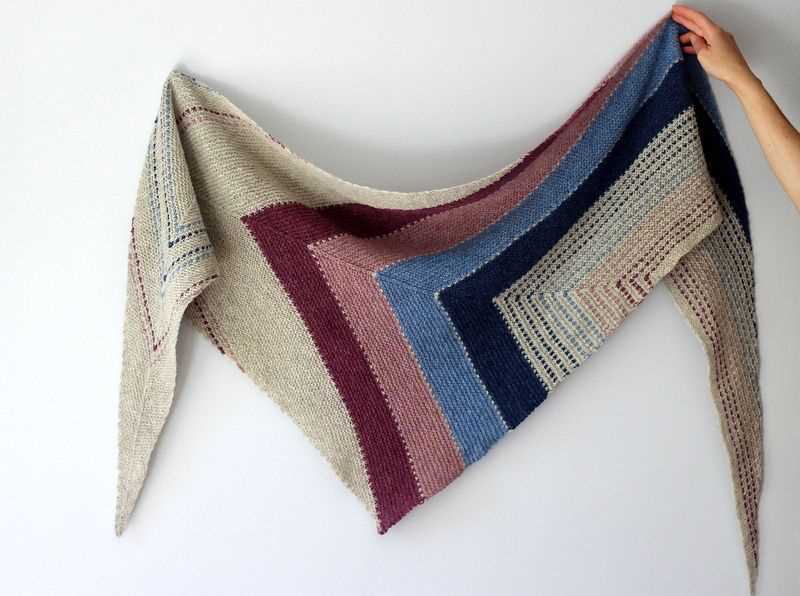
Consider the weight of the yarn when choosing a pattern for your diagonal shawl. A thicker, heavier yarn will create a denser and warmer shawl, while a lighter, thinner yarn will result in a more delicate and airy shawl. Keep in mind that the weight of the yarn will also affect the size and drape of the finished shawl. Therefore, it’s important to choose a yarn weight that is suitable for the desired look and feel of your shawl.
3. Color and Texture
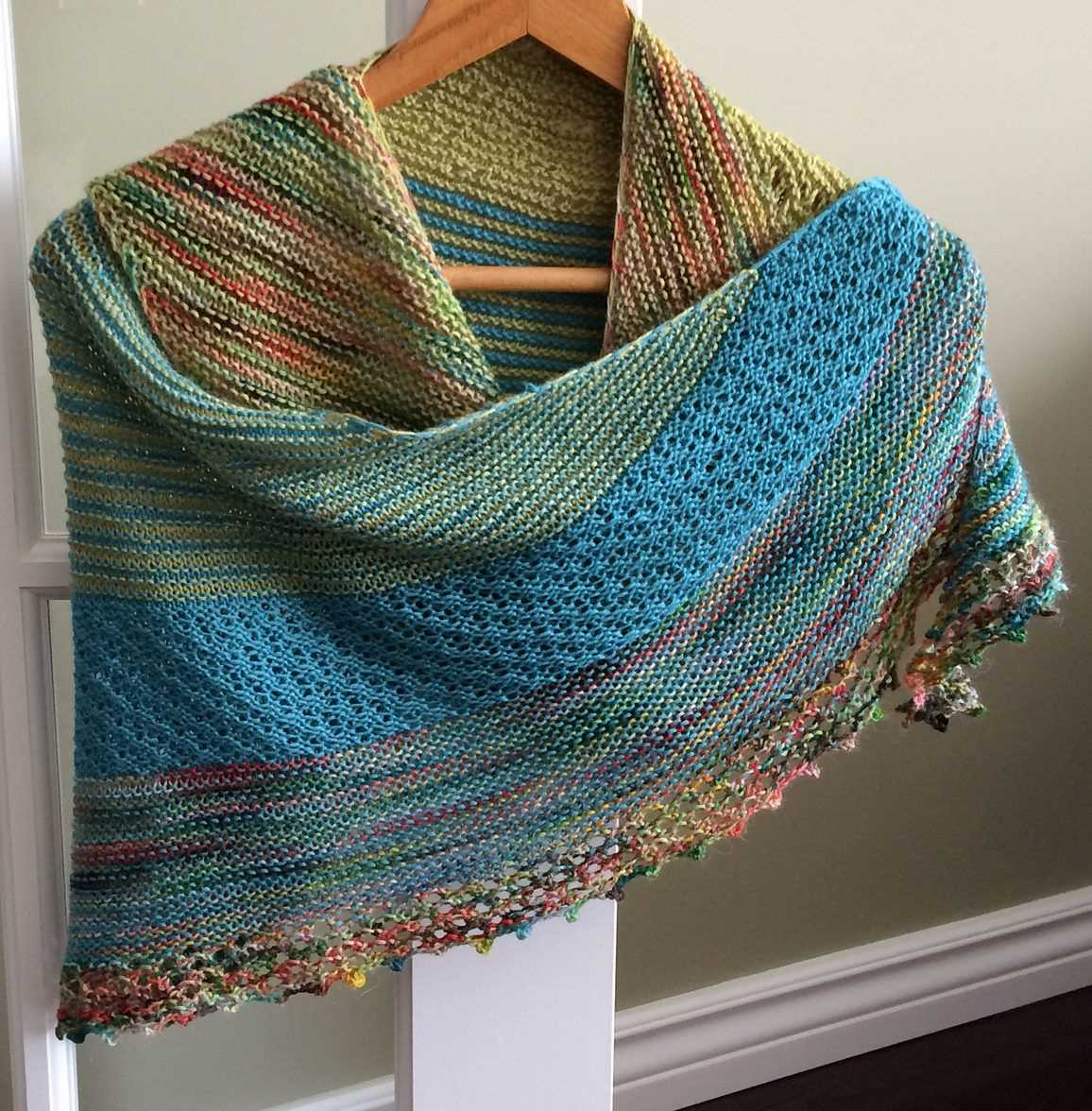
The color and texture of the yarn will significantly impact the appearance of your diagonal shawl. If you want a shawl with a classic and timeless look, opt for solid or tonal colors. These will create a clean and elegant design. However, if you prefer a more playful and vibrant shawl, consider yarns with variegated or self-striping colors. Additionally, textured yarns like boucle or mohair can add an extra dimension to your shawl and create a unique and eye-catching texture.
By considering the fiber content, weight, color, and texture of the yarn, you can choose the perfect yarn for your diagonal shawl knitting project. Whether you’re aiming for warmth, breathability, or visual appeal, selecting the right yarn will ensure that your shawl turns out exactly as you envisioned.
Select the Appropriate Needle Size
When starting a diagonal shawl knitting pattern, one of the most important considerations is choosing the right needle size. The needle size will determine the tension and gauge of your knitting, as well as the overall drape and appearance of the finished shawl. It’s essential to select a needle size that will ensure your stitches are neither too loose nor too tight, and that the fabric has a pleasing drape.
Before you begin your project, it’s recommended to make a gauge swatch using the yarn you plan to use and a range of needle sizes. This will allow you to determine which needle size gives you the desired tension and gauge for your pattern. Remember that the recommended needle size may vary depending on the yarn weight, the stitch pattern, and your personal knitting style.
Generally, when knitting a diagonal shawl, it’s recommended to use larger needle sizes to create a looser, drapier fabric. This will enhance the drape of the shawl, making it more comfortable to wear and allowing the lace or stitch patterns to show off their beautiful details. However, if you prefer a tighter, denser fabric, you can use smaller needle sizes.
When selecting the appropriate needle size, it’s important to consider both the stitch pattern and the yarn weight. If you’re working with a delicate lace stitch pattern, you may want to use smaller needles to create more defined stitches. On the other hand, if you’re using a bulky yarn, you may need larger needles to accommodate the thickness of the yarn and create a balance between the stitches and the fabric.
Ultimately, the choice of needle size for your diagonal shawl knitting pattern is a personal one. It’s about finding the balance between achieving the desired drape and tension, while also creating a fabric that you enjoy working with. By making a gauge swatch and experimenting with different needle sizes, you can ensure that your shawl turns out exactly as you envision.
Cast On Stitches
When starting a diagonal shawl, the first step is to cast on stitches. This is how you create the initial row of loops that will form the foundation of your knitting project. The number of stitches you cast on will depend on the pattern you are following and the desired width of your shawl. It is important to read the instructions carefully and make sure you have the correct number of stitches before proceeding.
There are various methods for casting on stitches, including the long tail cast on, the knitted cast on, and the cable cast on. Each method has its own advantages and produces a different edge. Some methods are stretchier, while others are more sturdy. Choose a casting on method that complements your project and gives you the desired result.
One common method for casting on stitches is the long tail cast on. To do this, you will need a long tail of yarn, approximately four times the width of your finished shawl. Make a slipknot near the end of the yarn and place it on your knitting needle. Then, use the long tail to create the first cast on stitch. Continue casting on stitches in this manner until you have the required number.
Once you have cast on your stitches, it is important to check for any errors. Count the number of stitches to make sure you have the correct amount, and also check for any twisted or dropped stitches. It is much easier to fix an error at this stage than later on in your knitting project. Once you are satisfied with your cast on, you can begin working the next row of your pattern.
- Read the instructions carefully to determine the number of stitches to cast on
- Choose a casting on method that suits your project
- Check the stitches for errors before proceeding
Begin the Diagonal Pattern
Once you have cast on, you are ready to begin knitting the diagonal shawl pattern. Follow these steps to create the unique diagonal design:
Step 1: Increase
Start by knitting the first row. On the second row, you will increase the number of stitches. This will create a triangular shape for the shawl. To increase the stitches, you can use the M1L (make one left) or M1R (make one right) methods. These techniques involve picking up the yarn between two stitches and knitting into it to create a new stitch. Repeat this increase row every other row until you reach your desired width for the shawl.
Step 2: Continue the Diagonal Pattern
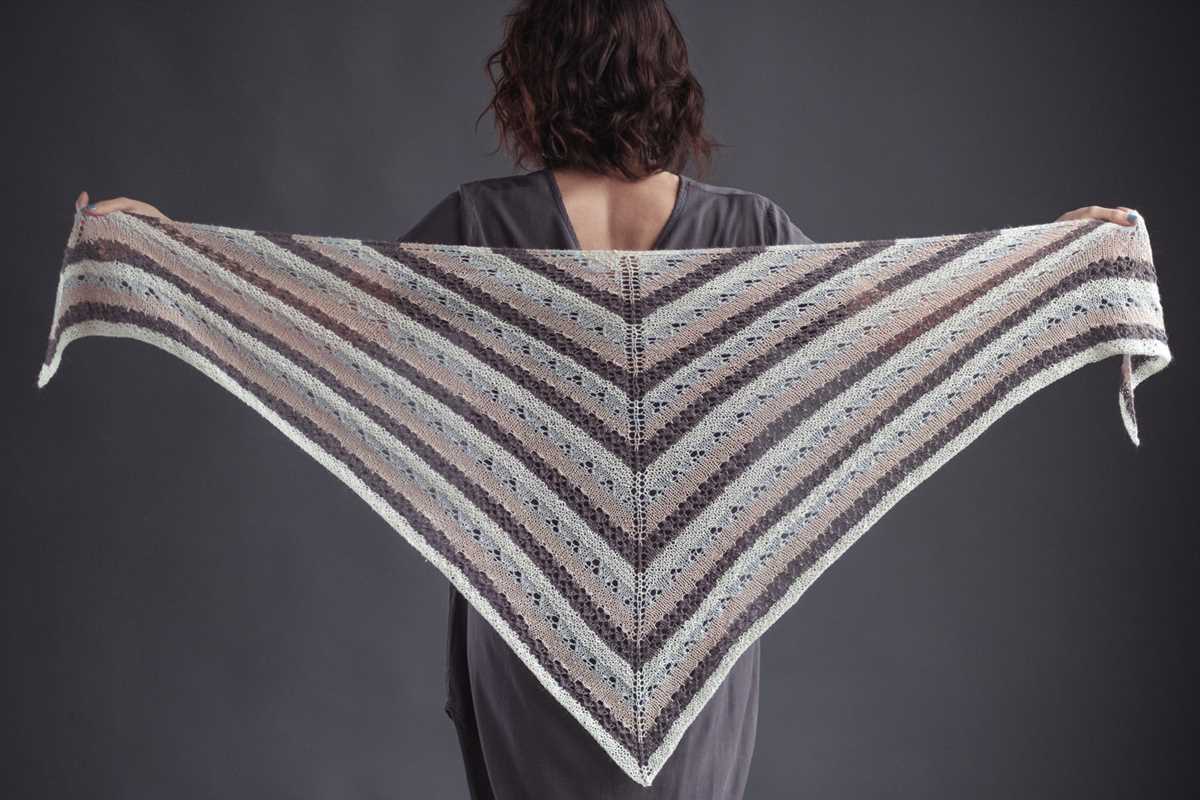
Once you have reached your desired width, you can continue knitting the diagonal pattern. This involves knitting one row and then purling the next row to create a garter stitch. The garter stitch adds texture to the shawl and complements the diagonal design. Repeat these two rows until you have reached your desired length for the shawl.
Remember to always count your stitches after each row to ensure you are on track with the diagonal pattern. It may be helpful to use stitch markers to mark the beginning of each row and to keep track of the increases. By following these steps, you will be able to create a beautiful diagonal shawl knitting pattern.
Increase Stitches

In knitting, increasing stitches is a technique used to add more stitches to a row or round. This is often done to create shaping in a project, such as increasing for sleeves or shaping a neckline. There are several different methods for increasing stitches, each with its own unique look and effect.
One common method for increasing stitches is the yarn over (YO) increase. To do this, you simply bring the yarn to the front of the work, then wrap it over the right-hand needle from back to front. This creates an extra loop on the needle. On the next row or round, you will knit or purl into this loop, creating a new stitch.
Another method for increasing stitches is the knit front and back (KFB) increase. To do this, you knit into the front of a stitch as usual, but before slipping the stitch off the left-hand needle, you bring the right-hand needle to the back of the work and knit into the back of the same stitch. This creates two stitches from one.
When increasing stitches, it’s important to keep track of the number of increases you are making and where they are placed in the pattern. This will ensure that your project turns out as intended and that the shaping is balanced. Using stitch markers or keeping a tally on paper can help you keep track of your increases.
Remember to practice increasing stitches on a swatch or scrap piece of fabric before incorporating them into your project. This will help you become more comfortable and confident with the technique before working on your main piece.
Continue Knitting Rows
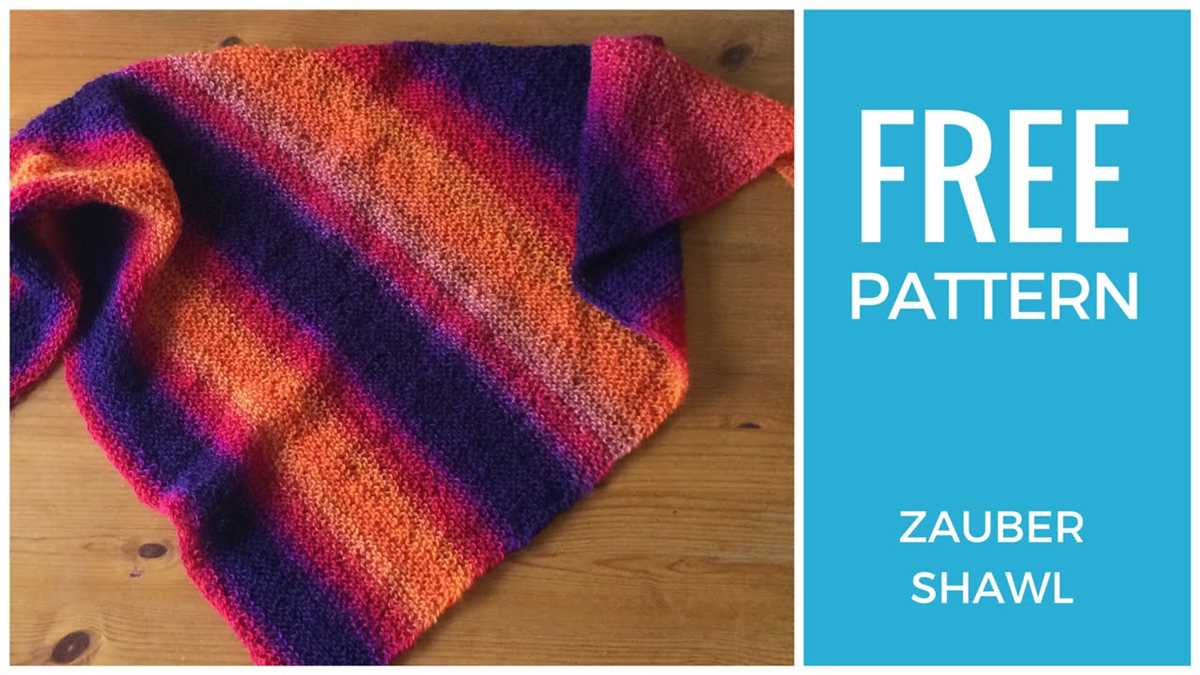
After completing the setup rows for your diagonal shawl, it’s time to continue knitting the rows. Follow the pattern instructions to determine how many stitches to cast on for each row and which stitch patterns to use. Make sure to check your stitch count at the end of each row to ensure accuracy.
When knitting the rows, it’s important to maintain a consistent tension to achieve an even and balanced fabric. Keep your stitches loose enough to allow the fabric to drape nicely, but not so loose that it becomes sloppy or stretched out.
Row 1: Begin by knitting the first stitch. Follow the pattern instructions to determine whether to knit or purl the next stitch, and continue in this pattern across the row. End by knitting the last stitch.
Row 2: This row may feature a different stitch pattern than Row 1. Follow the pattern instructions to determine whether to knit or purl each stitch, and continue in this pattern across the row. End by knitting the last stitch.
Continue alternating between rows, following the pattern instructions for each row, until you have reached the desired length for your shawl. Make sure to regularly check your stitch count and compare it to the pattern instructions to ensure you are on track.
As you progress in your knitting, it’s important to pay attention to any shaping instructions in the pattern. These may include increases or decreases that help create the desired shape of the shawl.
Add Color Change
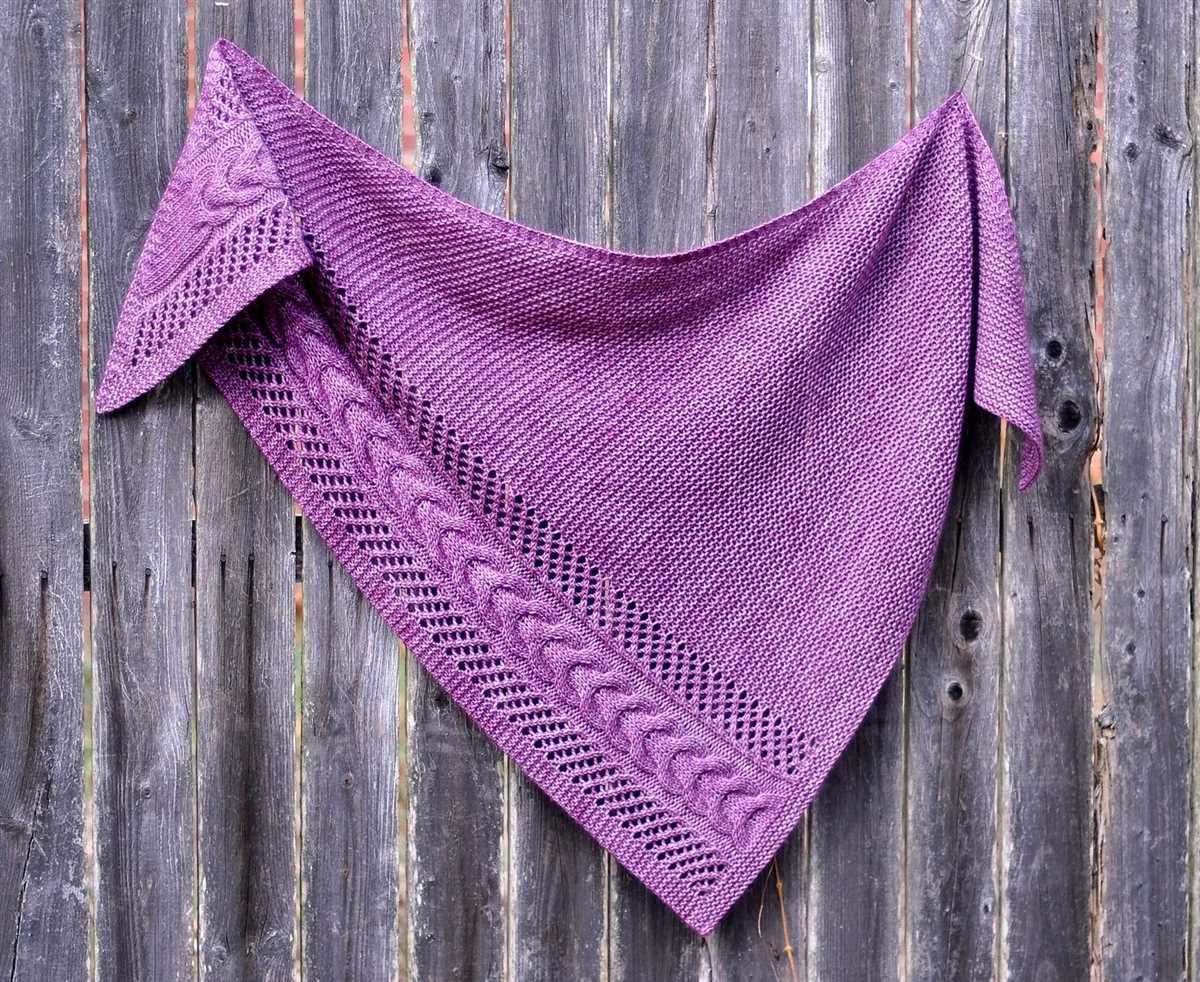
Adding color change to your diagonal shawl can create a beautiful and eye-catching design. Whether you want to create bold stripes or subtle color transitions, this technique allows you to customize your shawl to your own unique style.
To add a color change, simply switch to your desired color at the beginning of a row. You can use a new skein of yarn or a different color from the same skein. It’s important to make sure that you weave in the ends securely to avoid unraveling or loose threads.
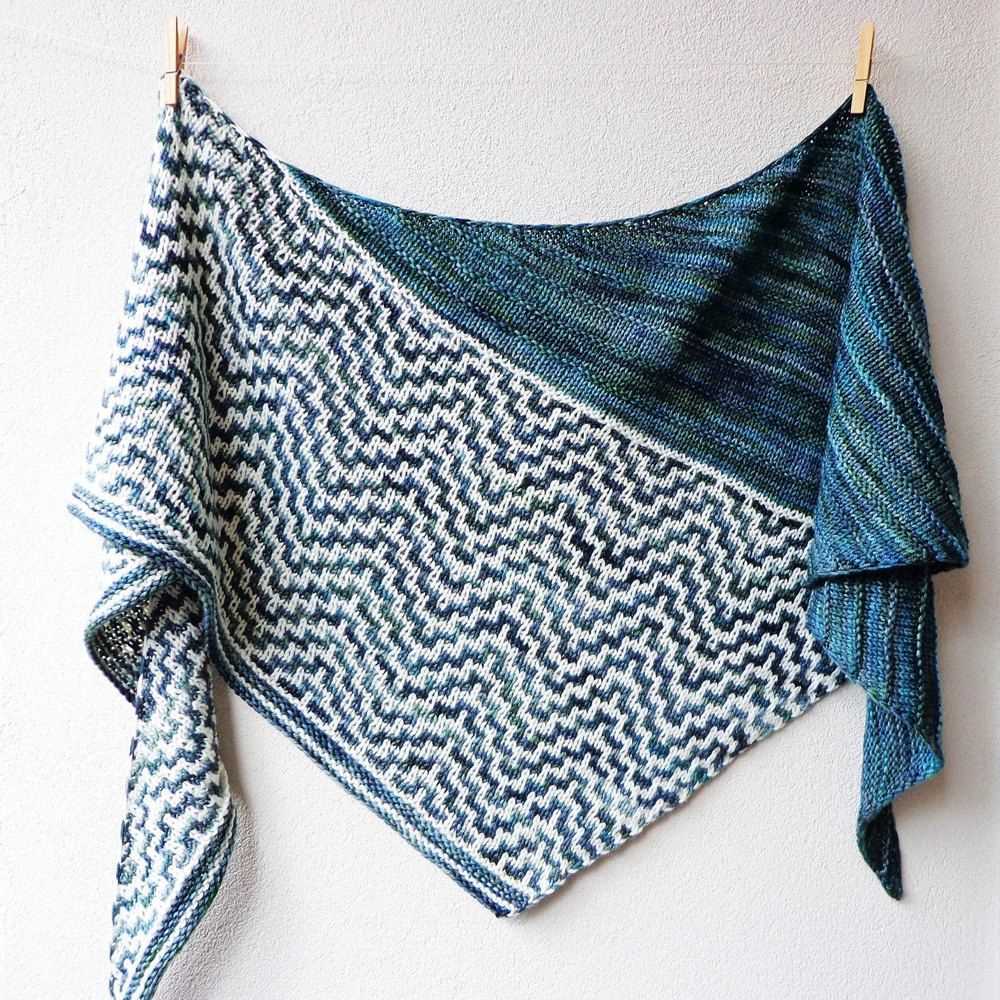
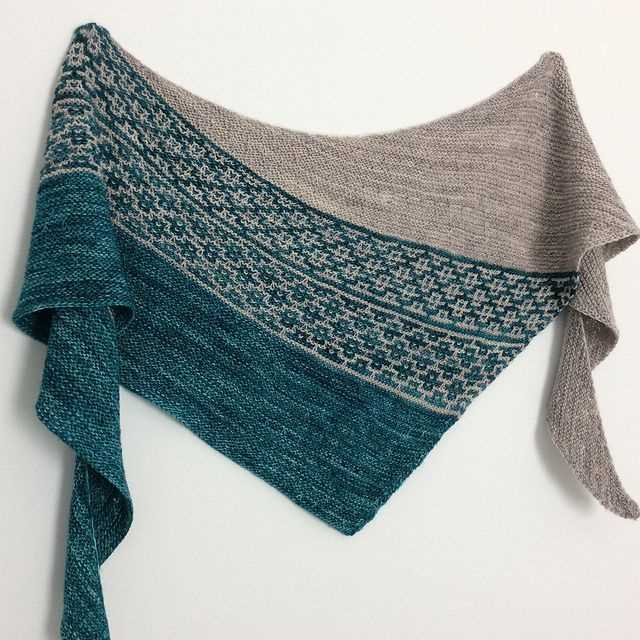
There are several ways to incorporate color change into your shawl. One option is to knit stripes, where you alternate between two or more colors. You can vary the width of the stripes to create different effects, such as wide bold stripes or thin subtle stripes. Another option is to create color blocks, where you knit sections of the shawl in one color before switching to another.
If you want to create a smooth transition between colors, you can use a technique called color blending. This involves knitting with two strands of different colors held together, gradually decreasing the amount of one color and increasing the amount of the other to create a gradient effect. This can create a stunning ombre effect in your shawl.
Remember to choose colors that complement each other and the overall design of your shawl. You can experiment with different color combinations and patterns to create a shawl that is truly unique and reflects your personal style. Have fun with the color change and let your creative side shine!
Create a Decorative Border
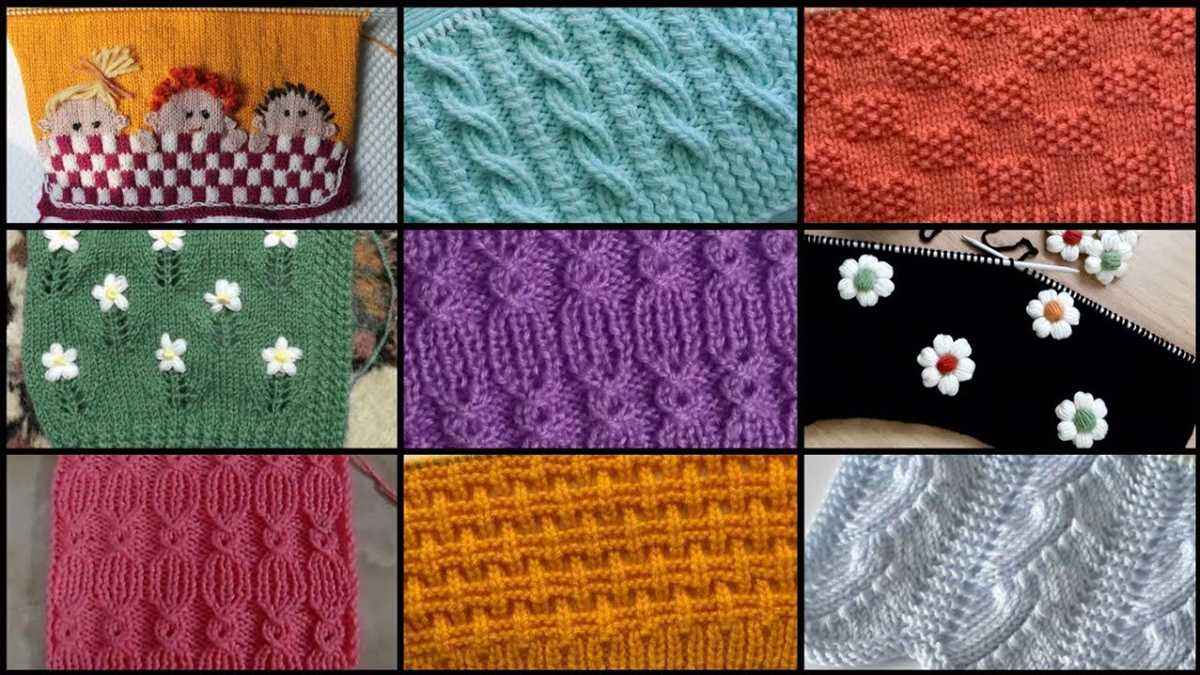
Adding a decorative border to your diagonal shawl can elevate its overall design and make it truly unique. There are various techniques and patterns you can incorporate to create a border that complements the rest of your shawl.
Lace Border: One popular option is to use a lace pattern for the border, which adds an elegant and delicate touch to the shawl. You can choose from an array of lace patterns, such as leaf motifs, floral designs, or intricate geometric patterns.
Here is an example of a lace border pattern:
- Row 1: Knit.
- Row 2: Purl.
- Row 3: *K2tog, yo; repeat from * to end.
- Row 4: Knit.
- Repeat rows 1-4 for desired length.
Colorwork Border: Another option is to incorporate colorwork into your border pattern. You can use stranded knitting or intarsia techniques to create a border with contrasting or complementary colors. This can add vibrancy and visual interest to your shawl.
Here is an example of a colorwork border pattern:
| Row | Instructions |
|---|---|
| 1 | Knit with Color A. |
| 2 | Purl with Color A. |
| 3 | Knit with Color B. |
| 4 | Purl with Color B. |
| Repeat rows 1-4 for desired length. |
Scalloped Border: For a more textured and sculptural look, you can create a scalloped border. This involves working a series of increases and decreases to create waves or zigzag shapes along the edge of your shawl. This type of border adds a playful and dynamic element to your design.
Remember, when adding a decorative border, it’s important to choose a pattern that complements the main body of your shawl and enhances its overall aesthetic. Experiment with different techniques and patterns to find the perfect border that suits your style and preferences.
Bind Off Stitches
When you reach the end of your knitting project and it’s time to finish off your stitches, you’ll need to bind off. Binding off is the process of securing your stitches and creating a finished edge. There are several different methods for binding off stitches, so you can choose the one that works best for your project.
One common method for binding off is the basic bind off. To do this, knit the first two stitches of your row as normal. Then, insert the left needle into the first stitch you knit and lift it over the second stitch and off the right needle. Repeat this process, knitting one stitch and passing the previous stitch over it, until you have one stitch remaining. Cut your yarn, leaving a long tail, and pull it through the final stitch to secure it.
If you want a more decorative or stretchy bind off, you can try the picot bind off. This involves knitting two stitches, then binding off two stitches together as one. To do this, knit two stitches as normal, then insert the left needle into both stitches and lift them over the third stitch and off the right needle. Repeat this process until you have one stitch remaining, then cut your yarn, leaving a long tail, and pull it through the final stitch.
Another option is the stretchy bind off, which is useful for projects like shawls or socks that need some extra give. To do this bind off, knit the first two stitches as normal. Then, insert the left needle into the first stitch you knit and lift it over the second stitch and off the right needle. Instead of passing the stitch off, however, move it back onto the left needle. Repeat this process until you have one stitch remaining, then cut your yarn, leaving a long tail, and pull it through the final stitch to secure it.
Blocking the Shawl
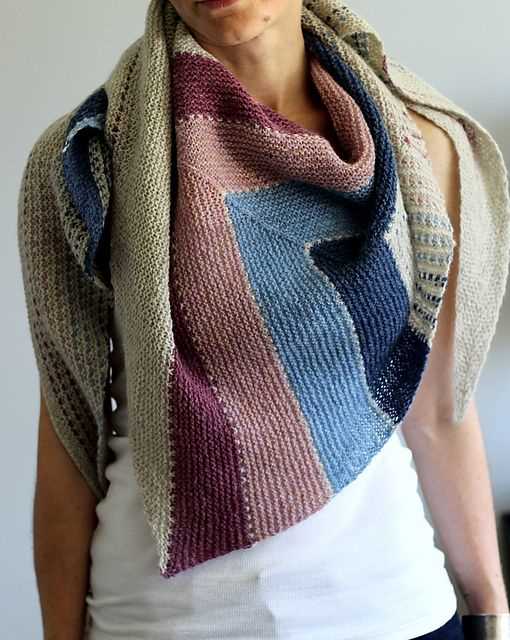
Blocking is an essential step in finishing a knitted shawl, as it helps to shape the fabric and enhance its drape and stitch definition. The process involves gently stretching the shawl to its desired shape and size, then allowing it to dry in that shape. Here are some tips on how to block your diagonal shawl:
1. Soak the shawl: Fill a basin or sink with lukewarm water and add a few drops of gentle wool wash or baby shampoo. Immerse the shawl in the water and gently squeeze it to allow the fibers to absorb the water. Let it soak for about 15-20 minutes.
2. Remove excess water: After soaking, carefully lift the shawl out of the water and gently squeeze it to remove excess water. Avoid wringing or twisting the fabric, as this can cause it to stretch or lose its shape.
3. Prepare the blocking surface: Lay out a clean, flat surface, such as a blocking mat or towel, and cover it with a plastic wrap or an old sheet to prevent the shawl from sticking. Pin the plastic wrap or sheet securely to the surface to keep it in place.
4. Shape the shawl: Lay the damp shawl on the prepared blocking surface. Gently stretch the shawl diagonally, using blocking pins to hold it in place. Pay attention to the edges and any stitch patterns that need to be opened up or emphasized. Adjust the shape and tension as needed.
5. Let it dry: Allow the shawl to air dry in a well-ventilated area, away from direct sunlight or heat sources. Depending on the yarn and climate, this may take a day or two. Avoid disturbing the shawl while it’s drying to maintain its shape.
6. Remove the pins: Once the shawl is completely dry, carefully remove the blocking pins. The shawl should now be in its blocked shape and ready to be worn or displayed.
Blocking not only gives your shawl a professional finish but also helps to relax the fibers and even out any unevenness in your knitting. It’s worth taking the time to block your diagonal shawl to achieve the best results and showcase your knitting skills.
Finishing Touches and Wear
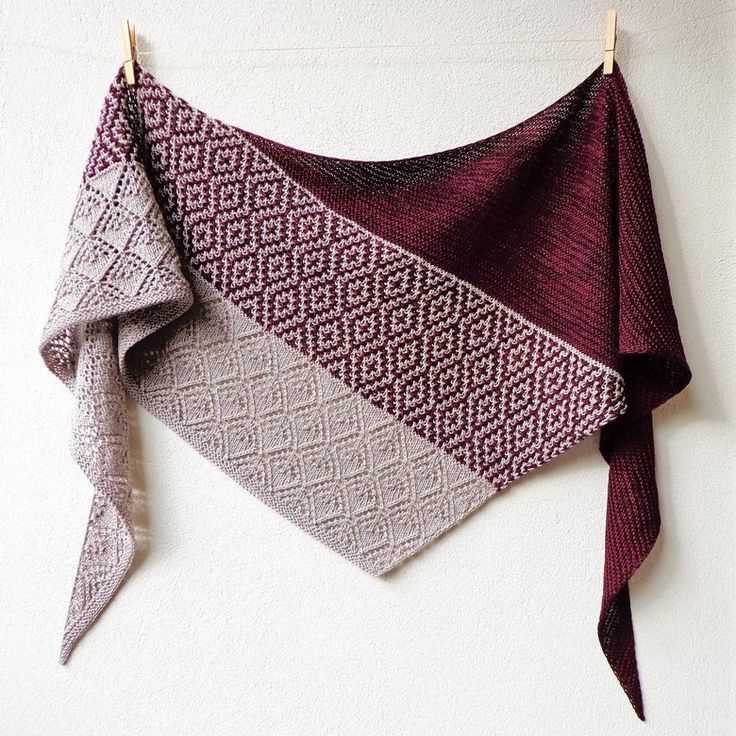
Once you have completed your diagonal shawl, there are a few finishing touches you can add to make it even more special. You can block the shawl to help open up the stitches and give it a more polished look. Wet blocking is generally recommended for shawls, where you soak the shawl in water, gently squeeze out any excess water, and then lay it flat to dry. This can help even out any uneven stitches and make the lace pattern pop.
You can also add fringe to your shawl for a decorative touch. To add fringe, cut lengths of yarn and attach them to the edge of the shawl using a crochet hook or by weaving the ends through the stitches. Trim the fringe to your desired length. This can give your shawl a more bohemian or rustic look.
When it comes to wearing your diagonal shawl, there are many options. You can drape it over your shoulders for a classic look, or wrap it around your neck like a scarf for added warmth. You can even wear it as a sarong or beach cover-up in the summer months. The possibilities are endless!
In conclusion, knitting a diagonal shawl can be a rewarding project that yields a beautiful and versatile accessory. Whether you choose a simple garter stitch pattern or a more intricate lace design, the diagonal construction adds interest and uniqueness to the shawl. With a little bit of time and effort, you can create a shawl that is both functional and stylish, perfect for any occasion.