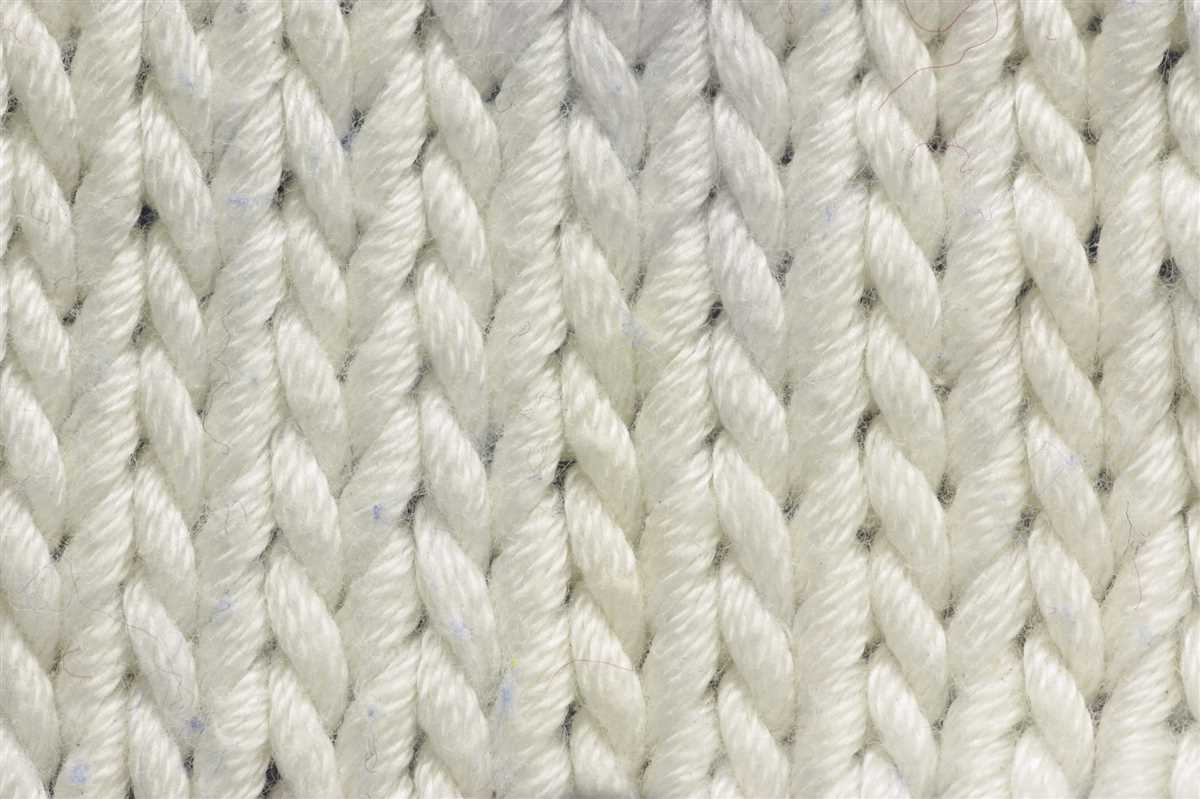
Knitting a cozy blanket is a perfect way to stay warm during the colder months. And what better way to do it than with a double strand knit? This knitting technique produces a thick and chunky fabric that is not only beautiful but also incredibly practical. Whether you are a beginner knitter or an experienced one, this double strand knit blanket pattern is a great project to try.
One of the great advantages of using two strands of yarn for knitting is that it allows you to create a wonderfully textured fabric with a rich thickness. The double strand technique also makes the blanket grow faster, so you’ll have a finished product sooner than you might expect. The pattern we are going to share with you is simple yet elegant, making it a perfect choice for both beginners and experienced knitters alike.
To get started, you’ll need two skeins of bulky weight yarn in your desired color. You can choose a solid color for a classic look or mix and match different colors for a more playful design. Additionally, you’ll need a pair of large knitting needles, preferably size 10 or 12, and a pair of scissors.
Once you have gathered all the materials, it’s time to cast on and start knitting your double strand blanket. We will provide you with step-by-step instructions and tips along the way to ensure that your project turns out beautiful and cozy. So grab your supplies, find a comfy spot, and let’s get started on this double strand knit blanket pattern!
How to Knit a Double Strand Knit Blanket
If you are looking for a cozy and warm blanket to knit, a double strand knit blanket is the perfect choice. This type of blanket is made by knitting with two strands of yarn held together, creating a thick and luxurious texture. It is an ideal project for beginners and experienced knitters alike, and with the right pattern, you can create a stunning and unique blanket.
To start knitting a double strand knit blanket, you will need two skeins of yarn in the desired color or colors. It is important to choose yarn that is suitable for knitting blankets, such as a soft and durable acrylic or wool blend. Make sure that the yarns complement each other in terms of color and texture, as they will be knitted together.
1. Choosing the pattern: There are numerous patterns available for double strand knit blankets, ranging from simple garter stitch designs to more complex cable or lace patterns. Consider the level of difficulty and the desired aesthetic when choosing a pattern. You can find patterns online, in knitting magazines, or in books dedicated to blanket knitting.
2. Casting on and knitting: Once you have chosen a pattern, you will need to cast on the desired number of stitches. Make sure to check the gauge and adjust the number of stitches accordingly. Begin knitting the first row by holding both strands of yarn together and using the recommended needle size for your chosen yarn. Depending on the pattern, you will need to follow specific instructions for each row, such as knitting, purling, or following a stitch pattern.
3. Changing colors or yarns: If you are using multiple colors or yarns, you will need to switch between them during knitting. To achieve a smooth color transition, you can carry the unused yarn up the side of the blanket and twist it with the working yarn every few stitches. Alternatively, you can cut the yarn at each color change and weave in the ends later.
4. Finishing touches: Once you have completed the desired number of rows or reached the desired blanket size, you will need to bind off the stitches. Follow the pattern instructions for binding off, ensuring that the edge is secure and neat. Finally, weave in any loose ends and block the blanket if necessary, to even out the stitches and give the blanket a polished look.
By following these steps and choosing the right pattern and materials, you can create a beautiful double strand knit blanket that will keep you warm and cozy for years to come. Whether you are making it for yourself or as a gift, this project is sure to be a rewarding and enjoyable knitting experience.
Materials Needed for Double Strand Knit Blanket

When creating a double strand knit blanket, it’s important to have all the necessary materials on hand before starting the project. Here is a list of items you will need to complete your blanket:
- Yarn: You will need two skeins of your chosen yarn in the desired color for your blanket. Make sure to choose a soft and cozy yarn that will provide warmth and comfort.
- Knitting Needles: Depending on the thickness of your yarn, you will need a pair of knitting needles in an appropriate size. Check the label of your yarn for recommended needle size.
- Tape Measure: This will come in handy when measuring your blanket’s progress and determining the desired size.
- Scissors: You will need a pair of scissors to cut the yarn when changing colors or finishing the project.
- Yarn Needle: A yarn needle is essential for weaving in loose ends and finishing touches on your blanket.
These materials will provide you with everything you need to get started on your double strand knit blanket. It’s always a good idea to gather all the necessary supplies before beginning any knitting project to ensure a smooth and enjoyable knitting experience.
Choosing the Right Yarn

When it comes to knitting a double strand knit blanket, choosing the right yarn is crucial for achieving the desired results. The right yarn will not only determine the look and feel of the finished blanket, but will also ensure that the knitting process goes smoothly.
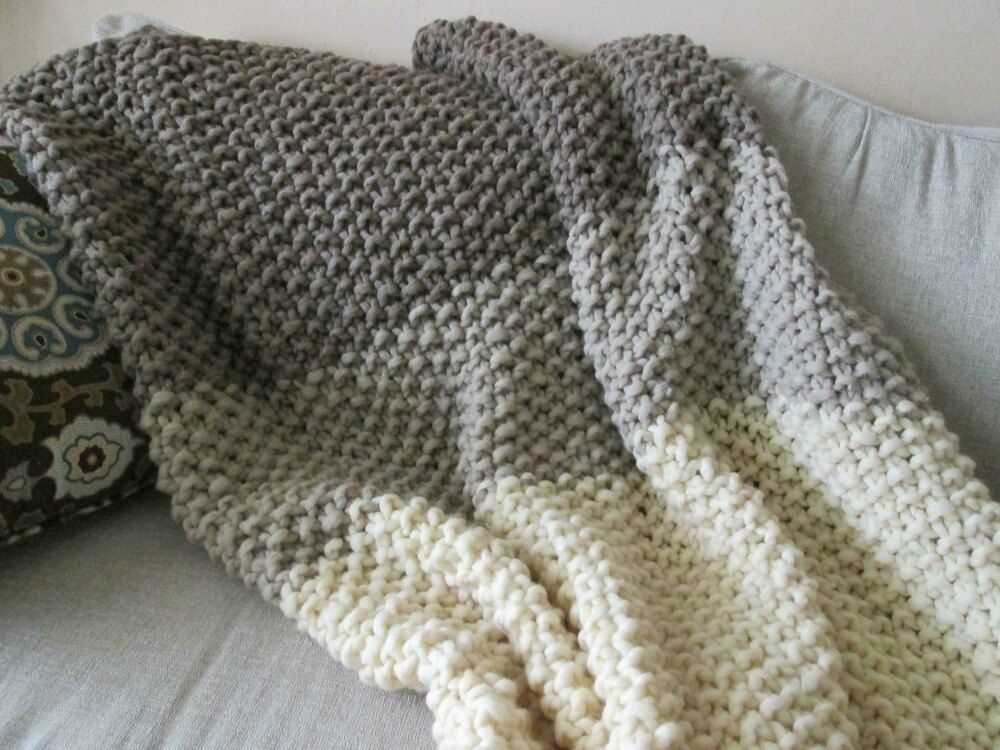
One important factor to consider when choosing yarn for a double strand knit blanket is the weight or thickness of the yarn. For a cozy and warm blanket, it is best to opt for a bulky or super bulky weight yarn. These thicker yarns will create a dense and substantial fabric that will keep you warm during the colder months.
Another important consideration is the fiber content of the yarn. Natural fibers such as wool, alpaca, and cotton are excellent choices for blankets as they are soft, breathable, and durable. They also provide good insulation and can regulate temperature well. If you prefer a more luxurious option, you can consider yarns with silk or cashmere content.
When choosing yarn for a double strand knit blanket, it is also important to consider the color and texture. Solid or lightly variegated colors can highlight the stitch pattern and create a classic and timeless look. On the other hand, if you prefer a more vibrant and playful look, you can opt for yarns with bold and bright colors or even self-striping yarns for added visual interest.
Finally, don’t forget to check the yardage and care instructions of the yarn. Make sure you have enough yarn to complete the project and consider how the blanket will be used and cared for. Machine-washable yarns can be more convenient for blankets that will be frequently used and washed.
In summary, when choosing yarn for a double strand knit blanket:
- Consider the weight or thickness of the yarn
- Choose natural fibers for softness and durability
- Consider the color and texture
- Check the yardage and care instructions
Selecting the Right Knitting Needles
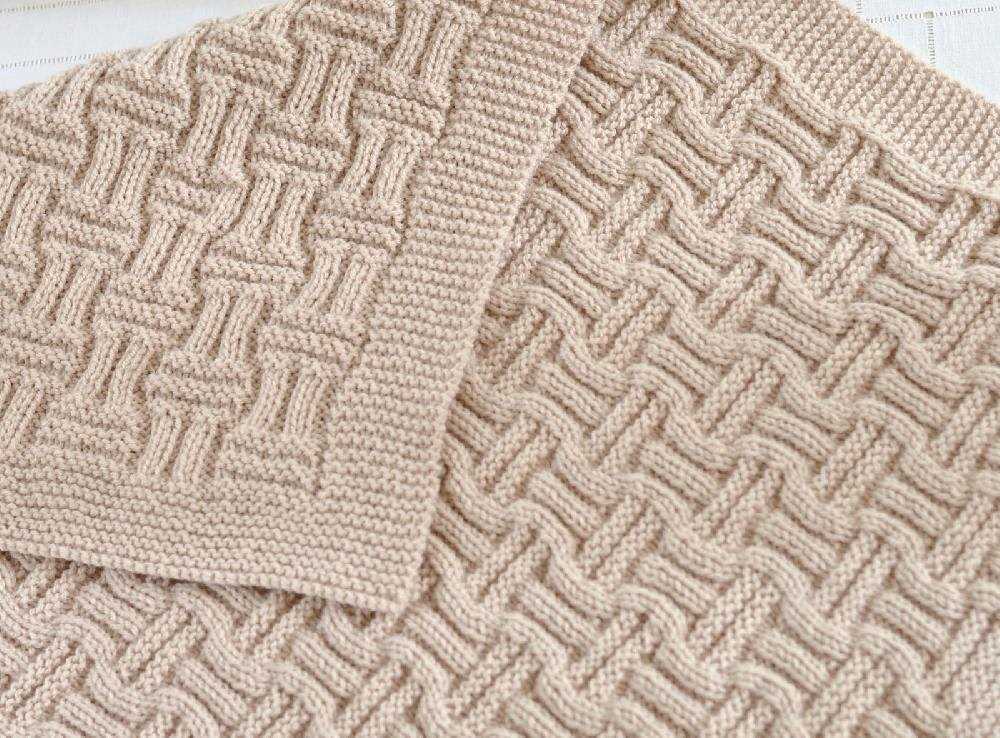
When it comes to knitting, choosing the right needles can make a big difference in the outcome of your project. There are several factors to consider when selecting knitting needles, including the material, size, and type of needle.
Material: Knitting needles come in a variety of materials, each with its own advantages and disadvantages. Some common materials include bamboo, wood, metal, and plastic. Bamboo and wood needles are lightweight and have a natural feel in the hands, making them a popular choice for knitters who prefer a more traditional option. Metal needles, on the other hand, are known for their durability and smoothness, making them ideal for working with slippery or delicate yarns. Plastic needles are often inexpensive and come in a wide range of colors, but they may not be as sturdy as other materials.
Size: The size of your knitting needles will depend on the pattern you are working on and the desired outcome. Needles are typically labeled with a number ranging from 0 to 15, with larger numbers indicating larger needles. Thinner needles are used for creating intricate stitch patterns or working with fine yarns, while thicker needles are better suited for bulky or chunky yarns. It’s important to check the gauge of your pattern and choose needles that will give you the desired tension.
Type: Knitting needles come in different types, such as straight needles, circular needles, and double-pointed needles. Straight needles are the most common type and are used for basic knitting projects. Circular needles have two needle tips connected by a flexible cable, making them great for working on larger projects or in the round. Double-pointed needles are shorter in length and have points at both ends, allowing for the knitting of small, tubular items such as socks or hats. The type of needle you choose will depend on the project you are working on and your personal preference.
In conclusion, selecting the right knitting needles is an important aspect of any knitting project. Considering factors such as material, size, and type will help ensure that you have the best tools for the job and achieve the desired results.
Knitting Gauge for Double Strand Knit Blanket

When it comes to knitting a double strand knit blanket, achieving the right gauge is essential to ensuring that the finished blanket turns out the way you want it to. The gauge refers to the number of stitches and rows per inch in your knitting. By following the recommended gauge for your specific pattern, you can ensure that your blanket will be the correct size and have the desired texture.
Before starting your double strand knit blanket, it’s important to check your gauge. This can be done by creating a swatch using the same needle size and yarn that you plan to use for your blanket. The swatch should be at least 4 inches square to give an accurate measurement. Follow the pattern’s instructions for the stitch pattern and knitting method, using double strands of yarn. Once your swatch is complete, measure the number of stitches and rows within a 4-inch section. Compare these measurements to the recommended gauge stated in your pattern.
If your gauge matches the recommended gauge: Congratulations! You are good to go. Your blanket should come out the correct size and have the desired texture.
If your gauge is smaller than the recommended gauge: This means that you are knitting tighter than the pattern suggests. To achieve the desired gauge, try using larger needles or adjusting your tension while knitting. You may need to experiment with different needle sizes and techniques until you reach the correct gauge.
If your gauge is larger than the recommended gauge: This means that you are knitting looser than the pattern suggests. To achieve the desired gauge, try using smaller needles or adjusting your tension while knitting. Again, you may need to experiment with different needle sizes and techniques to get the right gauge.
Remember, achieving the correct gauge is crucial for the success of your double strand knit blanket. Taking the time to swatch and make adjustments as needed will help ensure that your finished project turns out exactly as you envision.
Instructions for Double Strand Knit Blanket
Knitting a double strand blanket is a cozy and warm project that is perfect for beginners or more experienced knitters looking for a quick and satisfying project. This pattern creates a soft and chunky blanket that is perfect for snuggling up on a chilly day.
Materials:
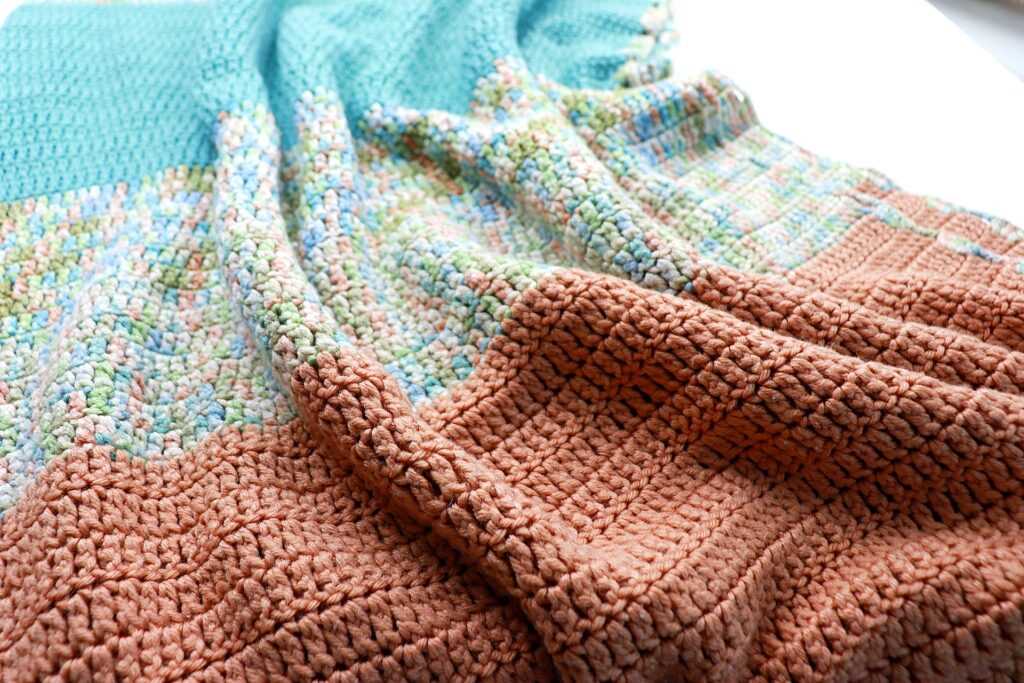
- Two skeins of bulky weight yarn in your desired color
- Size 10 or 11 knitting needles
- Tapestry needle
Instructions:

1. Begin by casting on an even number of stitches. This will depend on the desired width of your blanket. For a small baby blanket, you can cast on around 80-90 stitches, while for a larger adult blanket, you may cast on around 120-150 stitches.
2. Once you have cast on your desired number of stitches, hold two strands of yarn together and knit the first two rows in garter stitch. This means knitting every stitch in every row.
3. After completing the two rows of garter stitch, switch to stockinette stitch. This is done by knitting one row, then purling the next row, and repeating these two rows until your blanket reaches the desired length.
4. Continue knitting in stockinette stitch until your blanket is the desired length. Remember to always hold two strands of yarn together while knitting.
5. Finally, end your blanket with two more rows of garter stitch, and bind off all stitches.
6. Weave in any loose ends using a tapestry needle, and your double strand knit blanket is complete!
Casting on Stitches
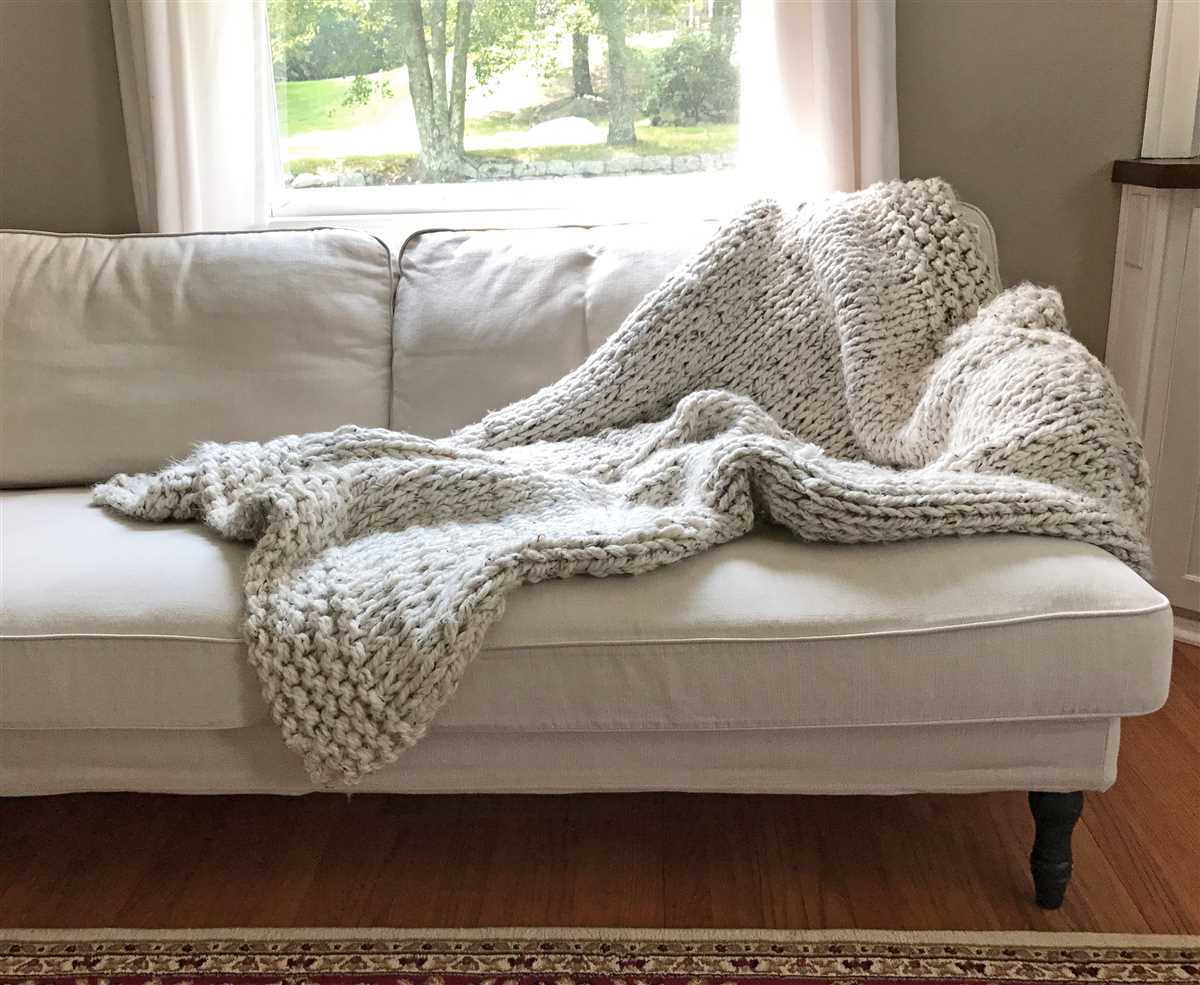
When starting a double strand knit blanket, the first step is to cast on the desired number of stitches. The casting on process creates the foundation row of stitches that the rest of the blanket will be built upon. There are several methods for casting on stitches, but for this project, the long-tail cast on method is recommended.
To begin the long-tail cast on, first, measure out a long enough tail of yarn, approximately three times the width of the finished blanket. This extra length is needed to allow for the yarn to be pulled through each stitch during the cast on process. Next, make a slipknot at the end of the yarn and place it onto one of the knitting needles.
Hold the knitting needle with the slipknot in your right hand and the other knitting needle in your left hand. Insert the left-hand needle into the slipknot from front to back, making sure the tail end of the yarn is hanging down behind the knitting needles. With your right hand, bring the working yarn (the end attached to the yarn ball) over the top of the left-hand needle and behind the tail end of the yarn.
Now, with your right hand, bring the working yarn under the left-hand needle and then over the top of it, creating a loop. Insert the right-hand needle into this loop from left to right, going under the left-hand needle. With your right hand, wrap the working yarn around the right-hand needle counterclockwise.
Now, pull the right-hand needle back towards you, bringing the loop of working yarn through the loop on the left-hand needle. Slip the new loop onto the left-hand needle, tightening it slightly. Repeat these steps until the desired number of stitches has been cast on.
Once all the stitches have been cast on, you are ready to begin knitting the first row of your double strand knit blanket. The foundation row is now complete, and you can continue with your chosen knitting pattern to create a cozy and beautiful blanket.
Knitting the Double Strand Pattern
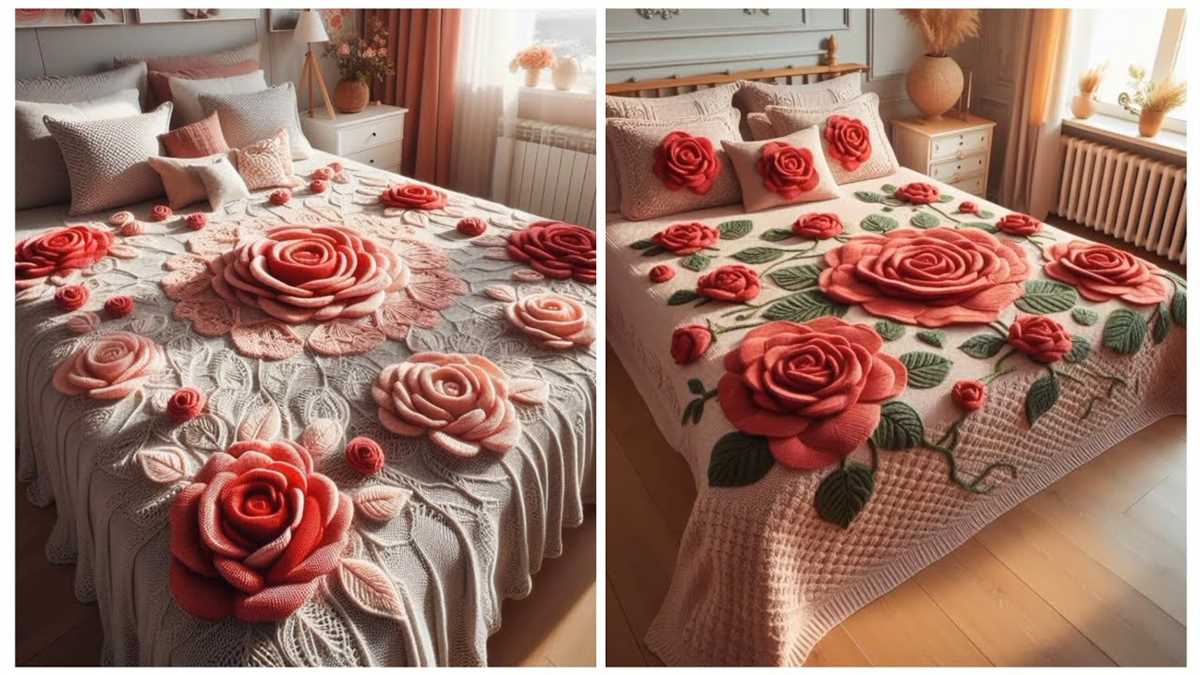
Knitting the double strand pattern is a fun and unique technique that creates a thick and cozy blanket. This pattern involves knitting with two strands of yarn held together at the same time, resulting in a beautiful, textured fabric. Before starting this project, make sure you have enough yarn to complete the blanket, as using two strands will require more yarn than usual.
To begin, cast on the desired number of stitches using a knitting needle size that is appropriate for your chosen yarn. It is important to pick a needle size that will create a tight and dense fabric, as the double strand pattern tends to be looser than traditional knitting. You may need to experiment with different needle sizes to achieve the desired gauge.
Once you have cast on, hold two strands of yarn together and start knitting in your desired stitch pattern. The double strand pattern can be worked in any stitch pattern you prefer, such as stockinette stitch, garter stitch, or a more intricate stitch pattern like cables or lace. The thickness of the fabric created by the double strand will give your stitch pattern a unique and pronounced texture.
Continue knitting, following your chosen stitch pattern, until the blanket reaches your desired length. It is important to keep in mind that double strand knitting can be more time-consuming than traditional knitting, as you are essentially knitting two rows at the same time. However, the end result is well worth the extra effort.
Once the blanket is the desired length, bind off your stitches using a stretchy bind off method to ensure the edge remains flexible. Weave in any loose ends, and your double strand knit blanket is complete! This cozy and textured blanket will be perfect for keeping warm during colder months, or as a decorative piece for your home.
Changing Yarn Colors
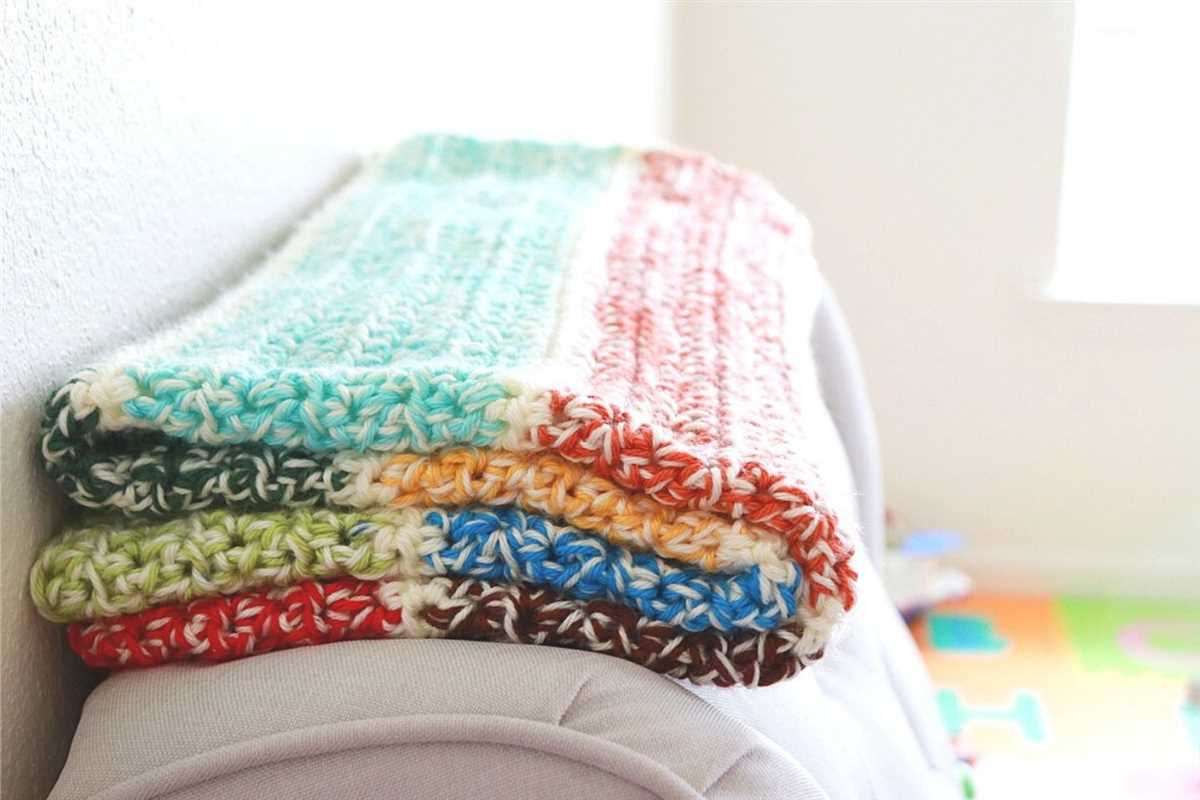
When working on a double strand knit blanket pattern, changing yarn colors can add visual interest and texture to your project. Whether you want to create a bold contrast or a subtle gradient effect, changing yarn colors is a simple technique that can make a big impact.
Here are some tips for changing yarn colors:
- Plan your color changes: Before you start your project, decide when and where you want to change colors. You can create stripes by changing colors at regular intervals or choose to change colors randomly for a more eclectic look.
- Secure the new yarn: When changing yarn colors, it’s important to secure the new yarn to prevent unraveling. You can do this by tying a small knot or weaving in the ends of the new yarn into the fabric.
- Carry the yarn: If you are only changing colors for a few stitches or rows, you can carry the unused yarn along the edges of your work. This will prevent you from having to constantly cut and rejoin the yarn.
- Weave in ends: After you have finished knitting with a particular color, make sure to weave in the ends of the yarn to secure them. This will give your project a clean and professional finish.
- Experiment with color combinations: Changing yarn colors gives you the opportunity to experiment with different color combinations. Try pairing complementary or contrasting colors to create a striking effect.
By following these tips, you can confidently change yarn colors in your double strand knit blanket pattern and create a unique and visually appealing project.
Finishing the Double Strand Knit Blanket
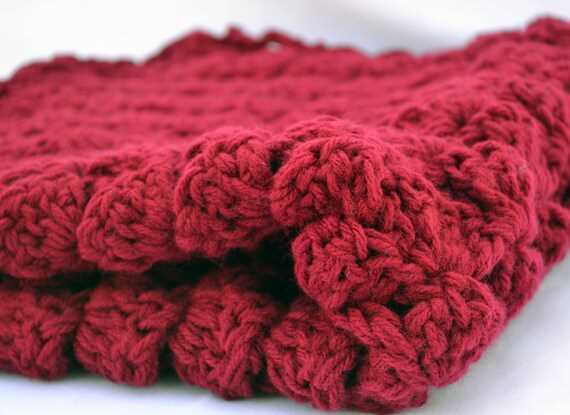
Once you have completed knitting the double strand blanket, it’s time to finish it off to give it a polished look. Follow these simple steps to complete your project.
1. Bind off
Start by binding off your stitches. Cut the yarn, leaving a long tail. Thread the tail onto a yarn needle, then slide the needle through each stitch on your knitting needle, pulling the yarn through to create a neat edge.
2. Weave in ends
Next, weave in all the loose ends of yarn. With your yarn needle, carefully thread each end into the stitches on the back of the blanket. Make sure to securely weave them in to prevent any unraveling.
3. Block the blanket (optional)
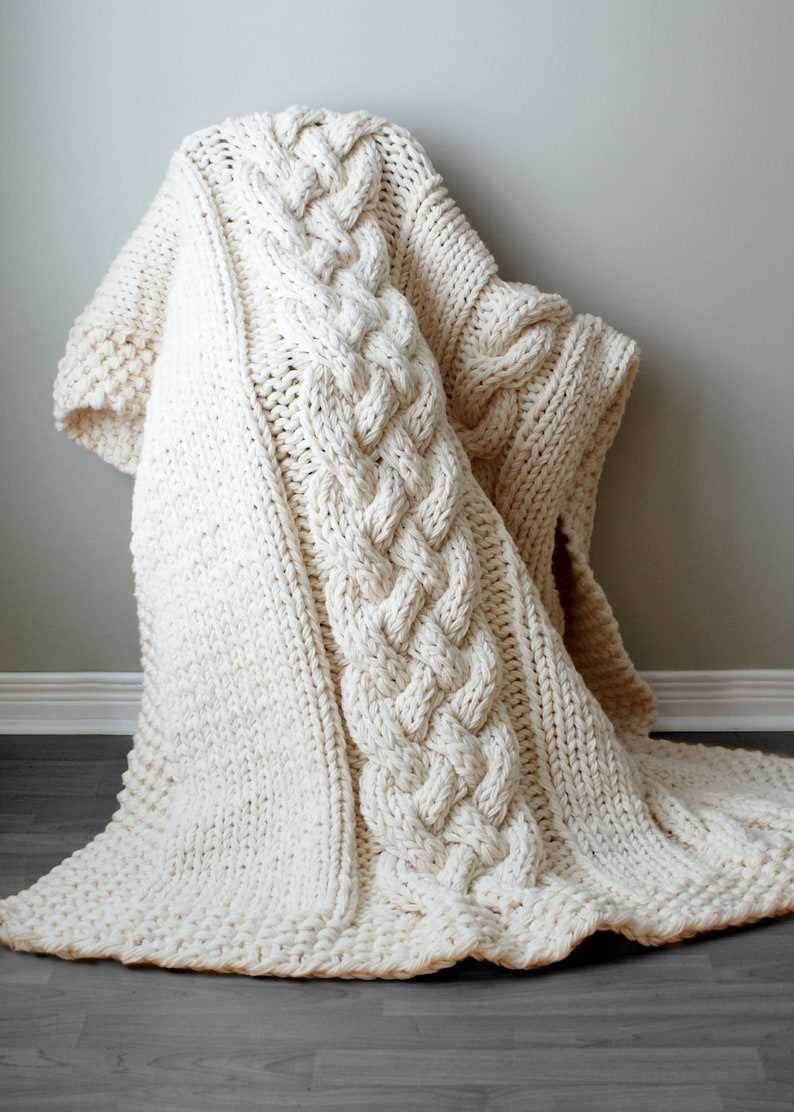
If desired, block your finished blanket to even out the stitches and give it a professional look. Wet the blanket with cool water, then gently squeeze out the excess water. Lay the blanket flat on a clean towel, stretching and pinning it into shape. Leave it to dry completely before removing the pins.
4. Add finishing touches

Finally, consider adding any finishing touches to your double strand knit blanket. This could include attaching pompoms or tassels to the corners, sewing on a border, or adding any desired embellishments. Get creative and make your blanket unique.
With these steps, you can complete your double strand knit blanket and enjoy the cozy comfort it provides. Whether you keep it for yourself or give it as a gift, this blanket is sure to be cherished for years to come.
Tips and Tricks for Double Strand Knitting

Double strand knitting is a popular technique used to create thicker and warmer knitted items, such as blankets and scarves. By knitting with two strands of yarn held together, you can achieve a denser fabric and increase the warmth of your finished project. Here are some tips and tricks to help you master the art of double strand knitting.
1. Choose the Right Yarn
When double strand knitting, it’s important to choose yarns that complement each other in terms of texture, weight, and color. You can either use two strands of the same yarn or mix and match different yarns for added texture and color variation. Make sure the yarns are compatible and have similar gauge to ensure a balanced and cohesive fabric.
2. Adjust Needle Size

Knitting with two strands of yarn can create a denser fabric that may require larger needles than what the yarn recommends. Experiment with different needle sizes to achieve the desired tension and gauge for your project. Swatch with a few different needle sizes and choose the one that gives you the best fabric density.
3. Untangling the Yarn

Working with two strands of yarn can sometimes lead to tangles and twists. To prevent this, make sure to unwind the yarn and lay it out flat before starting your project. If you encounter tangles while knitting, stop and untangle them before continuing. This will save you time and frustration in the long run.
4. Keep an Eye on Tension
When knitting with two strands of yarn, it’s important to maintain consistent tension throughout your project. Uneven tension can result in an uneven fabric, which may affect the overall appearance and drape of your finished item. Take your time and pay attention to your tension, adjusting as needed to create a smooth and even fabric.
5. Blocking and Finishing

Once you’ve completed your double strand knitting project, it’s important to block and finish it properly. Blocking will help even out the stitches and give your project a polished look. Follow the recommended blocking instructions for the yarn you used, taking care to reshape and stretch the fabric if necessary. Finishing techniques, such as weaving in ends and sewing seams, should also be done carefully to ensure a professional and durable finish.
By following these tips and tricks, you’ll be able to successfully master the art of double strand knitting and create beautiful, warm, and cozy projects.
Final Thoughts
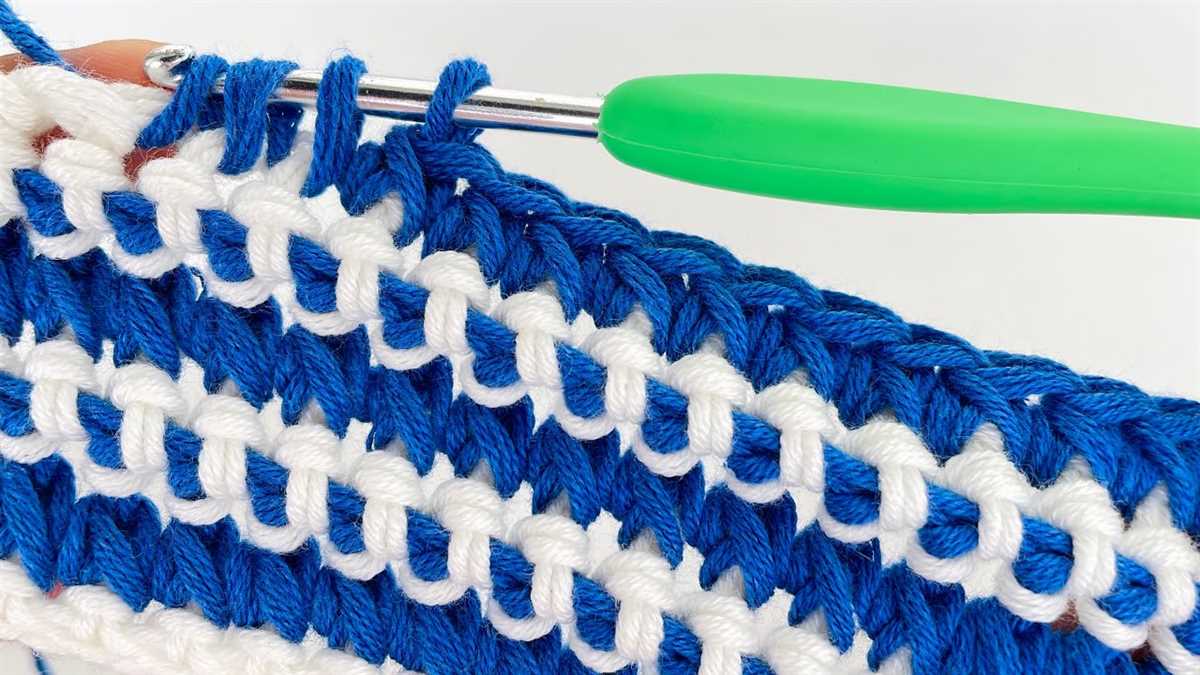
In conclusion, the double strand knit blanket pattern is a versatile and enjoyable project for knitters of all levels. By using two strands of yarn, this pattern creates a thick and cozy blanket that is perfect for snuggling up on a cold winter night.
While the pattern may seem intimidating at first, it is actually quite simple once you get the hang of it. The basic technique involves holding two strands of yarn together and knitting them as one. This not only creates a denser fabric, but also allows for endless color and texture combinations.
One of the great things about this pattern is its adaptability. Whether you prefer a traditional garter stitch or want to try out a more intricate pattern, the double strand technique can be easily customized to suit your personal style. Additionally, you can experiment with different types of yarn to achieve different effects and textures.
Overall, the double strand knit blanket pattern is a fantastic option for any knitter looking to create a cozy and stylish blanket. With its simplicity and versatility, this pattern is sure to become a favorite among both beginner and experienced knitters alike. So why not grab your needles and start knitting your own double strand knit blanket today?