
Drop stitch knitting patterns are a popular technique in the world of knitting. This technique is used to create beautiful, airy and open designs in your knitted projects. It is a simple and versatile technique that can be used to create a wide range of patterns, from scarfs and shawls to sweaters and blankets.
The drop stitch technique involves intentionally dropping one or more stitches from the knitting needle, which creates elongated loops in the fabric. These loops can be left as they are or manipulated to create different textures and patterns. The beauty of drop stitch knitting is that it allows you to play with the thickness and density of the fabric, creating a variety of visual effects.
There are many different drop stitch patterns to choose from, depending on the desired outcome of your project. Some patterns involve dropping a single stitch, while others may involve dropping multiple stitches at once. Additionally, you can create patterns by varying the spacing and frequency of dropped stitches.
What is drop stitch knitting?
Drop stitch knitting is a technique in which stitches are intentionally dropped from the knitting needles to create a laddered effect. This creates a unique and open texture in the fabric, making it a popular choice for creating accessories like scarves, shawls, and even sweaters.
When knitting drop stitch patterns, the knitter intentionally wraps the yarn around the needle multiple times before completing the next stitch. This causes the fabric to stretch, creating elongated loops. These loops are then dropped from the needle, creating the laddered effect.
This technique gives the finished fabric a lightweight and airy feel, making it perfect for summer garments or lightweight accessories. It’s also a great way to add dimension and visual interest to your knitting projects.
Drop stitch knitting patterns can range from simple to complex, depending on the desired effect. Beginners may start with basic drop stitch patterns that only require wrapping the yarn around the needle a few times, while more advanced knitters can experiment with intricate lace-like designs.
To create a drop stitch pattern, you will need a set of knitting needles, yarn, and a basic knowledge of knitting techniques. It’s important to choose a yarn that has good stitch definition and will not easily break or snag when dropping stitches.
Understanding the Drop Stitch Knitting Technique
The drop stitch knitting technique is a popular knitting method that creates an interesting and textured pattern. By intentionally dropping stitches and then picking them up again, you can create elongated stitches and open spaces in your knitted fabric.
To create drop stitch patterns, you will typically work with a larger needle size than what is typically used for the chosen yarn weight. This creates loose stitches and helps to emphasize the dropped stitches. The technique is often used in lace knitting, as the dropped stitches create a lacy and open effect.
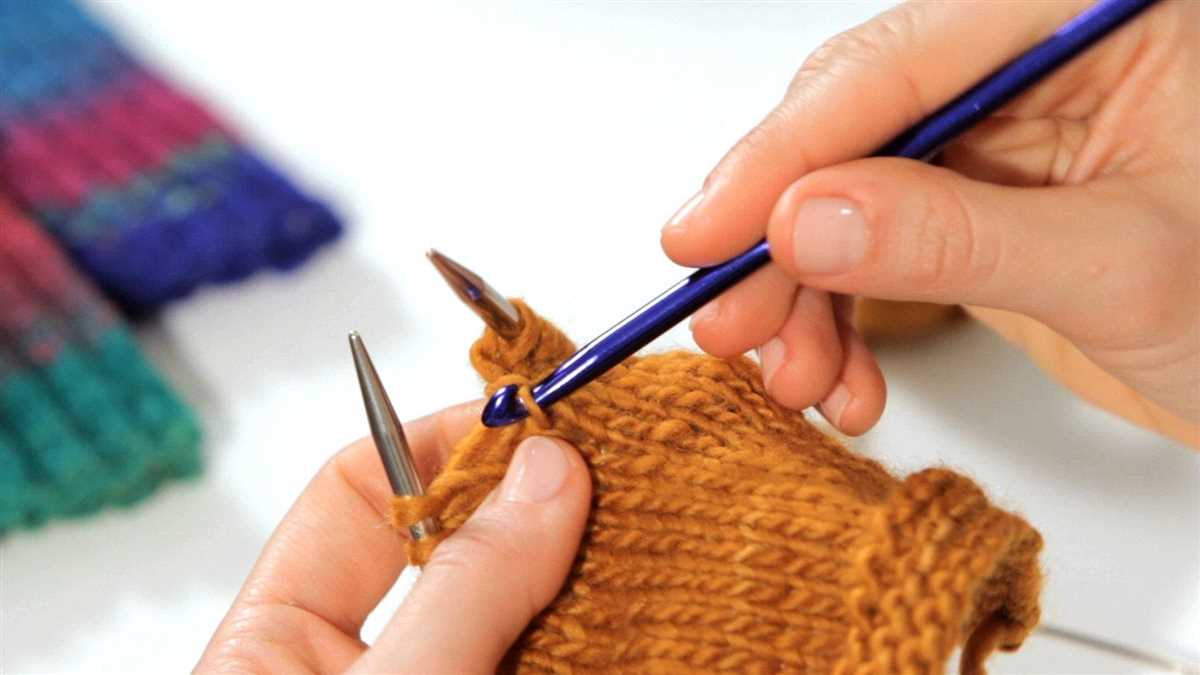
When working with drop stitch patterns, it’s important to keep track of the dropped stitches. To drop a stitch, simply allow it to slip off the needle and unravel down the column of knitting. When you want to pick up the dropped stitches, you can use a crochet hook or your knitting needle to catch the loose strands and pull them back into place.
Drop stitch patterns can be used to create a variety of designs, from simple vertical lines to intricate lace motifs. By combining dropped stitches with other stitch patterns, such as ribbing or cables, you can create even more unique and complex designs. The possibilities are endless!
Tips for Working with Drop Stitch Patterns:

- Use a larger needle size to create loose stitches and emphasize the dropped stitches.
- Keep track of the dropped stitches to ensure they are picked up correctly.
- Experiment with different yarn weights and stitch combinations to create unique designs.
- Take your time and practice the technique before working on larger projects.
- Have fun and be creative with your drop stitch knitting!
Tools and Materials Needed

When it comes to drop stitch knitting patterns, there are a few essential tools and materials that you’ll need to get started. These include:
1. Knitting Needles

You’ll need a pair of knitting needles suitable for the yarn weight you’ll be using. Drop stitch patterns typically work well with larger needle sizes to create the open, lacy effect. Choose a size that creates a loose tension in your knitting.
2. Yarn
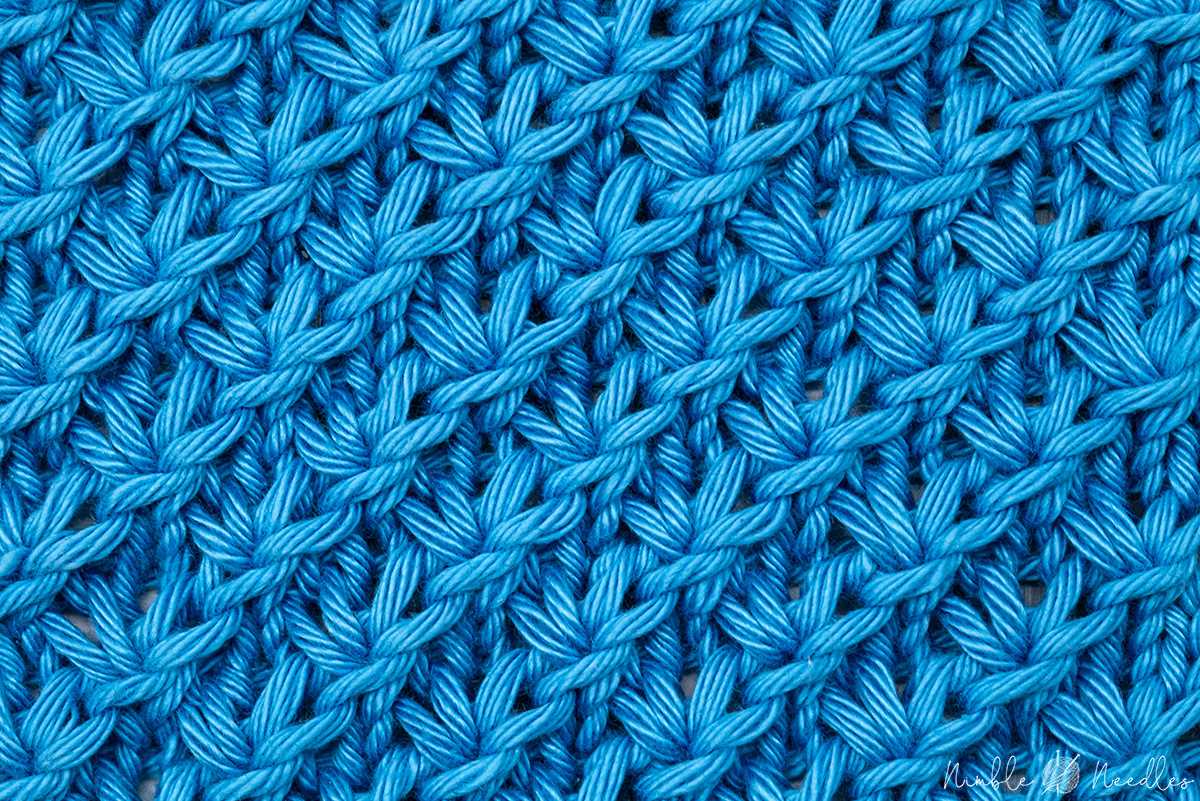
Select a yarn that is appropriate for your chosen pattern and needle size. Drop stitch patterns often look great with lighter, more drapey yarns, such as lace weight or fingering weight yarn. However, you can experiment with different yarn weights to achieve different effects.
3. Stitch Markers
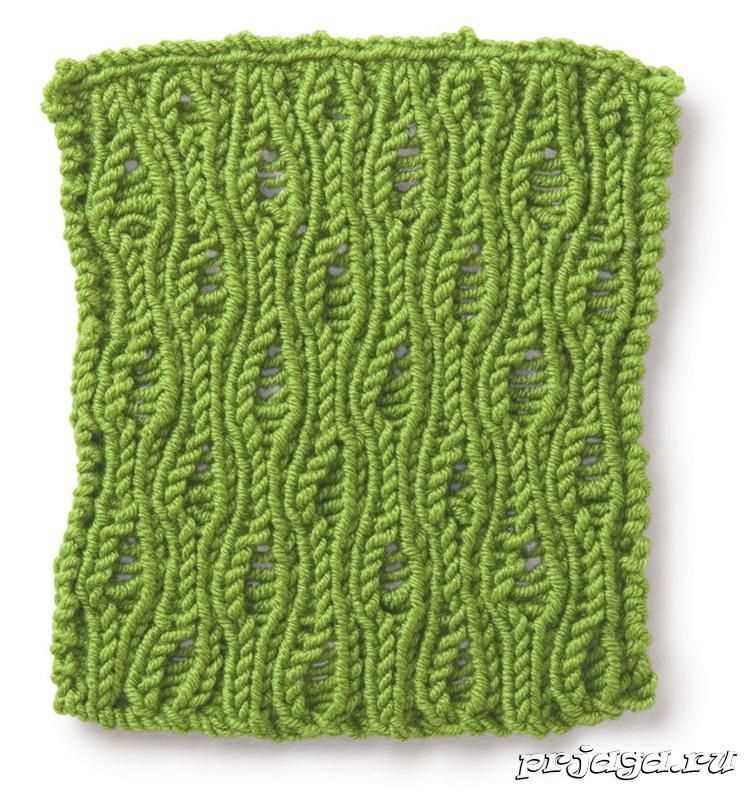
Stitch markers are handy tools to help you keep track of your stitches and pattern repeats. They can be especially useful in drop stitch patterns, where it’s easy to lose track of where you are. Place stitch markers at the beginning and end of each pattern repeat to help you stay on track.
4. Tapestry Needle
A tapestry needle will come in handy for weaving in ends and other finishing touches. Choose a tapestry needle with a large eye that can accommodate the thickness of your yarn. This will make it easier to weave in ends without splitting the yarn.
5. Scissors
A good pair of scissors is essential for cutting yarn and trimming any excess. Make sure they are sharp and small enough to easily maneuver around your knitting.
6. Pattern Instructions
Lastly, you’ll need the pattern instructions for the specific drop stitch pattern you’ll be working on. These instructions will guide you through the stitch pattern, any special techniques involved, and provide measurements and other details for completing the project.
History of drop stitch knitting
In the world of knitting, drop stitch patterns have a long history that dates back centuries. These unique patterns are characterized by intentional dropped stitches, resulting in long loops or elongated stitches. The technique creates an open and airy fabric that is perfect for projects like shawls, scarves, and lightweight garments.
Drop stitch knitting originated in several cultures around the world. It is believed to have been practiced in Eastern Europe, the Middle East, and South America, where artisans developed their own variations of the technique. In these regions, drop stitch patterns were often used to create intricate lace designs and delicate fabrics.
The popularity of drop stitch knitting spread throughout Europe in the 19th century, as more knitters discovered the beauty and versatility of the technique. Women would gather in knitting circles to share patterns and trade tips on creating unique drop stitch designs. The advent of printed knitting patterns also contributed to the widespread adoption of drop stitch knitting, as these patterns became more accessible to a wider audience.
Today, drop stitch knitting continues to be a beloved technique among knitters of all skill levels. Modern designers have embraced the versatility of drop stitch patterns, incorporating them into contemporary patterns for accessories, home decor items, and even garments. The Internet has provided a platform for knitters to connect and share their love for drop stitch knitting, with online communities and forums dedicated to exploring and experimenting with different drop stitch patterns.
Key Points:
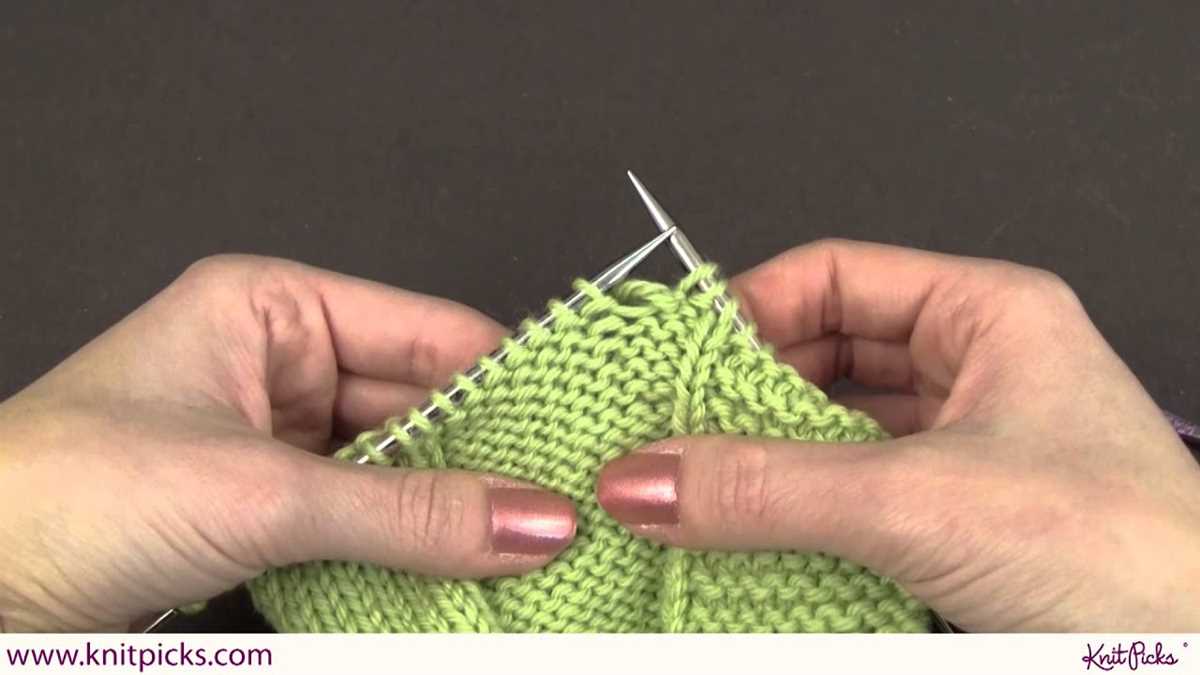
- The history of drop stitch knitting dates back centuries, with origins in Eastern Europe, the Middle East, and South America.
- Drop stitch patterns are characterized by intentional dropped stitches, creating an open and airy fabric.
- Drop stitch knitting became popular in Europe in the 19th century, thanks to knitting circles and the availability of printed patterns.
- Drop stitch patterns are now widely used in modern knitting projects, and there are online communities dedicated to exploring and sharing new designs.
How to create drop stitch patterns
In drop stitch knitting, you intentionally add extra rows to your pattern to create long vertical “drops” in the fabric. This creates an interesting and textured design that can be used in various knitting projects. Here are the steps to create drop stitch patterns:
1. Choose your yarn and needles
Start by selecting the yarn and needles that you want to use for your project. Thinner yarn and larger needles will create a looser and more open drop stitch pattern, while thicker yarn and smaller needles will result in a tighter pattern. Experiment with different combinations to achieve the desired effect.
2. Cast on stitches
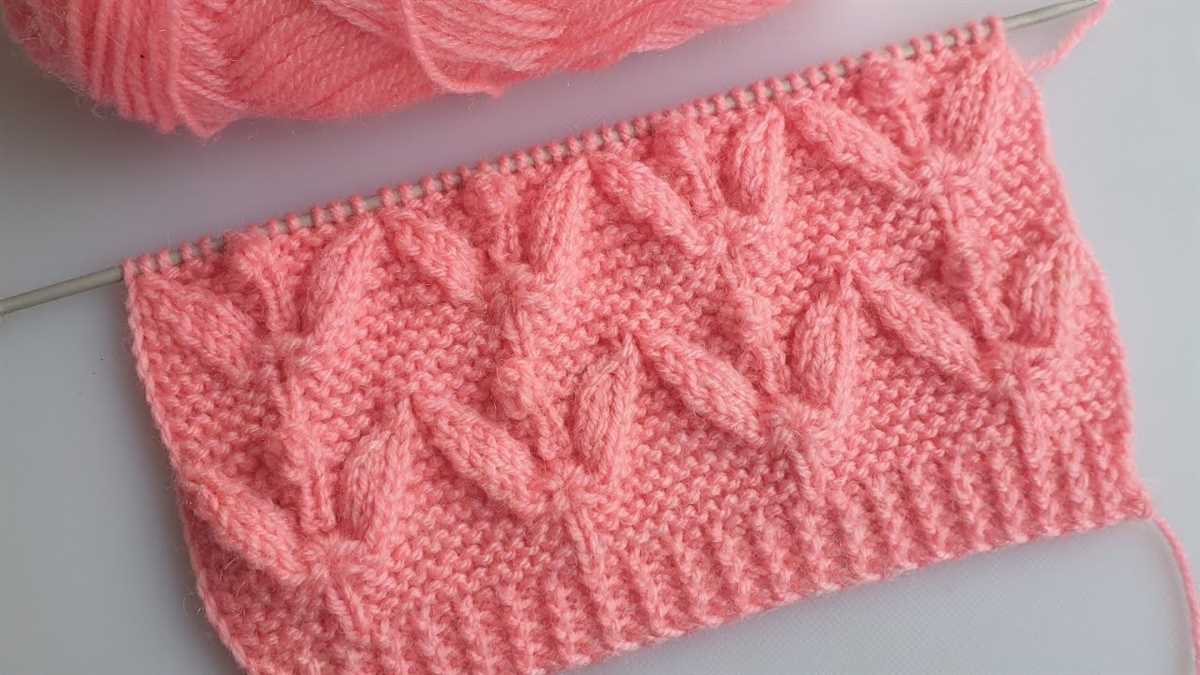
Cast on the desired number of stitches for the width of your project. The number of stitches will depend on the size and gauge of your yarn and needles. You can use a regular cast on method or a stretchy cast on, depending on your preference.
3. Knit the first row
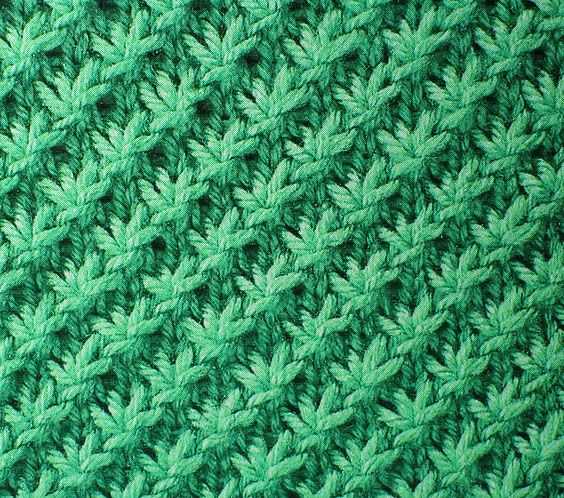
Knit the first row of your pattern using the desired stitch, such as the basic knit stitch. This row will serve as the foundation for your drop stitch pattern.
4. Create drop stitches
To create the drop stitches, you will add extra rows in between your regular knit rows. For example, you can knit one row, then yarn over (wrap the yarn around the needle) and knit the next row, repeating this pattern until you reach the desired length. This will create elongated stitches that will be dropped later.
5. Drop the stitches
Once you have completed the desired number of drop stitch rows, it’s time to drop the elongated stitches. Carefully unravel the rows you created by pulling the yarn from each elongated stitch, making sure not to unravel the main fabric. This will create the “drops” in your pattern.
6. Continue the pattern
After dropping the stitches, continue knitting the rest of your pattern as desired. You can incorporate the drop stitch sections at regular intervals or create a continuous drop stitch design. Be creative and experiment with different combinations and patterns to achieve the desired effect.
By following these steps, you can easily create drop stitch patterns in your knitting projects. Whether you use them as a decorative element or as the main design, drop stitches add a unique texture and visual interest to your knitted fabric.
Basic drop stitch patterns

Drop stitch patterns are a fun and easy way to create interesting textures in your knitting. By intentionally dropping stitches and then picking them back up, you can create loops and ladders that add visual interest to your projects. Here are a few basic drop stitch patterns to get you started:
1. Drop Stitch Scarf
This simple drop stitch pattern is perfect for beginners. To create the pattern, simply knit a row of stitches and then drop every other stitch on the following row. Repeat this pattern until you have reached the desired length. The dropped stitches will create elongated loops that give the scarf a unique and airy look.
2. Drop Stitch Dishcloth
If you’re looking to add some texture to your dishcloths, try this drop stitch pattern. Start by knitting a square or rectangular cloth using your preferred stitch pattern. Then, on a subsequent row, drop every other stitch to create the drop stitch effect. This pattern is not only visually interesting, but it also creates a cloth with extra scrubbing power!
3. Drop Stitch Hat
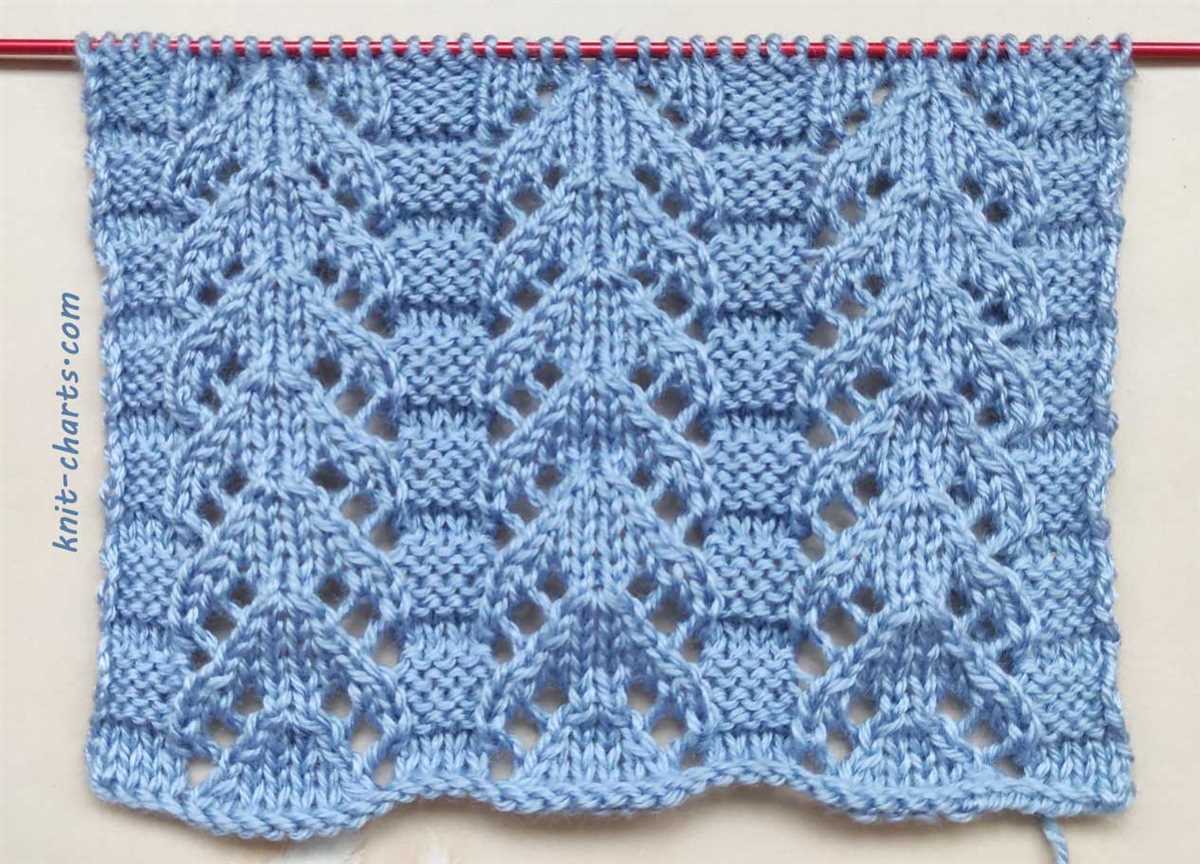
Add a touch of whimsy to your winter wardrobe with a drop stitch hat. To create this pattern, simply knit the hat using your desired stitch pattern and then drop every other stitch on a subsequent row, just like in the scarf pattern. This will create elongated loops that give the hat a playful and unique look.
These are just a few examples of the many drop stitch patterns you can experiment with in your knitting. Whether you’re a beginner or an experienced knitter, incorporating drop stitches into your projects can add a fun and unexpected element to your designs.
Advanced drop stitch patterns
Drop stitch knitting patterns offer endless possibilities for creating unique and stunning designs. Once you have mastered the basic drop stitch technique, you can take your skills to the next level by trying out some advanced patterns. These patterns will challenge your knitting skills and allow you to create intricate textures and patterns.
1. Lace drop stitch pattern: This pattern combines the beauty and delicacy of lace knitting with the dramatic effect of drop stitches. By strategically placing drop stitches within a lace pattern, you can create an open and airy fabric with a stunning visual impact. This pattern is perfect for lightweight shawls or scarves.
2. Cable drop stitch pattern: Cable knitting is already known for its textured and three-dimensional appearance. By incorporating drop stitches into cable patterns, you can add even more depth and interest to your knitted fabric. This pattern is perfect for creating cozy and warm sweaters or blankets.
3. Colorwork drop stitch pattern: By combining different colors and drop stitches, you can create intricate and eye-catching colorwork patterns. Whether you choose to knit fair isle, intarsia, or stranded colorwork, incorporating drop stitches can add an extra dimension to your design. This pattern is perfect for adding pops of color to hats or mittens.
- Tip: When working with advanced drop stitch patterns, it’s important to pay attention to your tension. Drop stitches can create a looser fabric, so make sure to adjust your tension accordingly to achieve the desired result.
- Important: Remember to always follow the pattern instructions carefully and practice new stitches or techniques before attempting an advanced drop stitch pattern. This will ensure that you have a better understanding of the stitch and avoid any mistakes.
With advanced drop stitch patterns, you can truly let your creativity shine and create unique and impressive knitted pieces. Experiment with different stitch combinations, colors, and yarn weights to achieve the desired effect. Whether you’re a beginner or an experienced knitter, trying out advanced drop stitch patterns is a fun and rewarding way to take your knitting skills to the next level.
Tips and Tricks for Successful Drop Stitch Knitting
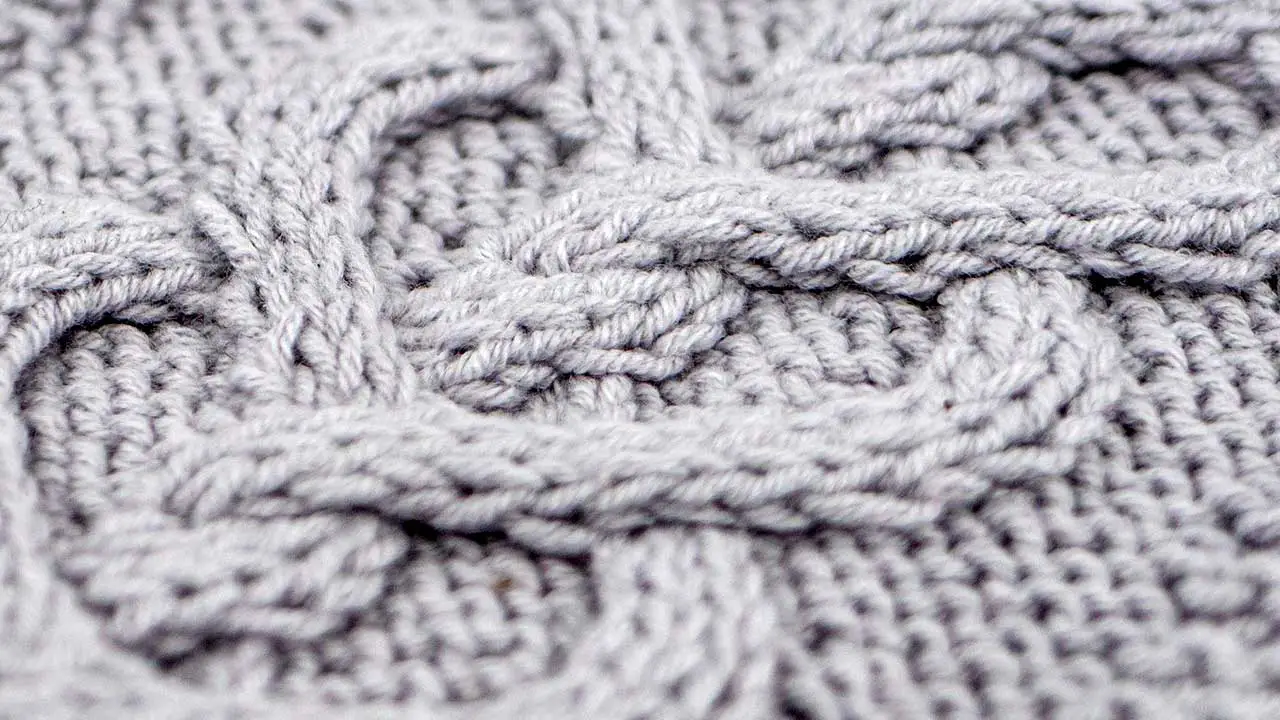
Drop stitch knitting creates an interesting and unique fabric with elongated stitches that resemble dropped stitches. Whether you’re a beginner or an experienced knitter, here are some tips and tricks to help you achieve successful results with drop stitch knitting.
Choose the Right Yarn:
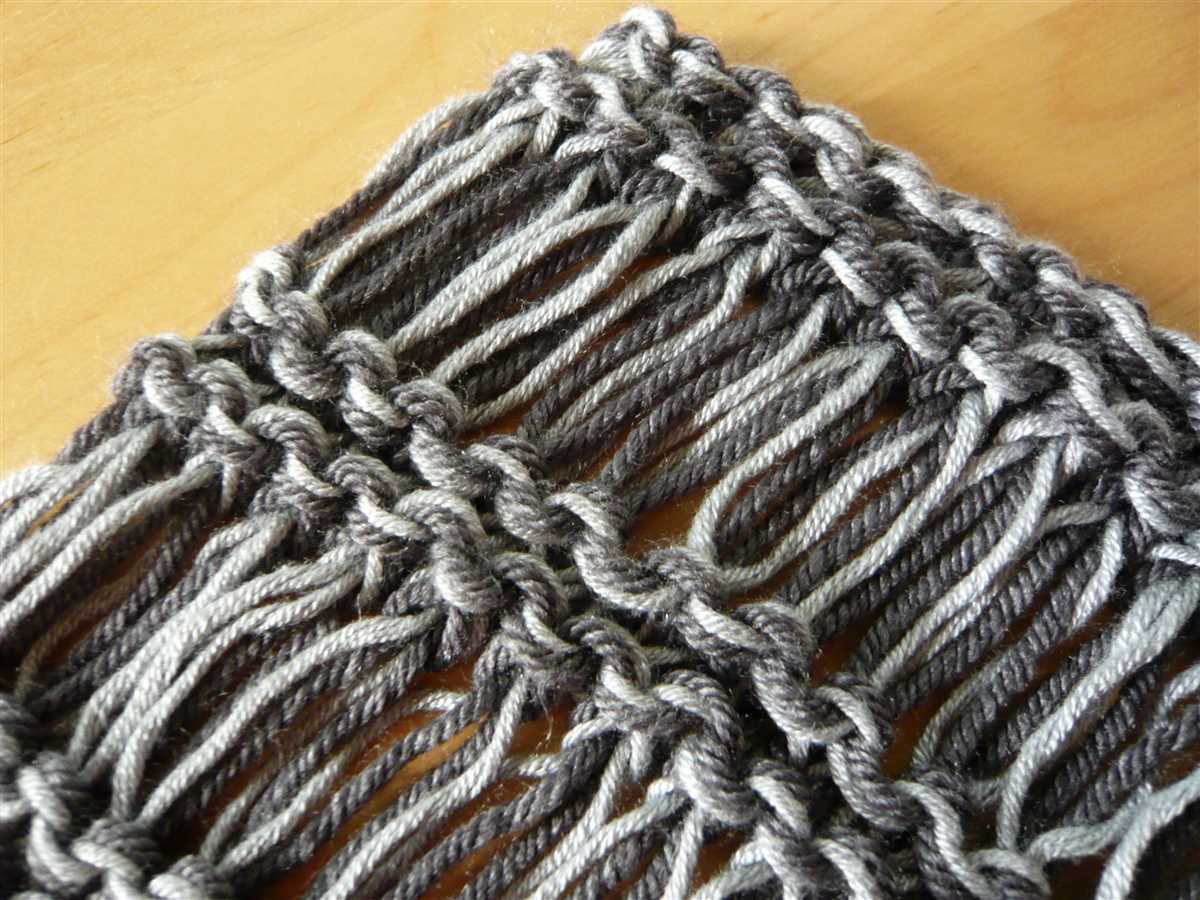
When knitting drop stitch patterns, it’s important to choose a yarn that has good stitch definition and is not too slippery. A yarn with some texture or grip will help the elongated stitches hold their shape better. Avoid using very smooth or slippery yarns as they can make it difficult to work with the dropped stitches.
Use Proper Needle Size:
Using the correct needle size is crucial for drop stitch knitting. Choose a needle size that allows the yarn to pass easily through the stitches, but is not too loose or too tight. A needle that is too small can make it difficult to create the dropped stitches, while a needle that is too large can result in a fabric that lacks structure and definition.
Practice Tension Control:
Dropping stitches can sometimes affect the tension of your knitting. To avoid loose or tight stitches, practice maintaining consistent tension as you work the drop stitch pattern. Pay attention to how you hold the yarn and the amount of tension you apply when wrapping the yarn around the needle.
Use Stitch Markers:

Drop stitch patterns often involve repeating sections of stitches. To keep track of your progress and avoid mistakes, use stitch markers to mark the beginning and end of each section. This can help you stay organized and ensure that you’re following the pattern correctly.
Blocking is Key:
Blocking is an essential step in drop stitch knitting to even out the stitches and enhance the overall appearance of the fabric. After completing your project, wet block the finished piece by gently washing and shaping it to the desired dimensions. This will help the dropped stitches relax and the fabric to drape nicely.
Experiment with Patterns:
Drop stitch knitting lends itself to a variety of patterns and designs. Once you’re comfortable with the basics, don’t be afraid to experiment and create your own drop stitch patterns. Try combining drop stitches with other stitch patterns or incorporating different colors to add visual interest to your projects.
By following these tips and tricks, you’ll be well on your way to mastering drop stitch knitting and creating beautiful and unique knitted pieces.
Selecting the right yarn

Choosing the right yarn is an important step when embarking on a drop stitch knitting project. The type of yarn you choose can greatly affect the final outcome and appearance of your knitted item.
One key factor to consider when selecting yarn for drop stitch knitting is the weight or thickness of the yarn. Different projects may require different weights of yarn, so it’s important to check the pattern instructions for the recommended weight. Generally, lightweight yarns such as lace or fingering weight are often suitable for creating delicate and intricate drop stitch patterns, whereas thicker yarns like worsted or bulky weight can create more pronounced and chunky drop stitches.
Another important consideration is the fiber content of the yarn. Natural fibers, such as wool or cotton, are popular choices for drop stitch knitting as they tend to have good stitch definition and drape. However, synthetic blends like acrylic or nylon can also be used, offering durability and easy care options.
When choosing yarn for drop stitch knitting, it’s also worth considering the color and texture of the yarn. Solid or semi-solid colors can showcase the drop stitch pattern more prominently, while variegated or self-striping yarns can create interesting visual effects. Additionally, fibers with texture, like boucle or mohair, can add depth and interest to your knitting.
Ultimately, the choice of yarn for drop stitch knitting depends on personal preference, the desired effect, and the specific project at hand.
Tension and Gauge in Drop Stitch Knitting Patterns

One of the key elements in successfully knitting drop stitch patterns is achieving the proper tension and gauge. Tension refers to how tightly or loosely you hold the yarn as you knit, while gauge refers to the number of stitches and rows per inch or centimeter in a knitted piece.
In drop stitch patterns, it is crucial to maintain an even tension throughout the project. If your tension is too loose, the dropped stitches may look messy and uneven. On the other hand, if your tension is too tight, the stitches may be difficult to drop or the fabric may pucker.
To ensure the correct tension and gauge, it is recommended to swatch before starting your project. Take a small sample of the pattern and knit it with the same yarn and needle size you plan to use. Measure the stitches and rows per inch or centimeter and compare them to the gauge specified in the pattern. Adjust your tension and needle size accordingly until you achieve the correct gauge.
It is also important to note that different yarns and needles can affect tension and gauge. Thicker yarns and larger needles will generally result in a looser tension and larger gauge, while thinner yarns and smaller needles will create a tighter tension and smaller gauge.
To help maintain a consistent tension, you can try using knitting aids such as stitch markers or a row counter. These tools can help you keep track of the number of stitches and rows in your pattern, ensuring that your tension remains consistent throughout.
By achieving the proper tension and gauge in your drop stitch knitting patterns, you can create beautiful and evenly spaced dropped stitches for a stunning finished project.
Blocking the finished project
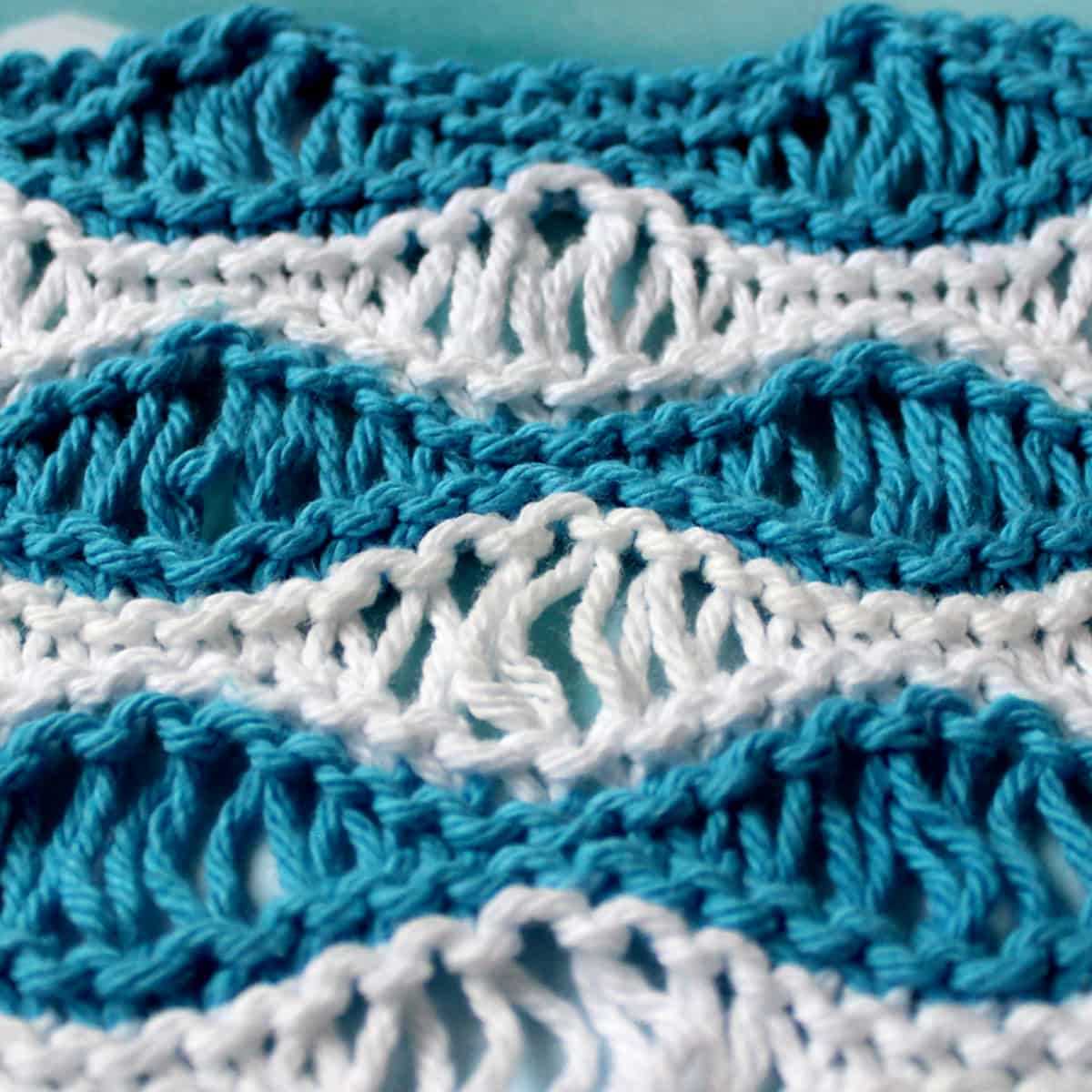
Blocking is an essential step in the finishing process of drop stitch knitting patterns. It helps to shape and stretch the knitting, ensuring that the final project looks its best. Blocking can also help to even out any uneven stitches and create a more polished and professional finish.
There are different methods of blocking, but the most common technique for drop stitch knitting patterns is wet blocking. To wet block your project, you will need to soak it in water, gently squeeze out the excess moisture, and then shape it to the desired dimensions. You can use blocking mats or towels to pin the knitting into place, ensuring that it dries in the desired shape.
Before blocking, it is important to check the care instructions for your yarn to ensure that it can be wet blocked. Some yarns may need to be dry blocked or steam blocked instead. Additionally, certain fibers may require special care, such as blocking with heat to set the shape.
When blocking drop stitch knitting patterns, it is important to be gentle with the stitches to avoid stretching the yarn too much. The drop stitches can be delicate, so take care when handling and shaping them. Once the project is blocked and dry, the stitches should have a more defined and elongated appearance.
Overall, blocking is an important step in creating a polished and professional finish for drop stitch knitting patterns. It helps to shape and stretch the knitting, even out any uneven stitches, and create a more defined look. By following the proper blocking techniques and using the appropriate method for your yarn, you can ensure that your finished project looks its best.
Drop Stitch Knitting in Fashion and Home Decor
In recent years, drop stitch knitting has gained popularity in both fashion and home decor. This technique, which involves intentionally dropping one or more stitches to create an elongated and open stitch pattern, adds a unique and modern touch to various items. From sweaters and scarves to blankets and pillows, drop stitch knitting offers endless possibilities for creative designs.
When it comes to fashion, drop stitch knitting is often used to create lightweight and airy garments. Sweaters and cardigans with drop stitch patterns are perfect for layering, allowing for breathability while still providing warmth. The open stitches add visual interest and texture to the fabric, making the garment more eye-catching and unique. Drop stitch knitting can also be used to create scarves and shawls with intricate patterns, giving them a delicate and ethereal look.
Drop stitch knitting is not limited to clothing; it can also be incorporated into home decor. Blankets and throws with drop stitch patterns make great additions to living rooms or bedrooms, adding a cozy and stylish touch. The open stitches create an interesting texture that can be further enhanced by using different colors or yarns. Additionally, drop stitch patterns can be used to create decorative pillows, giving sofas or chairs a modern and sophisticated look.
Overall, drop stitch knitting offers a unique and innovative approach to both fashion and home decor. With its ability to create open and elongated stitches, this technique adds a contemporary touch to various items. Whether used in clothing or home decor, drop stitch patterns are sure to make a statement and elevate any design.
Conclusion
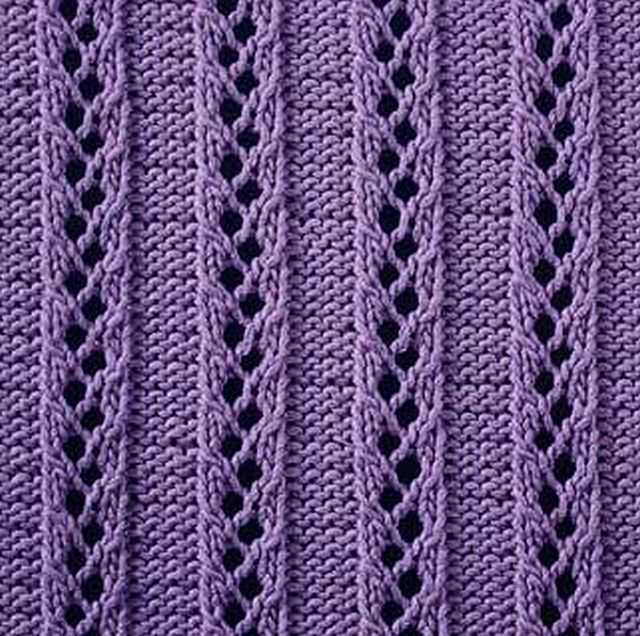
In conclusion, knitted garments made using drop stitch patterns offer a unique and eye-catching design. The drop stitch technique creates an open and airy fabric, making it perfect for summer clothing, accessories, and home decor items. This technique allows for endless creativity and versatility, as it can be combined with various stitch patterns, yarns, and color combinations to achieve different effects.
Whether you are a beginner or an experienced knitter, drop stitch patterns are an interesting and fun way to explore your knitting skills and create beautiful and modern garments. By using different needle sizes and types of yarn, you can easily customize the density and drape of the fabric to suit your needs and preferences.
With a wide range of drop stitch knitting patterns available online, you can easily find inspiration and instructions for your next project. From simple scarves and shawls to intricate sweaters and dresses, the possibilities are endless. So why not give drop stitch knitting a try and experiment with this exciting technique to create stunning and unique knitted garments?