
Knitting is a popular hobby that allows individuals to create beautiful and unique garments and accessories. One way to add interest and complexity to knitted items is to incorporate fancy stitch patterns. These patterns can range from simple designs to intricate motifs, and they can be used to add texture, color, and visual appeal to any project.
There are numerous types of fancy knitting stitch patterns to choose from, each with its own distinct characteristics and level of difficulty. Lace stitch patterns, for example, feature delicate, openwork designs that are perfect for creating lightweight and airy garments. On the other hand, cable stitch patterns involve twisting and crossing stitches to create intricate patterns that are perfect for adding warmth and texture to items like sweaters and scarves.
One of the great things about fancy knitting stitch patterns is that they can be used to add interest to even the most basic of projects. For example, a simple stockinette stitch sweater can be transformed into a stunning piece with the addition of a lace panel down the front or a cable pattern on the sleeves. By incorporating these stitch patterns, knitters can take their creations to the next level and showcase their skills and creativity.
In this article, we will explore a variety of fancy knitting stitch patterns and discuss how they can be incorporated into different types of projects. Whether you are a beginner knitter looking to expand your skills or an experienced knitter searching for new ideas, this article will provide you with inspiration and guidance for creating beautiful and unique knitted items.
The history of fancy knitting stitch patterns
Knitting has a long and rich history that dates back thousands of years. From its humble beginnings as a purely functional craft, knitting has evolved into a popular form of artistic expression. One of the ways knitters have showcased their creativity and skill is through the use of fancy knitting stitch patterns.
While the exact origins of fancy knitting stitch patterns are difficult to trace, it is believed that they emerged in the early days of knitting as a way to add decorative elements to garments. Knitters started experimenting with different combinations of basic stitches to create intricate and visually appealing patterns. These patterns were often passed down through generations, contributing to the formation of various knitting traditions around the world.
The evolution of fancy knitting stitch patterns

As knitting spread across different cultures and regions, each developed its own unique style and repertoire of stitch patterns. In Europe, for example, the Aran sweater became synonymous with Irish knitting, featuring beautiful cable and lace patterns. In Scandinavia, intricate colorwork patterns, such as the famous Fair Isle technique, became popular.
With the advent of the industrial revolution and mass production, knitting patterns started to be published in books and magazines, making them accessible to a wider audience. This led to an explosion of creativity as knitters began to experiment with new stitch combinations and variations. Today, there are countless stitch patterns available, ranging from simple and elegant to complex and challenging.
- Fancy knitting stitch patterns can be used in a variety of projects, such as sweaters, scarves, and blankets.
- Knitters often enjoy the process of exploring different stitch patterns and combining them to create unique designs.
- Advanced knitters can even modify existing stitch patterns or create their own from scratch.
Whether you are a beginner or an experienced knitter, incorporating fancy knitting stitch patterns into your projects can add a touch of sophistication and individuality. With so many patterns to choose from, the possibilities are endless, and you can truly make your knitting projects one-of-a-kind.
Choosing the right yarn for fancy knitting stitch patterns
When it comes to creating fancy knitting stitch patterns, choosing the right yarn is crucial. The yarn you select can greatly impact the final outcome of your project, making it important to consider several factors before making a decision.
Fiber content: One of the first things to consider when choosing yarn for fancy knitting stitch patterns is the fiber content. Different fibers have different properties, which can affect the drape, texture, and overall look of the finished piece. An alpaca or mohair yarn, for example, can create a soft and fuzzy texture, while a cotton yarn will result in a smoother and more structured fabric.
Weight: The weight of the yarn is another important factor to consider. Fancy knitting stitch patterns often feature intricate details and textures, which can be better showcased with a finer weight yarn. Lace weight or fingering yarns, for instance, are great choices for delicate stitch patterns, while bulkier yarns may obscure the finer details of the design.
It’s also worth considering the effect you want to achieve with your fancy knitting stitch pattern. Some stitch patterns may benefit from a lightweight yarn that creates an airy and delicate fabric, while others may require a more bulky yarn to enhance the stitches and create a more solid or textured appearance.
Color:
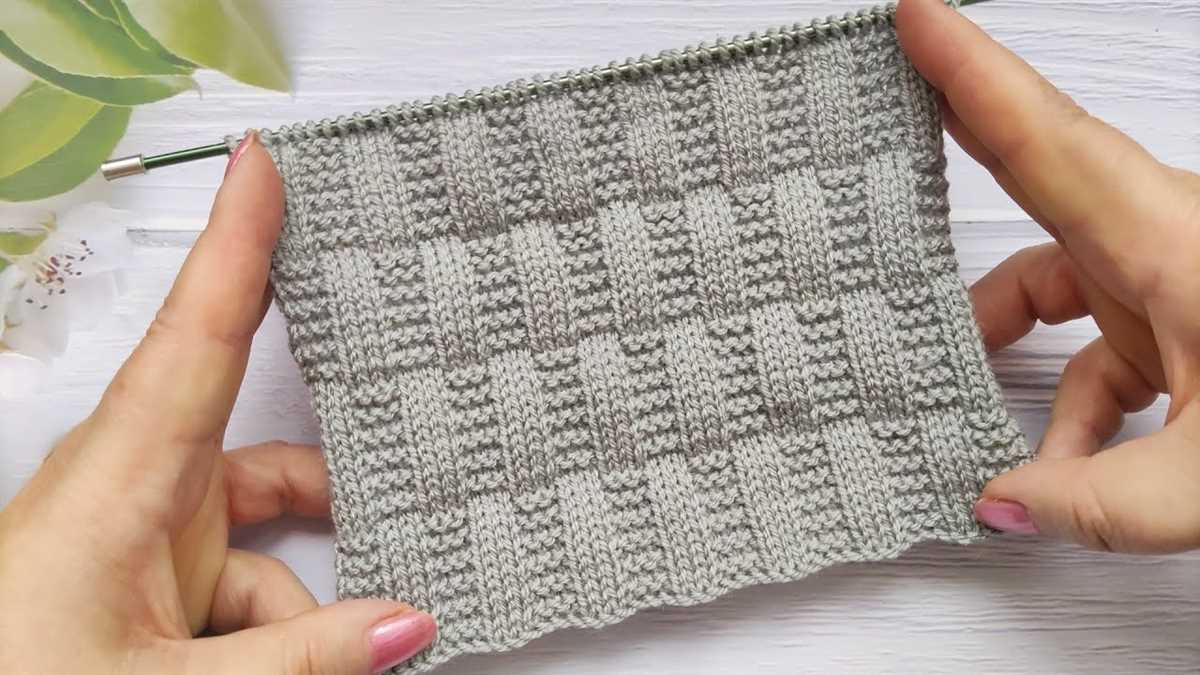
When it comes to color, the possibilities are endless. The color of the yarn can complement or contrast with the stitch pattern, depending on the desired effect. Variegated or self-striping yarns can add visual interest to a simple stitch pattern, while solid or tonal yarns can highlight the intricate details of a complex design.
Texture:
The texture of the yarn can also play a role in the overall look of the fancy knitting stitch pattern. A smooth and shiny yarn, such as silk or bamboo, can add elegance and sheen to the fabric. On the other hand, a yarn with a nubby or slubby texture, like tweed or boucle, can create an interesting and unique effect.
- Ultimately, the choice of yarn for fancy knitting stitch patterns depends on your personal preferences and the desired outcome of your project. Experimenting with different yarns can lead to unexpected and beautiful results, so don’t be afraid to step outside your comfort zone and try something new.
- Remember to always swatch before starting a project to ensure that the yarn you’ve chosen produces the desired gauge and look for your fancy knitting stitch pattern. Happy knitting!
Essential Knitting Tools for Fancy Stitch Patterns
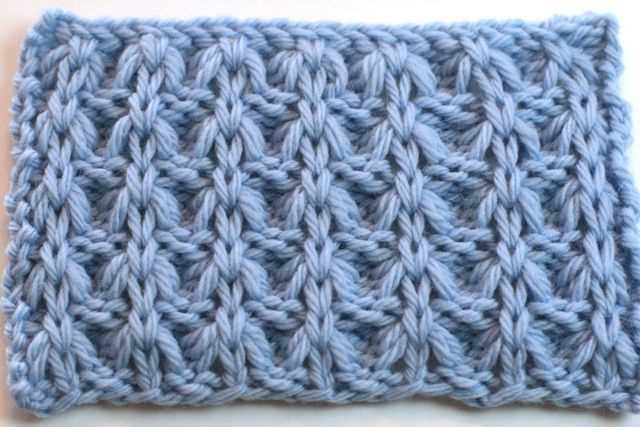
Knitting intricate and fancy stitch patterns can be a rewarding and enjoyable experience. To ensure success in creating these beautiful designs, it is important to have the right tools at hand. Here are some essential knitting tools that every knitter should have when working on fancy stitch patterns:
1. Knitting Needles
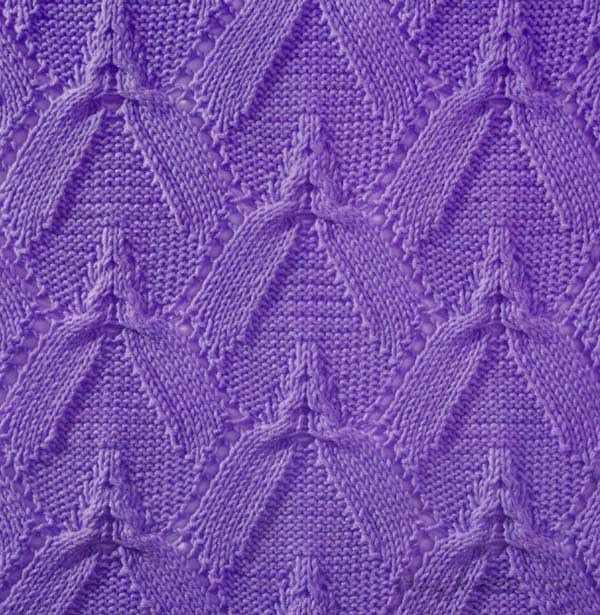
First and foremost, a variety of knitting needles is essential for working on fancy stitch patterns. Different stitch patterns may require different needle sizes and types. Circular needles are great for larger projects and working in the round, while double-pointed needles are ideal for smaller, intricate designs.
2. Stitch Markers
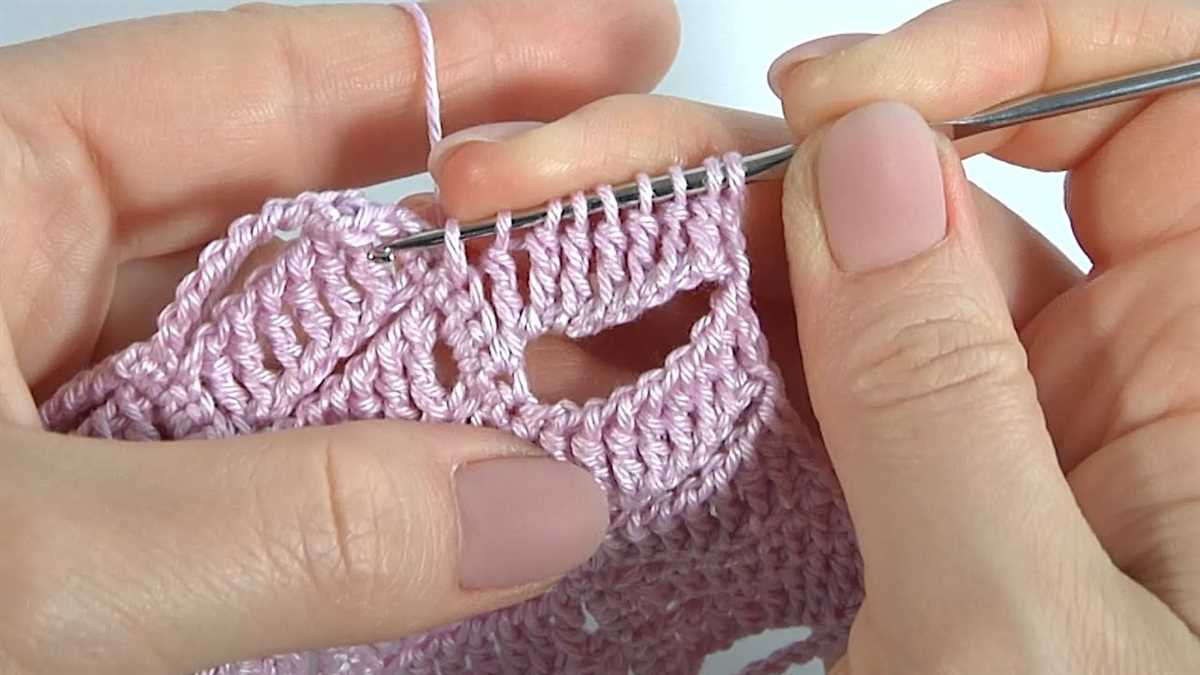
Stitch markers are invaluable tools for keeping track of stitch patterns. They can be used to mark specific stitches, indicate pattern repeats, or highlight important sections. Using stitch markers can help prevent mistakes and ensure that the stitch pattern is maintained accurately.
3. Cable Needles
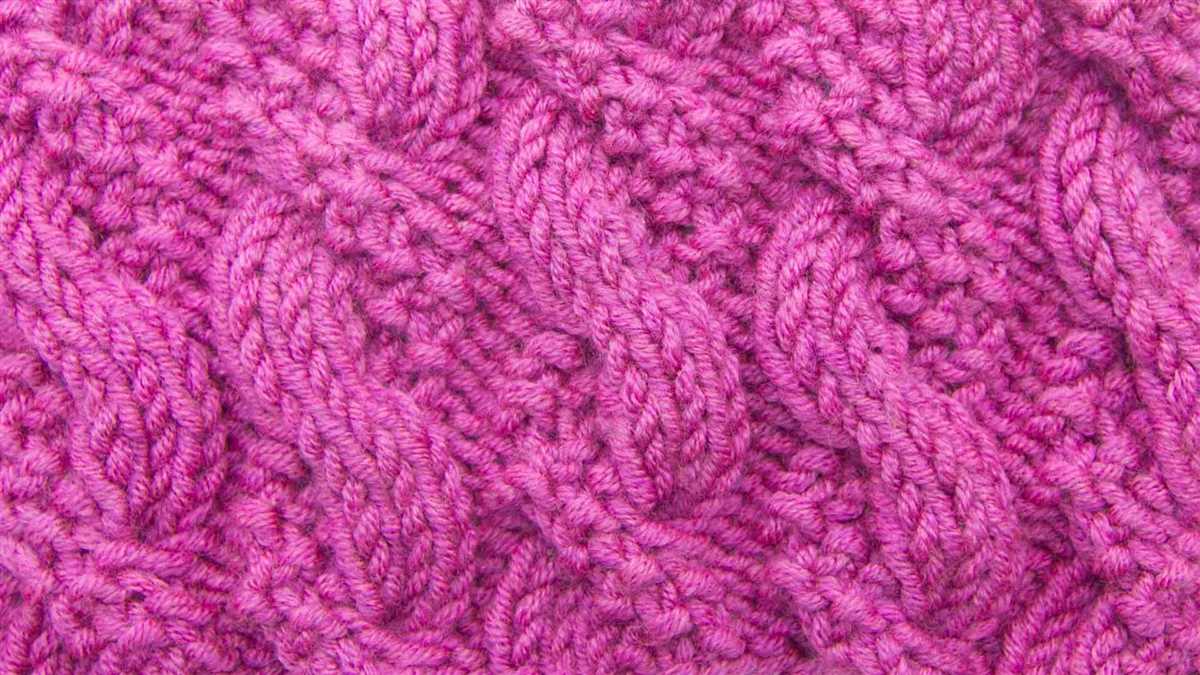
Many fancy stitch patterns involve cables, which require the use of cable needles. Cable needles are short, double-pointed needles that hold stitches aside while others are knitted. They come in various sizes and shapes to accommodate different cable sizes and designs.
4. Row Counter
A row counter is a handy tool for keeping track of rows and repeats in a stitch pattern. It can be a simple mechanical counter or a digital one. Having a row counter eliminates the need for manual counting and helps to maintain accuracy and consistency in the stitch pattern.
5. Yarn Needles
Yarn needles, also known as tapestry needles, are essential for weaving in loose ends and finishing projects. When working on fancy stitch patterns, there may be multiple color changes or different stitch details that require securing or hiding yarn tails. Yarn needles make this process much easier and neater.
By having these essential knitting tools, knitters can confidently tackle fancy stitch patterns and create exquisite, intricate designs. The right tools not only make the process more enjoyable but also contribute to the successful execution of these beautiful stitch patterns.
Easy Fancy Knitting Stitch Patterns for Beginners
Knitting is a wonderful craft that allows you to create beautiful and unique items. If you are a beginner knitter looking to add some fancy stitch patterns to your repertoire, you’re in luck! There are several easy stitch patterns that are perfect for beginners and can add a touch of elegance to your knitting projects.
One easy fancy stitch pattern for beginners is the seed stitch. This stitch pattern creates a textured fabric that looks like a field of seeds. To knit the seed stitch, simply alternate between knitting and purling stitches across each row. This pattern is perfect for beginners because it only requires basic knitting skills and creates a richly textured fabric.
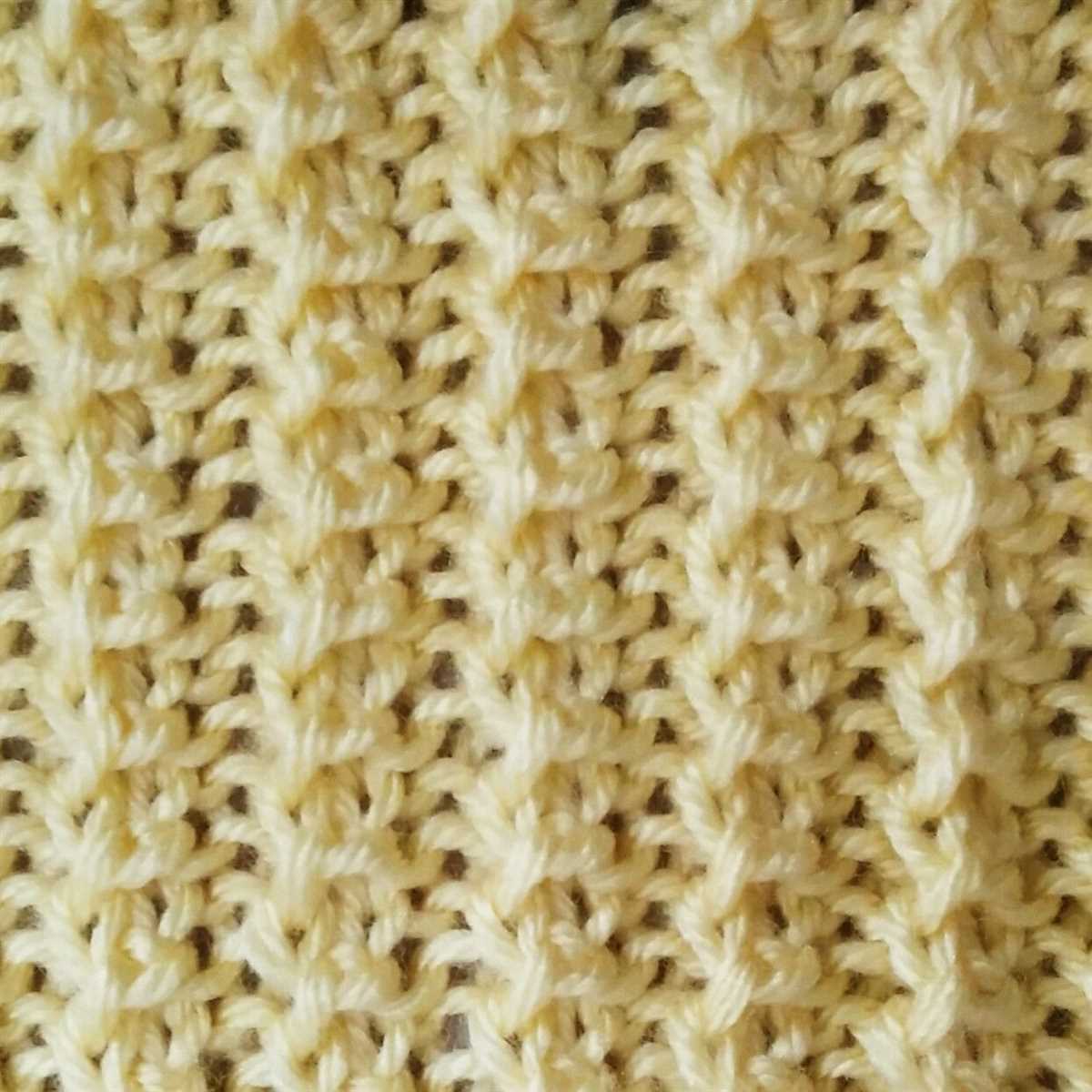
Another simple yet fancy stitch pattern is the rib stitch. The rib stitch creates a stretchy and flexible fabric that is perfect for items like scarves and hats. To knit the rib stitch, simply alternate between knitting and purling stitches in a specific pattern. This pattern is great for beginners because it helps you practice different stitch techniques while creating a visually interesting fabric.
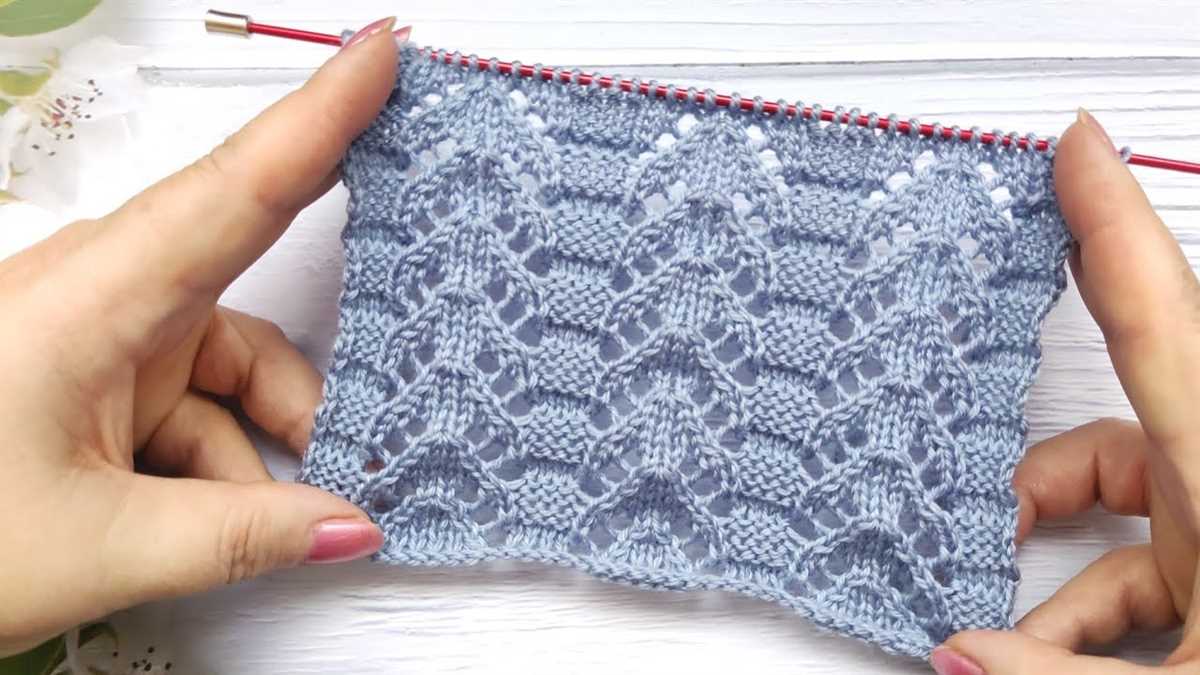
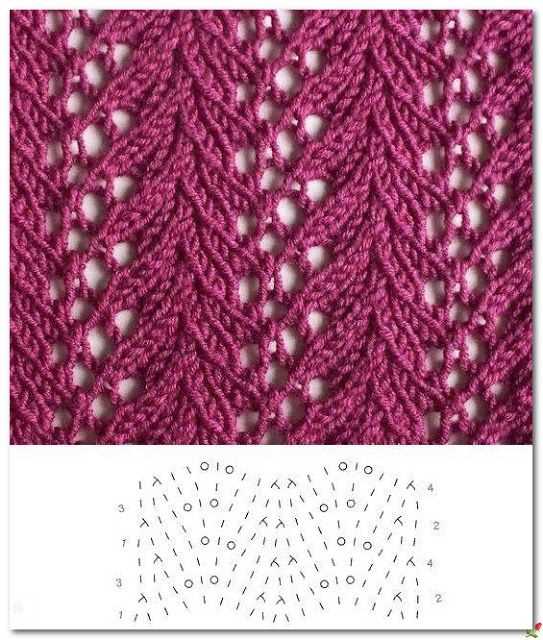
If you’re looking for a fancy stitch pattern that is a bit more challenging, try the lace stitch. Lace stitch patterns create delicate and intricate designs that are perfect for shawls, wraps, and other lightweight garments. To knit a lace stitch pattern, you will need to follow a specific chart or pattern that indicates which stitches to knit and which to yarn over or decrease. While lace stitch patterns require more concentration and attention to detail, they can produce stunning results and are great for intermediate knitters looking to expand their skills.
Overall, there are many easy fancy knitting stitch patterns available for beginners. Whether you’re looking for a simple yet textured pattern like the seed stitch or a more intricate lace pattern, there is a stitch pattern out there to suit your taste and skill level. So grab your needles and yarn, and start adding some fancy stitches to your knitting projects!
Intermediate Fancy Knitting Stitch Patterns for More Experienced Knitters
For knitters who have mastered the basic stitches and are ready to take their skills to the next level, intermediate fancy knitting stitch patterns offer a great opportunity to showcase their talents and create stunning pieces with intricate designs. These stitch patterns require a bit more concentration and skill, but the end result is definitely worth the effort.
Cable Stitch: Cable stitch patterns are a popular choice for intermediate knitters looking to add texture and depth to their projects. By crossing stitches over each other, cable stitch patterns create the appearance of interlocking cables. Whether it’s a simple single cable or a complex Celtic knot, cable stitch patterns can add a touch of elegance to any knitting project.
Lace Stitch: Lace stitch patterns are delicate and airy, perfect for adding a touch of femininity to knitted garments and accessories. These patterns typically involve yarnovers, decreases, and intricate stitch combinations to create openwork designs. From simple eyelet patterns to intricate lace motifs, there are endless possibilities with lace stitch patterns.
Here are a few more intermediate fancy knitting stitch patterns to explore:
- Twisted Stitch: Twisted stitch patterns create a unique twisted or braided effect in the fabric. Working through the back loop of the stitch creates the twist, resulting in a visually appealing texture.
- Mock Cable Stitch: As the name suggests, this stitch pattern mimics the look of a cable stitch without the need for a cable needle. By manipulating stitches through various decreases and yarnovers, you can create the illusion of cables.
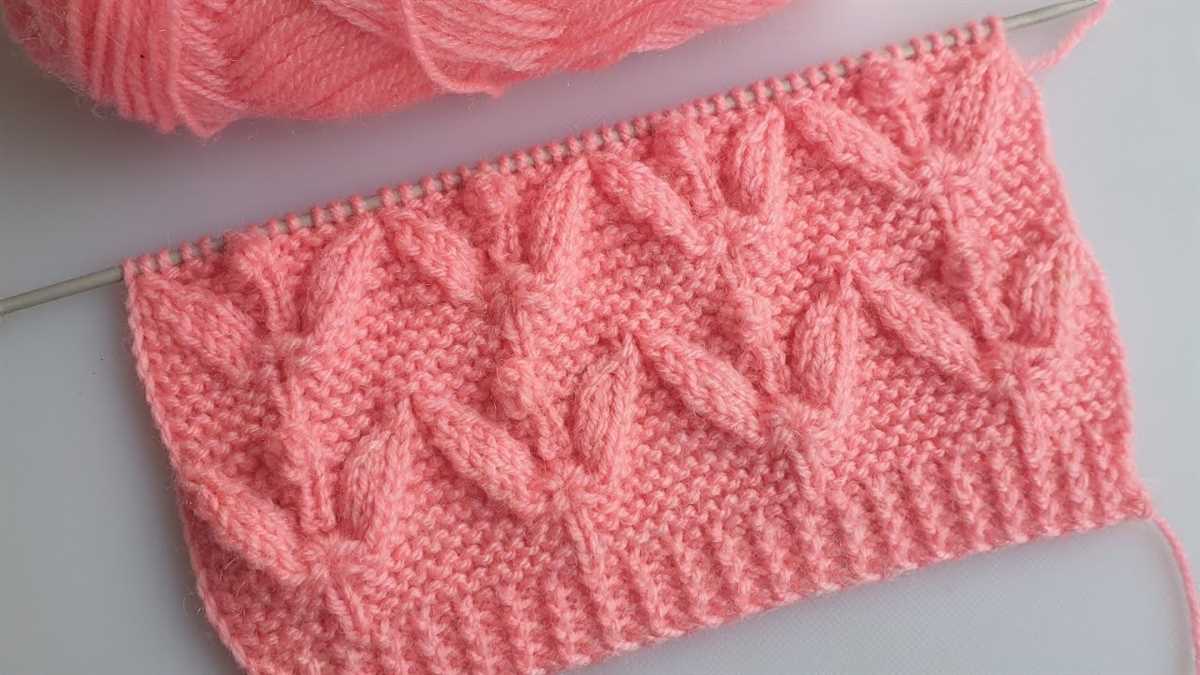
- Bobble Stitch: Bobble stitch patterns create small raised bumps on the fabric, adding fun and texture to any knitting project. These bobbles are created by knitting several stitches into one, then reducing them back down to create the bobble effect.
- Slip Stitch: Slip stitch patterns involve slipping stitches from one needle to another without working them. These patterns can create interesting textures and colorwork effects by using contrasting yarns and combining slipped stitches with knitted or purled stitches.
With intermediate fancy knitting stitch patterns, you can take your knitting skills to new heights and create truly unique and eye-catching projects. Don’t be afraid to challenge yourself and try new patterns – the more you practice, the more confident you’ll become in your knitting abilities.
Advanced Fancy Knitting Stitch Patterns for Expert Knitters

For expert knitters looking to challenge their skills and create truly unique and intricate designs, advanced fancy knitting stitch patterns are the perfect choice. These patterns feature complex combinations of stitches and techniques that go beyond the basic knit and purl stitches, allowing knitters to showcase their expertise and create stunning garments and accessories.
One example of an advanced fancy knitting stitch pattern is the cable stitch. This technique involves twisting stitches in a specific pattern to create a raised design that resembles interlocking cables. With cable stitches, knitters can create beautiful and intricate patterns that add depth and texture to their projects. This stitch pattern requires careful attention to detail and precision, making it a favorite among experienced knitters.
Another advanced fancy knitting stitch pattern is the lace stitch. Lace stitches involve creating delicate and intricate patterns that resemble lace fabric. These patterns often incorporate yarn overs and decreases to create holes and eyelets, giving the finished project an airy and delicate appearance. Lace stitches require concentration and patience, as they can be challenging to execute correctly. However, the end result is well worth the effort, as lace patterns can add an elegant and sophisticated touch to any knitting project.
If you’re an expert knitter looking to take your skills to the next level, trying out advanced fancy knitting stitch patterns is a great way to challenge yourself and create truly unique and impressive designs. With cable stitches and lace stitches just being a few examples, there are countless intricate stitch patterns to explore and master. So pick up your needles and get ready to create stunning works of art that showcase your expertise in knitting.
How to read and follow fancy knitting stitch patterns
Knitting stitch patterns can be a fun and creative way to add texture and complexity to your knitting projects. However, when it comes to fancy stitch patterns, it’s important to understand how to read and follow the instructions accurately. Here are some tips to help you decipher and execute these intricate patterns.
1. Familiarize yourself with the abbreviations
When you first look at a fancy stitch pattern, you might feel overwhelmed by the combination of letters and symbols. However, most knitting patterns use abbreviations to make the instructions shorter and easier to read. Before you start working on the pattern, make sure to review and understand the abbreviations used. This will help you understand the overall structure of the pattern.
2. Read the instructions carefully
Once you’re familiar with the abbreviations, it’s time to read the instructions for the fancy stitch pattern. Take your time to carefully go through each step and make sure you understand what it’s asking you to do. If there are any parts that seem unclear, refer back to the abbreviations or seek clarification from other resources, such as knitting forums or tutorial videos.
3. Pay attention to stitch repeats
In most fancy knitting stitch patterns, you’ll notice that there are certain sections that repeat throughout the pattern. These stitch repeats are often denoted by asterisks (*) or other symbols. It’s important to pay close attention to these repeats because they will dictate how the pattern is formed. Once you understand the repeat, you can easily replicate it multiple times to create the desired effect.
4. Take notes and use stitch markers

To help you keep track of your progress and prevent mistakes, it’s a good idea to take notes as you work on the fancy stitch pattern. Note down the number of stitches in each repeat and any modifications or variations you make along the way. Additionally, using stitch markers can be helpful in marking specific sections of the pattern or highlighting particular stitches that require attention.
5. Practice and experiment
Reading and following fancy knitting stitch patterns can be challenging at first, but with practice, you’ll become more comfortable and confident. Don’t be afraid to experiment and try different variations of the pattern to make it your own. As you gain more experience, you’ll develop a better understanding of how these patterns work and be able to tackle even more complex designs.
Remember, knitting should be enjoyable, so don’t be discouraged if you make mistakes or find the pattern difficult initially. Embrace the process, be patient with yourself, and soon you’ll be creating stunning pieces using fancy knitting stitch patterns.
Tips for fixing mistakes in fancy knitting stitch patterns

Knitting intricate stitch patterns can be a delightful and rewarding experience, but it’s not uncommon to make mistakes along the way. Whether you accidentally drop a stitch, create an unintended hole, or mix up the order of your stitches, here are some helpful tips for fixing mistakes in fancy knitting stitch patterns.
1. Fixing dropped stitches
If you notice that you have dropped a stitch in your fancy knitting pattern, don’t panic! Take a deep breath and carefully examine your work to identify where the dropped stitch occurred. Once you locate it, use a crochet hook or a small knitting needle to pick up the fallen stitch and place it back on the needle in the correct orientation. Make sure to secure the stitch by working it properly within the pattern.
2. Repairing holes
Accidentally creating a hole in your fancy knitting stitch pattern can be frustrating, but it’s fixable. First, identify the location of the hole and determine the cause. It could be a missed yarnover or an accidental yarnover. To repair the hole, carefully unravel the stitches around the hole until you reach the mistake. Then, use a crochet hook or knitting needle to fix the stitches, ensuring they are properly aligned with the surrounding pattern. Finally, rework the rows above the repaired stitches if necessary to maintain the pattern’s continuity.
3. Correcting stitch order mistakes
If you realize that you’ve mixed up the order of your stitches in a fancy knitting pattern, don’t fret. Start by identifying the incorrect stitches and carefully unknitting them until you reach the mistake. Pay close attention to the surrounding stitches to ensure they remain intact. Once you’ve reached the incorrect stitches, carefully rework them in the correct order, following the pattern carefully. If you find it challenging to fix the mistake, it might be helpful to use lifelines or stitch markers to mark your progress and prevent further errors.
Remember, mistakes are a natural part of knitting, especially when working with intricate stitch patterns. Embrace them as an opportunity to learn and improve your skills. With patience and these tips in mind, you’ll be able to fix any mistakes in your fancy knitting stitch patterns and achieve a beautiful finished project.
Incorporating fancy stitch patterns into your knitting projects
When it comes to knitting, adding fancy stitch patterns can elevate your projects from ordinary to extraordinary. These intricate patterns can add depth, texture, and visual interest to your knitted items, making them stand out from the crowd. Whether you’re making a cozy sweater, a trendy scarf, or even a decorative home accessory, incorporating fancy stitch patterns can take your knitting skills to the next level.
One popular fancy stitch pattern is the cable knit. This technique creates a twisted, woven appearance that mimics the look of braided ropes or cables. Cable knitting involves crossing stitches over each other, creating a beautiful and intricate texture. This pattern can be used to add detail to the front of a sweater or create a focal point on a hat or scarf. With endless cable variations and combinations, you can experiment with different designs and create unique pieces that showcase your knitting expertise.
Another fancy stitch pattern worth exploring is lace knitting. Lace knitting involves creating delicate and intricate patterns using yarn-overs, decreases, and increases. The resulting fabric has an airy and openwork look that is perfect for creating beautiful shawls, scarves, or even dainty cardigans. Lace patterns can range from simple and repetitive to complex and challenging, allowing you to choose a design that suits your skill level and desired outcome. Whether you’re a beginner or an experienced knitter, incorporating lace patterns in your projects can bring a touch of elegance and femininity to your knitted creations.
- Adding texture to your knitted items can be achieved through stitch patterns like seed stitch, moss stitch, or basket weave stitch. These patterns create a raised, textured surface that adds visual interest and dimension to your knitting. They are perfect for creating cozy blankets, warm scarves, or even stylish hats. By combining different stitch patterns or incorporating them as borders or accents, you can create unique and textured pieces that are sure to impress.
- If you’re feeling adventurous, you can explore more intricate stitch patterns like the brioche stitch or the entrelac technique. The brioche stitch creates a reversible ribbed fabric that looks dense and plush, perfect for scarves or blankets. The entrelac technique involves knitting small squares or diamonds and attaching them together in a mosaic-like pattern, resulting in a stunning and eye-catching fabric. These advanced stitch patterns may require some practice and patience, but the end result is well worth the effort.
- Don’t be afraid to experiment with different stitch patterns and combine them in unexpected ways. Mixing textures, colors, and stitch patterns can add personality and uniqueness to your knitting projects. Remember to choose stitch patterns that complement your yarn choice and project type, and always swatch before starting a new project to ensure that you achieve the desired gauge and look.
- Incorporating fancy stitch patterns into your knitting projects is a great way to challenge yourself and expand your knitting repertoire. Whether you’re a beginner or an advanced knitter, there’s always a new stitch pattern or technique to discover. So grab your knitting needles and explore the world of fancy stitch patterns – you never know what beautiful creations you’ll be able to make!
Creating your own unique fancy knitting stitch patterns
Knitting is not only a way to create beautiful and warm garments, but also a creative process that allows you to express your individuality. One way to make your knitting projects truly unique is by creating your own fancy stitch patterns. By combining different stitches and experimenting with texture and color, you can create one-of-a-kind designs that are sure to impress.
1. Start with the basics: Before you can create your own fancy stitch patterns, it’s important to have a solid understanding of the basic knitting stitches. Practice knitting and purling, as well as simple increases and decreases. This will give you a strong foundation to build upon and allow you to experiment with more complex stitch patterns.
2. Get inspired: Look for inspiration in unexpected places. Take a walk in nature and notice the patterns and textures around you. Look at art, architecture, and fashion for unique design ideas. You can also explore knitting books and online resources for stitch patterns that you can modify and make your own.
3. Experiment with stitch combinations: Once you have a basic understanding of knitting stitches, start experimenting with different stitch combinations. Mix and match different stitches to create interesting textures and patterns. Try combining cables, lace, and colorwork for a truly fancy and unique design.
4. Keep track of your ideas: As you experiment with different stitch patterns, it’s important to keep track of your ideas. Use a knitting journal or create a digital folder to store your favorite stitch patterns and design ideas. This will help you stay organized and make it easier to remember your creations.
5. Test your creations: Once you have created a new stitch pattern, it’s important to test it out before using it in a larger project. Knit a swatch using the new stitch pattern to see how it looks and feels. Make any necessary adjustments and then test it out again. This will ensure that your stitch pattern is both visually appealing and structurally sound.
6. Share your creations: Don’t be afraid to share your unique stitch patterns with others. Join knitting communities or social media groups to connect with fellow knitters who can appreciate and provide feedback on your creations. Sharing your work can also inspire others and spark new ideas for your own designs.
Creating your own unique fancy knitting stitch patterns is a rewarding and creative endeavor. By combining your knowledge of basic knitting stitches with your own imagination and experimentation, you can create stunning designs that reflect your individual style and skill. So pick up your needles and start exploring the endless possibilities of fancy knitting stitch patterns!
Using fancy stitch patterns to add texture and design to garments
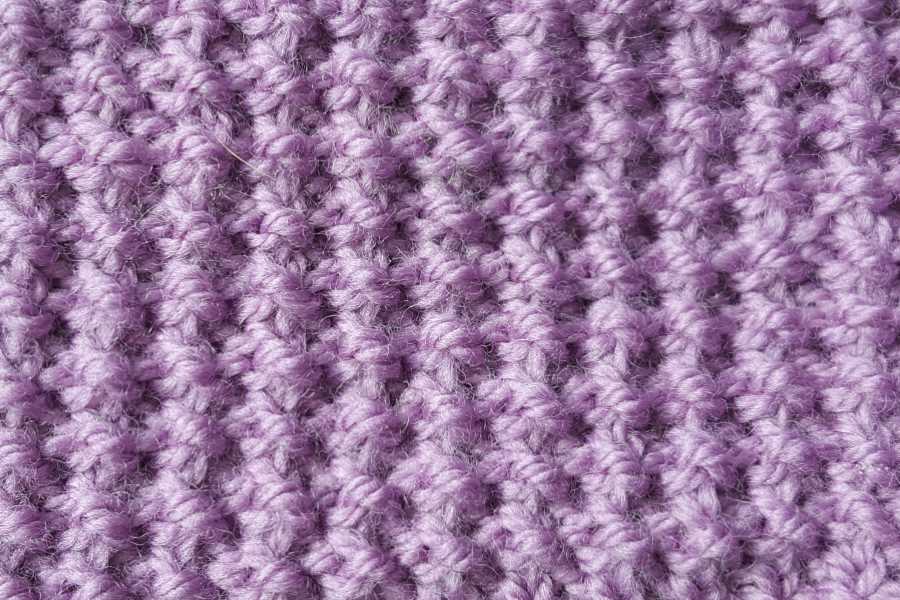
Knitting is not just about creating warm and cozy garments for the winter season. It is also a creative outlet that allows knitters to experiment with different stitch patterns to add texture and design to their projects. By incorporating fancy stitch patterns, such as lace, cables, and bobbles, knitters can transform ordinary garments into unique and eye-catching pieces.
Lace stitch patterns are perfect for adding delicate and feminine details to garments. These patterns often feature intricate designs of yarn overs and decreases, creating a lace-like appearance. Lace stitch patterns can be used to create beautiful shawls, scarves, or even as decorative elements on sleeves or hems. Whether you choose a simple lace pattern or a more complex one, adding lace to your knitting projects is sure to elevate the overall look and feel.
Cable stitch patterns are another popular choice for adding texture and design to garments. Cables are created by crossing stitches over each other, resulting in a twisted, rope-like appearance. This technique can be used to create various designs, from simple braids to more intricate cable panels. Adding cables to sweaters, cardigans, or hats can instantly give them a classic and timeless look. The versatility of cable stitch patterns allows knitters to experiment with different combinations and sizes to achieve the desired effect.
Bobble stitch patterns can bring a playful and fun element to knitted garments. Bobbles are created by increasing and decreasing stitches in a specific way, resulting in small, raised spheres of yarn. These decorative elements can be strategically placed to create patterns or used sparingly to add texture and interest. Bobbles can be incorporated into hats, gloves, or even as details on baby garments. Their three-dimensional appearance adds visual interest and can make any knitted garment stand out.
- Overall, incorporating fancy stitch patterns into garments can turn a simple knitting project into a work of art.
- Experimenting with lace, cable, or bobble stitch patterns allows knitters to add their personal touch and creativity to their projects.
- These stitch patterns not only enhance the visual appeal of the garments but also add texture, making the finished pieces more interesting to touch and wear.
- Whether you are a beginner or an experienced knitter, trying out different stitch patterns is a great way to expand your knitting skills and explore new techniques.
- With countless stitch patterns available, the possibilities are endless when it comes to creating unique and one-of-a-kind garments.
Showcasing your fancy knitting stitch patterns in social media and blogs
If you have spent time and effort creating beautiful and intricate knitting stitch patterns, it’s only natural that you would want to show them off to the world. Social media and blogs provide the perfect platforms to share your creations and connect with fellow knitting enthusiasts. Here are some tips on how to showcase your fancy knitting stitch patterns effectively:
1. High-quality photography: Invest in a good camera or smartphone with a high-resolution camera to capture the intricate details of your knitting. Natural lighting works best, so try to take photos during the day near a window or outdoors. Pay attention to composition and framing to make your photos visually appealing.
2. Engaging captions and descriptions: When posting your knitting stitch patterns, provide meaningful captions and descriptions that highlight the unique elements of your work. Share interesting tidbits about the stitches used, the inspiration behind your designs, or any challenges you faced during the knitting process. This will help viewers connect with your work on a deeper level.
3. Hashtags and keywords: Utilize relevant hashtags and keywords to increase the visibility of your knitting stitch patterns on social media platforms. Research popular knitting-related hashtags and use them in your posts to reach a wider audience. Additionally, include descriptive keywords in your blog posts to improve search engine optimization (SEO) and drive organic traffic to your website or blog.
4. Collaborate with other knitters: Engage with the knitting community by collaborating with other knitters or featuring their work on your social media or blog. This can help you expand your network, gain inspiration, and attract new followers or readers. Collaborations can take the form of guest blog posts, interviews, or joint knitting projects.
5. Create tutorials and how-to guides: Share your knowledge and expertise by creating tutorials and how-to guides for your fancy knitting stitch patterns. This not only establishes you as an authority in the knitting community but also provides valuable content that can drive traffic to your blog or social media platforms. Use a combination of written instructions, step-by-step photos, and videos to make your tutorials accessible and easy to follow.
6. Engage with your audience: Respond to comments, messages, and inquiries from your audience in a timely and friendly manner. Encourage discussions and interactions by asking questions or seeking feedback. Building a strong and engaged community around your knitting stitch patterns will help you establish your online presence and attract loyal followers.
By following these tips, you can effectively showcase your fancy knitting stitch patterns in social media and blogs. Remember to stay consistent, be genuine, and continue to create beautiful designs that inspire and captivate your audience.