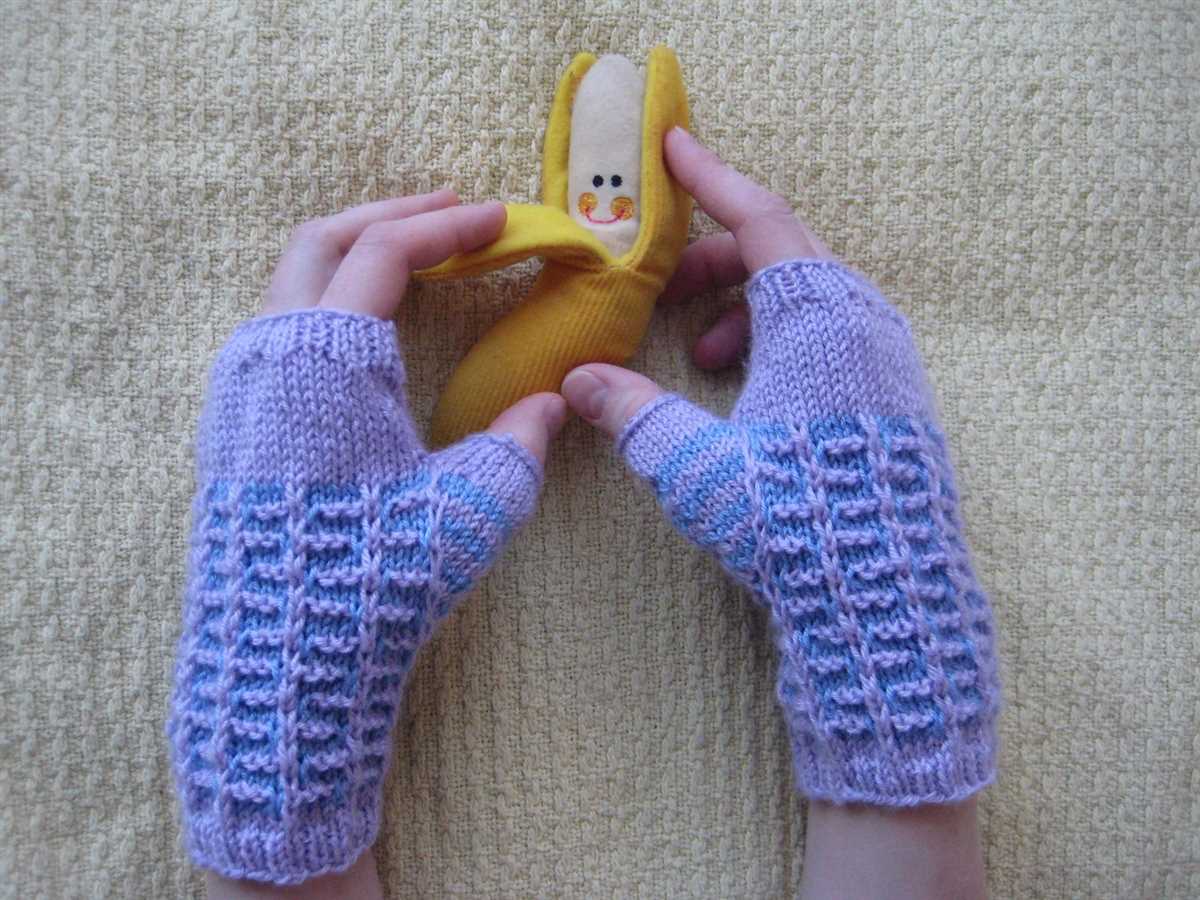
Fingerless gloves are a popular accessory, loved for their practicality and style. Whether you want to keep your hands warm while using your phone or need a cozy layer for outdoor activities, fingerless gloves are the perfect solution. And what better way to customize your own pair than with loom knitting?
Loom knitting is a versatile and beginner-friendly alternative to traditional knitting using needles. It involves using a loom, also known as a knitting loom or knitting board, to create various stitches and patterns. One of the popular patterns for loom knitting is fingerless gloves.
This fingerless gloves loom knitting pattern is designed to be quick and easy, making it perfect for knitters of all levels. With just a few simple stitches and techniques, you can create a pair of fingerless gloves that are not only cozy but also stylish. The pattern can also be easily customized to fit your unique style and preferences, from choosing different colors to adding decorative accents.
What are fingerless gloves?
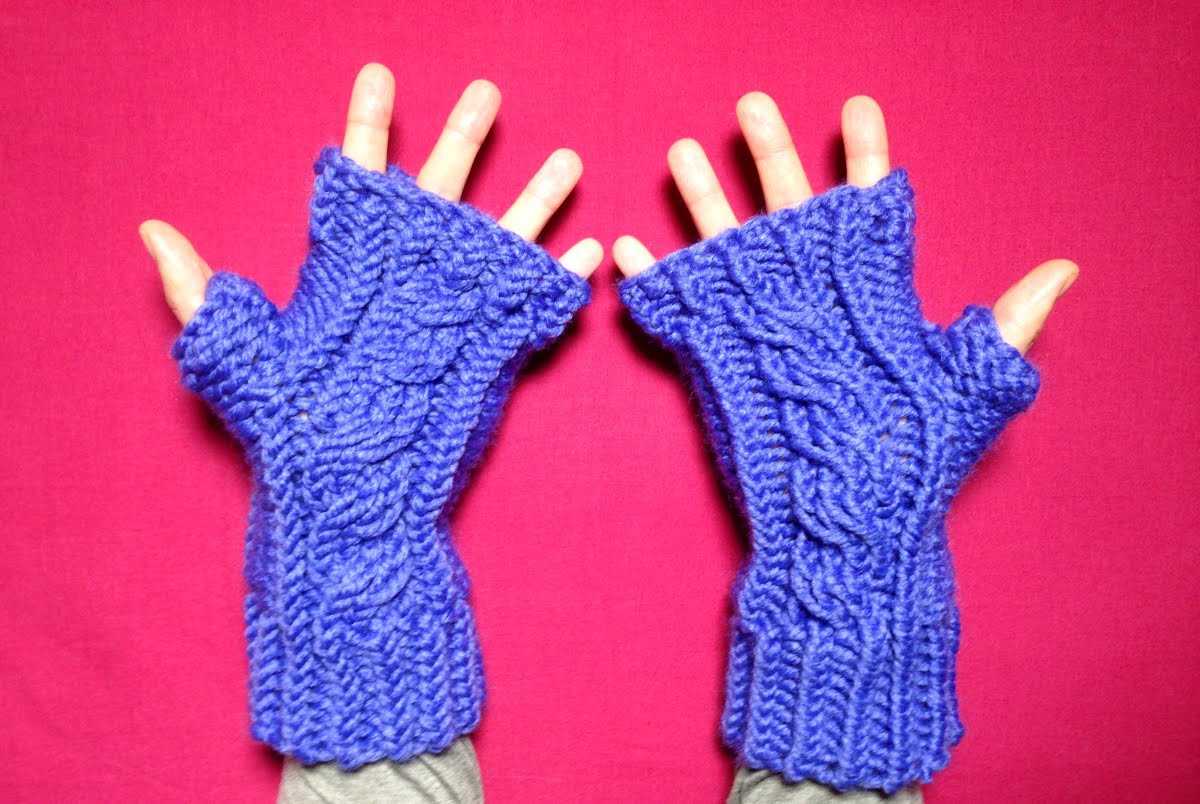
Fingerless gloves, as the name suggests, are gloves that cover the hands but leave the fingers exposed. They are designed to keep the hands warm while allowing for greater dexterity and sensitivity in the fingers. Typically, fingerless gloves cover the palm of the hand, while leaving the thumb and fingers free.
Fingerless gloves have become popular for a variety of reasons. They offer protection and warmth to the hands, while still allowing individuals to perform tasks that require the use of their fingers, such as typing on a keyboard, using a smartphone, or playing an instrument. They are also popular among outdoor enthusiasts, as they provide warmth without sacrificing the ability to easily handle equipment or perform activities that require precision.
Benefits of fingerless gloves:
- Keeps the hands warm while leaving fingers free for tasks
- Allows for greater dexterity and sensitivity in the fingers
- Popular among individuals who use electronic devices regularly
- Preferred by outdoor enthusiasts for activities that require precision
Fingerless gloves are available in a variety of materials, including yarn, wool, leather, and synthetic fabrics. They can be found in various styles and designs, ranging from simple and functional to fashionable and trendy. Additionally, fingerless gloves can be handmade or purchased from retailers specializing in winter accessories.
Benefits of Fingerless Gloves
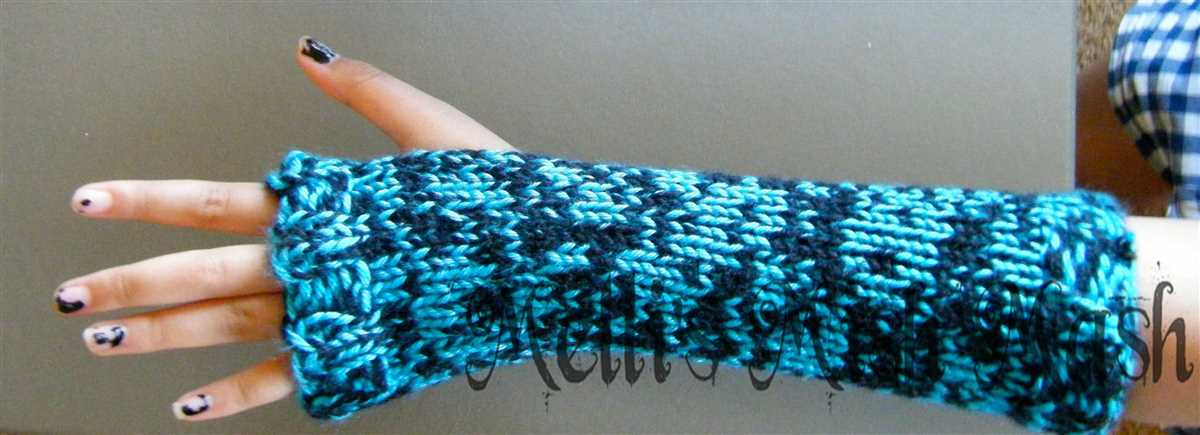
Fingerless gloves are a popular accessory that can provide numerous benefits. While regular gloves cover your entire hands, fingerless gloves leave your fingers exposed, allowing for increased dexterity and freedom of movement. This makes them ideal for a variety of activities and situations.
One of the main benefits of fingerless gloves is their versatility. They can be worn year-round, providing warmth in cooler months without sacrificing the ability to use your fingers. This makes them a great choice for outdoor activities such as hiking, camping, and biking, where you need to keep your hands warm while still being able to perform tasks that require precision.
1. Improved Grip: Fingerless gloves can provide a better grip on objects compared to regular gloves. With your fingers exposed, you have direct contact with the surface, allowing you to maintain better control. This is particularly useful when handling tools or equipment, whether for work or hobbies.
2. Easy Access: Fingerless gloves allow for easy access to your fingertips. Whether you need to use your phone, type on a keyboard, or handle small items like coins or keys, you can do so without having to remove your gloves. They offer convenience and functionality in situations where you need to quickly switch between tasks.
3. Fashionable and Stylish: Fingerless gloves come in a wide range of designs, colors, and materials. From basic knitted patterns to trendy leather or lace styles, there is a fingerless glove for every fashion preference. They can add a touch of elegance and uniqueness to any outfit, making them a versatile accessory for both casual and formal occasions.
4. Protection and Comfort: Fingerless gloves provide some protection for your hands while still allowing them to breathe. They can shield your palms and the back of your hand from cold temperatures or harmful elements like sun exposure or rough surfaces. At the same time, they don’t restrict your movements or make your hands overheated, ensuring your comfort throughout the day.
In conclusion, fingerless gloves offer a range of benefits, making them an essential accessory for many. Their versatility, improved grip, easy access to fingertips, fashionable appearance, and protection and comfort make them a practical and stylish choice for various activities and occasions.
Choosing the right loom knitting pattern
When it comes to loom knitting, choosing the right pattern is essential for a successful project. Whether you’re a beginner or an experienced loom knitter, there are a few factors to consider before diving into a new project.
Skill Level: One of the first things to consider when choosing a loom knitting pattern is your skill level. If you’re just starting out, it’s important to choose a pattern that is labeled as beginner-friendly. These patterns usually have clear instructions and use basic stitches. On the other hand, if you’re an experienced loom knitter, you may want to challenge yourself with a more complex pattern.
Style and Design: Another important factor to consider is the style and design of the pattern. Loom knitting patterns are available in a wide range of styles, from simple and classic to intricate and decorative. Think about the purpose of your project and choose a pattern that matches your personal style and preferences.
Yarn and Loom Size: Before committing to a loom knitting pattern, make sure to check the recommended yarn weight and loom size. While some patterns may provide specific recommendations, others leave it up to the knitter to choose their own materials. Consider the type of yarn you prefer and make sure it is suitable for the pattern. Similarly, check that your loom size matches the gauge and dimensions specified in the pattern.
Reviews and Feedback: Finally, it’s always a good idea to read reviews and seek feedback from other loom knitters who have attempted the pattern you’re interested in. This can give you an idea of any potential challenges or modifications that may be necessary. Online forums and social media groups dedicated to loom knitting can be a valuable resource for gathering this information.
By taking the time to consider these factors, you can ensure that you choose the right loom knitting pattern for your skill level, style, and materials. With the right pattern, you’ll be on your way to creating beautiful fingerless gloves or any other loom knitted item.
Materials required for fingerless gloves
When it comes to knitting fingerless gloves, having the right materials is essential. Here is a list of the necessary items to ensure a successful project:
- Loom: A knitting loom with the appropriate number of pegs for the desired size of the gloves. The loom should have a comfortable grip and smooth surface to prevent snagging.
- Yarn: Choose a soft and warm yarn suitable for fingerless gloves. Acrylic or wool blends are popular choices, offering both comfort and durability.
- Knitting hook: A knitting hook with a comfortable grip is essential for working with the loom and manipulating the yarn.
- Scissors: A pair of sharp scissors is necessary for cutting the yarn and finishing off the gloves.
- Tapestry needle: A tapestry needle with a large eye is useful for weaving in loose ends and sewing up any seams.
- Stitch markers: Stitch markers can be helpful for keeping track of the beginning and end of rounds, especially for more complex patterns.
- Measuring tape: A measuring tape or ruler is useful for checking gauge and ensuring the gloves are the correct size.
By having all these materials at hand before starting the fingerless gloves project, knitters can ensure a smooth and enjoyable knitting experience.
Step-by-step instructions for loom knitting fingerless gloves
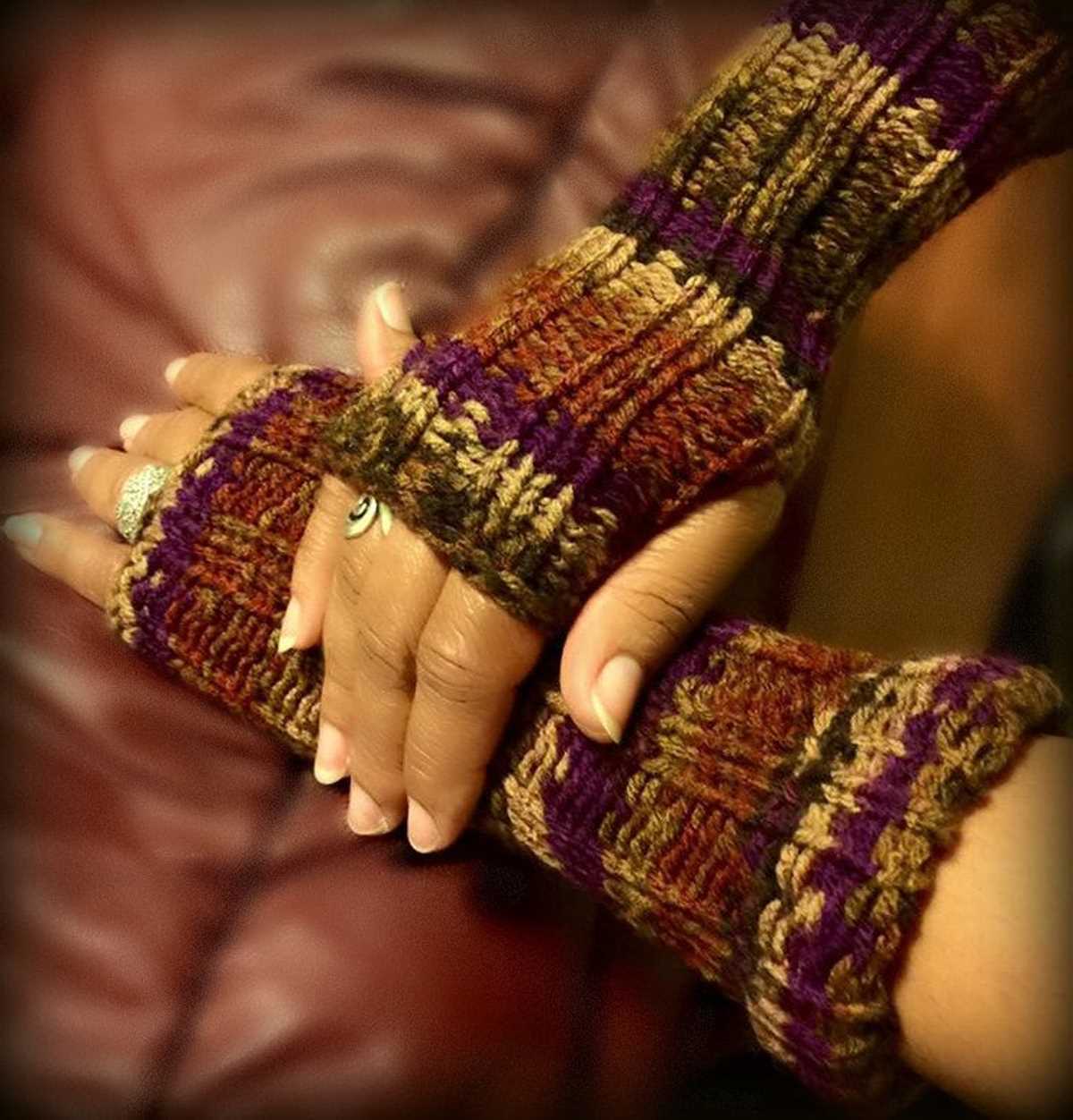
For those new to loom knitting or looking to expand their skills, fingerless gloves are a fun and practical project to try. They provide warmth and flexibility for your hands while leaving your fingers free to move. Here are step-by-step instructions to loom knit your own fingerless gloves.
Materials needed:
- Knitting loom
- Loom hook
- Yarn in your choice of color
- Tapestry needle
- Scissors
Step 1: Cast on
Start by casting on stitches on your knitting loom. The number of stitches will depend on the size of your hand and the desired fit of the gloves. A typical starting point is around 24 stitches, but you can adjust as needed. Make sure the stitches are evenly spaced around the loom.
Step 2: Knit the cuff
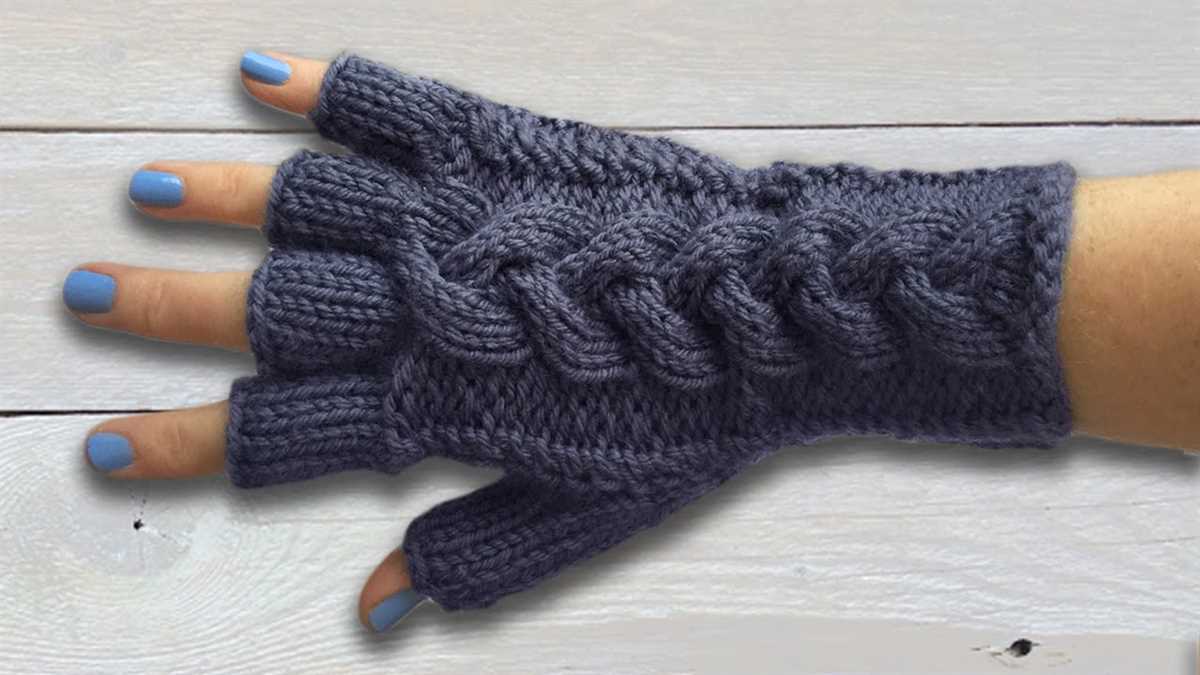
Next, you will knit the cuff of the glove. Use the e-wrap stitch or your preferred stitch to work in rounds until the cuff reaches your desired length. This is typically around 2-3 inches, but you can adjust to your preference. Keep in mind that the cuff should be snug enough to stay in place but not too tight.
Step 3: Knit the hand
Once the cuff is complete, you will continue knitting the hand of the glove. Again, use the e-wrap stitch or your preferred stitch and work in rounds until the hand section reaches the base of your fingers. Measure periodically to ensure the correct length. Keep in mind that fingerless gloves are meant to leave your fingertips uncovered, so stop knitting just below the last knuckle of your fingers.
Step 4: Bind off
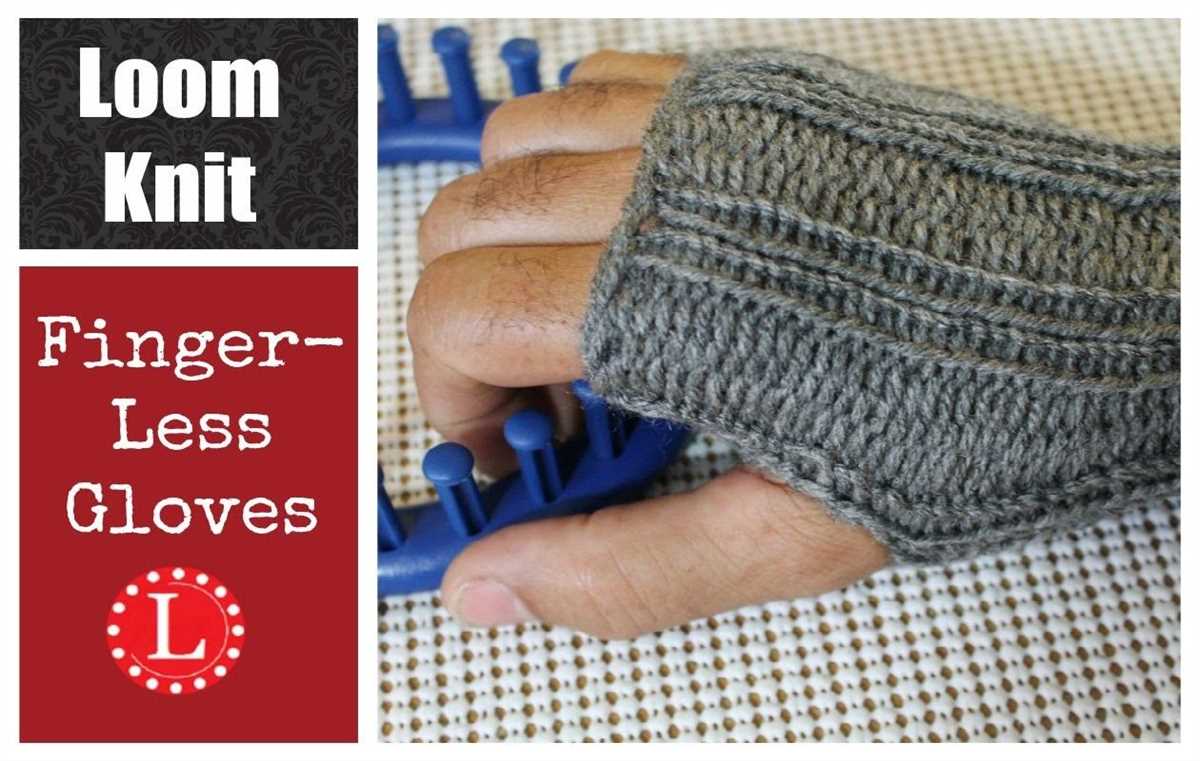
When the hand section is complete, it’s time to bind off your stitches. Cut a long tail of yarn and thread it through a tapestry needle. Slip each stitch off the loom and onto the yarn, removing them from the loom as you go. Once all stitches are off the loom, pull the yarn tight to secure the stitches. Weave in any loose ends.
With these step-by-step instructions, you can easily create your own fingerless gloves using a knitting loom. Customize the colors and stitches to make them unique to your style. Happy loom knitting!
Tips for successful fingerless gloves knitting
Knitting fingerless gloves can be a fun and rewarding project, but it can also present some challenges. Here are some tips to help you knit successful fingerless gloves:
Choose the right yarn
When knitting fingerless gloves, it’s important to choose a yarn that is soft, warm, and breathable. Look for a yarn that is specifically labeled as suitable for gloves or fingerless gloves. A yarn with some stretch or elasticity can also be helpful to ensure a good fit.
Size matters
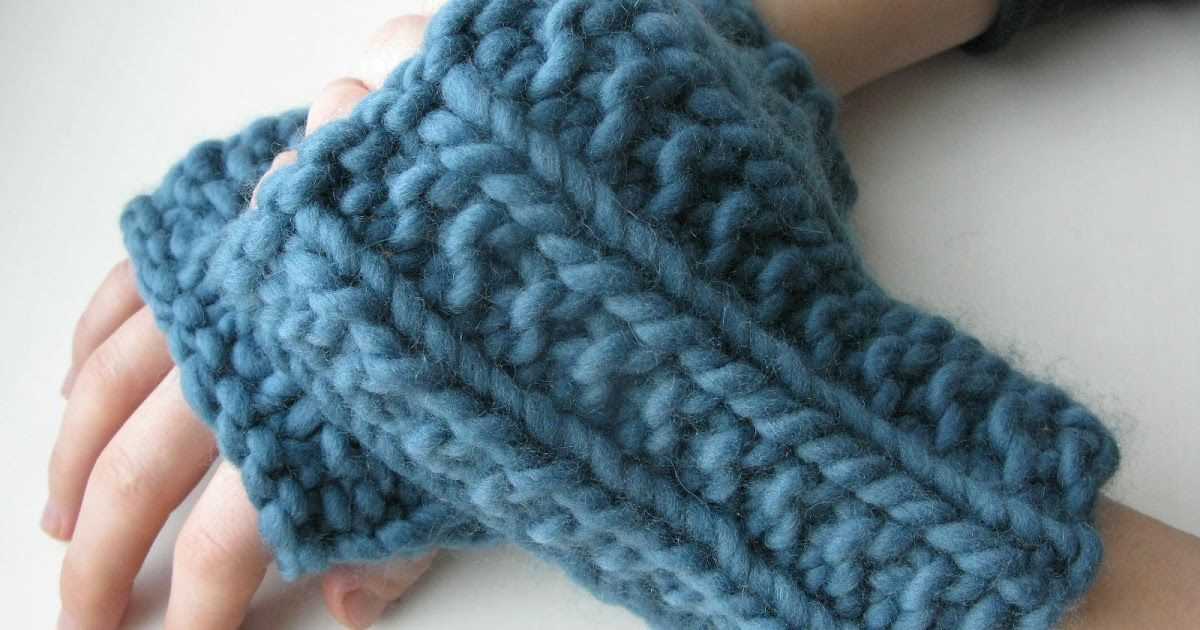
Before you start knitting, take accurate measurements of your hand and wrist to ensure a proper fit. Use the measurements to determine the size of the gloves and adjust the stitch count accordingly. It’s essential to check your gauge and make any necessary adjustments to achieve the correct size.
Use stitch markers
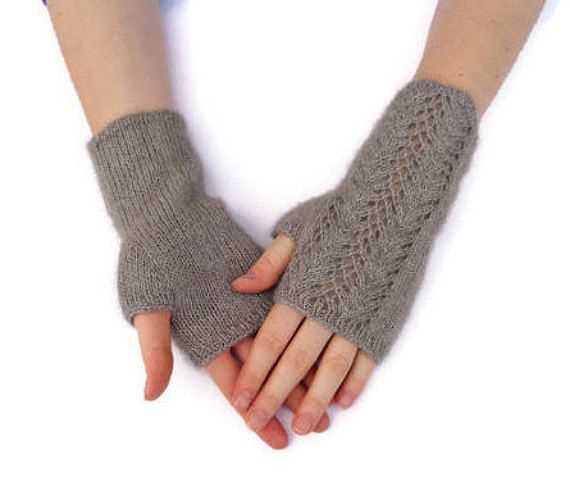
Stitch markers can be extremely helpful when knitting fingerless gloves, especially when working on the thumb gusset. They can help you keep track of the different sections and make it easier to follow the pattern. Place stitch markers at the beginning and end of the thumb gusset, and any other sections that require it.
Take care of the thumb hole
The thumb hole is a crucial part of fingerless gloves, so it’s important to take your time and ensure a neat and well-fitting hole. Follow the pattern instructions carefully and use stitch markers to mark the stitches for the thumb hole. Pay attention to gauge and try the gloves on occasionally to check for a comfortable fit.
Blocking
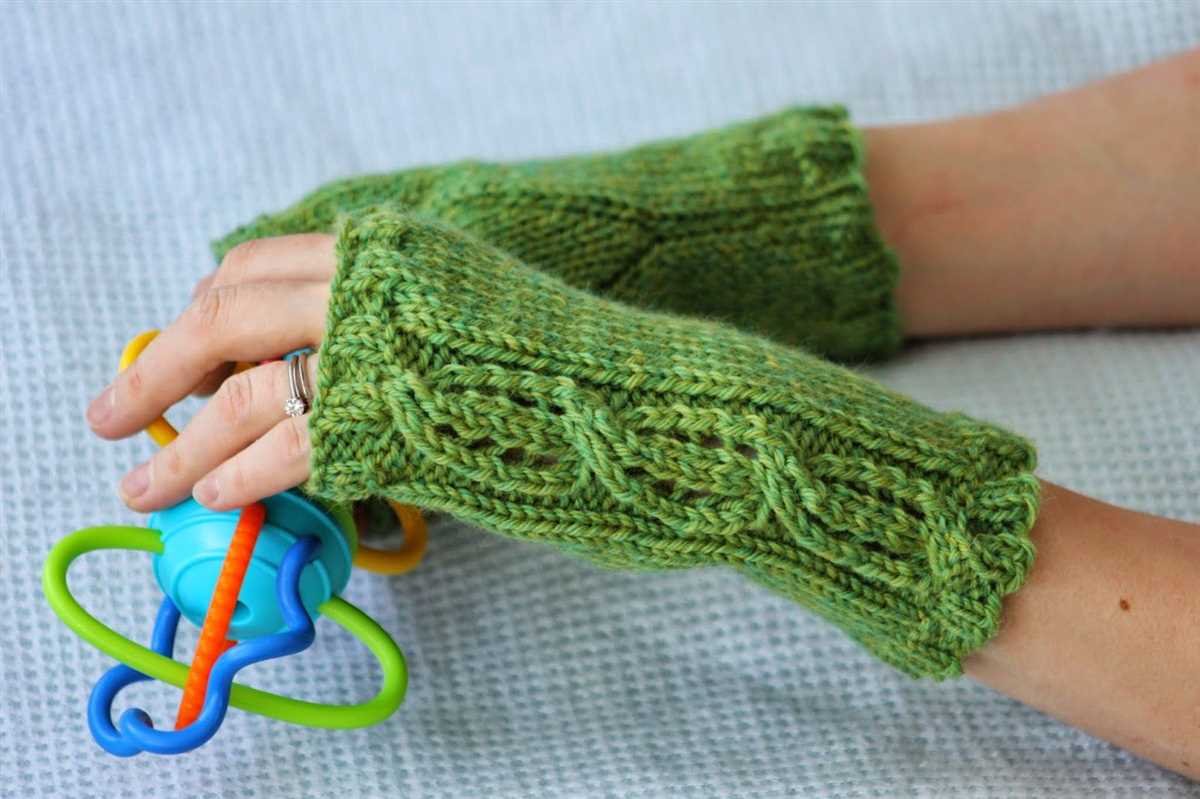
Blocking your fingerless gloves can help to even out the stitches, give them a professional finish, and ensure a better fit. Follow the blocking instructions for your chosen yarn, whether it’s wet blocking or steam blocking. Take your time and let the gloves dry completely before wearing or gifting them.
By following these tips, you can knit fingerless gloves that are not only stylish but also fit well and provide warmth and comfort. Happy knitting!
Adding variations to your fingerless gloves
Once you have mastered the basic fingerless gloves loom knitting pattern, it’s time to get creative and add some variations to your designs. Whether you want to personalize the gloves for yourself or create unique gifts for friends and family, there are plenty of options to explore.
Color variations: One of the easiest ways to add variety to your fingerless gloves is by incorporating different colors. You can create stripes, patterns, or even gradient effects using multiple yarns. Experiment with different combinations and see which ones you like best. Remember, the possibilities are endless!
Stitch variations:
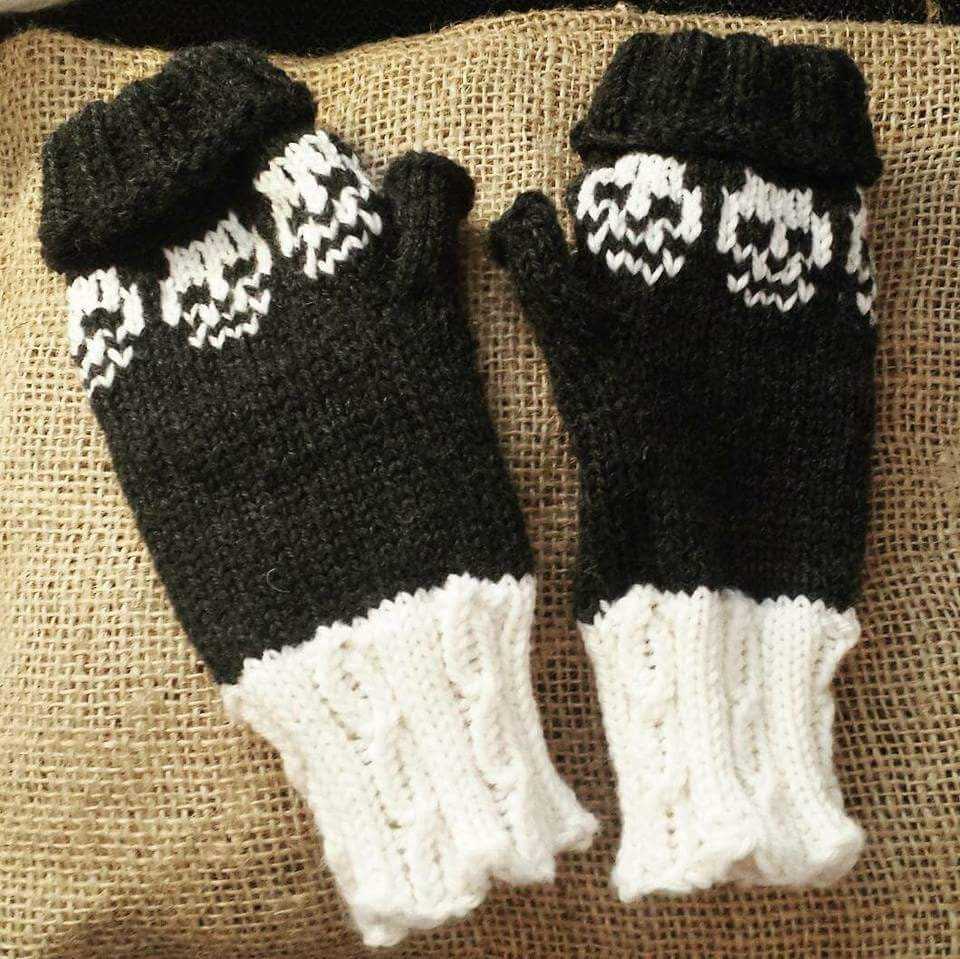
Ribbed stitch: If you want to add texture to your gloves, try using a ribbed stitch pattern. This involves alternating knit and purl stitches to create vertical columns of raised ridges. The ribbed stitch not only looks great but also provides a snug fit, making it perfect for colder weather.
Cable stitch: For a more intricate and decorative look, you can incorporate cable stitches into your fingerless gloves. This involves crossing stitches over each other to create a twisted effect. Cable stitches add visual interest and can elevate your gloves to a whole new level.
Embellishments:
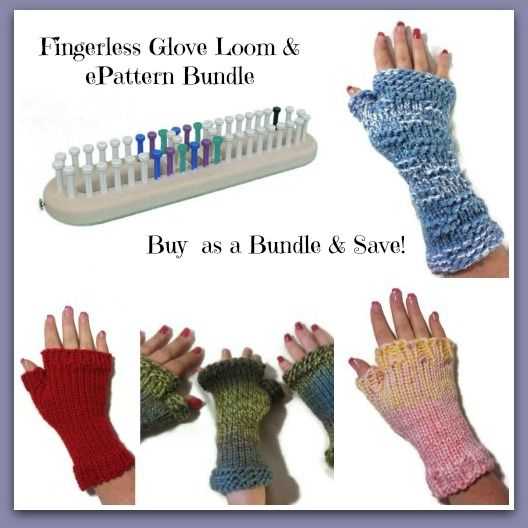
Buttons: Adding buttons to your fingerless gloves can give them a stylish and functional touch. You can attach buttons near the cuff or along the length of the gloves. Choose buttons that complement the color and style of your gloves for a polished and personalized look.
Embroidery: If you have some basic embroidery skills, why not add some intricate designs to your gloves? You can embroider flowers, initials, or any other pattern you like. Embroidery allows you to create unique and eye-catching gloves that will surely be admired.
Remember, don’t be afraid to experiment and try new things. Loom knitting allows for endless customization, so have fun exploring different variations and creating fingerless gloves that are truly one-of-a-kind.
Caring for your fingerless gloves
Proper care and maintenance can help extend the lifespan of your fingerless gloves and keep them looking their best. Here are some tips on how to care for your fingerless gloves:
1. Hand washing
To ensure the longevity of your fingerless gloves, hand washing is recommended. Fill a basin or sink with lukewarm water and add a gentle wool or delicate fabric detergent. Gently agitate the gloves in the water, paying special attention to any soiled areas. Rinse thoroughly with clean water to remove all traces of detergent.
2. Drying
Avoid wringing or twisting the gloves, as this can damage the fibers. Instead, gently squeeze out the excess water and lay the gloves flat on a clean, dry towel. Reshape them if necessary and allow them to air dry away from direct sunlight or heat sources. Avoid using a clothes dryer, as this can cause the gloves to shrink or lose their shape.
3. Storage
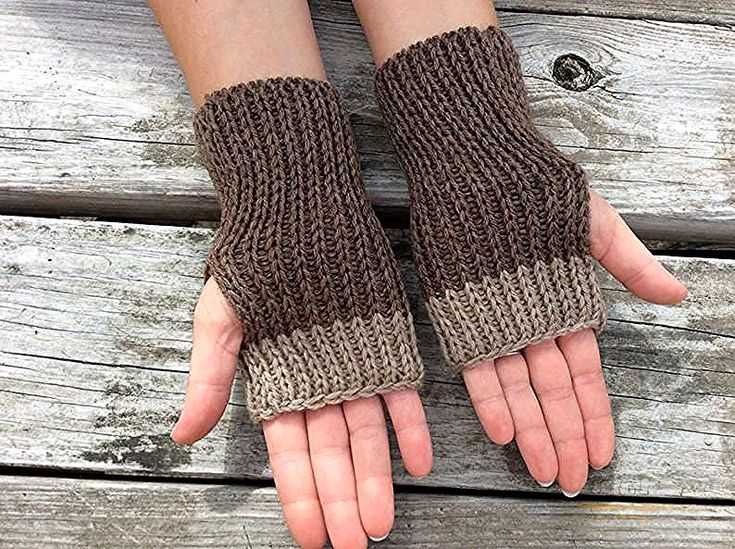
When not in use, it’s important to store your fingerless gloves properly to prevent them from getting damaged. Fold them neatly and place them in a breathable storage bag or box to protect them from dust and moisture. Avoid storing them together with items that may snag or pull at the delicate fibers.
By following these simple care instructions, you can ensure that your fingerless gloves remain in great condition and provide you with warmth and style for many seasons to come.
Other uses for fingerless gloves
Fingerless gloves are not only functional for keeping your hands warm while still allowing you to use your fingers, but they can also serve a variety of other purposes. Here are some other uses for fingerless gloves:
- Fashion accessory: Fingerless gloves can be a stylish addition to any outfit, adding a touch of individuality and creativity. They come in a wide range of colors, patterns, and designs, allowing you to express your personal style.
- Typing and texting: Fingerless gloves are perfect for those who spend a lot of time typing or sending text messages on their devices. They provide warmth to your hands while allowing you to easily use your fingers for accurate typing or texting.
- Driving: Fingerless gloves can improve your grip on the steering wheel, especially during cold weather. They keep your hands warm without compromising your ability to feel the wheel and maintain control over your vehicle.
- Working outdoors: If you work outdoors in a job that requires manual dexterity, fingerless gloves are a practical option. They provide warmth to your hands while allowing you to handle tools, equipment, or perform delicate tasks that require finger sensitivity.
- Cycling and hiking: Fingerless gloves are popular among cyclists and hikers as they provide protection and warmth to the hands without hindering dexterity. They are especially useful in transitional seasons when the weather can be unpredictable.
Conclusion
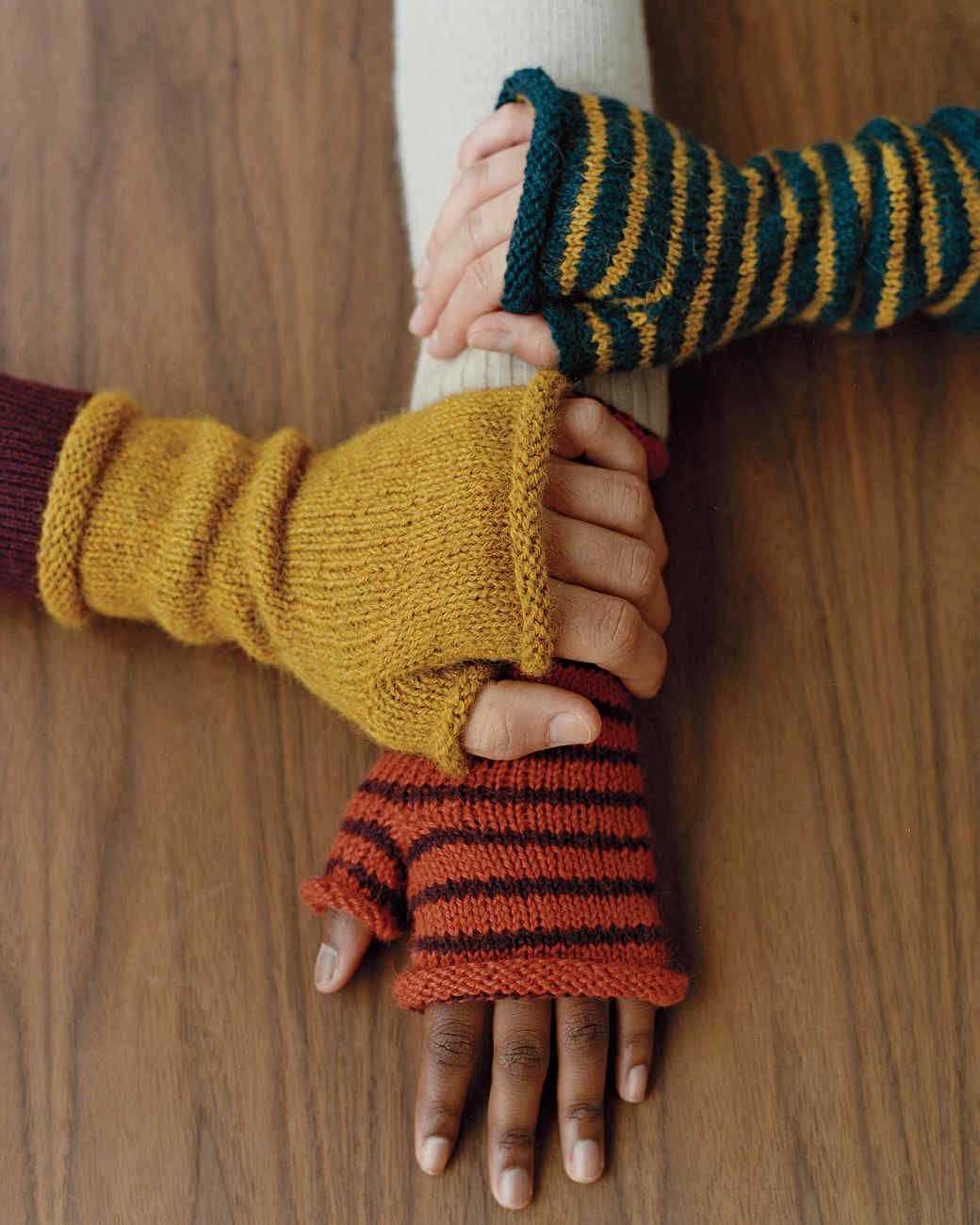
Fingerless gloves are versatile accessories that offer not only warmth for your hands but also various other benefits. Whether you use them for fashion, typing, driving, working outdoors, or engaging in outdoor activities, fingerless gloves are a practical and stylish choice. With their wide range of designs, you can find fingerless gloves that suit your personal style and meet your specific needs.