
Colorwork knitting patterns are a popular choice among knitters who want to add a touch of whimsy and creativity to their projects. Whether you’re a beginner knitter or an expert looking for a new challenge, there are plenty of free colorwork knitting patterns available online to suit your skill level and style.
One of the great things about colorwork knitting is that it allows you to play with different shades and hues to create intricate and eye-catching designs. From traditional Fair Isle patterns to modern geometric motifs, there is a wide range of options to choose from. You can use colorwork to add pops of color to a simple hat or sweater, or create a stunning all-over pattern that will make a bold statement.
If you’re new to colorwork knitting, don’t be intimidated! There are many free patterns available that are designed specifically for beginners. These patterns often feature simple, repetitive motifs and use only two colors, making them a great introduction to the technique. As you gain confidence and experience, you can move on to more complex patterns that incorporate multiple colors and intricate designs.
What is colorwork knitting?

Colorwork knitting, also known as stranded knitting or Fair Isle knitting, is a technique that involves using multiple colors of yarn to create patterns and designs in a knitted fabric. It is a popular technique used to add visual interest and complexity to knitted garments, accessories, and home decor items.
In colorwork knitting, two or more colors of yarn are carried along the back of the work while knitting with one color at a time. The unused colors are stranded or “floated” across the back of the work, creating a dense and warm fabric. This technique allows for intricate and colorful patterns to be created, as the different colors can be used to create stripes, geometric shapes, or more complex motifs.
In traditional Fair Isle knitting, which originated in the Shetland Islands of Scotland, only two colors are used in each row or round. However, modern colorwork knitting techniques allow for more colors to be incorporated into the design. This opens up a world of creative possibilities, as knitters can experiment with different color combinations and create unique and eye-catching patterns.
Colorwork knitting requires attention to detail and careful tension control, as carrying the yarn across the back can create tension issues and affect the gauge of the fabric. The thickness of the yarn and the needle size used can also impact the final result of the colorwork pattern. However, with practice and experience, knitters can master the art of colorwork and create stunning and intricate designs.
Benefits of using colorwork in knitting projects
Colorwork is a popular technique in knitting that involves using different colors of yarn to create patterns and designs in the fabric. This technique adds a whole new dimension to knitting projects and offers a range of benefits to knitters.
1. Versatility: Colorwork allows knitters to create endless possibilities of patterns and designs. Whether you prefer simple stripes or intricate Fair Isle motifs, colorwork gives you the freedom to experiment and express your creativity.
2. Visual Appeal: One of the main advantages of colorwork is its visual impact. The combination of different colors can create stunning and eye-catching designs that make your knitted items stand out. The contrast between colors can add depth and dimension to your knitting, making it more dynamic and visually interesting.
3. Texture and Warmth: Colorwork not only enhances the appearance of your knitting but also adds texture and warmth to your projects. By using different colors in your design, you can create raised or embossed patterns that give your knitting a 3-dimensional quality. Additionally, the extra layer of yarn created by colorwork adds insulation, making your knitted items even cozier.
4. Skill-building: Working on colorwork projects can help you develop and improve your knitting skills. As you tackle more complex patterns and techniques, such as stranded knitting or intarsia, you’ll gain proficiency in reading charts, managing multiple yarns, and maintaining an even tension. These skills can be applied to future projects and expand your knitting repertoire.
5. Personalization: Colorwork allows you to personalize your knitting projects and make them truly unique. You can choose colors that reflect your personal style or match your wardrobe. You can also customize patterns and motifs to incorporate symbols or images that hold meaning to you. With colorwork, you have the freedom to create something that is truly one-of-a-kind.
Overall, colorwork is a rewarding technique that offers numerous benefits to knitters. It allows for creativity, adds visual appeal and texture, helps develop skills, and enables personalization. Whether you’re a beginner or an experienced knitter, exploring colorwork can open up a world of possibilities for your knitting projects.
History of colorwork knitting

Colorwork knitting, also known as stranded knitting, is a technique that involves using multiple colors of yarn to create patterns and designs in a knitted garment. This technique has a long and rich history, dating back centuries to various cultures around the world.
One of the earliest examples of colorwork knitting can be traced back to the Vikings. The Vikings were skilled knitters and used colorwork techniques to create intricate patterns on their garments. These patterns often depicted scenes from Norse mythology or geometric designs, and were created using multiple colors of yarn.
The Fair Isle knitting technique, which involves knitting designs with multiple colors in a particular area, is another popular form of colorwork knitting. It is named after the Fair Isle, a small island located in the Shetland Islands, Scotland. The technique is believed to have been influenced by Scandinavian knitting traditions, as well as the knitting techniques of the Dutch and Spanish sailors who visited the island in the 17th century.
Colorwork knitting has evolved and spread across different cultures throughout history. From the intricate patterns of the Vikings to the colorful motifs of the Fair Isle, this technique continues to be a beloved tradition in knitting today. Knitters around the world continue to explore and create new patterns and designs, keeping the history of colorwork knitting alive.
Choosing the right yarn for colorwork knitting

When it comes to colorwork knitting, choosing the right yarn is essential to achieving the desired results. The yarn you choose should not only be suitable for the project in terms of weight and fiber content but also complement the colorwork design. Here are some factors to consider when selecting yarn for colorwork knitting.
Fiber content: The fiber content of the yarn will affect the drape, warmth, and durability of the finished project. For colorwork knitting, it is recommended to use yarn with a high wool content, such as 100% wool or wool blends, as wool has excellent stitch definition and holds color well.
Yarn weight: The weight of the yarn will determine the thickness and gauge of the knitted fabric. In colorwork knitting, it is important to use yarns of the same weight to ensure consistent tension and appearance of the colorwork design. Consider using sport weight or DK weight yarn for intricate colorwork patterns.
Color selection: The colors you choose for your colorwork project can make a big difference in the final result. Consider the contrast between the colors and how they will interact in the design. High contrast colors can create bold and eye-catching designs, while low contrast colors can give a subtle and sophisticated look. You can also experiment with different color combinations to achieve the desired effect.
Texture: The texture of the yarn can also impact the appearance of the colorwork design. Smooth yarns with good stitch definition will show off the colorwork pattern clearly, while textured or variegated yarns may create a more organic and blended look. Consider the overall effect you want to achieve and choose a yarn that complements your design.
Sample yarns: If you’re unsure about which yarn to choose, it can be helpful to knit a swatch using different yarns to see how they look in the colorwork pattern. This will give you a better idea of how the colors and textures will work together and help you make an informed decision.
In conclusion, choosing the right yarn for colorwork knitting involves considering factors such as fiber content, yarn weight, color selection, texture, and doing sample swatches. By taking the time to select the appropriate yarn, you can enhance the overall appearance and success of your colorwork knitting project.
Tips and techniques for successful colorwork knitting
Colorwork knitting, also known as stranded knitting or fair isle knitting, is a technique that involves working with multiple colors of yarn to create intricate patterns and designs. It can be a challenging skill to master, but with the right tips and techniques, you can create stunning colorwork projects.
Choose the right yarn

When working with multiple colors, it’s important to choose yarns that have good contrast. This will ensure that the different color patterns stand out and are clearly defined. Using yarns with similar tones or shades can result in a muddy or blurred effect. Consider using yarns with a high color contrast to make your colorwork pop.
Tension is key

One of the most important aspects of colorwork knitting is maintaining an even tension throughout your project. Uneven tension can result in puckering or pulling, which can distort the colorwork pattern. Practice your tension by swatching before starting a project, and adjust your needle size if needed. Additionally, take care not to pull the yarn too tight when switching colors, as this can also affect tension.
Use stitch markers
Colorwork knitting often involves working with multiple yarns and keeping track of stitch patterns. To make this process easier, use stitch markers to mark specific stitches or sections of your work. This can help you stay organized and ensure that you are following the pattern correctly. Move the stitch markers as you progress through your work.
Weave in ends as you go
Colorwork projects often result in many loose ends of yarn to be woven in at the end. To save time and make the finishing process easier, weave in ends as you go. When you switch colors, weave the ends of the old color in as you start using the new color. This will help prevent a tangled mess of yarn at the end of your project and create a neater finished look.
- Choose the right yarn
- Tension is key
- Use stitch markers
- Weave in ends as you go
Choosing the right color combination

When it comes to colorwork knitting patterns, choosing the right color combination is essential to achieving a stunning finished result. The colors you choose can greatly impact the overall look and feel of your project, so it’s important to think carefully about your color choices.
Consider the color wheel: One of the easiest ways to choose a color combination is to use the color wheel. The color wheel is a tool that showcases the relationships between different colors. You can choose colors that are adjacent to each other on the wheel for a harmonious look, or colors that are opposite each other for a bold and contrasting effect.
Think about the project: The type of project you’re working on can also help guide your color choices. For example, if you’re knitting a baby blanket, you may want to choose soft and gentle colors like pastels. On the other hand, if you’re knitting a statement accessory like a hat or scarf, you may want to opt for bold and vibrant colors that will stand out.
Consider the wearer: When choosing a color combination, it’s important to consider the person who will be wearing the finished project. Think about their skin tone, hair color, and personal style. Some colors may flatter certain individuals more than others, so take this into account when making your color choices.
Test your colors: Before committing to a color combination, it’s a good idea to test the colors together to see how they look. You can wind small amounts of each color onto a bobbin or wrap them around your fingers to get an idea of how they will look when knitted together. This can help you avoid any potential color clashes or unpleasant surprises.
Be confident and have fun: Choosing a color combination for your knitting project should be a fun and creative process. Don’t be afraid to experiment and try out different combinations. Trust your instincts and have confidence in your choices. Ultimately, it’s your project and your vision, so choose colors that make you happy.
Understanding and Reading Colorwork Charts

Colorwork knitting is a technique that involves working with multiple colors in a single row or round to create intricate patterns. The patterns are usually represented graphically with colorwork charts. Understanding and reading these charts is essential to successfully complete a colorwork project.
1. Familiarize yourself with the symbols: Colorwork charts use symbols or letters to represent different colors. Each color is usually assigned a different symbol or letter, which is indicated in a color key. Before you start a colorwork project, take some time to study the chart’s color key and make sure you understand the symbols used.
| Symbol | Color |
|---|---|
| A | Red |
| B | Blue |
| C | Green |
| D | Yellow |
2. Read the chart rows or rounds from right to left: Colorwork charts are usually read from right to left, just like you would knit or crochet. The first row or round is read from right to left, and then subsequent rows or rounds are read in the same direction.
3. Pay attention to row and stitch counts: Colorwork charts often include information about the number of stitches and rows in each pattern repeat or section. This information is usually indicated at the beginning or end of the chart. Make sure to refer to these counts to ensure that your colorwork matches the pattern instructions.
- Row count: 32
- Stitch count: 48
4. Use stitch markers: Stitch markers can be incredibly helpful when working with colorwork charts, especially if the pattern has a large number of stitches. Place stitch markers at the beginning and end of each pattern repeat to keep track of where you are in the chart and to make it easier to spot any mistakes.
5. Follow the chart key: In addition to the color key, colorwork charts often have a chart key that explains any additional symbols used in the chart. This could include symbols for different types of stitches or special chart instructions. Make sure to refer to the chart key and follow any instructions provided.
By understanding and reading colorwork charts, you’ll be able to confidently tackle any colorwork knitting project and create stunning patterns with multiple colors.
Managing tension in colorwork knitting
Colorwork knitting involves using multiple colors of yarn in a single project to create intricate and beautiful patterns. However, one of the challenges that knitters often face is managing tension. Tension refers to the evenness and consistency of the stitches, and it is especially important in colorwork knitting because uneven tension can distort the pattern and affect the overall appearance of the finished piece.
Here are some tips for managing tension in colorwork knitting:
- Practice proper hand positioning: One key factor in achieving even tension is to have proper hand positioning. The yarn should be held comfortably and consistently, with enough tension to create even stitches but not so tight as to restrict the movement of the needles.
- Tweak your knitting style: If you find that your tension is consistently uneven in colorwork knitting, you might consider adjusting your knitting style. Some knitters find that switching to continental knitting, where the yarn is held in the left hand and the right hand does most of the needle work, can help improve tension.
- Use a smaller needle size: Using a slightly smaller needle size for colorwork knitting can help to create more even tension. This is because tighter stitches are less likely to have loose or uneven tension. Experiment with different needle sizes to find the one that works best for you.
- Practice, practice, practice: Like any skill, managing tension in colorwork knitting takes practice. The more you work on colorwork projects, the more you will become familiar with the tension that works best for you and develop techniques to achieve it consistently.
Remember, tension is an important aspect of colorwork knitting, and by paying attention to your hand positioning, knitting style, needle size, and practice, you can improve your ability to create beautiful and even colorwork patterns.
Colorwork Hat Pattern

If you’re looking for an exciting and creative knitting project, why not try making a colorwork hat? Colorwork knitting involves using multiple colors in a single project to create intricate patterns and designs. It’s a fun and challenging technique that can result in beautiful and unique finished pieces.
To create a colorwork hat, you’ll need to choose your pattern and colors carefully. There are many free colorwork hat patterns available online, featuring various motifs such as flowers, geometric shapes, or even animals. Once you’ve chosen your pattern, you’ll need to select two or more colors of yarn that complement each other well.
The actual knitting process for a colorwork hat can be a bit more involved than knitting a simple one-color hat. You’ll need to learn techniques like stranded knitting, where you carry both yarn colors across the row and use them as needed. It’s important to keep an even tension on your yarn to avoid puckering or distorting the fabric.
One popular colorwork hat pattern is the “Fair Isle” style, which originates from the Fair Isle region of Scotland. This style typically features small, intricate patterns and is usually knitted in more than two colors. Another option is the “Intarsia” technique, which involves knitting blocks of colors separately and joining them together.
Once you’ve completed your colorwork hat, you’ll have a stunning and eye-catching accessory to keep you warm in style. It’s a great way to showcase your knitting skills and experiment with different color combinations. So why not give it a try and discover the joy of colorwork knitting?
Colorwork Scarf Pattern

A colorwork scarf is a beautiful and versatile accessory that can add a pop of color and style to any outfit. Whether you’re new to colorwork or an experienced knitter, this pattern is perfect for creating a unique and trendy scarf.
To begin, gather your materials: two contrasting colors of yarn and a pair of knitting needles. The yarn should be a lightweight and soft blend, such as merino wool or alpaca, to ensure a comfortable and cozy finished scarf.
Pattern Instructions:

- Cast on an odd number of stitches using your main color yarn.
- Knit the first row using the main color.
- On the second row, begin incorporating the contrasting color using the intarsia technique. Knit with the main color for a few stitches, then switch to the contrasting color and continue in this pattern.
- Continue alternating between the main color and contrasting color, creating your desired colorwork pattern. You can experiment with different stitch patterns, such as stripes, zigzags, or geometric designs.
- Once you’ve reached your desired length, bind off your stitches using the main color yarn.
The colorwork scarf is now complete and ready to be worn or gifted. The contrasting colors create a visually striking design that is sure to turn heads. Pair it with a coat or a sweater for added warmth and style during the colder months.
This colorwork scarf pattern is a great way to enhance your knitting skills and create a unique accessory that reflects your personal style. Get creative with your color choices and experiment with different stitch patterns to make it truly one-of-a-kind. Happy knitting!
Intermediate level free colorwork knitting patterns
For knitters looking to take their colorwork skills to the next level, there are plenty of intermediate level free knitting patterns available. These patterns offer a bit more complexity in terms of color placement and technique, but are still achievable for experienced knitters.
One popular pattern is the Fair Isle hat, which combines intricate colorwork with a classic hat shape. The pattern typically features a repeating geometric design, with the colors changing every few stitches. This is a great project for knitters who are comfortable with stranded colorwork and want to challenge themselves with a more intricate design.
1. Colorful Diamonds Sweater
This intermediate level sweater pattern features a beautiful diamond motif, created using colorwork techniques. The pattern typically includes instructions for working the colorwork pattern on both the body and the sleeves of the sweater. The finished garment is a stunning and eye-catching piece that is sure to impress.
2. Nordic Mittens
If you’re in need of a cozy and stylish pair of mittens, look no further than the Nordic Mittens pattern. This pattern often includes traditional Nordic-inspired motifs, such as snowflakes or reindeer, worked in a contrasting color against a background color. These mittens are not only functional, but also a great way to practice colorwork knitting techniques.
3. Striped Fair Isle Cowl
This intermediate level cowl pattern is perfect for knitters who want to experiment with colorwork but don’t want to commit to a larger project. The pattern typically features a combination of stripes and Fair Isle motifs, creating a beautiful and unique design. The cowl is a versatile accessory that can be worn with a variety of outfits, adding a pop of color and interest to any look.
These intermediate level free colorwork knitting patterns offer a great opportunity for knitters to enhance their skills and create beautiful, unique garments and accessories. Whether you choose to knit a sweater, mittens, or a cowl, you’re sure to enjoy the process of working with multiple colors and creating stunning designs.
Colorwork Sweater Pattern
If you’re a fan of colorwork knitting and looking for a new project, a colorwork sweater might be a perfect choice. Colorwork sweaters are not only stylish and eye-catching, but they also provide an opportunity to experiment with different color combinations and patterns.
One popular colorwork sweater pattern is the Fair Isle sweater. This technique originated from the Fair Isle, an island in Scotland, and is known for its intricate patterns and use of multiple colors. The Fair Isle sweater typically features geometric motifs and a small repeating pattern throughout the body and sleeves.
To create a colorwork sweater, you’ll need to choose a main color and several contrast colors. The main color will be used for the majority of the sweater, while the contrast colors will be used for the colorwork design. It’s best to choose colors that contrast well and create a pleasing visual effect.
- Step 1: Start by casting on the required number of stitches for your size. Make sure to follow the pattern instructions for the specific colorwork design you’ve chosen.
- Step 2: Begin knitting the body of the sweater with the main color yarn. Switch to the contrast colors as indicated in the pattern to create the colorwork design.
- Step 3: Once the body is complete, move on to knitting the sleeves using the same colorwork design. The sleeves can be knit separately and then sewn onto the body, or you can use the seamless method to knit them in the round.
- Step 4: Finally, finish off the sweater by adding ribbing to the hem, cuffs, and neckline. This will give the sweater a clean and polished look.
Remember, practice and patience are key when working on a colorwork sweater. It may take some time to get used to knitting with multiple colors, but the end result will be worth it. So grab your needles, choose your favorite colorwork pattern, and start knitting your own unique and beautiful colorwork sweater.
Colorwork Shawl Pattern

A colorwork shawl is a beautiful and versatile accessory that can add a touch of elegance to any outfit. Whether you want to showcase your knitting skills or simply enjoy the beauty of colorwork, there are plenty of patterns available to suit your taste and skill level. Here is a selection of free colorwork shawl patterns that you can try:
1. Stranded Shetland Shawl
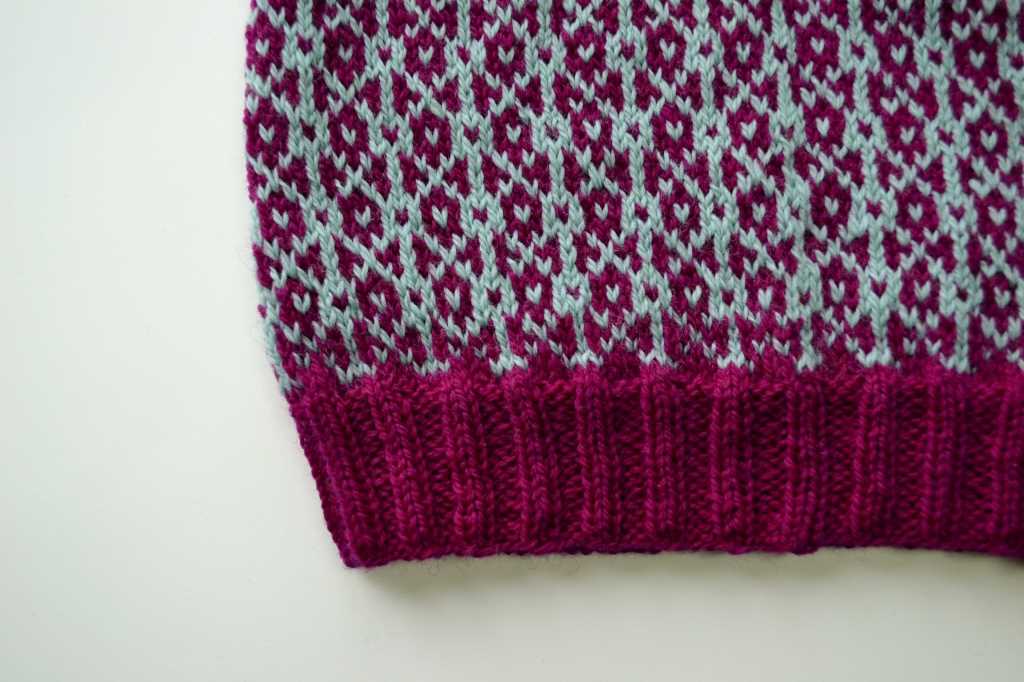
This traditional Shetland shawl is worked in stranded colorwork and features intricate motifs. With its delicate lace edging and beautiful color combinations, it is sure to be a show-stopper. This pattern is perfect for intermediate to advanced knitters who are looking for a challenge.
2. Fair Isle Triangle Shawl

If you’re new to colorwork knitting, this Fair Isle triangle shawl is a great pattern to start with. The simple chart and repetitive motifs make it easy to follow, while still creating a stunning result. This pattern is suitable for beginners who are comfortable with basic knitting techniques.
3. Scandinavian Star Shawl

For knitters who love Scandinavian-inspired designs, this star shawl pattern is a must-try. The geometric motifs and bold color combinations create a striking effect. This pattern is suitable for intermediate knitters who are comfortable with stranded colorwork.
4. Mosaic Lace Shawl

If you prefer a more subtle colorwork design, this mosaic lace shawl is a great option. It combines lace motifs with simple color changes to create an elegant and lightweight accessory. This pattern is suitable for intermediate knitters who are comfortable with lace knitting.
These are just a few examples of the many colorwork shawl patterns available for free. Whether you’re a beginner or an experienced knitter, there’s a pattern out there to suit your skills and preferences. So grab your needles, pick your favorite colors, and start creating your own beautiful colorwork shawl!