
Knitting can be a truly rewarding hobby, allowing you to create beautiful and functional items with just a few simple tools. One technique that has gained popularity in recent years is felting, a process that involves shrinking knitted items to create a dense and sturdy fabric. If you’re interested in trying your hand at felting, you’re in luck – there are plenty of free felted knitting patterns available online.
Whether you’re a beginner or an experienced knitter, there’s something for everyone. From cozy hats and mittens to stylish bags and slippers, the possibilities are endless. These patterns offer a great way to experiment with different colors and textures, and the finished products make great gifts for friends and family.
If you’ve never tried felting before, don’t worry – it’s not as difficult as it may sound. All you need is some yarn, knitting needles, and a washing machine. The key is to use 100% wool yarn, as this is the only type of yarn that will felt properly. Once you’ve finished knitting your item, simply toss it in the washing machine on a hot water cycle. The agitation of the machine will cause the fibers to shrink and bind together, creating a dense and sturdy fabric.
So why not give felting a try? With so many free patterns available, you’re sure to find something that catches your eye. Whether you’re looking to make a cozy hat for the winter or a stylish bag for everyday use, felting offers endless possibilities for creativity and personalization. So grab your knitting needles and get ready to create beautiful, felted items that you’ll love for years to come.
What are felted knitting patterns?
Felted knitting patterns refer to specific patterns and designs that are crafted using wool or other feltable fibers, and then intentionally subjected to washing and agitation to create a felted texture. Felted knitting patterns are widely popular among DIY enthusiasts and knitters due to the unique texture and durability that felting adds to the finished project.
To create felted knitting patterns, knitters typically start by choosing a feltable yarn, such as 100% wool, that has not been superwash-treated. The pattern is then knitted using larger needles and looser stitches than usual, to allow for shrinkage during the felting process. Once the knitted piece is completed, it is either hand-washed or machine-washed in hot water with soap or detergent, and then agitated to promote felting. The resulting fabric becomes stronger, denser, and more resistant to wear and tear.
Felted knitting patterns can be used to create a wide range of items such as hats, bags, slippers, and home decor items. The felting process allows for endless creativity and customization. Knitters can experiment with different yarn types, stitch patterns, and embellishments to achieve their desired look and texture. Additionally, felting can also help to fix knitting mistakes or uneven stitches, as the shrinkage during felting can help smooth out imperfections. Overall, felted knitting patterns offer a fun and versatile way to create unique and functional knitted items.
Benefits of using felted knitting patterns
Knitting is a popular hobby that offers many benefits, including relaxation, creativity, and the ability to create beautiful, handmade items. One technique that has become increasingly popular in recent years is felting, which involves knitting an item and then shrinking it in the washing machine to create a denser, more durable fabric.
There are several advantages to using felted knitting patterns. One of the main benefits is that felted items are incredibly warm and cozy. The process of felting creates a thick fabric that provides excellent insulation, making it perfect for winter accessories such as hats, scarves, and mittens. Additionally, felted items are highly durable and resistant to wear and tear, making them ideal for everyday use.
- Customization: Felted knitting patterns allow for endless customization options. Whether you want to create a unique color combination or add intricate embellishments, felting provides a blank canvas for your creativity. You can experiment with different yarns, stitch patterns, and designs to create one-of-a-kind pieces that reflect your personal style.
- Environmentally-friendly: Felted knitting is a sustainable practice that helps reduce waste. By repurposing old or unused wool items, you can create new and useful felted items, minimizing the need for new materials. This not only contributes to a more sustainable lifestyle but also allows you to save money by using materials you already have.
- Easy care: Felted items are incredibly easy to care for. Unlike delicate knits that require special washing instructions, felted items can be tossed in the washing machine without worry. They are also more resistant to stains and spills, making them a practical choice for items such as coasters, pot holders, and placemats.
- Versatility: Felted knitting patterns can be used to create a wide range of items, from clothing and accessories to home decor and children’s toys. The dense, sturdy fabric created through felting allows for endless possibilities and ensures that your creations will stand the test of time.
Overall, felted knitting patterns offer numerous benefits for both beginner and experienced knitters alike. Whether you’re looking to create cozy winter accessories or unique home decor items, felting allows you to unleash your creativity and create beautiful, long-lasting pieces. Start exploring the world of felted knitting patterns and discover all the possibilities it has to offer.
How to get started with felted knitting patterns

Felted knitting patterns are a wonderful way to create unique and durable items. Whether you’re a beginner or an experienced knitter, felting can add an extra element of creativity to your projects. To get started with felted knitting patterns, here are a few steps to follow:
1. Choose the right yarn
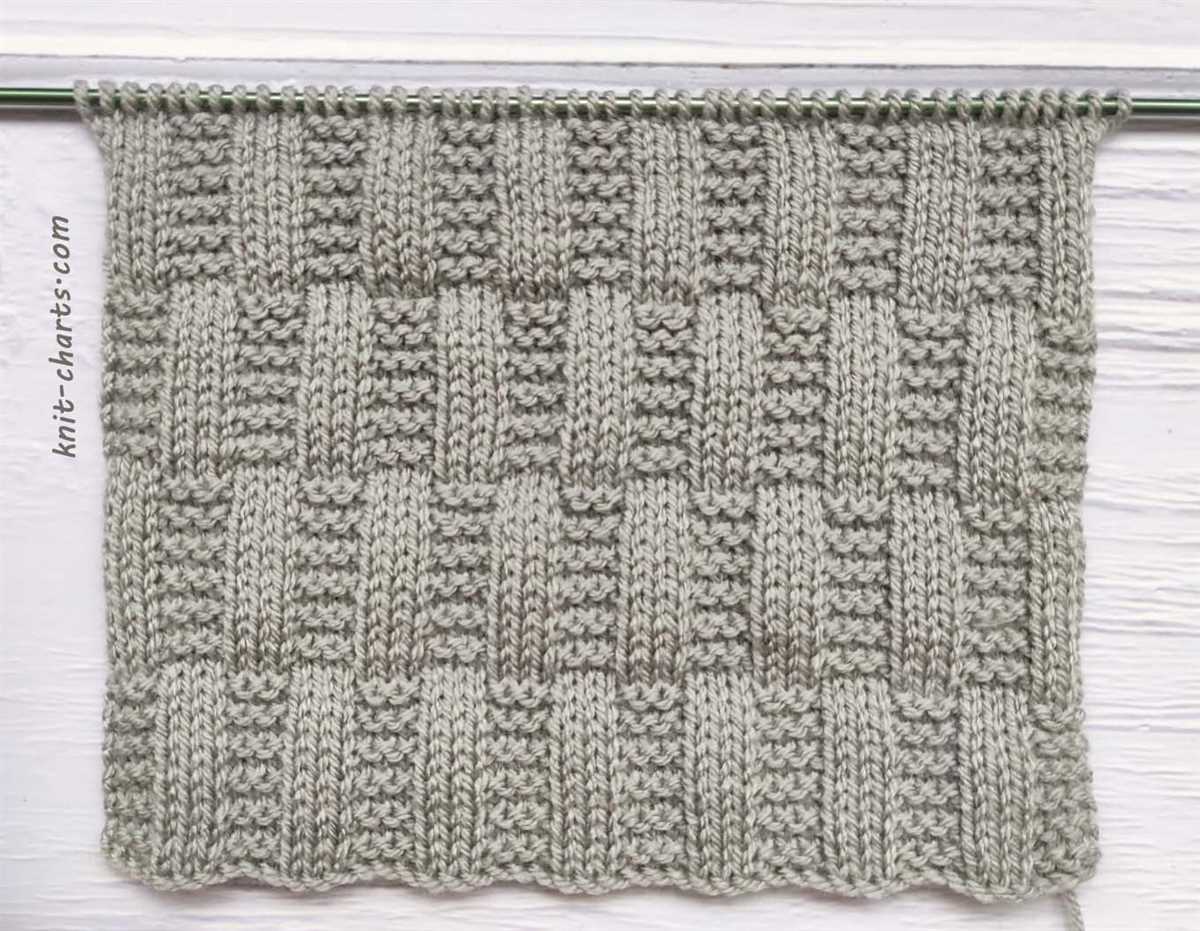
When working with felted knitting patterns, it’s important to select a yarn that will felt well. Look for 100% wool or yarns that contain a high percentage of wool. Acrylic or synthetic fibers will not felt properly. The yarn should also be labeled as “feltable” or “suitable for felting” to ensure successful results.
2. Create a test swatch

Before diving into your main project, it’s a good idea to create a test swatch to determine how the yarn felts. Cast on a small number of stitches and work in your desired stitch pattern. Once the swatch is complete, wash and agitate it in hot water, then let it dry. This will give you an idea of how much shrinkage and fulling the yarn will undergo during the felting process.
3. Choose the right felting method
There are several methods for felting knitting, including hand felting, machine felting, and even using the dryer. Hand felting involves agitating the knitted item in hot, soapy water and rubbing it to encourage felting. Machine felting involves placing the item in a pillowcase or laundry bag and running it through a hot water cycle in the washing machine. Finally, using the dryer method involves placing the item in a garment bag or pillowcase and running it through a hot dryer cycle. Choose the method that best suits your preferences and available resources.
4. Follow the pattern instructions
When working with felted knitting patterns, it’s important to follow the pattern instructions carefully. The pattern will likely include specific instructions for felting, such as the number of times to agitate the item, the temperature of the water, and the duration of the felting process. Pay close attention to these instructions to ensure the best results.
With these steps in mind, you’re ready to dive into the world of felted knitting patterns. Enjoy the process of creating unique and beautifully felted items that will be cherished for years to come!
Tips for successful felted knitting

When it comes to achieving successful felting in your knitting projects, there are a few tips and techniques that can help you get the best results. From selecting the right yarn to understanding the felting process, here are some key tips to keep in mind:
Choose the right yarn:

Not all yarns are suitable for felting, so it’s important to choose a yarn that is specifically labeled as “feltable” or “suitable for felting”. These yarns are usually made from animal fibers such as wool, alpaca, or mohair, which have natural felting properties. Avoid yarns that are synthetic or have a high percentage of acrylic or nylon, as these fibers do not felt well.
Select the right project:
Not all knitting projects are suitable for felting, so it’s important to choose a pattern that is designed for felting. Look for patterns that are labeled as “felted” or “fulled” and follow the instructions carefully. Hats, bags, and slippers are popular choices for felting projects, as their shape can be easily manipulated during the felting process.
Pay attention to gauge:

Gauge is particularly important in felting projects, as it determines the final size and shape of your finished piece. To ensure that your project felts correctly, make sure to achieve the recommended gauge specified in the pattern. Use the appropriate needle size and adjust your knitting tension if necessary.
Prepare for felting:
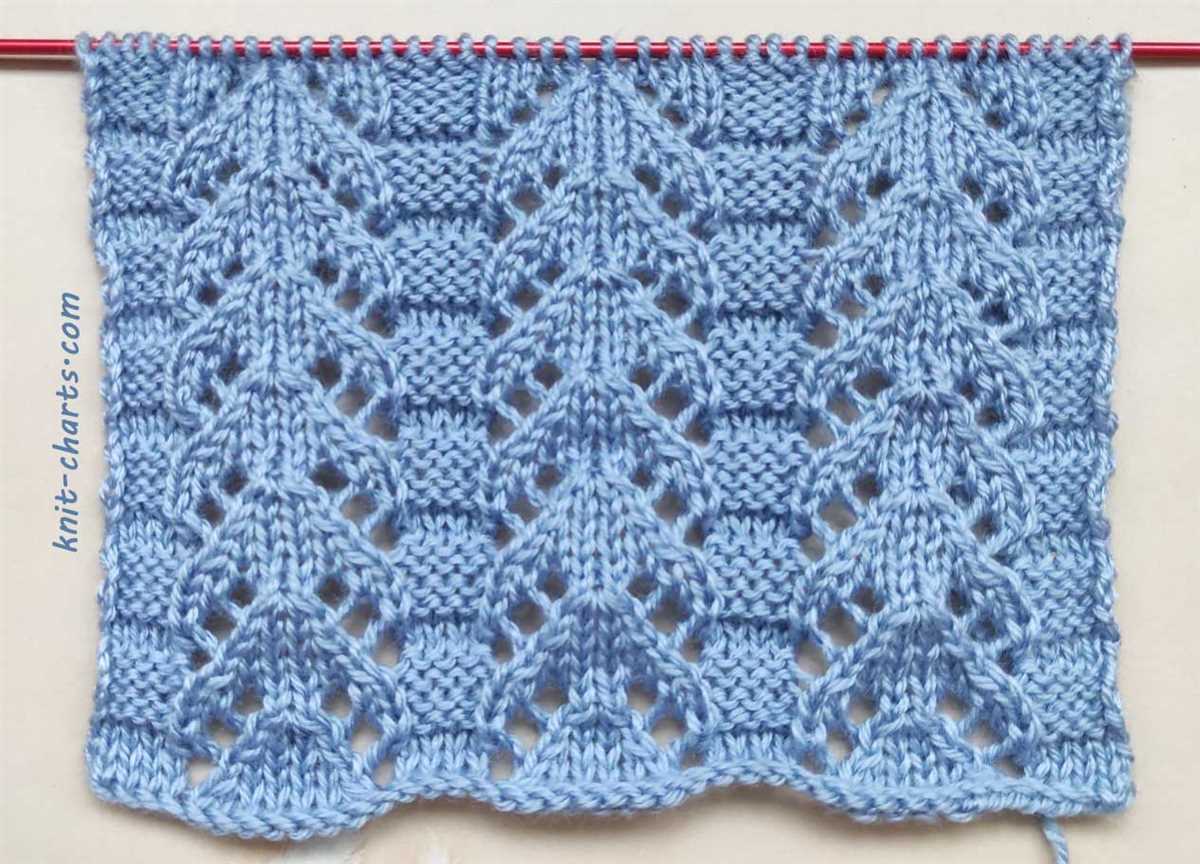
Before starting the felting process, it’s important to prepare your project properly. This typically involves knitting your piece slightly larger than the desired final size, as felting causes the fibers to shrink and tighten. You may also need to secure any loose ends or stitch markers to prevent them from coming undone during felting. Additionally, consider using a mesh laundry bag or pillowcase to protect your project during the felting process.
Monitor the felting process:

Felting can be a bit unpredictable, so it’s important to keep a close eye on your project as it felts. Check the progress periodically and make sure the piece is felting evenly. You may need to agitate the project by squeezing, rubbing, or even throwing it in a washing machine. Keep in mind that the more you agitate the fibers, the tighter the felted fabric will become.
By following these tips and techniques, you can increase your chances of achieving successful felting in your knitting projects. Remember to always read and follow the instructions provided with your pattern and yarn, and don’t be afraid to experiment and try new techniques to achieve the desired felted effect.
Choosing the right yarn for felting projects
When it comes to felting projects, choosing the right yarn is crucial for achieving the desired results. Felting is a process that involves shrinking and matting the fibers together, so it’s important to select a yarn that will felt well.
Fiber content: One of the key factors to consider when choosing yarn for felting is the fiber content. Animal fibers such as wool, alpaca, and mohair are known to felt well due to their natural crimp and scales. These fibers have the ability to lock together when agitated and create a dense, sturdy fabric. Synthetic fibers like acrylic and nylon do not have the same felting properties and may not felt as successfully.
Yarn weight: The weight of the yarn can also affect the felting process. Typically, thicker yarns felt more easily than finer yarns. Bulky or chunky yarns are often a popular choice for felting projects as they create a quicker and more defined felted fabric. However, it’s worth noting that different weights of yarn can be combined to achieve unique textures and effects in felting.
Color: The color of the yarn can influence the final appearance of the felted project. Darker colors tend to hide imperfections and uneven felting, while lighter colors may show more detail and texture. Variegated or multi-colored yarns can also create interesting patterns and designs in the felted fabric.
Twist and ply: The twist and ply of the yarn can impact the felting process as well. Loosely spun or single-ply yarns are more likely to felt quickly and result in a softer, fuzzier fabric. Yarns with a tighter twist or multiple plies may take longer to felt but can produce a stronger, more structured fabric.
Testing: Before starting a felting project, it’s always a good idea to make a small swatch and test how the yarn felts. This can help determine the best washing method, agitation, and temperature for achieving the desired felting effect. It’s important to remember that different yarns may felt differently, even if they have similar fiber content or weight.
In summary, when choosing yarn for felting projects, consider the fiber content, yarn weight, color, twist and ply, and don’t forget to test the yarn before diving into a larger project. With the right yarn, you can create beautiful and durable felted items that will bring joy and warmth to your crafting endeavors.
Popular felted knitting patterns for beginners

If you are new to felting and knitting, there are many patterns available that are perfect for beginners. These patterns are typically simple and straightforward, making them great for practicing your knitting and felting skills. Whether you want to make cute accessories for yourself or gifts for friends and family, there are plenty of options to choose from.
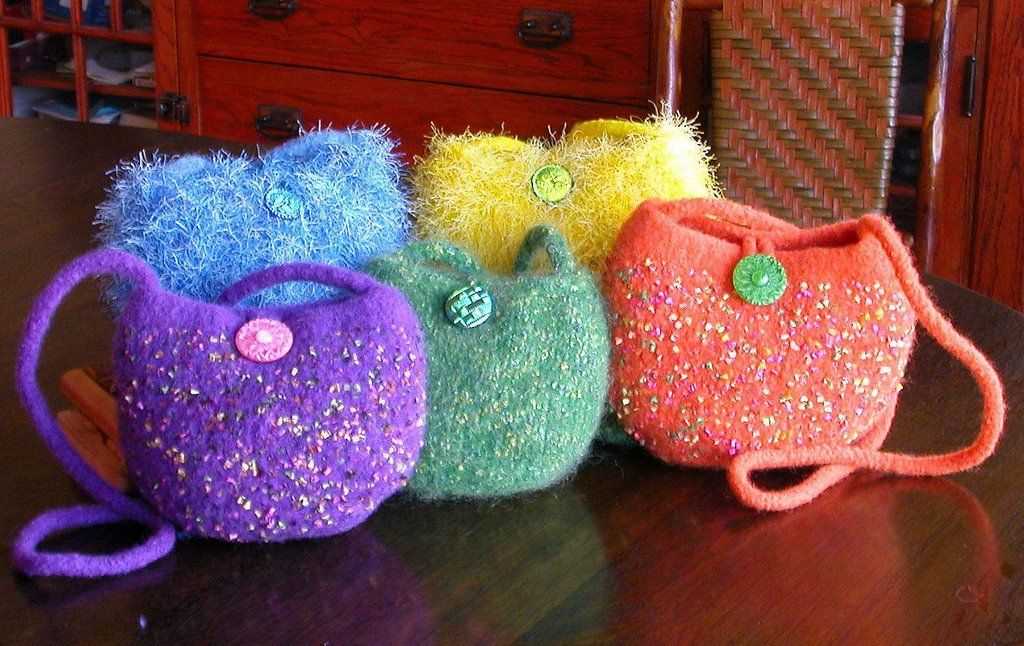
One popular felted knitting pattern for beginners is a felted bag or purse. These patterns often involve knitting a simple rectangular shape and then felting it to create a sturdy and durable bag. You can customize the bag by adding embellishments like buttons or embroidery, making it a fun and unique project.
- Felted slippers: Another popular pattern for beginners is felted slippers. These patterns usually involve knitting a simple slipper shape and then felting it to create a cozy and warm pair of slippers. You can experiment with different yarn colors to create unique designs.
- Felted coasters: Coasters are another easy and quick felting project for beginners. You can knit simple square or circular shapes and then felt them to create sturdy coasters for your home. These make great gifts as well.
- Felted hats: If you’re feeling more adventurous, you can try knitting and felting a hat. There are many patterns available, from simple beanies to more intricate designs. Felting a hat will give it structure and warmth, perfect for cold winter days.
Remember, when felting your knitting, you’ll need to follow specific instructions to ensure the proper felting process. This usually involves washing your knitted item in hot water and agitating it to create friction. The end result will be a felted fabric that is denser and more durable than regular knitting.
Overall, felting is a fun and creative way to take your knitting skills to the next level. With these popular felted knitting patterns for beginners, you can create unique and beautiful items that you will be proud to show off.
Advanced felted knitting patterns for experienced knitters
When it comes to felting knitting patterns, experienced knitters can push their skills to the next level with advanced projects. These patterns offer a challenge and the opportunity to create unique and stylish felted items.
One advanced felted knitting pattern is the “Felted Tote Bag.” This project requires precision and attention to detail to achieve the desired shape and structure. Knitters will need to carefully follow the pattern instructions and pay close attention to stitch counts and shaping. The result is a sturdy and durable tote bag that can be customized with different colors and embellishments.
A more intricate advanced pattern is the “Felted Lace Shawl.” This project combines the delicate beauty of lace knitting with the cozy warmth of felted wool. Knitters will need to be familiar with lace knitting techniques and have a good understanding of how the stitch patterns will be transformed through felting. The final result is a stunning shawl that can be worn for special occasions or as a statement accessory.
- The “Felted Slippers” pattern is another advanced project that requires precision and attention to detail. Knitters will need to follow the pattern closely to create the correct size and shape for the slippers. The felting process transforms the slippers into snug and cozy footwear, perfect for keeping feet warm during the colder months.
- The “Felted Mittens” pattern is an advanced project that combines colorwork and felting. Knitters will need to carefully follow the color charts and ensure that the color changes are executed correctly for a beautiful result. The felting process will create a dense and warm fabric, making these mittens perfect for chilly days.
These advanced felted knitting patterns offer a challenge for experienced knitters who are looking to expand their skills. With careful attention to detail and a bit of patience, these projects can result in stunning felted items that are both functional and stylish.
Creating unique designs with felted knitting

Felted knitting is a technique that allows knitters to create unique and one-of-a-kind designs. By knitting with 100% wool and then subjecting the knitted item to hot water and agitation, the fibers of the wool come together and create a dense and durable fabric. This process causes the knitting to shrink and become more dense, resulting in a completely different look and feel from traditional knitting.
One of the advantages of felted knitting is that it allows for experimentation and creativity. Unlike traditional knitting, where the final size and shape of the item are predetermined, felted knitting allows for flexibility and adaptability. Knitters can start with a basic pattern and then easily modify it by adjusting the size, shape, or even the stitch pattern. This freedom to experiment allows knitters to create unique and personalized designs that reflect their own style and individuality.
In addition to the creative possibilities that felted knitting offers, it also has practical benefits. Felted items are incredibly warm and cozy, making them perfect for winter accessories such as hats, scarves, and mittens. The dense fabric created through felting also makes it more resistant to wear and tear, making felted items durable and long-lasting. With the variety of free felted knitting patterns available, knitters can not only create beautiful and unique designs but also make items that are functional and practical.
Whether you are a beginner or an experienced knitter, exploring the world of felted knitting can be a rewarding and exciting journey. With the ability to create unique designs and the practical benefits of felted items, this technique offers endless possibilities for knitters to showcase their creativity. So why not give it a try and start exploring the world of felted knitting today?
Using Embellishments in Felted Knitting Projects
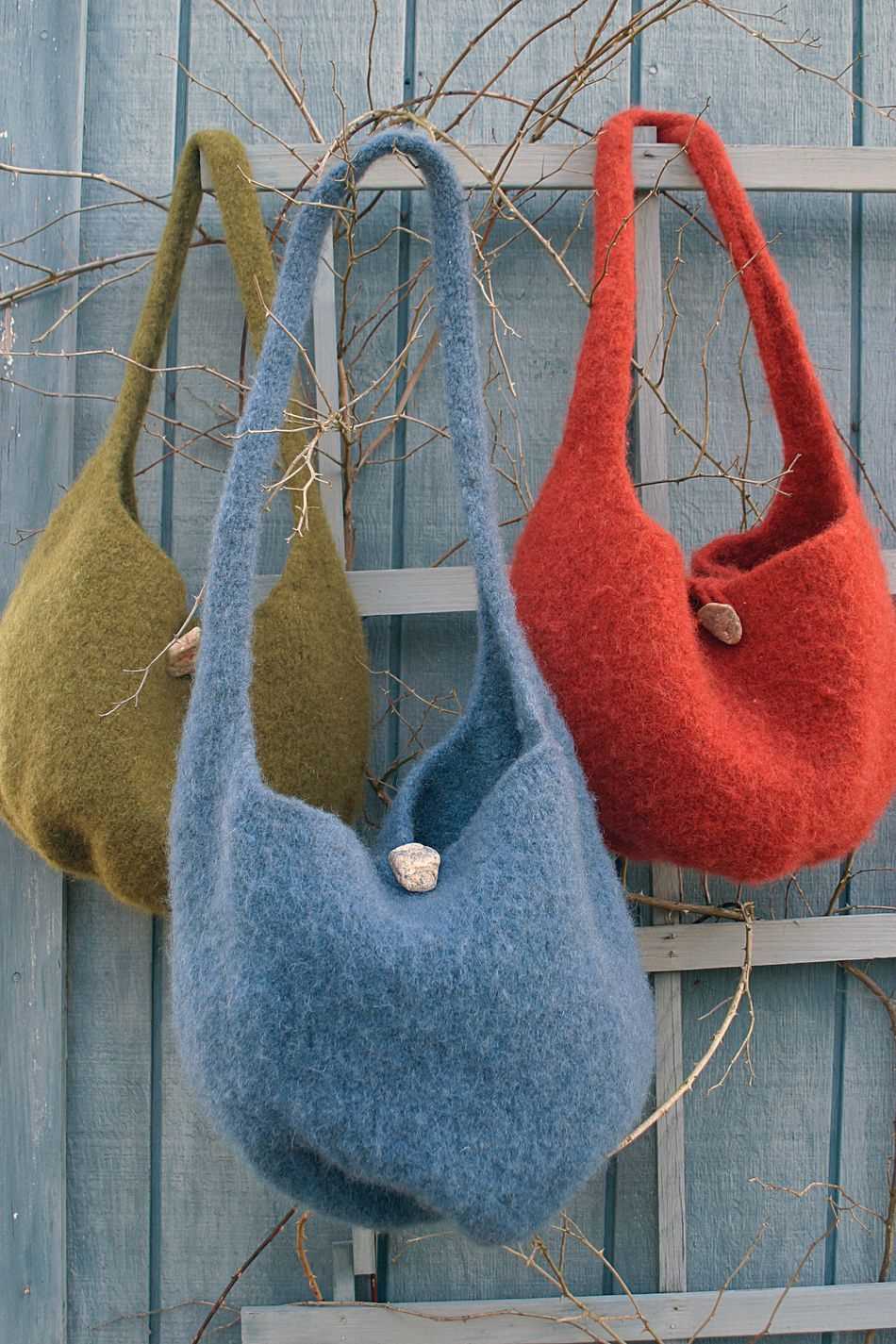
Felted knitting projects offer a unique canvas for adding embellishments to enhance the final result. By incorporating various decorative elements, you can elevate the overall design and create a piece that truly stands out. Whether you’re working on a felted bag, hat, or even an accessory like a scarf or gloves, there are numerous ways to incorporate embellishments into your project.
1. Embroidery: Embroidery is an excellent way to add intricate details and designs to your felted knitting project. You can use colorful threads to create beautiful patterns or add embellishments like beads and sequins for an extra touch of sparkle.
2. Appliqué: Appliqué involves attaching pre-made or handmade fabric shapes onto the surface of your felted project. This technique allows you to experiment with different fabrics, textures, and colors, creating unique designs that complement your knitting.
3. Beading: Adding beads to your felting knitting project can create an eye-catching effect. Whether you choose to sew them directly onto the surface or incorporate them into your yarn as you knit, beads offer a way to add dimension and shine to any item.
4. Pom-poms and Tassels: Pom-poms and tassels are fun and playful embellishments that can instantly bring charm to your felted knitting pieces. You can attach them to the edges of a hat or the corners of a bag, adding a whimsical touch to your creations.
5. Buttons: Buttons are versatile embellishments that can be used in many different ways. You can sew them onto the surface or use them as closures for bags, hats, or scarves. With a wide variety of shapes, sizes, and designs available, buttons can add a personalized touch to any felted knitting project.
Using embellishments in your felted knitting projects allows you to showcase your creativity and attention to detail. Whether you choose to incorporate embroidery, appliqué, beads, pom-poms, tassels, or buttons, the possibilities for adding unique touches to your creations are endless. Experiment with different techniques and materials to create one-of-a-kind pieces that reflect your personal style.
Transforming old or thrifted sweaters with felting
Felting is a technique that involves shrinking and matting wool fibers to create a very dense and durable fabric. It can be done by washing and agitating the wool in hot water, causing the fibers to interlock and shrink. This process can be used to transform old or thrifted sweaters, giving them new life and a fresh look.
One popular way to use felting to transform sweaters is by turning them into felted bags. By cutting up the sweater and then felting the pieces, you can create a sturdy and stylish bag that is perfect for carrying your belongings. The felting process not only creates a unique texture, but it also strengthens the wool, making it more durable and able to withstand heavy use.
If you’re looking to add some cozy, felted items to your home, you can also use the felting technique to transform sweaters into felted blankets or pillows. By felting the sweater and then cutting it into smaller pieces, you can sew or stitch the pieces together to create a warm and textured blanket or pillow cover. This is a great way to repurpose old sweaters and add a cozy touch to any room.
Another creative way to use felting to transform sweaters is by making felted accessories, such as hats, scarves, or mittens. By felting the sweater and then cutting out the desired shapes, you can create unique and personalized accessories that are both stylish and warm. The felting process adds an extra layer of insulation, making these accessories perfect for cold winter days.
In conclusion, felting is a versatile technique that can be used to transform old or thrifted sweaters into a variety of useful and stylish items. From bags and blankets to accessories, the felting process adds durability and texture to the wool, creating unique and personalized pieces. So why not try felting your own sweater and see the transformation for yourself?
Exploring different textures and shapes with felted knitting
Felted knitting offers endless opportunities for creating unique textures and shapes in your projects. By manipulating the fibers in a controlled way, you can transform your knitted items into completely new and exciting creations.
One of the ways to experiment with textures is by combining different types of yarns. Mixing a smooth yarn with a textured one will create an interesting contrast in your felted fabric. You can also play with different stitch patterns to add even more texture, such as cables or bobbles.
In addition to textures, felted knitting allows you to explore different shapes. Felting creates a denser fabric that holds its shape well, giving you the freedom to experiment with three-dimensional forms. You can create sculptural elements like flowers, animals, or geometric shapes, adding depth and dimension to your knitted creations.
Here are some ideas for exploring different textures and shapes with felted knitting:
- Try incorporating different fibers, such as silk or mohair, to add a luxurious feel to your felted projects.
- Experiment with different stitch patterns, like lace or cables, to create unique textures in your felted fabric.
- Create three-dimensional shapes by felting small knitted pieces and seaming them together.
- Use different felting techniques, such as needle felting or wet felting, to add additional texture and detail to your projects.
- Explore unconventional materials like beads or sequins to add sparkle and interest to your felted knitting.
Remember to always swatch and test your felting technique before starting a project to ensure the desired result. The beauty of felted knitting is that it allows you to think outside the box and create truly unique pieces. So, don’t be afraid to experiment and explore different textures and shapes in your felting journey!