
If you’re a knitting enthusiast looking for new patterns to try, you’re in luck! We have a collection of free glove patterns that are perfect for all skill levels. Whether you’re a beginner or an experienced knitter, these patterns will help you create beautiful gloves to keep your hands warm and stylish.
Knitting gloves can be a fun and rewarding project. Not only do they make for great gifts, but they also provide an opportunity to practice new techniques and experiment with different yarns and colors. With our selection of free patterns, you’ll have plenty of options to choose from – from fingerless gloves to cozy mittens and everything in between.
Our free glove patterns come with detailed instructions and step-by-step tutorials, making them easy to follow even for beginners. They also include information on gauge, needle size, and yarn type, so you can customize your gloves to fit your preferences. Whether you prefer a classic ribbed style or a lace pattern, you’ll find a glove pattern that suits your taste.
So, grab your knitting needles and get ready to create beautiful gloves with our collection of free patterns. Whether you’re looking for a quick and easy project or a challenging design, you’ll find it here. Happy knitting!
Why knitting gloves is a great hobby for beginners

Knitting gloves can be a wonderful hobby for beginners. Not only does it provide a creative outlet and a way to unwind, but it also offers a practical product that can be used and appreciated. Knitting gloves allows beginners to learn and practice various knitting techniques, such as casting on, knitting stitches, increasing and decreasing, and binding off, all in a manageable and rewarding project.
Builds skills: Knitting gloves is an excellent way to build fundamental knitting skills. Beginners can start with simpler glove patterns that require basic stitches and techniques and gradually progress to more intricate patterns as they gain confidence and skill. Through knitting gloves, beginners can become familiar with different knitting techniques and develop their ability to follow patterns and instructions.
Create customized accessories: Knitting gloves allows beginners to create personalized accessories that fit their style and preferences. They can choose their own colors, yarn types, and patterns to design gloves that are unique to them. This customization adds a personal touch to the hobby and gives beginners a sense of accomplishment and pride in their creations.
A portable project: Knitting gloves is a portable project that can be taken anywhere. It is an ideal hobby for those who enjoy knitting on the go or want to have a project readily available to work on during their downtime. With a pair of knitting needles and a ball of yarn, beginners can easily carry their glove project in a bag or purse and knit whenever they find some free time.
A practical outcome: Unlike some other knitting projects that might be purely decorative or serve as gifts, knitting gloves provide a practical outcome. Once completed, beginners can wear the gloves they have knitted and enjoy the warmth and comfort they provide. This practicality adds a sense of purpose to the hobby and makes it even more fulfilling for beginners.
In conclusion, knitting gloves is a great hobby for beginners because it helps build knitting skills, allows for customization, is a portable project, and provides a practical outcome. It is a rewarding and enjoyable activity that not only offers a creative outlet but also provides beginners with a tangible result that they can use and appreciate. So grab some yarn and needles, and start knitting your own gloves!
Benefits of knitting gloves
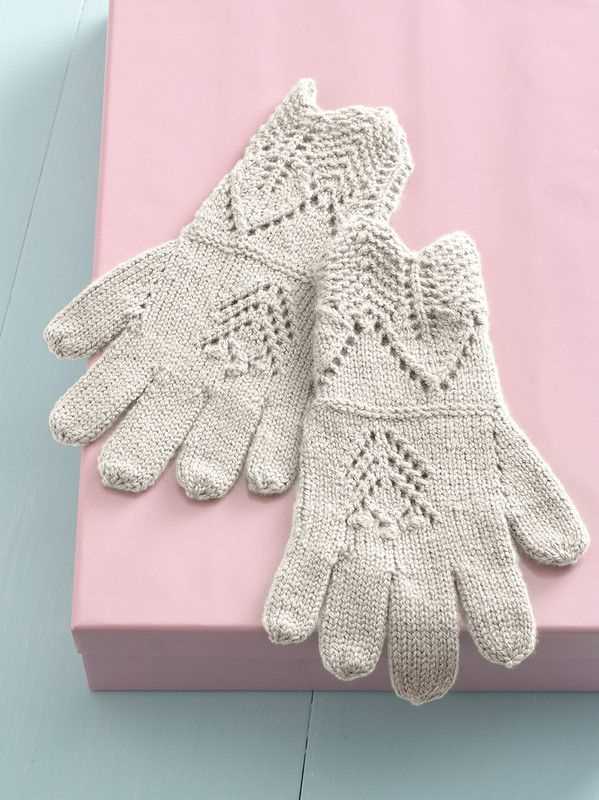
Knitting gloves is not only a creative and rewarding hobby, but it also has numerous benefits for both the knitter and the wearer. Whether you are a beginner or an experienced knitter, making your own gloves offers a sense of accomplishment and satisfaction.
1. Customization: When you knit your own gloves, you have the freedom to customize them according to your preferences. You can choose the color, pattern, and materials that suit your style and needs. This allows you to create unique gloves that reflect your personality and taste.
2. Perfect fit: One of the main advantages of knitting gloves is that you can ensure a perfect fit. Unlike store-bought gloves, which may be too tight or too loose, hand-knit gloves can be tailored to your exact hand measurements. This means they will provide optimal comfort and allow for better dexterity.
3. Warmth and insulation: Hand-knit gloves are known for their excellent warmth and insulation properties. By using high-quality yarns and stitch patterns, you can create gloves that will keep your hands cozy during cold weather. Knitting allows you to experiment with different thicknesses and textures, giving you control over the level of warmth you desire.
4. Mindfulness and stress relief: Knitting gloves can be a therapeutic activity that promotes mindfulness and helps relieve stress. The repetitive motion of knitting has a calming effect on the mind and can help you relax and unwind. It can also enhance your focus and concentration, providing a break from the fast-paced digital world.
5. Sustainability: By knitting your own gloves, you contribute to a more sustainable and eco-friendly lifestyle. Instead of purchasing mass-produced gloves that contribute to fast fashion and waste, knitting allows you to create long-lasting, high-quality items. You can also opt for natural, organic, or recycled yarns, reducing your environmental impact.
So why not give knitting gloves a try? Not only will you enjoy the process of creating something with your own hands, but you will also benefit from gloves that are tailored to your personal style and needs, provide warmth and insulation, and promote mindfulness and sustainability.
Top 5 free glove patterns for beginners
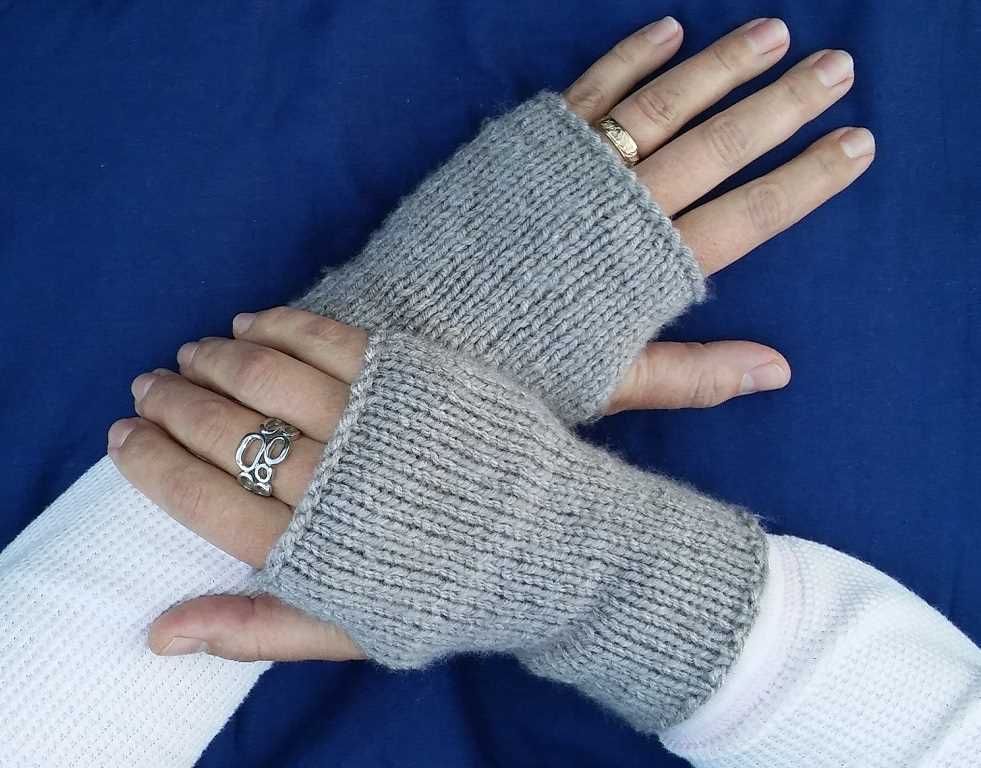
Glove knitting can be a fun and practical way to create warm and stylish accessories for yourself or as gifts. If you are new to knitting gloves, it’s best to start with simple patterns that are easy to follow and understand. Here are the top 5 free glove patterns for beginners:
1. Basic Fingerless Gloves
This pattern is perfect for beginners as it doesn’t require complex shaping or thumb gussets. The fingerless design allows for easy movement and versatility. You can customize the length and use your favorite colors to make it unique.
2. Ribbed Gloves
The ribbed gloves pattern is great for beginners who want to practice different stitch patterns. The ribbed texture adds an interesting design element and makes the gloves stretchy and comfortable to wear. It’s a perfect choice for colder weather.
3. Simple Mittens
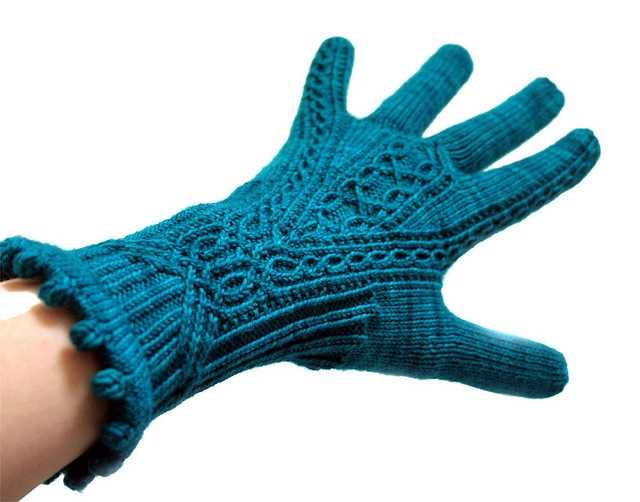
If you’re not ready to tackle fingered gloves just yet, simple mittens are a great alternative. This pattern is beginner-friendly and teaches you the basic construction of mittens. You can experiment with different yarns and colors to create your own style.
4. Lace Gloves
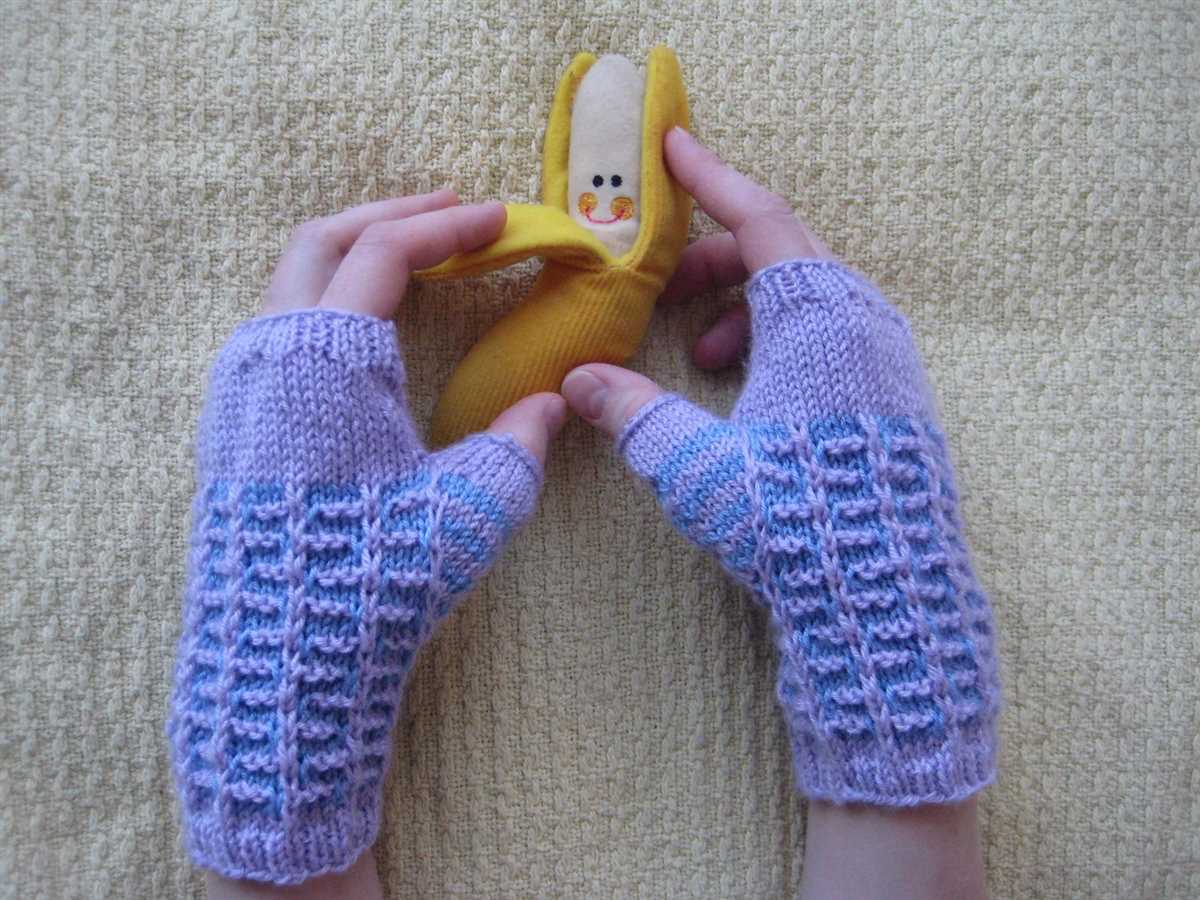
If you’re looking for something more delicate and feminine, lace gloves are a great option. This pattern combines simple lace stitches with basic glove construction, creating an elegant accessory. It’s a bit more challenging than the previous patterns, but definitely worth the effort.
5. Cable Gloves

If you want to try your hand at cable knitting, cable gloves are a perfect project. This pattern introduces you to basic cable techniques while creating a cozy and stylish pair of gloves. The cables add texture and visual interest to the design.
With these top 5 free glove patterns for beginners, you’ll be able to create your own collection of warm and fashionable gloves. Don’t be afraid to experiment with different yarns and colors to make them truly unique. Happy knitting!
Pattern 1: Simple fingerless gloves
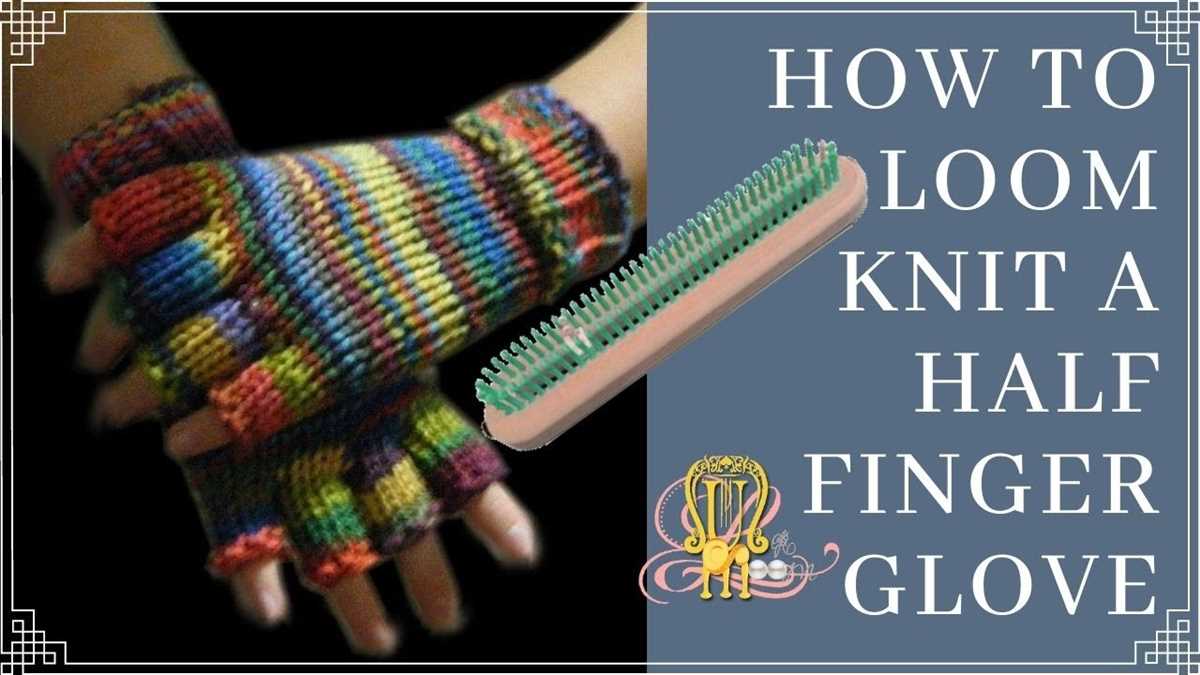
Fingerless gloves are a trendy and practical accessory that can keep your hands warm while allowing you to use your fingers freely. This simple pattern is perfect for beginners and can be easily customized to fit your hand size.
To knit these fingerless gloves, you will need a set of double-pointed needles and a medium weight yarn of your choice. Start by casting on the desired number of stitches, usually around 32 stitches for an average size glove. You can adjust the number of stitches to make the gloves smaller or larger.
Instructions:
- Cast on the desired number of stitches onto double-pointed needles.
- Knit in the round until the glove measures the desired length, usually around 6-8 inches.
- Begin shaping the thumb hole by knitting a few stitches with scrap yarn.
- Continue knitting in the round until the glove reaches the base of your fingers.
- Switch back to the main yarn and knit a few more rounds.
- Bind off the stitches and weave in any loose ends.
You can also add embellishments or variations to this simple pattern, such as ribbing at the cuff or different stitch patterns. Experiment with different yarn colors and textures to create unique fingerless gloves that reflect your personal style.
Fingerless gloves are not only fashionable but also practical, as they allow you to keep your hands warm while still being able to use your fingers for various tasks. Knitting your own fingerless gloves gives you the opportunity to customize the size, color, and design to perfectly suit your needs and preferences.
Pattern 2: Basic ribbed gloves
For those looking for a classic and versatile glove pattern, the Basic Ribbed Gloves pattern is a wonderful option. With its simple yet elegant design, these gloves can be easily customized to fit any style or occasion.
This pattern is worked in a rib stitch, which creates a stretchy and snug fit. The rib stitch also adds a lovely texture to the gloves, making them more visually interesting. Additionally, the rib stitch makes these gloves a great option for both men and women, as it adds a touch of masculinity without sacrificing style.
The Basic Ribbed Gloves pattern is suitable for knitters of all skill levels. If you’re new to knitting gloves, this pattern is a great way to practice your skills and get comfortable with the construction of gloves. With its straightforward instructions and clear stitch explanations, you’ll be able to create a beautiful pair of gloves in no time.
To get started on this pattern, you’ll need a set of double-pointed needles, a stitch marker, and your chosen yarn. The pattern includes instructions for multiple sizes, so make sure to measure your hand beforehand to ensure a perfect fit. Once you have all the necessary materials, you’ll be ready to cast on and start knitting your very own pair of Basic Ribbed Gloves.
Pattern 3: Cable knit gloves
Get ready to create a pair of cozy and stylish cable knit gloves with this pattern. Cable knitting is a technique that creates beautiful twisted stitches, giving your gloves an intricate and textured look.
To make these gloves, you will need the following materials:
- Worsted weight yarn in your desired color
- Double-pointed knitting needles in the appropriate size
- Cable needle
- Stitch markers
- Yarn needle
The cable knit gloves pattern consists of several sections. First, you will start by knitting the ribbed cuff, which provides a snug fit and helps keep the gloves in place. Then, you will move on to the cable pattern, which is the highlight of this design. The cables twist and cross each other, creating a visually stunning effect.
Once you have completed the cables, you will transition to the thumb gusset, creating a comfortable space for your thumb to move freely. Finally, you will finish the gloves by shaping the fingers. The pattern provides step-by-step instructions, making it suitable for knitters of all levels.
With these cable knit gloves, you can stay warm and stylish during the colder months. Whether you’re knitting them for yourself or as a gift, this pattern is sure to impress with its intricate cables and cozy design.
Pattern 4: Lace gloves
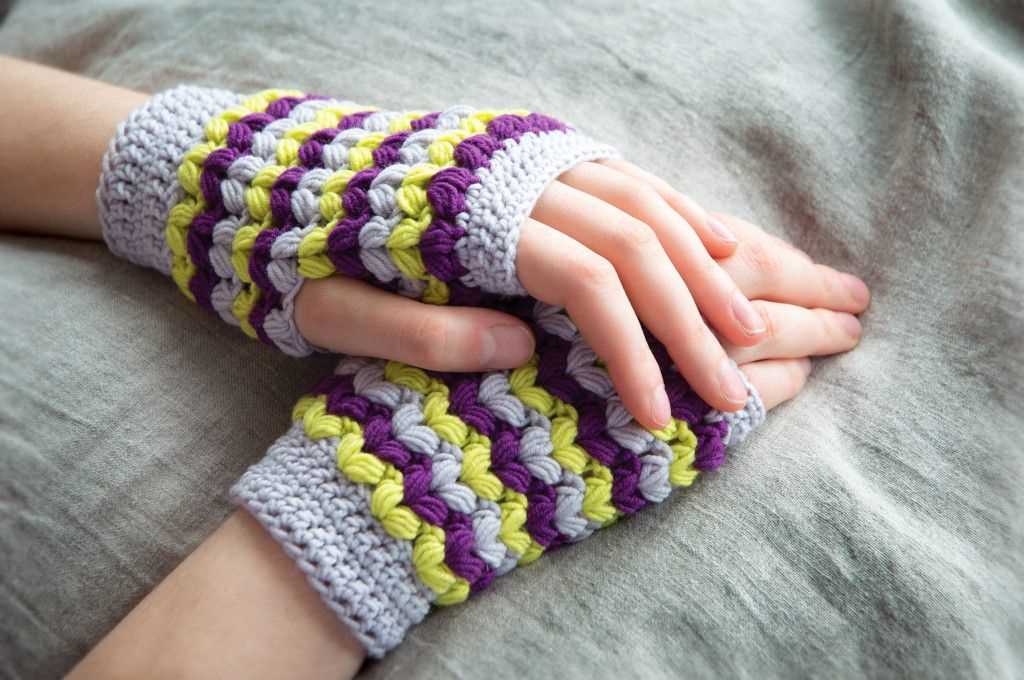
These lace gloves are a beautiful and delicate addition to any outfit. The lace pattern creates an intricate and feminine look that is sure to impress. The gloves are knitted on double-pointed needles, making them a fun and challenging project for experienced knitters.
Materials:
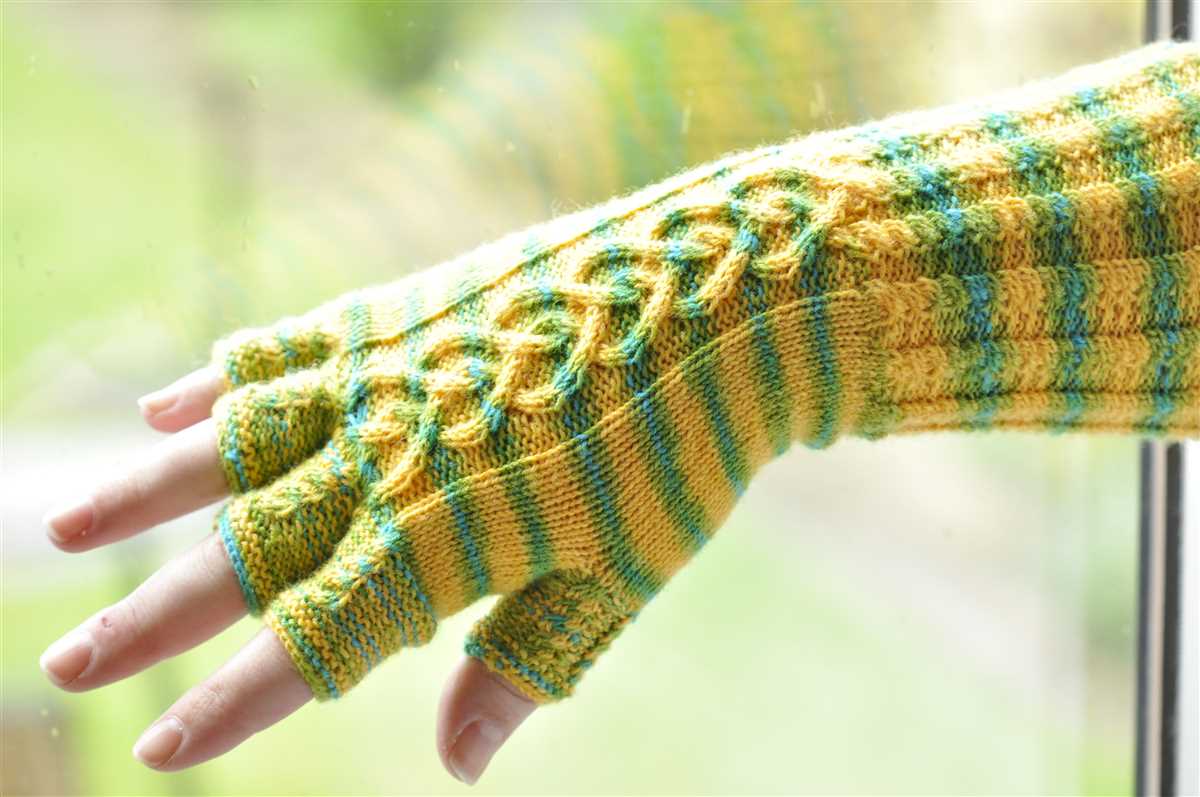
- 4ply yarn in your choice of color
- Size 3.25mm double-pointed needles
- Tapestry needle
Instructions:
1. Cast on: Start by casting on 48 stitches onto your double-pointed needles.
2. Lace pattern: Begin the lace pattern by following the chart below:
| Row 1: | p1, k2tog, *yo, k2tog* repeat from * to * to last 2 stitches, yo, k1 |
| Row 2 and all even rows: | purl all stitches |
| Row 3: | p1, yo, *k2tog, yo* repeat from * to * to last 2 stitches, k2tog, k1 |
| Row 5: | p1, *k2tog, yo* repeat from * to * to last 3 stitches, k2tog, p1 |
| Row 7: | purl all stitches |
| Row 9: | p1, *yo, k2tog* repeat from * to * to last 3 stitches, yo, k1, p1 |
| Rows 11-18: | Repeat rows 1-8 |
3. Thumb hole: After completing row 18 of the lace pattern, knit 10 stitches and place them on a stitch holder. Then, knit the remaining stitches in the row.
4. Hand section: Continue knitting in the lace pattern for a total of 5 inches from the thumb hole.
5. Ribbing: Switch to a 2×2 ribbing pattern (knit 2, purl 2) for the last inch of the gloves.
6. Bind off: Bind off all stitches and weave in any loose ends with a tapestry needle.
Note: These gloves can be easily adjusted to fit different hand sizes by adding or subtracting stitches before the lace pattern.
With this lace glove pattern, you can create a stunning accessory that is sure to turn heads. Whether you’re wearing them for a special occasion or just want to add a touch of elegance to your everyday outfit, these gloves are the perfect accessory.
Pattern 5: Fair isle gloves
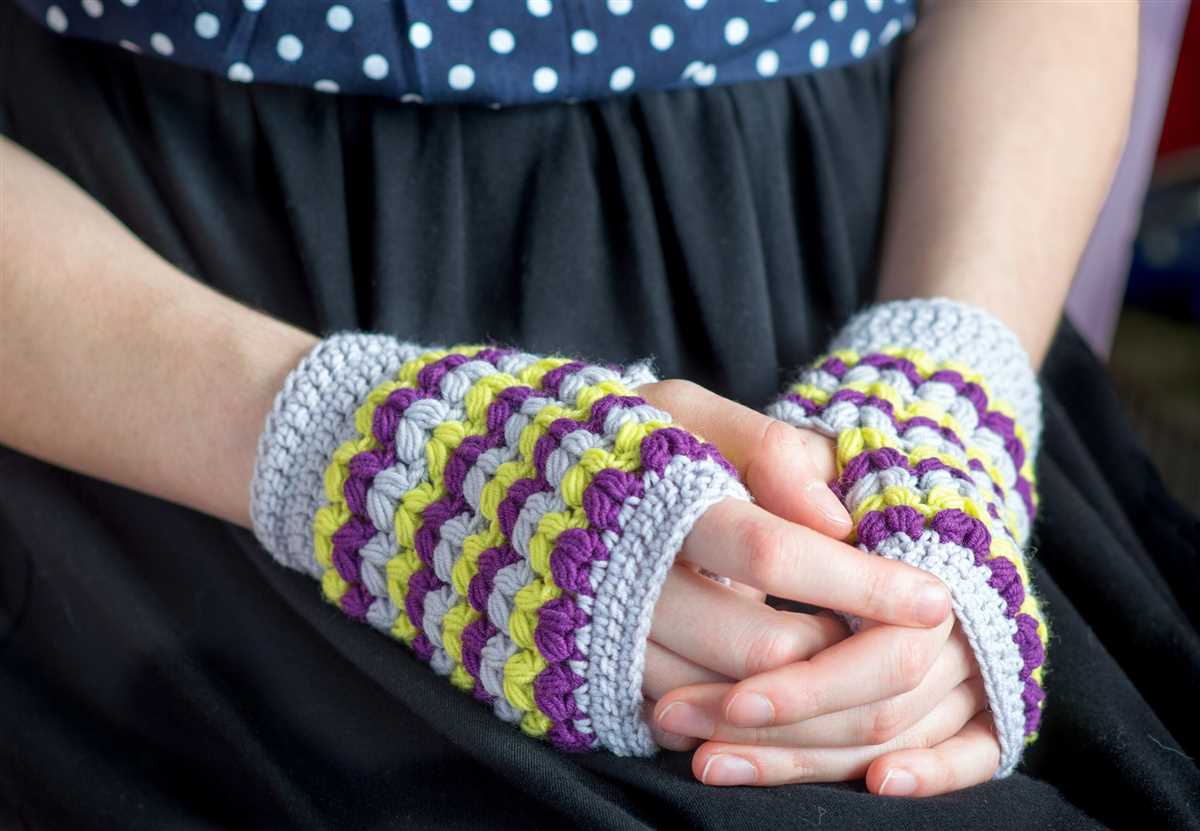
Fair isle gloves are a classic design that features intricate colorwork. This pattern is perfect for knitters who are looking to challenge themselves and create a beautiful and eye-catching pair of gloves. The fair isle technique involves knitting with two or more colors in each row, creating a stunning pattern that is both warm and stylish.
To start this pattern, you will need to gather the following materials:
- Two colors of worsted weight yarn
- Size 4 double-pointed needles
- A stitch marker
- A yarn needle
To begin, cast on the desired number of stitches and distribute them evenly onto three needles. Place a stitch marker to mark the beginning of the round. Next, you will start working the fair isle pattern. This can be done using a chart or by following a written pattern.
Continue knitting in the fair isle pattern until the glove reaches the desired length. Then, you will need to start shaping the fingers by decreasing stitches. This can be done by knitting two stitches together at the beginning and end of each needle. Repeat this decrease row every other round until there are the desired number of stitches remaining. Finally, you will finish off the glove by knitting the cuff and binding off.
Fair isle gloves are a beautiful and intricate design that will be sure to impress. With a little practice, you will be able to create your own unique pair of gloves that showcase your knitting skills.
Choosing the right yarn and needles for glove knitting
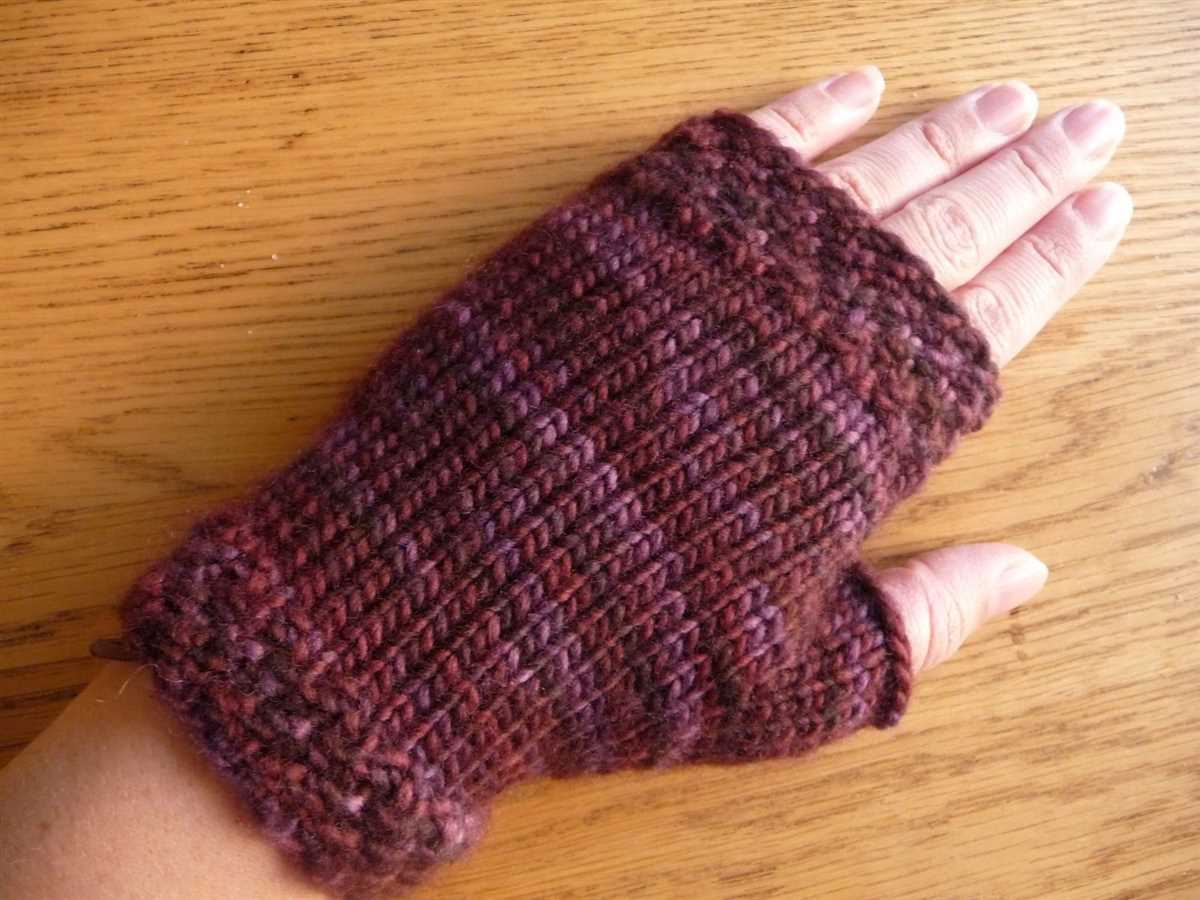
When it comes to knitting gloves, it is important to choose the right yarn and needles to ensure a comfortable and well-fitted finished product. The yarn and needle selection can greatly affect the drape, stretch, and warmth of the gloves.
Yarn: The yarn for gloves should be chosen carefully as it needs to be durable, soft, and warm. Opt for a yarn that is specifically designed for knitting gloves or choose a yarn that has a blend of wool or alpaca for warmth and synthetic fibers for durability. The yarn should also have a good stitch definition to showcase the intricate glove patterns.
Needles: The needle size will depend on the yarn weight and the desired gauge for the gloves. For thicker yarns, larger needles may be needed to achieve a looser gauge, while for thinner yarns, smaller needles may be required for a tighter gauge. It is advisable to use double-pointed needles for glove knitting, as they allow for seamless knitting in the round and make it easier to work on the individual fingers.
Gauge: Before starting the glove project, it is crucial to check the gauge recommended in the pattern or to swatch and measure it yourself. This will help ensure that the gloves will fit properly and that the stitch pattern will be consistent throughout the project.
By carefully selecting the right yarn and needles for glove knitting, you can create a pair of gloves that are not only beautiful but also comfortable and functional. Take the time to experiment with different yarns and needle sizes to find the perfect combination that suits your preferences and desired glove style.
Types of yarn suitable for gloves
When it comes to knitting gloves, the choice of yarn is crucial as it directly affects the comfort and functionality of the final product. There are several types of yarn that are particularly suitable for gloves, each offering its own unique characteristics and benefits.
1. Merino Wool
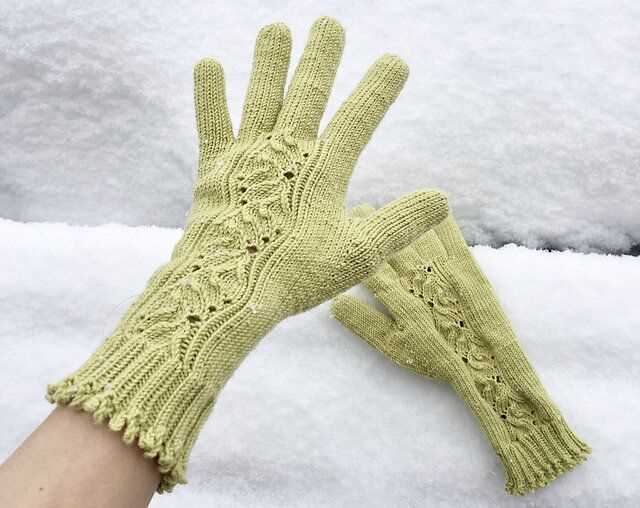
Merino wool is a popular choice for knitting gloves due to its exceptional softness, warmth, and moisture-wicking properties. This type of yarn is derived from Merino sheep and is known for its fine fibers, making it comfortable to wear against the skin. Merino wool also has natural temperature regulating properties, keeping your hands warm in cold weather and cool in hot weather.
2. Cashmere
Cashmere yarn is considered a luxury choice for knitting gloves. It is incredibly soft and lightweight, providing a luxurious feel against the skin. Cashmere is also known for its excellent insulation properties, making it ideal for keeping hands warm in cold conditions. While cashmere yarn can be more expensive, the quality and comfort it offers are worth the investment.
3. Alpaca
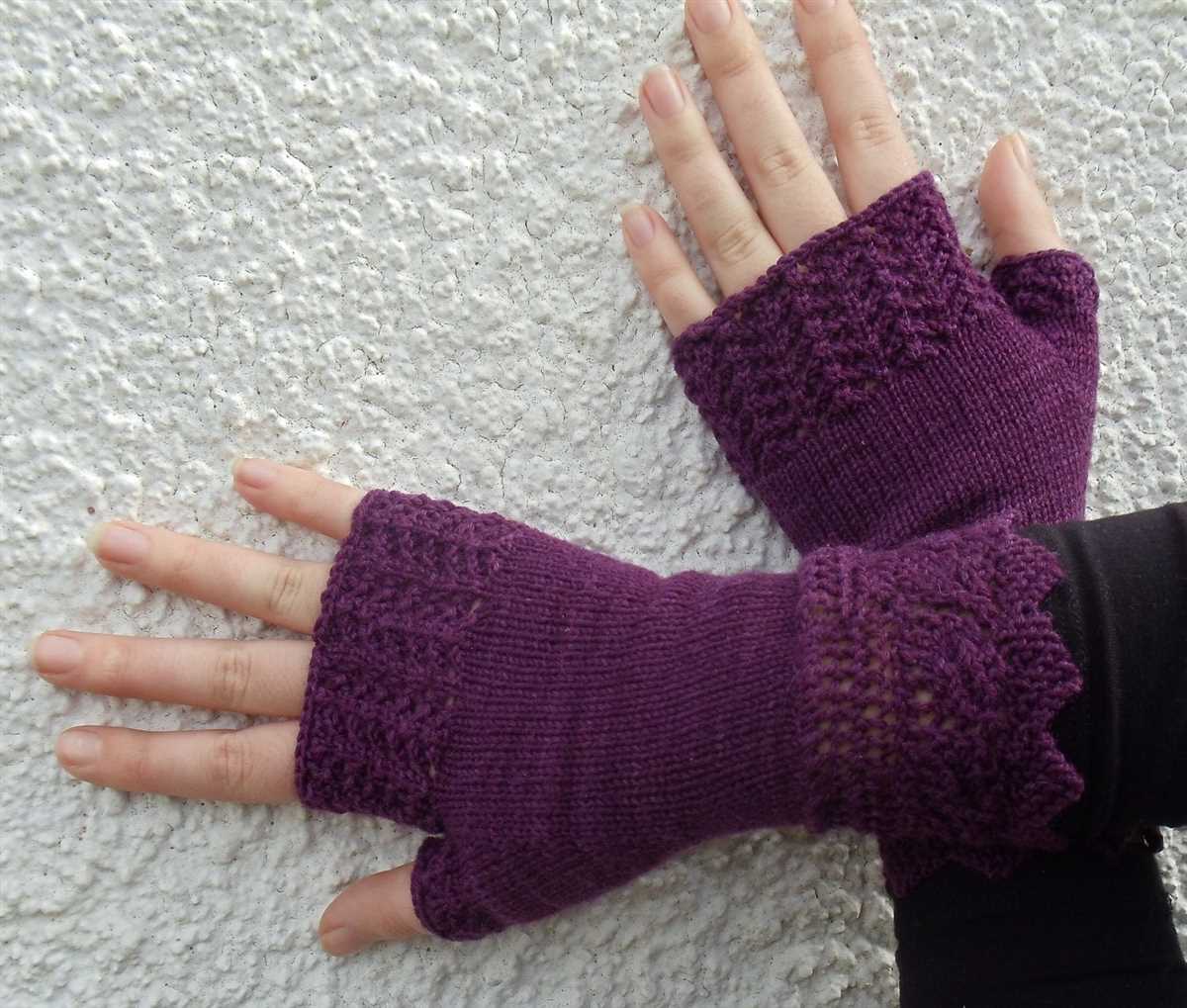
Alpaca yarn is an excellent option for gloves, especially for those with sensitive skin. It is hypoallergenic and softer than many other types of yarn, providing a gentle touch against the skin. Alpaca fibers also have excellent thermal properties, keeping hands warm without adding bulk. Additionally, alpaca yarn is known for its durability and resistance to pilling, ensuring your gloves will last for a long time.
4. Acrylic Blends
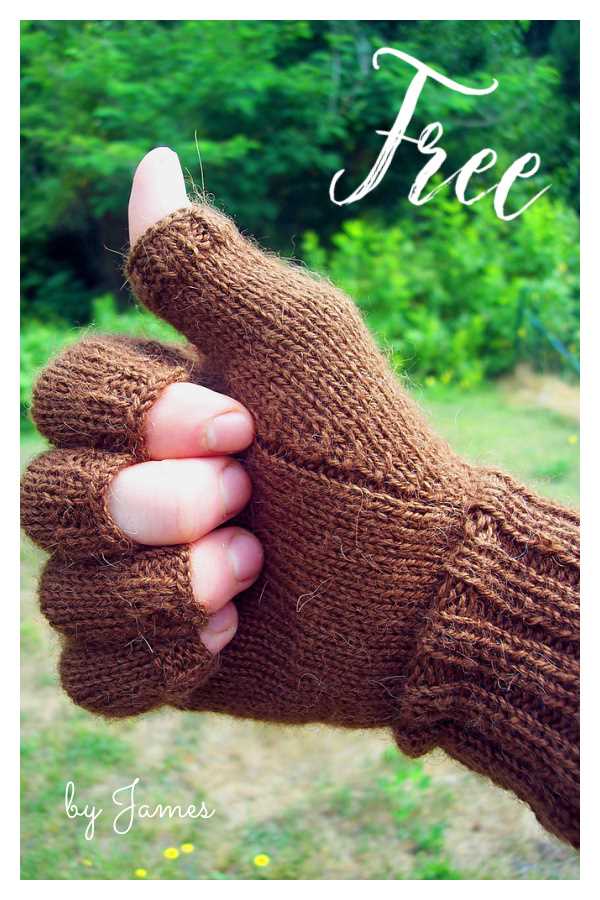
Acrylic blends are a popular choice for gloves as they offer a balance between affordability, durability, and warmth. These yarns are often blended with other fibers like wool or nylon to enhance their properties. Acrylic blends are machine washable and resistant to shrinking, making them easy to care for and maintain. They also come in a wide range of colors and textures, allowing for endless design possibilities.
In conclusion, choosing the right yarn for knitting gloves is key to creating a comfortable and functional accessory. Whether you opt for the softness of merino wool, the luxury of cashmere, the gentleness of alpaca, or the versatility of acrylic blends, there is a yarn type suitable for every preference and need.
Selecting the correct needle size
Choosing the right needle size is crucial when knitting gloves. The needle size will determine the overall size and fit of the gloves, as well as the tension and drape of the fabric. It’s important to consider the yarn weight and the desired gauge when selecting the needle size.
The first step in selecting the correct needle size is to determine the yarn weight. Yarns are typically labeled with a recommended needle size range, which can be used as a starting point. Lighter weight yarns, such as lace or fingering weight, will require smaller needles, while heavier weight yarns, such as bulky or chunky, will require larger needles.
Once you have determined the yarn weight, you will need to consider the desired gauge. The gauge refers to the number of stitches and rows per inch in the knitted fabric. The pattern you are using will typically provide a gauge measurement that you should aim to match. If your gauge is too tight, you will need to use larger needles, and if your gauge is too loose, you will need to use smaller needles.
It’s important to swatch and measure your gauge before starting your gloves to ensure the correct needle size. Knit a small sample using the yarn and needles you plan to use, and measure the number of stitches and rows per inch. If your gauge matches the pattern, you are ready to begin! If not, adjust your needle size and swatch again until you achieve the correct gauge.
Tips for knitting gloves that fit perfectly
After choosing and following a glove pattern, it’s important to ensure that the final product will fit perfectly. Here are some tips to help you achieve gloves that are the perfect size:
- Take accurate measurements: Before starting the knitting process, make sure to take accurate measurements of the intended wearer’s hand. Measure the circumference of the hand, the length from the base of the palm to the tip of the middle finger, and the length from the wrist to the base of the fingers. These measurements will help you determine the correct size to knit.
- Check gauge: Gauge refers to the number of stitches and rows per inch in the knitted fabric. Make sure to check the gauge specified in the pattern and adjust your needle size if necessary. This will ensure that your stitches are the correct size and your finished gloves fit properly.
- Try on as you go: Throughout the knitting process, try on the glove as you complete each section. This will allow you to check the fit and make any necessary adjustments. It’s much easier to fix fit issues as you go rather than at the end.
- Consider ease: Ease refers to the amount of additional space or room in the glove. Consider the intended use of the gloves and the wearer’s preference when determining the amount of ease to incorporate. Some people prefer a snug fit, while others prefer a bit more room.
- Block and shape: After completing the knitting, block the gloves to shape them and even out any uneven stitches. This will give your gloves a more professional and polished look.
By following these tips, you can ensure that your knitted gloves fit perfectly and are comfortable for the wearer. Whether you’re knitting gloves for yourself or as a gift, a well-fitting pair of gloves is sure to be appreciated.