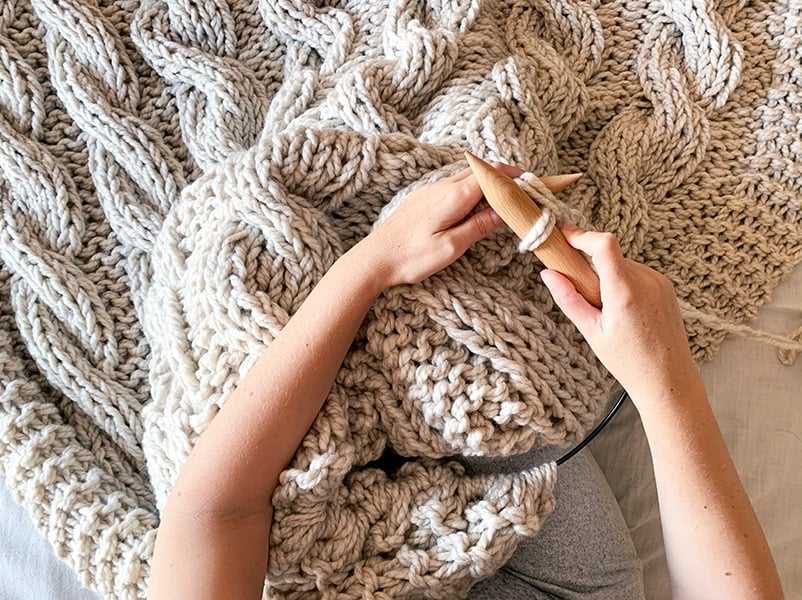
If you’re a fan of cozy blankets and enjoy knitting, then you’ll love the jumbo yarn blanket knitting pattern. Jumbo yarn, also known as super bulky or chunky yarn, is a popular choice for blanket projects because it creates a soft and thick fabric that’s perfect for snuggling up with on a chilly day.
This knitting pattern is great for beginners and experienced knitters alike. With its simple stitches and large needles, you’ll be able to create a beautiful blanket in no time. The jumbo yarn also means that this project works up quickly, so you’ll have a finished blanket to show off in just a few evenings.
In this article, we’ll walk you through the steps to create your own jumbo yarn blanket. We’ll cover everything from choosing the right yarn and needles to casting on and creating the basic stitches. Whether you’re making this blanket for yourself or as a gift, you’ll be proud of the cozy creation you’ve made.
What is jumbo yarn?
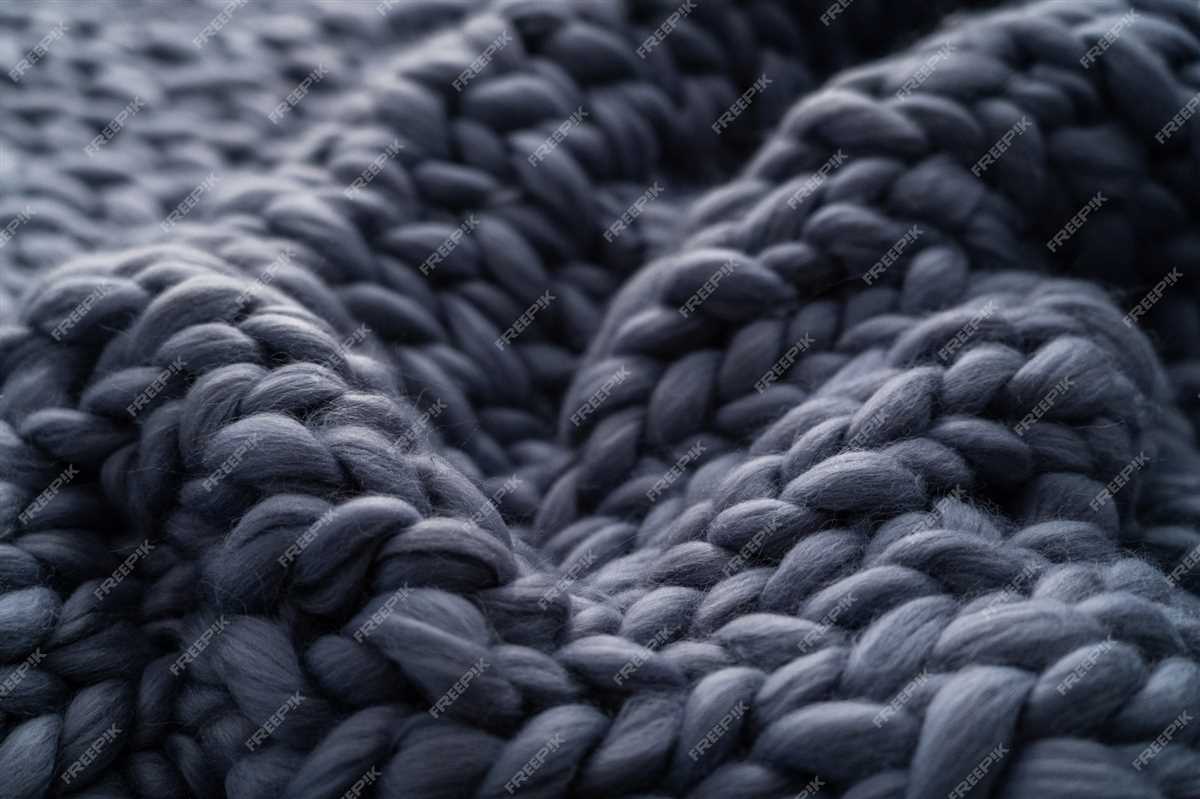
Jumbo yarn is a type of yarn that is much thicker and bulkier than regular yarn. It is often used for creating large, cozy projects such as blankets, scarves, and hats. Jumbo yarn is typically made from a combination of wool, acrylic, or other synthetic materials, which gives it its soft and fluffy texture.
One of the key characteristics of jumbo yarn is its size. It is generally thicker than most other types of yarn, with a gauge that typically ranges from 2 to 7 stitches per inch. This makes it ideal for creating projects that require a quick and chunky knit. The larger size of the yarn also means that projects made with jumbo yarn can be completed more quickly than those made with thinner yarns.
Jumbo yarn comes in a variety of colors and textures, allowing knitters and crocheters to create unique and eye-catching designs. It can be found in solid colors, variegated patterns, or even with metallic accents for added sparkle. Some jumbo yarns also have interesting textures, such as boucle or chenille, which add an extra dimension to the finished project.
Benefits of working with jumbo yarn

- Jumbo yarn projects knit up quickly, making them perfect for last-minute gifts or cozy home decor.
- The chunky texture of jumbo yarn creates a warm and cozy finished project.
- Jumbo yarn is great for beginners, as the larger stitches are easier to see and work with.
- It adds a modern and trendy touch to any project, with its oversized stitches and plush appearance.
- Jumbo yarn is versatile and can be used for a wide range of projects, from blankets and scarves to pillows and rugs.
Overall, jumbo yarn is a popular choice for knitters and crocheters who want to create unique, cozy, and stylish projects. Its chunky texture and quick knitting properties make it a versatile and enjoyable yarn to work with for a wide range of skill levels.
Benefits of using jumbo yarn for blanket knitting
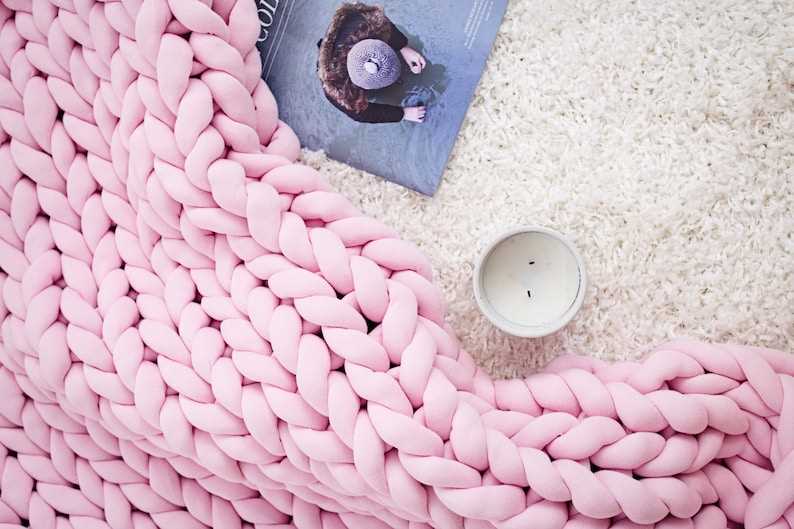
Knitting a blanket with jumbo yarn offers several benefits that make the process enjoyable and the final product cozy and warm. Here are some advantages of using jumbo yarn for blanket knitting:
- Faster knitting: Jumbo yarn is thicker than regular yarn, which means that each stitch covers more surface area. This allows for quicker progress and faster completion of the blanket project.
- Chunky texture: The thickness of the jumbo yarn creates a chunky texture in the finished blanket. This texture adds an extra layer of comfort and coziness, making the blanket perfect for snuggling up on cold days.
- Stylish appearance: Jumbo yarn blankets have a trendy and modern look. The oversized stitches create a visually appealing pattern that can instantly update the aesthetic of any room.
- Soft and warm: Jumbo yarn is often made from high-quality, soft materials such as merino wool or chenille. This results in a blanket that is incredibly soft, warm, and luxurious to touch.
- No need for complicated patterns: Due to the size of the jumbo yarn, intricate stitch patterns are not necessary to create a beautiful blanket. Even basic knitting stitches, such as garter stitch or seed stitch, can produce stunning results.
- Great for beginners: The larger size of the jumbo yarn and needles used for knitting it make it an excellent choice for beginners. With fewer stitches required to complete a project, it is easier to learn and practice knitting techniques.
Overall, jumbo yarn is a fantastic option for knitting blankets. Its thickness, chunky texture, stylish appearance, and softness make it an ideal choice for creating cozy and beautiful blankets for yourself or as gifts.
Choosing the right knitting needles for jumbo yarn
When knitting with jumbo yarn, it is important to choose the right knitting needles to ensure the best results. Jumbo yarn is incredibly thick and bulky, so you need needles that can handle the weight and size of the yarn.
The first thing to consider when selecting knitting needles for jumbo yarn is the material. Metal and wooden needles are both good options, but wooden needles may be more suitable for beginners as they provide better grip and control. Additionally, wooden needles are less likely to slip out of the stitches, which can be common with jumbo yarn.
Another important factor to consider is the needle size. Jumbo yarn requires larger needles, typically ranging from 15mm to 25mm in size. The specific needle size you choose will depend on the pattern you are using and the desired gauge. It is always a good idea to check the pattern instructions or consult a knitting needle size chart to determine the best needle size for your project.
In addition to material and size, you may also want to consider the length of the knitting needles. Jumbo yarn blankets can be quite large, so longer needles may be more comfortable to use. Longer needles also provide more room for the stitches, which can be helpful when working with such thick yarn. Again, it is important to refer to the pattern instructions for any recommendations regarding needle length.
Overall, choosing the right knitting needles for jumbo yarn requires thoughtful consideration of the material, size, and length. By selecting the appropriate needles, you can ensure a successful and enjoyable knitting experience with your jumbo yarn project.
How to Cast On Jumbo Yarn for Blanket Knitting
When starting a jumbo yarn blanket knitting project, it is important to properly cast on your stitches to ensure an even and secure foundation. Here are step-by-step instructions on how to cast on jumbo yarn for blanket knitting.
Materials Needed:
- Jumbo yarn of your choice
- Knitting needles suitable for jumbo yarn
- Scissors
Steps:
- Begin by cutting a long tail of yarn, about 6 times the width of your intended blanket. This will give you enough yarn to work with for the cast on and initial rows.
- Take one end of the yarn and make a slipknot. Place the slipknot onto one of the knitting needles, leaving a tail of about 5-6 inches.
- Hold the knitting needle with the slipknot in your right hand. With your left hand, insert the tip of the other knitting needle into the slipknot from left to right, going under the right-hand needle.
- Using your left hand, bring the working end of the yarn (the end attached to the ball) up and over the right-hand needle, forming a loop.
- With your right hand, bring the right-hand needle down and back towards you, pulling the loop of yarn through the slipknot on the left-hand needle.
- Slide the new loop of yarn onto the right-hand needle, and gently tighten the stitch by pulling on the working end of the yarn.
- Repeat steps 3 to 6 until you have cast on the desired number of stitches for your blanket.
Now you are ready to start knitting your jumbo yarn blanket! Make sure to follow the pattern instructions for the specific stitch and row count. Happy knitting!
Basic stitches for knitting a jumbo yarn blanket
If you’re looking to create a cozy jumbo yarn blanket, it’s important to familiarize yourself with the basic stitches that will be used in the knitting process. These stitches will help you create the texture and pattern of your blanket, and will determine the finished look and feel of your project.
Garter stitch: This is the simplest and most common stitch in knitting. It is created by knitting every row, resulting in a bumpy texture on both sides of the fabric. Garter stitch is great for showcasing the chunky texture of jumbo yarn, and is perfect for beginners.
Stockinette stitch: This stitch creates a smooth, flat fabric with a distinct “V” pattern on one side and bumps on the other. It is created by alternating rows of knit stitches and purl stitches. When knitting a jumbo yarn blanket, using stockinette stitch can add a touch of elegance and sophistication to your project.
Rib stitch: This stitch is often used for creating borders or edges on blankets. It is created by alternating knit and purl stitches in a specific pattern, such as knitting two stitches and purling two stitches. Rib stitch creates a stretchy and visually appealing fabric, making it a great choice for adding dimension to your jumbo yarn blanket.
Seed stitch: Similar to rib stitch, seed stitch is created by alternating knit and purl stitches. However, in seed stitch, the pattern is shifted in each row, creating a texture that resembles scattered seeds. This stitch adds visual interest and texture to your jumbo yarn blanket, making it an excellent choice for those looking for a unique and eye-catching design.
By mastering these basic stitches, you’ll be well-equipped to start knitting your own jumbo yarn blanket. Experiment with different stitch patterns and textures to create a blanket that is uniquely yours. Happy knitting!
Increasing and Decreasing Stitches for Jumbo Yarn Blanket Knitting
When knitting a jumbo yarn blanket, increasing and decreasing stitches can help you create different shapes and sizes. Whether you want to make a rectangular blanket or a more unique shape, understanding how to increase and decrease stitches is essential.
Increasing Stitches:
In order to increase stitches, you will need to add extra stitches to your knitting. One way to do this is by using the yarn over (YO) technique. Simply wrap the yarn around the needle as if you were knitting a stitch, but without actually inserting the needle into a stitch. This creates a new stitch on your needle.
Another technique for increasing stitches is the knit front and back (KFB) method. To use this method, insert your needle into the front of the stitch, knit it, but instead of removing the stitch from the needle, insert your needle into the back loop of the stitch and knit it again. This will create two new stitches from one stitch.
Decreasing Stitches:
Decreasing stitches is the opposite of increasing stitches, as it involves removing stitches from your knitting. One common method for decreasing stitches is the knit two together (K2tog) technique. To use this method, insert your needle into the next two stitches as if you were knitting them together, then knit them as one stitch. This will decrease the number of stitches on your needle by one.
Another technique for decreasing stitches is the slip, slip, knit (SSK) method. To use this method, slip one stitch knitwise, slip another stitch knitwise, then insert the left needle into the front loops of both slipped stitches and knit them together. This will also decrease the number of stitches on your needle by one.
With these techniques, you can easily adjust the size and shape of your jumbo yarn blanket. Whether you are a beginner or an experienced knitter, practicing and mastering these increasing and decreasing stitches will give you the flexibility to create unique and beautiful blankets.
Adding Texture to Your Jumbo Yarn Blanket

Creating a cozy and luxurious jumbo yarn blanket is a wonderful way to add warmth and style to any space. One way to take your blanket to the next level is by incorporating texture into your knitting pattern. Textured stitches can give your blanket a unique and visually interesting look that will make it stand out.
Ribbing: One simple way to add texture to your jumbo yarn blanket is by incorporating ribbing into your knitting pattern. Ribbing creates a raised effect that adds depth and dimension to your blanket. It is achieved by alternating between knit and purl stitches in a specific pattern. You can experiment with different ribbing patterns, such as 1×1 ribbing (alternating one knit stitch with one purl stitch) or 2×2 ribbing (alternating two knit stitches with two purl stitches), to create the desired texture.
Cable Knitting: Another way to add texture to your jumbo yarn blanket is by incorporating cable knitting. Cable knitting involves crossing stitches over each other to create a twisted effect. This technique adds a beautiful and intricate texture to your blanket. You can incorporate small or large cables into your pattern, depending on the desired look. Experiment with different cable designs, such as braided cables or twist cables, to create unique textures and patterns.
Bobbles and Popcorn Stitches: If you want to add a playful and whimsical texture to your jumbo yarn blanket, consider incorporating bobbles or popcorn stitches. These stitches create small, raised bumps on the surface of the blanket, adding both texture and visual interest. You can incorporate bobbles or popcorn stitches in a regular pattern or scatter them randomly throughout the blanket for a more organic look.
Combining Textures: To create an even more unique and visually stunning jumbo yarn blanket, consider combining different textures in your knitting pattern. For example, you can alternate between ribbing and cable knitting sections or incorporate bobbles in between cable panels. This combination of textures adds depth and visual interest, making your blanket truly one-of-a-kind.
Incorporating texture into your jumbo yarn blanket is a fantastic way to elevate its appearance and make it a standout piece in your home. Whether you choose to experiment with ribbing, cable knitting, bobbles, or a combination of different textures, your finished blanket is sure to be a cozy and visually stunning addition to your space.
Creating patterns and designs with jumbo yarn
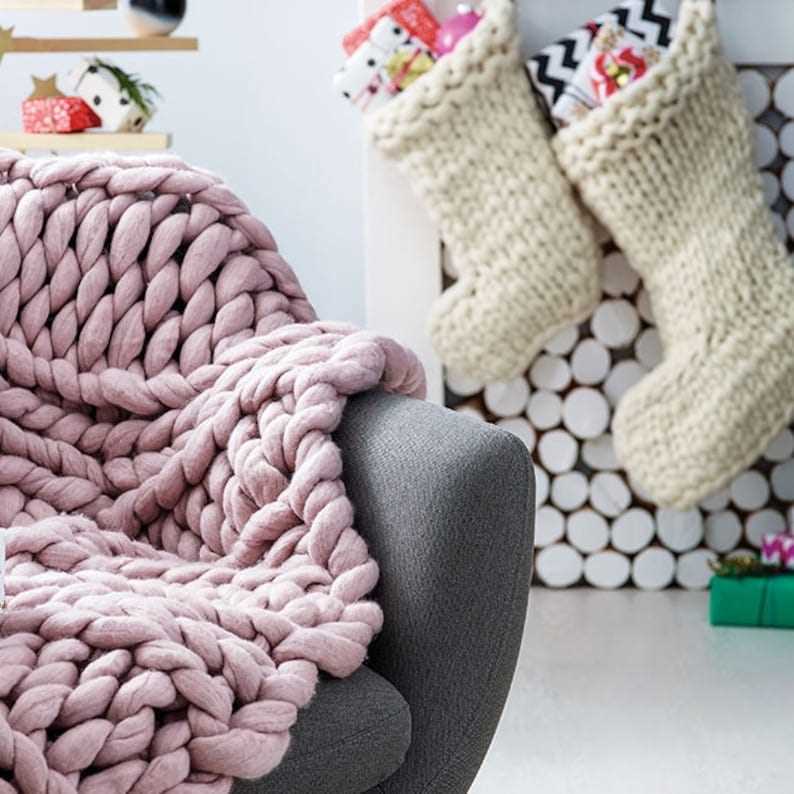
Jumbo yarn is a fun and versatile material to work with when creating knit blankets and other cozy accessories. Its thick and chunky texture adds a unique touch to any project, making it a popular choice for both beginners and experienced knitters.
When working with jumbo yarn, it’s important to choose the right knitting pattern that will showcase its beauty and thickness. One popular option is the jumbo yarn blanket knitting pattern, which allows you to create a stylish and warm blanket in no time.
The jumbo yarn blanket knitting pattern typically involves using larger needles to accommodate the thickness of the yarn. This creates a looser and more open-knit fabric, resulting in a fluffy and cozy blanket. The size of the needles will depend on the specific yarn and desired outcome, so it’s important to check the recommended needle size for your chosen yarn brand.
There are various stitch patterns and designs that can be used with jumbo yarn to create different effects. For a simple and classic look, the garter stitch is often used, which involves knitting every row. This stitch pattern is ideal for beginners and showcases the texture of the jumbo yarn beautifully.
If you’re looking to add more texture and visual interest to your jumbo yarn project, you can experiment with different stitch patterns such as ribbing, cables, or seed stitch. These patterns can create a more intricate and detailed design, adding depth and dimension to your finished piece.
Ending and securing your jumbo yarn blanket
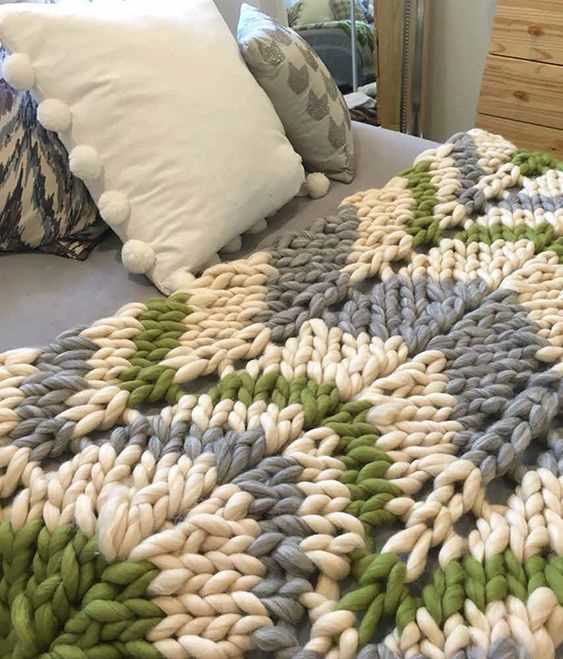
Once you have finished knitting your jumbo yarn blanket, it’s important to properly end and secure your stitches to ensure that your blanket doesn’t unravel or come apart. Here are some steps you can follow to do this:
- Weaving in the ends: First, you’ll want to weave in any loose ends of yarn that may be sticking out from your blanket. Take a tapestry needle and thread it with the loose end of yarn. Insert the needle under several stitches, following the same direction as the knitting. Repeat this process multiple times to securely weave in the ends.
- Securing the last stitch: To secure the last stitch of your blanket, cut the yarn, leaving a long tail. Thread the tail through the loops of the last stitch, pulling it tight to secure it. You can also use a large needle to weave the tail through the last row of stitches to ensure it won’t come undone.
- Blocking the blanket: Blocking is an optional step, but it can help to even out your stitches and give the blanket a more polished look. To block your jumbo yarn blanket, wet it with water, gently squeeze out the excess, and lay it flat to dry. You can use blocking pins or weights to help shape the blanket and keep it in place while it dries.
- Finishing touches: Once your blanket is dry and the stitches are secured, you can trim any excess yarn that may be sticking out to give your blanket a clean and neat appearance. Be careful not to cut any of the knitted stitches in the process.
By following these steps, you can ensure that your jumbo yarn blanket is finished off properly and will last for years to come. Now you can enjoy the cozy warmth and luxurious texture of your handmade blanket!
Blocking and Finishing Your Jumbo Yarn Blanket

Once you have finished knitting your jumbo yarn blanket, the next step is to block and finish it. Blocking is an important process that helps to shape and set your blanket, giving it a more polished and professional appearance. Here are some steps to follow:
1. Prepare your blanket
Before you begin blocking, ensure that your blanket is clean and free from any loose fibers or debris. Gently shake or brush off any excess yarn or dirt.
2. Choose a blocking method
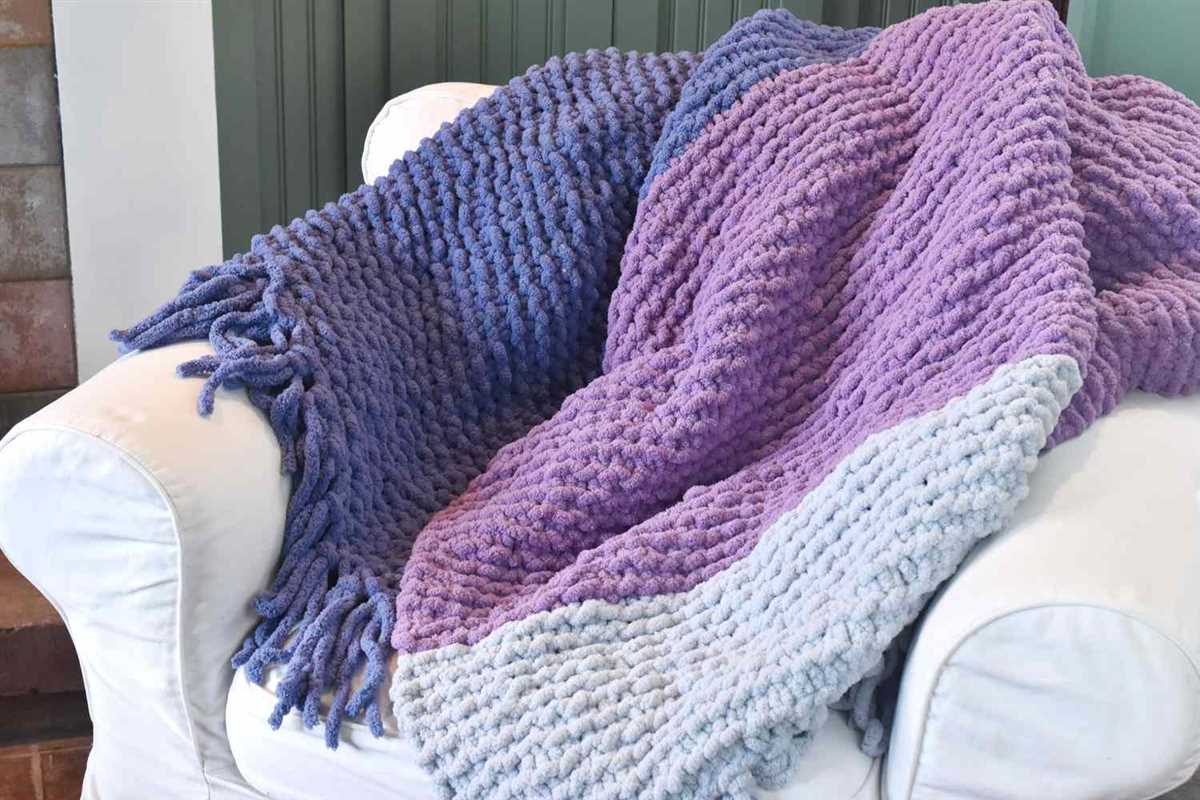
There are several methods you can use to block your jumbo yarn blanket, including wet blocking, steam blocking, and spray blocking. Each method has its advantages and disadvantages, so choose the one that works best for you and the type of yarn you used.
3. Wet blocking

If you choose to wet block your blanket, fill a basin or bathtub with lukewarm water and a gentle detergent. Submerge your blanket and gently press it down to saturate it fully. Let it soak for about 15-20 minutes. Carefully lift the blanket out of the water, supporting it from underneath, and gently squeeze out the excess water.
Next, lay the blanket flat on a clean, dry surface, such as a towel or blocking board. Gently shape and stretch the edges of the blanket to the desired dimensions, using blocking pins or knitting needles to hold it in place. Leave it to dry completely.
4. Steam blocking
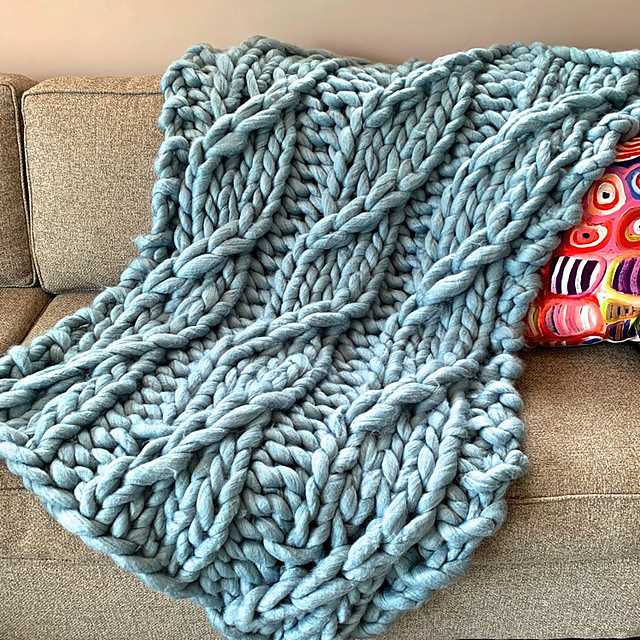
If you prefer to steam block your blanket, you will need a handheld steamer or an iron with a steam setting. Place your blanket on a flat surface and hold the steamer or iron a few inches above it. Steam the blanket, moving the steamer or iron evenly across the surface, until the fibers are slightly damp. Gently stretch the edges of the blanket to the desired dimensions and let it dry completely.
5. Spray blocking
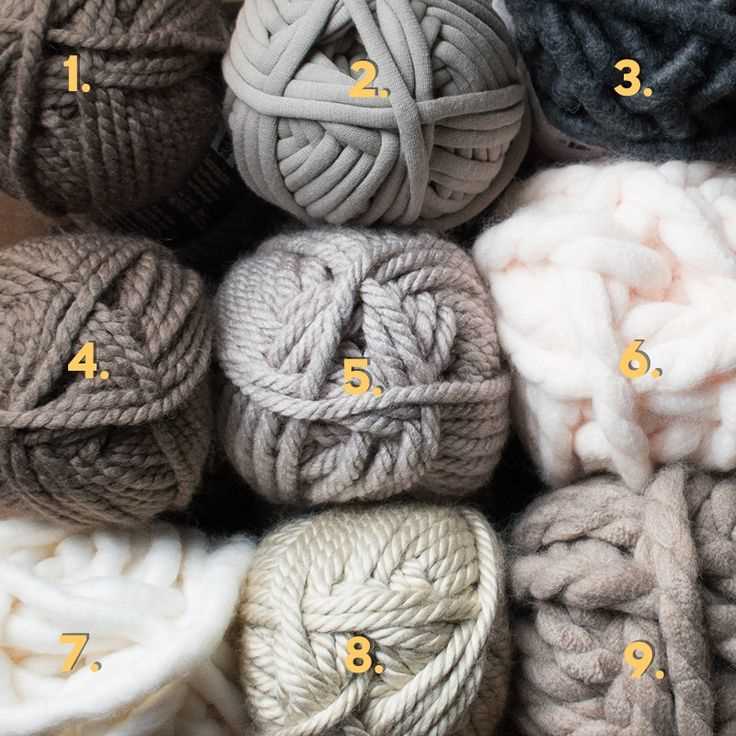
For spray blocking, you will need a spray bottle filled with lukewarm water. Mist the blanket evenly, taking care not to oversaturate it. Gently stretch the edges to the desired dimensions and let it dry completely.
6. Finishing touches
Once your blanket is dry, remove the blocking pins or needles, and give it a final inspection to ensure that it is properly shaped and finished. Trim any loose yarn ends or stray fibers.
Your jumbo yarn blanket is now ready to be displayed or used. Enjoy the cozy warmth and beauty of your handmade creation!
Tips and Tricks for Knitting a Jumbo Yarn Blanket
Knitting a jumbo yarn blanket can be a fun and rewarding project, but it also requires some special considerations. Here are some tips and tricks to help you successfully knit your own jumbo yarn blanket:
1. Choose the right needles:

When working with jumbo yarn, it’s important to use the right size needles. Look for extra-large needles, such as size 50 (25mm) or larger, to accommodate the thickness of the yarn. Using smaller needles can make it difficult to knit and create a tight, even stitch.
2. Practice your tension:
Due to the bulkiness of the yarn, it can be challenging to maintain consistent tension while knitting a jumbo yarn blanket. It’s important to practice your tension before starting your project to ensure that your stitches are even and not too loose or too tight. You may need to adjust the way you hold the yarn and the needles to achieve the desired tension.
3. Use a sturdy yarn:
Since jumbo yarn blankets are often used for decorative or cozy purposes, it’s essential to choose a yarn that is durable and will hold up over time. Opt for a yarn that is made from a strong fiber, such as wool or acrylic, to ensure that your blanket will last. Avoid delicate or fragile yarns, as they may not be able to withstand the weight of the jumbo yarn.
4. Prepare for a longer knitting time:

Knitting a jumbo yarn blanket takes more time and effort compared to knitting with thinner yarns. The larger stitches and bulkiness of the yarn require more yarn and more time to complete each row. Be prepared for a longer knitting time and set aside dedicated knitting sessions to work on your blanket.
5. Consider the size and weight:
Before beginning your jumbo yarn blanket, consider the size and weight you want the finished product to be. Keep in mind that the larger the blanket, the more jumbo yarn you will need. Also, take into consideration that the finished blanket will be heavy, so make sure you use a sturdy yarn and consider the weight if you plan to move or transport the blanket.
By following these tips and tricks, you’ll be well-equipped to tackle the project of knitting your own jumbo yarn blanket. Get ready to cozy up under your beautifully crafted creation!
Popular patterns for jumbo yarn blankets
Looking to create a cozy and stylish jumbo yarn blanket? Here are some popular patterns to help you get started:
1. The Chunky Herringbone Blanket

This pattern creates a beautiful herringbone pattern using thick jumbo yarn. It is a great option for those who want a classic and elegant look for their blanket.
2. The Knit Basketweave Blanket

This pattern features a basketweave design that adds texture and interest to your jumbo yarn blanket. The chunky yarn gives it a cozy and warm feel, making it perfect for snuggling up on cold winter nights.
3. The Cable Knit Blanket
This pattern is a classic choice for jumbo yarn blankets. The intricate cable knit design adds a touch of sophistication and charm to your blanket. It is a more advanced pattern, but the end result is definitely worth the effort.
4. The Garter Stitch Blanket
If you’re a beginner or prefer a simpler design, the garter stitch blanket is a great option. The garter stitch creates a squishy and textured look, and the jumbo yarn makes it extra cozy and soft.
5. The Granny Square Blanket
For a fun and vibrant jumbo yarn blanket, try the granny square pattern. This pattern involves creating multiple small squares and then joining them together. It’s a great way to experiment with different colors and create a unique and personalized blanket.
Whether you choose a classic cable knit design or opt for a more modern and unique pattern, jumbo yarn blankets are a great way to add warmth and style to your home. Get creative and have fun knitting your own cozy masterpiece!
Q&A:
What is jumbo yarn?
Jumbo yarn is a type of yarn that is extremely thick and chunky. It is often used to create cozy and warm blankets.
What size needles should I use for jumbo yarn?
For jumbo yarn, it is recommended to use larger sized needles, such as size 25mm or larger. However, the exact needle size may vary depending on the yarn and the desired finished project.
Can I use jumbo yarn to make a blanket?
Yes, jumbo yarn is perfect for making blankets. Its thick and chunky texture creates a cozy and warm blanket that is perfect for snuggling up in.
What is a good knitting pattern for a jumbo yarn blanket?
There are many knitting patterns available for jumbo yarn blankets. Some popular patterns include the seed stitch pattern, the garter stitch pattern, and the cable stitch pattern. You can find free patterns online or purchase patterns from various knitting websites and stores.