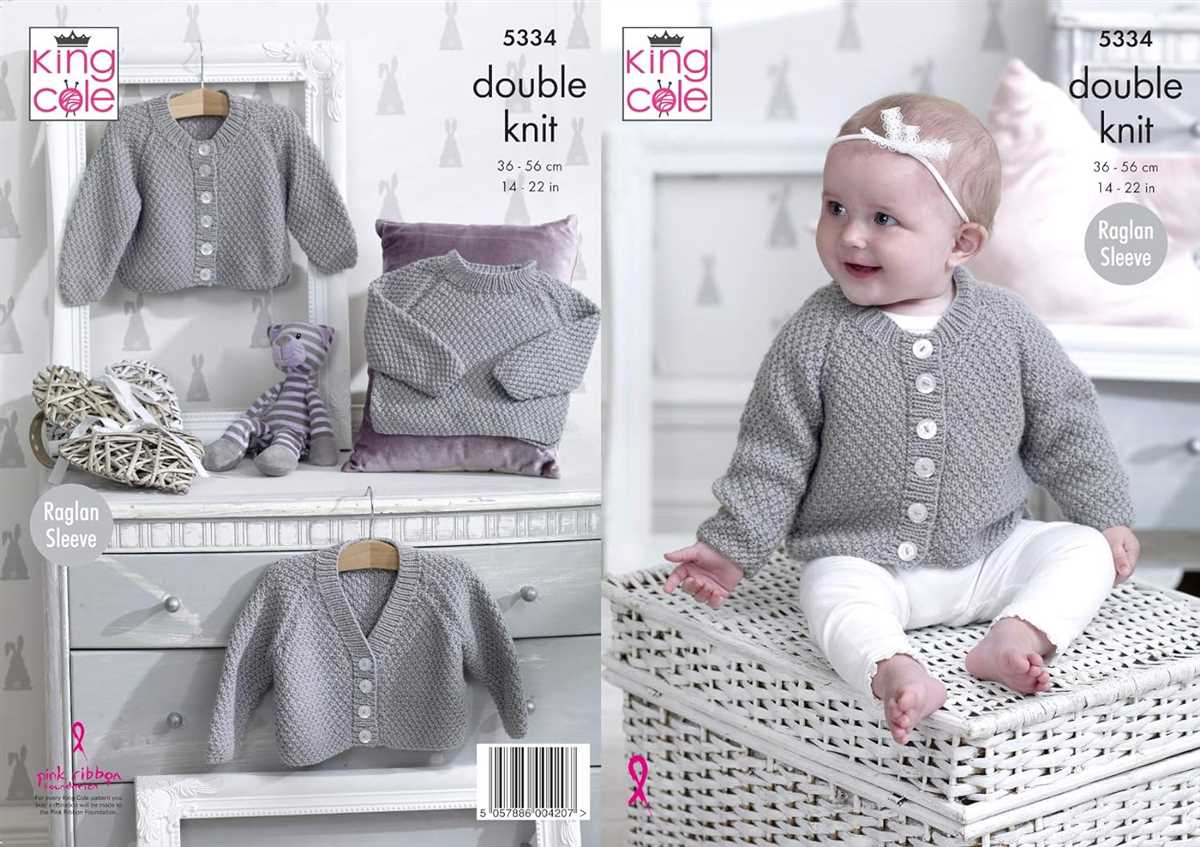
If you’re looking for the perfect knitting project for a baby shower or to spoil your little one, why not try your hand at knitting a baby cardigan? A baby cardigan is not only adorable but also practical, keeping your baby warm and cozy during the cooler months.
This knitting pattern will guide you through creating a beautiful and functional baby cardigan. Whether you’re an experienced knitter or just starting out, this pattern is suitable for all skill levels. With its simple instructions and clear diagrams, you’ll be able to create a precious garment that will be treasured for years to come.
The pattern includes various sizes, from newborn to toddler, allowing you to make a cardigan that fits perfectly. You can also customize the design by choosing your favorite yarn color and adding cute embellishments, such as buttons or ribbon bows. This cardigan is not only practical but also stylish, making it a versatile addition to your baby’s wardrobe.
How to Knit a Baby Cardigan: Step-by-Step Guide
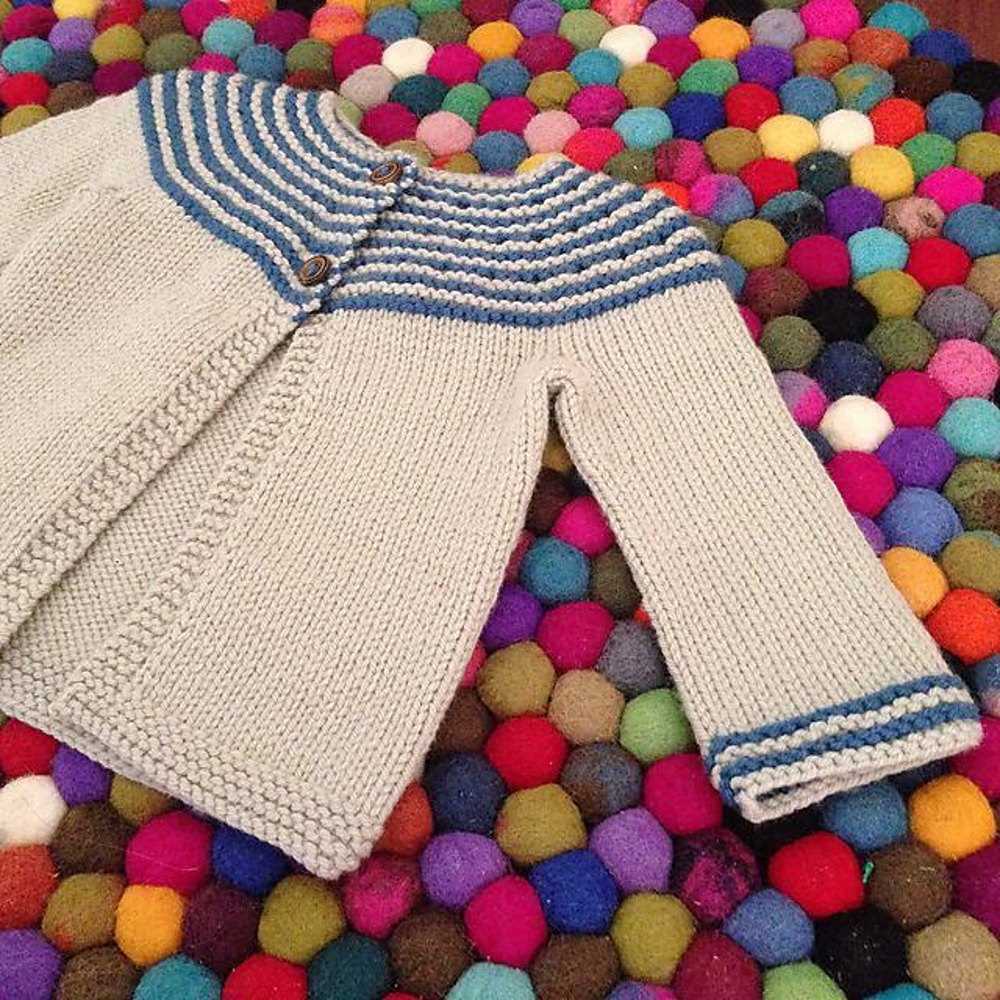
Knitting a baby cardigan can be a rewarding and enjoyable project, whether you are a beginner or an experienced knitter. With the right pattern and materials, you can create a beautiful and cozy cardigan for your little one. Here is a step-by-step guide to help you get started.
Step 1: Gather Your Materials

Before you begin knitting, gather all the materials you will need. This includes a suitable yarn for a baby cardigan, knitting needles in the correct size, stitch markers, a tape measure, and a pair of scissors. Make sure to choose a soft and comfortable yarn that is suitable for babies.
Step 2: Choose a Pattern
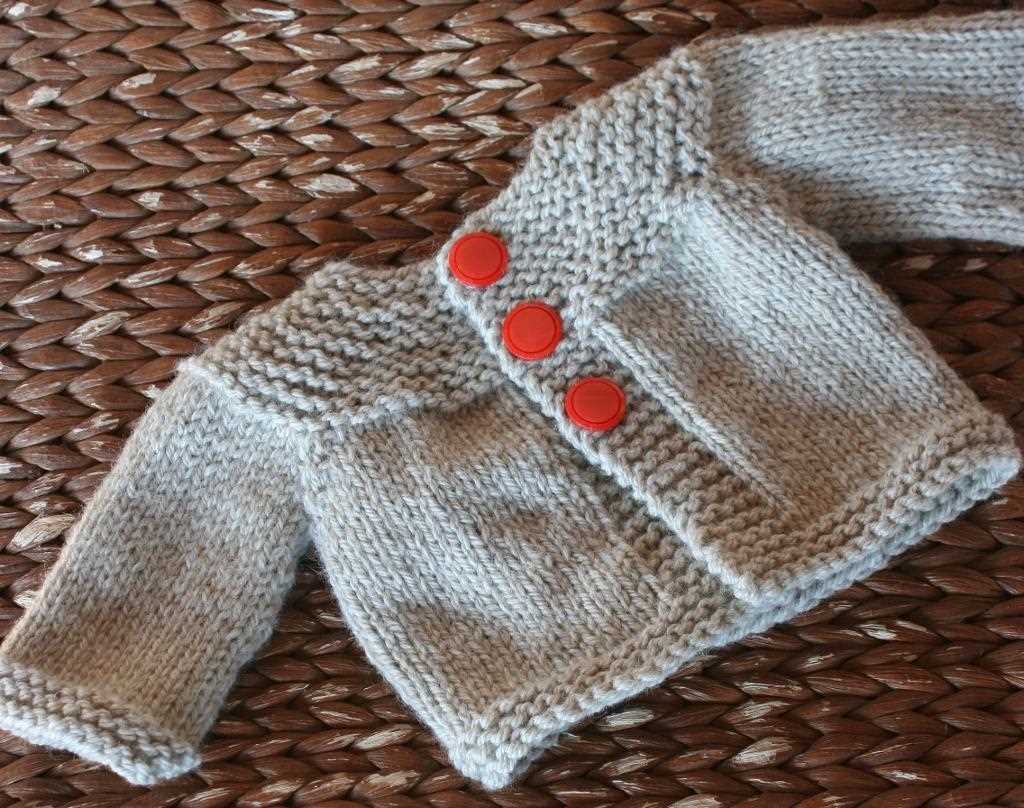
Next, choose a baby cardigan pattern that suits your skill level and desired style. There are many free patterns available online, or you can purchase a pattern from a knitting store. Read through the pattern carefully to understand the instructions and ensure you have all the necessary skills.
Step 3: Gauge Swatch
Before you start knitting the cardigan, it is important to create a gauge swatch. This will help you determine if your tension and stitch size match the pattern requirements. Follow the gauge instructions in the pattern and use the recommended needle size to create a swatch. Measure the swatch to ensure the correct gauge, and make adjustments if necessary.
Step 4: Cast On and Knit
Once you have your materials and gauge swatch ready, it’s time to cast on and start knitting the cardigan. Follow the pattern instructions for the cast-on method and the first rows. Pay attention to any stitch or color changes, and use stitch markers if needed to keep track of different sections or increases and decreases.
Step 5: Continue Knitting
Continue knitting the body and sleeves of the cardigan according to the pattern instructions. Take your time to ensure the correct stitch count and maintain an even tension throughout. If you come across any unfamiliar stitches or techniques, refer to knitting resources or tutorials for guidance.
Step 6: Finishing Touches
Once you have completed all the necessary rows and sections, it’s time to finish the cardigan. Follow the pattern instructions for any finishing touches, such as adding buttons, making buttonholes, or sewing up seams. Take your time to neatly weave in any loose ends and give the cardigan a final block or steam if necessary.
With these step-by-step instructions, you will be able to knit a beautiful baby cardigan for your little one. Enjoy the process of creating something handmade with love, and soon your baby will have a cozy and stylish cardigan to wear.
Choosing the Right Yarn for Your Baby Cardigan
When it comes to knitting a baby cardigan, choosing the right yarn is crucial. The yarn you select will not only affect the look and feel of the finished garment but also its functionality and comfort for the baby. Here are some factors to consider when choosing the yarn for your baby cardigan.
1. Softness
Babies have delicate and sensitive skin, so it’s important to choose a yarn that is soft and gentle. Look for yarns made from natural fibers like cotton, bamboo, or merino wool, as they tend to be softer and less likely to irritate the baby’s skin. Avoid yarns with rough textures or synthetic fibers, as they can cause discomfort and skin irritation.
2. Breathability
Babies can easily overheat, so it’s important to choose a yarn that is breathable and allows air circulation. Natural fibers like cotton and bamboo are excellent choices as they have good moisture-wicking properties and keep the baby cool and comfortable. Avoid heavy or bulky yarns that can trap heat and make the baby feel sweaty.
3. Durability
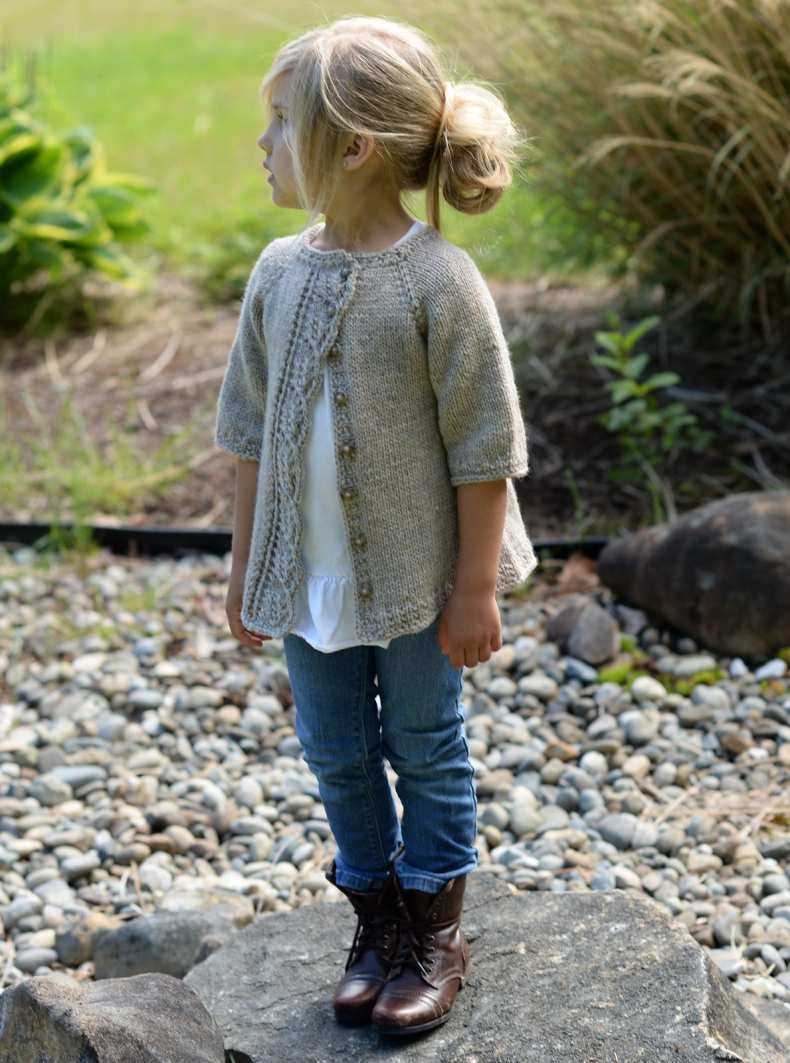
Babies are known for their messy tendencies, so it’s important to choose a yarn that can withstand frequent washing and wear. Look for yarns that are machine washable and can handle gentle cycles. Additionally, consider yarns with good stitch definition, as they tend to hold up better over time without losing their shape.
4. Safety
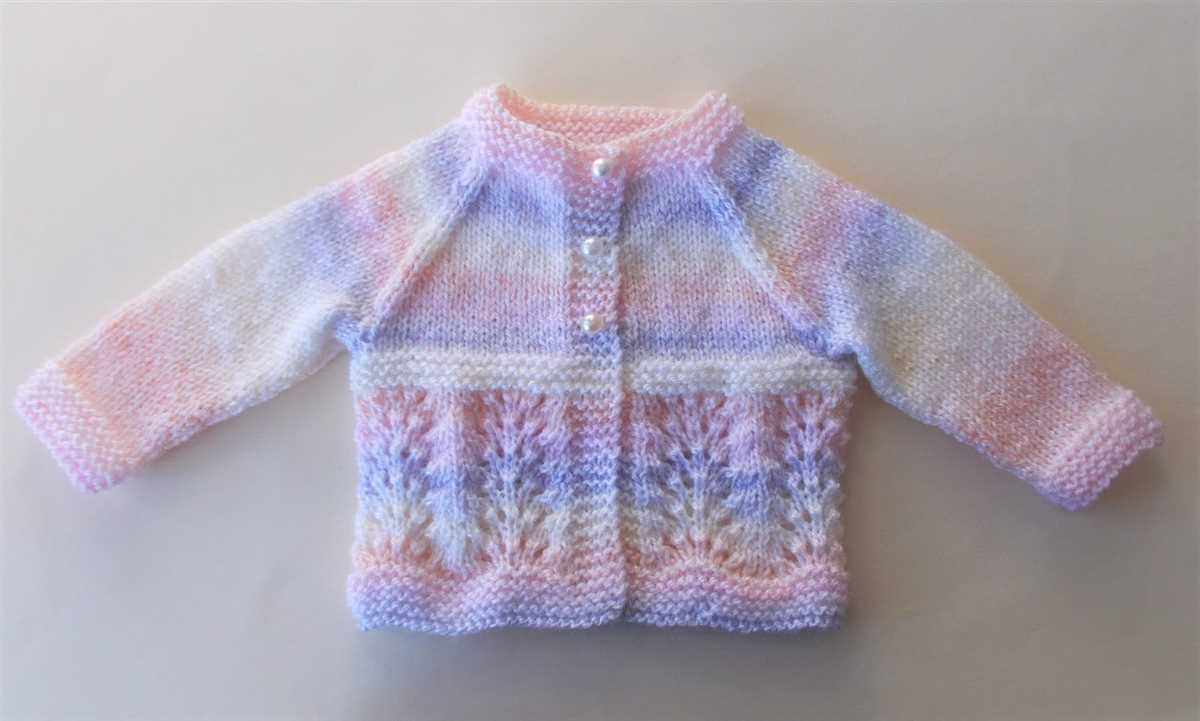
When knitting for babies, safety should be a top priority. Avoid yarns with loose fibers or small parts that can be a choking hazard. Opt for yarns that are tightly spun and securely plied to minimize the risk of fraying or unraveling. Also, ensure that the yarn you choose is free from harmful chemicals or dyes that can potentially irritate the baby’s skin or be harmful if ingested.
5. Color and Design
Lastly, consider the color and design of the yarn to ensure that it complements the style of the baby cardigan. Choose yarns in soft, pastel colors for a classic and timeless look, or opt for bold and vibrant colors for a more modern and playful design. Additionally, consider yarns with variegated or self-striping patterns to add visual interest to the cardigan without the need for complicated colorwork.
By considering these factors, you can choose the right yarn for your baby cardigan that is not only beautiful but also safe and comfortable for the baby to wear.
Gathering the Necessary Knitting Tools
Knitting a baby cardigan is a rewarding project that requires some essential knitting tools. Whether you are a beginner or an experienced knitter, having the right tools is crucial for achieving the desired outcome. Here are some key items you will need:
1. Knitting Needles:
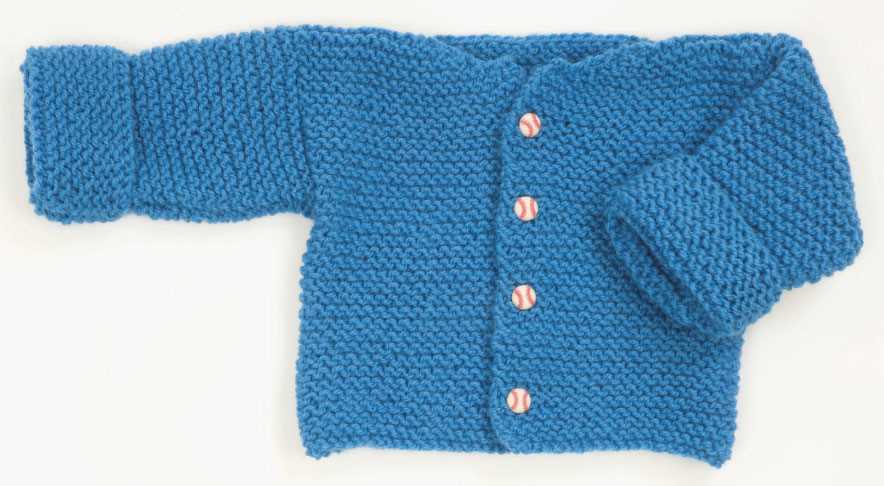
Choose the correct size of knitting needles based on the yarn weight and desired gauge. Generally, for a baby cardigan, you will need needles in sizes US 5-7 (3.75-4.5mm) for the body and sleeves, and smaller needles (US 3-4 / 3.25-3.5mm) for the ribbing.
2. Yarn:
Opt for a soft, baby-friendly yarn that is easy to care for. Choose a yarn weight that matches your pattern’s requirements and consider the season and climate when selecting the fiber content. Popular yarn choices for baby cardigans include acrylic blends, cotton, and merino wool.
3. Stitch Markers:
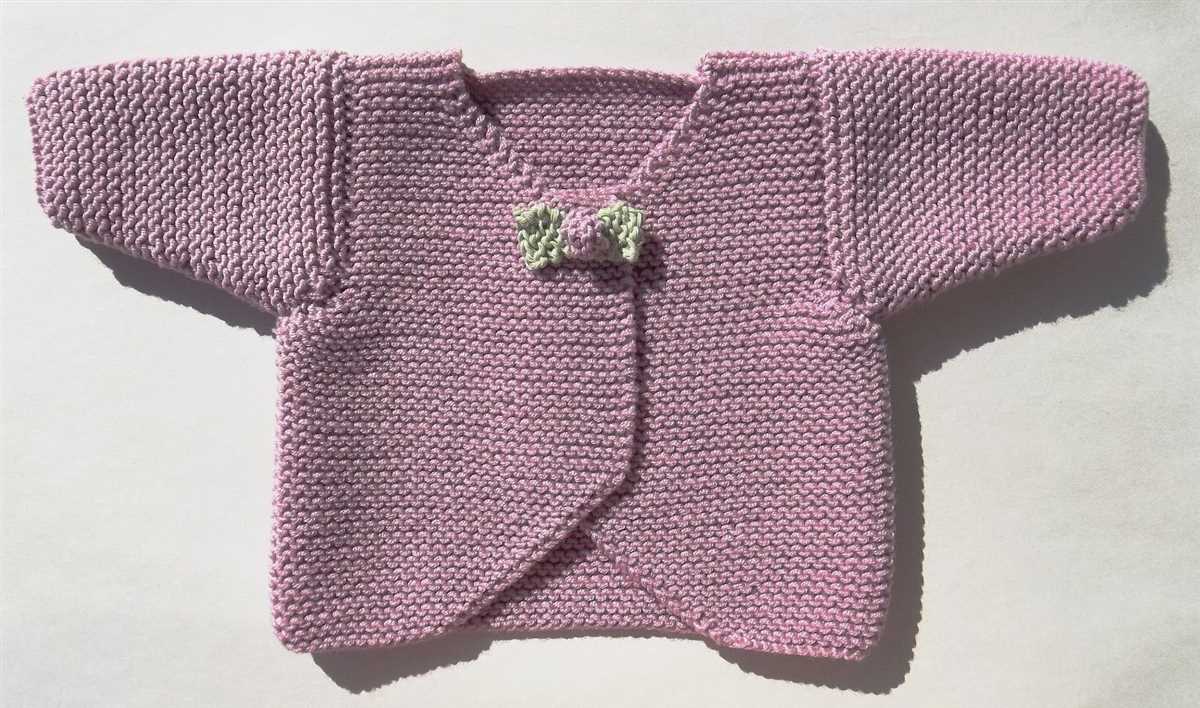
Stitch markers are essential for keeping track of stitch counts and pattern repeats. They come in various types, including ring markers, locking markers, and split-ring markers. Whichever type you choose, make sure they are easily removable and won’t snag your yarn.
4. Tapestry Needles:
Tapestry needles, also known as yarn needles, are essential for weaving in ends and seaming your knitted pieces together. Look for blunt-tipped needles with large eyes to make threading yarn easier. It’s helpful to have a few different sizes on hand for different yarn thicknesses.
5. Measuring Tape:
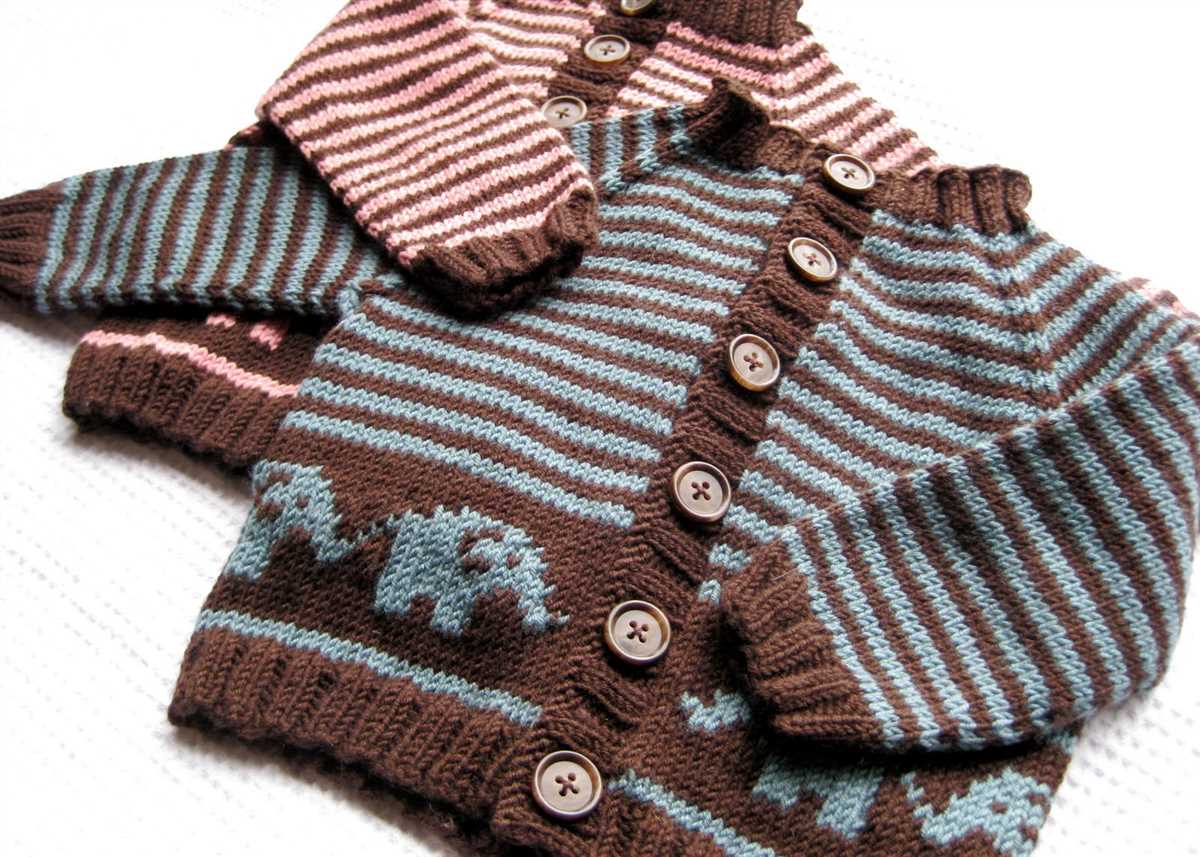
A flexible measuring tape is necessary for checking gauge and taking measurements. Accurate measurements are vital for achieving the correct fit and size of the baby cardigan. Look for a tape that is at least 60 inches (150 cm) long for versatility.
These are just a few of the essential knitting tools you will need to knit a baby cardigan. Don’t forget to also have a pair of sharp scissors, stitch holders or scrap yarn, and a row counter handy. With the right tools and materials, you will be well-equipped to create a beautiful and cozy cardigan for the little one in your life.
Understanding Basic Knitting Stitches
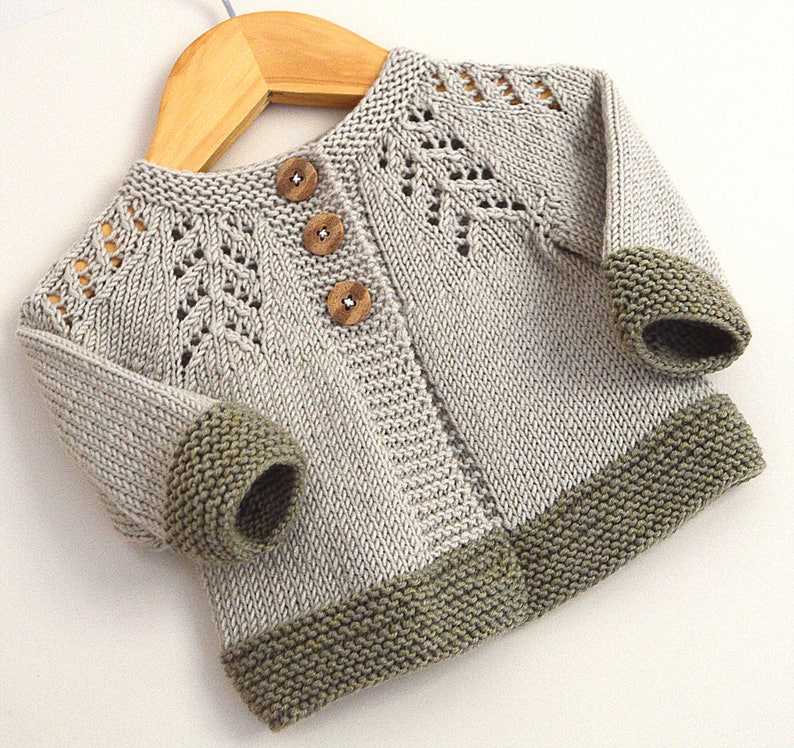
Knitting is a craft that uses two or more needles to create fabric by interlocking loops of yarn. It is a popular hobby and can be a creative and relaxing activity. To begin learning to knit, it is important to understand some basic stitches that are commonly used.
1. Knit Stitch
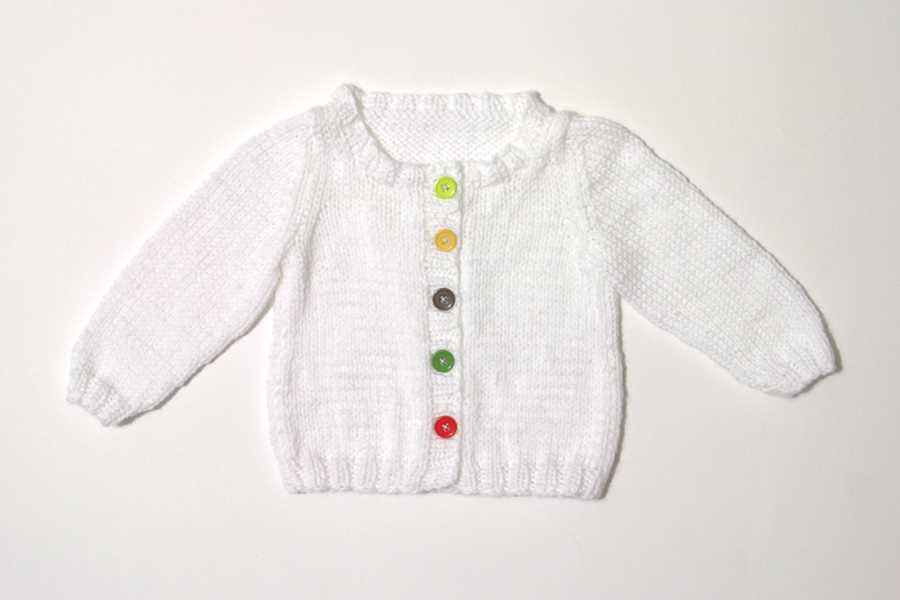
The knit stitch is the most basic and essential stitch in knitting. It is often abbreviated as “K” in knitting patterns. To knit, you insert the right-hand needle into the front of the loop on the left-hand needle. Then, wrap the yarn around the right-hand needle counterclockwise and pull it through the loop, slipping the original stitch off the left-hand needle. This creates a new stitch on the right-hand needle. Repeat these steps to knit each stitch.
2. Purl Stitch
The purl stitch is another fundamental stitch in knitting. It is often written as “P” in knitting patterns. To purl, you insert the right-hand needle from right to left into the front of the loop on the left-hand needle. Then, wrap the yarn around the right-hand needle clockwise and pull it through the loop, slipping the original stitch off the left-hand needle. This creates a new stitch on the right-hand needle. Repeat these steps to purl each stitch.
3. Stockinette Stitch
The stockinette stitch is a classic pattern created by alternating rows of knit and purl stitches. When worked flat, you knit one row and purl the next row. This creates a smooth and flat fabric with a distinct right side (knit stitches) and wrong side (purl stitches). The stockinette stitch is commonly used in various knitting projects, including sweaters, scarves, and baby cardigans.
4. Garter Stitch
The garter stitch is another basic stitch pattern that is created by knitting every row, both right side and wrong side. It produces a fabric with ridges on both sides and is reversible. The garter stitch is often used for projects like blankets, scarves, and dishcloths.
By learning and practicing these basic knitting stitches, you will be well on your way to creating beautiful and intricate knitting projects. Don’t be afraid to experiment and try new patterns and techniques to expand your knitting skills!
Selecting a Baby Cardigan Pattern
When it comes to knitting a baby cardigan, selecting the right pattern is crucial. The pattern you choose will determine the style, size, and level of difficulty of the cardigan. Here are some factors to consider when selecting a baby cardigan pattern:
1. Size and Fit:
Before starting your knitting project, it’s important to determine the size and fit you want for the baby cardigan. Some patterns provide multiple sizing options, while others may only have one standard size. Make sure to check the measurements and choose a pattern that matches the desired size and fit for the baby.
2. Style and Design:
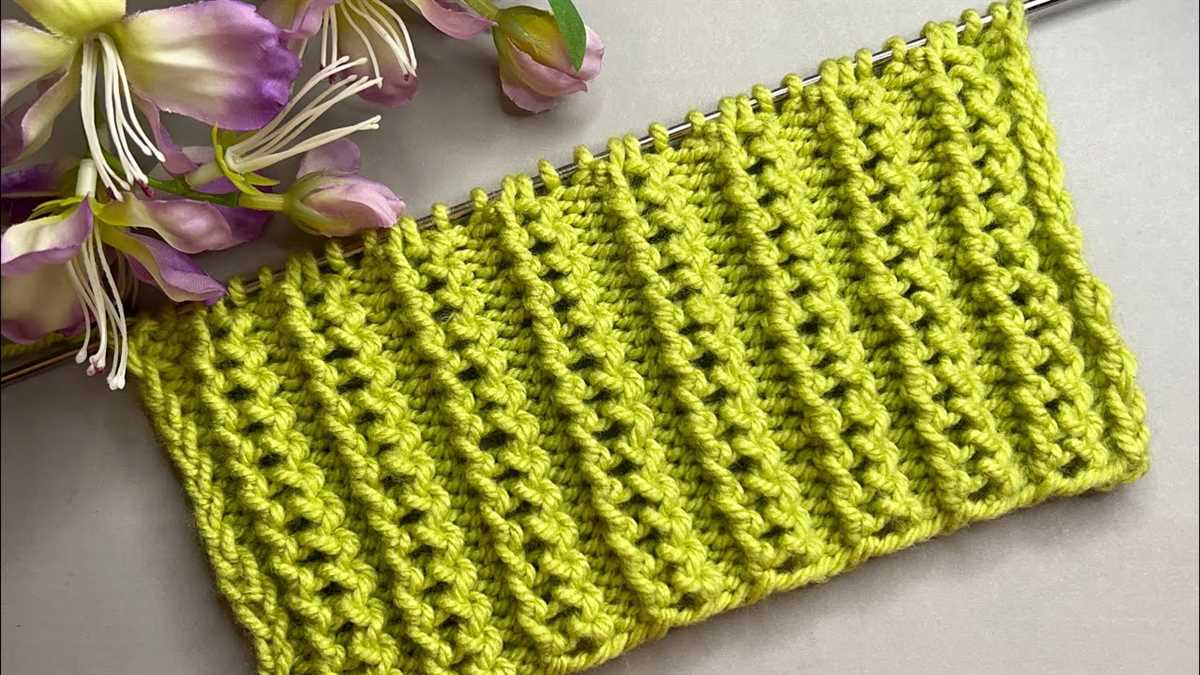
Baby cardigan patterns come in various styles and designs. From classic and traditional designs to more modern and trendy styles, you have a wide range of options to choose from. Consider the aesthetic you want for the cardigan and select a pattern that aligns with your preferences.
3. Knitting Level:
Consider your knitting skills and experience when selecting a baby cardigan pattern. Some patterns are more suitable for beginners, while others may require advanced knitting techniques. Make sure to choose a pattern that matches your skill level to ensure a successful knitting experience.
4. Yarn and Needle Requirements:
Check the yarn weight and needle size recommended in the pattern. Different patterns may require different types and weights of yarn, as well as different needle sizes. Ensure that you have the necessary materials and tools to complete the project before getting started.
5. Reviews and Recommendations:
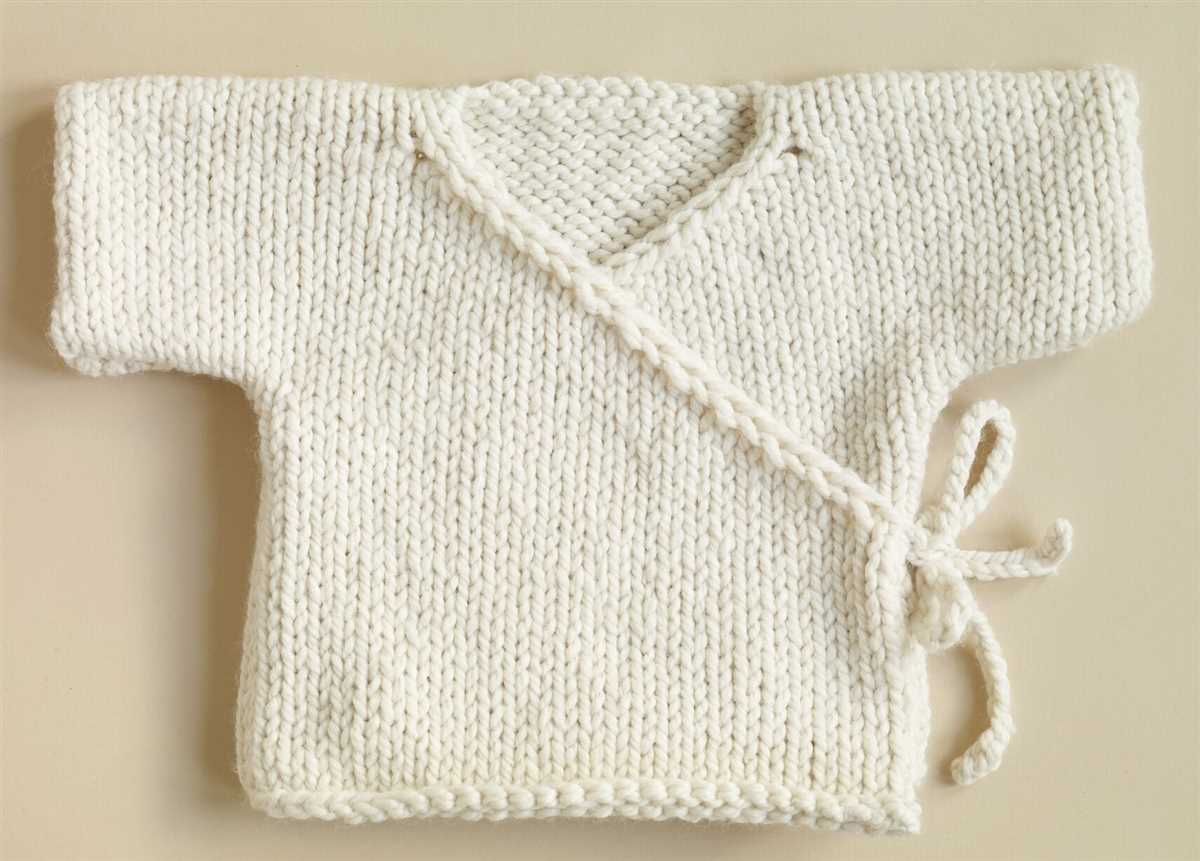
Before settling on a specific baby cardigan pattern, it can be helpful to read reviews and recommendations from other knitters. Look for patterns that have positive feedback and recommendations, as this can give you confidence in the pattern’s clarity and ease of use.
Overall, selecting a baby cardigan pattern requires careful consideration of factors such as size, style, knitting level, yarn requirements, and reviews. By taking the time to choose the right pattern, you can ensure a successful and enjoyable knitting experience, resulting in a beautiful cardigan for the little one.
Reading and Interpreting Knitting Patterns
Reading and interpreting knitting patterns is an essential skill for any knitter. Knitting patterns are like a roadmap that guides you through the construction of a knitted garment or accessory. They provide you with all the information you need to create a specific item, including the type and quantity of yarn required, the needles and gauge to use, and the step-by-step instructions for each stitch and technique.
When reading a knitting pattern, it is crucial to pay attention to the details. Start by identifying the key components of the pattern, such as the size and measurements, the materials needed, and any special stitches or techniques used. Look for any abbreviations or symbols that may be used throughout the pattern and familiarize yourself with their meanings.
Understanding Gauge
Gauge is one of the most important aspects of a knitting pattern. It refers to the number of stitches and rows per inch that you need to achieve in order for the finished item to be the correct size. Always make a gauge swatch before starting a project to ensure that your tension matches the pattern. If your gauge is too tight, use a larger needle size, and if it is too loose, use a smaller needle size.
Following the Instructions
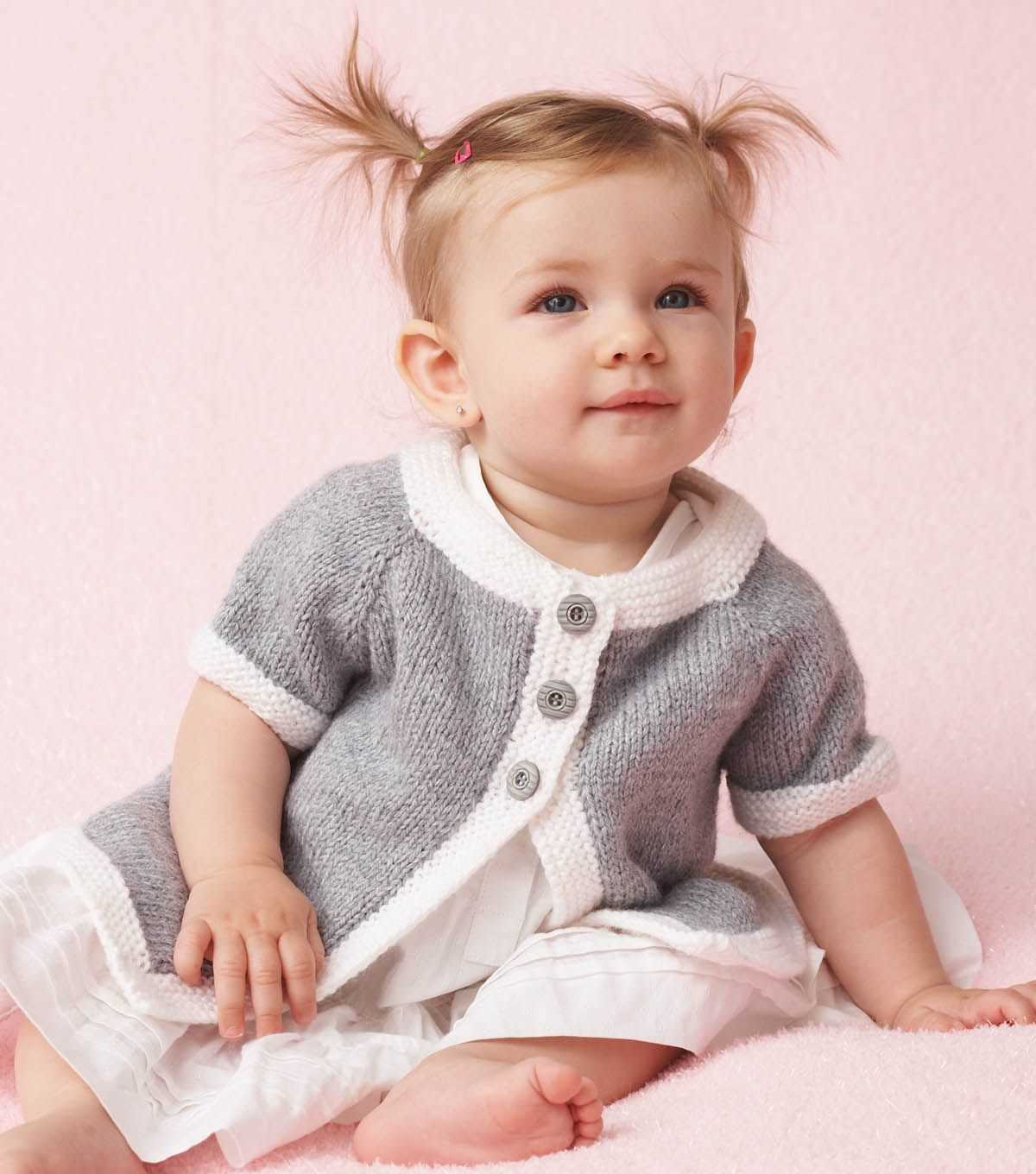
Once you have a clear understanding of the pattern and have checked your gauge, you can start following the instructions. Read each step carefully and make sure you understand what is being asked of you. Take your time and work at your own pace, especially when it comes to more complex stitches or techniques. If you come across any terms or techniques that you are unfamiliar with, consult knitting resources or tutorials for assistance.
Remember, knitting patterns are meant to be a helpful guide, but they can also be open to interpretation and customization. Feel free to make adjustments or add your own personal touches to the pattern if desired. By mastering the skill of reading and interpreting knitting patterns, you can unlock a world of endless knitting possibilities. Happy knitting!
Casting On Stitches for the Baby Cardigan
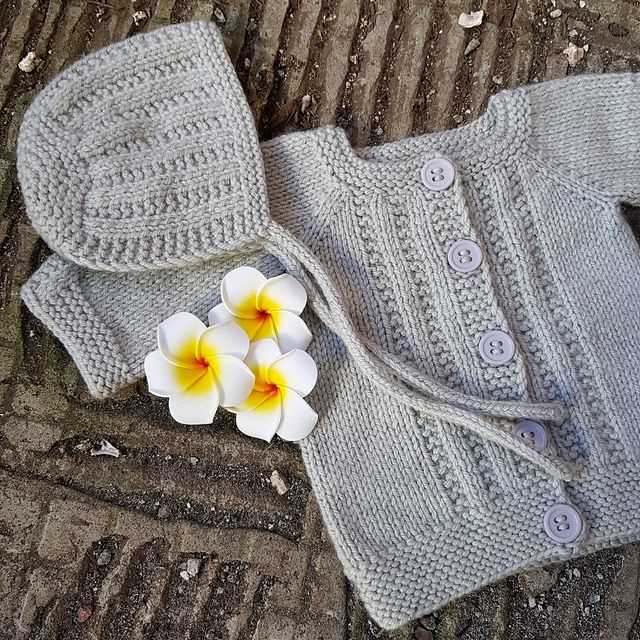
Before you can start knitting the baby cardigan, you need to cast on the required number of stitches. Casting on is the process of creating a foundation row of stitches on the knitting needle. It’s important to cast on the correct number of stitches to ensure the proper fit of the cardigan.
To cast on stitches for the baby cardigan, you can use the long-tail cast on method or any other cast on method you prefer. The long-tail cast on is commonly used and creates a neat and flexible edge. To do the long-tail cast on, you’ll need a length of yarn about four times the width of the cardigan.
Step 1: Make a slip knot by folding the yarn in half and forming a loop. Insert the end of the yarn through the loop and pull it tight.
Step 2: Hold the slip knot with your thumb and forefinger, leaving a long tail of yarn. Insert the knitting needle into the loop from bottom to top, making sure the tail is at the back.
Step 3: Using your thumb and forefinger, wrap the working yarn (the yarn attached to the ball) around the tip of the needle and bring it under the yarn tail, creating a new loop on the needle.
Step 4: Continue wrapping the working yarn around the needle from back to front and bringing it under the yarn tail until you have the desired number of stitches. Ensure that each new loop is snug against the previous loop but not too tight.
Step 5: Once you have cast on all the required stitches, carefully pull the tail of the working yarn to tighten the loops on the needle.
- Repeat these steps until you have cast on the required number of stitches for the baby cardigan pattern.
- Double-check your stitch count to ensure accuracy before proceeding with the rest of the pattern.
Remember to take your time and practice if you’re new to casting on stitches. Once you’ve mastered this crucial step, you’ll be ready to begin the main body of the baby cardigan.
Knitting the Body of the Cardigan
After completing the sleeves, it’s time to move on to knitting the body of the cardigan. This is where the main part of the cardigan takes shape and where you can showcase your knitting skills. Start by joining the sleeves with the main body of the cardigan using stitch markers to keep track of the placement.
Next, continue following the pattern instructions to knit the body in the desired stitch pattern. Whether you choose a simple stockinette stitch or a more intricate cable pattern, make sure to keep an eye on your stitch count and gauge to ensure the correct sizing. The length of the body can vary depending on your preference and the size of the cardigan you’re making, so refer to the pattern for guidance.
It’s important to regularly check your work for any mistakes or dropped stitches as you knit the body. Fix any errors immediately to avoid having to go back and unravel your work later on. Take your time and enjoy the process of knitting the body, as this is where the cardigan really starts to take shape.
If the pattern calls for any shaping, such as waist or hip decreases or increases, make sure to follow the instructions carefully to achieve the desired fit. These shaping techniques are often used to create a more tailored look and can make a big difference in the final result.
Once you’ve completed the body of the cardigan, it’s time to move on to the finishing touches, such as knitting the button band and adding any desired embellishments. Follow the pattern instructions for these final steps to ensure a polished and professional-looking cardigan.
In conclusion, knitting the body of the cardigan is an exciting and important step in the process of creating a beautiful garment for your baby. Take your time, follow the pattern instructions, and enjoy the journey of knitting this special piece.
Creating the Sleeves for the Cardigan
When knitting a baby cardigan, one of the key elements to pay attention to is creating the sleeves. The sleeves can be knitted separately and then attached to the body of the cardigan, or they can be knitted directly onto the body. Both methods have their own advantages and can yield beautiful results.
If you prefer to knit the sleeves separately, start by casting on the desired number of stitches for the sleeve. You can use the same yarn and needle size as for the body of the cardigan. Knit in the desired stitch pattern until the sleeve reaches the desired length. You can add any special design elements like ribbing or cables at this stage. Once the sleeve is complete, you can attach it to the body of the cardigan using a simple seaming technique or by picking up stitches along the armhole and joining with the body.
If you choose to knit the sleeves directly onto the body of the cardigan, you can start by casting on the stitches for the body and working the yoke and neckline. When you reach the point where the sleeves should begin, you can place the sleeve stitches on holders or waste yarn while you continue working on the body. Once the body is complete, you can pick up the stitches from the holders or waste yarn and start knitting the sleeves. This method creates a seamless look and eliminates the need for seaming.
Regardless of the method you choose, it’s important to follow the pattern instructions carefully and check your gauge to ensure that the sleeves fit the cardigan properly. Making adjustments for size or length can be done by adding or decreasing stitches in the sleeve sections. Once the sleeves are complete, you can finish off any edges with ribbing or other desired finishing touches. With a bit of patience and creativity, you will have a beautiful and cozy baby cardigan ready to be worn or gifted.
Adding Buttons or Other Closures
If you’ve completed knitting a baby cardigan and are ready to add buttons or other closures, there are a few different options you can choose from. Adding closures to your cardigan not only adds functionality but also adds a finishing touch to your project.
Buttons: Buttons are a classic choice for closures on a baby cardigan. You can choose buttons that match the color or style of your cardigan, or opt for contrasting buttons for a more playful look. When sewing buttons onto your cardigan, make sure to securely attach them by stitching through the buttonholes and reinforcing the stitches on the wrong side of the fabric. This will ensure that the buttons stay in place even with frequent use.
Snaps: Snaps are an easy and convenient closure option for baby cardigans. They come in various sizes and styles, including sew-on or press-on options. Snaps are a great choice if you want to quickly fasten and unfasten the cardigan, making it easy to dress and undress a wriggling baby. To attach snaps, sew them onto the fabric using a strong and matching thread, making sure to reinforce the stitches for durability.
Toggle Buttons: Toggle buttons are a fun and stylish choice for closures on a baby cardigan. They usually consist of a loop and a knob, creating a toggle effect when fastened. Toggle buttons can add a touch of whimsy to your cardigan and are particularly popular for baby and children’s knitwear. When attaching toggle buttons, make sure the loop is securely stitched onto one side of the cardigan, while the knob fits through the loop to fasten the closure.
Ties or Ribbons: For a more adjustable closure option, you can use ties or ribbons on your baby cardigan. This allows you to adjust the fit of the cardigan as your baby grows. Ties or ribbons can be sewn onto the front edges of the cardigan, allowing you to tie the cardigan closed or leave it open as desired. Make sure to securely sew the ends of the ties or ribbons to prevent them from unraveling with use.
Overall, adding buttons or other closures to your baby cardigan is a personal preference. Choose a closure option that matches your style and suits the functionality you desire. Whether you opt for buttons, snaps, toggle buttons, or ties, the added closure will complete your baby cardigan and make it ready to be worn and enjoyed!
Seaming the Cardigan Together
Once you have completed knitting the front and back panels, as well as the sleeves of the baby cardigan, it’s time to seam them together. Seaming is an essential step in the knitting process that involves joining individual pieces of the project to create a cohesive garment.
1. Shoulder Seams: Begin by placing the front and back panels side by side, with their right sides facing up. Use a tapestry needle and yarn to stitch the shoulder seams together, utilizing a mattress stitch or a simple whip stitch. This will create a neat and invisible join.
2. Sleeve Seams: Next, align the sleeves with the armholes of the cardigan. Ensure that the right sides are facing each other. Seam the sleeves to the body of the cardigan in the same manner as the shoulder seams, using your preferred seaming technique.
3. Side Seams: To complete the cardigan, fold it in half with the wrong side out, aligning the bottom edges. Starting from the bottom, use the same seaming technique to sew the side seams together. Be careful to match the stitch pattern and maintain an even tension throughout.
4. Finishing Touches: Once all the seams are complete, turn the cardigan right side out and inspect your work. Make any necessary adjustments or corrections. You can also add any desired embellishments, such as buttons or decorative stitches, to personalize the cardigan.
By following these steps, you can successfully seam the different components of your knit baby cardigan together, resulting in a beautifully finished garment that will keep your little one cozy and stylish.
Blocking and Finishing the Baby Cardigan
Once you have finished knitting the baby cardigan, the next step is to block and finish it. Blocking is an important process in knitting that helps to even out the stitches and give the garment its final shape. It involves reshaping the knitted piece by wetting it and then allowing it to dry in the desired shape. Let’s go through the steps of blocking and finishing the baby cardigan.
The first thing you need to do is to fill a sink or a basin with lukewarm water and add a small amount of wool wash or mild detergent. Gently submerge the knitted baby cardigan in the water, making sure it is fully soaked. Allow it to sit in the water for about 15 minutes to let the fibers relax.
After the soaking time is over, carefully remove the baby cardigan from the water and gently squeeze out the excess water. Avoid wringing or twisting the fabric, as this can damage the fibers. Place the wet cardigan on a clean towel and roll it up to remove more moisture. Then, unroll the towel and lay the cardigan flat on another dry towel, shaping it to the correct measurements. Use a tape measure or a knitting gauge to ensure that the cardigan is the right size.
Once you have shaped the baby cardigan, pin it in place using rust-proof T-pins or blocking wires. Place the pins along the edges and the seams of the cardigan, making sure to keep the stitches aligned and the edges straight. This will help the cardigan to dry in the desired shape. Leave the cardigan to dry completely, which may take a day or two depending on the climate.
After the baby cardigan is completely dry, you can remove the pins and finish the garment. Use a tapestry needle and yarn to sew any loose ends or seams. Make sure to weave in the ends securely to prevent them from unraveling. If desired, you can also add buttons, ribbons, or other embellishments to personalize the baby cardigan.
Blocking and finishing the baby cardigan is an important final step in the knitting process. It helps to give the garment a professional look and ensures that it fits perfectly. So take your time and enjoy the satisfaction of seeing your knitted creation transformed into a beautiful and wearable baby cardigan.
Tips and Tricks for Knitting a Beautiful Baby Cardigan
Knitting a baby cardigan can be a fun and rewarding project. It allows you to showcase your knitting skills while also creating a practical and stylish garment for a little one. Here are some tips and tricks to help you knit a beautiful baby cardigan:
1. Choose the Right Yarn
When selecting yarn for your baby cardigan, it’s important to choose a soft and gentle fiber that will be comfortable against a baby’s delicate skin. Look for yarns labeled as baby-friendly, such as cotton or bamboo blends. These yarns are usually machine washable, which is a practical feature for baby garments.
2. Gauge Matters
Before starting your project, take the time to swatch and check your gauge. This will ensure that your finished cardigan will have the correct measurements and fit. If your gauge is off, adjust your needle size until you achieve the desired gauge.
3. Follow the Pattern
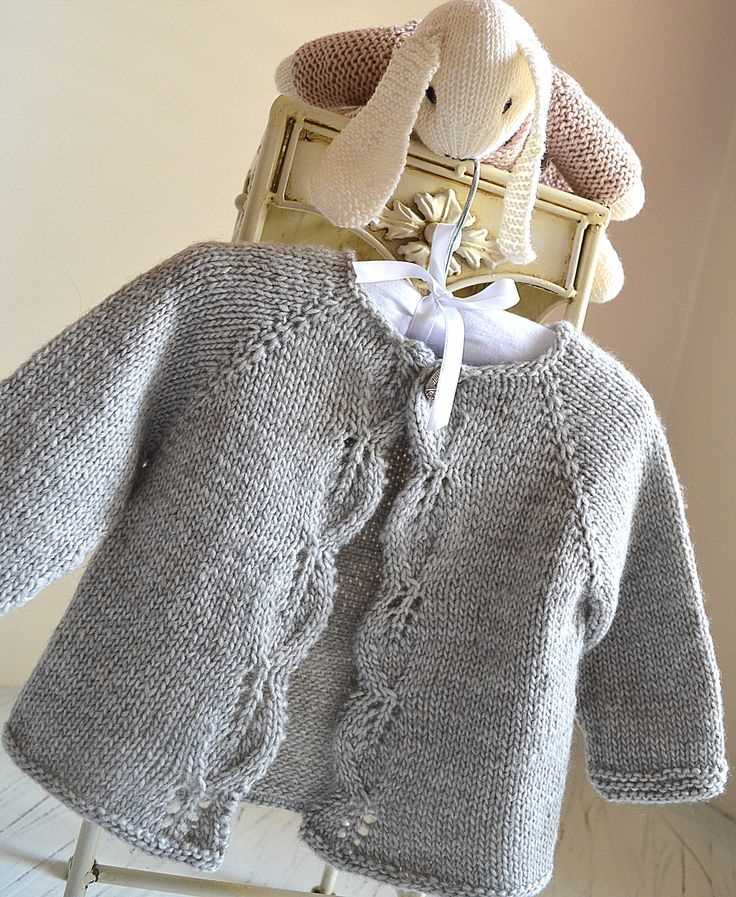
When knitting a baby cardigan, it’s important to carefully read and understand the pattern before starting. Follow the instructions step by step to ensure that you create the desired shape and design. Pay attention to details such as increases, decreases, and stitch counts.
4. Add Personal Touches
While following the pattern is important, don’t be afraid to add your own personal touches to the cardigan. Consider incorporating colorwork, lace, or other decorative elements to make the cardigan unique and special.
5. Finishing Techniques
The finishing touches can make a big difference in the final appearance of your baby cardigan. Take the time to block your finished piece to even out the stitches and give it a polished look. Seam the pieces together neatly and weave in any loose ends for a professional finish.
6. Keep Safety in Mind
When knitting a baby garment, it’s important to prioritize safety. Avoid using buttons or other small embellishments that can be a choking hazard. Opt for safer alternatives, such as snaps or Velcro, or use decorative stitch patterns to create closures.
7. Size Up
Babies grow quickly, so consider knitting the cardigan slightly larger than the baby’s current size. This will allow the cardigan to fit for a longer period of time and give the baby more room to move and grow.
By following these tips and tricks, you can knit a beautiful baby cardigan that is both stylish and comfortable. Enjoy the process and have fun creating a special garment for a little one!